Rainbow - K-ARTIST

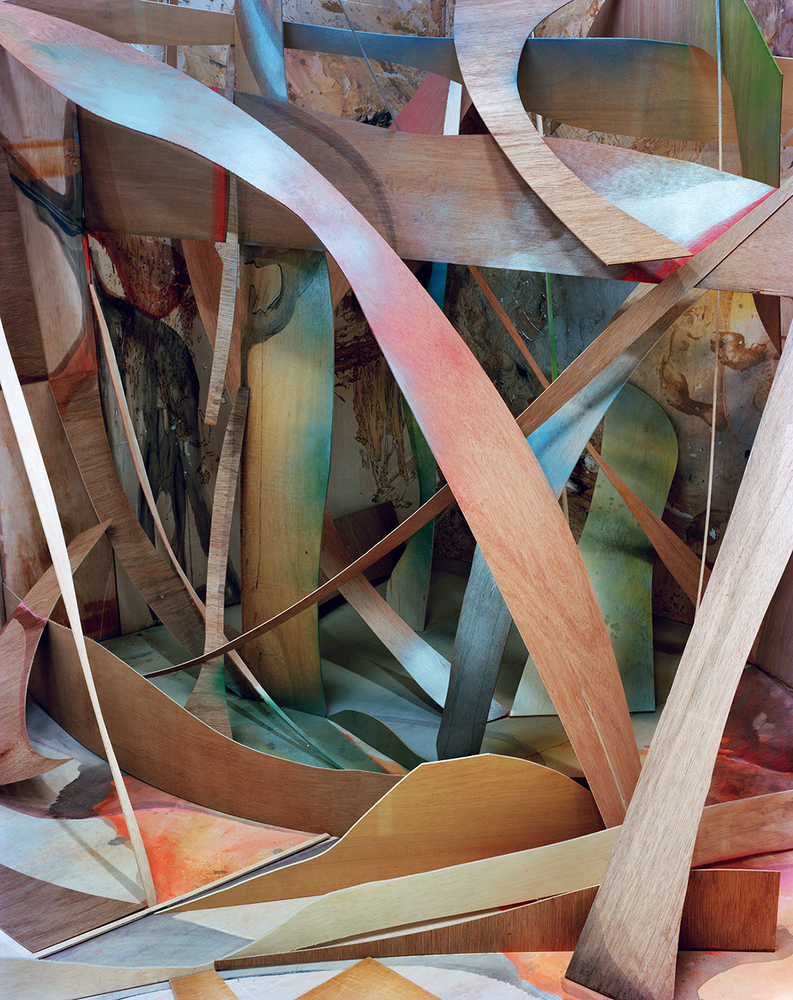
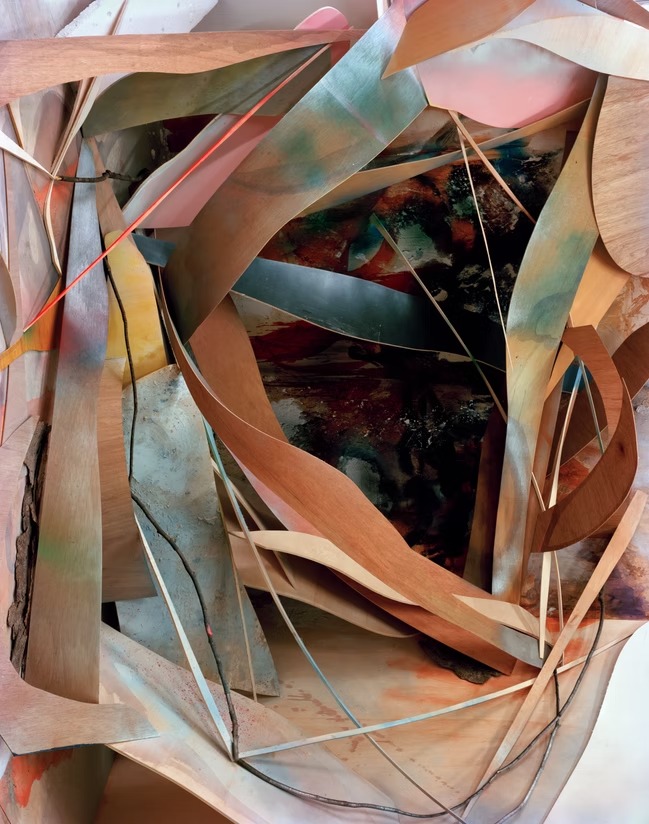
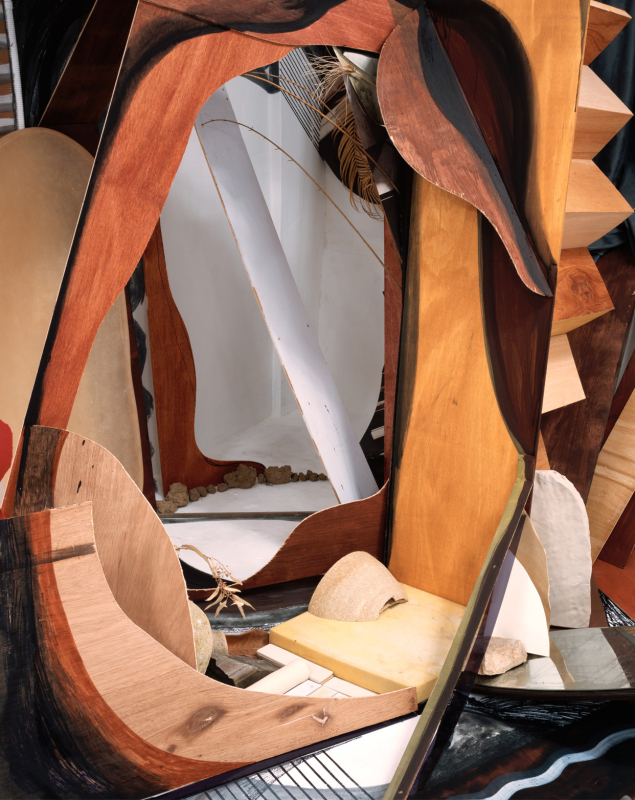
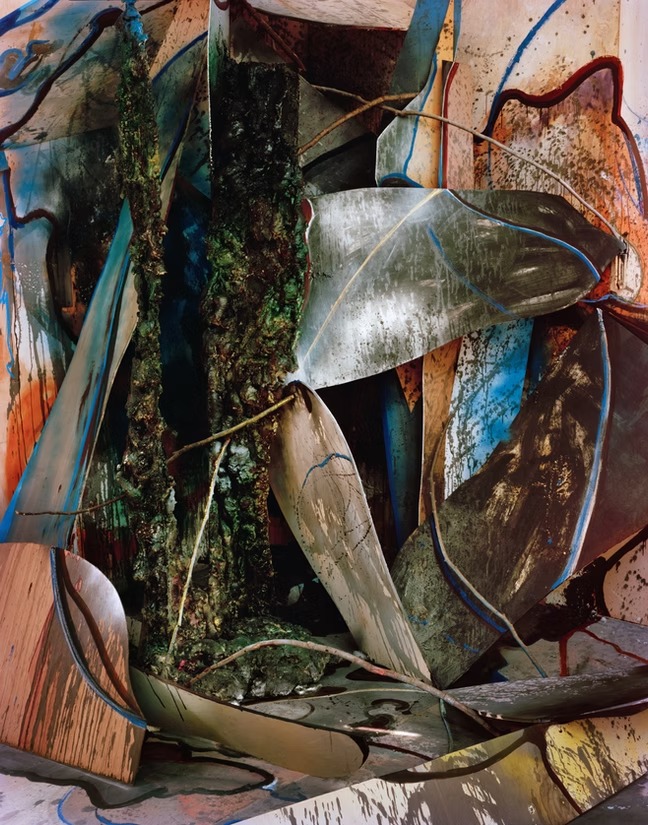
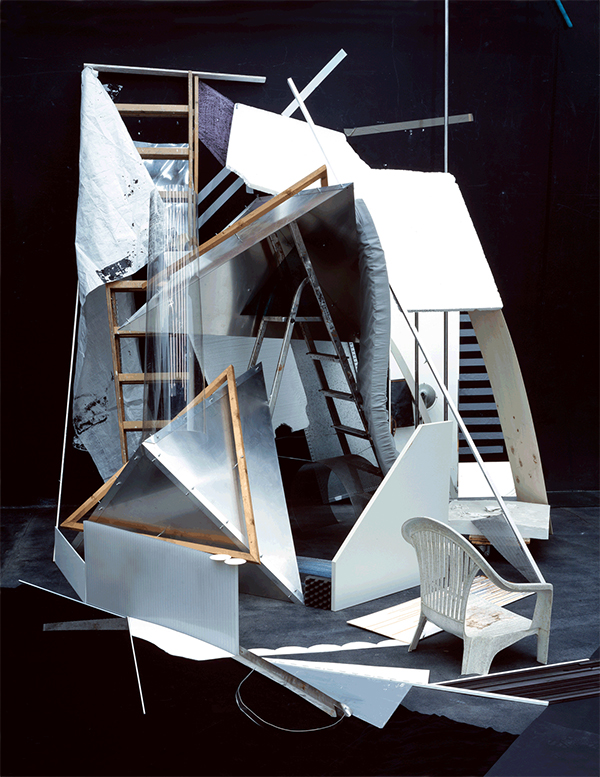
Rainbow

2022
Inkjet print
153 x 122 cm
About The Work

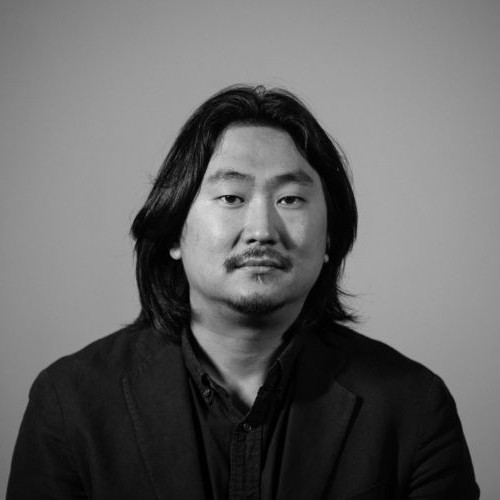
Cho Kyoungjae explores the essence of objects and the relationships surrounding them through experiments across various media, including photography, installation, performance, and spatial staging. By rearranging familiar objects and spaces and presenting them in new ways, he reveals moments that can easily be overlooked in everyday scenes and brings different modes of existence of objects to the fore.

In particular, he focuses on the subtle interactions that arise between objects, space, light, and time as he composes spaces and objects within a limited field of view and records them photographically.

Rather than constructing images through collage or digital compositing, Cho’s photographs are made by installing physical objects in actual spaces and capturing them with an analog camera. Rearranged for the act of photographing, these objects move beyond their original functions and contexts, revealing their inherent colors and forms while establishing new visual relationships within the limited plane of the photograph.

Even as Cho has expanded his practice into installation, performance, and sound, his central concern remains with what the camera captures and how it makes its subjects visible within particular relationships. In his work, the camera functions not simply as a device for recording reality, but as a medium that senses the tensions between objects, light, and space and negotiates their relationships.

This continued engagement with the conditions of photography and the act of seeing, even as he moves across different media, is a defining characteristic of Cho’s practice.

Solo Exhibitions (Brief)

Cho Kyoungjae held solo exhibitions at Schierke Seinecke Gallery, Gallery MEME, and Seoul Art Space Geumcheon in 2019, Amado Art Space in 2018, Project Space SARUBIA in 2017, and Youngeun Museum of Contemporary Art in 2016.

Group Exhibitions (Brief)

Cho Kyoungjae participated in group exhibitions at Museum SAN, Hyundai Museum of Kids' Books & Art, and JCC Art Center in 2019, Goethe-Institut Paris and SeMA Nanji Residency in 2018, and Kunstpalast in 2011, 2012, and 2015.

Awards (Selected)

Cho Kyoungjae received the 5th Amado Photography Award in 2018, the BELT Award in 2015, the Kunstpreis Wesseling and DAAD Prize in 2012, and the Epson Art Photo Award for Best Individual Work in 2009.

Residencies (Selected)

Cho Kyoungjae participated in residency programs at Seoul Art Space Geumcheon in 2019, SeMA Nanji Residency in 2018, Youngeun Artist in Residency in 2016, and the Artward Kunstpreis artist-in-residence program in Brussels in 2013.

Collections (Selected)

Works by Cho Kyoungjae are held in the collections of Museum Ludwig, Seoul Museum of Art, Youngeun Museum of Contemporary Art, and Kunstsammlung LVM.

Works of Art

Capturing the Tensions between Space, Objects, Light, and Time

Originality & Identity

A key point of departure in Cho Kyoungjae’s practice is the act of looking at an object and the response that arises in that moment. Rather than establishing a clear subject or meaning in advance, he observes the objects and spaces before him, following what becomes visible and how he himself responds to it.

This attitude resonates with the paradoxes of “the meaning of meaninglessness” and “the usefulness of the useless,” which have often been used to describe his work. Objects found or collected in everyday life are detached from their original functions and contexts, while the artist refrains from actively imposing new symbols or narratives upon them. By withholding predetermined meaning, he directs attention toward the forms and presence of the objects themselves, as well as toward the process of looking.

This suspension of fixed meaning brings the viewer’s act of seeing into the work as an essential element. In the titles of his works, Cho Kyoungjae often points only to a fragment within the image or leaves behind an ambiguous nuance, minimizing clues that might direct interpretation toward a specific conclusion. In a 2024 critique, Choi Yeonha connects this characteristic to Roland Barthes’s notion of “the death of the author.”

Rather than delivering a completed meaning, the artist leaves open the possibility for different meanings to emerge through the encounter between artwork and viewer. For Cho Kyoungjae, “seeing” is not simply a process of confirming predetermined content. The relationships among objects are newly perceived through each viewer’s gaze, experience, and response, allowing the meaning of the work to remain in motion.

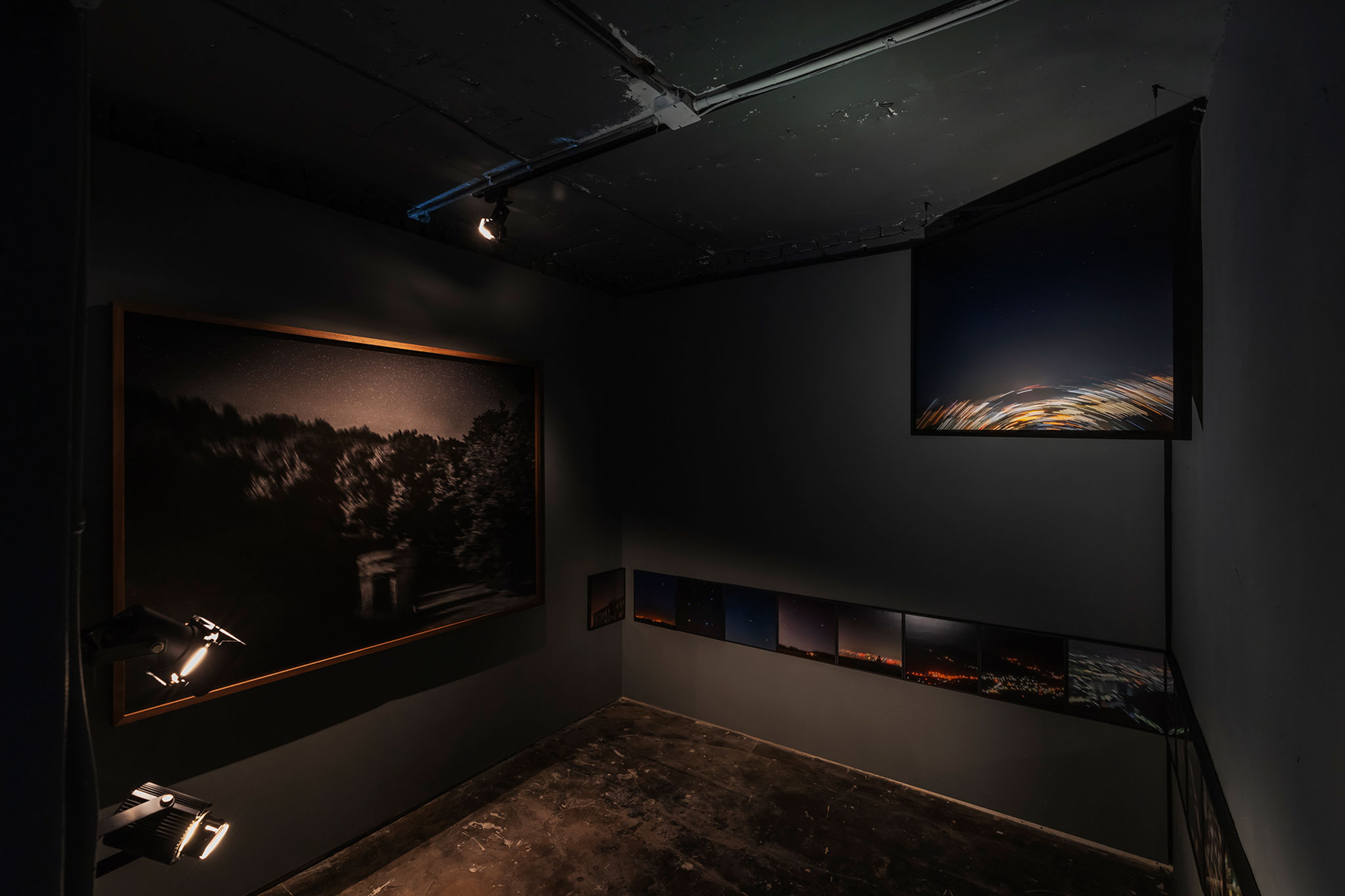
His longstanding interest in objects and space has gradually expanded into questions of existence and relationships. Different objects undergo processes of dismantling, combination, and chance arrangement, forming provisional relationships and revealing new states as space, light, and time shift. In the recent exhibition 《Invisible Actors》, this line of thought becomes even more explicit.

Objects, light, and time respond to one another like “invisible actors,” each with its own movement, while the artist considers the very fact of an object’s presence to already constitute an action. Without turning objects into carriers of specific meanings, Cho Kyoungjae attends to the tension, balance, and subtle changes that arise between them. In this way, his earlier concern with “meaningless things” develops into an exploration of the possibilities that emerge through existence and relationships themselves.

Photography has remained central throughout this development. Cho Kyoungjae does not treat photography solely as a completed image, but extends photographic thinking beyond the frame to encompass space, objects, and the viewer’s experience. Even as his practice has expanded into installation, performance, and sound, his attention remains focused on what the camera captures and how it makes a subject visible within a particular set of relationships.

In his recent work, the camera itself is presented not as a neutral recording device, but as an observer and mediator that perceives the tension between objects and light. His persistent questioning of photography’s boundaries, while continuing to engage with the act of seeing and the medium’s inherent conditions, forms a defining identity within Cho Kyoungjae’s practice.

Style & Contents

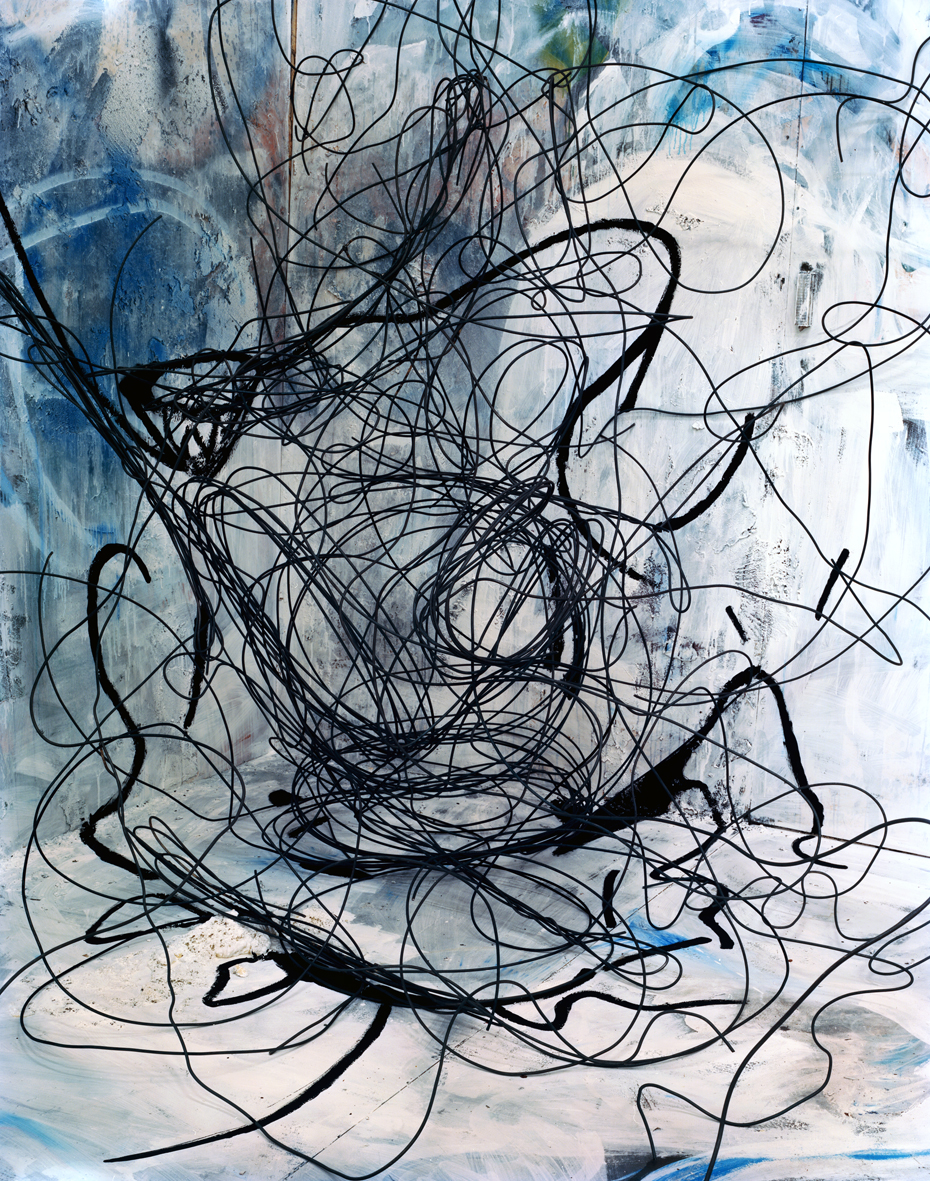
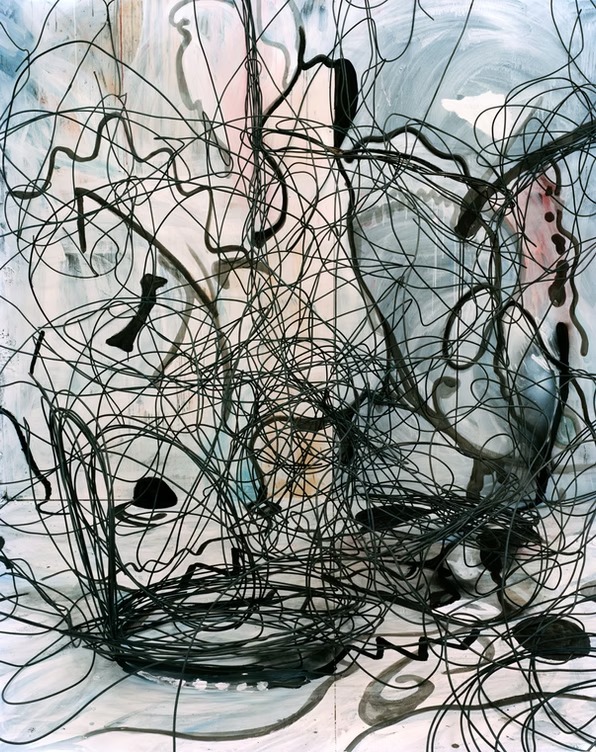
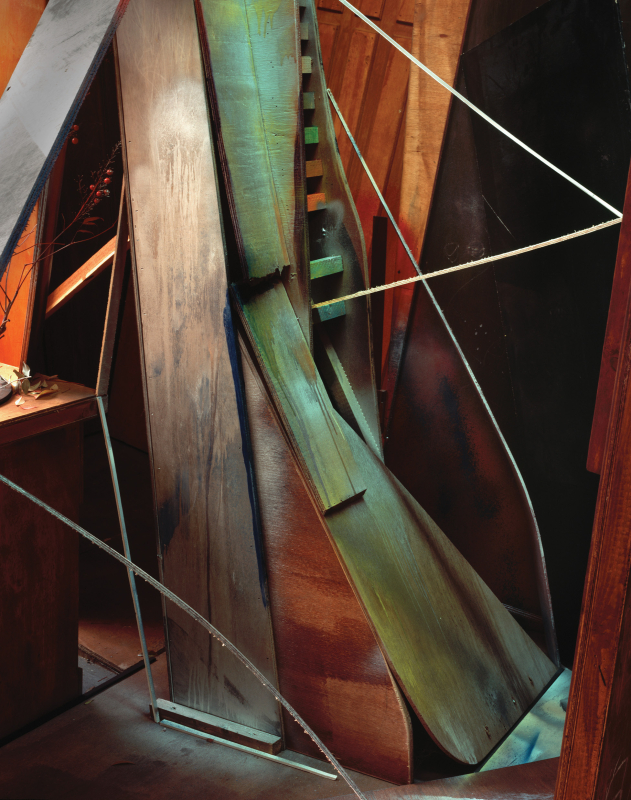
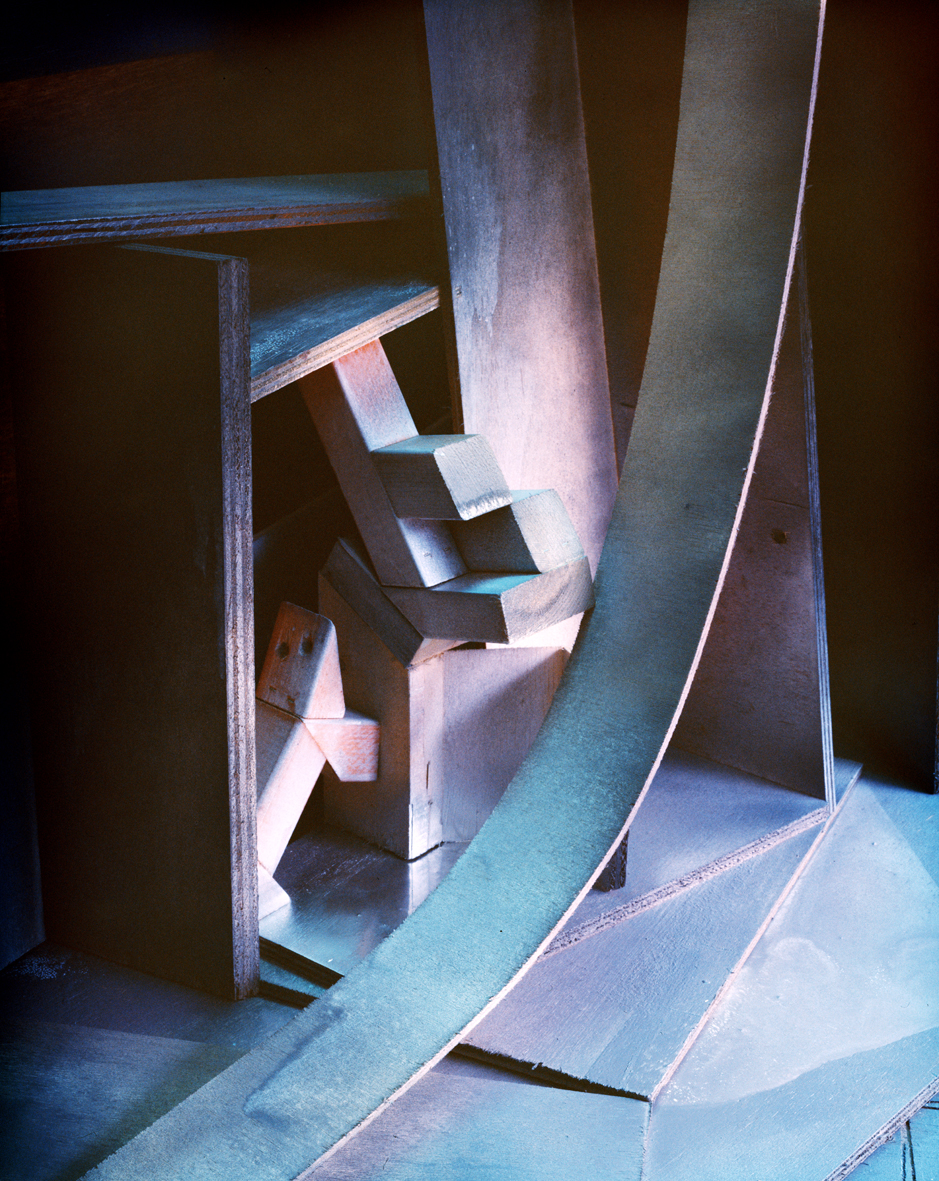
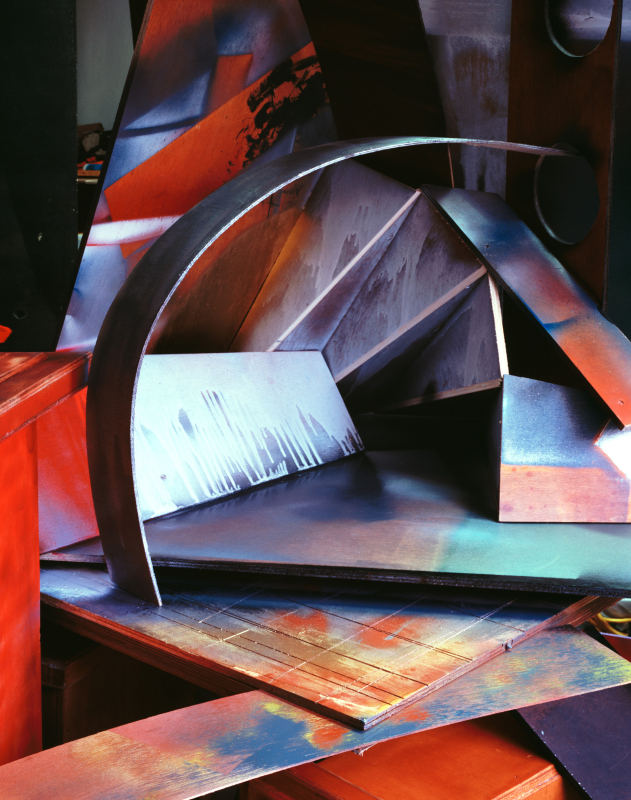
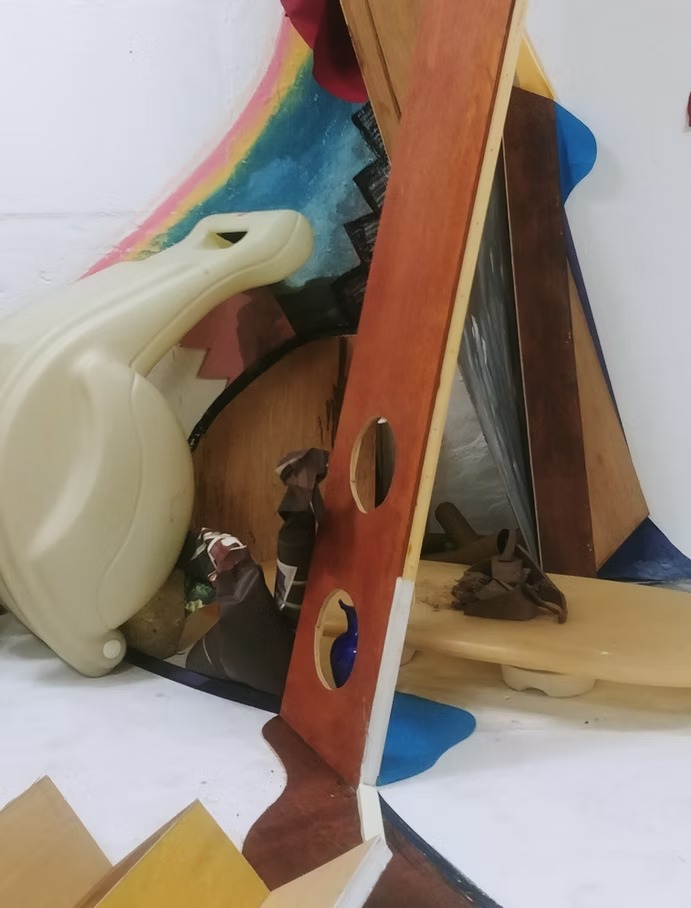
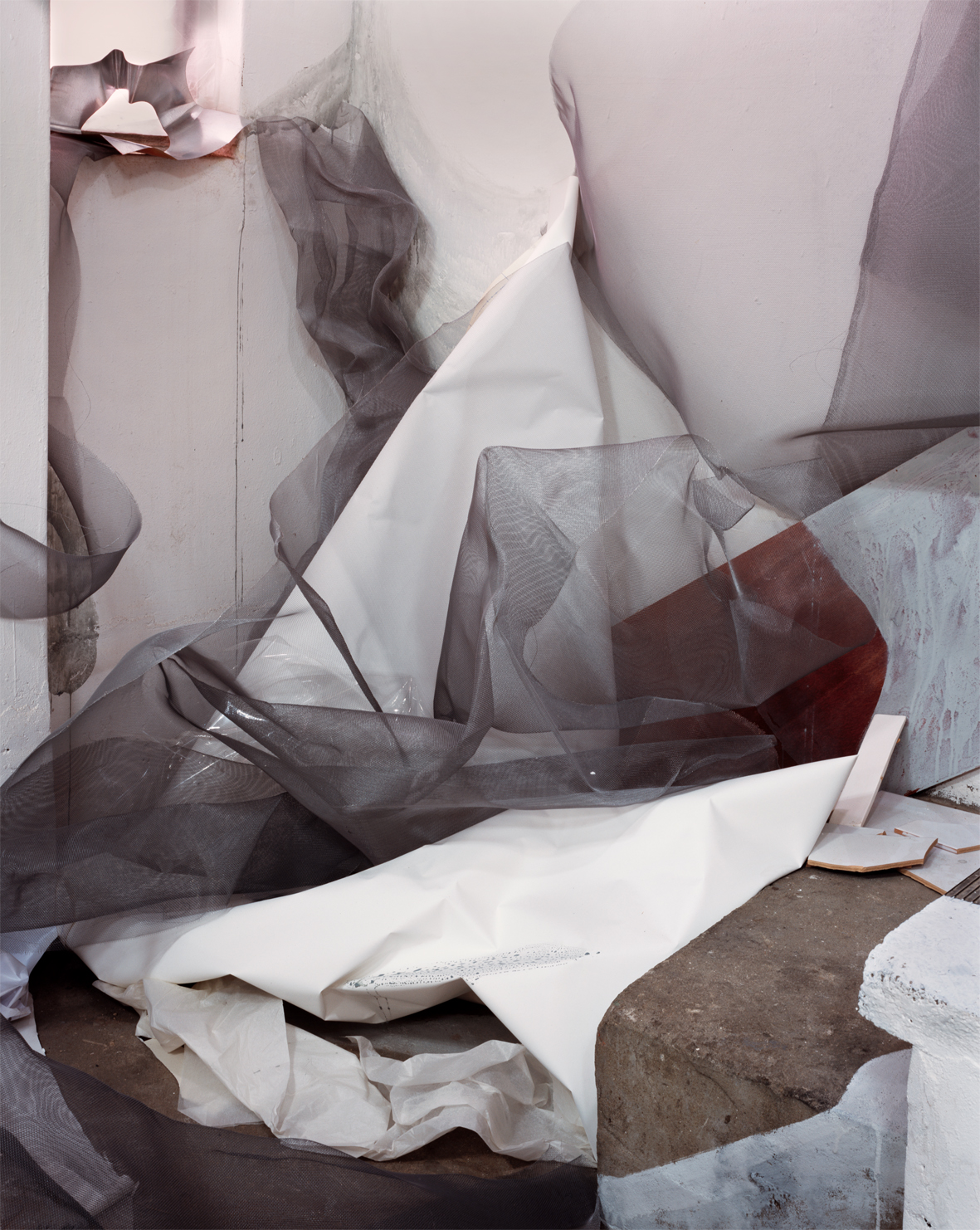
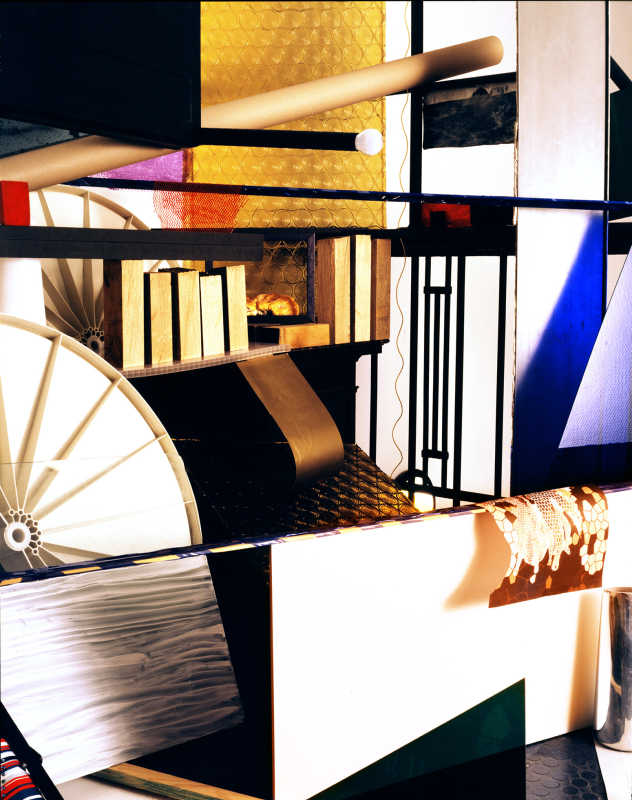
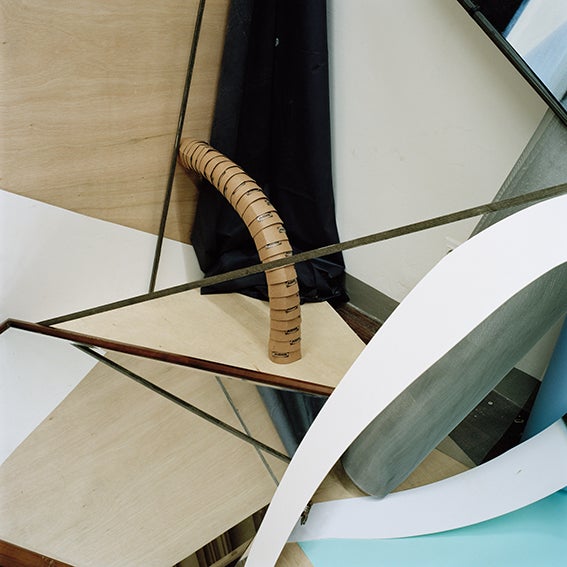
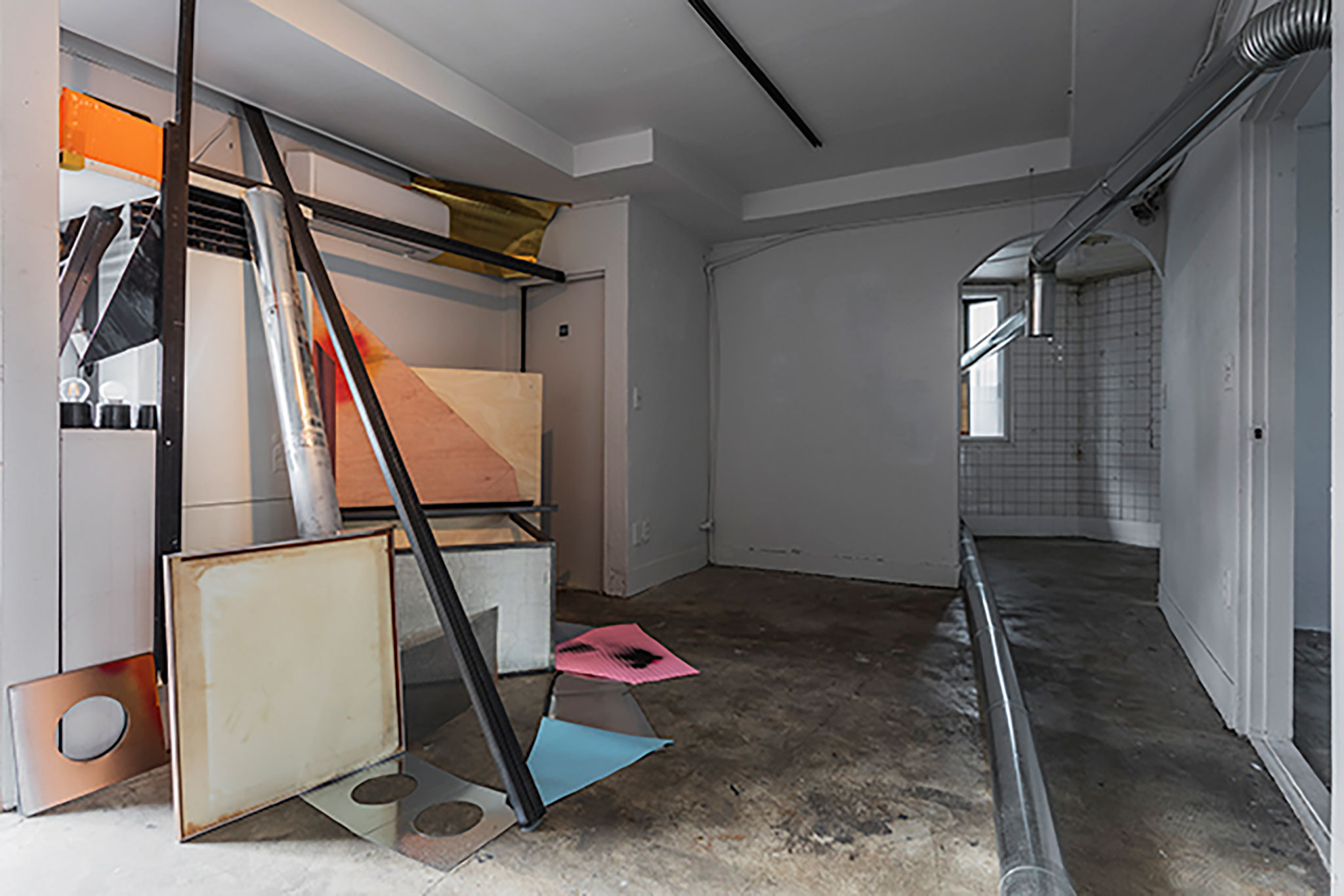
Cho Kyoungjae’s photography begins with an analog process in which installations constructed in actual space are photographed with a camera. Rather than composing his images through collage or digital manipulation, he directly collects and arranges materials with physical presence—such as carpets, wood, steel pipes, Styrofoam, and steel plates—and adjusts them according to the camera’s field of view.

The three-dimensional structures constructed in this way are compressed into two-dimensional photographic planes at the moment of shooting, where objects with different distances, scales, and material properties are reconfigured as combinations of lines, planes, and colors. Although the works employ real objects, they generate optical illusions in which spatial depth is diminished or physically separated elements appear continuous within the image. Such visual effects constitute an important formal characteristic of Cho’s photography.

The composition of his works does not follow a predetermined plan carried out step by step. Instead, he gathers numerous materials in a single space and observes their shapes, colors, textures, and weights, exploring the relationships that might emerge among them. Through repeated processes of arranging, dismantling, and rearranging, relationships between heaviness and lightness, reality and illusion, abstraction and figuration gradually take shape, while the content of the work itself develops through the process.

The abstract appearance of his photographs is therefore not simply the result of spontaneous arrangement, but of sustained attention to the properties of materials and to how they are transformed through the camera’s viewpoint. This process is also reflected in the recurring compositional principle of his earlier works, in which lines converge within the camera’s view and fields of color divide the photographic plane to generate rhythm.

The relationship between photography and installation has grown increasingly close as his practice has developed. While works from around 2013–14 emphasized formal relationships within the photographic plane by capturing sections of spatial arrangements, later works such as SADARI 004, Carpet 002, and 5.5 brought the materiality of objects and the construction of actual space more prominently to the fore.

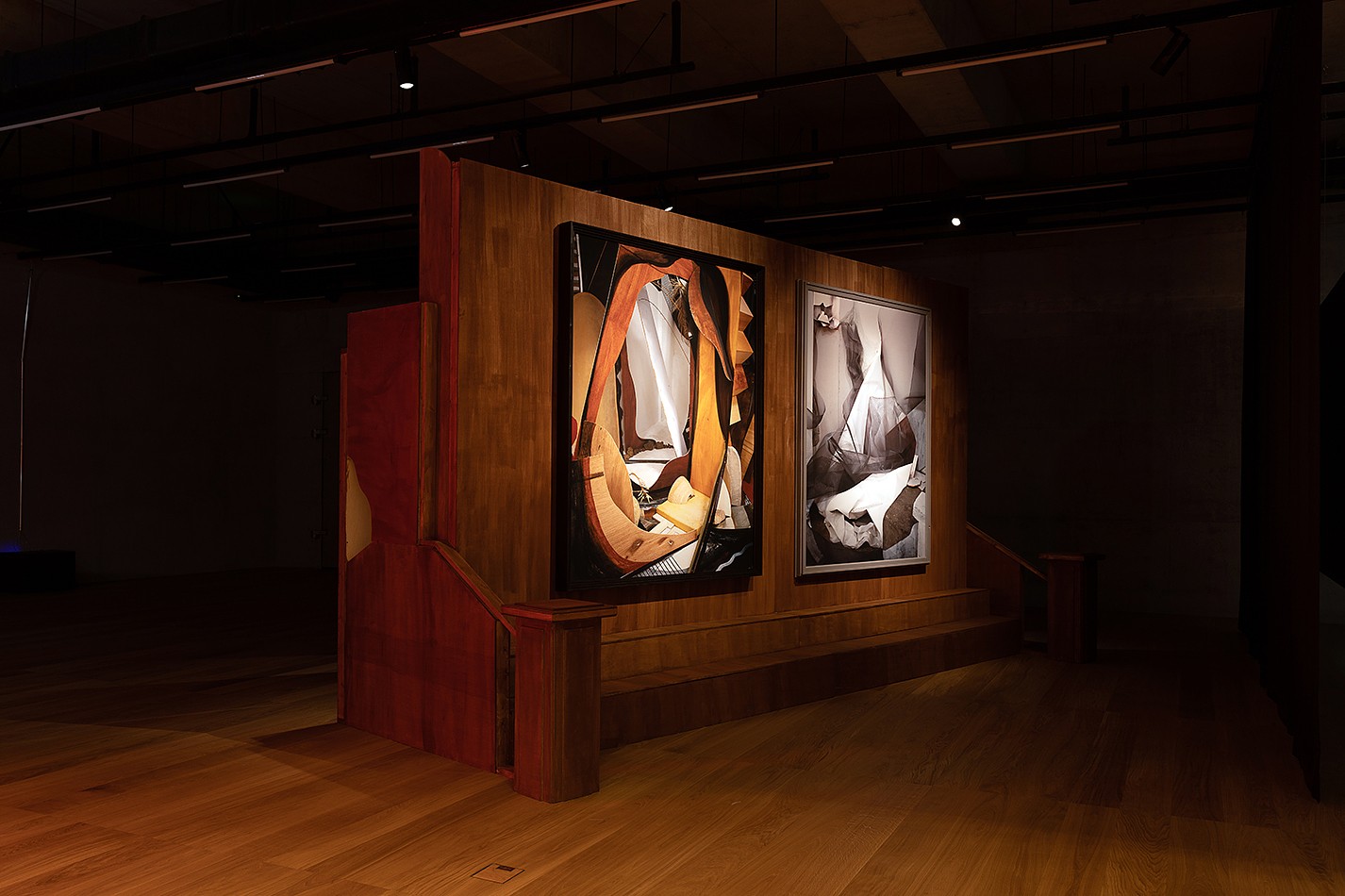
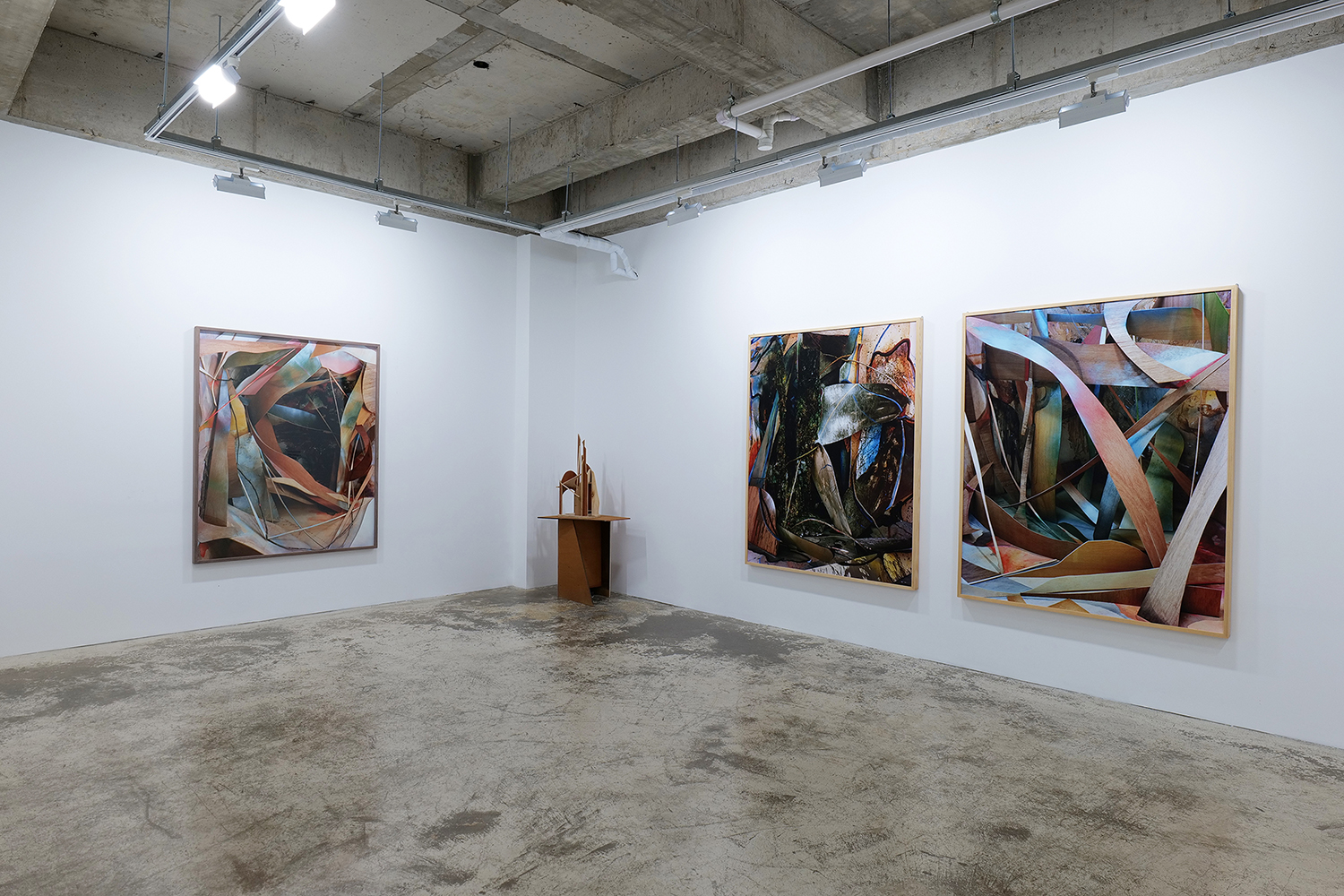
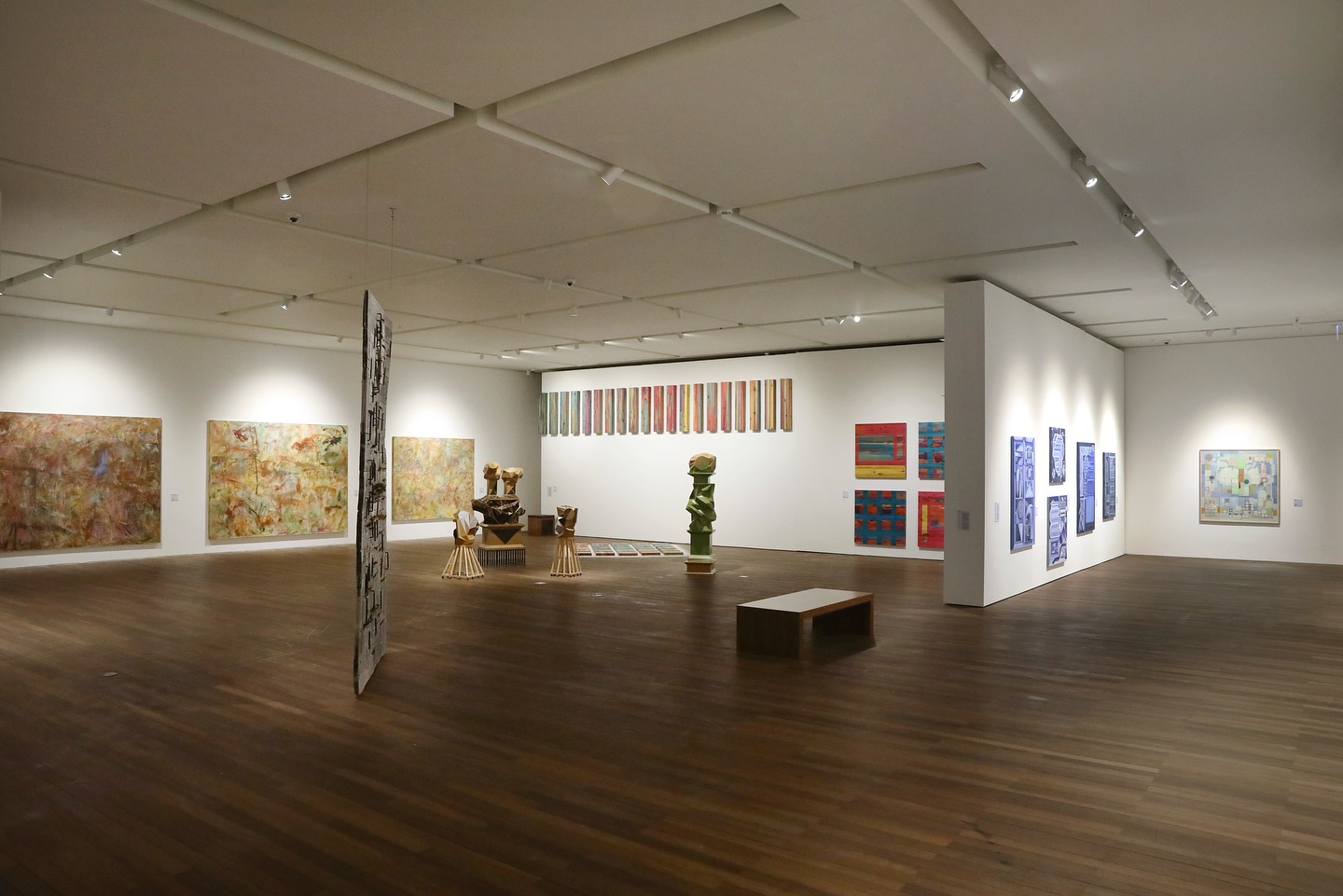
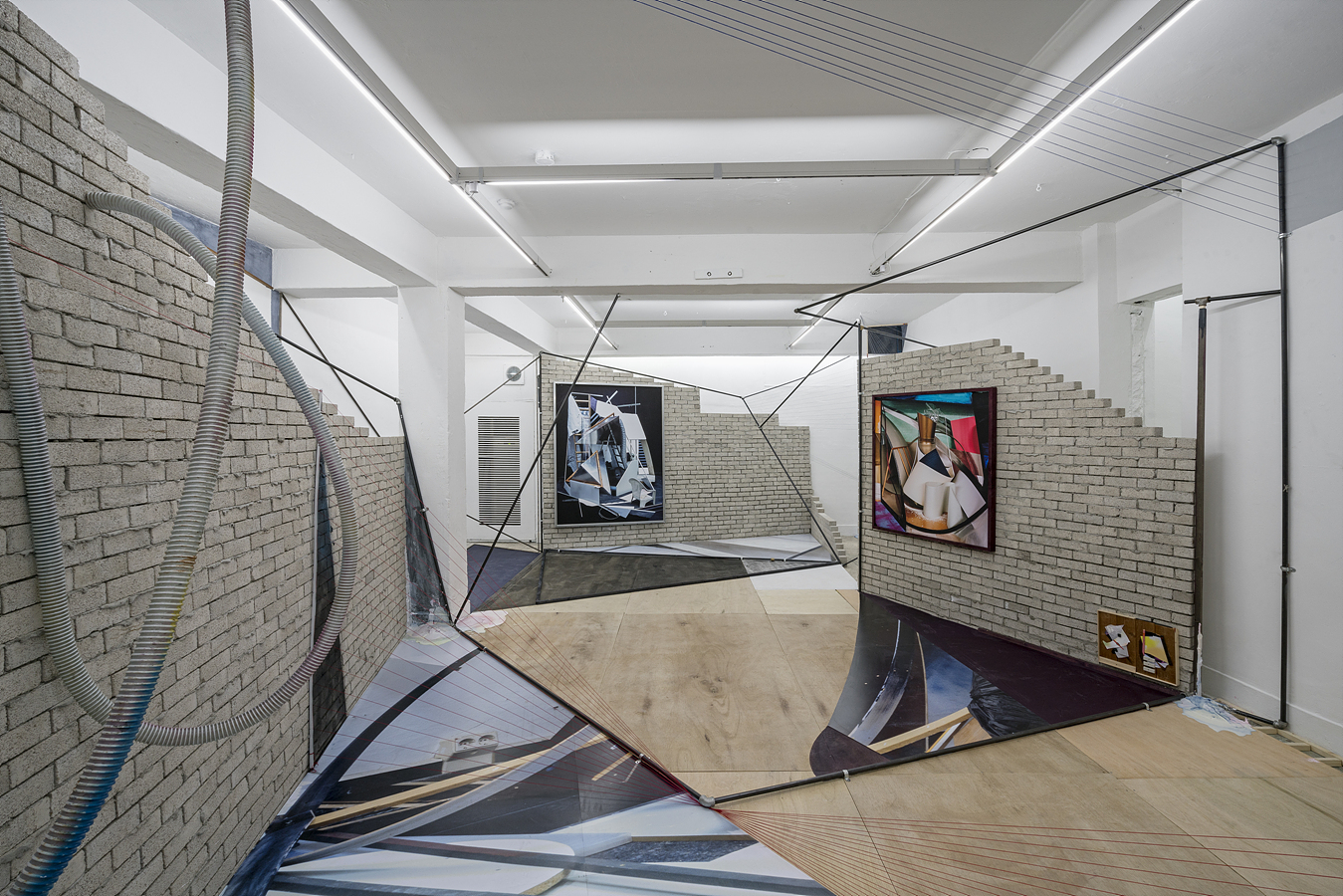
In 《Broken Edges》, lines within photographs visually continued into steel pipes and threads installed throughout the exhibition space, extending the structure of photography beyond the frame. In 《A Transformed Space》, the supporting structures for the photographs intersected with lines within the images, further developing the relationship between two- and three-dimensional space. As a result, viewers no longer simply confront photographs frontally, but move through the space, shifting their viewpoints and experiencing changing configurations through the body.

In his recent practice, movement among photography, installation, sound, and other forms has become increasingly fluid. As he continues to transform and dismantle the structural characteristics of photography through other physical media, light and time have also become important elements in determining the composition of both image and space.

In 《Invisible Actors》, objects do not remain fixed like still-life subjects; instead, they appear to respond to changes in light and to their relationships with surrounding objects. The camera both records these relationships and constructs new configurations through distance, angle, and framing. For Cho Kyoungjae, form is therefore closely connected to an ongoing process of physically constructing and observing objects and spaces, then reorganizing them into new visual relationships.

Topography & Continuity

Cho Kyoungjae’s practice has developed since the early 2010s through an ongoing movement between the flatness of photography and the materiality of actual space. In early works such as Classroom 04 - 008 (2012), Wind 01 (2015), and Q (2016), he arranged physical objects in front of the camera so that elements occupying different distances and scales would be connected within the photographic image as compositions of lines and fields of color.

His method shares certain affinities with staged photography in its careful construction of actual space and its use of perspective and photographic flattening, yet his interest does not remain confined to the production of sophisticated illusion.

His direct handling of the forms, textures, and weights of collected materials, and his creation of accidental combinations among them, also reveal an assemblage-like sculptural sensibility. The combination of these two tendencies has formed a foundation for Cho’s sustained exploration of the relationship between photography’s visual structure and the material presence of objects.

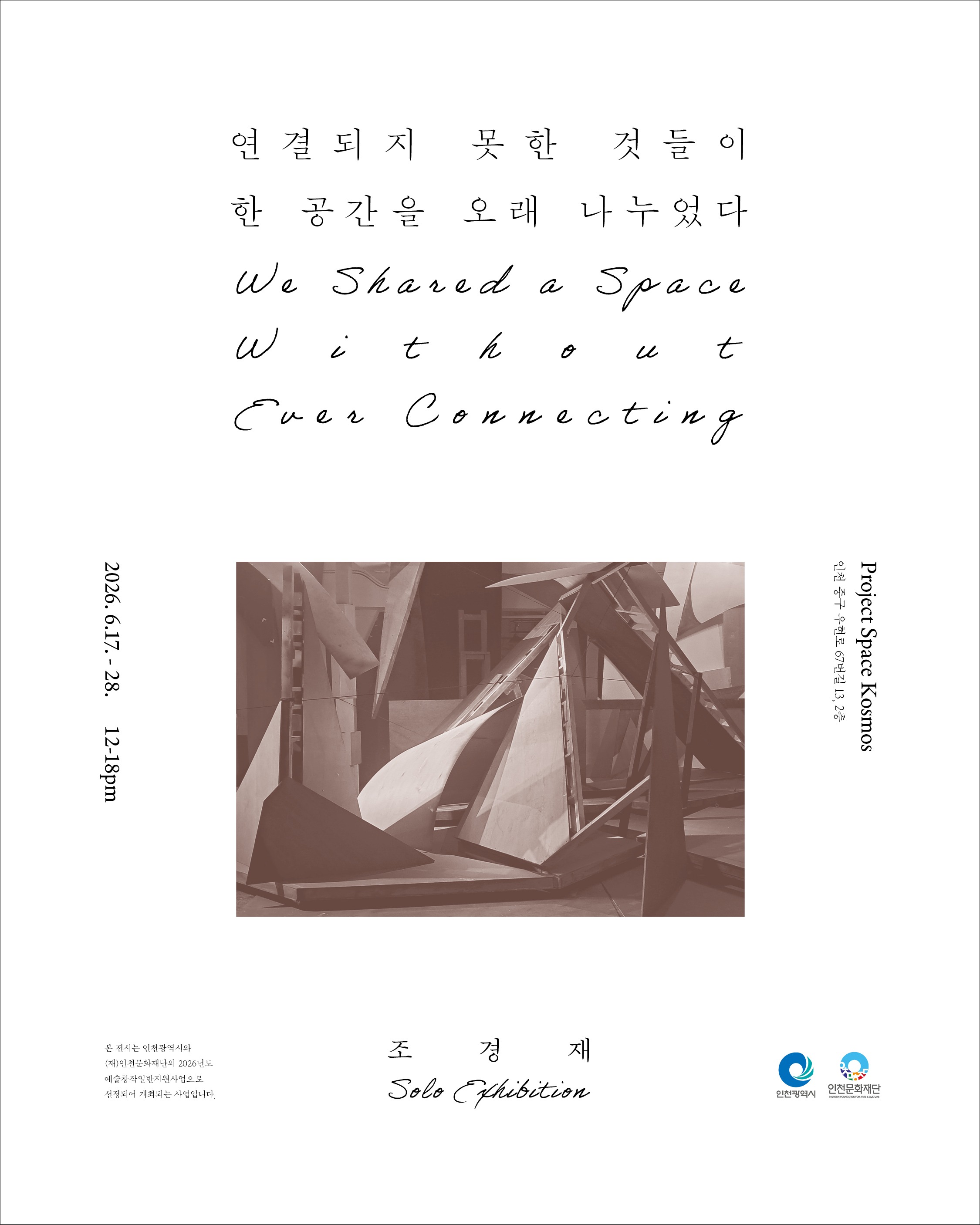
From the mid-2010s onward, spatial compositions previously constructed within the camera increasingly expanded into the exhibition space itself. Beginning with 5.5 (2016) and continuing through 《Broken Edges》 (2017) and 《A Transformed Space》 (2018), the lines, colors, and framing structures of photography became intertwined with physical elements such as steel pipes, wooden boards, thread, and photographic prints, extending across the exhibition environment.

This development can be understood not as a departure from photography toward another medium, but as a process of expanding photography by applying visual principles previously tested within the camera to actual exhibition spaces. The viewer’s movement through these spaces also became increasingly significant. Relationships of distance, angle, connection, and disjunction that had operated within still photographs continued to shift in actual space according to the viewer’s changing position.

This expansion also continued through collaborative works incorporating performance and sound. Collaborative practice, which Cho began in Germany in 2009 and later continued in Korea, embraced unexpected reactions and interventions without predetermining the relationships among artist, viewer, object, and space. The method used in his individual practice—arranging objects, observing the relationships among them, and leaving the outcome open—thus broadened in collaborative work to encompass people, actions, and communication.

Cho Kyoungjae’s practice can therefore be understood less through separate categories such as photography, installation, and performance than through his sustained experimentation with processes in which disparate elements encounter one another, are dismantled, and reconnect. His emphasis on individual viewing experiences and unforeseen responses, rather than on a fixed final form, also runs consistently throughout this trajectory.

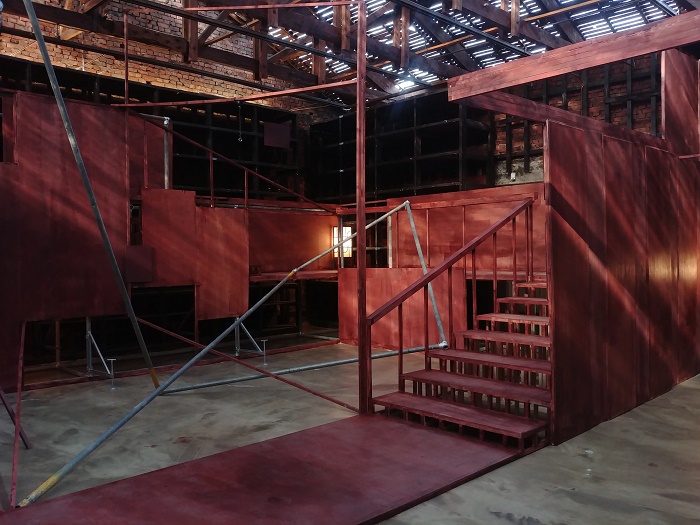
In the 2020s, light, time, and subtle movement have become increasingly active within his longstanding engagement with space and objects. In a 2021 exhibition, rather than presenting photographic works directly, he interpreted the exhibition space itself photographically, allowing light to move across walls, floors, columns, and stairs over time.

More recently, in 《Invisible Actors》, objects, light, and the passage of time are presented as presences that respond to one another. Even within these developments, his fundamental method of collecting, arranging, observing, and organizing relationships through the camera has remained consistent. In Cho Kyoungjae’s work, the optical illusions and geometric compositions prominent in his earlier practice have expanded through spatial experimentation and the movement of viewers toward an engagement with light, time, and the agency of presence.


Works of Art

Capturing the Tensions between Space, Objects, Light, and Time

Articles

Exhibitions

Activities