
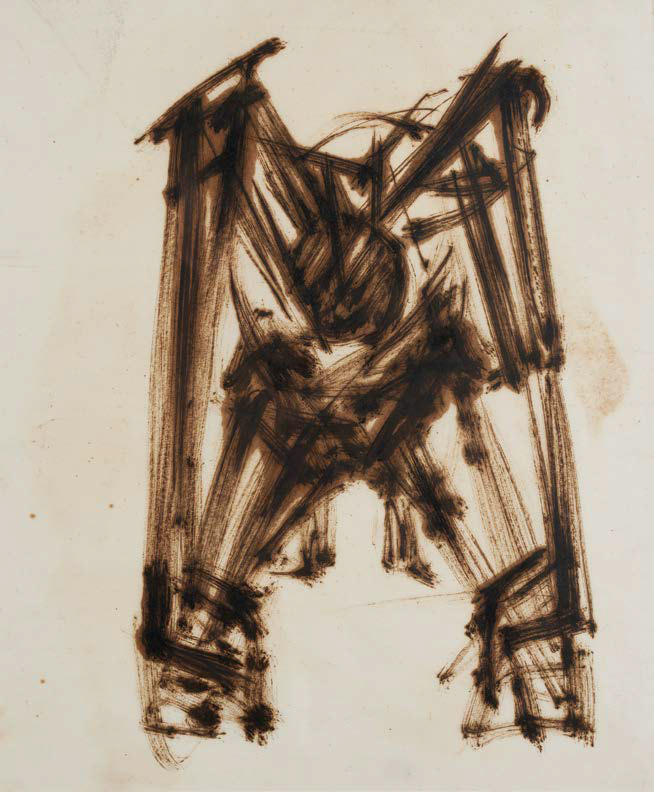
Untitled 21 - K-ARTIST

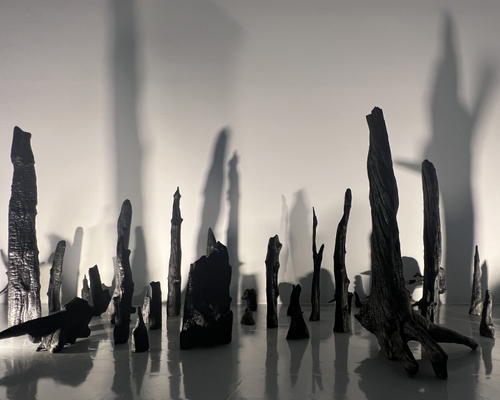
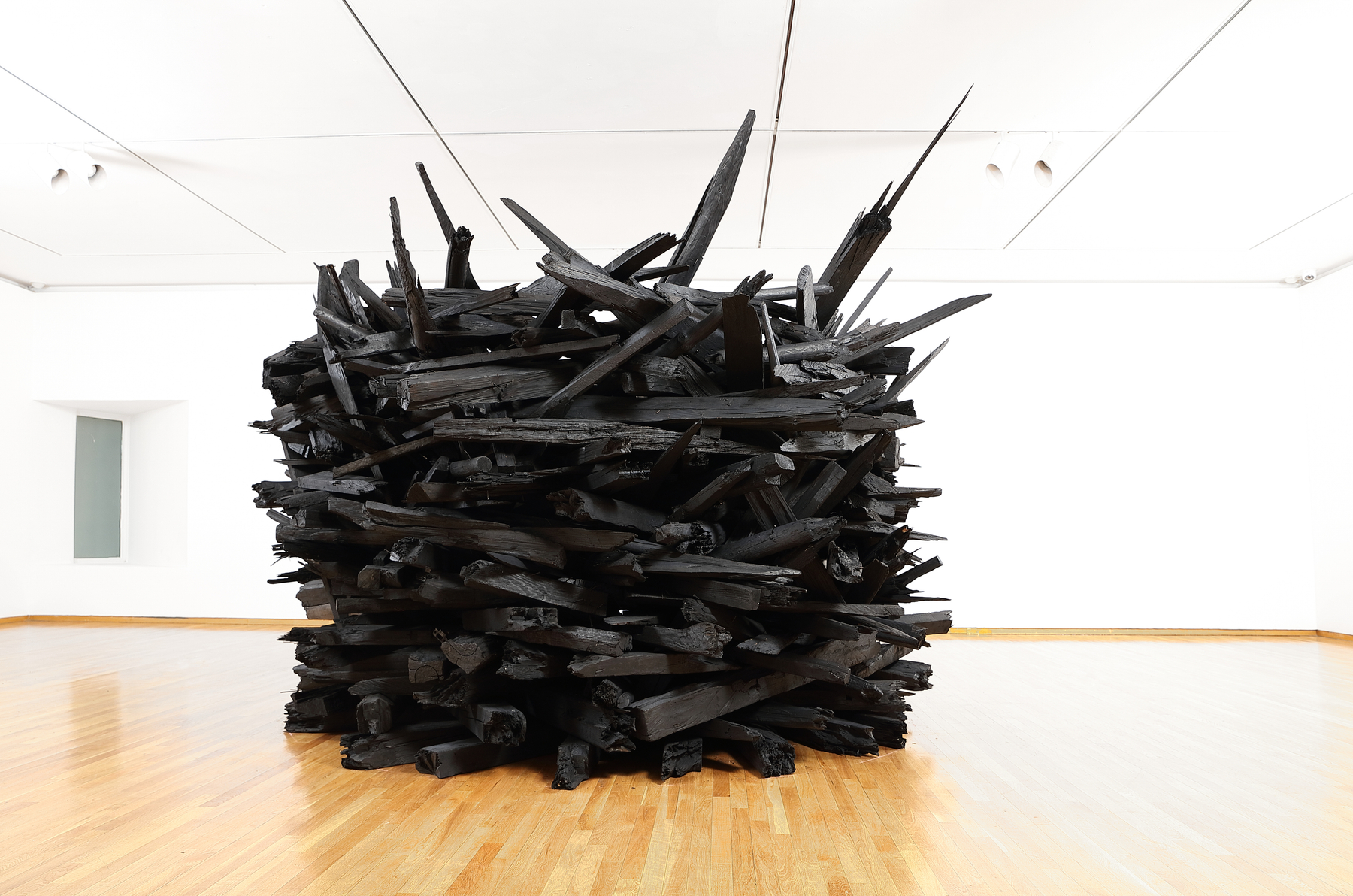
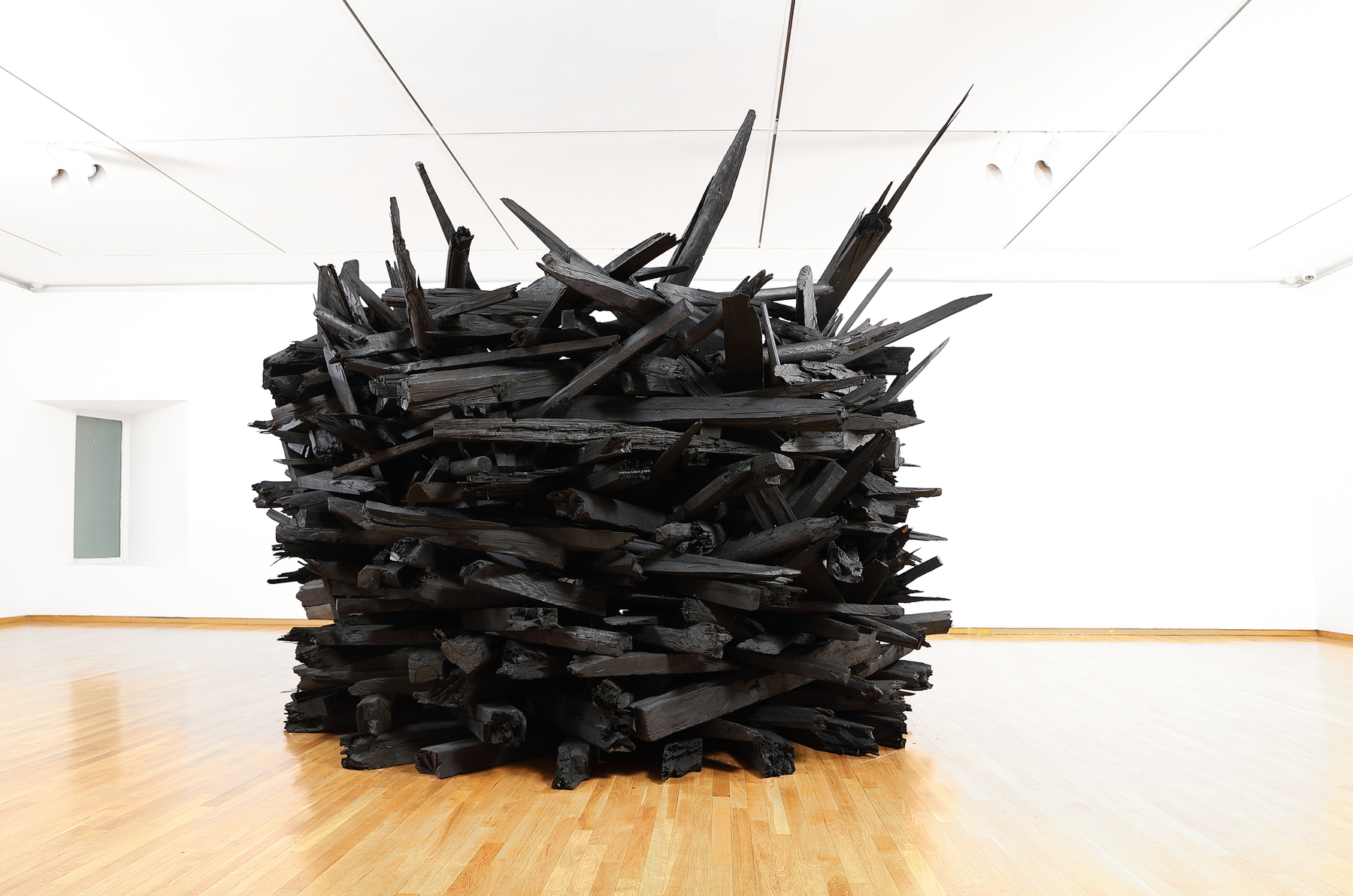
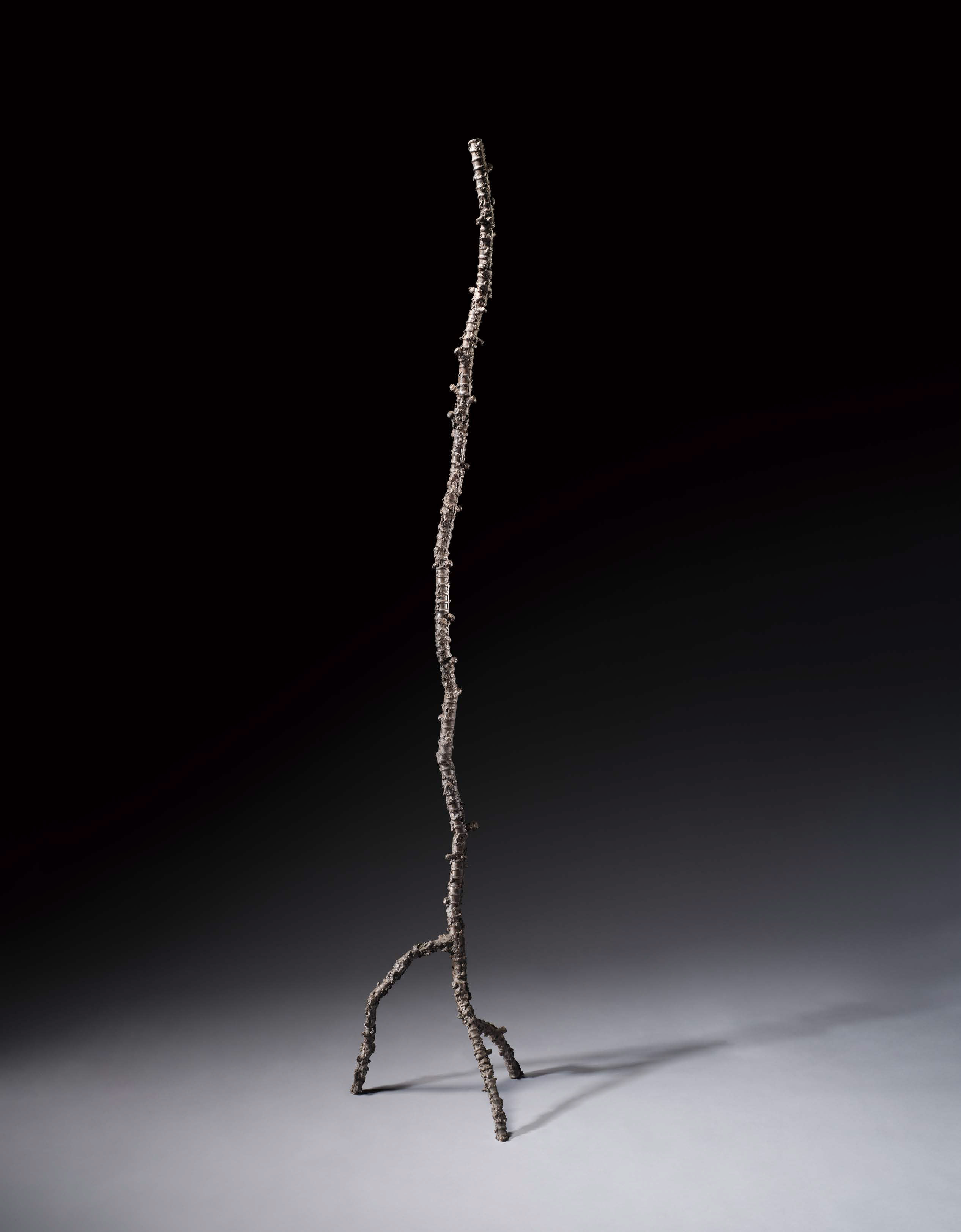
Untitled 21

2018
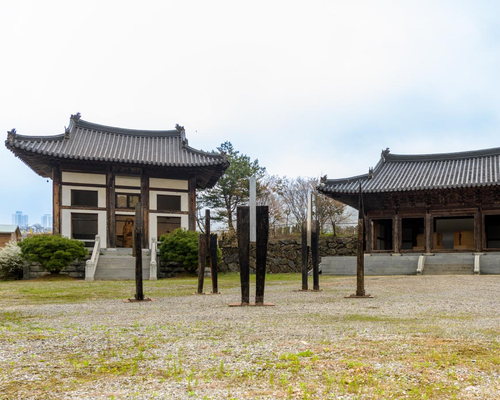
Oriental ink tinted on wood
280 x 335 x 335 cm
About The Work

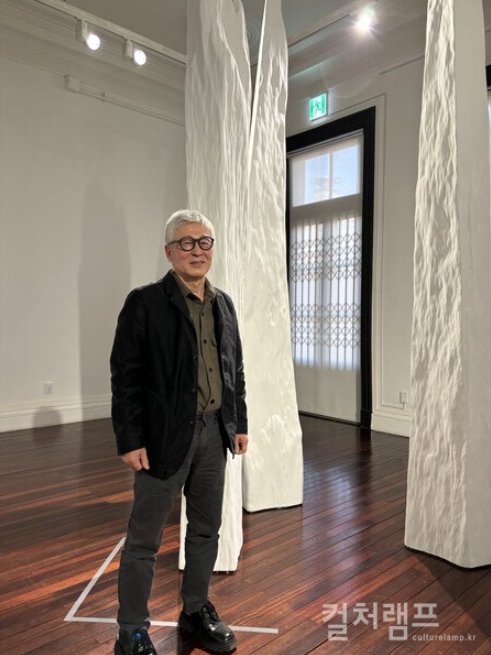
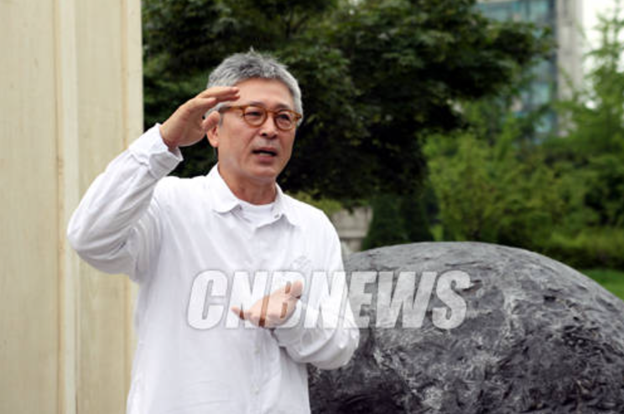
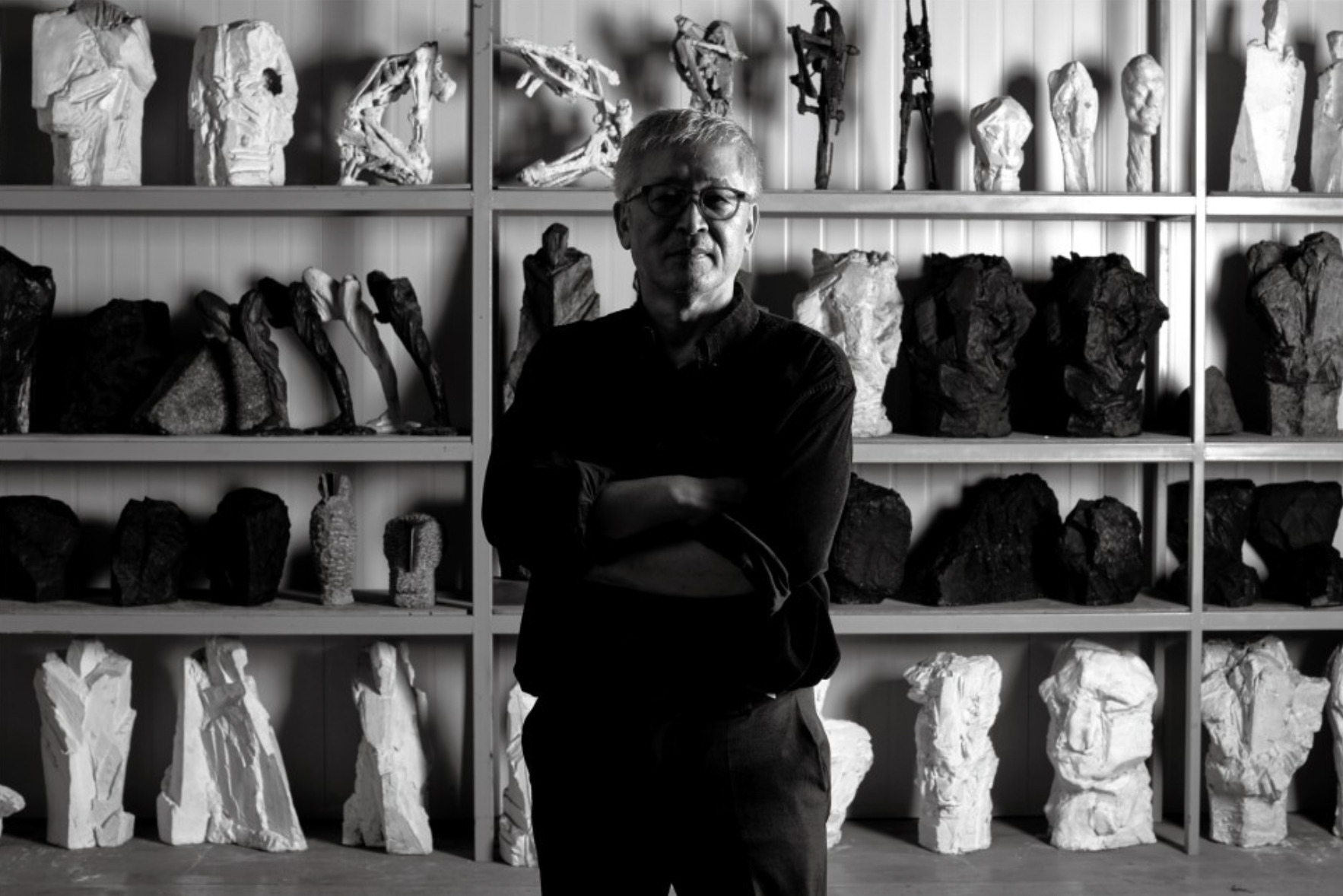
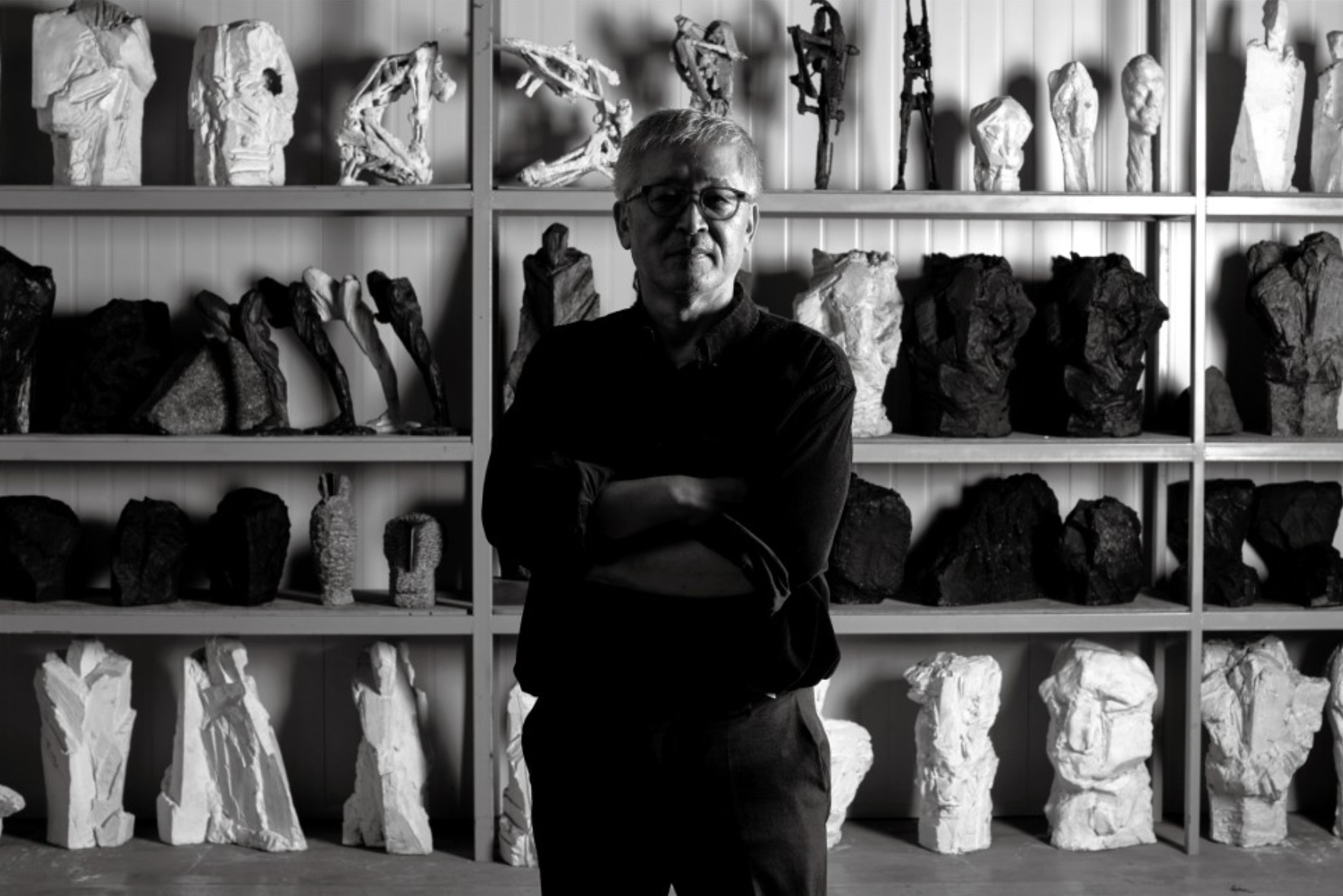
Chung Hyun has established a unique art world in the history of contemporary Korean sculpture by sculpting anti-figurative, existential human figures or fragmenting materials that are not commonly used in the category of sculpture to reveal their materiality.
 
Since the 1980s, after studying abroad in France, the artist has been striving to capture "human spirituality and existential energy" by creating "psychological sculptures" in which the artist's own emotions are interwoven with the sculptures, rather than creating realistically "well-made" sculptures.
 
More than 30 years later, Chung continues to work as a steady observer of the "uncommonness of trivial things". In the waste that has already been used up, the artist finds ordinary lives that have silently supported society through the social and temporal hardships of industrialization and urbanization. 
 
By illuminating and presenting the years of trials and vitality that these lives have undergone in the artist's own way, Chung Hyun makes us look at them as an existential reflection of everyone who lives faithfully with the time that is consumed.

Solo Exhibitions (Brief)

Since his first solo exhibition at Galerie Won in 1992, Chung has held more than 20 solo exhibitions in Paris, New York, and Tokyo, including leading Korean institutions such as the SeMA Nam-Seoul Museum of Art (2023-2024), Seongbuk Museum of Art (2022), and Kumho Museum of Art (2018). As the representative artist of Korea to commemorate the 130th anniversary of the establishment of diplomatic relations between Korea and France, he also exhibited at the Jardin du Palais-Royal and Domaine national de Saint-Cloud in Paris, France.

Group Exhibitions (Brief)

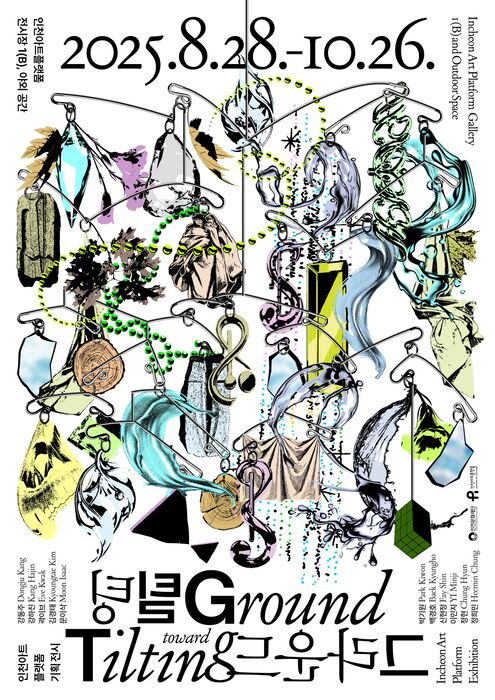
Chung has also participated in numerous major group exhibitions at leading institutions in Korea, including Incheon Art Platform (2025), PKM Gallery (2025), Yangju Jang Ukjin Museum of Art (2021), the Kim Chong Yung Museum (2020), the National Museum of Korean Contemporary History (2017), the National Museum of Modern and Contemporary Art, Korea (2016), POSCO Art Museum (2015), and SOMA Museum of Art (2013). Internationally, he has taken part in group exhibitions at venues such as Olympia Grand Hall (London, 2013), the Central House of Artists (Moscow, 2010), the Fukuoka Asian Art Museum (Fukuoka, 2005), and the National Art Museum of China (Beijing, 2003).

Awards (Selected)

Chung was selected as the ‘Artist of the Year 2006’ at the National Museum of Modern and Contemporary Art Korea, the ‘1st AICA Korea Award’ at the Association Internationale des Critiques d’Art Korea in 2009, and the ‘Artist Today 2004’ at the Kim Chong Yung Museum

Collections (Selected)

Chung’s works are in the collections of major museums and galleries in Korea and abroad, including the MMCA and the Gyeonggi Museum of Modern Art.
Works of Art

The Valuable Essence of Non-subjects

Originality & Identity

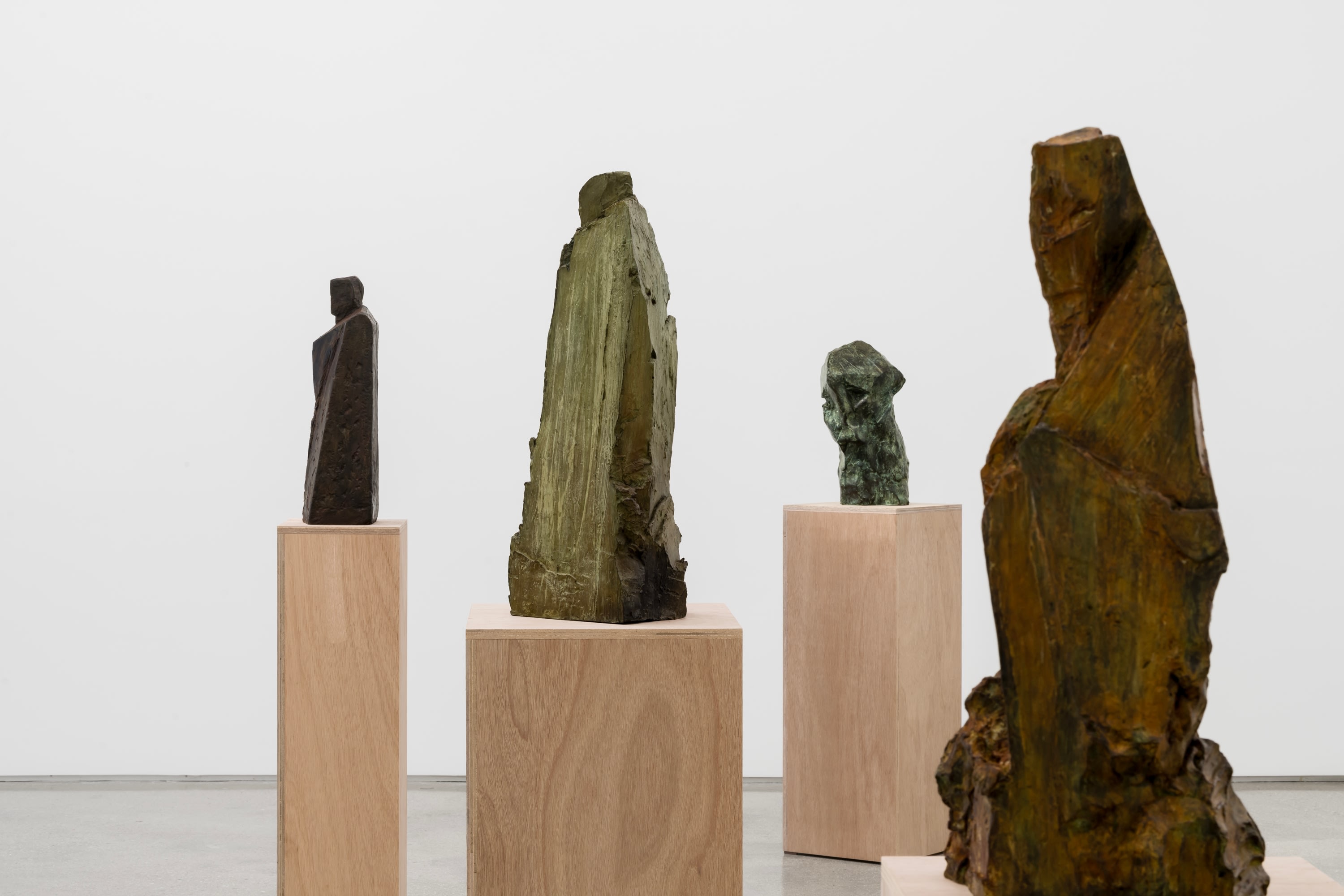
Rather than directly representing the human figure, Chung Hyun’s practice reflects on existence through the states of time and matter left behind by human presence. He places materials that have lost their original functions—such as railroad ties, discarded wood, scrap rebar, coal tar, and natural stone—at the center of his sculpture, drawing the time of use, abrasion, and exhaustion they have undergone into the work’s primary layers of meaning. Here, sculpture operates less as an act of reproducing form than as an inquiry into states of being, functioning as a device that reveals already accumulated time and traces.

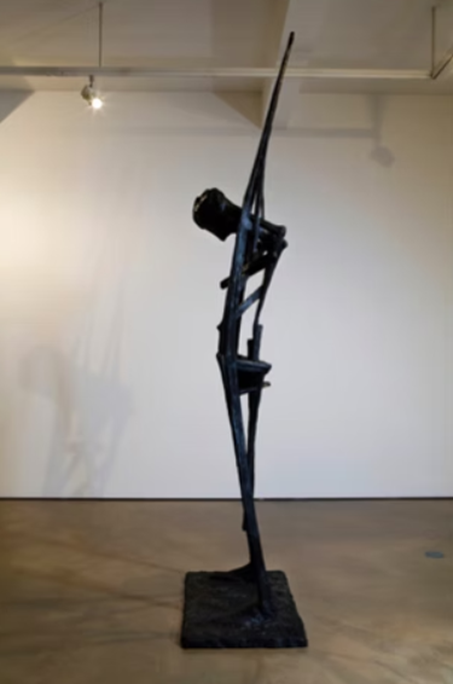
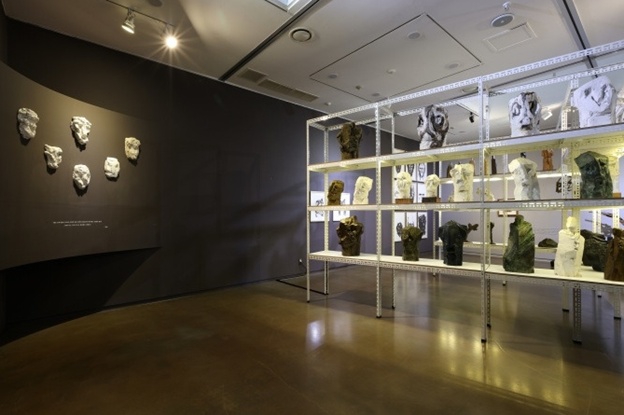
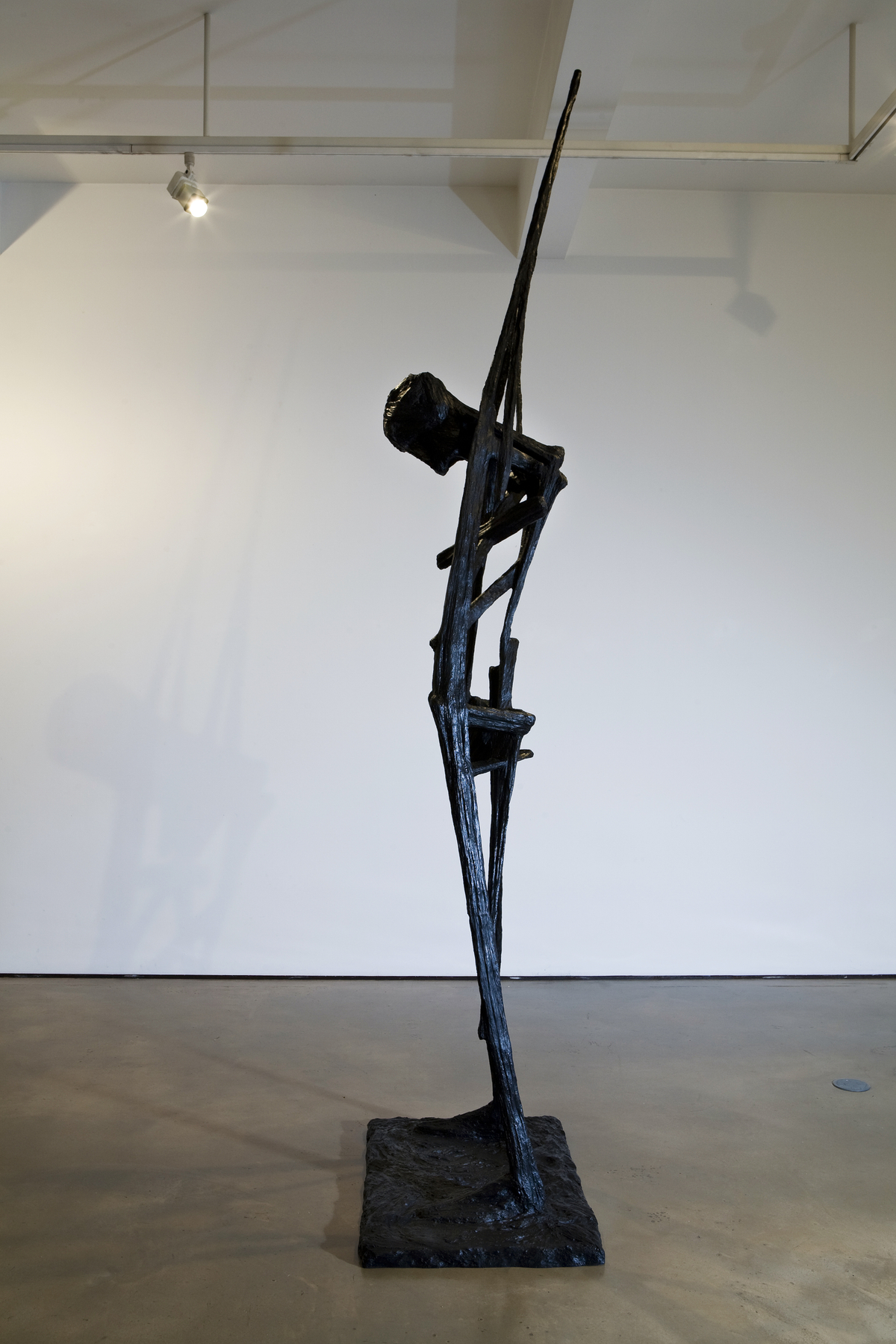
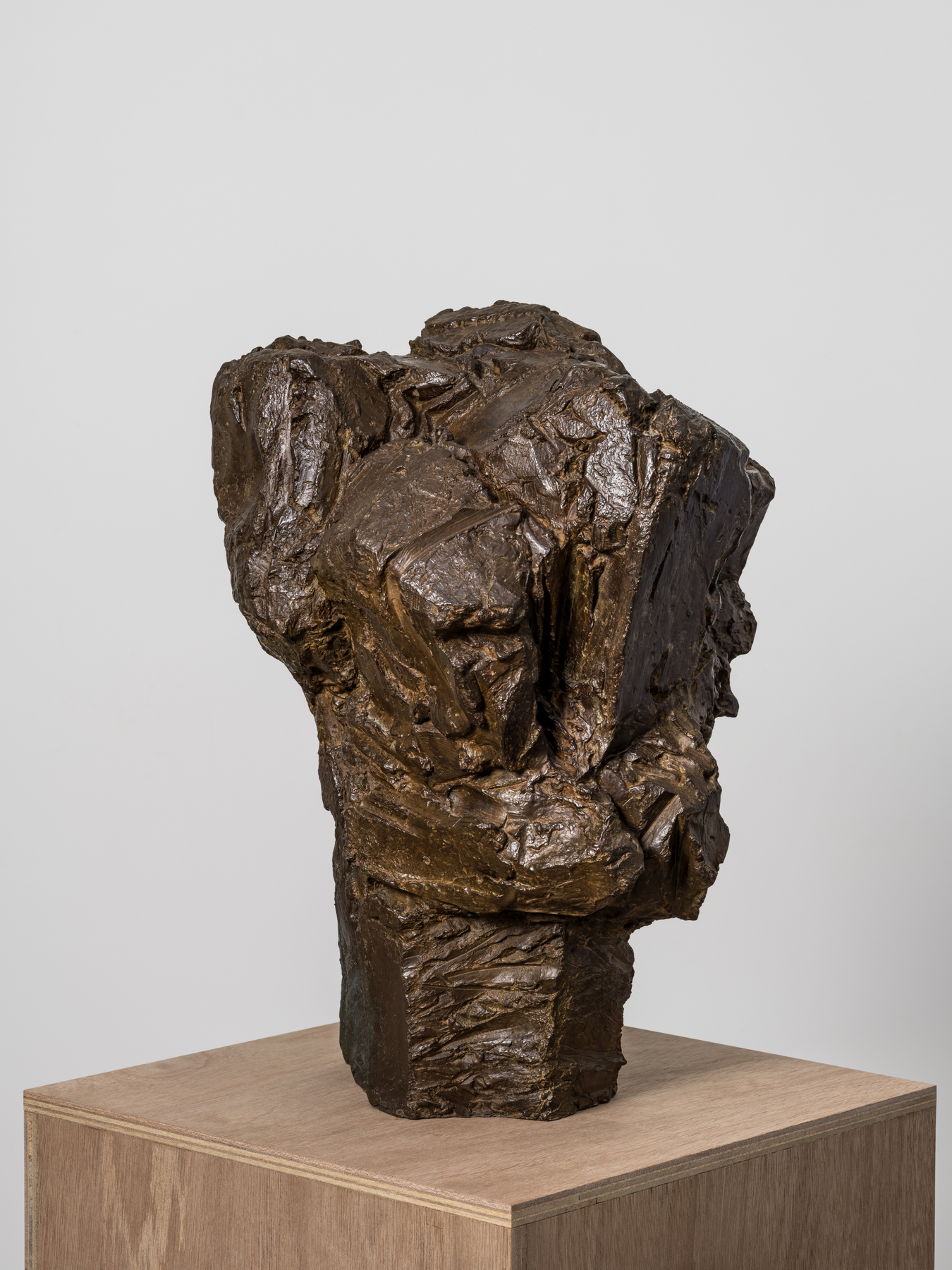
In his early works, Chung Hyun took the human body as a primary sculptural subject, yet these figures remain distant from anatomical reproduction or idealized form. Unbalanced postures, roughly treated surfaces, and exaggerated masses do not present the human as a complete image, but instead expose the conditions and pressures under which existence is placed. Works from this period function as an important preliminary stage for his later shift toward material-centered sculptural practice.

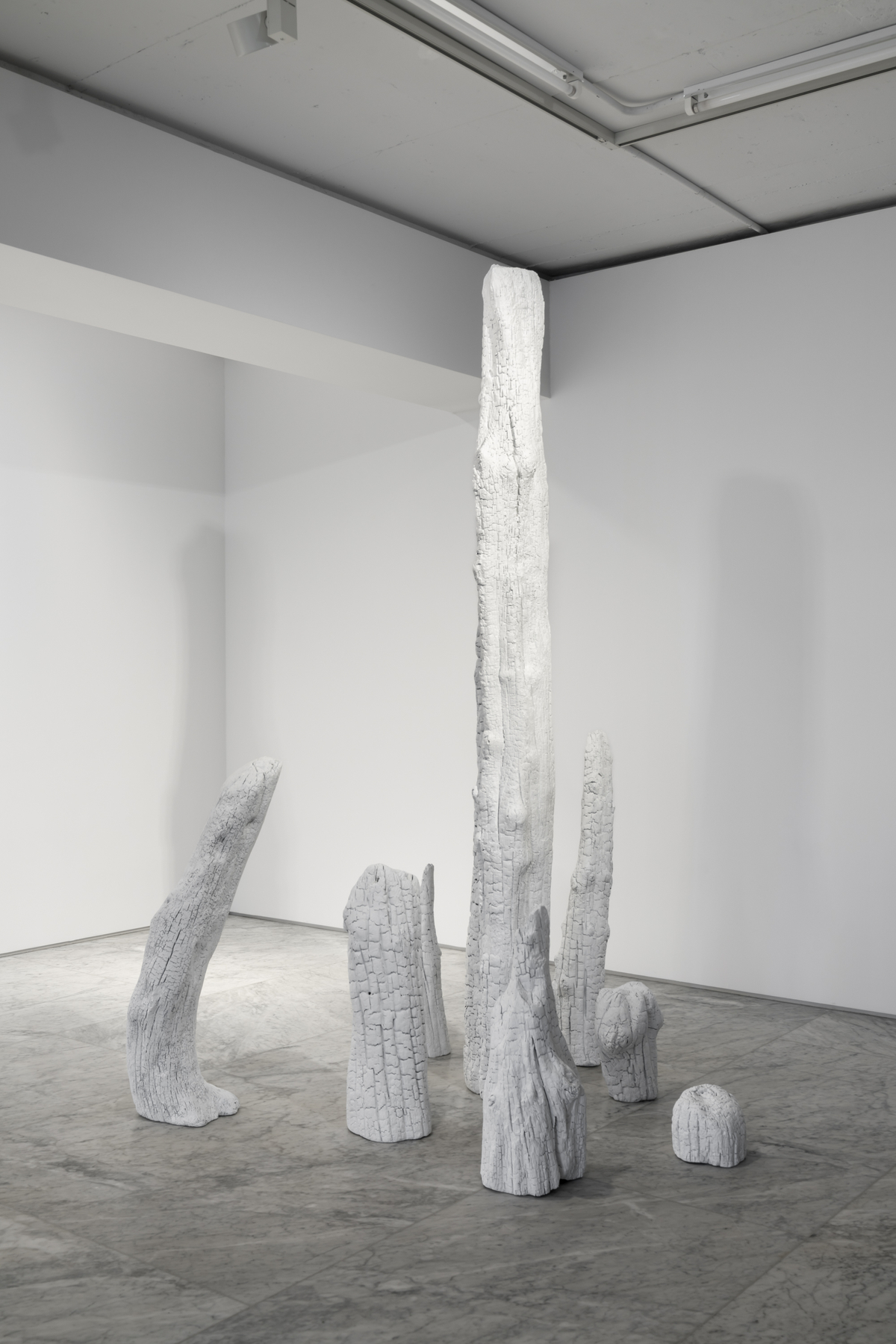
From the mid-1990s onward, the artist gradually excludes the human figure and brings materials themselves to the foreground. Objects such as railroad ties or crushers—materials that have endured repeated loads and impacts over long periods—no longer take on anthropomorphic forms, yet function as condensed embodiments of human labor, time, and social conditions. Rather than interpreting these materials as metaphors for the human, Chung Hyun concentrates on their material states and histories, investigating not form itself but the conditions through which form comes into being. Since the 2000s, he has increasingly adopted materials that have fully served their functions and been discarded—sleepers, asphalt, scrap rebar, charcoal—as his primary media. These materials sometimes assemble anthropomorphic forms, yet are simultaneously presented as entities that internally contain dense accumulations of time.

This attitude persists in his recent works. While the human figure is not brought to the foreground, the artist continues to focus on the relationship between humans and materials, and on the ways humans have sensed and occupied the world. In Chung Hyun’s work, the human does not stand at the center of sculpture, but remains a presence indirectly invoked through matter and time.

Style & Contents

Chung Hyun’s sculptural practice unfolds through a minimization of the artist’s intervention. Rather than finely processing materials or tightly controlling form, he exposes material properties through processes of pushing, stacking, leaving, and repeating. This formal approach emerges from an attitude that continuously deviates from the traditional grammar of sculpture without wholly negating it. Through this, sculpture comes to be positioned not as a means of realizing artistic intention, but as a result generated through a relationship with materials.

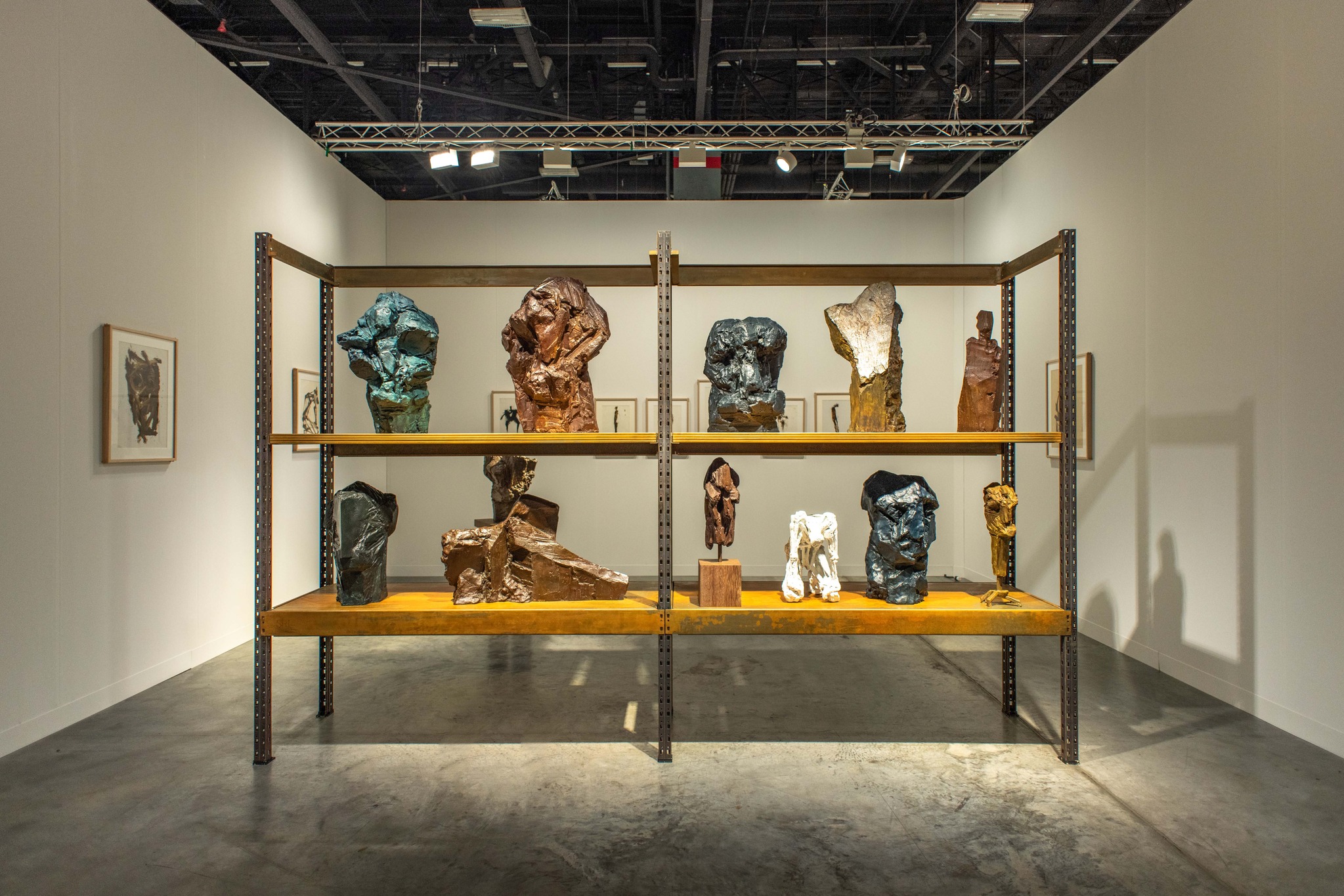
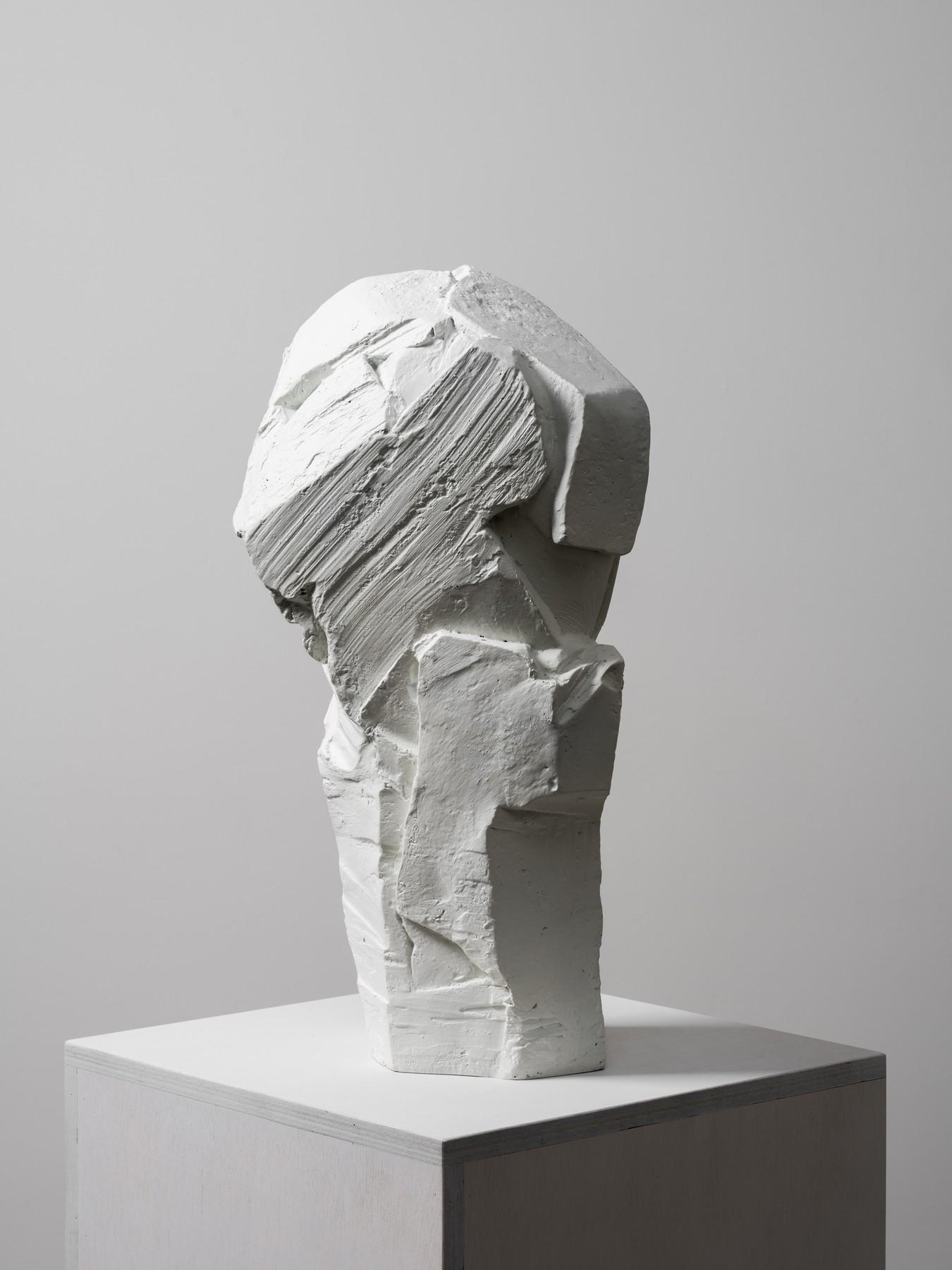
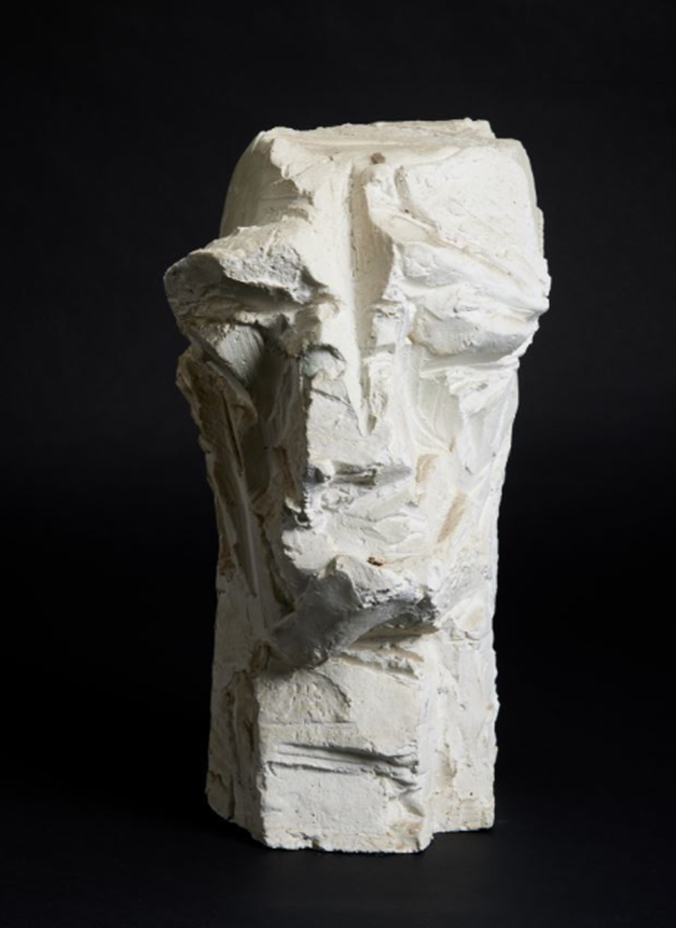
In early plaster works and pieces using manila rope, the human body appears as a dismantled and compressed mass—a tendency that persists even as materials later expand to bronze, wood, and industrial waste. Works such as Untitled(1987, 1989) from this period do not depict the human body directly, but resemble masses that appear as traces left by the body.

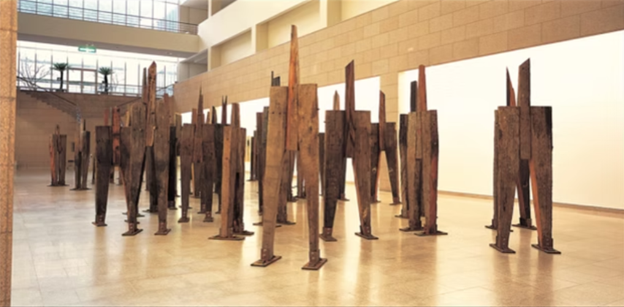
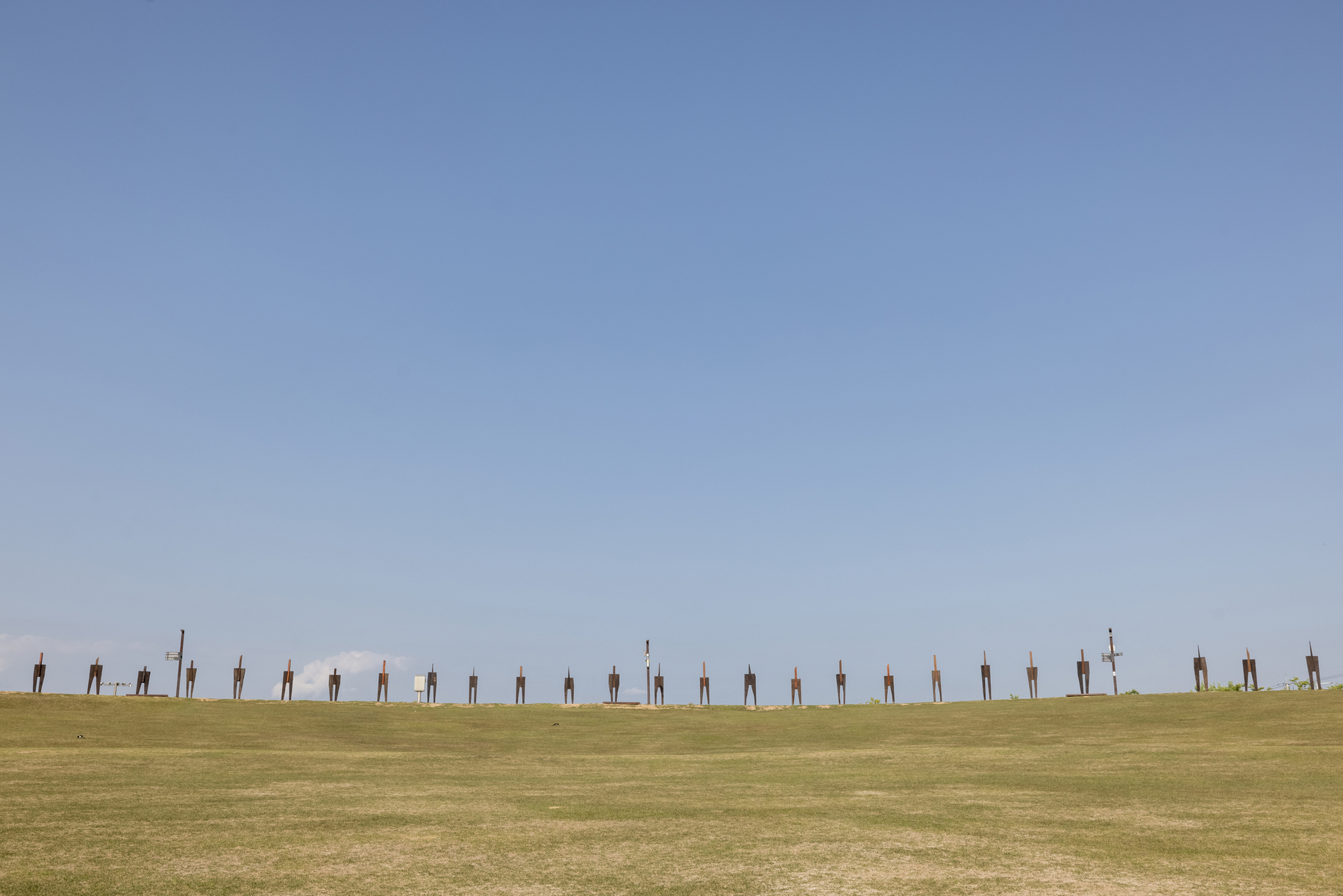
With the introduction of railroad ties in the 2000s, Chung Hyun’s sculptural language enters a decisive turning point. In The Standing Man(2001–2021), accumulated cracks and abrasion on the sleeper surfaces, together with simple vertical and horizontal structures, articulate states of endurance and persistence while minimizing concrete depiction of the human body.

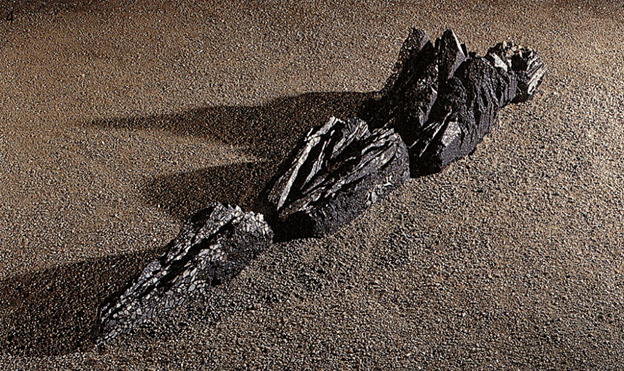
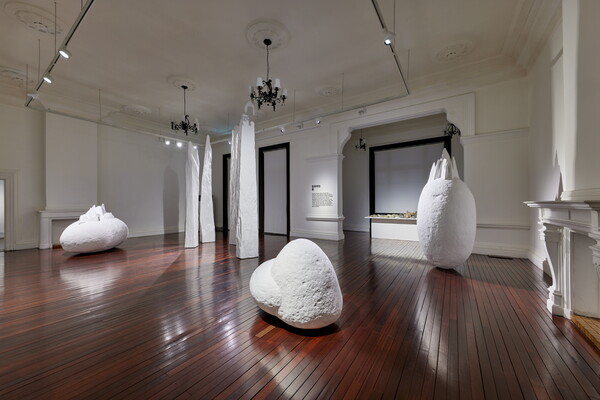
The works adopt only minimal formal frameworks, leading viewers to perceive them less through shape than through weight, density, and surface condition. Here, sculpture is presented not as a visually complete object, but as a material entity in which time is condensed. Subsequent variations combining stainless steel or aluminum emphasize structural tension sustained within material injury through contrasts between different substances. In works made with asphalt, the human form is presented in a reclined position, a formal decision derived from the material’s pliability and its response to gravity.

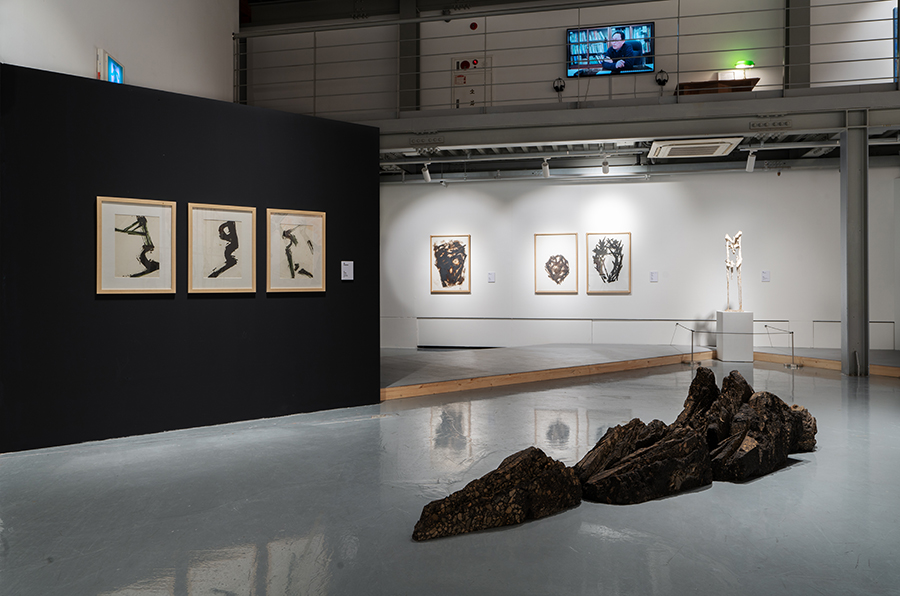
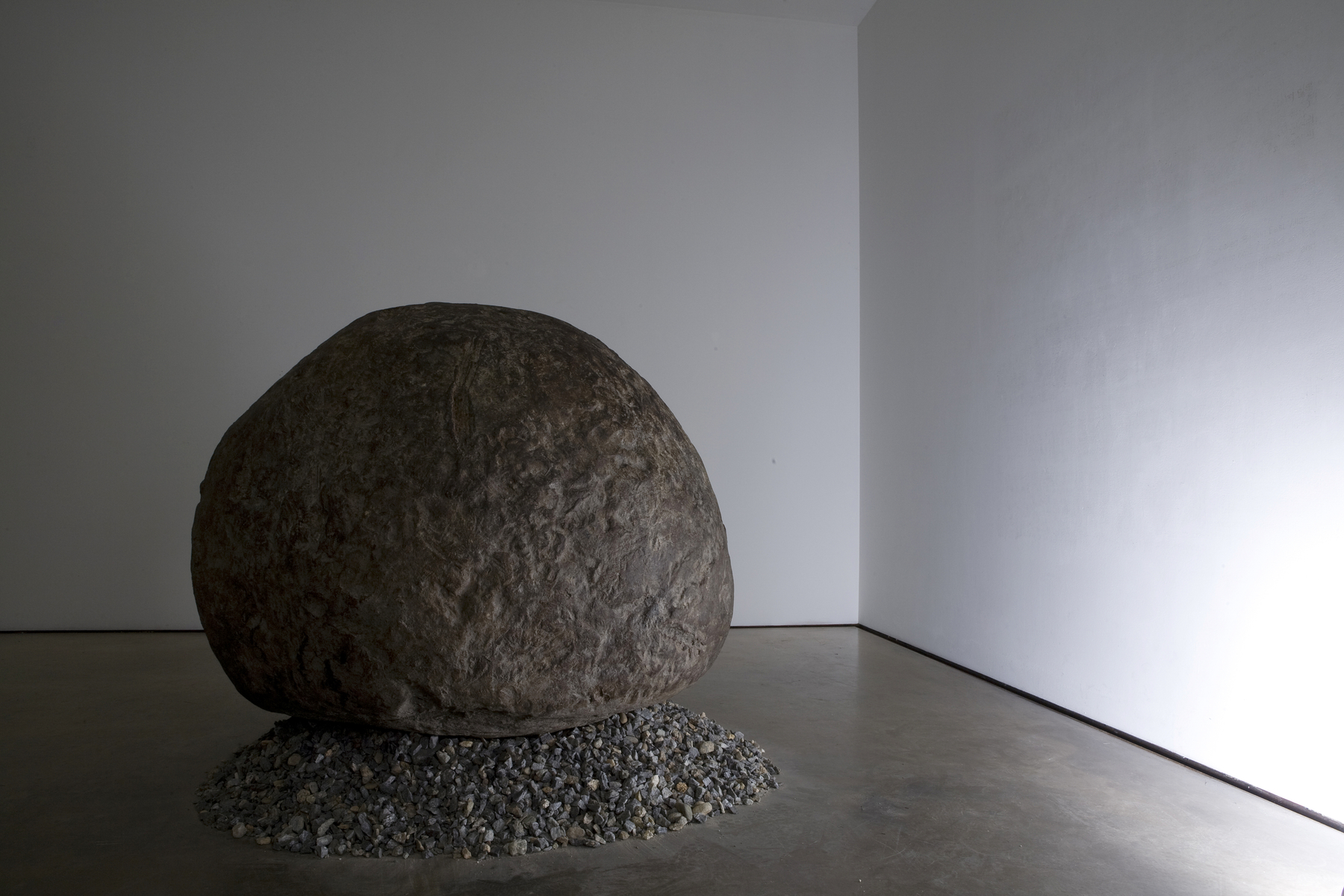
This stance becomes even clearer in works employing industrial materials such as crushers, asphalt, and coal. Rather than re-sculpting the material, the artist installs it in the exhibition space in its already physically transformed state. Sculpture here approaches not a “made object,” but something closer to a discovered and confronted entity. Sculptural form expands further in non-anthropomorphic and non-narrative directions, with the material’s scale, weight, and density acting directly on perception prior to interpretation.

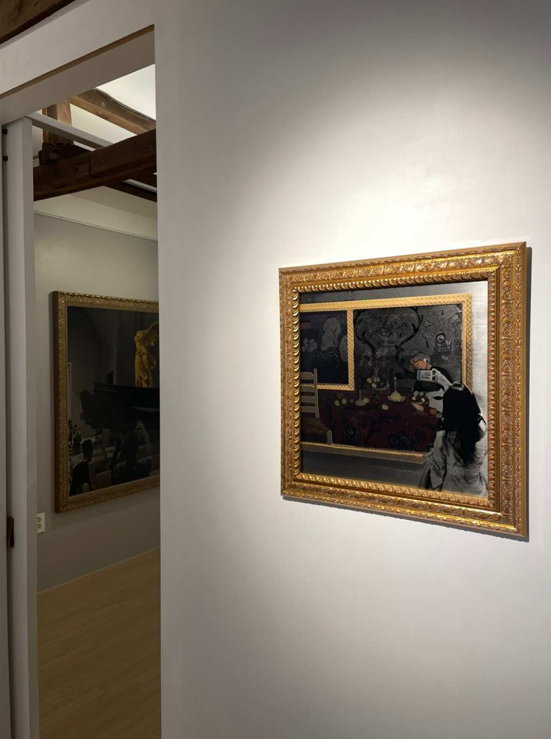
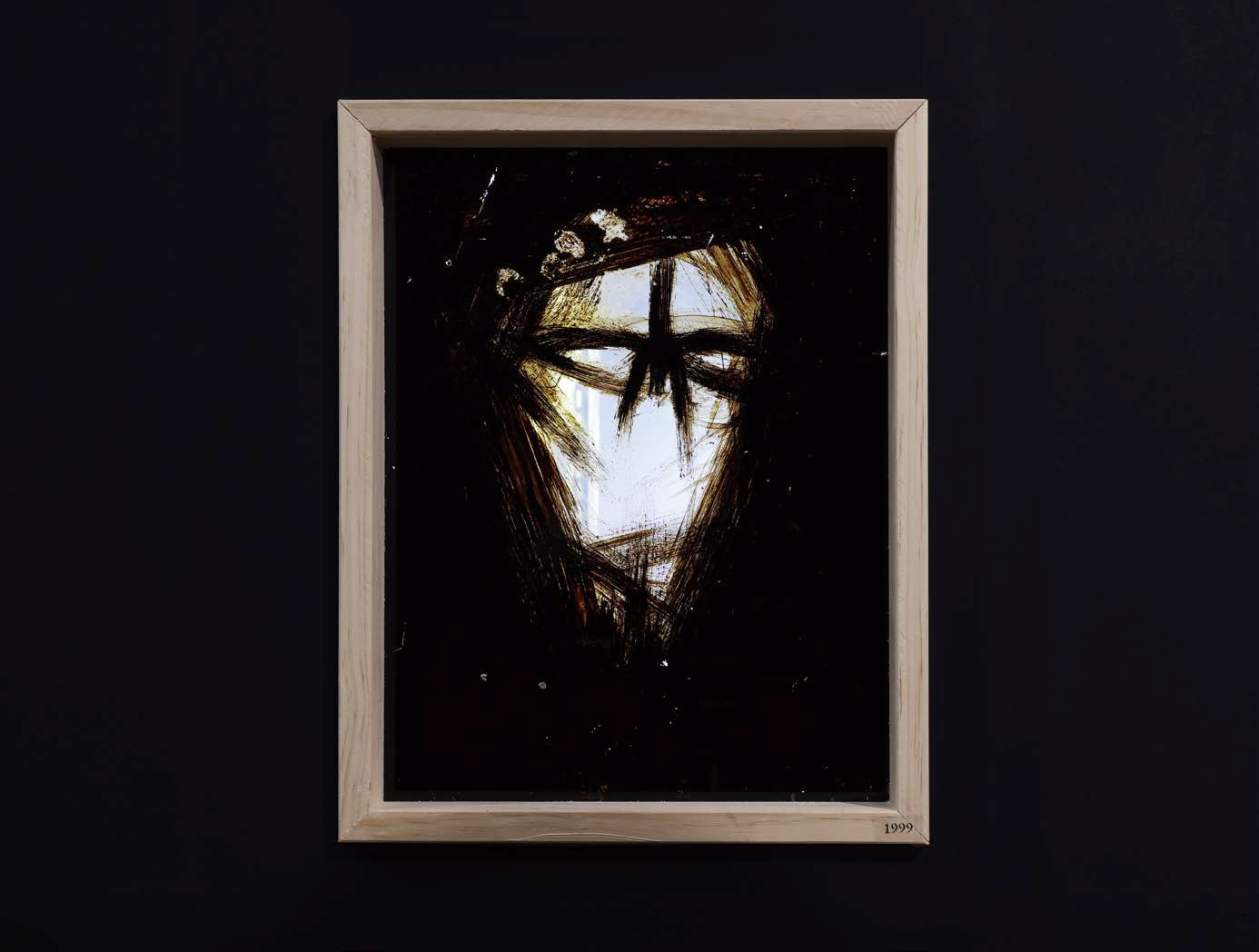
Drawing likewise functions not as an independent genre separate from sculpture, but as a medium that extends Chung Hyun’s material-centered sculptural approach. Drawings using coal tar, works on X-ray film, and drawings employing rust from steel plates record traces left by materials rather than depicting images. These works operate as another sculptural layer that reveals momentary affects and residual sensations that sculpture alone cannot capture.

Topography & Continuity

Chung Hyun’s work maintains a certain distance from the symbolic narratives and conceptual devices often found in traditional sculpture. He does not reduce materials to instruments of social messaging, nor does he foreground formal experimentation itself. Instead, he places the temporality and usage histories of materials at the center of sculpture, expanding it into a field for thinking through material states. For him, material is not an object, but closer to a mediator and agent that calls forth perception in both the artist and the viewer.

This attitude secures a distinctive position within the flow of Korean contemporary sculpture. While Chung Hyun addresses materials left behind after industrialization, he does not simplify them into political signs or social symbols. Rather, by respecting the time and conditions materials have endured, he foregrounds material existence itself while suspending human-centered interpretation. He forms a sculptural stance that maintains tension between the “represented human figure” and “complete abstraction,” replacing narrative with the accumulation and repetition of practice itself.

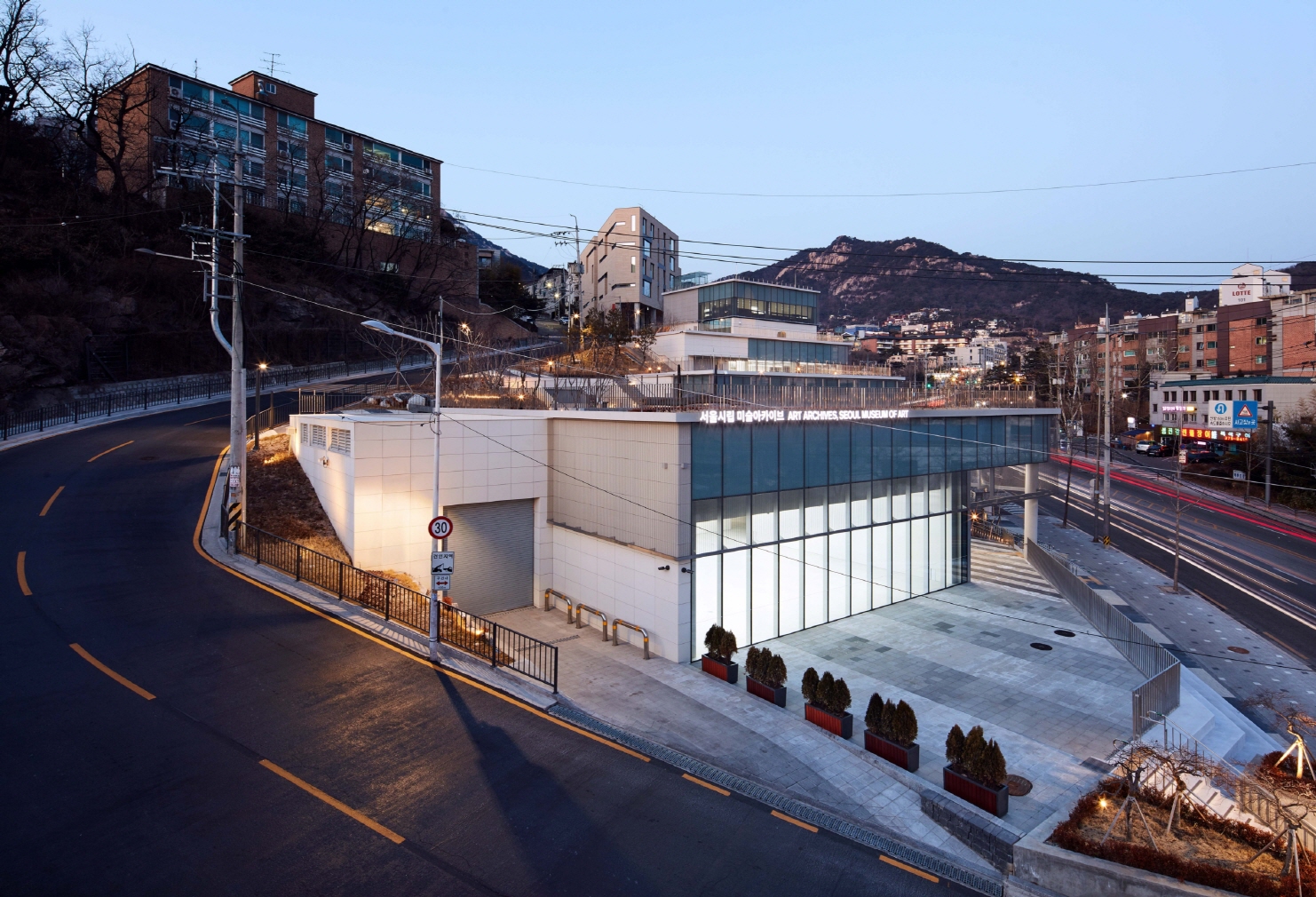
Recent solo exhibitions such as 《Mass》(Seoul Museum of Art, Nam-Seoul Branch, 2024) and 《The Cumulative Burst》(PKM Gallery, 2025) demonstrate the consistency of this working attitude. The juxtaposition of sculpture and drawing reveals that his practice does not remain confined to a single formal period, but continually renews its questions around material and form. This allows works produced since the late 1980s to be recognized as a single, continuous aesthetic trajectory.

His work will continue to expand the relational field among humans, materials, and environments. Chung Hyun’s persistent engagement with the already exhausted, the humble, and the discarded—through which he asks after the dignity of existence—will remain a sculptural practice that proposes a slow sensibility and an ethics of materiality within the contemporary art landscape driven by speed and efficiency.

Works of Art

The Valuable Essence of Non-subjects

Exhibitions