



YoungEun Kim (b.1980) - K-ARTIST
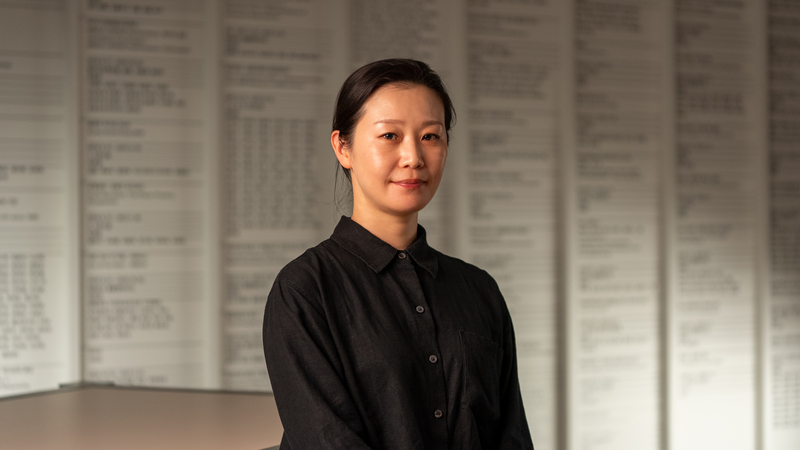
YoungEun Kim (b.1980)

YoungEun Kim received her BFA in Sculpture from Hongik University and MFA in Fine Arts from Korea National University of Arts, and completed the Sonology course at the Royal Conservatoire of The Hague. She is currently pursuing a PhD in Film and Digital Media at the University of California, Santa Cruz.

Solo Exhibitions (Brief)

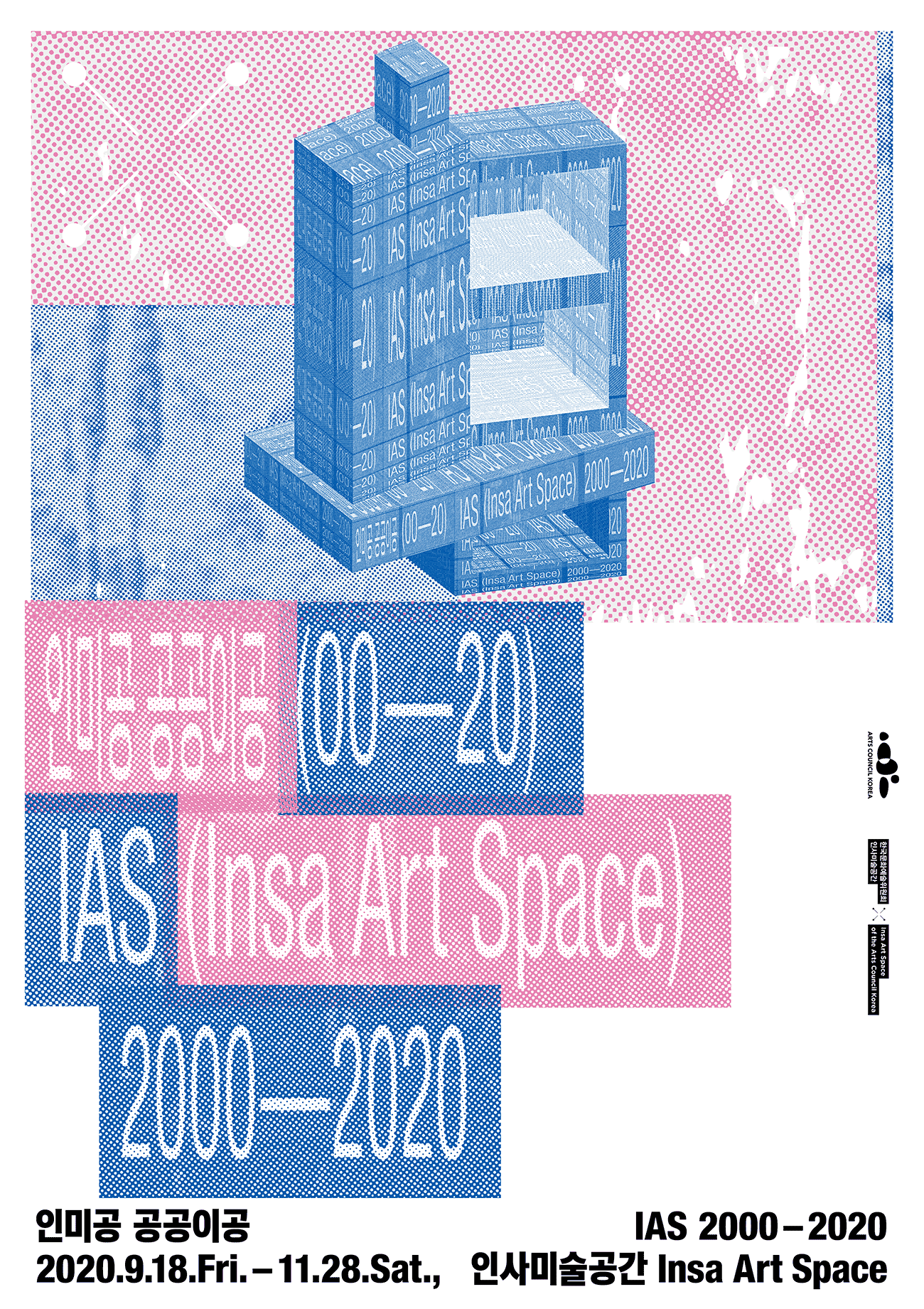
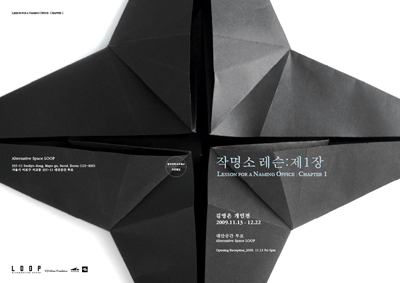
YoungEun Kim has presented solo exhibitions at Insa Art Space (2006), Alternative Space Loop (2009), Project Space Sarubia and Seoul Art Space Mullae (2011), Solomon Building + CAKE Gallery (2014), Visitor Welcome Center, Los Angeles (2019), and SONGEUN (2022).

Group Exhibitions (Brief)

YoungEun Kim has participated in major group exhibitions and screenings at the National Museum of Modern and Contemporary Art, Korea (2025, 2020), the Gwangju Biennale (2024), M+ Museum (2023), Kassel Documentary Film and Video Festival (2023), Kunstmuseum Bern (2021), Seoul Museum of Art (2021, 2016), SONGEUN (2022, 2017), Leeum, Samsung Museum of Art (2016), and HITE Collection (2015).

Awards (Selected)

YoungEun Kim received the final award for Korea Artist Prize 2025, the Korean Competition Short Winner at the Jecheon International Music & Film Festival in 2023, and the Grand Prize at the SONGEUN Art Award as well as an Honorary Mention at Prix Ars Electronica in 2017.

Residencies (Selected)

YoungEun Kim participated in residencies at Rijksakademie van beeldende kunsten (2014-2015) and Q-O2: Workspace for Experimental Music and Sound Art (2018).

Collections (Selected)

YoungEun Kim’s works are included in the collections of the National Museum of Modern and Contemporary Art, Korea, Museum of Contemporary Art Busan, Seoul Museum of Art, Jeju Museum of Contemporary Art, Gyeonggi Museum of Modern Art, SONGEUN Art and Cultural Foundation, Coreana Museum of Art, Rijksakademie van beeldende kunsten, and the Sigg Collection.
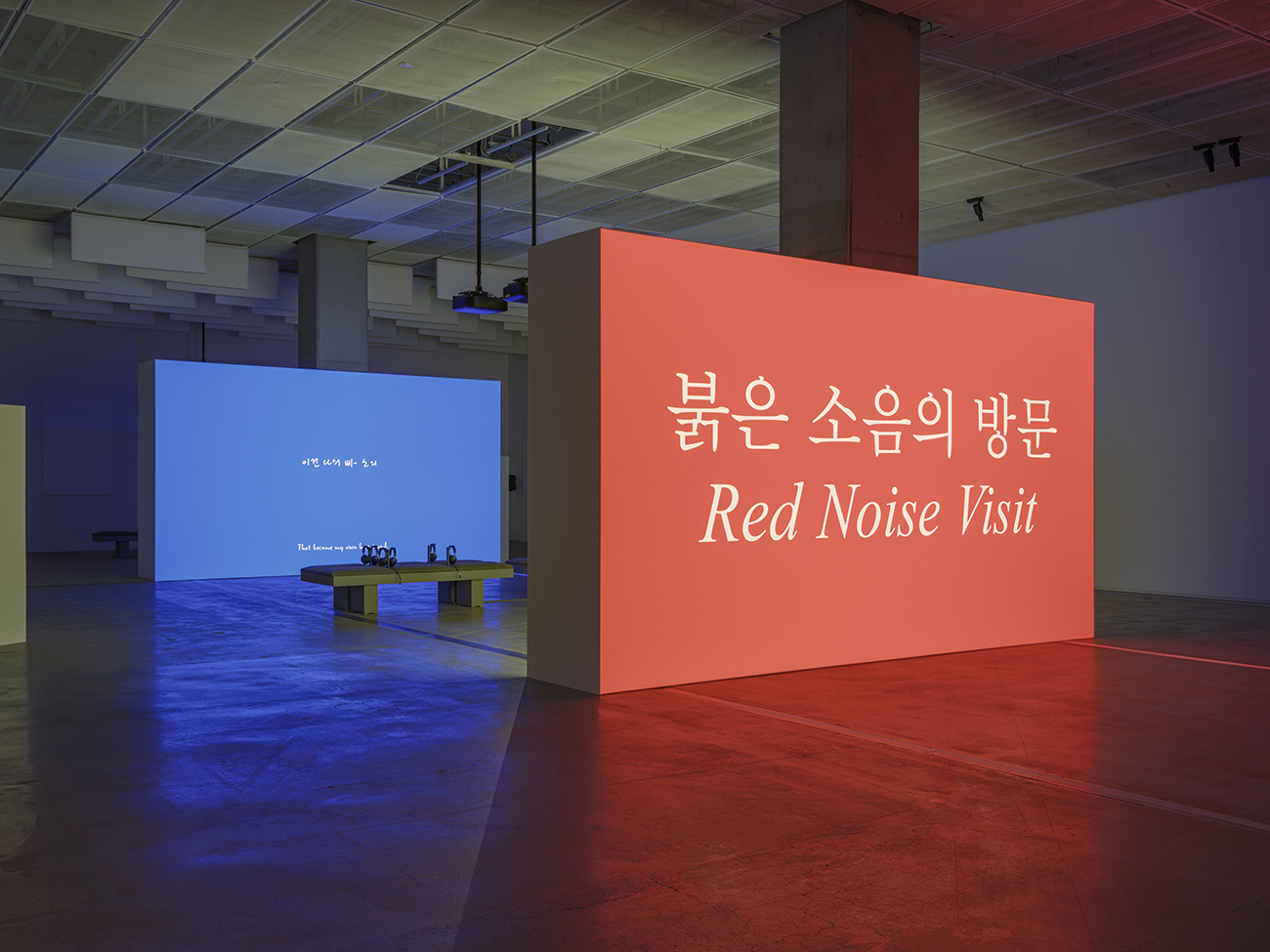
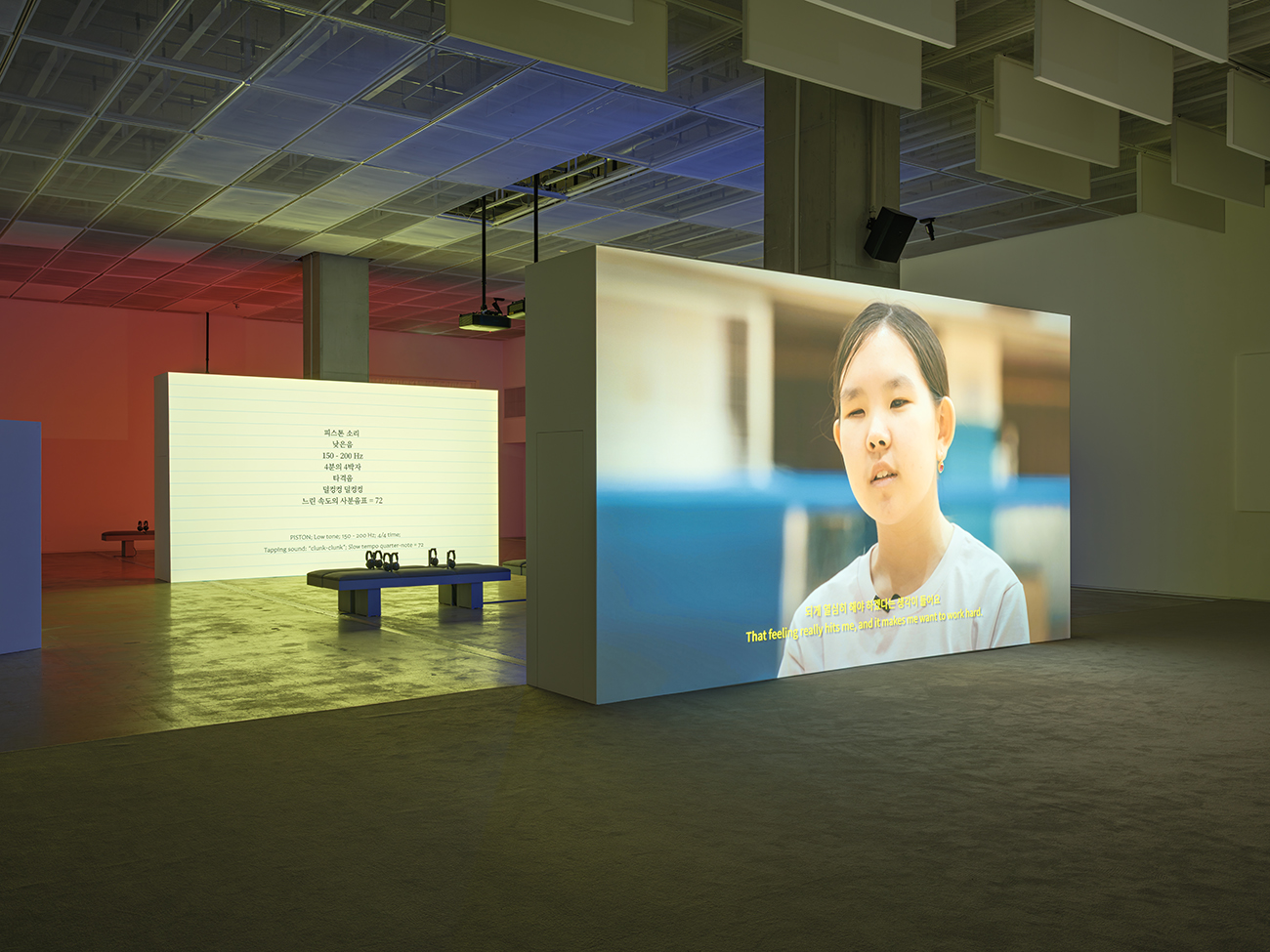
Works of Art

Disappearing Sounds, Unnamed Sensations, and Unrecorded Vibrations

Originality & Identity

YoungEun Kim is an artist who has spent the past two decades exploring the sensory structures and processes of institutionalization embedded within modern and contemporary Korean history through the mediums of sound and listening. Her practice extends beyond the use of sound as an artistic medium, focusing instead on how sound itself has been normalized, systematized, and hierarchized within broader social, political, and historical contexts. In particular, Kim critically revisits auditory systems and regimes of perception shaped through modernization, colonialism, militarism, migration, and diasporic experience, using acts of listening to recall narratives that have been omitted or rendered invisible within official histories and institutional archives.

The artist has developed a methodology closely aligned with what may be described as “sonic ethnography.” Rather than remaining at the level of field recording or acoustic collection, her work reconstructs sensory memories and power relations accumulated within particular times and places through auditory experience. For Kim, sound operates simultaneously as a physical phenomenon and as a medium through which the traces of colonial authority, institutional translation, and cultural assimilation become perceptible. Challenging systems of knowledge production historically dominated by Western visual paradigms, she proposes listening as an alternative epistemological practice.

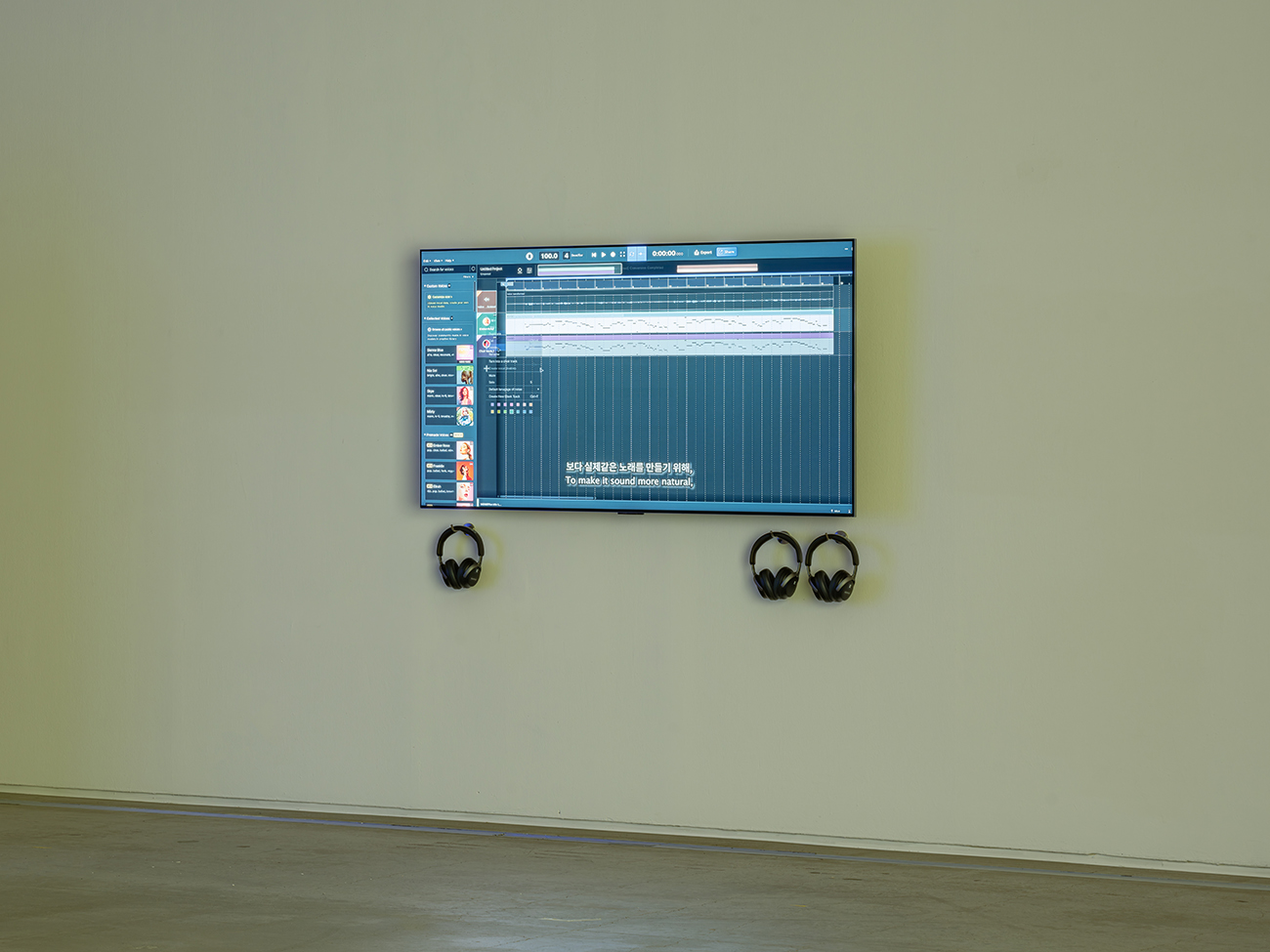
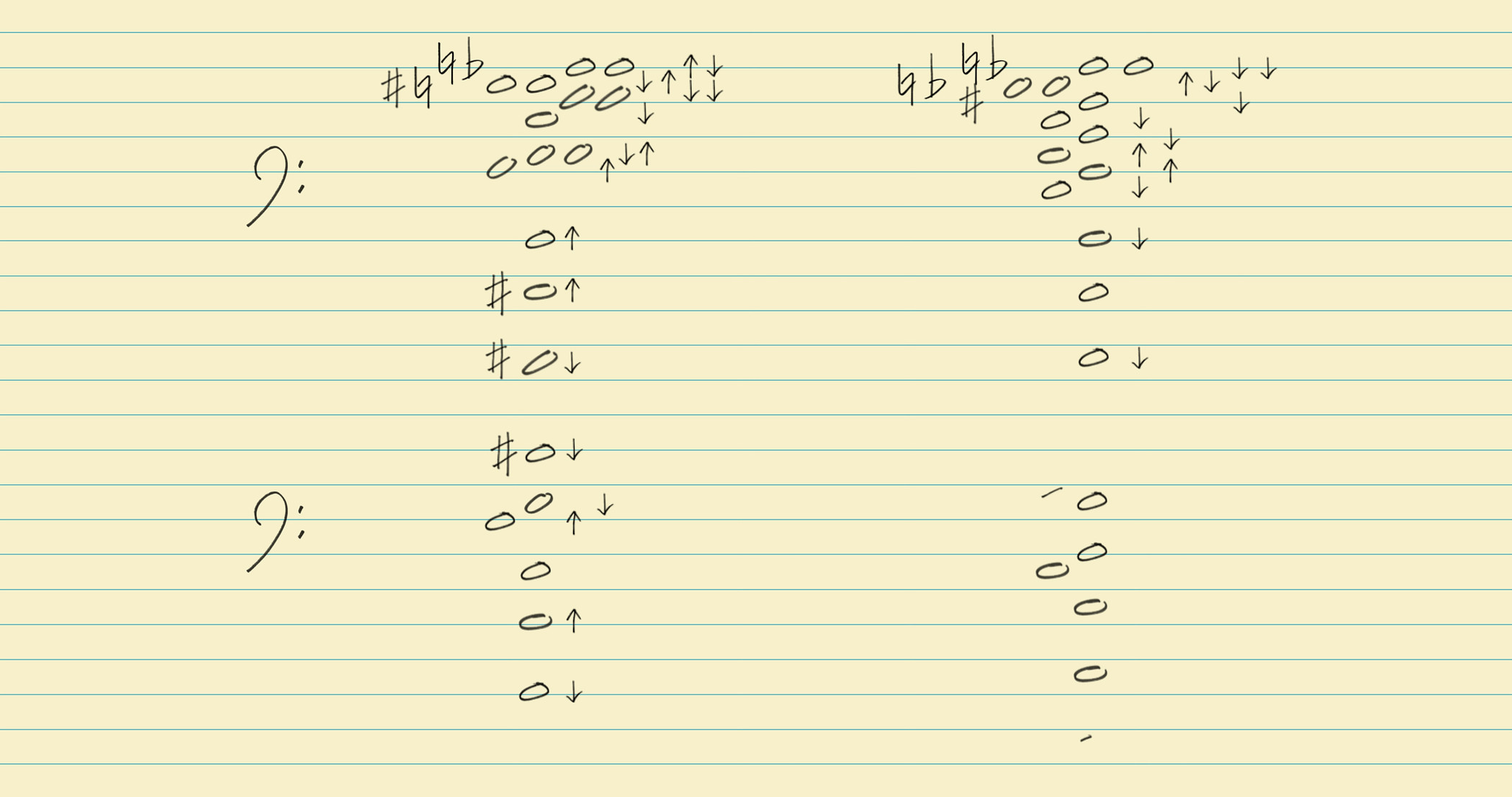
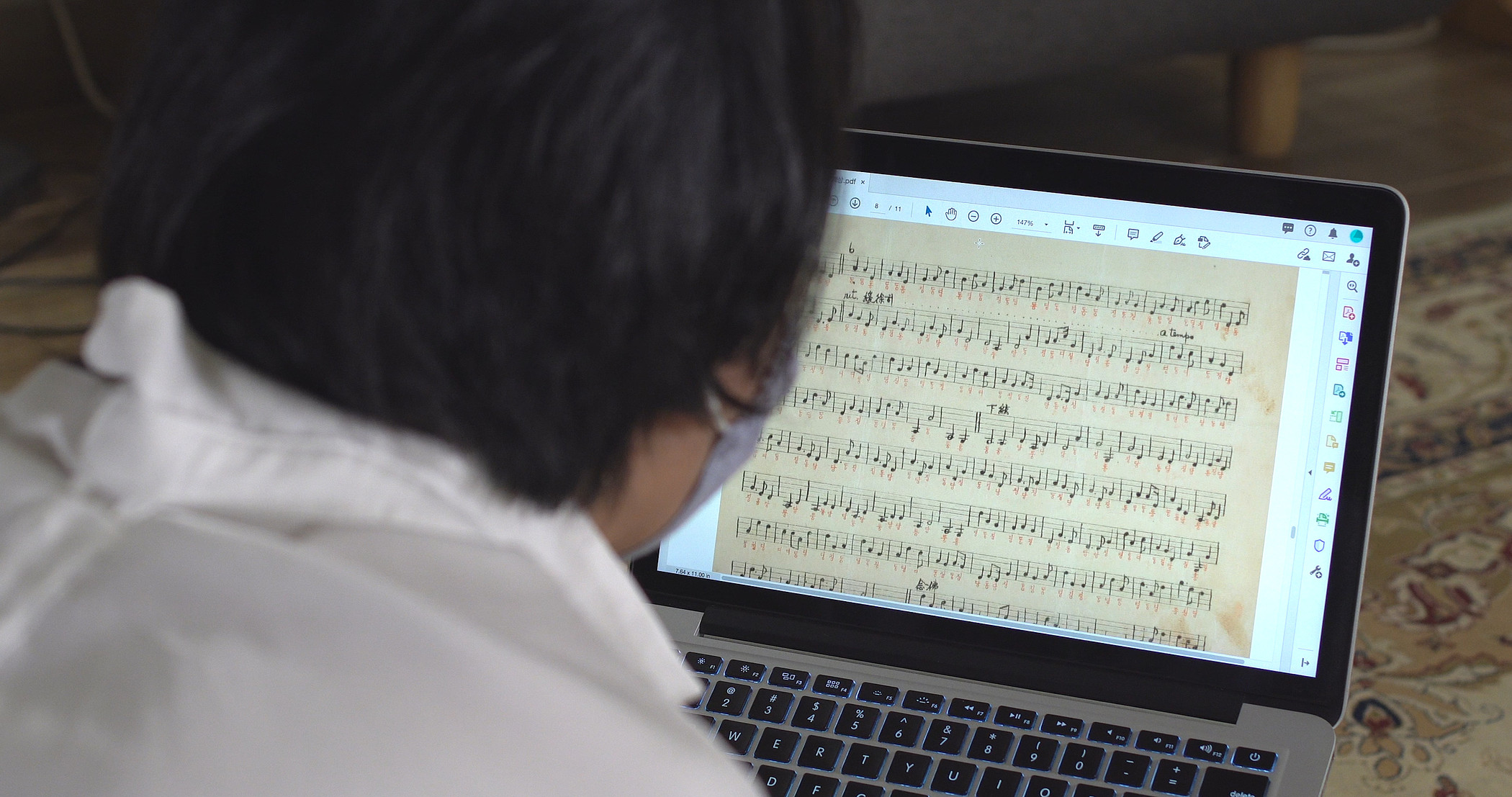
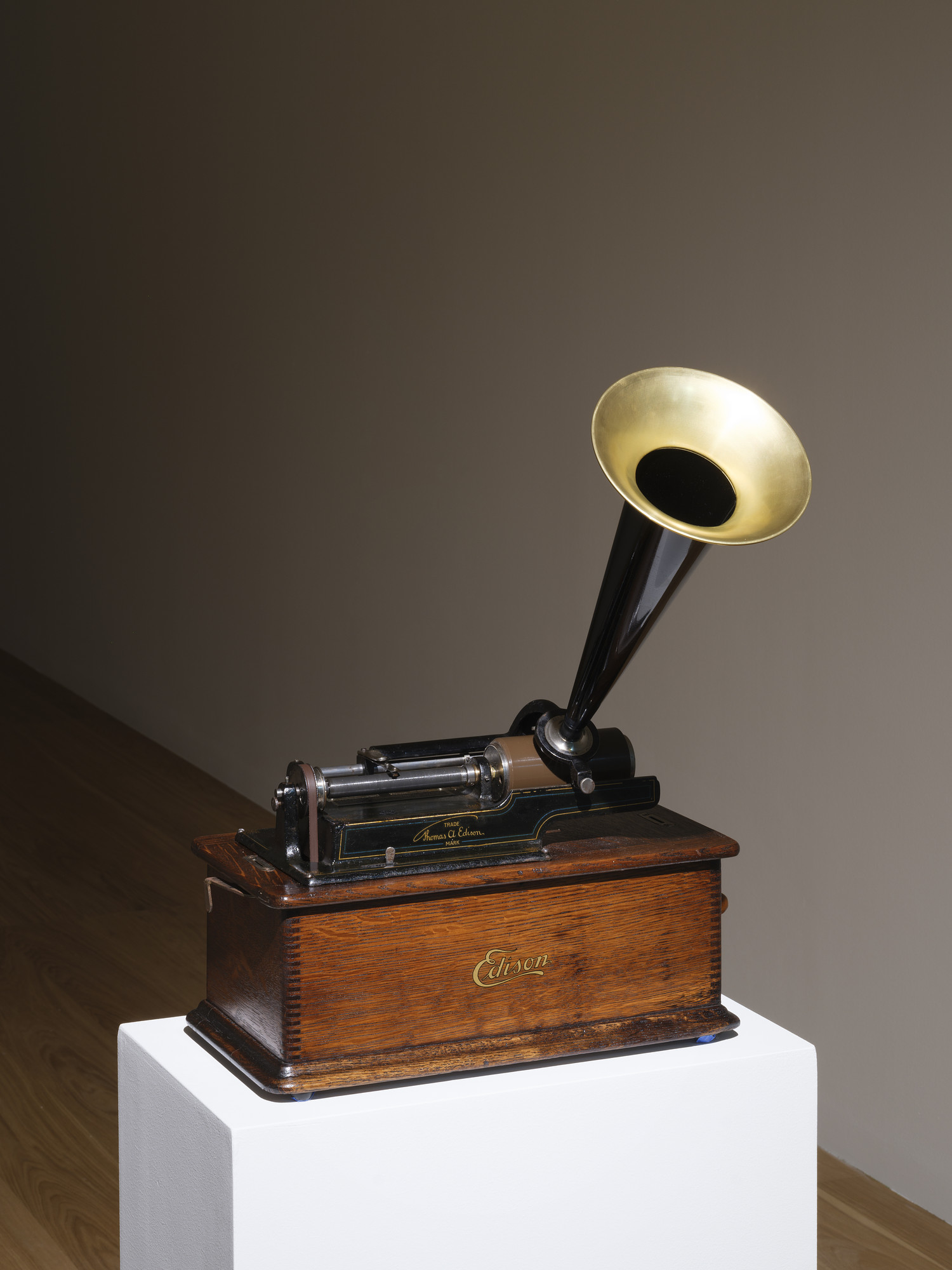
This line of inquiry has remained consistent throughout works produced since the late 2000s. In Lesson for a Naming Office: Three Treatments (2009), Oral Ground (2009), and The Units of the World According to ;Semicolon (2011), Kim explored unstable relationships between language and voice, sign and utterance, addressing sensory states that exist prior to fixed meaning or before sound becomes fully codified. Later works such as Ear Training (2022), Brilliant A (2022), and A Story of Oseonbo: Sounds Lost in Translation (2022) trace the histories of modern musical systems, notation, tuning standards, and translated music education, examining how “sound” came to be transformed into institutionalized “tone.” Here, Kim’s attention lies less in music itself than in the norms, standards, and frameworks that made music possible, as well as in the sensory traces that were excluded or distorted in the process.

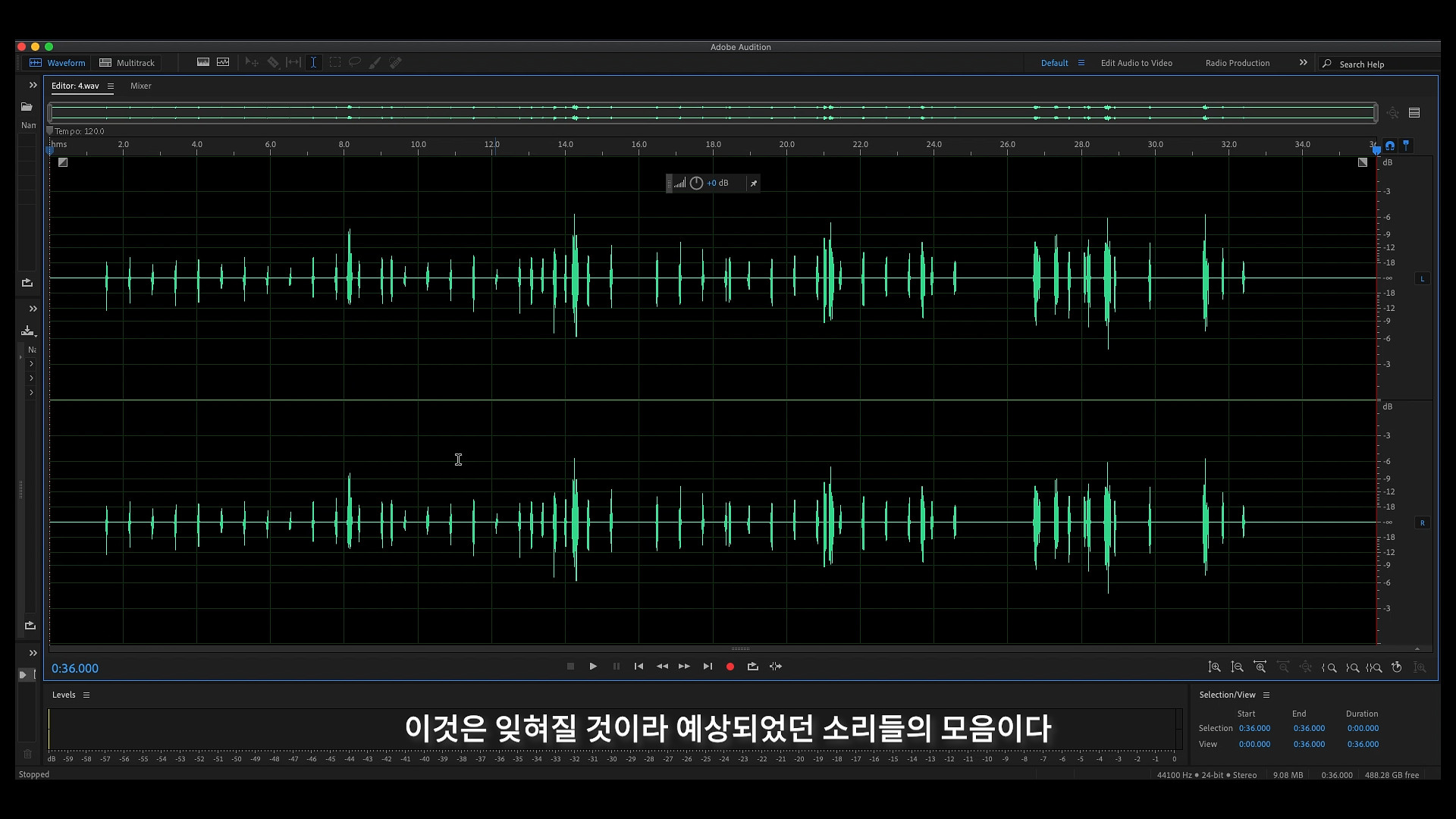
Kim’s practice does not seek restoration or nostalgia. Rather, acknowledging the impossibility of recovering an original form, she focuses on the new sensory possibilities that emerge through repeated processes of translation, transplantation, mistranslation, and transformation. Her attempts to listen again to disappeared sounds, unnamed sensations, and unrecorded vibrations function not simply as acts of archival recovery, but as critical practices for rethinking the world through listening itself. For Kim, listening is not the passive collection of information, but an ethical and artistic methodology through which gaps in history and perception may be revisited and existing systems of knowledge reconfigured.

Style & Contents

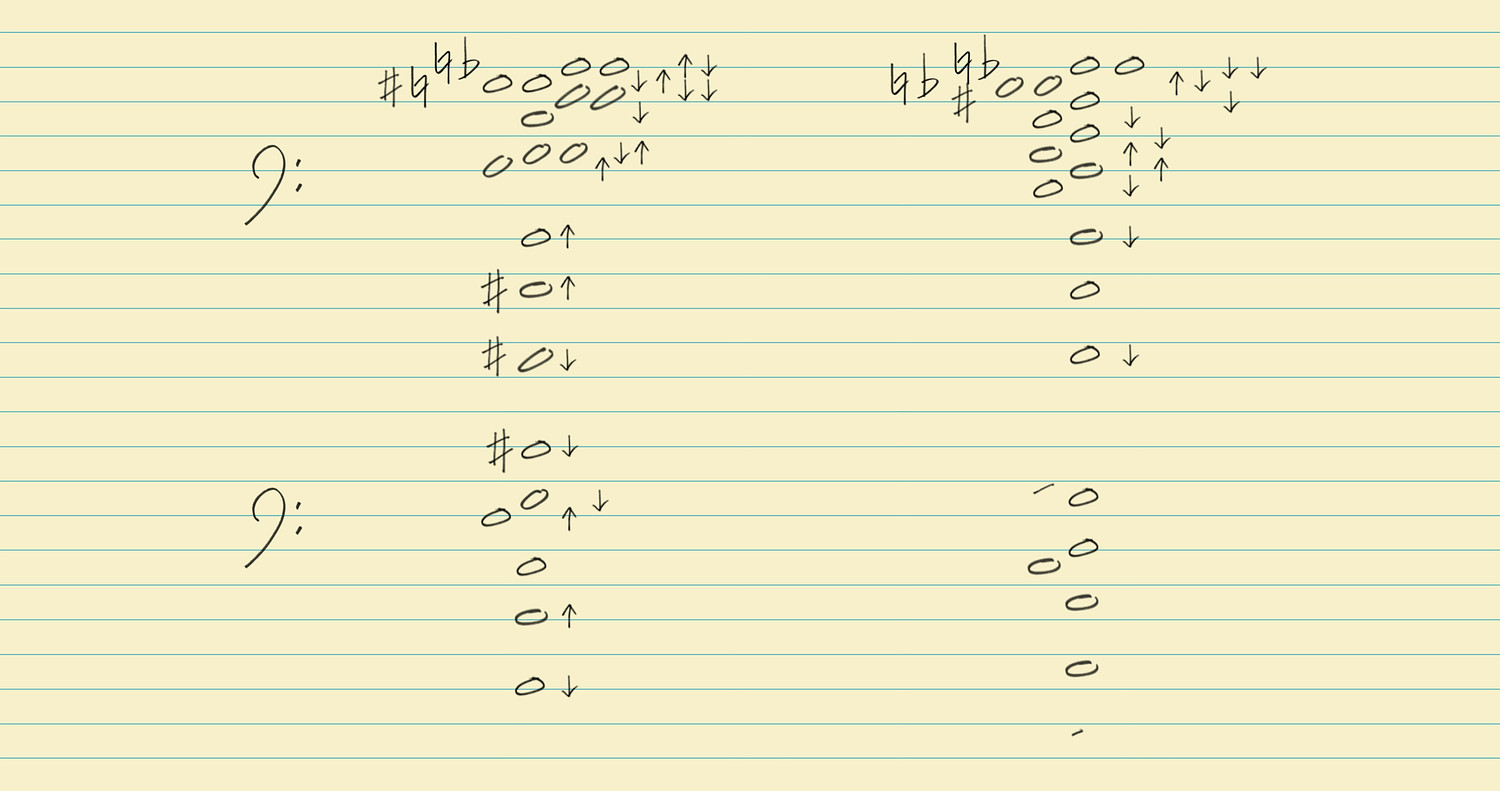
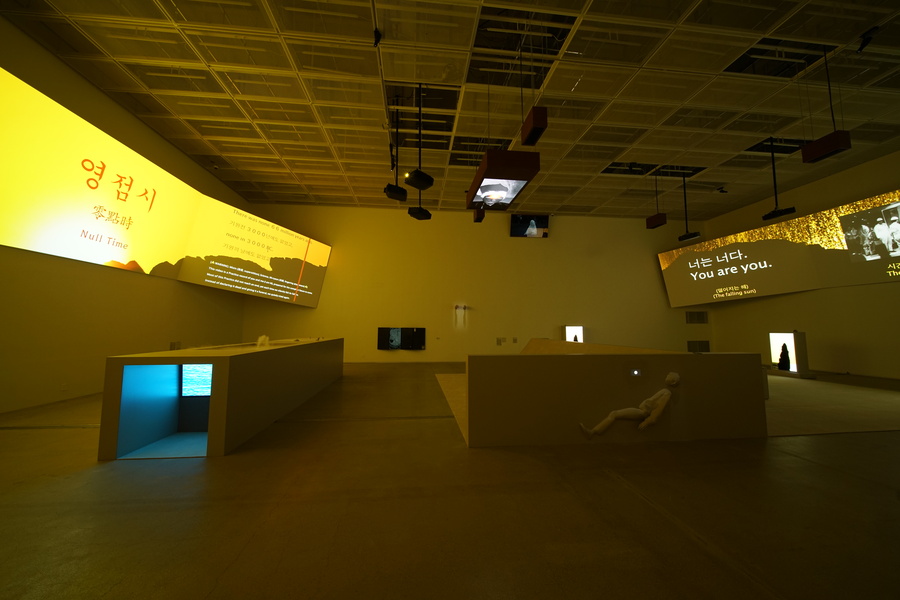
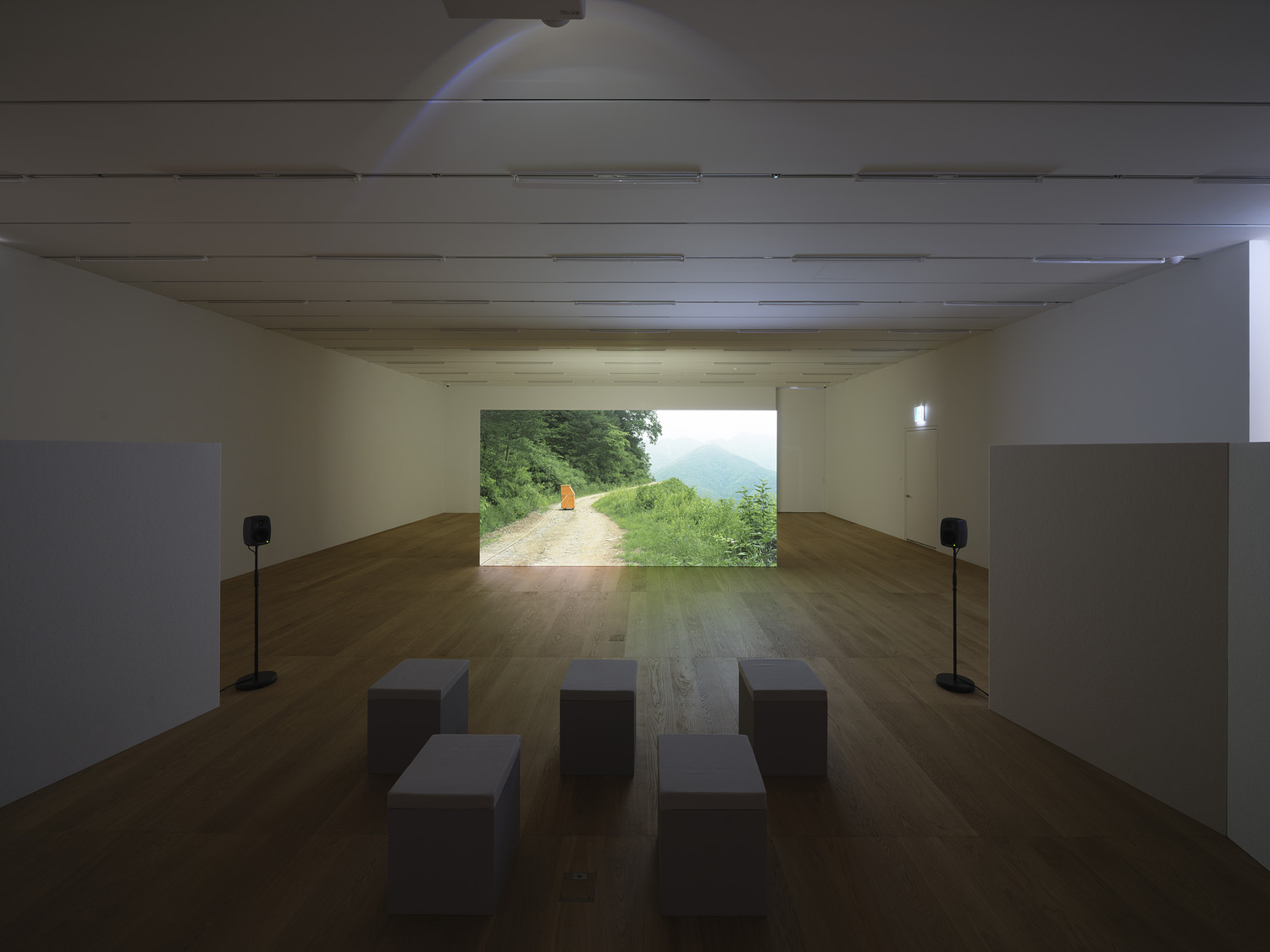
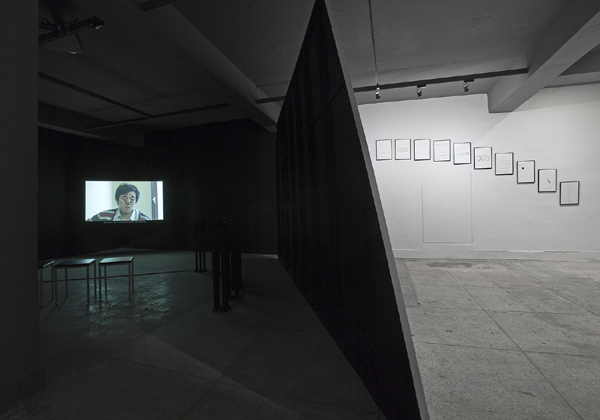
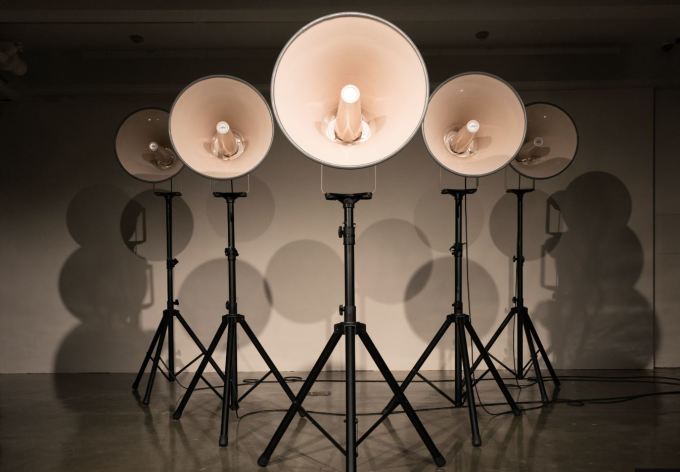
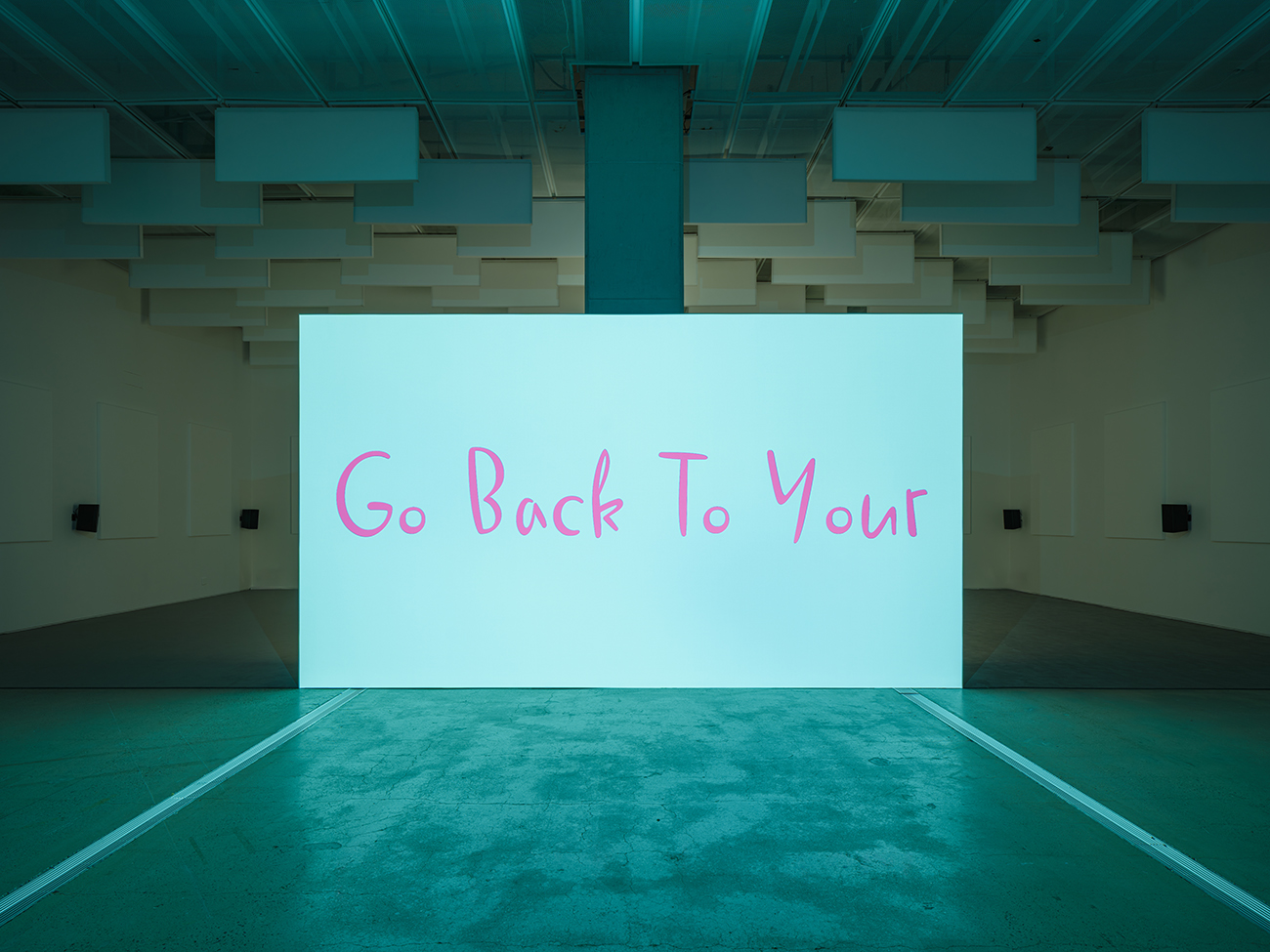
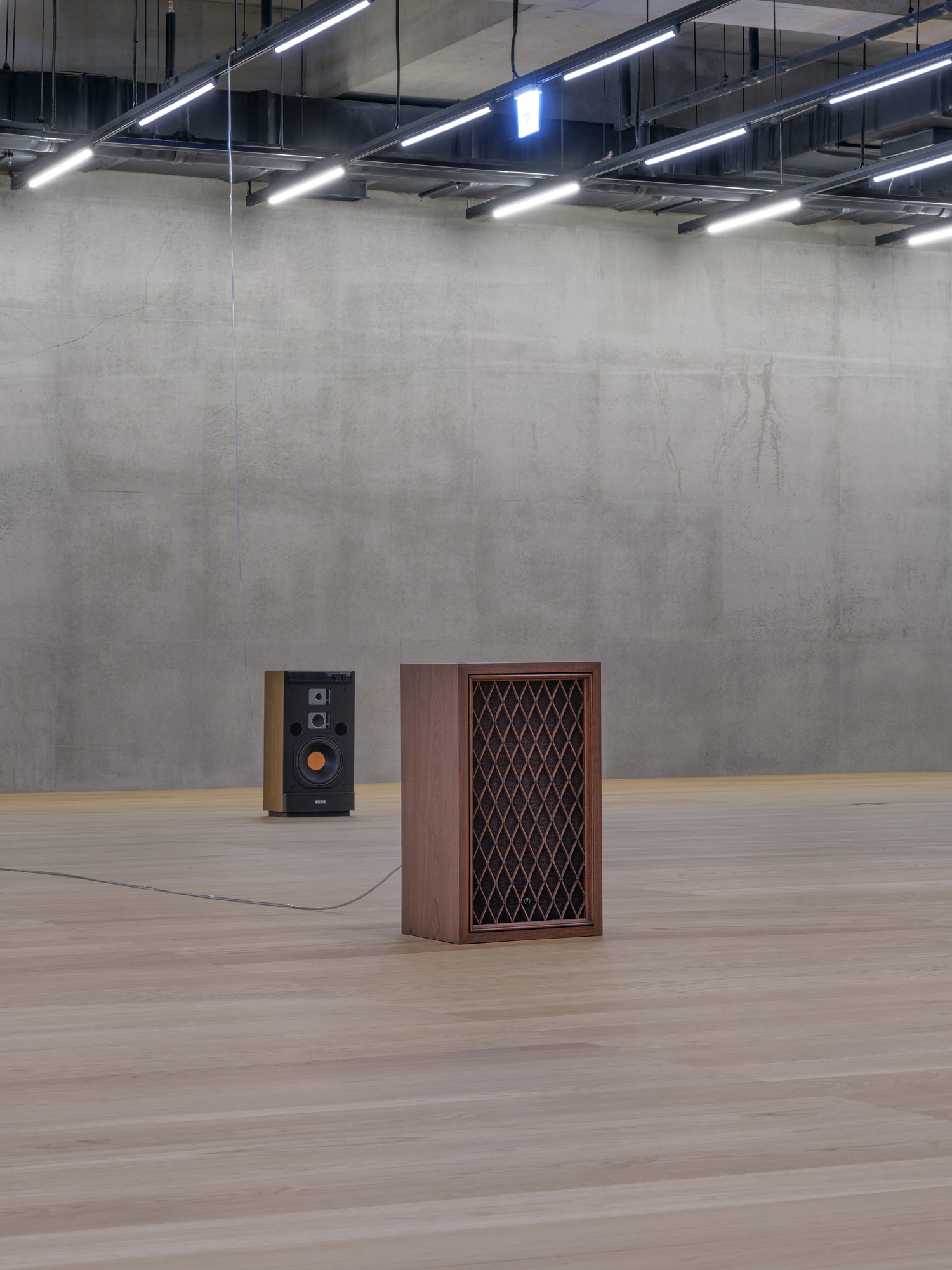
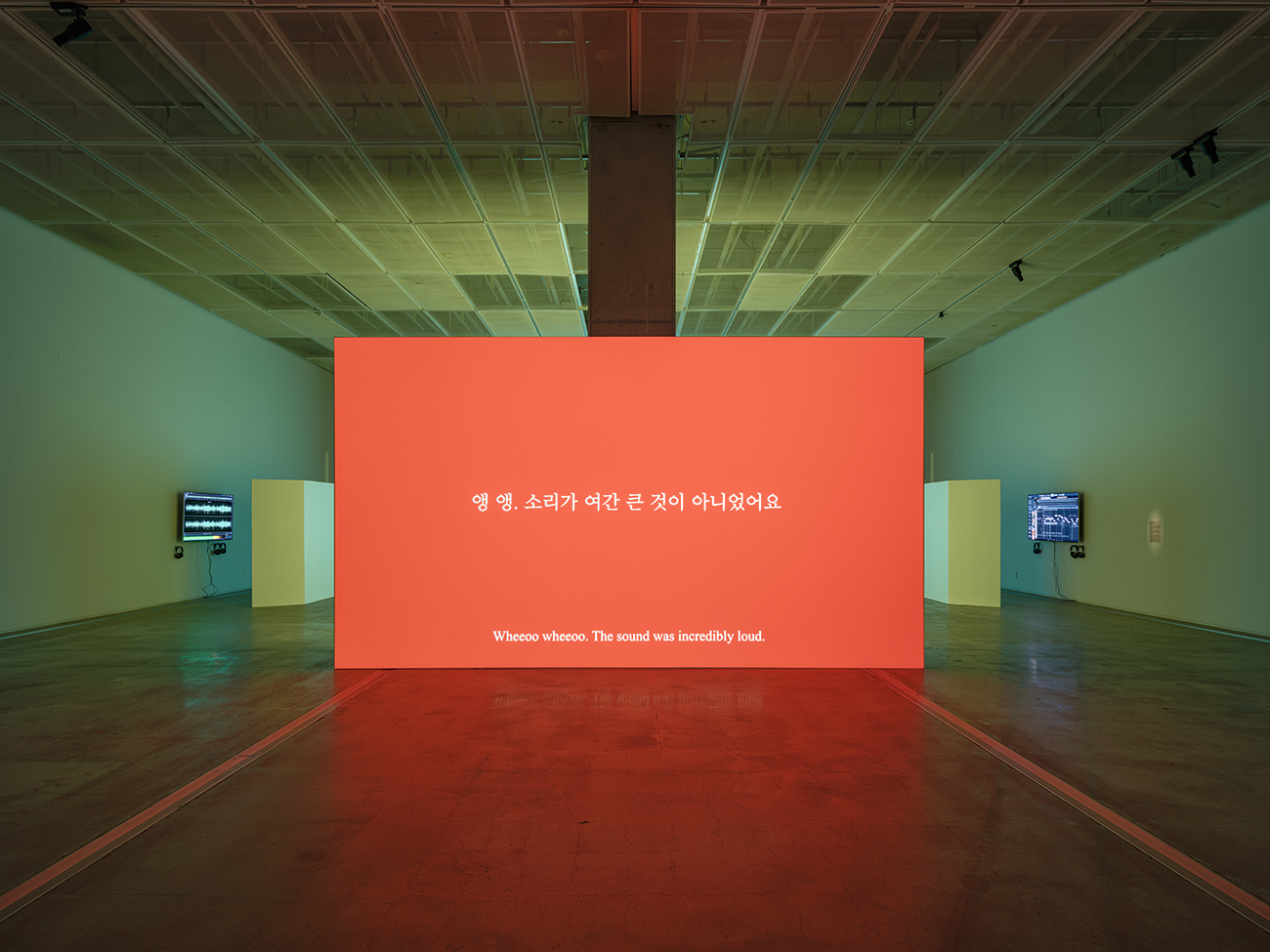
YoungEun Kim’s practice unfolds through the organic integration of diverse media, including sound installation, video, performance, drawing, musical notation, publishing, and archival research. Rather than presenting sound as an isolated auditory experience, she constructs environments in which sound is experienced collectively through space, bodily perception, and temporality. In her work, sound is treated not merely as reproduced audio, but as a material phenomenon encompassing vibration, resonance, movement, and reverberation, through which viewers are prompted to reconsider the relationship between space and the body.

Her earlier works are characterized by experimental structures that investigate language and systems of utterance. The Units of the World According to ;Semicolon (2011), for instance, assigns voices and roles to punctuation marks that are ordinarily unspoken, expanding the relationship between sign and voice into the form of a musical theater. Combining multi-channel sound, drawings, and text, the work reveals sensory systems that exist prior to—or outside of—language. During this period, Kim actively employed narration, polyphonic structures, repetition, and variation, exposing moments where the physical properties of sound collide with or diverge from linguistic meaning.

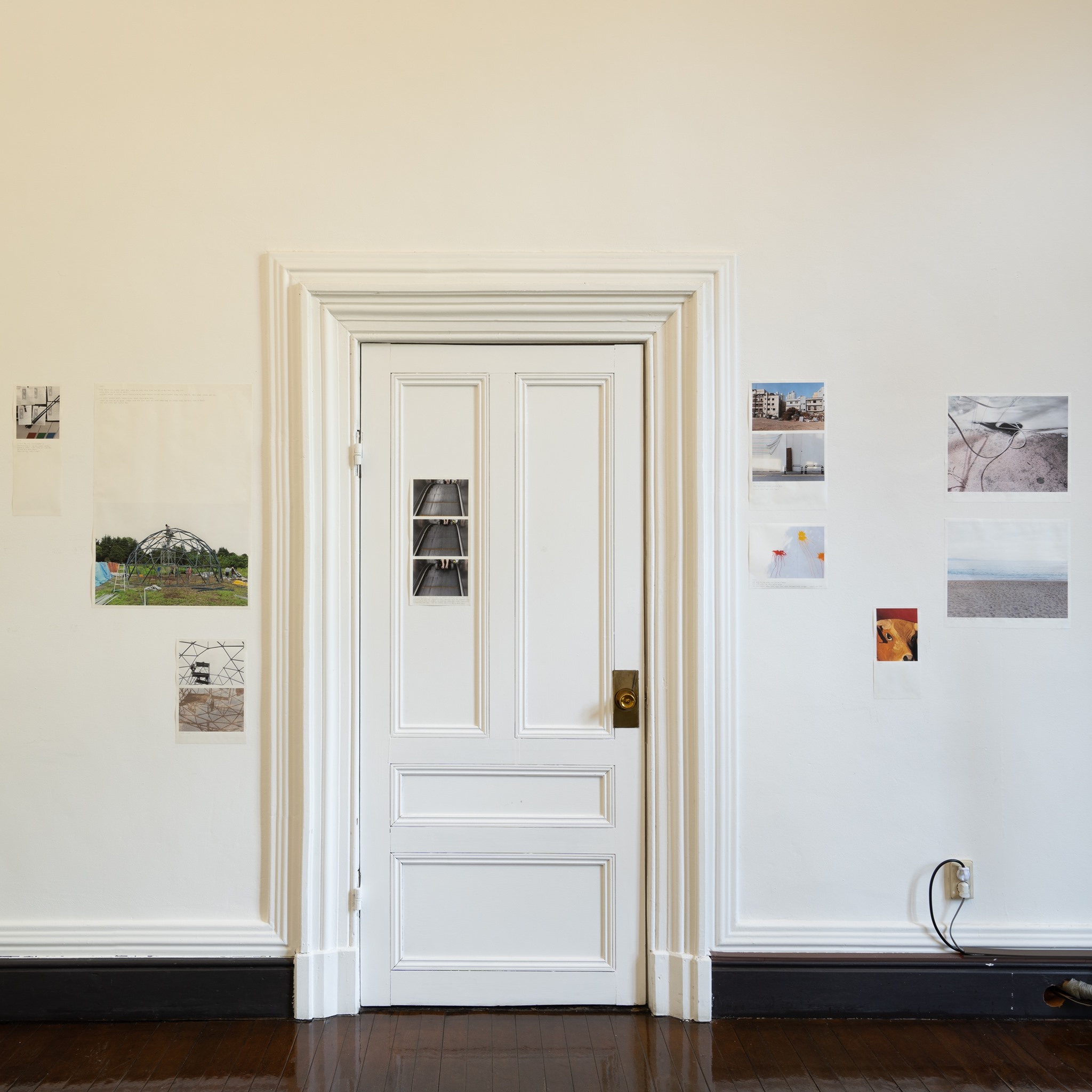
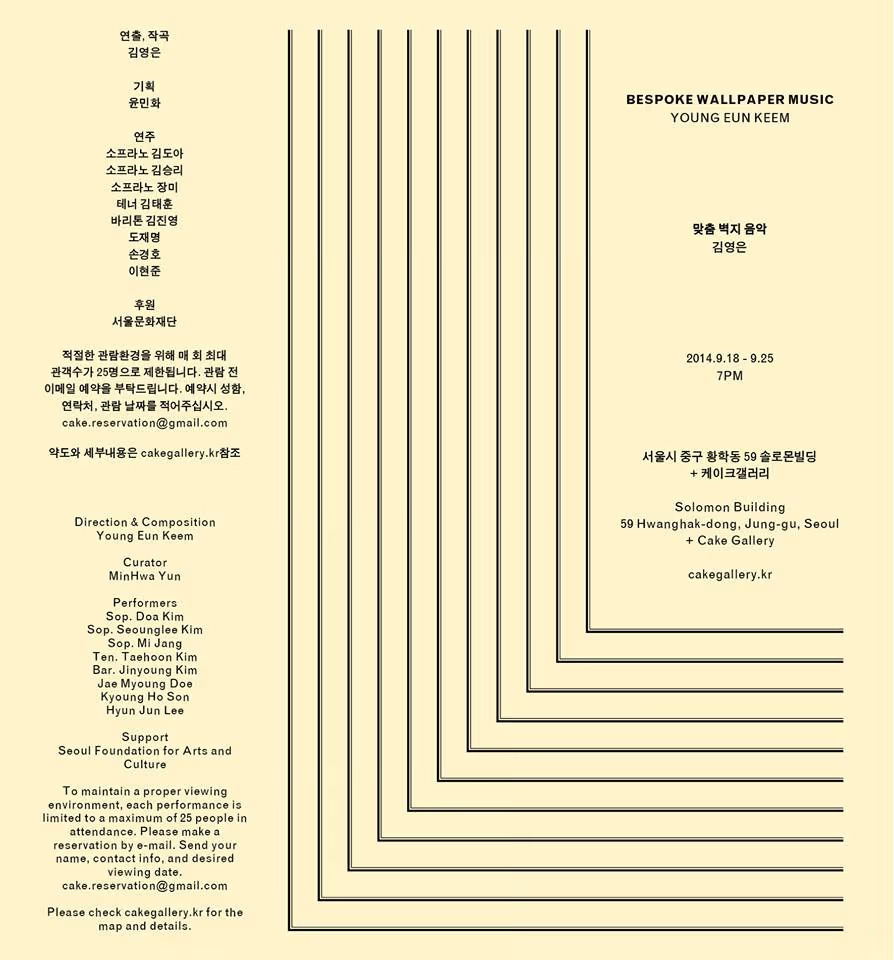
Kim subsequently began to engage more directly with the relationship between listening and space. In performance and sound installation works such as Bespoke Wallpaper Music (2014) and Room 402 (2011), she stages situations in which viewers cannot directly see the source of a sound, while architectural elements such as walls, corridors, and elevators function as acoustic devices. Audiences move by following sounds that are audible yet unseen, imagining hidden spaces through echoes and spatial distance. In this way, Kim transforms listening from a purely sensory act into a process of spatial and bodily inference, constructing relationships among sound, space, and time as a distinct sculptural language.

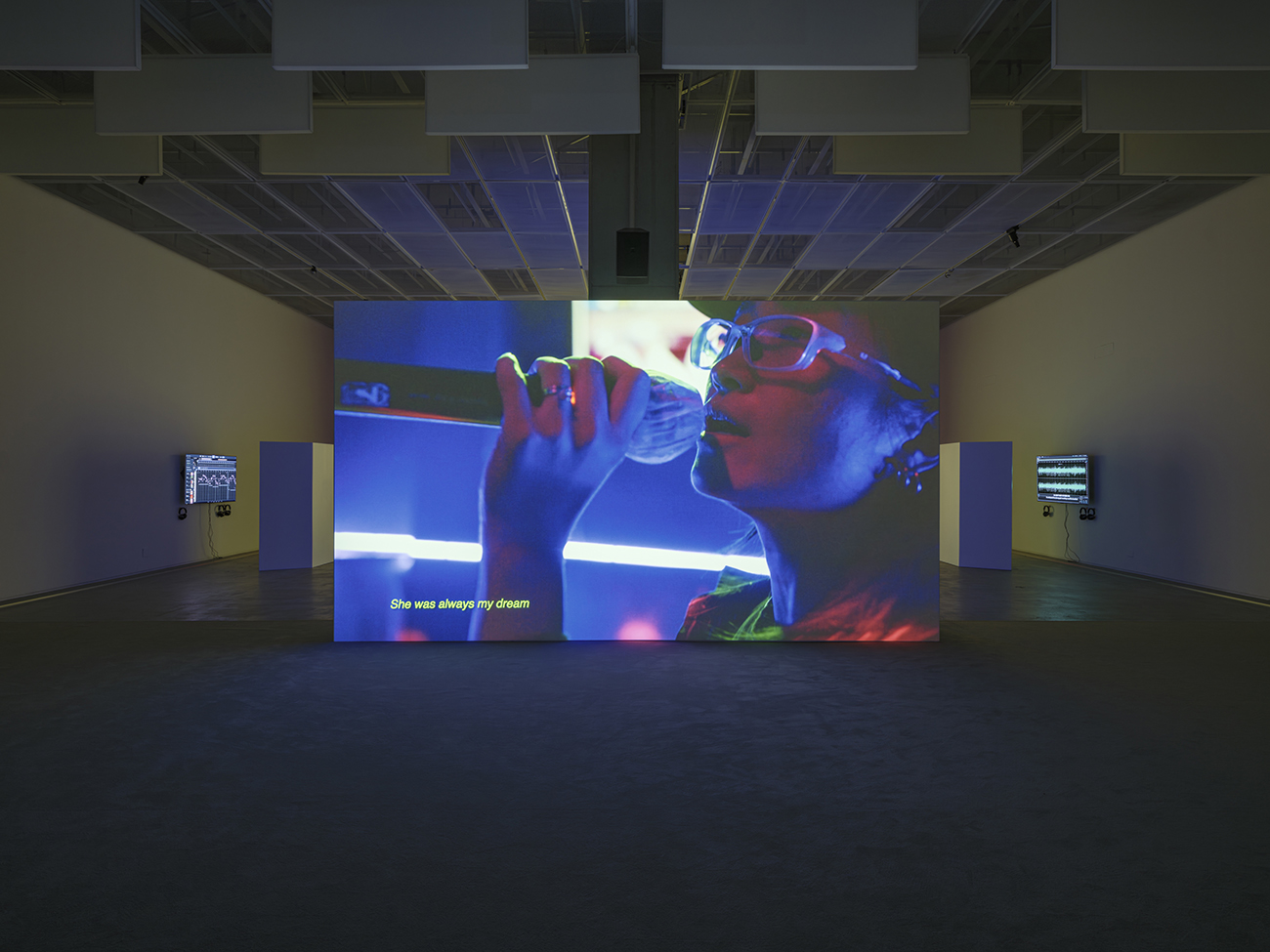
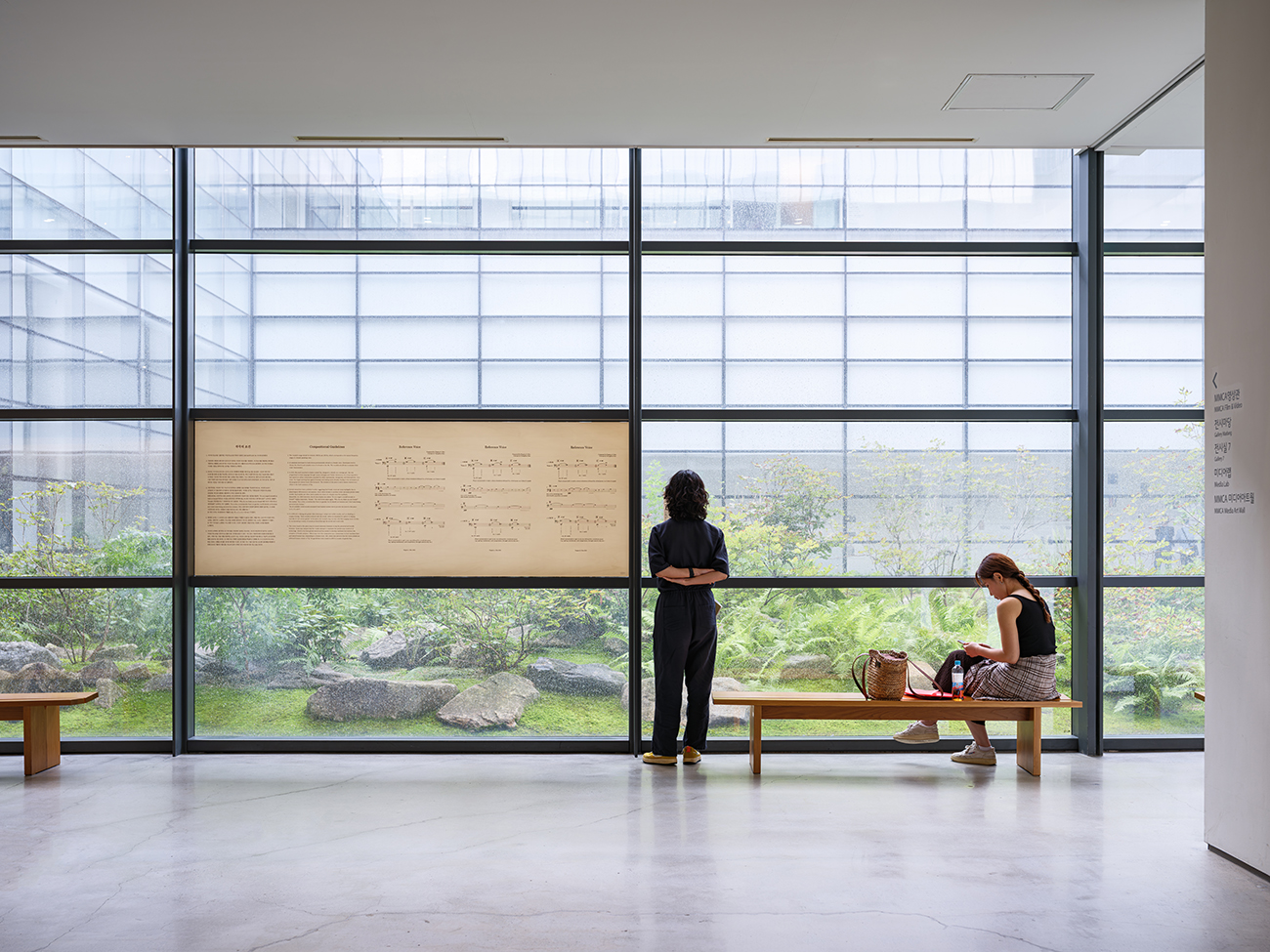
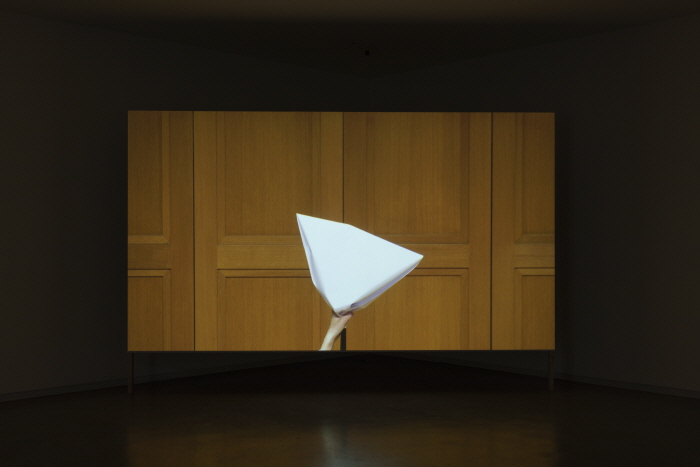
In her more recent works, essayistic structures combining video, sound, and archival research have become increasingly prominent. Works such as Ear Training (2022), A Story of Oseonbo: Sounds Lost in Translation (2022), and the ‘To Future Listeners’ series juxtapose interviews, narration, reenacted performances, archival images, and sound materials to examine the formation of modern musical systems and translated auditory frameworks. By intersecting documentary narration with fictional reconstruction, Kim destabilizes singular historical narratives and reveals the omissions, mistranslations, and sensory dissonances embedded within them. This method does not simply deliver information; rather, it creates a space of listening in which viewers are invited to hear, interpret, and reconstruct structures of perception for themselves.

Topography & Continuity

Over the past two decades, YoungEun Kim has established a distinctive position across the fields of sound art, experimental film, performance, and research-based practice. Within the context of contemporary Korean art, where visual-centered discourse has historically predominated, Kim has consistently foregrounded hearing and listening as primary modes of perception, constructing a singular artistic terrain. Rather than treating sound as a sculptural effect or technological medium, her work has focused on the social and historical conditions through which auditory experience itself is produced. This approach has not only expanded the discourse surrounding sound art in Korea, but has also become an important framework for reconsidering the politics of auditory perception and invisible experience within contemporary art.

From the beginning of her career, Kim developed her own methodology through experimental platforms and alternative spaces. Early projects presented at Insa Art Space, Alternative Space Loop, Project Space Sarubia, and Seoul Art Space Mullae explored the relationships between language and utterance, space and resonance, forming the conceptual foundation of her later practice. While her activities subsequently expanded to major institutions both in Korea and internationally—including Solomon Building + CAKE Gallery, SONGEUN, M+, the Gwangju Biennale, and the National Museum of Modern and Contemporary Art—Kim has continued to prioritize processes of research and listening rather than settling into a fixed institutional or formal framework. This sustained approach is closely tied to her fluid movement across performance, video, publishing, and archival practice, refusing to confine sound within a single artistic genre.

Particularly since the 2020s, Kim’s work has extended beyond investigations of individual sensory perception toward more complex historical layers involving colonial translation, modern musical systems, diaspora, and migration. Works such as Ear Training, A Story of Oseonbo: Sounds Lost in Translation, and the ‘To Future Listeners’ series examine the formation of auditory systems and translated musical concepts in modern East Asia, repositioning listening as a historical and political mode of perception. More recently, she has further developed the relationship between sound, language, archives, and memory into long-term research-based projects, expanding her practice beyond the scale of discrete exhibitions toward sustained forms of inquiry.

Within this trajectory, Kim’s work occupies a rare position as a listening-centered artistic practice in contemporary Korean art. She has approached sound not merely as an experimental medium, but as a critical tool for reconfiguring structures of perception and historical systems of knowledge. At the same time, by organically interweaving sound art with visual art, film, performance, research, and archival practice, she has continuously traversed the boundaries of contemporary art in fluid and interdisciplinary ways. Ultimately, Kim’s body of work extends beyond the question of “what can be heard” toward an ongoing practice of listening that asks “what has been made unheard.”

Works of Art

Disappearing Sounds, Unnamed Sensations, and Unrecorded Vibrations

Articles

Exhibitions