This archive project serves as an opportunity to envision the future form of Insa Art Space by tracing its historical trajectory and speculating upon its possible future directions.
To this end, in addition to approximately 200 archival materials documenting past exhibitions and the history of the space, the project selectively extracts and recontextualizes programs aligned with the institution’s broader aims, extending them into publications and related events in order to explore points of connection between past and future.
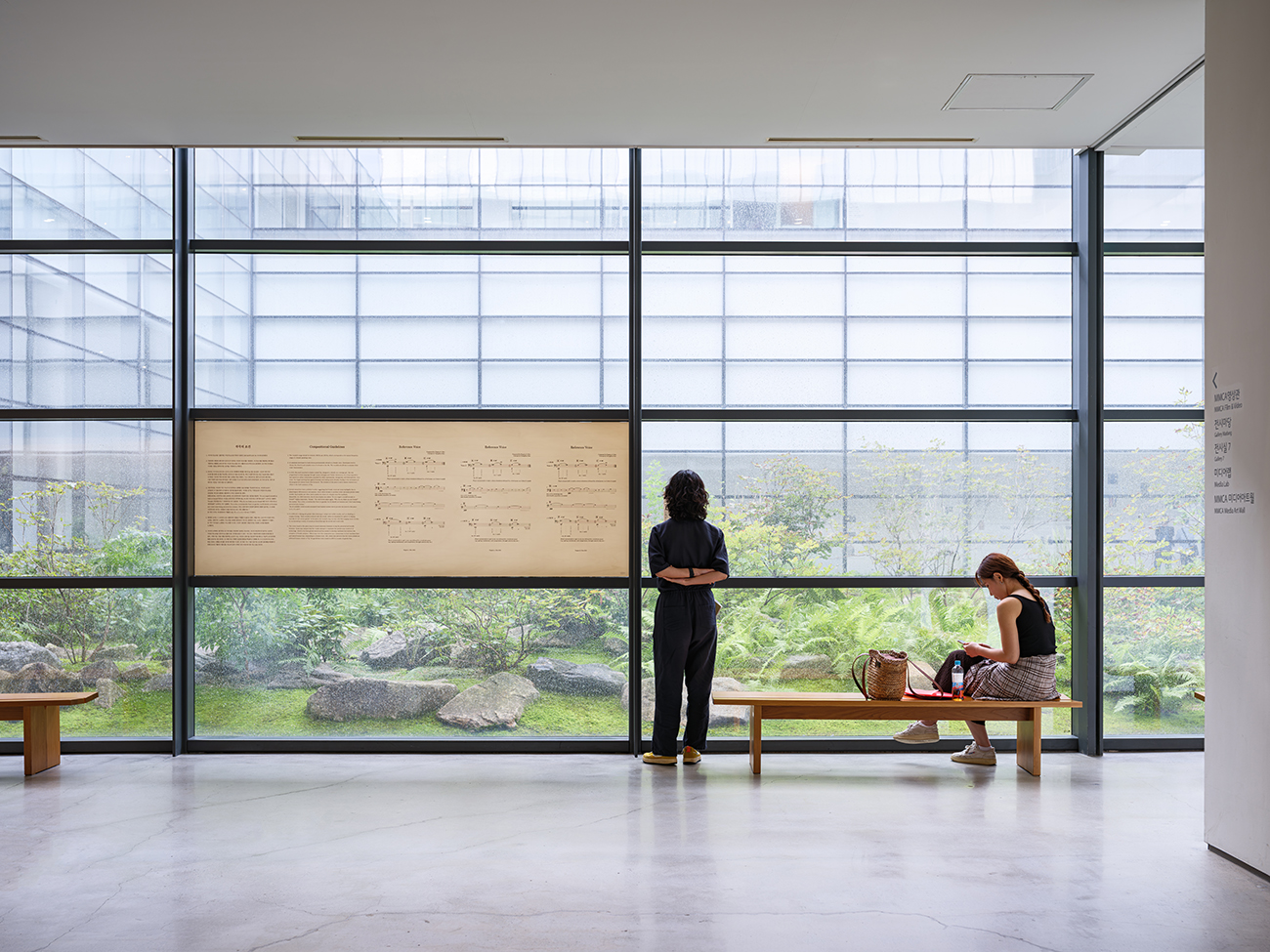
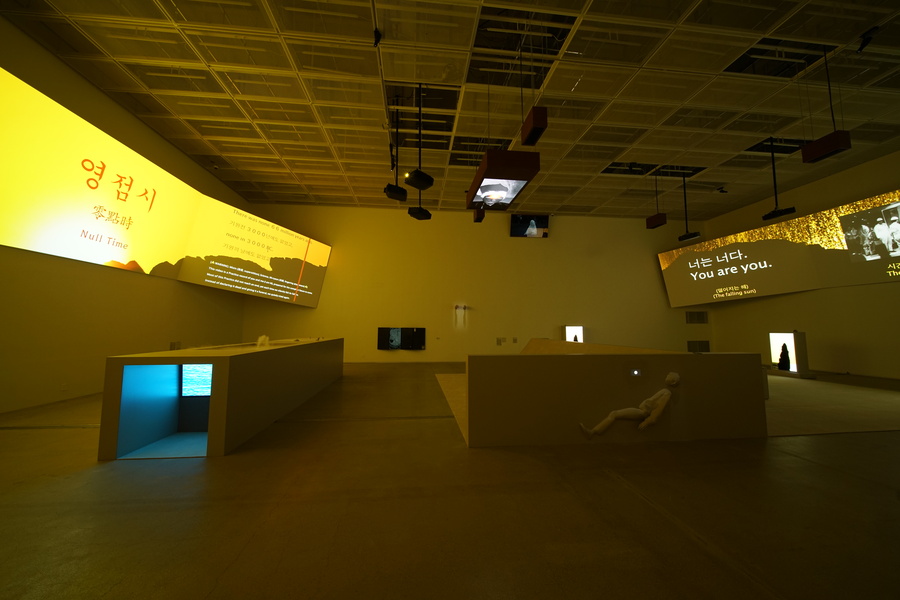
The exhibition layout fundamentally continues the spatial orientations established in 2006. The first floor is reconfigured as a communal room where public programs associated with exhibitions take place, allowing visitors to encounter archival materials from past talks, events, performances, and other one-time programs.
A digital archive installed on the first floor also functions as a navigator through twenty years of the institution’s history, enabling visitors to survey past exhibitions and projects in a single location. The second floor recreates the archive space that functioned for several years after 2006 as one of the art scene’s key research centers, transforming it into a space for viewing major visual materials.
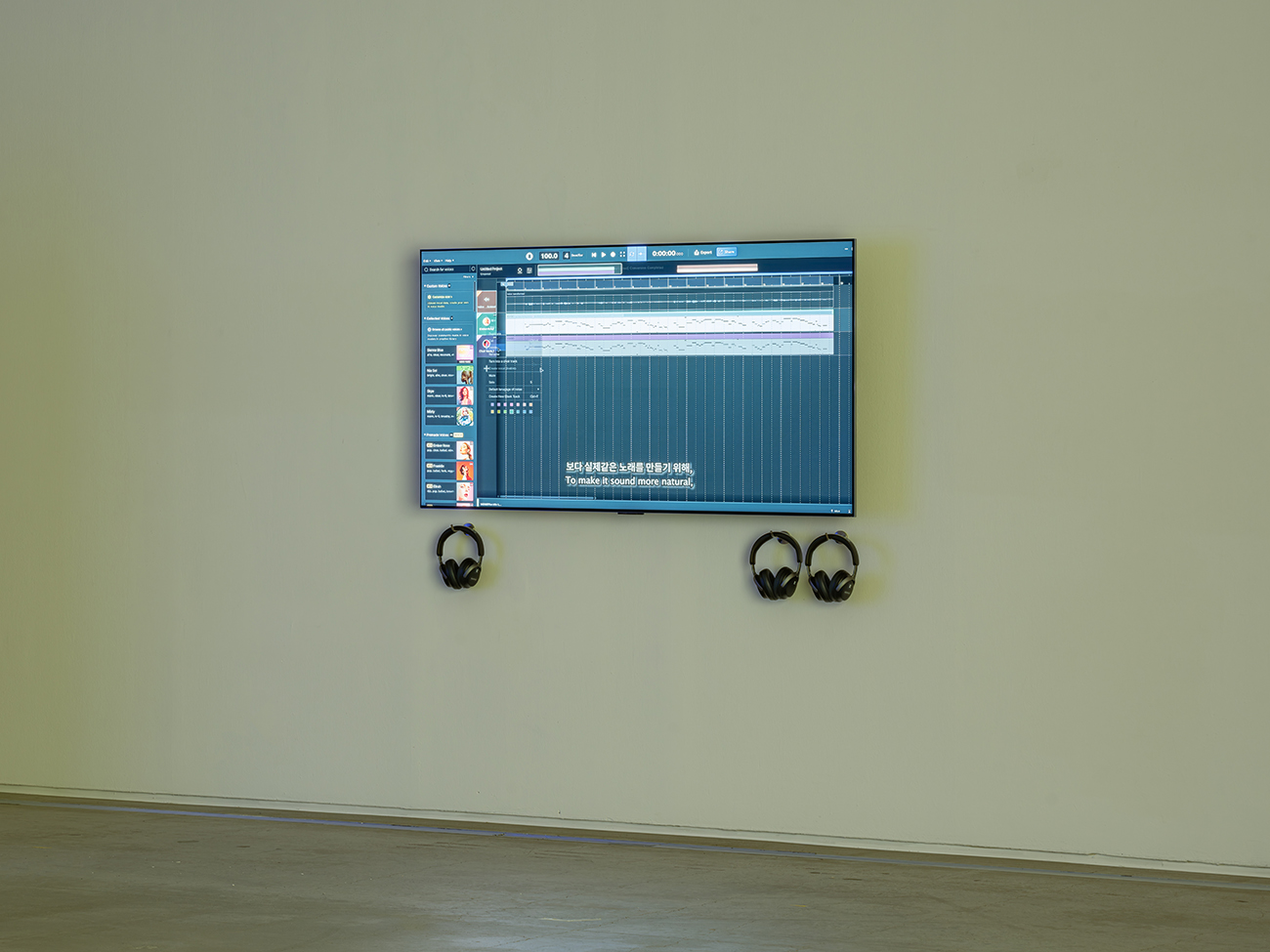
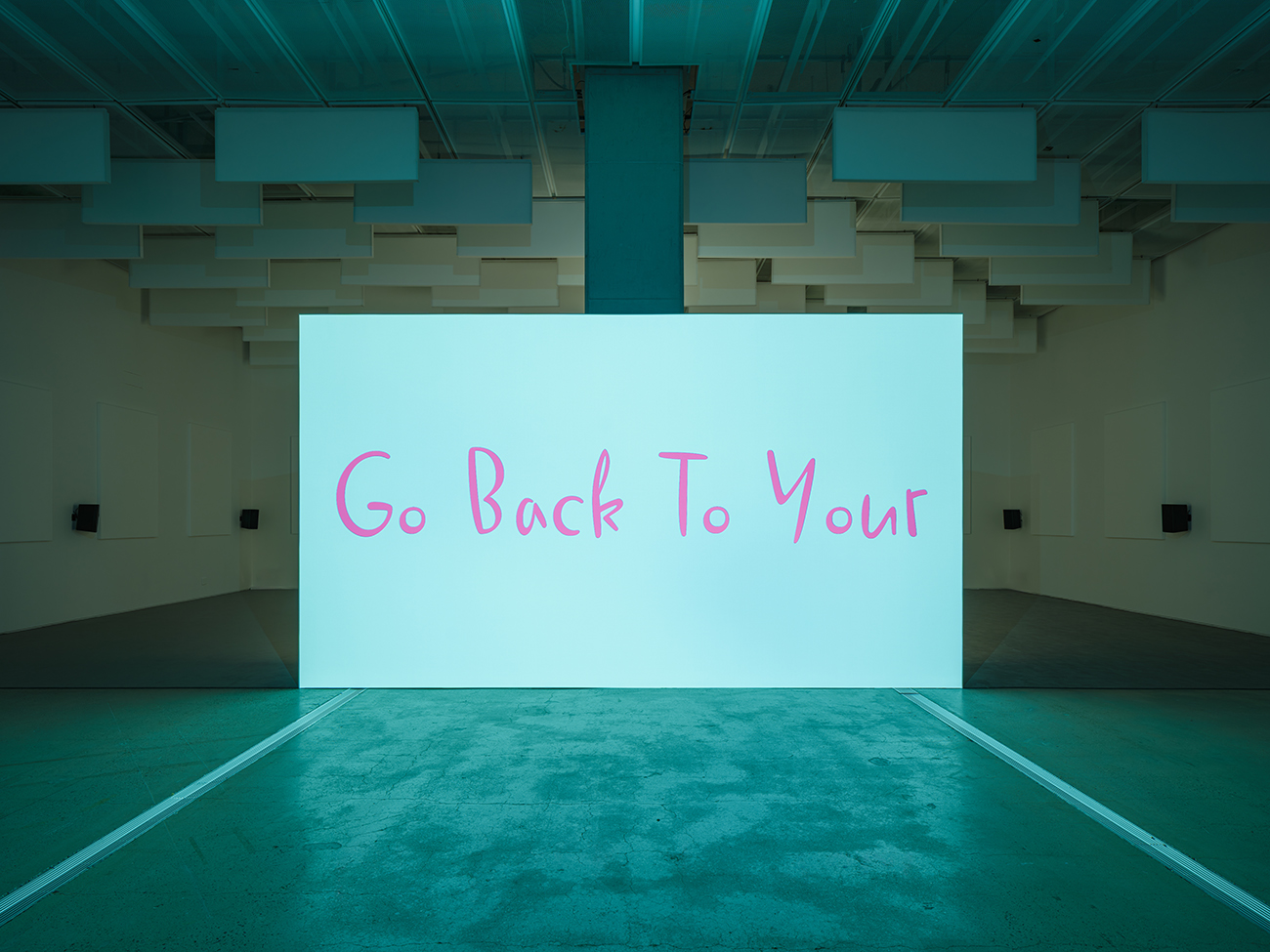
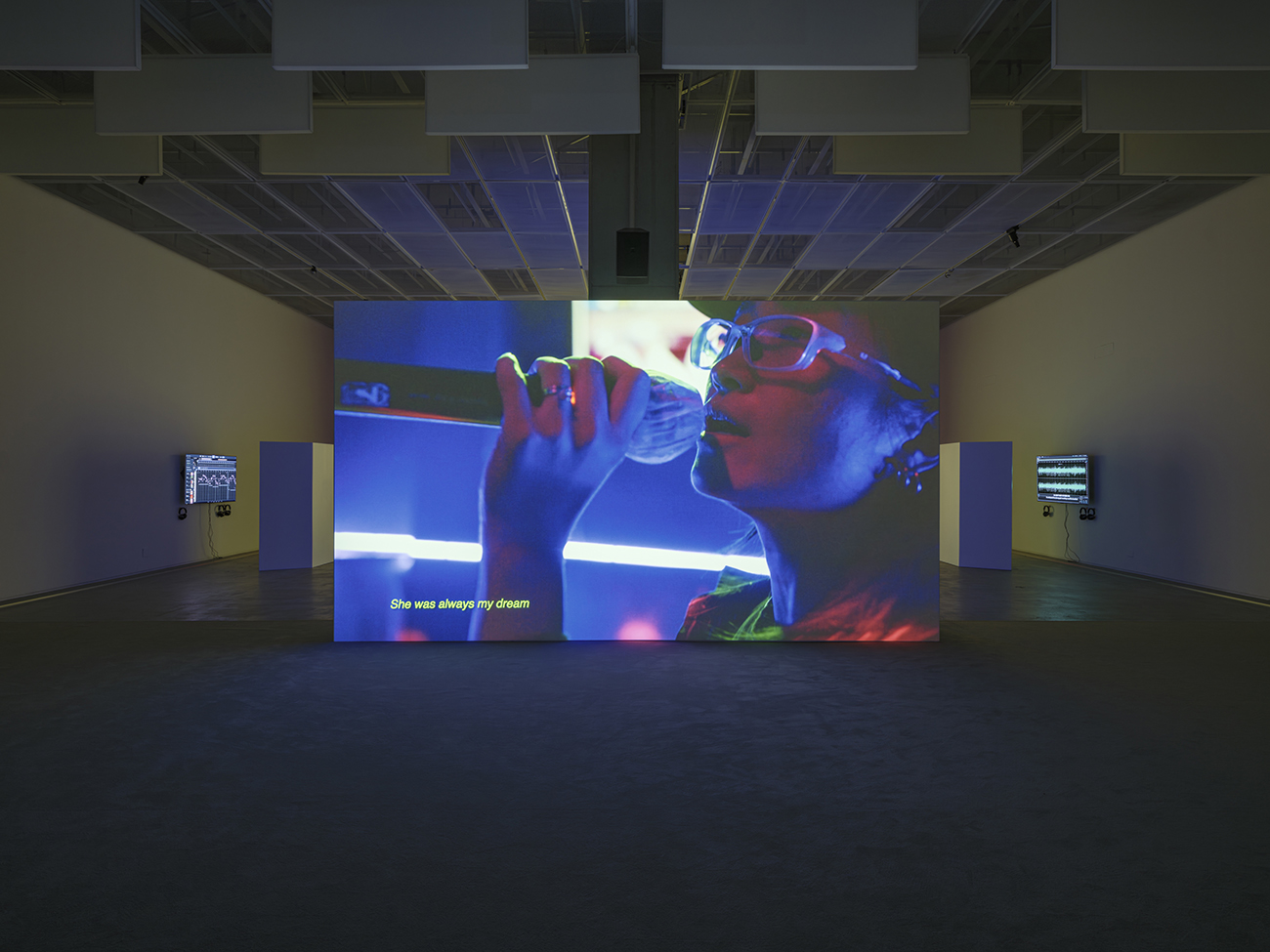
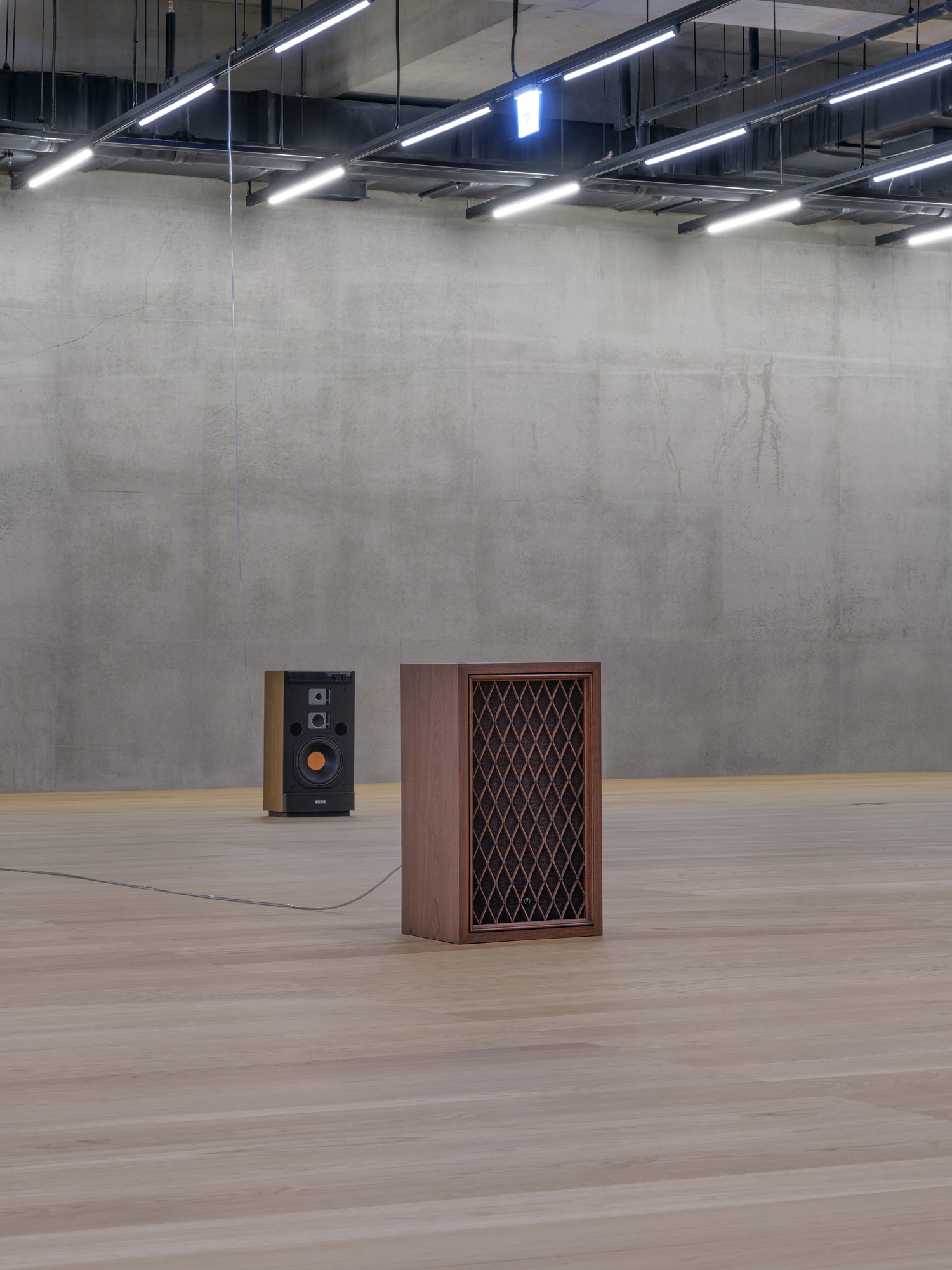
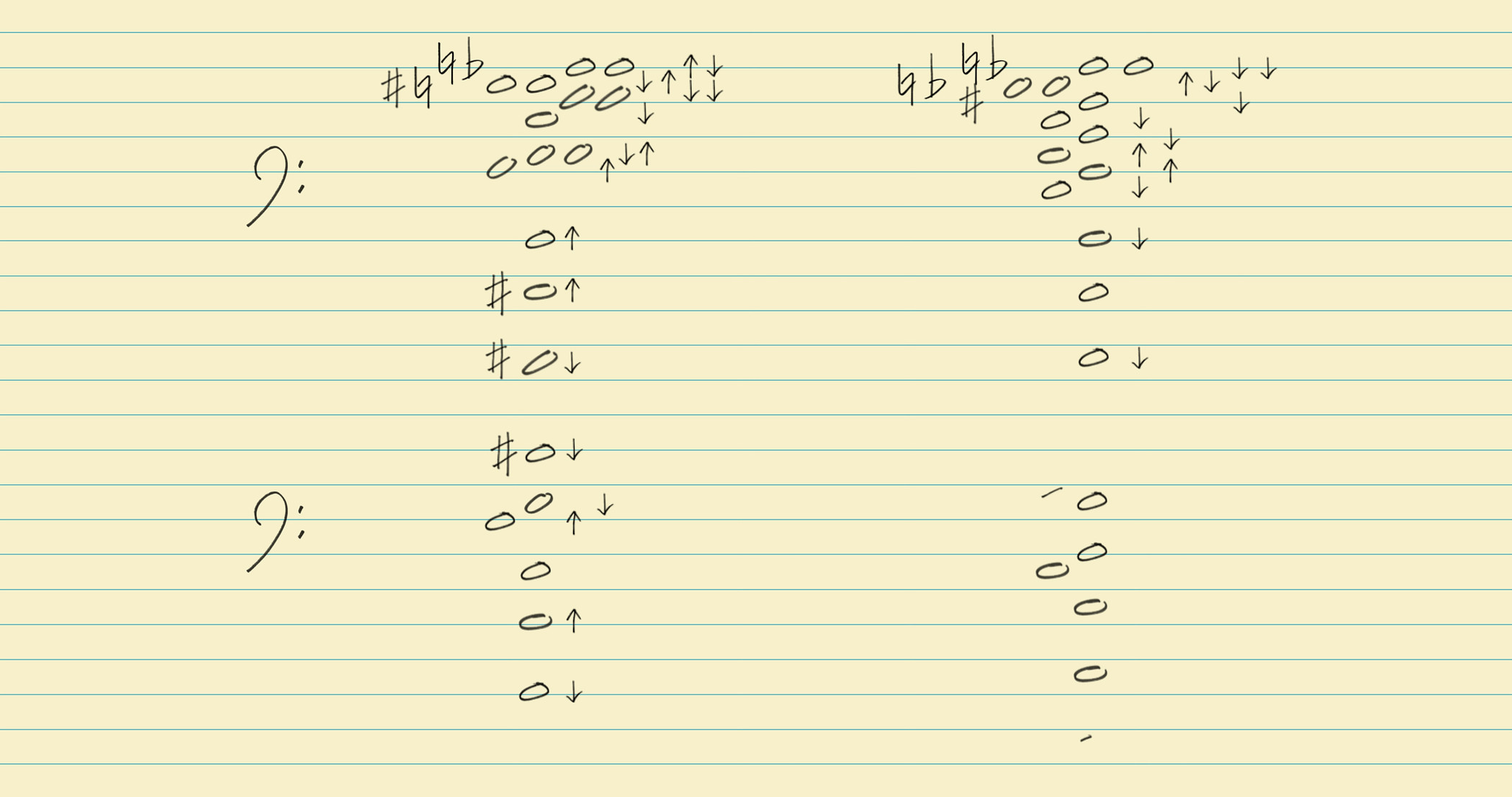
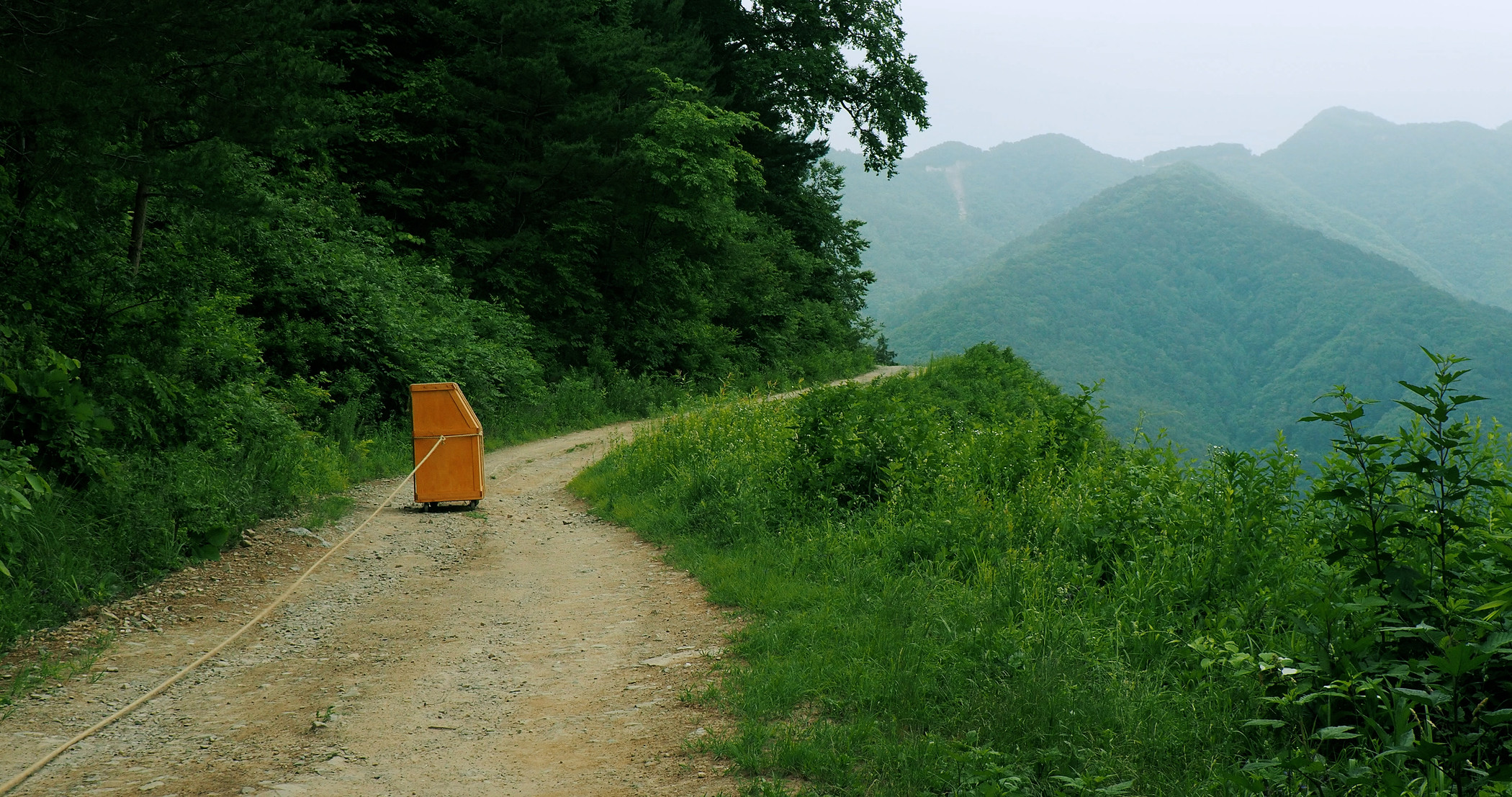
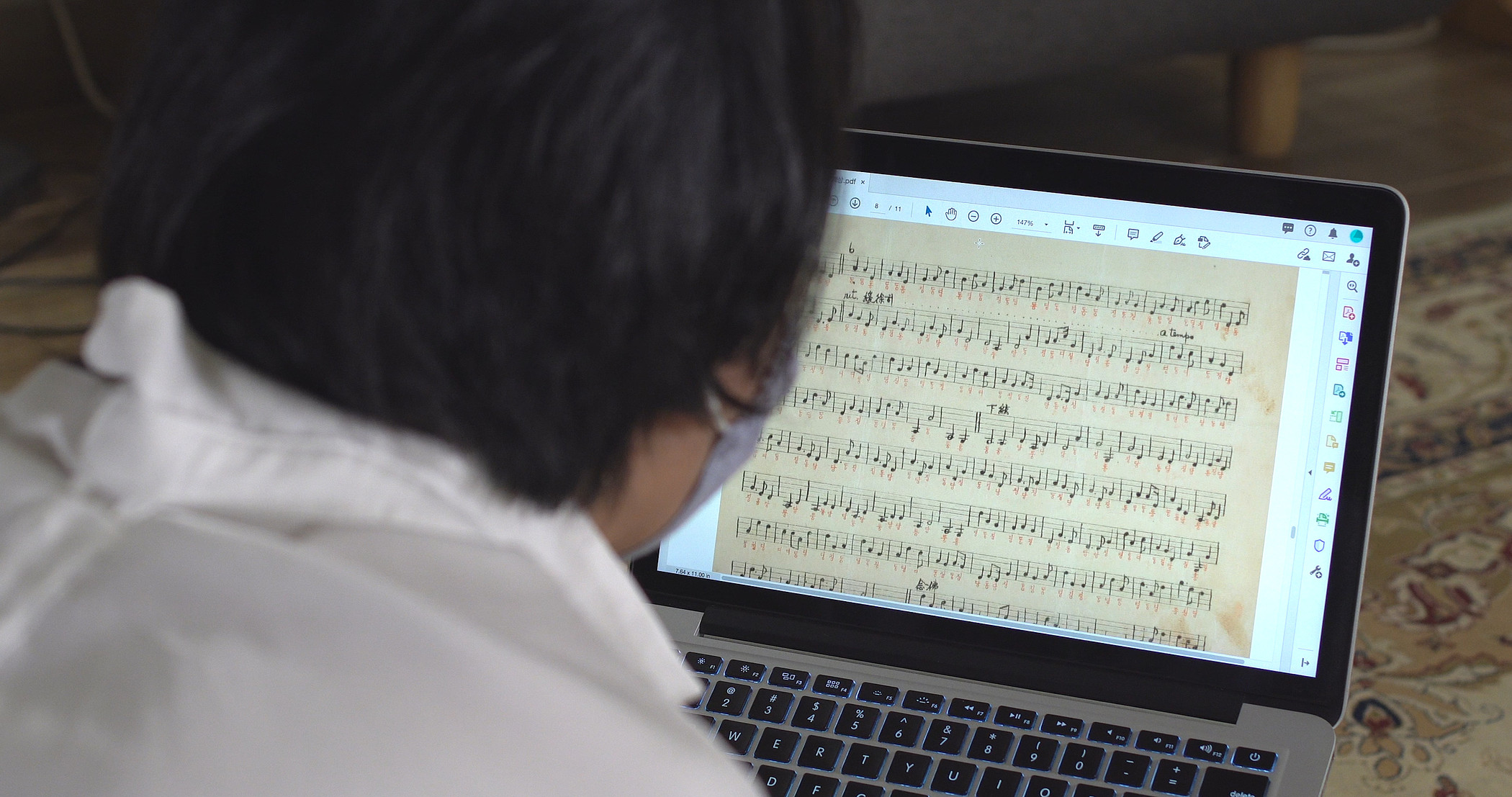
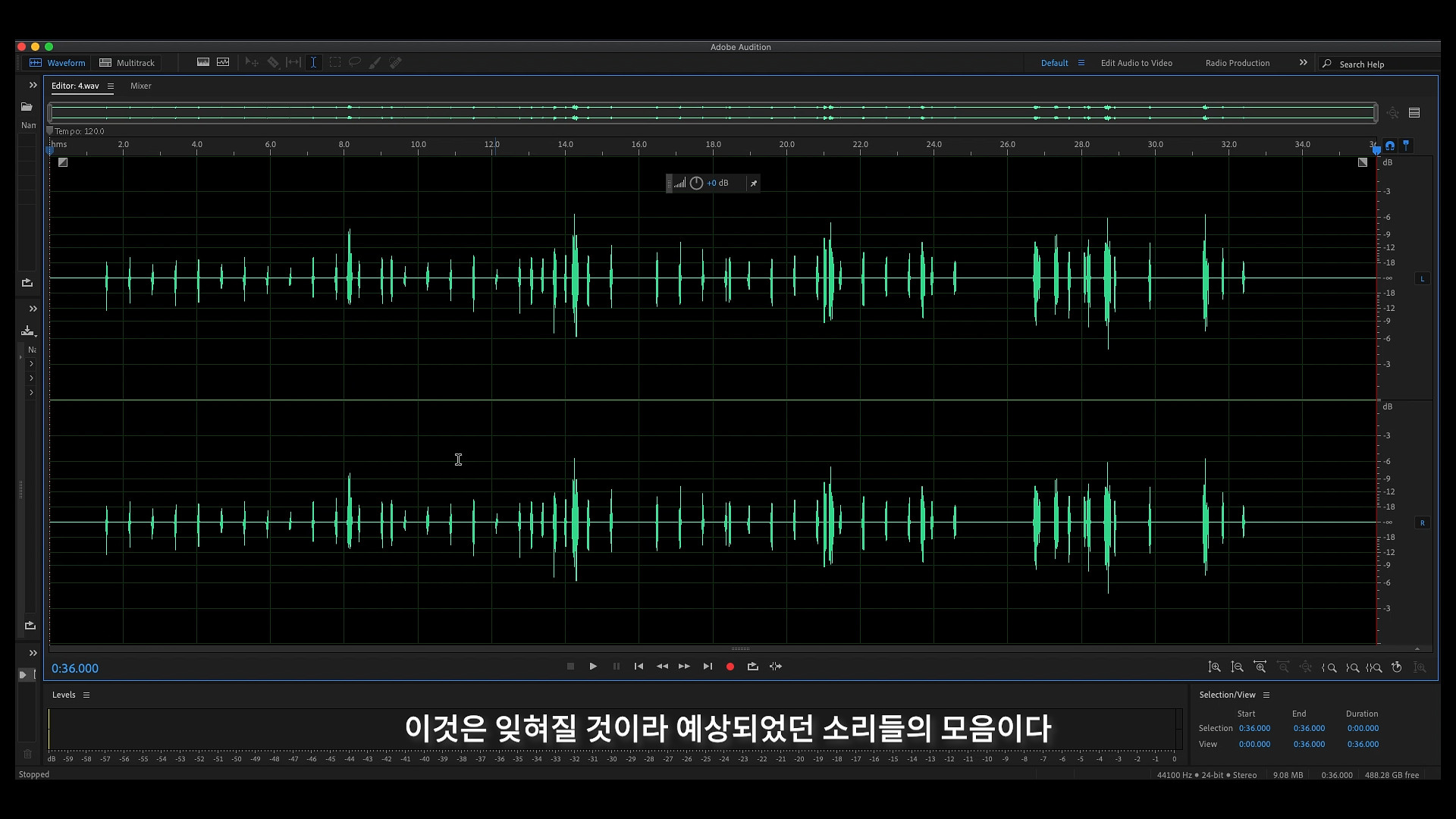
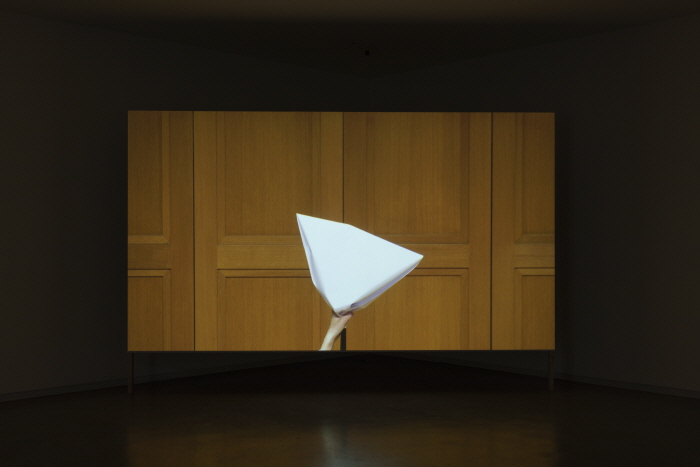
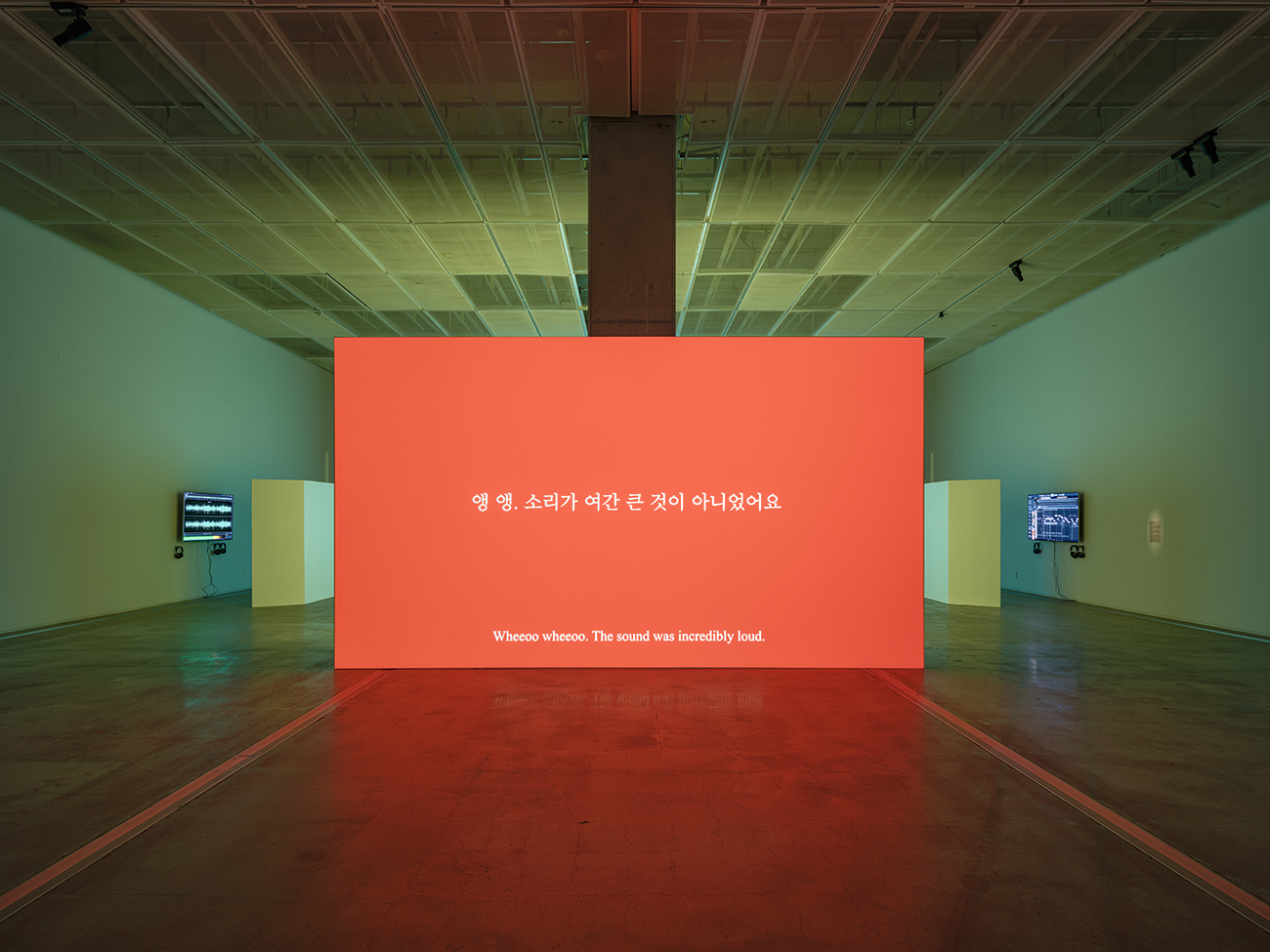
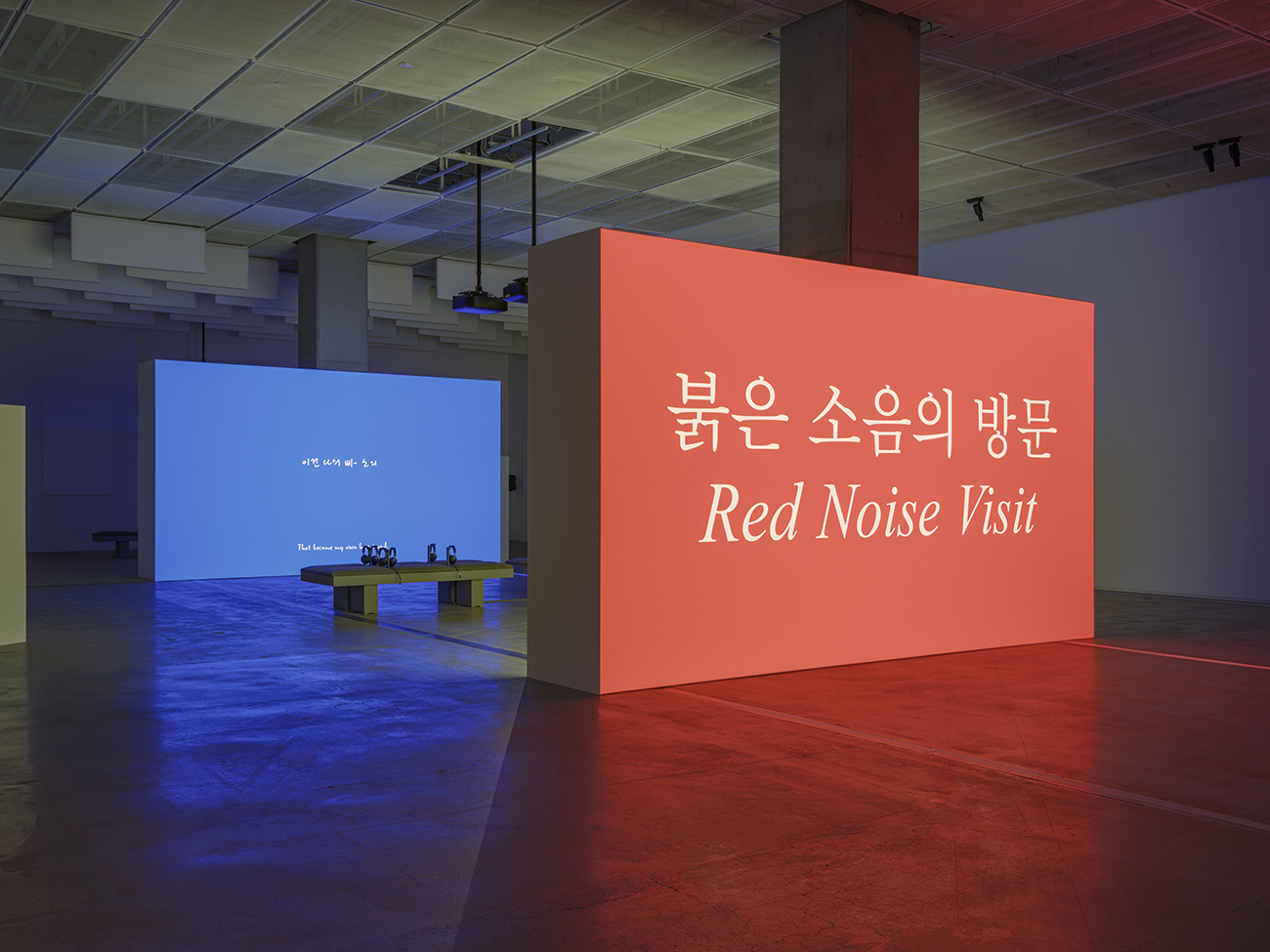
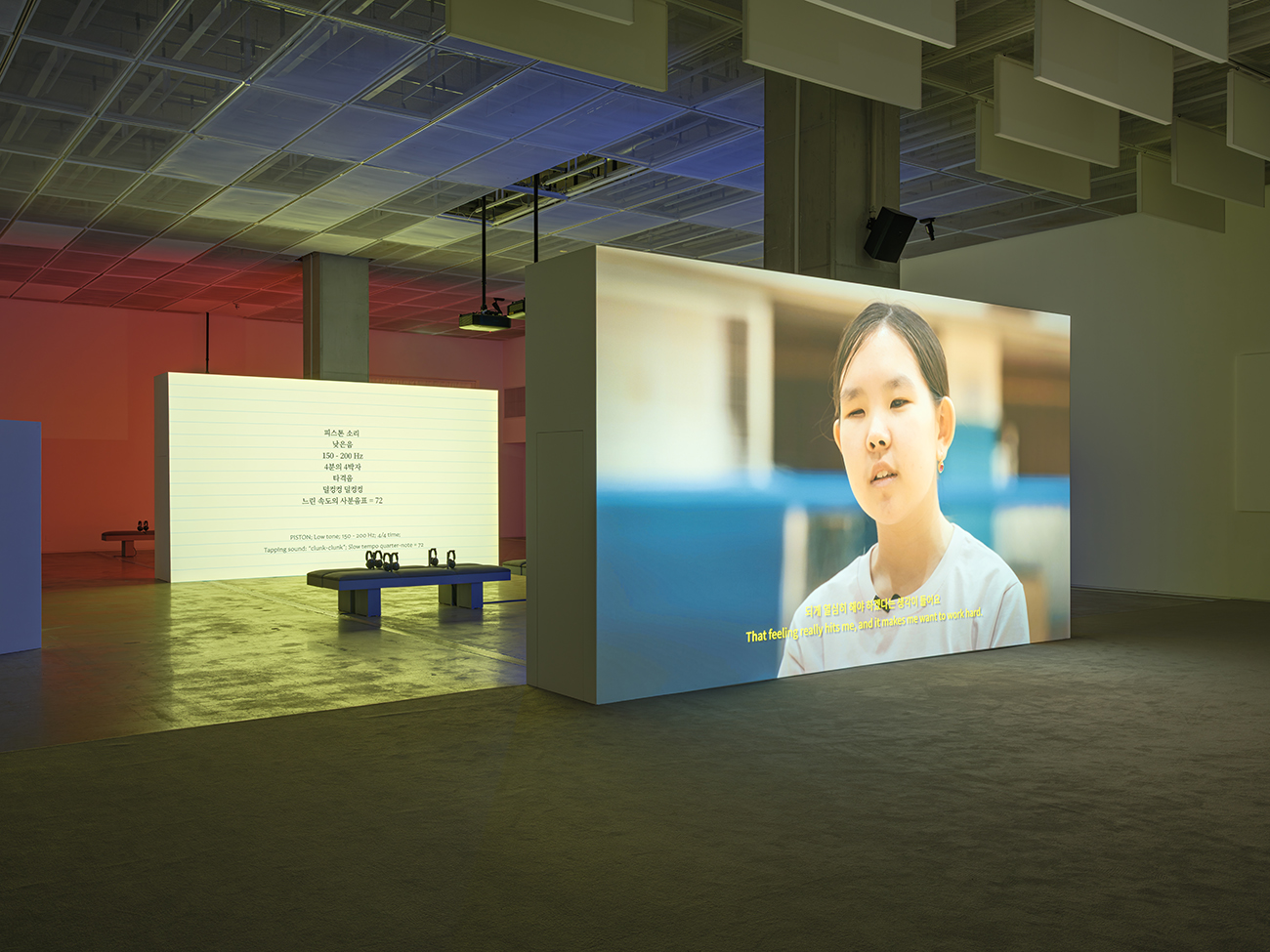
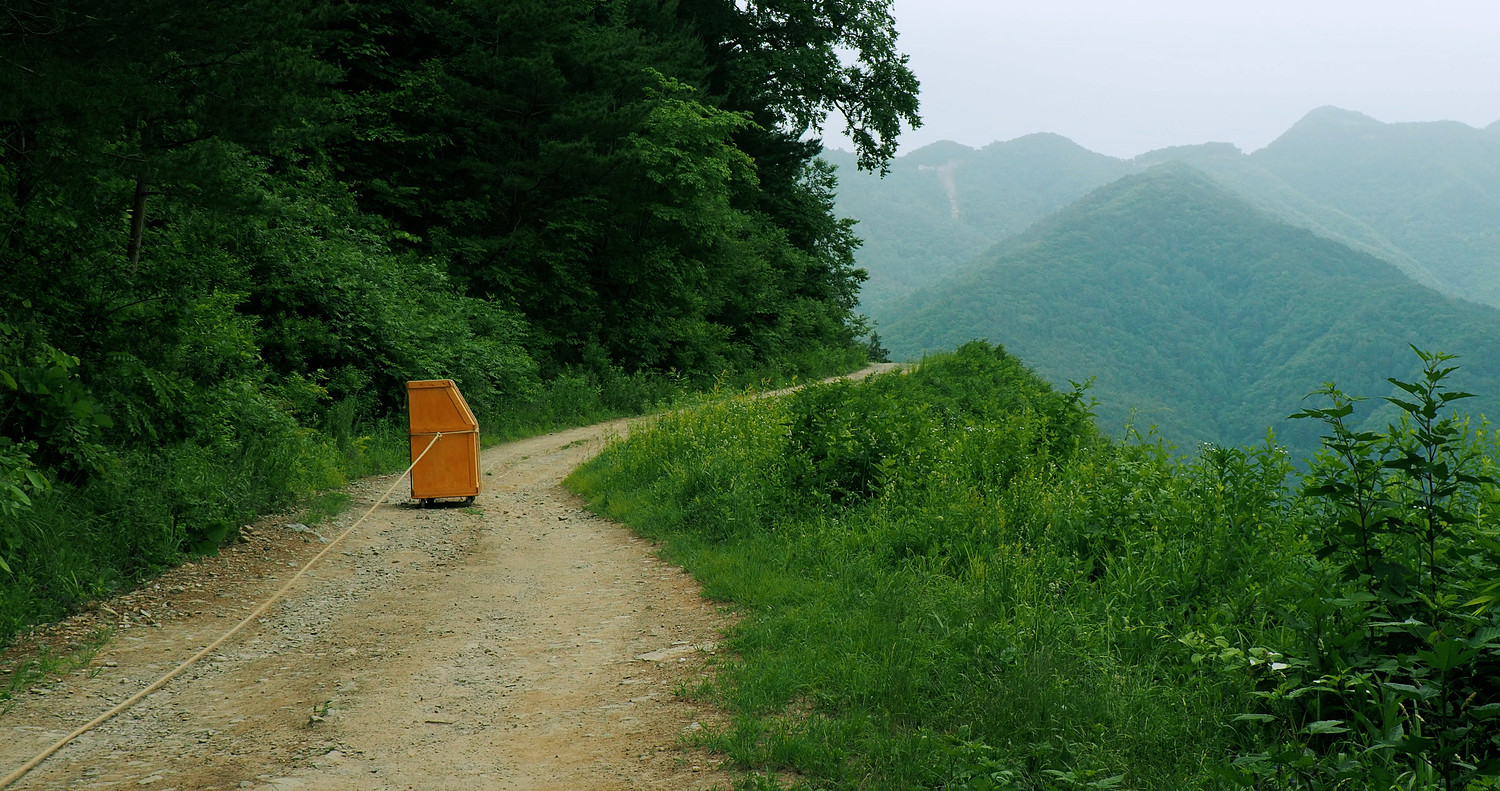
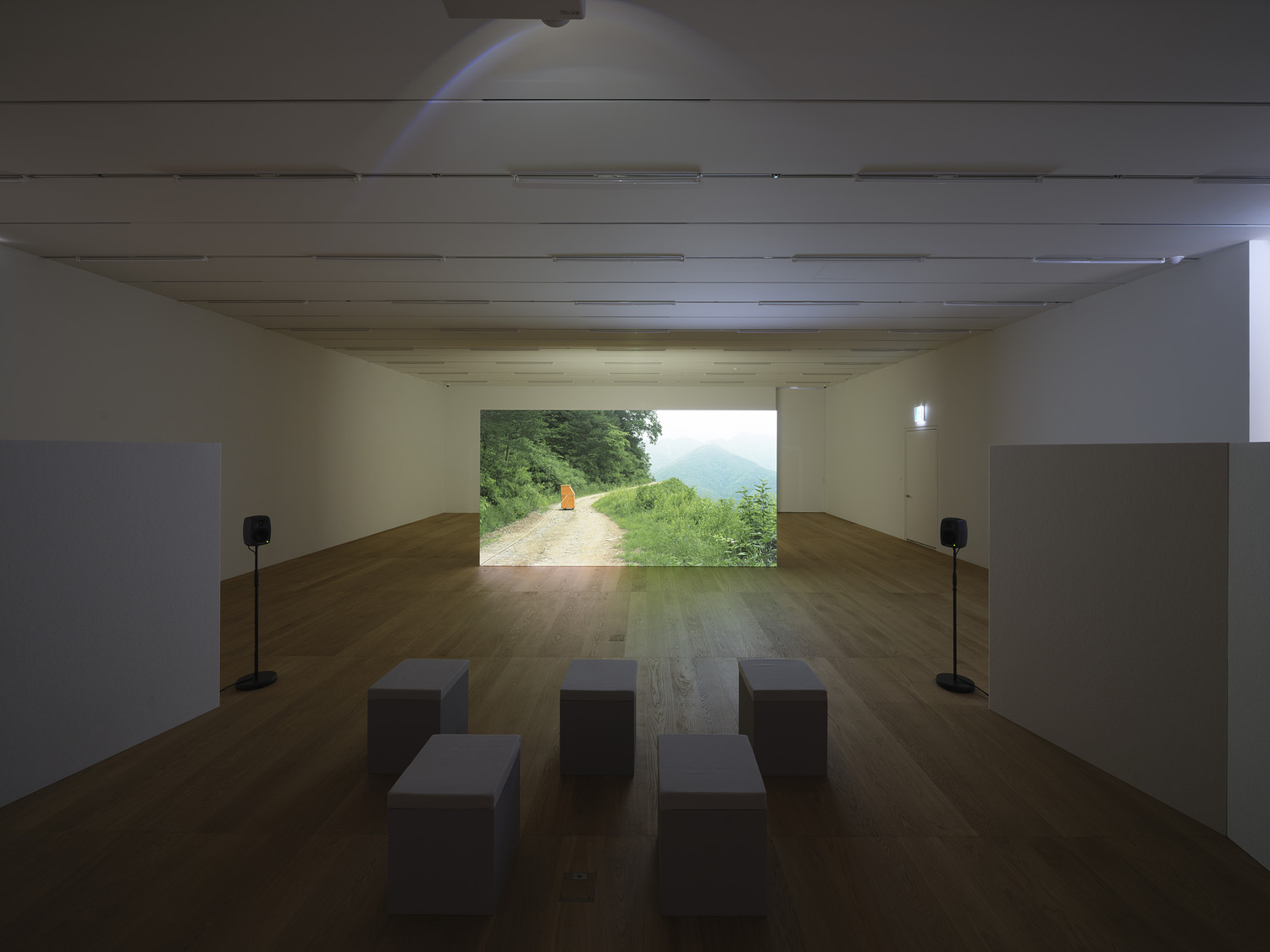
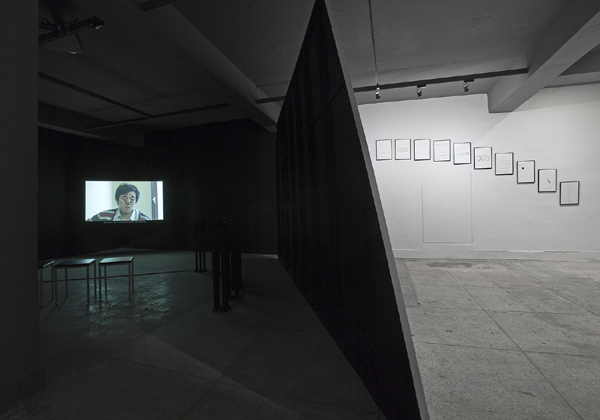
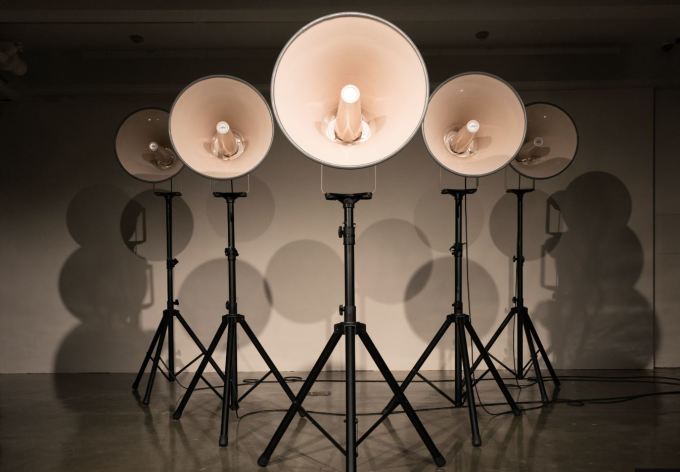
As part of this, the exhibition presents a selection of single-channel video works originally collected through the IASmedia project, as well as works by YoungEun Kim previously shown in the solo exhibition 《Listeners》, organized in conjunction with “Sound & Screening” in 2006, and works by Parttime Suite, who in 2015 deconstructed, decoded, and transformed archival materials from the history of IAS into moving images.
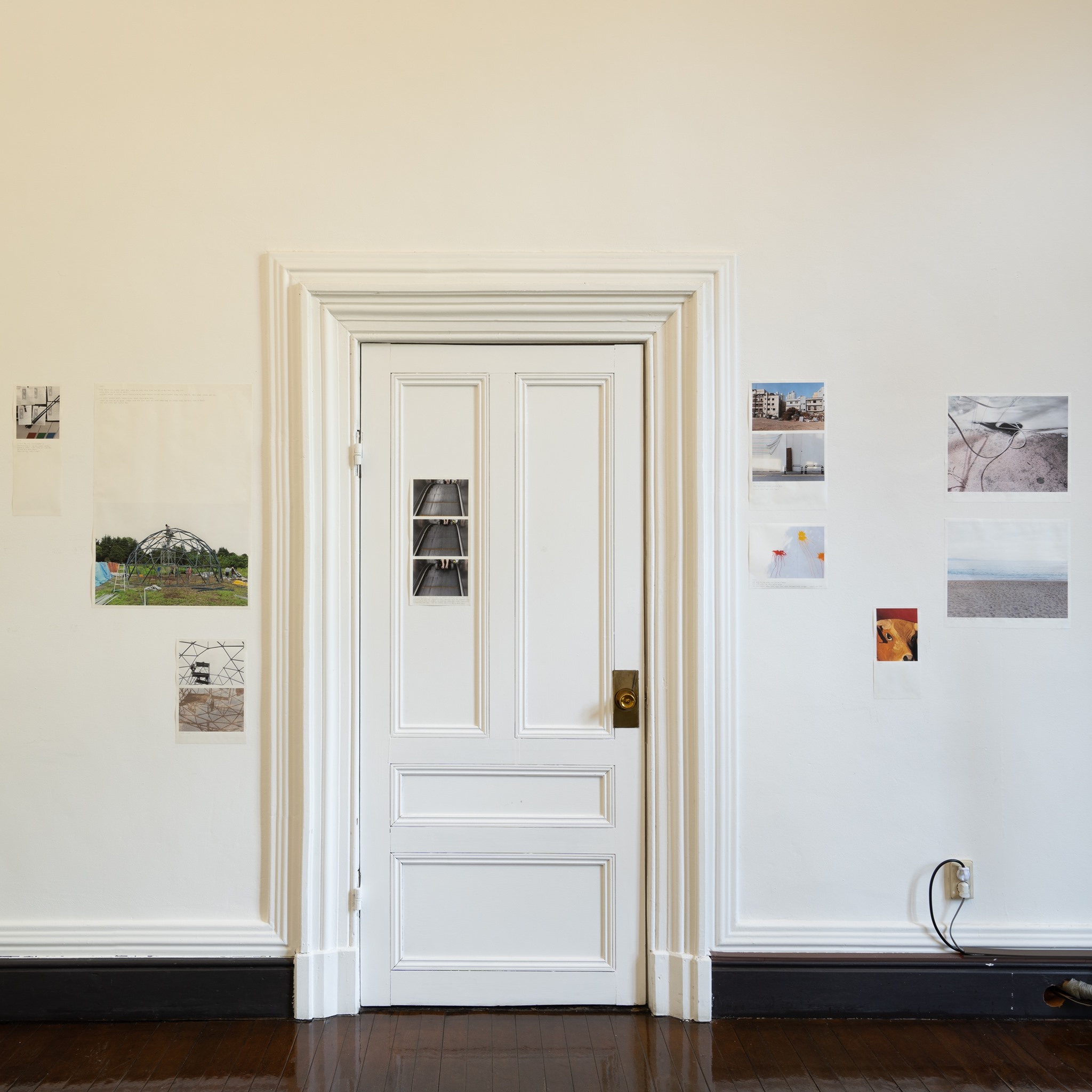
In addition, visitors may access materials from a wide range of project-based programs, including international exchange workshops, archive projects, and alternative space networking initiatives, alongside exhibition catalogues and printed matter, press releases, the complete run of the journal BOL, artist books, AYAF artist films, and video documentation from past exhibitions.
At the same time, several functions that continue to remain significant within the history of Insa Art Space will be extended through related public programs during the exhibition period.
First, revisiting the institution’s early activities, which played a central role in connecting alternative spaces and activating networking platforms, the project reinterprets these initiatives in the present context through a five-part relay talk series examining the current state of alternative artistic practices and collective activities taking place outside institutional frameworks.
In addition, continuing the institution’s role in fostering discourse through workshops and projects organized around major contemporary issues in collaboration with professionals both within and beyond the art world, two roundtable discussions addressing “artistic experience in the untact era”—one focused on performance and the other on moving-image art—will be held in response to one of the most pressing topics to emerge after COVID-19.
Bringing together visual arts practitioners alongside online platform operators, theater directors, and film producers, these discussions aim to create a public forum for considering transformed artistic experiences in the post-pandemic era from the perspectives of both creators and audiences, while exploring possible future directions.
Meanwhile, the workshops developed as specialized IAS programs since 2005—including the Emerging Artist Notebook, professional development programs, and the IAS Emerging Artist/Curator Workshop—focused primarily on work reviews and tutoring centered around relationships between senior and emerging artists, curators, and critics.
In particular, “Intermission” (2016–17), which facilitated matching talks among artists, curators, and critics, as well as the sharing of research directions and outcomes by emerging curators, fostered relationship-building and mutually constructive exchanges among arts practitioners. During the exhibition period, this networking function of the institution will continue through closed tutoring and peer review sessions bringing together artists and curators selected for the 2019 Creative Arts Academy, resident teams from the IAS Studio Program, and senior artists.
Furthermore, extending from the performances presented through the interdisciplinary project “Interlude Drama” (2019), the resident collective Kula! and the performance planning group Green Room will present sound art and performances that interweave the spaces and archival materials of IAS. Reviving the “Wonsuh-dong Project” of 2006 as a 2020 version, the exhibition will also host a workshop sharing research on the surrounding neighborhood of IAS through an AR technology-based interface adapted to the conditions of the non-contact era.
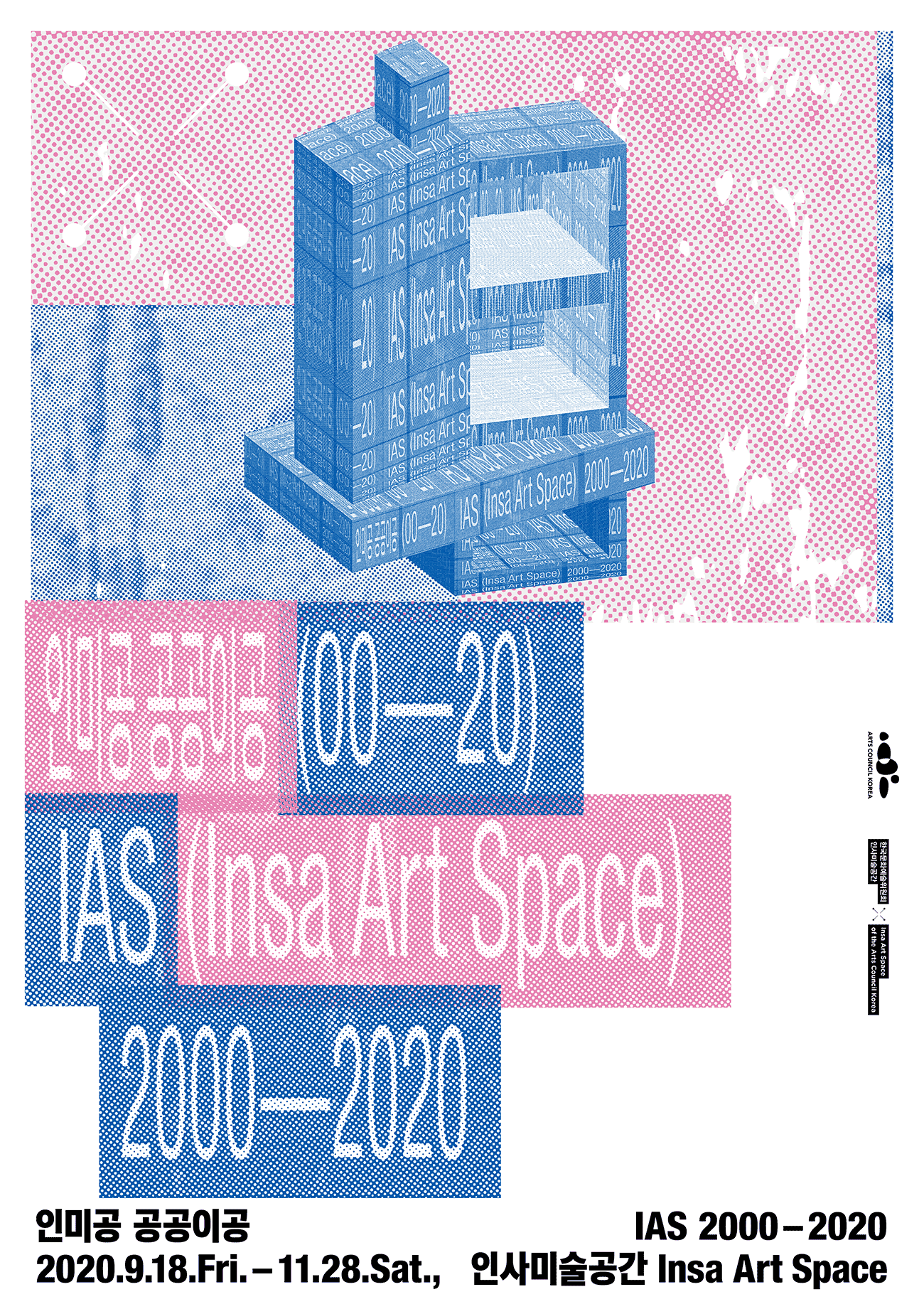
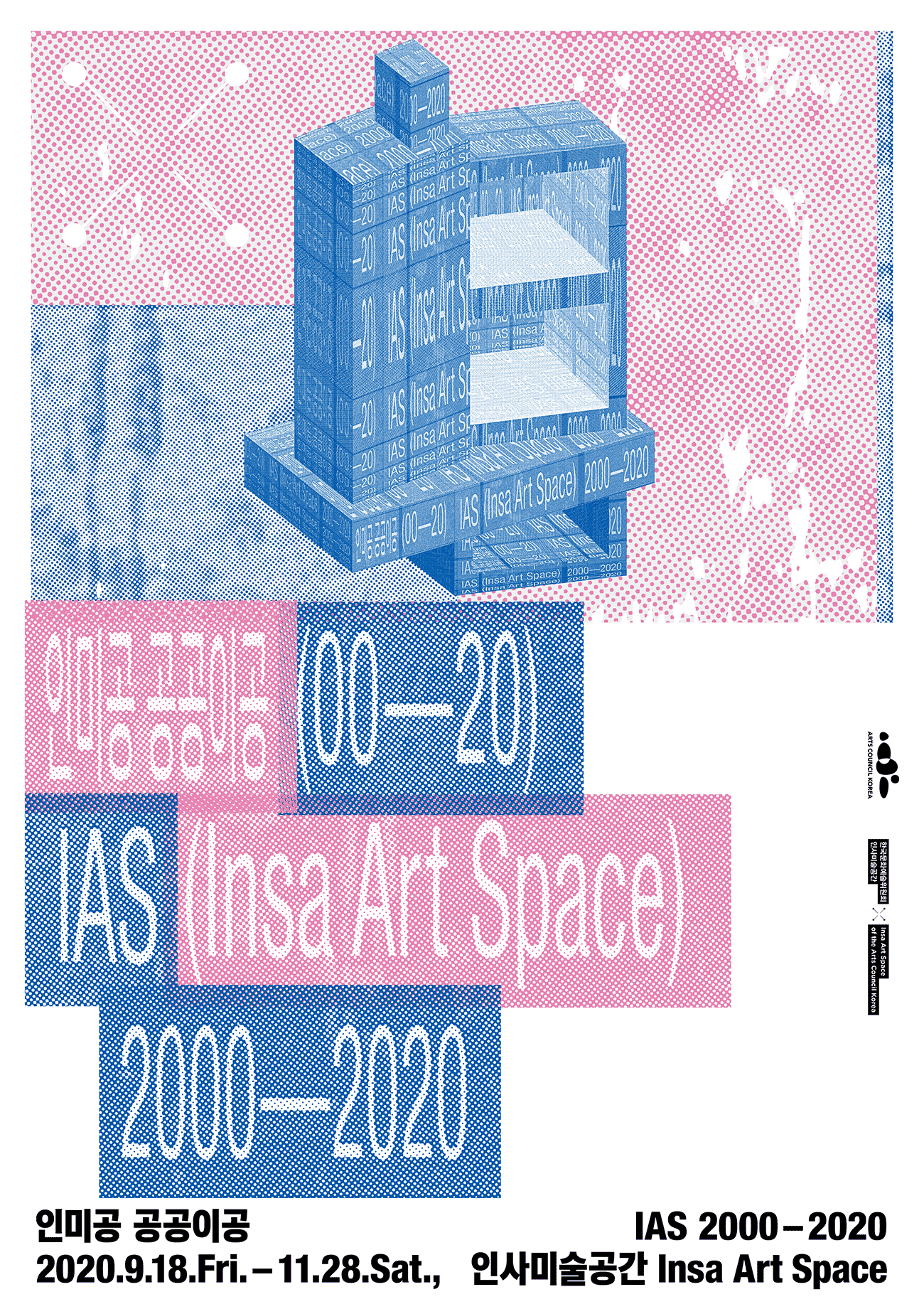
Finally, the publication IAS 2000–2020, produced on the occasion of this exhibition, will serve as a major record documenting the broader trajectories of approximately 300 exhibitions and events held over the years. In addition, the special edition of BOL, which reinterprets “Women’s Place”—the unpublished theme originally intended for Issue No. 11 of the journal—in a contemporary context through contributions by writers from fields including film, culture, and art, alongside drawings by artists, stands as one of the exhibition’s major productions.
《IAS 2000–2020》 is ultimately a temporary platform created to reread the principal directions and roles that have emerged throughout the history of Insa Art Space, and through the process of unfolding and reworking portions of those histories, to envision the image the institution’s future may come to embody.
Furthermore, in step with the rapidly shifting terrain and accelerating ecology of the contemporary art world, the project represents an effort to ensure that IAS does not drift away from another emerging trajectory of art history—one in which the institution continues to connect contemporary social and cultural phenomena and issues to expanded forms of artistic practice, while serving as a vital platform for the experimental activities of emerging artists.