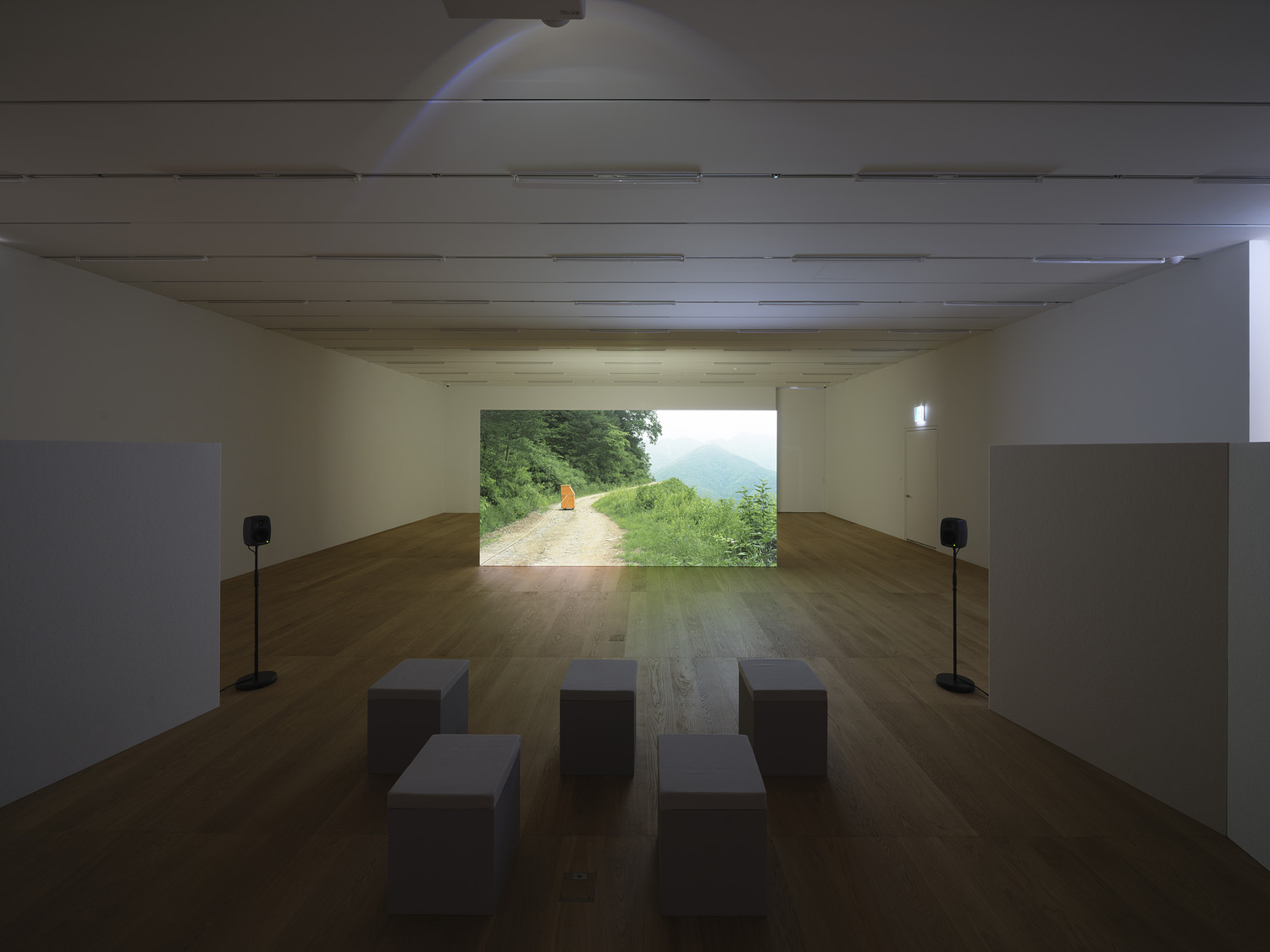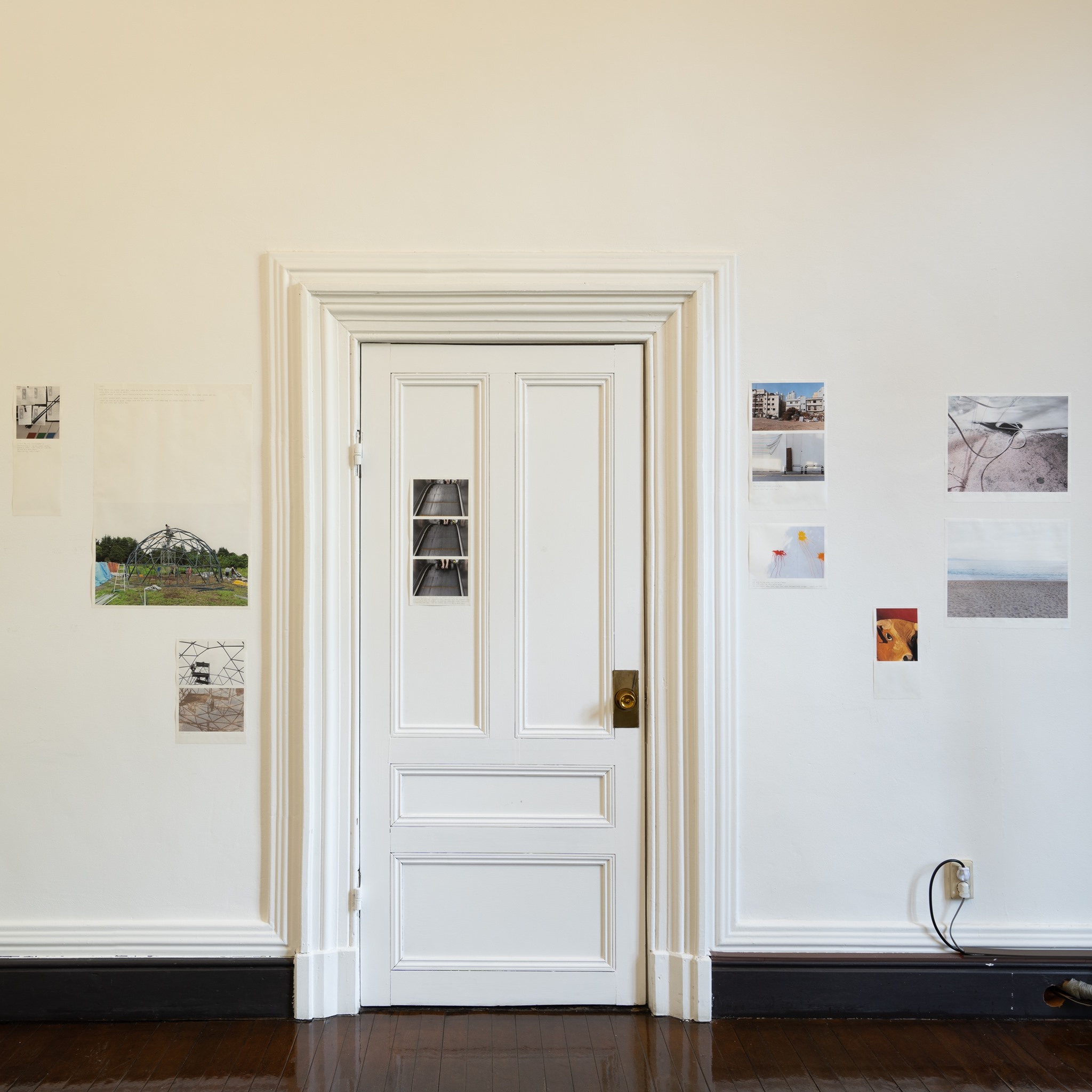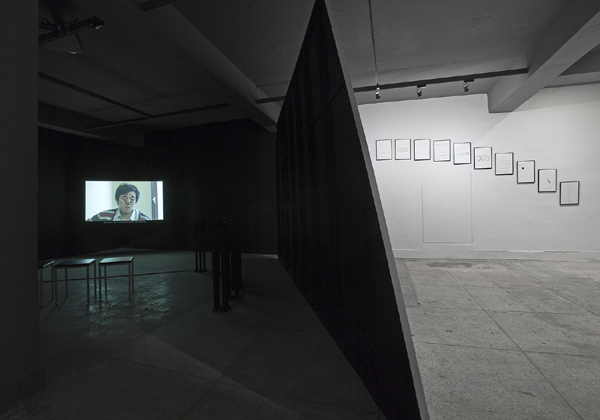

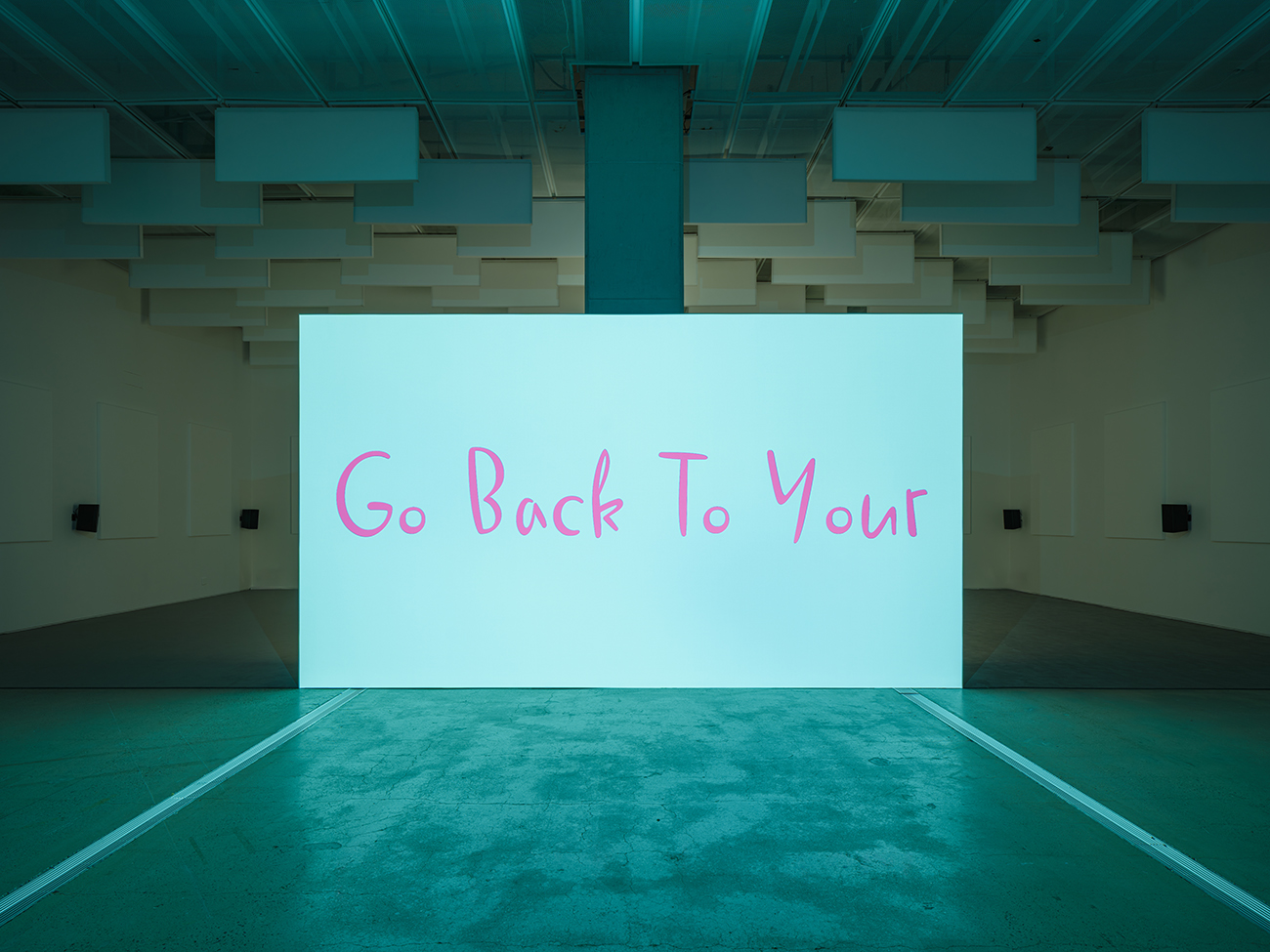
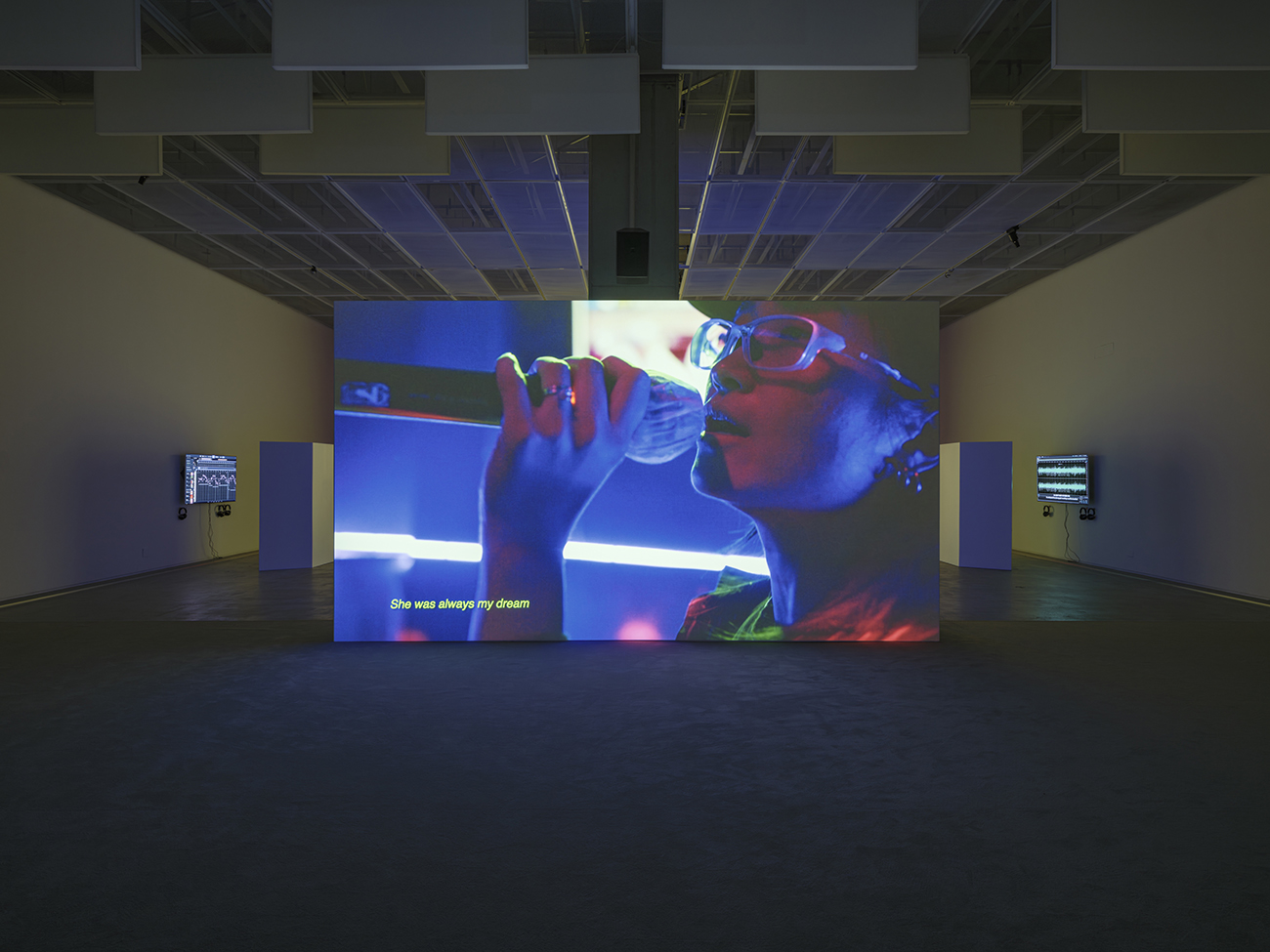

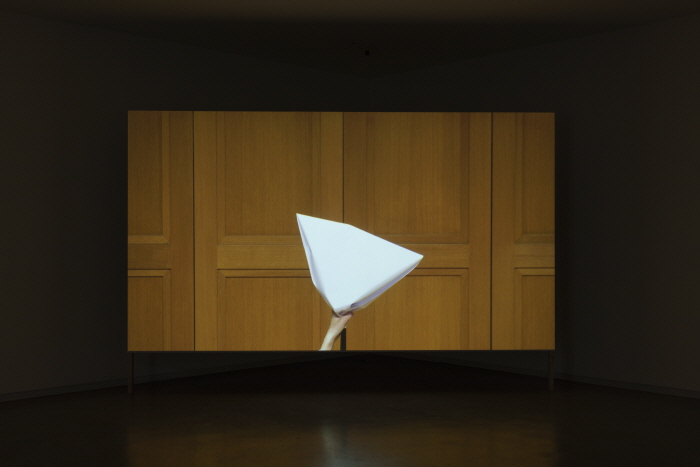
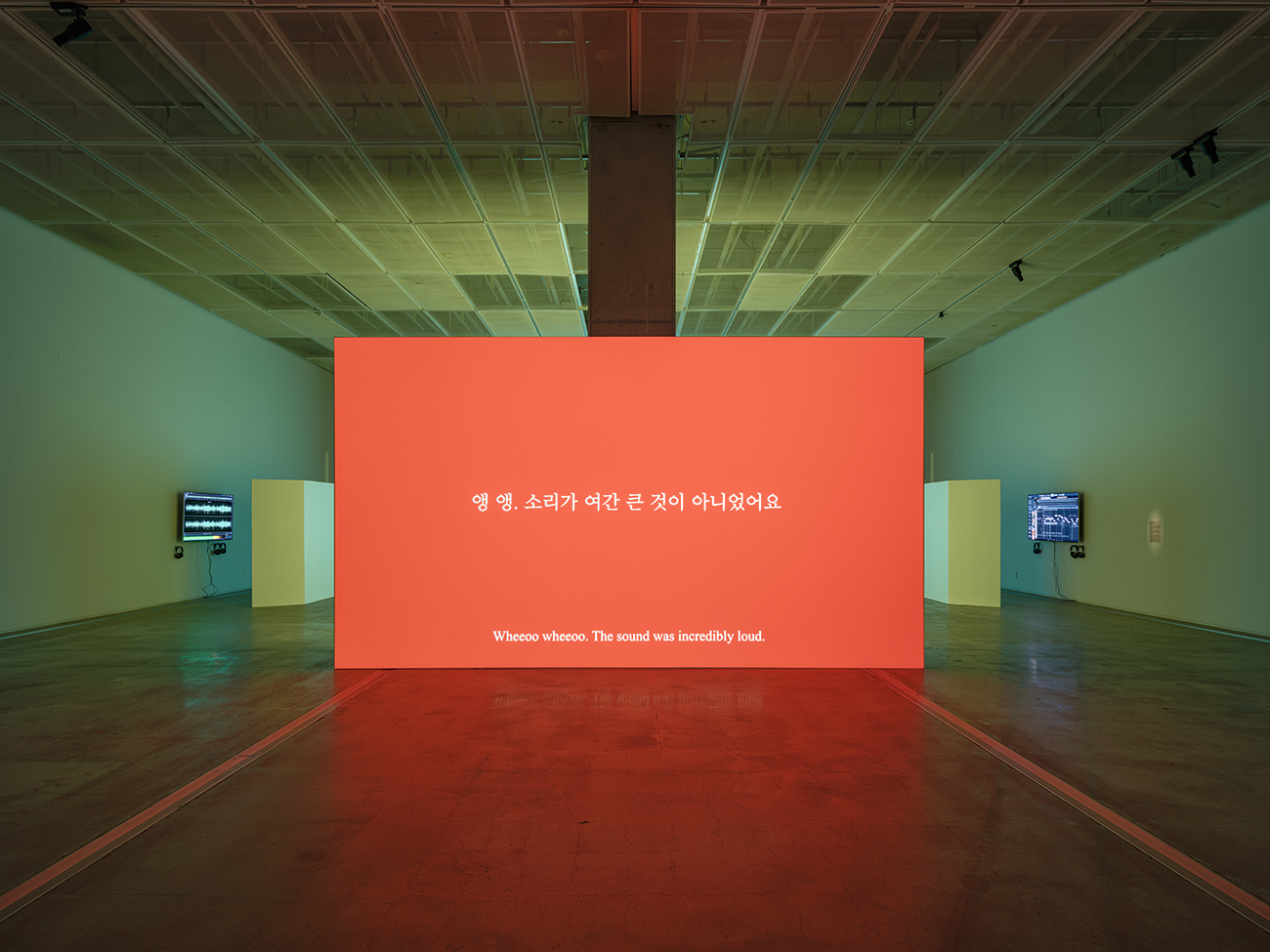
YoungEun Kim, Ear Training, 2022, Single-channel video, stereo & binaural sound, 15 min © YoungEun Kim

Ear Training incorporates sound recorded with a binaural microphone. On either side of a common binaural microphone are two prosthetic, human-shaped ears, about twenty centimeters apart, each encasing a microphone.

The design reflects how soundwaves would travel through the shape of the human ear as well as how the distance between two ears effect sound perception, so that it can capture a realistic recording of the surrounding soundscape. By using headphones that cover both ears, the listener should be able to experience a three-dimensional sound, as if they were themselves listening at the place of recording.

Then whose sonic experience are we eavesdropping? The anthropomorphic microphone recreates a very specific and individual sound, a sound meant to be heard by a single person. In Ear Training, that person is a Japanese military sound ranger during the Second World War, trained to identify enemy aircrafts and warships through sound.

Guided through the rustle of exam paper sheets, the clattering of cassette tapes being inserted into the player, statics in the tape recordings, and explosives going off from a distance, the listeners are automatically placed in the personal experiences of the sound ranger, whether they identify with the soldier or not.

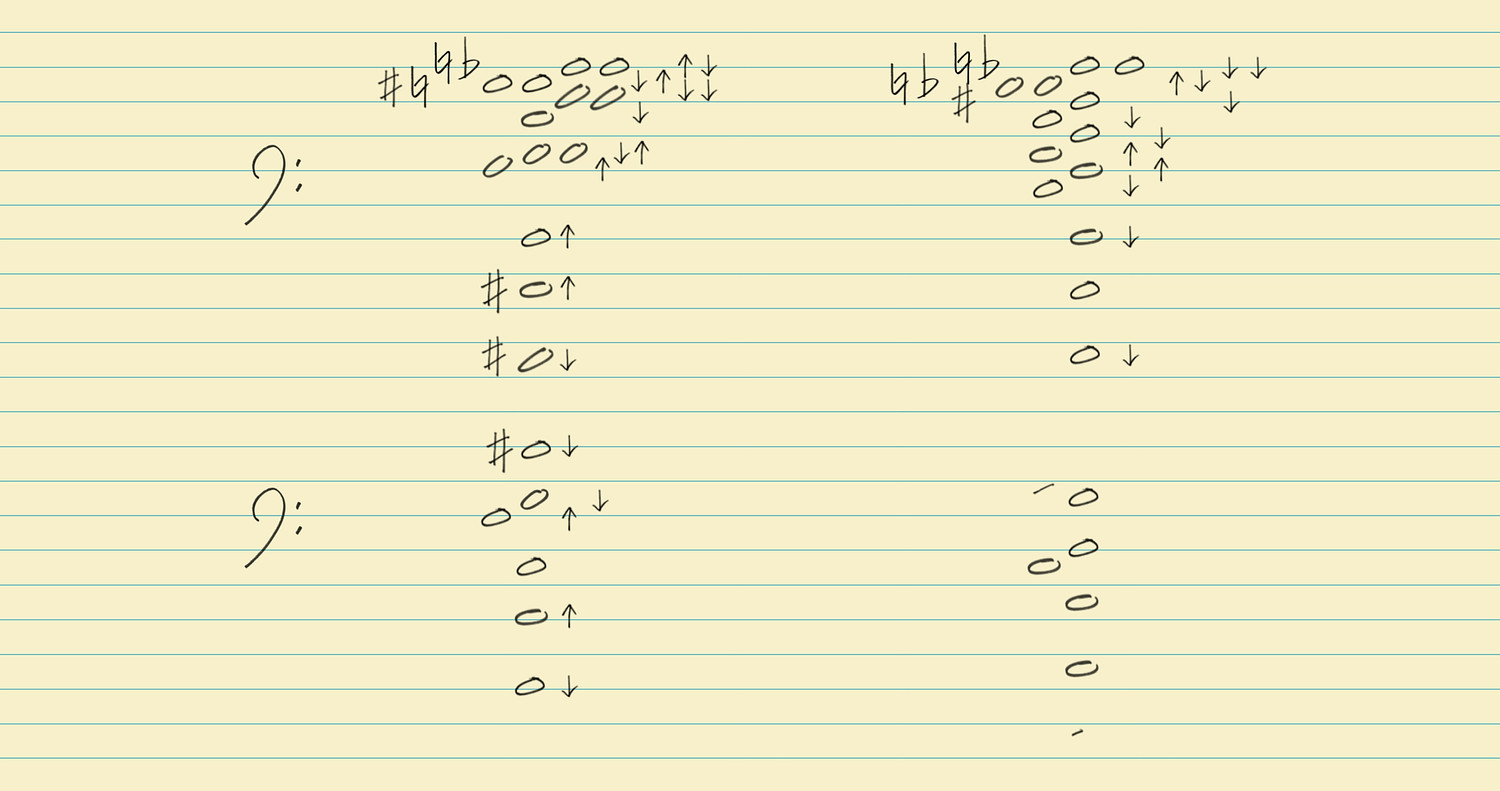
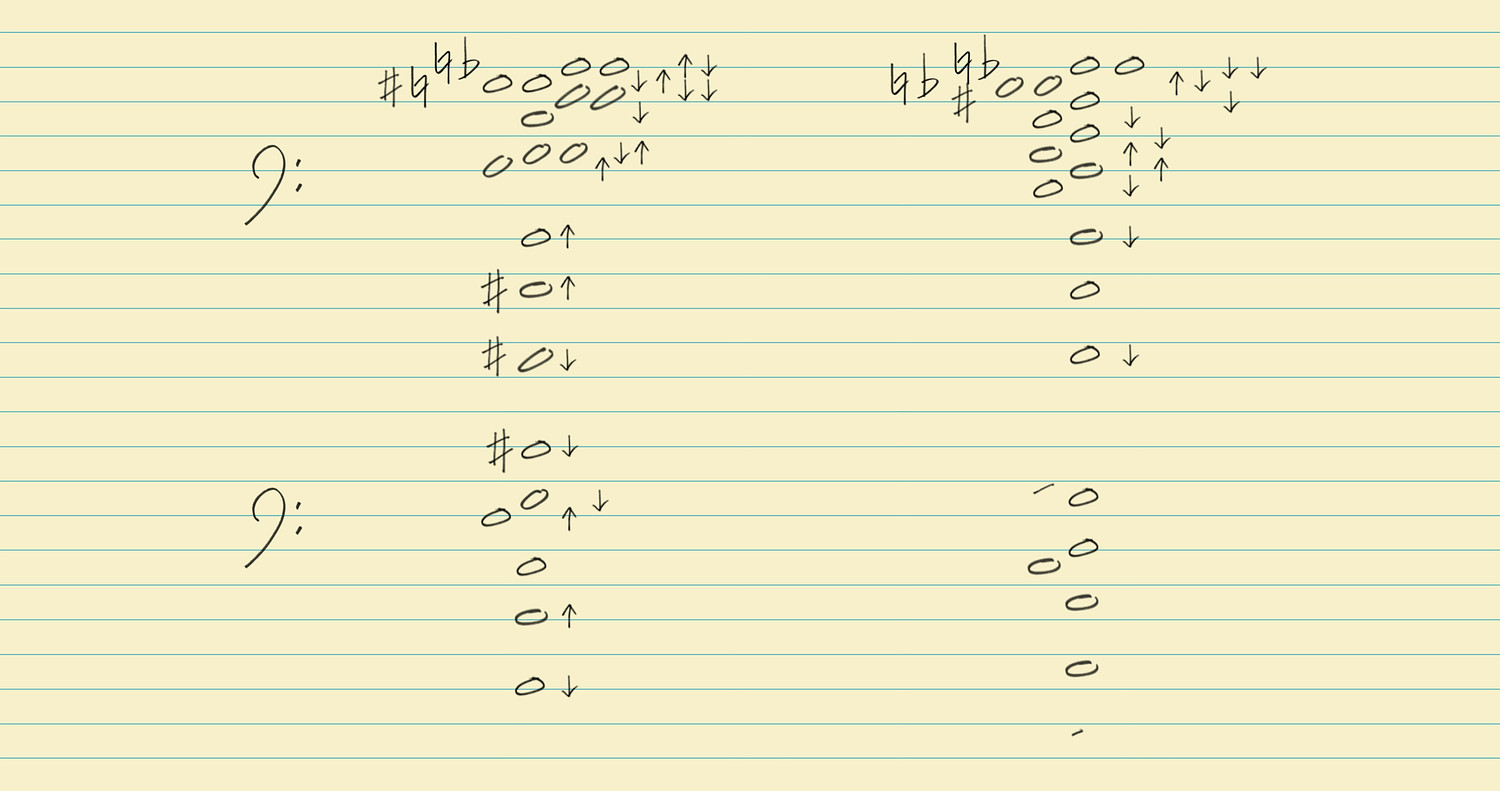
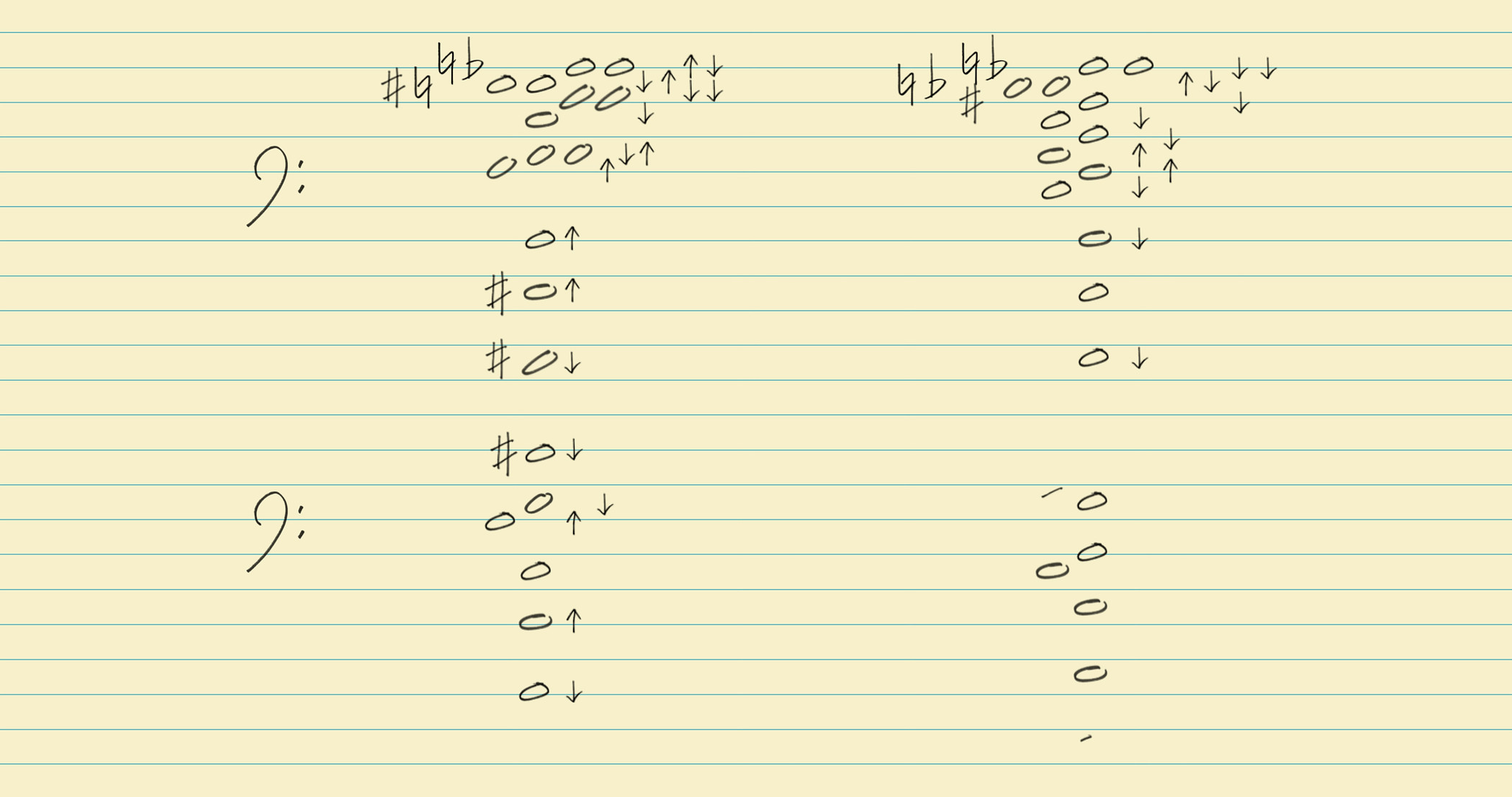
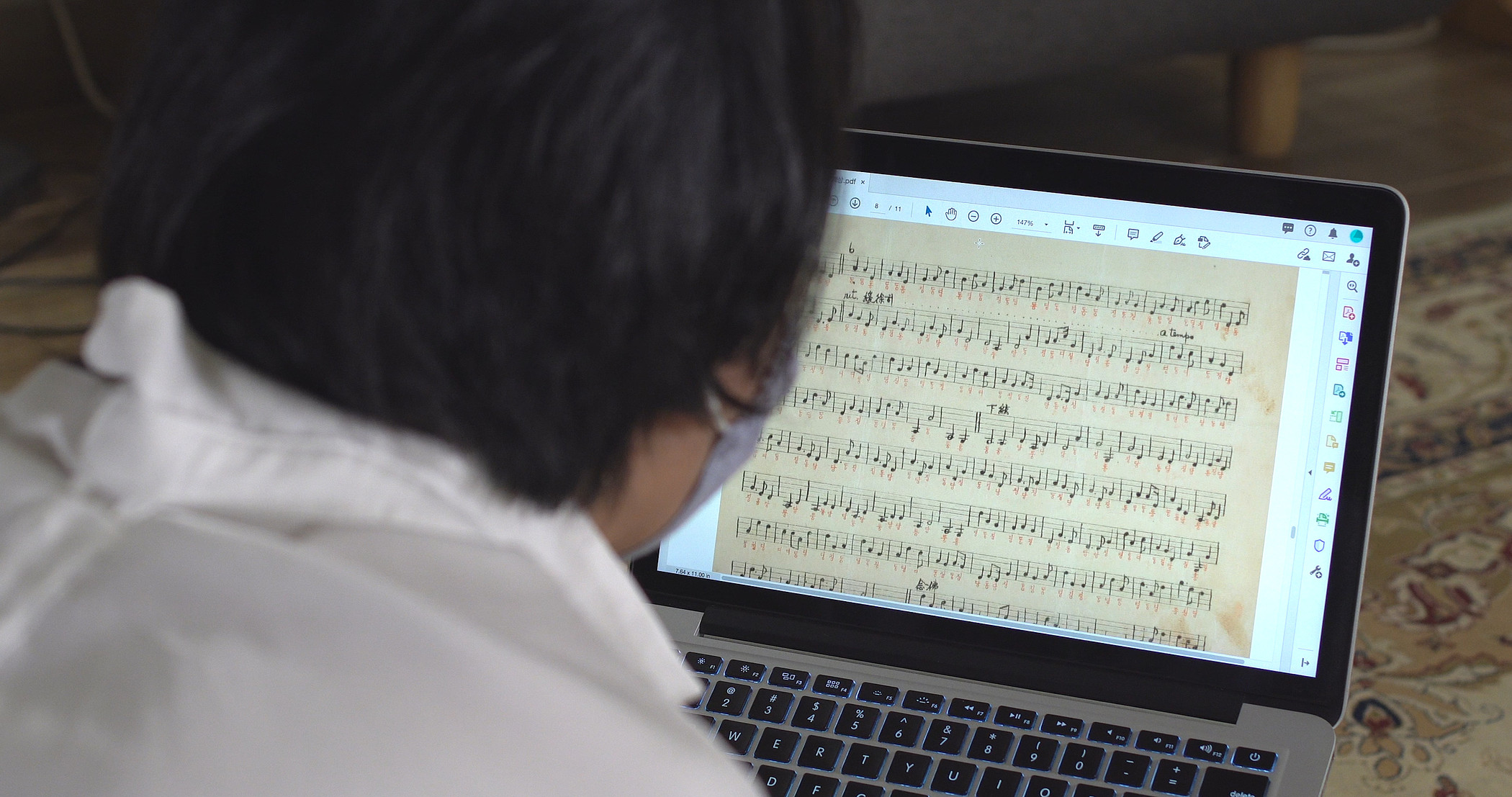
As opposed to this ‘complete’ migration of sound, other sounds in the work are migrated in fragments, in the form of scores and language. Through text and animation, the video component shows scores that notate the sounds of a flying bomber, or musical meters and onomatopoeic words that describe the mechanical sounds of a warship.

The sound ranger narrating the story seems to blindly believe that the sounds and their symbols are identical, while, in reality, sounds helplessly pass through the sieve of symbols, thus creating skepticism toward the soldier’s conviction driven by militarism.

The listener is therefore situated in a contested place where they have to stitch together two distinct perceptions: one being the fragmented sounds seen through their eyes, and the other, the seamless sound experienced through their ears.


YoungEun Kim, Brilliant A, 2022, Single-channel video, multi-channel sound, 16 min 56 sec © YoungEun Kim

A more literal ‘migration’ of sound takes place in Brilliant A. The work is based on the anecdotes about the first piano in Daegu, South Korea, and the introduction of the Western musical system represented here by the standard pitch. Pulled by an unknown force outside the frame, the piano crate travels by the seashore, over the mountains, and through the forest, rattling and sometime falling flat on the ground.

This endeavor is on one hand a reenactment of the actual event depicted in the missionary Richard Sidebottom’s letter from the year 1900; but on the other hand, it also embodies the moment in history when the issues of Western modernization were imported to Joseon along with the ever-rising standard pitch, and when the battleground of colonialism—and subsequent post-colonialism—has entered the arena of Korean music.

The first sound rising from the reassembled piano is not only a sound, but an institutionalized tune. Beethoven’s string quartet playing in the background of the work has been modified so that the standard pitch shifts throughout its duration. However, the listener’s ear goes beyond bounds to find a ‘musical moment’ within the unstable tunes.

The musicians’ conversations preceding the ending credits are also focused on the fidelity of the pitch. Passing through the cracks between sound and tune, tune and tune, noise and harmony, and perception and appreciation, Brilliant A unravels the silent politics outside the world of sound.


YoungEun Kim, To Future Listeners I, 2022, Single-channel video, stereo sound, 7 min 58 sec © YoungEun Kim

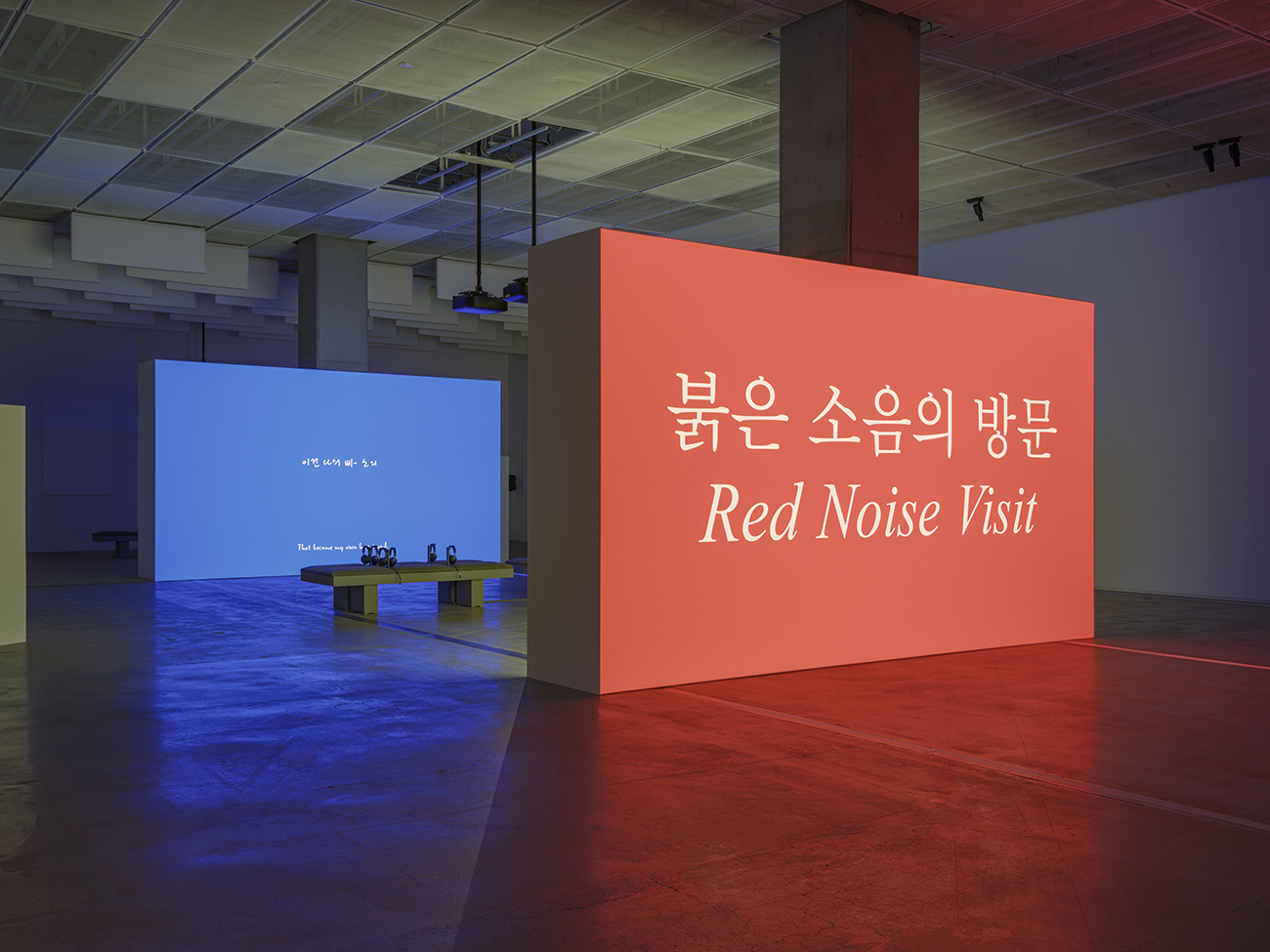
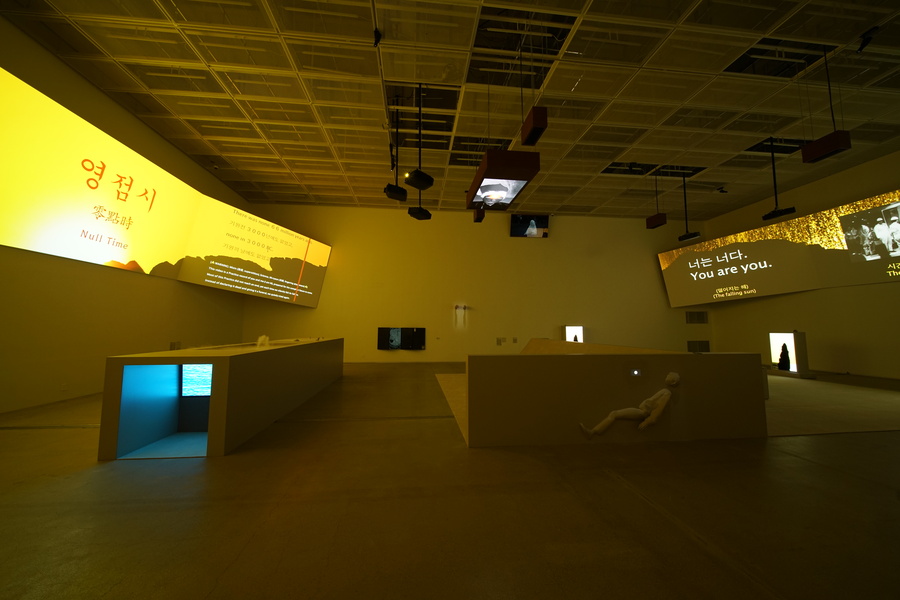
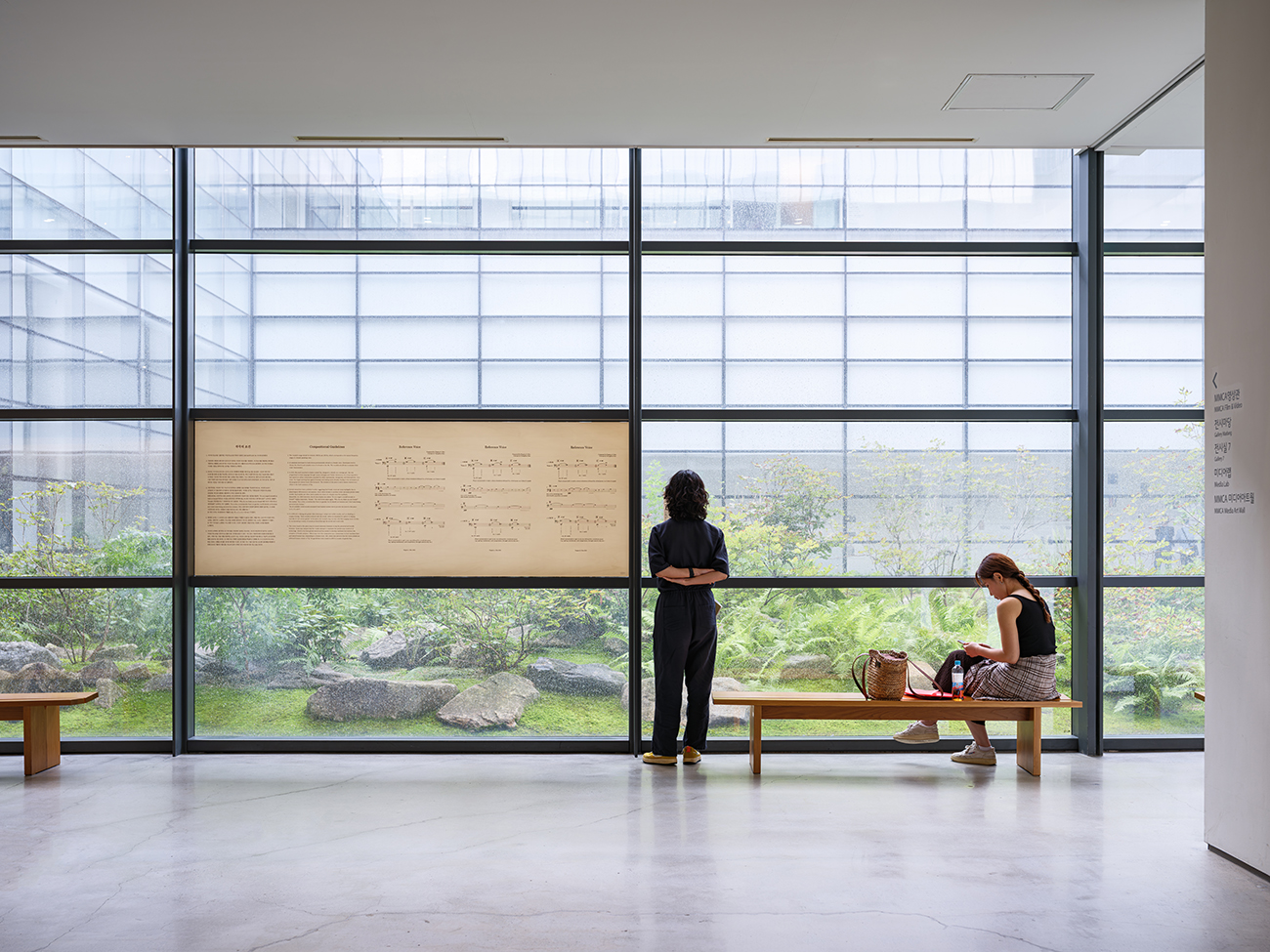
The six works in 《Frames of Sound》 all question the migration of sound— transpositioning sounds, moving sound from one place to another, transcribing sound to different mediums or symbols. Neither object nor concept, sound transforms in movement, eventually losing its original form.

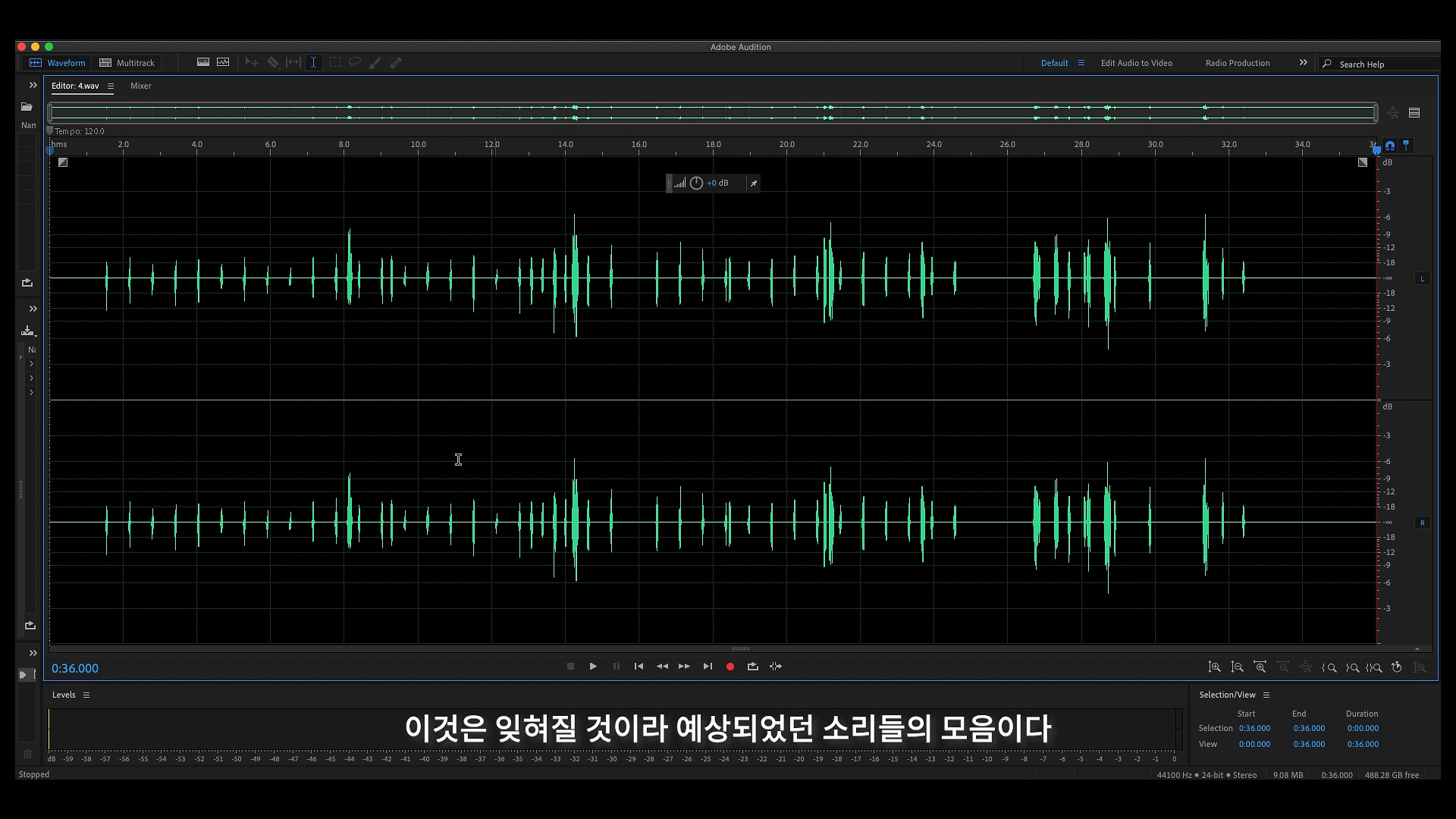
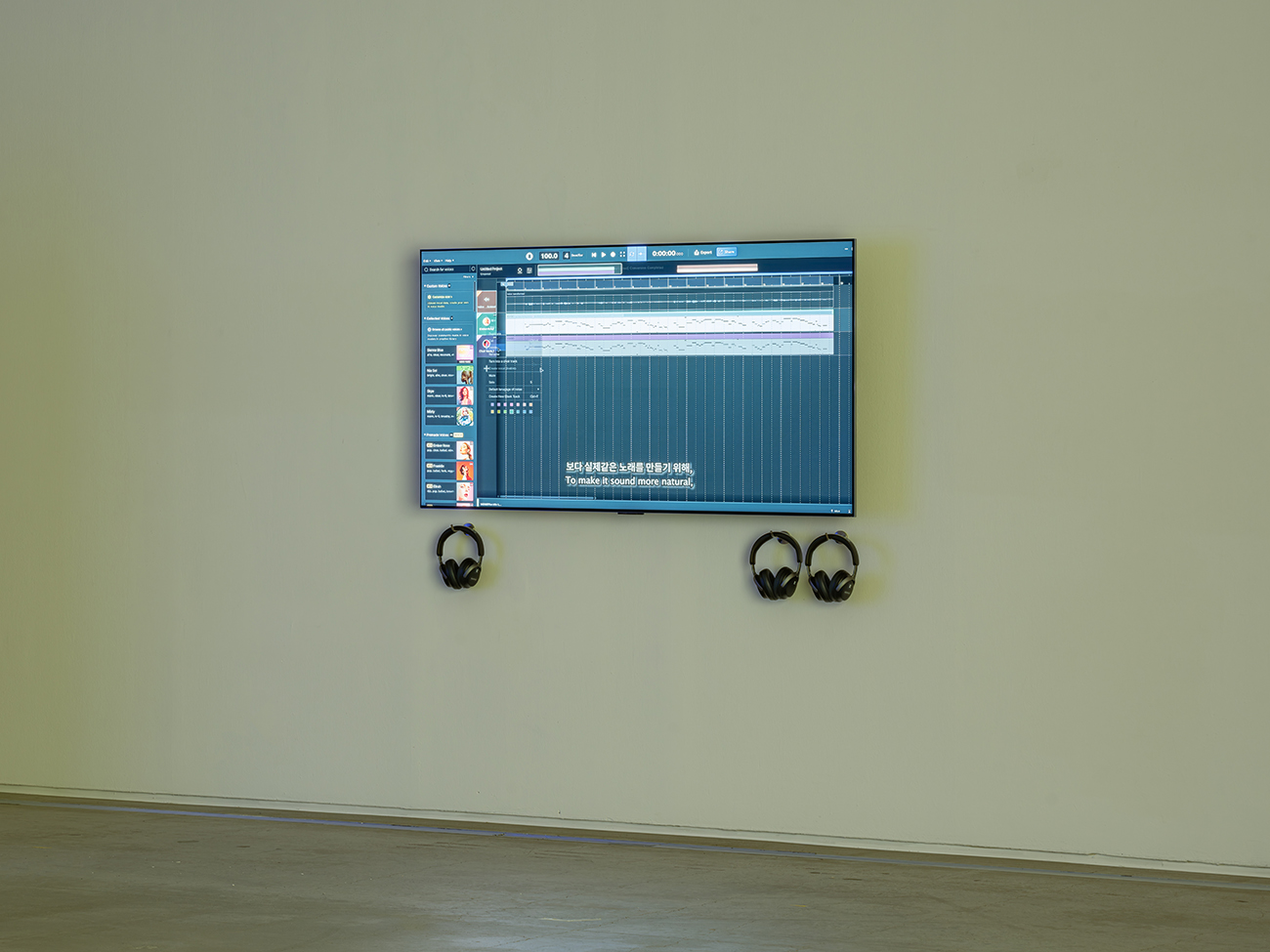
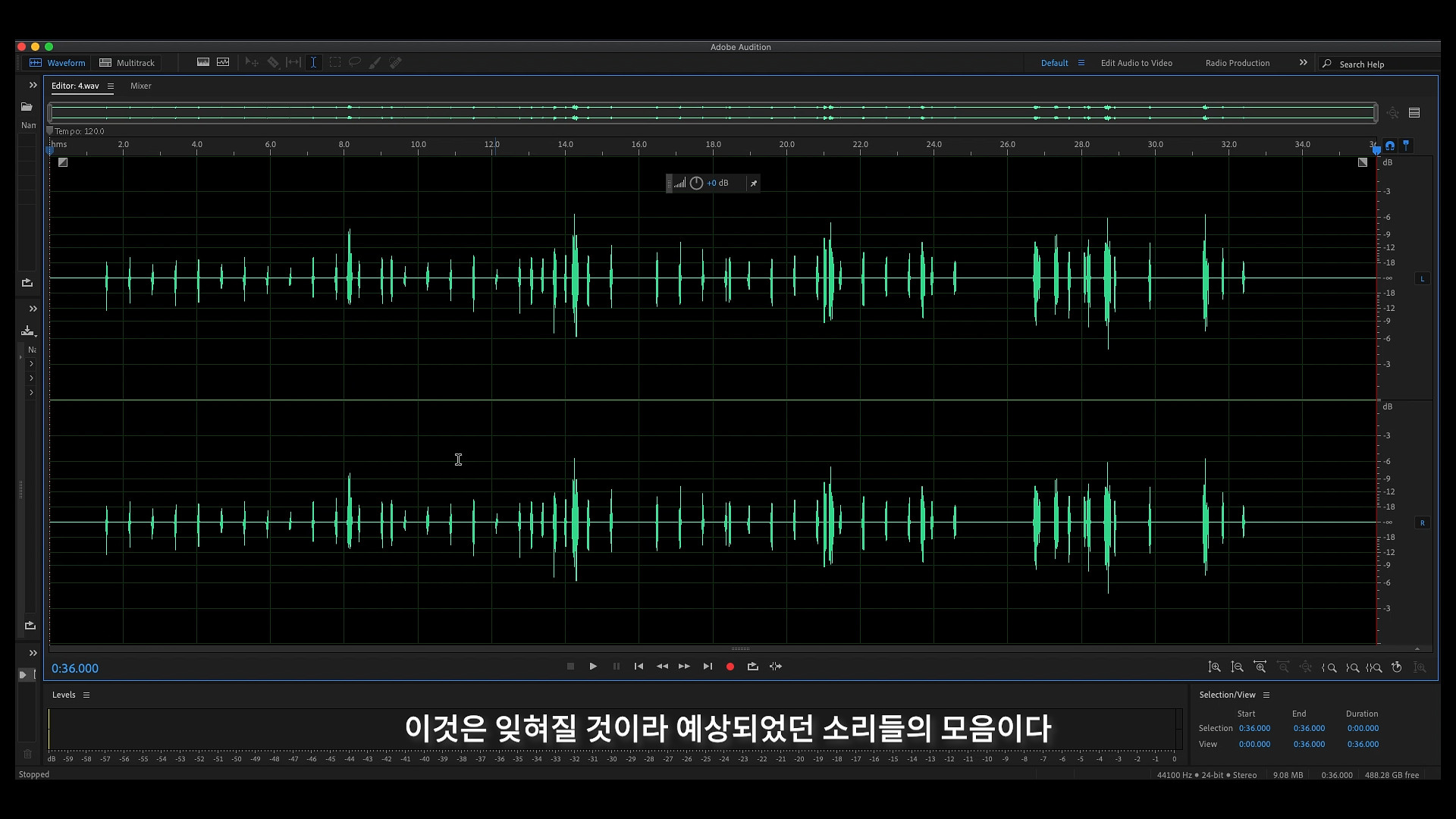
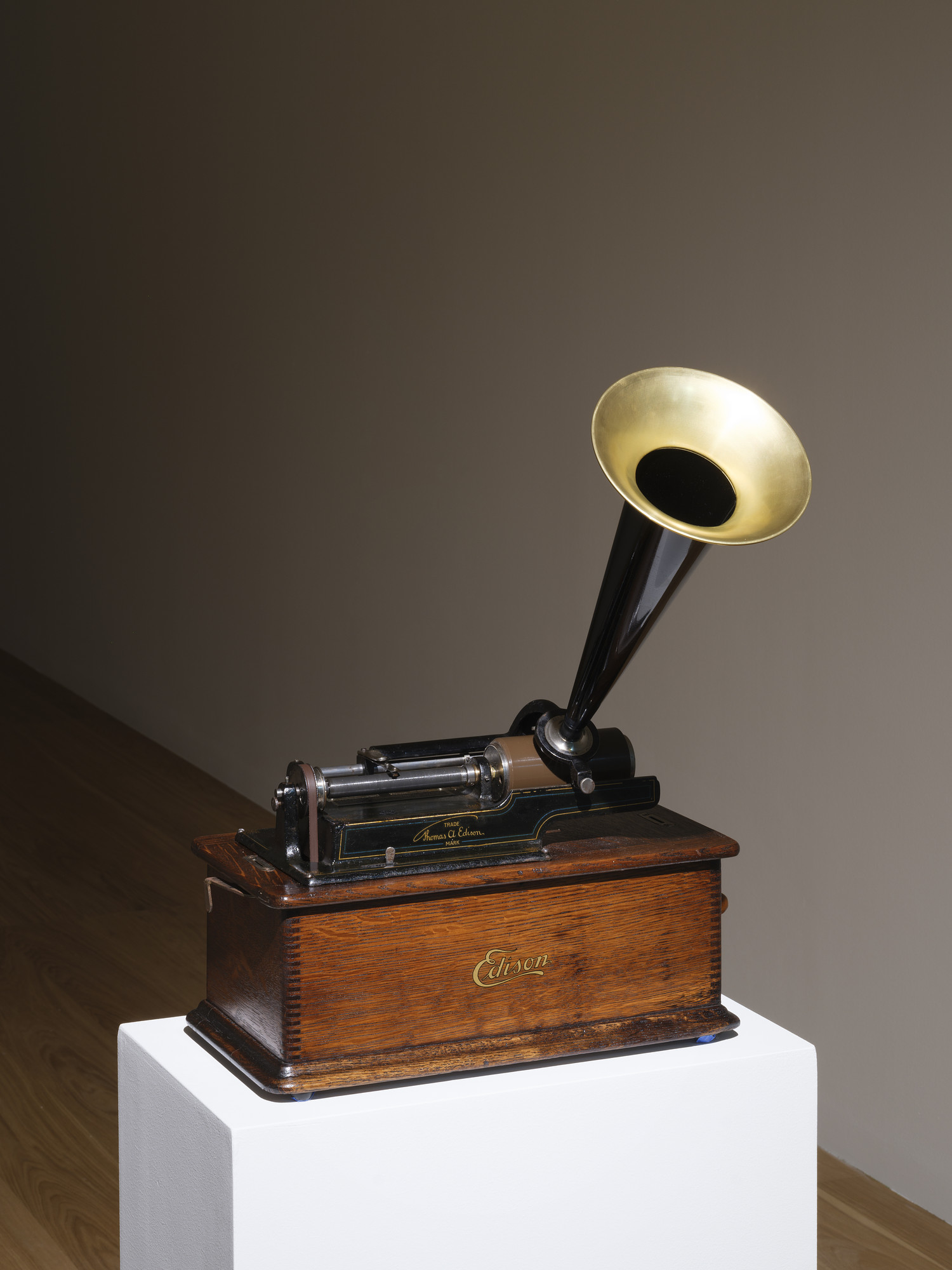
This process is accelerated in the two-piece work ‘To Future Listeners’. Repeatedly using a noise reduction plugin tool to ultimately erase ethnographic recordings, this small ‘performance’ predicts the rather grim future of music that is archived and no longer practiced live.


YoungEun Kim, The Story of Oseonbo: Sounds Lost in Translation, 2022, Single-channel video, stereo sound, 47 min 5 sec © YoungEun Kim

However, repeated performances do not guarantee the preservation of music. Rather, the more it is played and interpreted, the more music changes itself and is reborn into different environments.

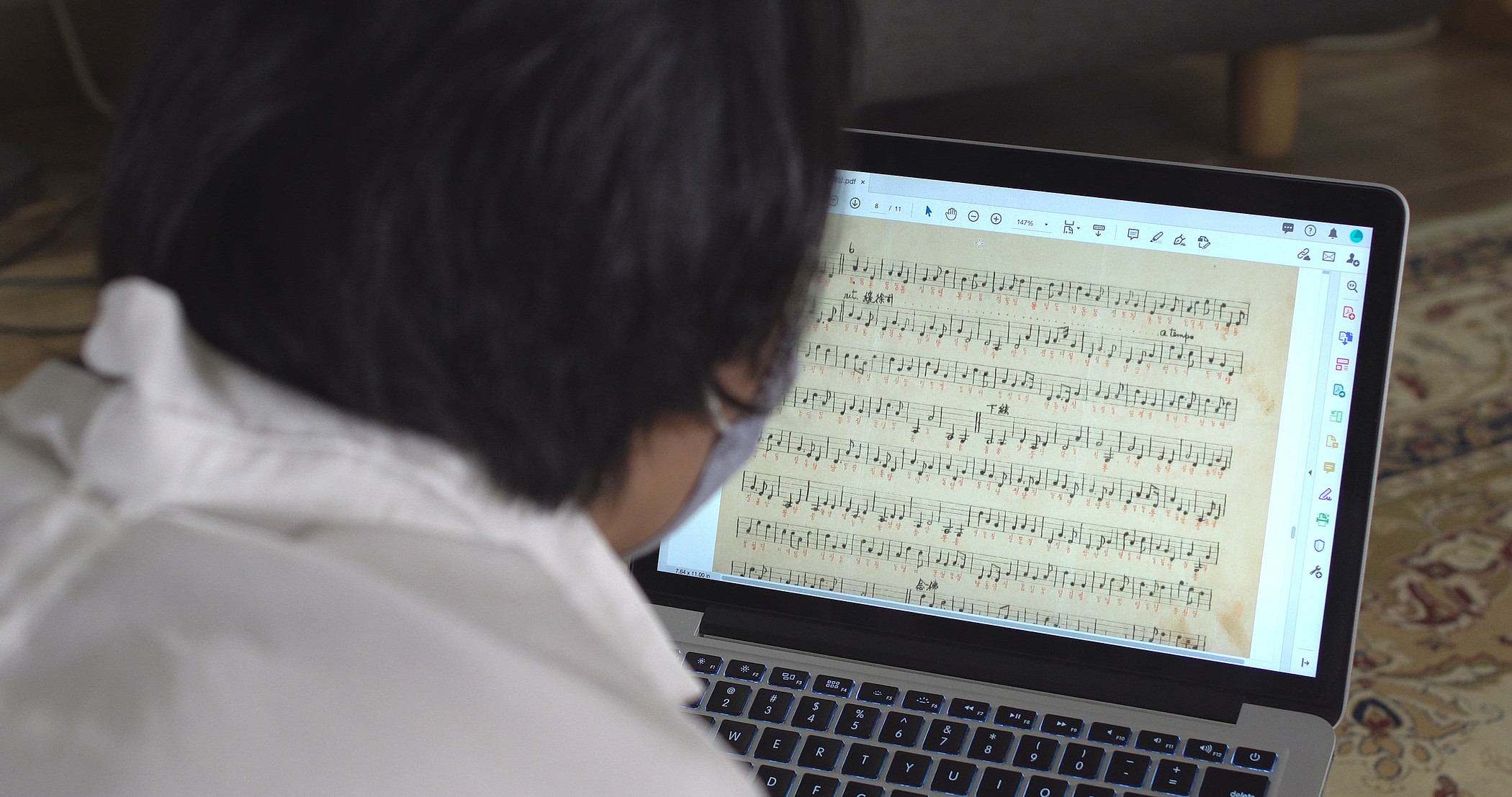
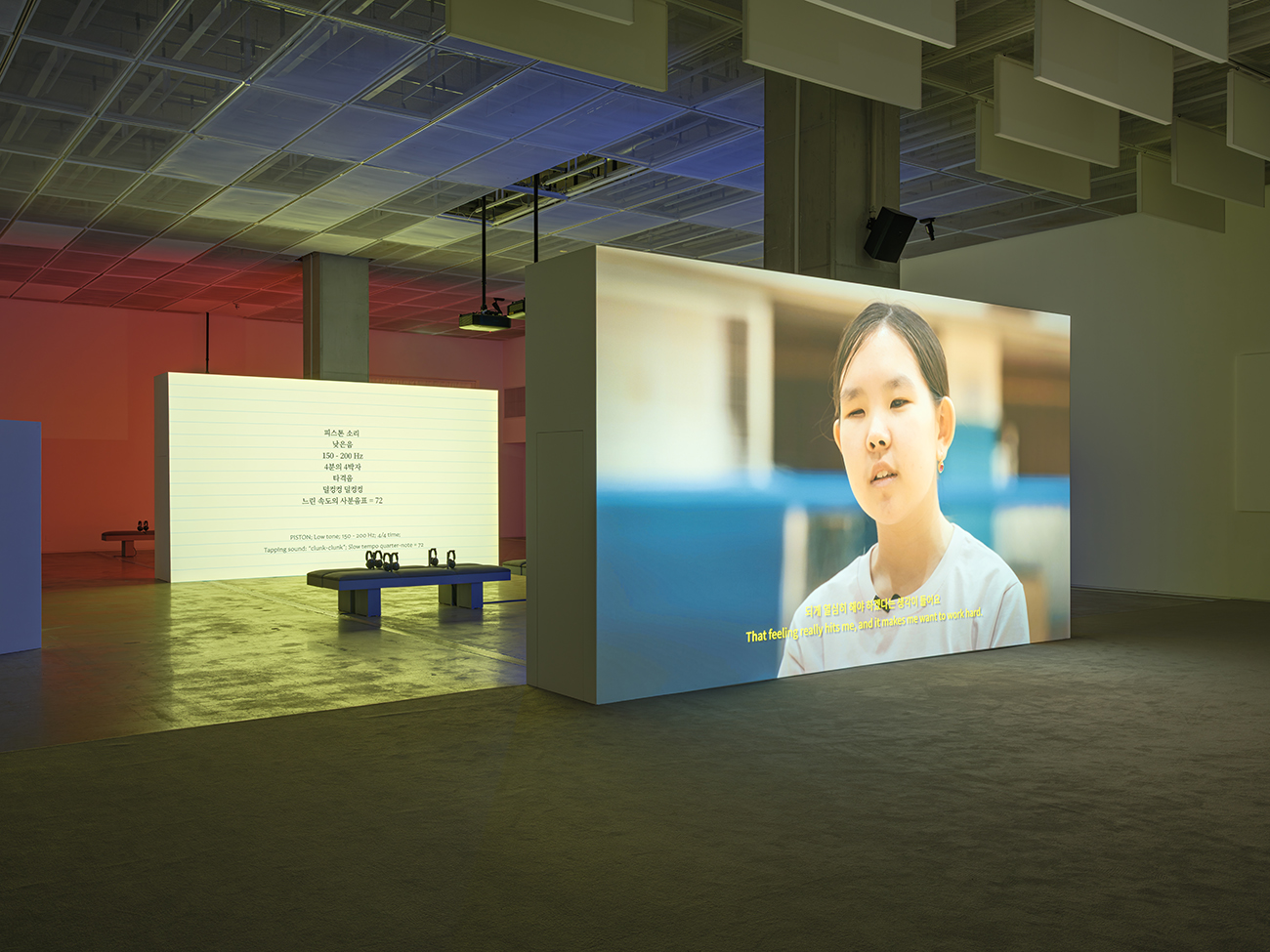
The video work The Story of Oseonbo: Sounds Lost in Translation is a comprehensive study on the transformation of music. The work starts from a 1914 yanggeum score of Yeongsanhoesang transcribed by music teacher Kim Insik, where the Korean traditional music is translated into a Western-style staff notation.

With records dating back to the 15th century, Yeongsanhoesang has developed from a single movement vocal piece to an instrumental piece of nine movements, and was played with instruments of various genealogies, ranging from more traditional string instruments to yanggeum, which was imported during the 16th century.

Arriving after these long years of transformation, Kim Insik’s yanggeum score is a translation without an original—moreover, it is a translation riddled with suspicious holes. Musicians, composers, and music researchers interviewed in the work investigate the missing links of this score, each suggesting different scenarios based on score formats, musical systems, instruments, music culture, and education.

But rather than trying to locate and restore the bygone original, the work focuses on the holes of cultural colonialism and refracted traditions to further imagine diverse strategies.

The discordant chorus of people who ‘do not know harmony,’ improvised tunes that betray the written score, and sonic experiences of overlapped performances based on different scores are all examples of the moment when gaps from the past open up wiggle room for future creations.


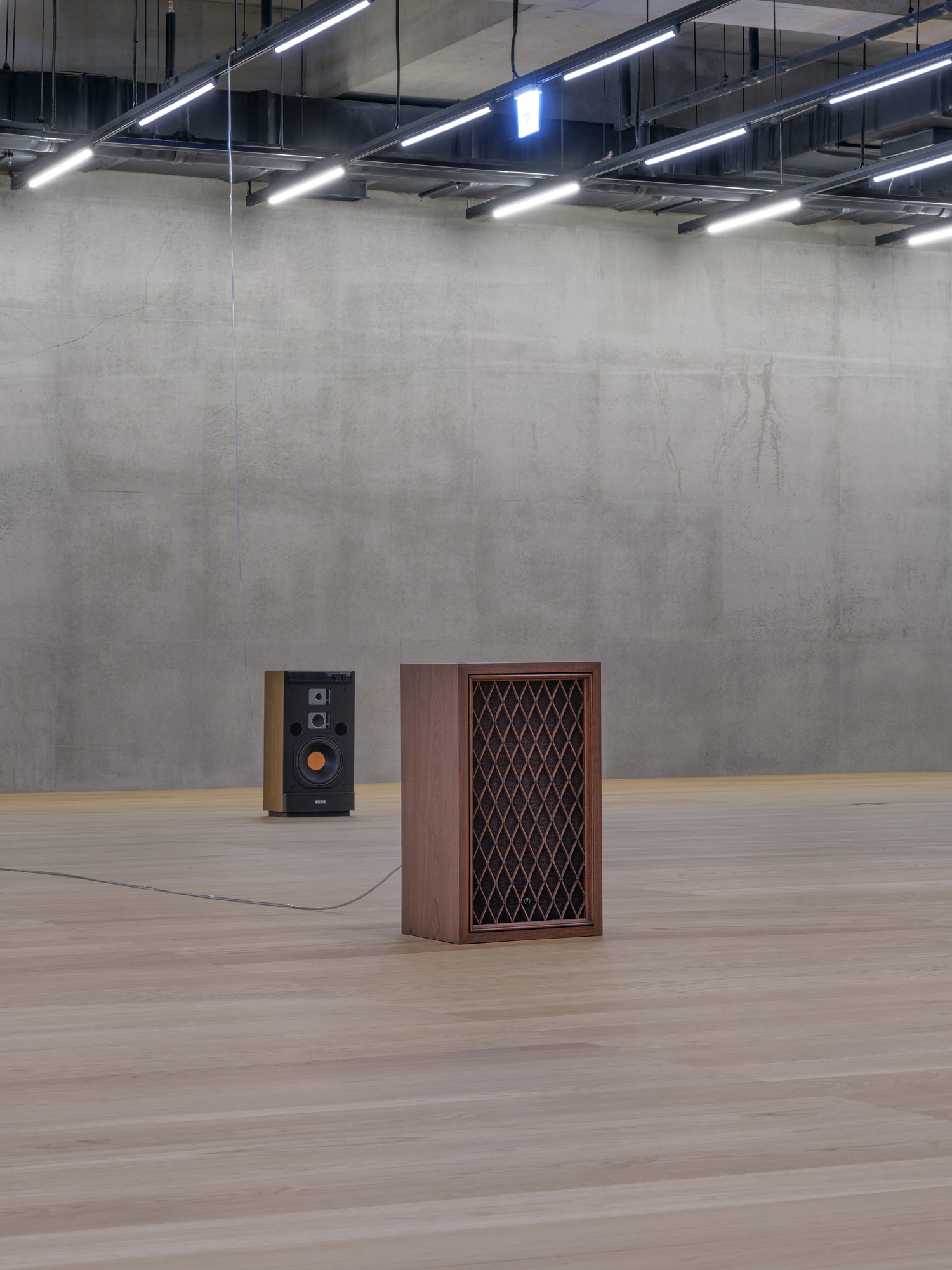
YoungEun Kim, Tearful Twist, 2022, Multi-channel sound installation, 5 min loop © YoungEun Kim

YoungEun Kim’s works propose a ‘way of listening’ by disassembling music to sound and by breaking down the system that frames sounds. Nevertheless, music is imminent in her works like an undercurrent, manifesting itself from time to time and captivating listeners with its affect.

Music sometimes comes to disorient a sound piece, but also sometimes provides loopholes into places where more analytical mediums may not be able to reach. Installed in the basement floor, Tearful Twist foregrounds this power of music and thus flips the approaches manifested in the upper levels on its own head.

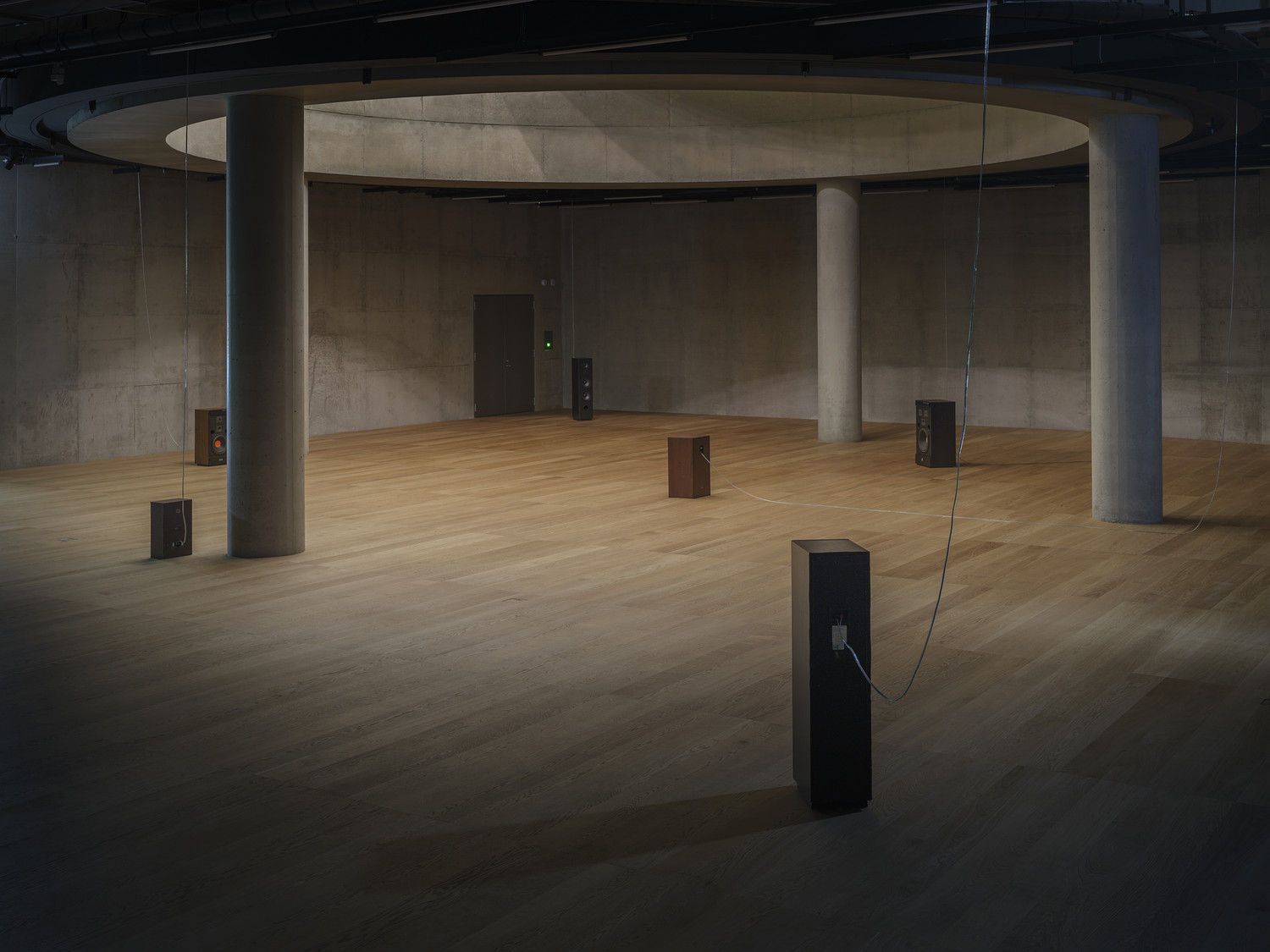
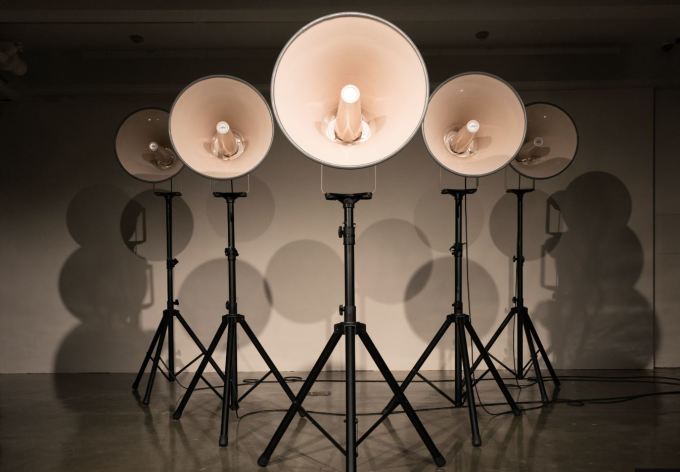
Tearful Twist is a sound piece comprising some twenty pop songs that were legally banned in Korea from the Japanese occupation era until the 1990s. After covering certain significant instrumental parts from each song, the artist recombined them into a single track by placing them in their original time frame.

Once silenced due to political oppression by military regimes, cultural rigorism, and nationalist sentiments, the songs are brought back as only tunes, without singers or lyrics or titles. Collapsed together, they come together to form a polyphonic resonance that is neither sound nor music, but also sound and music at the same.

References