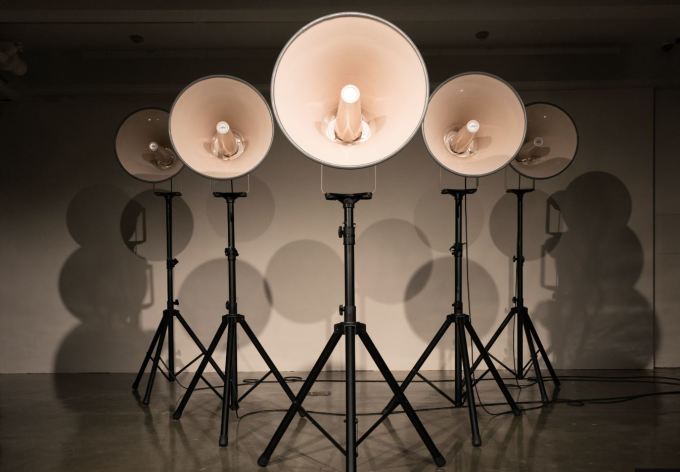
Across YoungEun Kim’s practice, forms emerge from an assembly of sonic and acoustic materialities: from the traditions and technologies of creating sound; its various addresses; listening and responding to it; the ways in which it materializes a social space or relations mediating its circulation or its place in the history of culture.
Throughout Kim’s practice, we see the artist lean into questions around how sound is sensed, made sensible, and creates sensible form. Sound carries through atmosphere, through walls, across spaces, suffuses, and signifies (whether its source is identifiable or not). In Kim’s work, sound takes form, conjures a world.
Sound, in Kim’s practice, is a scenographic and choreographic provocation: it enlivens objects, annotates space, distributes affects throughout, gathers bodies around and alongside. In other words, sound becomes a stimulus to arrange space and materialize an environment (scenographic) and a stimulus to organize bodies and allow these bodies to respond and act out (choreographic).
In thinking about how sound becomes scenographic and choreographic in Kim’s practice, I pursue a related interface in the theorization of sound: the diegetic.
While the discourse of the diegetic is mostly interrogated within the framework of the cinematic or the audiovisual, I find its discourse resonant in discussing these works. The diegetic in this instance escapes its coupling with the “nondiegetic” in cinematic discourse, a binary that cinema scholar Steffen Hven pries open.
He explains: “Diegesis is experienced as our immediate, yet mediated, spatiotemporal environment. It is immediate in the sense of being manifest to us in its kinetic, material, affective, and semiotic presence.” Furthermore, he remarks: “The diegesis pertains to the entirety of the audiovisual structure, and any attempt to disassemble its parts into strict categories—e.g., diegetic versus nondiegetic, story versus discourse, content versus style—betrays our initial, multisensorial experience of the diegesis as the environment of the film.”
For Hven, the way diegesis has been largely understood is as a textual premise—that elements of films work to flesh out a narrative that preexists the mediations of the audiovisual stimuli. This narrative takes priority and shapes the signification of the elements of the cinematic object. Moving away from this binary, Hven proposes the diegetic as a question of “ecological sensemaking,” a method of surfacing “a felt, mediated environment that comes alive through its encounter with the spectator’s embodied organism.”
As a form of “ecological sensemaking,” I am interested in the reconsideration of the diegetic as “emergent on the basis of the spectator’s cognitive and affective capacities for sensemaking (turning the film material into a felt environment or affective ecology), but also how being embedded in media ecologies modulates not only our affective and perceptive capacities but also our general thoughts, feelings, and disposition.”
Within this framework, cognitive and affective capacities coincide with their modulation through media ecologies. Sound becomes “our immediate, yet mediated, spatiotemporal environment” which structures our environment and our response to that environment. The scenographic and the choreographic unfold in and through these immediacies and mediations.
In an early work titled Tripartite Confrontation (2013), we see these tendencies interface. The work takes inspiration from the slippery polyvocality of Korean-American writer Theresa Hak Kyung Cha’s novel Dictee (1982), where a narrator shapeshifts and speaks as Ryu Gwansun (a prominent activist in the March 1st Movement against Japanese colonial rule in Korea), a mother, “myself,” and Mother Teresa.
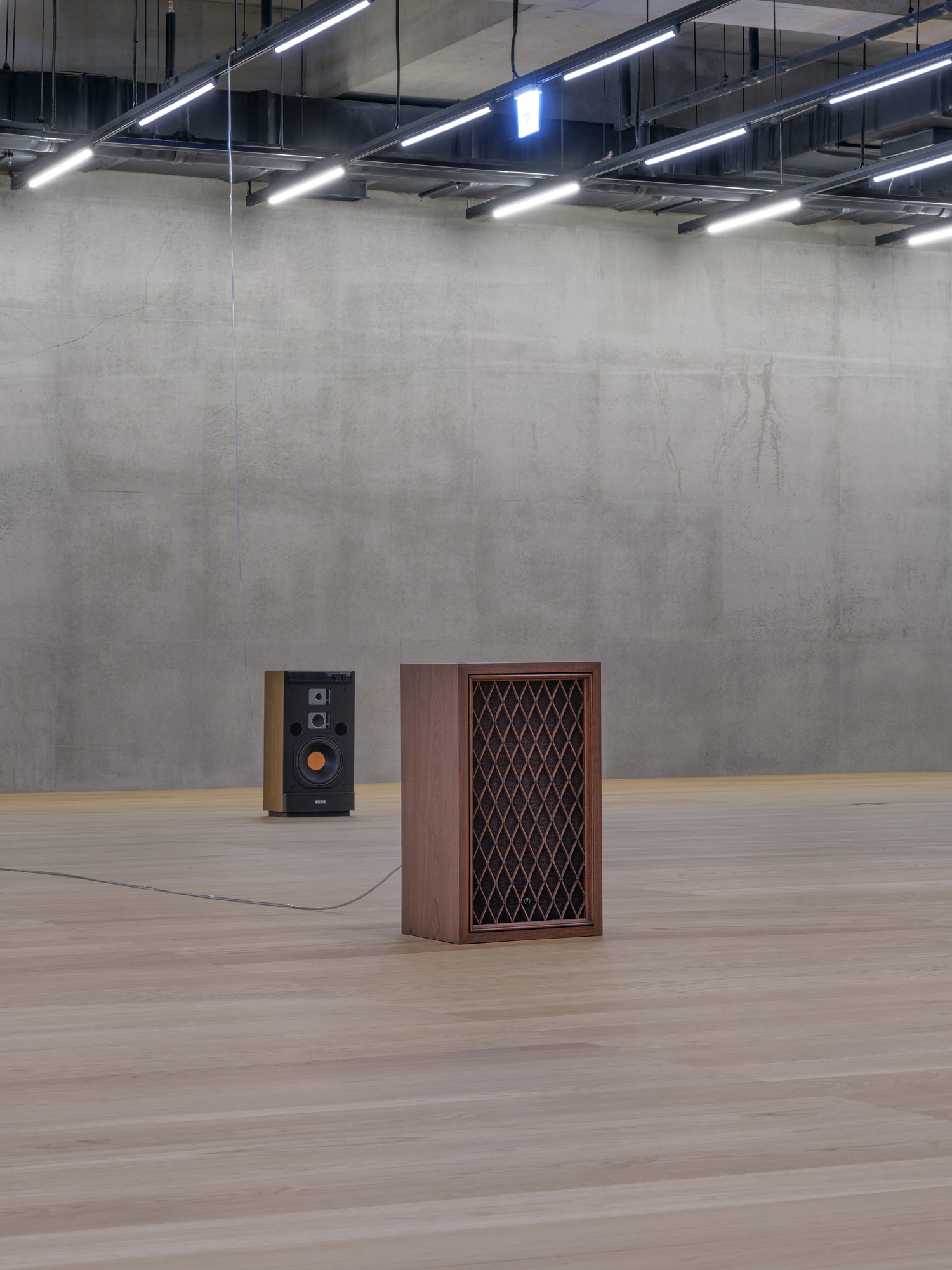
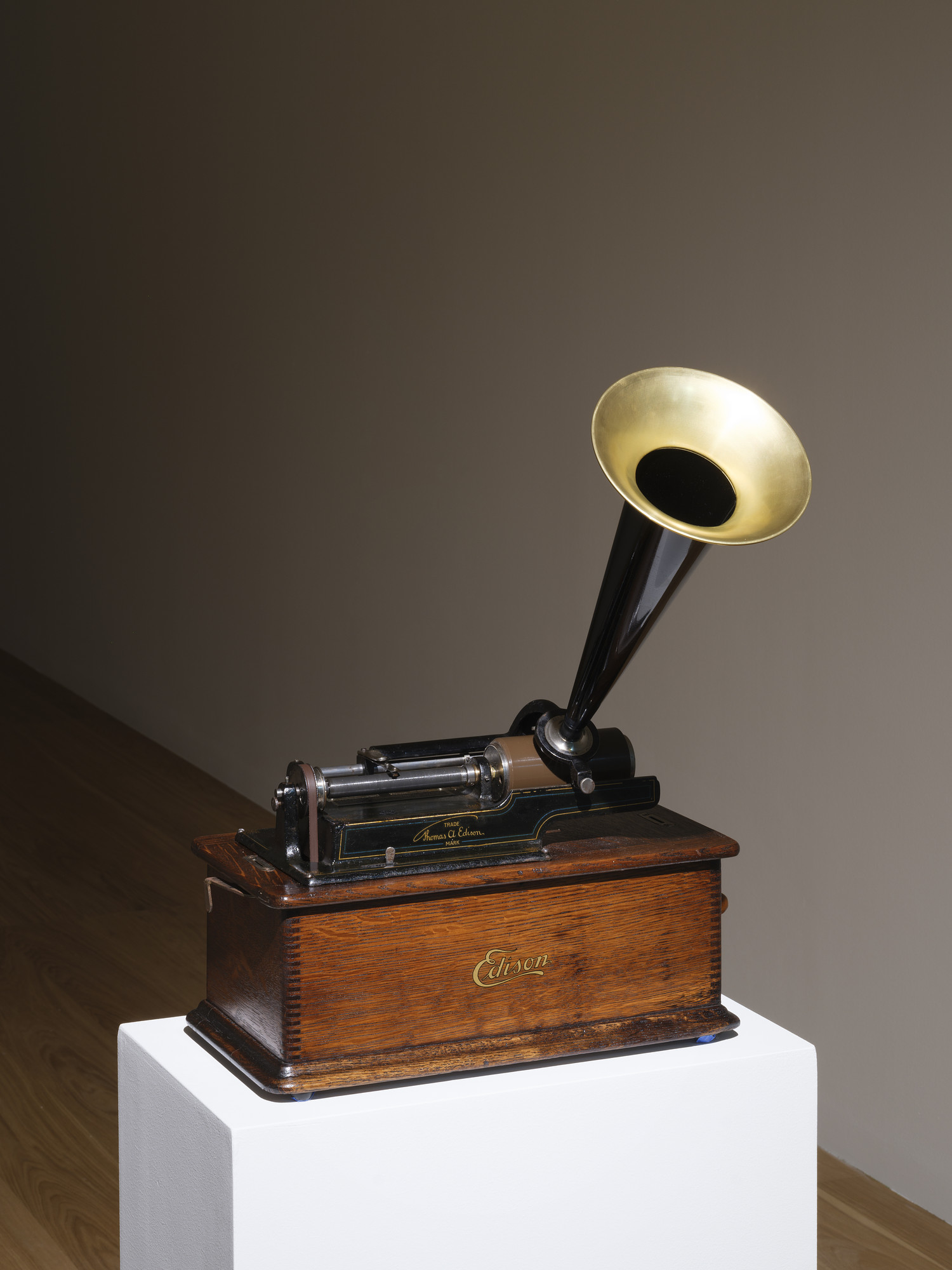
Three objects are presented in the exhibition space: a telephone, an exhaust vent cover, and a framed photograph. Snippets of sound play at timed intervals in the space: the phone ringing, a barely audible whistle from behind the vent, knocks and thuds behind the photograph. Within this staging, we respond to each sound as a prompt, a provocation. Except for the telephone ringing, the sources of the sounds are not seen. The phone rings and as soon as one picks it up, the call ends.
The relationship between sound and the object that we see in the exhibition offer us a range: the phone’s ringing is part of its function and is made by the object itself; the vent is a channel for the unidentified sound to travel, there is a possibility of sound traveling through from a different source; lastly, the photograph is neither an object of sound or a channel, and the relationship of sound and object proposes a different acoustic ontology—not of source nor object but mere coincidence.
Each sound offers a scenography of sound-object-audience relationship. The experience is ecological: the gathering of these objects happens in this particular space, which is experienced by a feedback mechanism between the objects and the people who interact with them. The works are meant to be experienced in relation to one another.
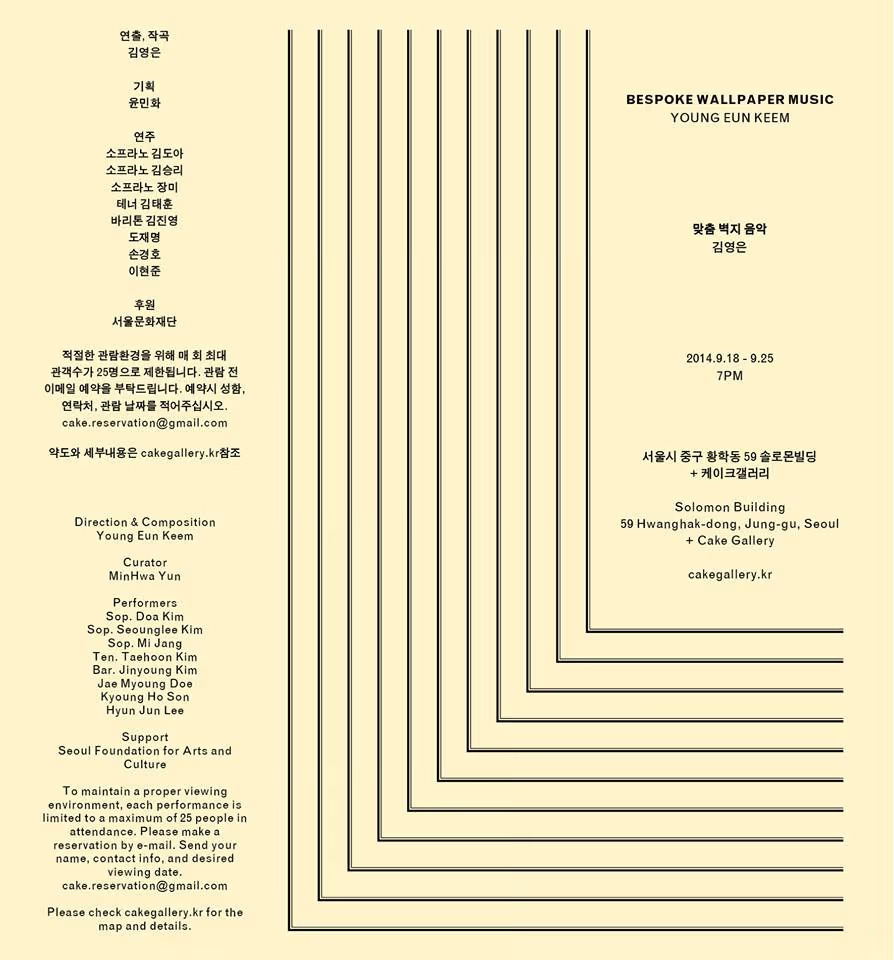
The provocations of Tripartite Confrontation find compelling extrapolation in Bespoke Wallpaper Music (2014), a sound performance held at the Solomon Building, an old building in Seoul that used to be a market hosting small secondhand shops. Shop partitions create corners and enclosures and with them unusual vistas, skewed entry points, dead ends. Kim uses these architectural idiosyncrasies to create scenographies of sonic experience.
Performers would hide themselves in these discreet spaces where they make sound, respond to a conductor’s signals remotely, and take cue from whatever faint sound they hear from the other performers. The audience sits in the same situation, trying to follow the performance through the faintest cues and the subtlest shifts.
A choreography of bodies trying to listen and bodies trying to be heard structure the performance. Bespoke Wallpaper Music is an exploration of what the artist nominates as “aural spaces,” spaces where “visibility is obstructed [and] aural experiences take on a new identity, allowing the space to be sensed in an entirely different way.” She further explains: the physicality and placeness of aural spaces—what she describes as “visually featureless or entirely invisible spaces”—can only be revealed by sound.
An ecology of sound scenes shapes the experience of both Tripartite Confrontation and Bespoke Wallpaper Music. It is this ecological sensemaking that extends Kim’s sonic interventions into realms of material, psychic, and affective implications. Sound is emplaced in the thriving vitality of ecology—not just spoken of in relation to its technology or style or aesthetic or even art history, but through the ever-evolving history of sense and the sensible.
This ecology is also structured by what French film theorist Michel Chion discusses as the “acousmatic,” or the experience of sound without knowing its sources. A vaster relational world is implied though this acousmatic intuition, precisely, an ecology that exists beyond the immediacy of the exhibition space.
This question of ecological sensemaking offers us a glimpse of the history of the sensible in the contexts that the artist works within: music (traditional music knowledge systems and instruments; the production and reception of pop music in Korea and their use in ideological contestations across the DMZ border); urban environments (various contexts of audition in urban spaces, such as announcements used in public infrastructures [transportation, telecommunications, mass media]); protests; memory work.
Throughout the practice of the artist, sound is emplaced in wider ecologies and cultures. In the context of both works discussed above, sound is not just a mode of textuality meant to be read, listened to, and deciphered; it also embodies infrastructures of sensing, recognition, translation to value, and the concomitant questions of assemblies and circulations. These elements are addressed and sound as culture is mapped out and fleshed out as an ecology.
These scenographic and choreographic impulses converse with an archaeological sensibility as well. We see this in particular in looking at the ways in which sound and its history may be drawn out from traces of the material and technological kind or, via negativa, by way of symptomatic absences.
The diegetic structures these impulses, especially in relation to how sensemaking is mediated by the ecological, as it alludes to how material realities, our perception of these, and the mediations of sound, coincide as an expansive experience. As Hven further explains: “Our perception of the diegesis can neither be understood exclusively on the basis of our perceptual system nor solely on the affordances of the mediated environment.”
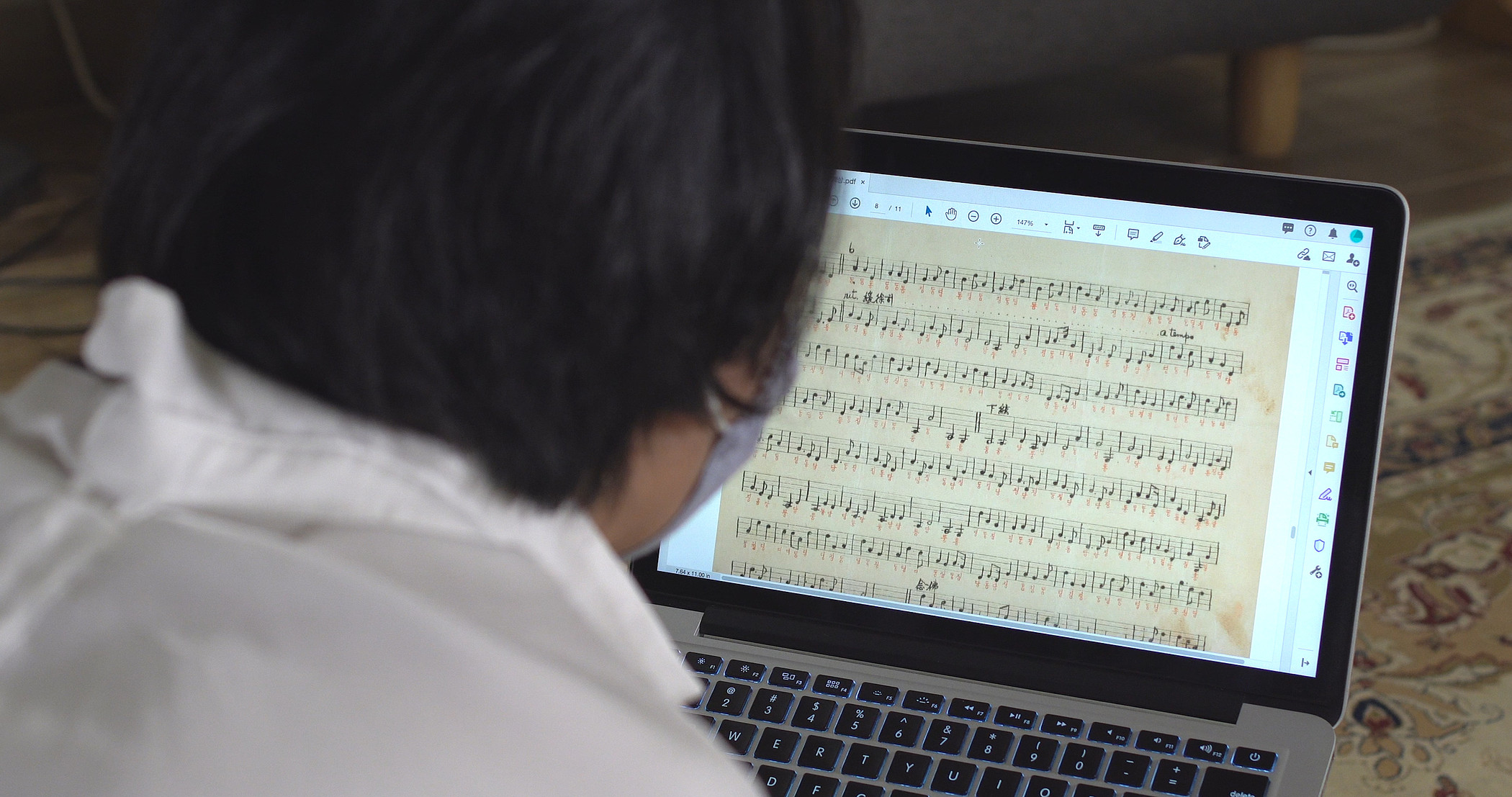
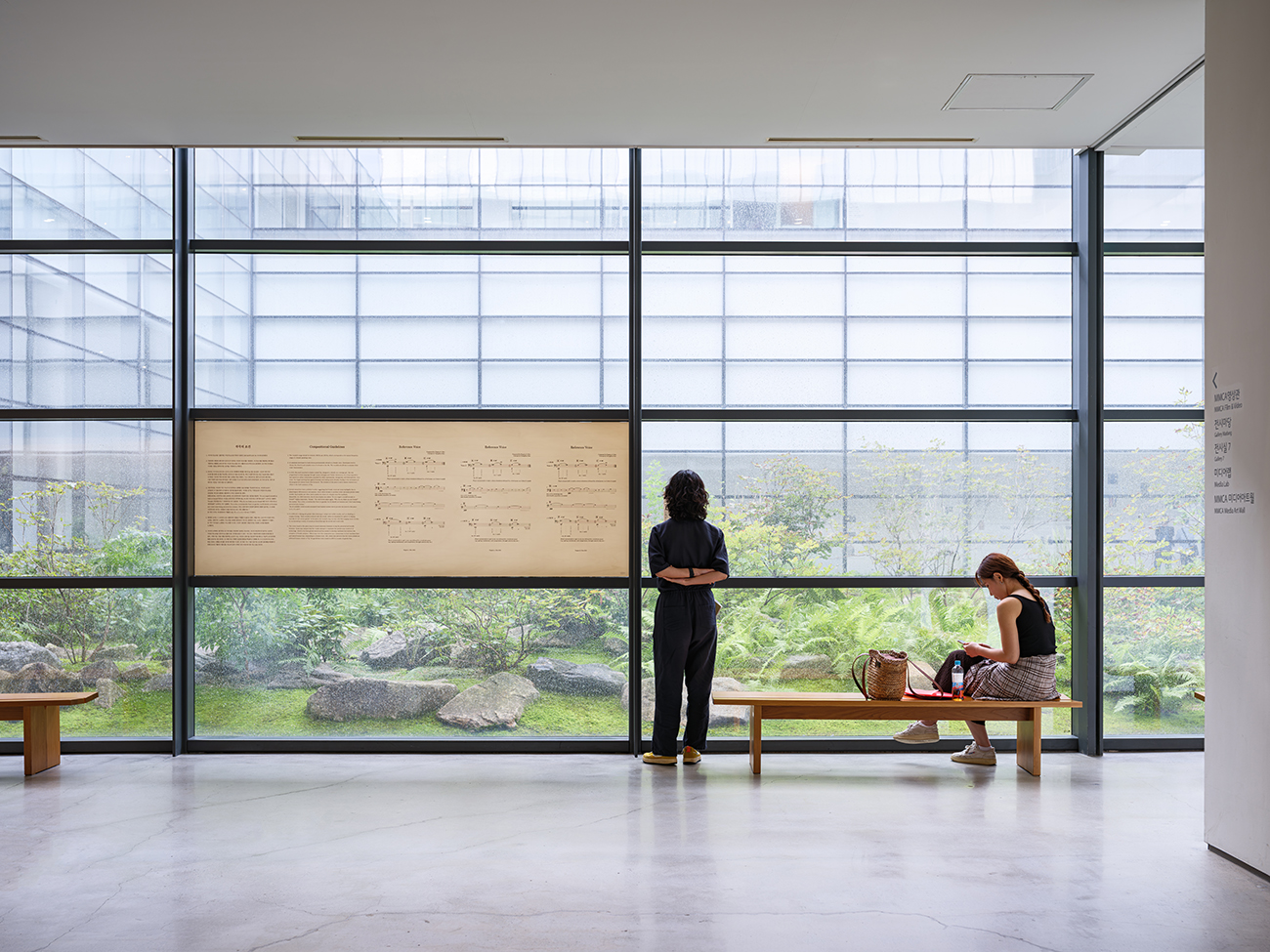
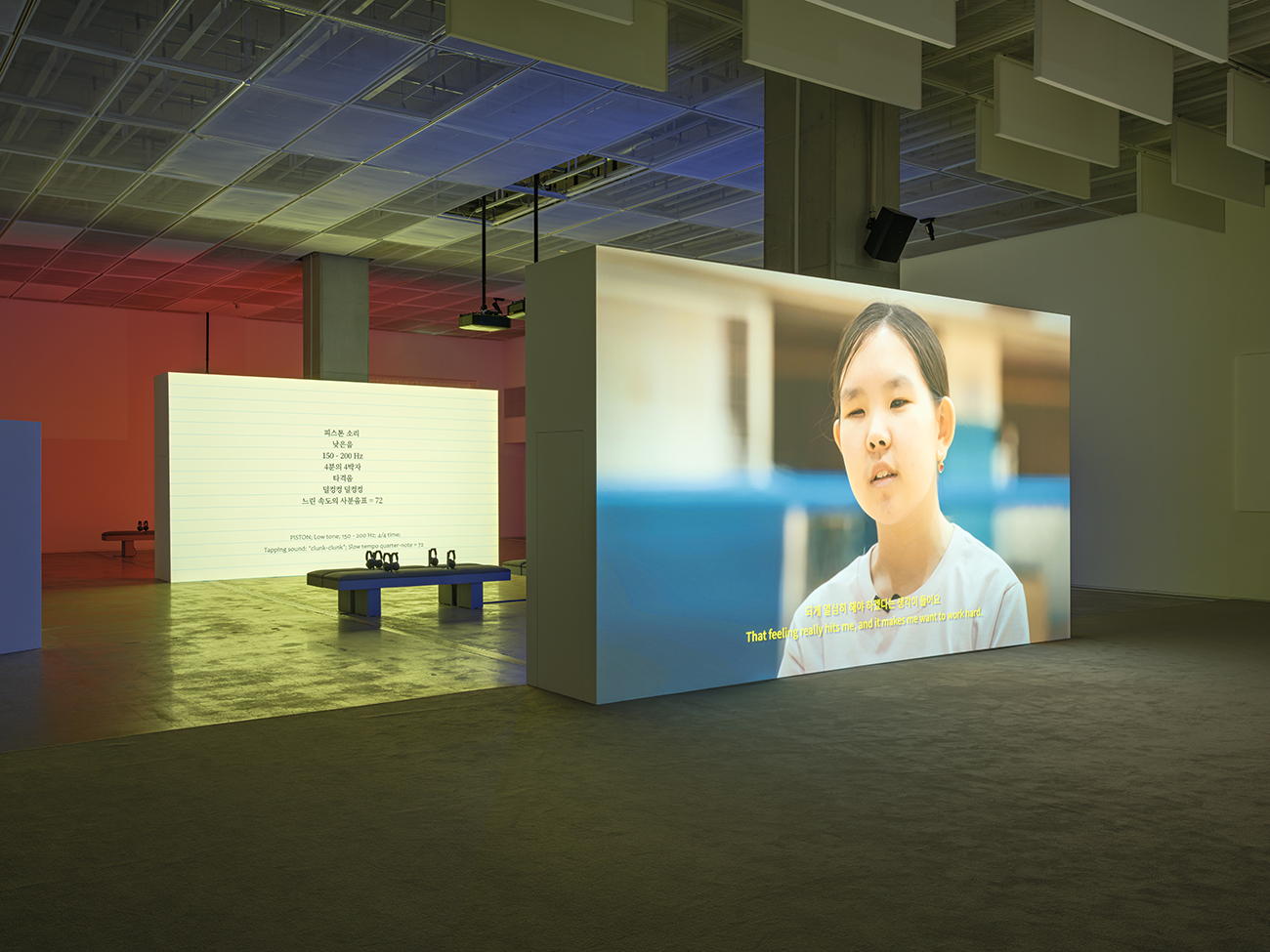
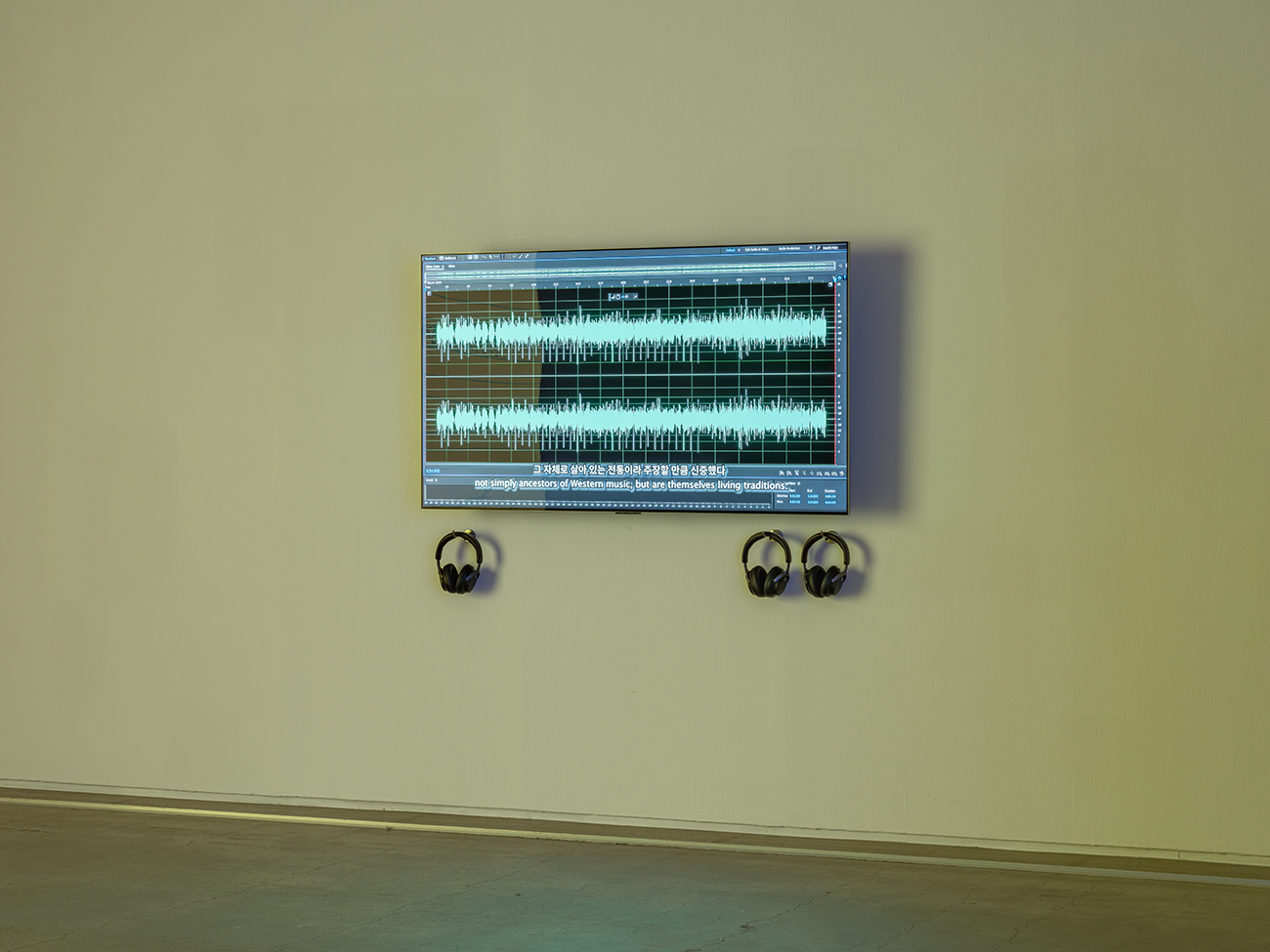
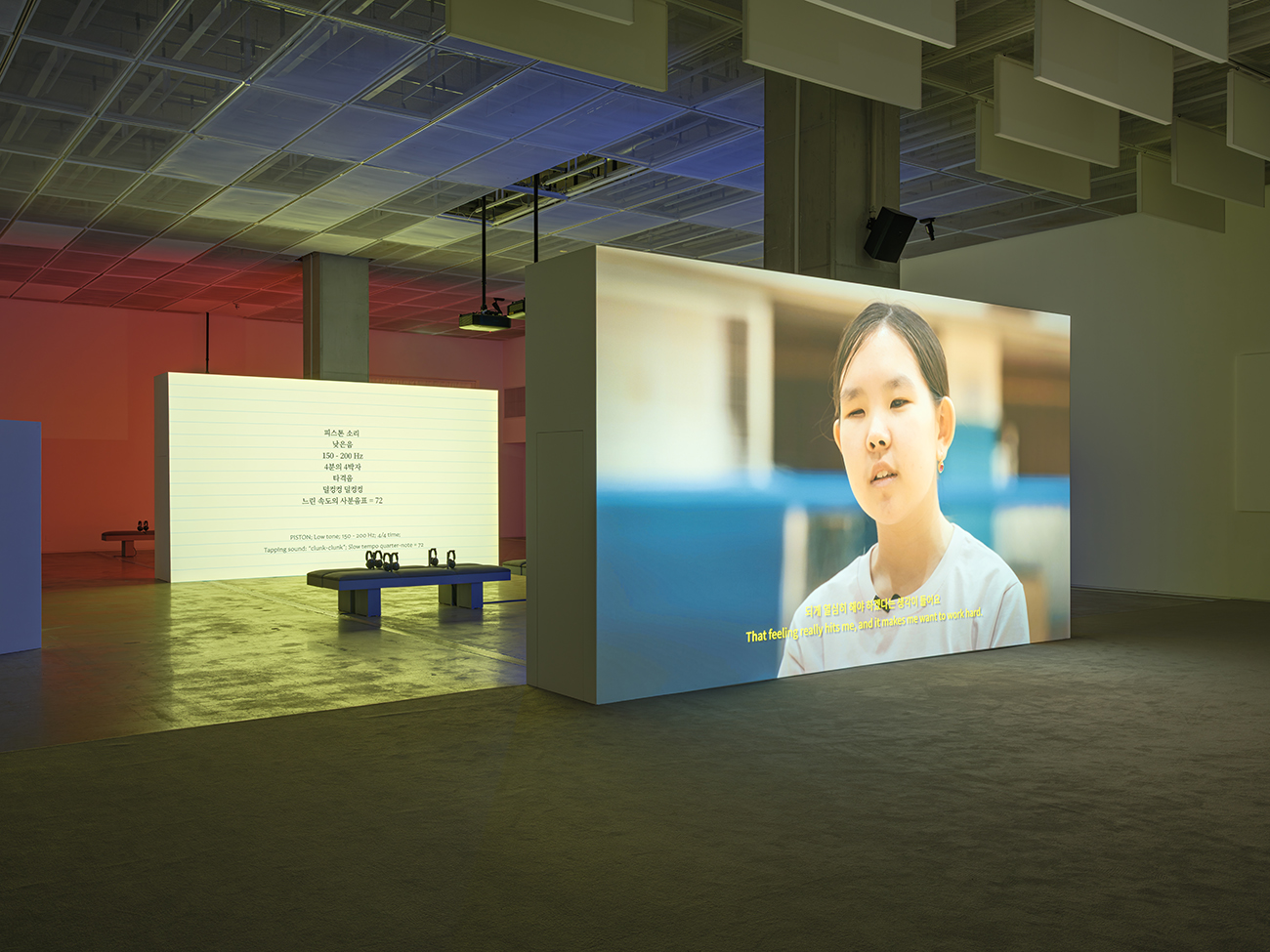
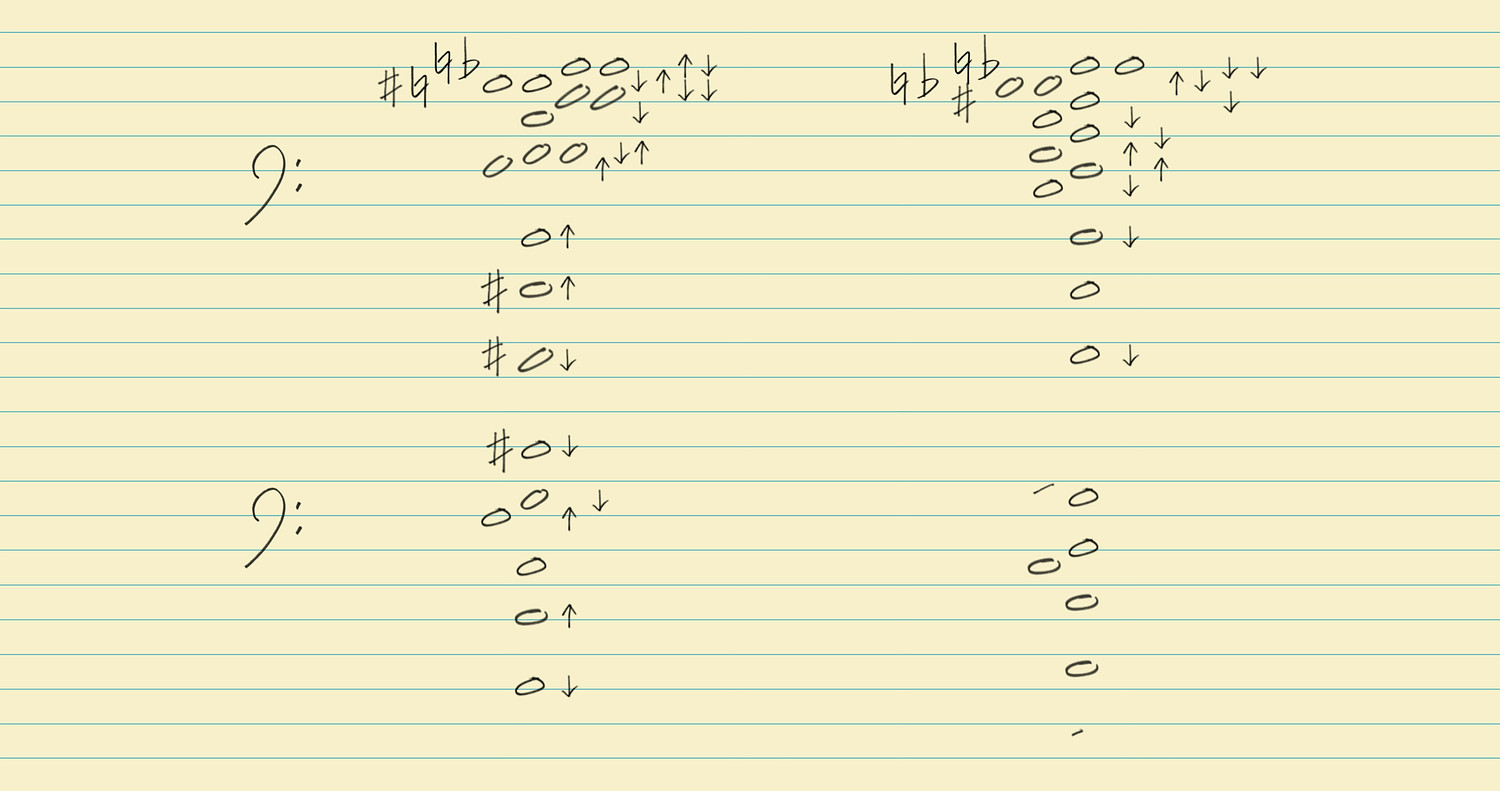
The archeological sensibility plays out exceptionally in A Story of Oseonbo: Sounds Lost in Translation (2022). For A Story of Oseonbo, Kim interrogates how cultures of making and sensing music had been transformed through the colonial encounter, particularly relating to different ways of mediating music into legible notation and what shifts and gets lost in translating between the vernacular and the universal.
In thinking about how this change happens in the history of Korean traditional music, she looks at the history of Jeongganbo, “a flow-based score that indicates both pitch and note duration.” In an effort to “introduce traditional Korean music to the outside world or to incorporate foreign sensibilities into Korean musical compositions,” musical notation slowly started abandoning this vernacular notational language for a more rigid staff-based system used in Western classical music, which has been deemed universal since.
This shifted not only how people systematize music learning, playing, and recording, it also delimited what tones can be heard and appreciated. The staff-based system is not able to convey the fluidity of the notation used for Korean traditional music.
A Story of Oseonbo focused on Joseon Guak Yeongsan Hoesang, a score transcribed in 1914 by Kim Insik, a teacher at the Joseon Court Music Study Institute, who translated the yanggeum (Korean dulcimer) score for the piece Yeongsan Hoesang into Western staff notation. The work presented a documentary film with interviews with traditional music performers, composers, and researchers, on the implications of moving away from more vernacular modes of musical notation.
A Story of Oseonbo threads through material and knowledge cultures, tracing how practices of hearing and listening and sensemaking in general, are constituted through and transformed by the colonial encounter. The scenographic and choreographic, which are fleshed out in contemporary terms in Tripartite Confrontation and Bespoke Wallpaper Music, are complicated by this archaeology of sensemaking.
Through this archaeological turn the history of the sensible is made to allude to cartographies of knowledge and politics, the very materials that shape the history of the sensible. By historicizing the sensible we also historicize with it the knowledge and political regimes that structure what is seen and heard.
Furthermore, the more we know about the history of knowledge and politics in a certain milieu the more we know about the possible materialities of sensible forms.
This archaeological sense also opens another important question: What transpires when we interrogate the fixation and consolidation of regimes of knowledge around certain senses?
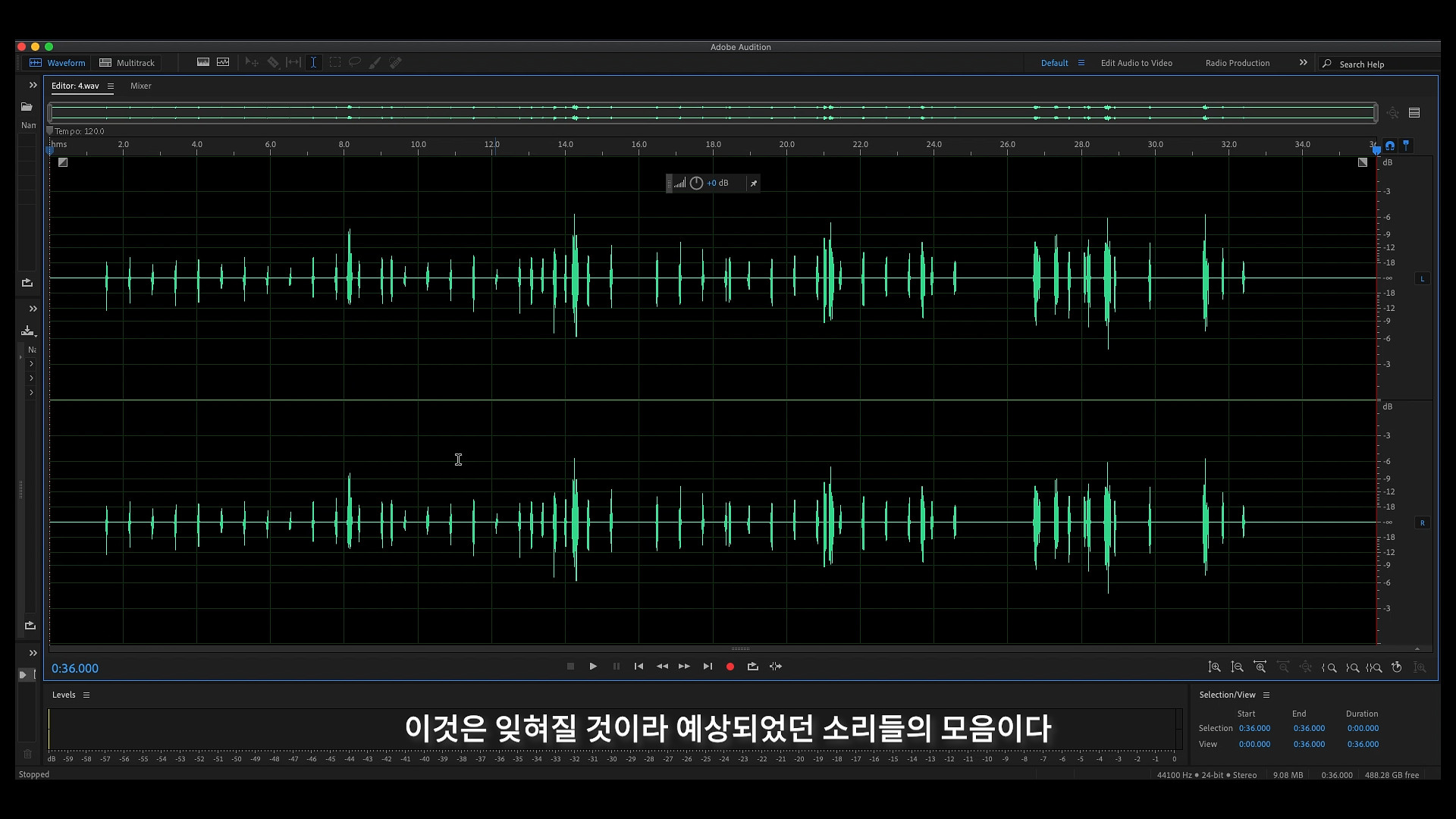
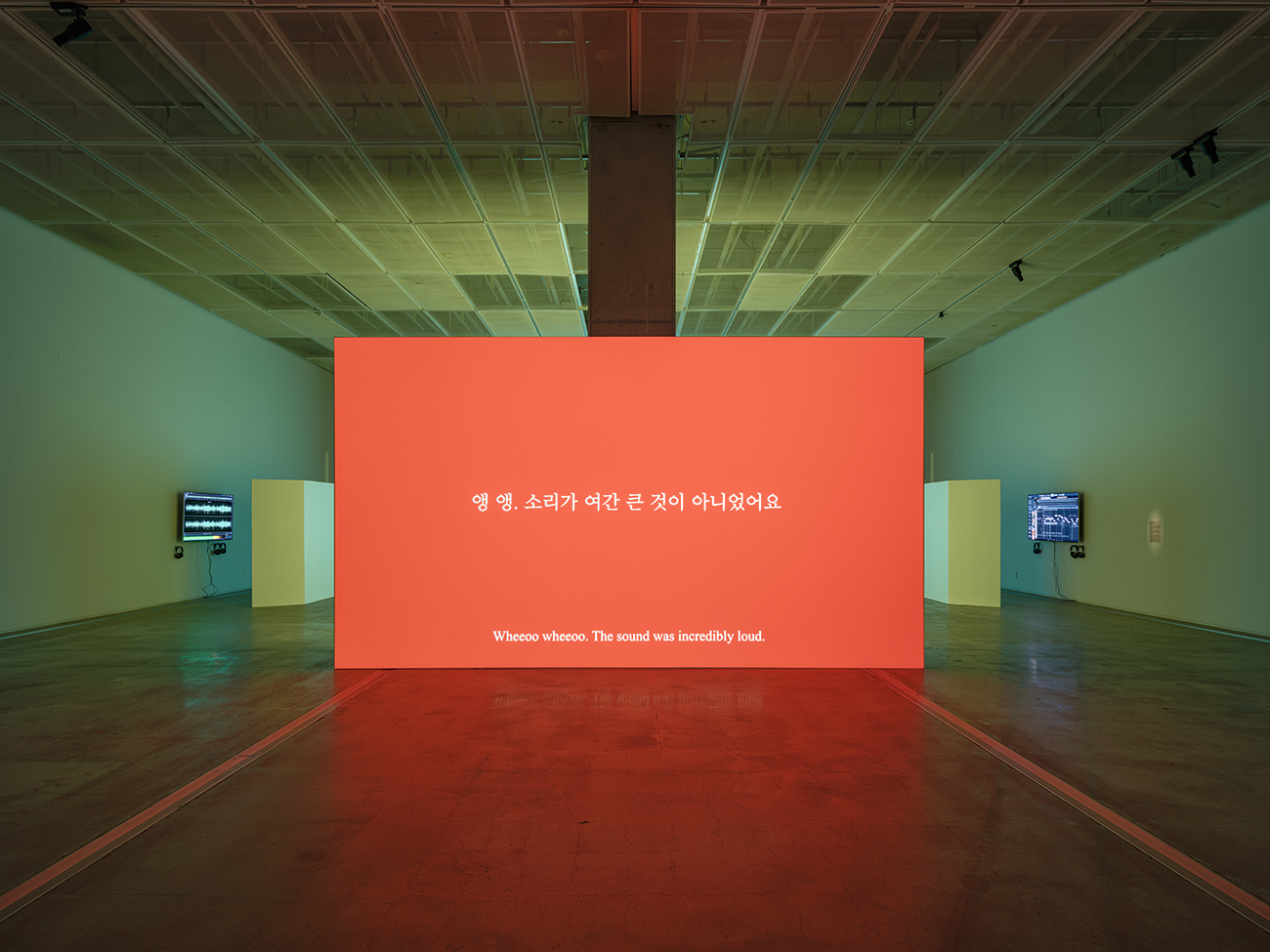
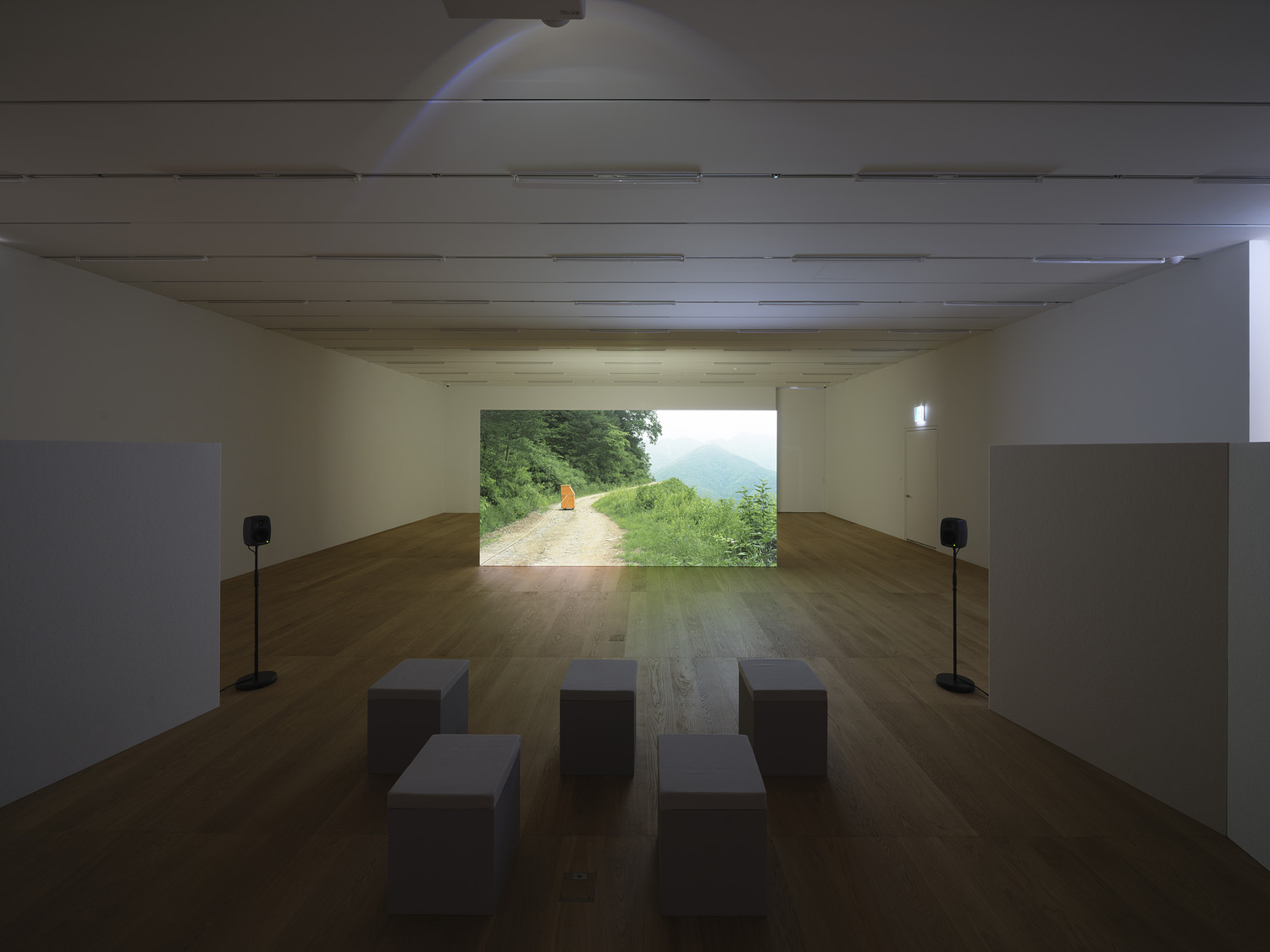
The seventeen-minute video Brilliant A (2022) offers an account of the arrival of the first piano in Daegu, South Korea, which was brought by an American missionary. The piano was used to introduce the Pitch A, the standard by which instruments are conventionally tuned. In Ear Training (2022), a fifteen-minute video, Kim considers the collision of aesthetic education with Japan’s colonial and military history in Korea.
The work simulates pitch-perception exercises that were designed in Japan during the country’s occupation of South Korea: students and army officers were made to listen to the drone of army planes and asked to notate what sounds they heard.
Both works denaturalize sensemaking by mapping its learning and adaptation within frameworks of coloniality and warfare, interrogating relational agencies around sound—sensing it, learning it, discoursing about it—politically, ethically, and pragmatically charged. The history of the sensible is also the politics of it.
The archaeological shapes Kim’s obsession over forms of mediating sound and music through the different ways to translate external phenomena and stimuli into choreographic annotations, from scores and notations to transcriptions and recording, even to the more film-adjacent trope of “treatments.”
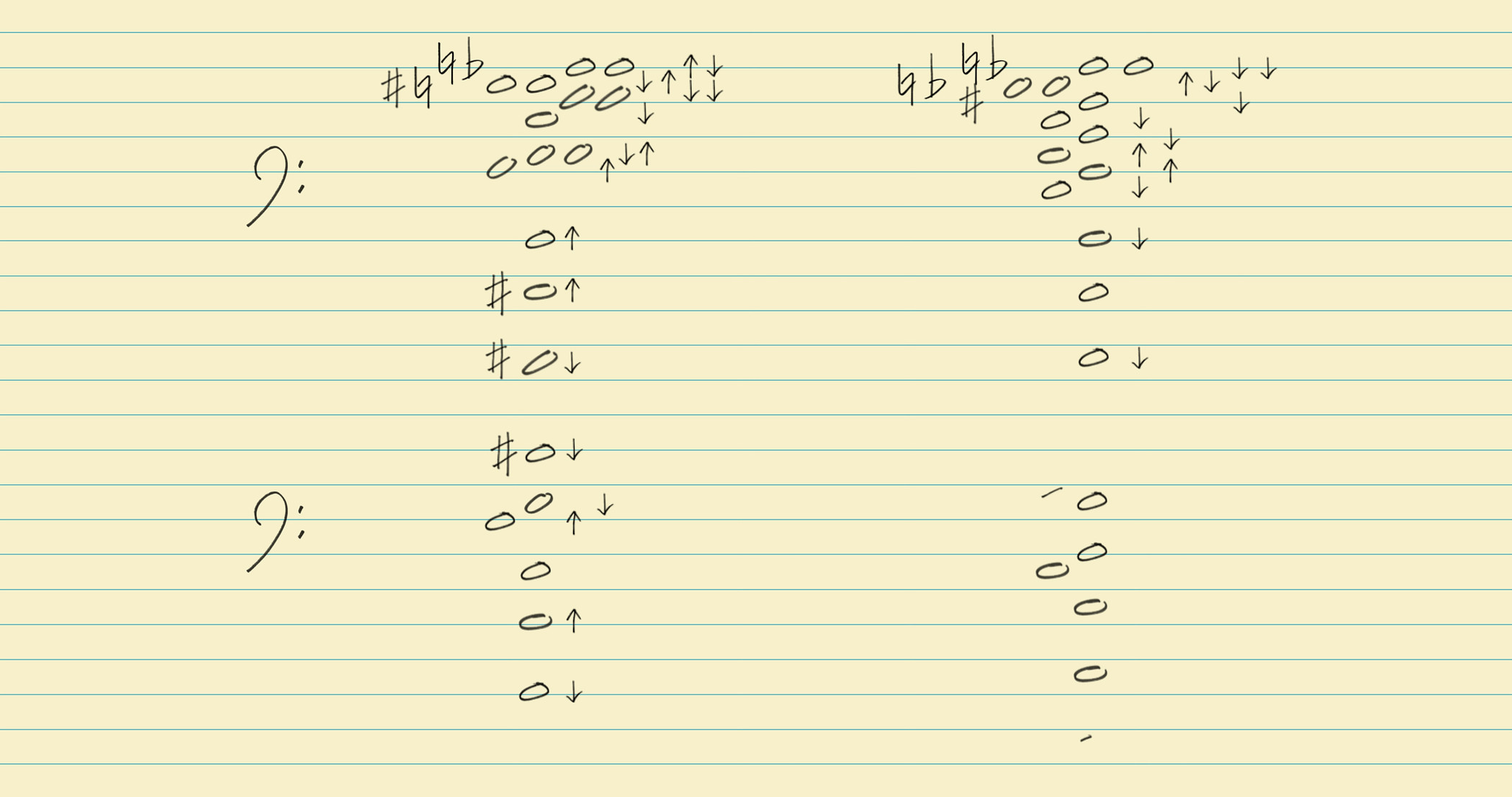
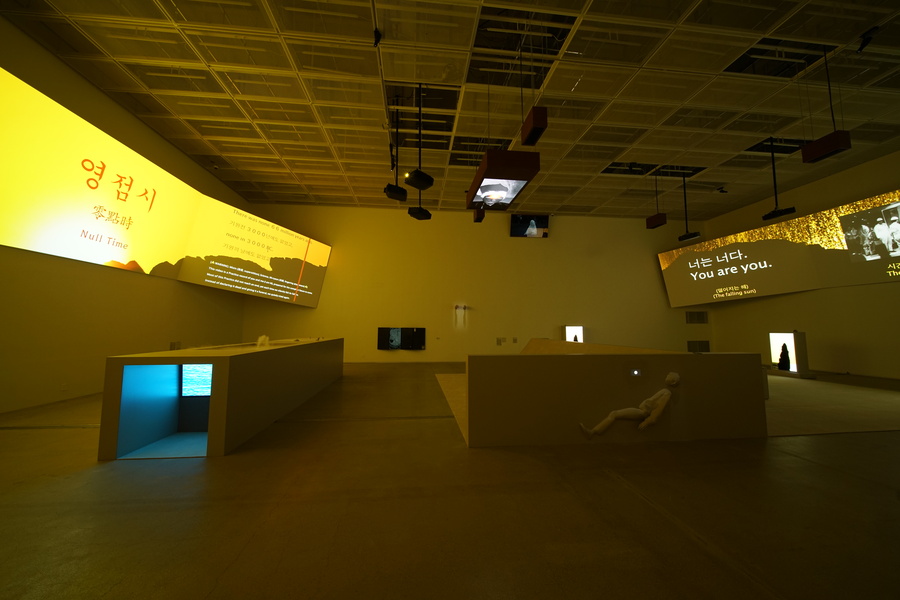
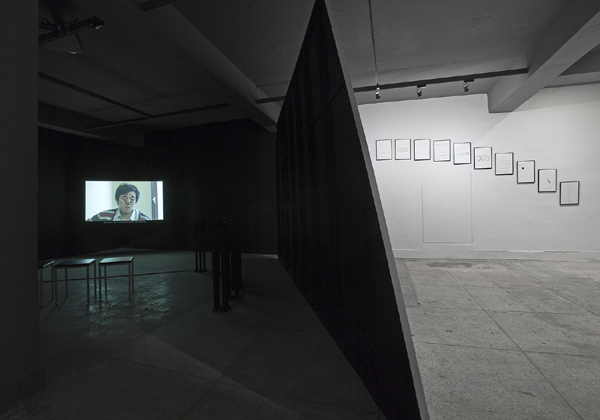
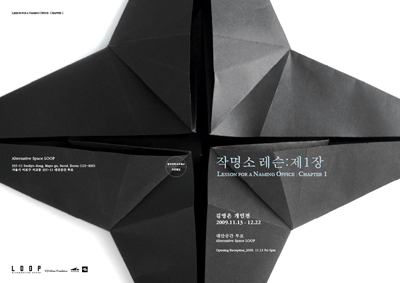
This is prominent in works such as The Units of the World According to ;Semicolon (2011), where accompanying a single-channel video are thirteen drawings—scores—relating to various punctuation marks. The Units of the World According to ;Semicolon is the third part of ‘Lesson for a Naming Office: Three Treatments’ (2009–2011), a book and a video trilogy where the artist looks at the necessary and arbitrary connections between symbol and sound.
She explains: “Through the recontextualization and rearrangement of such linguistic acts, the work reexamines the conditions that make speech and writing possible, inviting us to envision alternative ways these elements might interact.” The scenographic, choreographic, and archaeological perspective help us appreciate the richness of the history of sound and music as a history and politics of sound, precisely, an aesthetics of the sensible.
Kim’s artistic practice acknowledges the poetic potency of sound at the same time as it calls out its construction and contingencies.