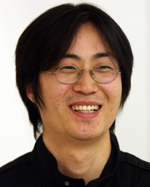
I have always been drawn to aspects of life that anyone can encounter and experience.
The problems surrounding myself and those around me, matters entangled with money, the reality of having to study English more intensely than one’s native language as a Korean, the issues one faces while passing through one’s twenties—for instance, the recent stories of people renouncing their nationality in order to evade military service while continuing to enjoy the benefits and privileges attached to it.
I believe these things are not extraordinary incidents, but rather part of the everyday reality of living as a Korean in Korea.
I have always lived with the sense that such everyday life is far from ordinary.
At some point, I came to realize that the concerns and problems I experience every day are intertwined with the everyday lives of others of my generation, living through a similar moment in time.
Things that are utterly plain and seemingly insignificant, yet continue to fill our lives day after day.
Perhaps these are what we call everyday life.
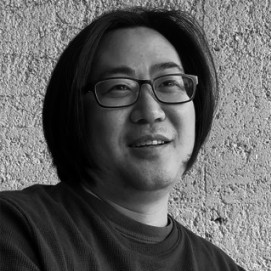
— Excerpt from the artist’s note by Shin Kiwoun, May 9, 2005
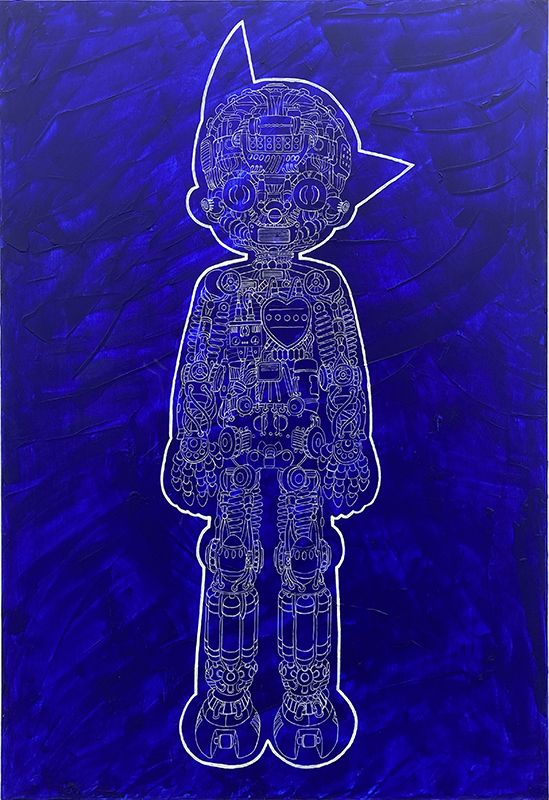
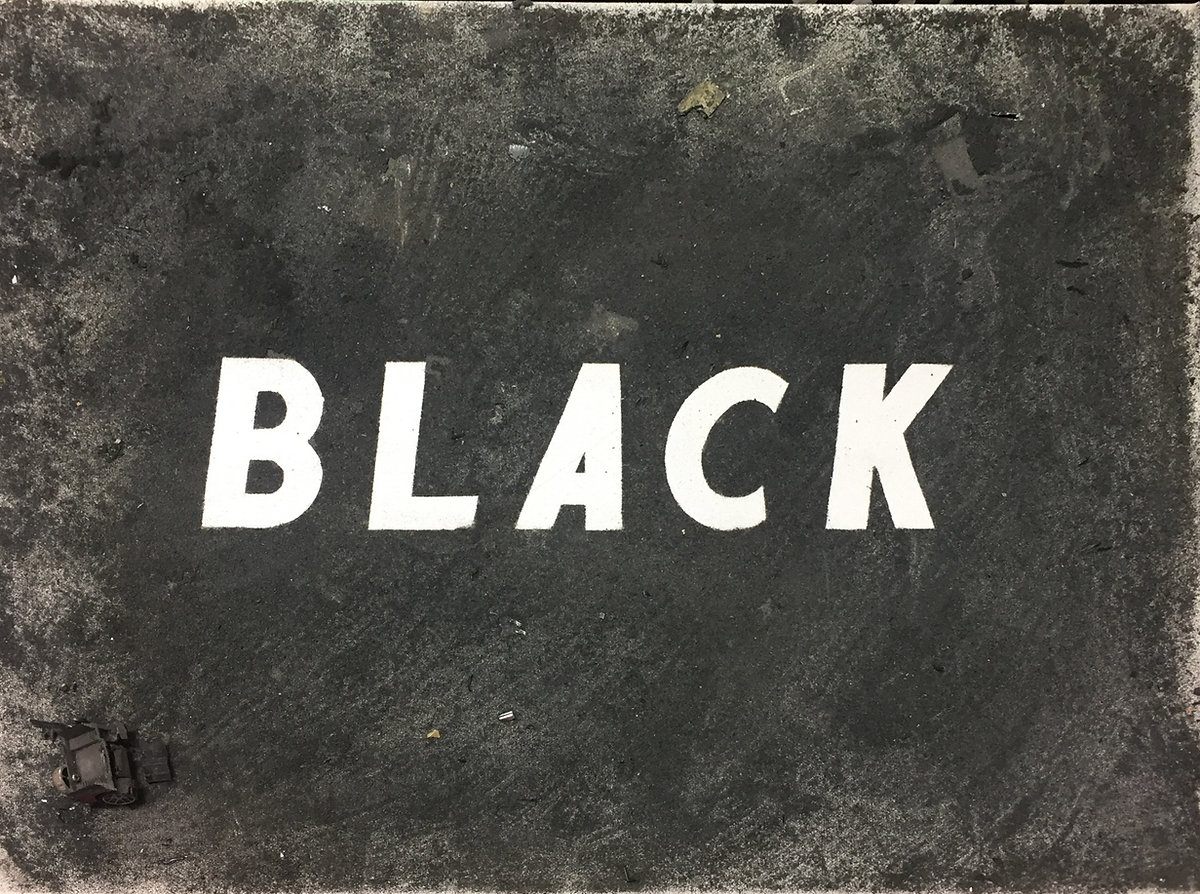
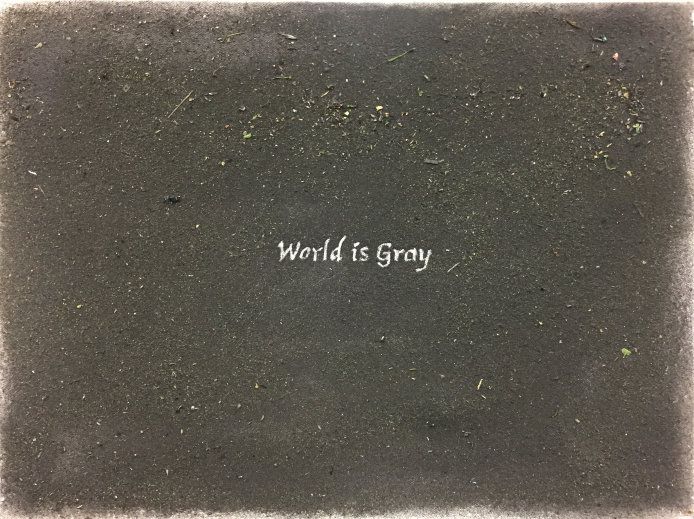
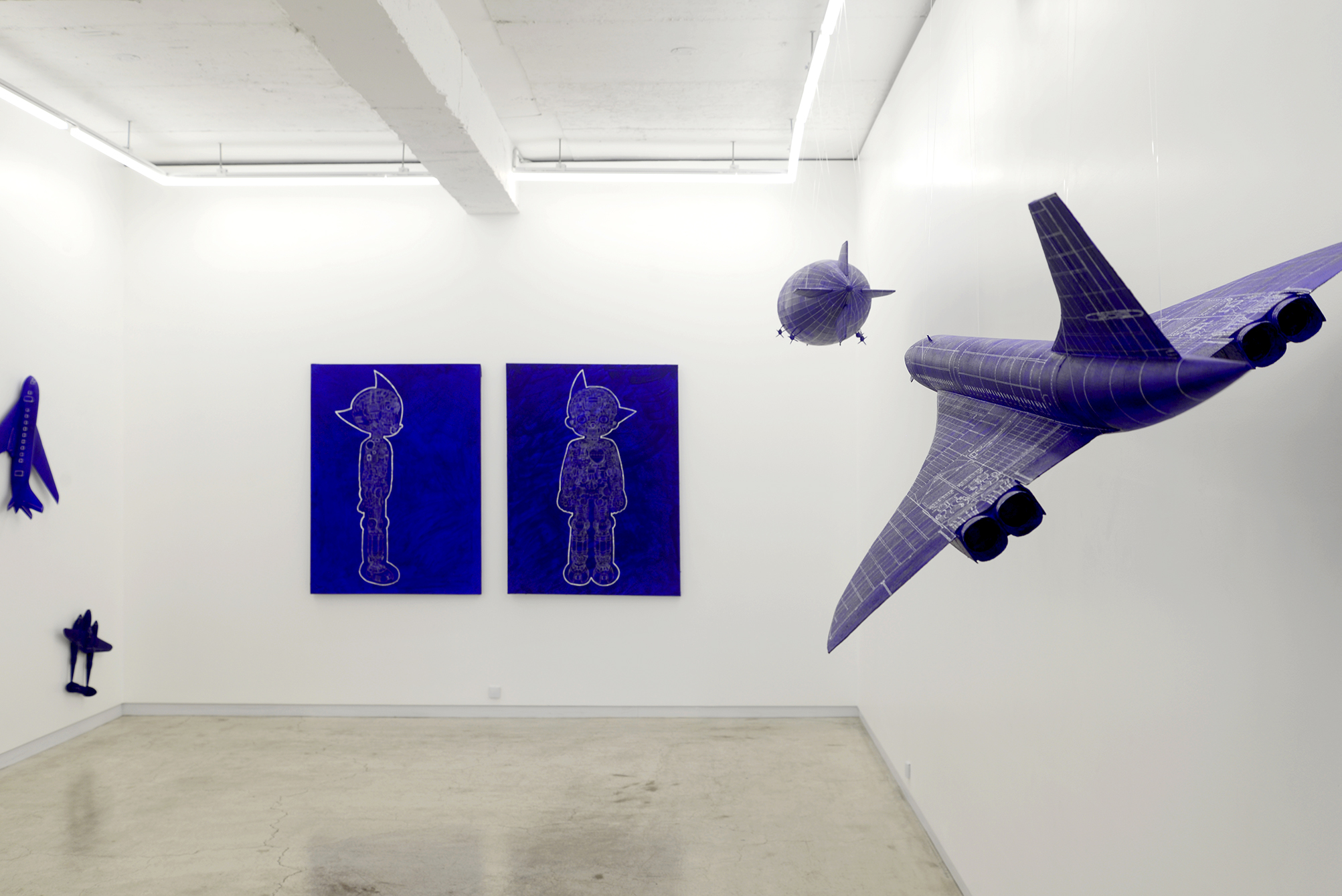
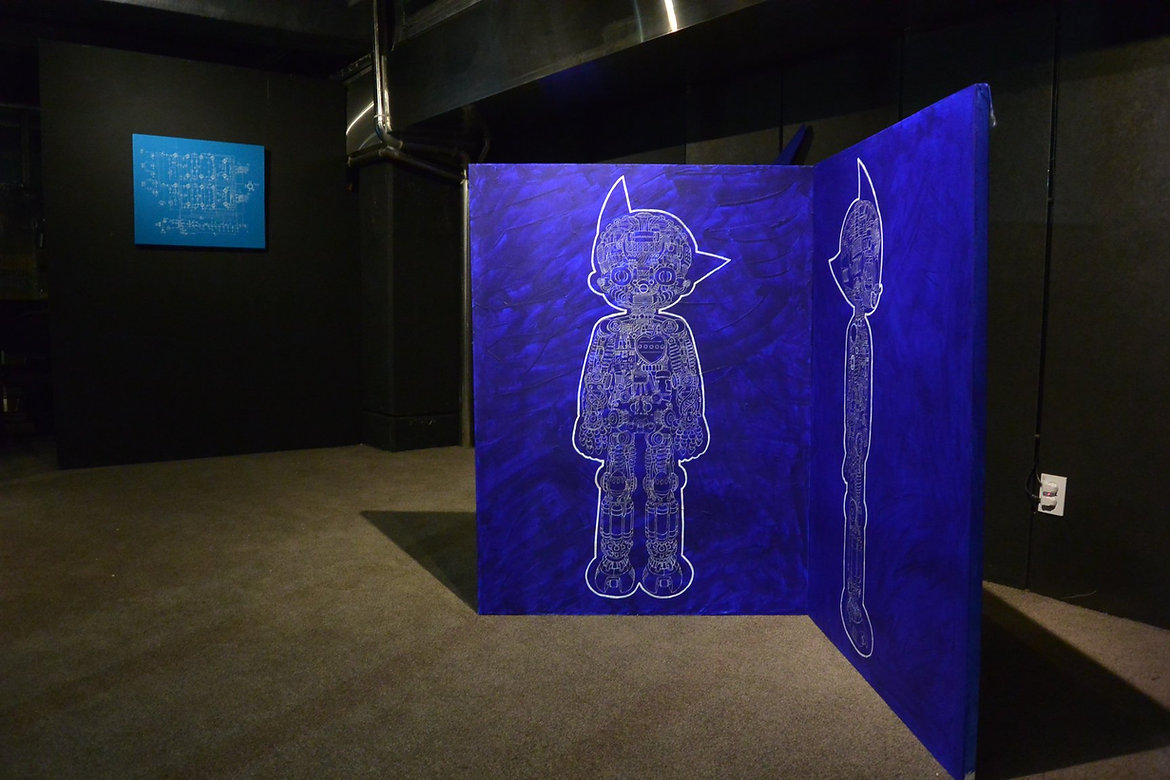
Shin Kiwoun’s works are composed of various products of contemporary society. The objects he engages with are perceived less as aesthetic subjects than as manufactured products. Through these works, the artist does not attempt to construct persuasive narratives. Nevertheless, depending on the perspective from which the viewer approaches them, the texts and images selected by the artist may be read in entirely different ways.
1. ‘Erasing’
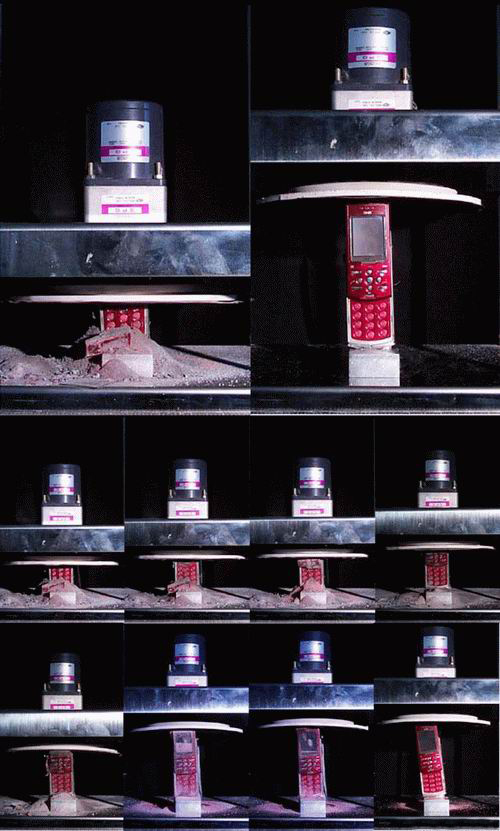
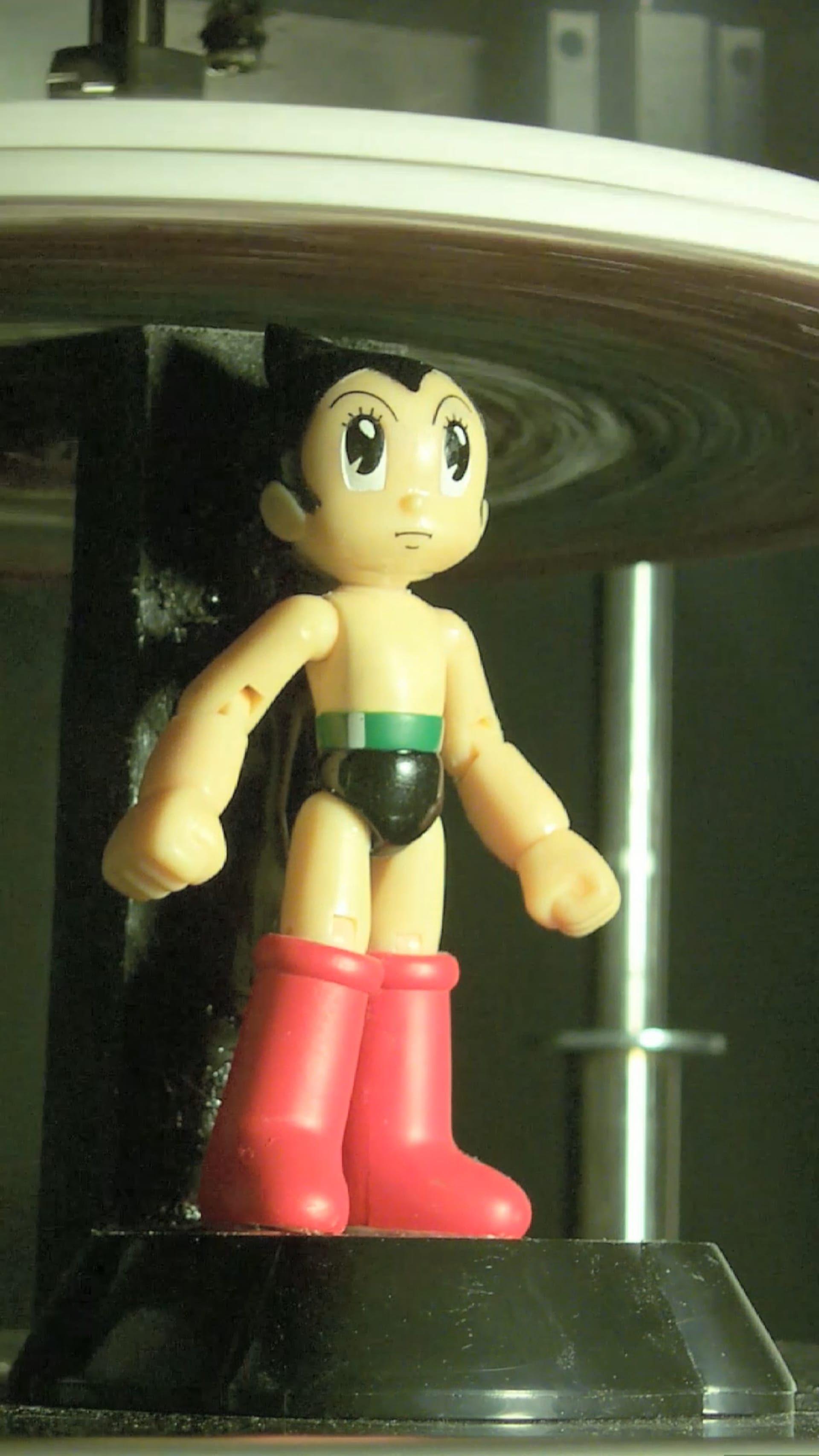
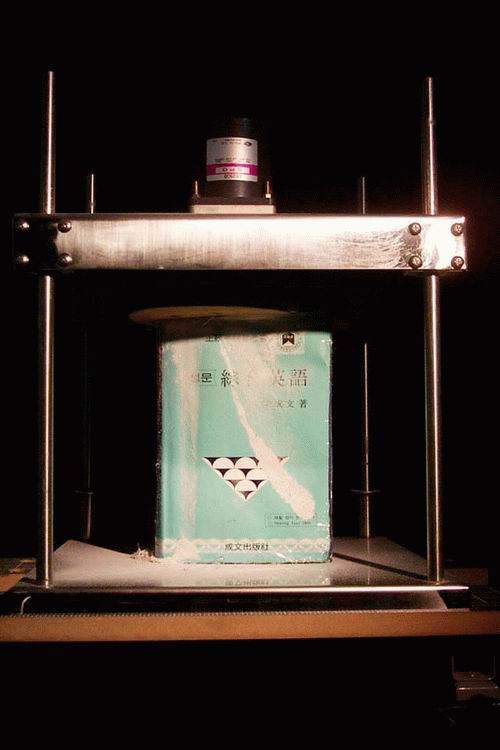
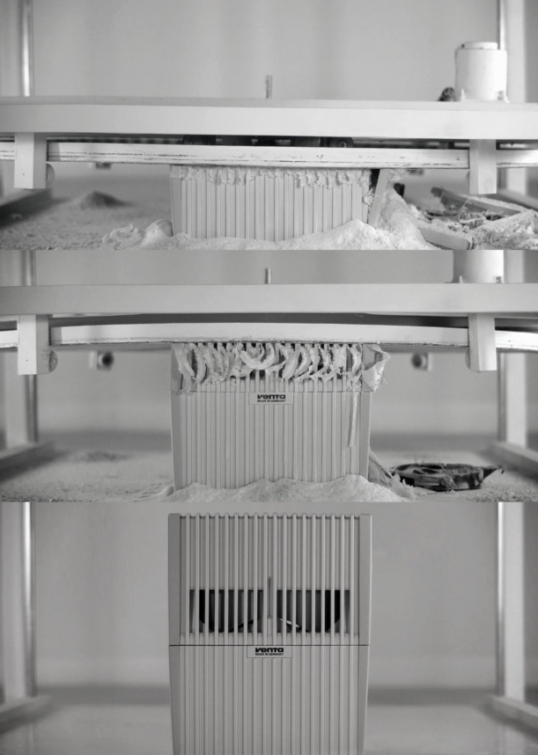
Machines are products of modern science and technology designed to perform tasks in place of humans. The machine placed within Shin Kiwoun’s studio functions by grinding objects on the artist’s behalf. Designed to slowly crush and pulverize texts or objects, it gradually neutralizes them until they are ultimately reduced to powder.
Regardless of what is placed into the machine, the result it produces is nothing more than a mass of powder; only slight differences in volume, weight, and traces of color remain perceptible.
This machine possesses the power to transform the objects that enter “inside its body” into powder. Objects differing in form, material composition, and function are converted into the uniform condition of “dust” within the mechanism.
As the surfaces embedded within the machine pass across the object at a fixed speed, its form gradually disappears, while its original function and value are simultaneously erased and reduced to powder. The object is thus returned to a state preceding its existence as a distinct form. Just as it was artificially brought into being, the work artificially returns it to death.
In observing objects erased by the machine in this manner, one is prompted to reflect upon the most primordial condition of social and material things. Through the video recording of the process by which powder is restored to its original form, viewers are invited to reconsider the meanings of birth and death as they relate to objects.
2. ‘Being Erased’
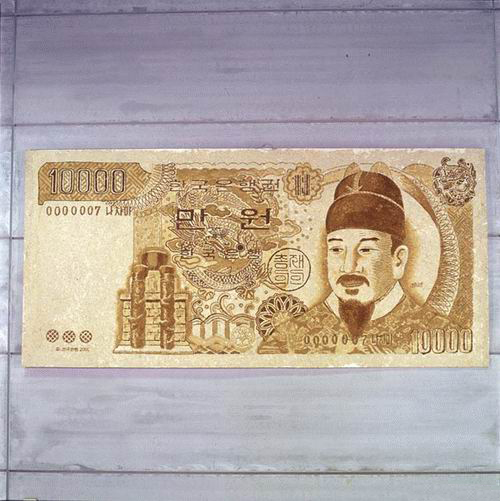
The objects Shin Kiwoun selects to pulverize are primarily industrial products—mobile phones, remote controls, books, and various items commonly encountered in everyday life. The books that become “feed” for the grinding machine include law books, E. H. Gombrich’s The Story of Art, and English dictionaries: objects that provide practical utility for sustaining social life.
Once reduced to powder, these books are remade into paper and reborn in different forms. As their original forms disappear, the social and physical functions they once possessed also vanish, leaving them as mere material substances.
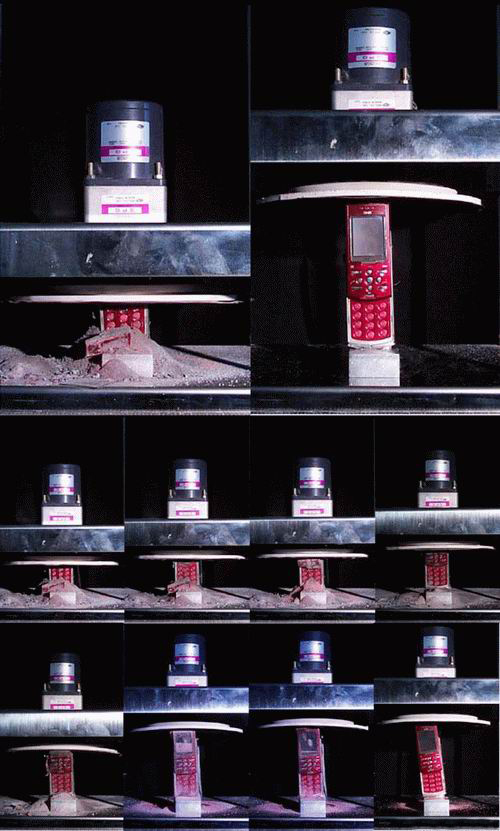
At times, electronic devices are likewise ground within the “grinding machine.” A mobile phone, for example, is an assemblage of components designed to perform convenient communication functions within everyday life. Yet once placed inside the machine, the pressure generated by its rotating mechanism gradually shatters the screen, reducing the phone into powder-like matter.
Technological products such as mobile phones, computers, and televisions have undeniably brought convenience into modern life. However, although these devices were created as tools to serve humanity, the convenience they provide has ultimately come to dominate human behavior itself. Contemporary life has become nearly impossible to sustain without such devices.
Products with increasingly advanced functions continuously flood the market, and items considered “new” only months earlier quickly lose even the meaning of the word “latest.” By reducing these products of civilization back into material residue, Shin Kiwoun’s work compels viewers to recognize the extent to which such technologies have come to infiltrate and occupy everyday life.