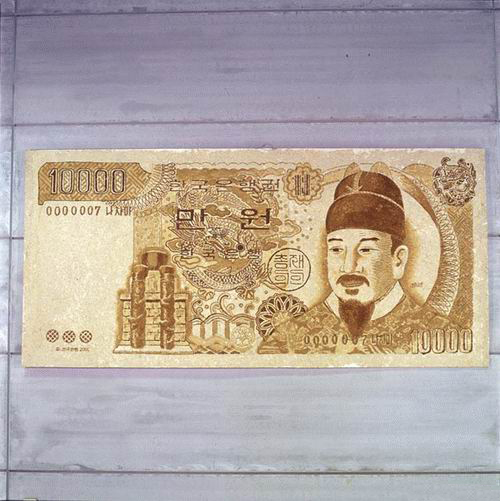
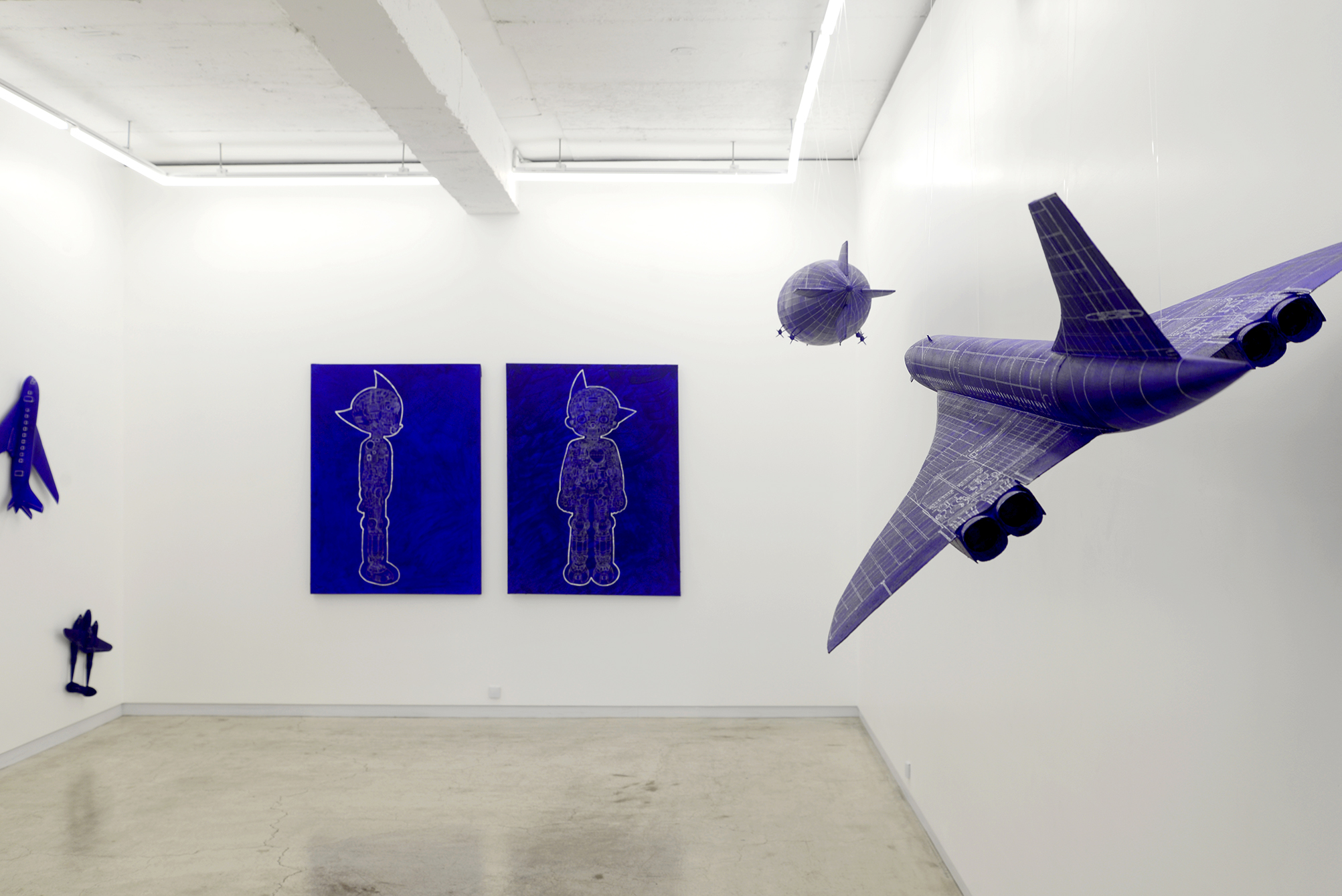
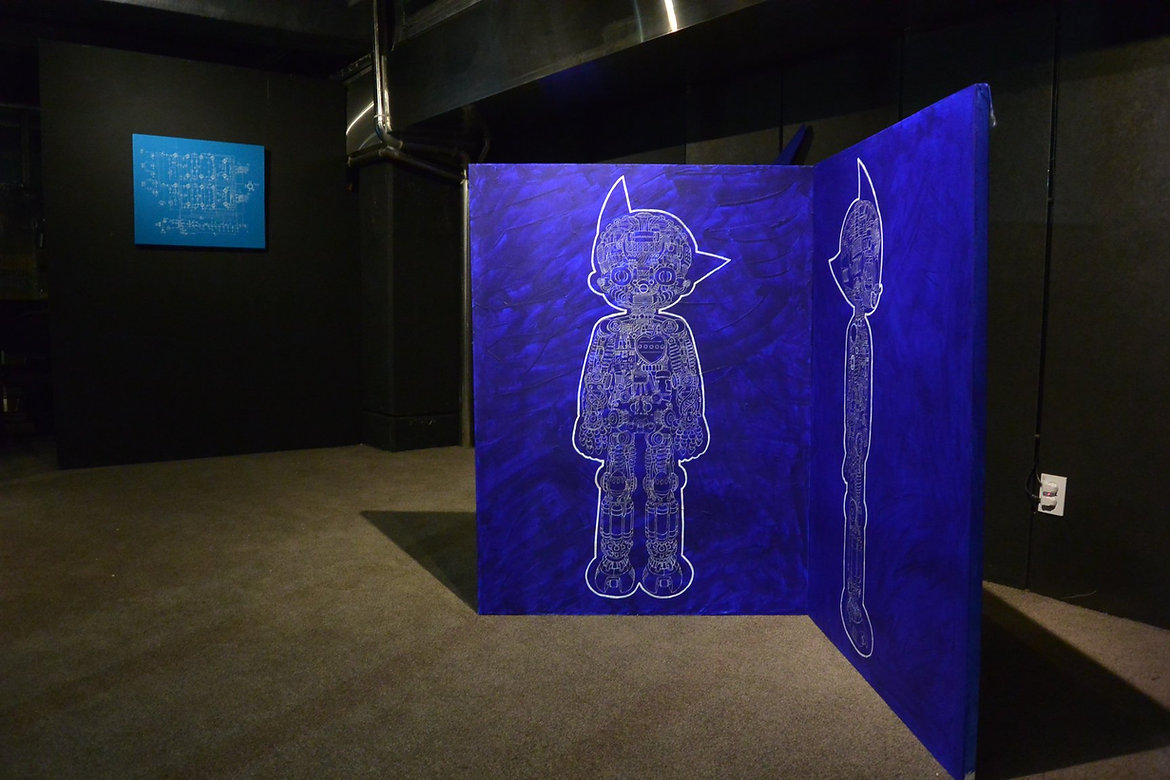
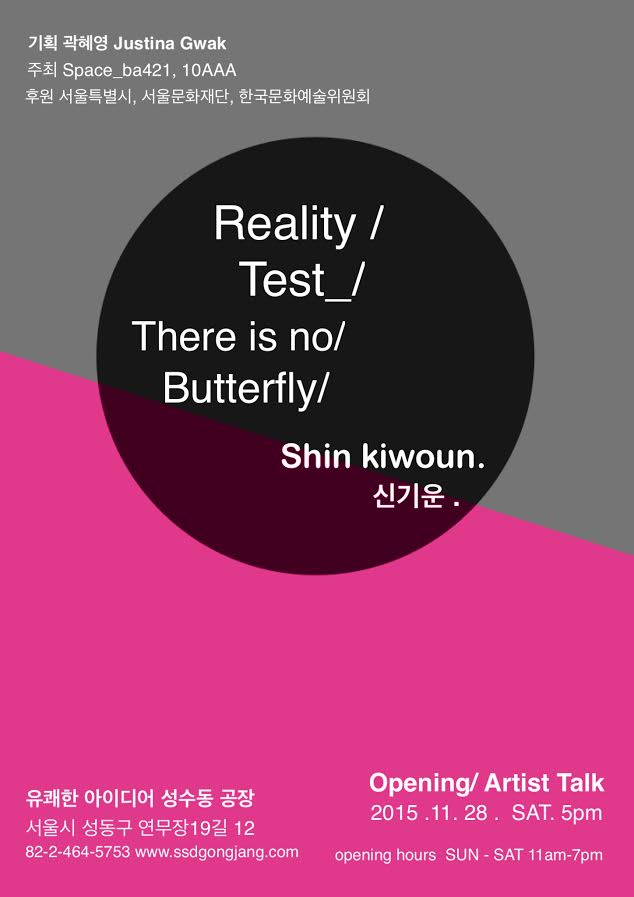
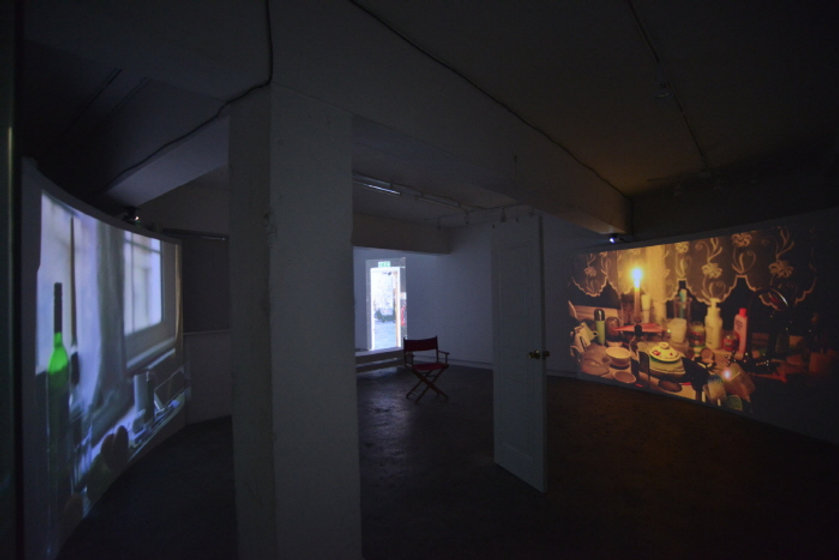
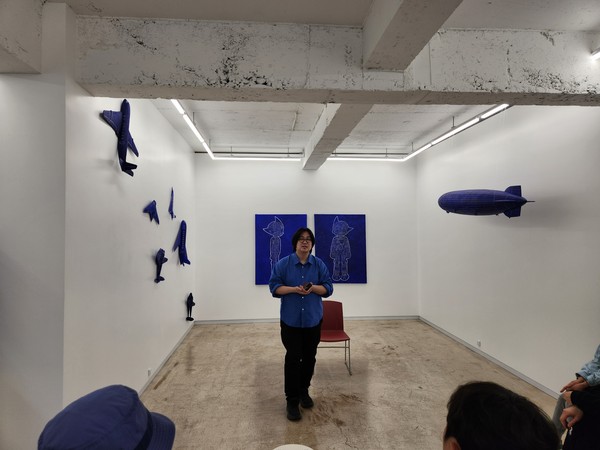
2. Recently, Shin Kiwoun has begun producing a number of objects, including monumental banknotes measuring over two meters in width. Even so, unlike before, it remains unclear whether the mere act of making something again provides sufficient grounds to redefine his attitude as any less radical.
This is because it remains uncertain whether he is producing artworks, or rather continuing to contaminate the pure domain of art through the creation of “anti-art objects.” By declaring, “I, too, want to make a living through my work,” Shin’s world may still participate in the humiliation of art itself, equating a supposedly “normal(?)” desire toward art with the level of childish longing.
Let us resist too easily subsuming the implications of Shin Kiwoun’s banknotes painted with ketchup or soy sauce under the formulaic claim that “art equals money,” as Joseph Beuys once provocatively proclaimed. Such a gesture is overly rhetorical, evoking either the self-important posture of an ascetic sage or the performative eloquence of an art sociologist pretending seriousness.
After all, who today—except the willfully blind and deaf—does not already know this cynical truth? The issue is not a grand figure discoursing upon society and history, but rather an individual pitifully struggling within the narrow confines of his own existence.
An individual who politely asks, before a ten-thousand-won banknote, “What is art?”, only to cry out moments later—before even the warmth of that dignified question has faded—“I, too, want to survive through my work.”
Shin Kiwoun confronts this issue entirely as a matter of his own consciousness and existence, thereby offering a subversive response to Susanne K. Langer’s Problems of Art. Nowhere within the ten-thousand-won banknotes that Shin has made—created—can one discover the noble inner value that Gustave Flaubert once described as “the expression of the Idea.”
Where, within this “shameless” surface, could one possibly experience what Roger E. Fry referred to as “the normal use of vision”? There is no place here for any notion that Susanne K. Langer sought to consolidate under the legitimacy of creation. Within Shin Kiwoun’s world, “pure vision”—that supposedly definitive method of isolating sensory elements from the complexities of actual life—suffers a fatal blow.
Even the one-dollar bill is no exception. Here too, utopian ideals such as “unity expressed through what suddenly appears before us, organic completeness, development, growth…” are entirely out of reach. In truth, art no longer suddenly appears before us; instead, it approaches with pomp and arrogance, accompanied by various forms of overbearing power.
Rather than old virtues such as unity or organic wholeness, it indiscriminately borrows fragments from pornographic magazines, vulgar political debates, or naïve futurism. The vocabulary of Susanne K. Langer can no longer serve as an alibi for art.
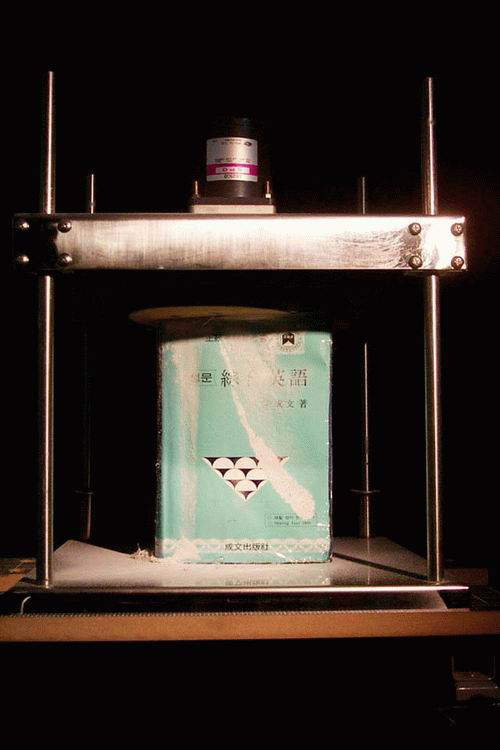
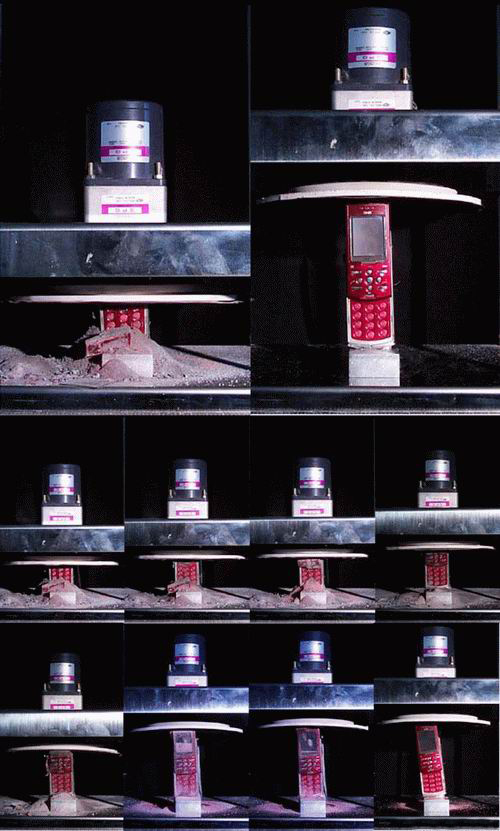
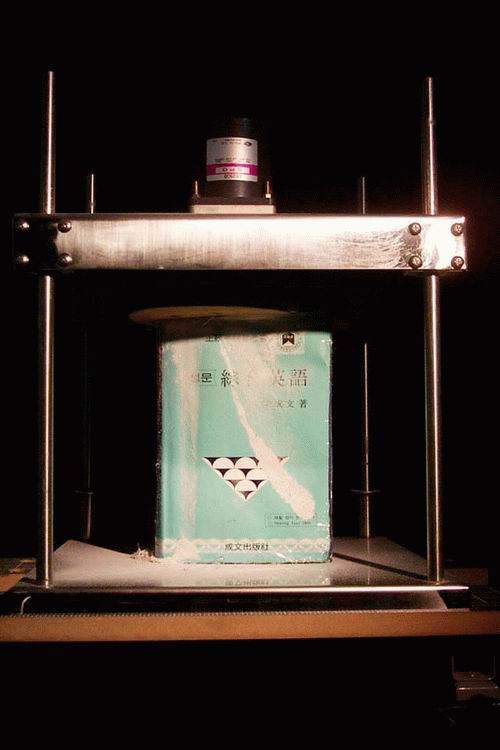
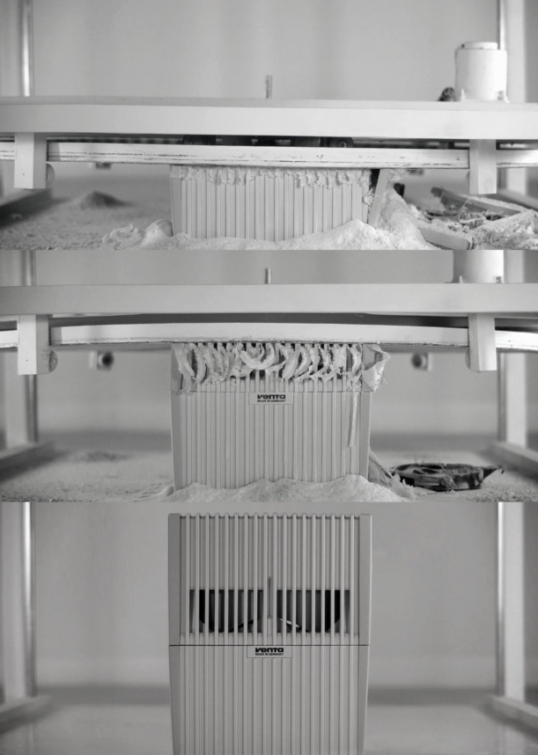
After grinding away Langer’s texts and concepts, the artist reincarnates their fragments into ten-thousand-won banknotes, carrying out an even harsher revenge upon art itself. In this sense, one could still say that Shin Kiwoun does not truly produce objects.
The currencies he creates are less objects than concepts, horizons, or boundaries: boundaries between the execution of art and the resurrection of corrupted art; between the desire for creation and the desire for survival; between the manifestation of the Idea and the intrusion of the secular; between the failure of fantasy and the triumph of everyday life.
Shin Kiwoun arranges the various problems of art within the dimension of desire, grounding them in the realm of individual existence. In doing so, he easily passes through the epistemological deceptions that cloud our vision and arrives, in a single stroke, at a powerful artistic insight beyond the reach of theorists and speculative thinkers. After all, each of us possesses objects and images we wish—or perhaps need—to grind away.
One might think, for instance, of the countless falsehoods embedded within floating theories that must be sifted through the filter of one’s own genuine existence. How could such an idea be articulated with such precision? It is an extraordinarily thrilling and provocative experience.