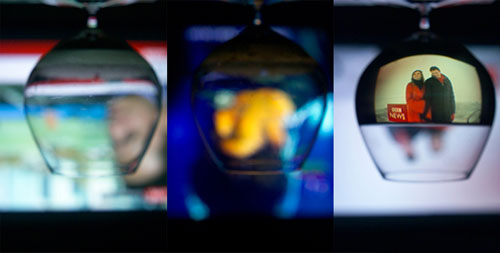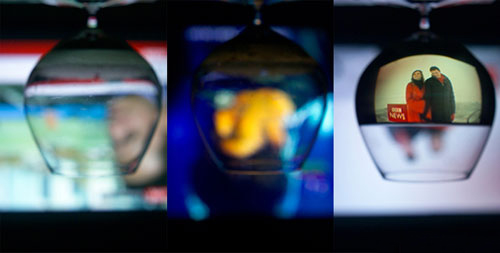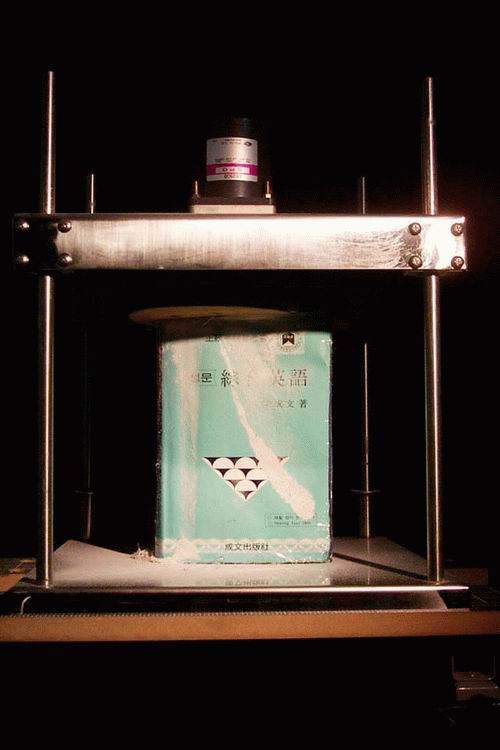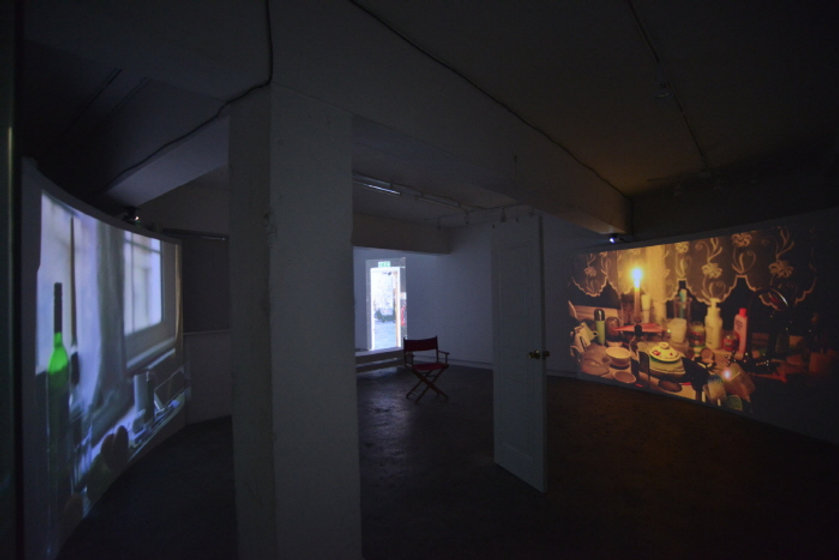


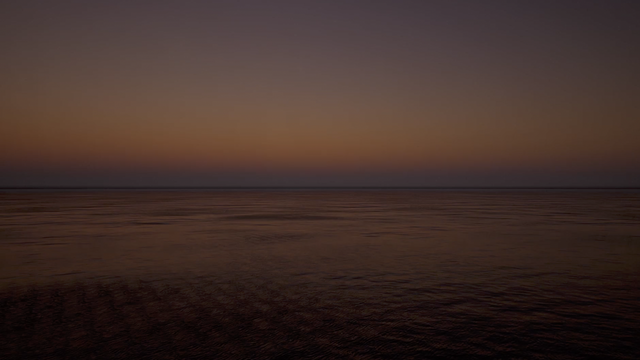

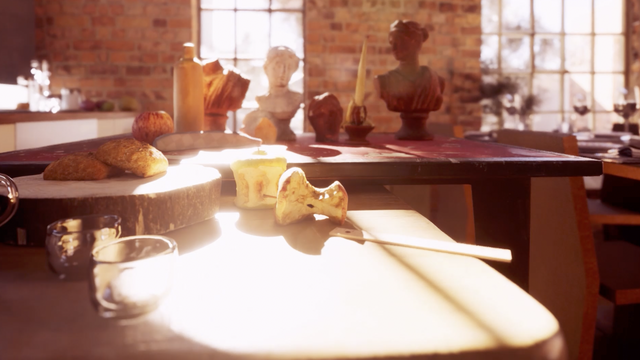
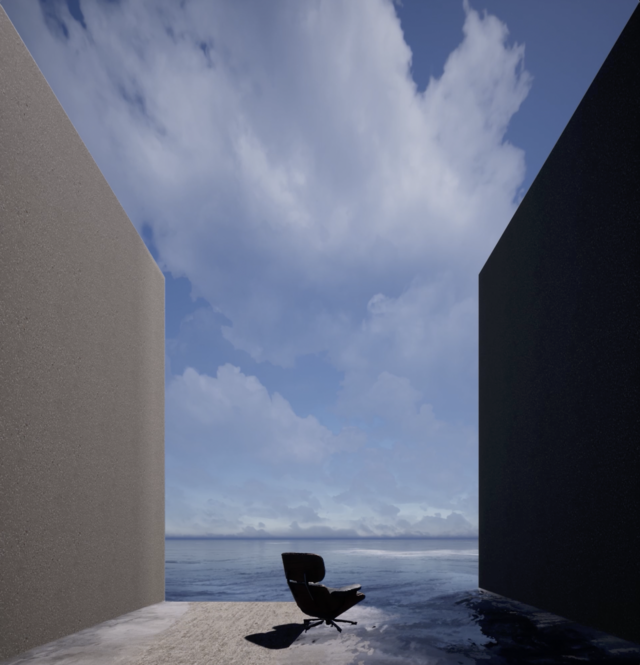
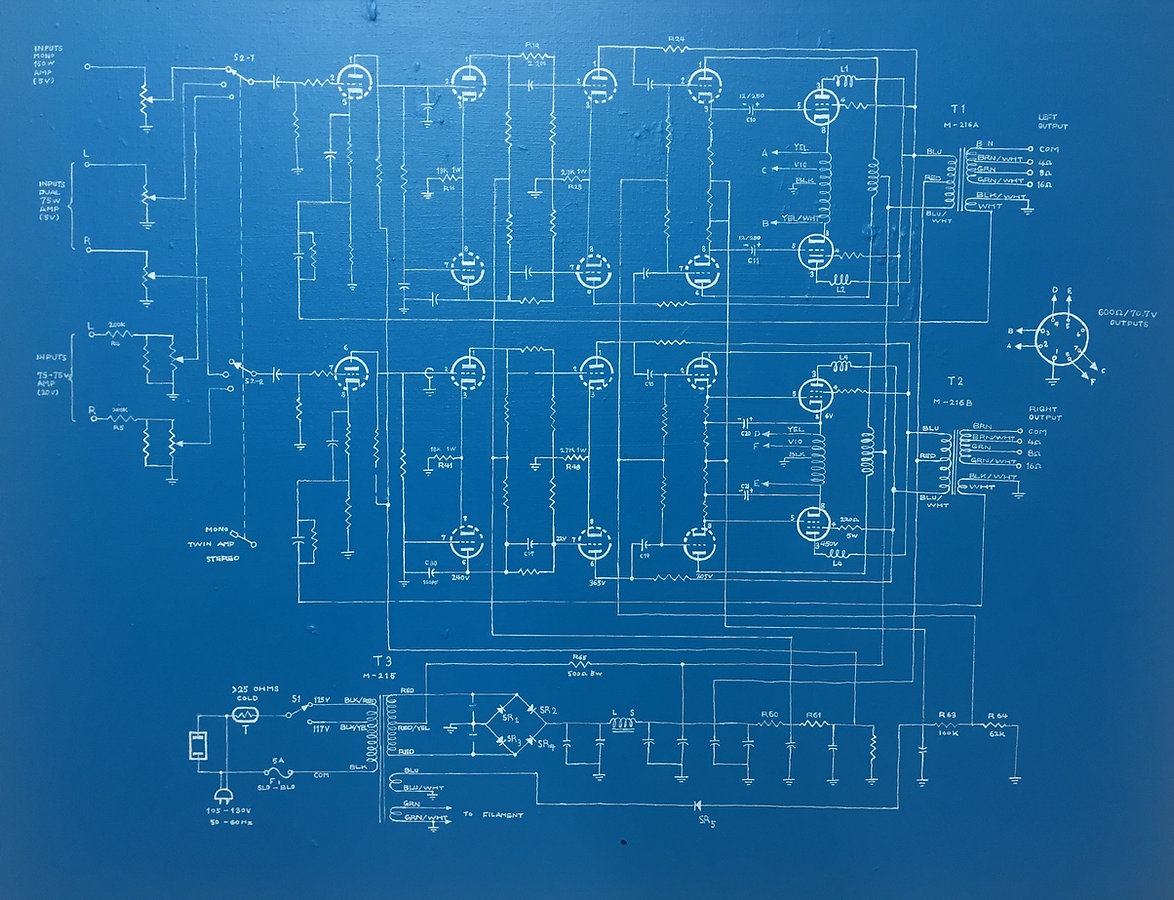
Shin Kiwoun, News Becomes Entertainment, 2008, Video installation, color, sound, 6 min 44 sec © Shin Kiwoun

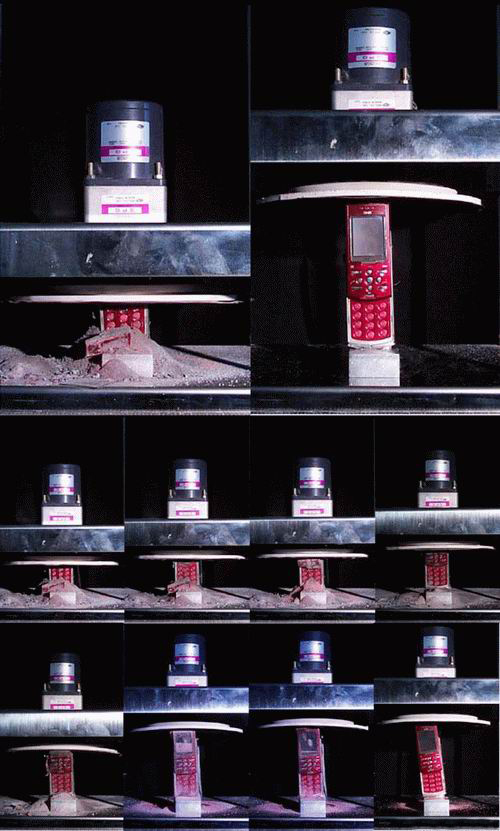
“The ‘disappearance’ which I think of means rather ‘birth’. There is a presupposition that everything is not different from each other before it is born. I wanted to visually show the fact that the beginning and the start of an existence are not different through the physical action of ‘grinding’. I tried to strengthen the intensity of‘disappearance’ by choosing something everyone wants to have as the object to be ground.” 
— from “An Interview,” Monthly Art. August 2007

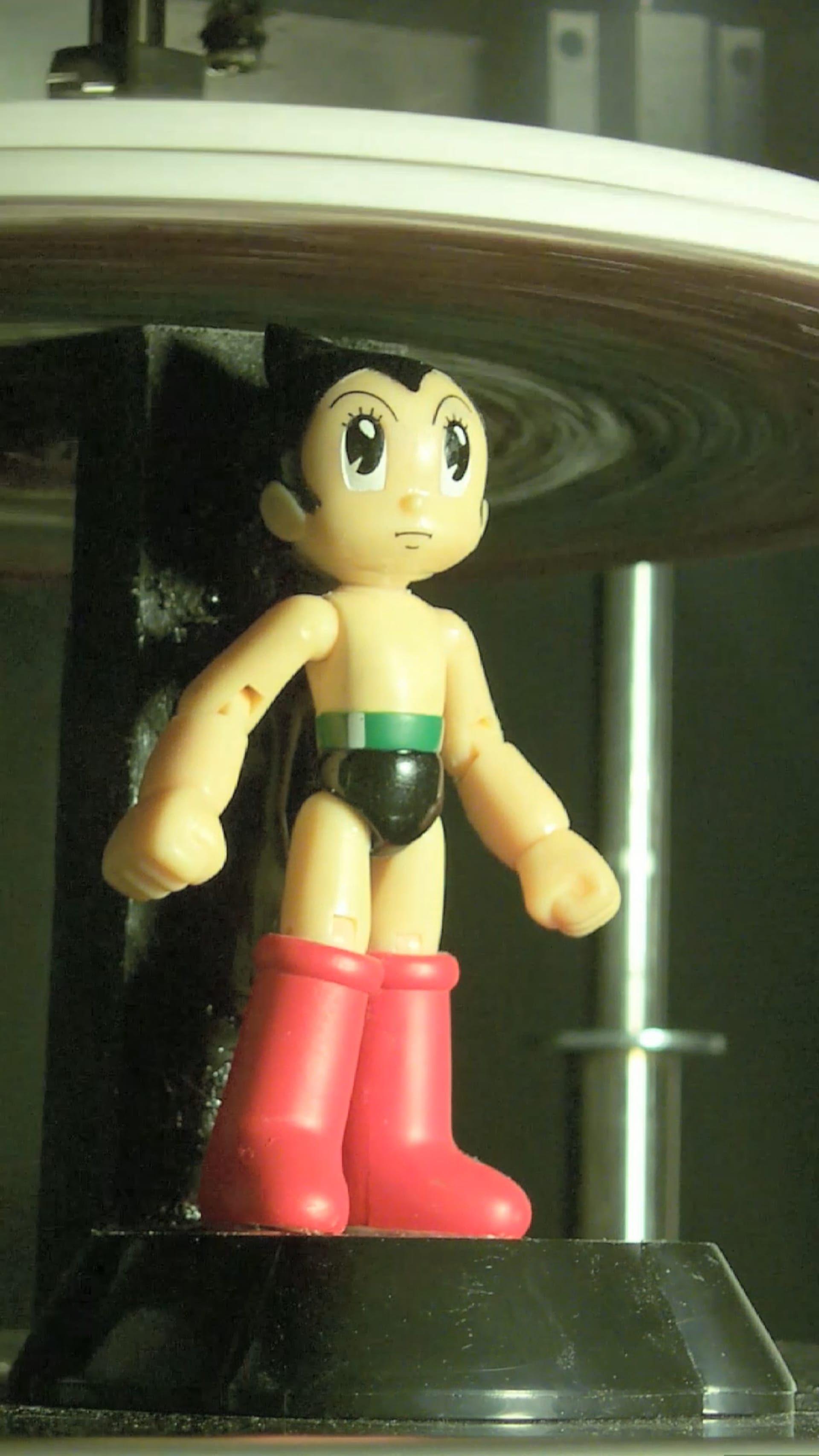
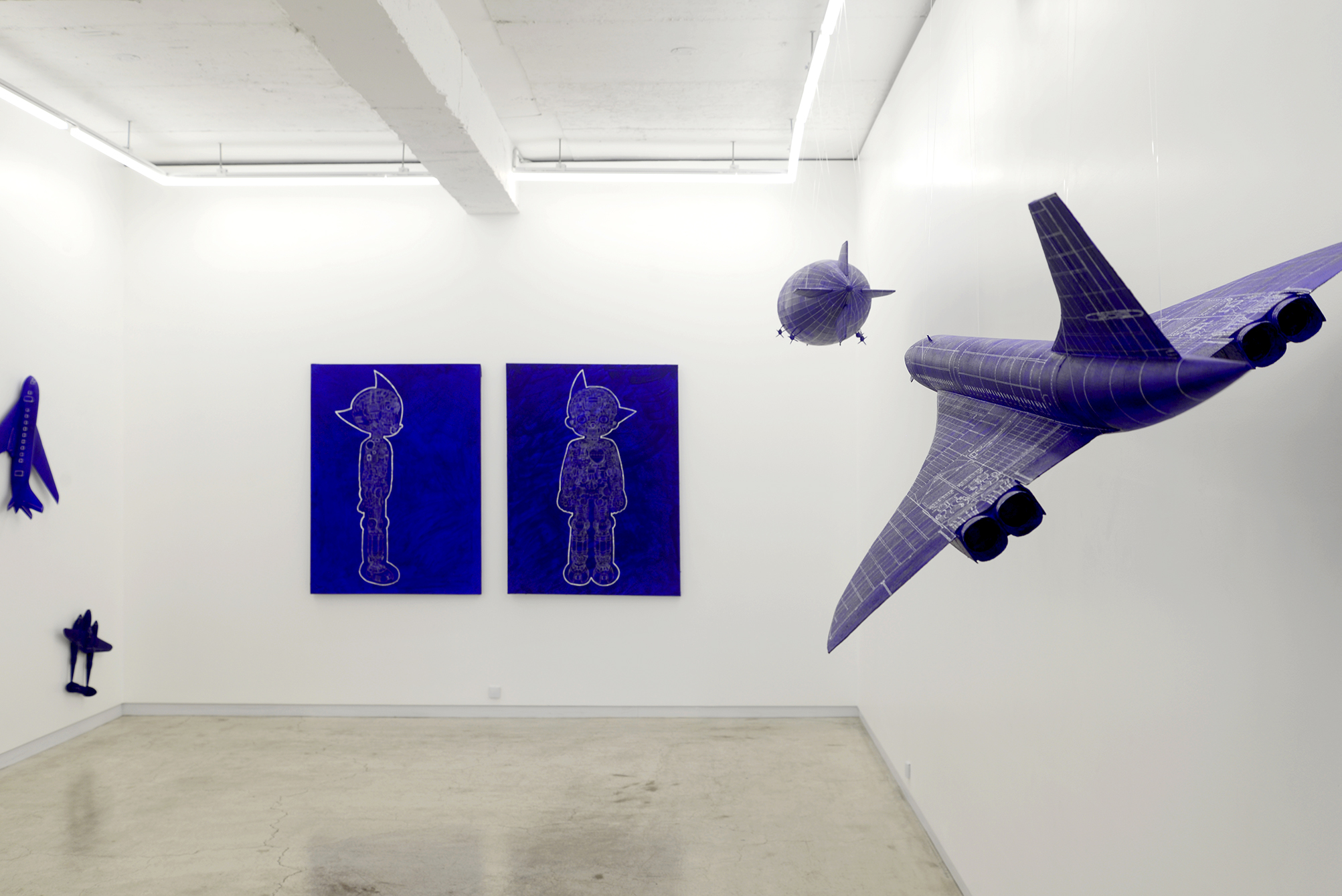
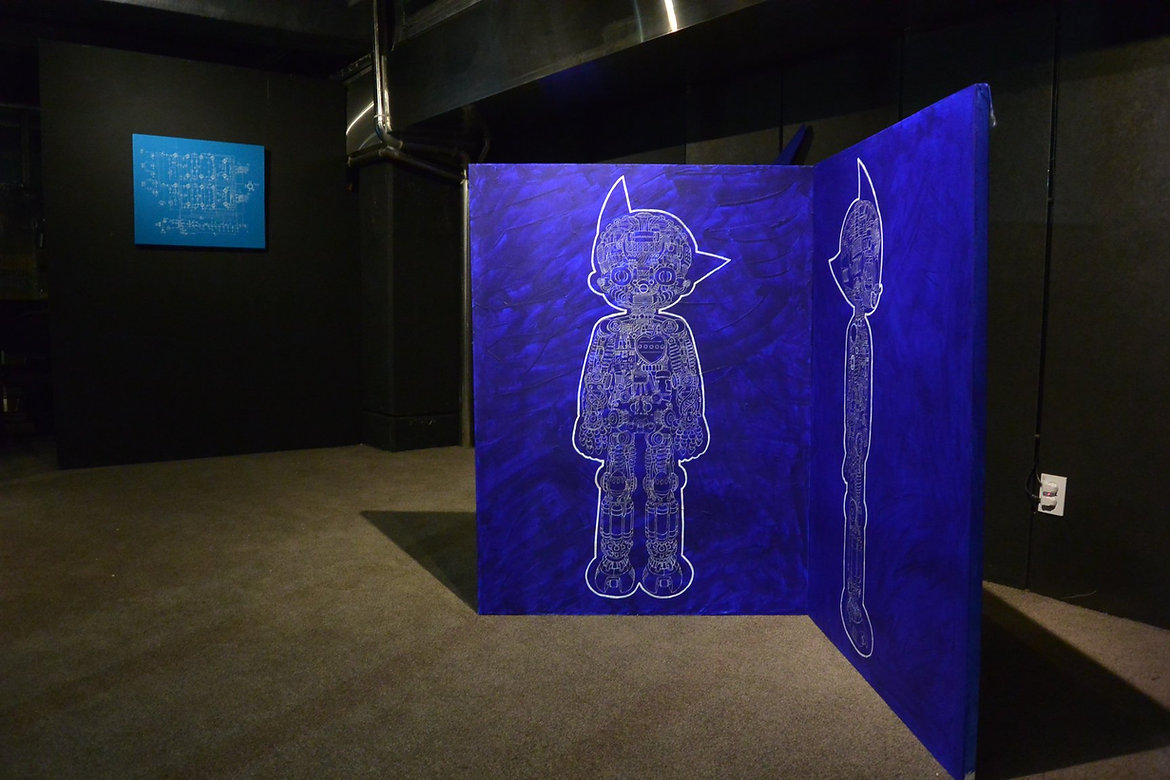
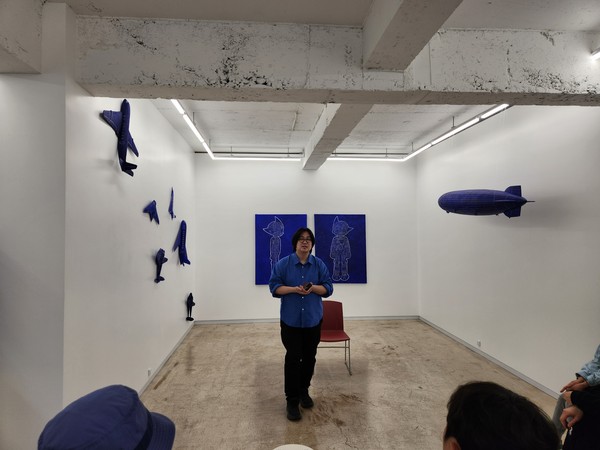
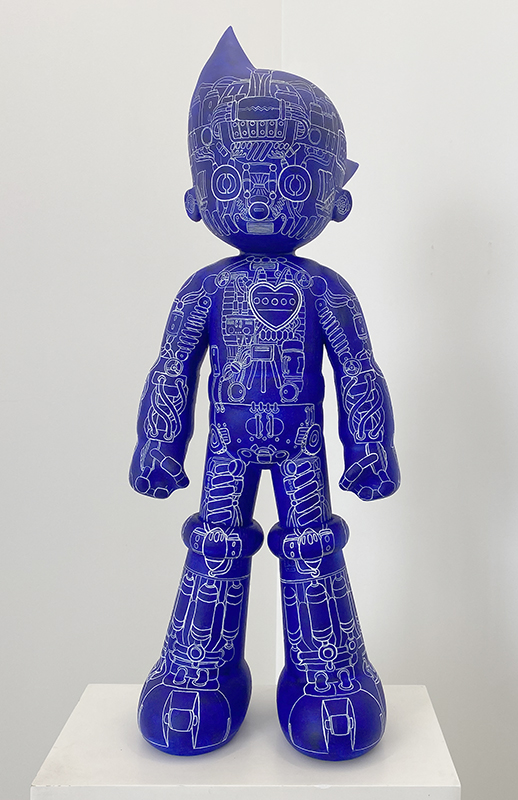
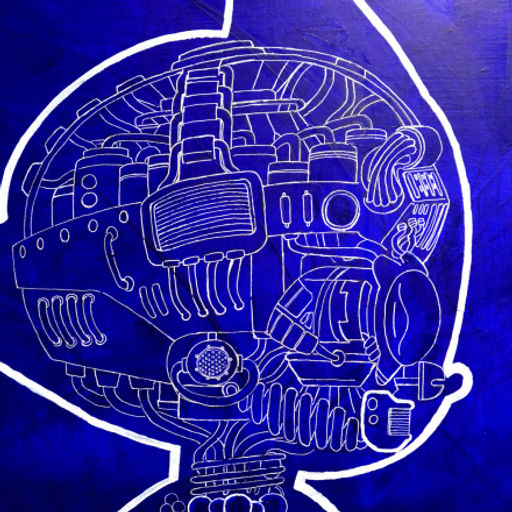
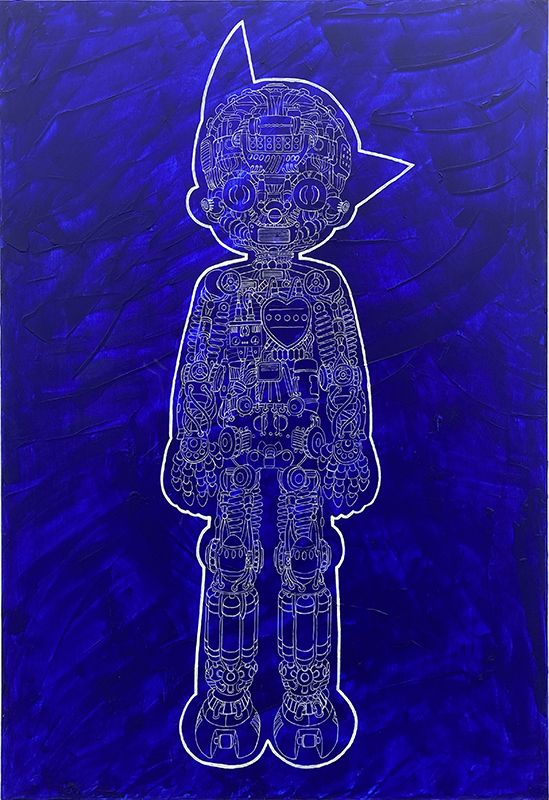
In 1953, Rauschenberg proclaimed an empty canvas from which he erased Willem de Kooning’s drawing as his own work. The empty canvas clearly asserted that the existent mode of painting came to an end and a new style of art started. In Shin Kiwoun’s series that he showed to the public since 2006, he terminates objets, and the objets to be terminated are such wish items of the young generation as Atom, Superman, an ipod, and coins.

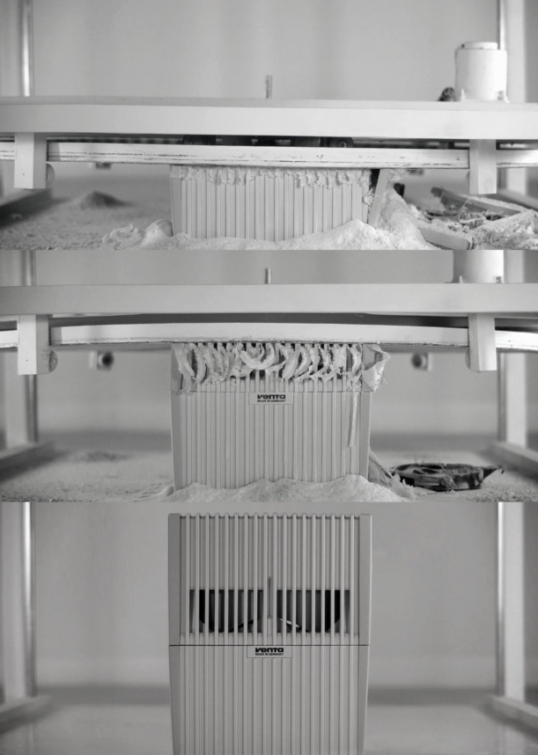
By ‘choosing’ these items, he covertly reveals his awe of the contemporary civilization. But as soon as they appear on screen, we witness them disappearing in a rather violent way. Near the entrance of Inter Alia, the venue of this exhibition, is located a monitor, which shows the process of chessmen being ground one by one. The grinding machine presses them down and they are crushed.

This can be seen as an intentional ‘massacre’ of contemporary civilization directed by the artist. In his 1982 exhibition at Whitney Art Museum in New York, Nam Jun Paik sent out Robot K-456 to the roadway so that it collided against the cars rushing in. While presenting the destruction of man-made machines, he showed the hierarchy among them.

Shin Kiwoun also delivers such a frightful feeling as if he gave the alarm to contemporary people engrossed in the items mass-produced and enthusiastically consumed. At the same time, Shin’s works are strong enough to metaphorize the law of the jungle in which the weak fall prey to the strong.

The process of items being terminated in Shin Kiwoun’s work can be called an ‘instant’ death resulted by imposing artificial actions on them repeatedly and regularly. Though quite different from the death as a natural phenomenon, this death also shares some similarity with the termination of an organism in that the debris left behind the grinder’s action is just powder without having any sense of existence.

The artist shows a new sense of vitality in this activity of destruction and termination. The law of the nature implies that everything living and breathing including humans should decline and disappear from the world, but the law cannot be applied to the machines or ‘products’ that are the output of the contemporary civilization.

But these products do not follow the destiny of machines that do not disappear even after their function comes to a stop. However, they show the true death through ‘disappearing’ in the death imposed on them by the artist and thus, they prove they have veritable vitality

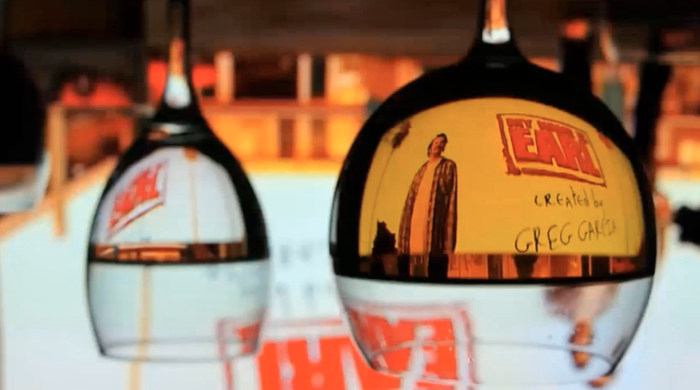
In contrast to the video recording of the scenes in which objets disappear, Shin Kiwoun utilized the characteristics of the moving image in order to show the image being ‘generated’ in Seoul Media Art Festival in 2008. The scene recorded the process of the water contained in a wineglass rising up and the images around being reflected on the water.

In fact the artist recorded the scene in which the water in the glass had been left for a few days to evaporate and the surrounding images also disappeared. But he manipulated the image to be rewound as well as to be upside down. Shin Kiwoun, one of a few video artists in Korea, shows the mechanism of video art combined with a touching visual effect.

While television was regarded as a mass medium of delivering messages one-sidedly, Nam Jun Paik’s creative idea of machines and video work made it possible to exert extended autonomy over the controllable images. The images of objets being rewound and emerging in Shin’s video screen becomes increasingly clear, and the real TV monitor which is out-of-focus in the surrounding is shown upside down in the video screen.

Moreover, the images on the real TV monitor, no more than a hazy movement of colors, are contrasted with the sharp images on the water. The entire screen is brought to a completion with brilliant and well-balanced images.

By showing the logic that disappearance means generation, Shin Kiwoun makes us realize the meaninglessness of boundary between the beginning and the end and the vitality of everything in the world through machines, products of modern civilization, and technology.

References