Director Aaron Cezar explains Delfina Foundation's program for 2017 and in relationship to Geumhyung Jeong's invitation for a residency there last year.
In 2017, Delfina Foundation launched Collecting as Practice to explore the psychology, philosophy and politics of collecting. Through the practice of artists, institutions and individual collectors, Collecting as Practice considers collections as potential sites for active and critical engagement in the development of cultural identity and new narratives.
The programme explores how collections are built in response to specific political, economic, artistic, communal and personal contexts, and the social – rather than financial – value of objects. At the heart of the programme is an exploration of the human impulse to collect, from art objects to postal stamps to vinyl records.
The programme includes residencies for artists, curators and for the first time ever, collectors. The ground-breaking residencies for collectors uphold the mission of Delfina Foundation to nurture the development of the whole arts eco-system. Historically, the role of artists and collectors has been closely intertwined but, in the West in particular, the relationship has become increasingly distant.
Delfina Foundation’s house has always hosted the oft-disparate corners of the ‘art world’. For example, Delfina Foundation’s fortnightly ‘ family lunches’ have been occasions for resident artists, curators, academics, journalists, collectors, and patrons to meet and enter into discussion. The collector residencies take this engagement one step further.
As part of the residencies, collectors live in the Delfina house alongside the resident artists creating opportunities for interesting and sustained discussions to evolve over the residency period.
Speculative investor-type collecting receives a lot of press coverage and is understandably a topic of hot debate in the art world. Whilst not shying away from this subject, Collecting as Practice seeks to interrogate the huge diversity of other approaches to collecting.
Delfina Foundation has hosted ten collectors-in-residence as part of the programme from Belgium, Brazil, France, Ukraine, China, Japan, Taiwan, Hong Kong, Turkey and the United Arab Emirates. Each of these collectors has an innovative approach to collecting, including conserving archival materials and acquiring ephemera works.
The collectors also shared a desire to support artistic practices, as well as an openness to critically discuss issues around collecting with resident artists.
Thus far, we have hosted seven curators and seven artists as part of the programme. Like the collectors, each of these practitioners is heavily engaged in collecting as part of her/his artistic practice or questioning the role of collections within institutions.
Delfina Foundation has staged several events and exhibitions stemming from these residencies, including collaborations with London institutions including Tate, Royal College of Art, Victoria and Albert Museum, Horniman Museum, and Art Jameel, based in Dubai.
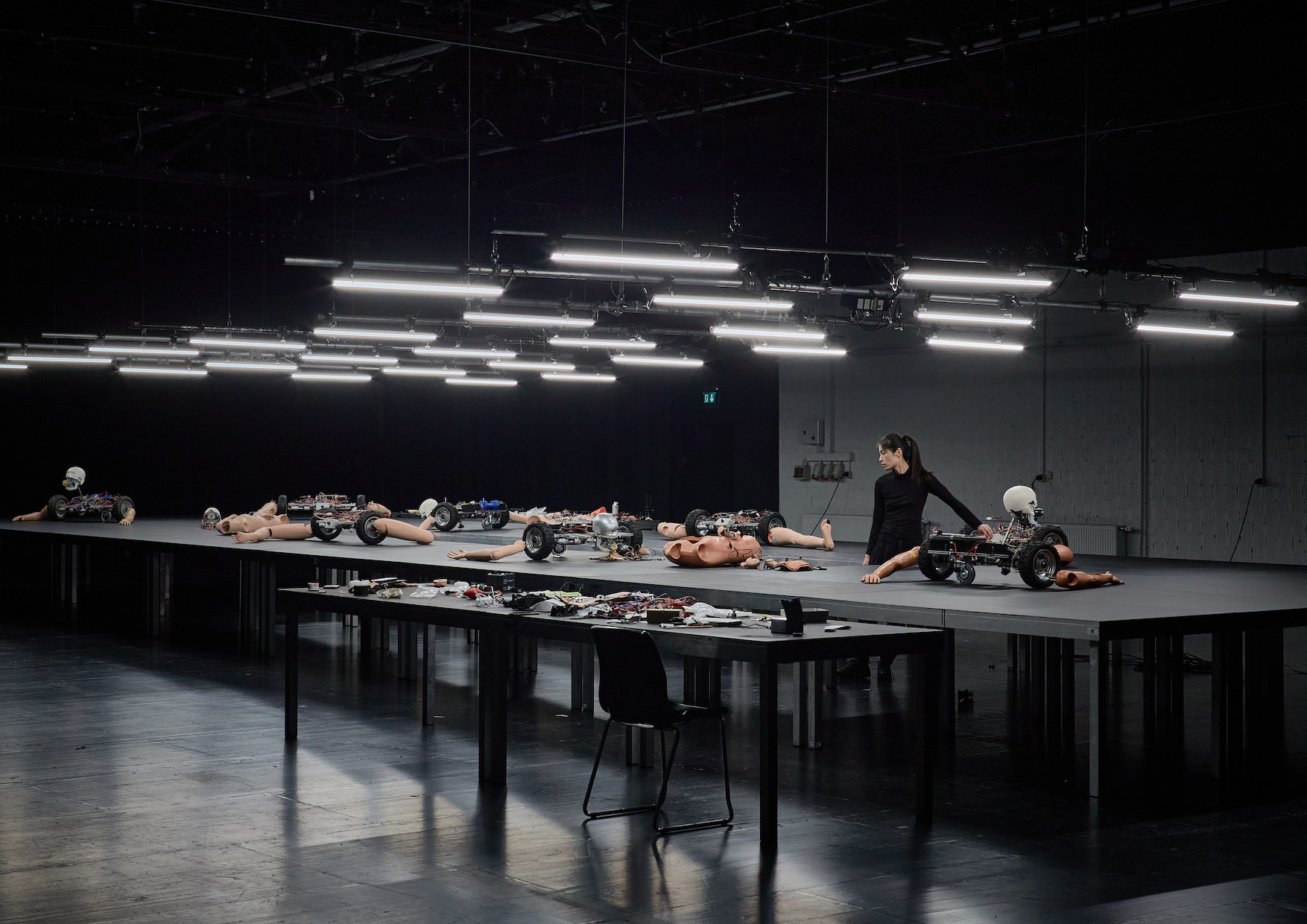
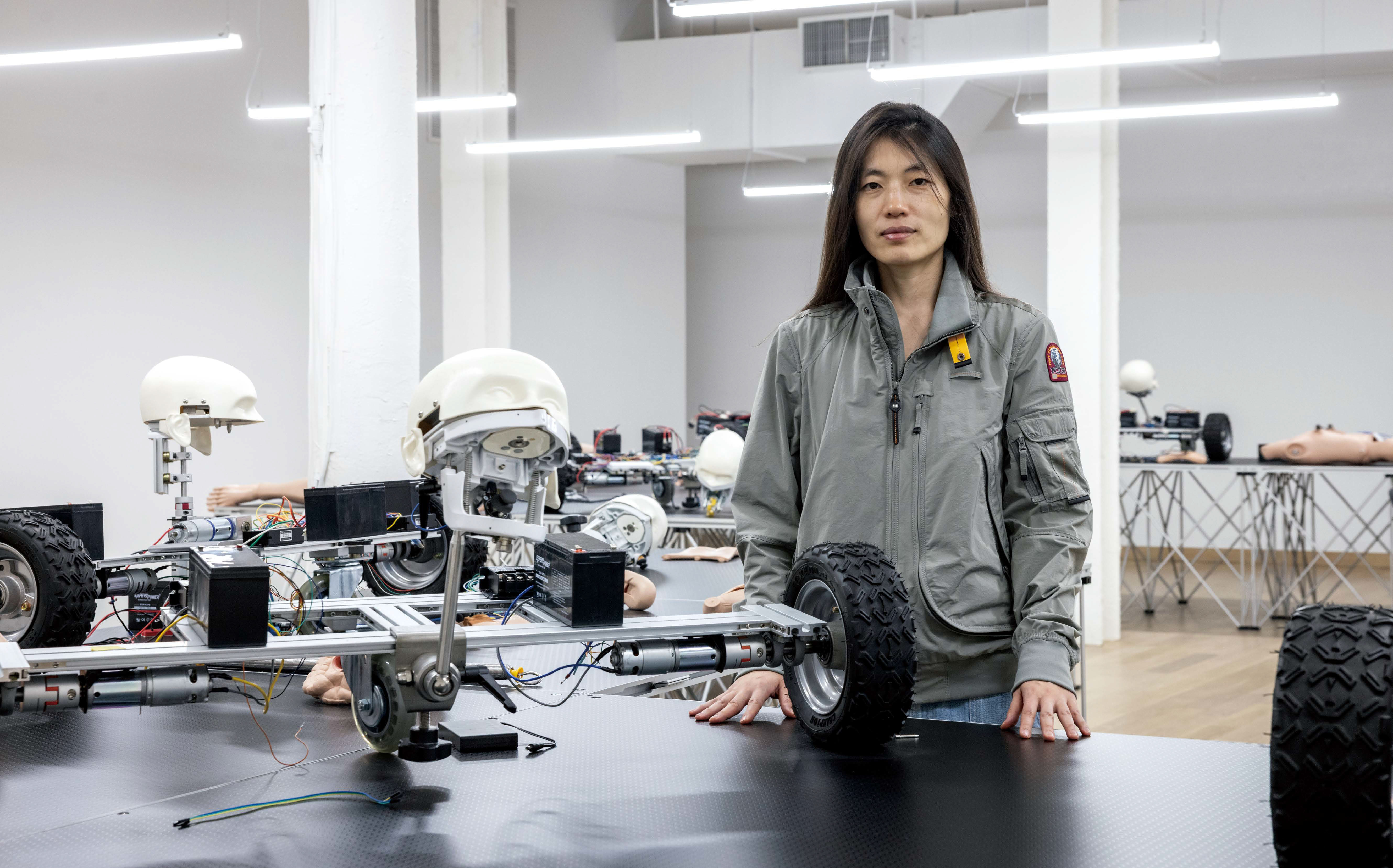
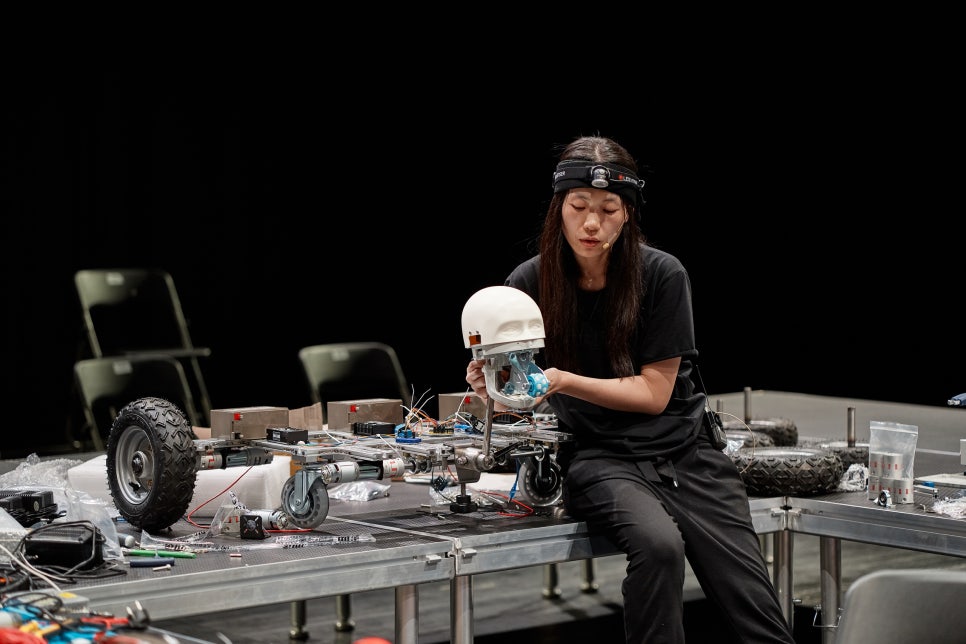
As part of this program concept, Delfina Foundation thought it would be an interesting opportunity to host Geumhyung Jeong in residence in April to June 2017, in partnership with SongEun Art & Cultural Foundation. The three-month residency culminated in a new exhibition in London and an installation and live performances at Tate Modern.
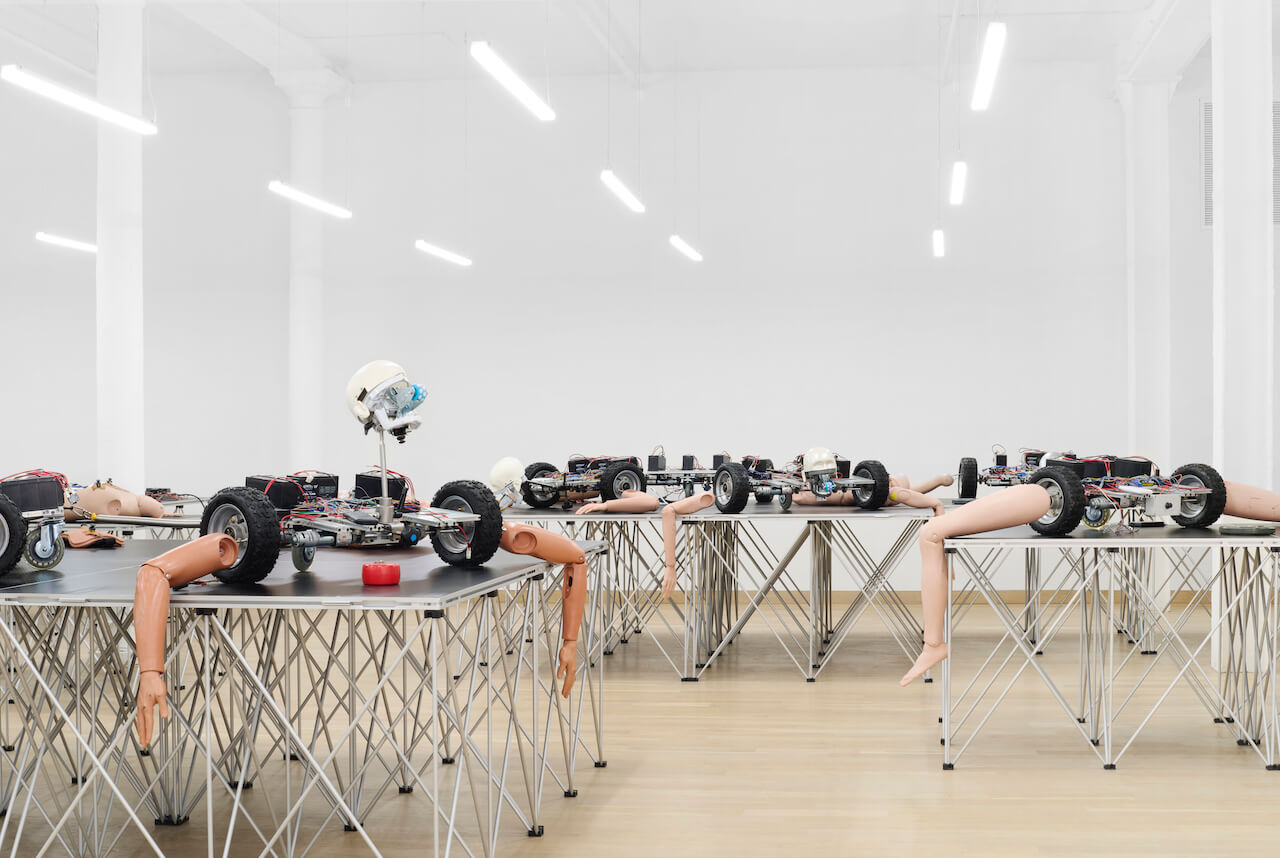
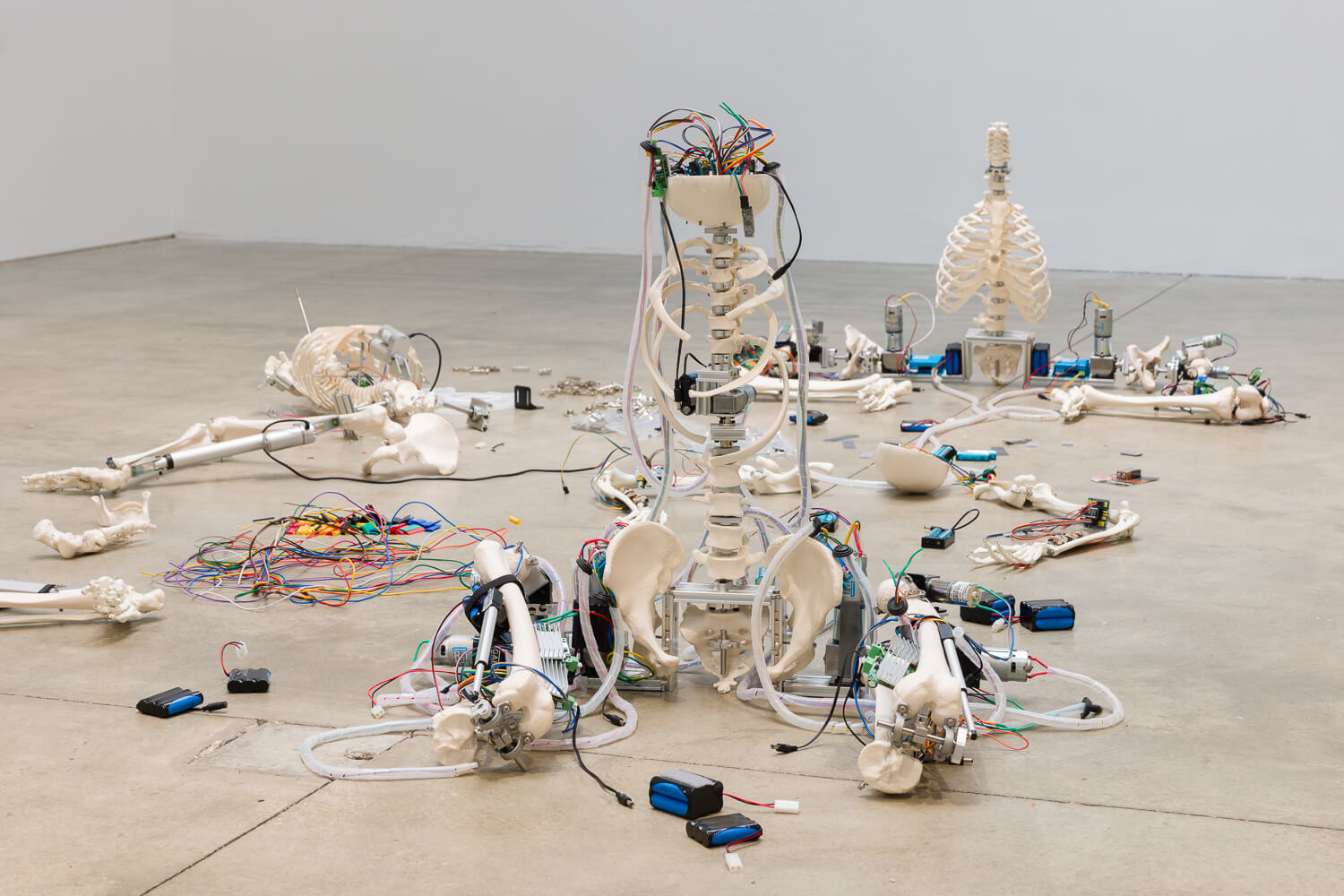
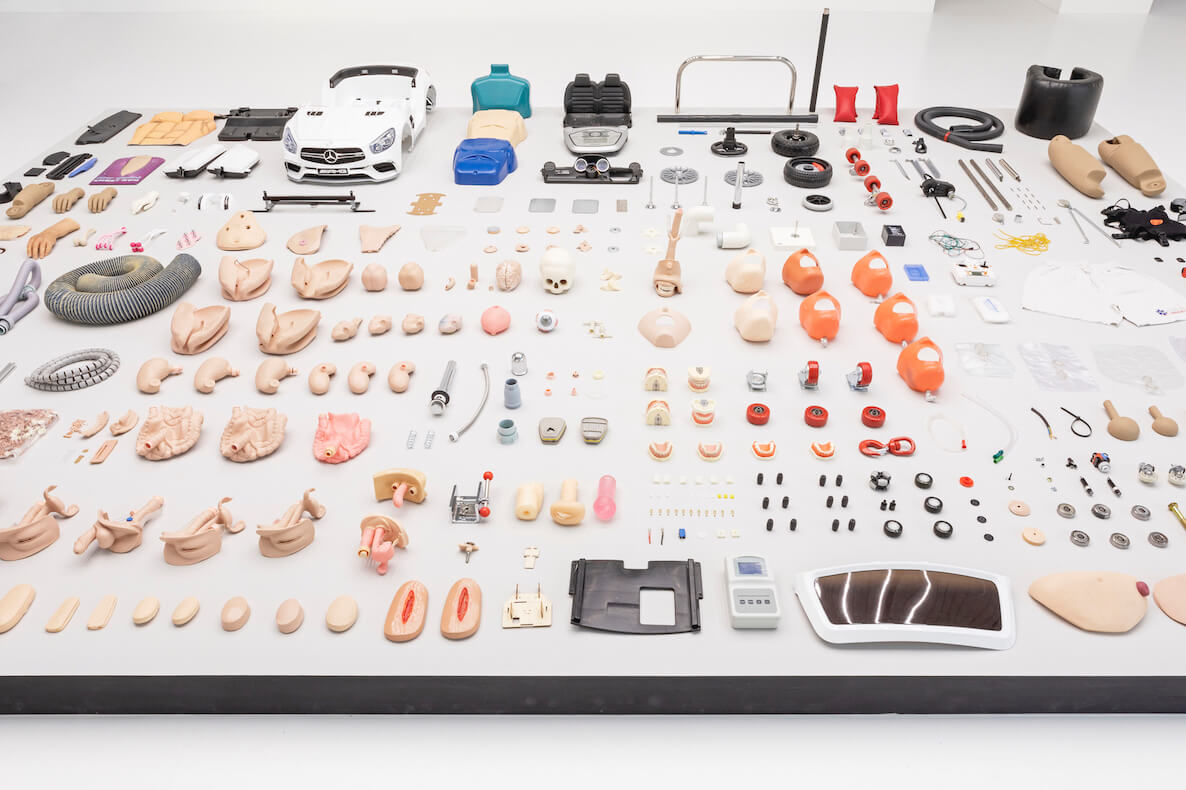
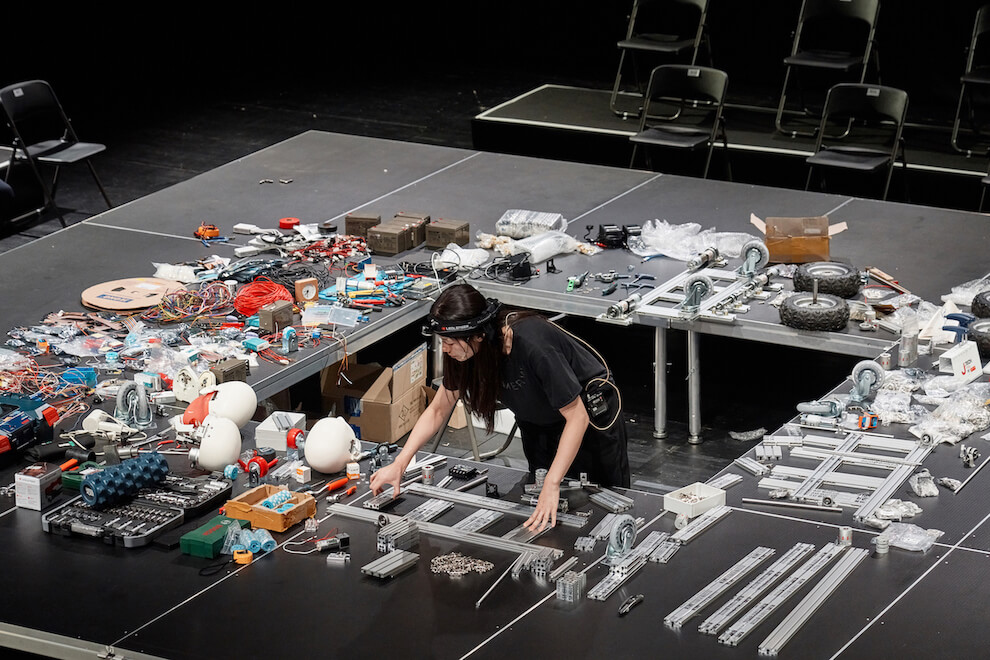
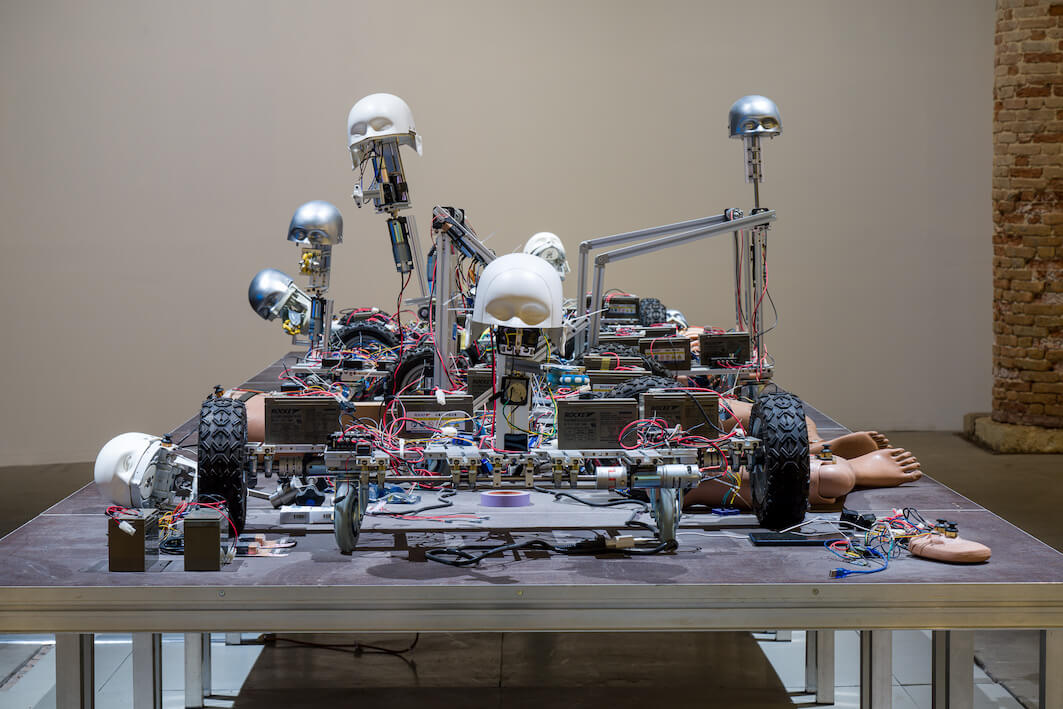
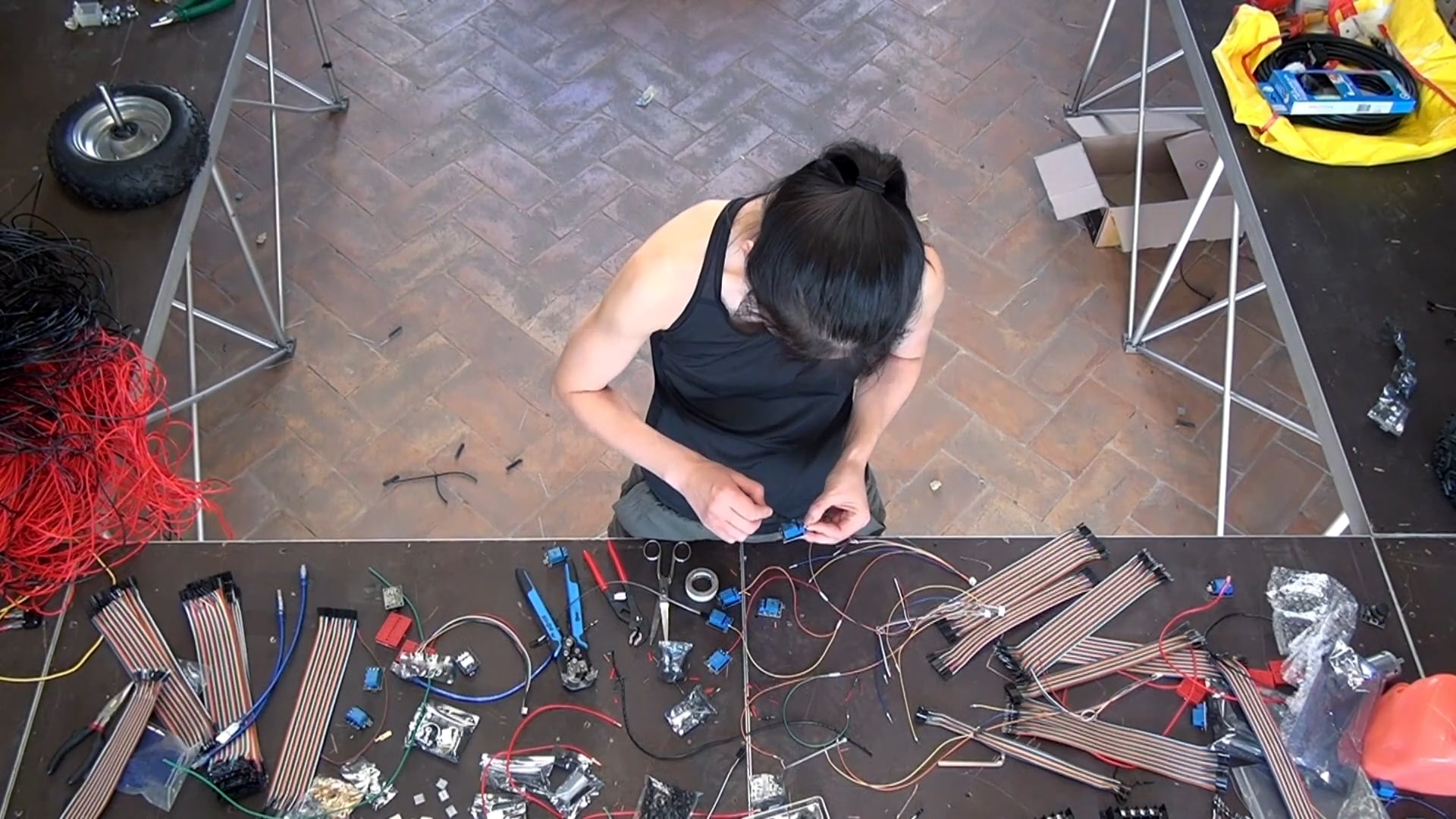
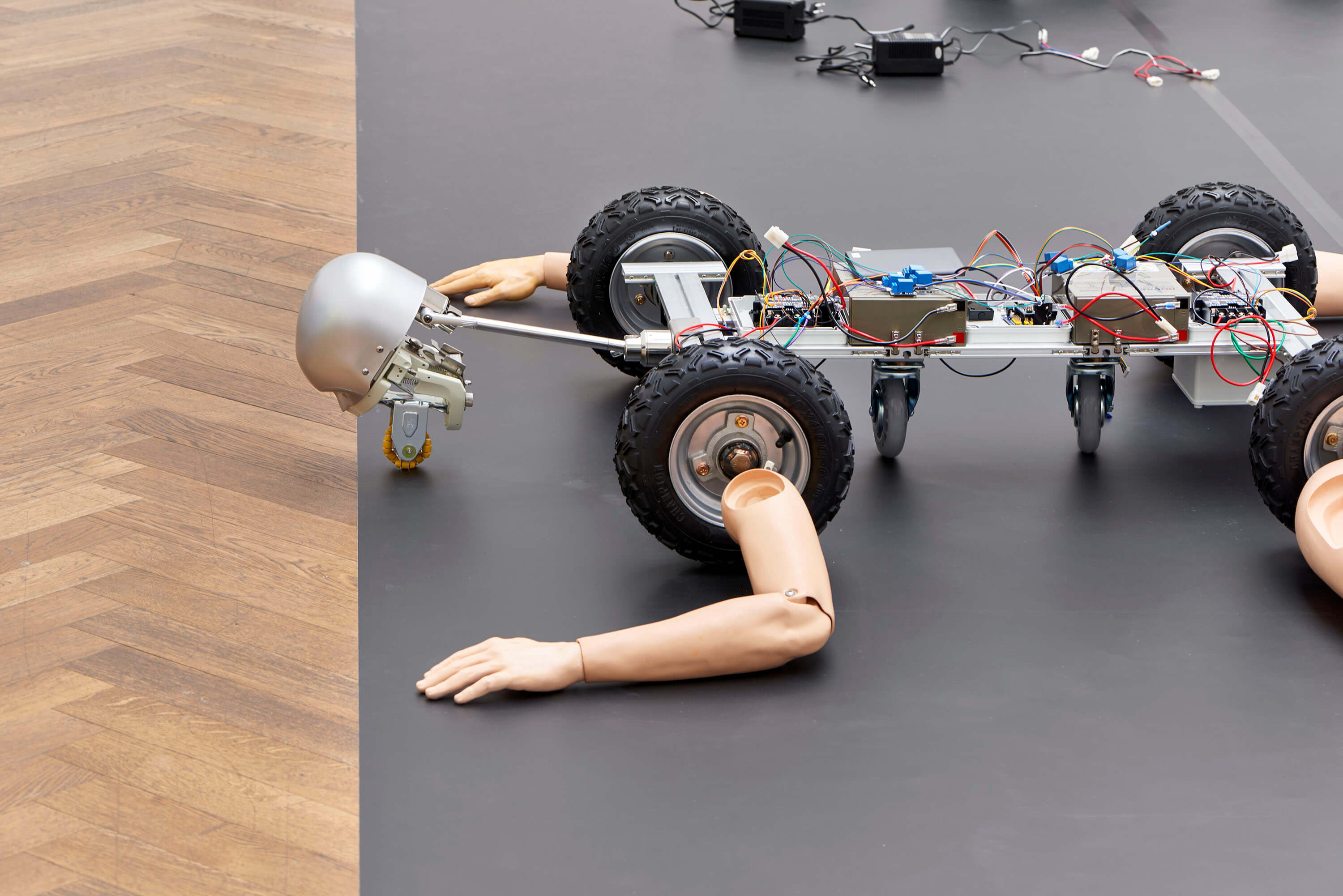
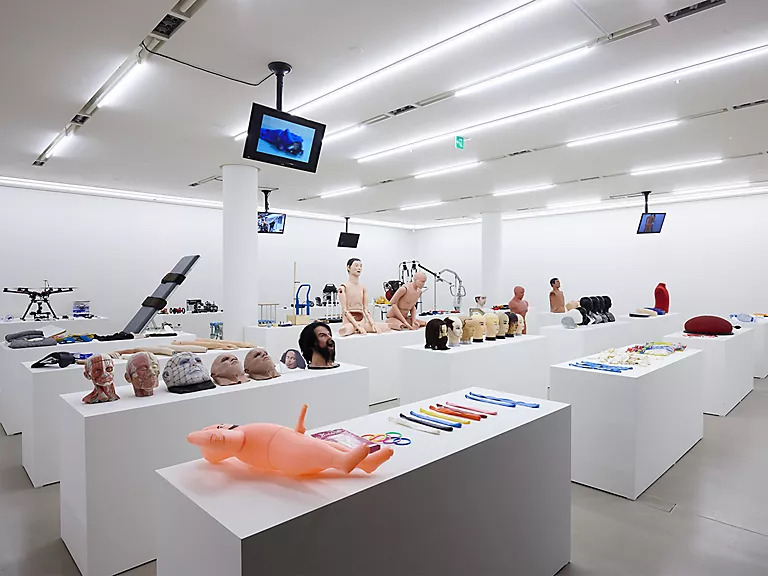
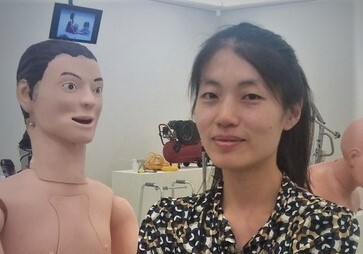
At the core of Jeong’s practice is an intense fascination with design and the role of objects, as well as almost obsessive collecting. Over the last eleven years, Jeong has been collecting everyday and medical objects – rehabilitation apparatus, mannequins, sex aids, vacuum cleaners, toys, costumes and training machines.
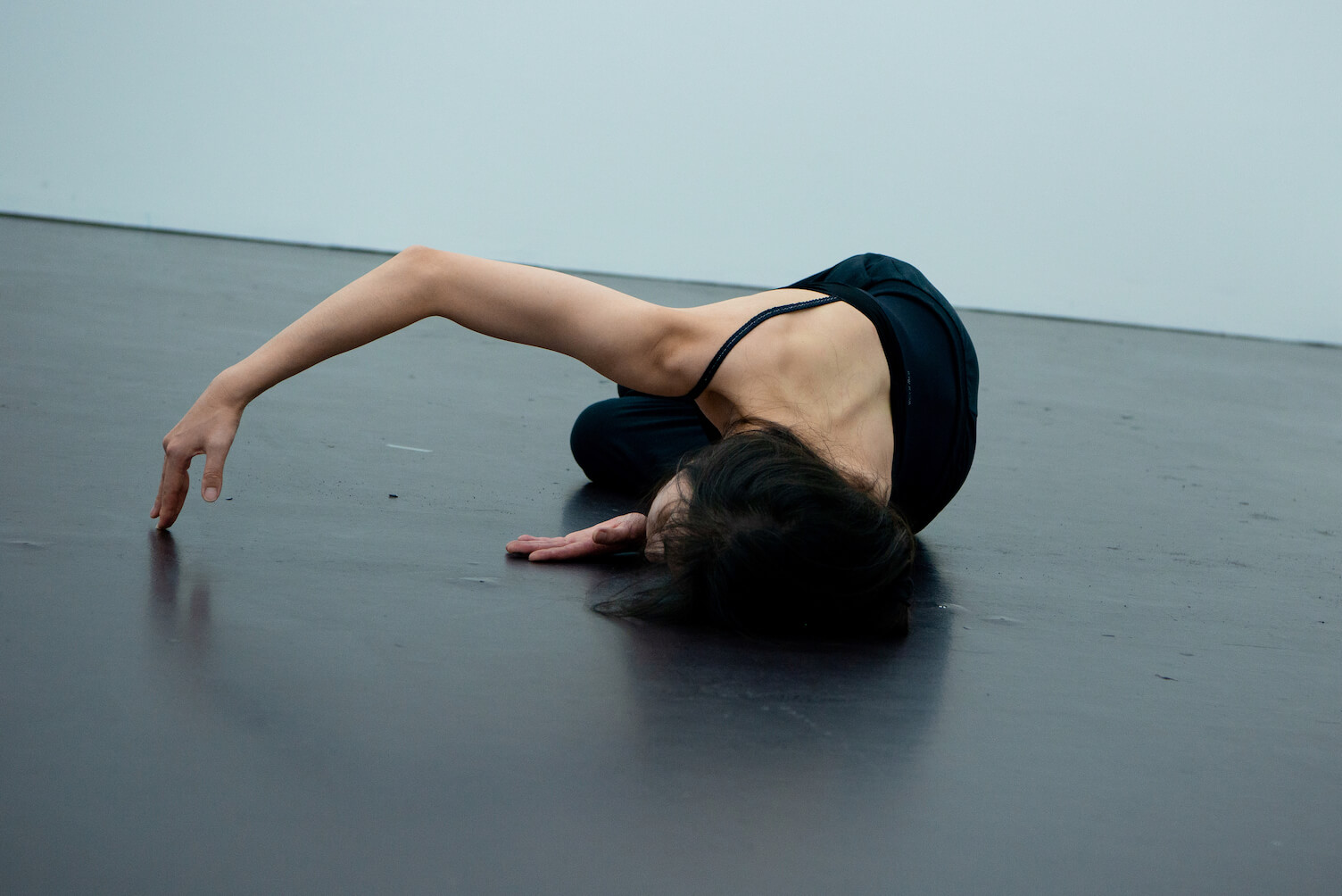
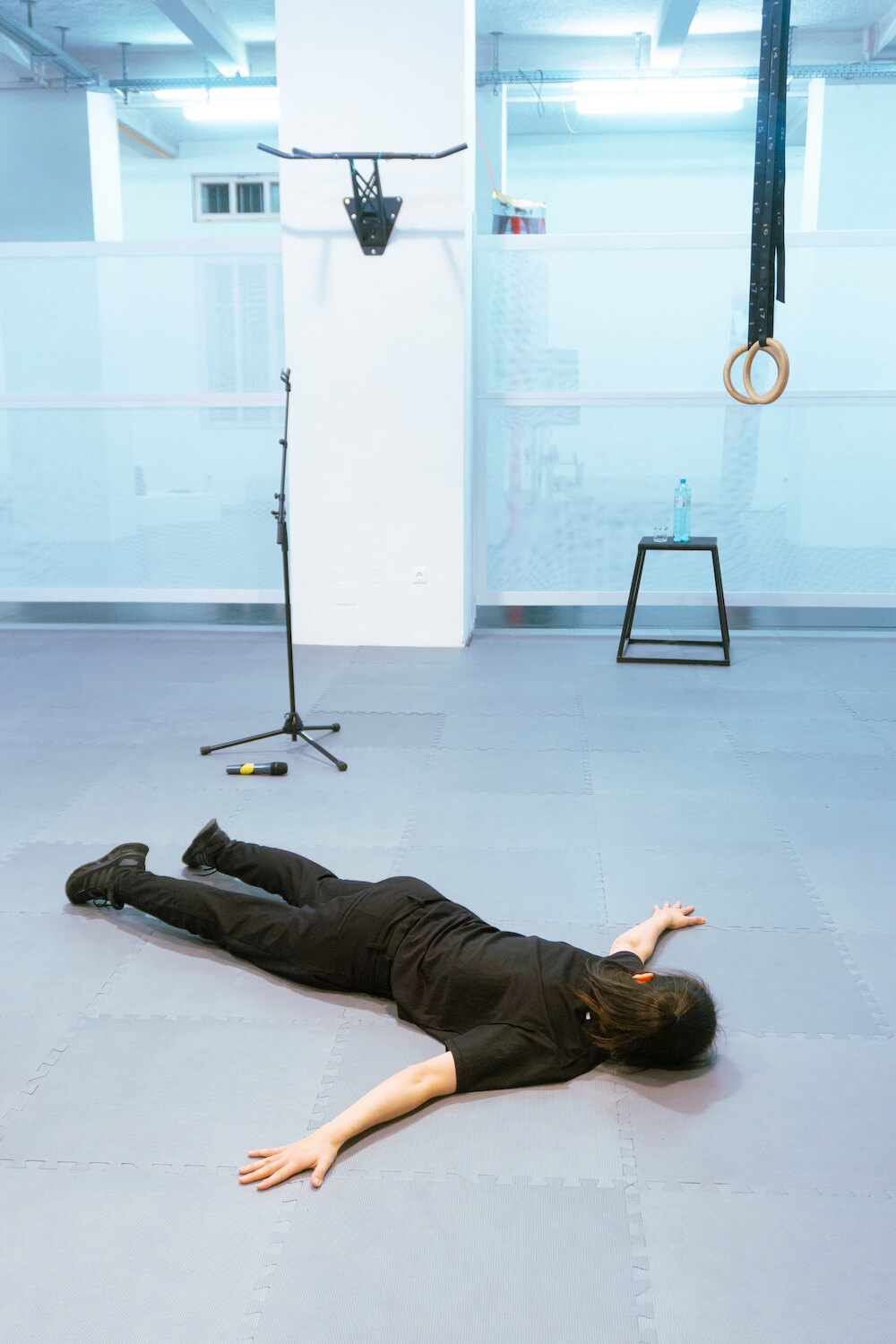
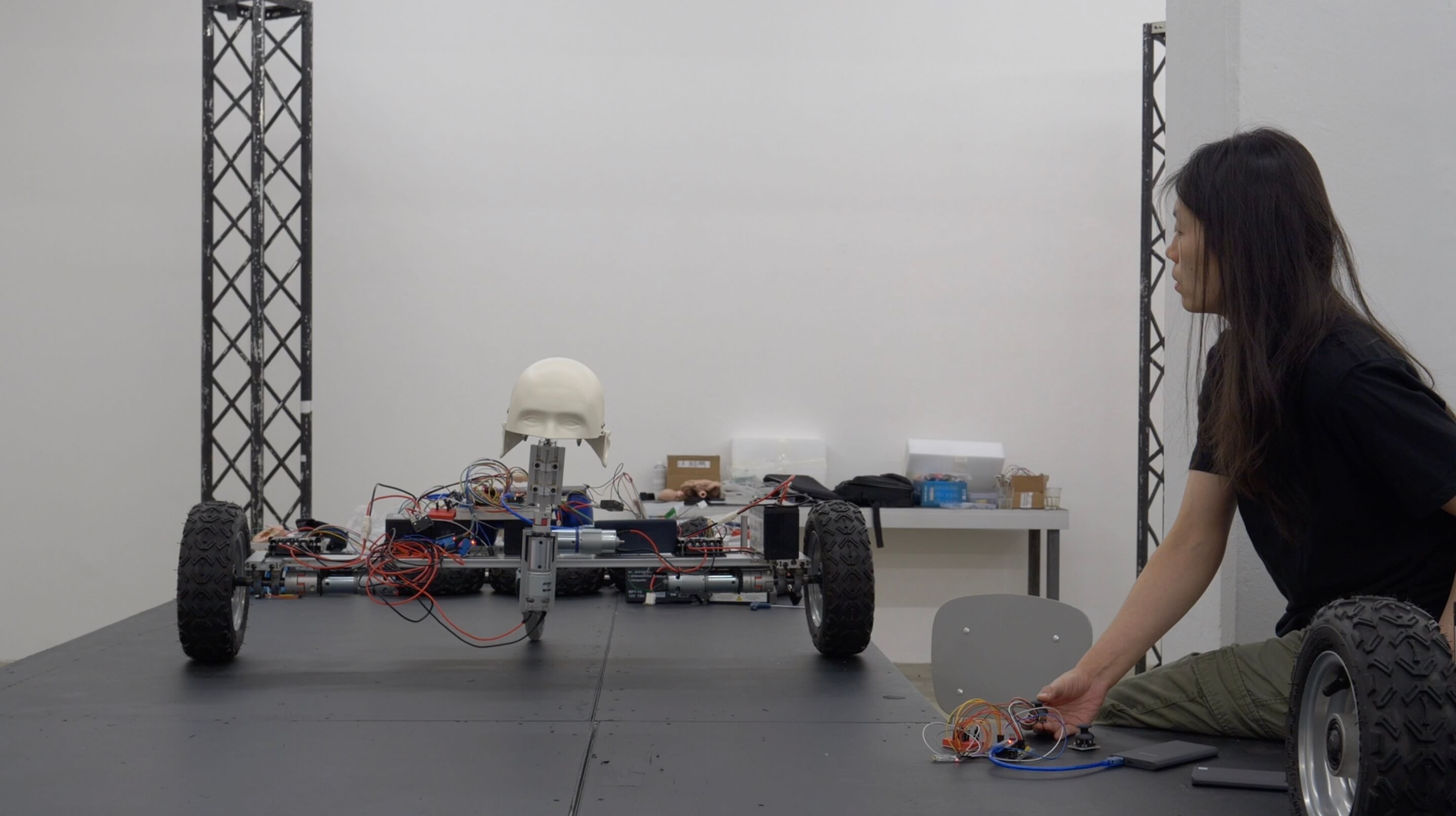
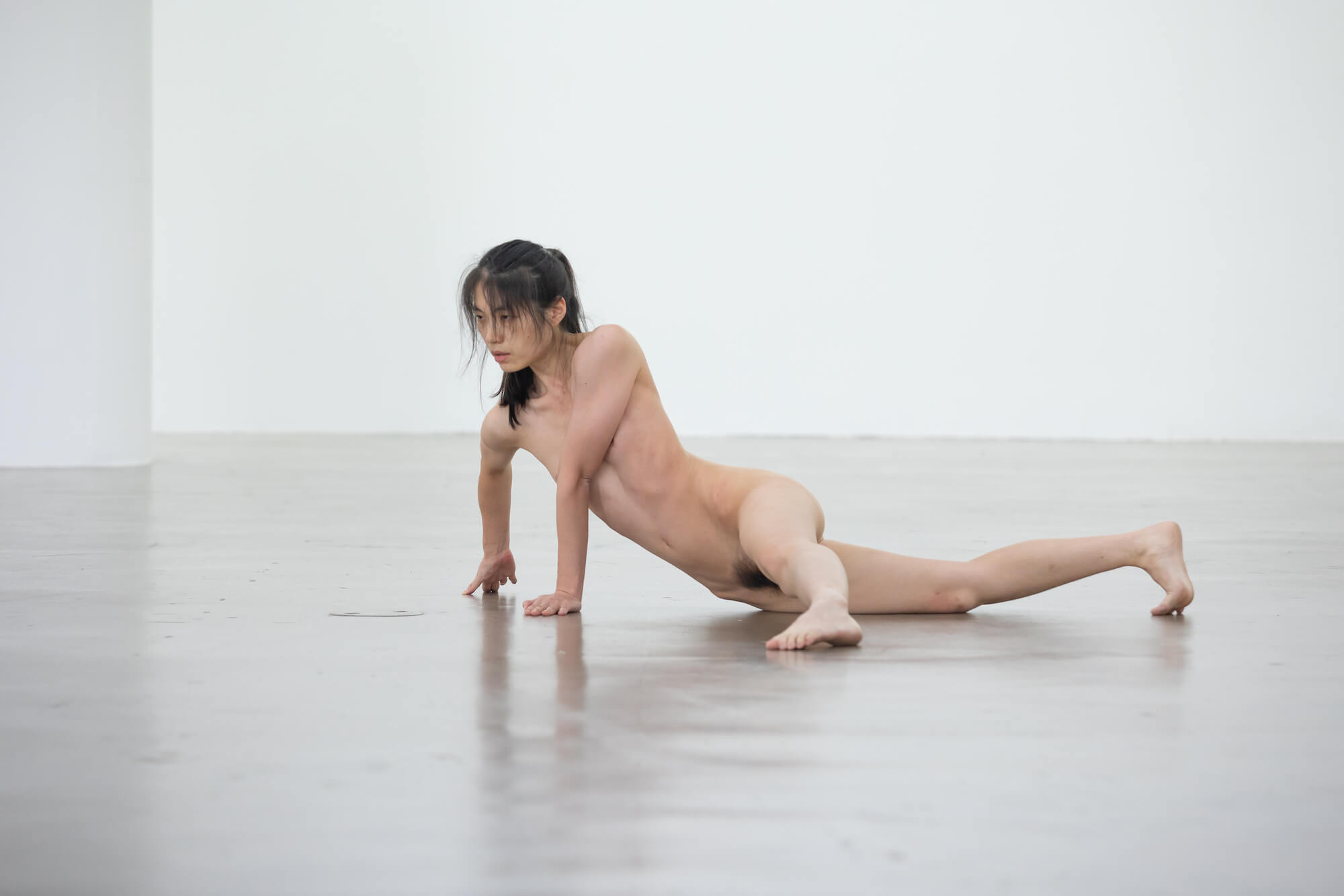
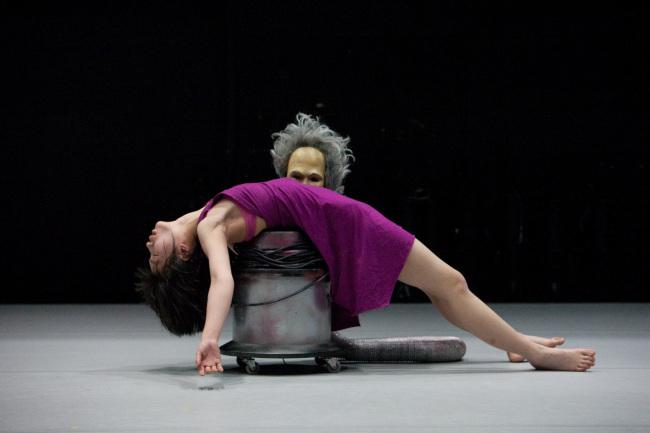
Initially Jeong gathered these objects to use in performances through intense interactions with her body that complicate the gender imbalance in archetypal dynamics between puppeteer and puppet.
As writer Ellen de Watcher noted in her review of Jeong’s exhibition in Garage Magazine, “By maintaining control over her props and movements, Jeong overturns the overwhelming tendency in the history of art to represent women as passive objects. Yet paradoxically, the situations she engineers also involve her playing a victim.”
As the collection gradually grew to hundreds of carefully and obsessively selected objects it took on a life of its own. Within her Geumhyung collection, she has created categories, grouping together objects from different realms, clinical to sexual, to make unexpected connections and new narratives.
Recognising the importance of the act of collecting to her practice, and of the collection itself in challenging notions of civilisation and the gendered economy, Jeong presented the entire collection as an artwork for the first time at Atelier Hermes in Seoul in 2016 as the recipient of the 16th Hermès Foundation Missulsang (art award).
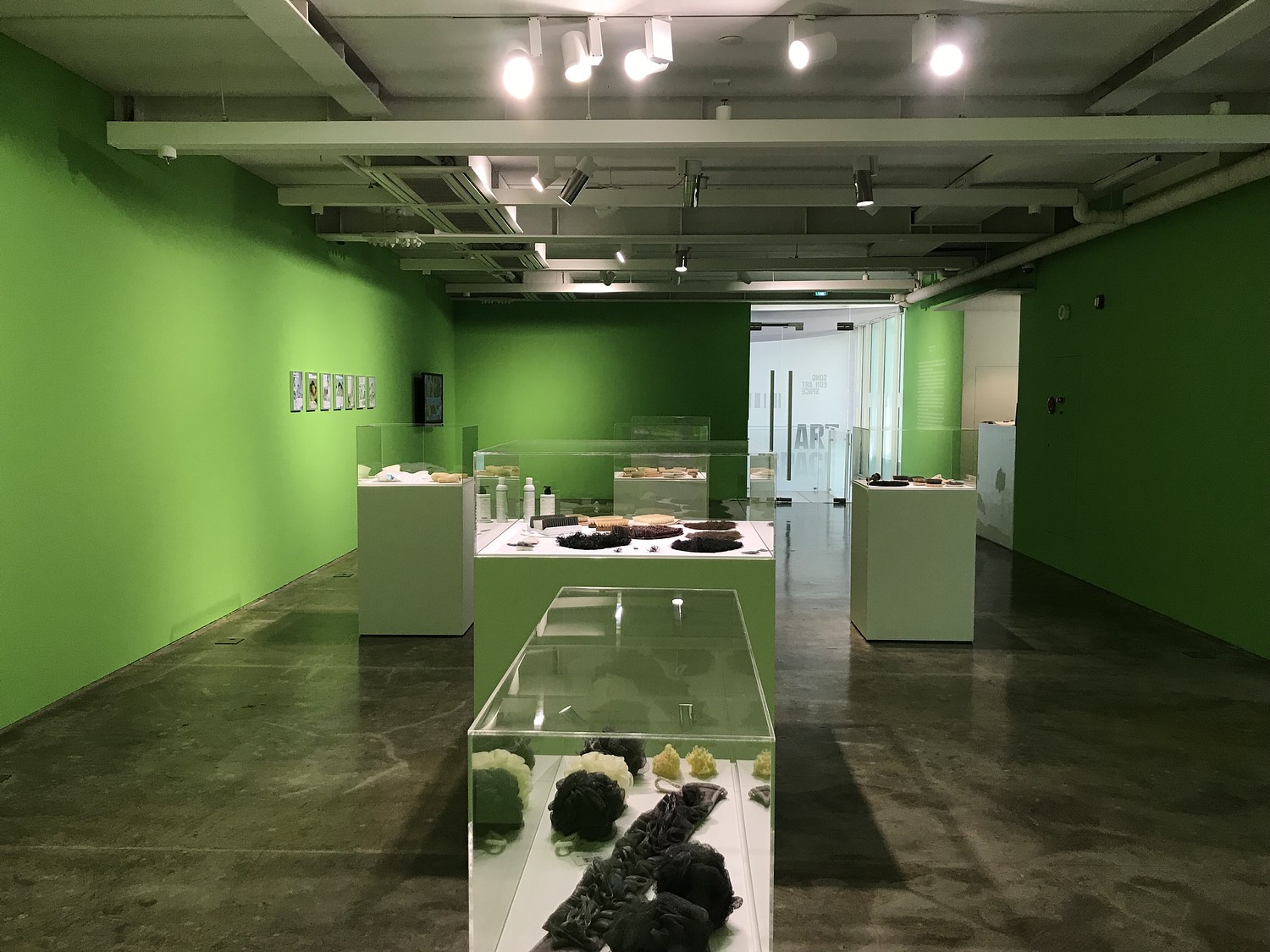
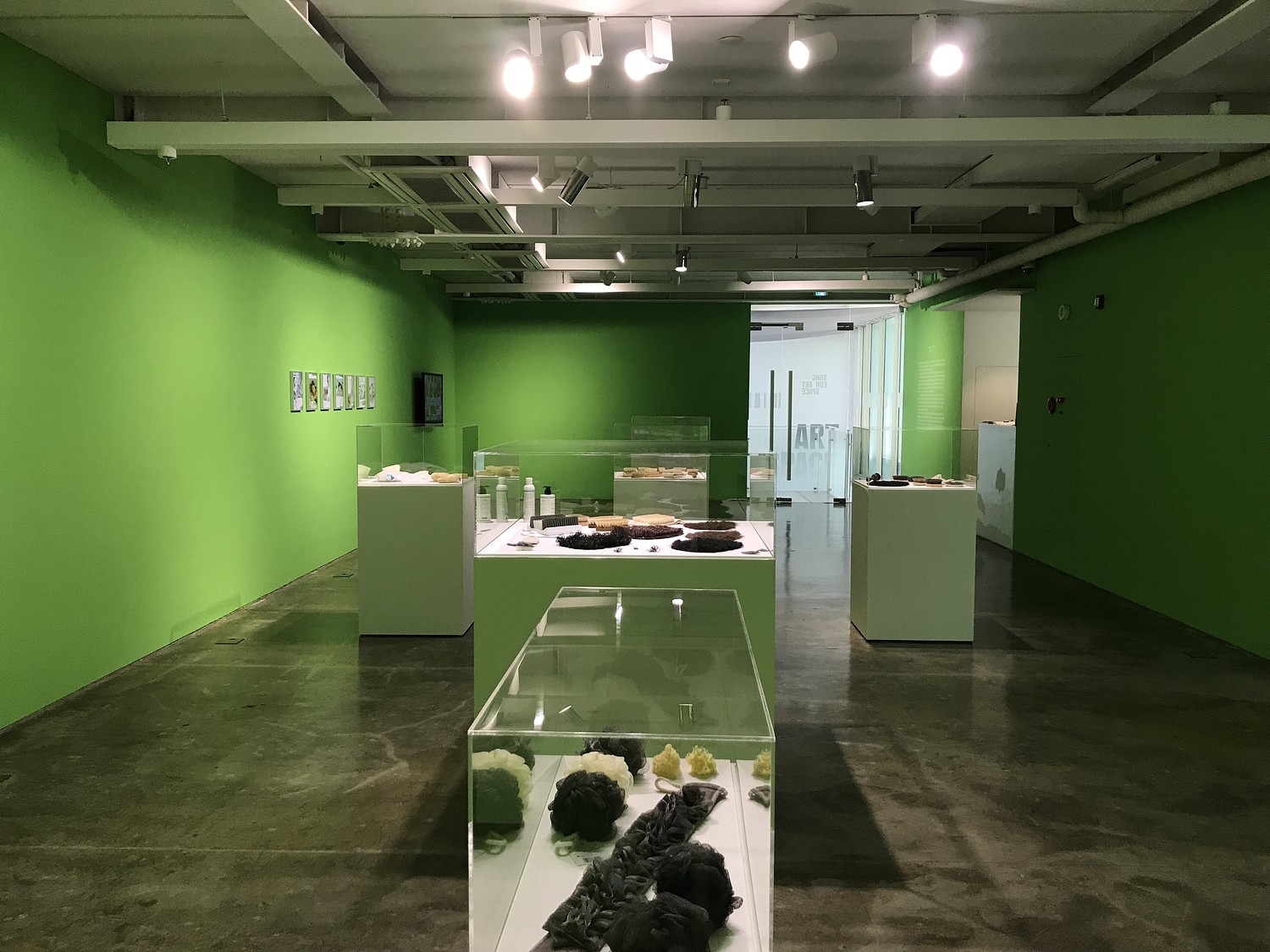
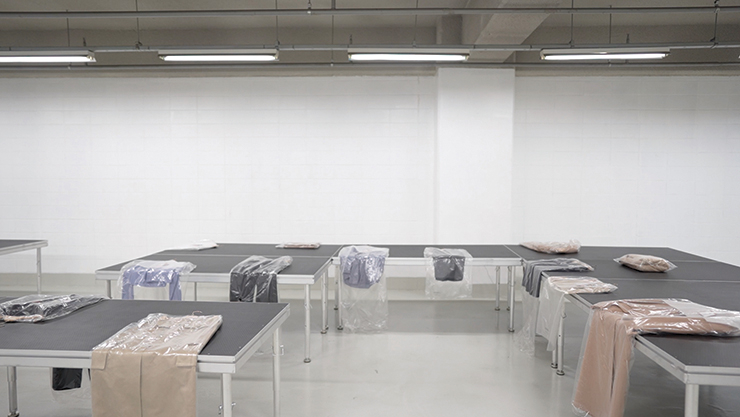
In the subsequent presentation of her collection at Delfina Foundation in autumn 2017, entitled Private Collection: Unperformed Objects, Jeong displayed only objects that were, so far, ‘unperformed’. Curiously many of these objects were duplicates of already performed objects, underlining her compulsion to save or amass.
Others had been manipulated and adapted by Jeong before being rejected for use in live performances, thus becoming a record of her decision-making and, what she described as, failure.
Within Collecting as Practice, Jeong represented the notion of the artist as collector. Her practice grabbles with the philosophical, political and psychological dimensions of collecting, and her collection offers multiple perspectives on the value of objects and our reliance on them as human beings.