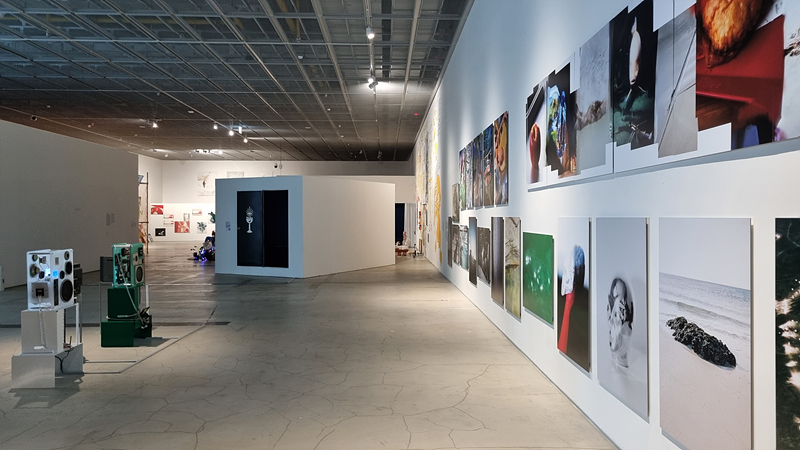
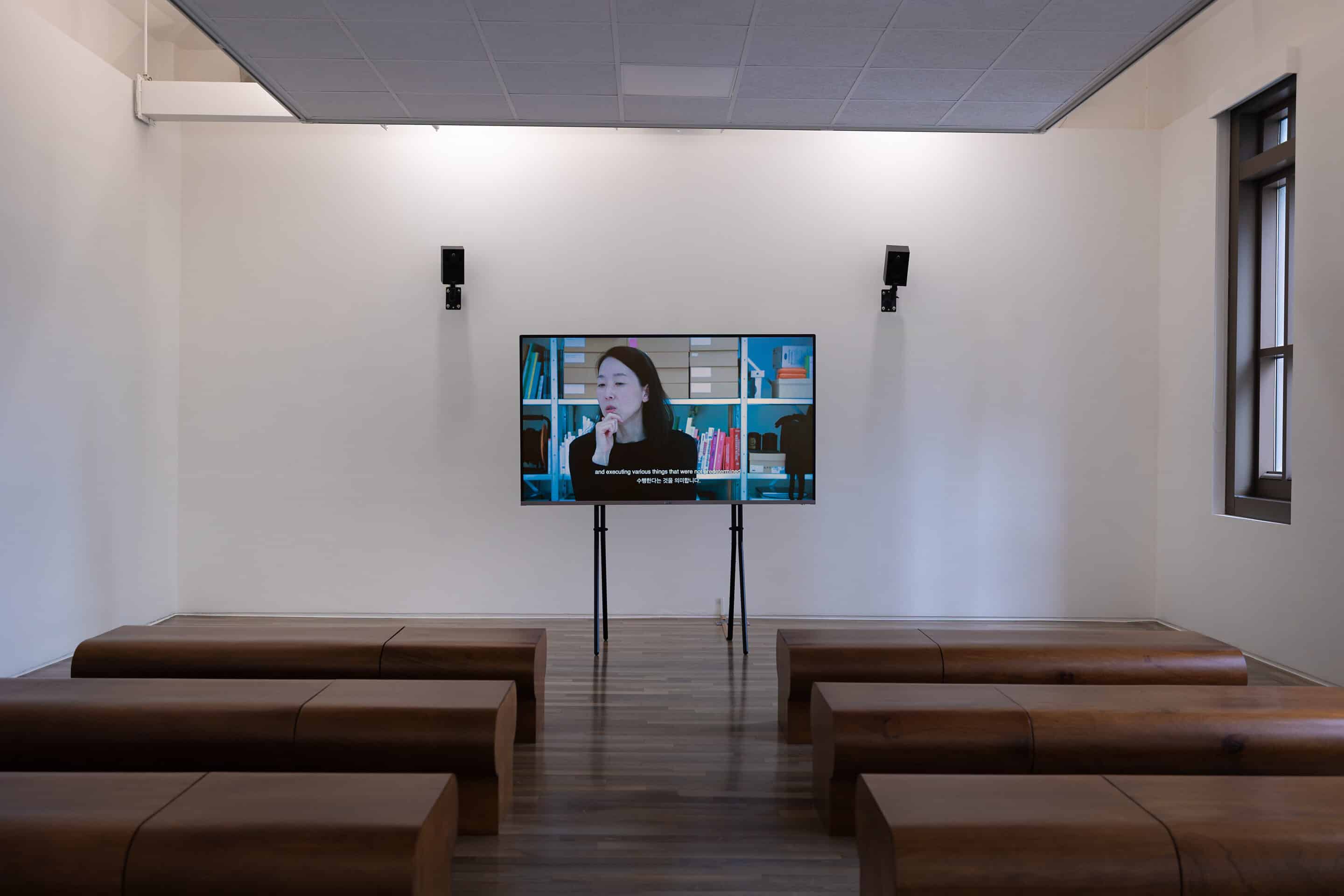
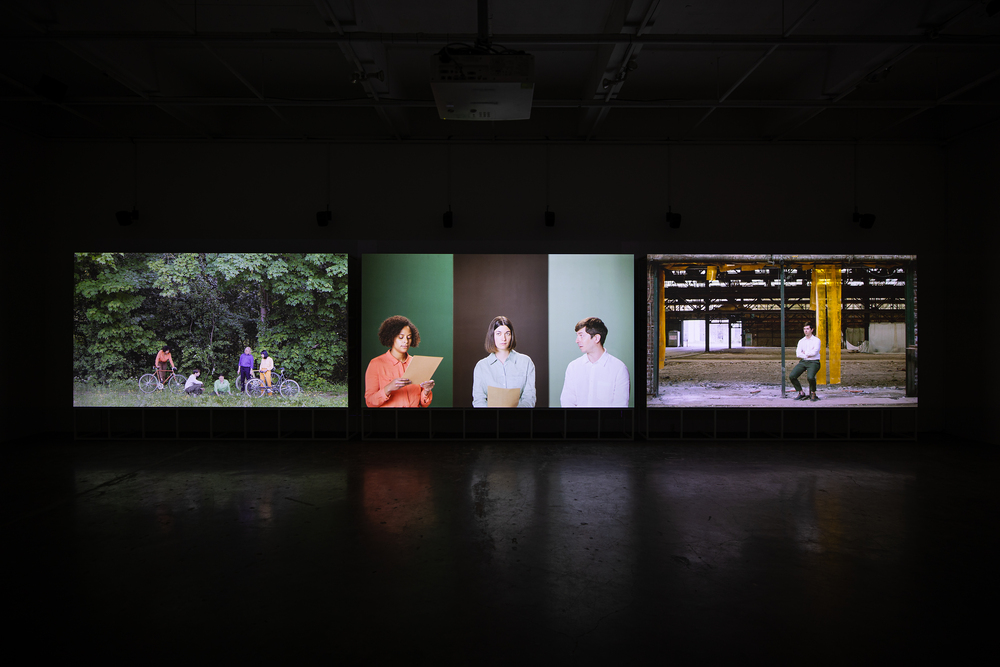
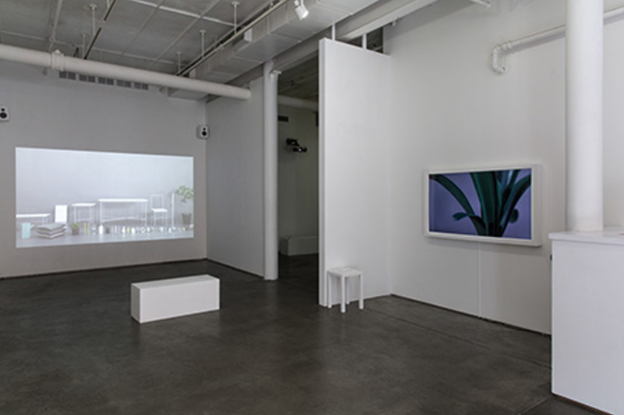
Many aspects make Oh Min’s work fascinating: the artist’s experimentation in deconstructing, crossing, or expanding upon existing mediums and genres in defiance of limitation; the ways in which she forges relationships and attitudes among artists in different fields, collaborators, and spectators; and the novel sensation she awakens in subverting the standardized temporality that the modern system has tamed it to be.
The audience familiar with the language of visual art may find the texts discussing the artist’s works somewhat foreign, especially for their prevalent usage of terminology and concepts pertaining to music.
However, understanding Oh Min as “an artist addressing the sense of anxiety by means of the universal structure of music” and the methods or materials to “control” situations and objects as central to her work rather than its musical elements allows these texts to feel more accessible.
The artist has stated her early works to contain “antipathy and ridicule toward external forces that invade an inherently personal space of control” and subsequent works to “contemplate all methods of control, including rules, systems, rituals, and hierarchies.”
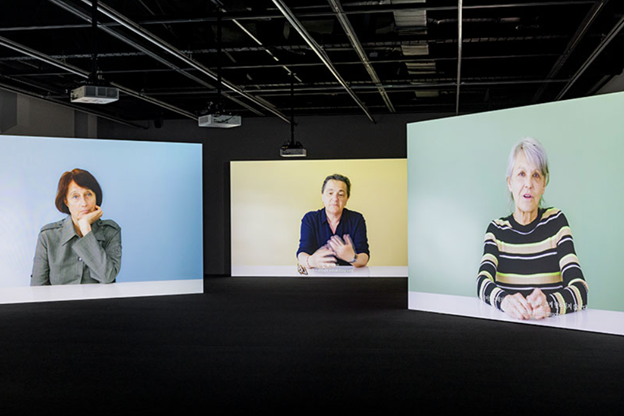
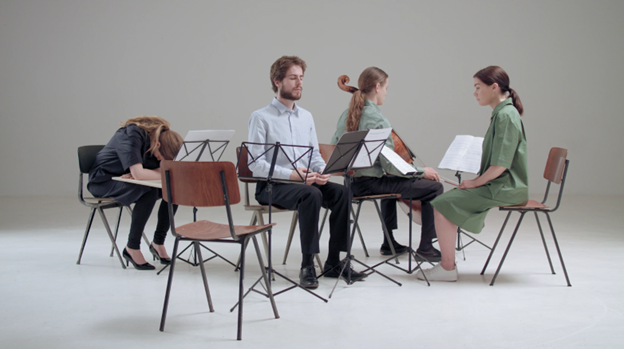
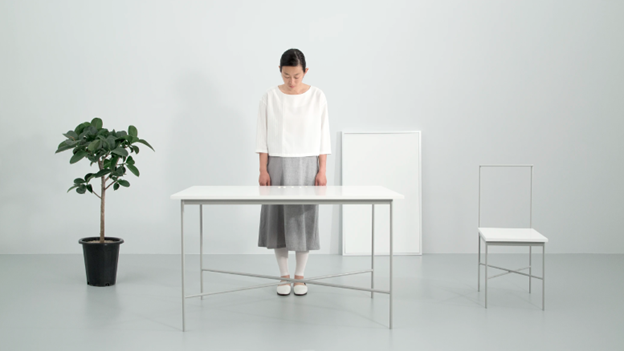
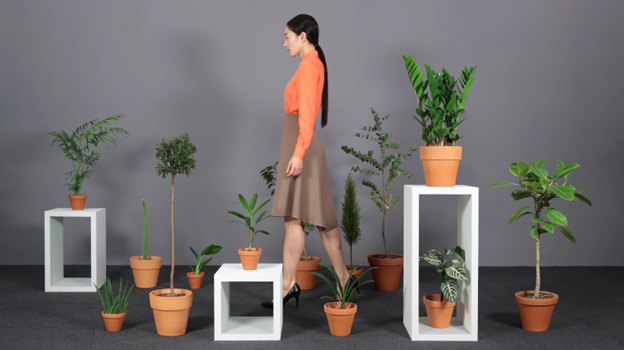
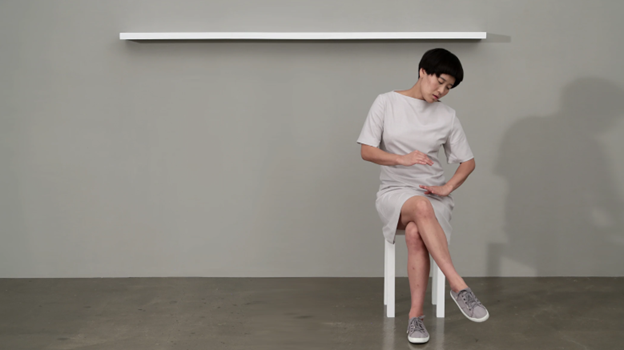
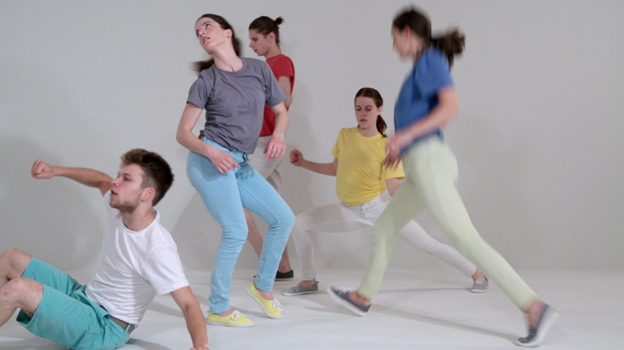
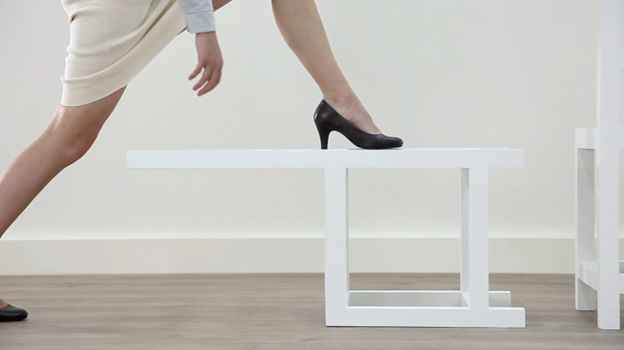
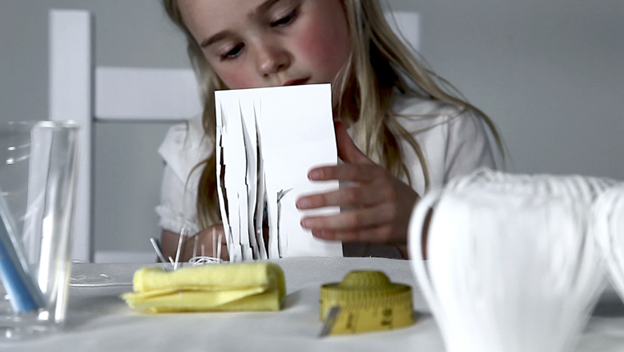
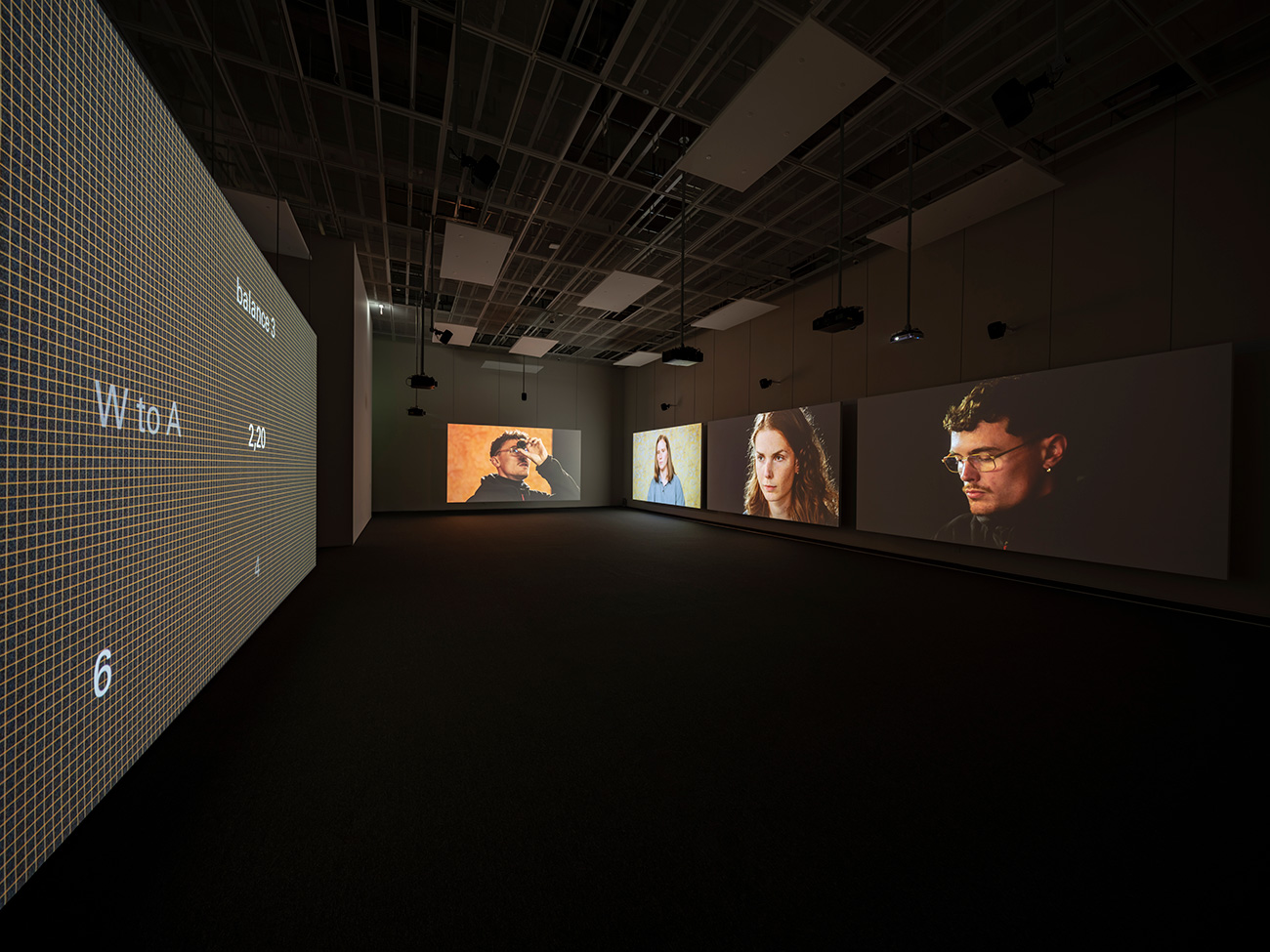
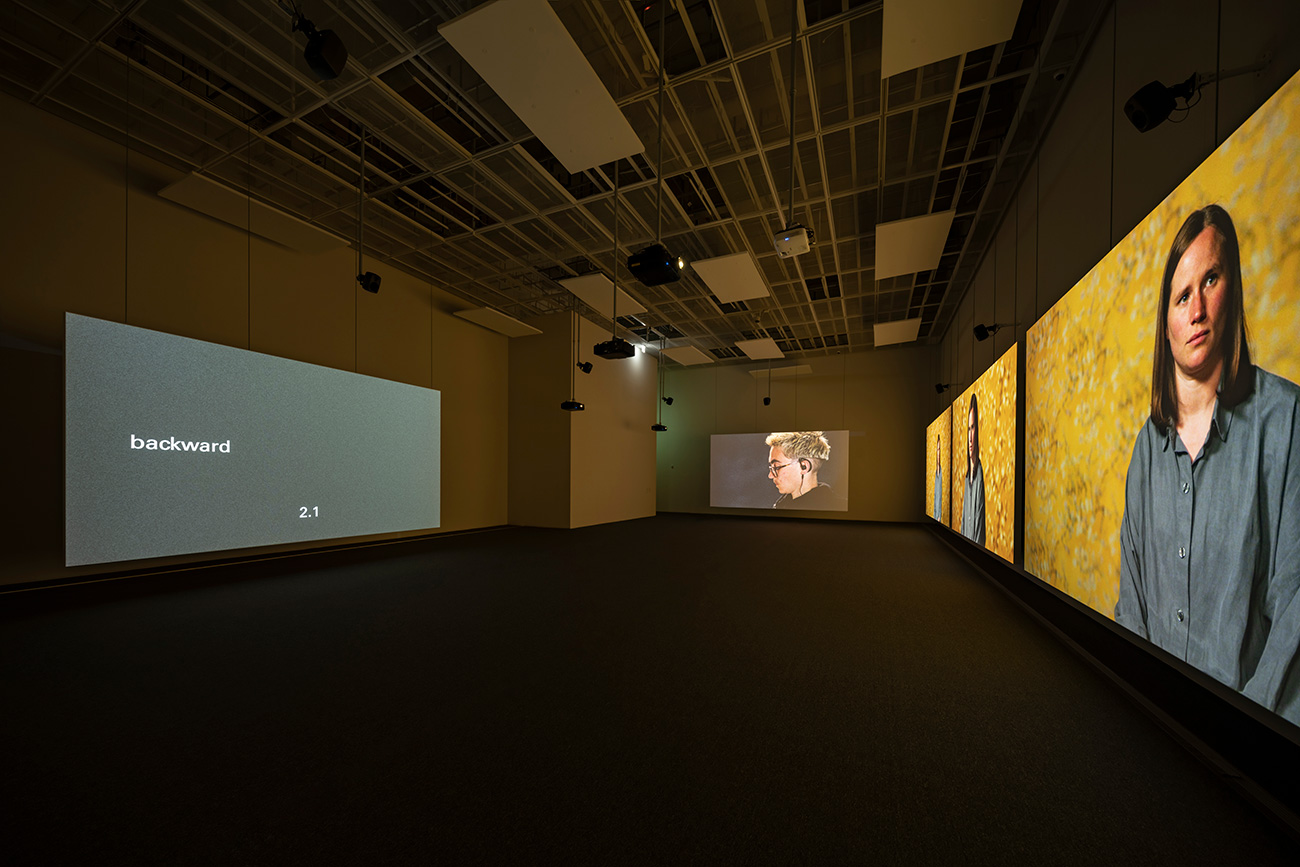
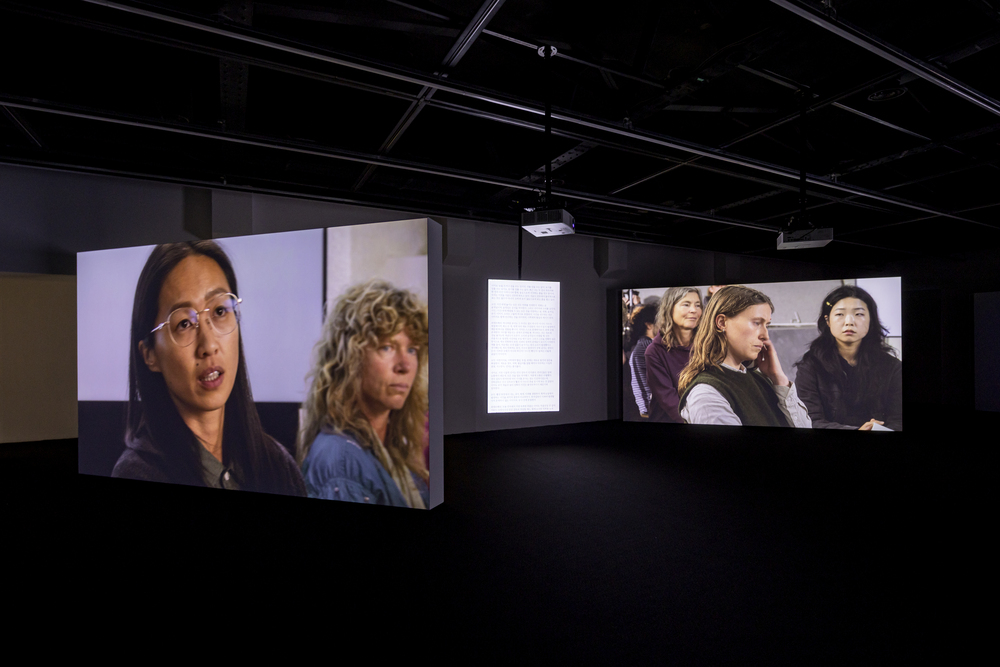
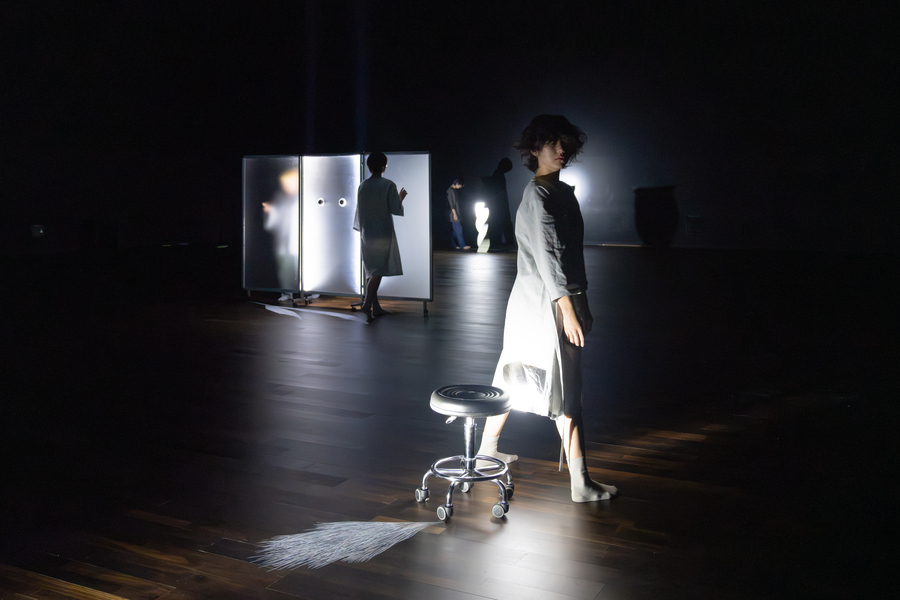
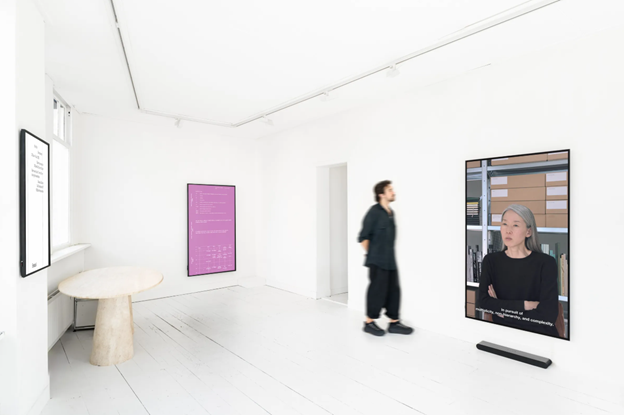
Accordingly, her video works, which may be characterized as “music sans sound,” simultaneously evoke nuanced tensions and aesthetic pleasures through a method of musical construction the artist deemed most efficient in controlling the performer’s movement and visualizing it into hyper-restrained, sculptural beauty.
Paradoxically, it is precisely from the moment the interference of chance sways the complete control compulsively pursued by the artist that her work becomes even more intriguing. Up until 2010, Oh Min’s entire modus operandi of filming, recording, enacting the performance, narrating the voice-over, composing, and performing the music was done alone.
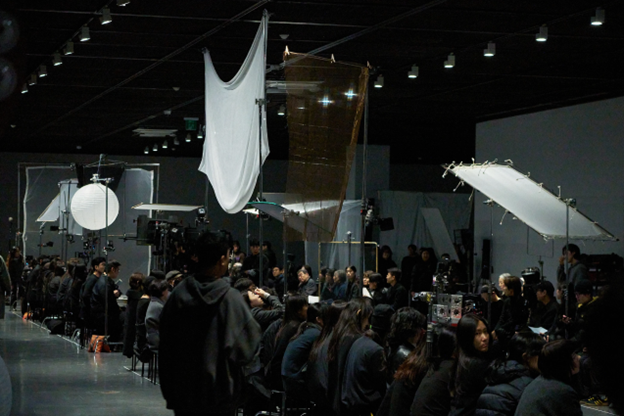
To “conceptualize” time and “compose it as material” for her practice-oriented experimentation, however, she needed a hand from experts working in genres other than time-based art. “Collaboration with others that require appropriate distance and balance while gaining new knowledge and skills” ultimately boils down to “questions about the desire and value of the artist.”
In other words, unlike a faultless performance that follows unilateral instructions, collaboration demands finding common ground by “relinquishing complete control to obtain new inspiration or discover the joy of broadening one’s technical scope.”
The sense of a temporary community developed by the artist, collaborator, and audience that withstands clashes and conflicts by enduring disparities and differences seems to have brought both a deepening mellowness and steadfastness to Oh’s work.
In her recent pursuit of “research and experimentation on the properties of time,” the artist “explores how the body senses, manages, consumes, and generates time” as she studies the structure and correlation between the presence of a performance and its video recording, which accumulates sound and images in crystallized time.
This leads to the artist’s tangible realization of the concept of time, generation of a sense of time through sound and images, or various questions around the material and form of temporal art. Though the artist’s concern may seem rather abstract, it can be inferred that this eventually touches the utterly practical dimension of life that is the (re)establishment of the relationship between oneself and the world and the (re)construction of quotidian sensibility.
Due to the restrictions to our time and space brought on by the COVID-19 pandemic, we realize that the sense of time and space familiar to us is, in fact, simply the outcome of having been accustomed to a certain social system for a long time.
From Oh Min’s practice-oriented work seeking new connections between heterogeneous elements, embracing both the tension of control and the flexibility of collaboration, and cultivating a new consciousness and sensibility that transcend existing frameworks and norms, her efforts to preserve the individual’s subjectivity within a massive social system are heartfelt.
By listening to her inner voice rather than jumping on the bandwagon or repeating existing discourse, she creates a unique methodology, the promise of which is the reason I am recommending Oh Min for the 2021 Korea Artist Prize, especially now that it has become self-evident that returning to a pre-COVID-19 world is impossible.
References
Ki, Hey-kyung, Hae-jin Pahng, So-yeon Ahn and Il-u Ju. 2018 Title Match: Lee Hyung-koo vs. Oh Min. Seoul: Seoul Museum of Art, 2018.
Pahng, Hae-jin. “A/B: Oh Min and Pahng Hae-jin in Conversation.” Okulo, vol. 3, 2016.
Oh, Min. Invitee, Attendee, Absentee. Seoul: Workroom Specter, 2020.
Oh, Min. Score by Score. Seoul: Workroom Specter, 2017.
Lee, Jeong-seon. “Oh Min, Experimenting With Musical Construction.” Hello! Artist, 20 December 2016, accessed 1 October 2021, https://terms.naver.com/entry.naver?docId=3580967&cid=59154&categoryId=59154.