Dream of Sleeplessness
“It is the sleeplessness that only suits the night, and the dream of sleeplessness, the problem of exhaustion.”
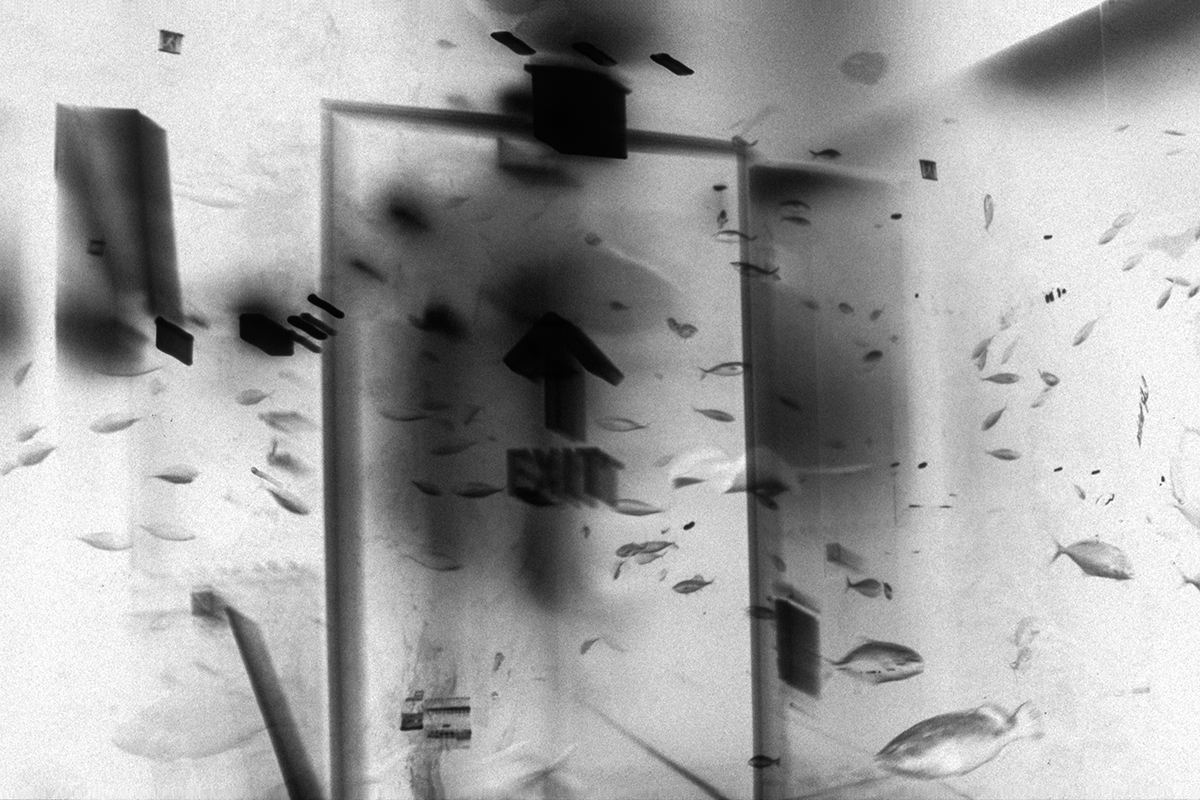
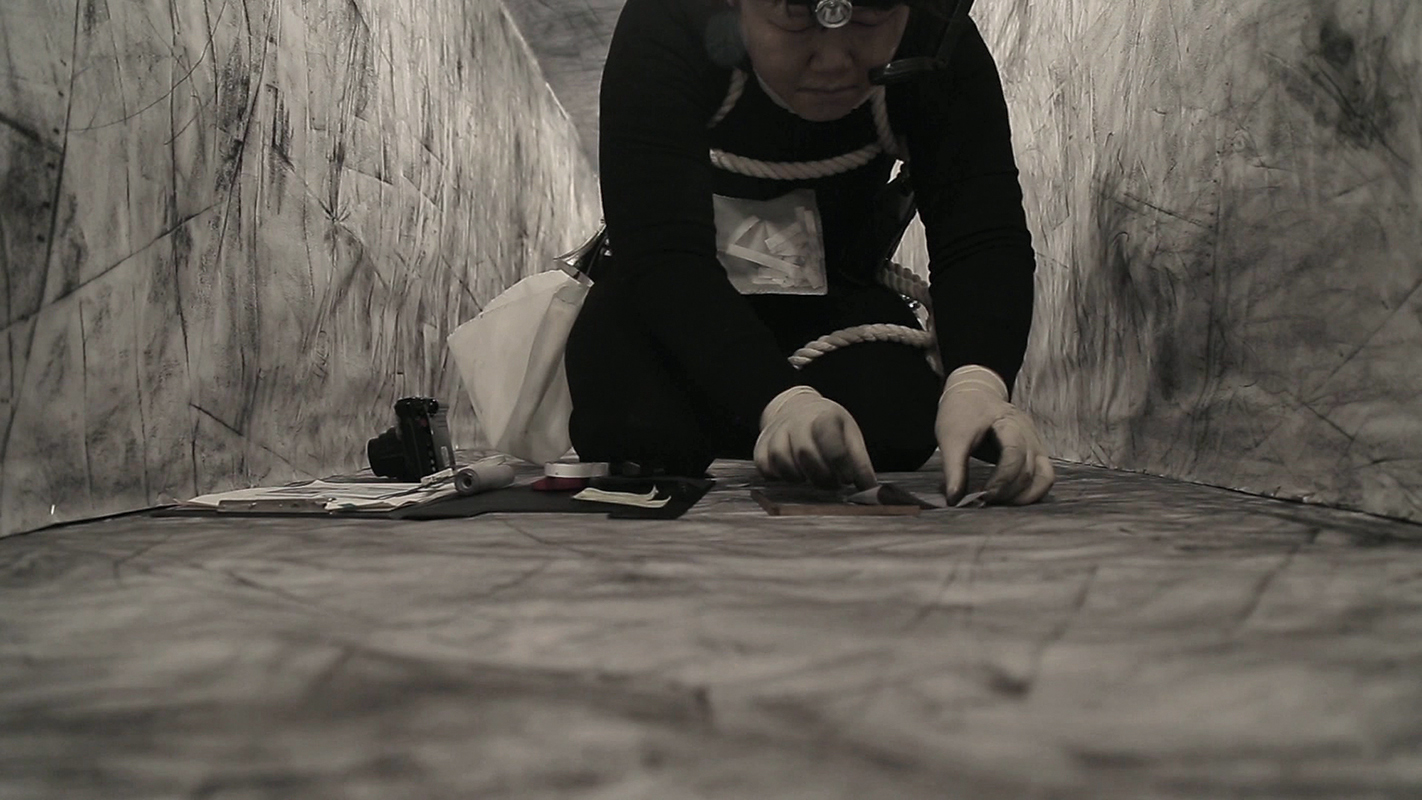
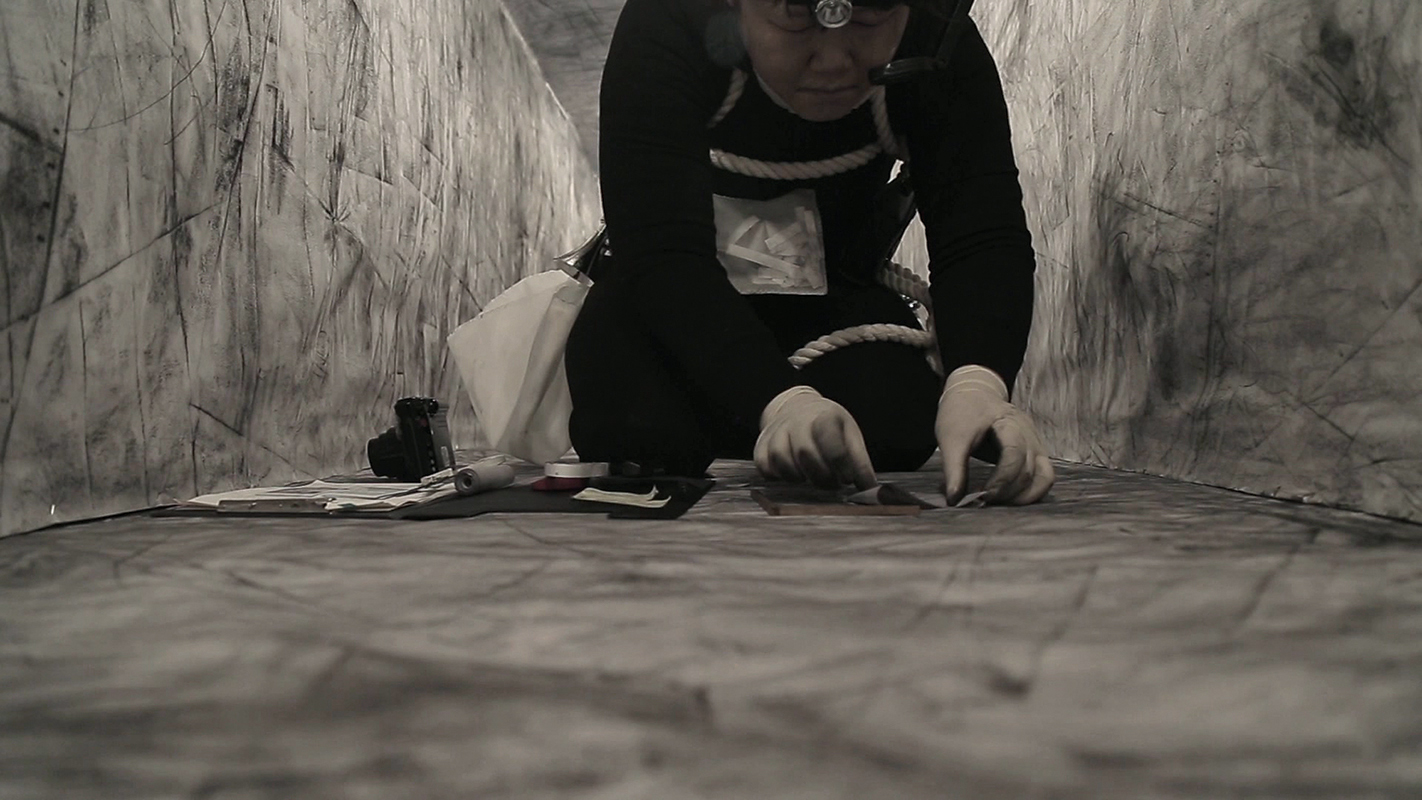
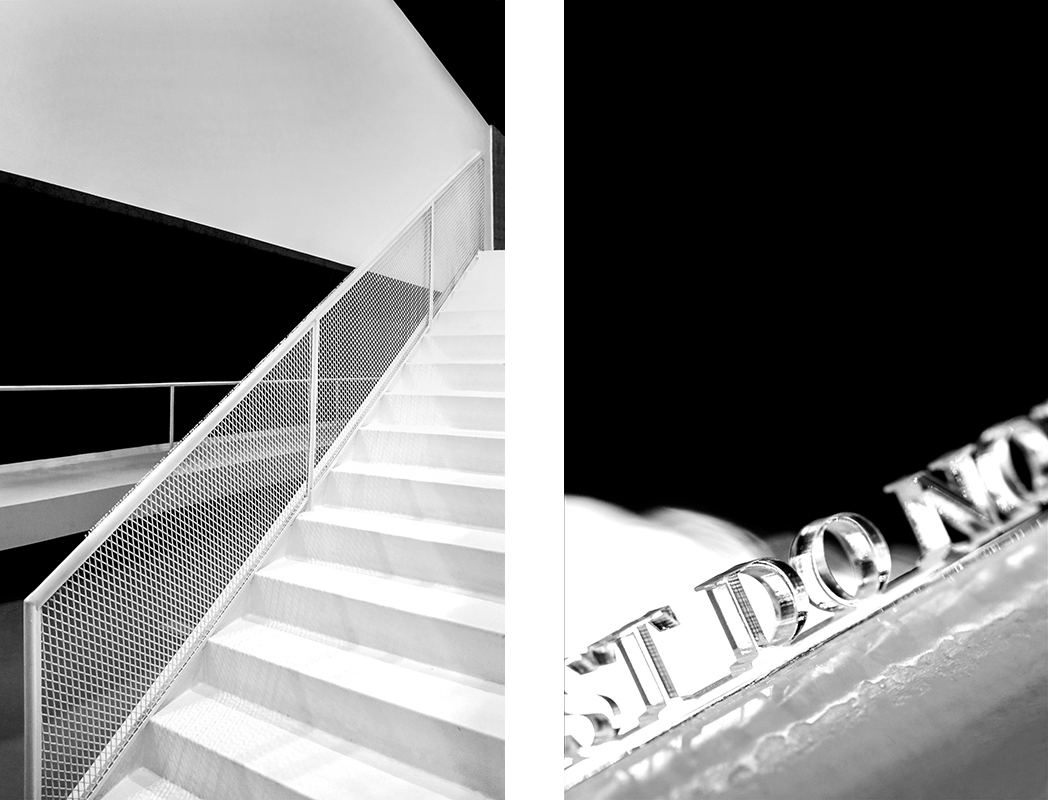
‘M’, appearing in The Last Sentence (2015), is a janitor of a narrow tunnel. S/he exists because of filthy things. Meanwhile, history of civilization is a record of processes that eliminate or annihilate excretion, pollutants, dust, etc. Maintaining sterile condition with no stain becomes the symbol of so-called success. ‘M’ is only allowed of the body, and has no personality.
S/he is a fictional character that Moojin Brothers created, but paradoxically seems close to a zombie that represents the present well. Zombies can be interpreted as the Western capitalism being compared to the man-eating cannibalism. In other words, zombies satirize the reality of market capitalism, leading to consumption for consumption.
Meanwhile, as opposed to comparing the birth of zombies to greedy capitalists, it can be interpreted as a cultural attempt to criticize the older generation and overset it. George Romero, the father of zombie movies, explains that it is “criticism of the civilization that modern capitalistic society caused, in other words, media, religion and even institutionalized family system or narrow-minded attitude of people that doesn’t accept others’ opinions.”
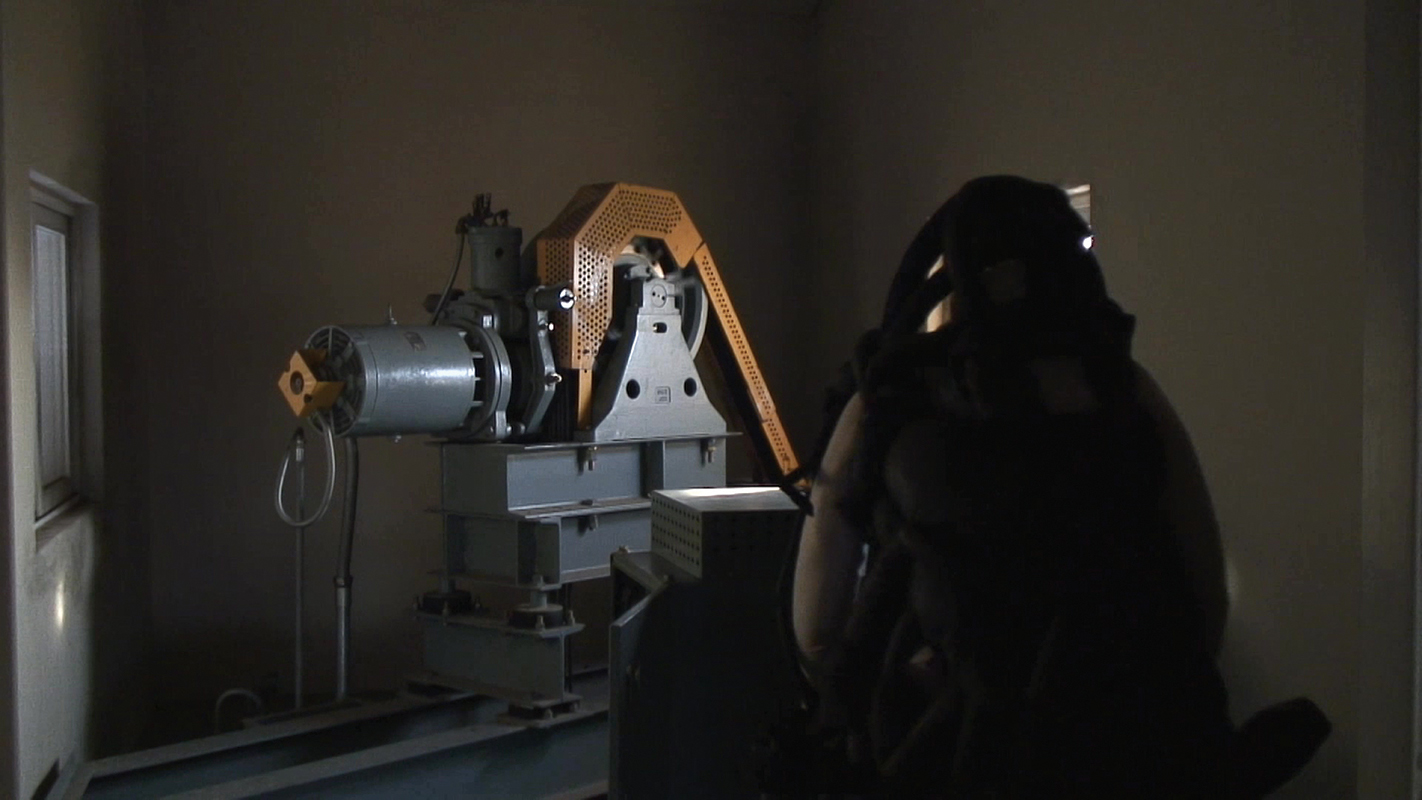
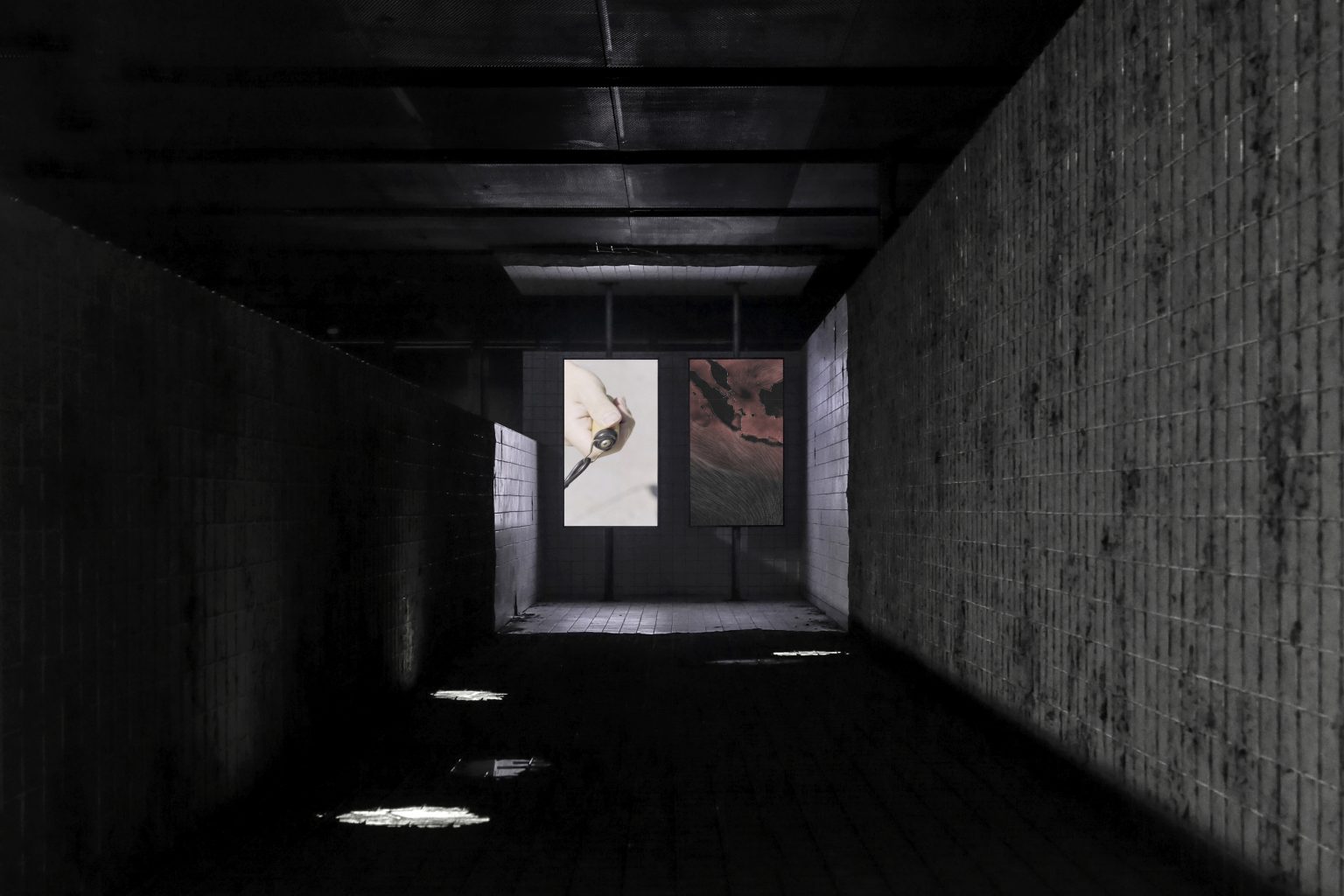
So, ‘M’ is closer to the latter. The character in The Last Sentence resembles the youth that circles the outskirt of city and can’t expand the world anymore. ‘M’ cleaning the narrow tunnel records unchanging past and present in the tunnel that shows merely no difference before and after cleaning. Then suddenly, it changes to the space of reality from the dark. The place s/he arrived at is the place that actual building janitors stay.
In the place where there is no warmth of life, there are objects that don’t go well with the placed. A bouquet of dried flowers, silver foam sheet, calender, animal-shaped metal sculptures are discrepant symbols. These objects that can’t be named don’t order anything. Symbols helplessly glide out of the screen. ‘M’ heads back to the tunnel. The actor/performer ‘M’ doesn’t express any kind of emotions.
S/he only moves and acts according to the given flow. S/he doesn’t feel uncomfortable about dirty things, doesn’t panic after seeing objects that resemble organs, records according to the manual and slowly moves forward. S/he is stuck in a dead end. The only action permitted is moving forward, making a detour and coming back.
The generation that is allowed of wandering, it emphasizes the life that can’t stay, but doesn’t signify freedom. However, The Last Sentence can’t be interpreted simply as the analogy for reality. The Last Sentence portrays the youth that experience the symptom of the era where the flickers of life disappeared, but doesn’t just blindly reenact pessimistic future.
Rather, Moojin Brothers use up all the remaining hope to seek the exit. As the women divers rise above the water after using up all the oxygen, they are using up every possible things that still remain to seek the possibility in the future.
Deleuze stated that Kafka and Beckett’s art both had dreams while awake. Kafka exaggerated what is impossible in reality as much as possible to create a fiction that seems real, and Beckett completely eliminated what is possible in the dream.
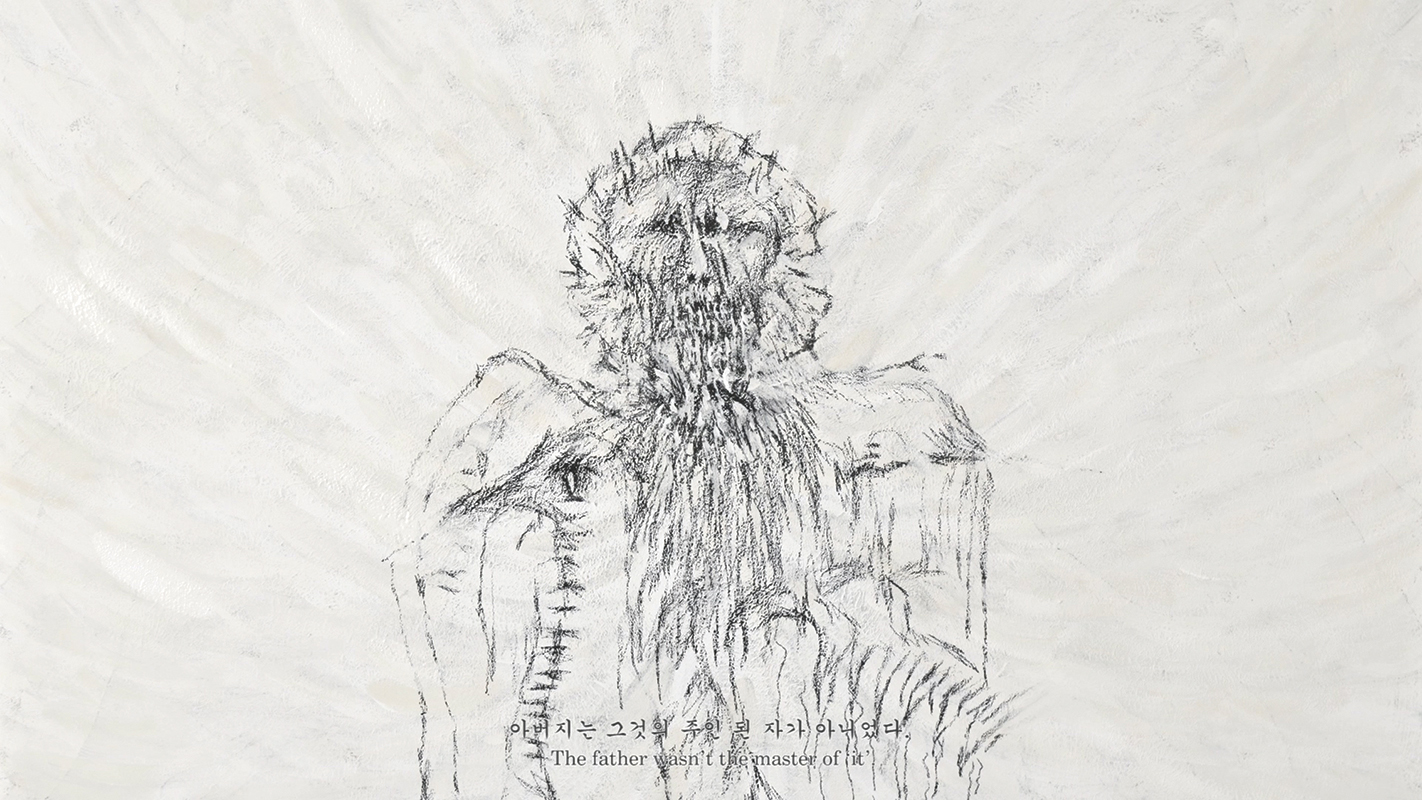
Odradek (2012) is the video that produced the mysterious existence/nonexistence, Odradek, in Kafka’s short story “The Cares of a Family Man,” and recorded passing through the middle of the night, dragging this object/life. The story describes two different opinions on whether the origin of the word Odradek is Slavic or German that was affected by Slavic. Slavoj Zizek cites Lacan and explains that Odradek is libido that is virtually an organ.
An “undying” organ without the body. Which means, according to Lacan’s interpretation, Odradek is the figure of father’s agony, rather than the father himself. Similar to the idea of zombies, Odradek doesn’t die and wanders around. It isn’t clear whether his agony is realistic or metaphysical. I would speculate that it would be close to Kafka’s existential question.
Odradek’s wandering seems to ask if we are going to free ourselves as humans and own our lives, or live only with the instinct, without the body. This also is the question asked throughout Kafka’s stories, including The Metamorphosis. Moojin Brothers throw in an uncertain impersonal being, as if throwing a dice into an irrational reality.