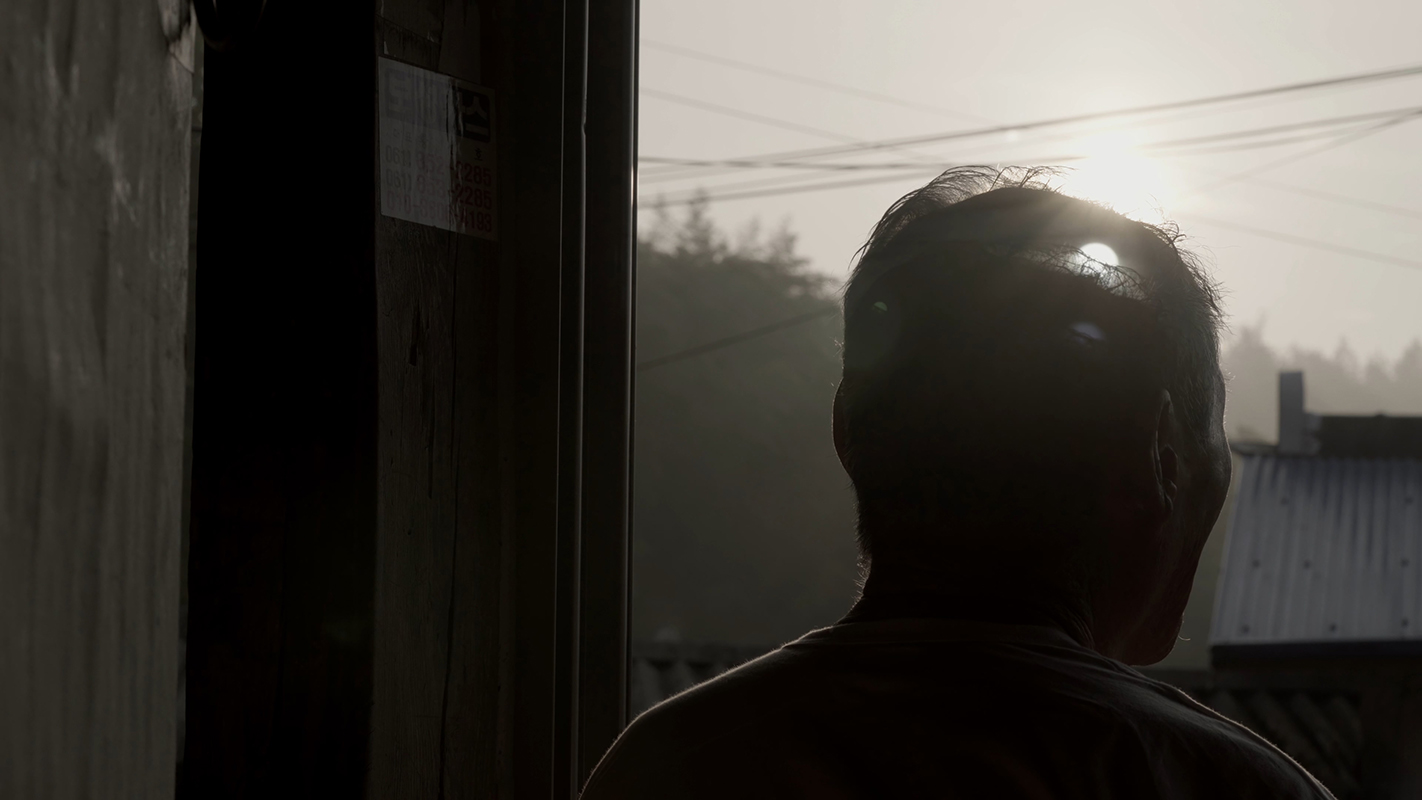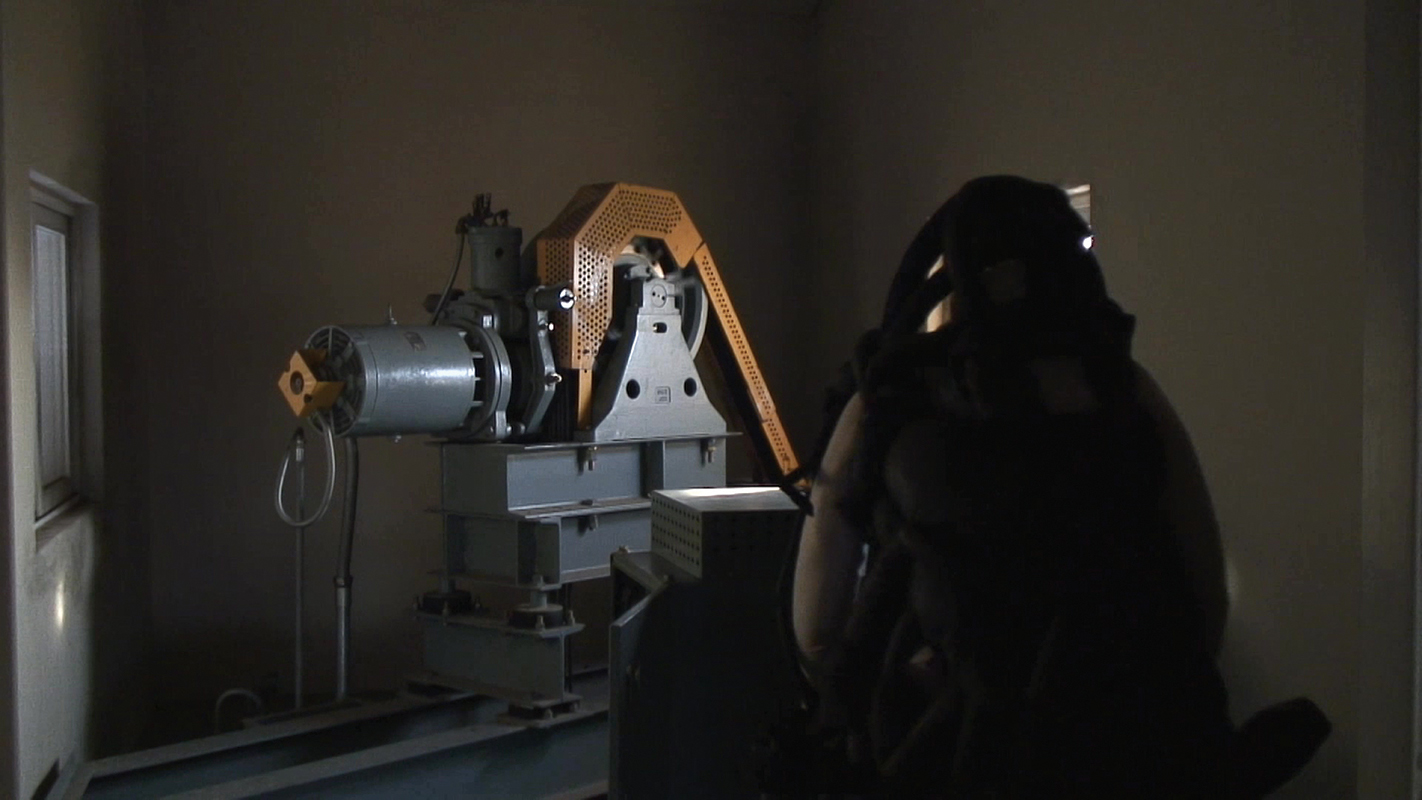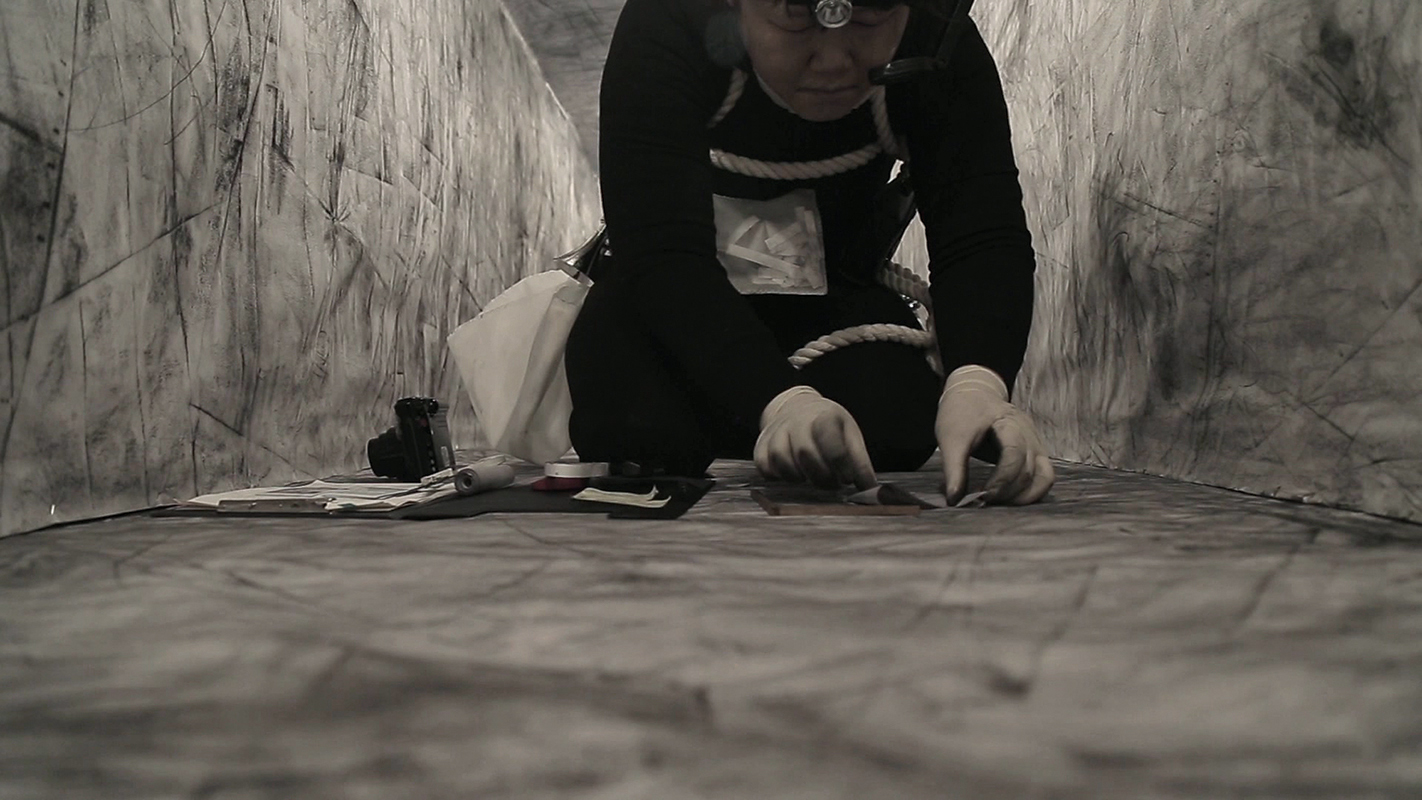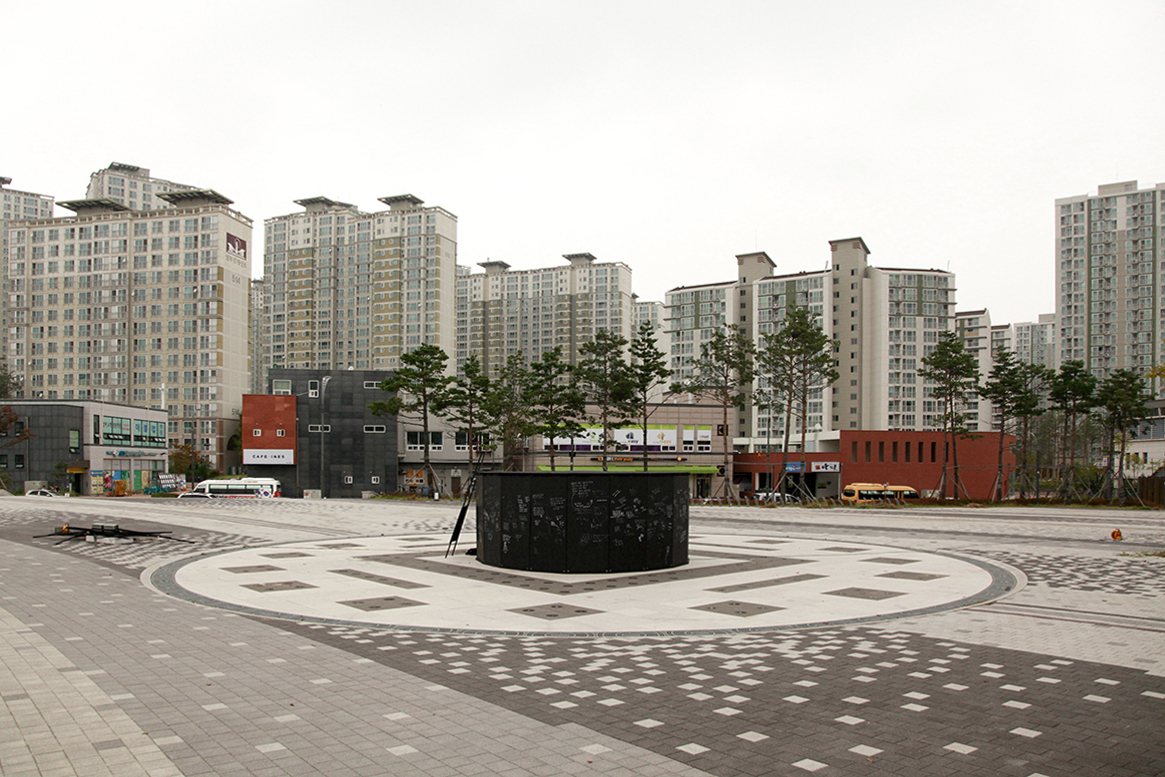

British video and installation artists Jane Wilson (52) and Louise Wilson (52) are twins. Celebrating the 30th anniversary of their collaboration this year, the sisters describe themselves as “one artist made up of two people.” After all, blood runs deeper than water.

“Had we not worked together, we would never have come this far. It is not only the familiarity that comes from being able to continue working and talking within the same space, but also the drive that comes from constantly challenging one another.”

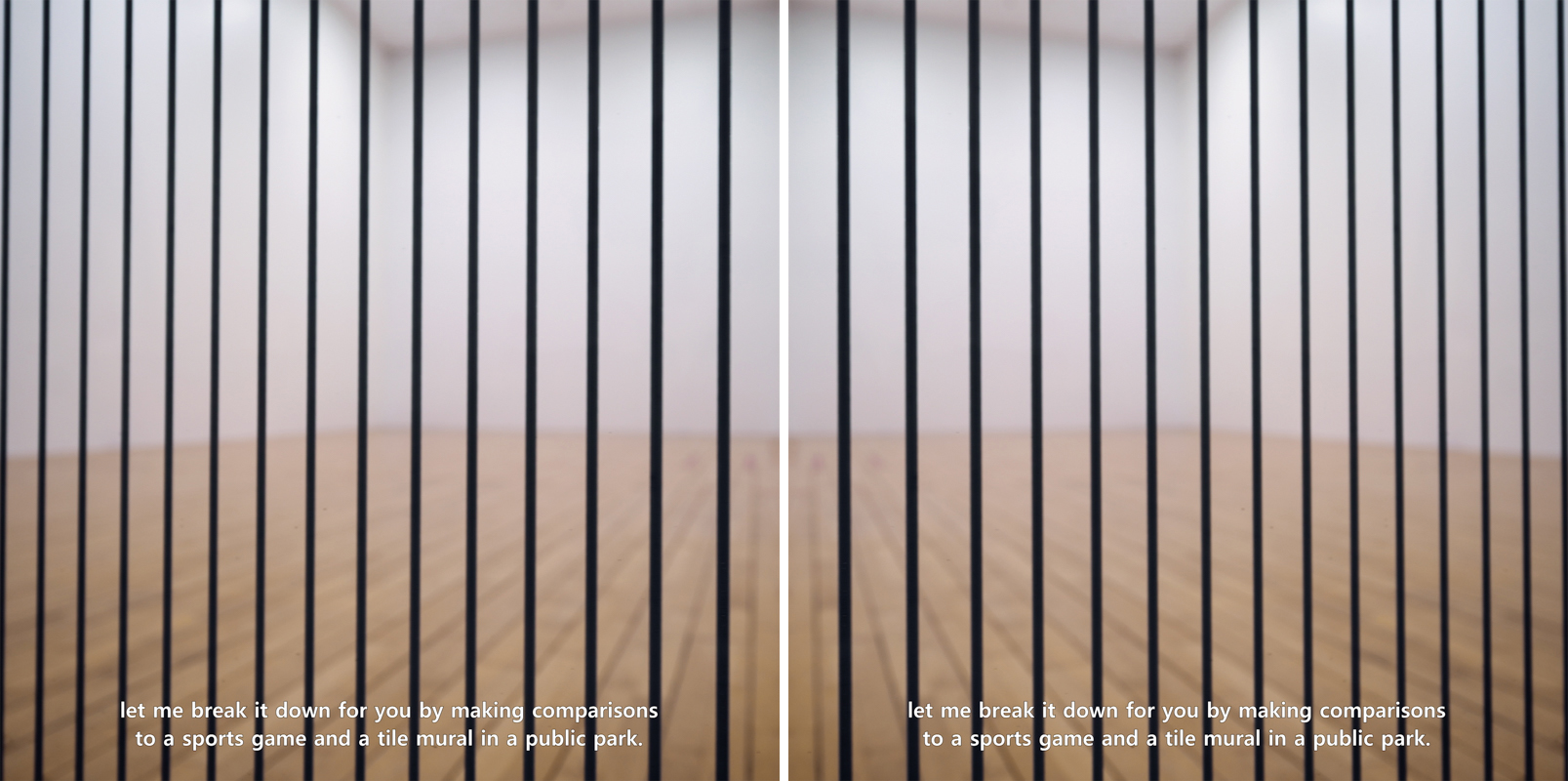
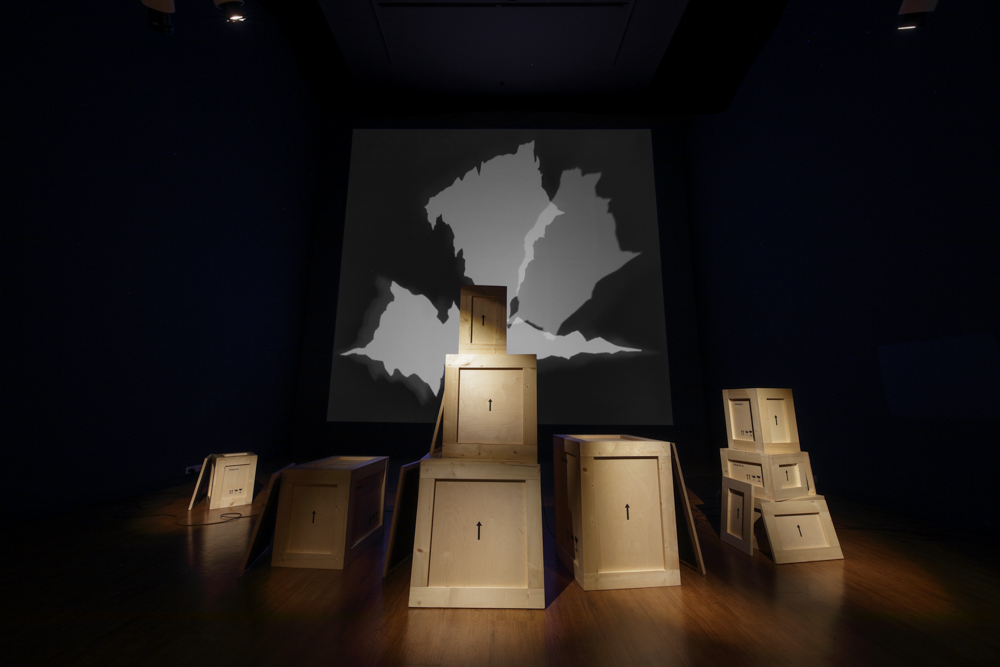
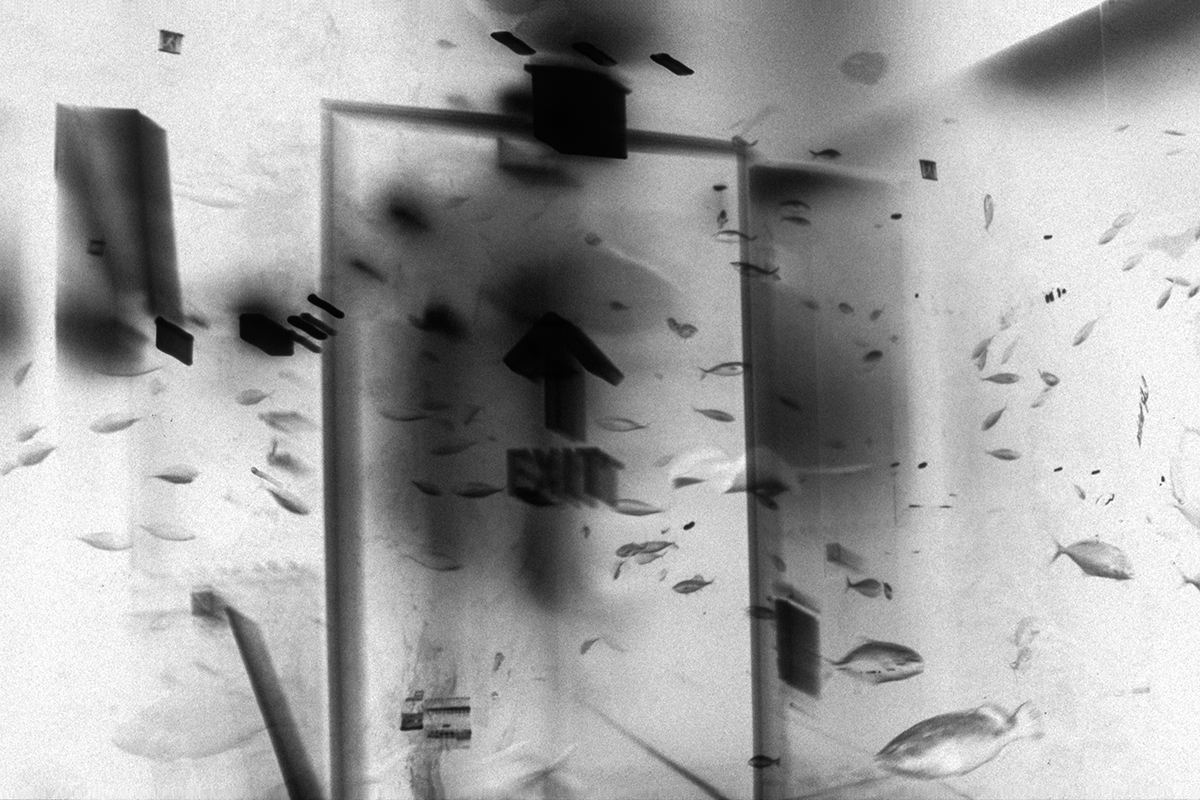
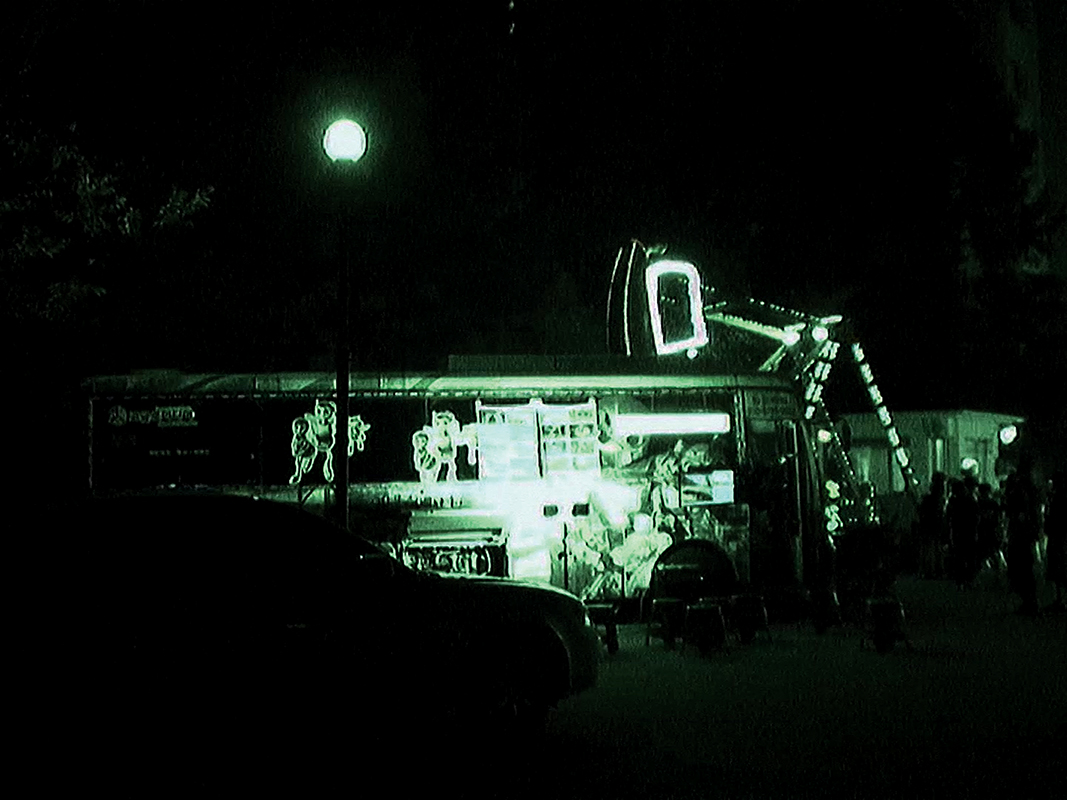
Collaborative practices among siblings are increasingly visible in the art world. Jane and Louise Wilson were invited to participate in 《The Security Has Been Improved》, a special exhibition on view at the Coreana Museum of Art in Seoul through July 6, where they presented the eleven-minute video installation Face Scripting: What Did the Building See?.

True to their identity as twin artists, the work focuses on facial recognition. Based on CCTV footage released on YouTube by police following a hotel murder case in Dubai in 2010, the work raises questions about security and surveillance. Through simple facial makeup, the twin artists disrupt digital facial-recognition systems, carrying out what they describe as an “attack on form.”

French painters Michael (43) and Florian Quistrebert (37), who describe themselves as brothers, remark that “the fact that we grew up in the same household sometimes overrides our completely opposing personalities.”

The duo, who are holding their first solo exhibition in Korea at 313 Art Project in Seoul through the 18th, explained via email that “the older brother initially followed the trend of forming artist groups influenced by the relational aesthetics of the 1990s and 2000s, but grew weary of the exhausting debates among members who were not related by blood. When his younger brother entered art school, they decided to work together.”

For works such as the 'Overlight' series, which maximizes the effects of light by pouring dough-like material onto canvas and applying automotive coatings that change color depending on the viewing angle, every decision—from color and the number of light bulbs to the type of material used—must be discussed collectively. “Collaboration is a process of finding balance between two different temperaments in order to discover something new.”


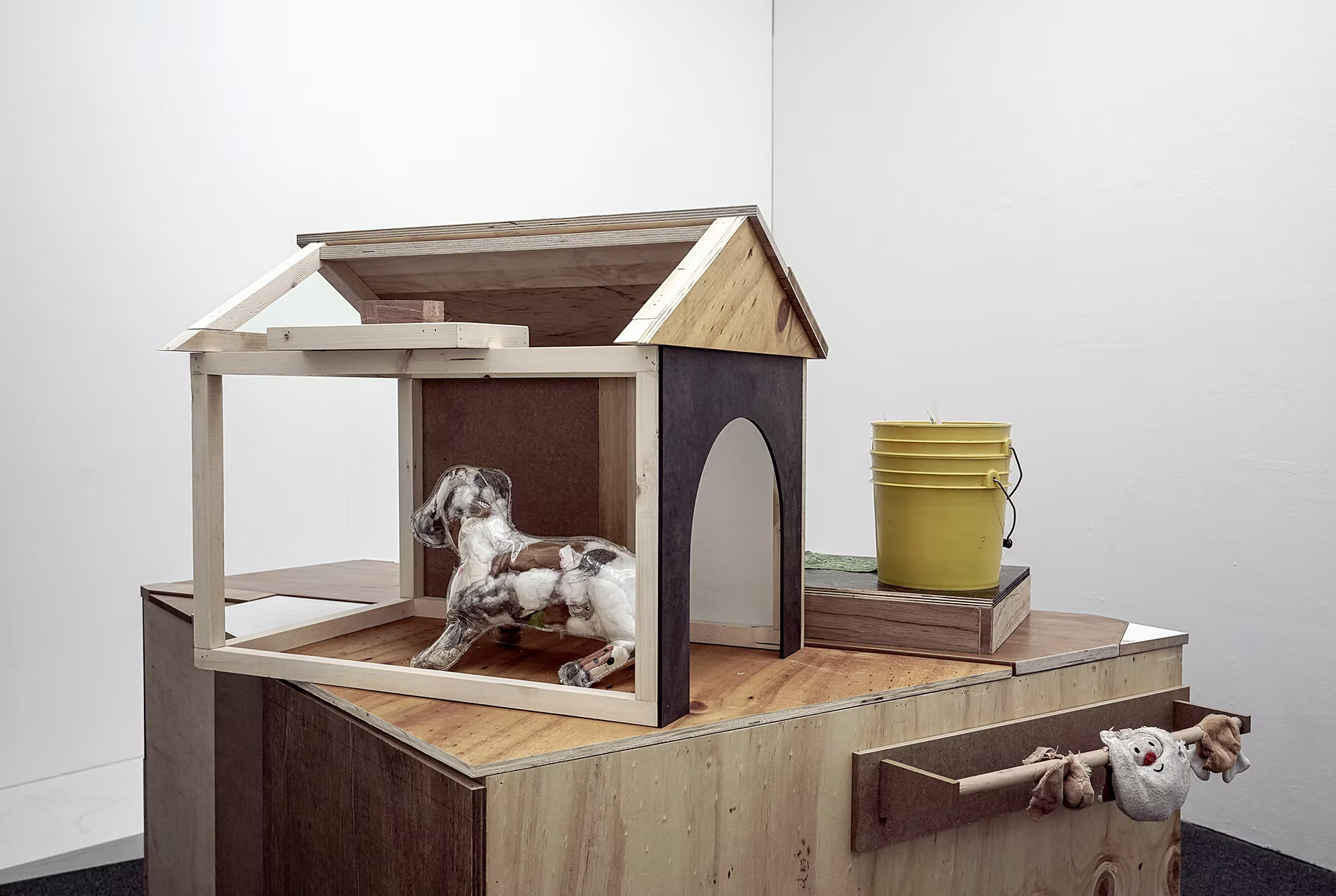
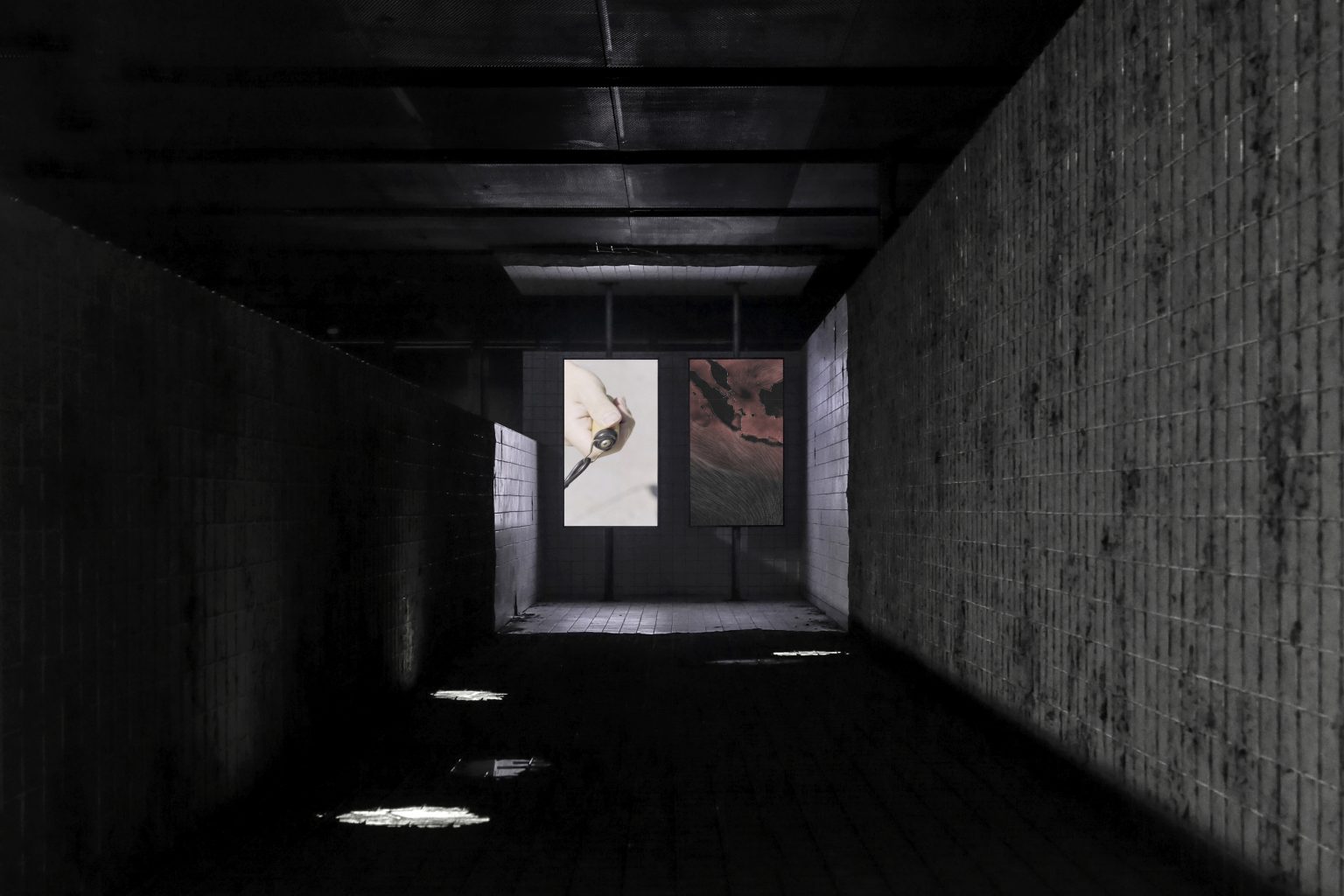
Moojin Brothers, The Door into Summer, 2018 © Moojin Brothers

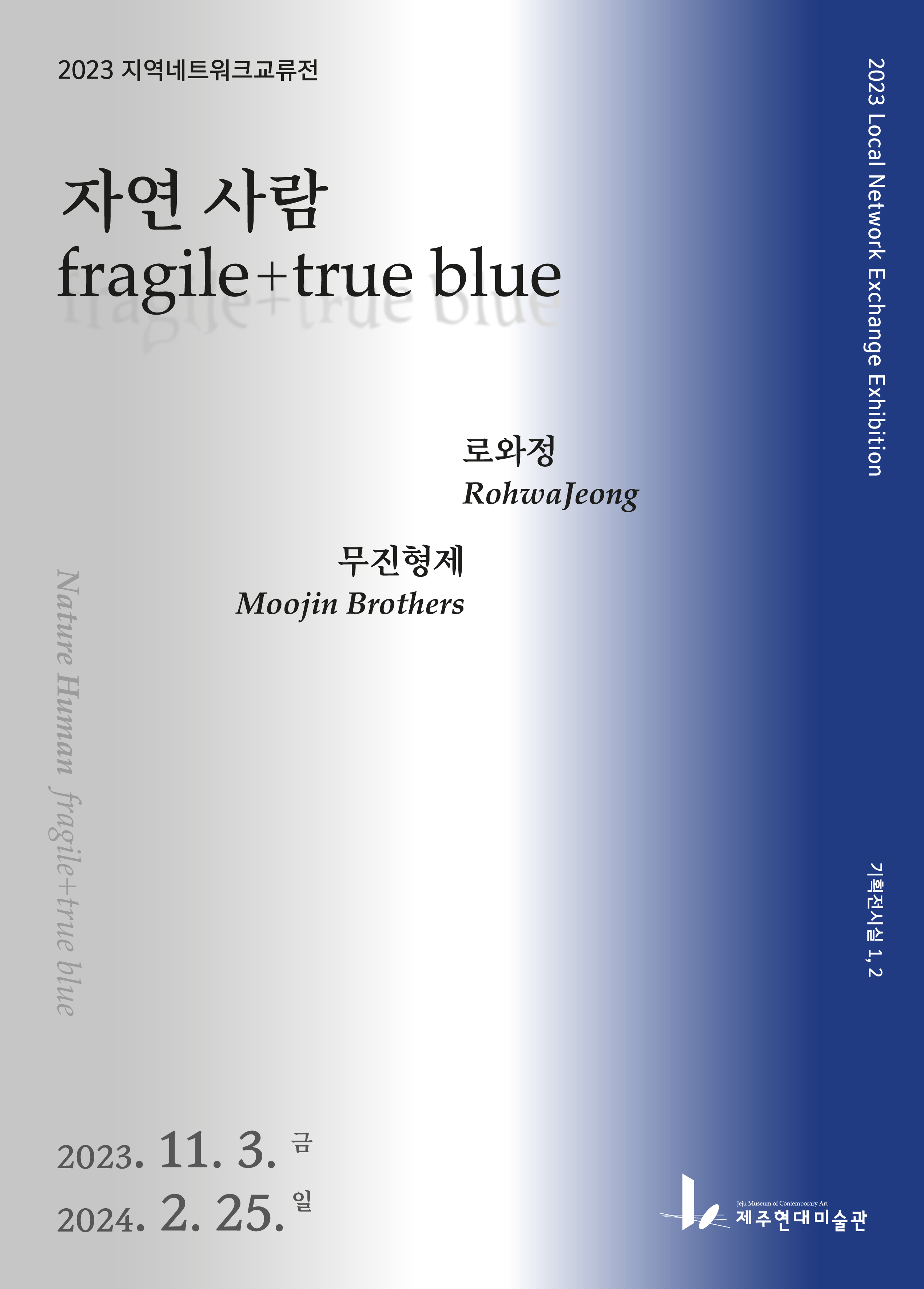
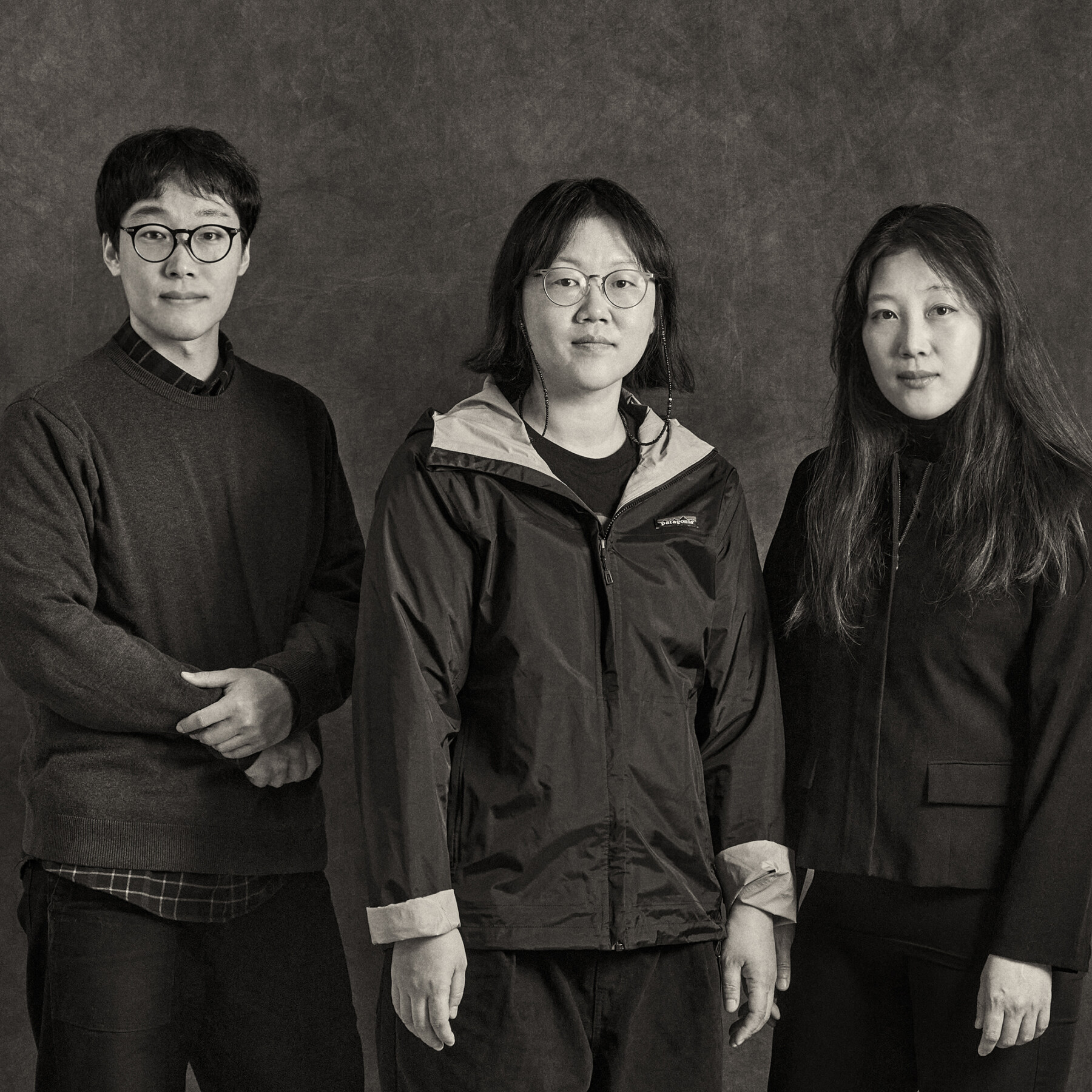
The Korean media artist collective Moojin Brothers is not made up of brothers, but of three siblings. Defying expectations from the very name of the group, they were selected last month as the inaugural recipients of the Korean Video Art Production Award, jointly organized by the Han Nefkens Foundation and Buk-Seoul Museum of Art.

The collective was formed in 2011 by Mujin Jung (40), who studied creative writing, Hyoyoung Jung (36), who studied sculpture, and Youngdon Jung (31), who studied photography, with each member taking on a different role within the group. Youngdon Jung explained, “My older sister had to make a video for a university assignment.

At the time, my eldest sister operated the camera and I appeared as an extra. That experience became the starting point of the group. We felt that by combining our different interests, we might be able to create a new visual language.” Their work The Door into Summer, presented last year to critical acclaim, consists of two screens: one showing a boy skipping rope in a park and the other displaying a global weather map.

“I have a high-school-aged cousin who does nothing else consistently except skip rope 5,000 times every morning. It may seem like a monotonous, repetitive exercise, but if you look closely, the trajectory of the rope is different every time. Seen that way, a moving individual, a moving planet, and the movement of each passing day are not futile. We continually seek to discover meaning in the ordinary things around us.”

For that reason, they cannot afford to overlook the people closest to them.

References