When a Romantic Traveller Encounters Reality is the title of an essay that Ji Hye Yeom penned for a class while studying abroad. The essay reflects on the subject of traveling by visiting the layered discourses and ideologies that relate to traveling and migration, from romanticism to imperialism, postmodernism and globalism. The ultimate question that the artist asks however is whether “a romantic traveler can face reality whilst maintaining his/her romantic view point.”
Although traveling, which begins from a desire for the new and an escape from daily life, delivers hints of modern notions of romanticism, the economic privileges required for transportation as well as the effects of Orientalism that is derived from a history of Western imperialism tend to objectify the foreign land into a mere attraction.
As an international student, a residency participant, and a traveler, this issue is one of the primary concerns for the artist when working with the subject of the Other and a foreign land.
Until recently, whether it took the form of direct experience or the form of a spectator’s point of view that observes daily objects from different perspectives, traveling/displacement was one of the main subjects of Yeom’s body of work. Yeom’s work is largely divided into ‘before’ and ‘after’ 2014.
The former works are site-specific and premised on physical transfer, while the latter works escape from physical travel to actual sites and point toward indirect experience through contemplation. In her early work, Yeom often appears as an outsider/alien while she communicates with the locals.
In Search of a Mysterious Traveller’s Face (2006–2011) is a video that depicts locals who Yeom met through her travels and residency programs (mostly from Ghana and Iran) as they sketch the artist’s likeness. During the project’s span of 6 years Yeom has collected around 150 portraits—the final portraits are not often revealed on screen.
What are displayed instead are the individual faces that belong to people who, either amusingly or seriously, carry out a stranger’s unexpected request. Another work titled Solmier (A Foreigner) (2009) focuses on Ghana, a country where the artist once stayed for a residency program. In this piece, the foreigner (the artist), whose head is covered with bread and therefore cannot see, gropes around the street under the guidance of a local.
The gesture mirrors the situation of a traveler in a new chaotic place, and the work concludes when children extort the bread that is attached to the artist’s head. The basis of the work is a traveler’s sense of guilt. The power of the gaze, which is divided into the viewer and the viewed, economic inequalities between those who can leave and those who can’t, and the violence of observation in which voyeurism and fetishism ensue whether intended or not—these are the motivations for the works.
In In Search of a Mysterious Traveller’s Face, the normally one-directional gaze of the traveler towards the native transforms itself into an oddly interactive one. The primary observer here is not the traveler but the native who stares at the outsider (the artist) in order to draw her portrait. Bread around the artist’s head in Solmier (A Foreigner) is a metaphor for the way a traveler from a developed country perceives the Third World (or the Third World’s viewpoint upon the traveler).
Whereas the traveler takes pity on the deprived locals and regards them as people whom s/he should have mercy upon, the locals in return rather than beg for mercy only show jaded interest in their money.
The artist, who barely finds her way and is dependent upon the kindness of locals, is in the end blackmailed (the local children do not beg for the bread, but appear more like condors who wait for their prey to die out in order to devour it up)—this situation subverts the common hierarchies relating to traveling.
However, the complicated dynamics surrounding the traveler and the act of traveling do not allow the work to remain a mere humorous subversion. A certain sense of hesitation lies underneath the two works. In Search of a Mysterious Traveller’s Face documents the drawer’s face with a fixed camera and the technique of the long-take.
Furthermore, it minimizes the editing by simply connecting the footage. This method of directing is chosen in order to avoid the sense of objectification when using professional equipment, and to establish and maintain equal status between the subjects. Nevertheless, a method of directing that suppresses the producer can result in making the subject rather unclear and ambivalent.
In these works, interaction between the local and the artist is abstract and vague. As the footage does not reveal the result of the portrait, we cannot culturally compare how the locals recognize a stranger with a different body (in In Search of a Mysterious Traveller’s Face), or ascertain how the relationship between a colored female traveler and the locals in the Third World is different from the relationship between a typical white male and the locals (Solmier).
If the artist was a white male, would the perception of the local children making fun of the artist be somewhat reduced? If people in the video who are mostly women and children were transformed into male viewers, would the perception of a sexualized gaze subvert the inverted equilibrium of power again? The dilemma of Yeom’s early works, which discuss displacement and the difference, lies in this abstraction of the subject.
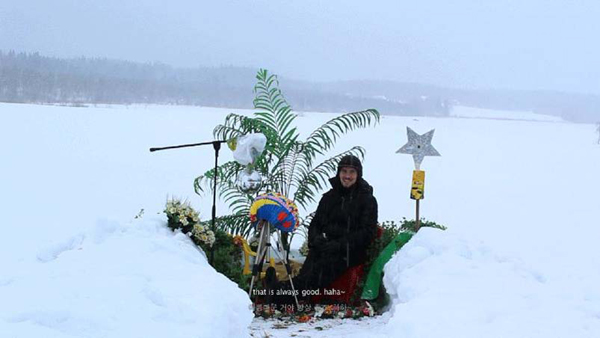
In the artist’s work, the importance of migration and exile lies in a difference in origins (somewhere else she doesn’t belong), but the inevitability of its specific location is weakened. The TV producer’s desired land of migration, one who talks about a utopian fantasy of a warm southern country while sitting in the middle of a snowfield in Finland, does not necessarily need it to be, say, Australia, but anywhere that has a different climate and English is understood.
In works that deal with differences in language and its consequential distances such as The Conversation with My Dear Thief in a Borrowed Tongue (2007), or Latvian Lesson (2012), what is significant is the fact that they are not one's mother tongue. Therefore, what kind of language doesn't affect the work that much; it can be Arabic, not necessarily Latvian.
In this sense, I feel the need to clarify the existing remarks, in that the physical travel to a specific place is crucial in Yeom’s work. It is true that the expectation and disappointment that follows migration, and the difference and distance caused by these transformations are premised on physical transfer.
However, the main point in Yeom’s works is not in the site-specificity of the altered location but in the abstract notion of the act of leaving and its resultant gap. Though different in its method, the universality of migration in which its specific location does not matter seems to operate as a limit to the artist as well.
Yeom states that the discontinuity that comes from difference has no significance once traveling became a part of her life while wandering around foreign residencies in places such as Ghana, Brazil, and Finland. Therefore she thought that if any place were not so different, then returning to Korea was not such a bad idea.
After her return to Korea in 2012, and by the time she had settled down around 2014, changes to Yeom’s thoughts on migration, the accumulation of undigested thoughts and repetitive patterns in her early works, seem to have generated changes in her work.
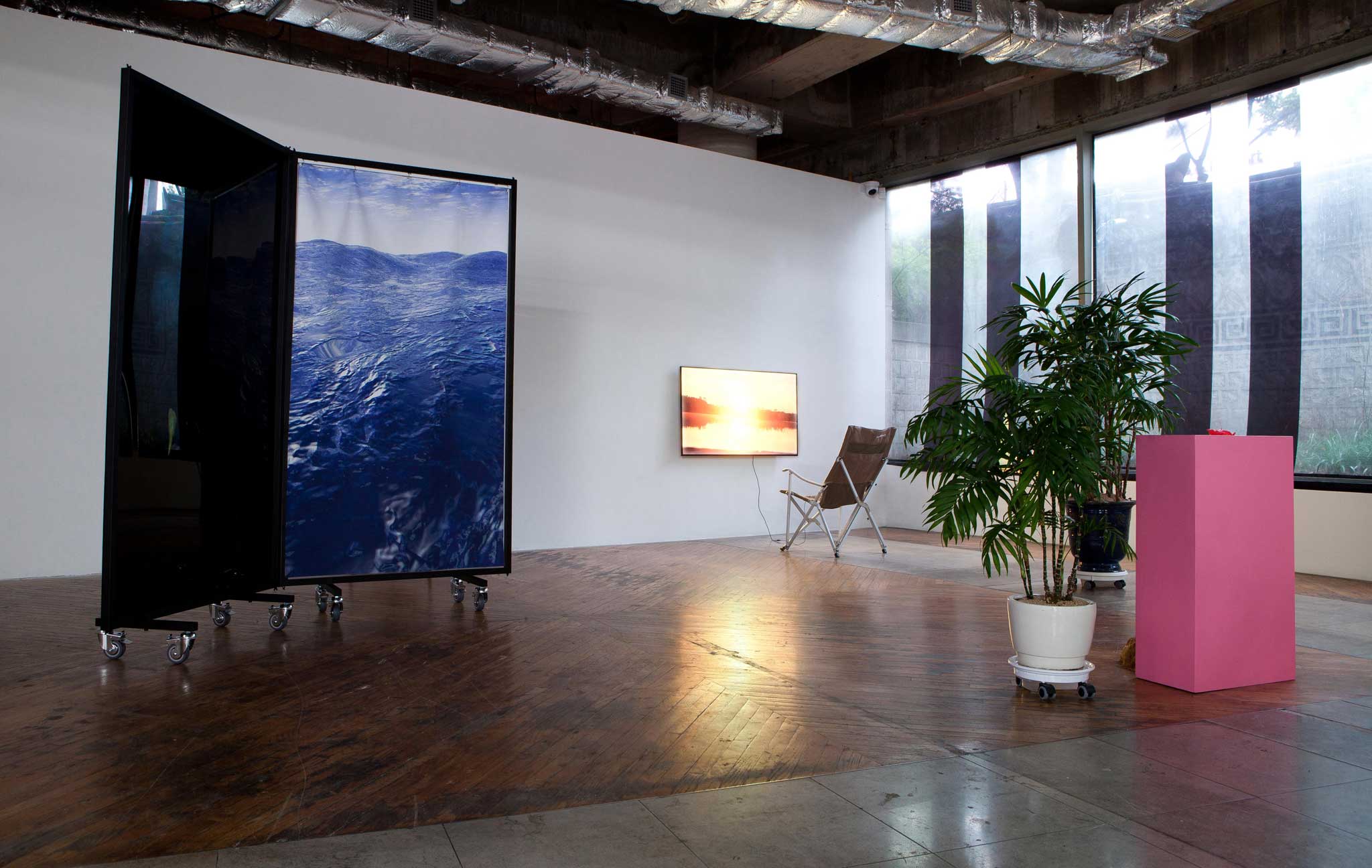
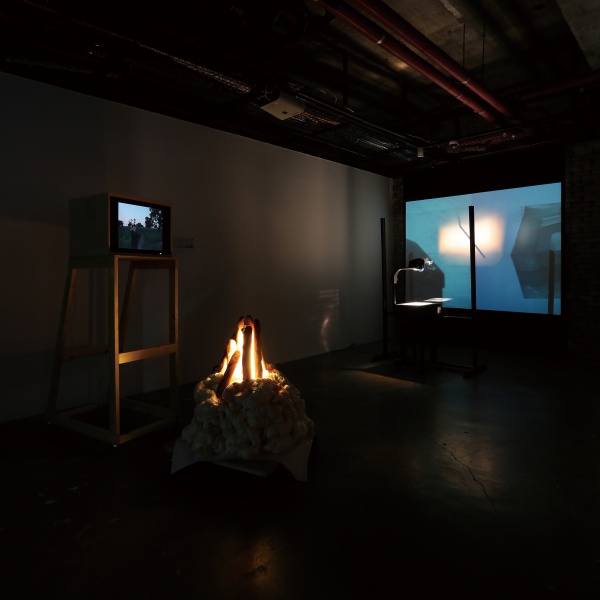
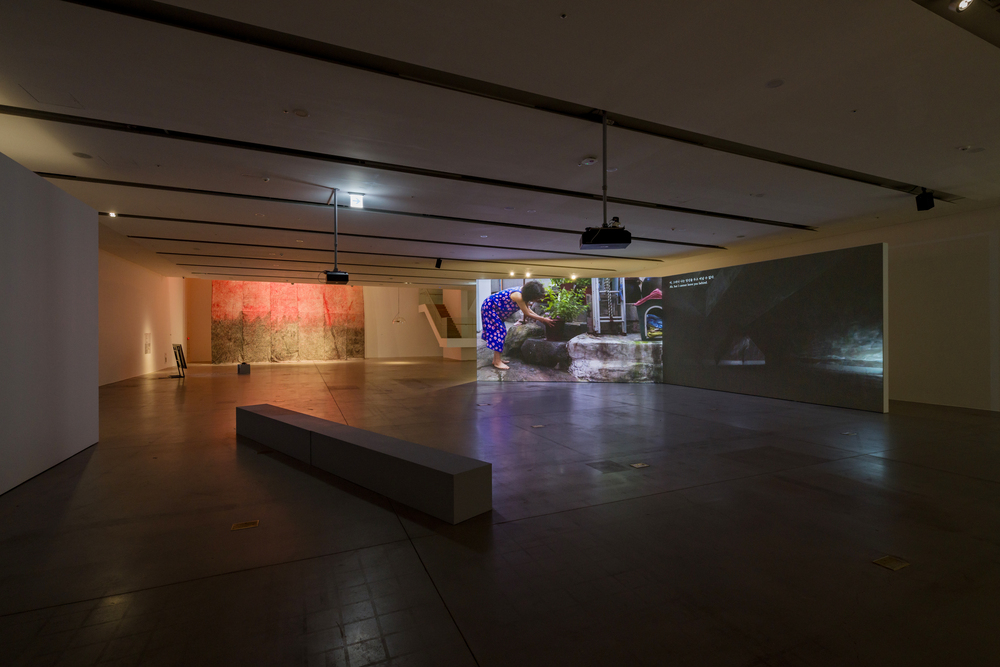
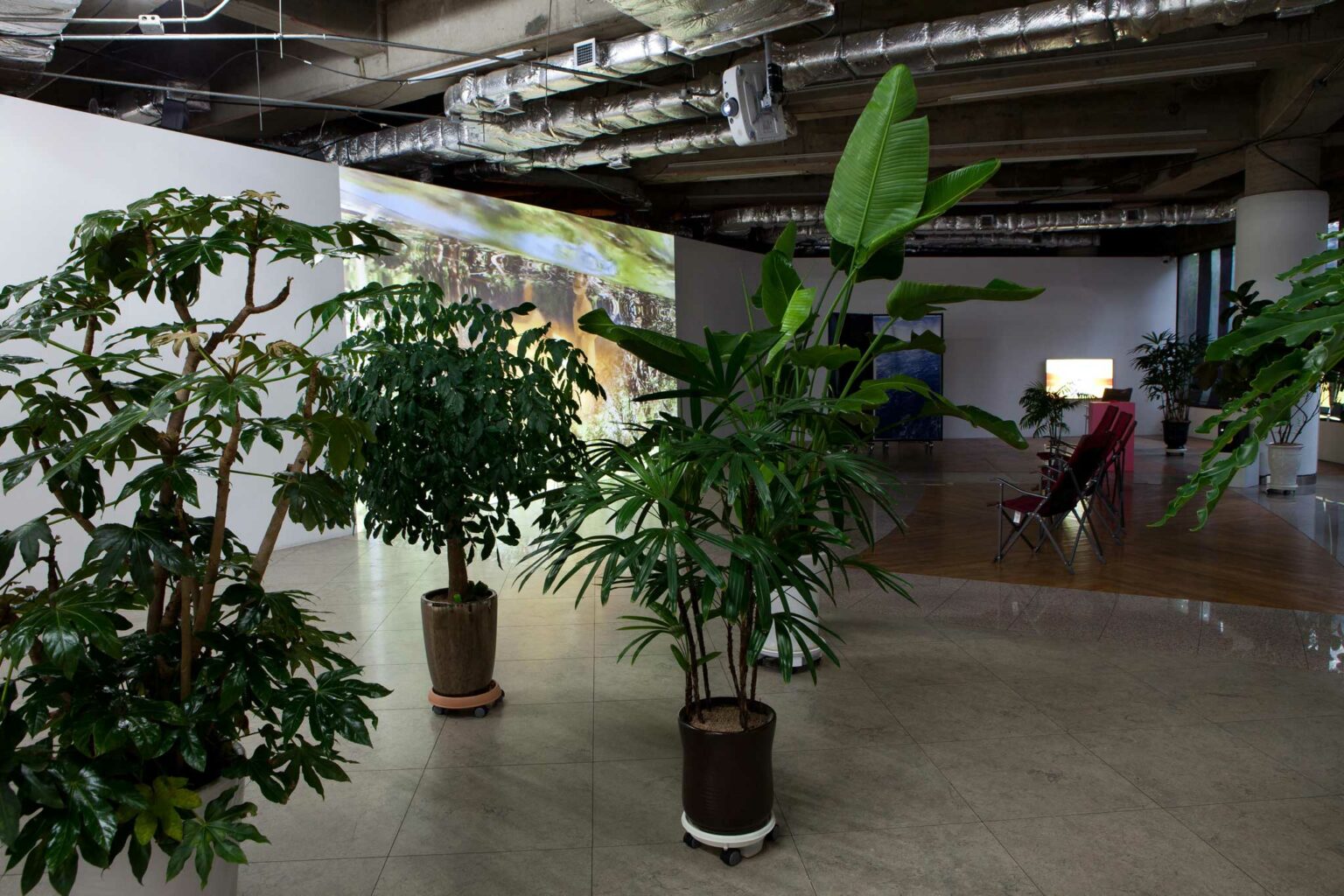
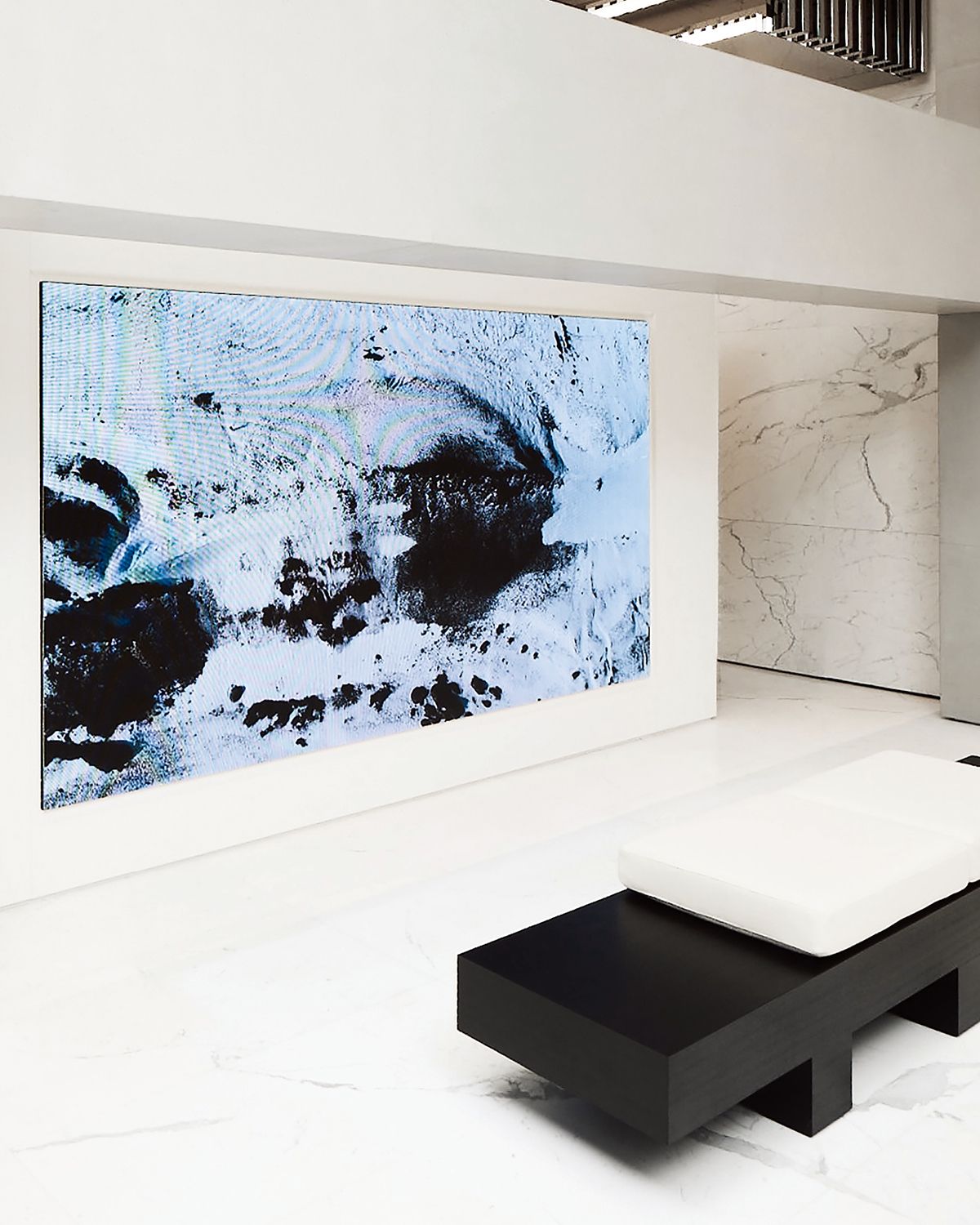
Works created after 2014 qualitatively differ in content and form. Whereas past works were mostly simple documentation of performative works (that last between 5 and 10 minutes), the latter works display complex narrative layers (averaging more than 15 minutes in length). In terms of form Yeom’s works now consist of montage of found footage, 3D animations and recorded footage, showing a multi-layered structure where sound, narration, and subtitles push and pull altogether.
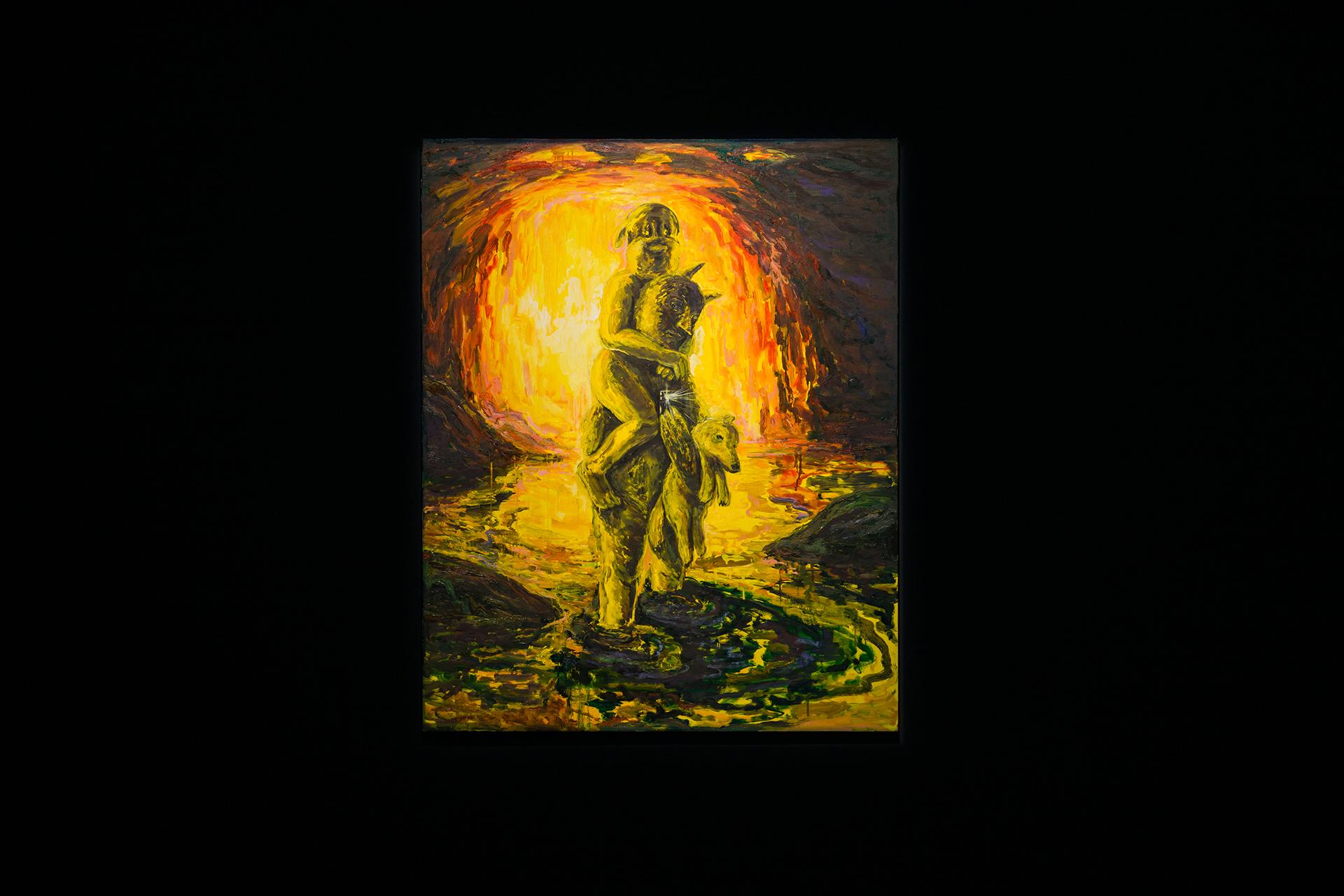
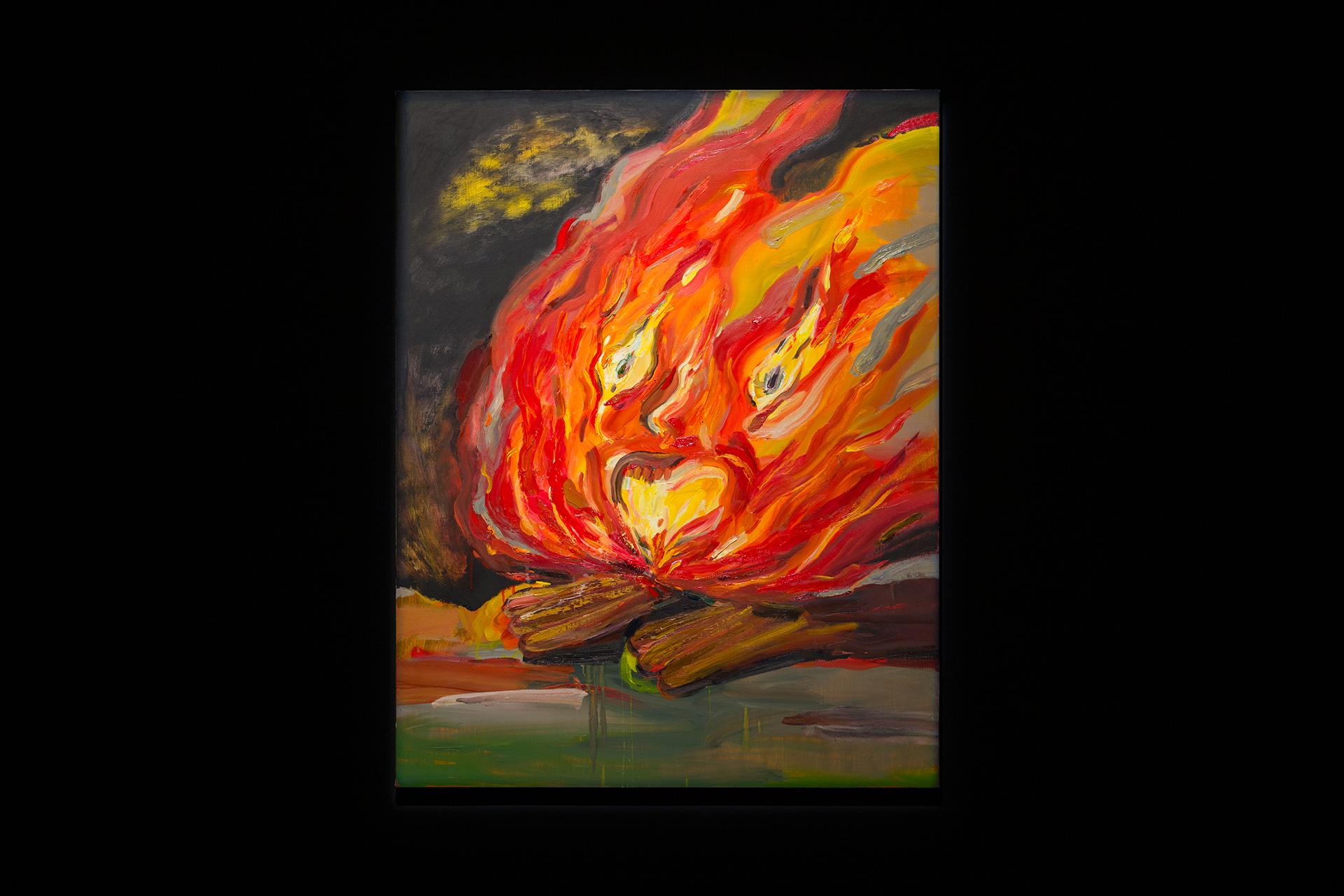
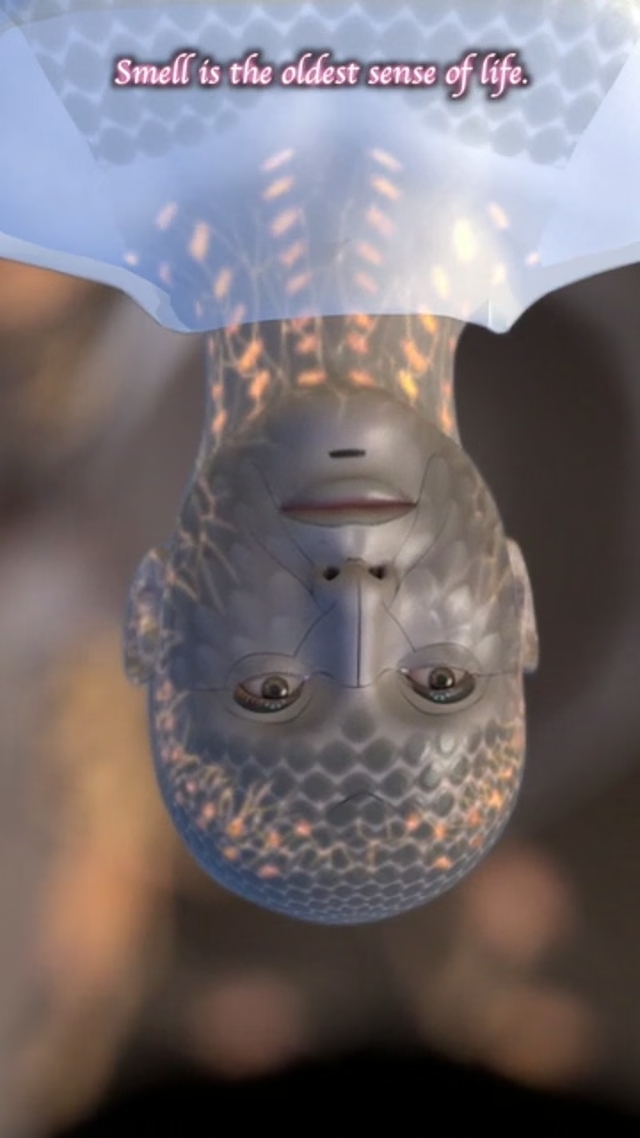
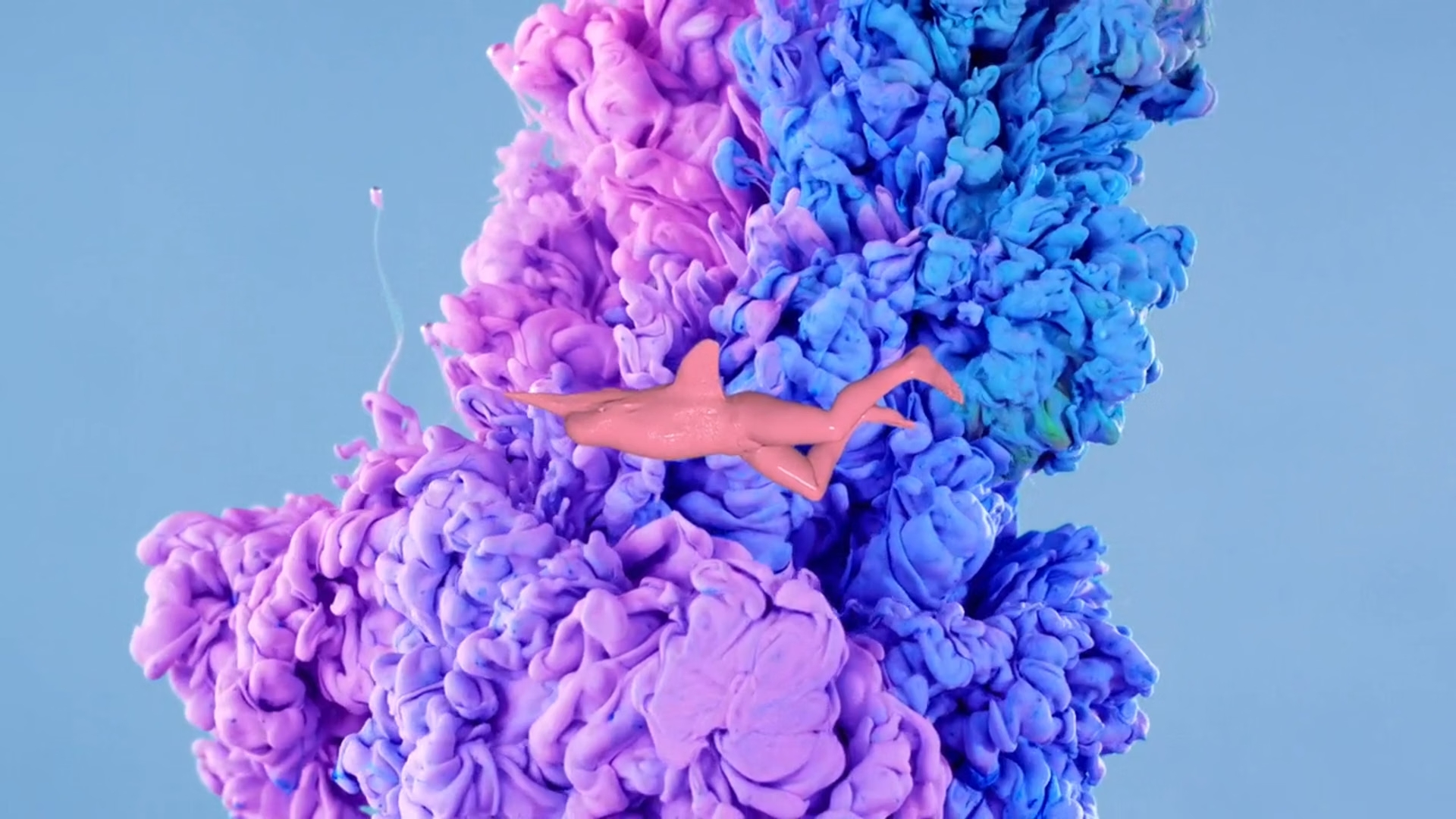
A Night with a Pink Dolphin (2015) compiles characteristics found in her past works that relate to physical travel, acting as a bridge to her later works that expand towards general and social mechanisms from private reflections upon one’s own identity. In fact this work is a mid-compilation of her oeuvre, delivering a sense of a totalistic display.
While the images are based on the Amazon and urban landscapes of Brazil which the artist has filmed during her travels, the moving image goes beyond one’s encounter with the other and begins to deeply and broadly deal with the bare skin of a foreign country by synchronically and diachronically cutting across the socio-historical context of Brazil.
Four main stories intersect here; the first is the ancient Amazonian tale of the pink dolphin, Boto; the second is the colonial history of the Amazon represented by the trade of rubber; the third story is the issue of sexuality and experience as a traveler; and the final story is about the capitalist structure of commercializing Boto and the tourist industry of Brazil.
Although the socio-political context that goes beyond a personal narrative is related to one’s own experience (during his/her preparation for the trip or his/her field experience), this is excluded from Yeom’s past works, which focused more on private emotions. For instance, in the 2008 version of Isoland, which was based on the artist’s trip to Iceland, the one and only focus was ‘home,’ contemplating on the fictiveness of a traveler’s longings for the Other’s home and homesickness for one’s own home.
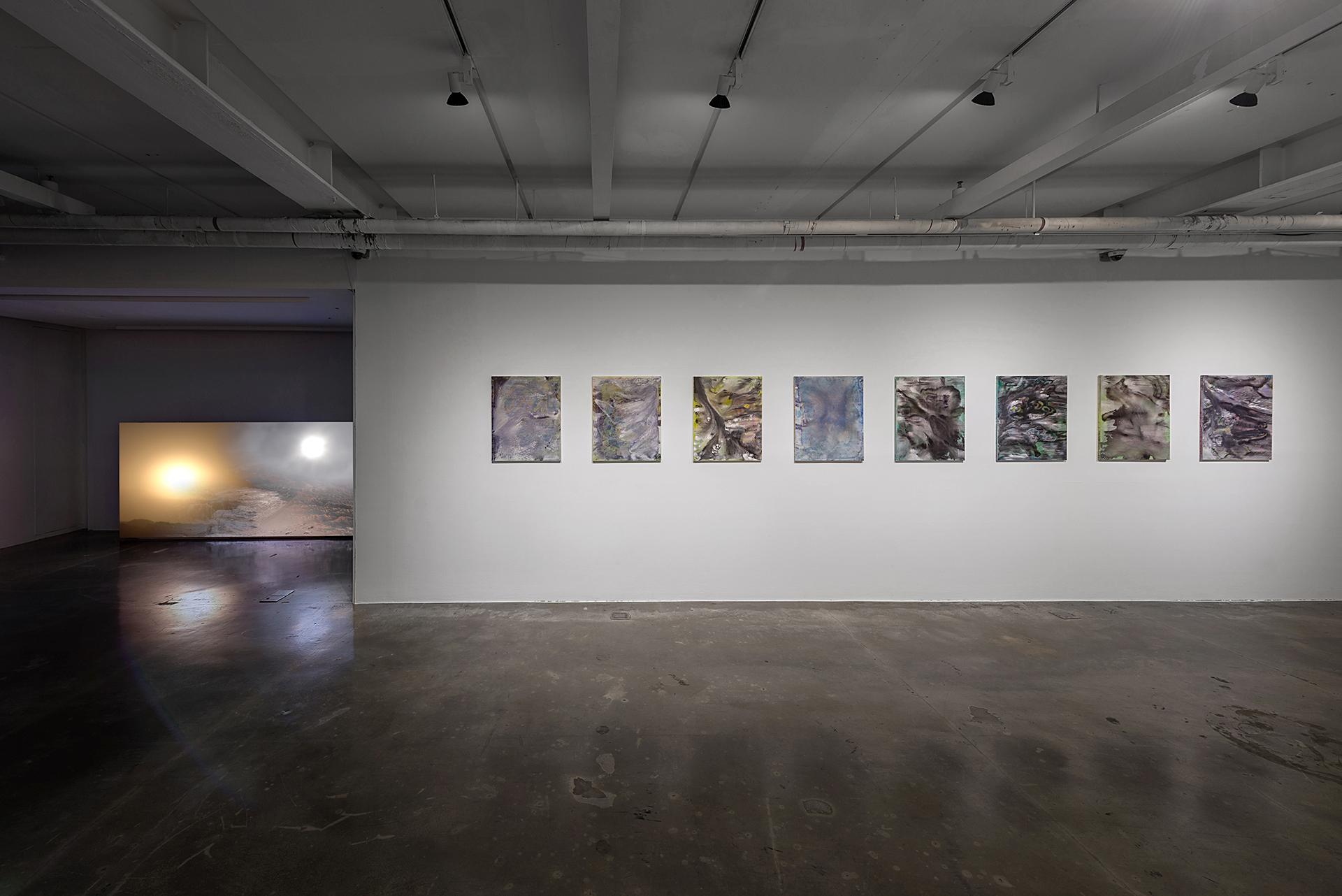
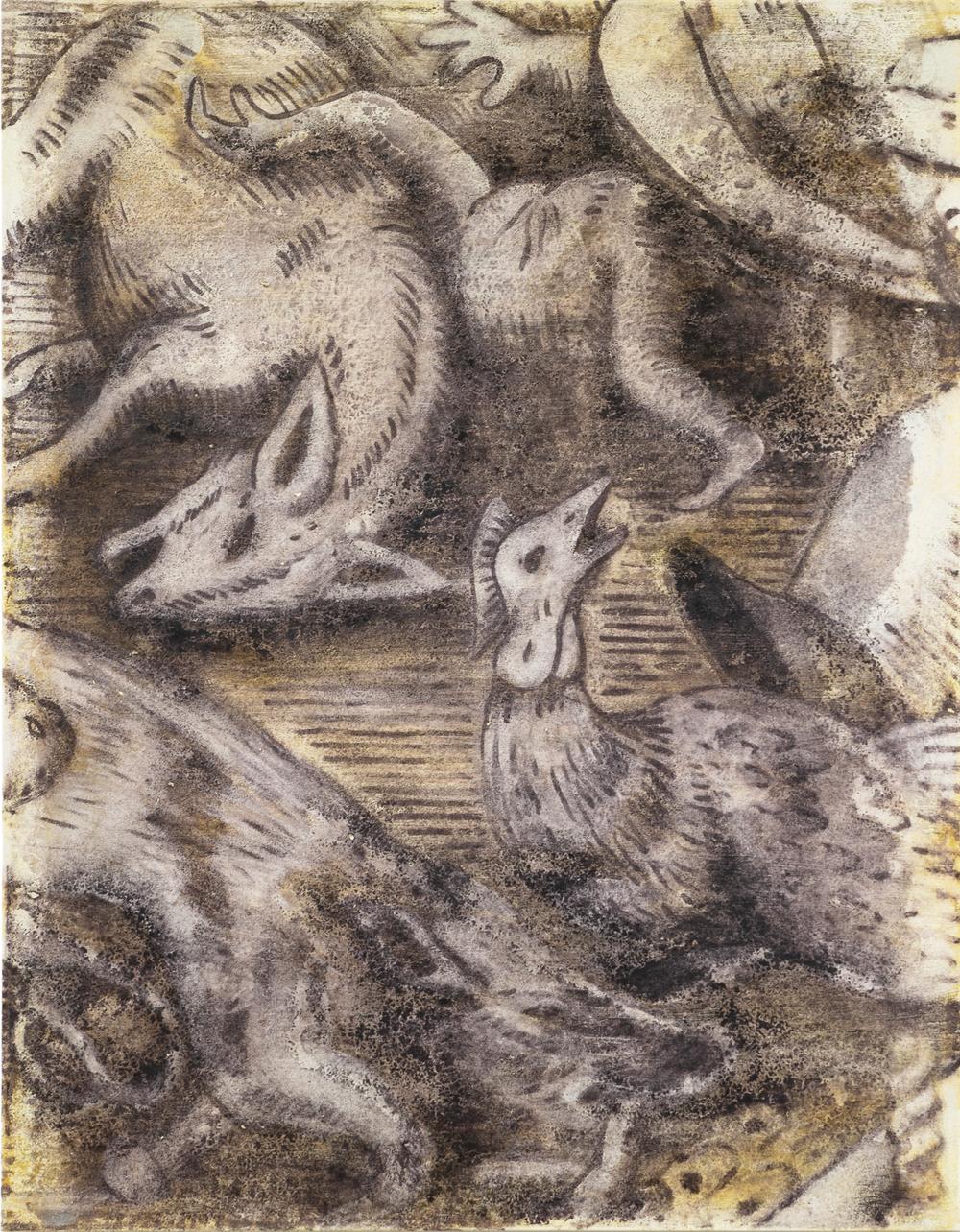
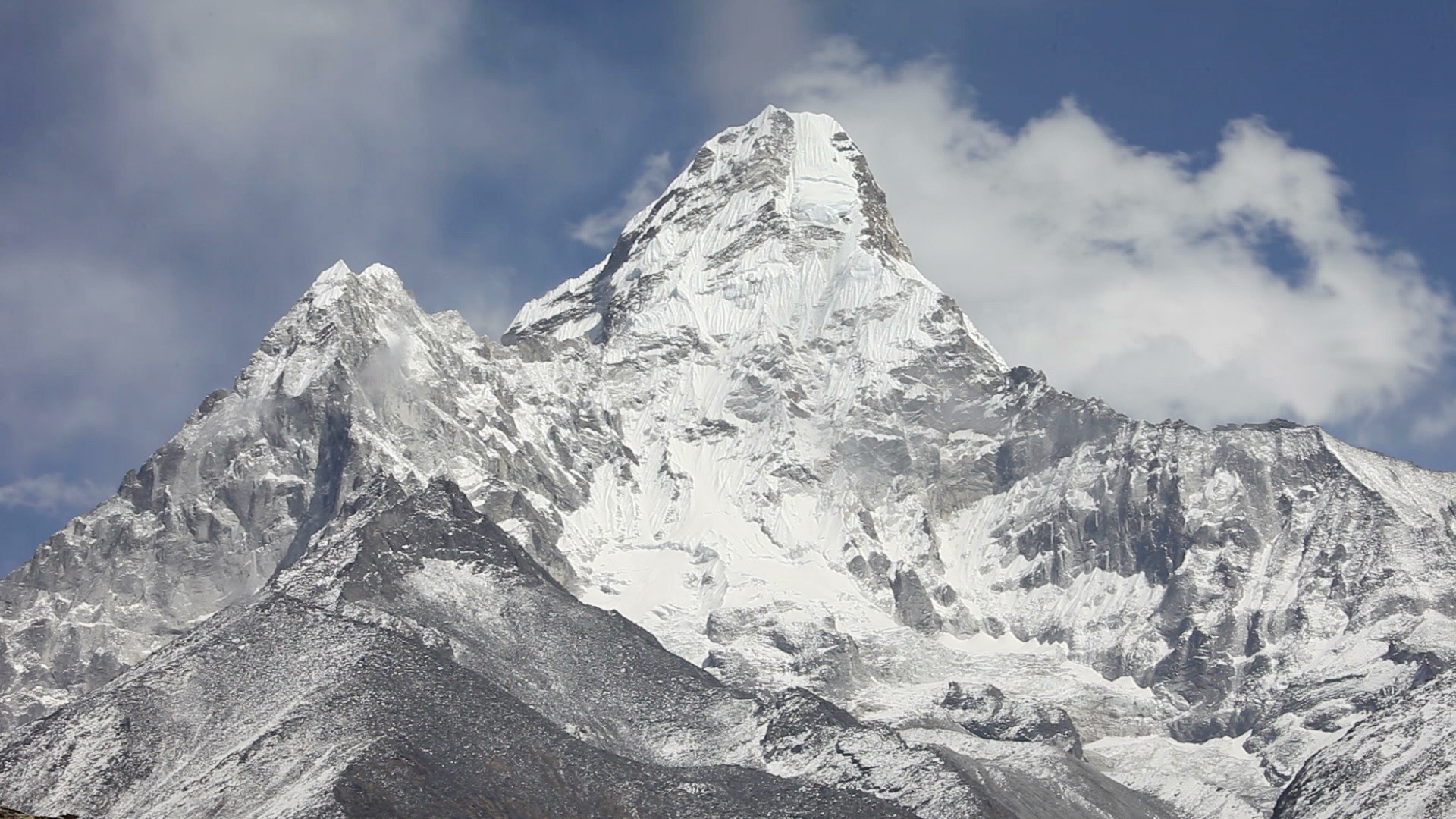
Yeom’s tendency to go beyond personal experience and expand toward a reflection of the history of civilization becomes clearer in her new work, Where We Met Genius (2015) and They Come. Swiftly, Stealthily (2016). Where We Met Genius connects processes of the Himalayan diastrophism with the desires of modern material culture symbolized by skyscrapers, through the subject of ‘elevation.’
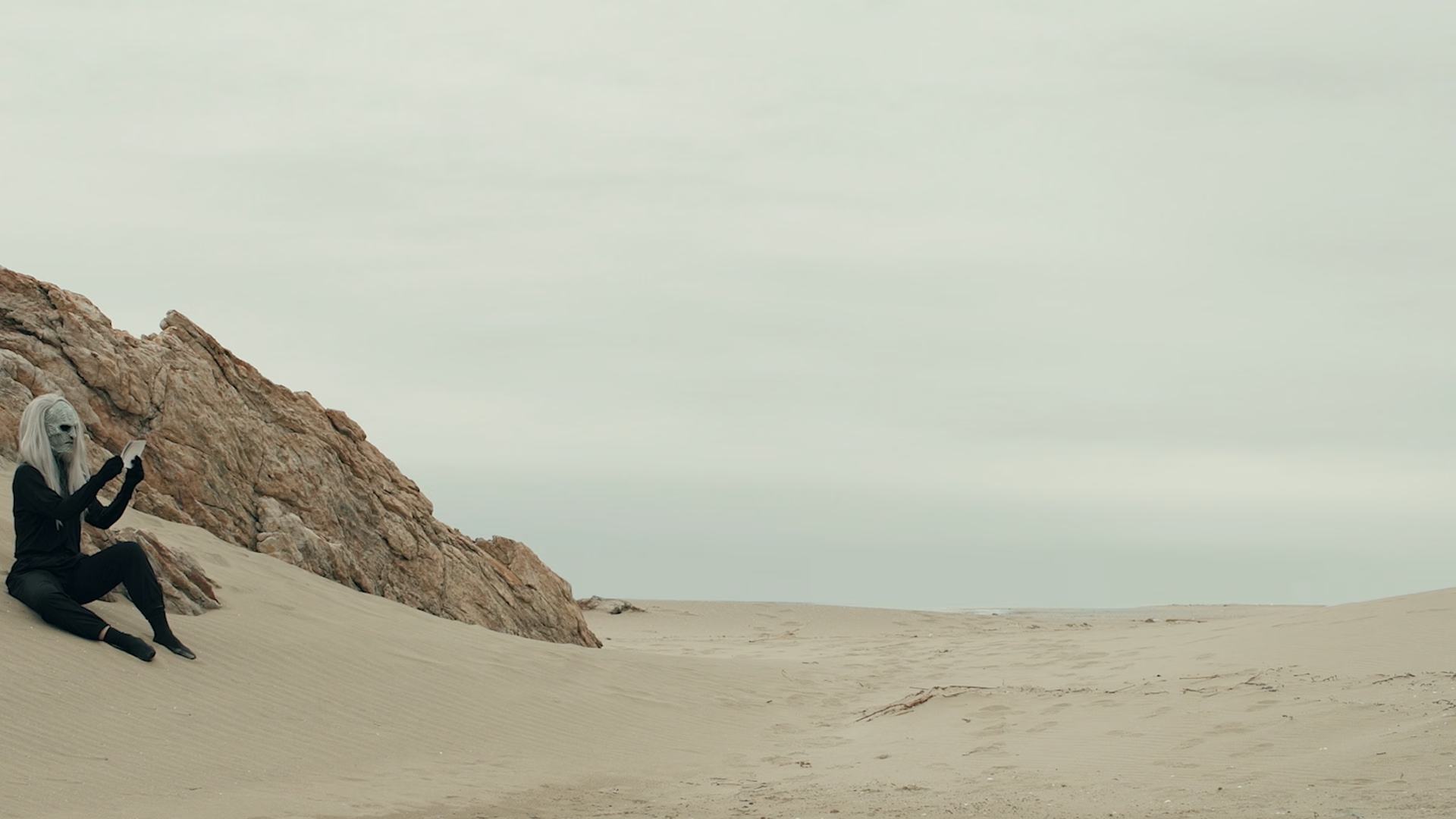
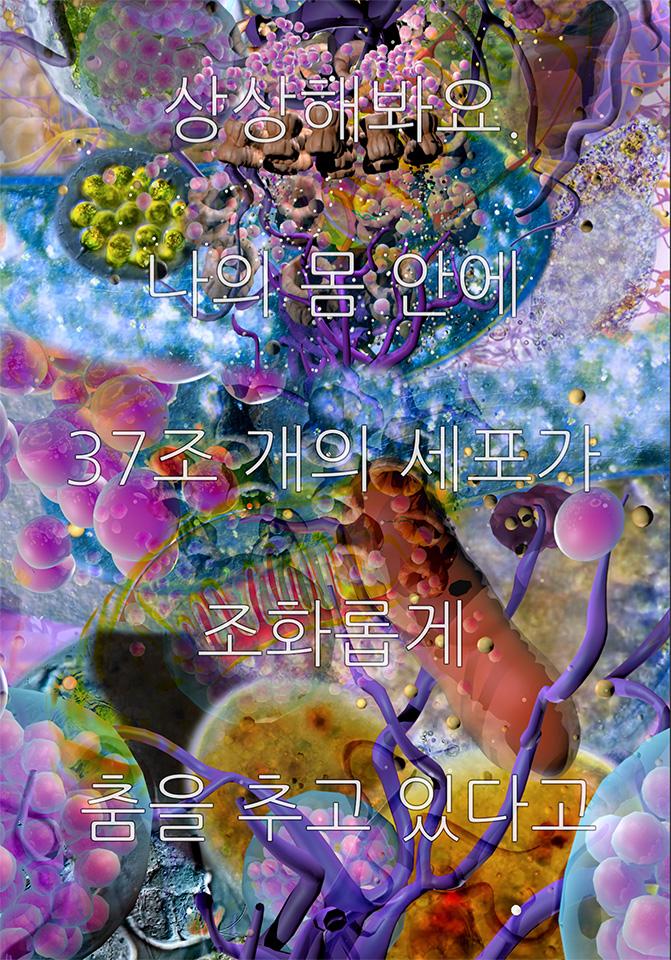
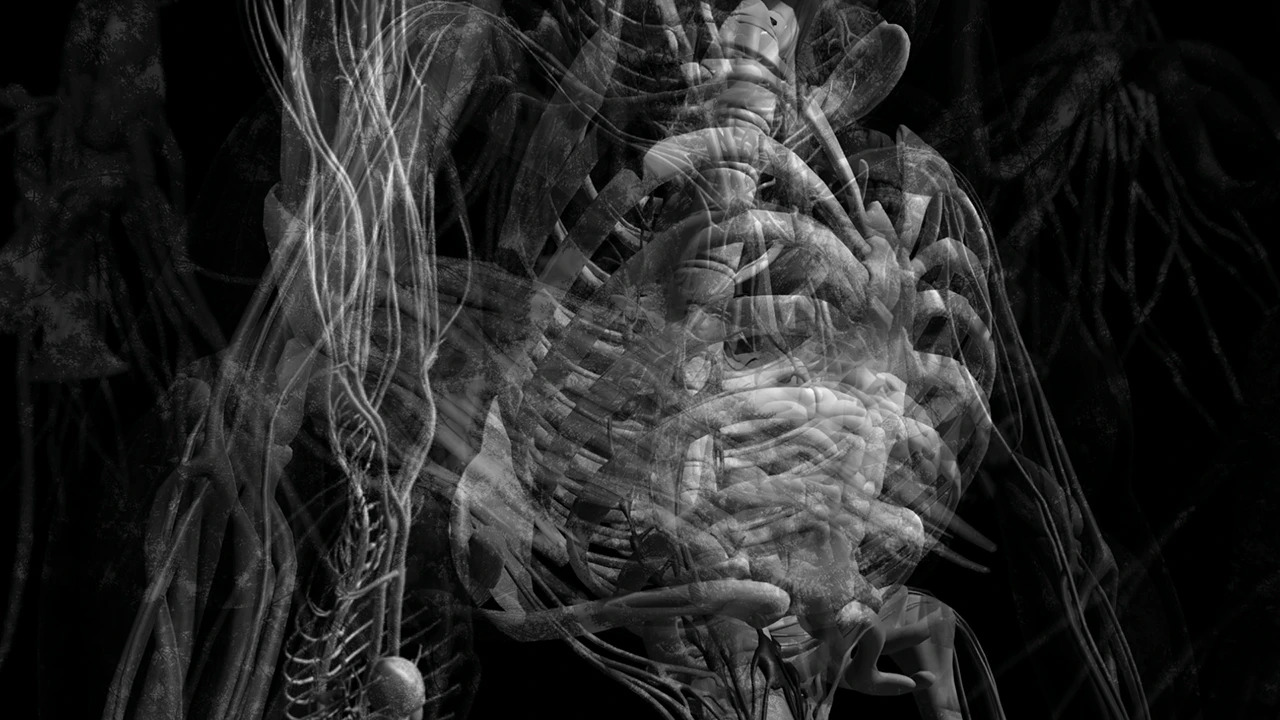
And the unpublished work, They Come. Swiftly, Stealthily, macroscopically reflects upon the connection between viruses and human civilization in relation to the phobia about MERS that struck Korea in 2015. Even if grand narratives are employed, the corresponding context does not reveal itself objectively, but is revealed through a personalized narrative/reality that has passed through the artist’s own personal experience. This distinguishes Yeom’s work from others (in this context these works are qualitatively different from typical research-based works).