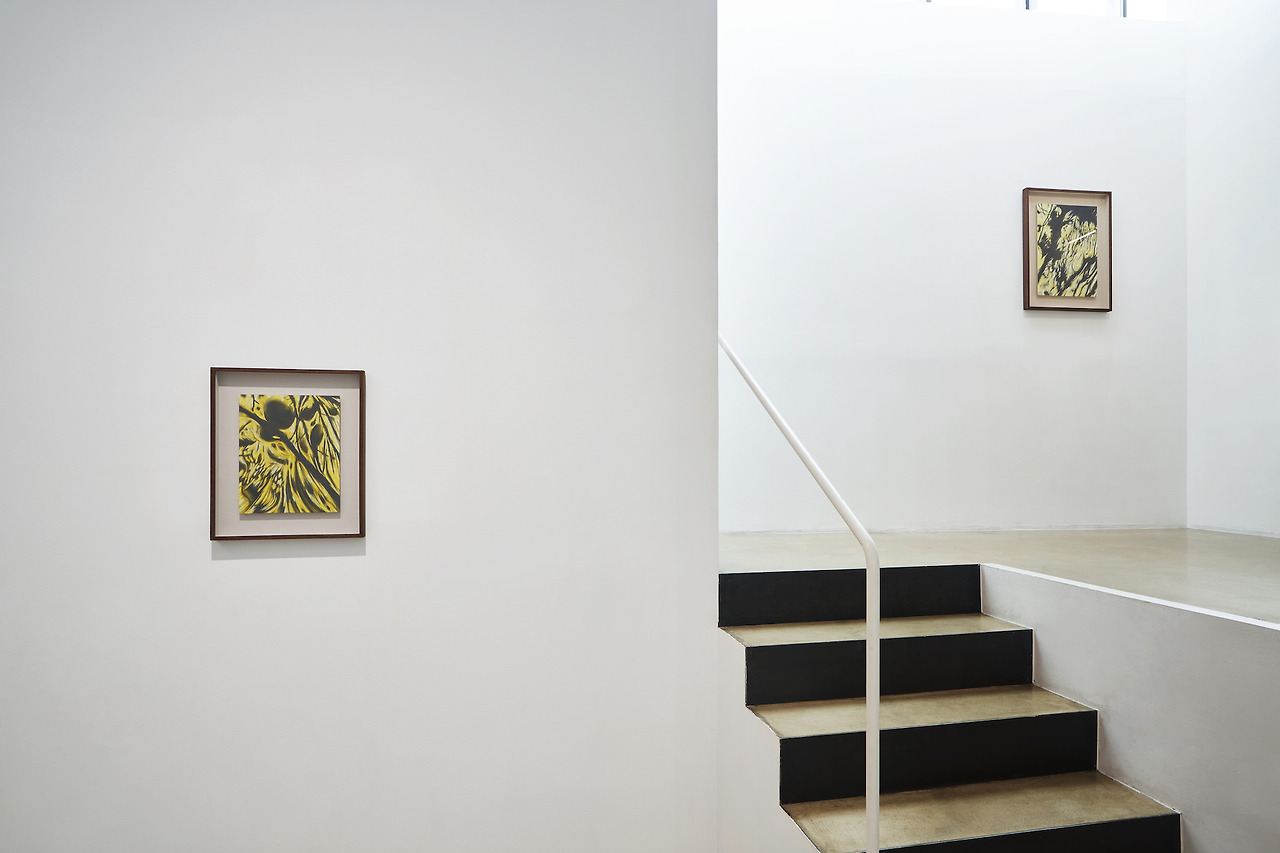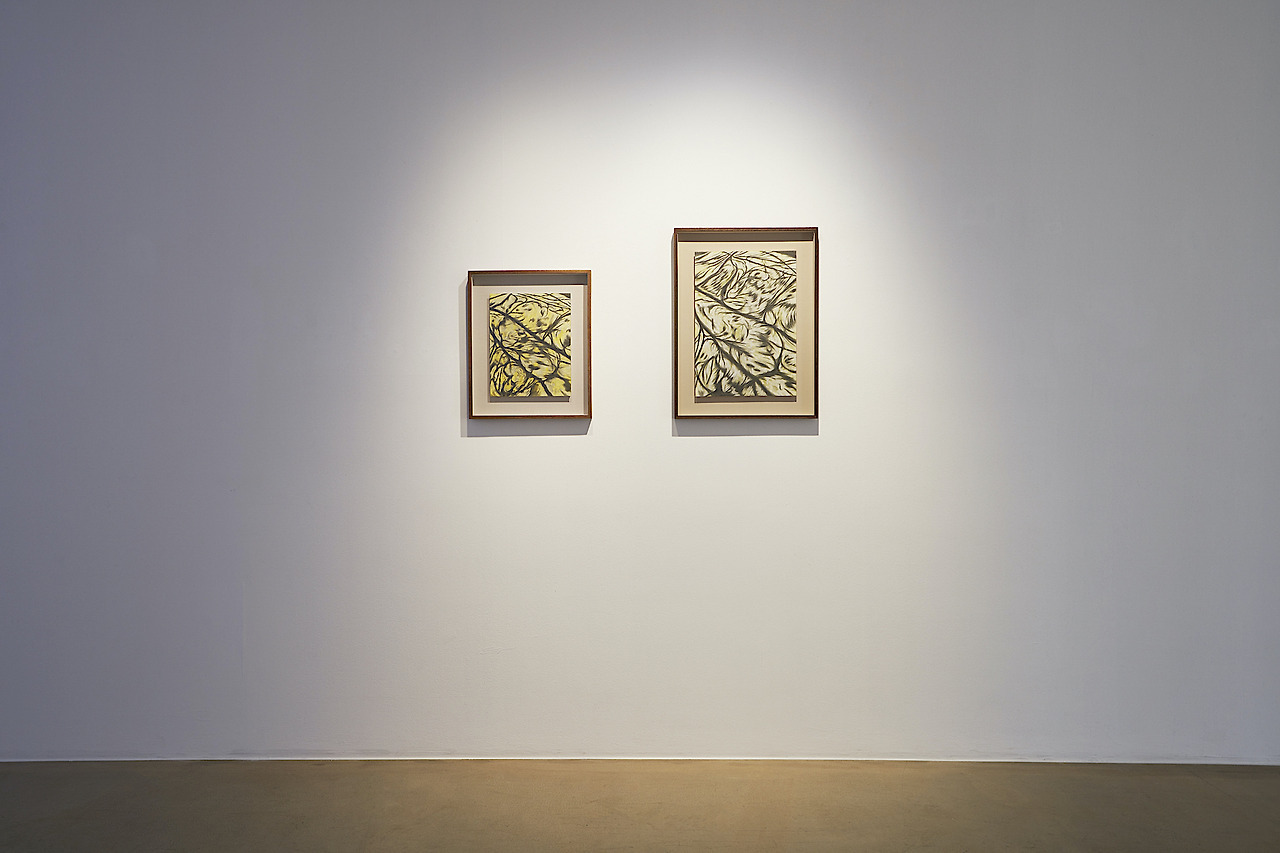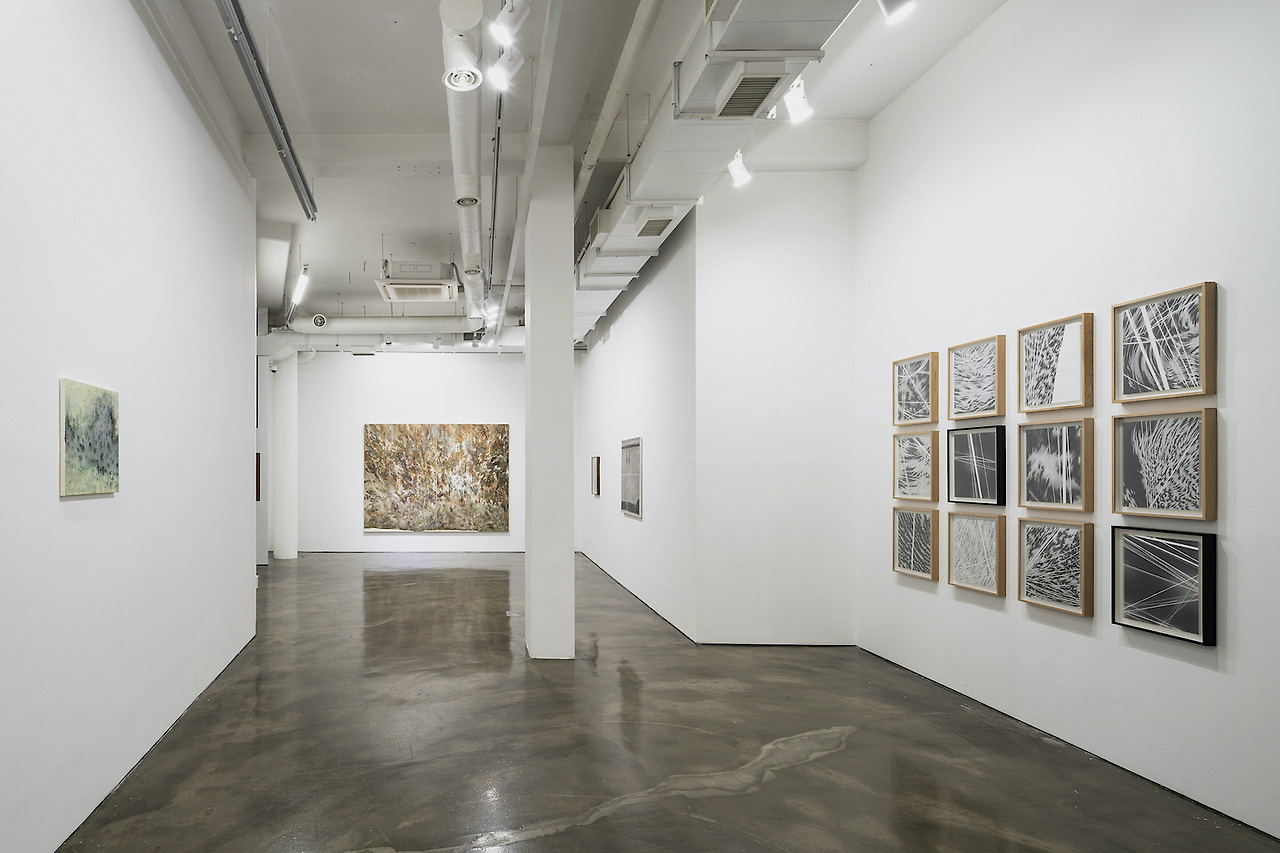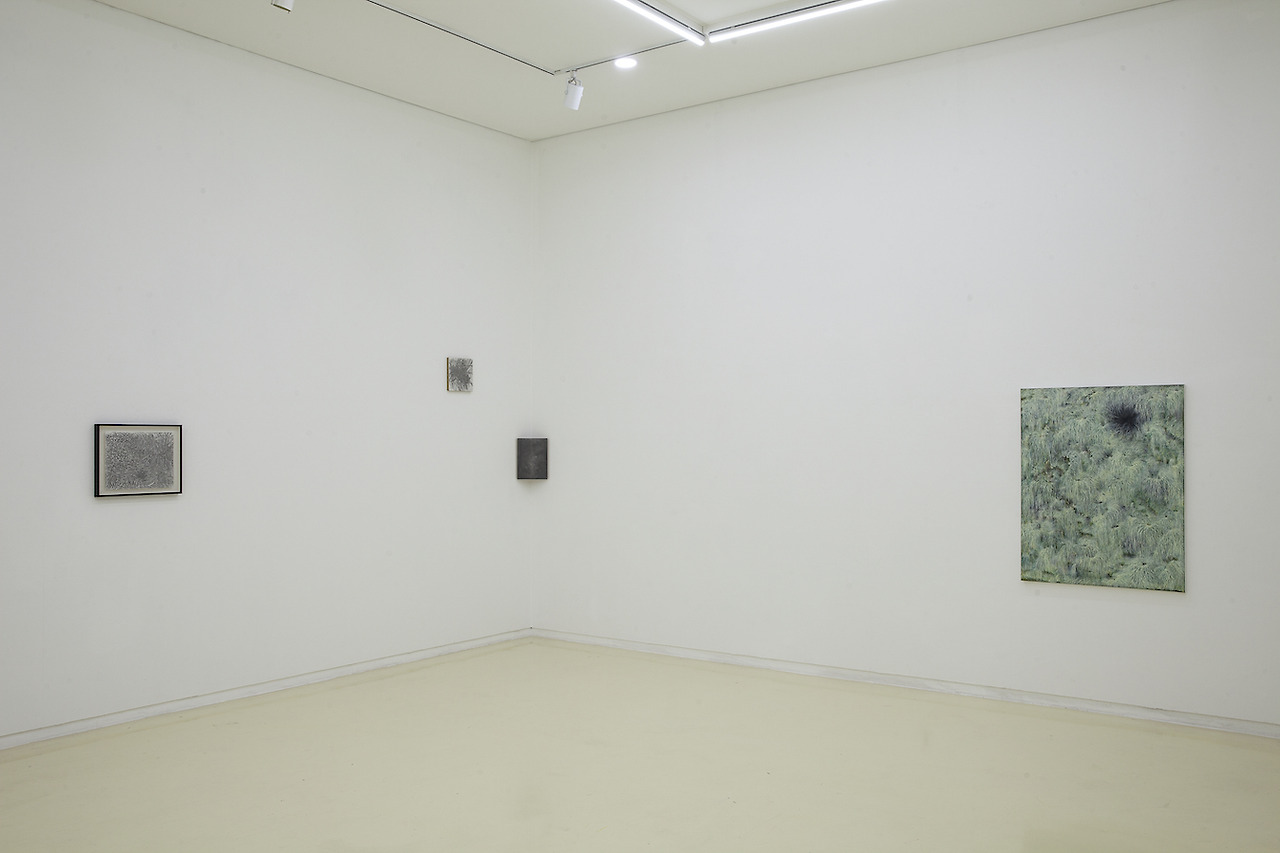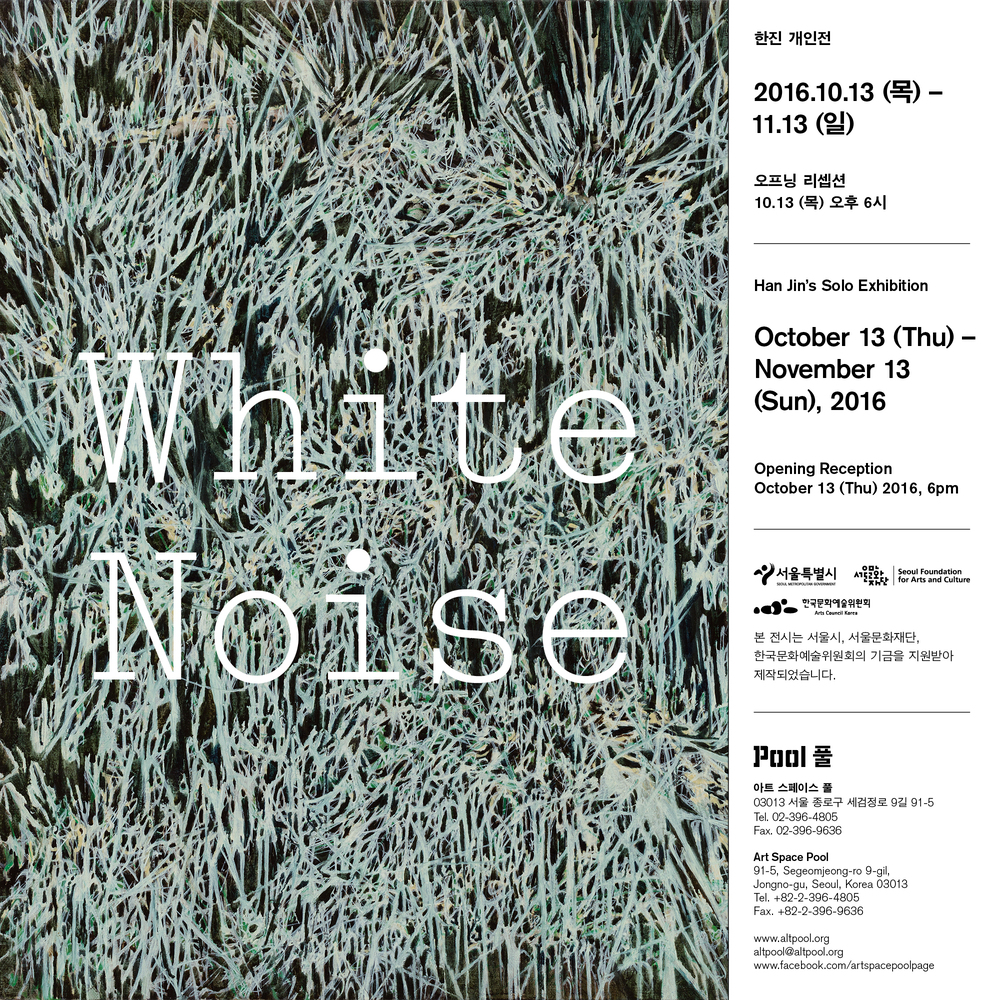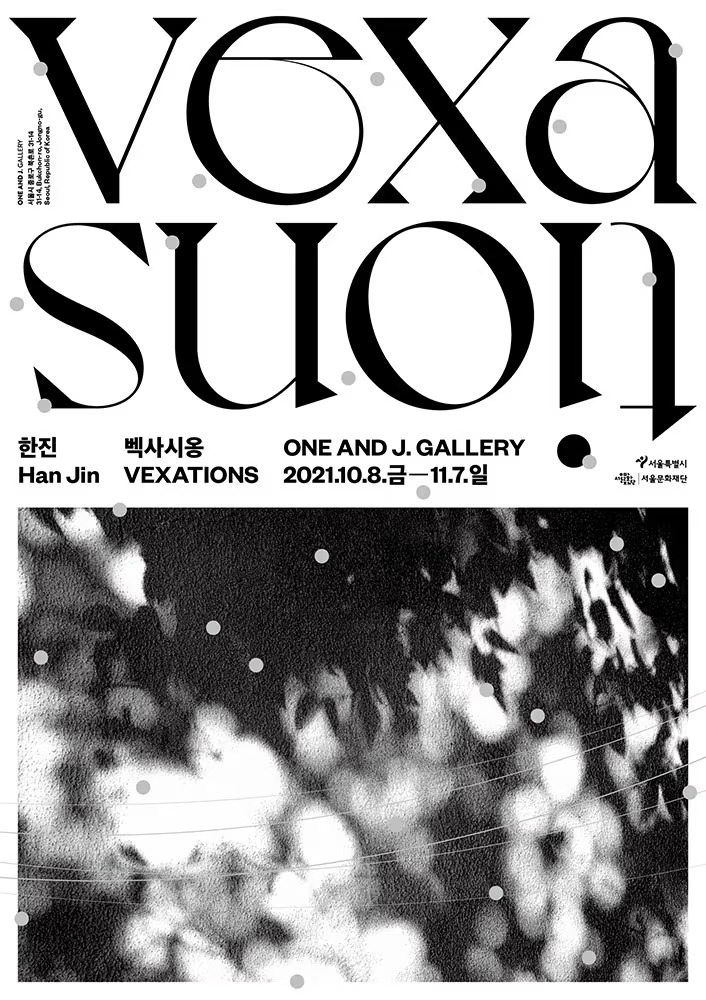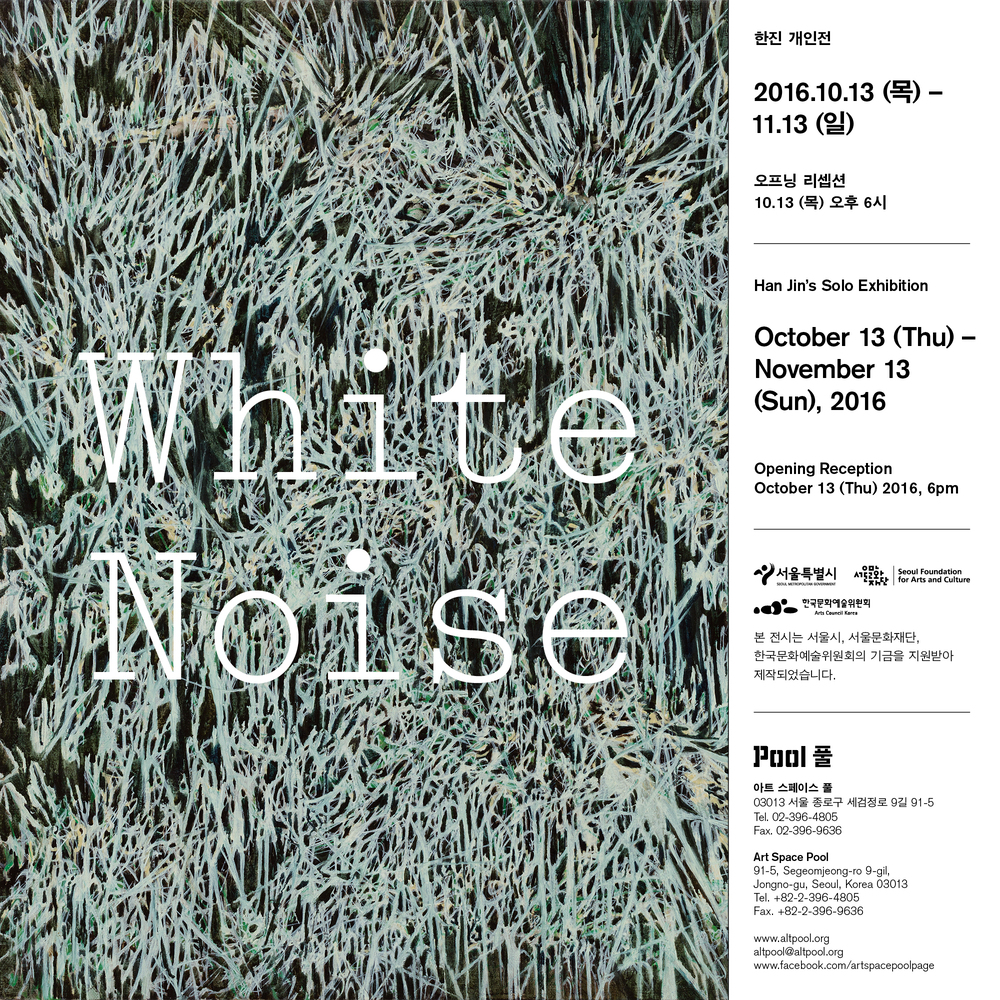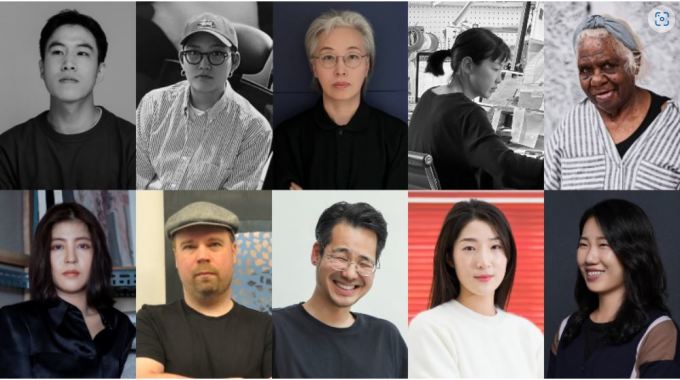

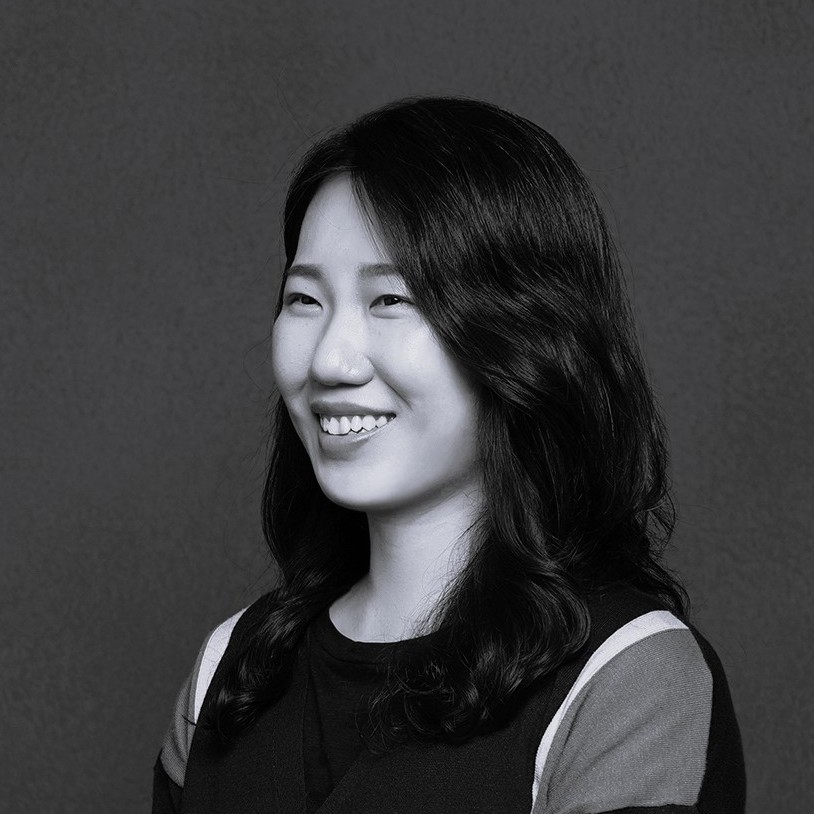
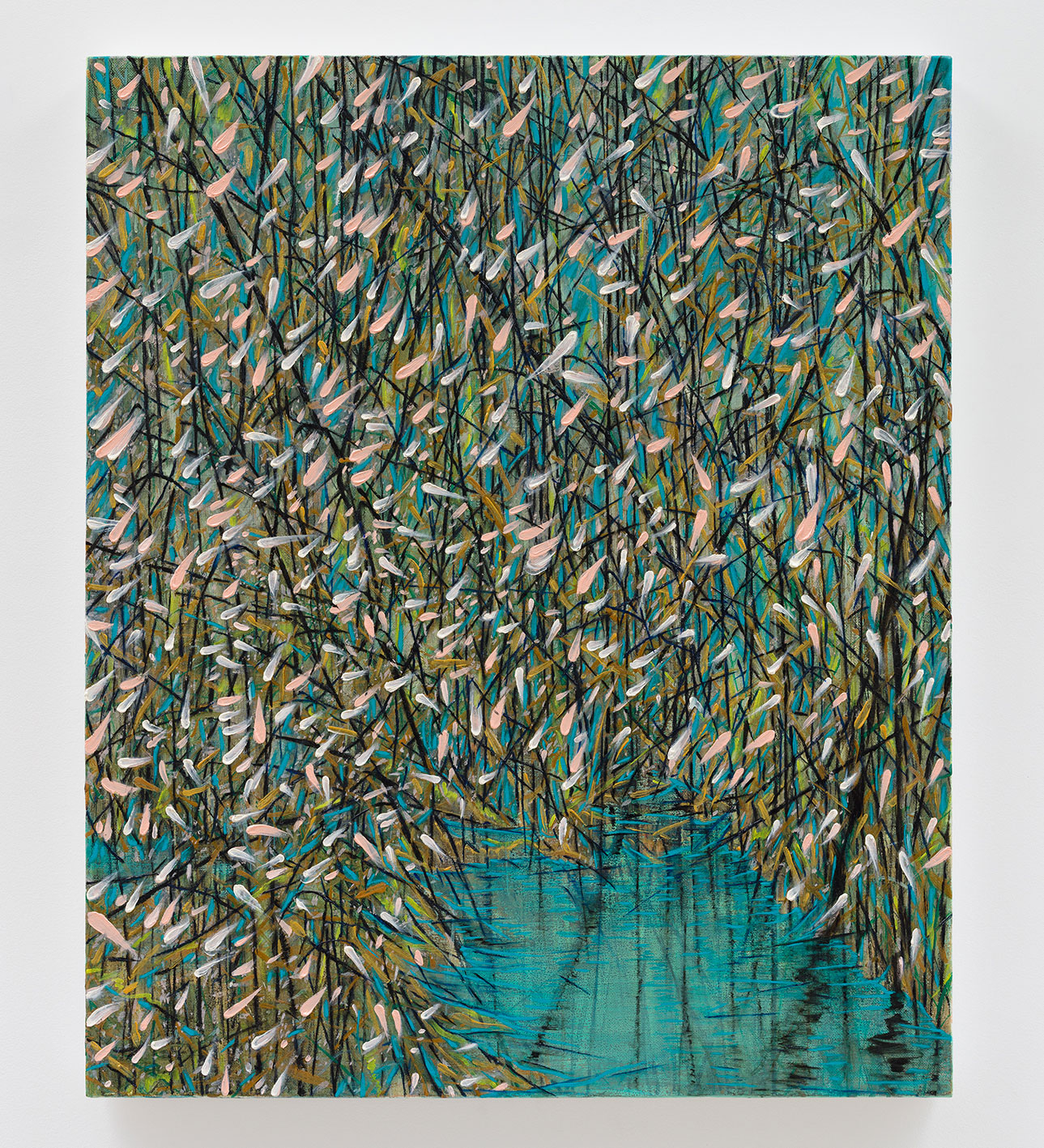
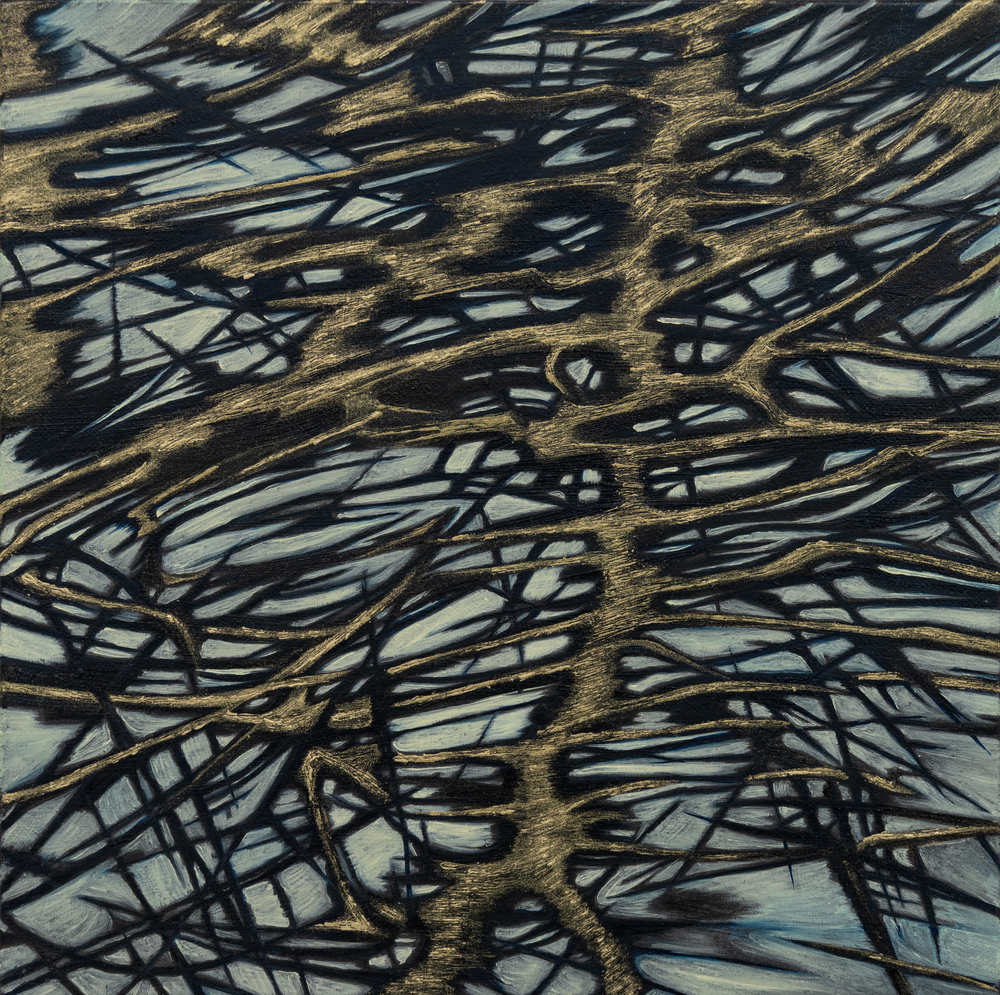
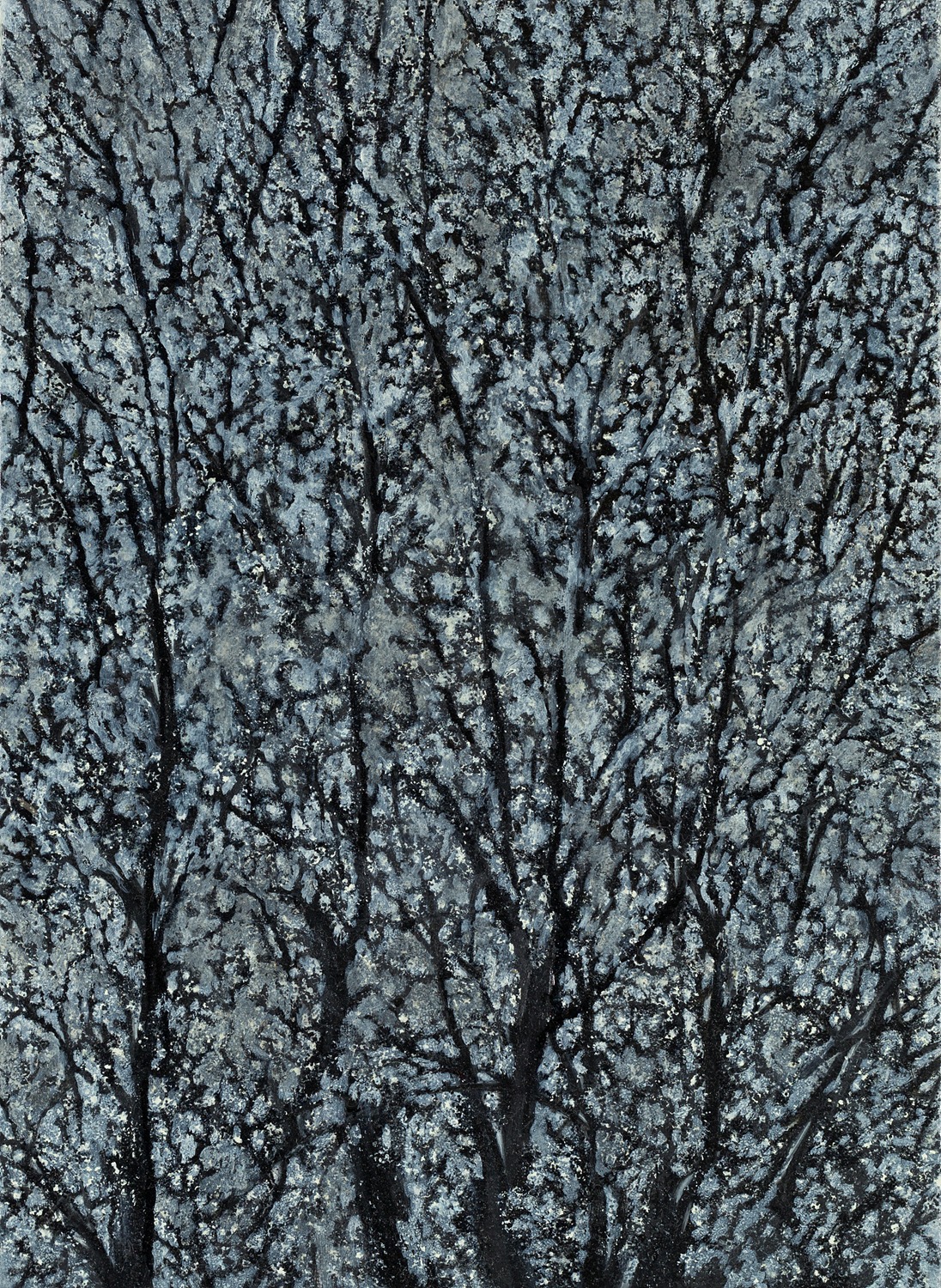
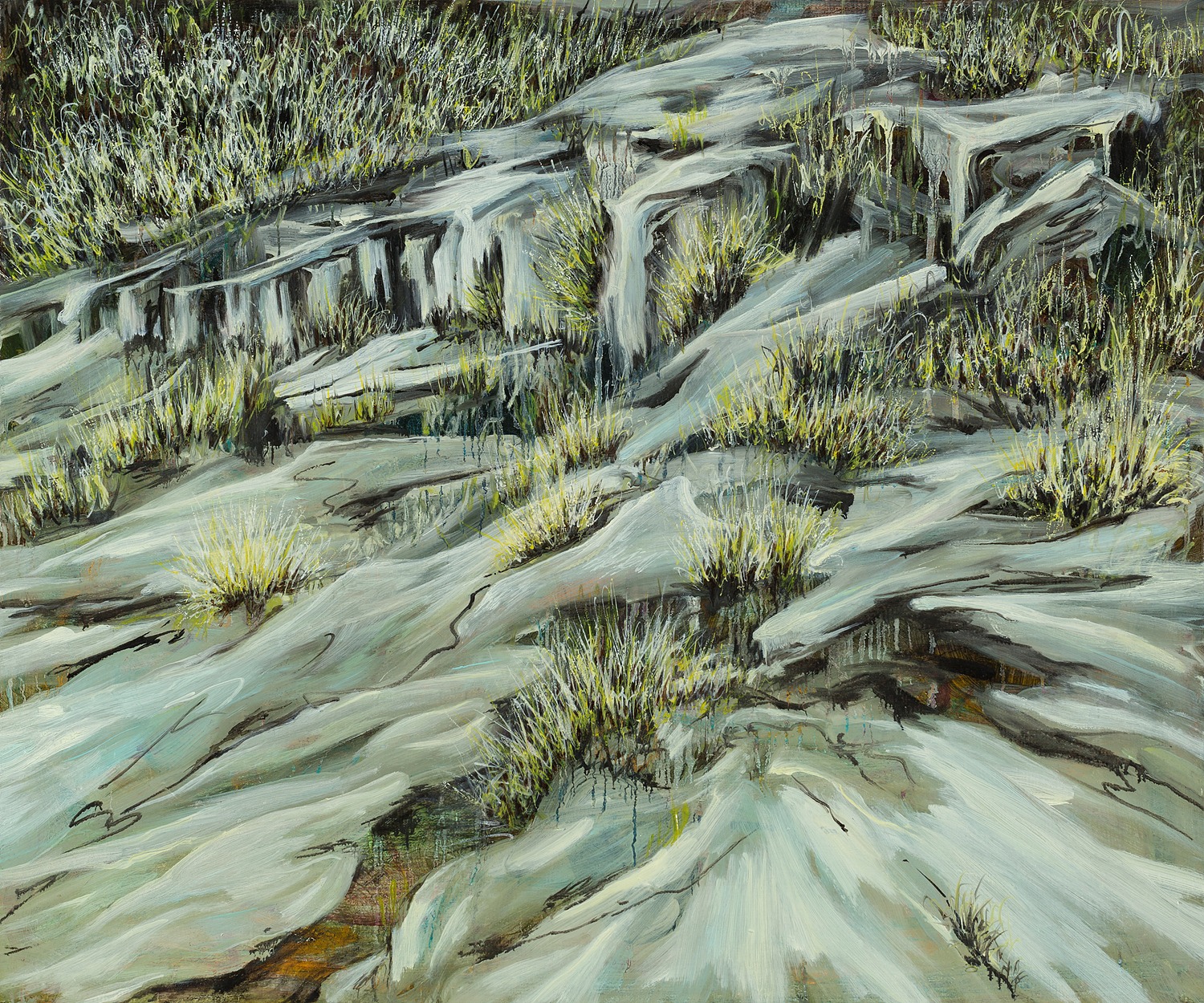
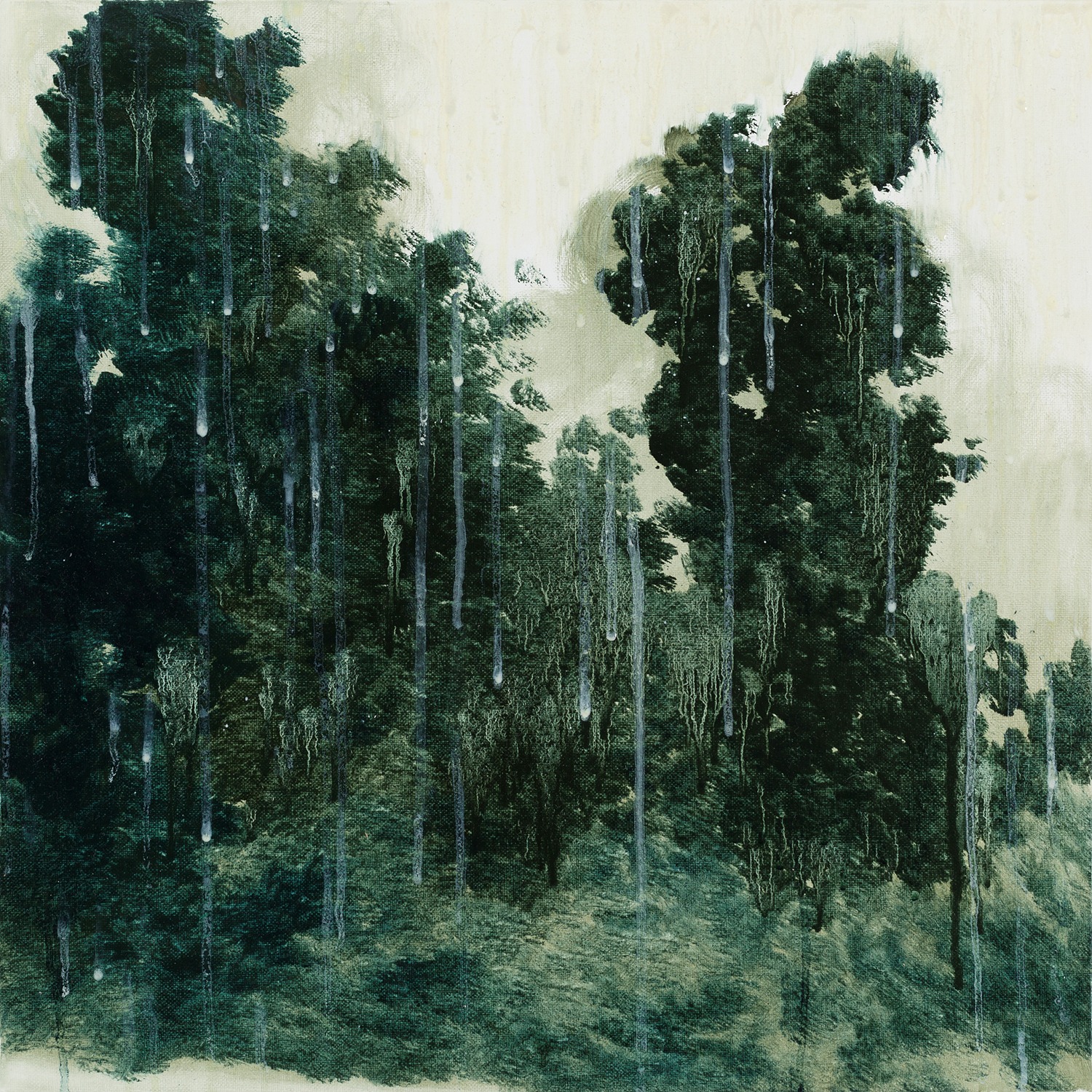
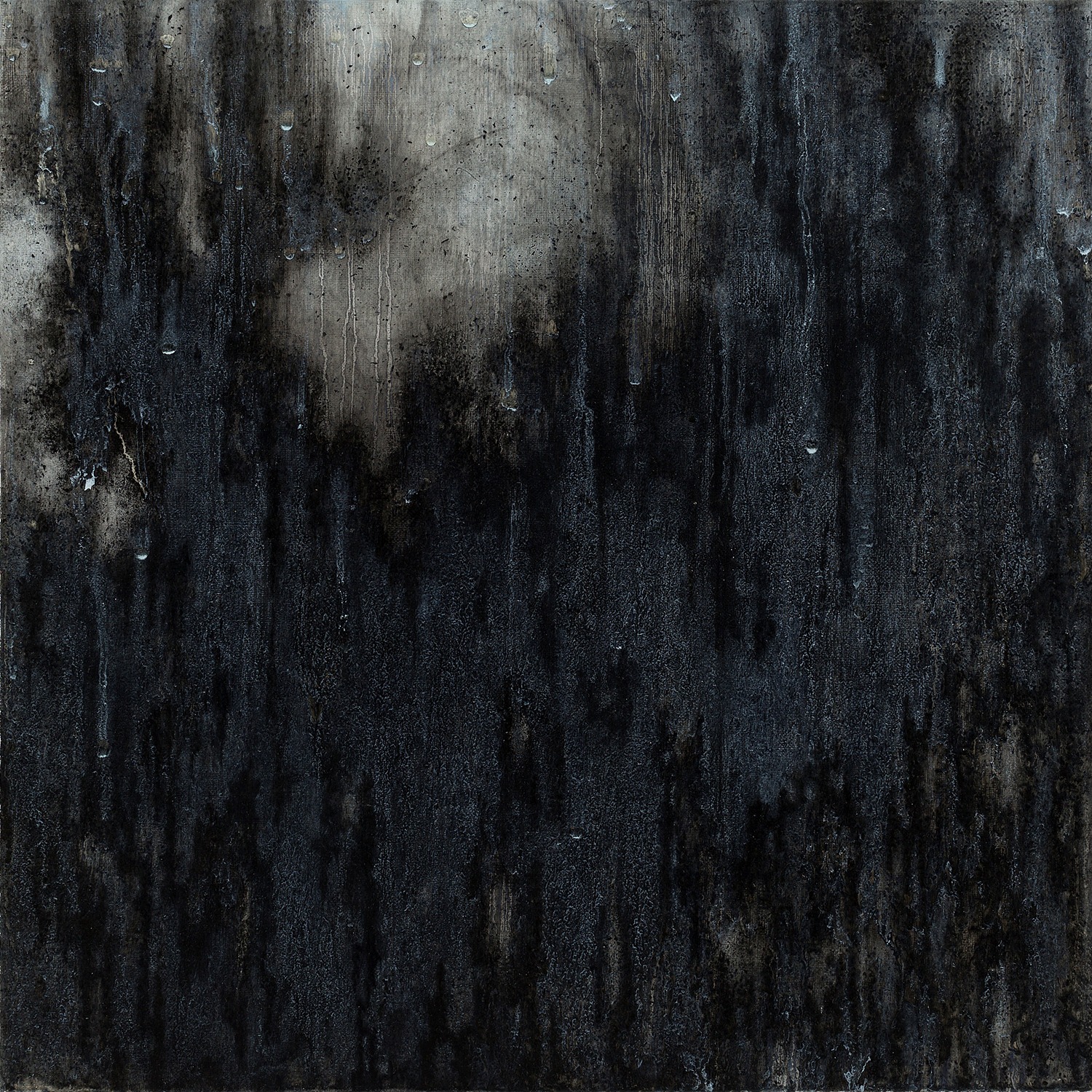
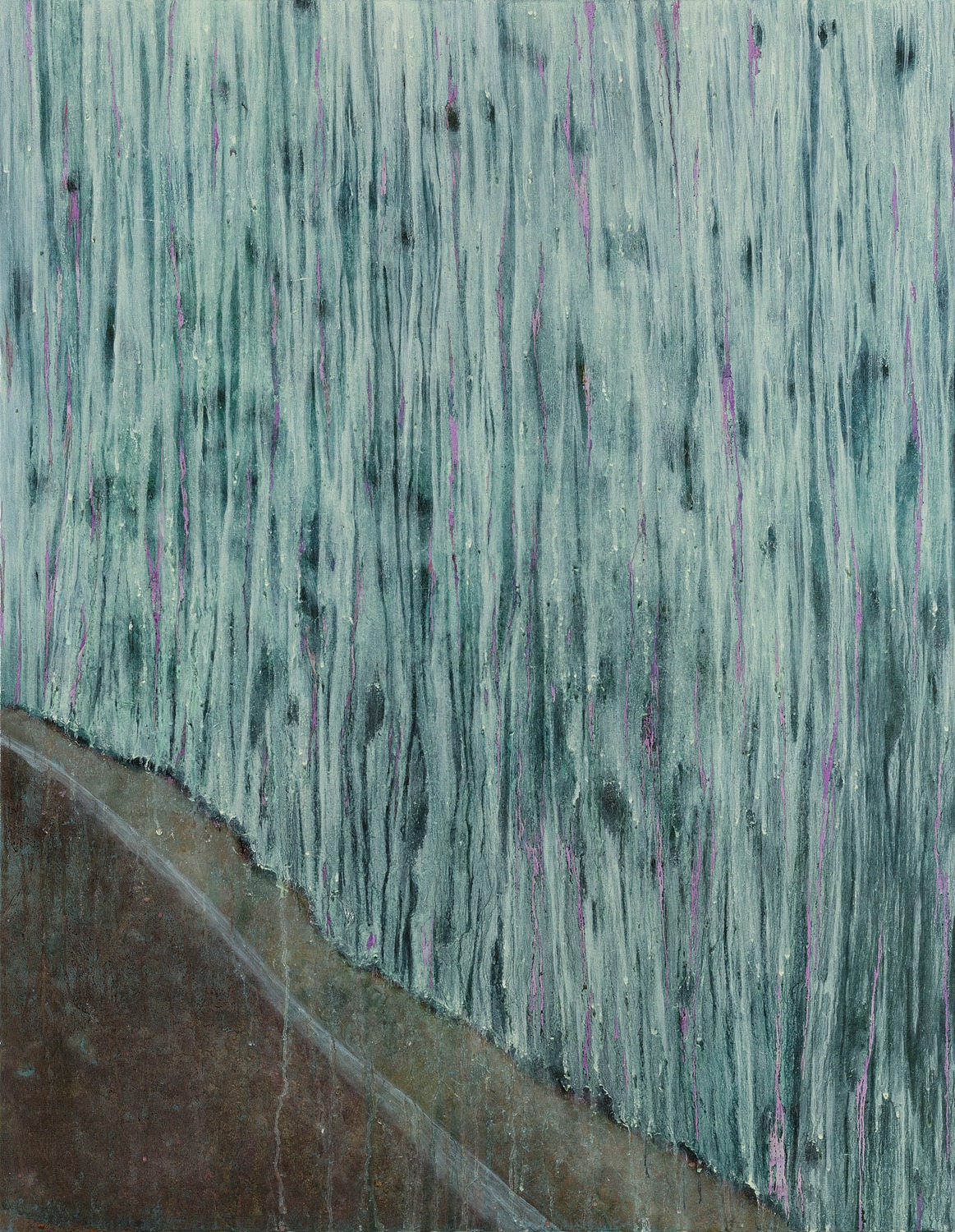
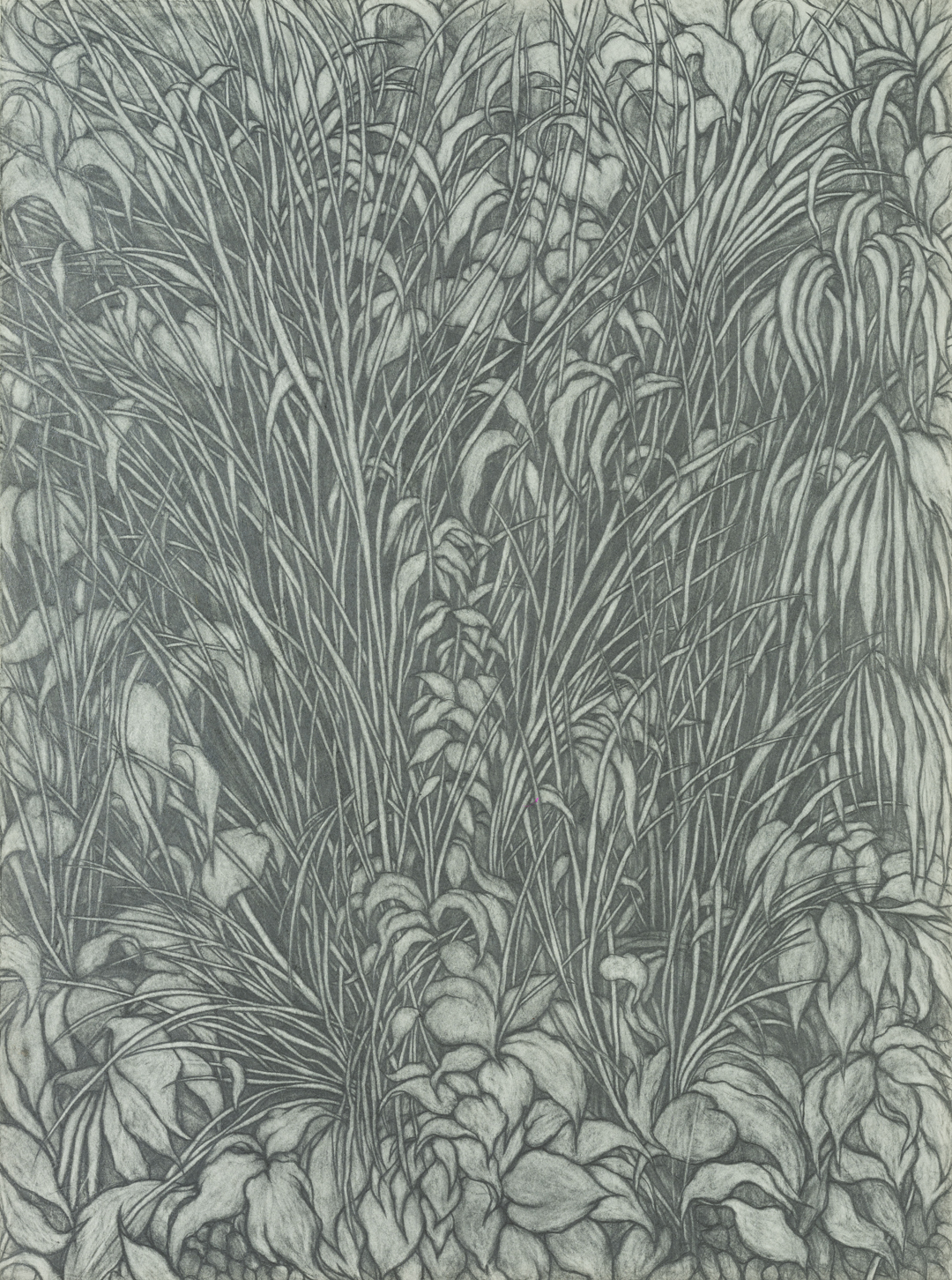
Poster image of 《White Noise》 © Art Space Pool

Forest of Paintings

At the beginning of our meetings, I found myself at a loss whenever I asked the artist questions and was met with hesitation. I almost mistook her for someone without much to say. Yet before I could settle into such a hasty judgment, memories of my childhood kept resurfacing. I remembered believing that words belonged not to speech but to thought, and that spoken language existed not in reality but only in dreams.

Instead of playing with friends, I spent nearly every day hiking with my father, silently listening to him speak. Holding my hand tightly, he would repeatedly tell me that, to avoid falling in the mountains, I should keep my eyes on the ground and learn to feel the texture and depth of the earth beneath my feet. My gaze through the forest was directed not forward, but downward.

The crisp yet cushioned sound of fallen leaves underfoot, the sharp scrape of dry soil against my sneakers, the firm resonance of rocks, and above them the rustling leaves stirred by the wind intertwined with birdsong of varying melodies—these sounds scattered, converged, and intertwined once again.

As an unusually timid child, I tried to overcome my fears by committing the audiovisual landscape of those familiar mountain paths and forests to my body. Yet those places were always filled with chance and constant change, and my palms would inevitably grow damp with anxiety. Perhaps I had unknowingly come to enjoy the tension between the unease of climbing the mountain and the relief that arrived only after descending it.

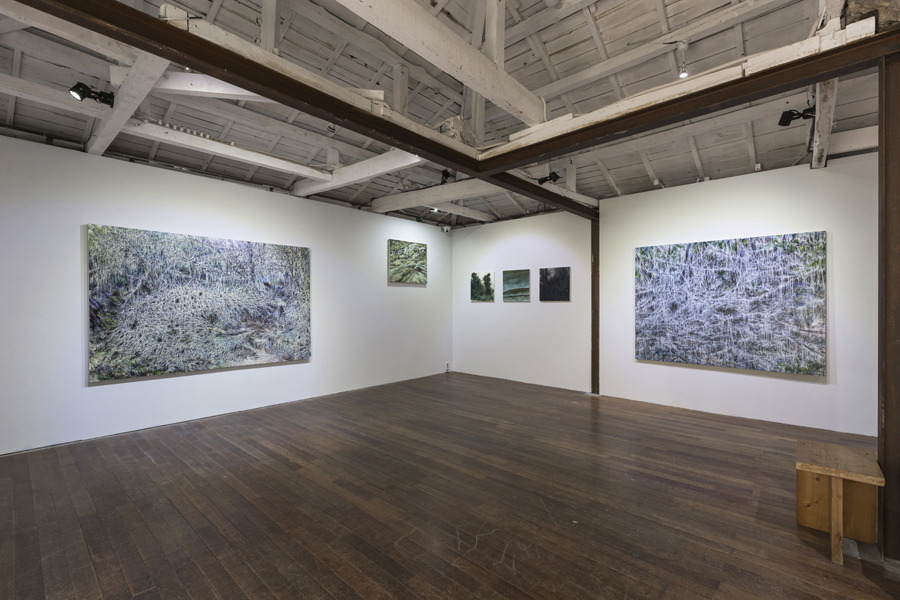
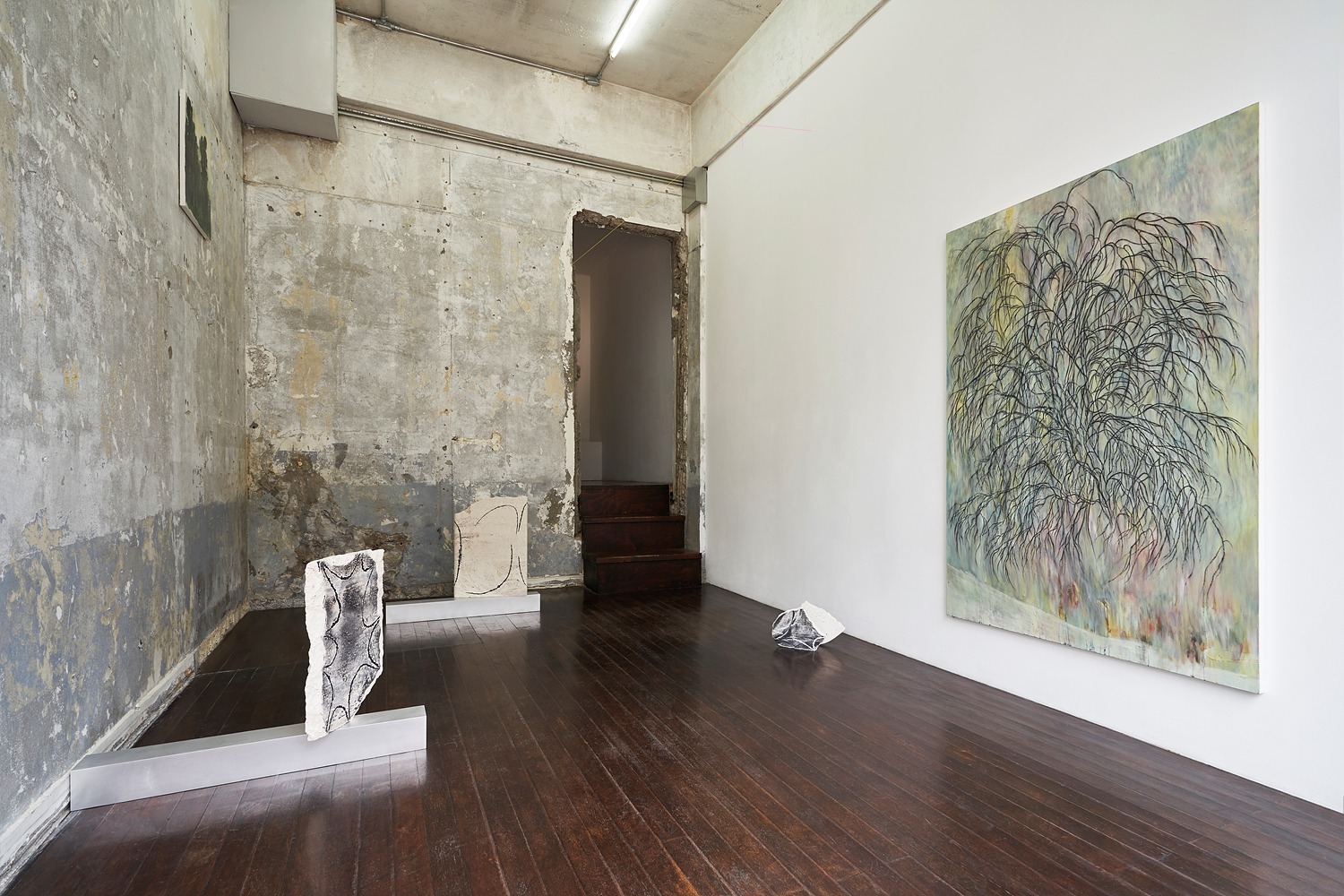
Installation view of 《White Noise》 © Art Space Pool

Within the Forest of Painting

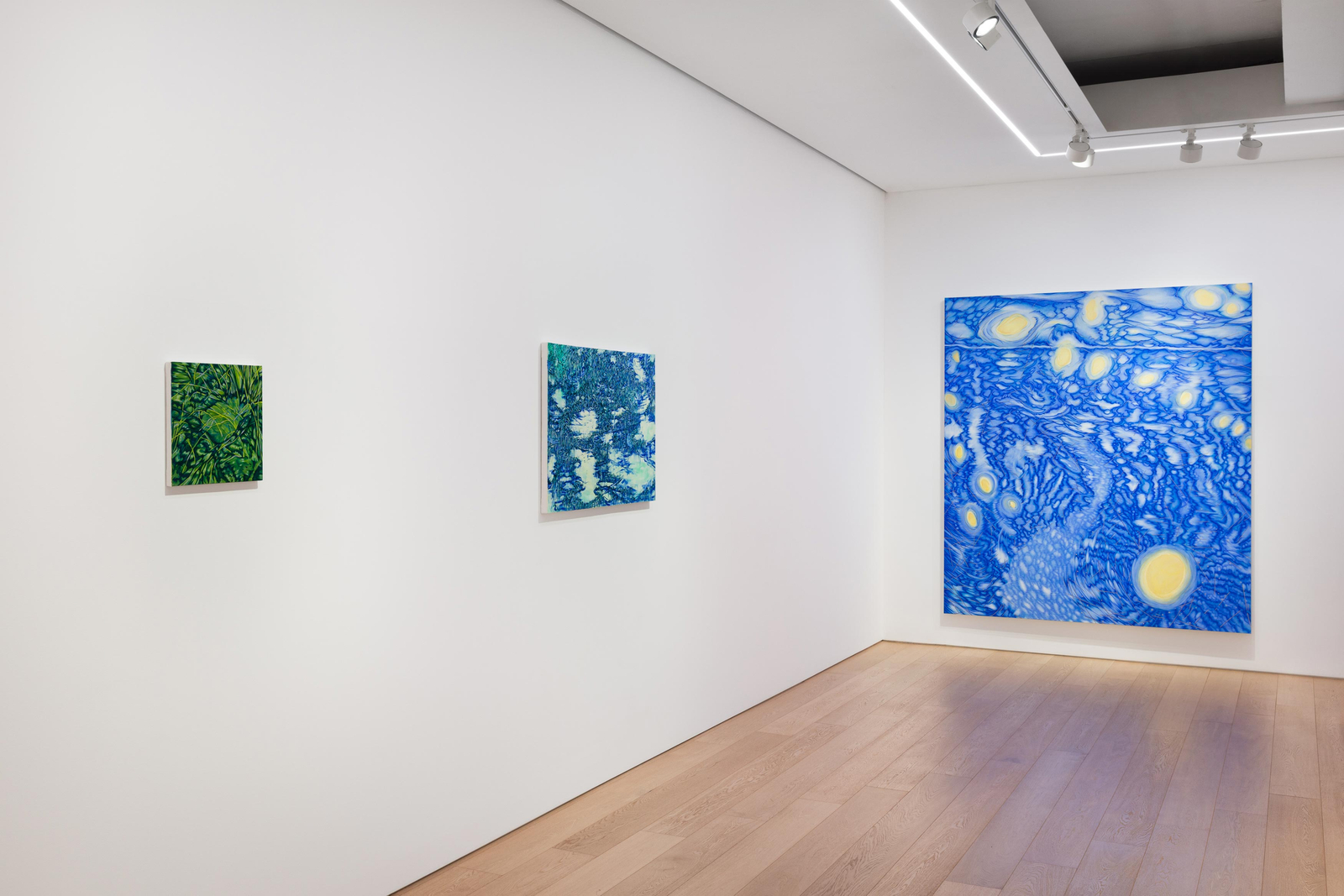
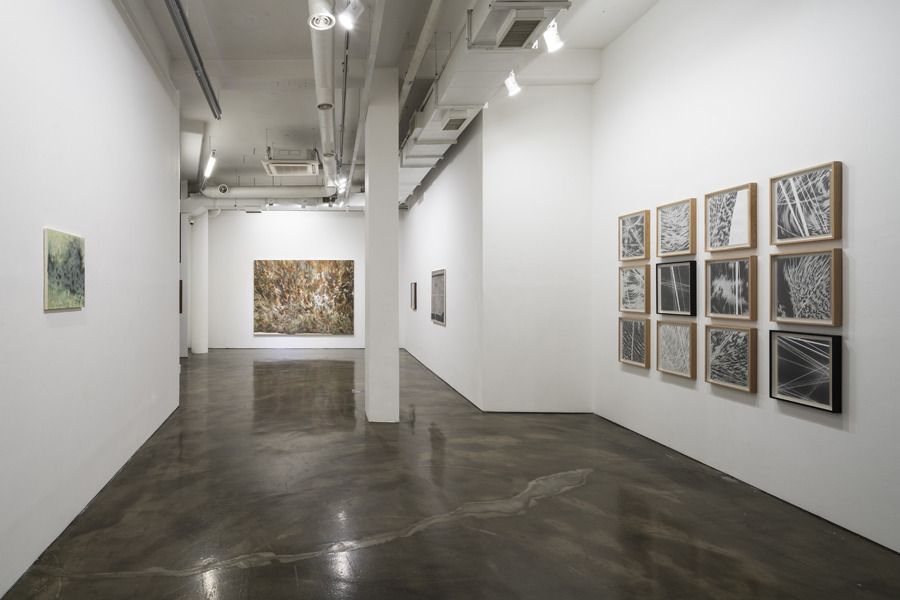
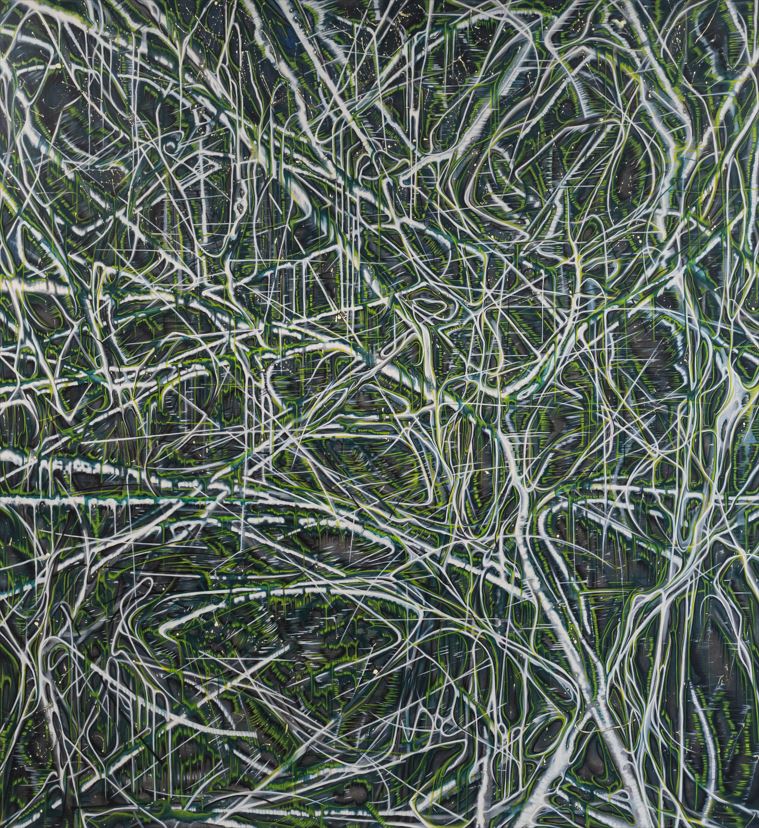
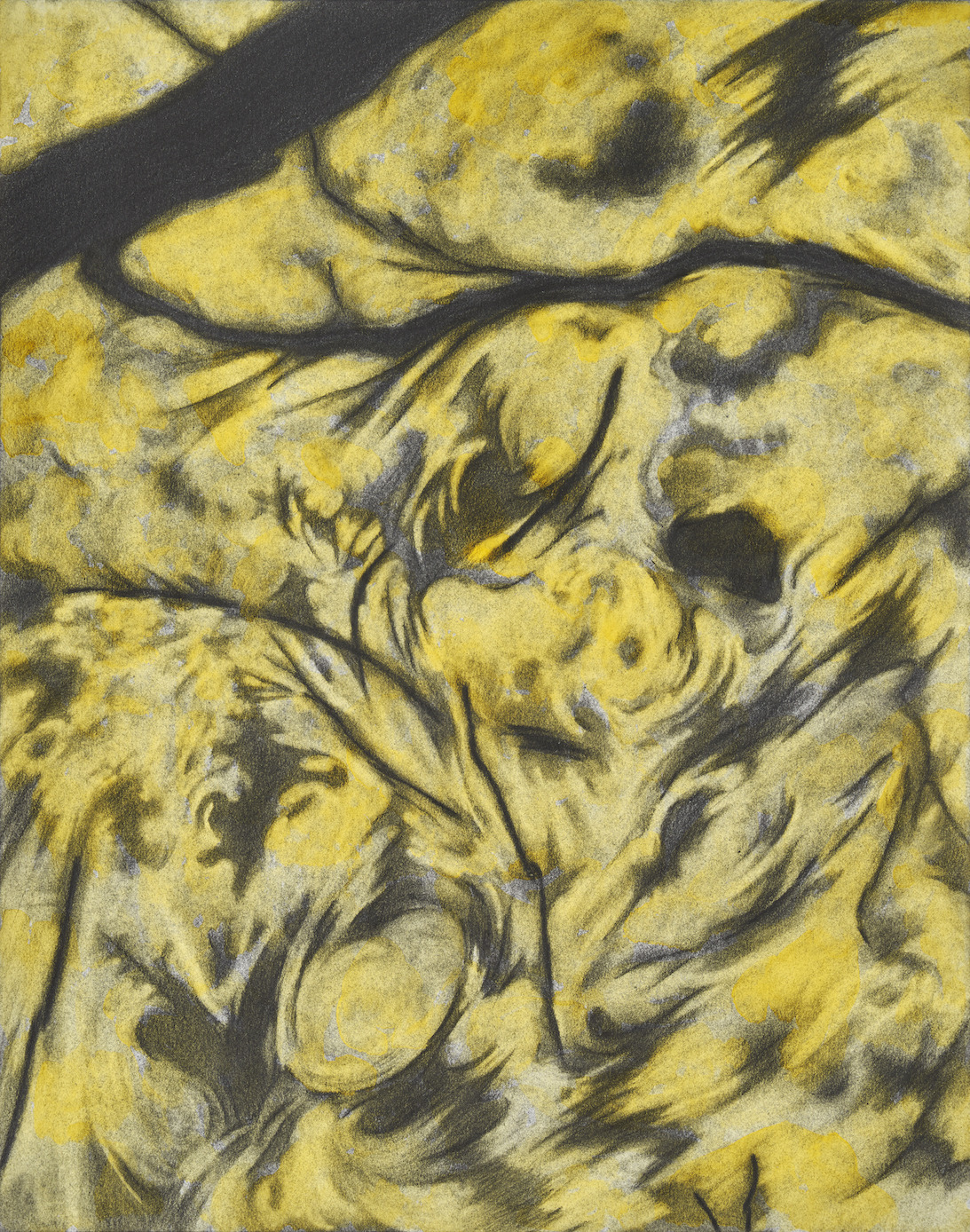
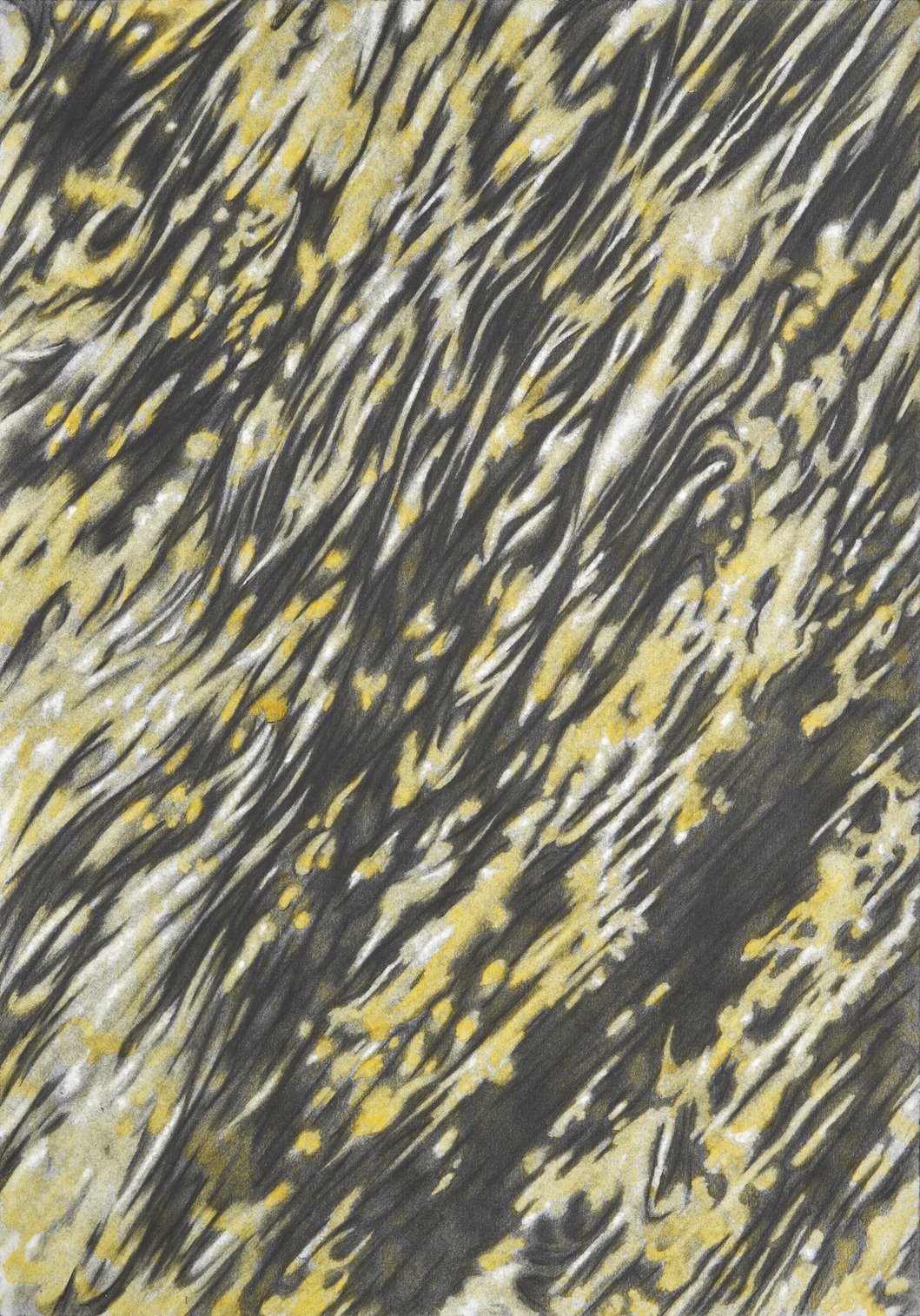
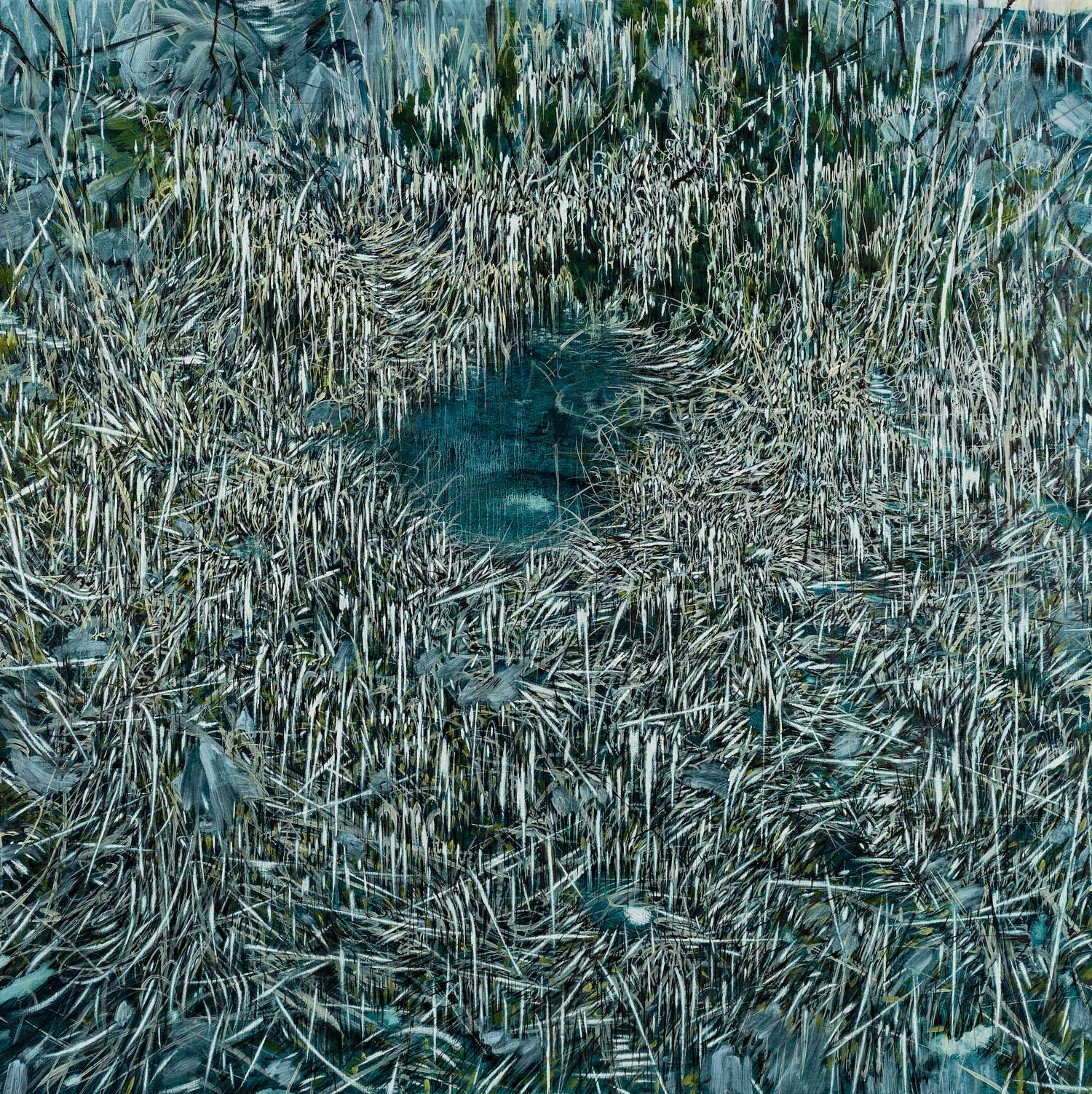
Although Han Jin's paintings do not depict or refer to any specific subject, they often evoke the image of an unnamed forest. One imagines someone parting dense undergrowth with their hands, searching for a path through the landscape. There are no human figures in her paintings.

Yet the traces of a body moving across the surface remain vividly present, emerging through her attempt to render the audiovisual textures embedded in her memory.

As the viewer's gaze follows the layered traces and intricate grain of these marks, it is gradually drawn into a certain rhythm, wandering until it eventually loses its way—much like straying onto an unexpected trail in the mountains and ultimately losing one's sense of direction. The artist, however, seems unconcerned with losing those coordinates.

"In the forest, I exist as my complete self. Within my mind, everything is possible, as though in a hidden place deep within a small ravine." Before responding to visual images, she reacts to the sounds contained within her subjects.

Her paintings seek to visualize the anxiety that those sounds evoke, as well as the remembered time and space shaped by repeated movements and moments of stillness undertaken in an effort to quiet that anxiety. It is within this forest of painting that she chooses to remain.

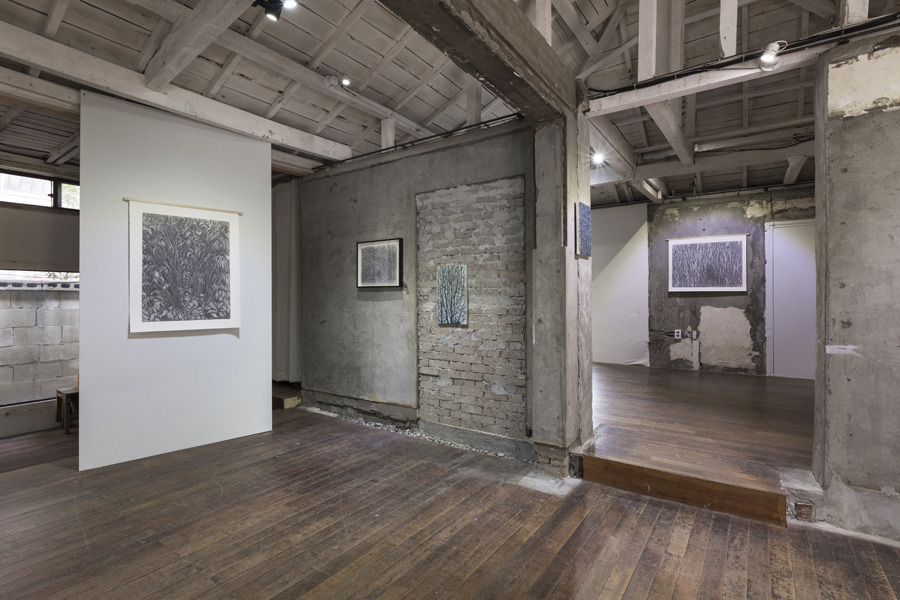
Installation view of 《White Noise》 © Art Space Pool

The Image as Action

It hardly seems important to determine what Han Jin's images represent, what they are attempting to say, or what meanings they carry.

As one follows the movement of her images, one is reminded of the conclusion that Jean-Paul Sartre reached in The Imaginary after examining the theories of philosophers and psychologists concerning the nature of the image: “There are no images in consciousness, nor could there be. Rather, the image is a certain type of consciousness. The image is an act, not a thing. It is consciousness of something.”

The images Han Jin creates are not objects, nor are they merely the products of consciousness. They are themselves consciousness—actions endowed with their own intrinsic movement. Georges Didi-Huberman once argued that it is insufficient to describe images solely through adjectives and nouns; one must also employ verbs to explain what images do and what they do to us.

This observation offers an illuminating way of approaching Han Jin's practice. Her images invite us to imagine actions rather than meanings alone—to envision images that accumulate, erase, gather, disperse, approach, recede, break apart, and reconnect. Through these countless verbs, her paintings remain in a continuous state of becoming.

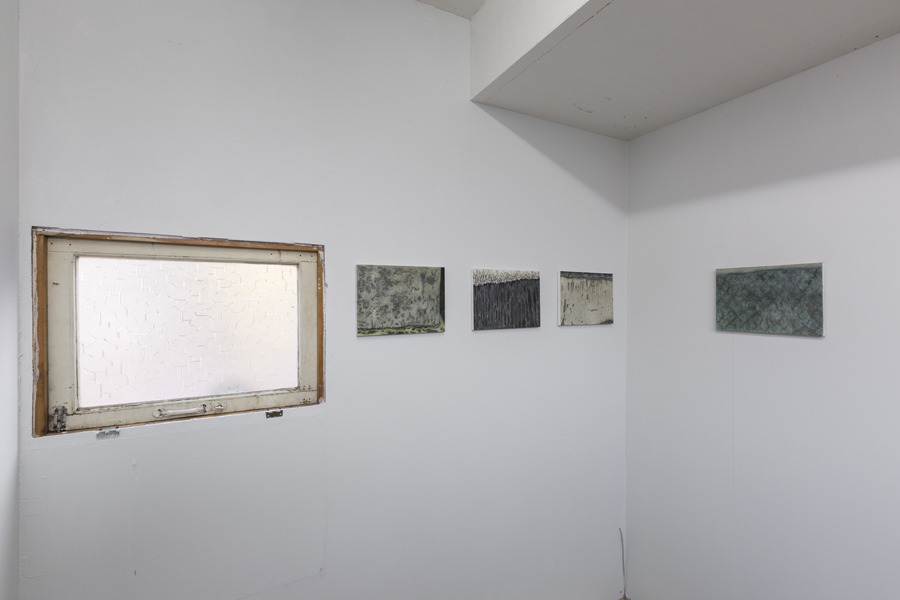
Installation view of 《White Noise》 © Art Space Pool

The Exhibition Space as White Noise

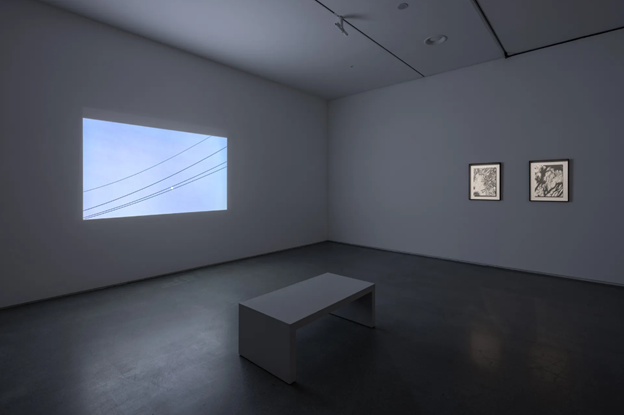
Han Jin's solo exhibition 《White Noise》 is an audiovisual experiment that both acknowledges and embraces the anxiety and pain she has experienced in response to particular sounds, while simultaneously seeking to dissolve them.

“White noise” refers to a method of alleviating auditory hypersensitivity—a condition in which psychological or physical dissonance manifests as an involuntary bodily reaction to certain sounds, much like an allergic response. It also serves as a metaphorical remedy for a contemporary reality in which we each suffer our own forms of auditory hypersensitivity, overwhelmed by sounds and rumors that reach us beyond our control.

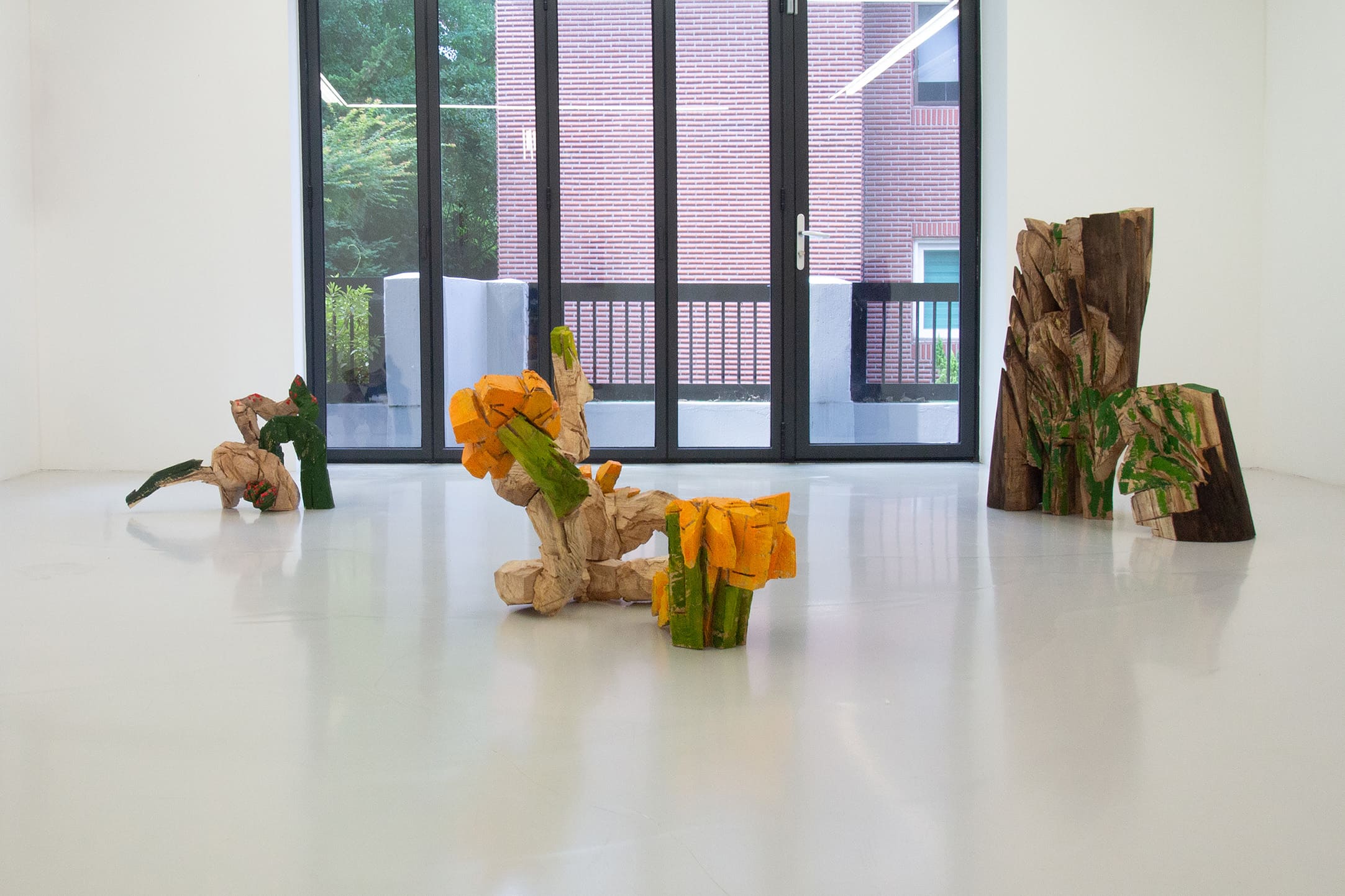
Presenting paintings that visualize white noise, the exhibition transforms the exhibition space itself into an environment of white noise. The energy and emotion that the artist pours into her work until she is completely exhausted each day unexpectedly reach into the depths of memory, gently knocking on something long forgotten.

Although translating the imaginative power of art and the evocative force of images into words inevitably feels inadequate, Han Jin's paintings reaffirm that very power. Revealing and evoking both the visible and invisible dimensions of painting—its countless layers and textures—her works propose an alternative methodology for approaching the medium of painting itself.

References