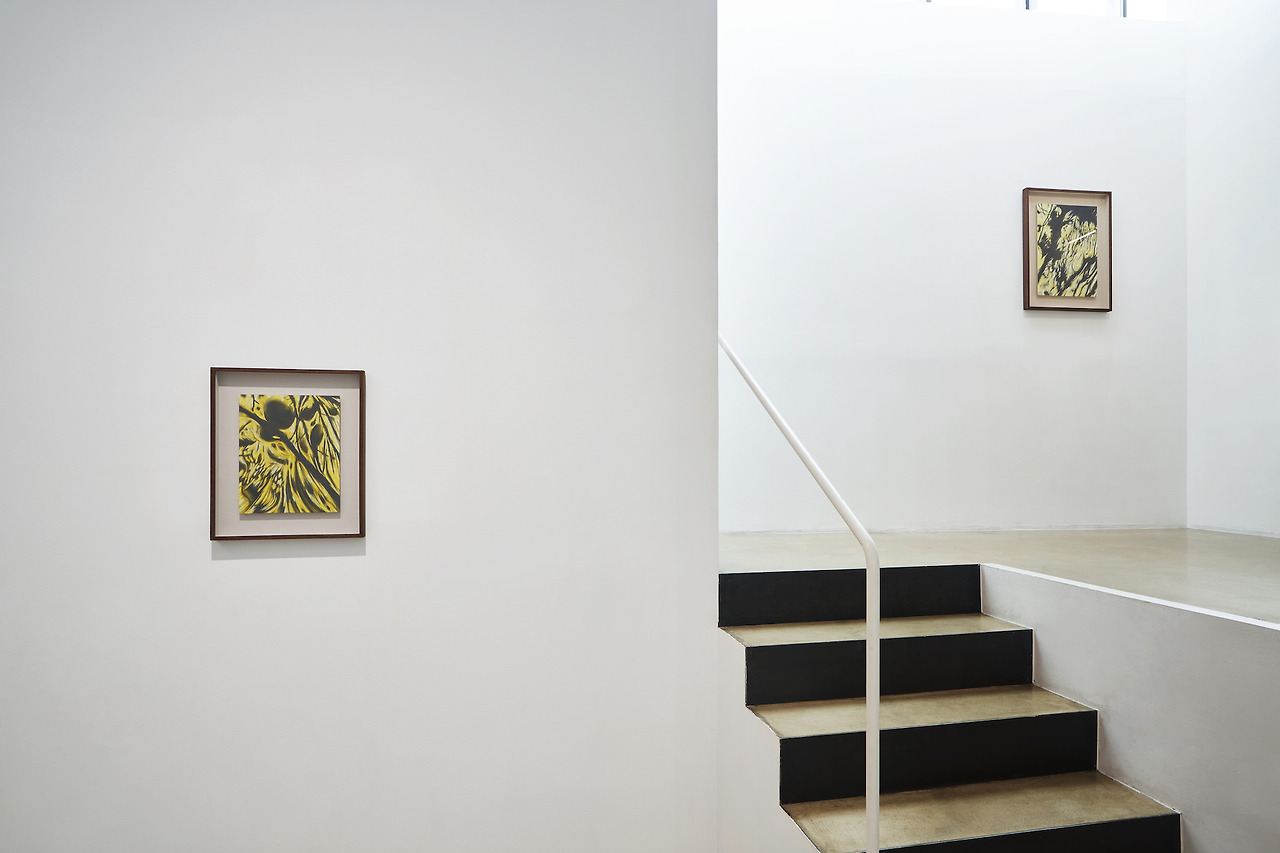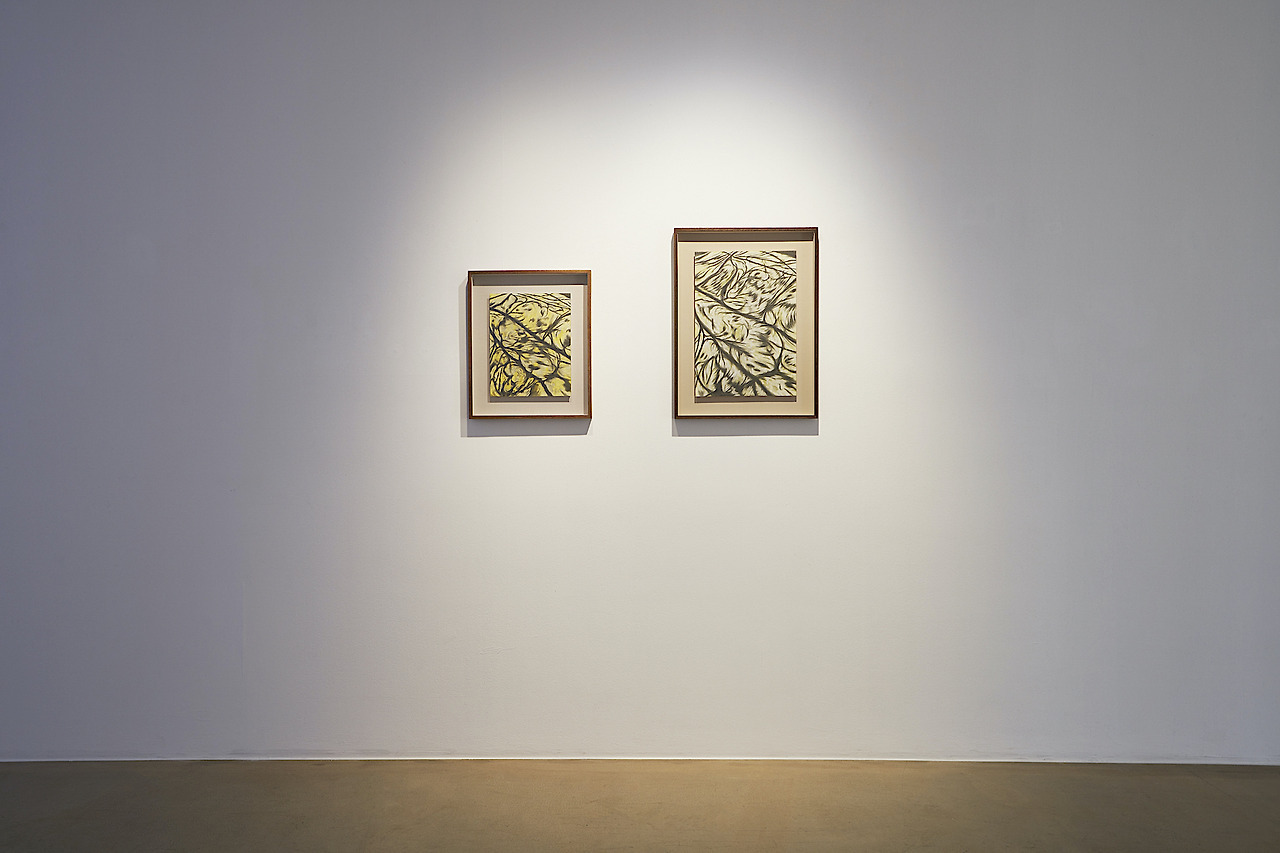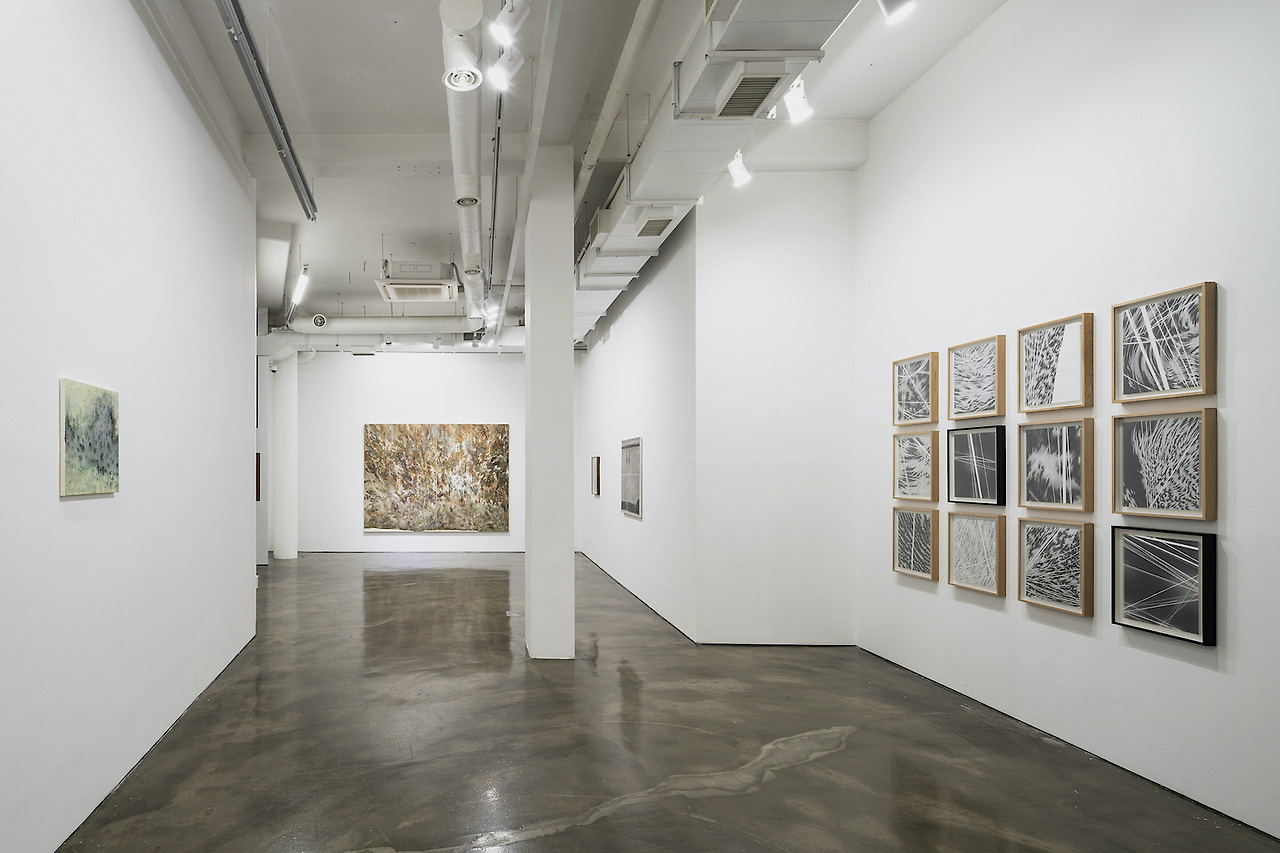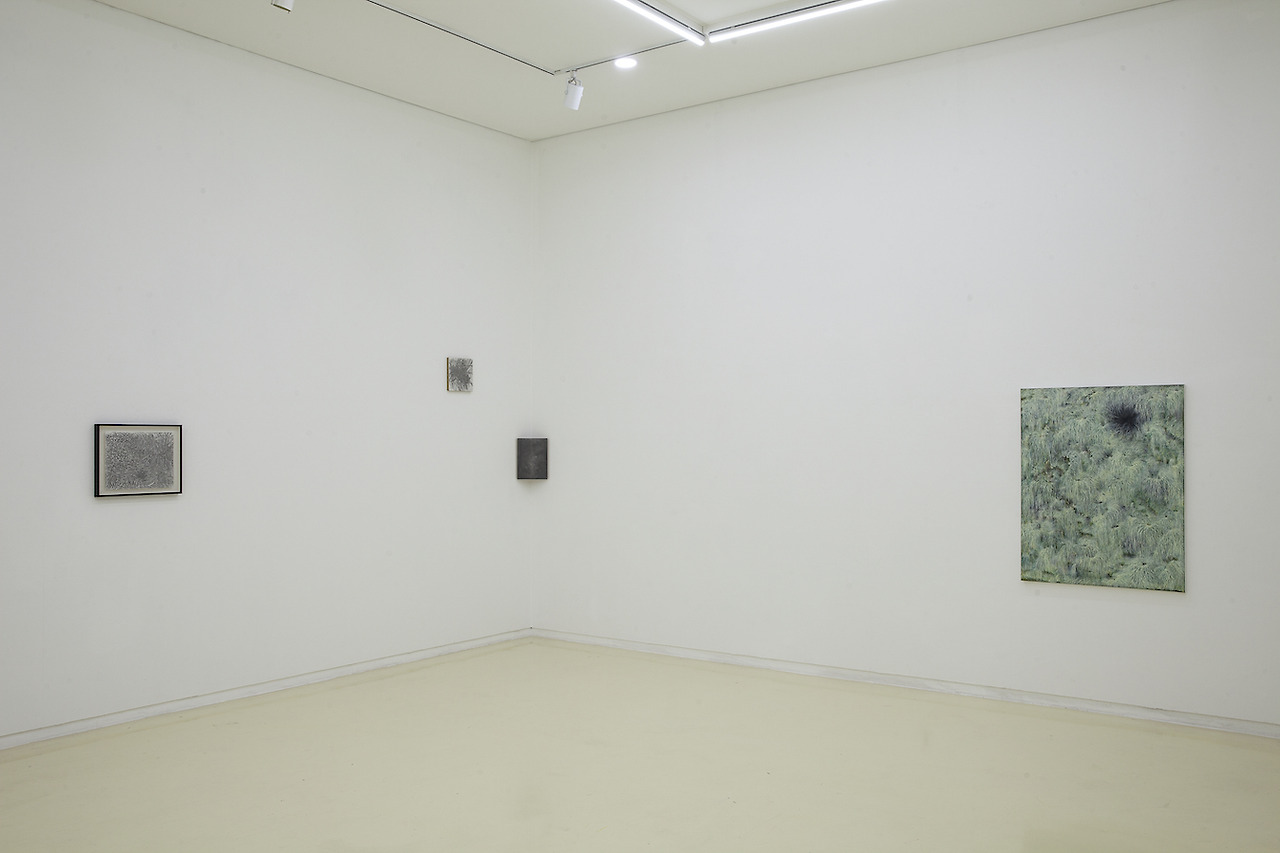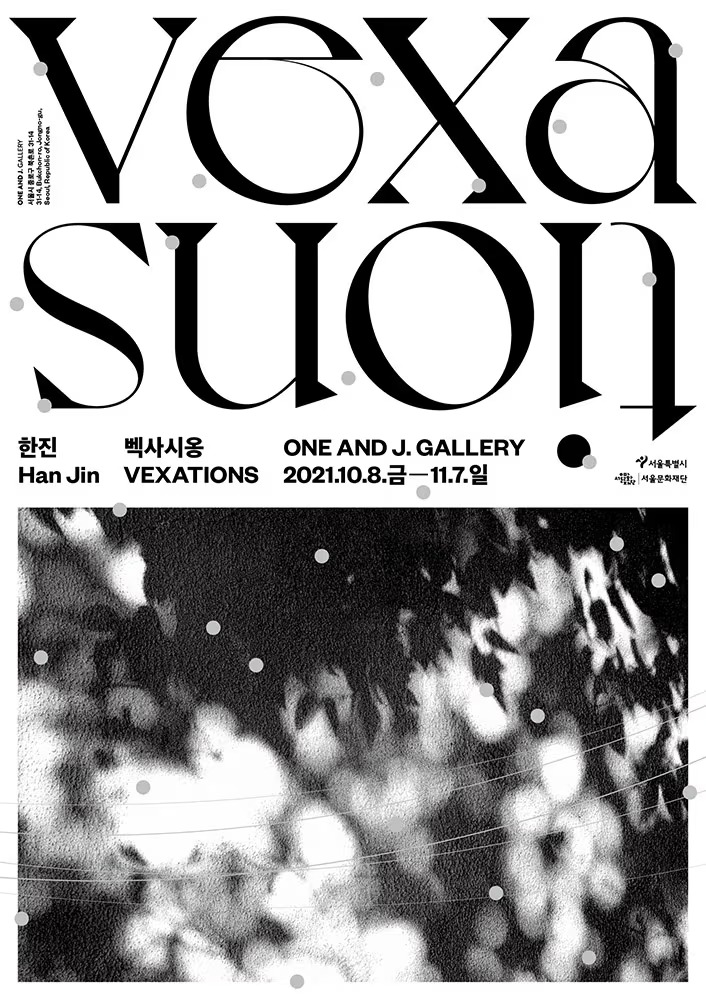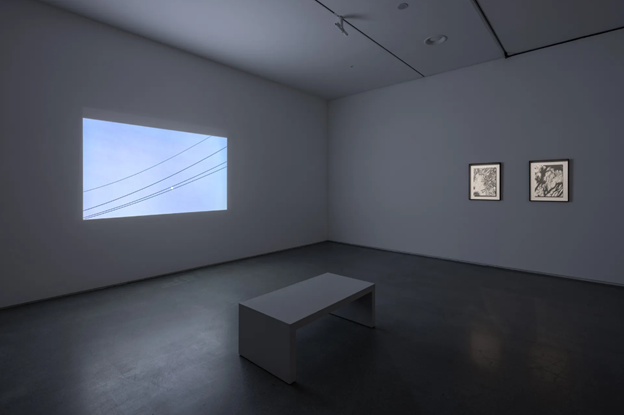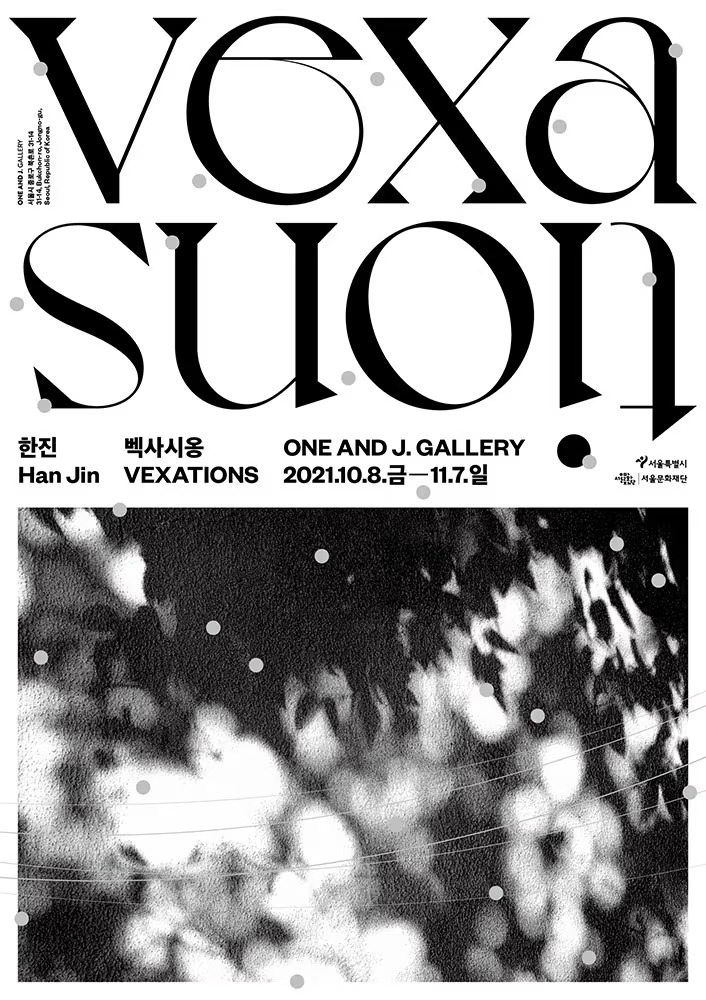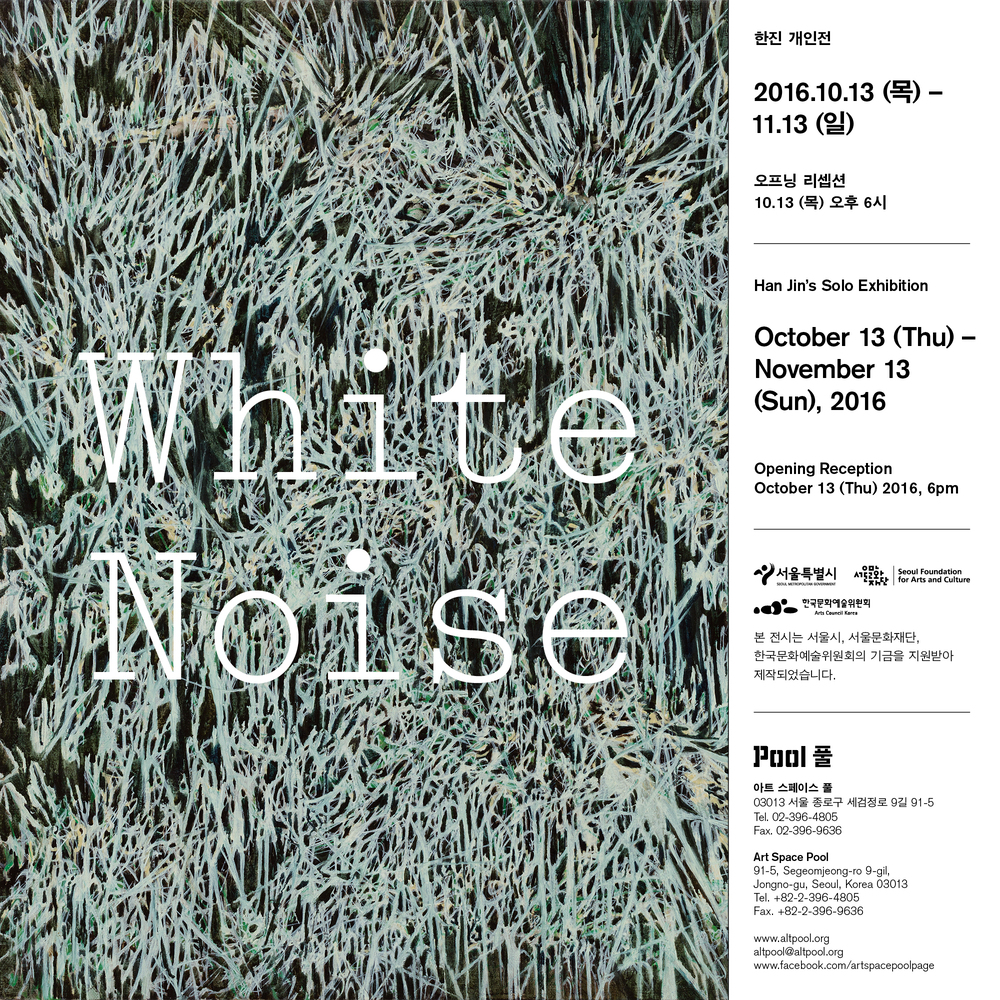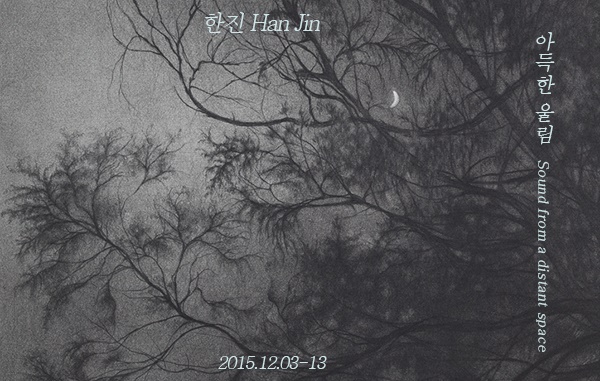


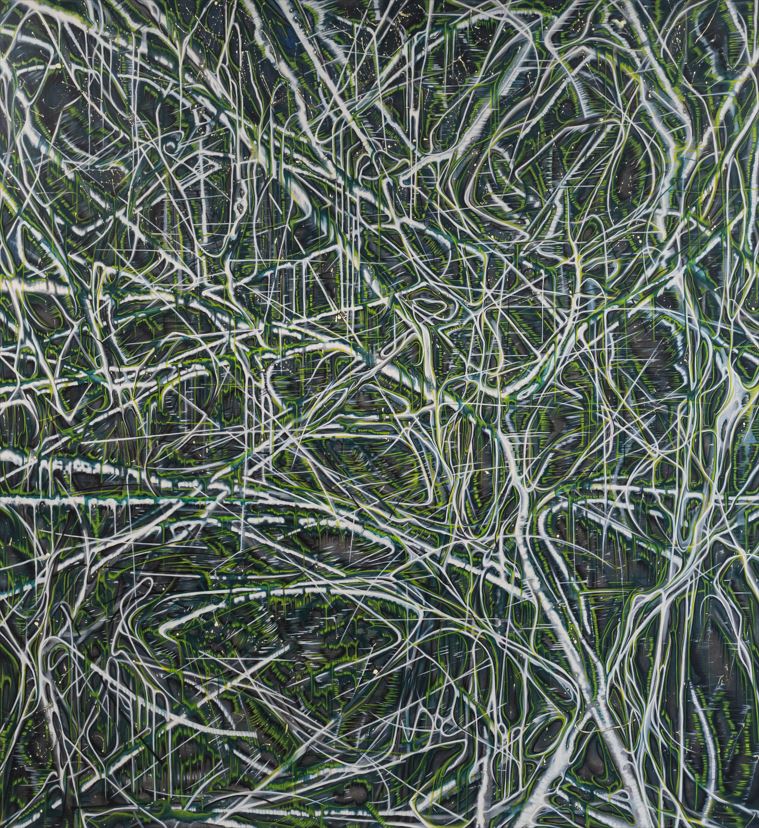
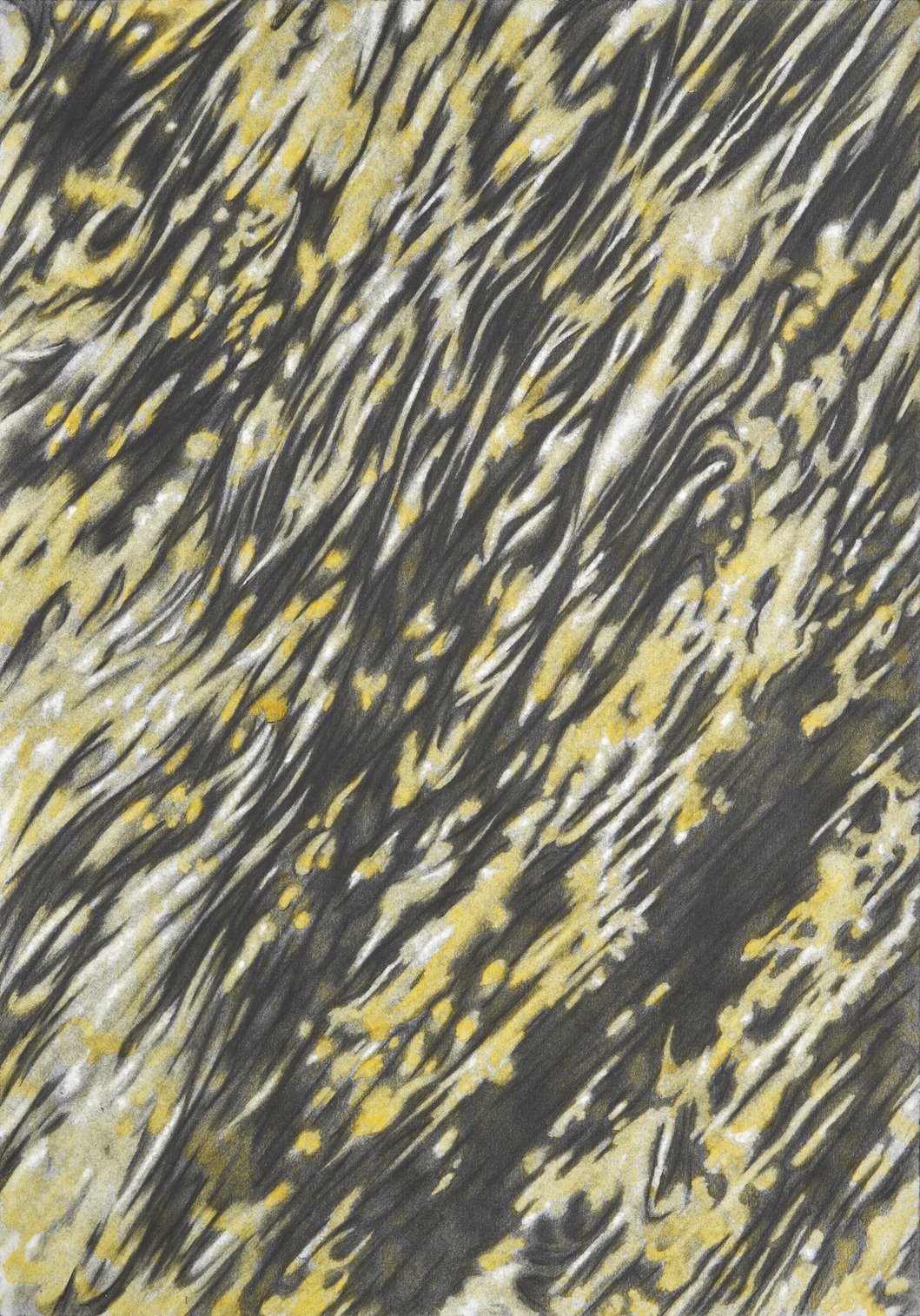
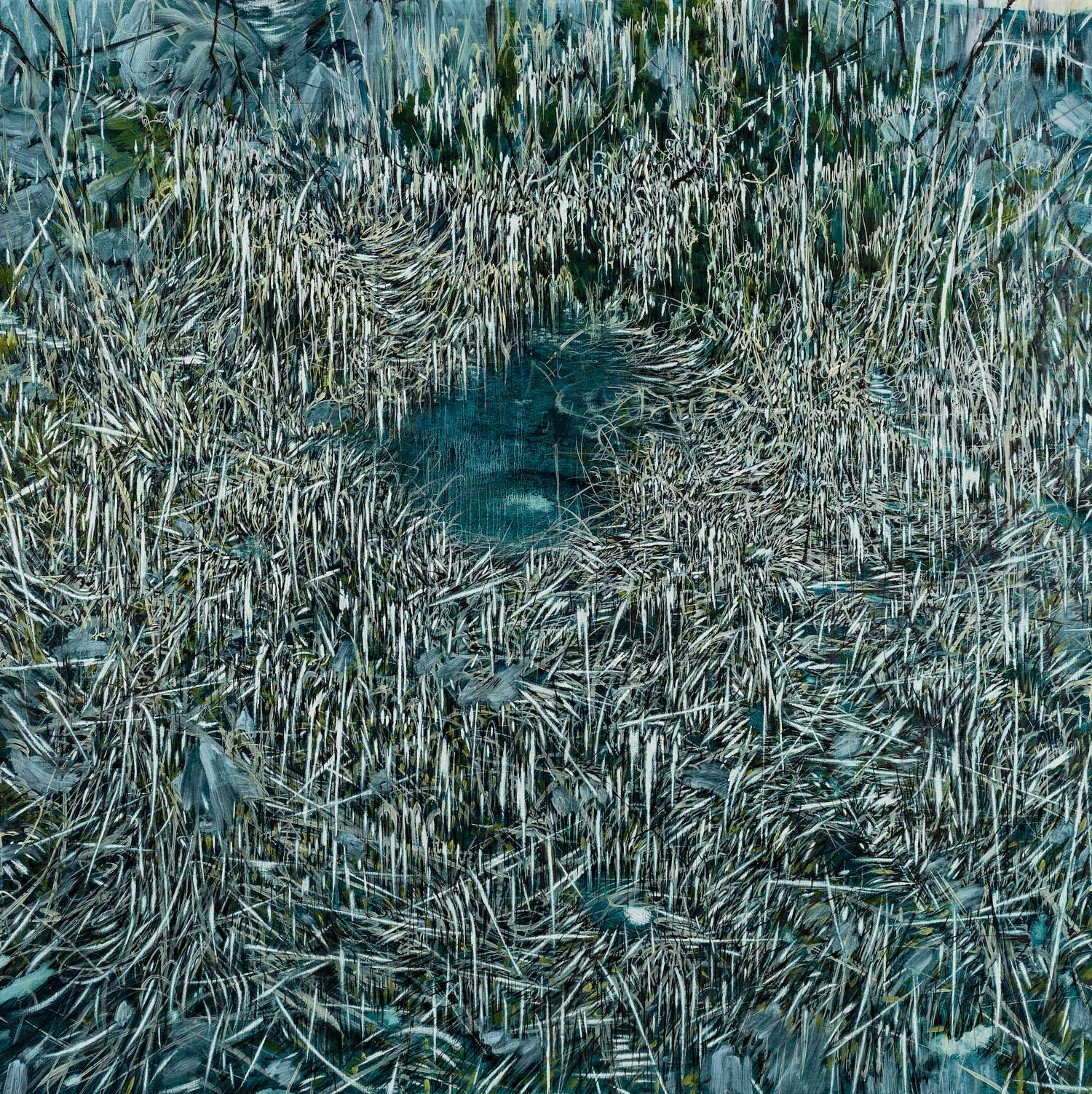
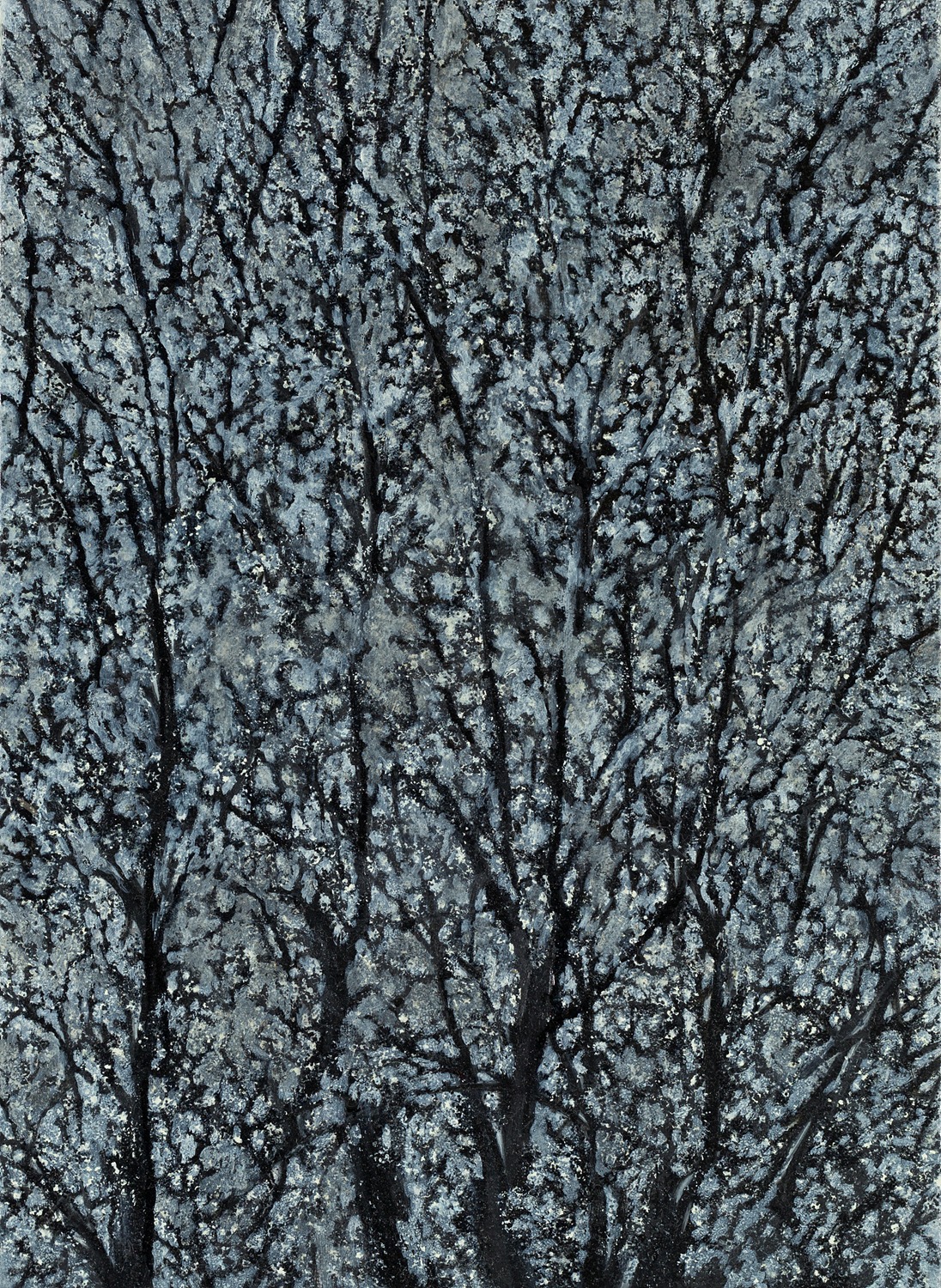
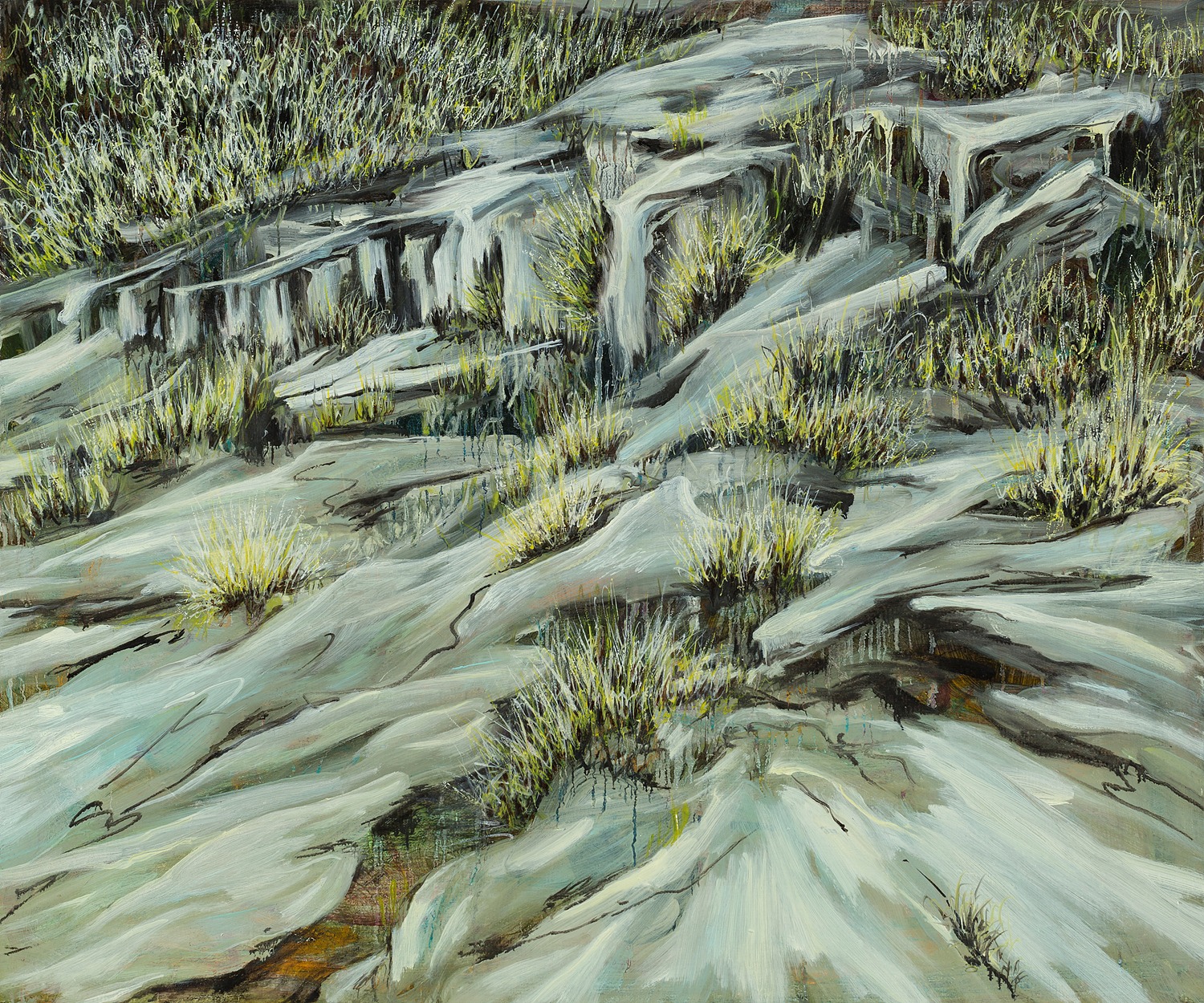
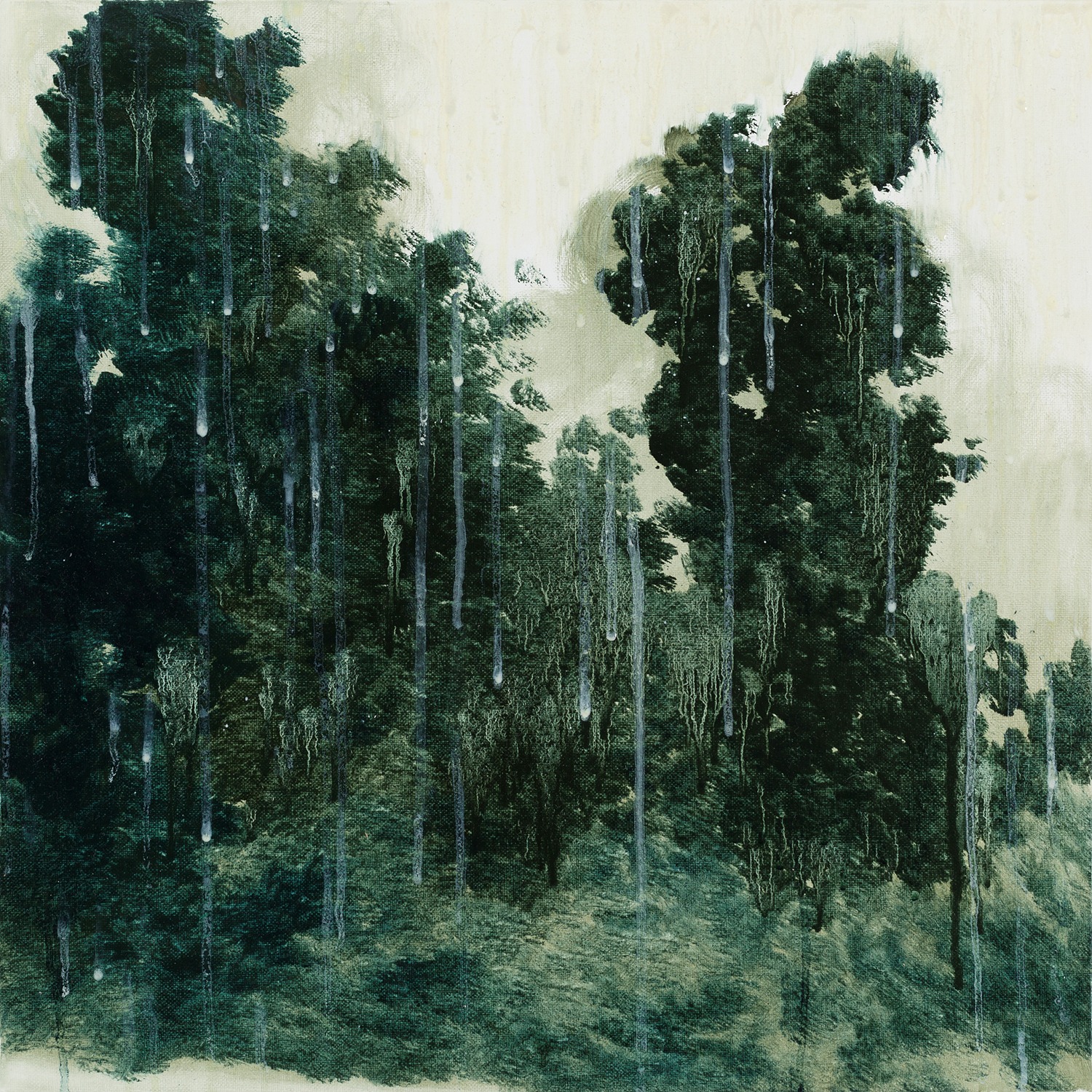
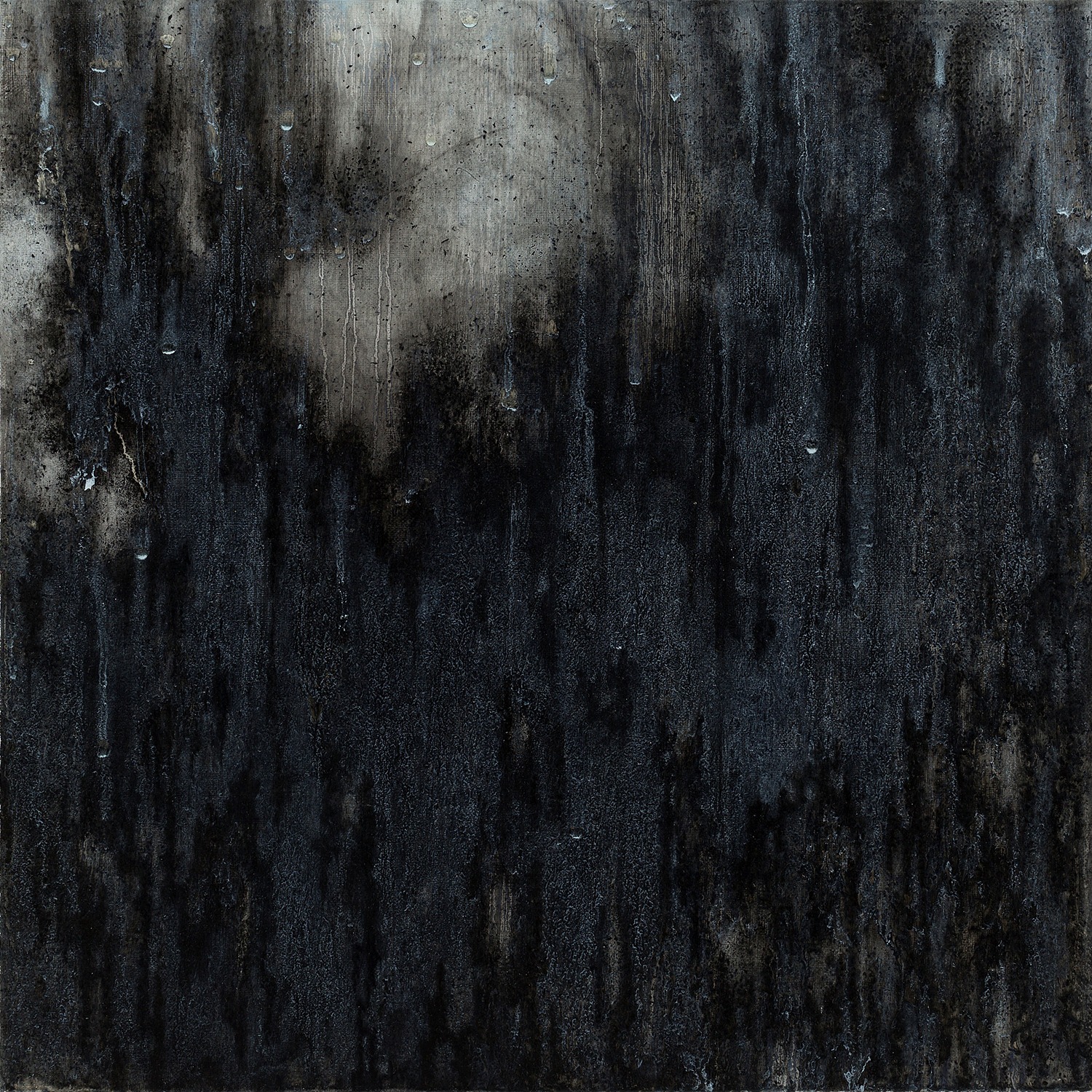
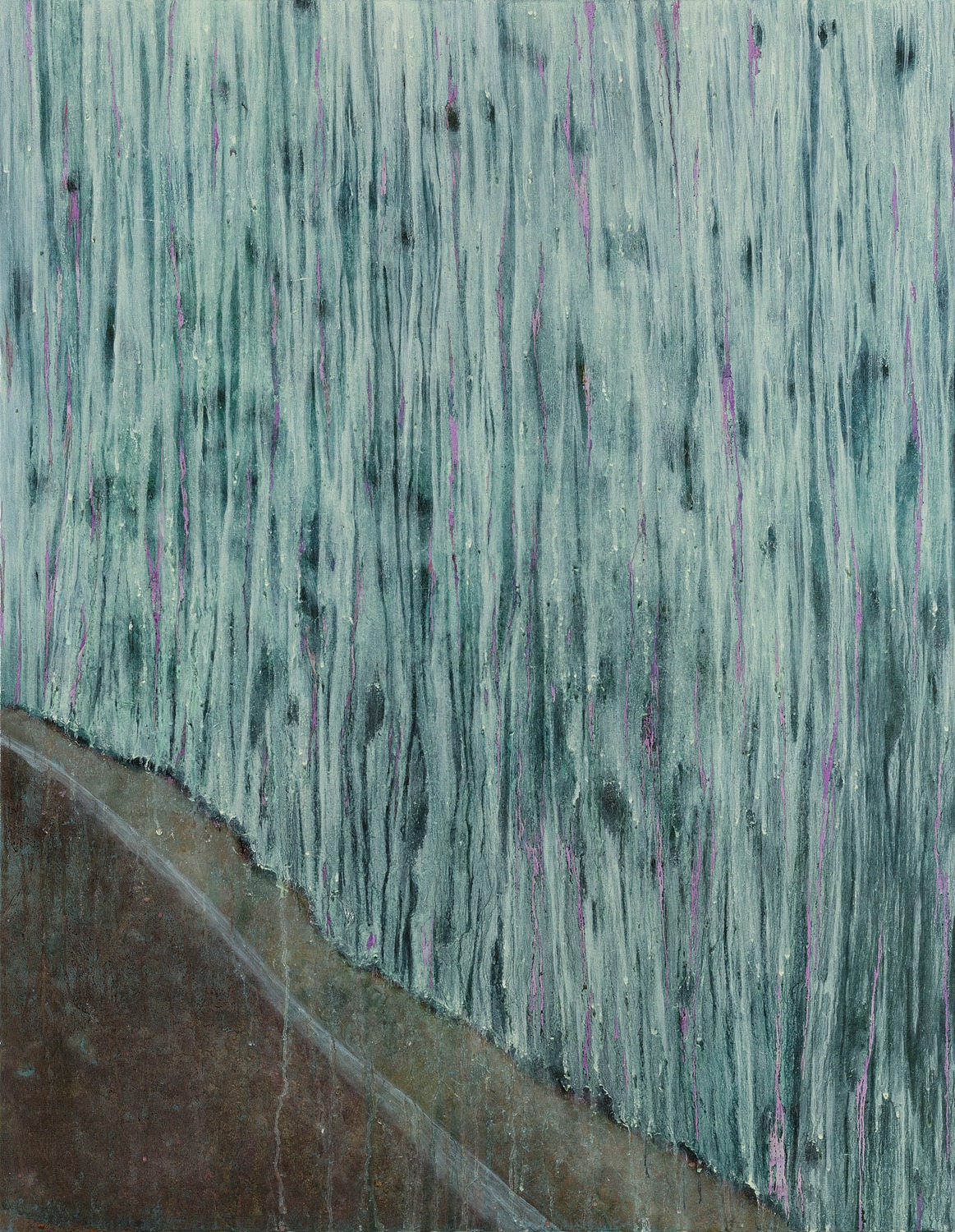
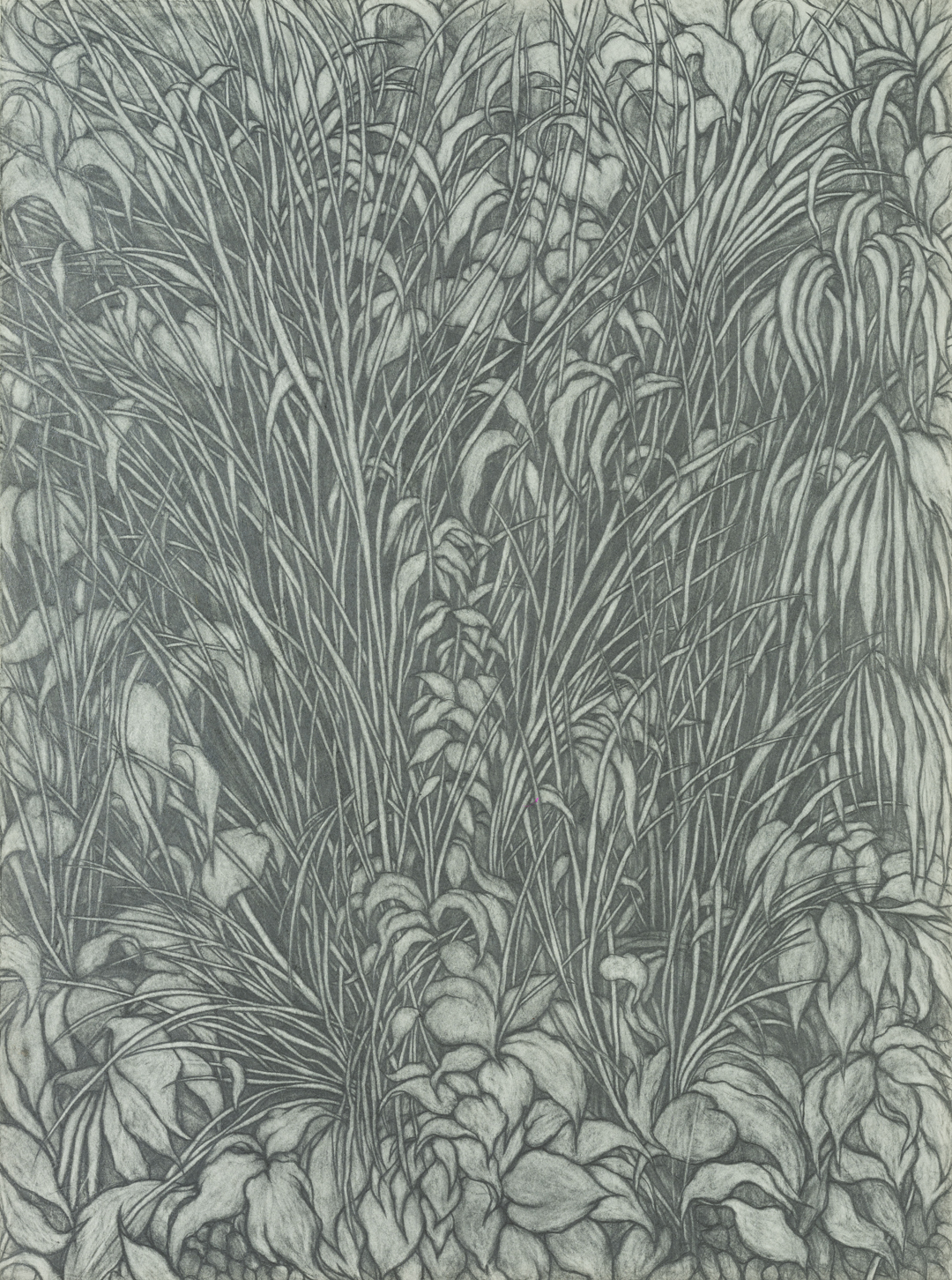
Poster image of 《Vexations》 © ONE AND J. GALLERY

Han Jin's solo exhibition 《Vexations》 takes its title from the piano composition of the same name by Erik Satie. Although the score consists of only a single page, the performer is instructed to play the piece "very slowly" 840 consecutive times, without bar divisions, according to Satie's performance directions. A complete performance lasts more than eighteen hours.

Whether one performs or listens, being enclosed within such prolonged repetition is inevitably an arduous experience. Consequently, the temporal and spatial conditions of the performance continually shift as the sounds produced by both performer and audience intermingle. It was for this reason that Satie titled the work “Vexations”.

Perhaps it is precisely because this composition is almost violent in its demands that Han Jin adopts its title for her exhibition. The moment of encountering a subject constitutes what might truly be called an "event." It does not quietly arrive and disappear at our convenience; rather, it unexpectedly emerges in unforeseen ways and leaves a mark that can never be forgotten.

In this sense, the experience recalls Gilles Deleuze's conception of how thought comes into being. Thought does not arise through intention or will but arrives suddenly, like an accident. It demands complete receptivity in one's relationship with the object, blurring the distinction between subject and object.

What the artist discovers through prolonged observation of the landscape is not the act of seeing or possessing the subject, but the momentary realization that the rhythm of the subject and the rhythm of her own body temporarily inhabit the same field.


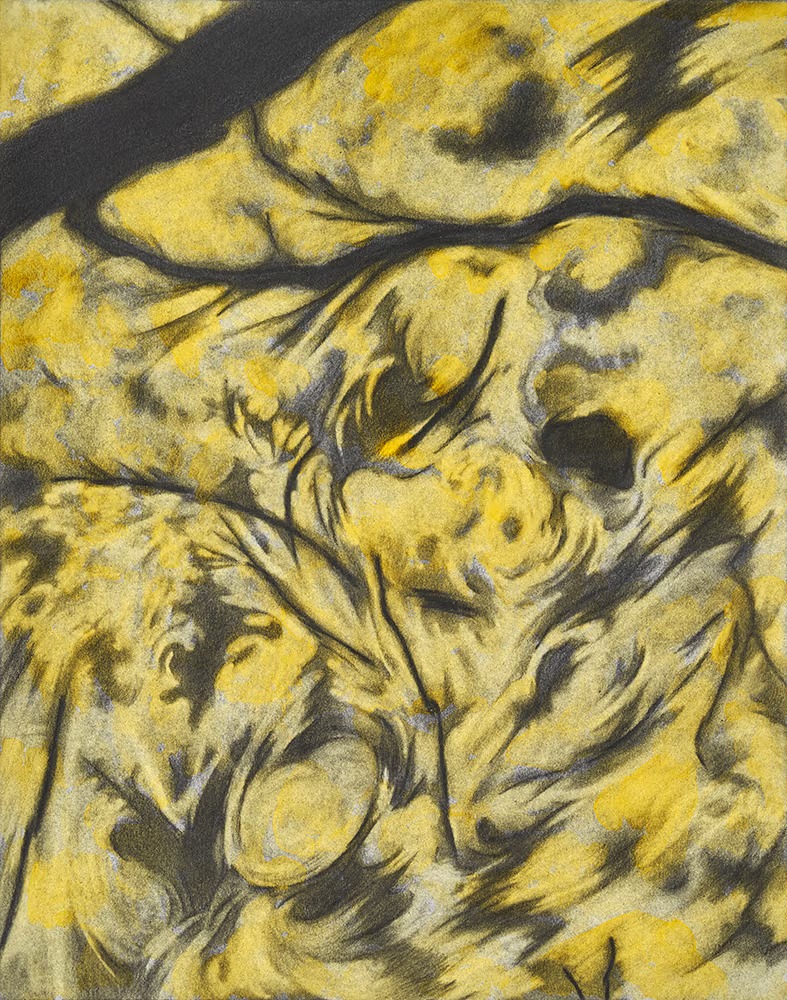
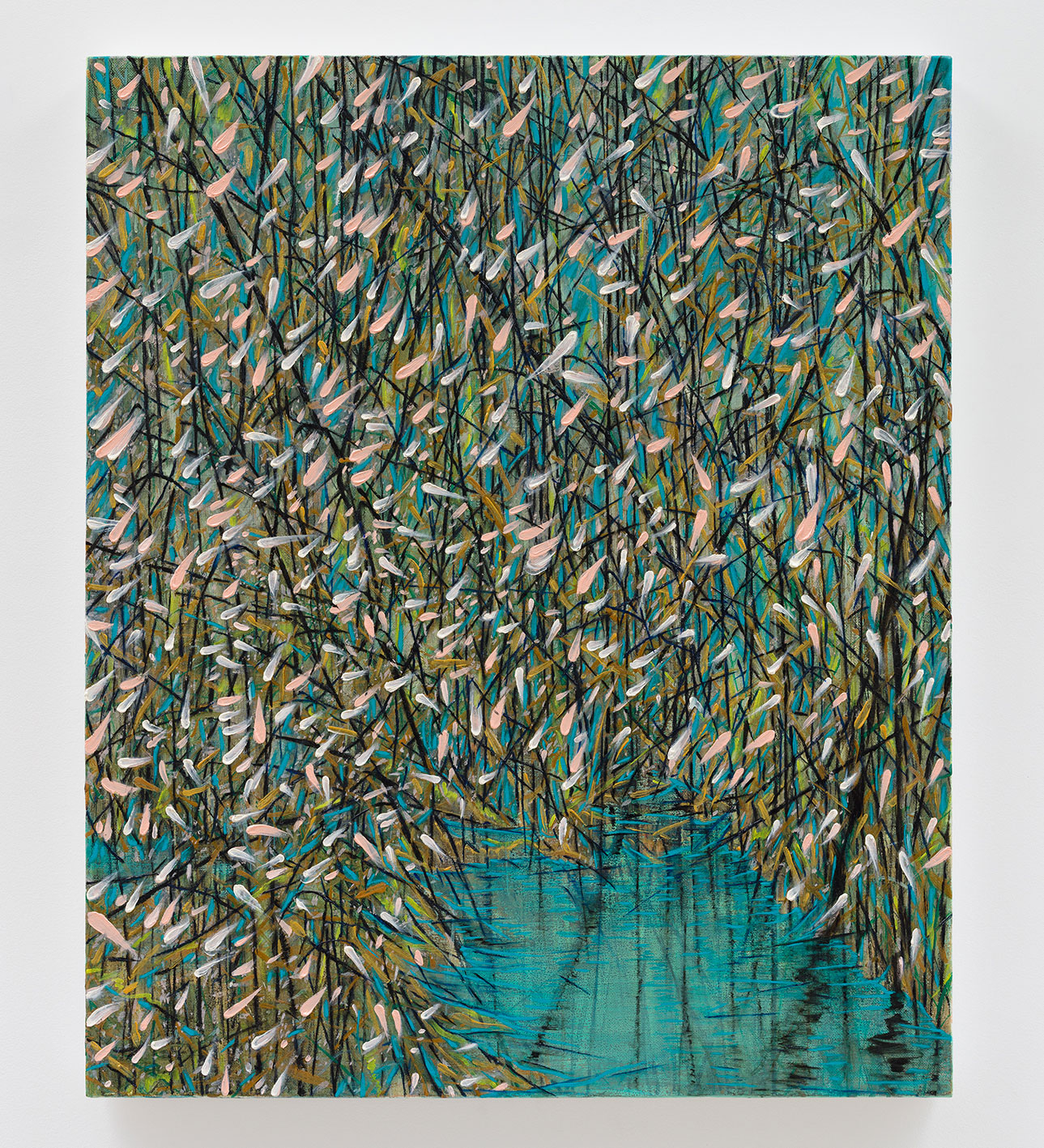
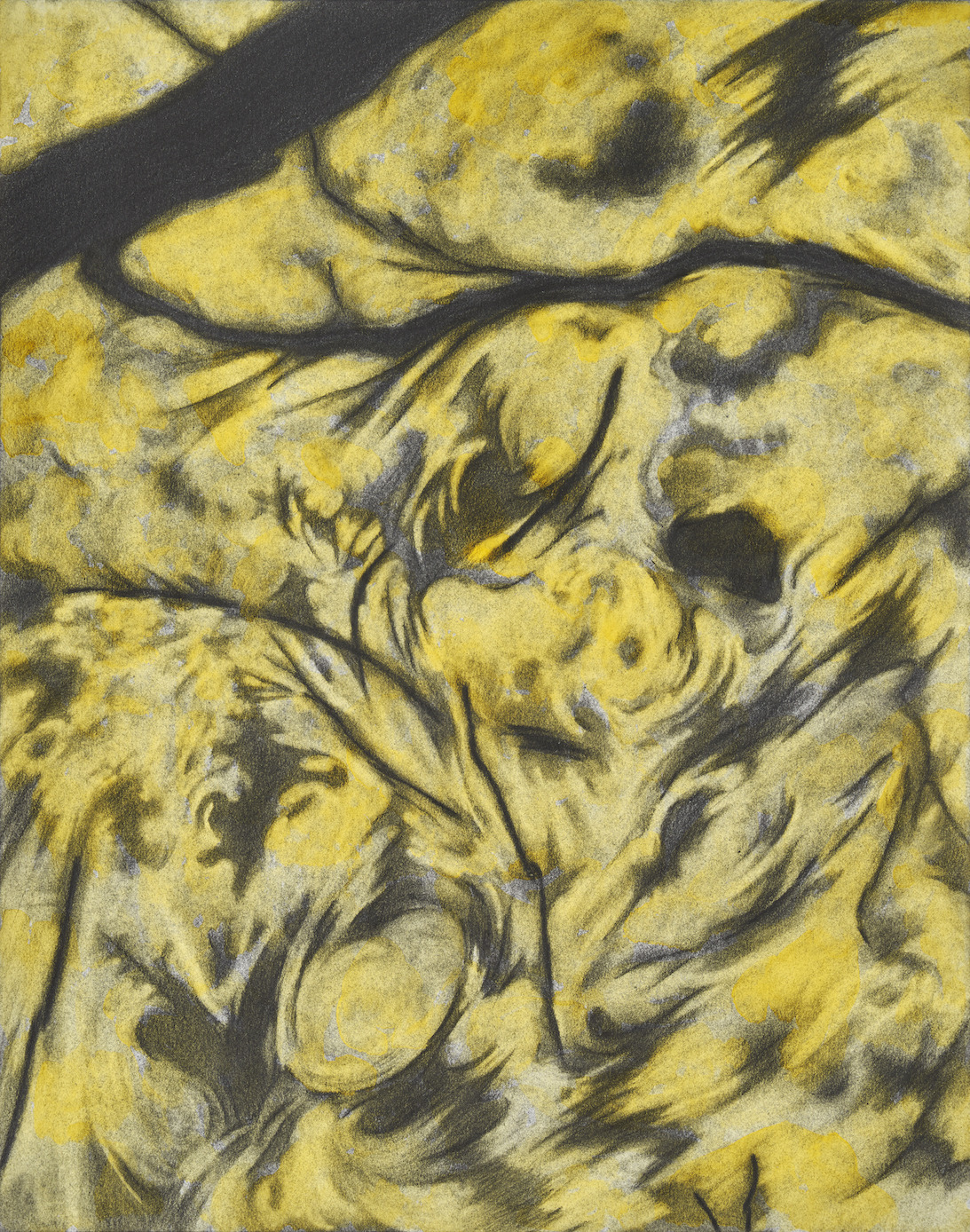
Han Jin, Vexations No.3, 2021, Gouache and pencil on cotton paper, 36 x 28 cm © Han Jin

Satie's score bears the instruction: "To be played 840 times. It would be advisable to prepare oneself beforehand, in the deepest silence, by serious immobilities."

Rather than functioning merely as a performance indication for tempo and rhythm, these words read as guidance on the very attitude required to make music. Play each note with extreme slowness, attend to the resonance it carries, and quietly prepare yourself for the note that follows.

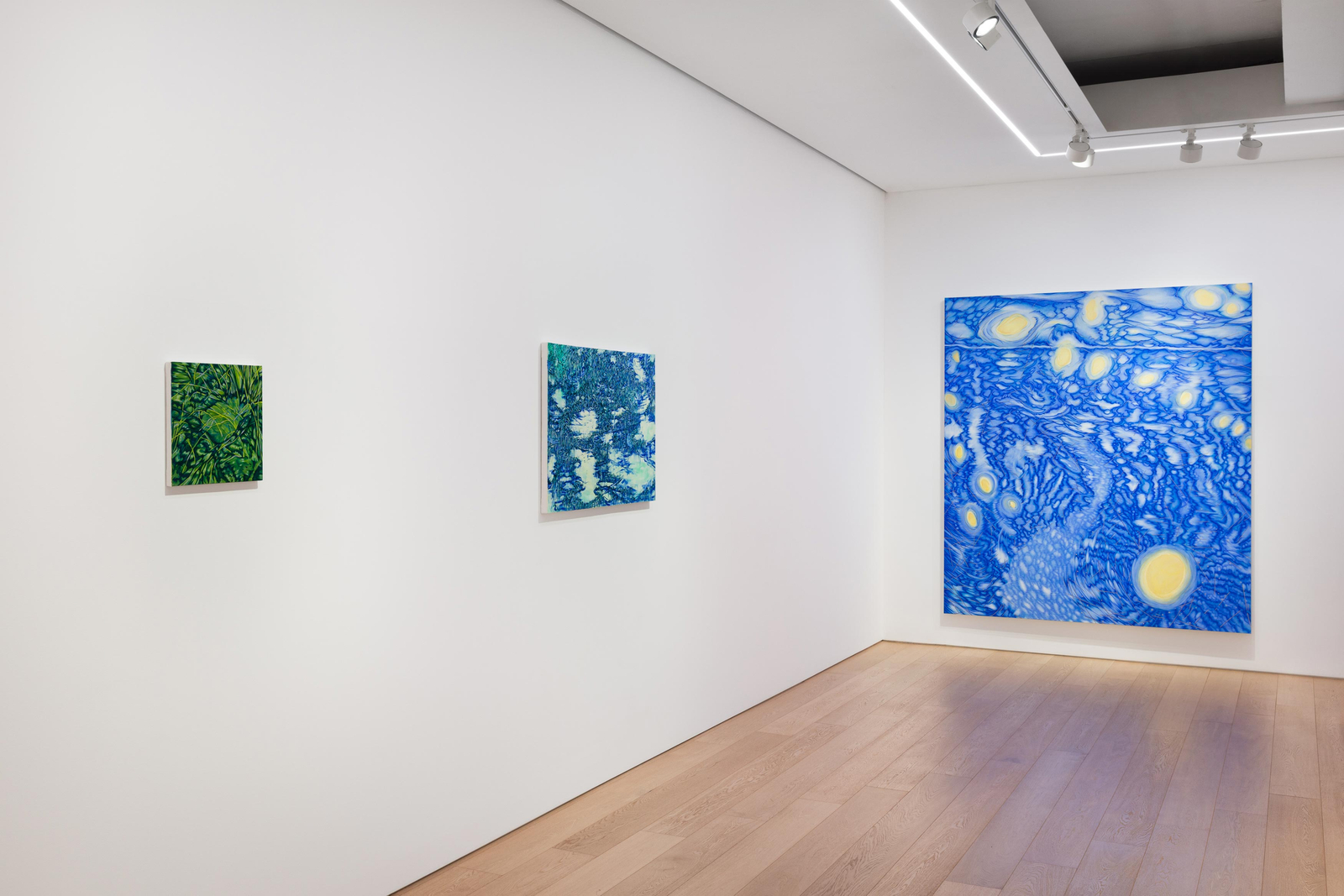
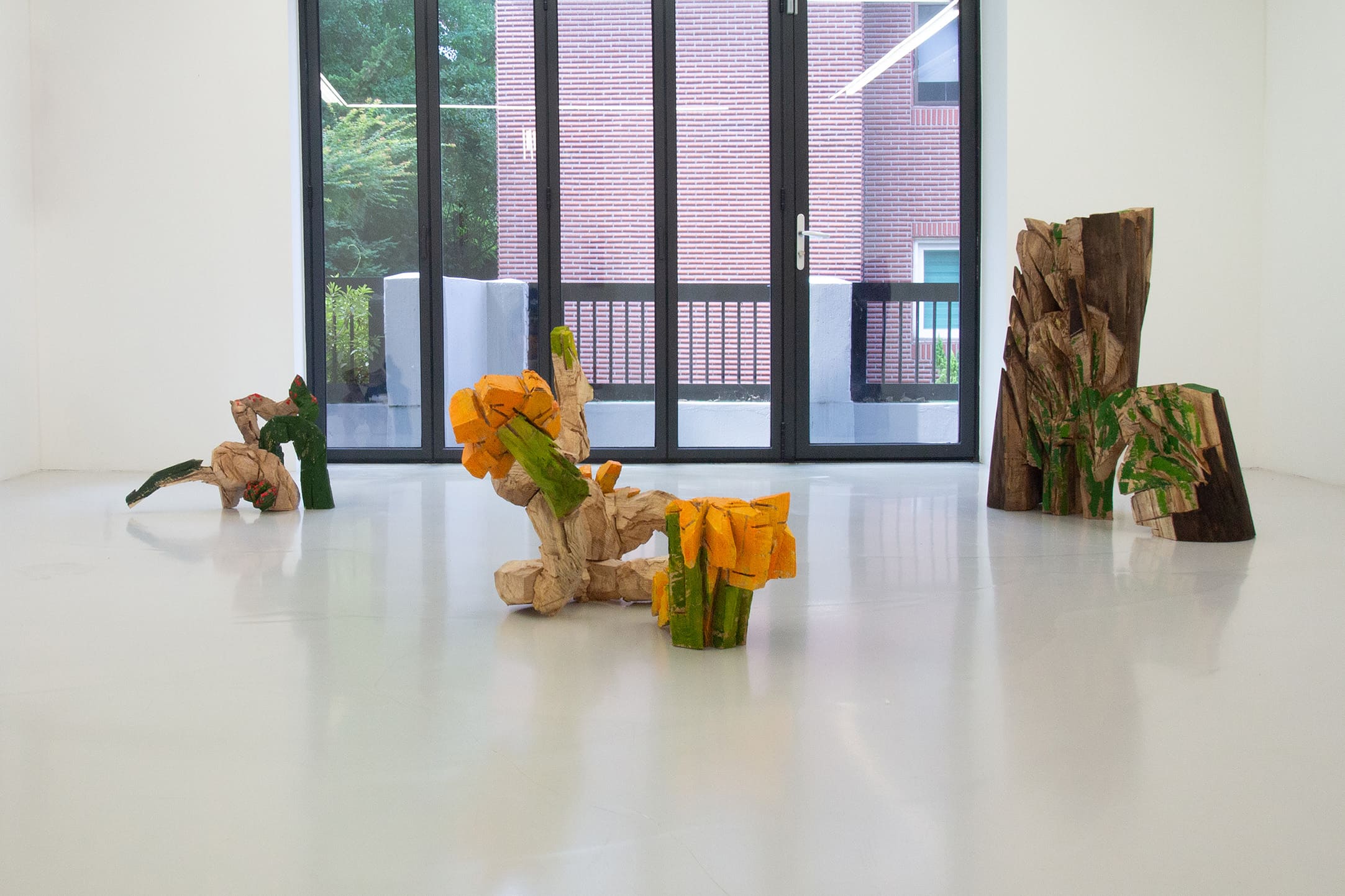
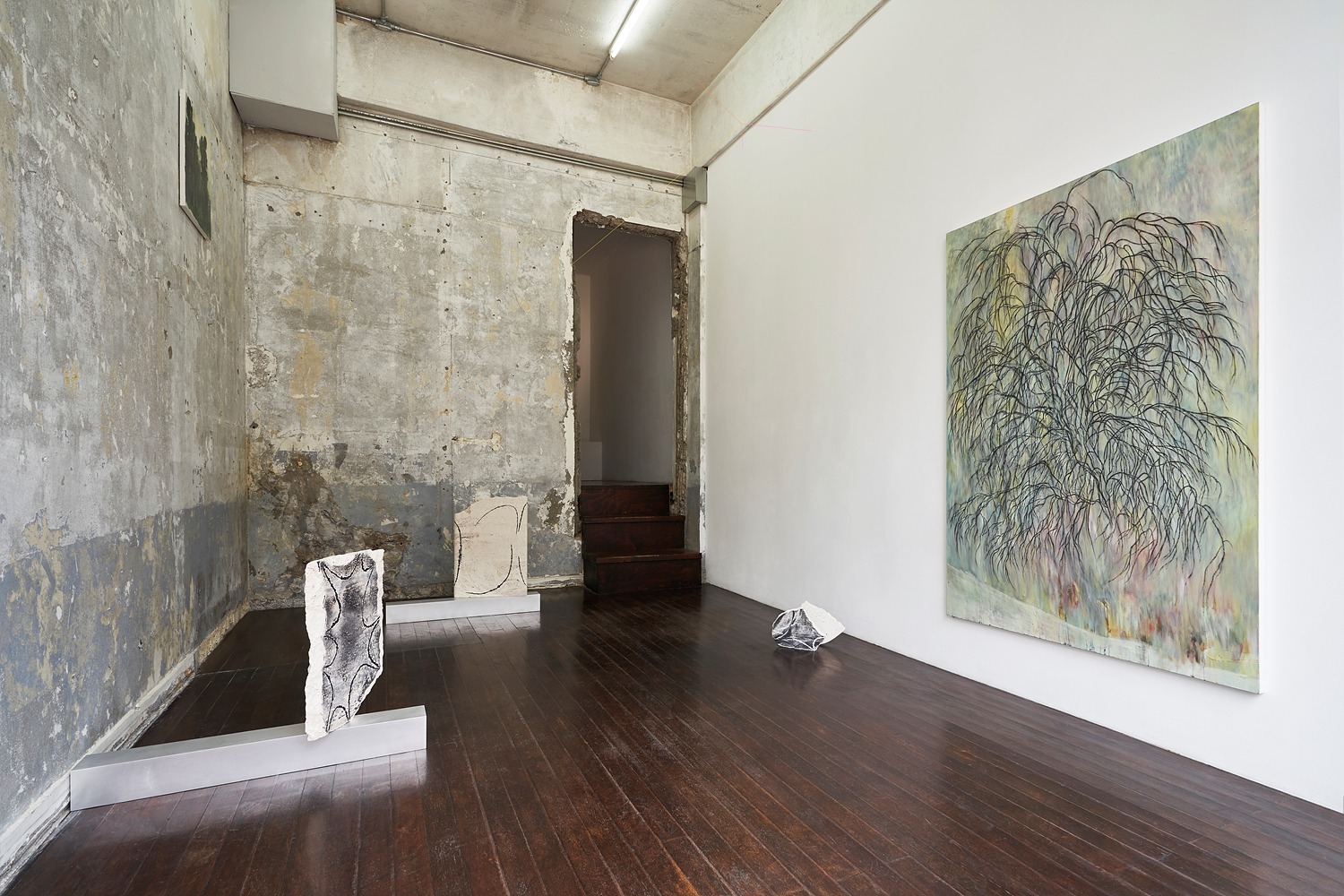
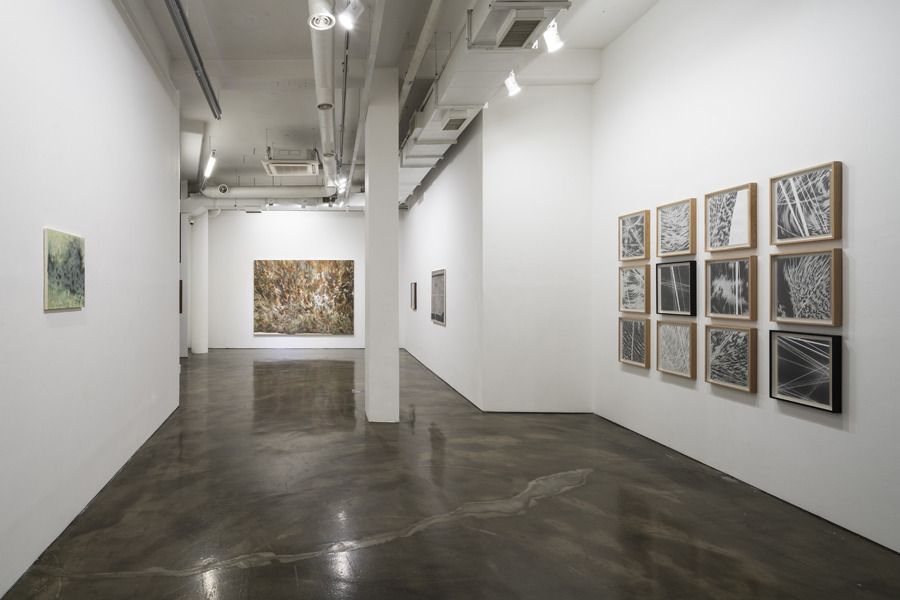
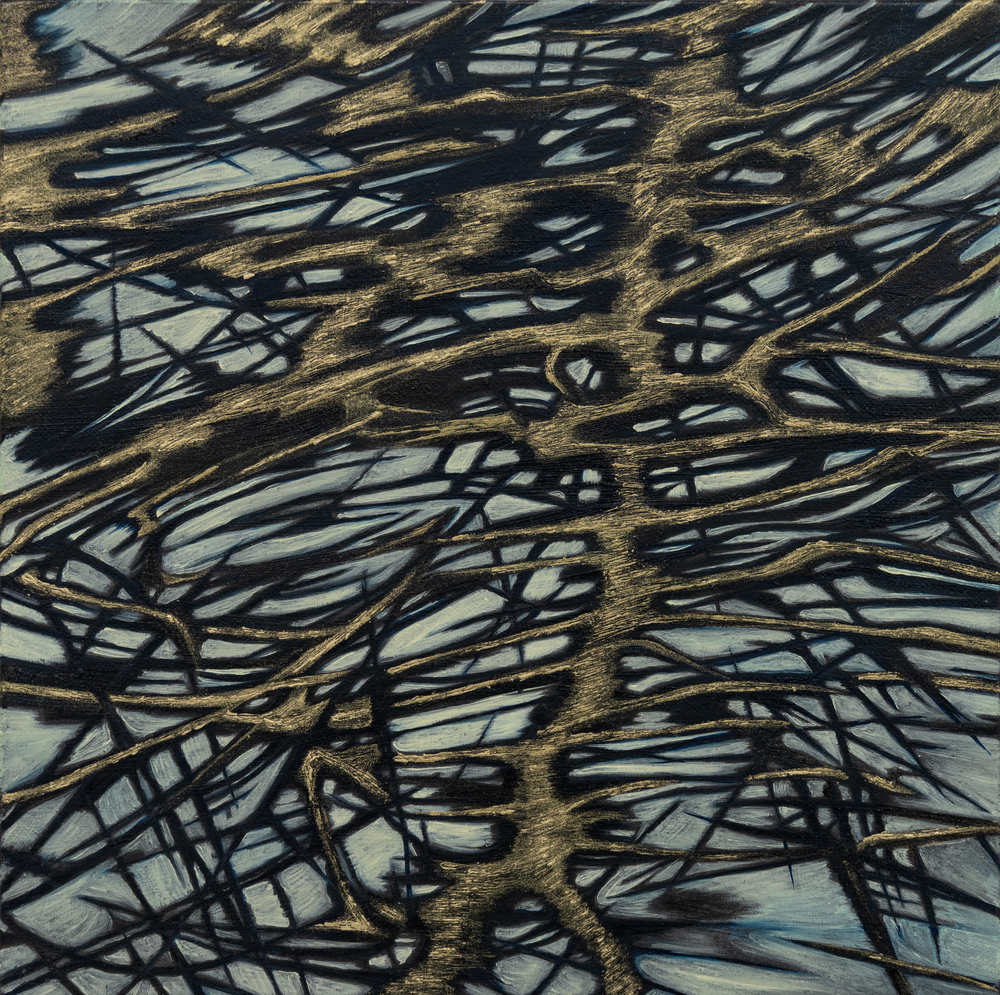
For Han Jin, painting likewise consists of inscribing within her own body the rhythms she discovers in the landscapes that come to her, repeating them through the act of painting while slowly accepting the friction between materials and anticipating what is yet to emerge. In this exhibition, she extends this attitude toward painting into three-dimensional space.

Alongside her paintings, the artist presents drawings, video works, and wall drawings, each of which arises from her prolonged contemplation of a single "note" generated where the "space of time" intersects with physical space. Through these works, she allows the movements of the artworks and the viewers, together with space and time, to coalesce into a single visual scene capable of reaching its own complete performance.

References