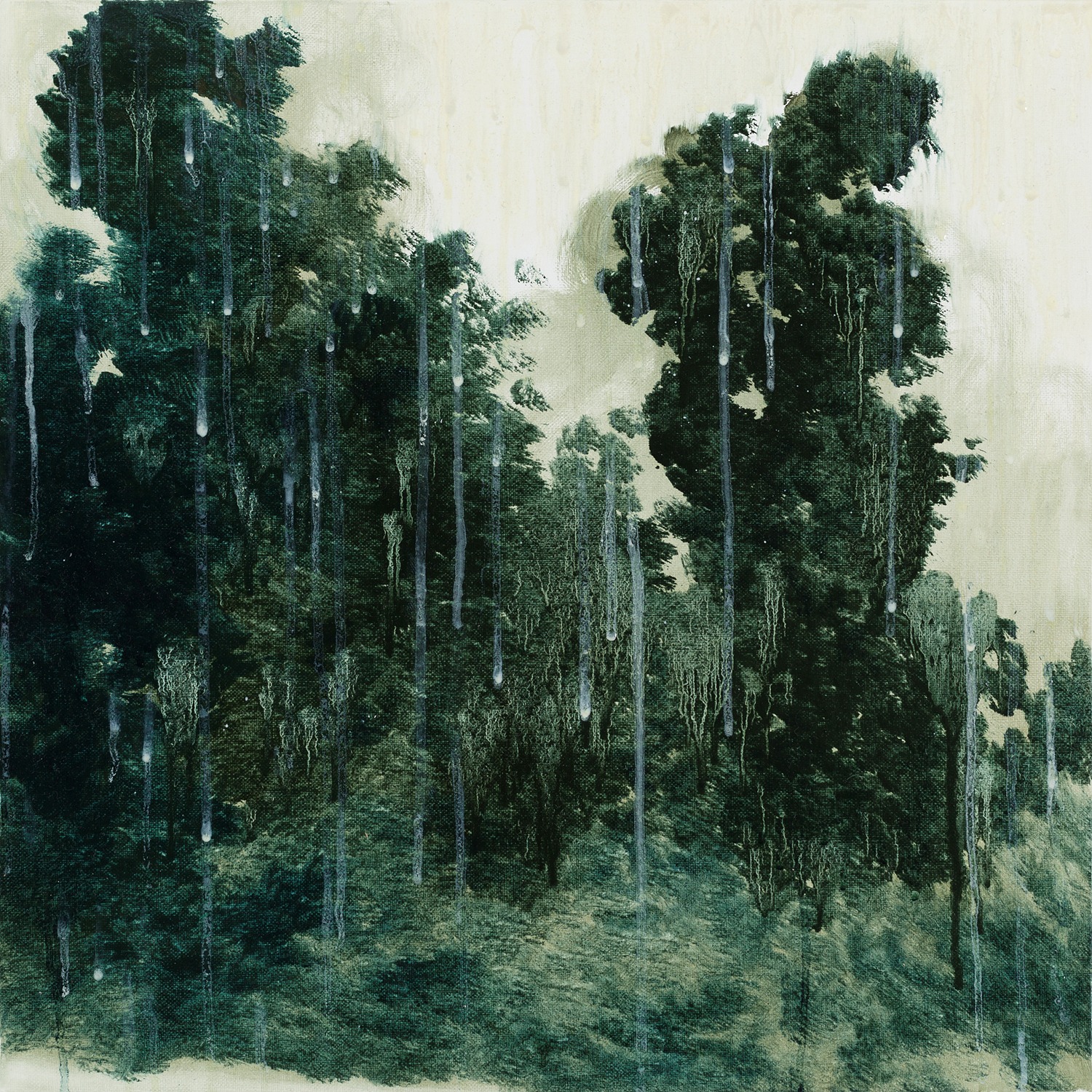
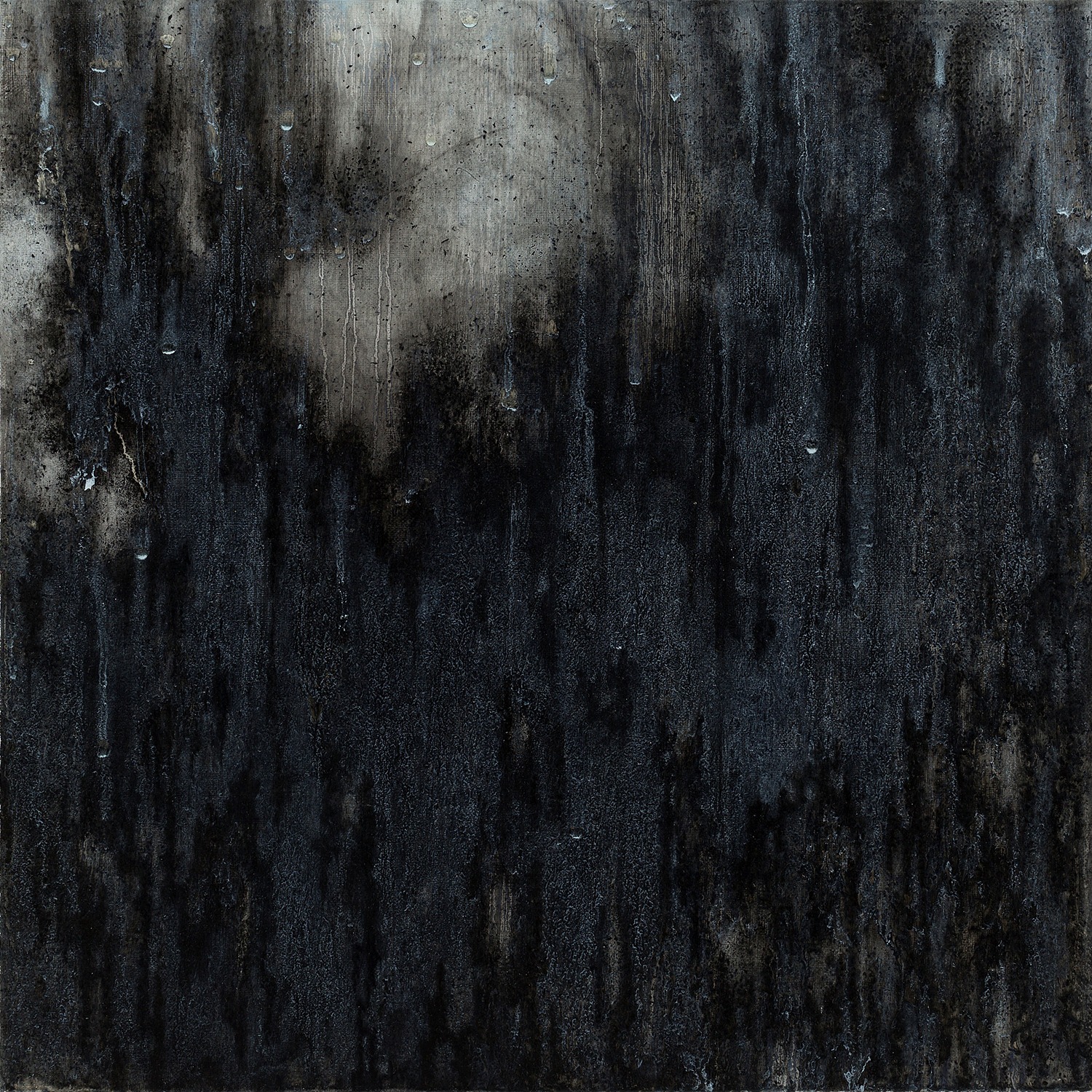
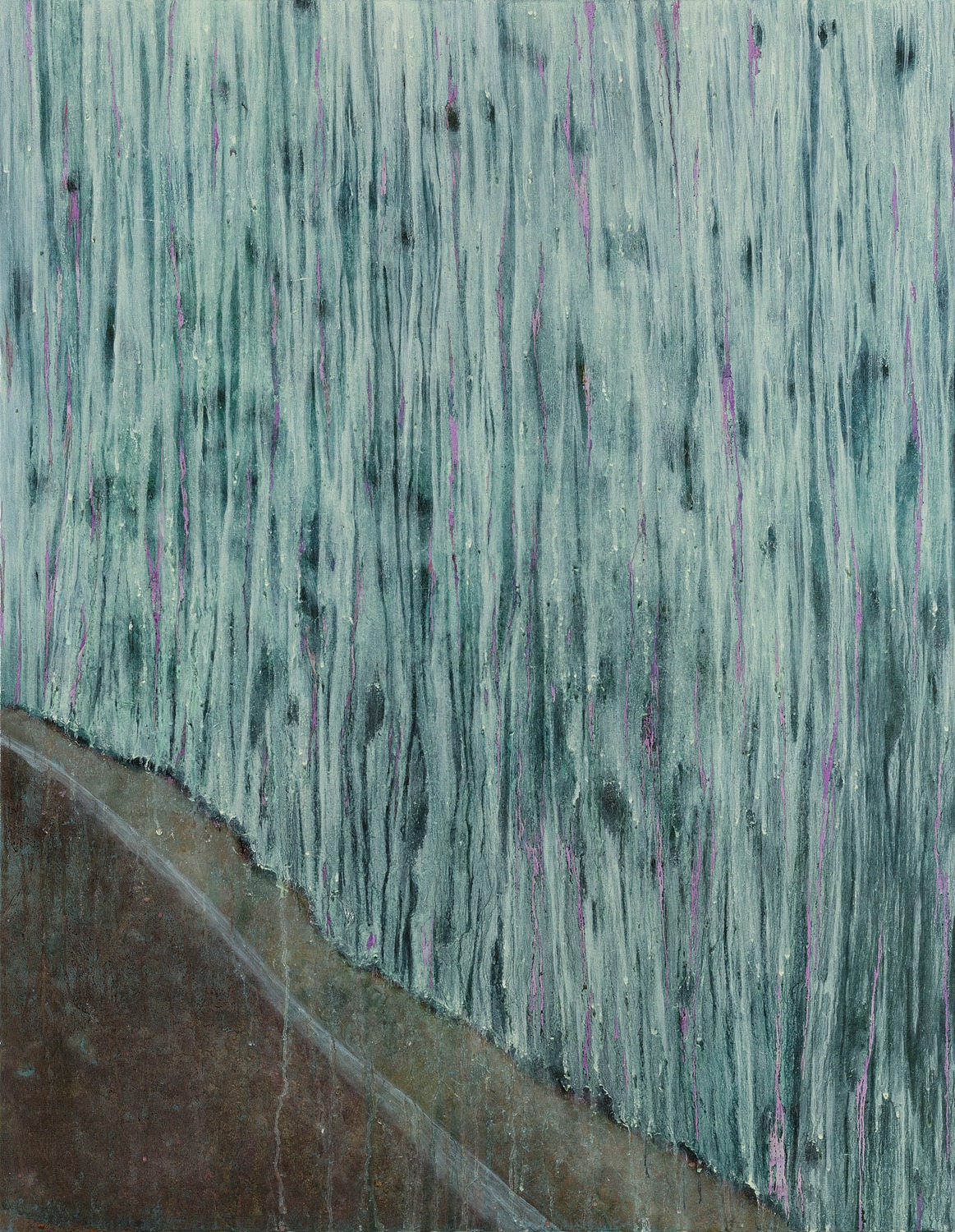
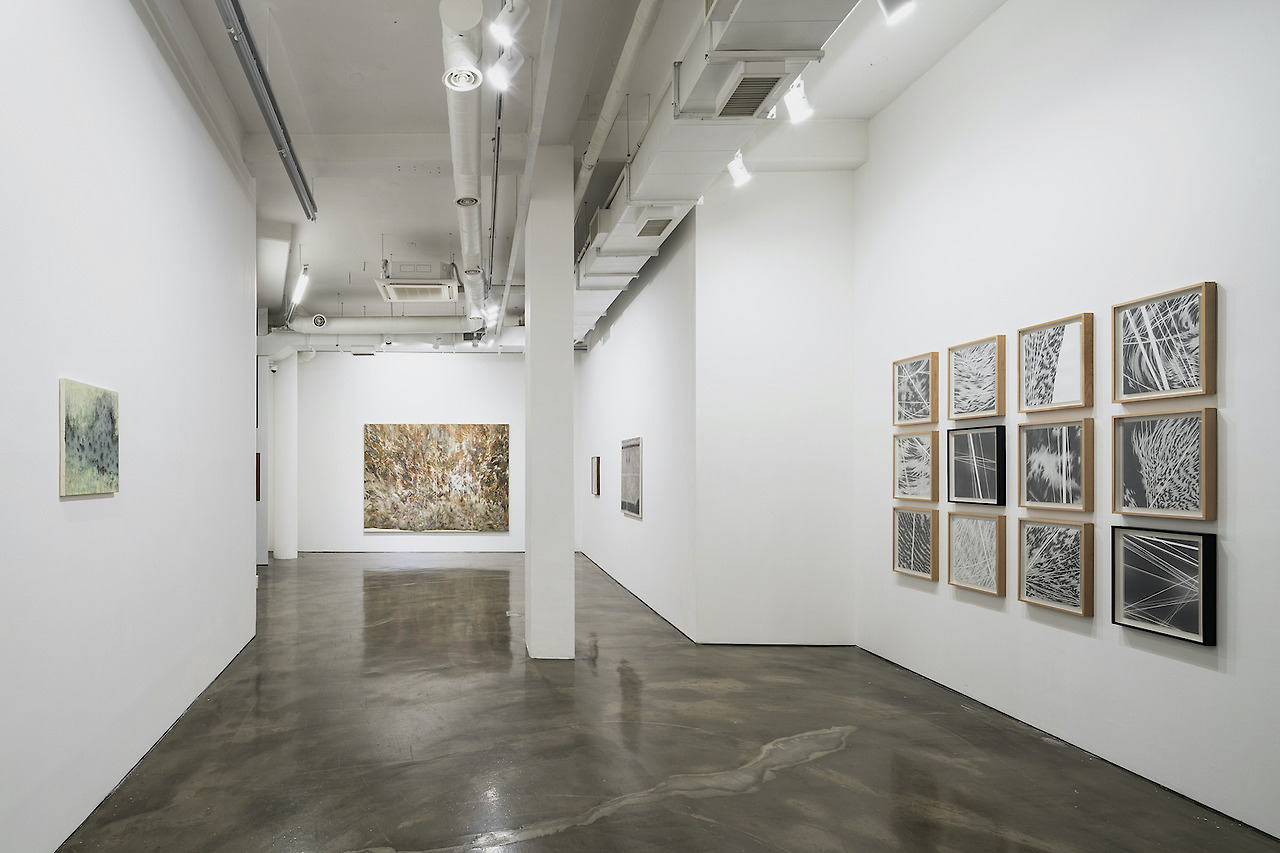
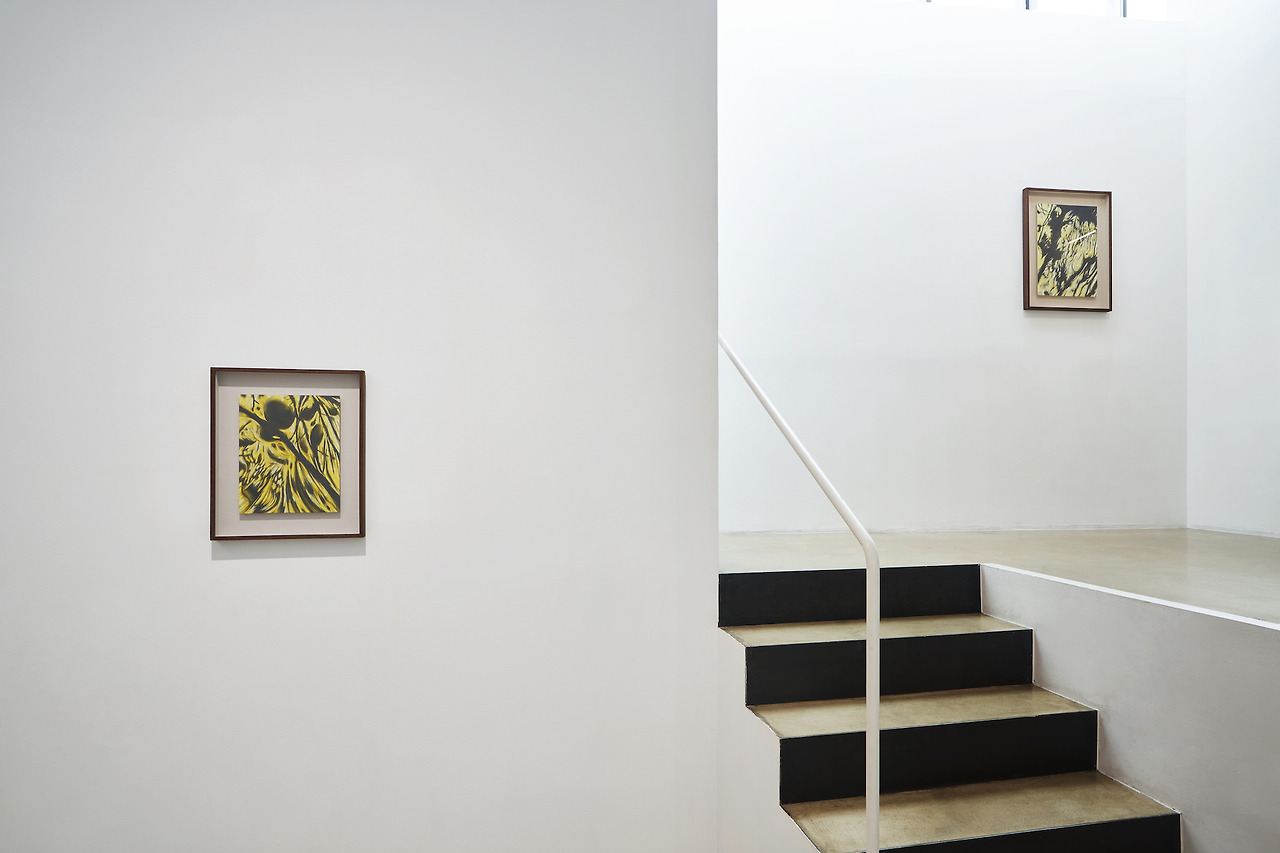
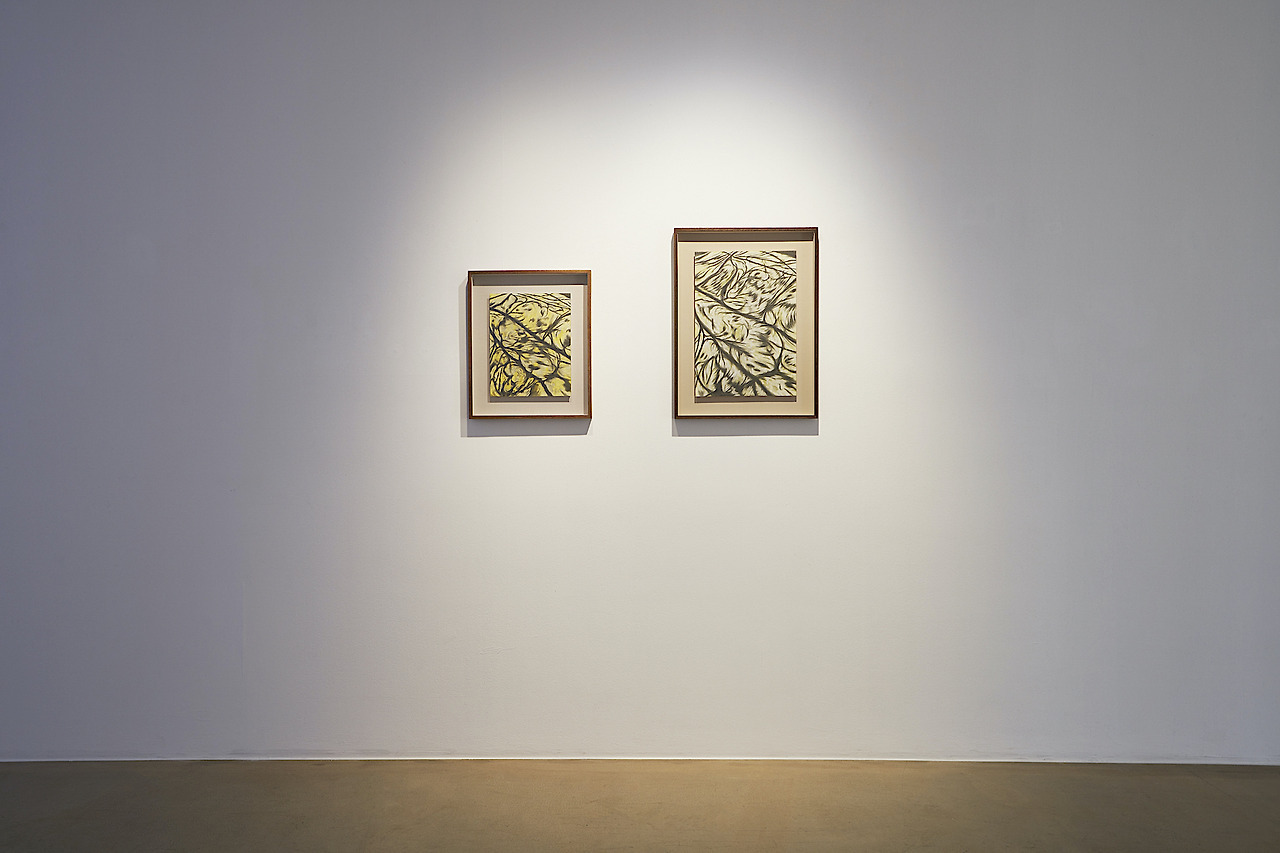
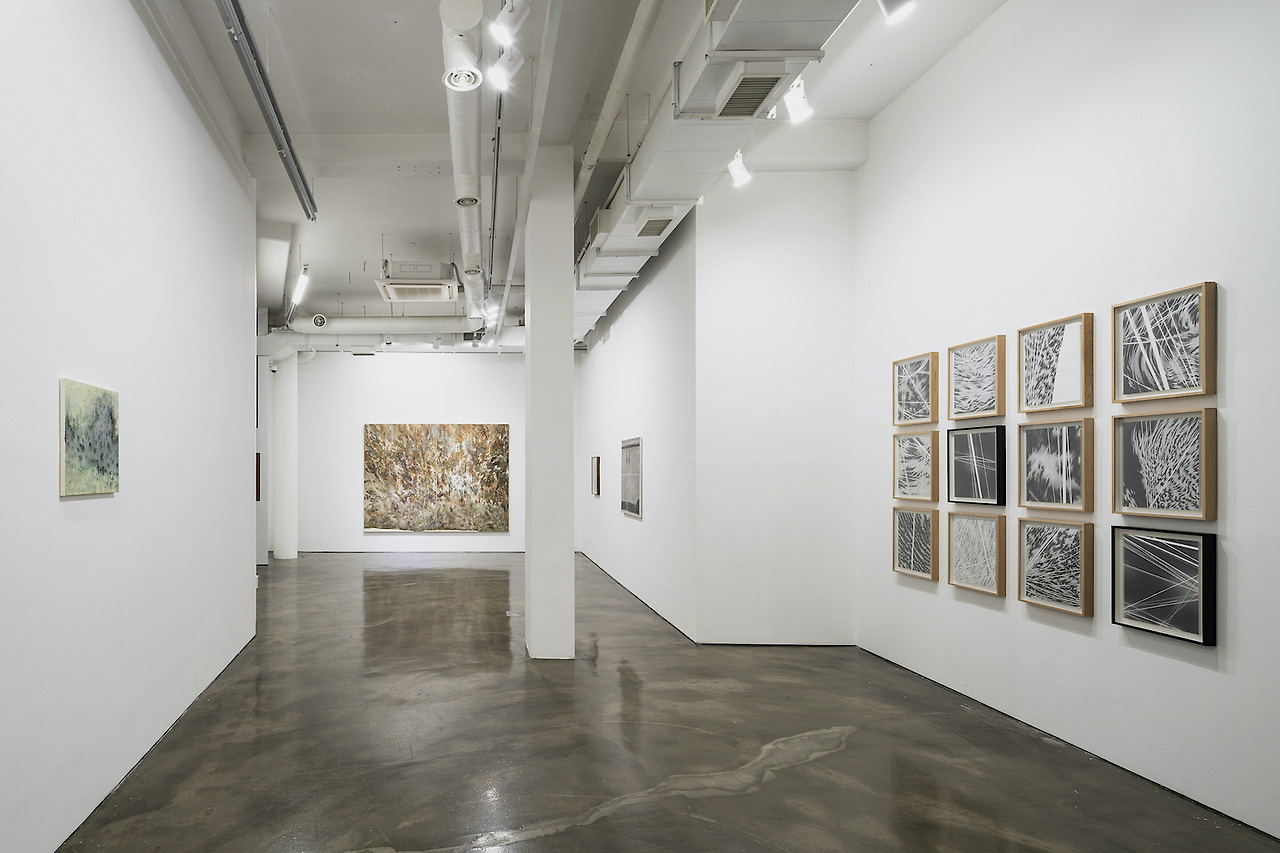
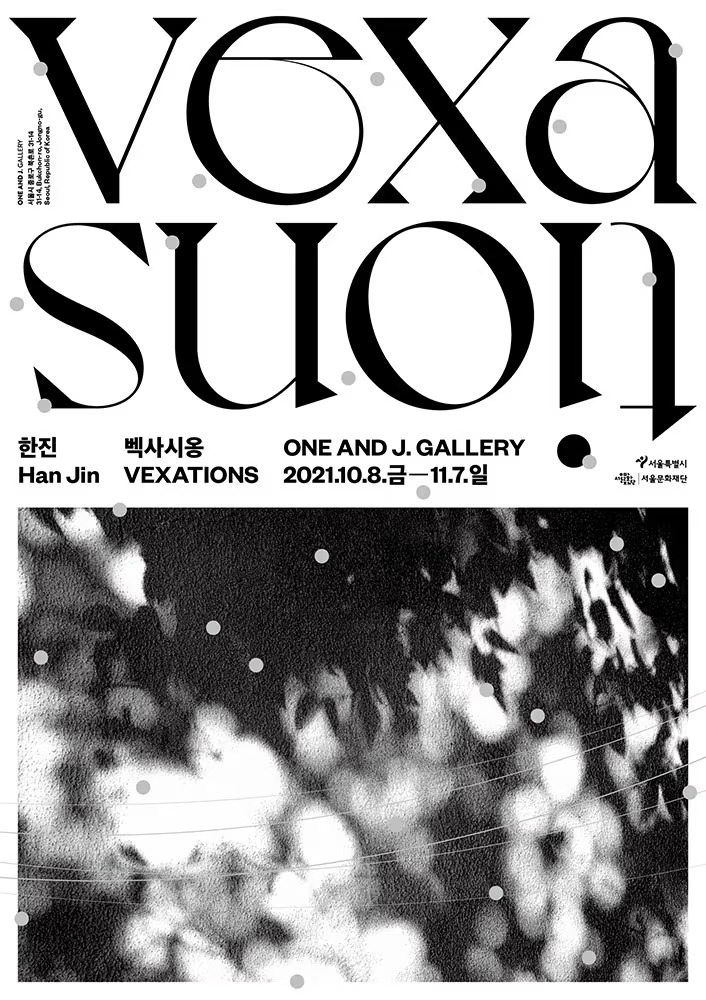
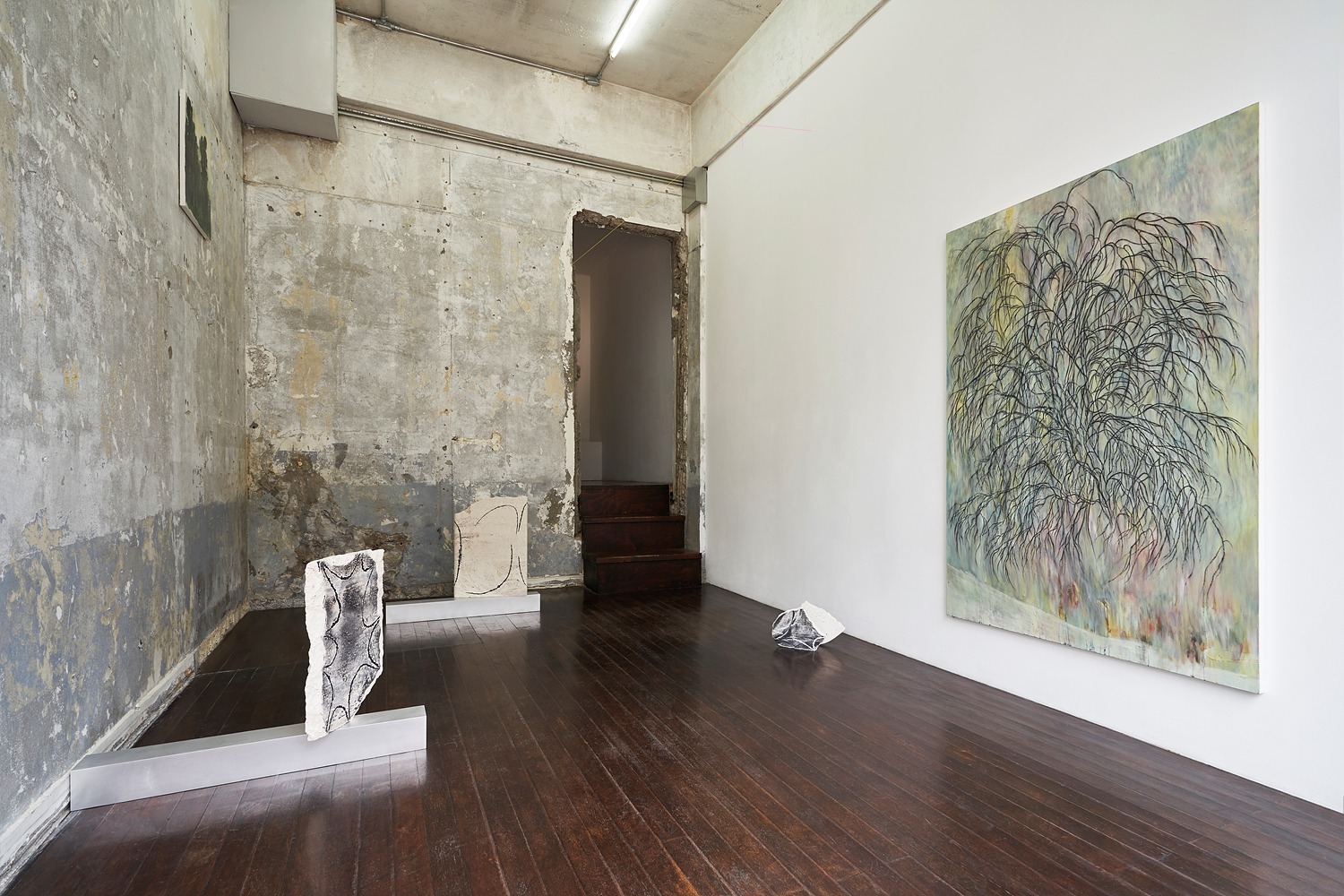
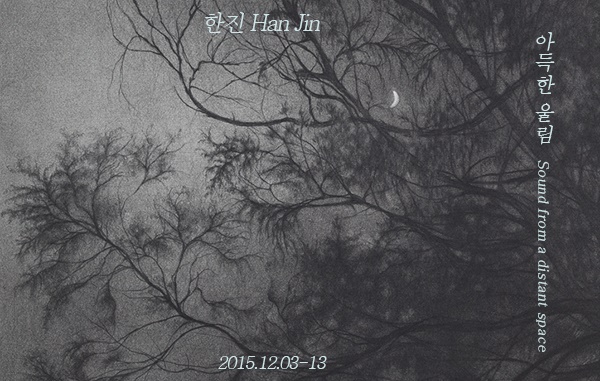
The word, ‘Hoiso’ in Korean has two different meanings depending on which Chinese characteristic it is based on. ‘Hoiso(回蘇)’ refers to the status of barely reviving after near death. On the other hand, ‘Hoiso(繪素)’ refers to paintings. Artist Han Jin strives to depict the traces of an unanticipated loss that had been condensed to its finest form via her artworks. I add a short note along the ‘Hoiso’ path the artist had created.
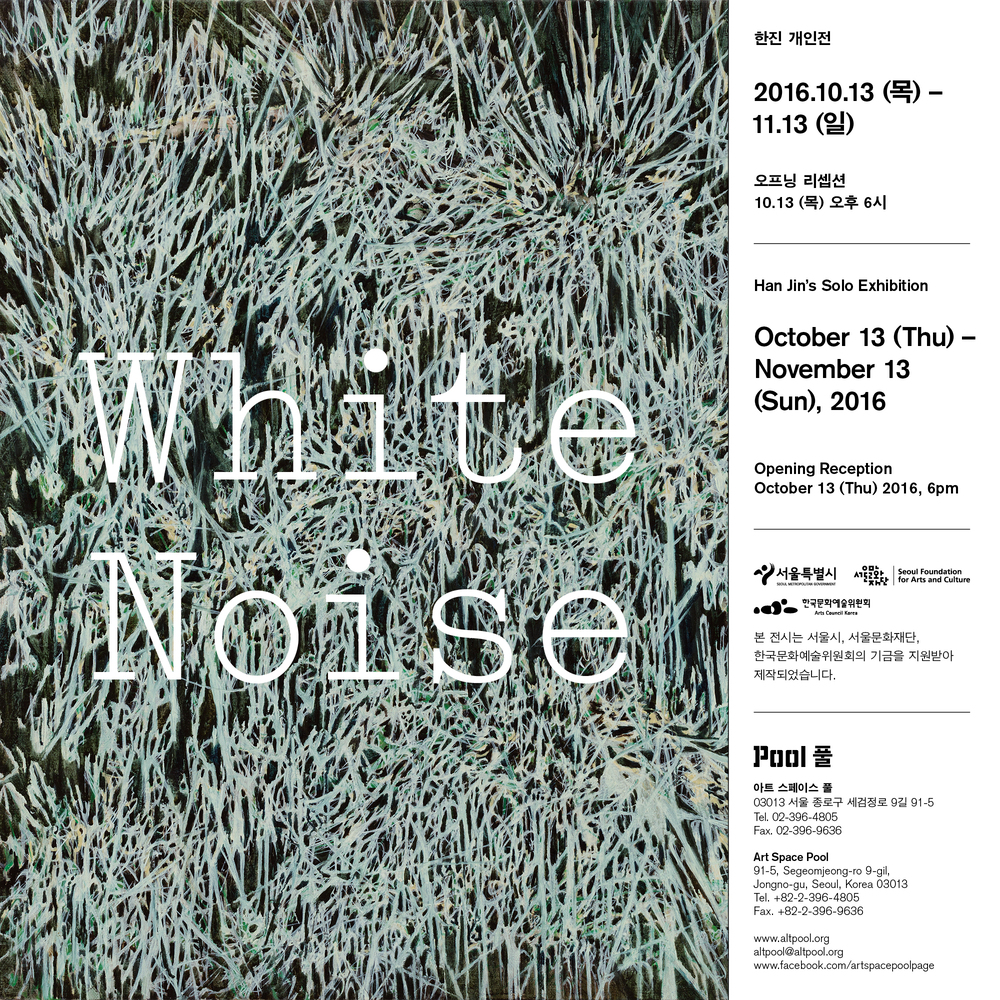
Throughout her solo exhibitions over the recent years -《Sound from a Distant Space》(2015), 《White Noise》(2016), 《Black Ice》(2018) - we were shown with the fragile but never surrendering reverberation of the artist. The reverberation was the compilation of both the distant sound, which makes its way closer, and also the nearby sound, which makes its way further away – both of which seem to be within reach, but never is.
As Han Jin had said, she does not just rely on the visual aspects, but strives to depict the sounds that had been created by the space and objects within. The action may perhaps be the artist’s intuitive response to her inner sound whenever she stands in front of the canvas. Musician Philip Glass wrote about the interrelationship between hearing and playing an instrument as below.
“When does the very act of listening begin to happen? In other words, is the musician listening to the music he is playing now, or is listening to the very music that he is about to play in his head? I also do not have a fine answer to this very question. However, one can revert to intuition for an answer. The most ideal is the status of being able to listen to the music being played and also the music about to be played concurrently. In such a case, the music follows the image in the head. Put differently, it is not the shadow that follows the truth, but rather the shadow that precedes the truth.”
In addition to the audible frequencies that hover over us, there are infinite other sounds in existence. However, to one, the sounds being heard are chosen depending on the space and psychological state the person is in. I wonder if the ‘shadow that precedes the truth’ is the very space where the reverberating sense lingers as ‘something put in place’ even after its disappearance.
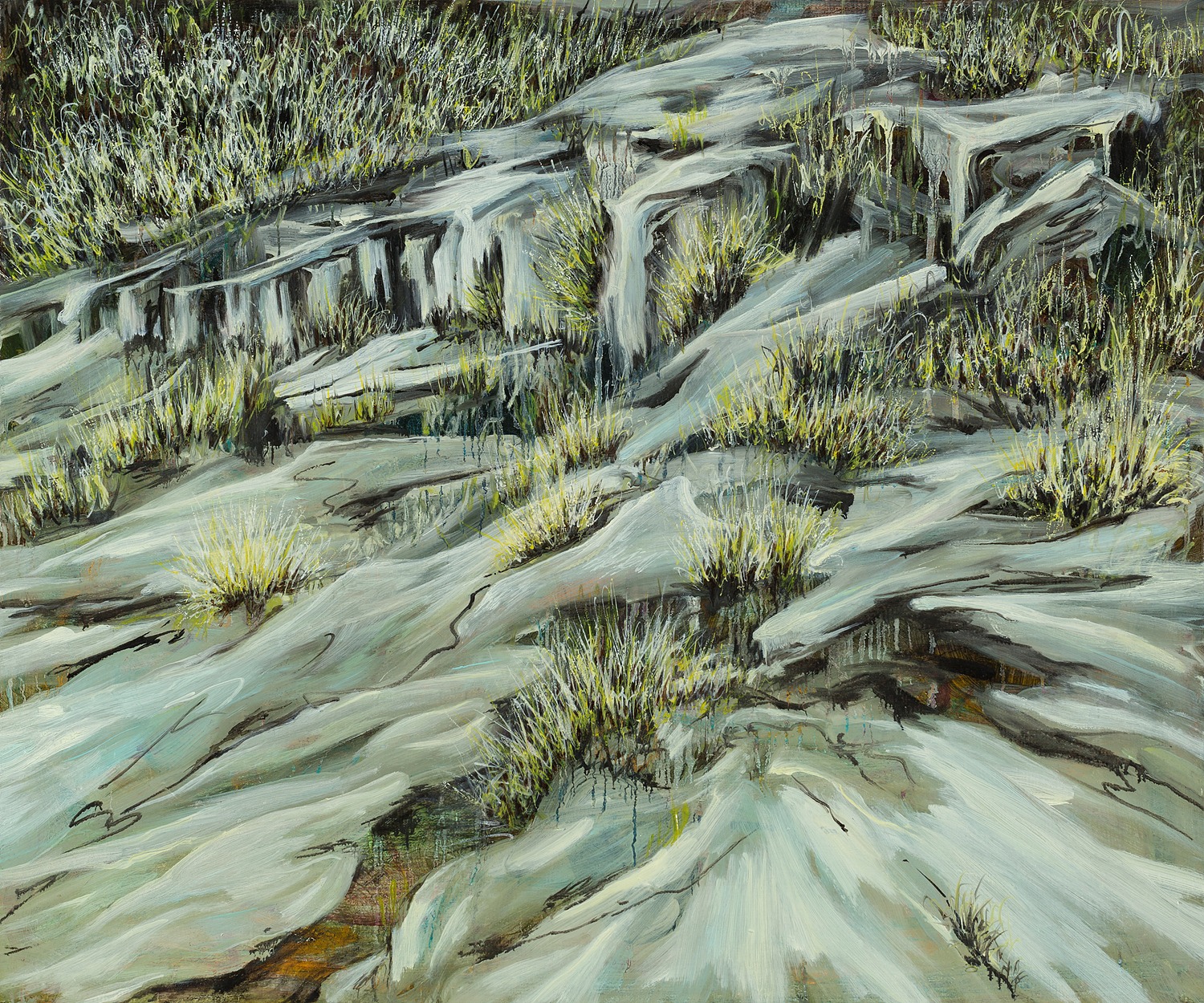
The title of the exhibition, 《Black Ice》 adequately captures Han Jin’s art producing process, while also being a key to understanding the artist’s artworks. Memories possess in them the inevitable potential to be morphed and faded as time goes by.
Depending on when the memory is recalled upon, the form of the memories can take different forms. Han Jin does not try to lock the strongly set memory to the confines of the canvas. Rather, she wholeheartedly accepts the every moment of skids and unsettling states she encounters. Thus, her artistic elements deny to be named definitively, but continue to be played on the canvas concurrently.
This resembles the music by Charles Edward Ives, the music the artist continuously listened to while creating the artworks. Charles, an American contemporary composer, is well known for experimenting on atonality, polytonality, accidental music, and more. Many of his music pieces consist of more than two melodies, or multiple melodies of very different character being placed concurrently.
“The reason why Ives’ compositions are special is because the music embodies something unique from societal, natural, and other varying aspects. There exists something mystical in his music, which can only be perceived from his own experience. That is precisely what is being depicted in my book. Simply put, I call it mud, ‘musical mud’. From this abundant mud stems not only a single person, but also numerous beings.
We can participate in his musical composition thanks to the presence of the mud. In my personal opinion, I think it provides the mystical atmosphere to his music, while also creating something you can also experience. However, even though you experience it, it is not something concrete. In whatever form, you should complete the experience in your own method in order to fully experience the music in your own terms.”
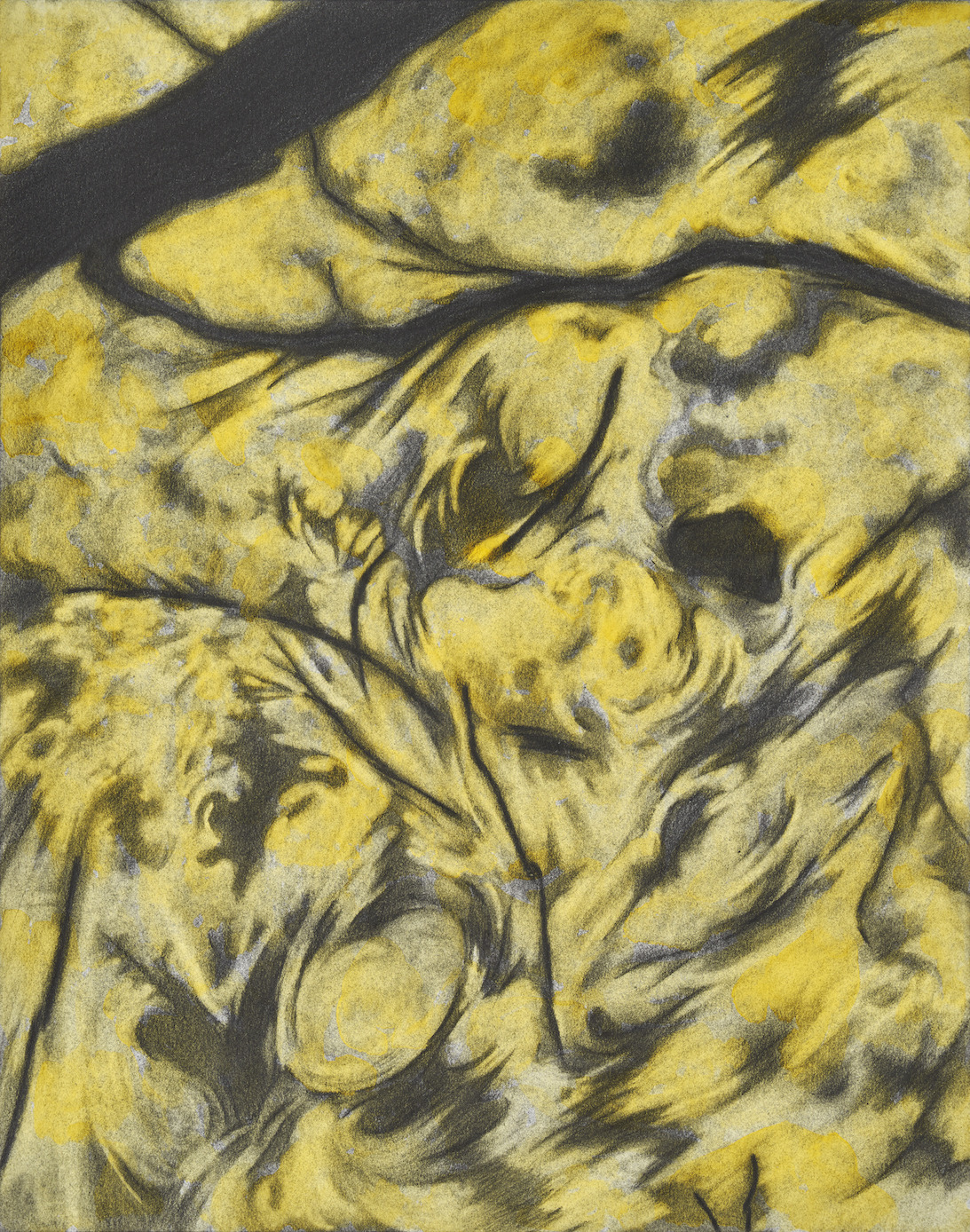
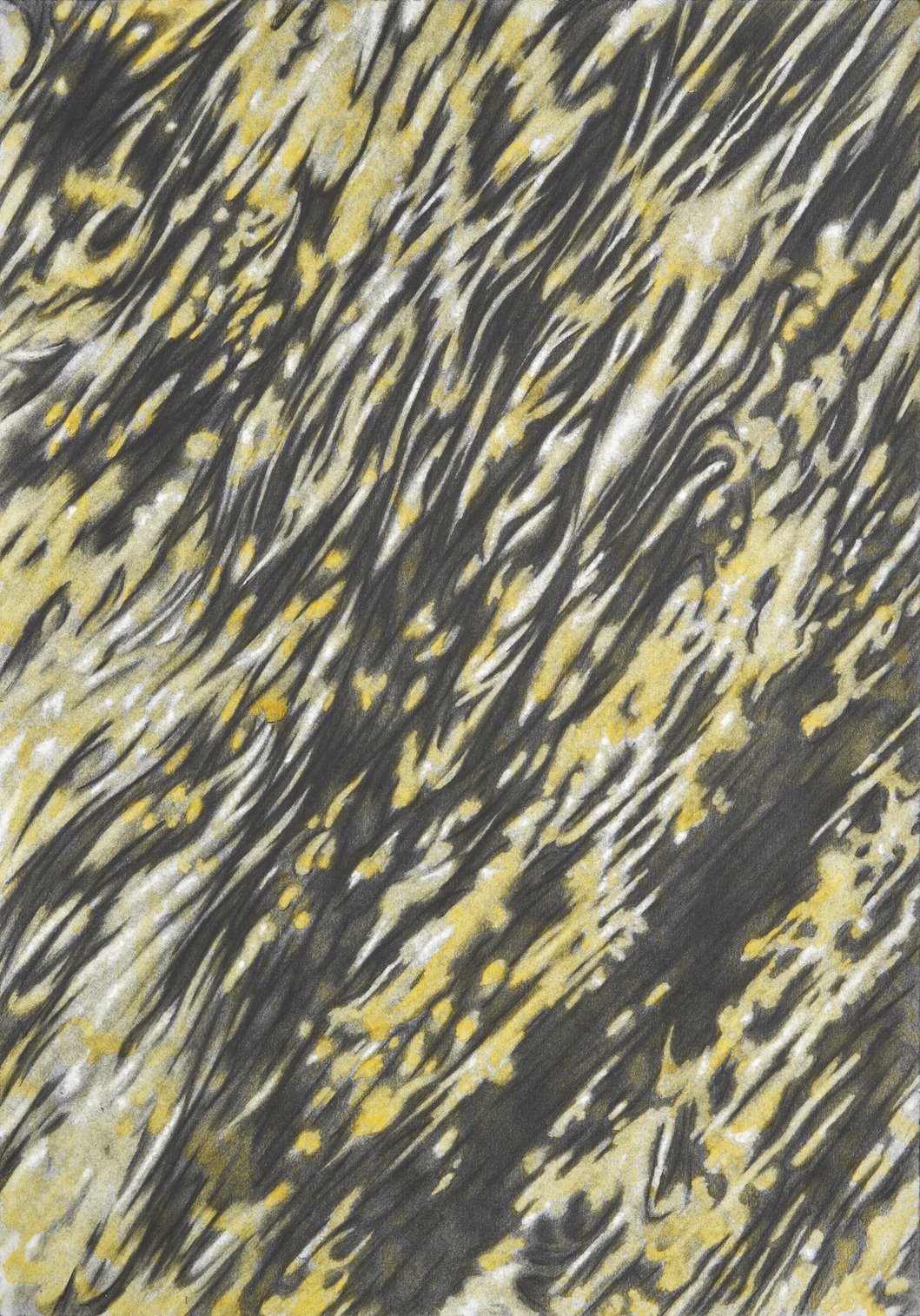
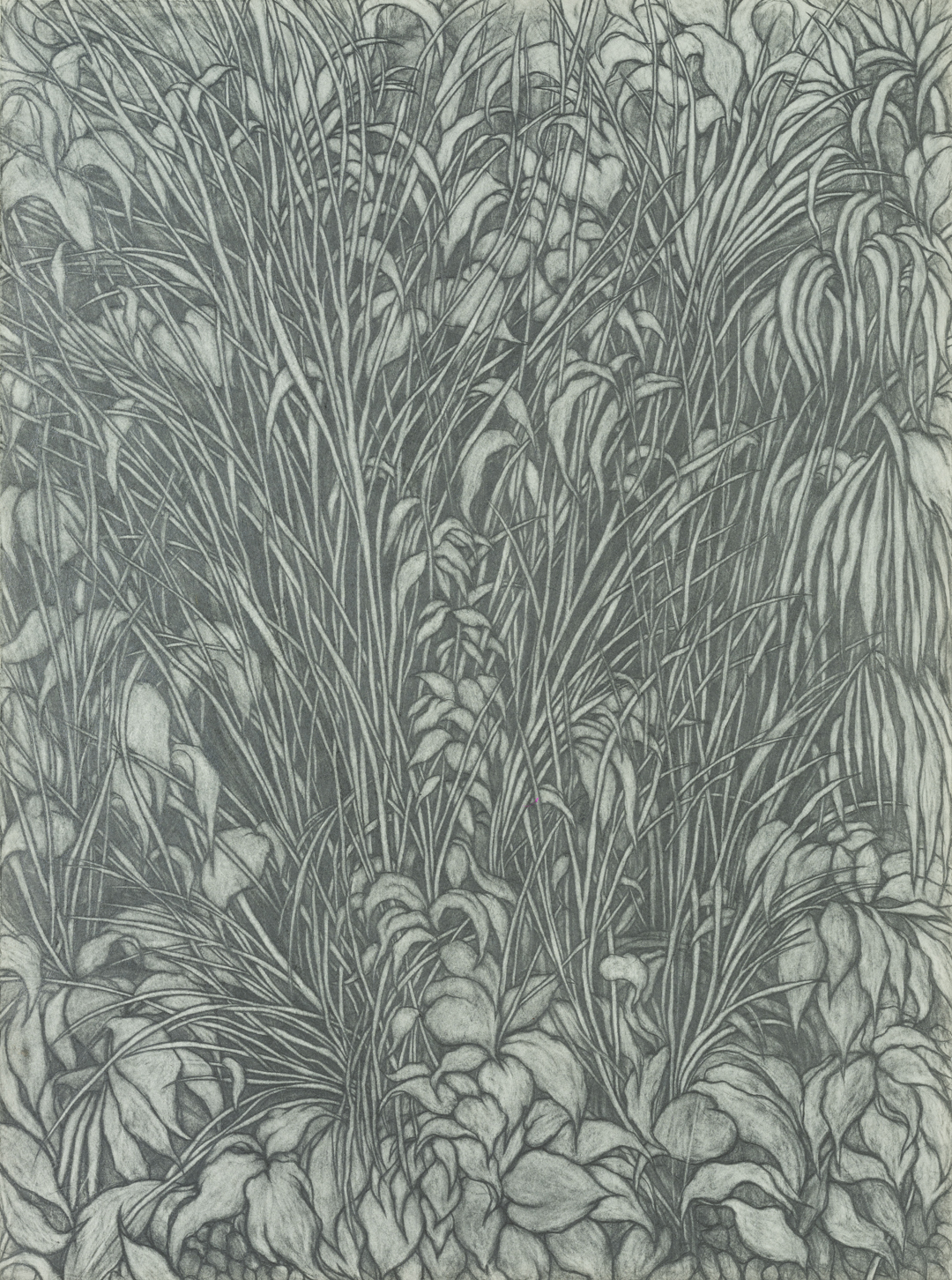
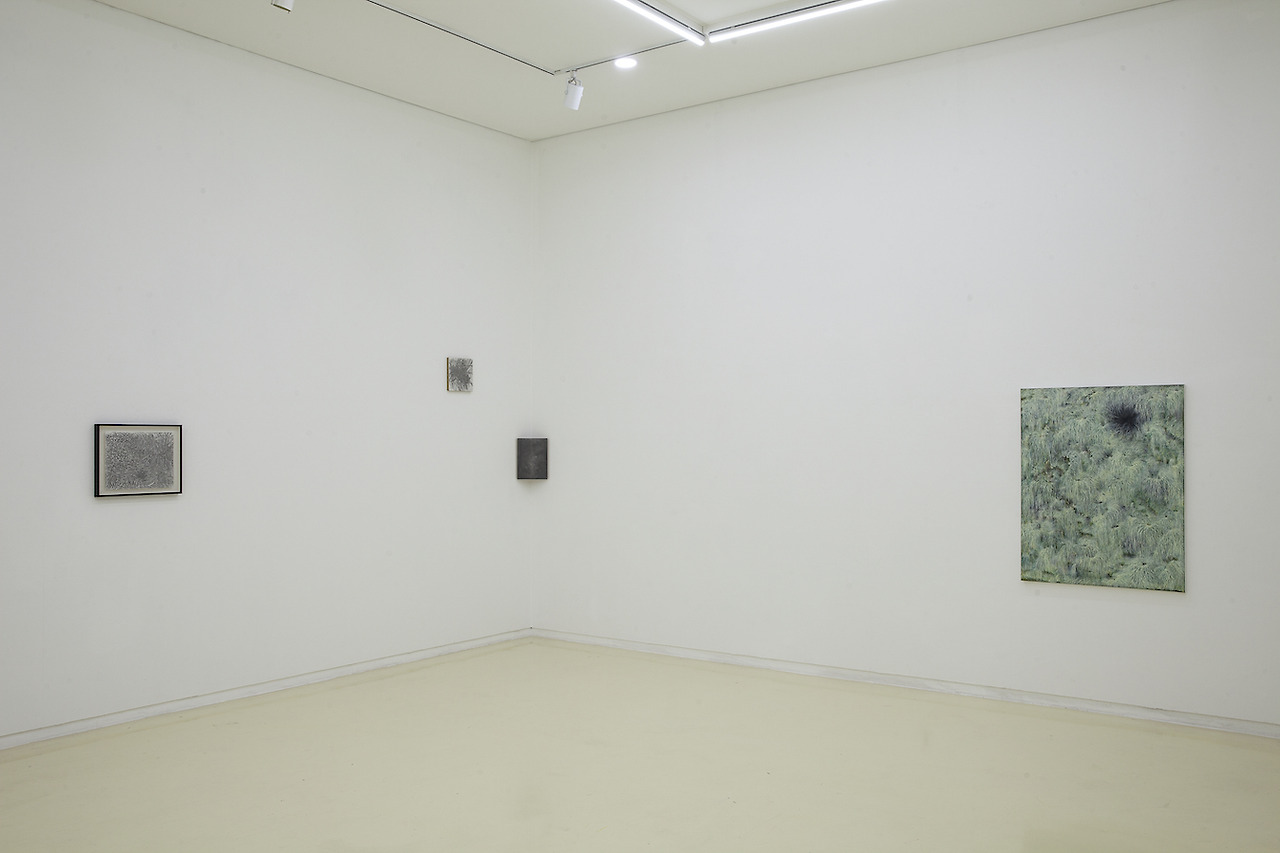
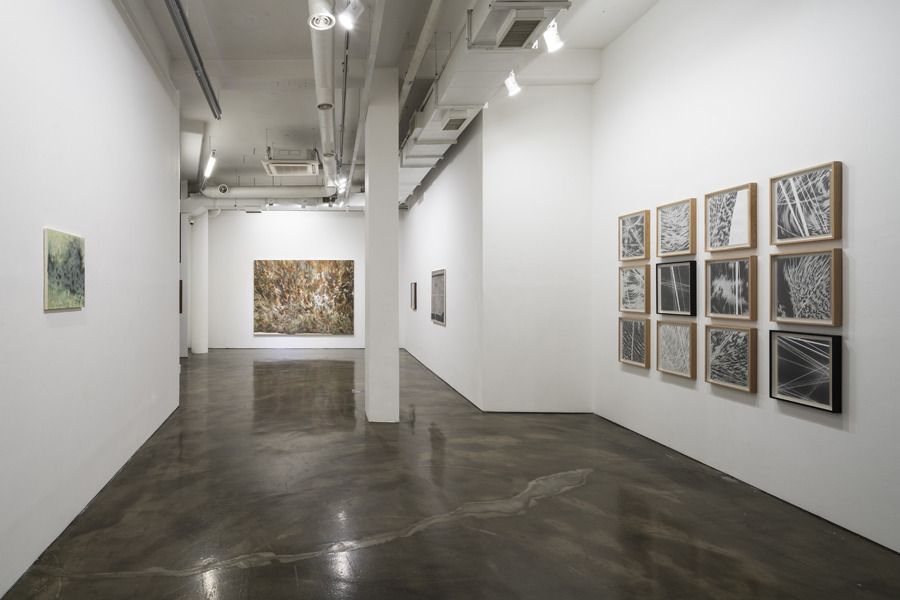
In Tone Roads #1(2016), Tone Roads #2(2017), Tone Roads #3(2018) drawing series, which are named after Ives’ piece titled Tone Roads, Han Jin focused on transitioning tone as used in the music field (i.e., color of sound) into visual language. When the artist decided to experiment the 'Tone' without employing any color, and rather deploying only pencil, she relied on the effect ensued by the varying texture of different kinds of papers.
From woodprint paper to mulberry paper, depending on the paper's own thickness and texture, the paper fully succumbed to the ‘Tone’ determined by the artist – by emerging and soaking. Similar to the 'musical mud' possessed by Ives, it embodies its uniqueness, which is irreplaceable. For this reason, the winds, rocks, fragrance, sadness, sense of loss, and solitude encountered along the path of Tone Roads cannot be simplified or condensed into one line or one ‘Tone’.
Everything needs its own place. I want to name this 'Han Jin's mud'. Not only does the 'mud' refer to the 'uniqueness' of the artworks, but it also is related to how the artist views the world. Han Jin does not become self-satisfied when being placed in a crevice between the landscape of a memory and the situation before her eyes; rather, she constantly struggles and questions her own eyes.
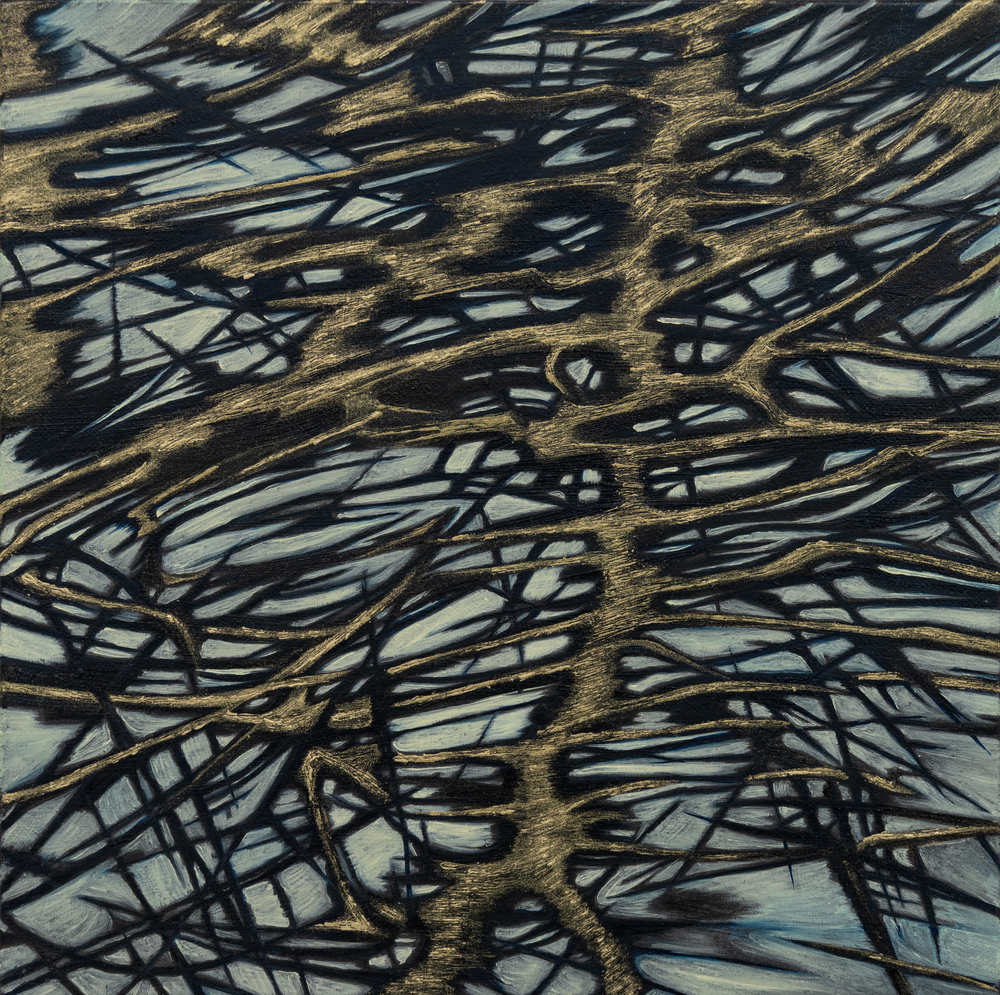
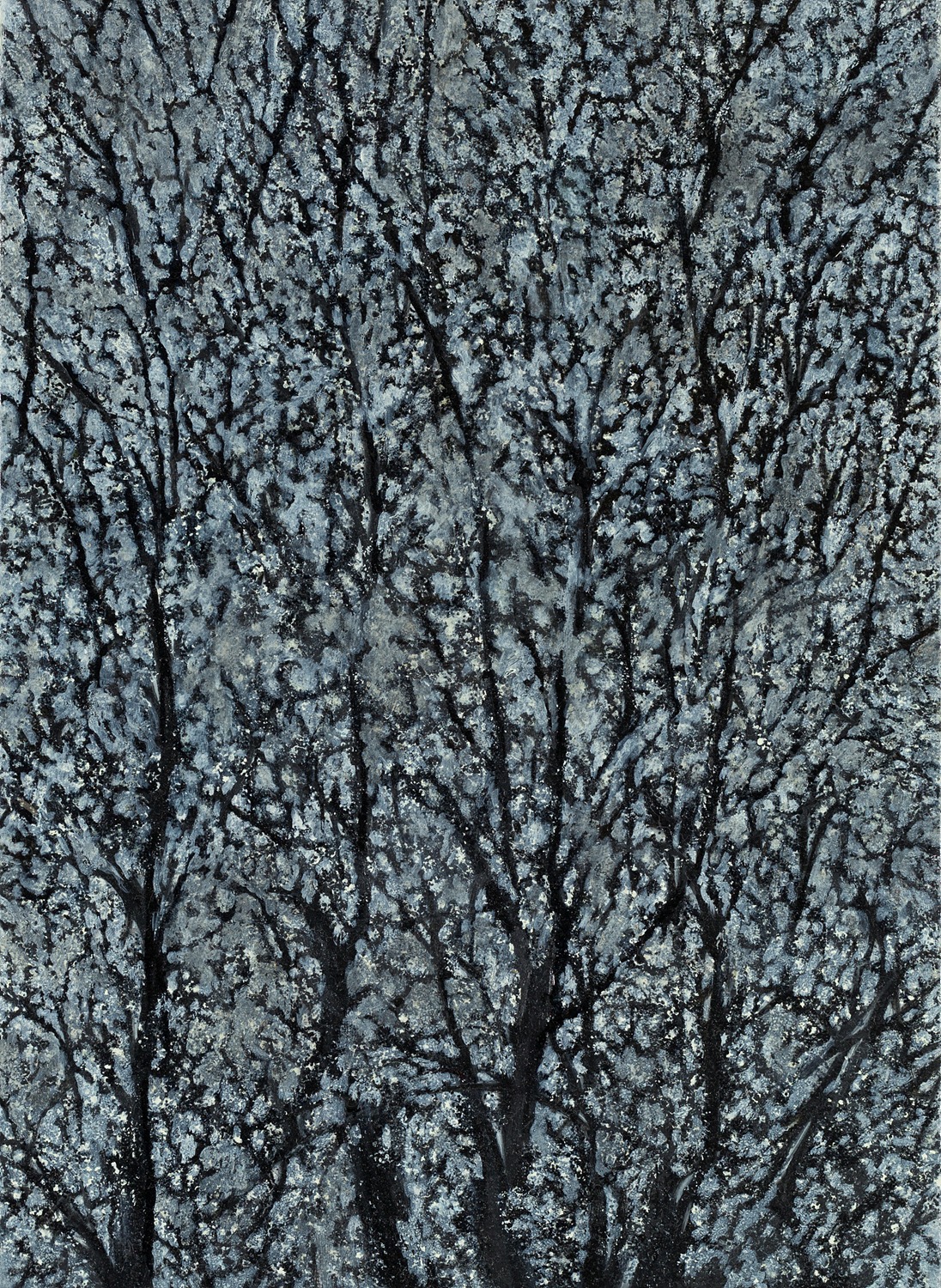
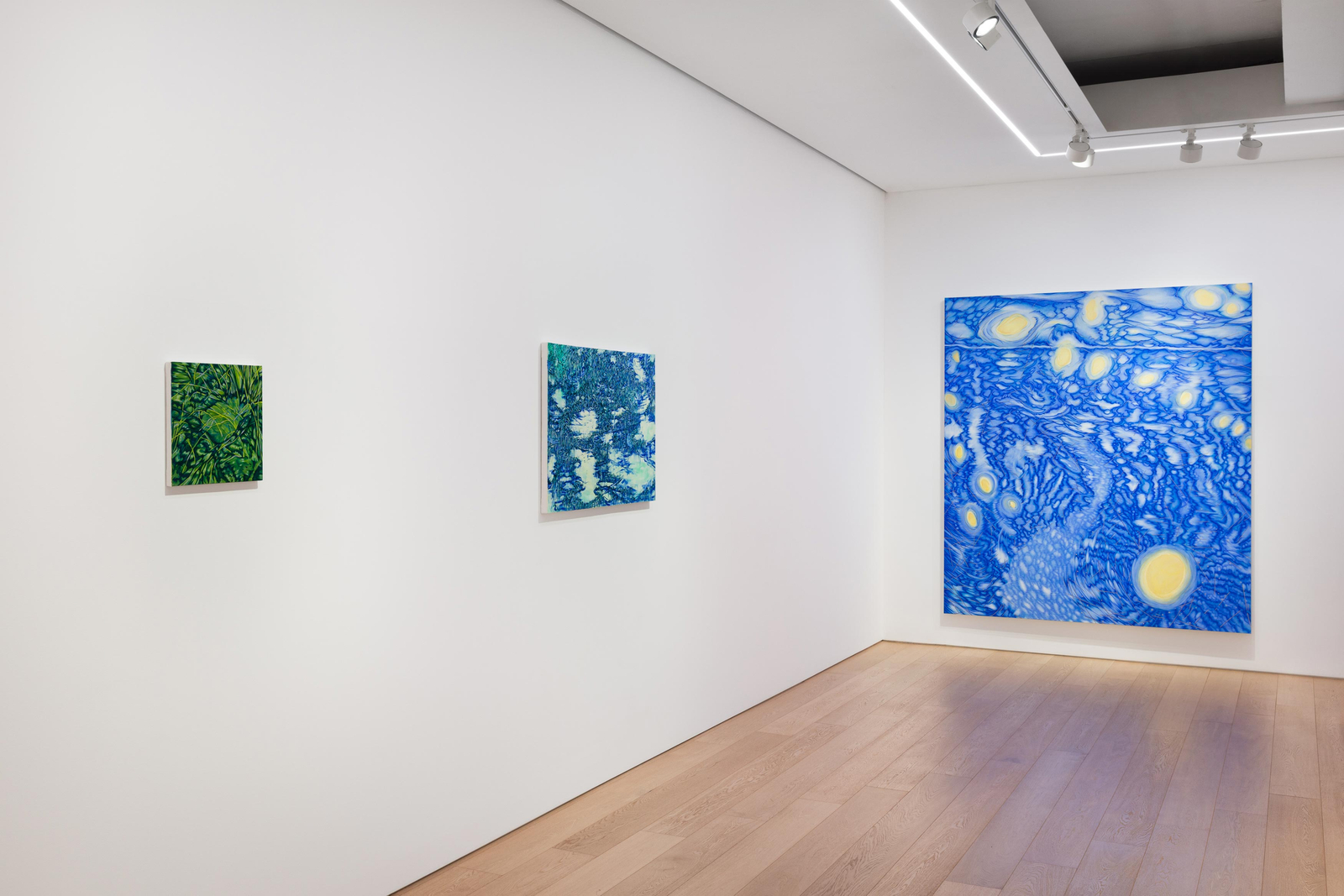
The doubt and anxiety are transformed into energetic movements. In Shoreline #2(2017-2018), ocean waves fiercely approaches one as if to conquer her, which is clearly not a calm ocean that is laid out far ahead. Also, in ‘Was in Sorrow in a Soft Air’(2017-2018) series, there are traces of memories that crosses the tranquil night sky.
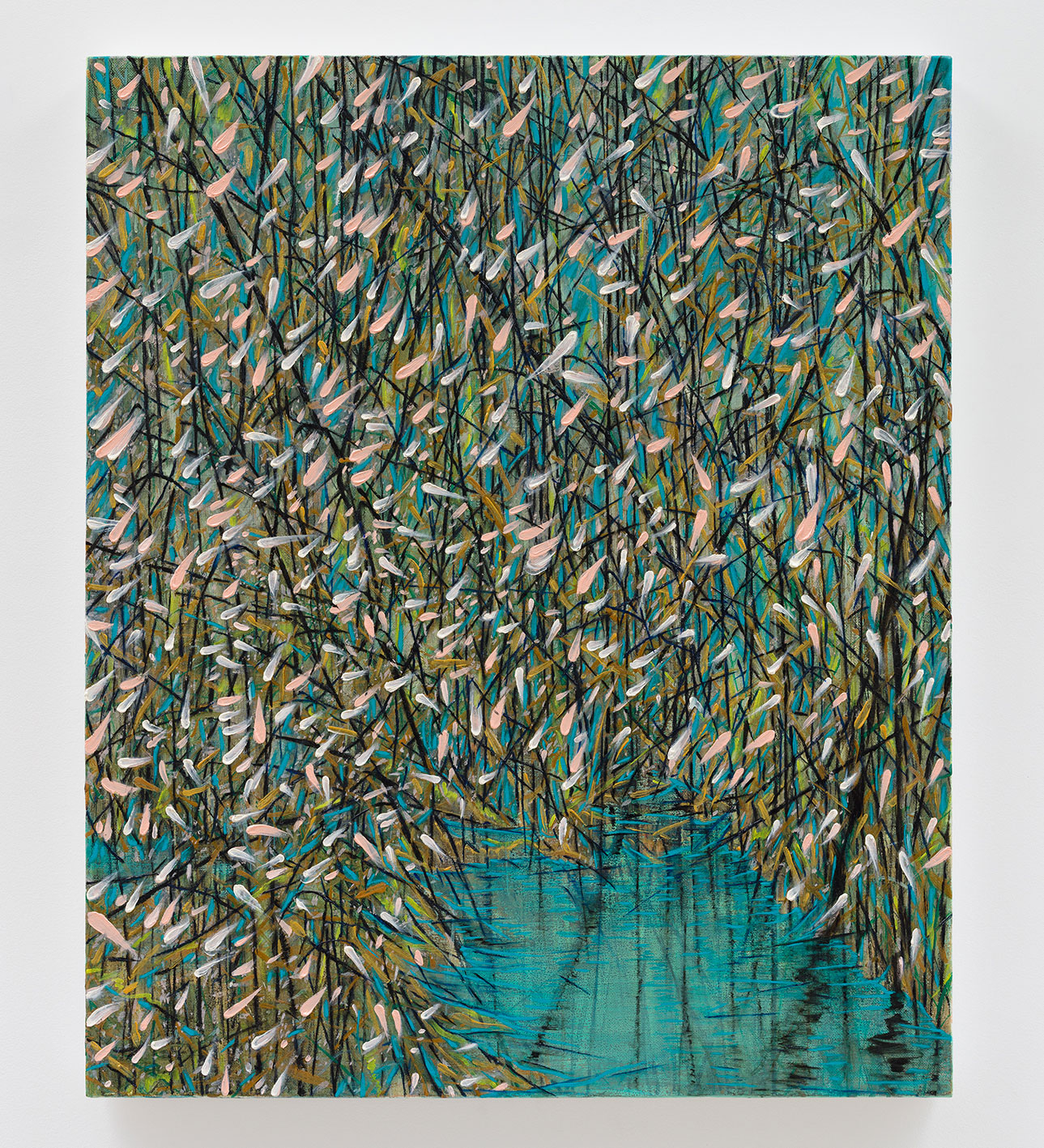
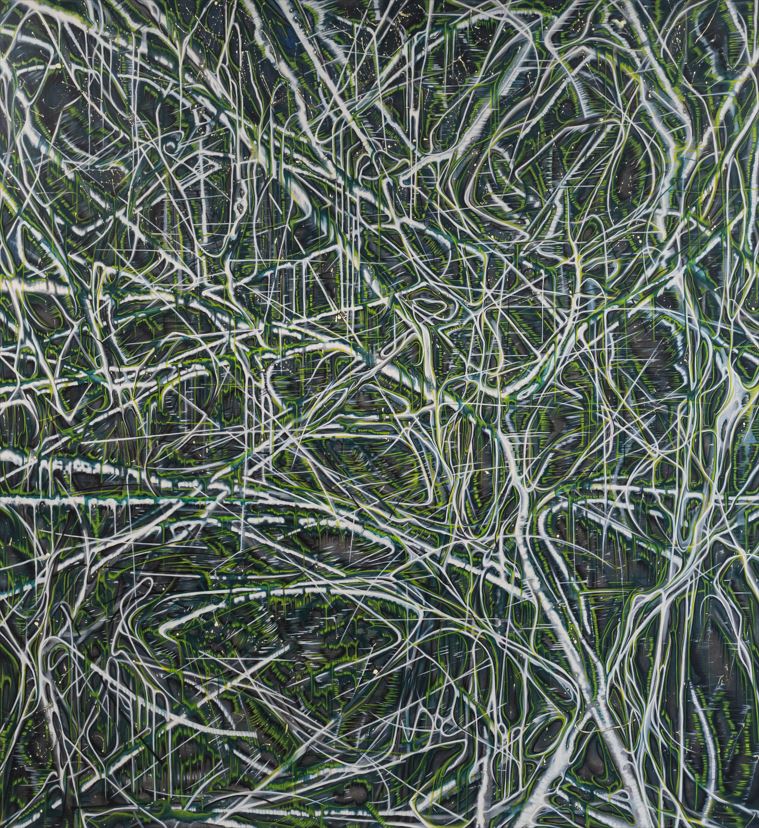
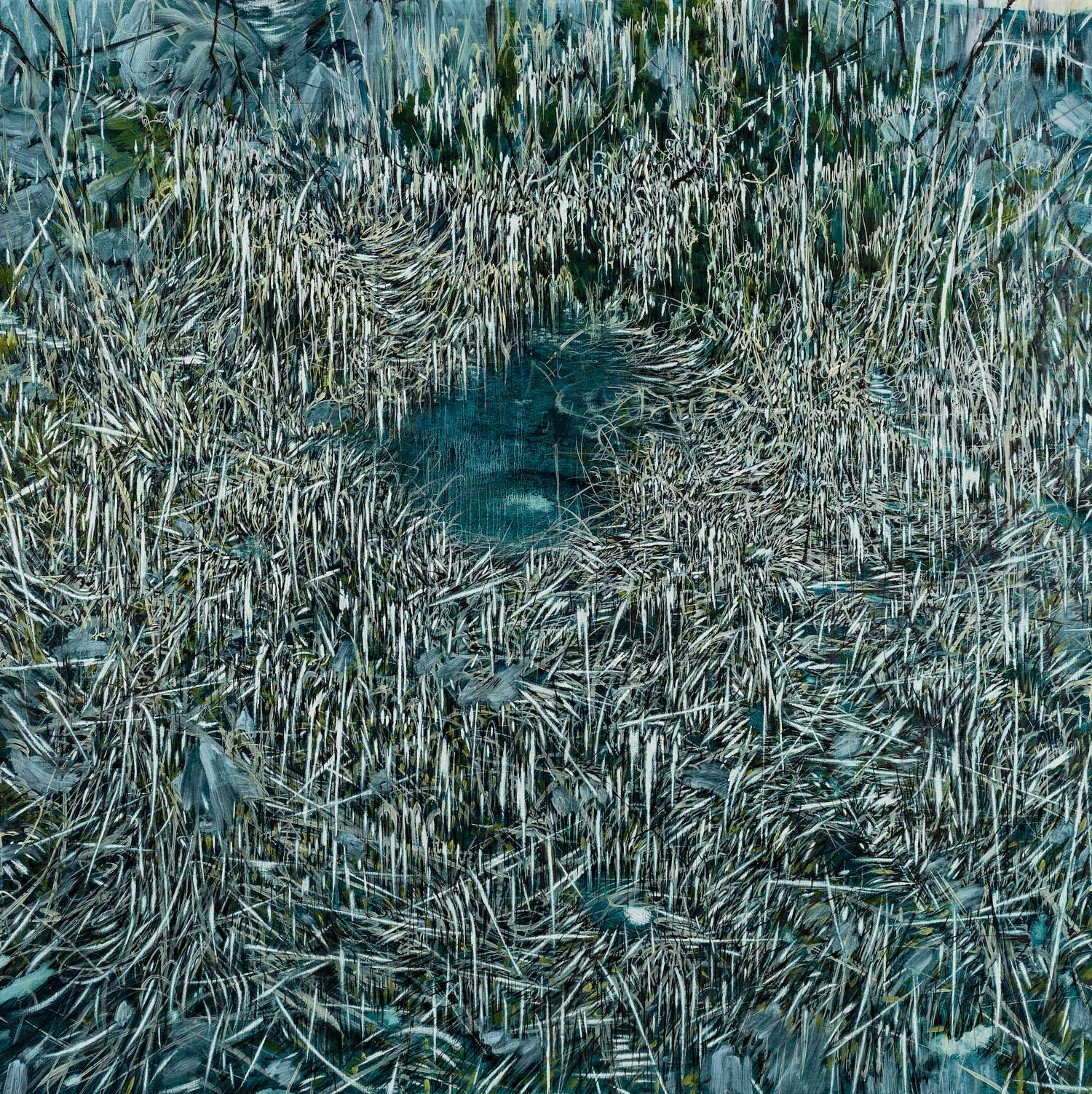
Han Jin explains that the movements are made from her efforts to perceive the space not just from the horizon, but also from contemporaneous closer and distant views. Previously, she focused on the movement of winds that blew in front of her eyes through her series, ‘The Song of the Wind’ series (2012-2014). In her recent work Inner Side of the Wind(2017), a new perspective is added.
From a distant view, the grasses are being swayed side by side by fierce winds, but once you make your way through them, and be placed within, there exists a tranquil inner world. The movement is not just confined to visual aspects, but also relevant are the sounds. Just as the artist puts it that when she made her way to the inner side of the forest and was embraced by the wind, she couldn’t hear anything, the winds sometimes calls upon silence.
The silence arouses the sense of loss, but also allows you to perceive today in its clearest mode. The moment of holding your breath to trace back the existence which had long before departed you. The wait. Confronting again, and there begins another wait.
Hyecho’s travelogue in Chinese titled Wang Ocheonchukguk Jeon, written in the 8th century, is only partially surviving, as the front and back portions of the book are lost. “Eventually arriving at a place by making your way from a place for somewhat period of time.” This sentence seems like rather a clear sentence, but since the book is now survives only in a simplified version, there are multiple comprehensions of the very same sentence.
In preparation of this solo exhibition, the artist explains that she read different translations of Dante’s Divine Comedy for comparison. While listening to her relaying this experience, I imagined scholars immersing themselves into Wang Ocheonchukguk Jeon as if in search of something divine. They would have been continuously being lost and found back their way through the text, unyieldingly trying to comprehend the texts.
Han Jin also does not deliver her memories and experiences on to the canvas easily even though they are of her own. She continuously opens herself to the various possibilities made by the movement of words, focuses on the breaths of the movement, and traces how her works ‘eventually arrives by making its way from a place for somewhat period of time.’
The artist once said the following remark about her work process by referring to Ives’ music: “crippling, crippling, and not progressing easily nor fast, but slowly and unyieldingly towards...” Han Jin continues on the journey. Perhaps, to a place ‘where there is no light or darkness’.