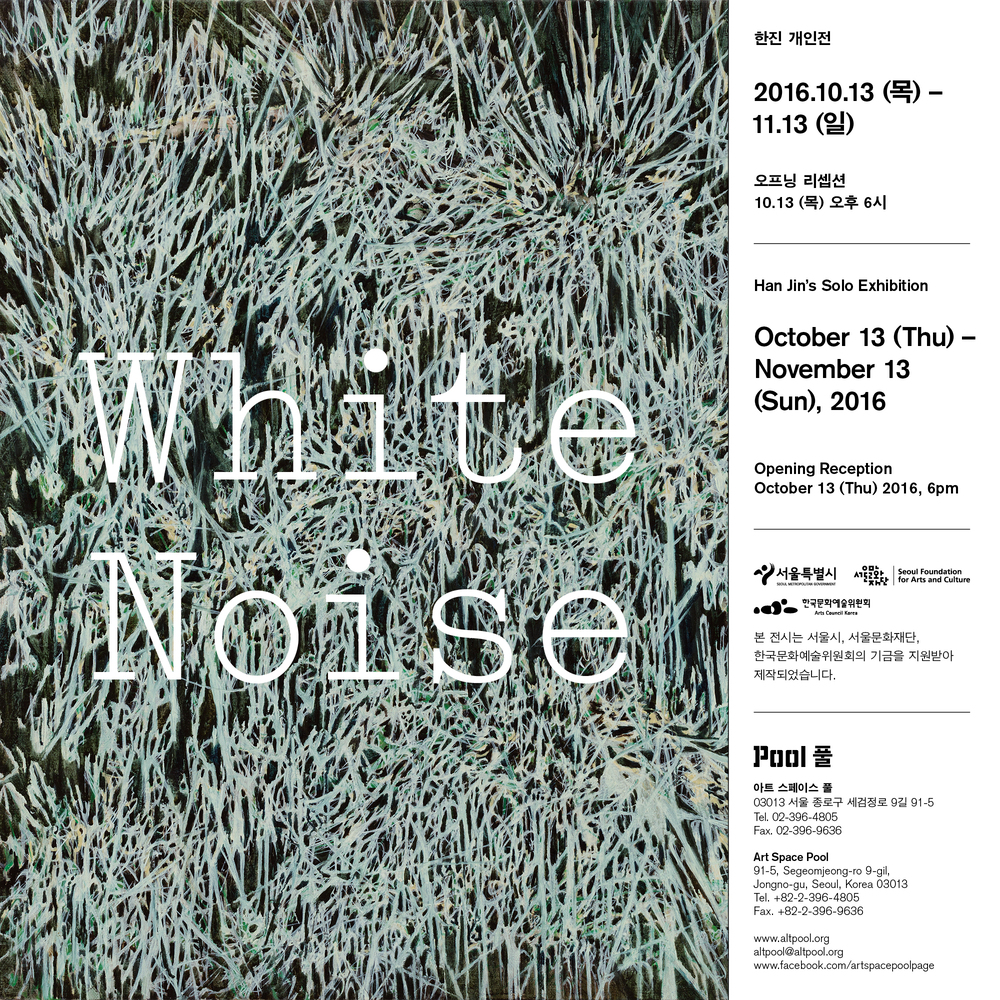
† Vexations
Artist Han Jin has attempted to explain the more difficult to express portions of her works with patience, choosing appropriate examples and offering multiple explanations. To her, language is insufficient; however, it is also the only thing that can approximate the image, avoid a descent into intoxication while allowing the transposition to thought, and serve as a window of communication with the other.
She deploys words in order to—as close as possible— approximate the image drawn by language with the images she has seen. This approach by the artist can also be found in her work. She takes great pains to try and find the most appropriate words to express herself.
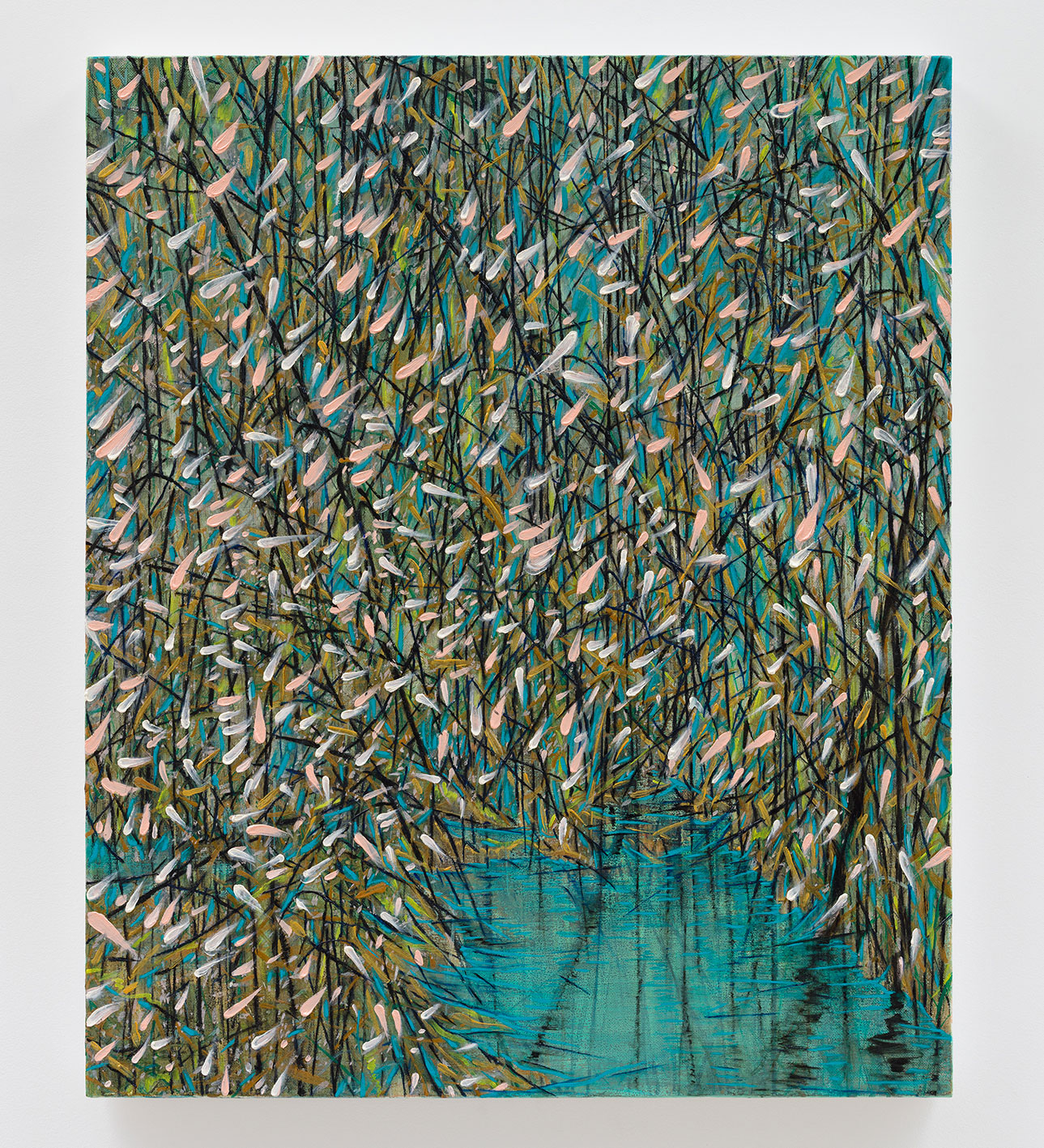
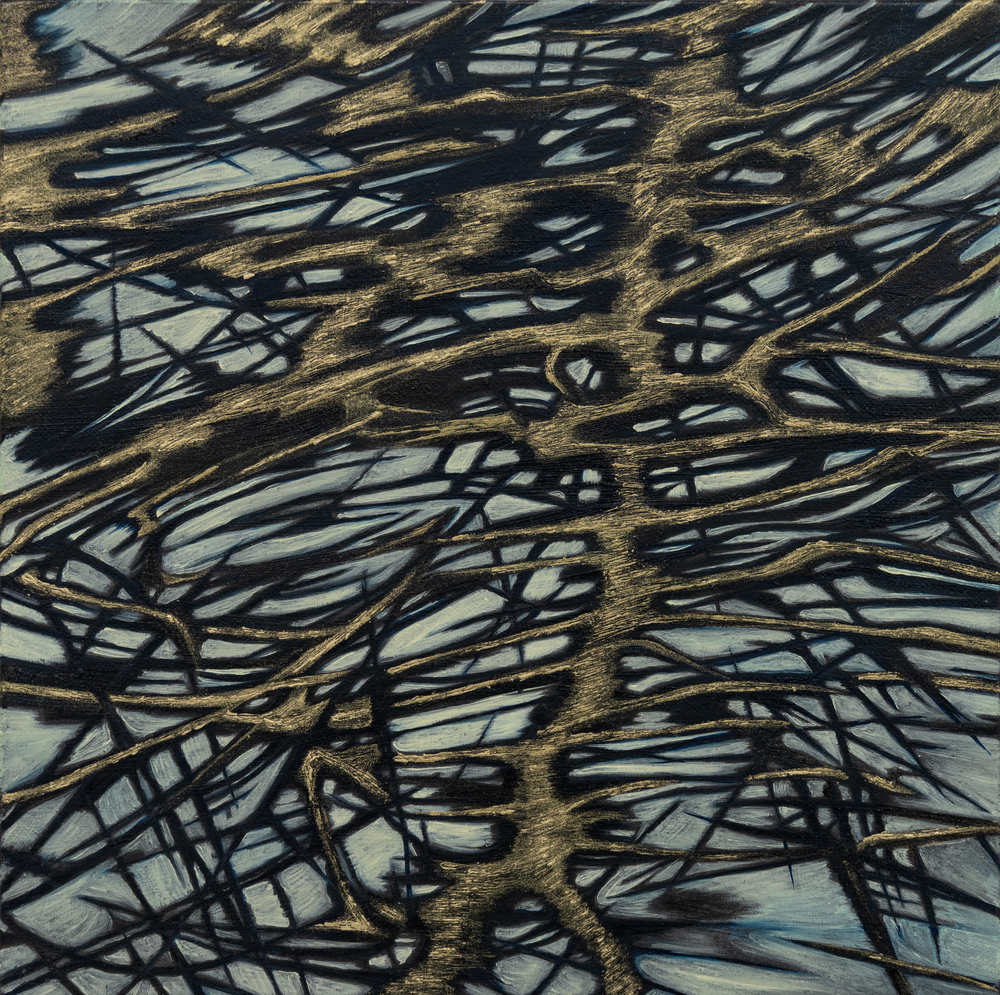
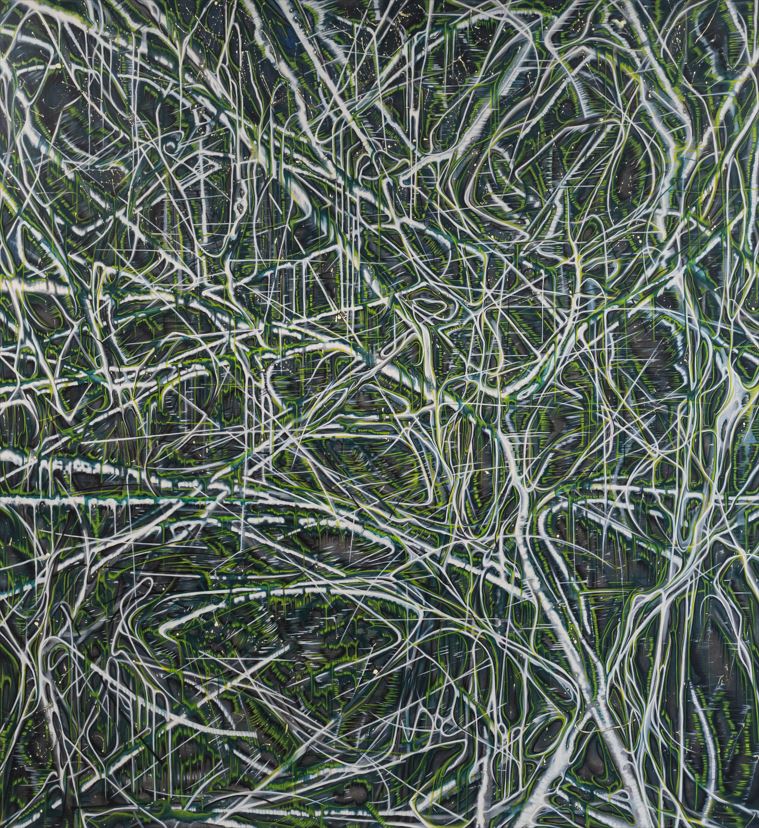
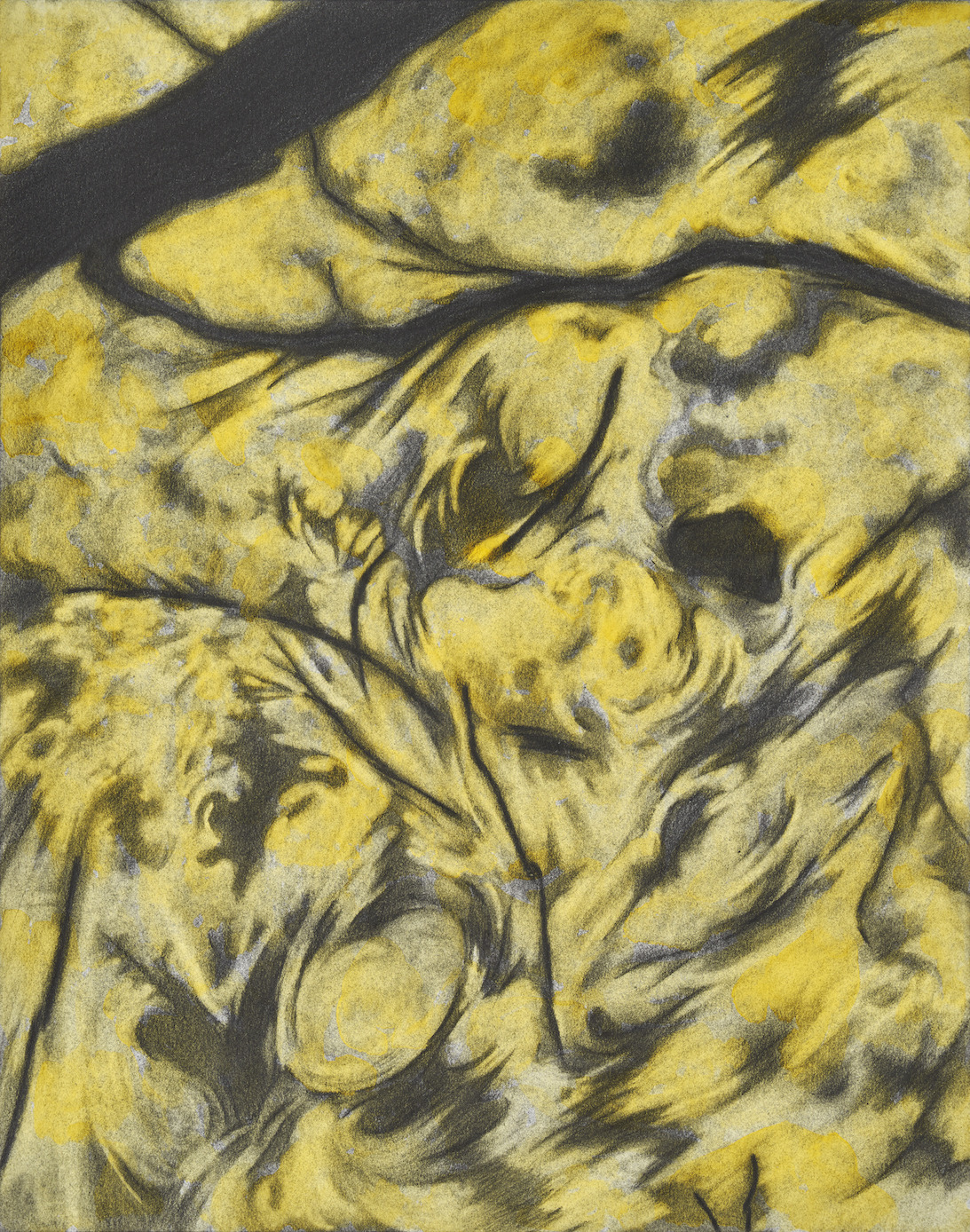
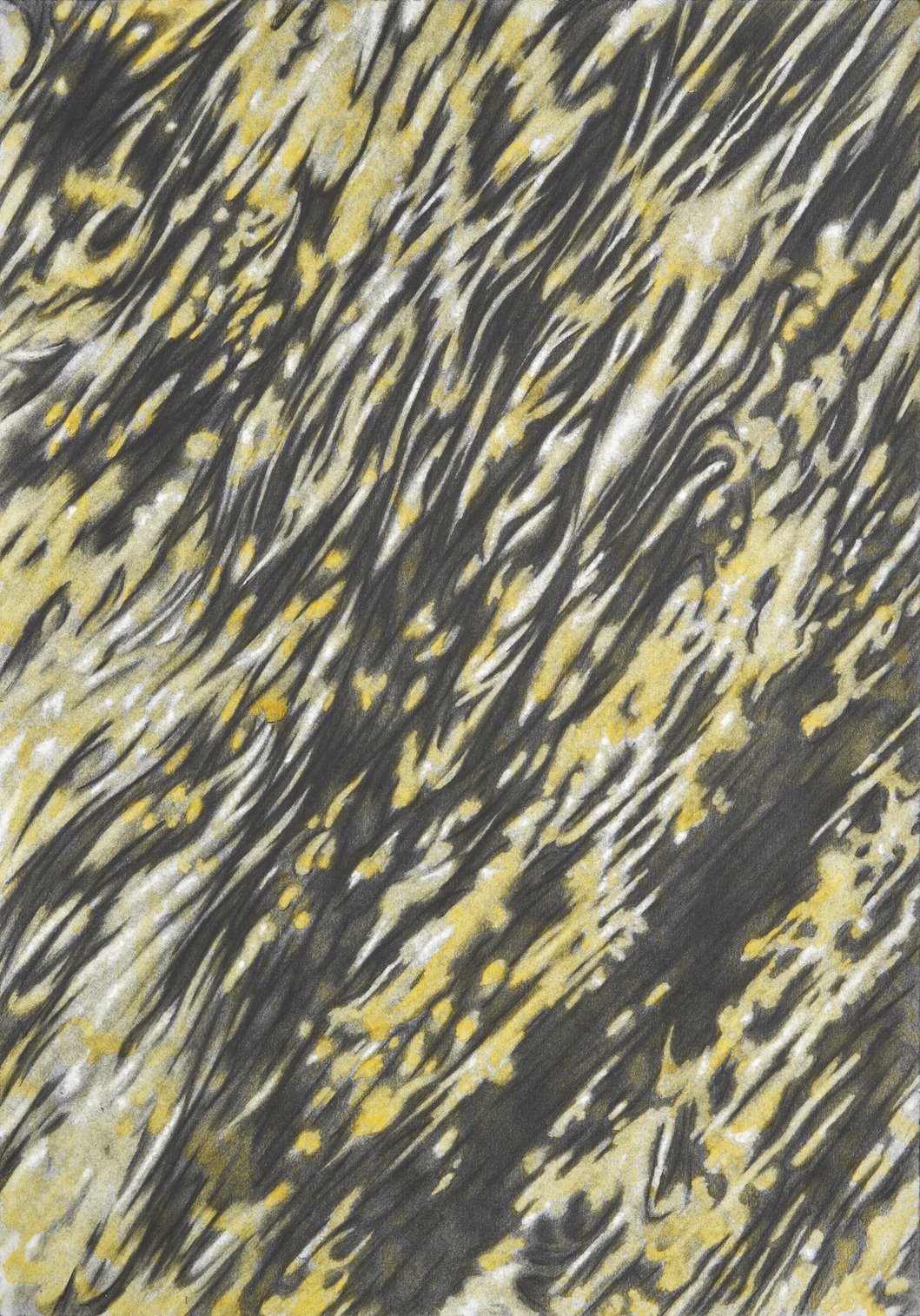
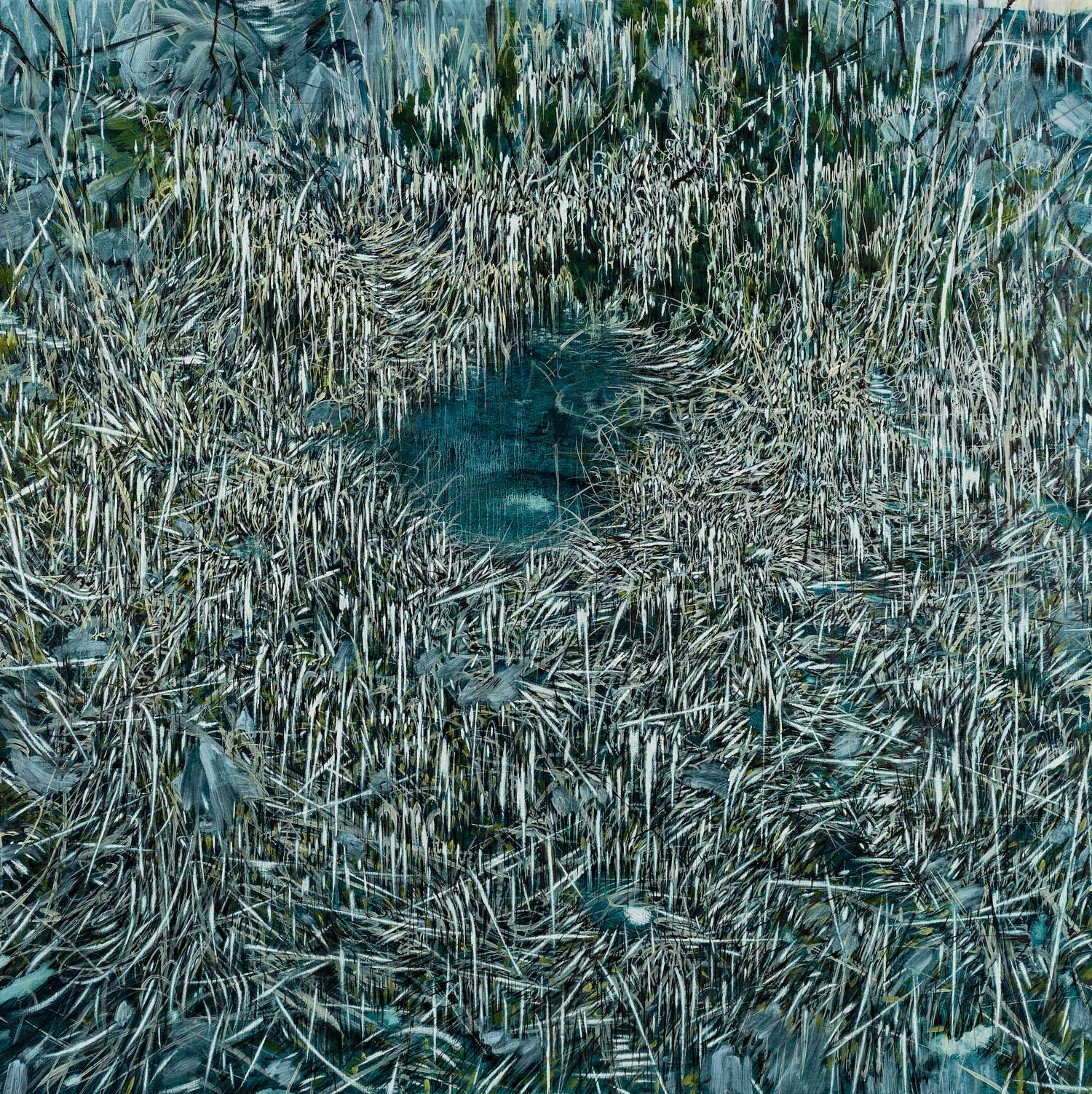
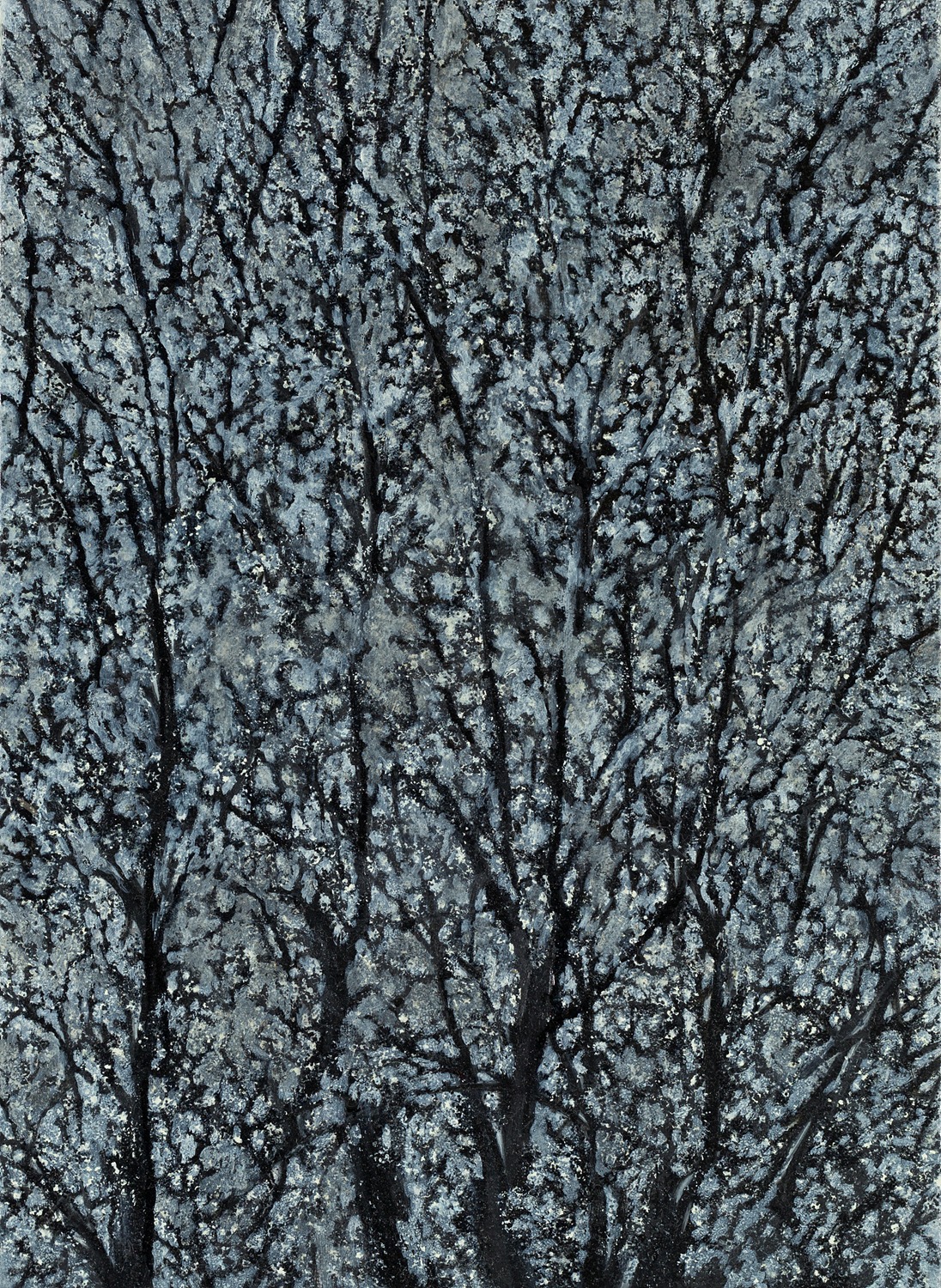
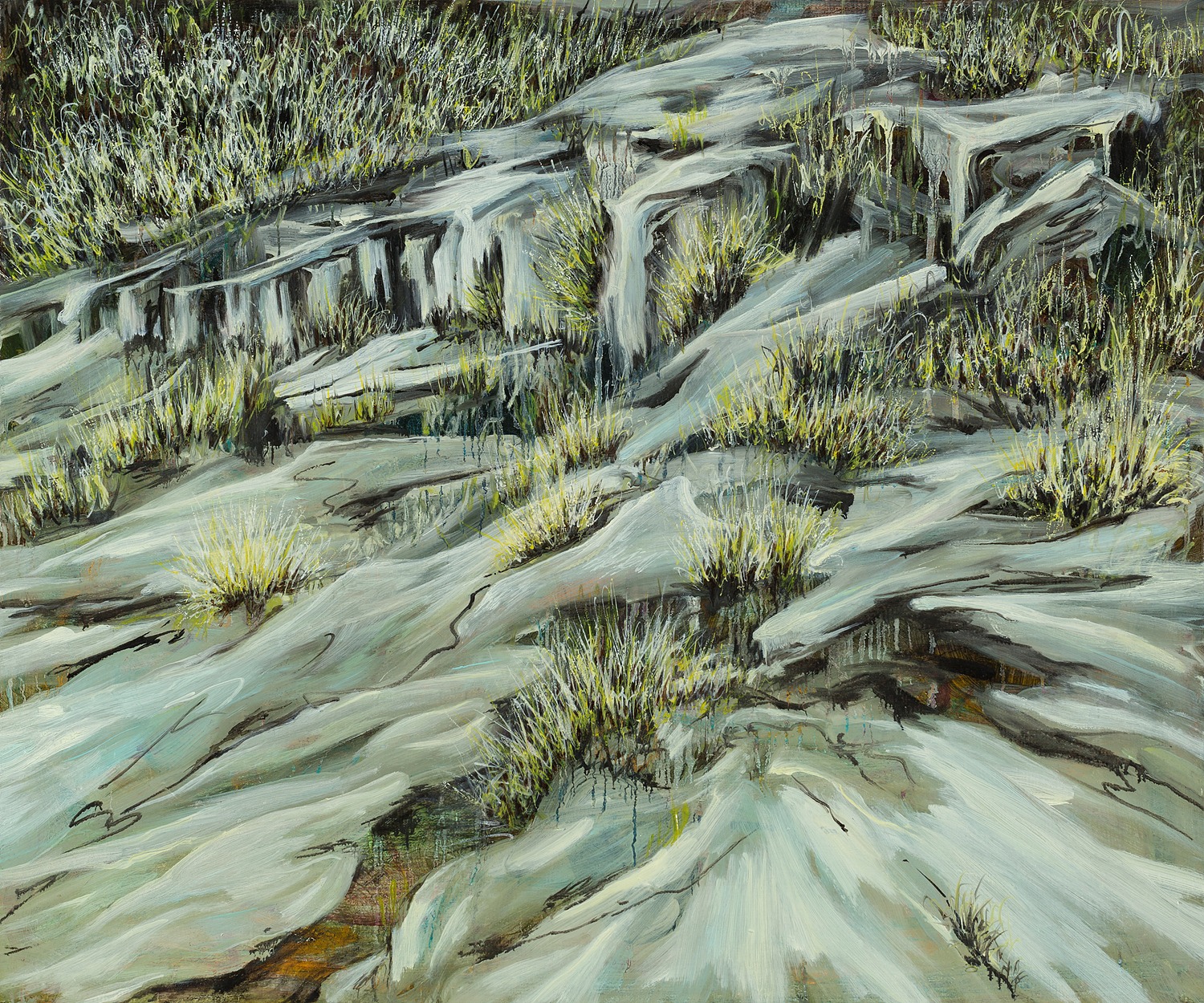
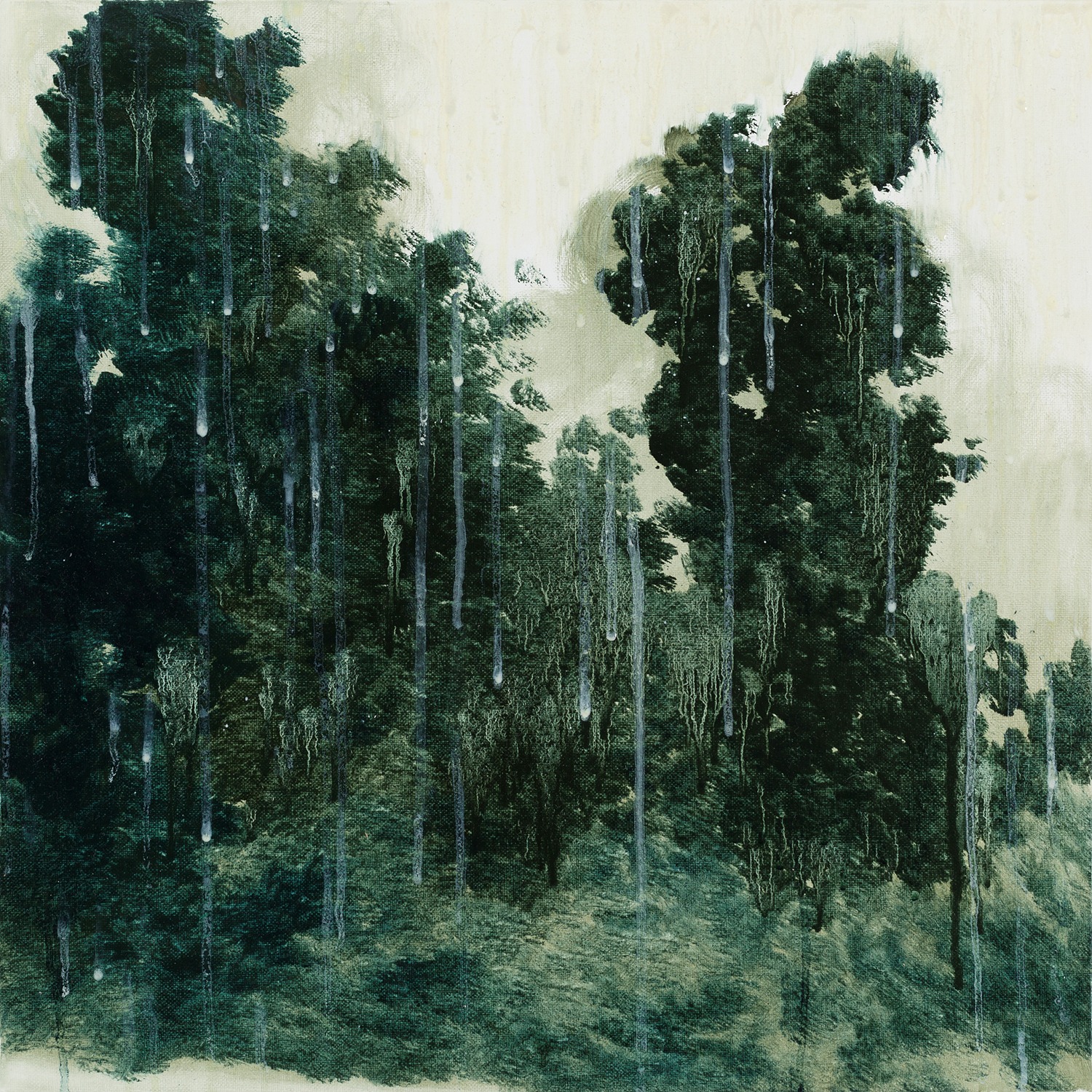
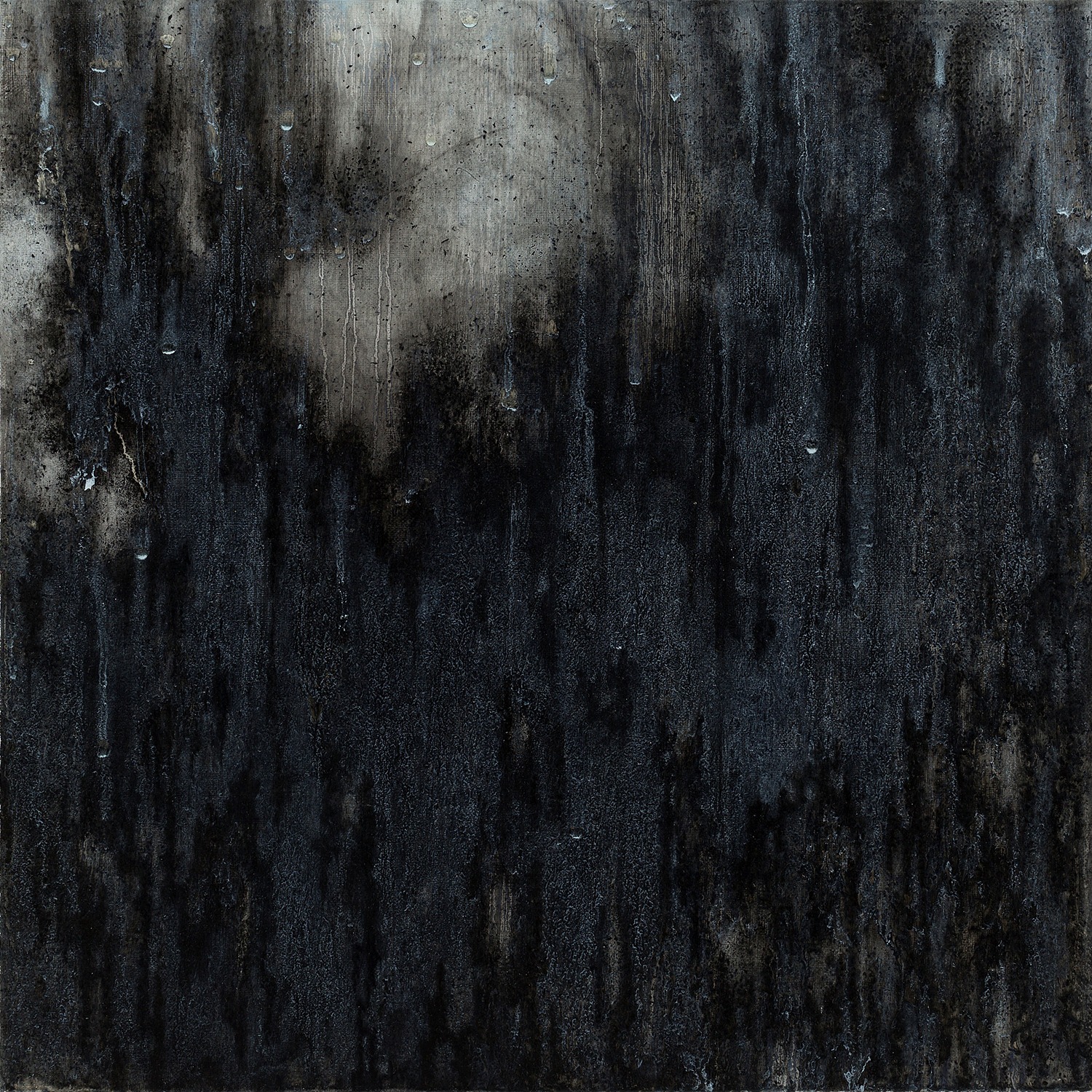
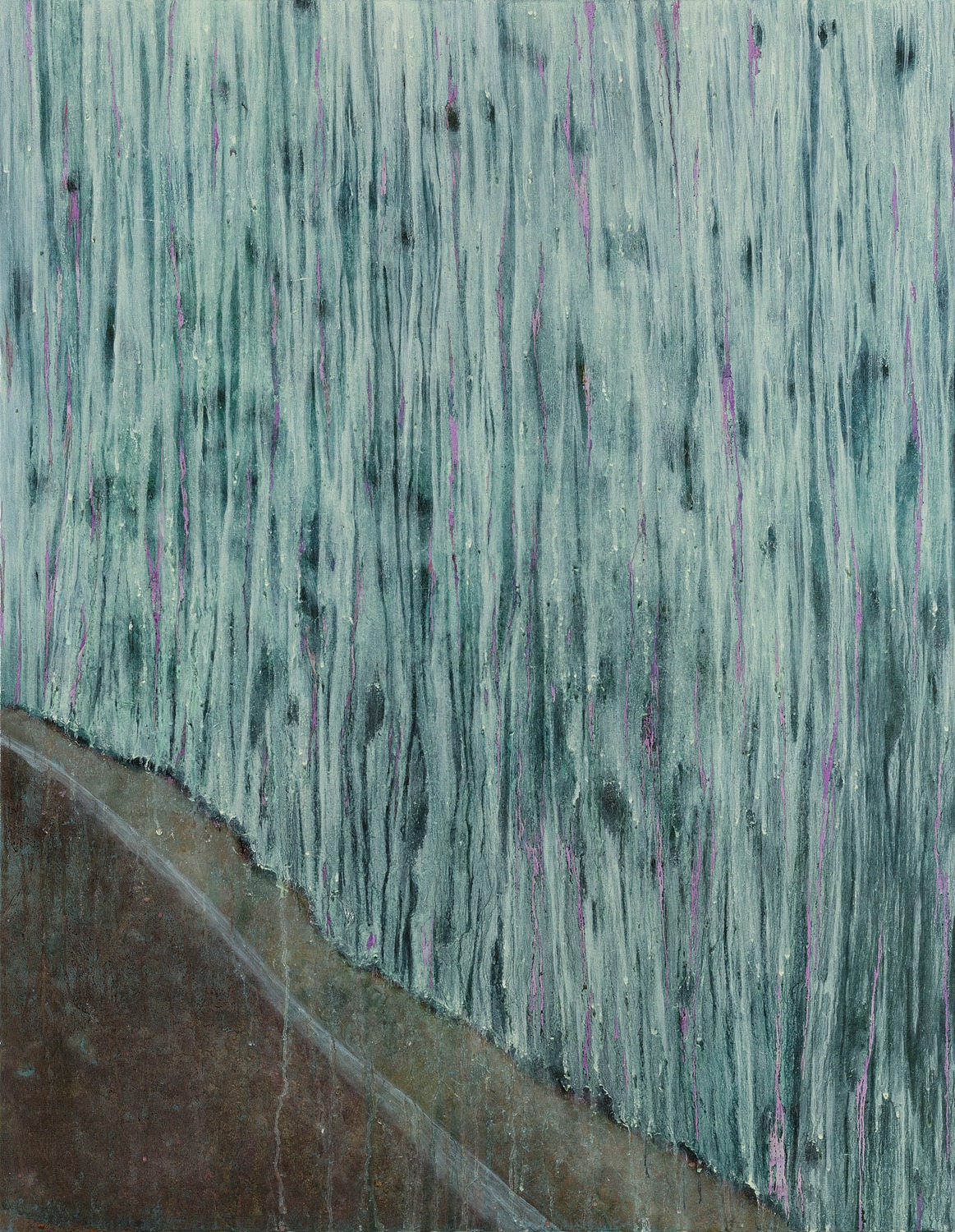
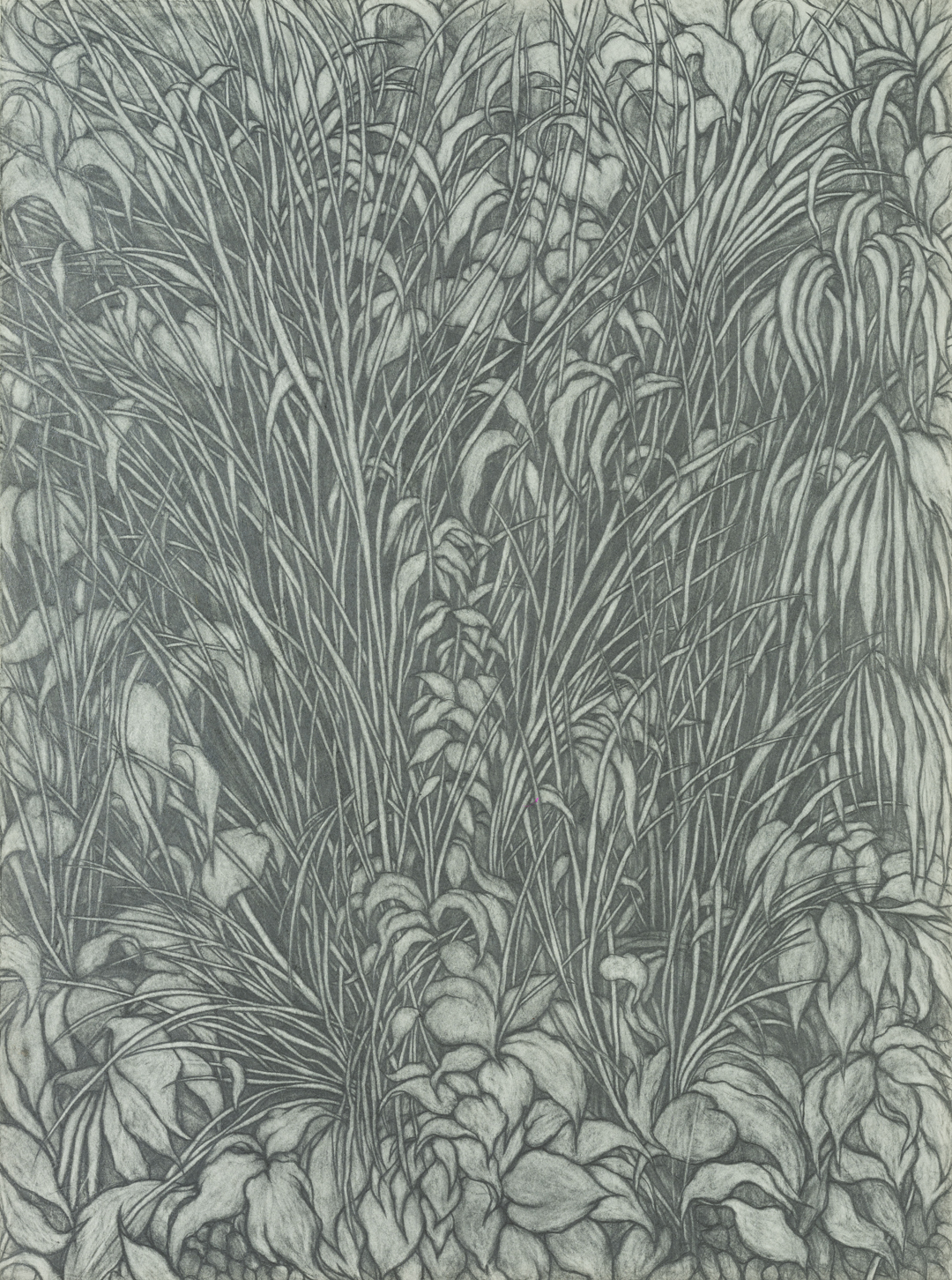
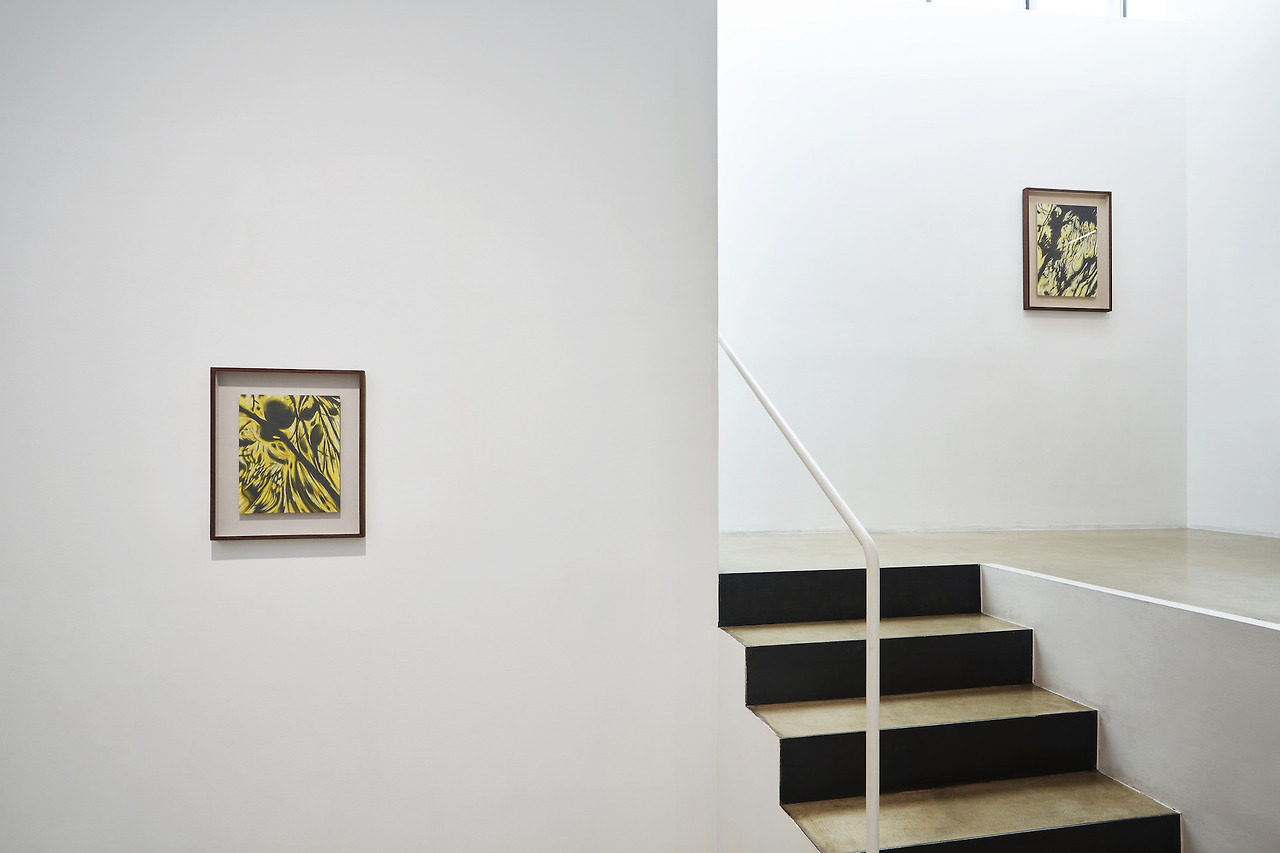
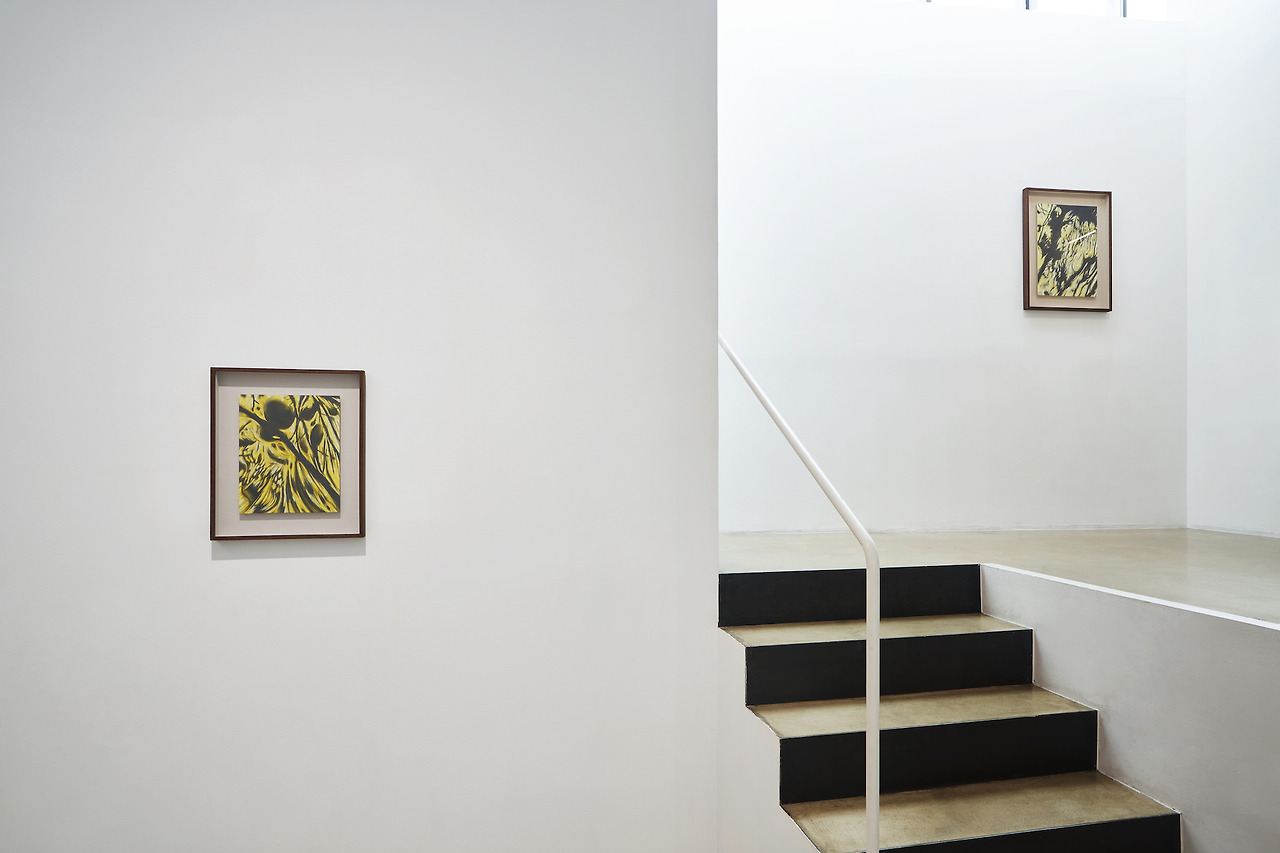
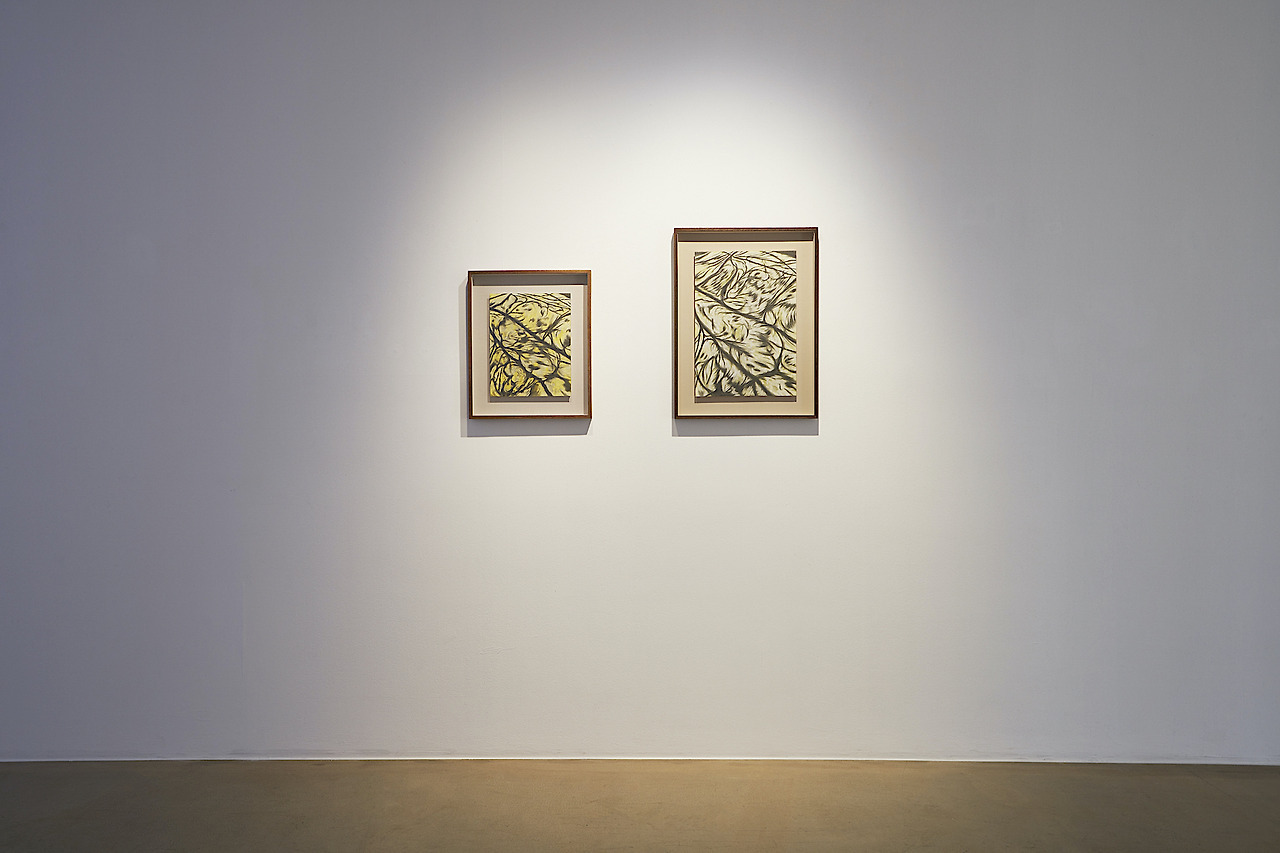
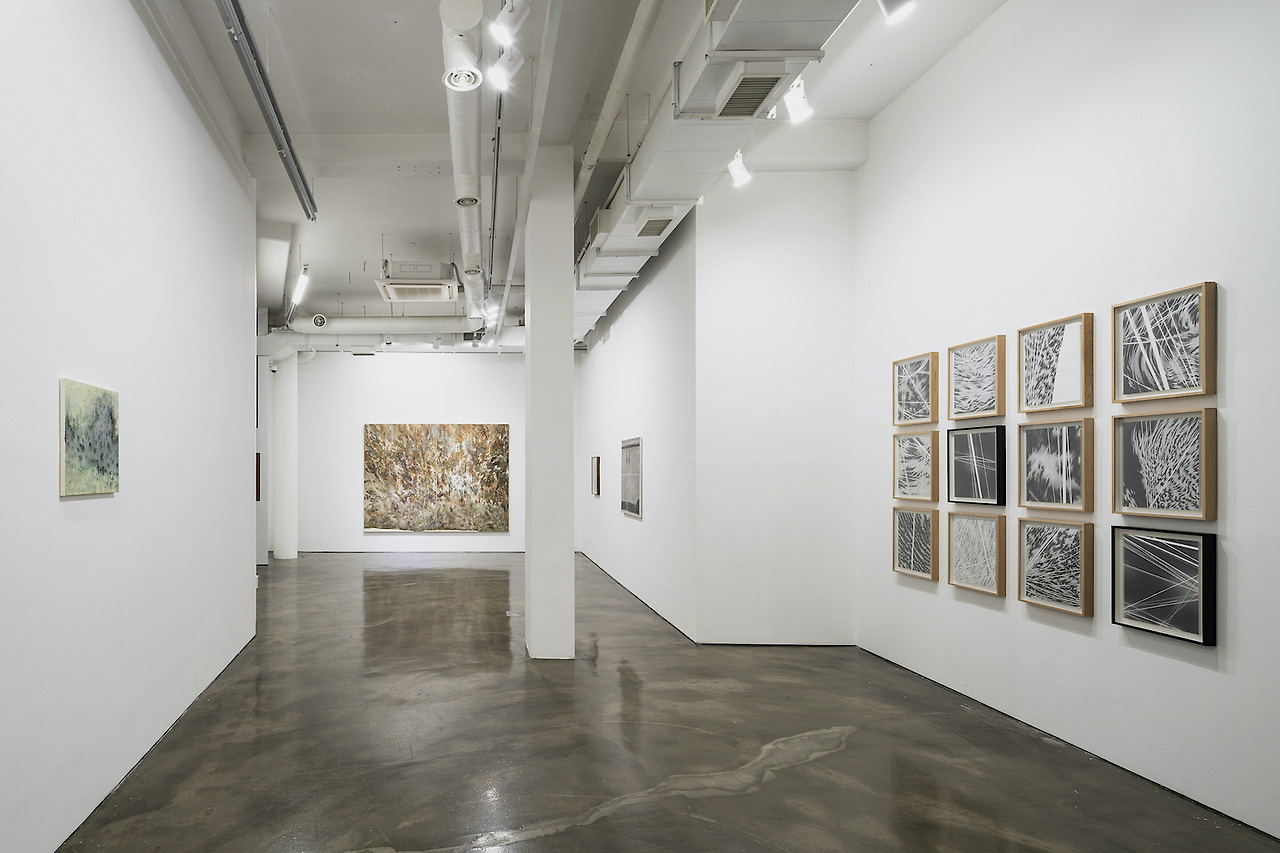
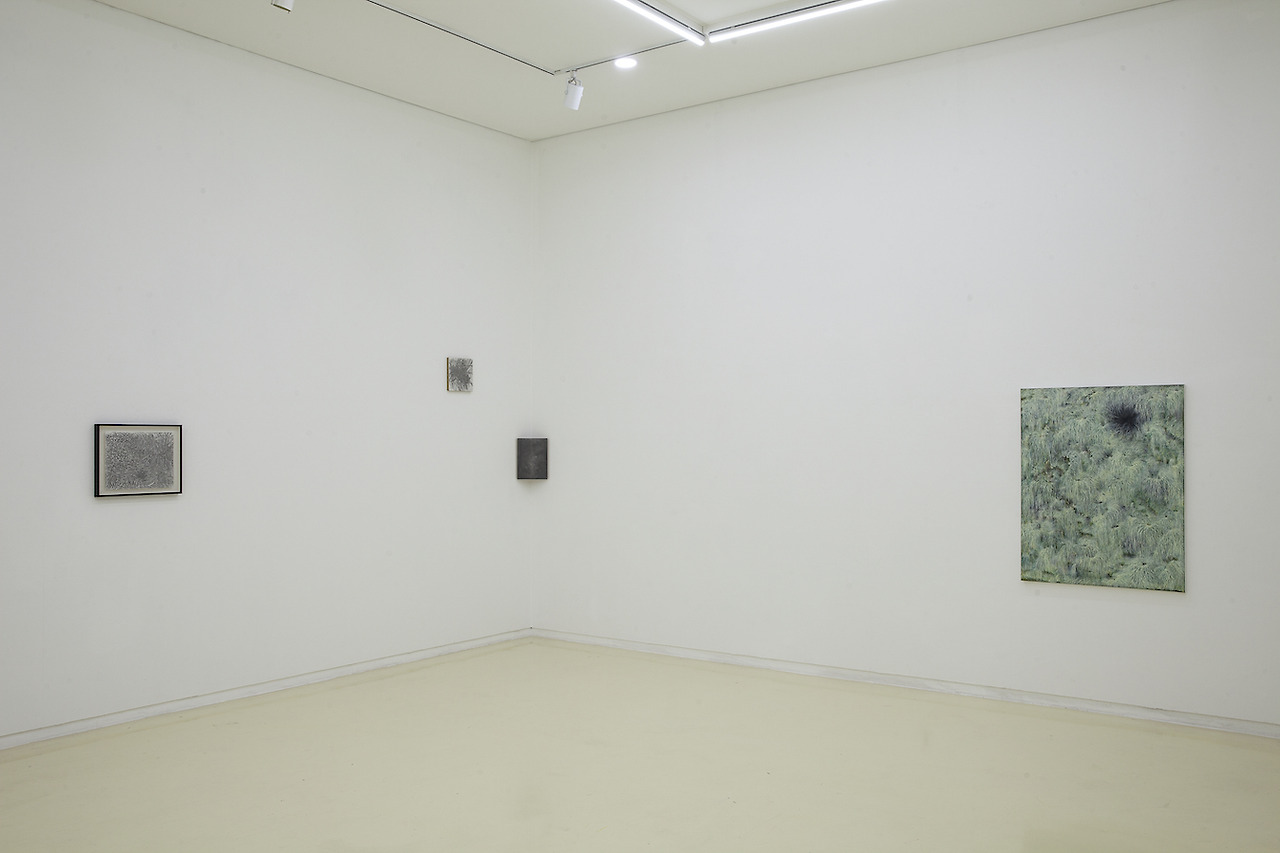
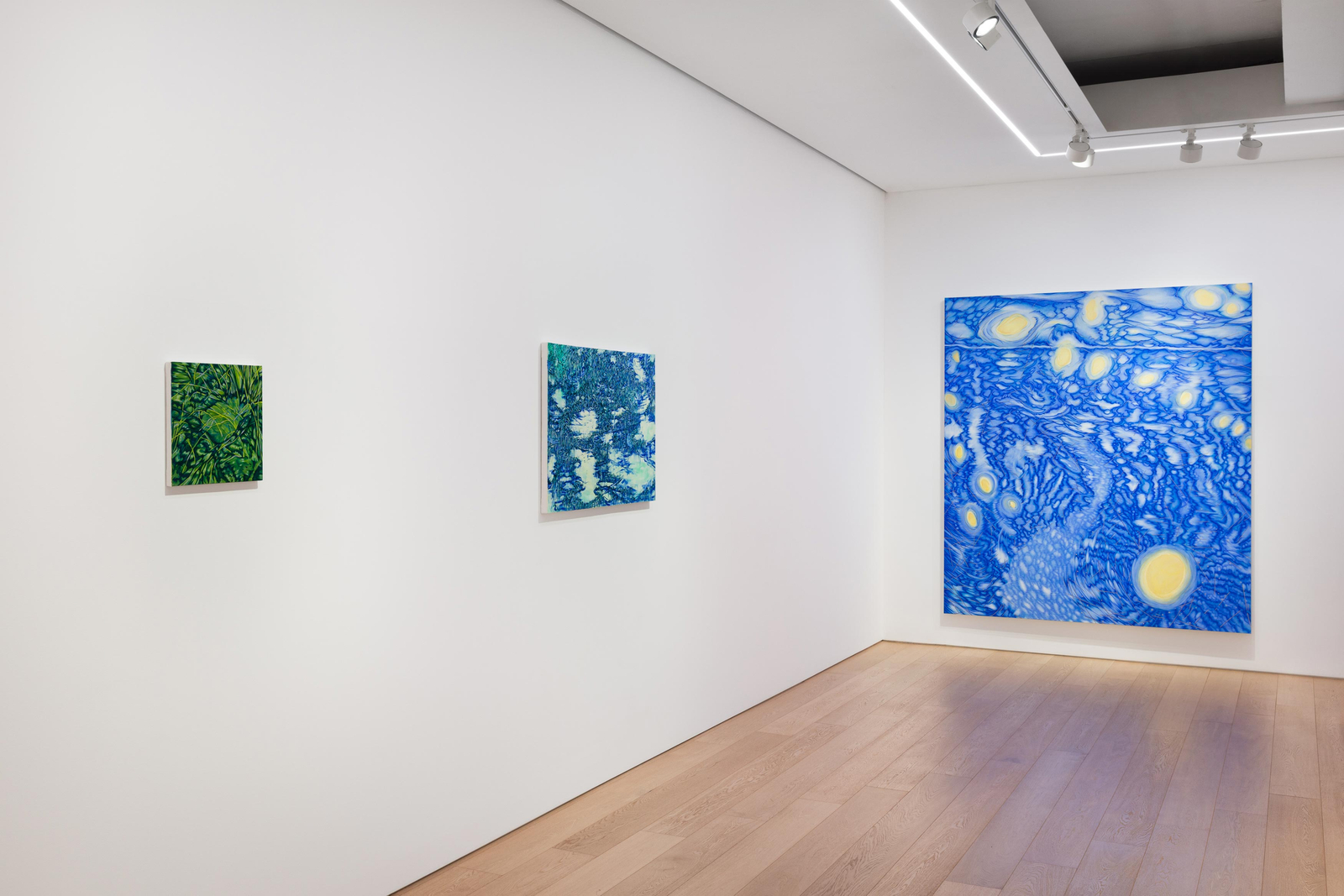
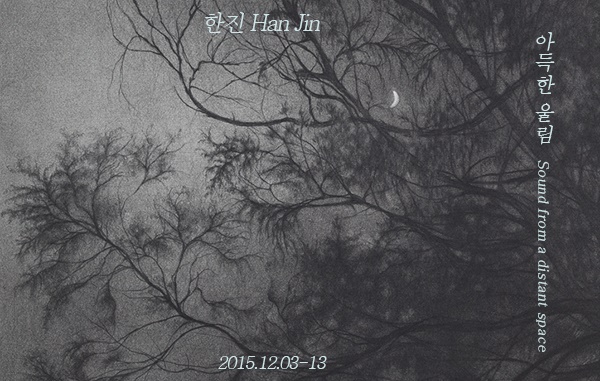
Similarly, to make her paintings as identical as possible to the landscapes she has seen, she invests great time in searching for exact colors, expressions, and a sense of movement. For the exhibition 《Vexations》, which she has been preparing since last year, the artist repeatedly drew and erased paintings up until the middle of this year, and finally in May, she stopped erasing her works.
The day after she began not erasing her paintings, the artist enthusiastically explained Erik Satie’s (1866– 1925) piano work Vexations to me. She explained, “The same instrumentation repeats 840 times. It takes 18 hours to play. Guests are allowed to come and go from the venue as they please, and the musicians rotate.
Because the musicians have to remember what number of the performance they are on, 840 pieces of sheet music are prepared, and every time a playthrough is finished, the musician throws away the sheet. So, for a concert performance of ‘Vexations,’ people talk less about ‘the performance was like this or that’ and instead discusses ‘what happened at the concert hall.’
What is more important is the events that happen during the performance itself.” I had never once listened to Vexations, but as I listed to the explanation, a scene came to mind that felt very familiar. Unrelenting boredom and the resulting discomfort. After this long period passes, it feels as if all sensations and emotions become distant and my body separates and dissolves into the air.
It is similar to what happens during an extended period of meditation. That is, the moment when one accepts all things after all emotions, thoughts, and pain have passed. Moreover, the artist added that due to the emotional and physical variations stemming from the performers as well as the variations of the other (audience), the performers are unable to dominate the performance space.
The artist states that in the space of the resulting time difference of this pulling and sliding, the “here and now” can be felt. This is not a loss of a sense of the self, but rather the moment when the boundary between subject and object dissolves and where acting and being acted upon occur simultaneously
Something slowed down.
The longer I looked at my gap, the surer I was—of a solution?
An insight?
A discovery?
An inference? A finality?
Gradually the gap in the distant crest transferred itself to me and became a pivot.
My first feeling was deadly fear—as though I were being crushed between two strata of rock; then—if ever—one of openness, of a single all-enveloping breath (which could immediately be forgotten).
In this moment, one comes to share the same breath with the subject while all distinctions melt away.
‡ Representing Rhythm, Translating Rhythm
The artist stated that when she tries to express through painting what she has seen, musical symbols come to mind. The artist senses and remembers the subjects of her drawing through rhythm and movement. And as if performing them, she transposes them onto the canvas. By recalling the rhythm and speed of an object, the artist is able to revive her memory and transfer it onto the canvas.
As if both an artist and a performer—or rather, as if the world itself were a composer and the artist were a performer—she brings to mind the musical notation that she has memorized and attempts to paint (or perhaps perform) it in the most vivid detail as closely to the original song as possible. Therefore, saying she “remembers a landscape that she has seen (in the past) and paints it” is at most a mistake or at least an insufficient explanation.
That is, she does not simply engage her sensory perception to gaze at an object and then represent that image through painting. Rather, she approaches the object using all of her senses and then represents that very moment of contact. Therefore, in her paintings, in addition to the texture and rhythm of the subject, her movement and breathing are also expressed.
That is, the landscape is not what is expressed, but rather the moment of contact. Moreover, what is summoned is each moment in the present, not a record of the past; in this way, it appears before us as something new. The endless “present” is also made possible by the fact that a painting also has a physical body. Just as Paul Cézanne, through painting, wanted to “portray the world, to change it completely into a spectacle, to make visible how the world touches us,” paintings that possess a physical body come into contact with us again as one world.
In his theory of aesthetics, Nietsche introduces the concepts of the Apollonian and the Dionysian, and as scholar Park Jun-sang clarifies, “The Apollonian is an image that results according to the stimuli and reaction of the eye, whereas the Dionysian is originally a stimulus related to the entire body and a rhythm that induces a reaction.”
This impels us to understand “painting” as Apollonian; however, he again says that a painting’s color stimulates the body of the viewer. When we sense that something contains substance, this cannot simply be just a visual response. A 4 painting also has a material substance in the form of a canvas, paint, paper and charcoal, and through paintings, we experience something that exceeds the visual pleasure derived from the painting.
This something extra evokes a feeling of coming face to face with time and space and fragments of the total world that have been swept up somewhere on the margins, in front and behind, and outside and within the painting. What the artist seeks to reveal to us by representing this moment of contact with the landscape—or rather, what she seeks to have us encounter—is a vivid recollection of the very moment of contact itself.
Therefore, it may be more suitable to view these paintings as “translations” rather than “representations.” Rather than representing a spectacle in the form of an image, her paintings take one form of something real and express it in another form of something real. Looking at her paintings, which also have a physical body, offers an experience equal to looking at landscape.
The artist has translated the landscape that was in front of her—as well as the experience of that moment—using the word “vexations,” and translated it into a painting that audiences will later encounter. In addition to “openness” and “encounter,” the term “vexations” is layered with many more meanings, and it is likely that the choice of this word was intuitive yet calculated.
Similarly, in order to draw a painting with a sense of rhythm approximate to what she experienced, she likely would have thrown away countless practice pieces while grasping at her body’s own memories until she was able to finally wrestle from within herself an appropriate image that her intuition told her was “correct.”
As with other translations, her paintings possess a rhythm that is very similar to the original yet contain the translator’s (author’s) emotions and personality. The artist takes that unique and singular rhythm and allows us to experience it as a landscape.