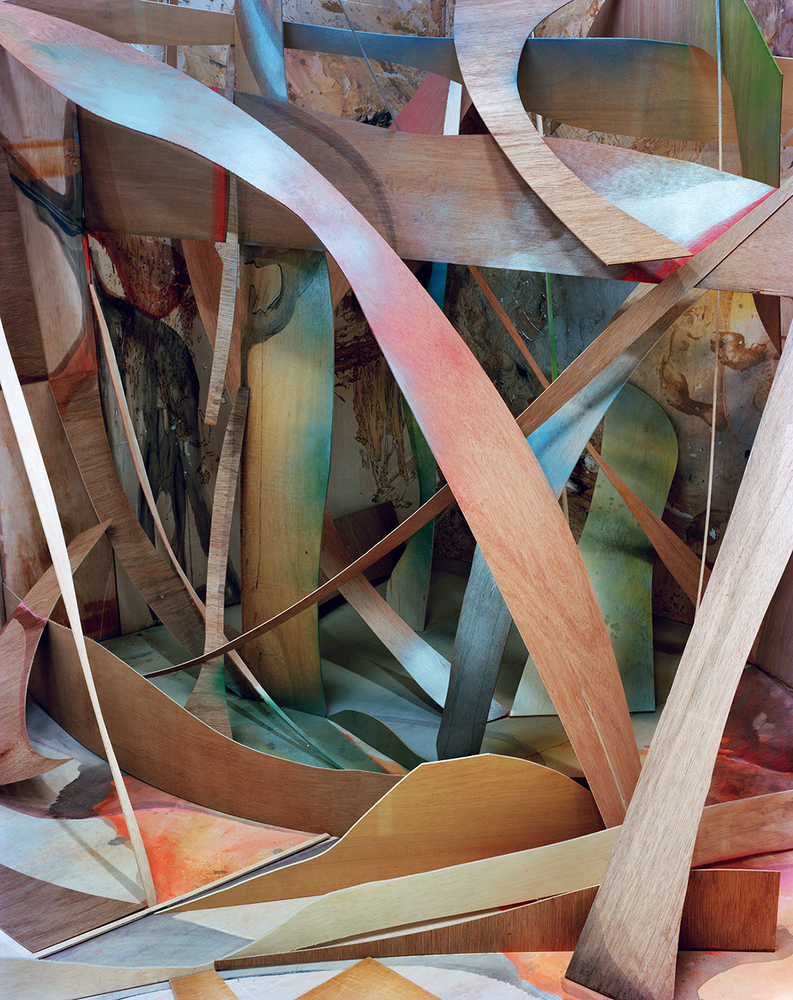
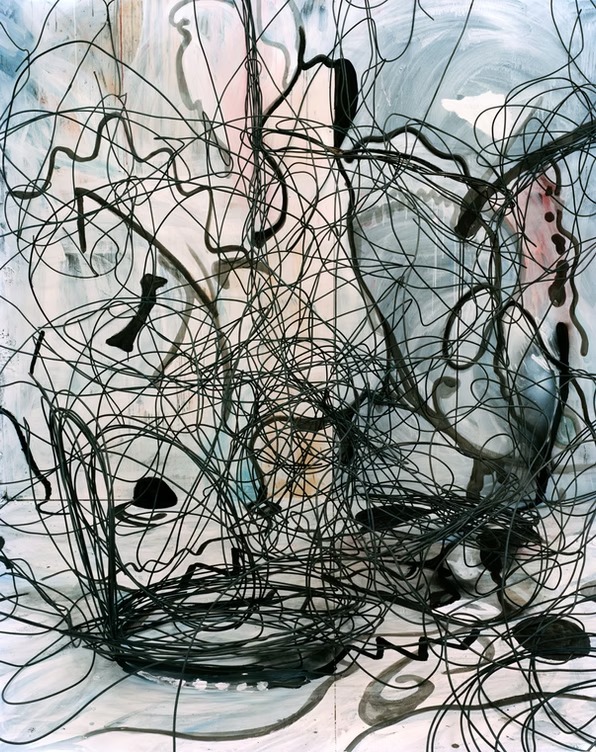
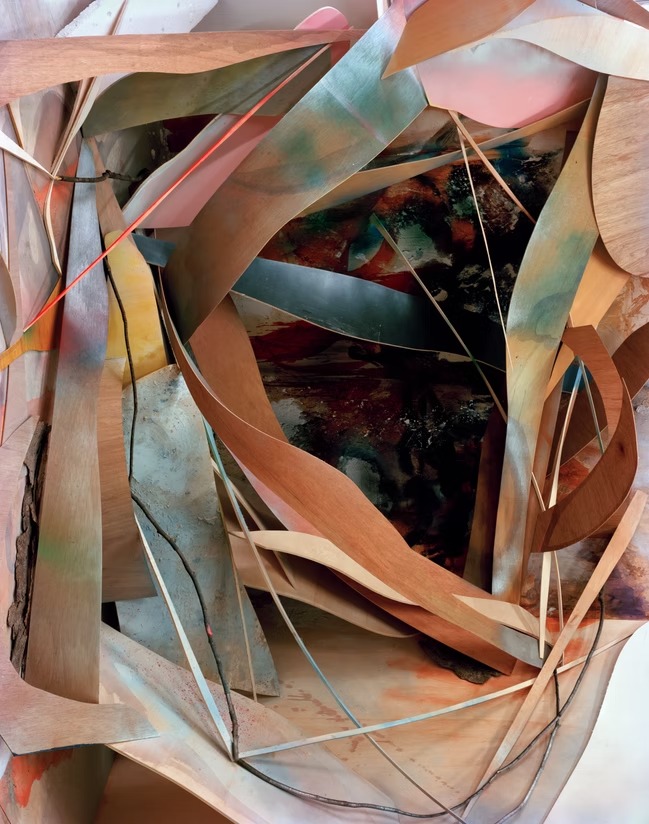
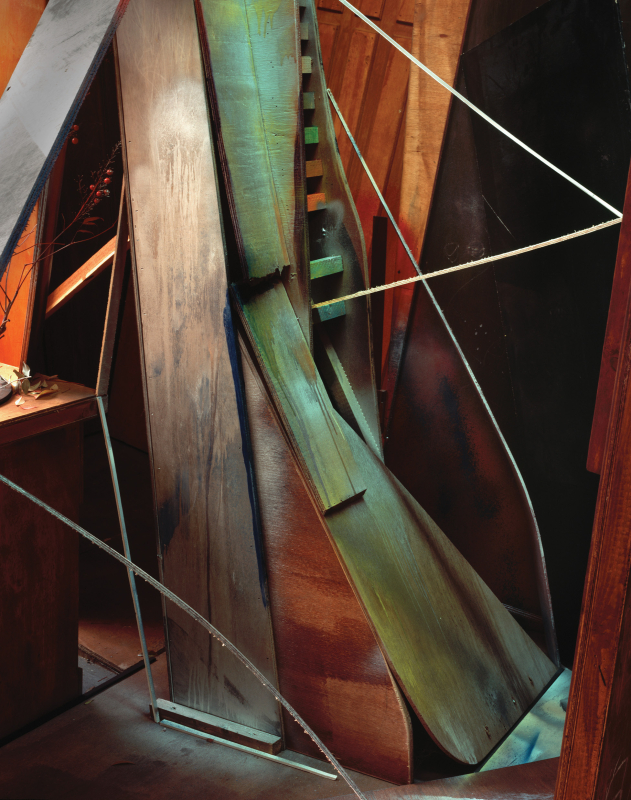
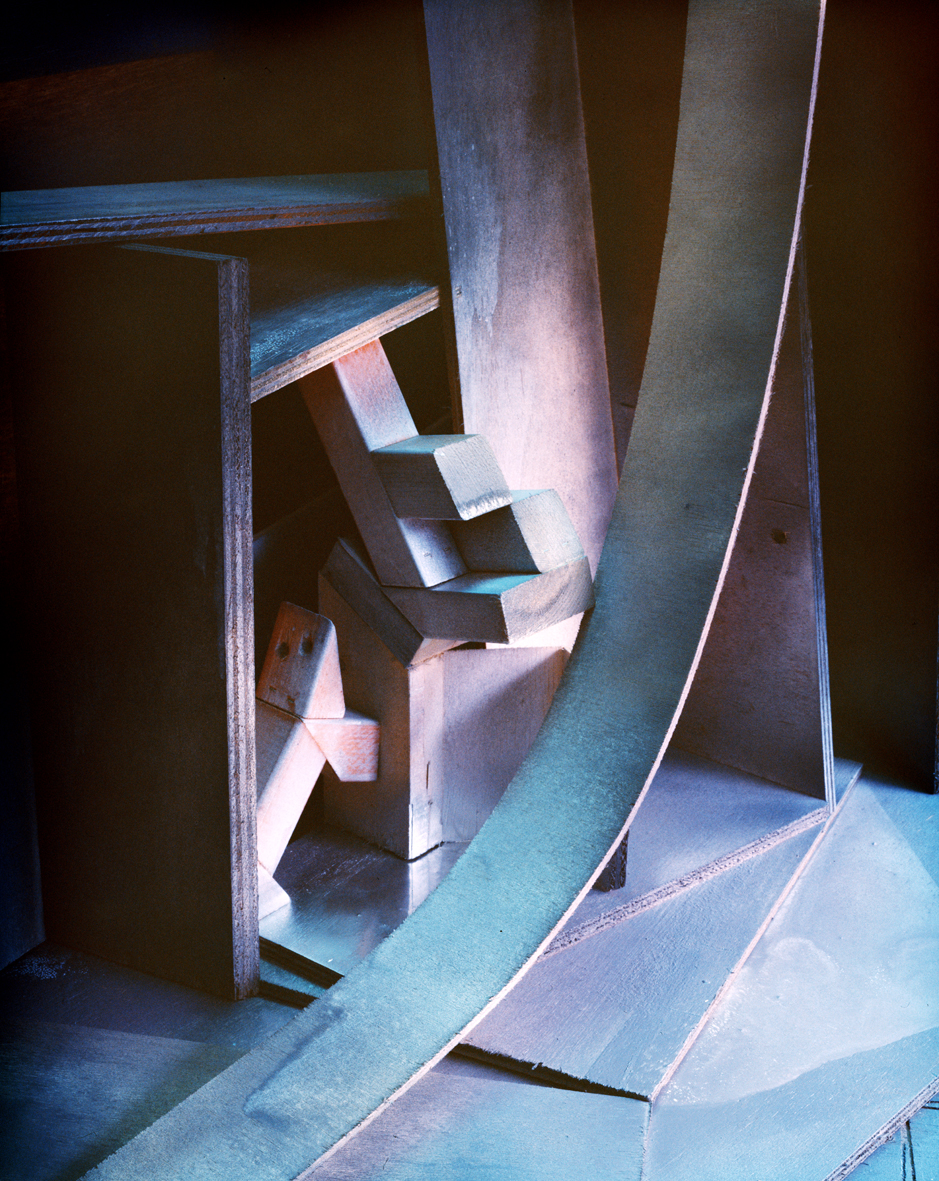
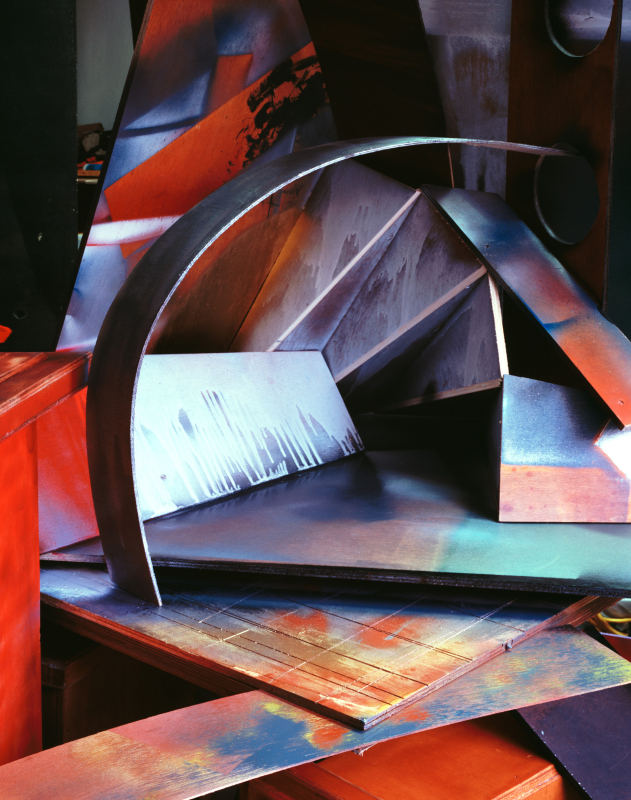
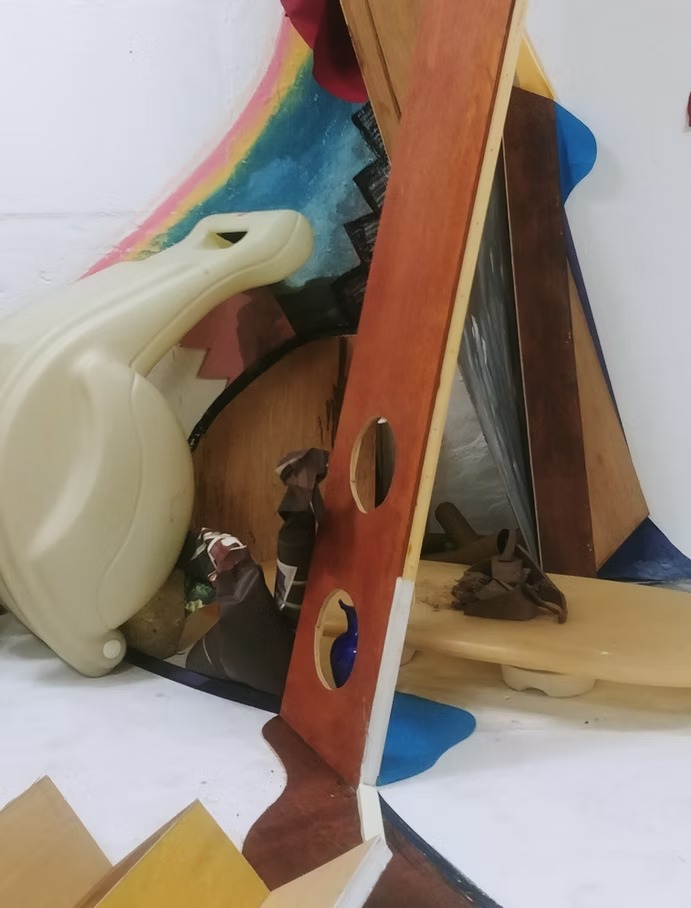
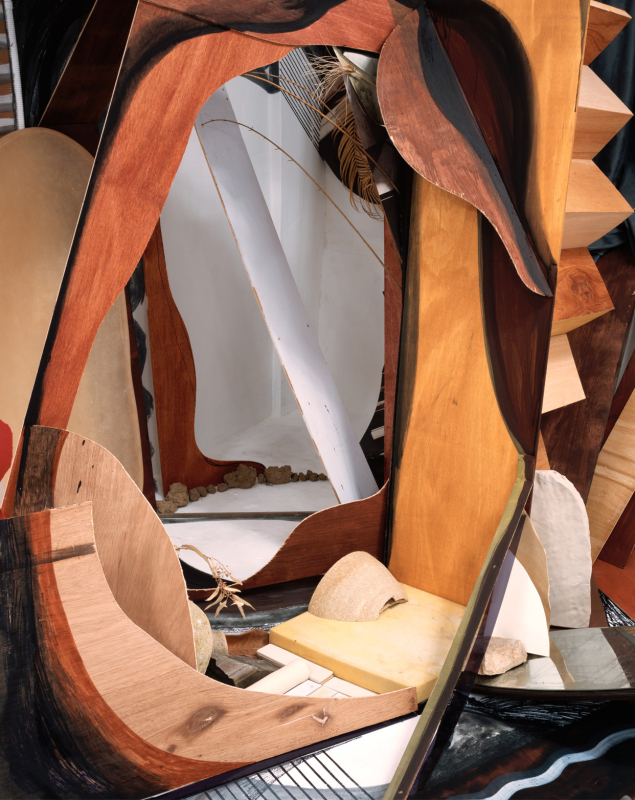
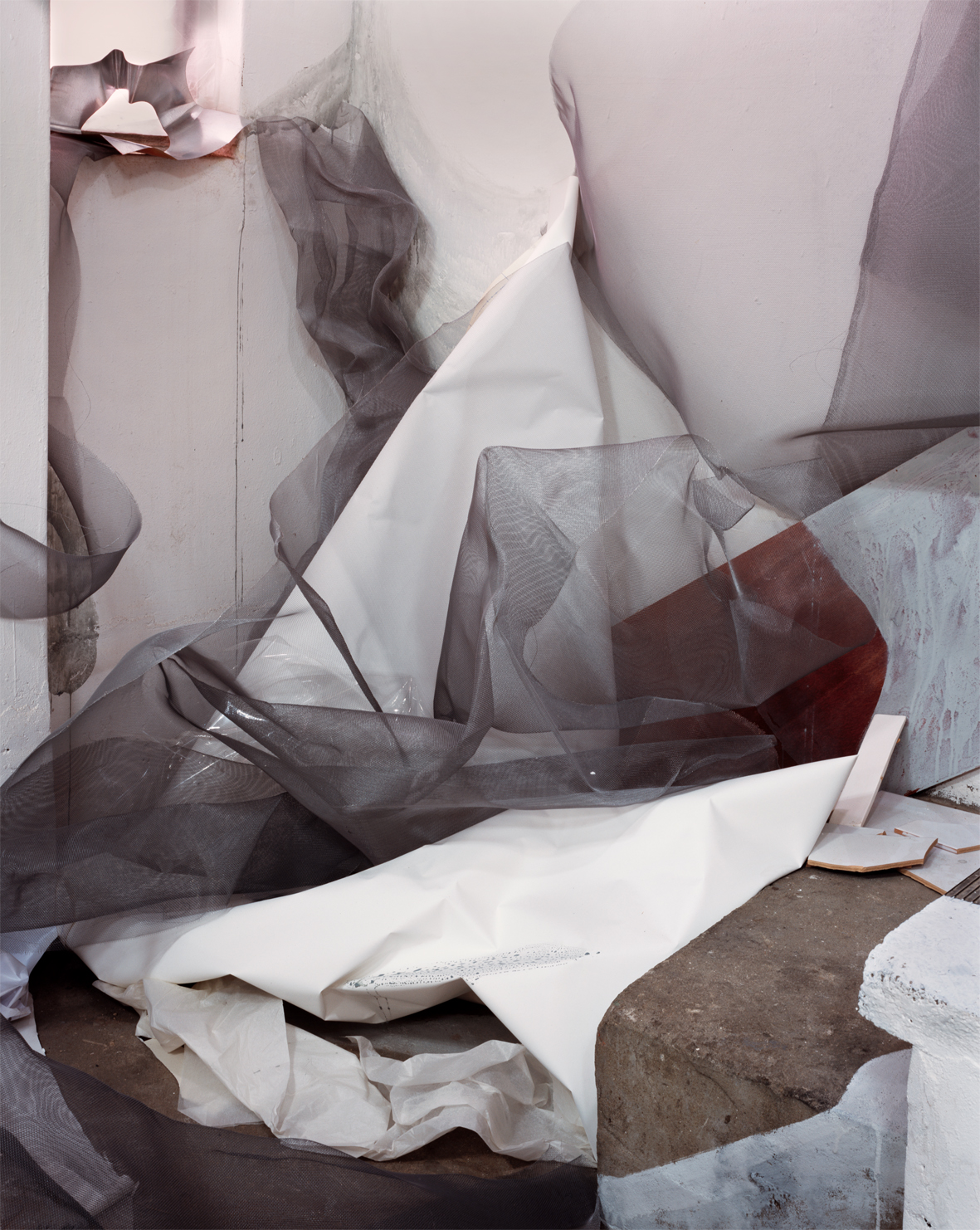
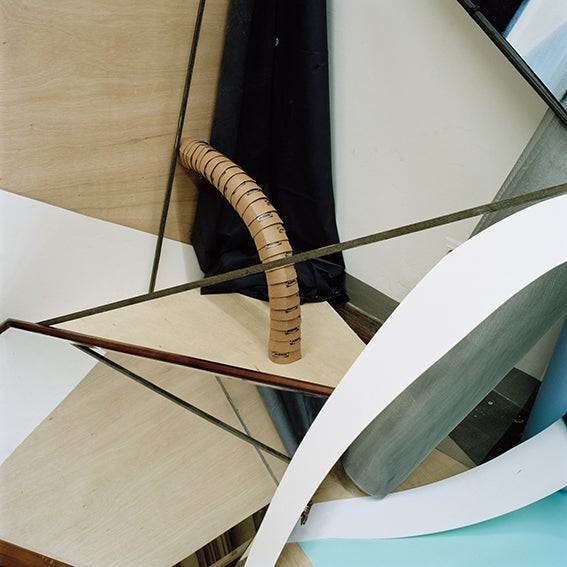
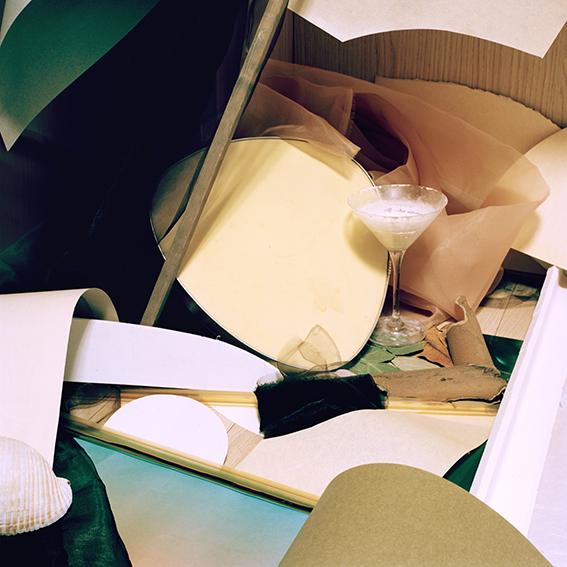
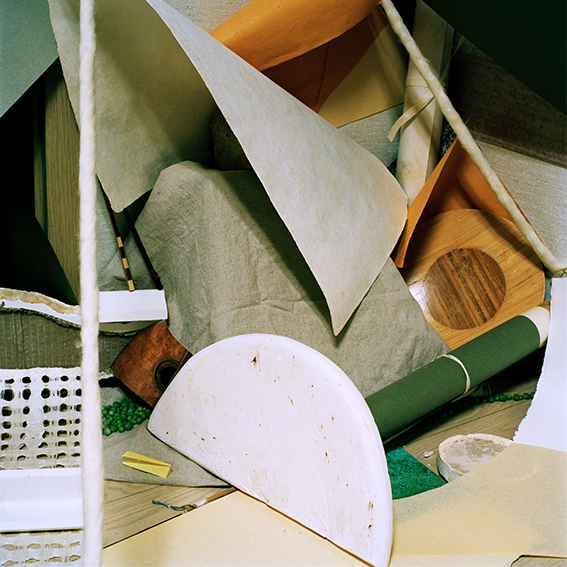
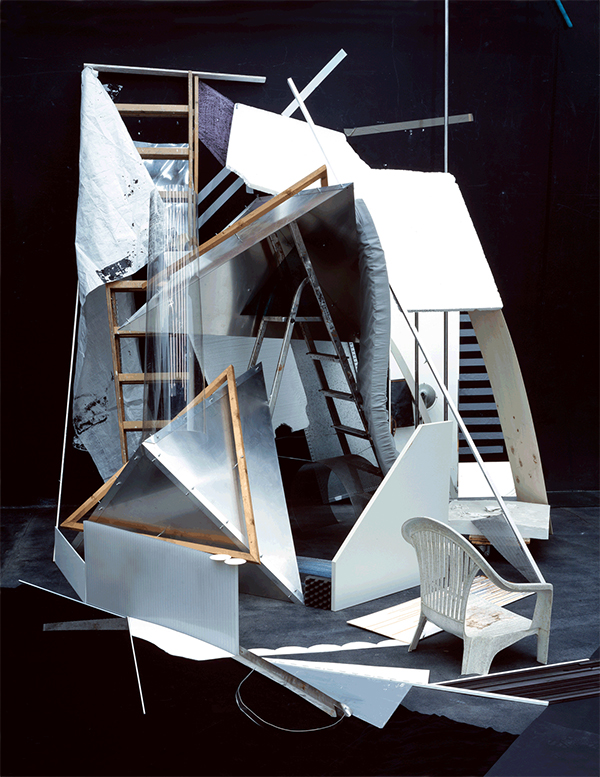
Cho Kyoungjae, SHOW ROOM I, 2018, Inkjet print, 50 x 50 cm © Cho Kyoungjae

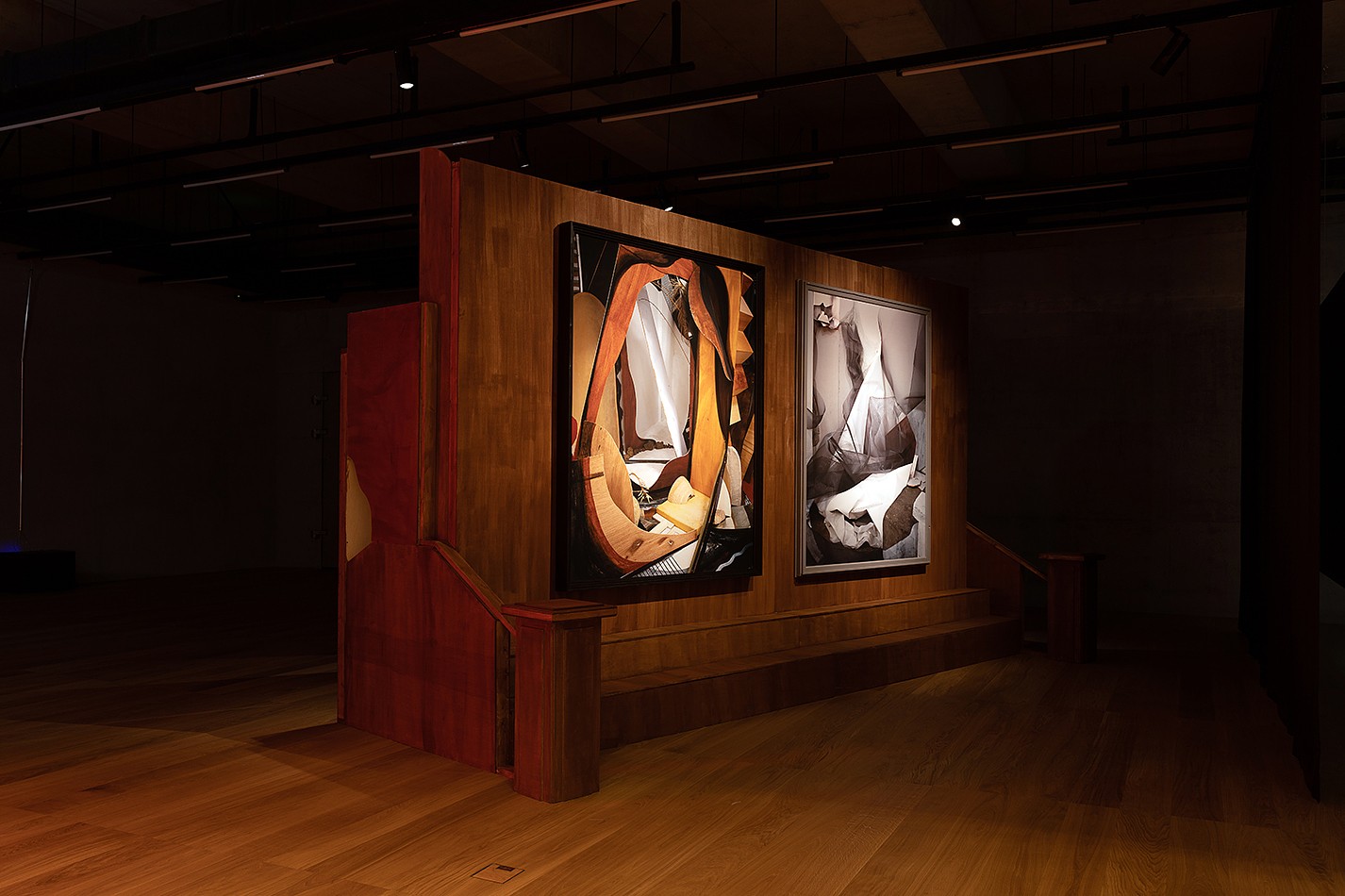
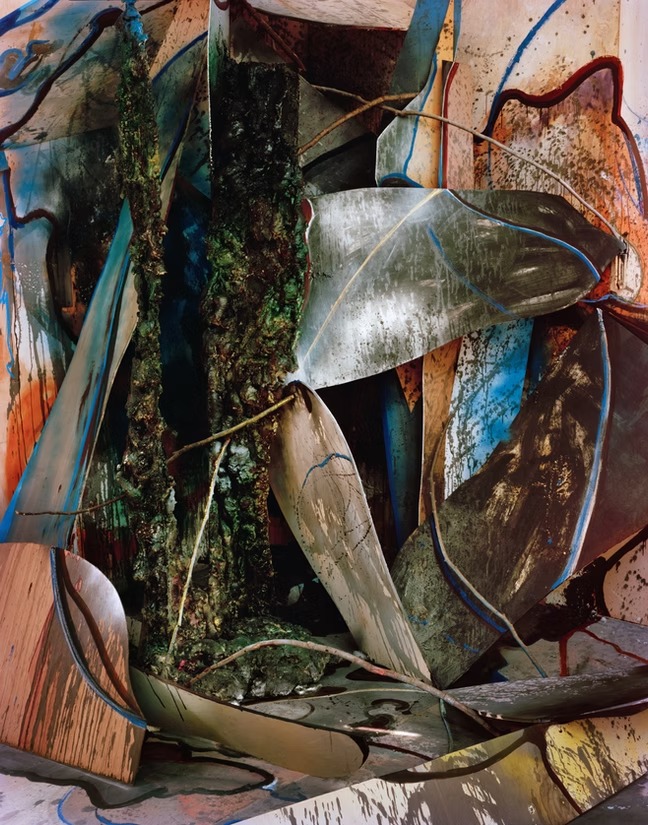
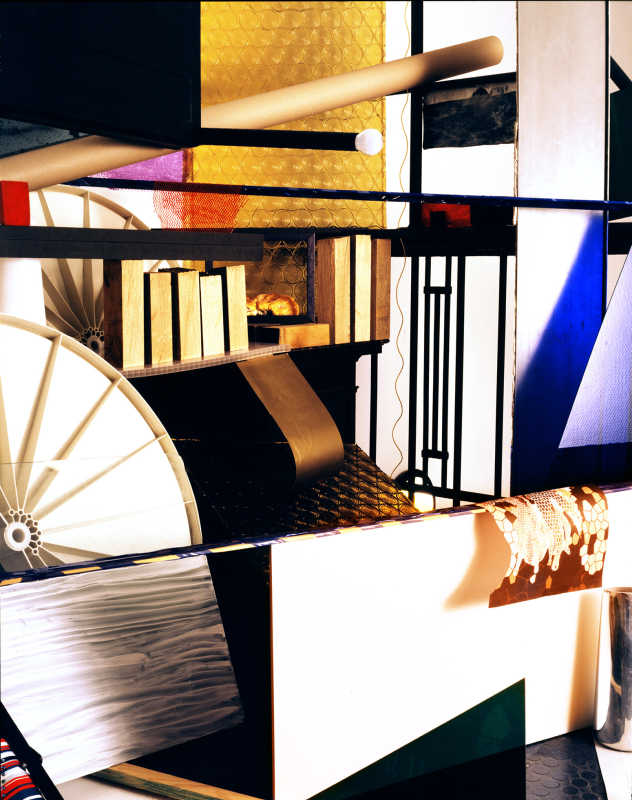
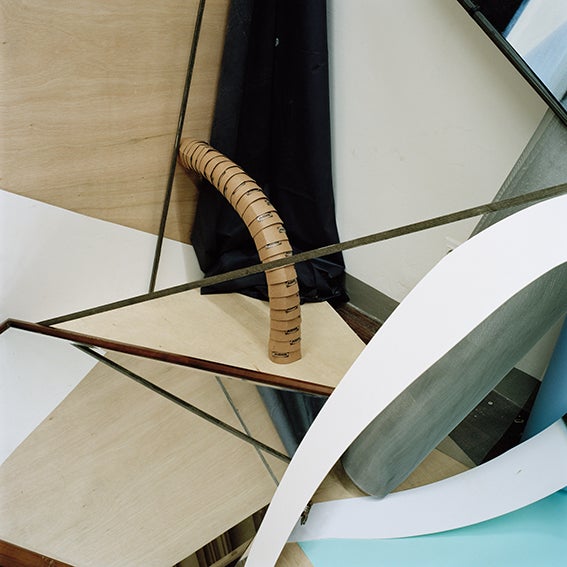
1. Artist Cho Kyoungjae overlays one space onto another. Using objects that once occupied their respective spaces, he creates yet another space and transfers it through the camera. This constitutes a form of compositional practice and results in what may be called a “sculptural structure.” In the artist’s own words, it is “a practice of staging actual space within the camera’s limited field of view so that it appears like an abstract painting, and recording it photographically.”

The objects appearing in his images are nothing extraordinary. Carpets, bricks, wood, steel pipes, Styrofoam, steel plates, and other mass-produced materials can be found almost anywhere around us. They may be traces of urban civilization, discarded objects, or things that have departed from their original functions. With these objects, the artist presents a mode of representation that is non-artificial and stripped of overt intention.

Such non-artificial representation is, of course, also common in the practices of other artists. Some works by Thomas Hirschhorn, for example, similarly employ discarded products to create sculptural structures and likewise involve the staging of situations.

Yet unlike Cho Kyoungjae, for whom each object can become a field of color, a trace of action, or an unfamiliar evocation of something familiar, Hirschhorn explicitly addresses contemporary issues related to war, sexuality, violence, and political unrest. Whereas Cho Kyoungjae suppresses the artist’s intention, Hirschhorn’s work clearly suggests an anti-idealistic and realistic stance—one that is both grounded in reality and rooted in the everyday.

The distinctive quality of Cho Kyoungjae’s work does not lie in prompting us to reconsider our attitude toward discarded things. His installations are first and foremost extensions of his photographic practice and belong to an expanded conception of photography. Yet insofar as the three-dimensional and two-dimensional worlds intersect, the boundary between them becomes meaningless.

The possibilities of interpretation likewise cannot be confined to a single discipline. Furthermore, rather than emphasizing a passive attitude on the part of viewers toward what the artist presents, his work foregrounds an “expansion of interpretation” that arises when viewers respond sensorially and through action.

What is therefore important in his work is both the ambiguity of boundaries between media and their persistent openness. In other words, installations incorporating photography maintain diluted boundaries among object and object, space and space, within particular contexts and interrelationships, while the outcomes produced through processes of dismantling, combination, and presentation always remain open-ended.

What ultimately remains is a condition of accidental situations in which the work participates in multilayered communication through the language of art and expands on a large scale beyond the artist’s own intentions.


2. The foundation of Cho Kyoungjae’s practice lies in the uncalculated realm of “seeing.” Seeing belongs not to the realm of consciousness but to that of the unconscious, because it occurs as naturally as breathing. The reverberation of an image is likewise unconscious. (Just as no one breathes consciously, perhaps if one were to breathe consciously, one might literally suffocate.)

Against this background, the artist places emphasis on broadening horizons, prompting action, and allowing each viewer to arrive at a proposition of their own. For him, what is meaningful is the way each of these propositions generates ripples and ultimately leads toward another world—one entirely unfamiliar or previously unknown.

In this sense, nothing in his work is predetermined. The exhibition space falls within the same category. Rather than functioning as a mere showroom, it becomes a work in itself, where “chance” arising from dismantling and combination floats freely and predetermined settings are kept to a minimum. Although his works involve a certain degree of formal arrangement, he provides no separate instructions regarding subject matter or how the work should be viewed.

As in the photographic work WT004, there is no visual hierarchy between space and camera, and he rejects the fixed forms that might arise in the process of arranging things naturally. He states, “Just as I freely combined objects while making photographic works, I leave open the possibility for viewers to freely recombine the forms within the photographs as they look at them.”

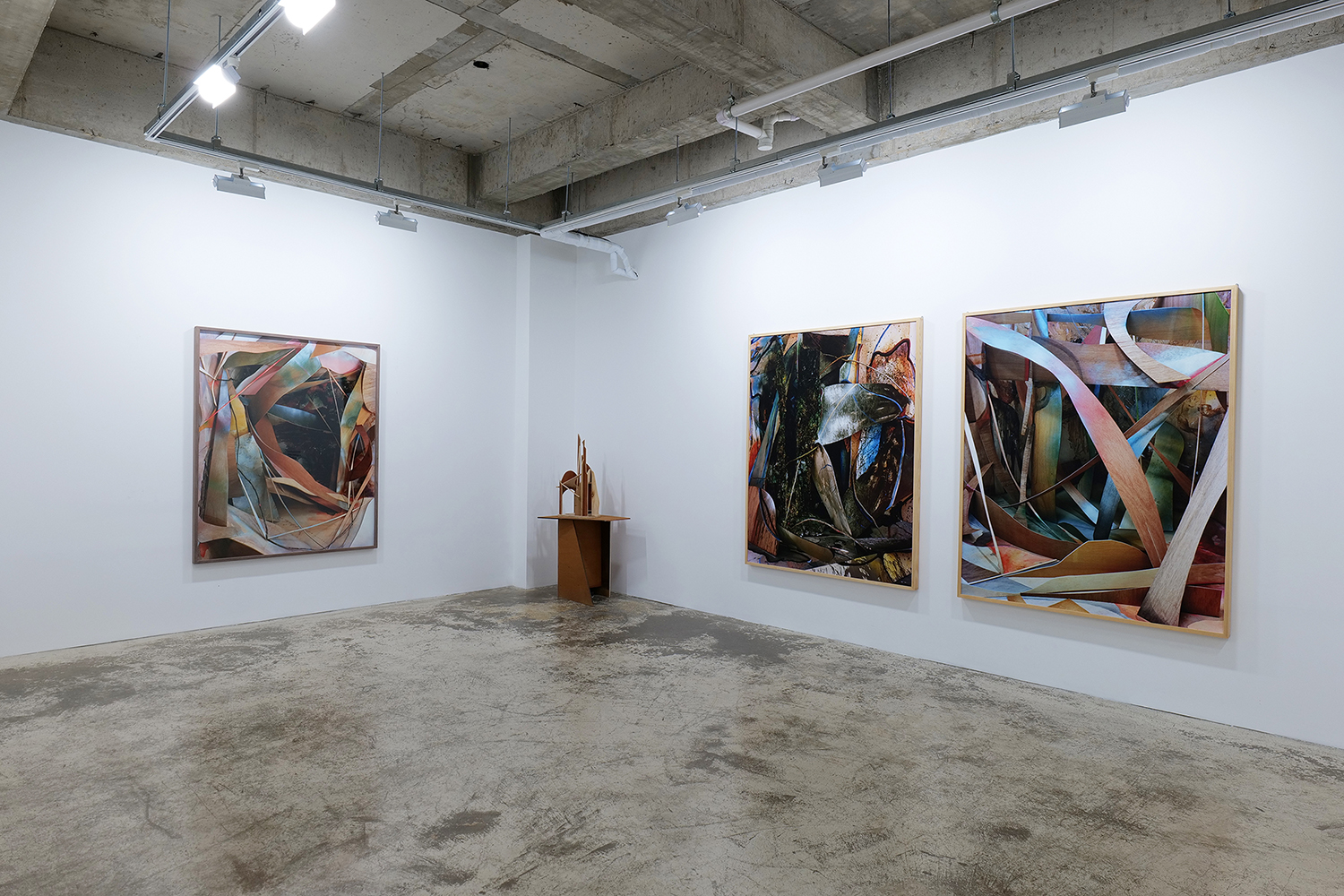
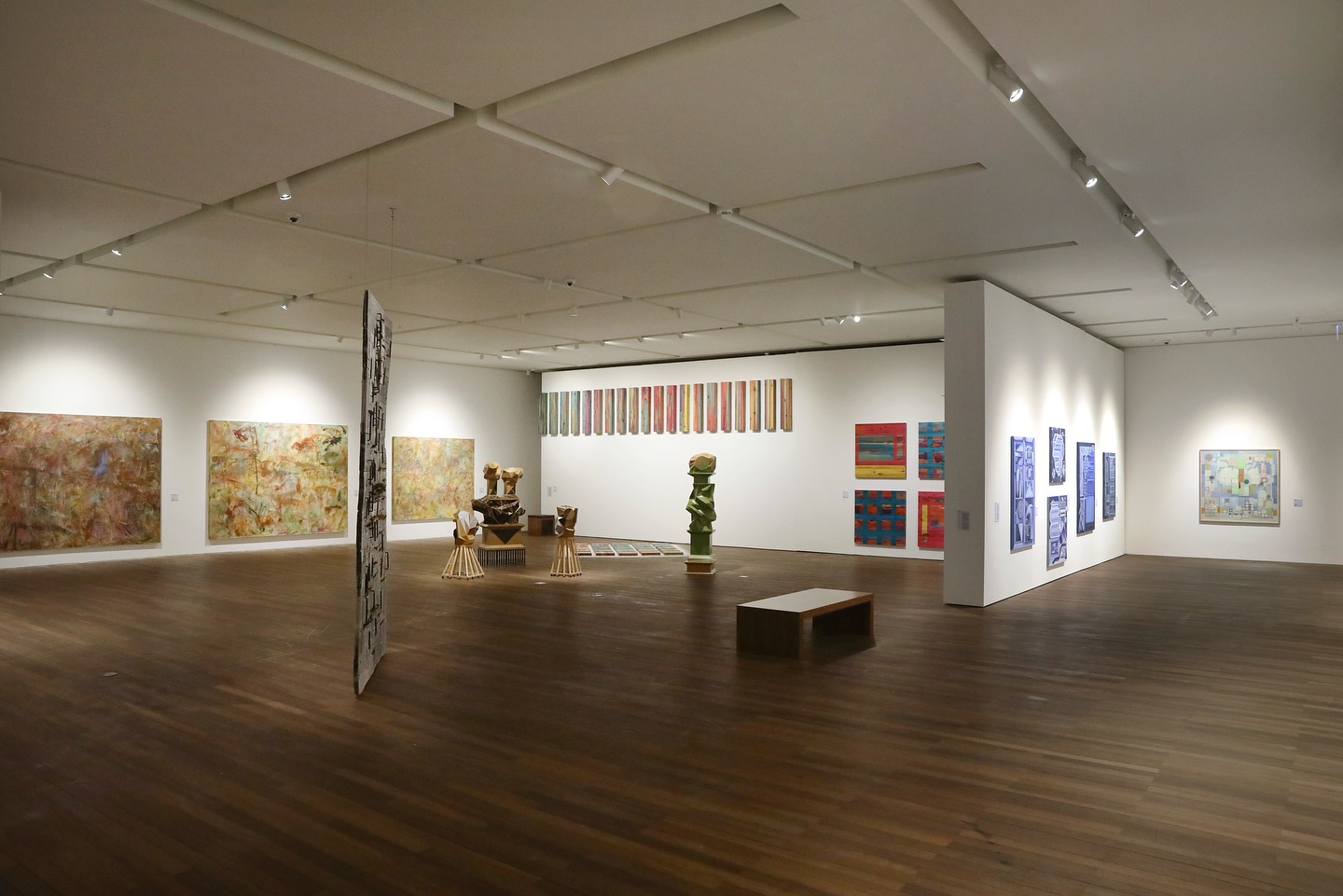
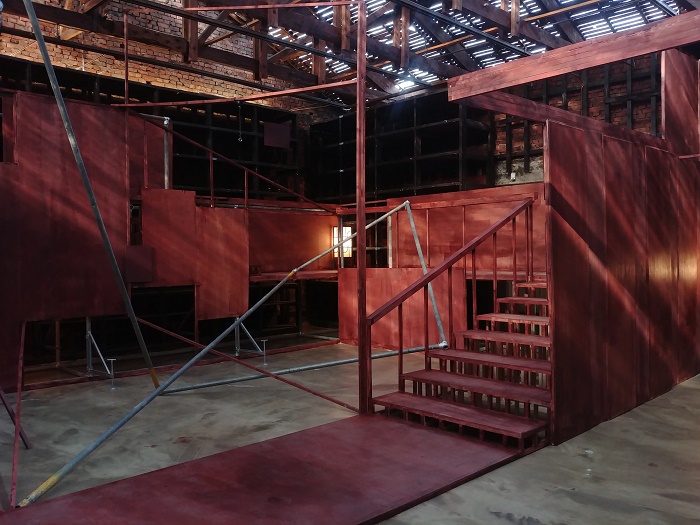
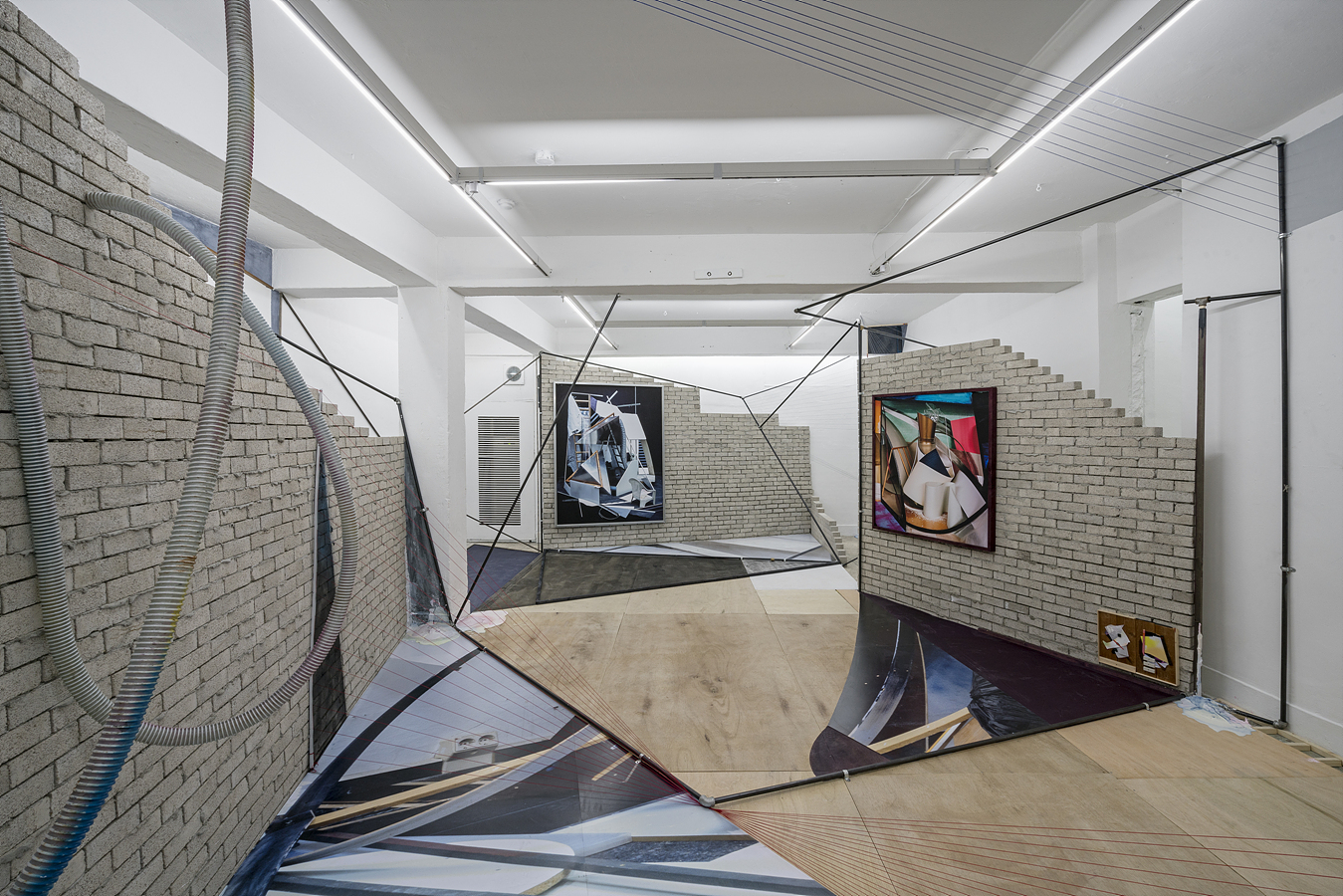
This trajectory was also clearly evident in 《Broken Edges》, an exhibition held at Project Space SARUBIA in 2017. Through a configuration in which bricks, wooden boards, and installations traversing the space were intermingled and translated into installation and photography, the exhibition demonstrated how such work could be expanded through the viewer’s experience.

It featured works including the 'Collage' series, Sadari 004 (2015), Blue Cheese (2017), and Stairs 02 (2015). Maintaining a balance among themselves, these objects produced a fluid situation, revealing what one curator described in relation to Cho Kyoungjae’s work as “a situation in which, while expanding from photography into installation, visual-perceptual elements recognized within each genre are manipulated or connected, combined or dismantled, so that heterogeneous images employing different modes of expression overlap within a space.”

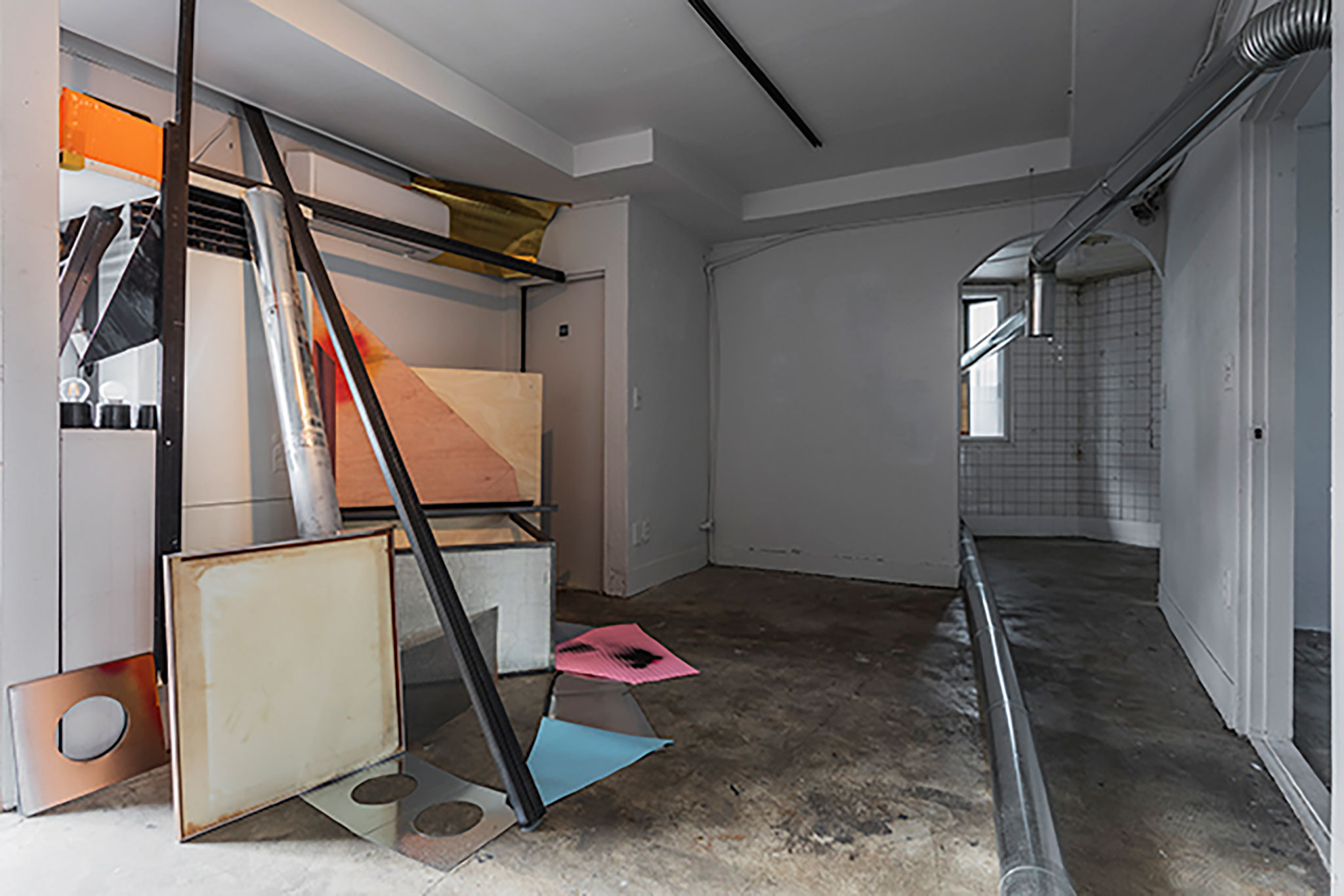
The same applies to works such as SHOW ROOM (2018), Drum (2013), and Chair (2012), presented in 《The Reveal of Tooth Pulp》 at Amado Art Space in 2018. According to the artist, the works “took as their motif the spatial characteristics of anxiety and tension inherent in the city,” yet in practice they are improvisational and highly mutable. Objects and photographs curling from inside to outside and back again assumed unpredictable forms and moved in unrestricted directions.

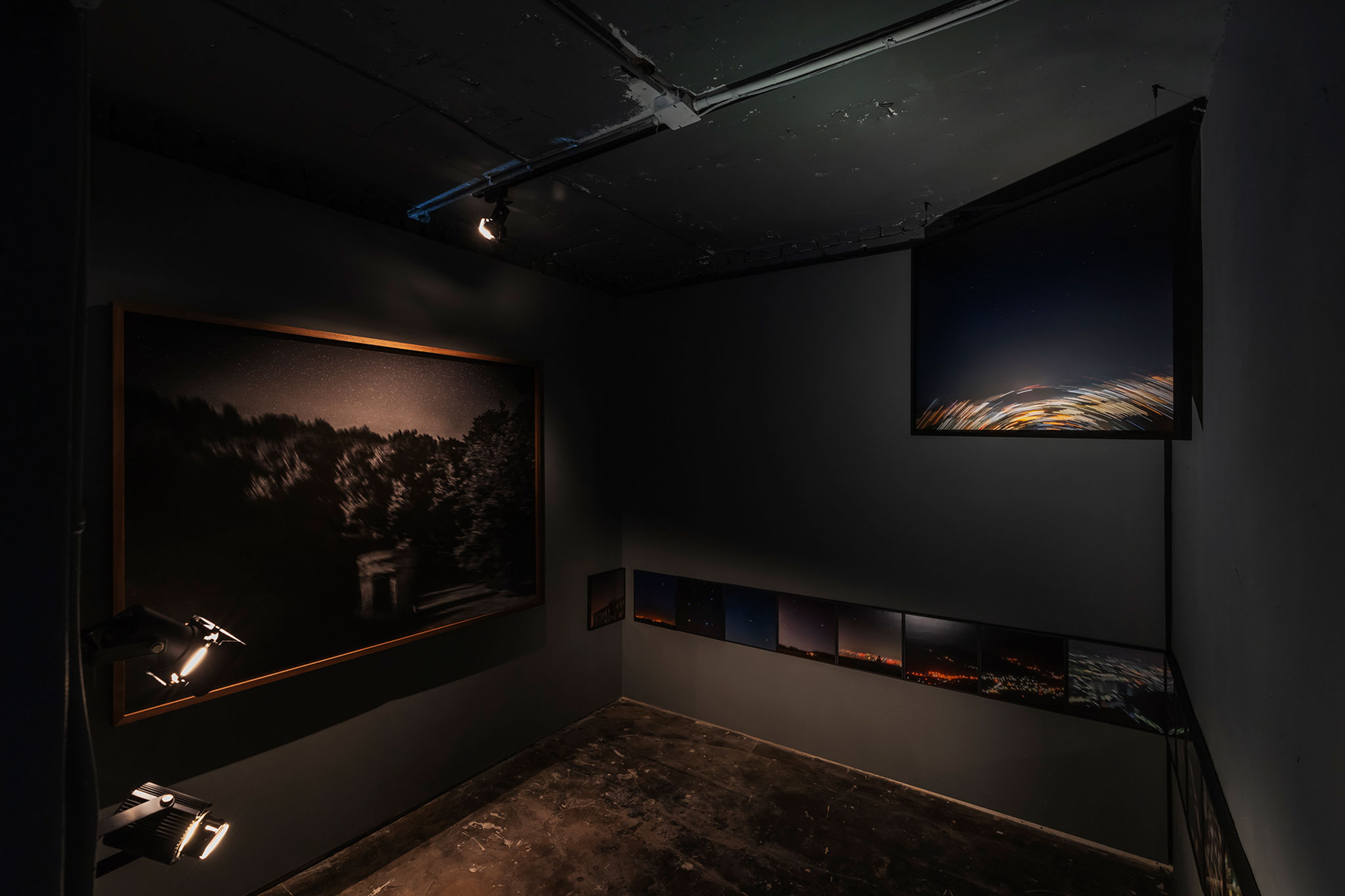
《A Transformed Space (Un espace transformé)》 (2018), held in France, was much the same. One text describes it as follows: “The lines of the supports on which photographs are hung intersect with lines within the photographs, connecting two-dimensional and three-dimensional space. This integration of the photographic plane with the space in which it is situated transforms the nature of the viewing experience.

Whereas the experience of installation-based photography was frontal and visual, that of photographic installation is multifaceted and bodily. It is a spatial and phenomenological experience in which the perceived scene changes continuously as the viewer moves through the space and shifts perspective.”

What is particularly interesting is that this, too, was conceived spontaneously with expansibility in mind. Various objects within the existing space, together with viewers moving freely through an irregular space, generate an endlessly proliferating series of new spaces. The social media platforms they use become new sites for this proliferation.

These platforms change according to each viewer’s emotions and circumstances, and the resulting “responses” and unintended developments constitute the ultimate outcome Cho Kyoungjae seeks. In other words, while each element remains independent within its own domain, his practice aspires to a condition in which the interplay of tension and relaxation is brought forth visually, giving rise to a new world.



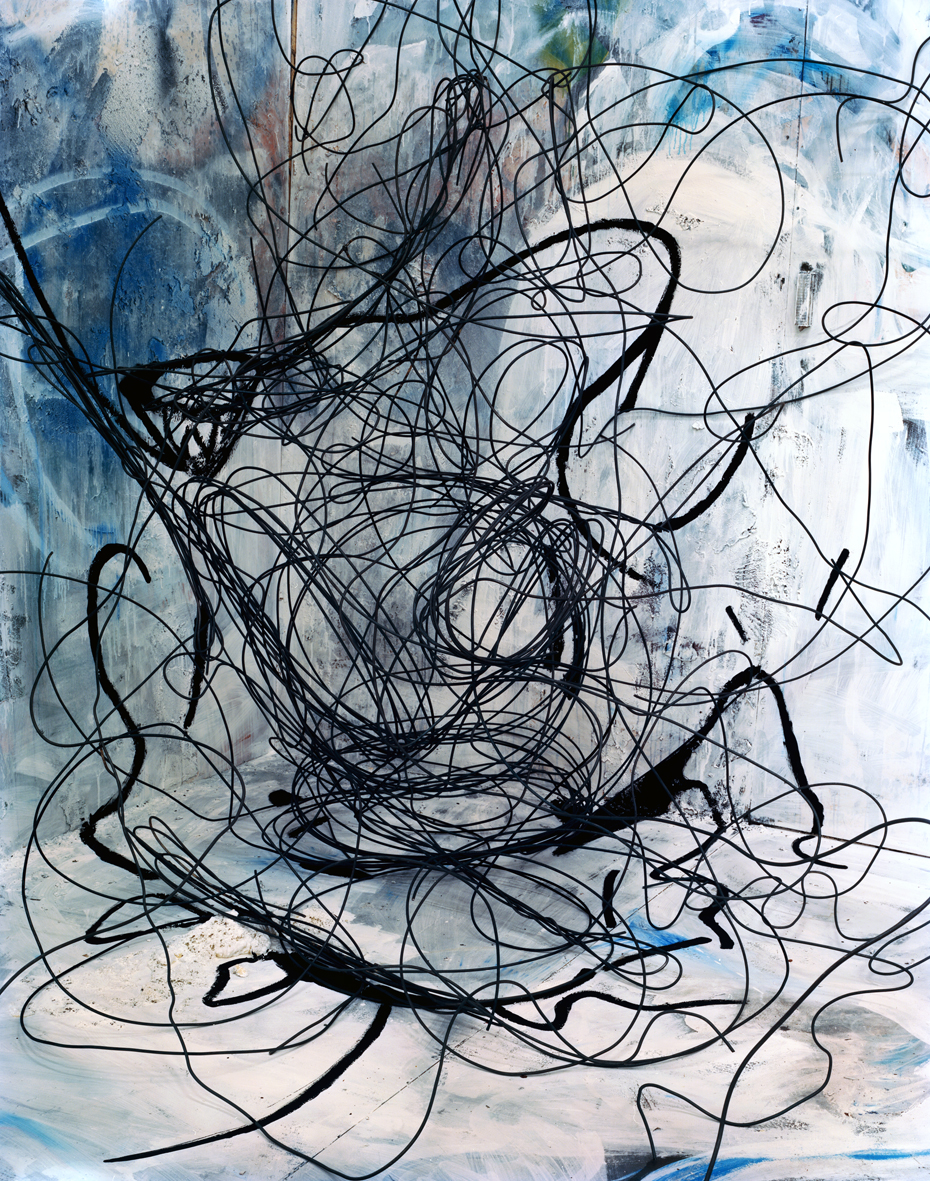
Cho Kyoungjae, SY001, 2019, Inkjet print, 120 x 120 cm © Cho Kyoungjae

3. Cho Kyoungjae’s work cannot simply be divided into photography and installation. It is intended to generate sculptural space and, in fact, has little to do with the disciplinary categories of photography and installation. (Even if such a relationship exists, it does not seem particularly significant to this writer.)

Rather, his work is closer to the diverse ways in which things existing within the same time—things that share temporality with us while simultaneously inhabiting their own distinct temporalities—are shared with others and coexist within the present. In other words, disparate things form modes of communication, forms, and contents on another level through continuous relationships without heterogeneity, ultimately positioning themselves as an art that enters into the inner world of each viewer.

It is therefore necessary to pay attention to the way Cho Kyoungjae’s work itself induces an entirely different aesthetic experience from what came before and enables viewers to encounter new forms of artistic experience. Moving beyond photography and installation, his work manifests itself as a narrative of causality through phenomena such as the transfer of artistic agency, the intervention of others, and the coexistence and collective assemblage of distinct archipelagos, each containing different stories.

At this point, the distinction between installation-based photography and photographic installation becomes meaningless. His work places greater emphasis on the coexistence of different modes of communication and paradigms of image production and consumption, as well as on individual modes of visual reception and the forms of utterance that emerge through such reception as a filter. These aspects of his practice become even more pronounced in collaborative work.

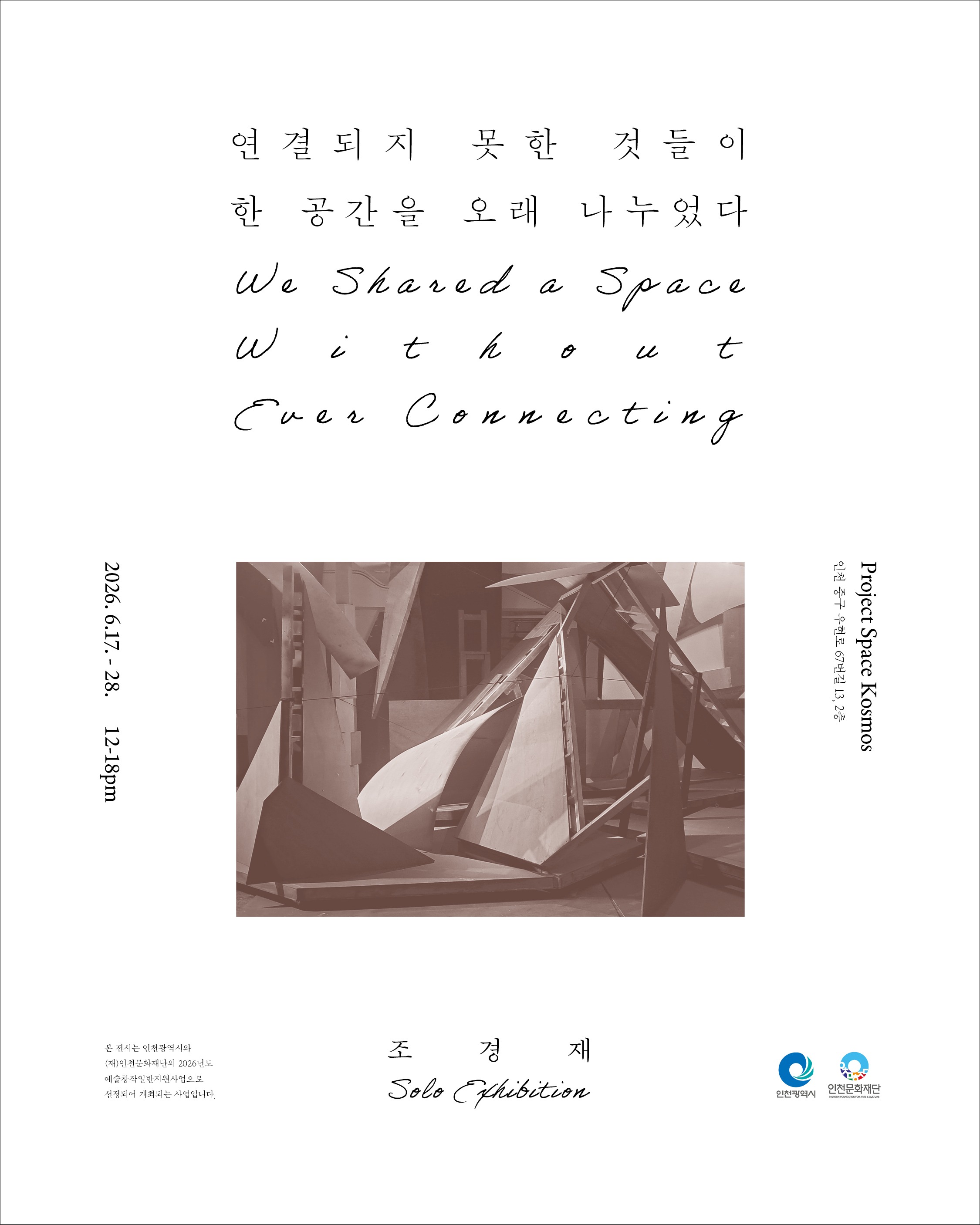
The collaborative practice he began in Germany in 2009 continues even now, as he adapts to life in Korea. The works this writer has actually encountered are only parts of those to be presented in 《Multi-tap: Connecting Senses》, opening at JCC Art Center on November 6, but Cho Kyoungjae’s website introduces a wide range of collaborative projects. Some of these works are more intriguing than the impressions suggested by their titles.

For example, Artist for Sale—which marked the beginning of his full-fledged collaborative practice—literally involves selling an artist at auction. Whereas artworks are ordinarily auctioned, this work positions the artist as the object of consumption. What the artist as a tool signifies is not merely a transaction; because the value art can acquire in capitalist society lies in an artwork that cannot be owned, what ultimately remains is the concept.

Other notable works include the sound exhibition Ruffy Puppy Muppy, which incorporates rhythmic electronic voices generated through differences in accents among various countries, and einer Gewinnt, in which visitors used a provided coin to scratch the wall like a lottery ticket and received 768.59 euros (approximately one million won) if they found a smiley mark.

Each contains an event-like element, hovering precariously between art and play, yet the expansion of thought brought about through situations and responses creates a distinct current separate from what one might ordinarily experience through art. This may perhaps be a trace of altermodernism. At the same time, it can also be understood as pointing toward an alternative territory that has long been explored within art.

In particular, Happy Hour, a work sharing its name with the team that will present it in 《Multi-tap: Connecting Senses》, is a performance-based exhibition that focuses on actions between viewers and professional performers. Although this writer has never seen the work in person, the images alone reveal it as a multifaceted production in which space, people, and time intersect.

This work likewise addresses the situation itself, including the viewers who participate in the actions. In the way it reflects a tendency in contemporary art in which artistic genres and fields are no longer clearly distinguished but are continuously gridded, encroached upon, combined, fused, and hybridized in complex ways, it shares a similar trajectory with the collaborative works discussed above.


Cho Kyoungjae, SY002, 2019, Inkjet print, 120 x 120 cm © Cho Kyoungjae

4. Cho Kyoungjae’s collaborative practice can be understood as a process of experimentation aimed at redefining the meaning of art. Insofar as it proposes a kind of arena for encounters, it would not be unreasonable to describe his practice in terms of “relational aesthetics,” as articulated by the French critic and curator Nicolas Bourriaud.
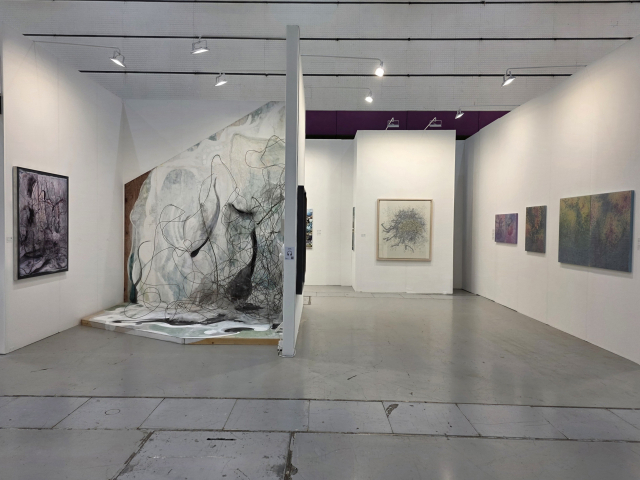
Even if it does not go so far as the proverbial “artist serving soup at an opening,” and even if it remains incomplete, the practice itself is structured through multilayered combinations and dismantlings of art and art, person and person, space and space, time and time, society and art, only to bring them forth again in renewed forms.
Although it is difficult to measure the degree of completion or satisfaction, it is nevertheless true that these works demonstrate how thought and action can themselves generate artistic reverberations, and how, in some cases, new effects may emerge from an aesthetic attitude. They may also be interpreted as practices that explore social relationships by repositioning the relationships between space and artwork, artist and viewer, within new contexts.

Above all, however, what is most valuable is the individual and singular experience of each viewer. Though temporary and fragmentary, it is an exploration of a network of relationships in which inevitability emerges through chance within a given framework and remains in each viewer’s memory.

Cho Kyoungjae’s collaborative practice can be understood as a continuous series of unfinished processes encountered within situations that are not predefined and in which all possibilities remain open. By rendering the boundary between the physical and the non-physical ineffective and moving across such boundaries, his work secures modes, contents, and forms of artistic communication that abandon familiarity through continuous relationship-building. Seen in this way, his individual and collaborative practices do not follow entirely separate paths.

In particular, the way his work induces aesthetic experiences entirely different from those of the past and enables viewers to encounter new forms of artistic experience constitutes one of its central meanings. Embedded within this are various states intertwined with mental, physical, and conceptual journeys, including the deconstruction of dogmatism, free movement beyond existing frameworks, expansion into new territories, and the search for new possibilities.

Yet it remains uncertain at what point Cho Kyoungjae’s practice, evolving alongside changes in community, will arrive at its post-production—that is, the completion that follows once all preparations have been made. This is because the work is still in process.

Personally, I hope his experiments reach a coherent completion, but regardless of the outcome, there is something compelling about observing the process at this very moment. Perhaps even this “response” of mine may eventually become part of his system of cataloguing.

References