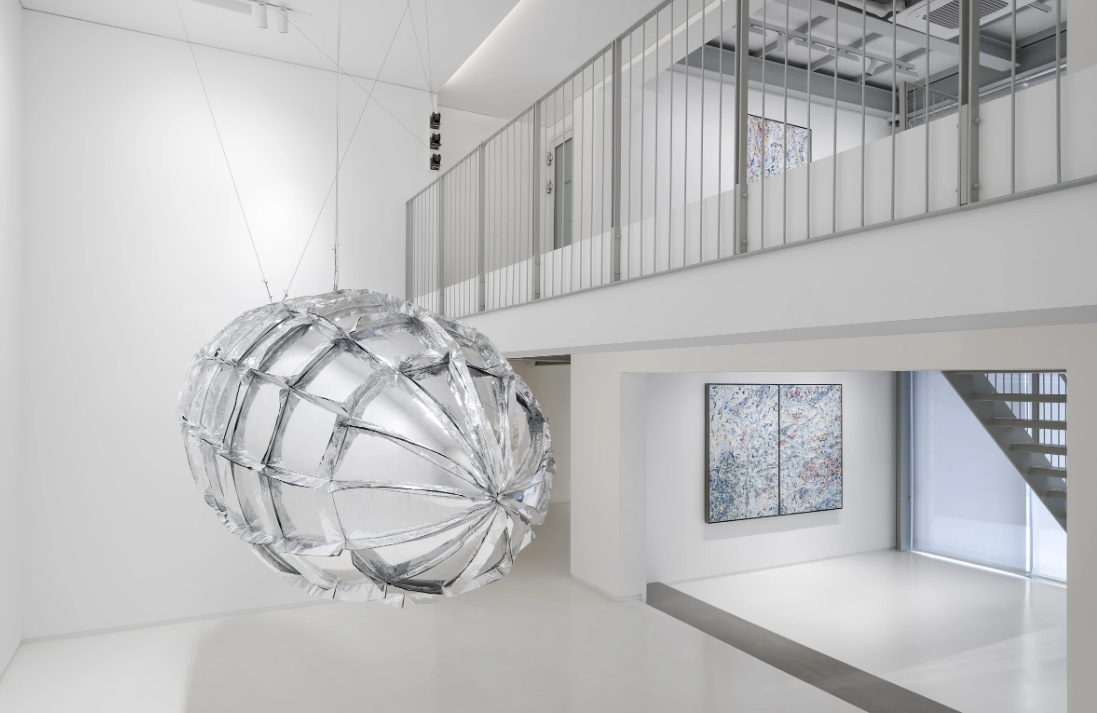

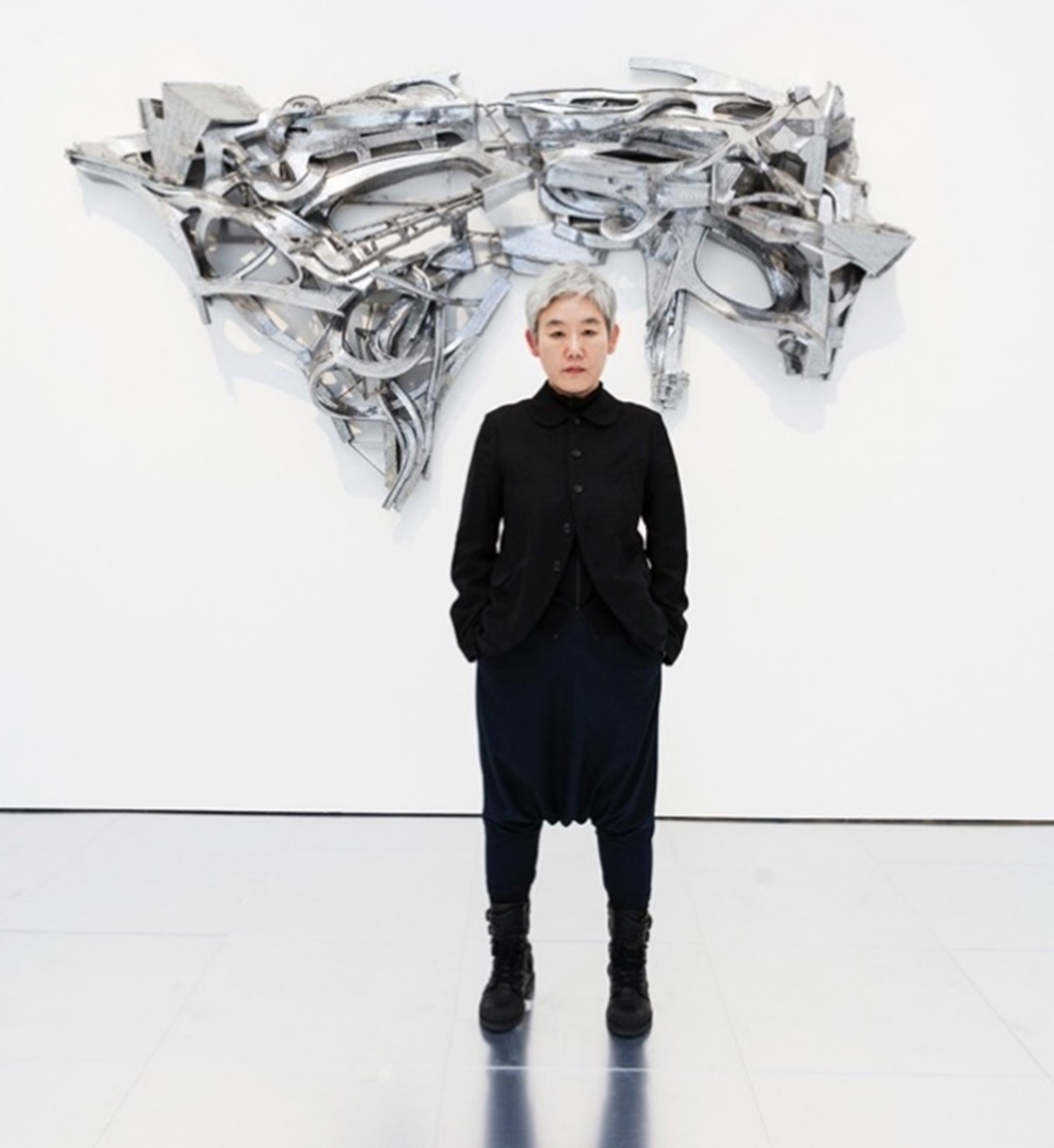
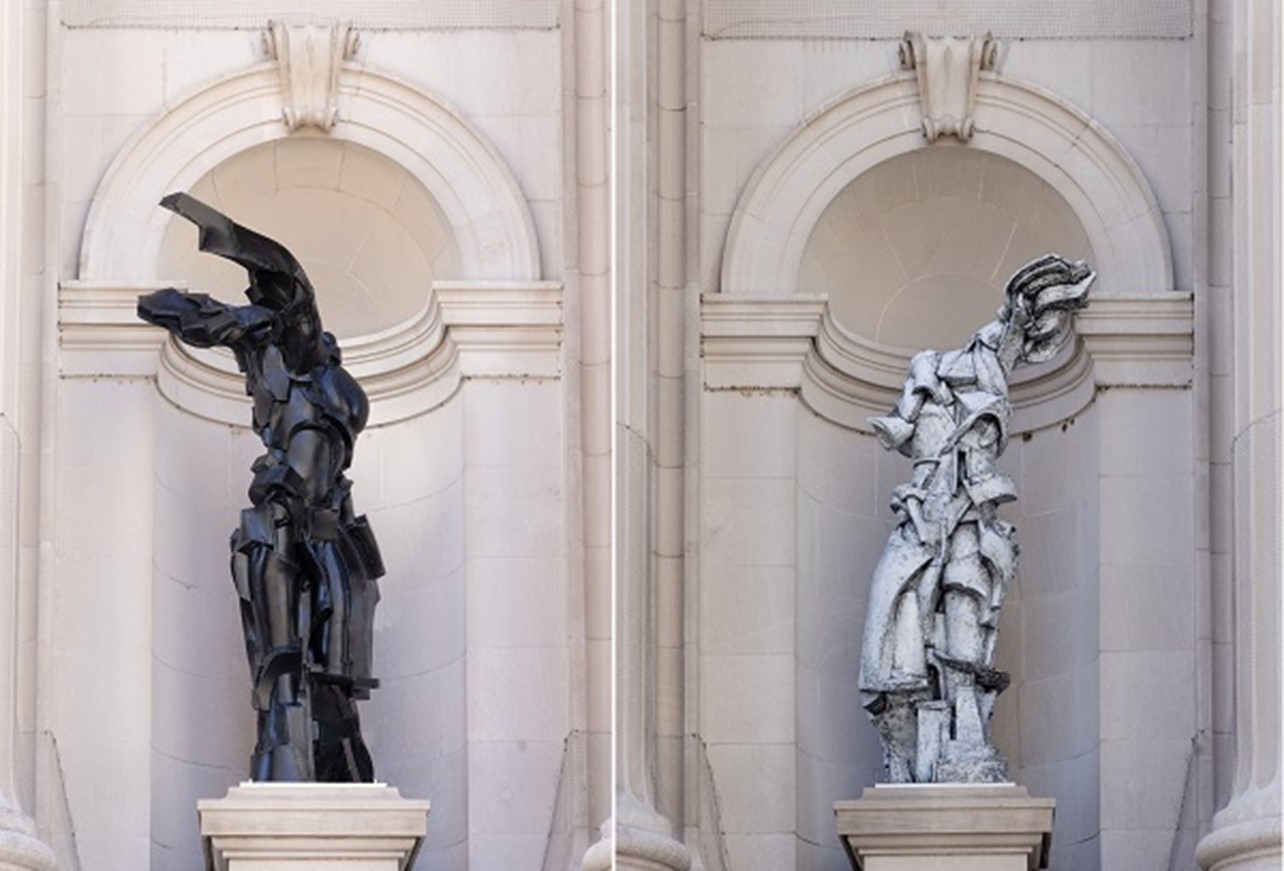
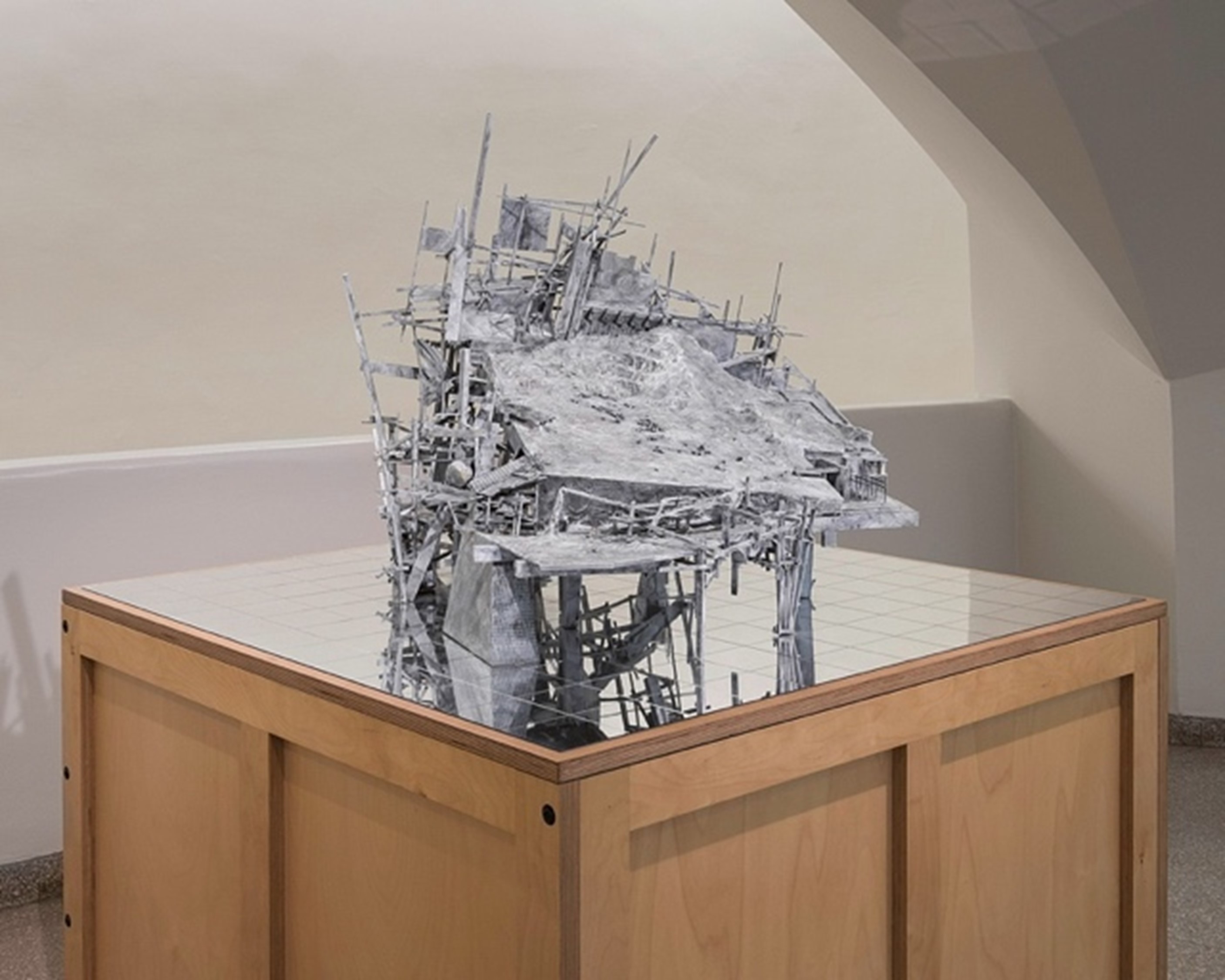
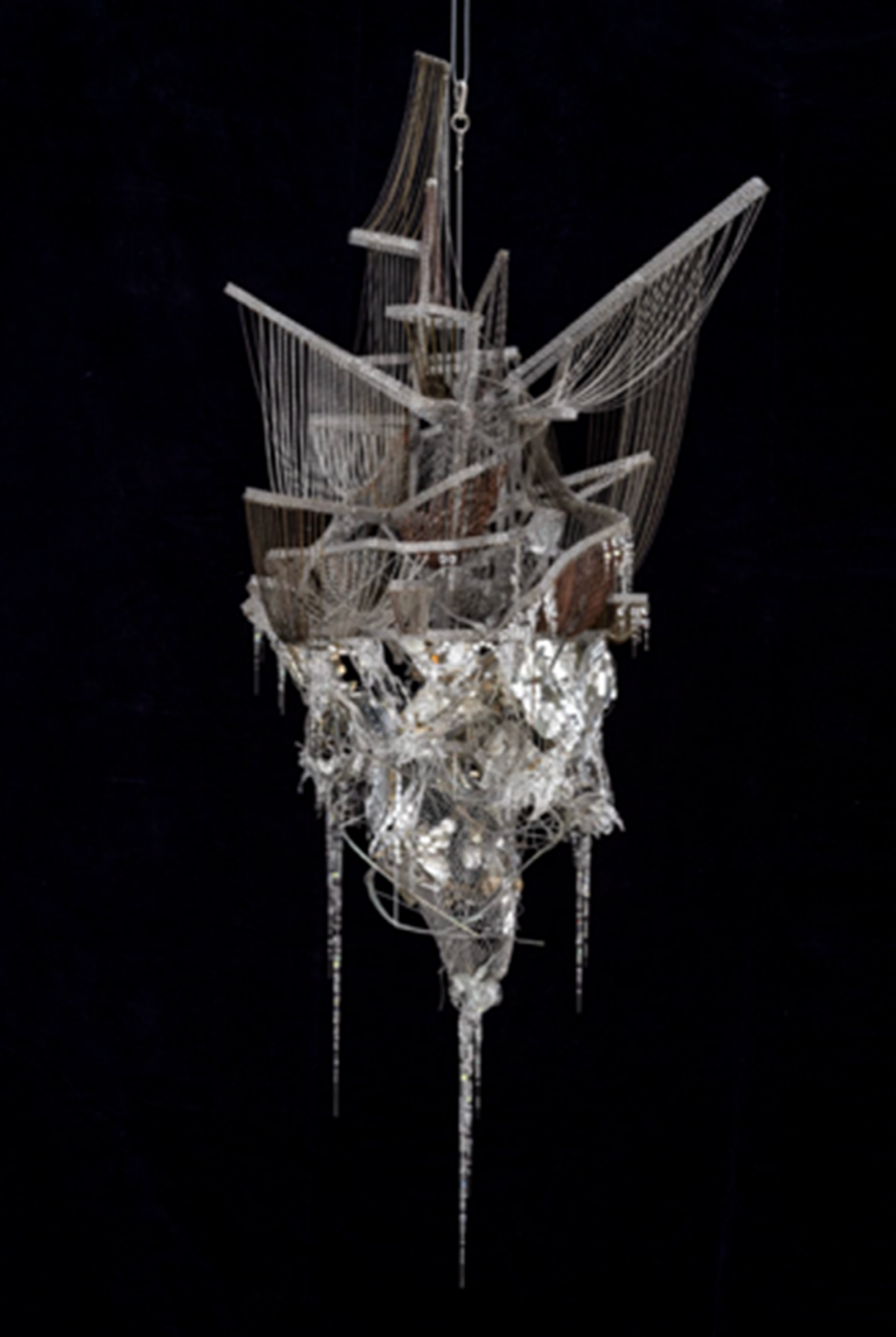
Installation view of《Lee Bul: From 1998 to Now》, 2026. © Lee Bul. Photo: Lok Cheng. Courtesy of M+, Hong Kong.

M+, Hong Kong, is presenting《Lee Bul: From 1998 to Now》, a major solo exhibition by Lee Bul, one of the leading figures in Korean contemporary art, through August 9, 2026. The exhibition opened on March 14, 2026, and is on view at West Gallery, L2, at M+ in the West Kowloon Cultural District, Hong Kong.
 
This exhibition is part of an international touring project co-organized by Leeum Museum of Art and M+. It was first presented at Leeum Museum of Art in Seoul in September 2025, before traveling to M+ in Hong Kong in March 2026, and is scheduled to continue to major institutions in Europe and North America.
 
M+ describes the exhibition as a major survey tracing the key trajectory of Lee Bul’s practice from the late 1990s to the present. The Hong Kong presentation brings together more than 200 works from the artist’s studio as well as major institutional and private collections across Asia and beyond, encompassing a wide range of works from early pieces to recent productions.


The Central Trajectory of Lee Bul’s Practice Since 1998
 
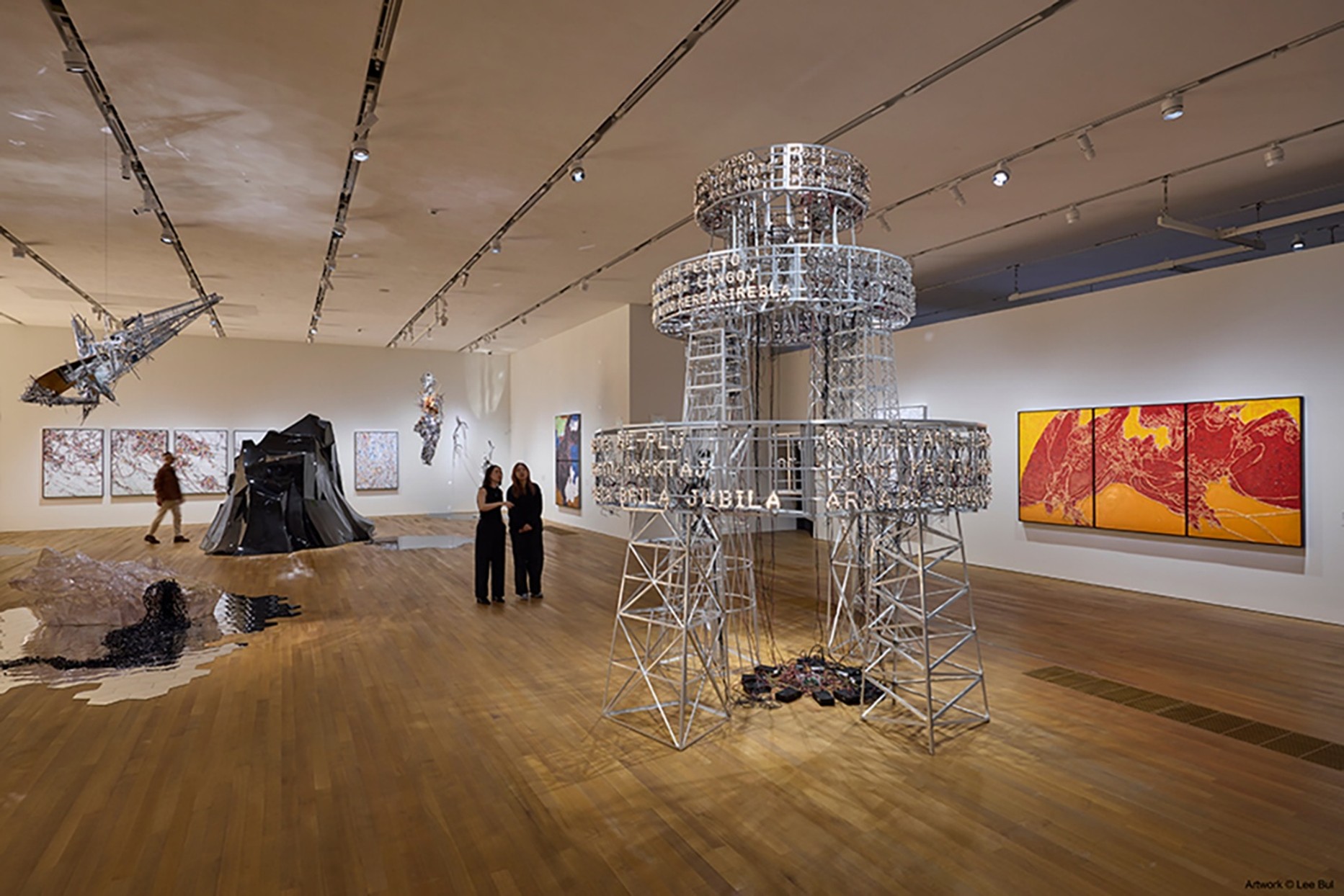
《Lee Bul: From 1998 to Now》surveys the core trajectory of Lee Bul’s artistic practice from the late 1990s to the present. The exhibition encompasses the ‘Cyborg’ and ‘Anagram’ series, which played a decisive role in establishing the artist’s international reputation; ‘Mon grand récit’, the architectural sculpture and installation series that began in 2005; later bodies of work including ‘Perdu’ and ‘Willing To Be Vulnerable’; as well as drawings, maquettes, and recent sculptural works.


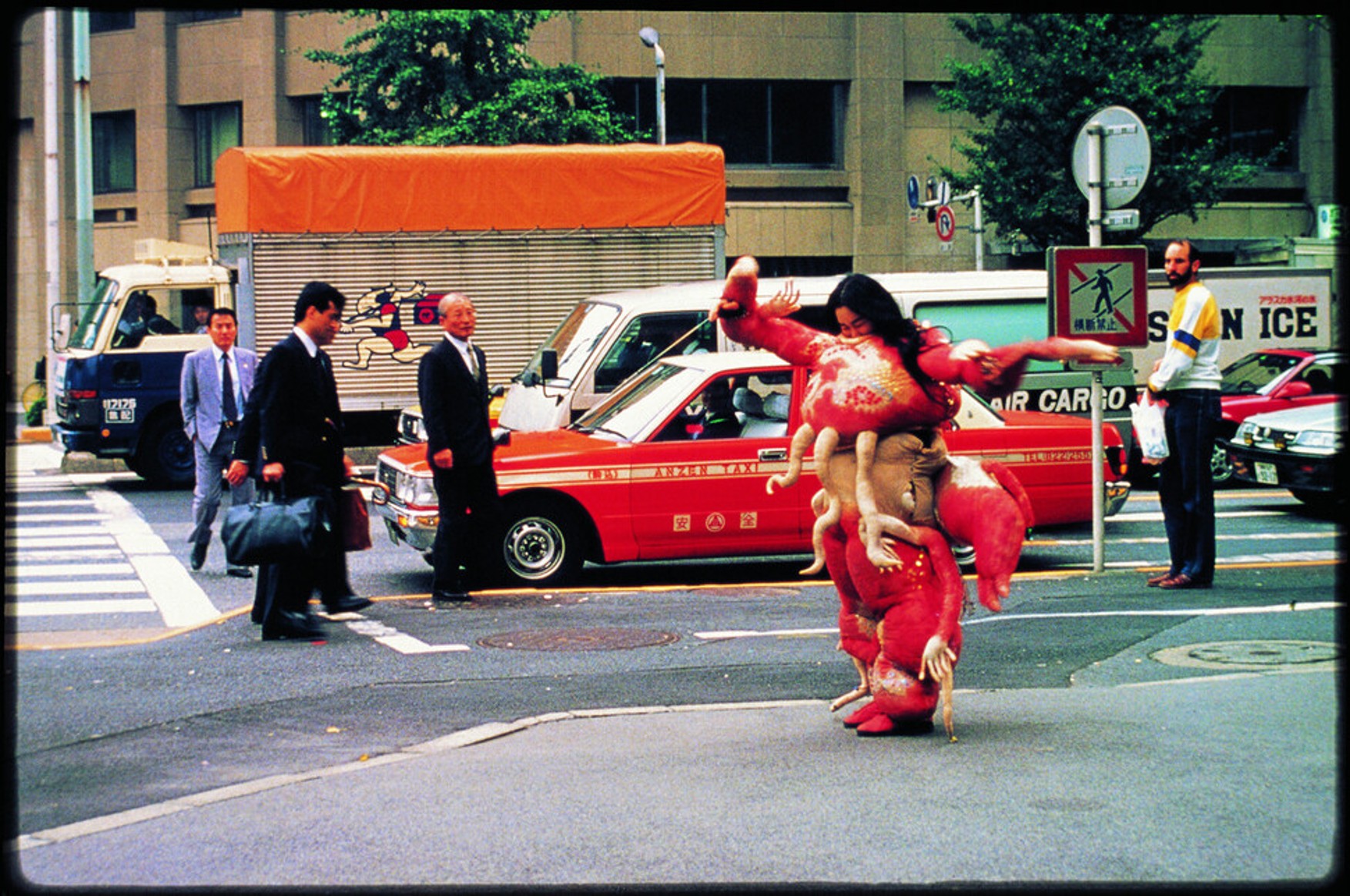
Sorry for Suffering—Do You Think I’m a Puppy on a Picnic in This World?, 1990/2011. Performance: 1990; photographic prints: 2011. Documentation of a twelve-day performance for the 2nd Japan–Korea Performance Art Festival, held across sites including Gimpo Airport, Narita Airport, Meiji Shrine, Harajuku, Otemachi Station, Kōganji, Asakusa, Shibuya, The University of Tokyo, and Tokiwaza Theater. © Lee Bul. Courtesy of the artist.

Working across performance, sculpture, installation, drawing, and other two-dimensional forms, Lee Bul has continuously explored the body and technology, the individual and society, nature and civilization, and modernity and utopia. In her work, the body appears not simply as an object of representation, but as a site where social norms, technological desire, gendered gazes, and historical violence intersect. At the same time, her architectural installations and mechanical structures function as sculptural devices that reveal how the modern ideals of progress and perfection have fractured and failed.
 
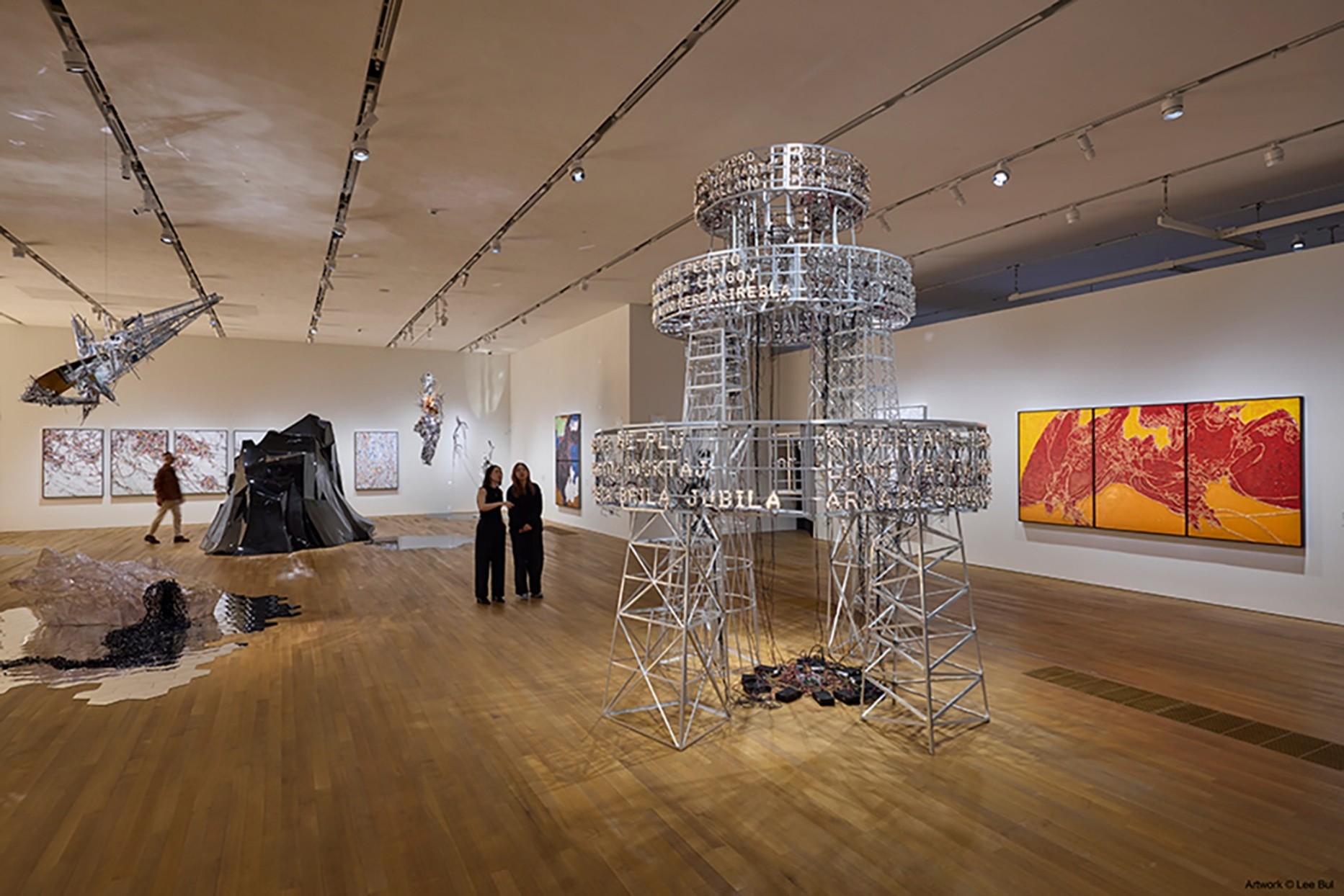
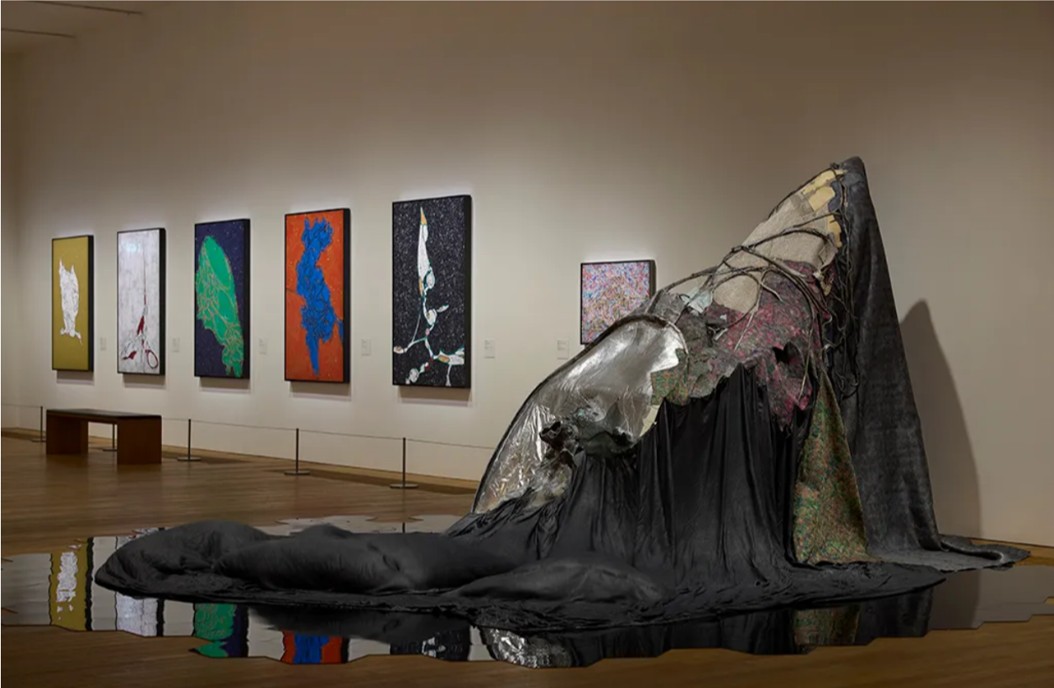
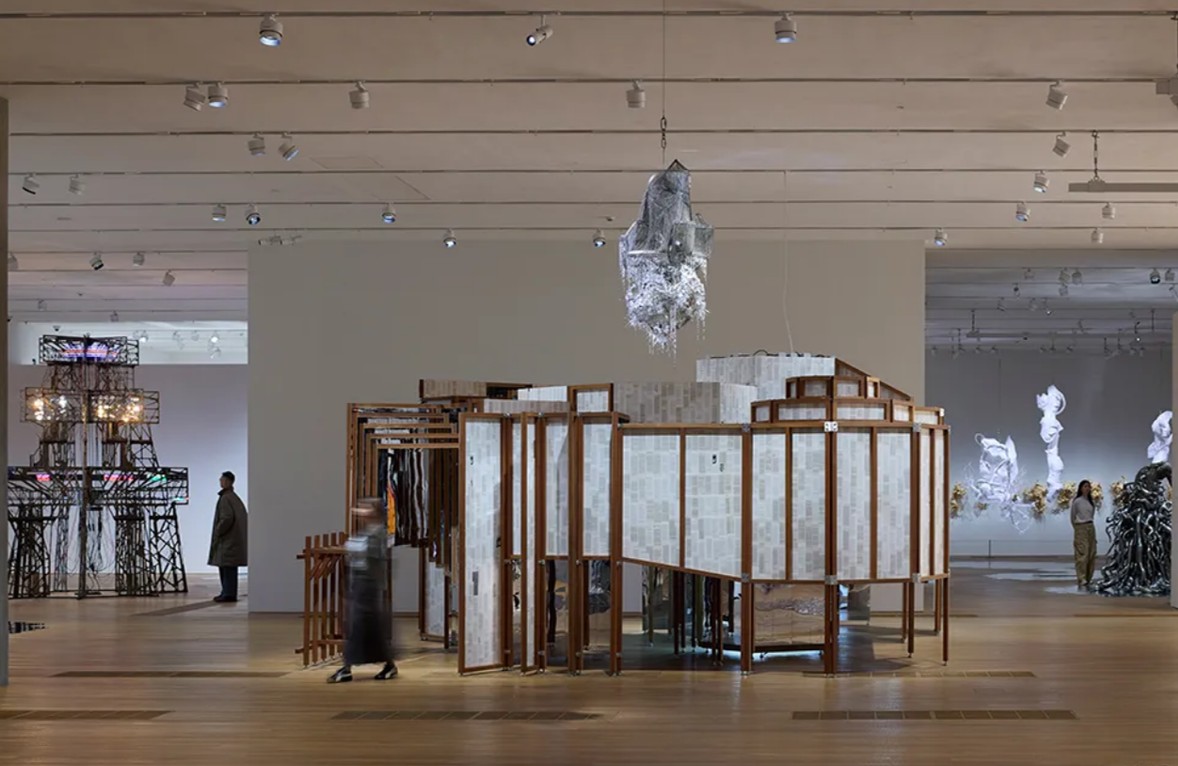
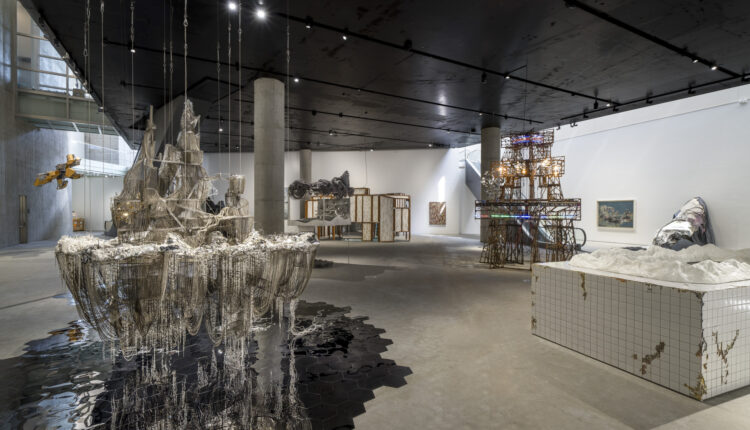
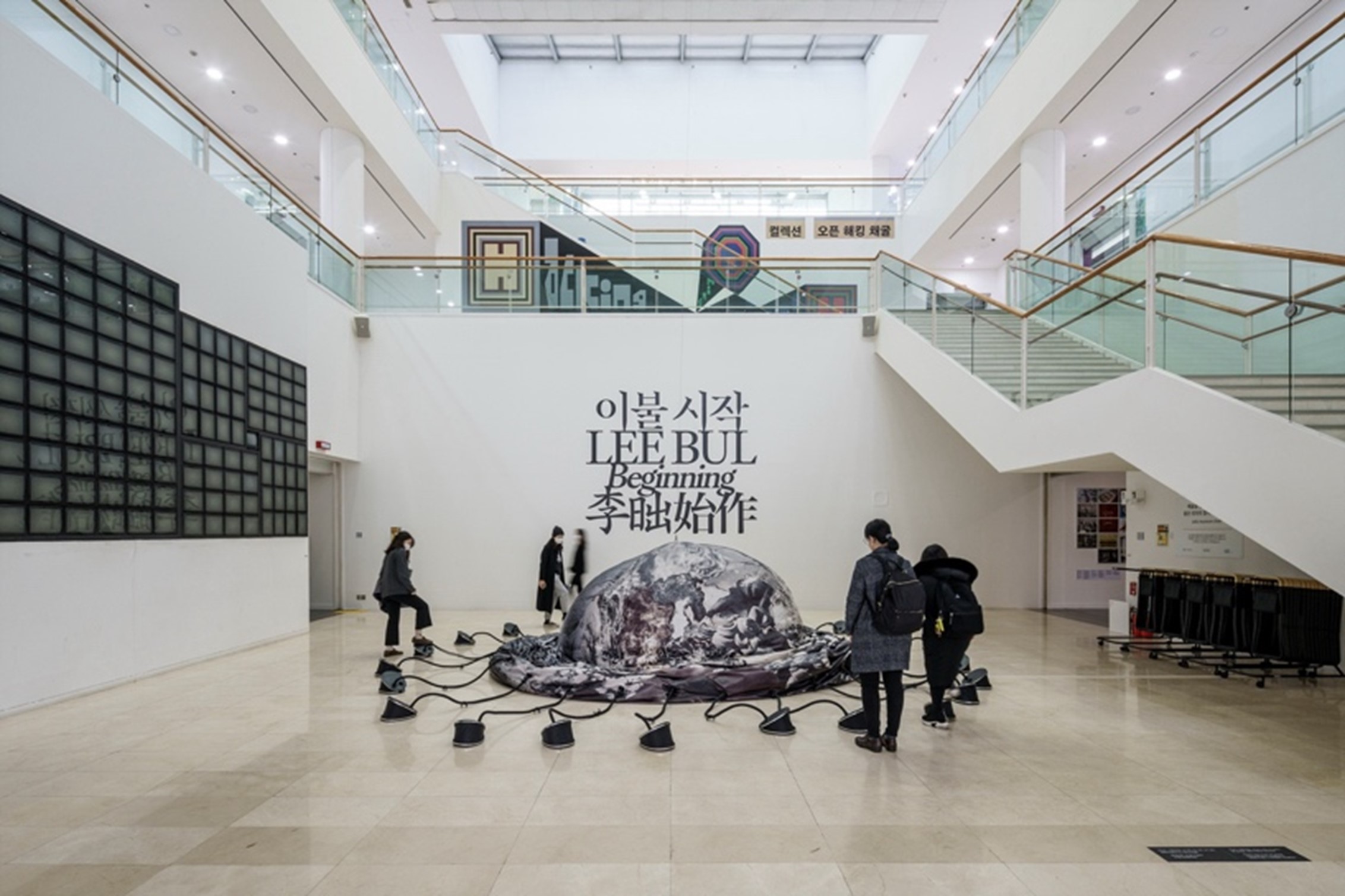
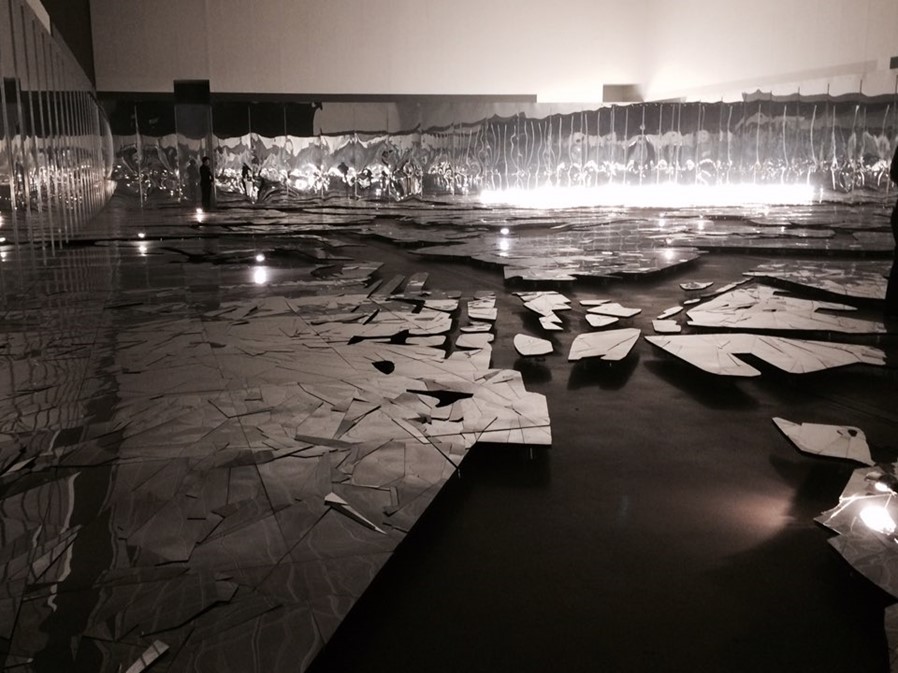
M+ presents the exhibition in three major sections, offering a multilayered view of Lee Bul’s artistic world. The first section centers on the ‘Mon grand récit’ and ‘Perdu’ series, unfolding a sculptural landscape of modern architecture, utopian ambition, collective longing for progress, and the aesthetics of failure. Through materials such as glass, metal, mirrors, beads, and chains, these works construct worlds in which ruin and fantasy, architecture and fragments, future and debris are intricately intertwined.


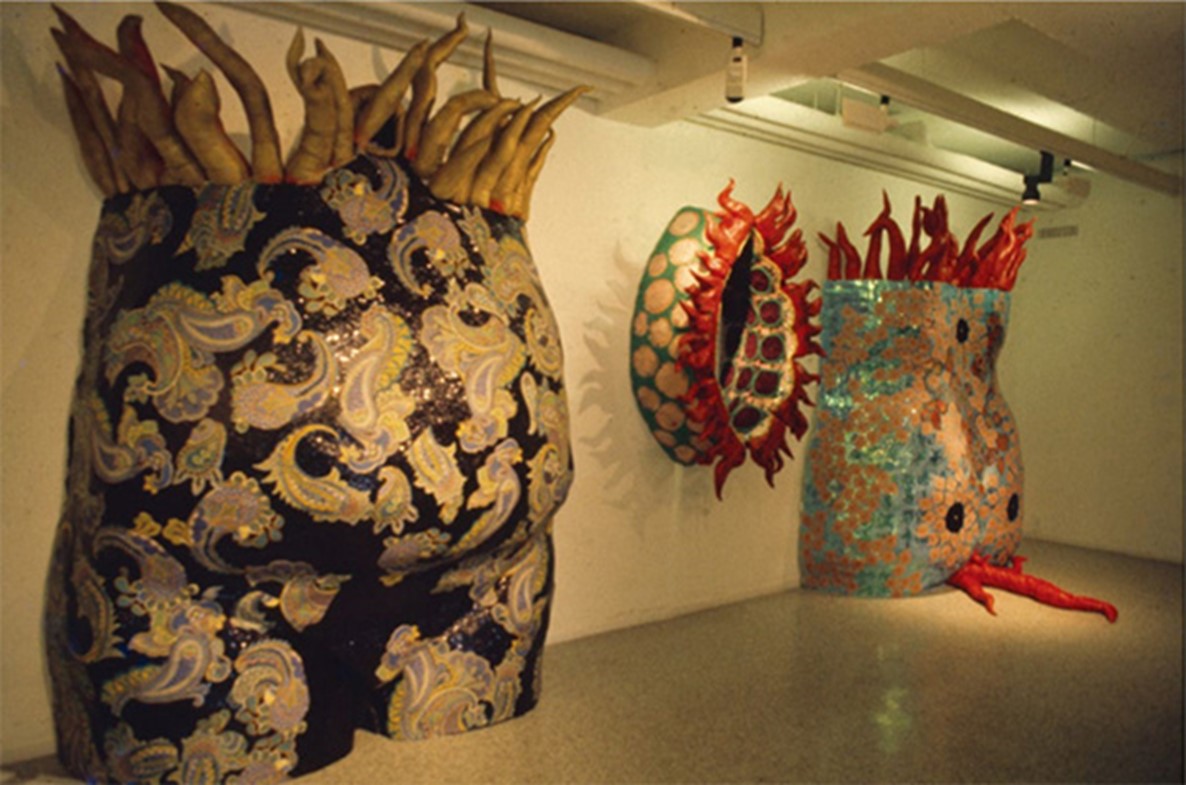
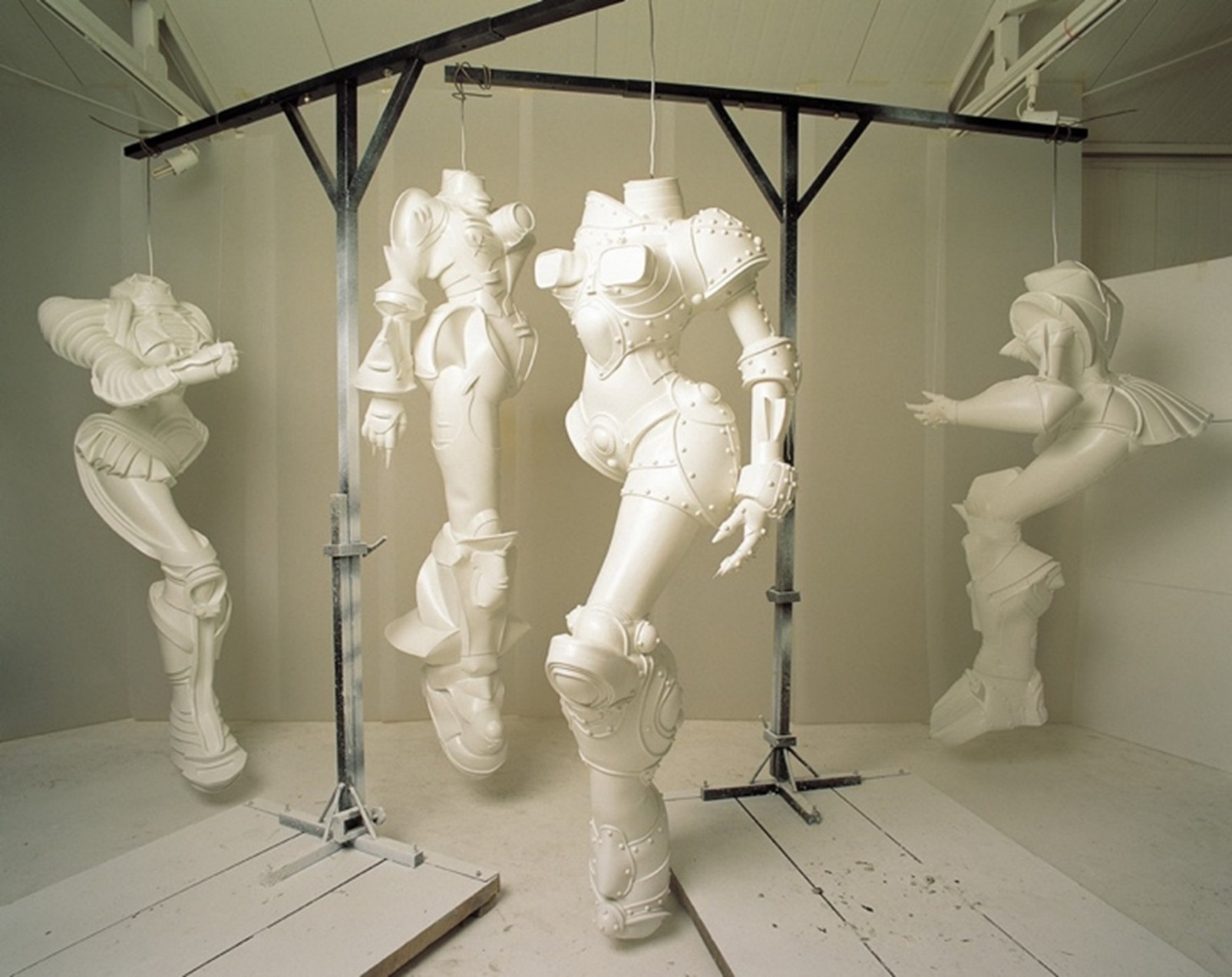
Cyborg W1–W4, 1998. Silicone cast and polyurethane filler. Photo: Art Sonje Center.

The second section focuses on the ‘Cyborg’ and ‘Anagram’ series from the late 1990s and early 2000s. The ‘Cyborg’ series combines bodily forms reminiscent of classical sculpture with futuristic apparatuses, revealing the desire to transcend the physical limits of the human body through technology. The Anagram series, by contrast, merges organic forms with biomechanical structures to question ideals of perfection, the body, gender, and normative beauty.


Installation view of《Lee Bul: From 1998 to Now》, 2026. © Lee Bul. Photo: Lok Cheng. Courtesy of M+, Hong Kong.

The third section consists of drawings, sketches, and models that reveal the artist’s modes of thinking and making. These materials show how Lee Bul’s works unfold through structures of thought, formal experimentation, and spatial imagination before arriving at a finished sculpture or installation. Through them, viewers are encouraged to read her works not merely as completed objects, but as processes in which image and structure, concept and material, are generated in relation to one another.


Installation view of《Lee Bul: From 1998 to Now》, 2026. © Lee Bul. Photo: Lok Cheng. Courtesy of M+, Hong Kong.

From Seoul to Hong Kong, and Onward to Europe and North America
 
This exhibition is not merely a large-scale survey of Lee Bul’s practice, but also a case that demonstrates how the work of a Korean contemporary artist circulates and is reinterpreted within an international museum network. Having begun at Leeum Museum of Art in Seoul and traveled to M+ in Hong Kong, the exhibition will continue to M HKA in Antwerp, Belgium, and to the National Gallery of Canada in Ottawa.
 
M HKA has announced that《Lee Bul — From 1998 to Now》will be on view from November 12, 2026, through March 7, 2027. The museum introduces the exhibition as a major survey of Lee Bul, one of the most influential contemporary artists in Asia, and explains that the project is co-organized by M+ and Leeum Museum of Art in collaboration with M HKA. Following its presentation in Antwerp, the exhibition will travel to the National Gallery of Canada in Ottawa.
 
This touring structure demonstrates that the internationalization of Korean contemporary art is no longer limited to individual artists’ overseas exposure or one-time invited exhibitions. The itinerary linking Leeum in Seoul, M+ in Hong Kong, M HKA in Antwerp, and the National Gallery of Canada suggests that Lee Bul’s work is being repositioned within a broader international art-historical narrative beyond its local context.


Korean Contemporary Art Reinterpreted from Within Asia
 
The fact that this exhibition is being held at M+ in Hong Kong is particularly significant. M+ defines itself through a core commitment to modern and contemporary visual culture in Asia. In this sense, Lee Bul’s large-scale survey at M+ demonstrates that Korean contemporary art is being interpreted not only through structures of recognition centered on Western museums, but also through major institutions and discursive platforms within Asia itself.
 
Lee Bul’s work has long engaged the compressed modernity of Korea, the politics of the body and gender, desire for technology and utopia, and the failure of modern narratives of progress. While these themes emerge from the specific historical experience of Korean society, they also connect to the fractures of modernity shared across the world since the twentieth century. In this sense, Lee Bul’s work carries a density that allows it to be read not only through the locality of Korean contemporary art, but also through common questions in Asian and global modern and contemporary art.
 
《Lee Bul — From 1998 to Now》is an exhibition that consolidates the achievements of Lee Bul as an artist while also marking an event that reveals how Korean contemporary art is expanding its position within international institutions. The path of the exhibition—from Seoul to Hong Kong, and onward to Europe and North America—suggests that Korean art is no longer being introduced merely as a peripheral or isolated case, but is now being addressed more fully within the major discourses and institutional currents of contemporary art.


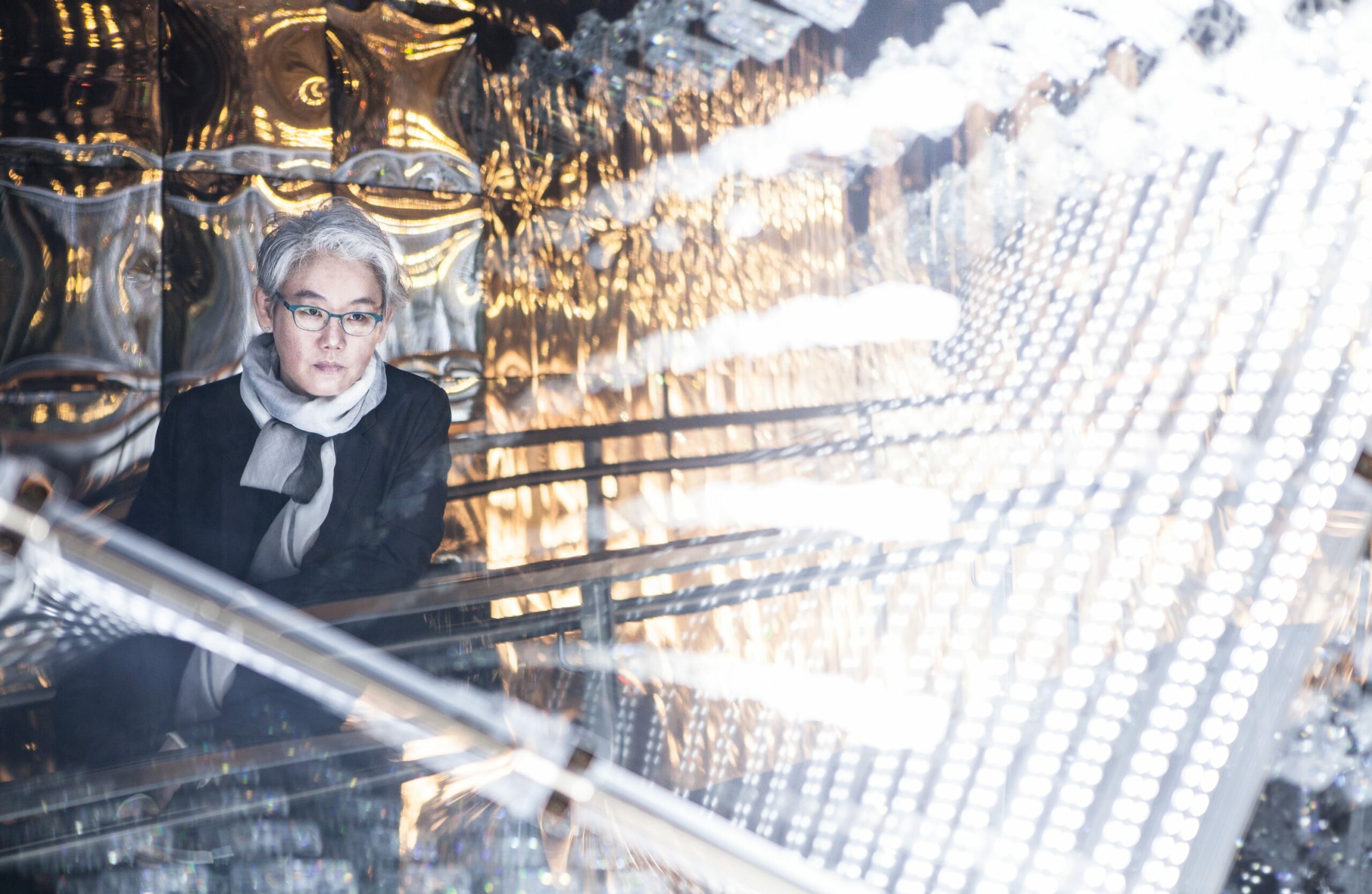
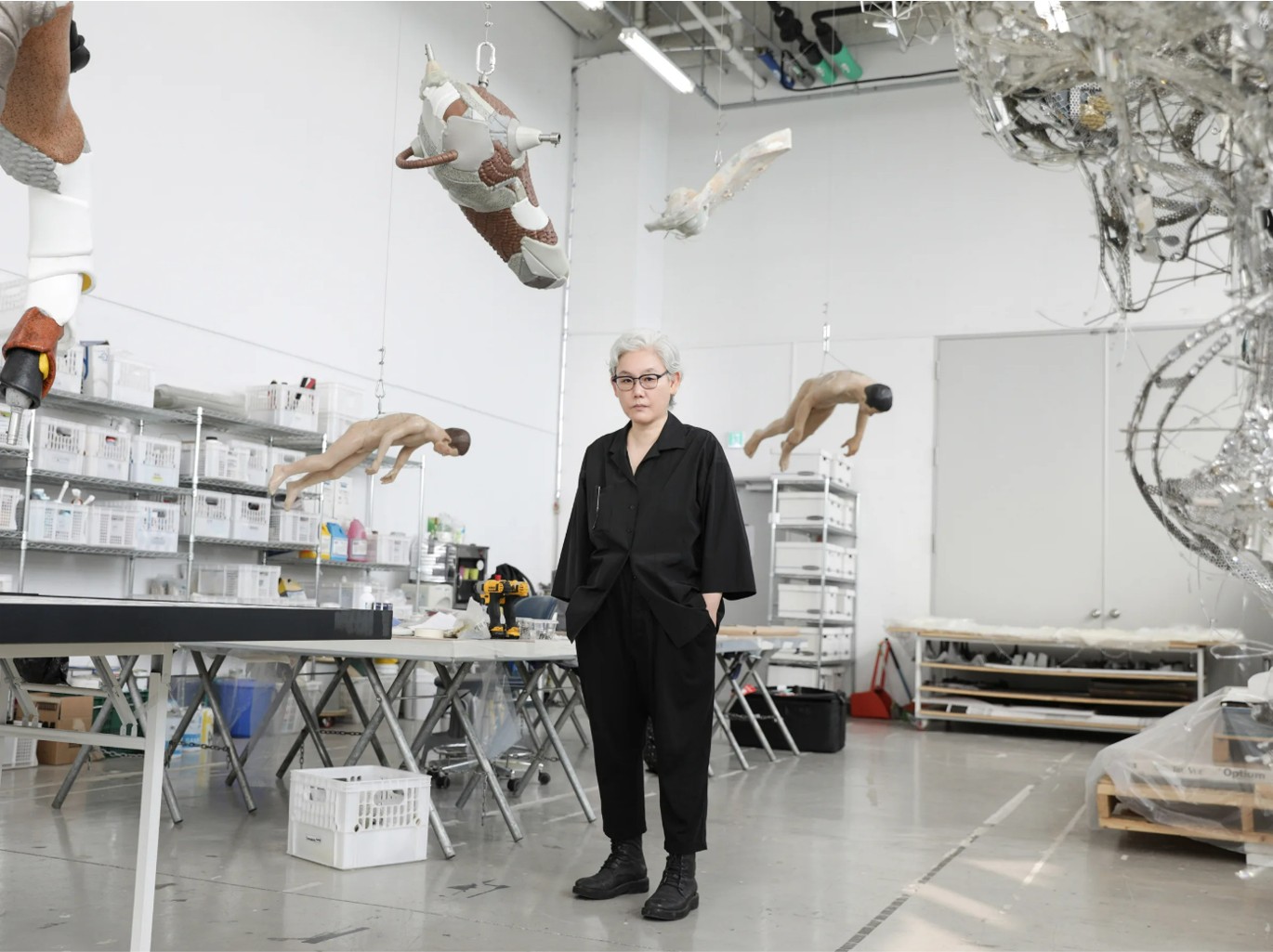
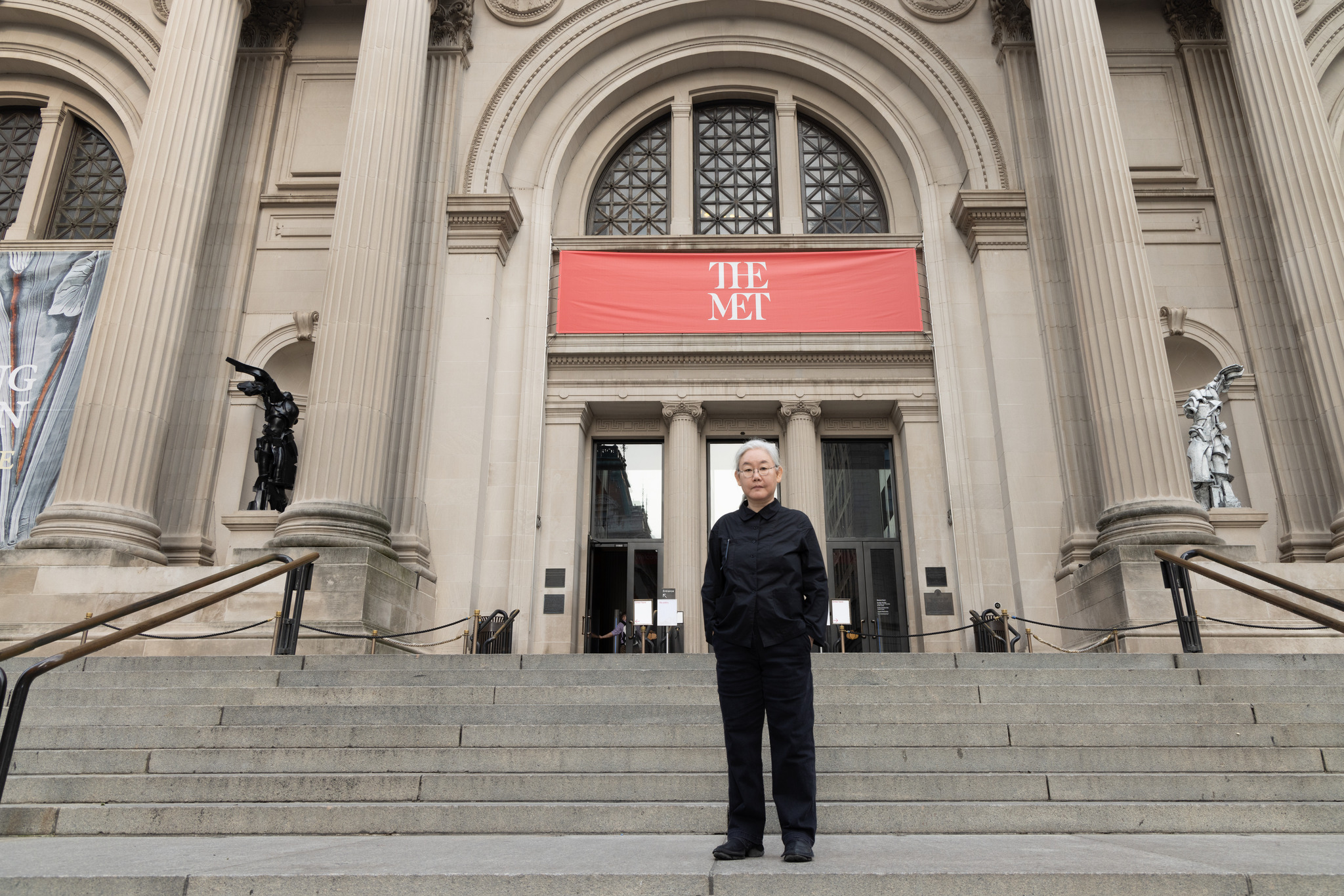
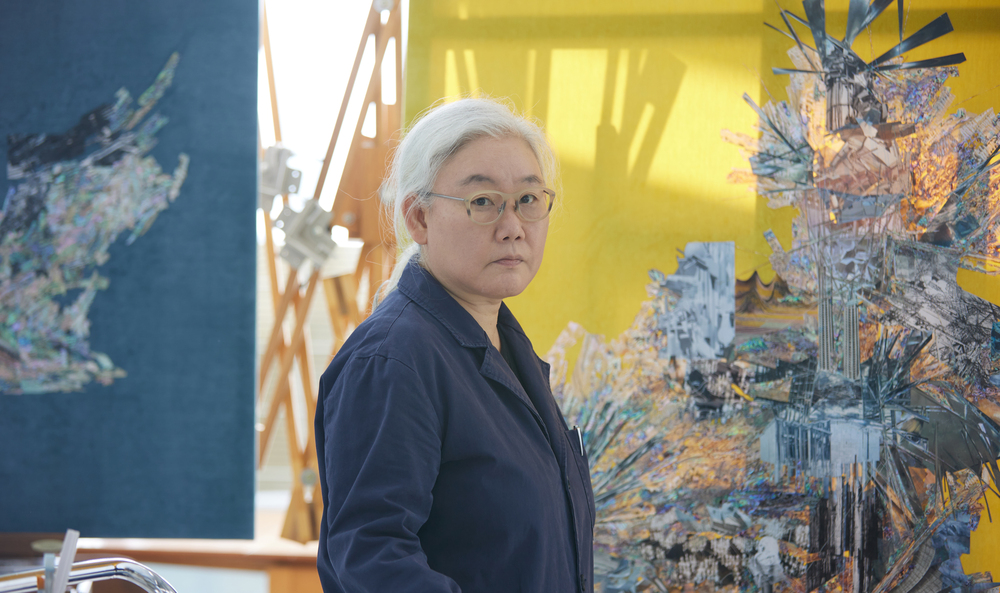
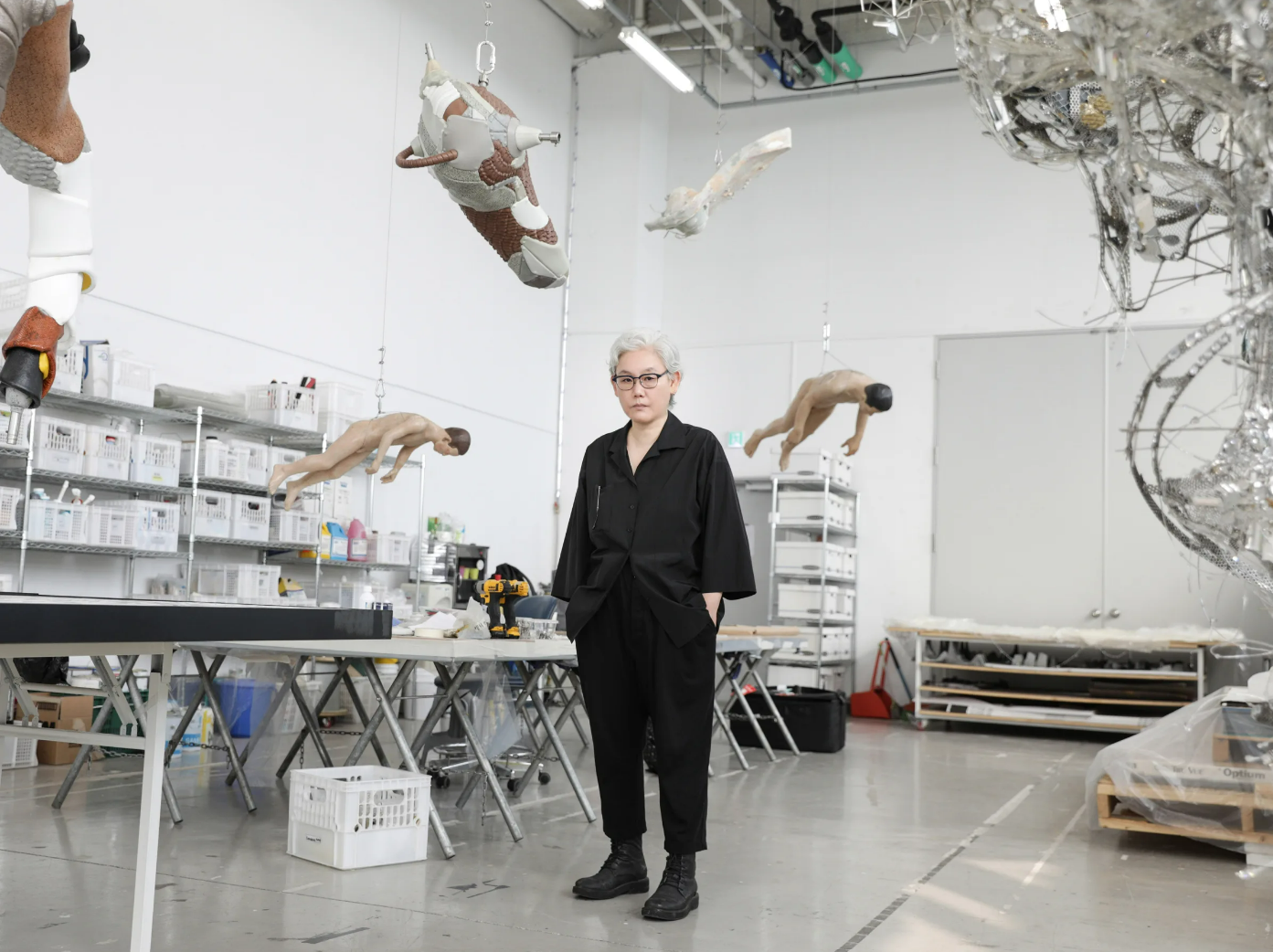
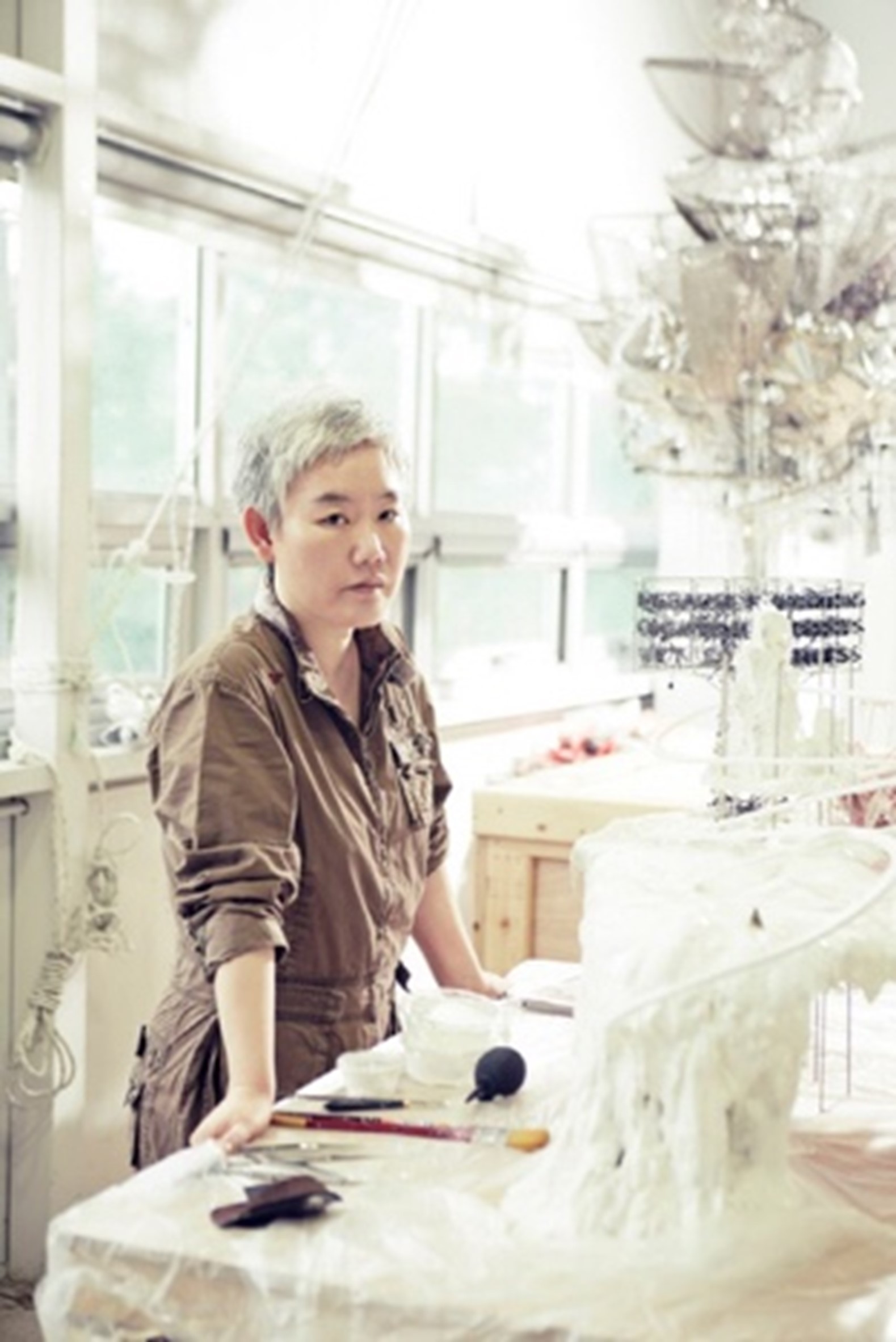
Lee Bul in her studio. Photo by Yoon Hyungmoon. Courtesy of Studio Lee Bul.

Lee Bul
 
Lee Bul, born in 1964 in Yeongju, Gyeongsangbuk-do, has built her career in Seoul and is regarded as one of the representative figures of Korean contemporary art. A graduate of the Department of Sculpture at Hongik University, she first emerged in the late 1980s through performance and body-based works, and has since established a distinctive artistic world across sculpture, installation, drawing, two-dimensional works, and architectural structures.
 
Her work has explored, in multilayered ways, the body and technology, gender and power, modernity and utopia, and the human desire for perfection and its failure. Lee Bul is widely recognized as one of the key artists representing contemporary art in Asia, and M+ likewise introduces her as one of the most important contemporary artists to have emerged from Asia in recent decades.


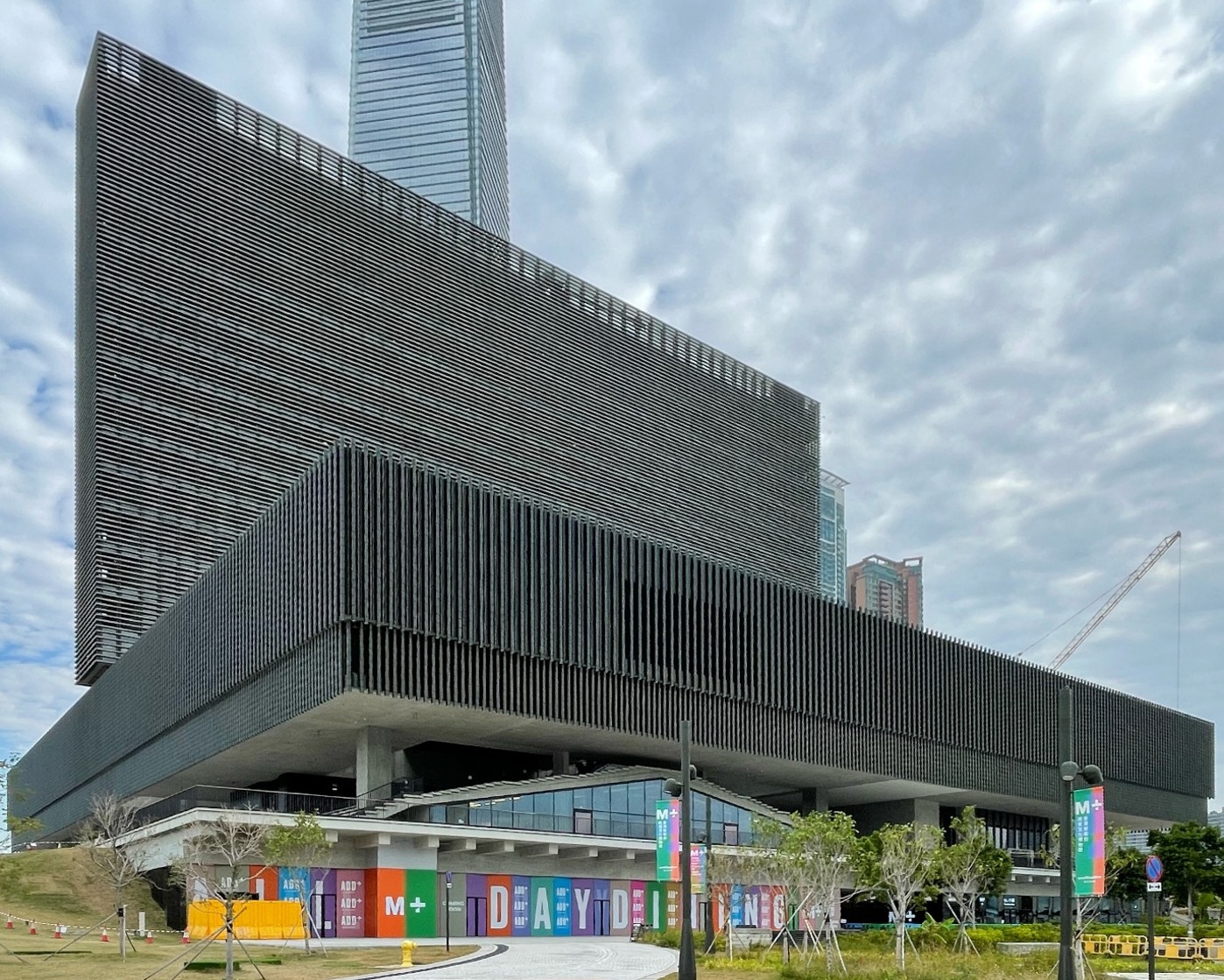
M+ Museum. / Photo: Wikipedia.

About M+

M+ is a museum of contemporary visual culture located in Hong Kong’s West Kowloon Cultural District, and defines itself as “Asia’s global museum of contemporary visual culture.” The museum collects, exhibits, and researches twentieth- and twenty-first-century visual art, design and architecture, moving image, and Hong Kong visual culture, and has established itself as a key platform for interpreting modern and contemporary visual culture in Asia within an international context.


Exhibition Information
 
Title: 《Lee Bul: From 1998 to Now》
Dates: March 14 – August 9, 2026
Venue: M+, West Gallery, L2, Hong Kong
Co-organized by: M+, Leeum Museum of Art
Tour: M HKA, Antwerp; National Gallery of Canada, Ottawa (scheduled)
Website: https://www.mplus.org.hk/en/exhibitions/lee-bul-from-1998-to-now/