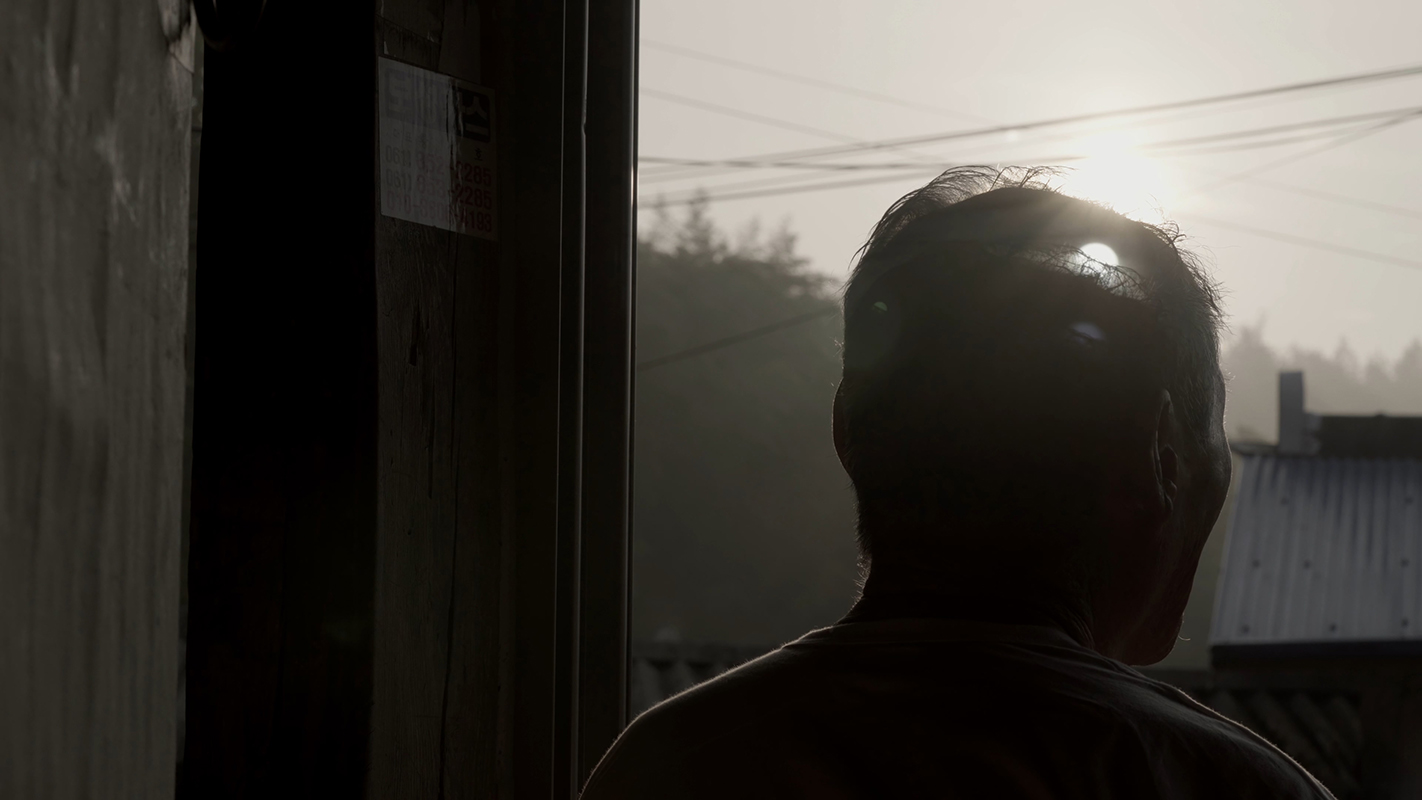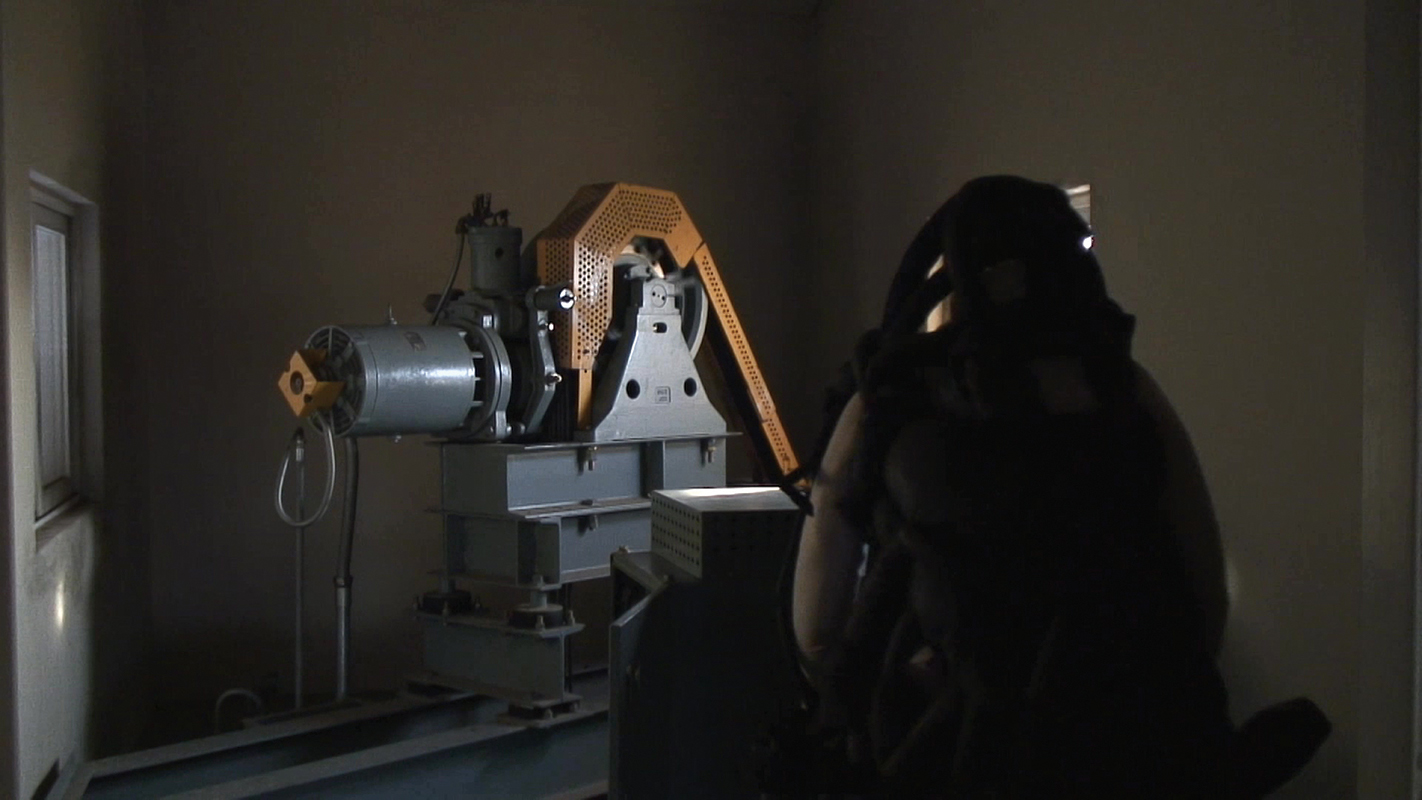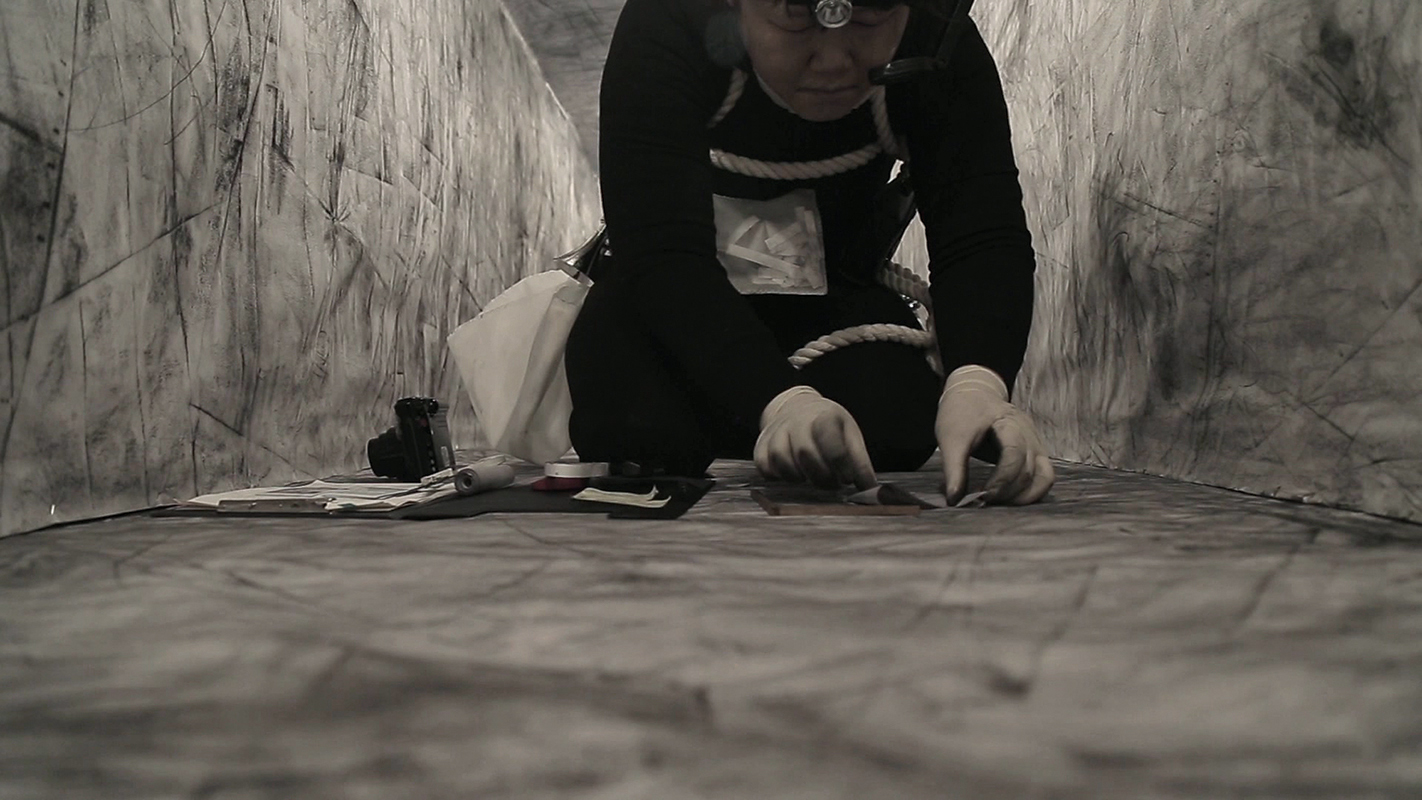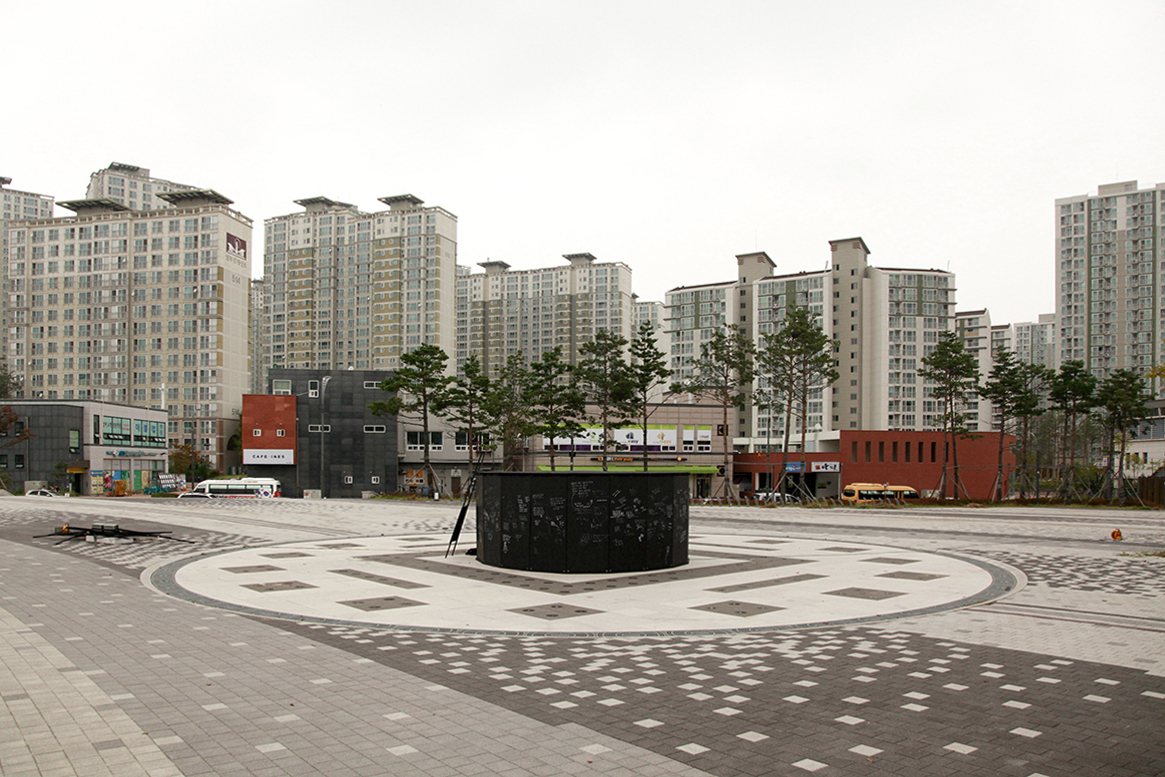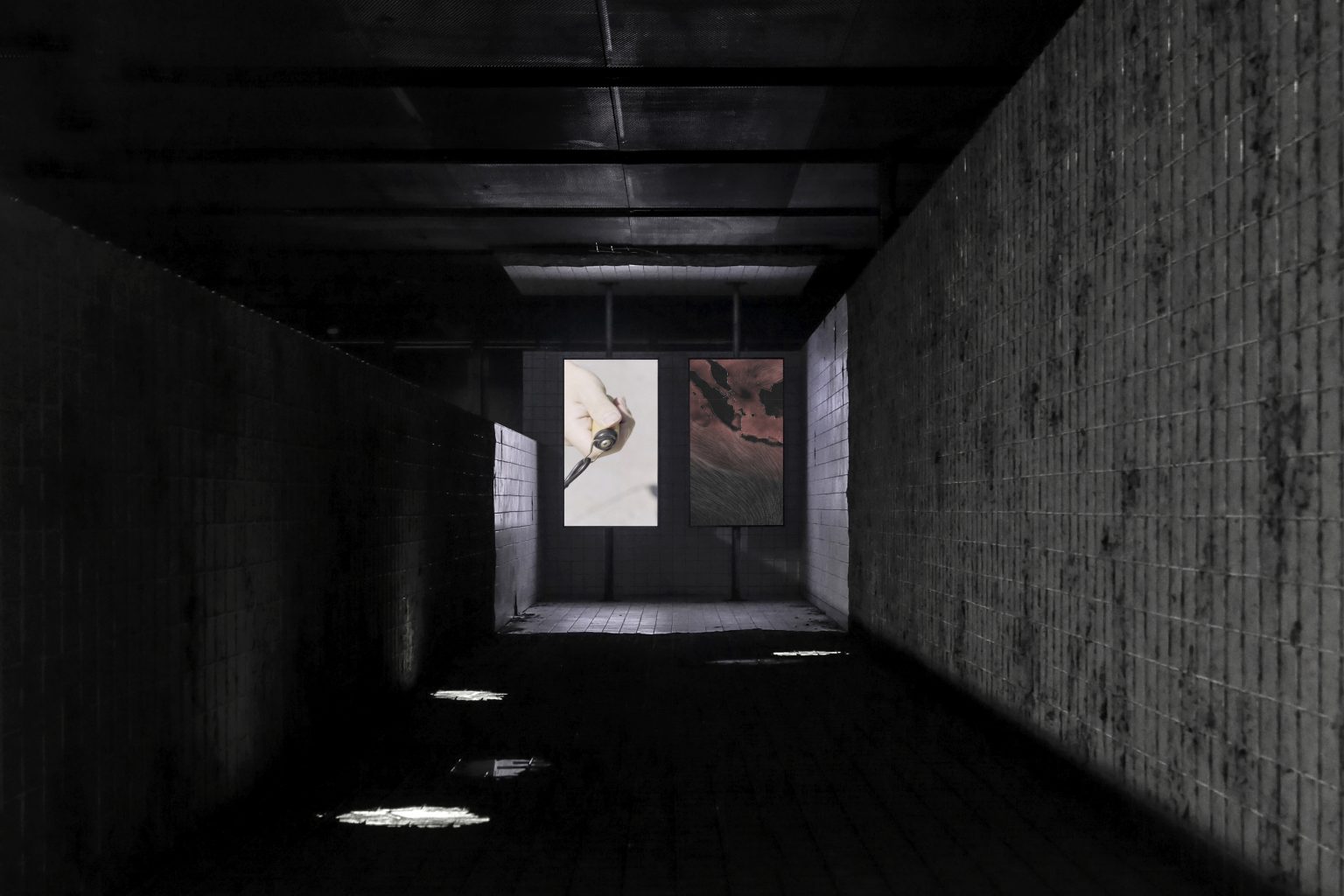

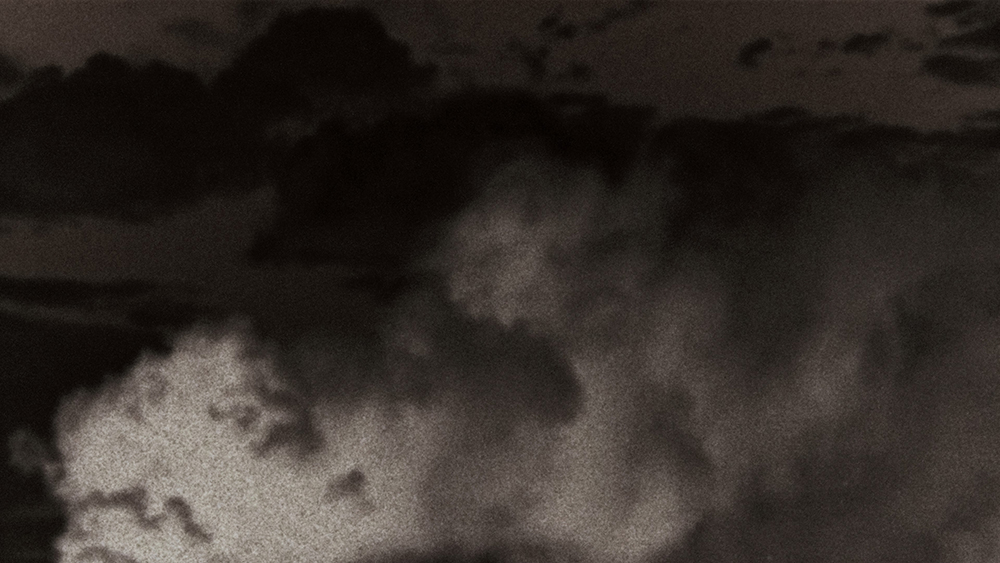
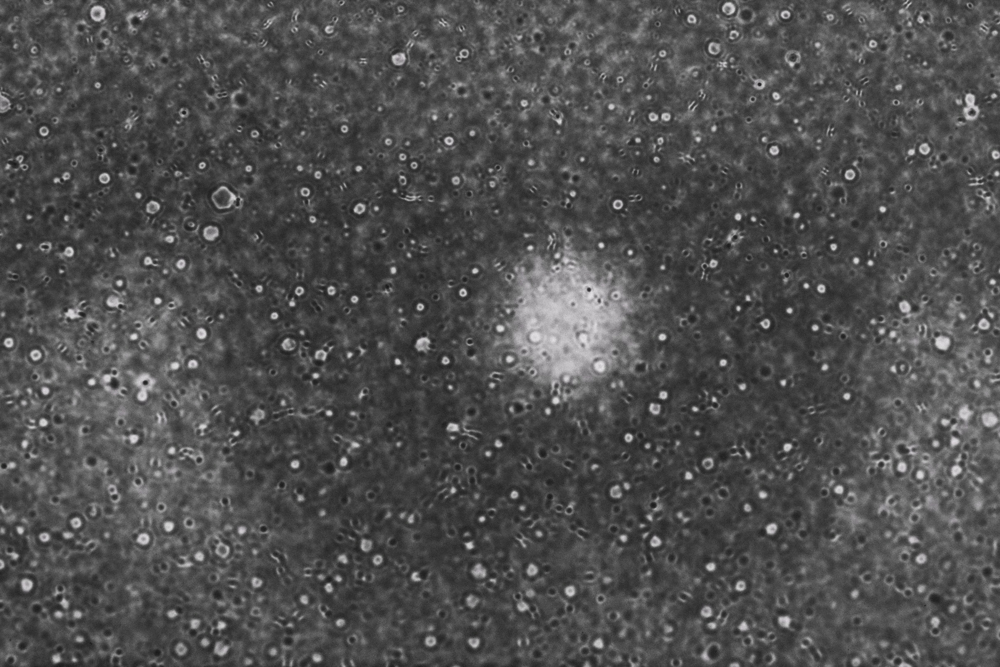
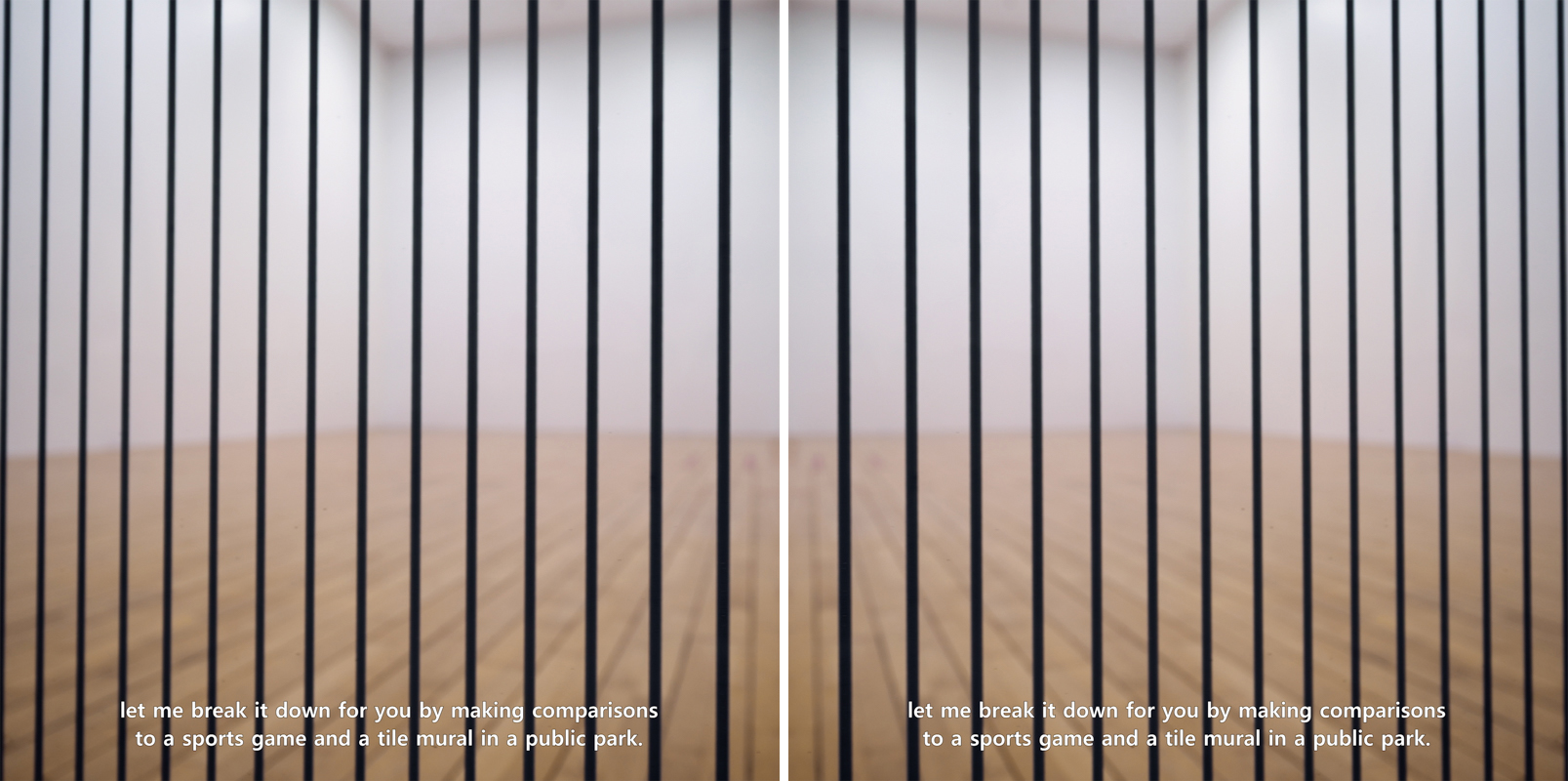
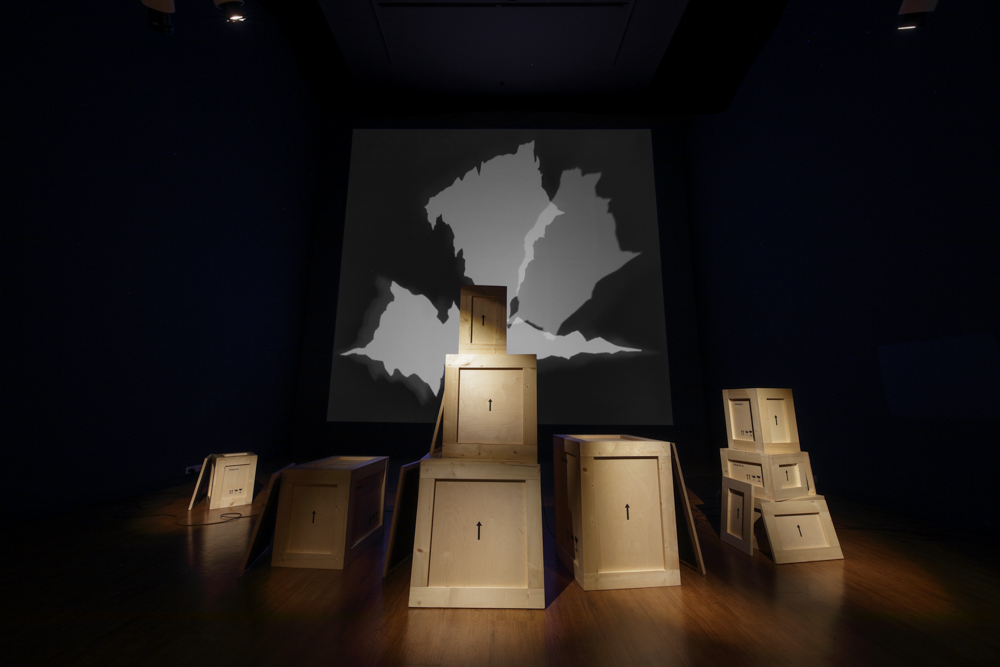
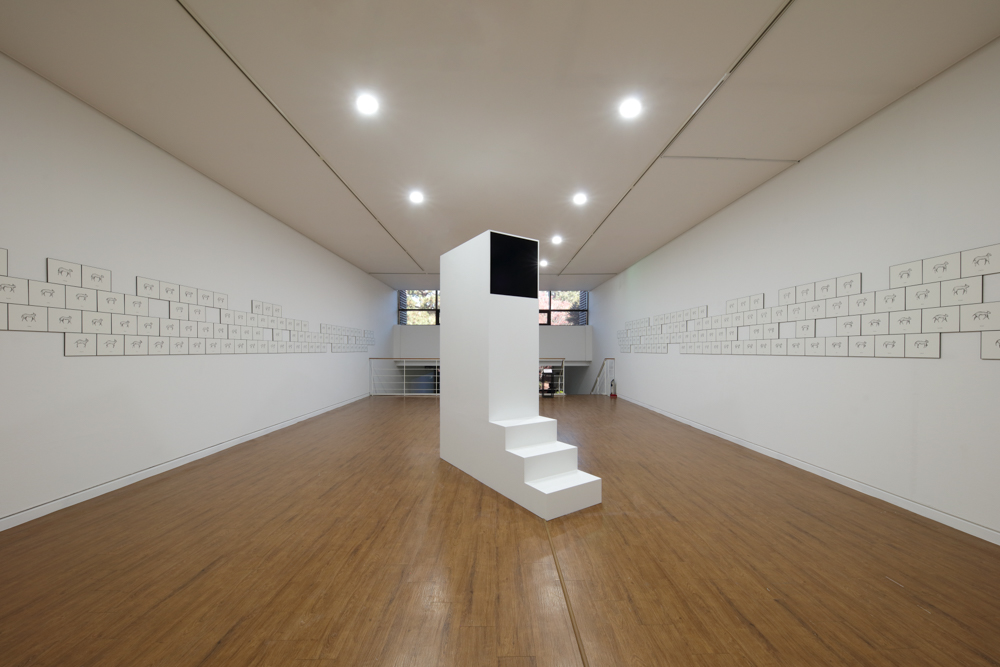
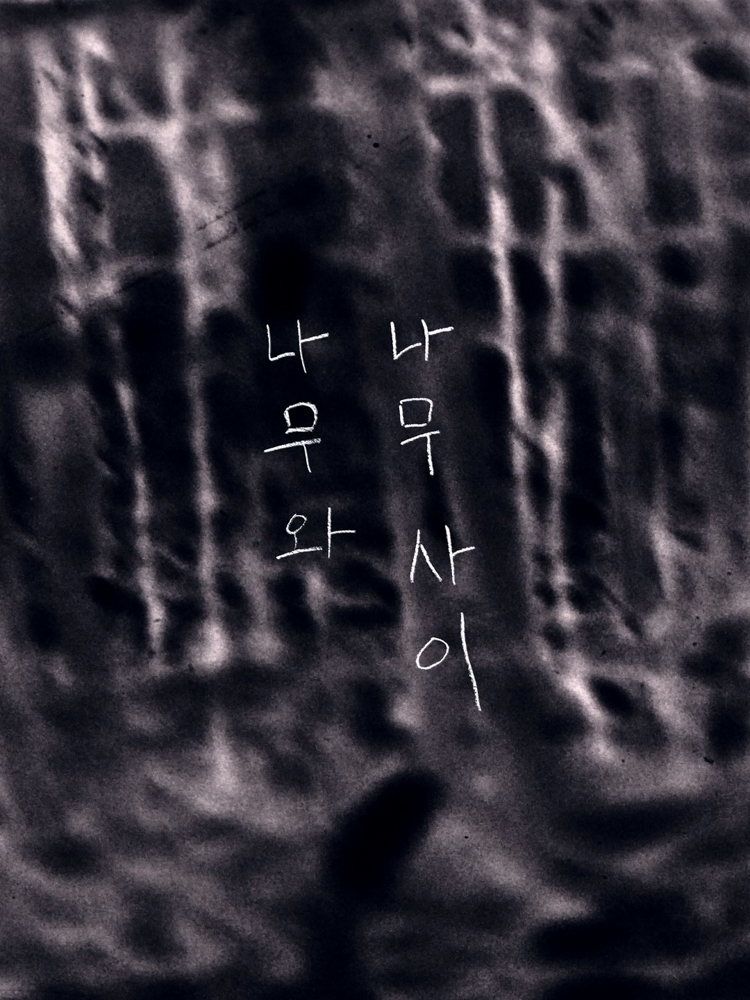
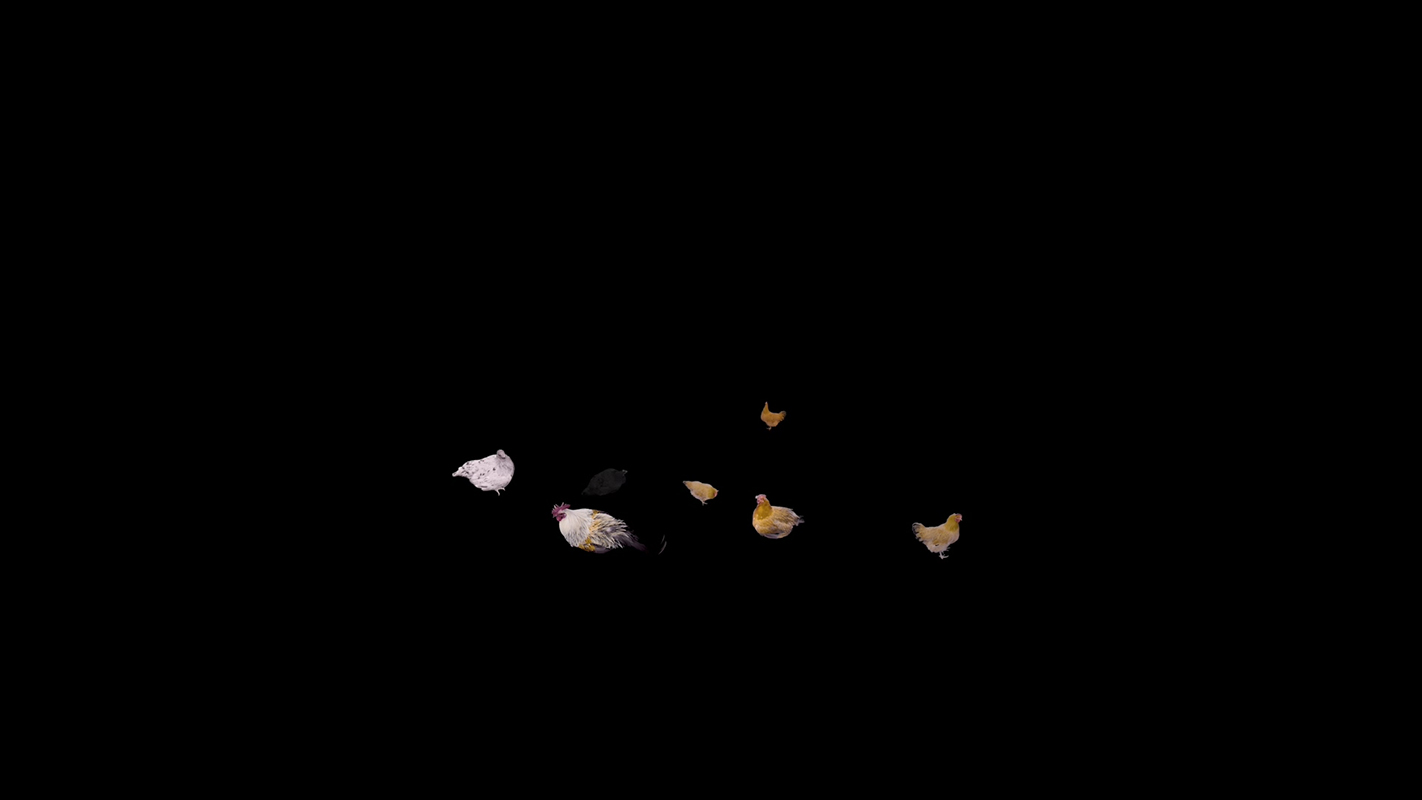
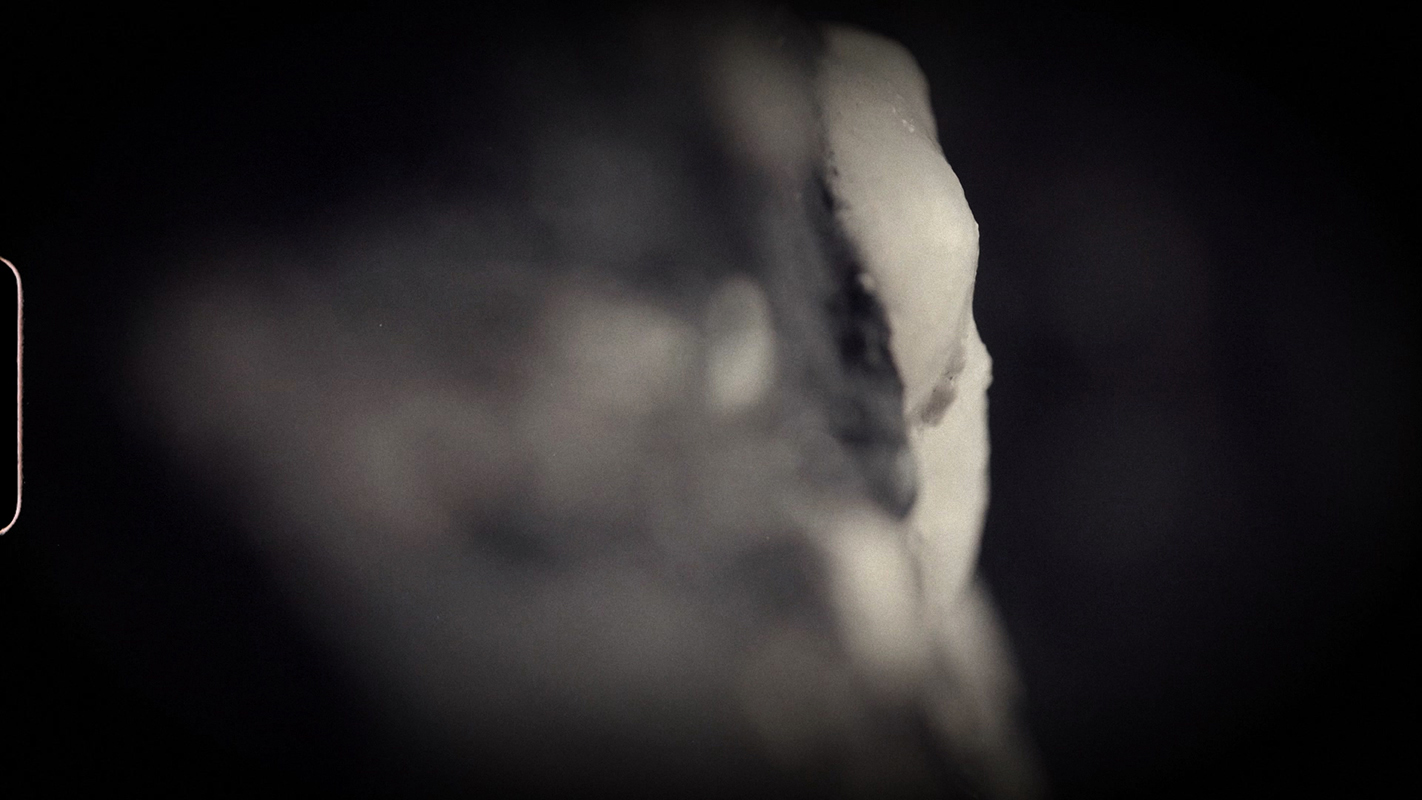
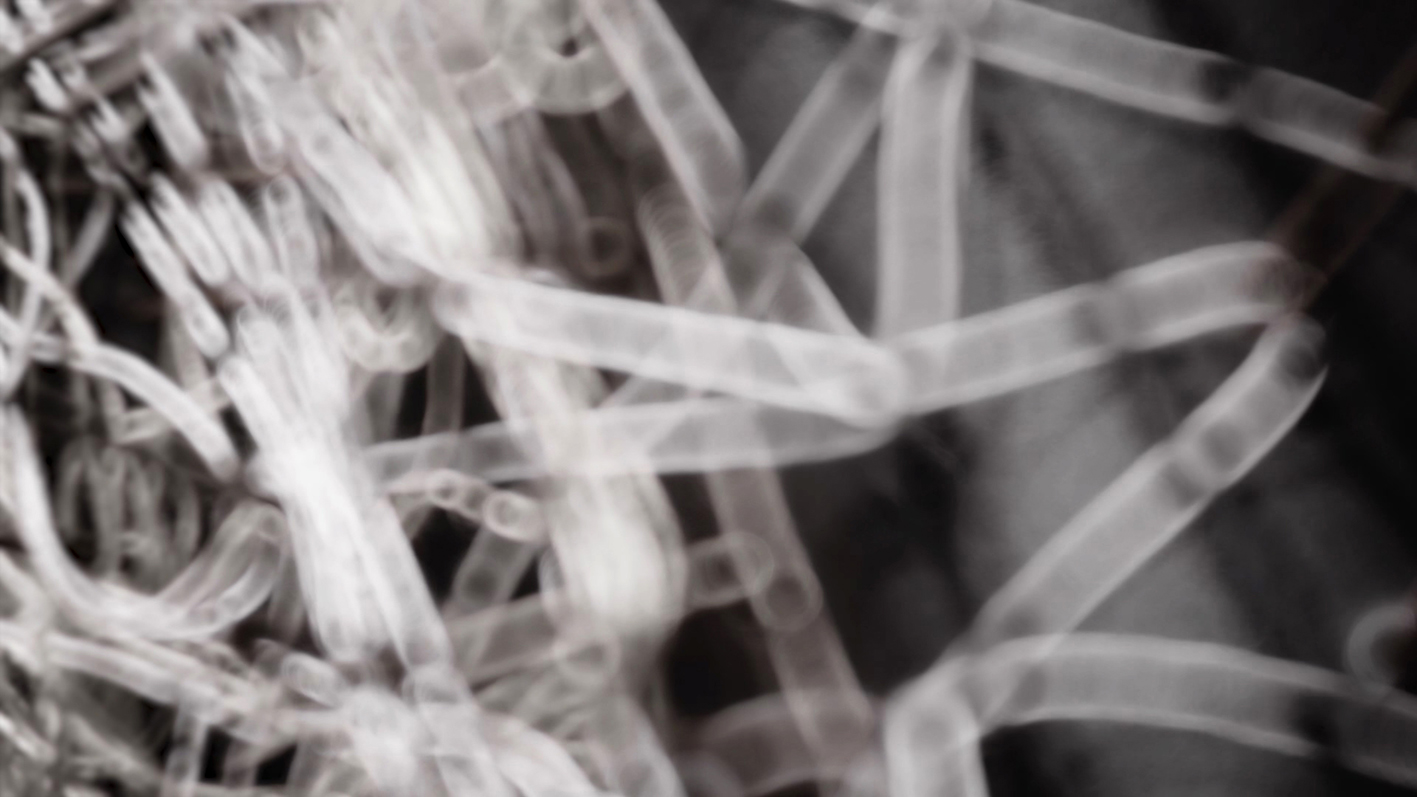
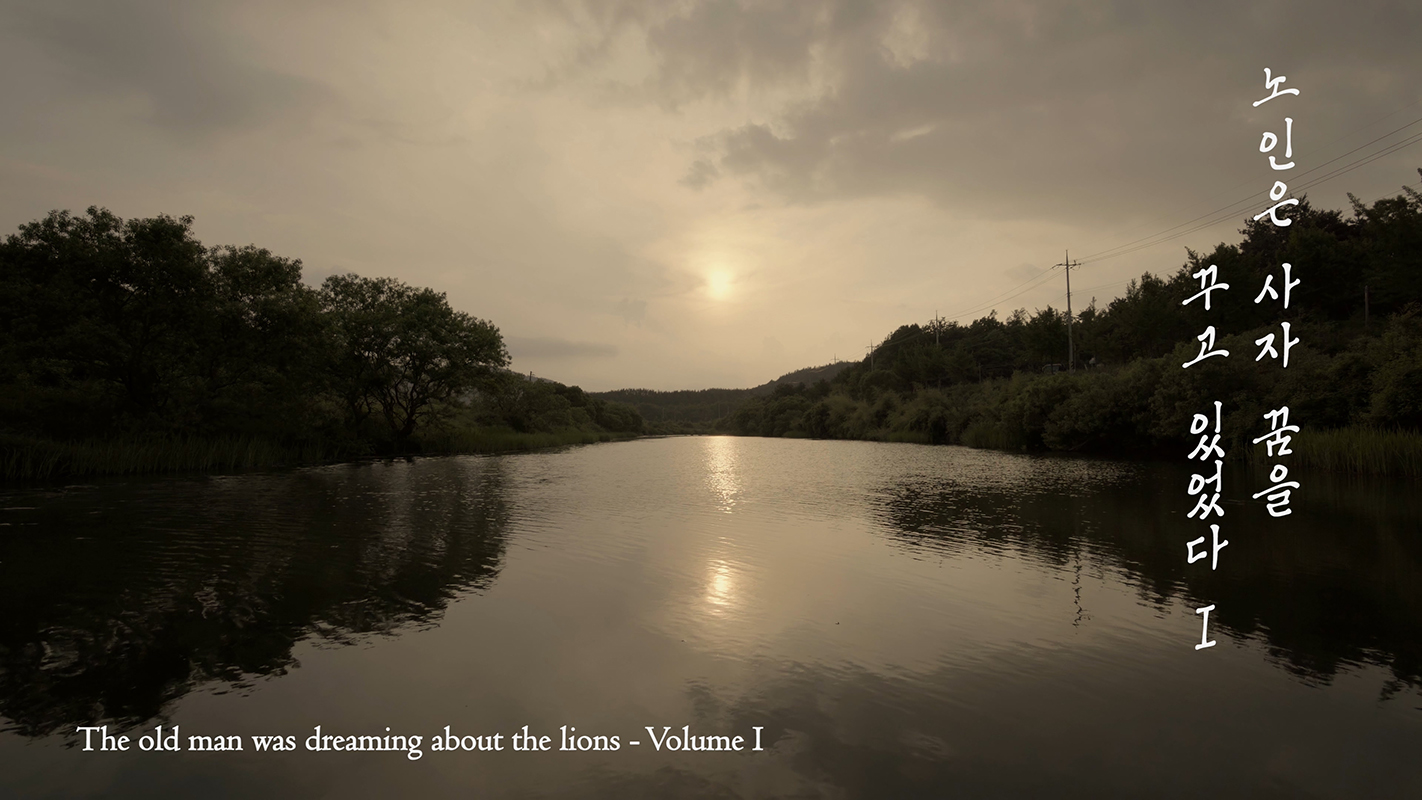
Moojin Brothers, The Old Man Was Dreaming About the Lions – Volume Ⅰ, 2019, single channel video installation, 4K, color, stereo sound, 30 min 34 sec © Moojin Brothers

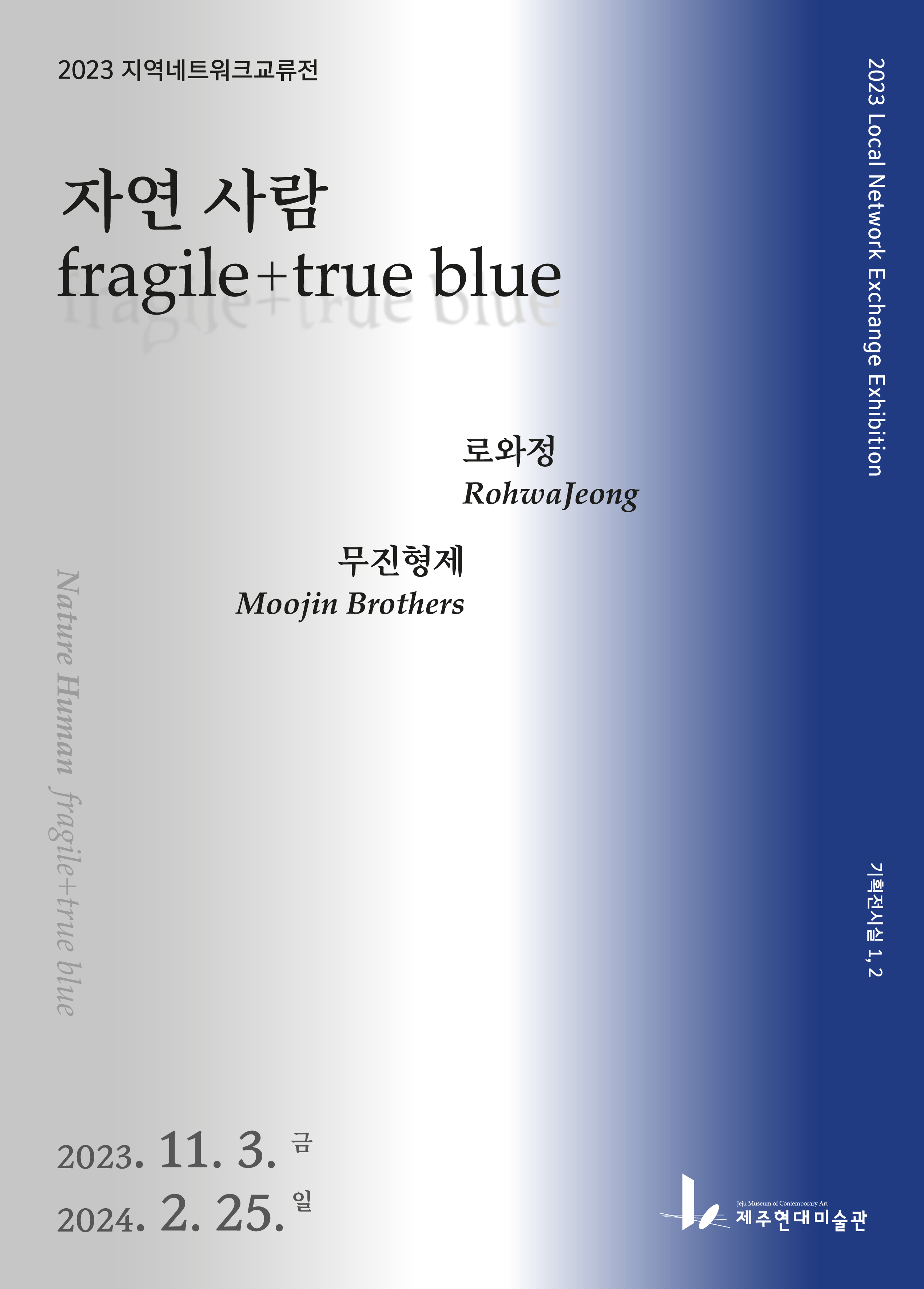
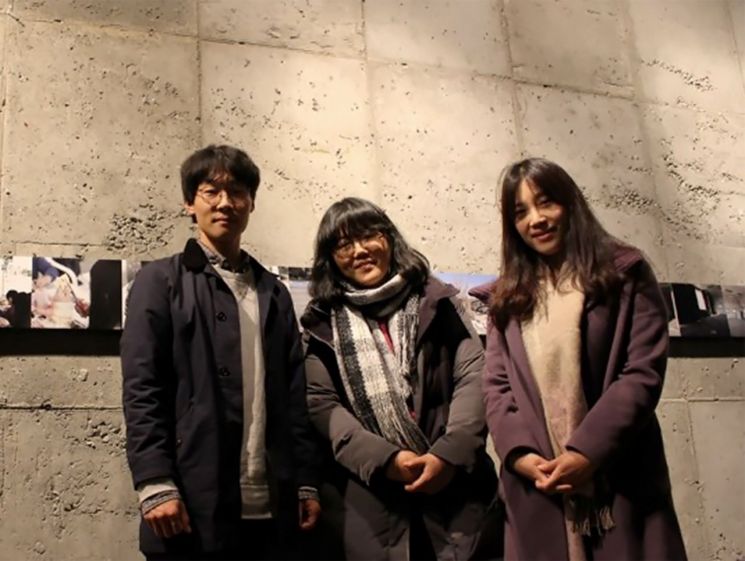
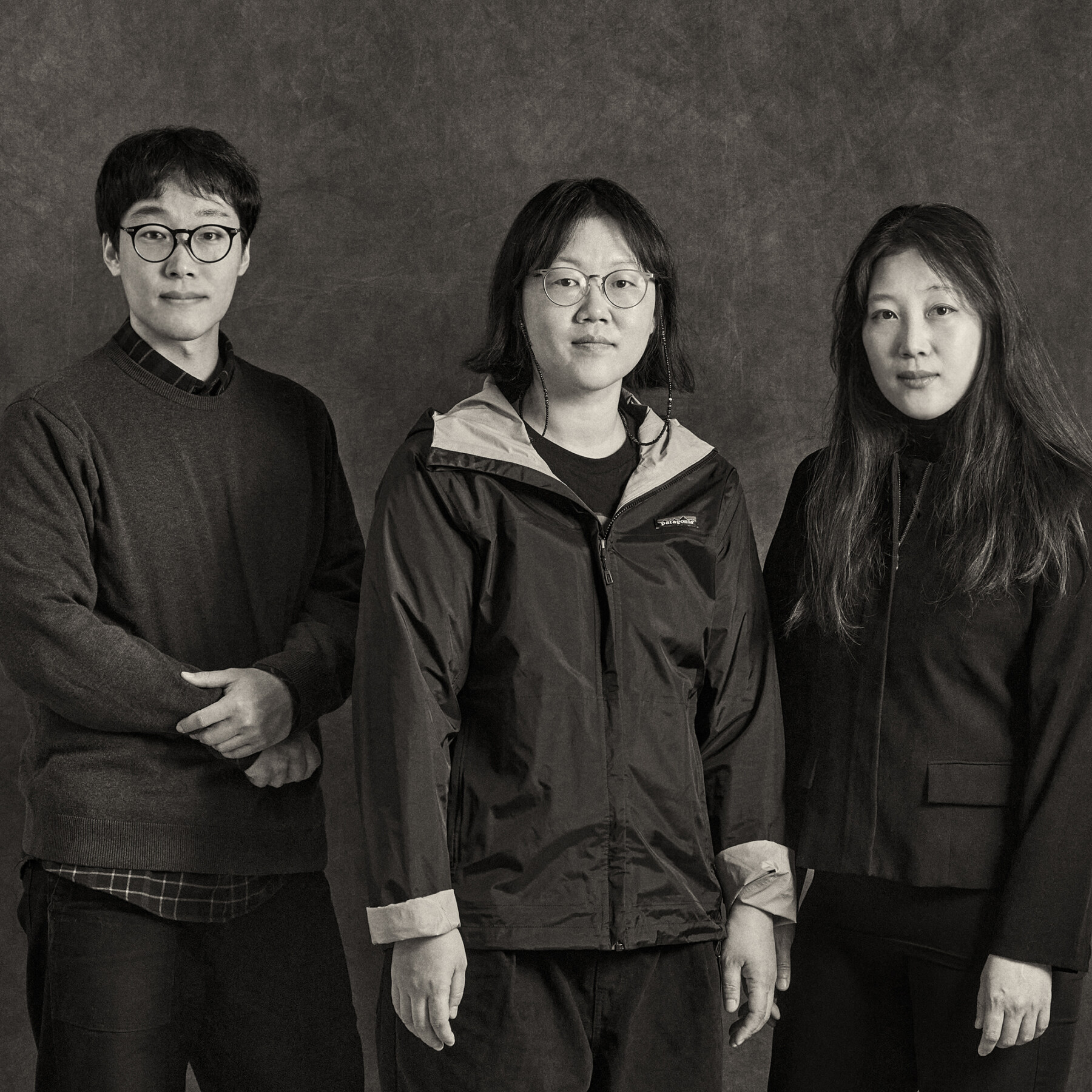
Moojin Brothers tell stories of the marginal realities they inhabit. Their stories typically focus on those living on the peripheries of a certain place, not to mention of their very lives. Beginning from an old story or an unknown territory on the periphery, their work reveals and infiltrates the oral histories that have been passed down through generations.

Their stories expand across space toward the outside world through fictional elements, while remaining grounded in reality rather than reenacting it. Moojin Brothers continue to explore themes such as the relationships between places and humans, fundamental questions of life and marginal existence, the rejection of standardized values, and the expansion of reality through fiction.

In the meantime, they have experimented with activating specific narratives as a means of organizing these themes. Above all, Moojin Brothers enable us to pay attention to their storylines without obscuring the innate conflicts or divisions between reality and fantasy, present and past, inside and outside, or here and there.

In this way, Moojin Brothers serve as storytellers, both closely and from a distance. Walter Benjamin, who predicted an era in which information exceeds diminishing experience, emphasized the existence of a 'storyteller' that shares "experience which is passed on from mouth to mouth."

In this regard, I would consider Moojin Brothers to be storytellers as I examine the exhibition 《The old man was dreaming about the lions》, focusing on the life story that they weave and their use of audio-visual language.


Moojin Brothers, The Old Man Was Dreaming About the Lions – Volume Ⅰ, 2019, single channel video installation, 4K, color, stereo sound, 30 min 34 sec © Moojin Brothers

Between two senses: A cane and ice skates

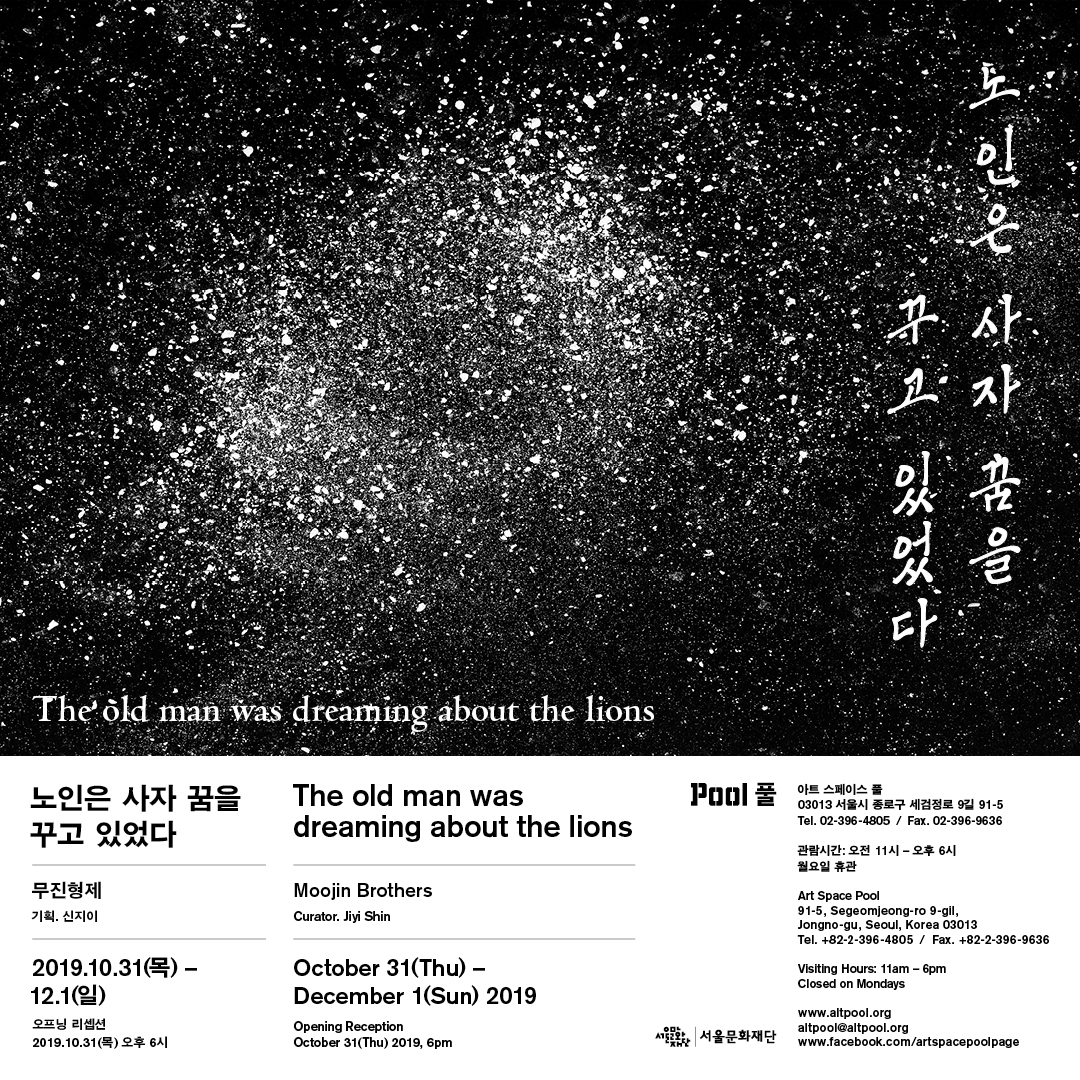
《The old man was dreaming about the lions》 presents the stories of places and lives encountered by the artist collective Moojin Brothers, whose practice yields video works comprised of various elements, including literature, photography, installation, sculpture, and drawing.

According to the artists, this project emphasizes a sense of "turning what they have discovered into video work rather than presenting what they have created” – in other words, a sense of the screen itself. In a departure from existing methods of narrative-led development, they engage viewers by depicting the collision between language and image while also inserting a certain distance.

Images here do not reproduce language, nor does language describe or expatiate images. Neither do Moojin Brothers constantly juxtapose or interweave images and language in an artificial way or unfold them on multiple screens. Instead, images and language each speak in their own manner and maintain separate trajectories in parallel with one another.

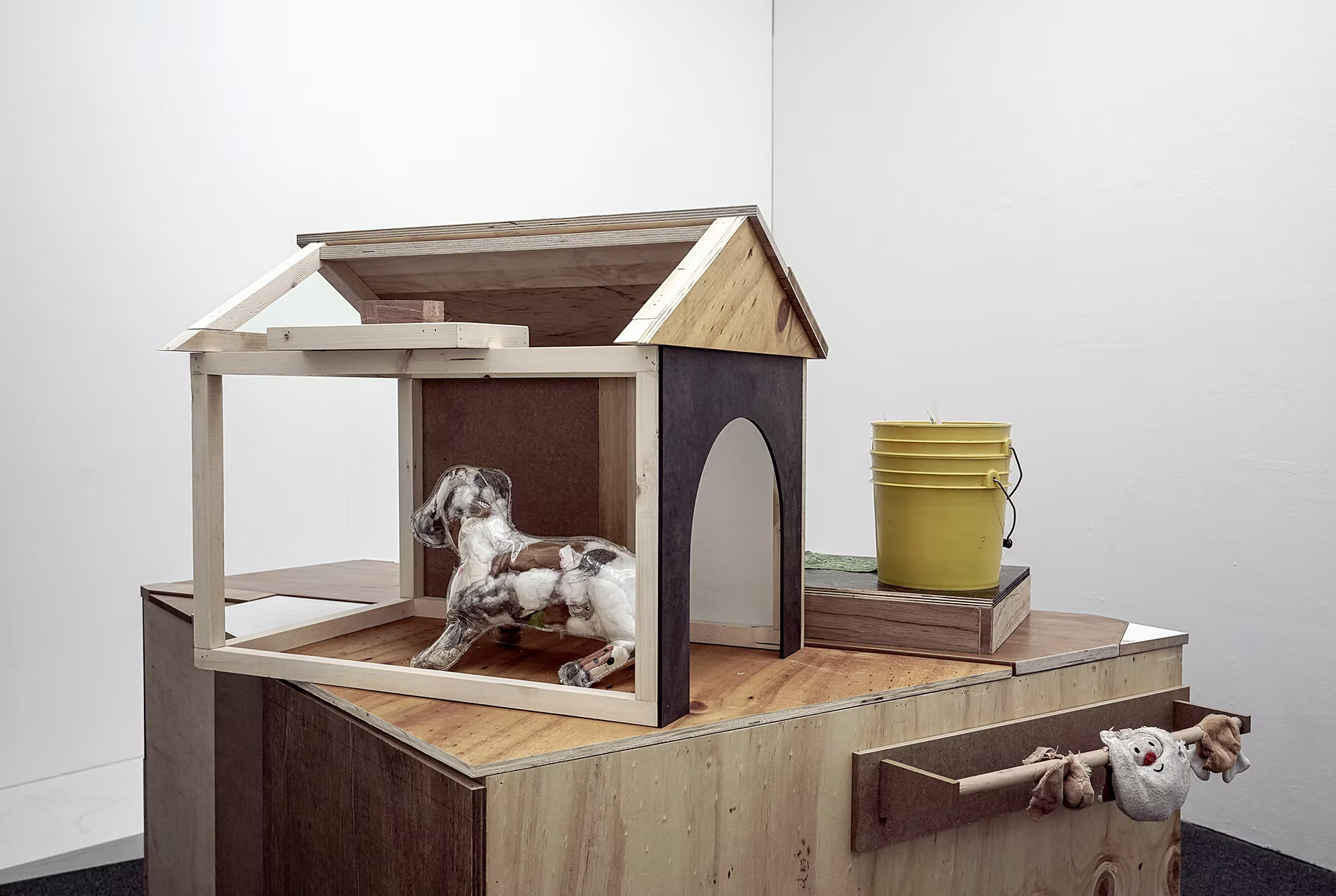
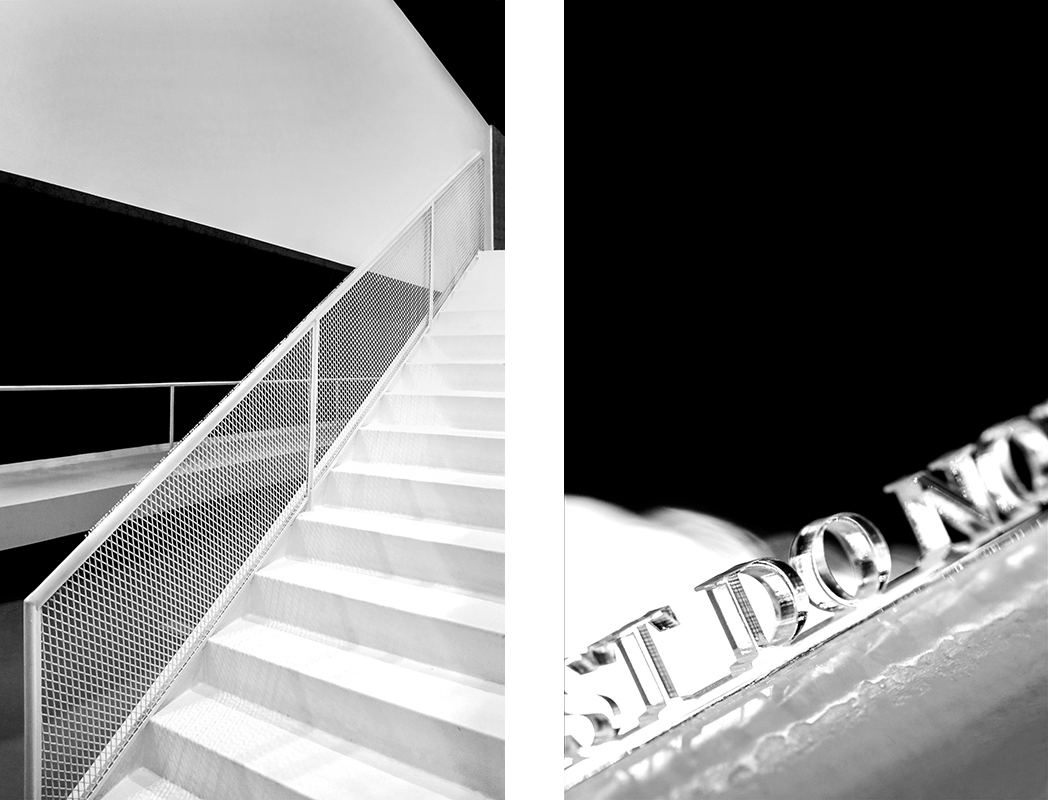
To view the exhibited works, visitors pass through an initial gallery space in the form of a house (Art Space Pool) before entering a black box that introduces them to darkness and guides them to another world. Any conspicuous physical characteristics of the exhibition space are enveloped in shadows, allowing viewers to devote their concentration to the video’s sensibility.

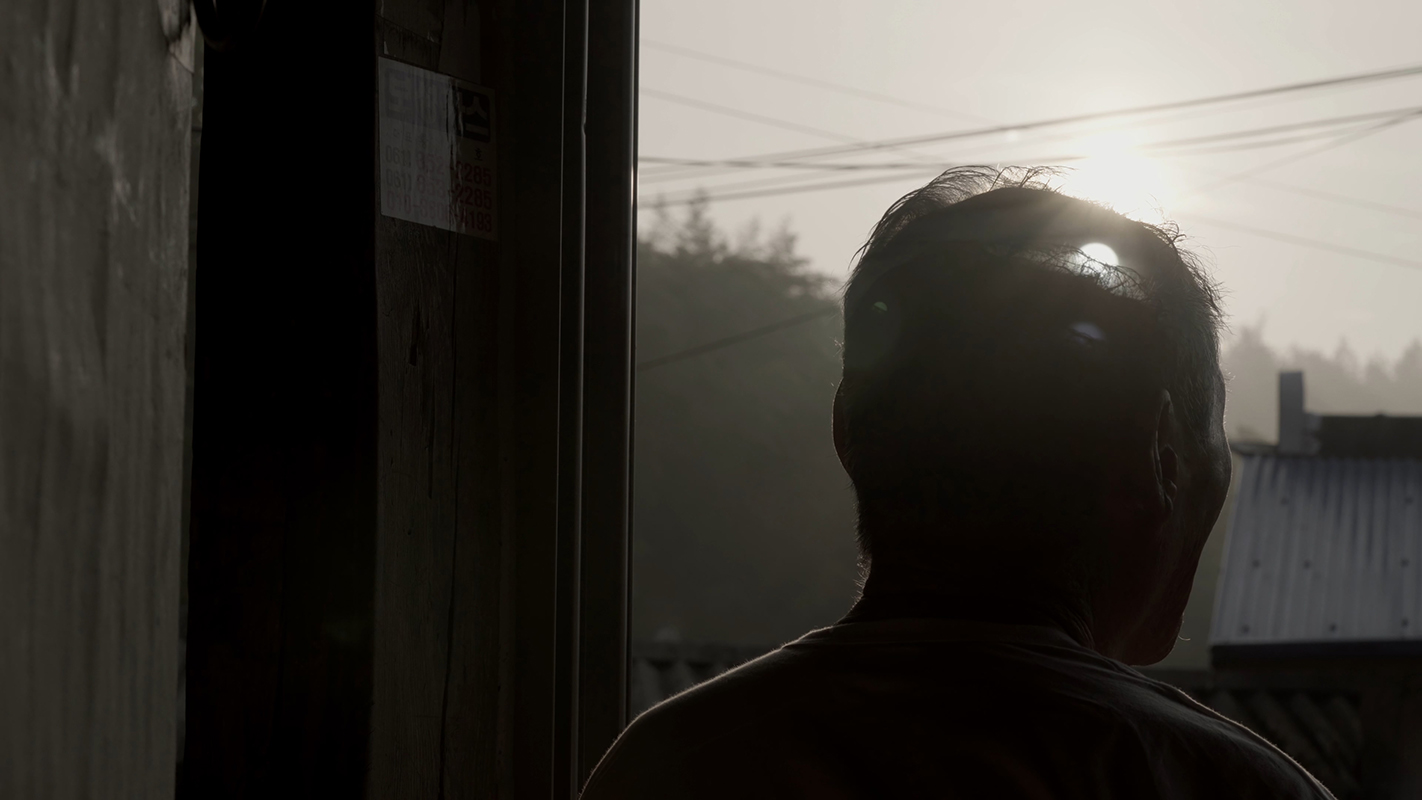
Upon entering this atmosphere of silence, visitors can hear the sounds of flowing water, a cane striking the floor, bamboo waving in the wind, and the murmurings of an old man. The video records the old man's daily routine; closeup shots magnify the deep creases in his skin as well as his subtle movements in detail, capturing the minute trembling of his body and excluding any of the artists’ own judgments or opinions as much as possible.

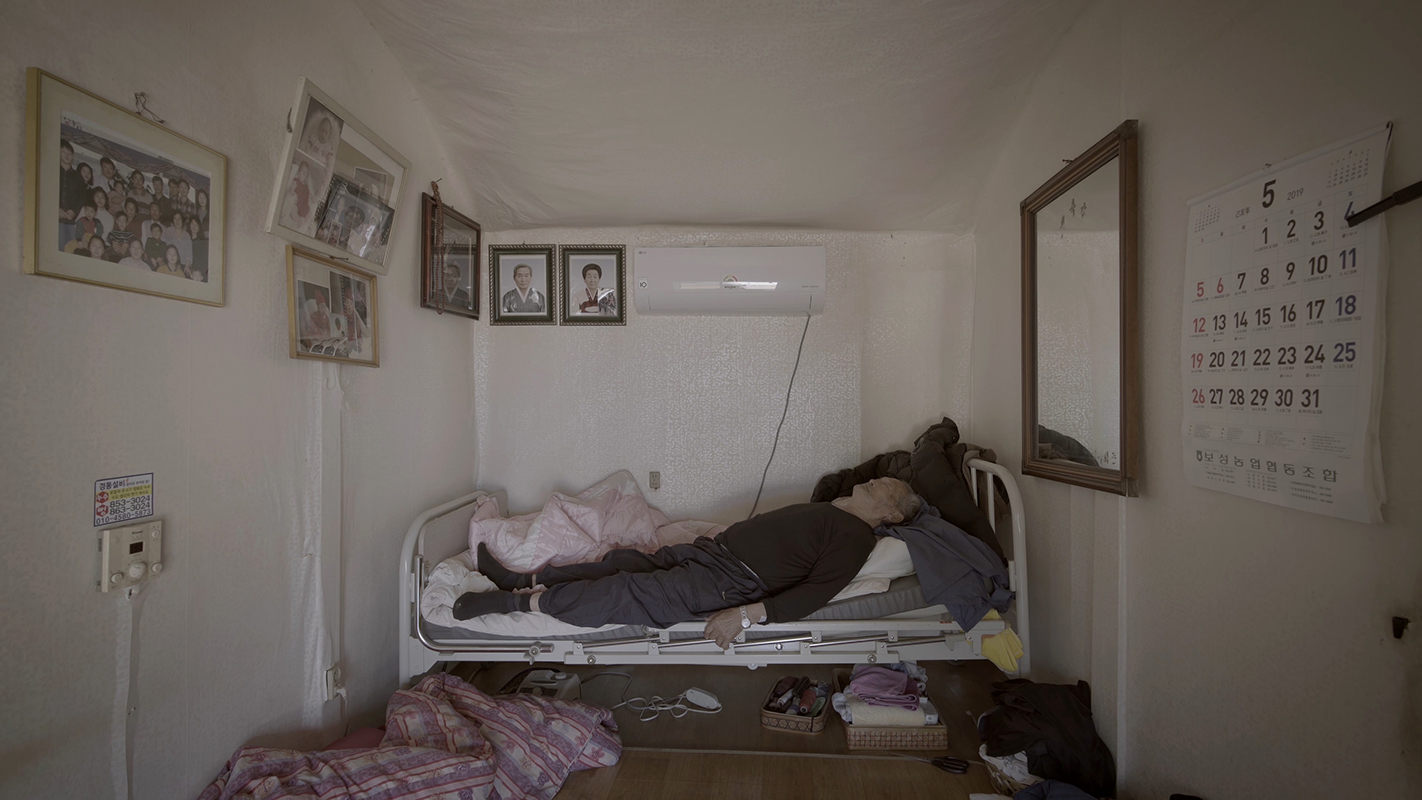
It is an ordinary day of an old man approaching 100 years of age, documented in a thirty-minute video shot in long takes and accompanied by detailed descriptions. What we see in The Old Man Was Dreaming About the Lions – Volume Ⅰ The old man was dreaming about the lions - volume Ⅰ are repetitive and trivial actions–the way the man leans on a cane as he walks, sits in the front yard looking at the village, carefully and slowly chews his rice, and fiddles with an envelope in his hands.

Throughout this routine, objects that are intimately related to his body (a cane, mailing envelope, paper bag of medicine, telephone cord) as well as every part of the old house in which he lives (bedroom, floor, yard, barn, etc.) can also be seen. The old house and its assortment of household items and tools in the barn all reflect the history and breath of life embedded in these images of decline, along with the old man's mumbling as he talks in his sleep.


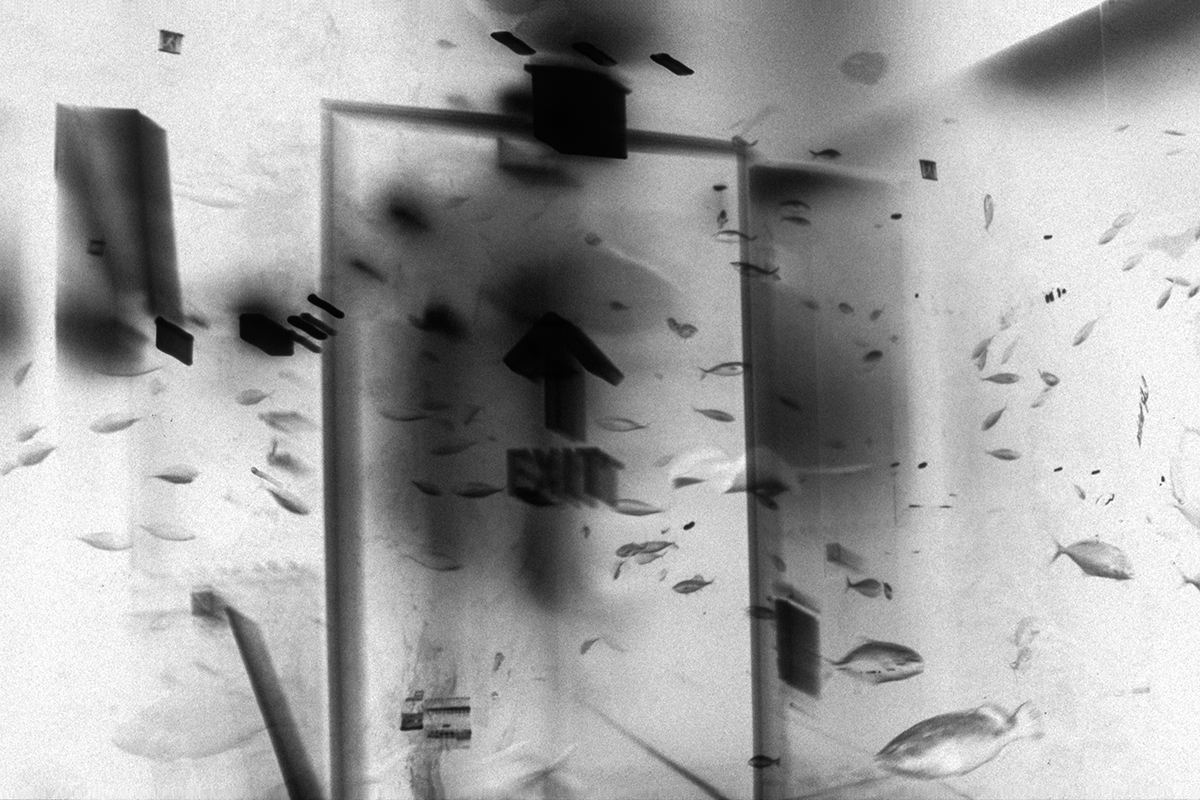
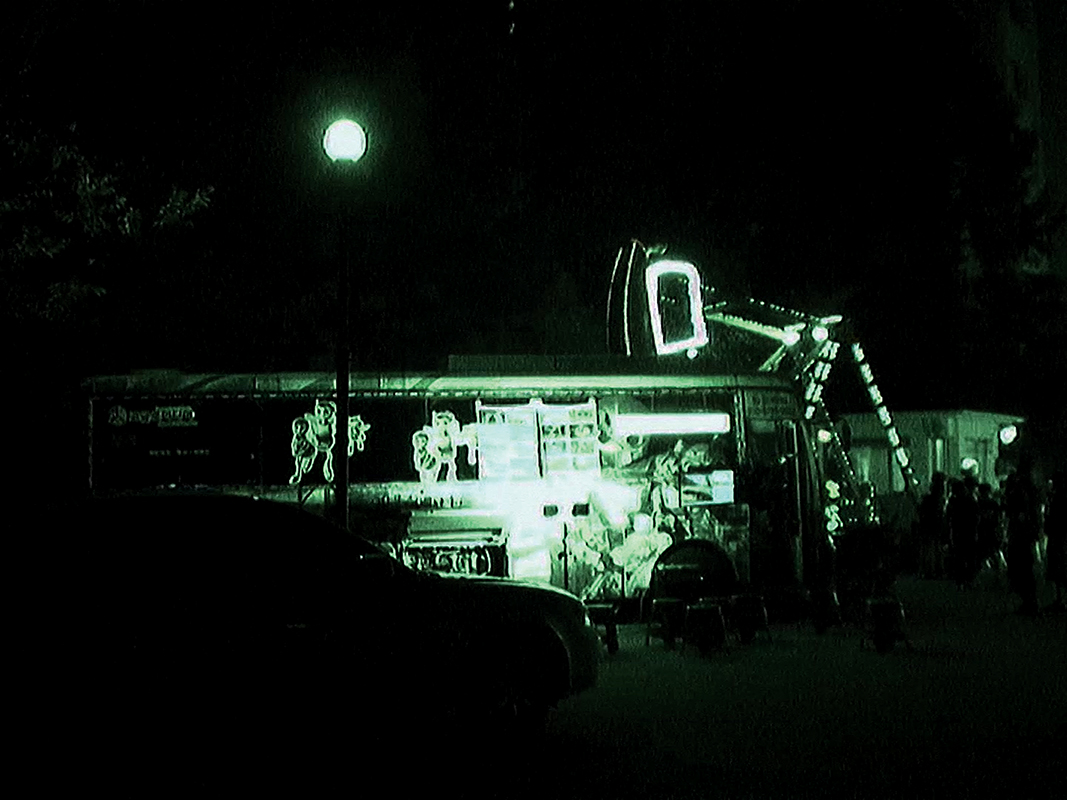
Moojin Brothers, The Old Man Was Dreaming About the Lions – Volume Ⅱ, 2019, single channel video installation, 4K, color, stereo sound, 19 min 1 sec © Moojin Brothers

Between two worlds: Contemporary poverty and outdated tactility

It was after watching The Old Man Was Dreaming About the Lions – Volume Ⅱ that I came to perceive this sensibility. Like the retroactivity of memories, a visceral sense of life reflected in the old man's day becomes clearer in the second video's focus on the subsequent generation – the old man's descendants. It wasn’t until seeing both videos that I discerned the time gap separating ruptured and discontinuous lives.

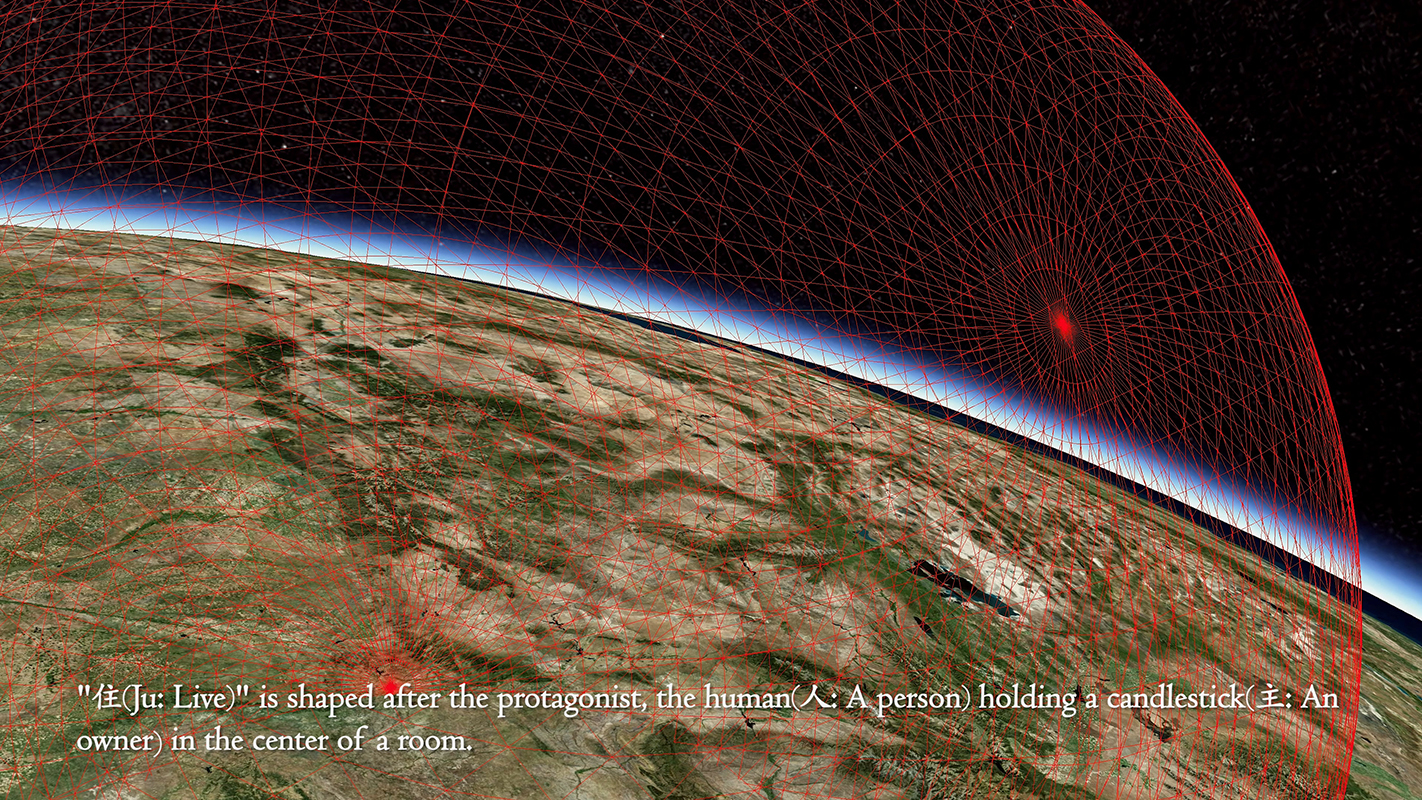
The clear, slow cadence of the old man's cane suddenly transitions into the swift, sharp sounds of skaters on an ice rink; the tactility of life accumulated in the old house then changes into flat and deprived satellite images of land. The contrast between both videos foregrounds outdated tactility and contemporary images of poverty.

As the screen’s physicality transforms in the second video, the structure of its narrative language also differs from that of the first video. Rather than a nonverbal narrative style, the second video deploys language as an interwoven narrative structure. Such a strategy approaches the original meaning of ‘geo-ju (居住, to live)’, which reflects the unstable status of living in modern society.

Sounds of mumbling heard during the old man's sleep operate as innumerable nonverbal fragments that appear throughout the trajectory of a lifetime. Fragments of somniloquy from his nap – sounds that in reality were recorded during the dead of night instead of daytime–gradually begin to scatter the realms of language, systems, capital, and norms that dictate the ways of living depicted in the second video.

The time gaps represented by language structures in these works assume a visual presence through images of ice skating kids and the flat density of satellite images, which overlap and intersect against the sharp sounds of friction. As more and more skate blades skim across the ice, the video’s speed and noise accelerate accordingly.

Indeed, space itself is offset more rapidly amid accelerating movements, just as the relationship between land and the body increasingly seems to disintegrate from our accelerating society. The flat land that represents today's unstable condition is transformed, while lacking the physicality the old man's home.

The ground of the present is quantified by capital without any regard for the word ‘living’ that exists in opposition to the old man's world. Today, skates are more dominant than canes, movement more prevalent than settlement, and digital more universal than analogue. A cane and skates, deep wrinkles of skin and thin, sharp scratches traversing an ice rink: each seeks the materiality of the other.

If the former manifests materiality based on physical and empirical relations, the latter is subject to fluctuation due to the material imperative of capitalism. Between these two distant worlds, visitors are left in profound stillness, listening to the old man talking in his sleep between the sounds of ‘tapping’ and ‘swishing.’


Moojin Brothers, The Old Man Was Dreaming About the Lions – Volume Ⅱ, 2019, single channel video installation, 4K, color, stereo sound, 19 min 1 sec © Moojin Brothers

Artist-storyteller filling the time gap and discontinuity

The two contrasting volumes of 《The old man was dreaming about the lions》 offer opportunities to consider what our times have lost while instigating a deeper awareness of our own lives. The artists’ function of filling the time gap not only helps to weave the story of a discontinuous life, but also demonstrates intimate experiences that spaces and objects share.

Such an analysis is premised upon a close relationship between language and image. The first video is a world of ‘parole,’ including images of old times and sleep-talking, whereas the second asserts a standardized ‘langue’ through which time and space are rearranged. They dialectically illuminate each other, since the nonverbal senses expressed in the old man's life cannot be translated into an audio-visual language that confronts the present.

The old man's wrinkles, his dust-filled house, the nap accompanied by nocturnal somniloquy, and the actual life recalled by this somniloquy collectively represent the power of nonverbal and anti-narrative events in the history of individuals as well as the world.

As it captures the old man's almost imperceptible hand gestures, the camera practically attests to a past that predates digital cinema, offering a realistic analogy for the discontinuity between analogue and digital life.

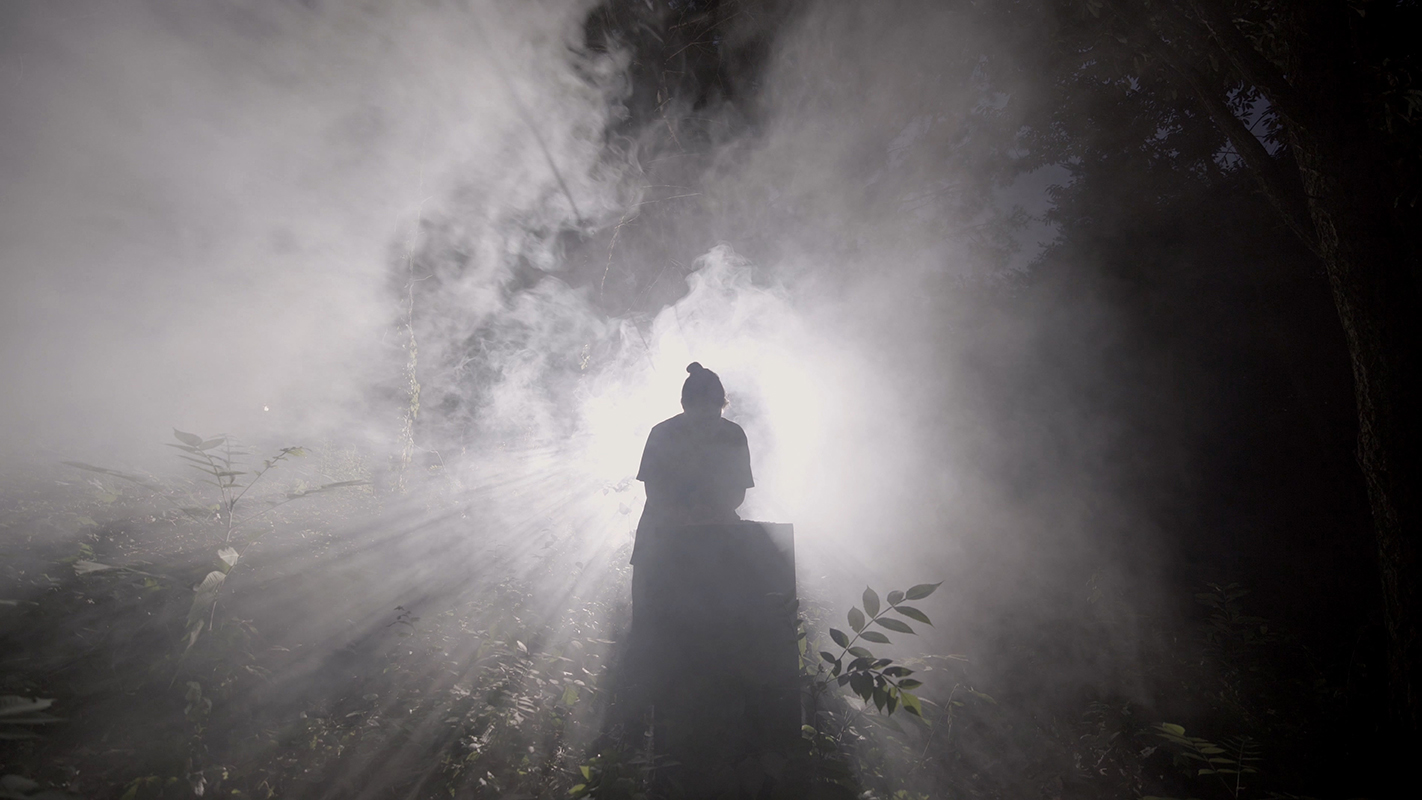
What guides viewers wandering among the two worlds – between the forward trajectory of history and the backward trajectory of time–is a signal resembling the glow of fireflies that radiates from an old photograph (dry glass plate photography of 1899). Both this glimmering photo, which is situated in microscopic cracks, as well as a separate photo of constellations found in the dust of a sphere constitute a fiction that connects the alienated traces within the exhibition space.

Moojin Brothers’ work extends the marginal lives that are oppressed by the enormous weight of time and encourages us to pursue a shared timeline by actively tackling such an opportunity. In an artist note, Moojin Brothers wrote, "It was time for us to ruminate and dwell on the current problems with long breaths."

If sharing such a temporal experience is the vocation of the artist, then the task of Moojin Brothers is neither to inspire viewers through aesthetic achievements nor engage with society through politicized art. Rather, their role might be more aptly described as audio-visual storytellers who delicately revive the "cracks, creases as well as marks and signs engraved in them" that are otherwise hidden from the world.

I hope their work will continue to propose a shared place reflecting on the increasing discontinuity of the world, while moving on from a desolate time to experience the cracks and wrinkles in between.

References