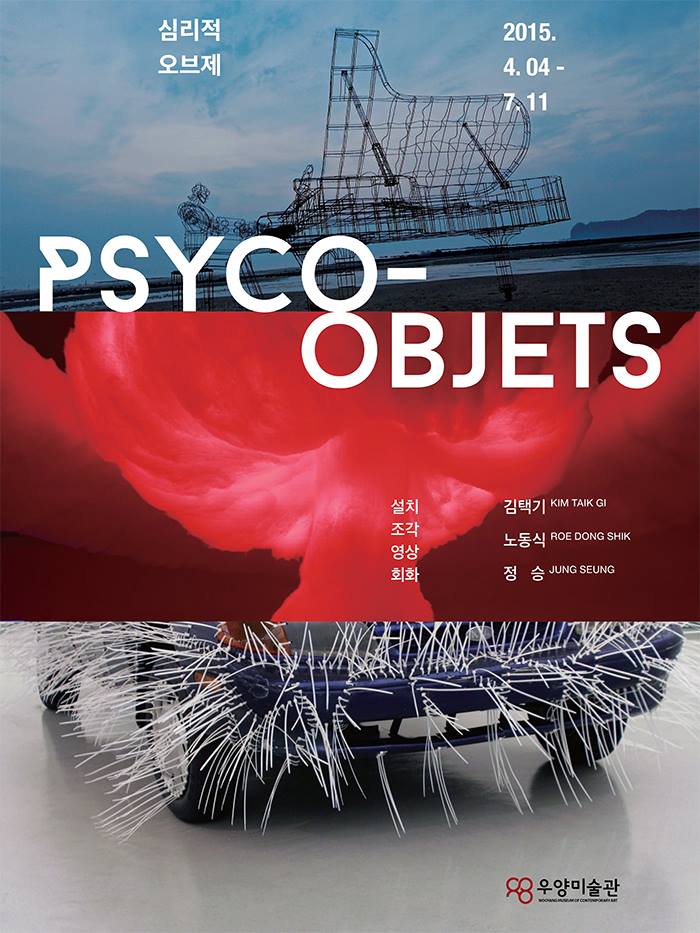
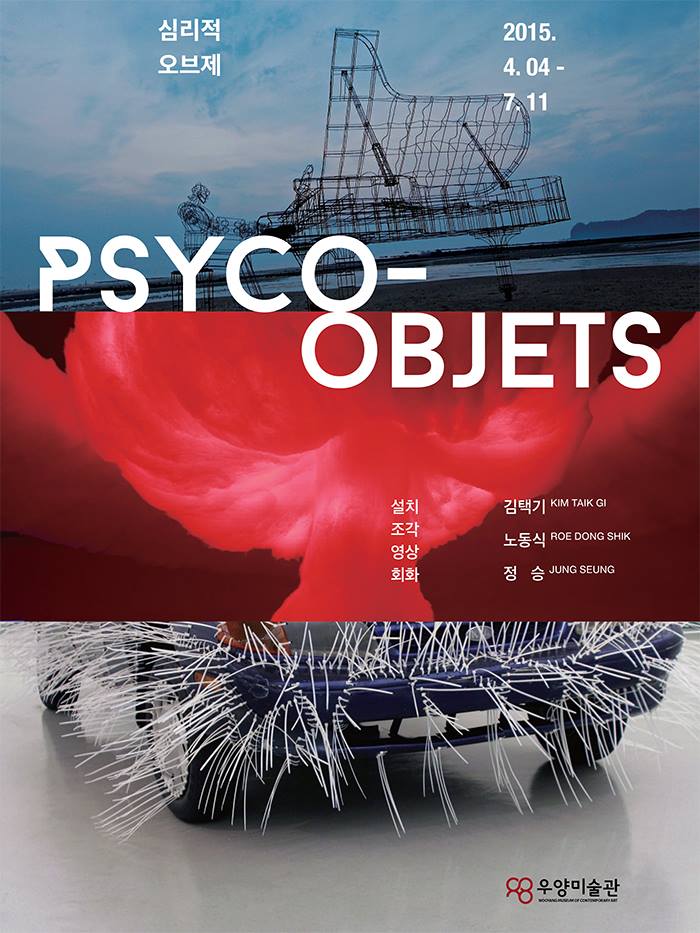
The Wooyang Museum of Art is holding the exhibition 《Psycho-objets》 from April 4 to July 11. This exhibition begins with the keyword "psycho-objets," which runs through the work of Jean-Pierre Raynaud, the artist of the large-scale sculpture Self Portrait installed in the sculpture park in front of the museum.
The term "objet" refers to a physical object, specifically one that includes the spiritual as a subject perceived by a thinking subject. Starting as a part of the auxiliary formative elements of Cubism, the manifestations of the objet across Dada, Surrealism, Nouveau Réalisme, Neo-Dada, Pop Art, Minimal Art, and Conceptual Art have indeed become a key axis in interpreting post-postmodern art history.
Reynaud used ready-made consumer goods as 'objets,' but he selected them delicately within a limited scope, starting from deeply personal experiences. Distanced from methods such as directly expressing or amplifying emotions, he stimulated the human psyche through sensory and metaphorical means to allow the inner world to flow in voluntarily.
He neither adopted objects radically to subvert concepts like Marcel Duchamp, nor actively reflected the attributes of mass-produced objects like Nouveau Réalisme or Pop artists. Instead, he found meaning in the expression of individual psychological situations manifesting within modern industrial society.
While using ready-made consumer goods as a medium, he selected objects delicately within a limited scope, starting from deeply personal experiences, and focused on methods that stimulate the human psyche through sensory and metaphorical means, allowing the inner world to flow in voluntarily while distancing himself from direct expression or amplification of emotions.
This was noted as an alternative that could offset the fatigue of contemporary art, where spontaneous communication is difficult with visual objects alone without the aid of literary texts. In the narrative of art history, consideration of the 'recipient (viewer)' has been omitted and marginalized.
Although the zeitgeist calls for the liberation of postmodern consciousness, the gap remains unfamiliar to individuals accustomed to modernist thought and sensibility. 'Training sensitivity to cultural differences and strengthening our ability to endure the unintegrable as it is' is the ultimate goal for acquiring a genuine, pluralistic social consciousness, but the reality is that the recipient still lacks a compass.
To this end, this exhibition begins with the question of 'what' we should 'appreciate' through works of art, and encourages us to subvert the very object of appreciation. It means appreciating 'ourselves as sensers' rather than 'the work itself.'
This approach stems from the belief that only when we simultaneously appreciate the artistic effects manifested in the piece and recognize the sensations arising and projected from within ourselves can we truly enjoy the freedom of interpretation as subjects before the artwork. This aligns with Friedrich Wilhelm Nietzsche's concept in the stages of human spiritual development that one realizes the joy of spontaneous, childlike play only when the subject becomes free.
Pierre Nora, in his book Places of Memory, also discussed the value of the process of creating a history reconstructed by gathering fragments of personal experiences and memories, rather than relying on grand narratives written by others. There is likely nothing as fun and productive as creating one's own story.
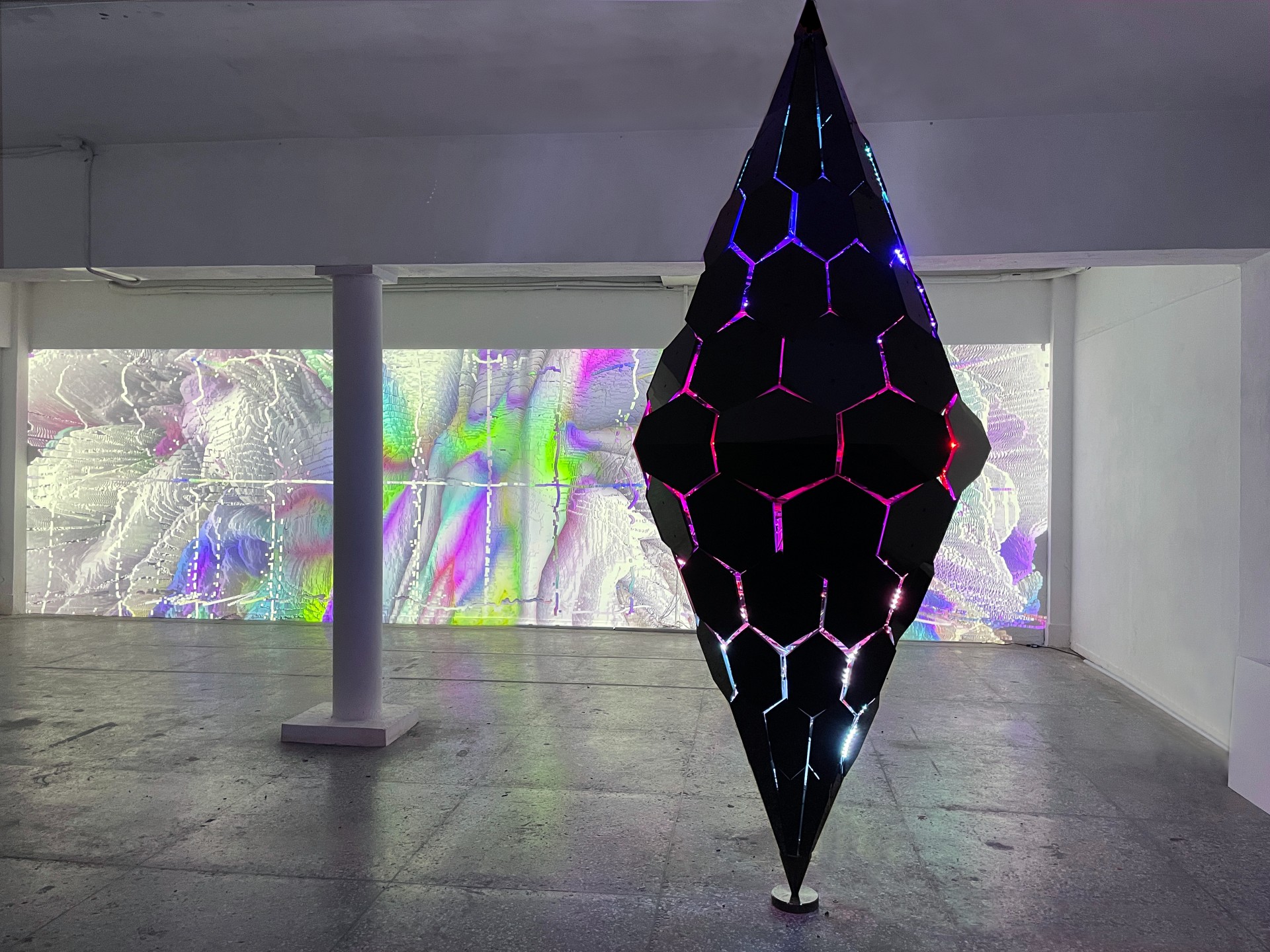
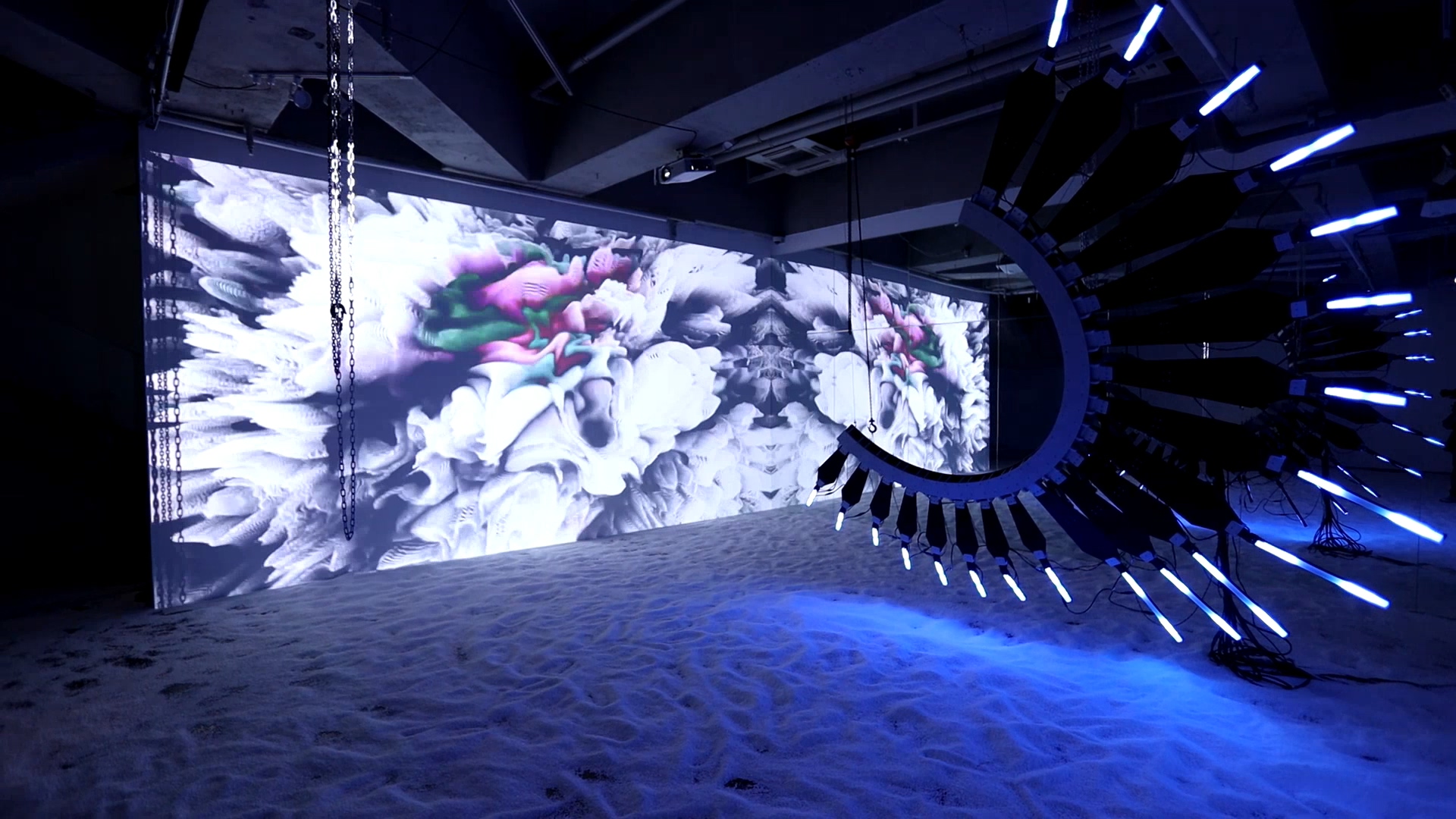
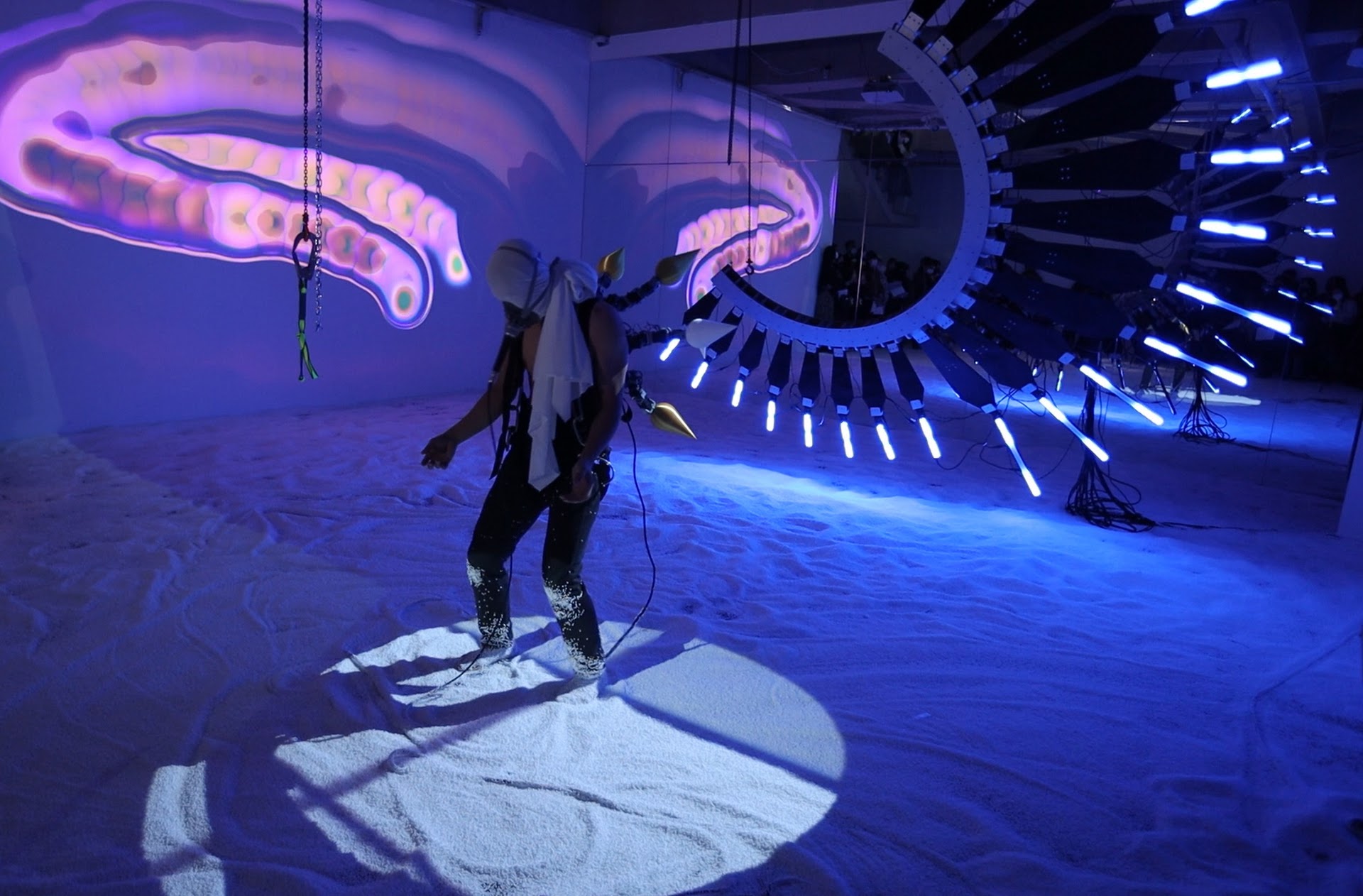
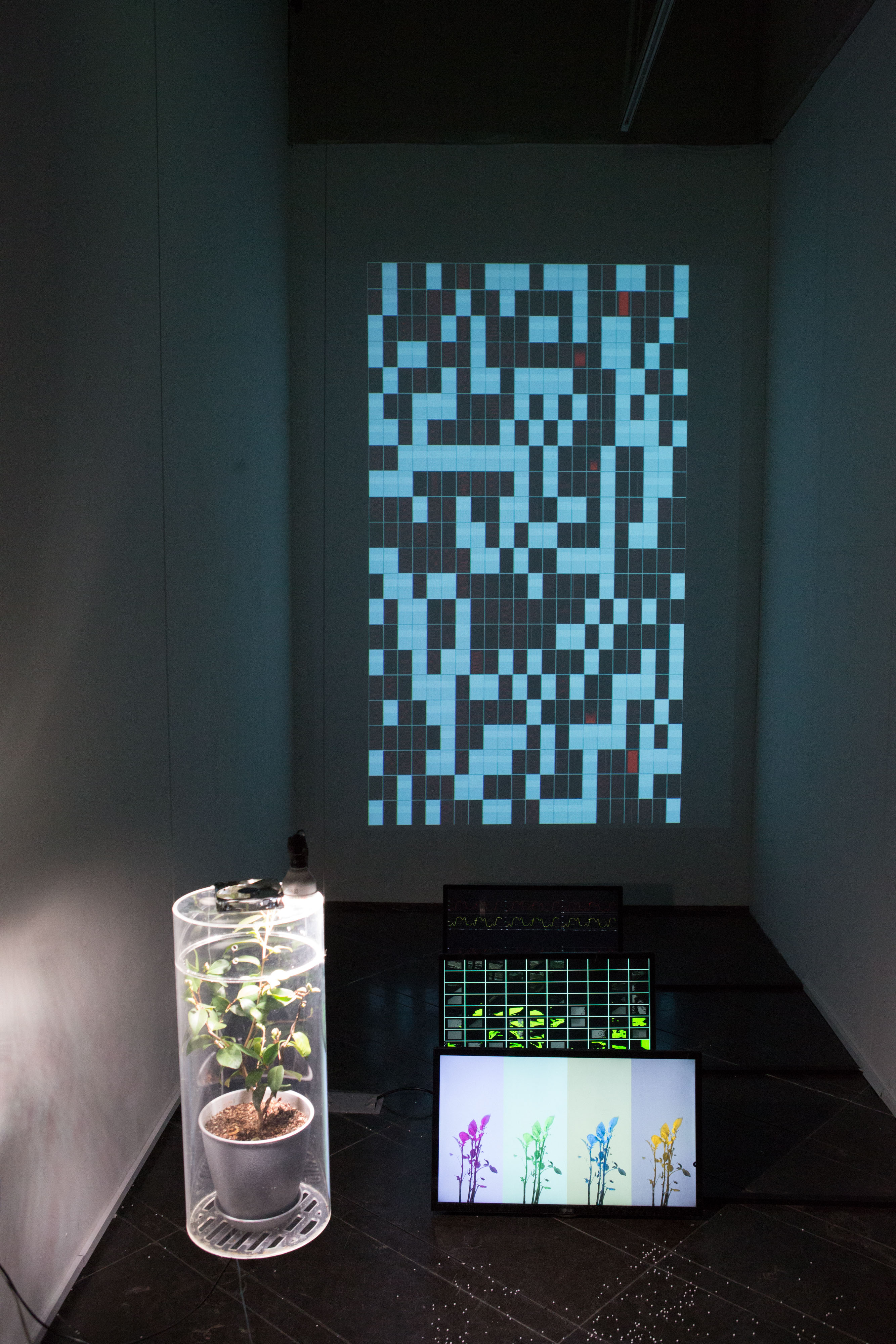
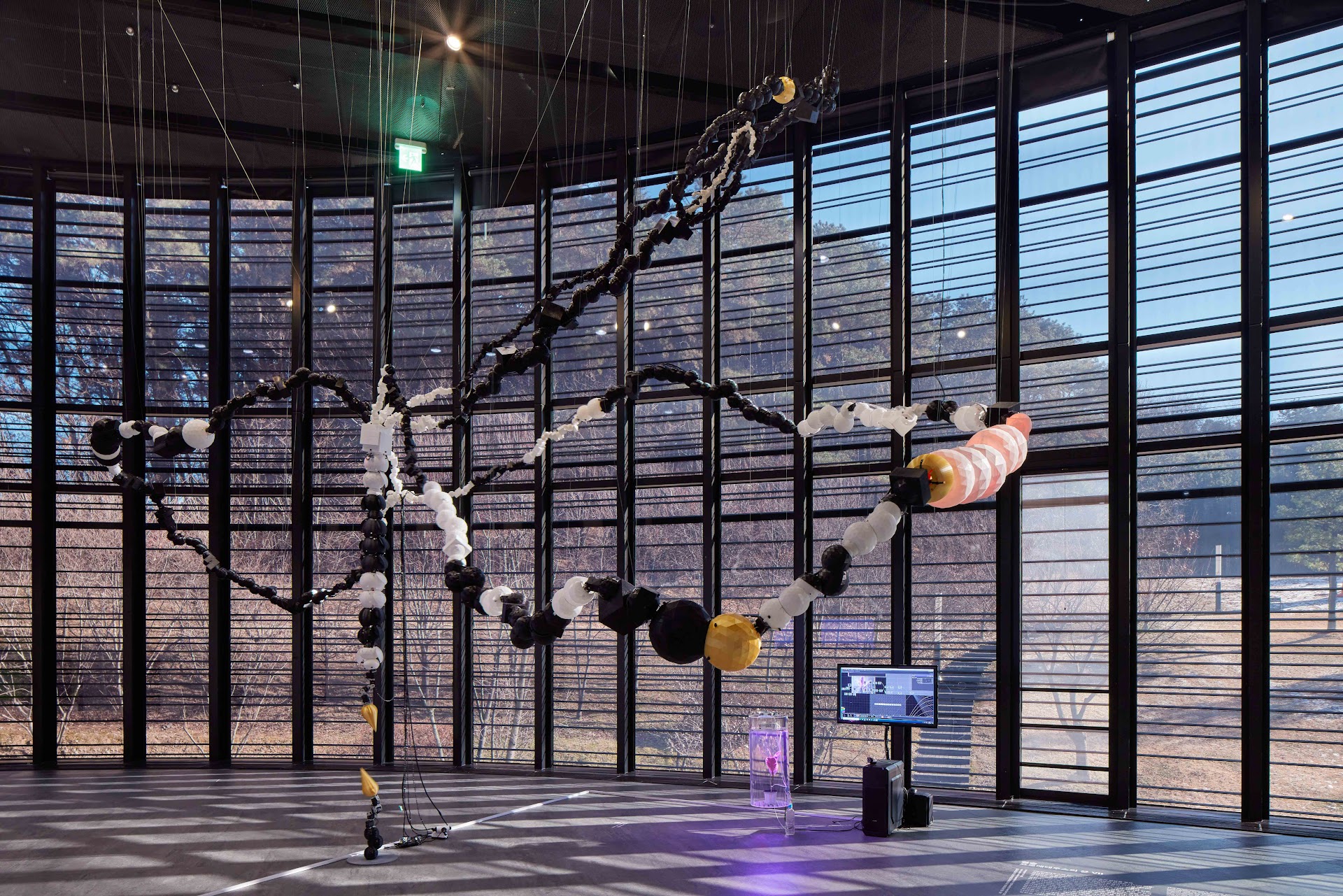
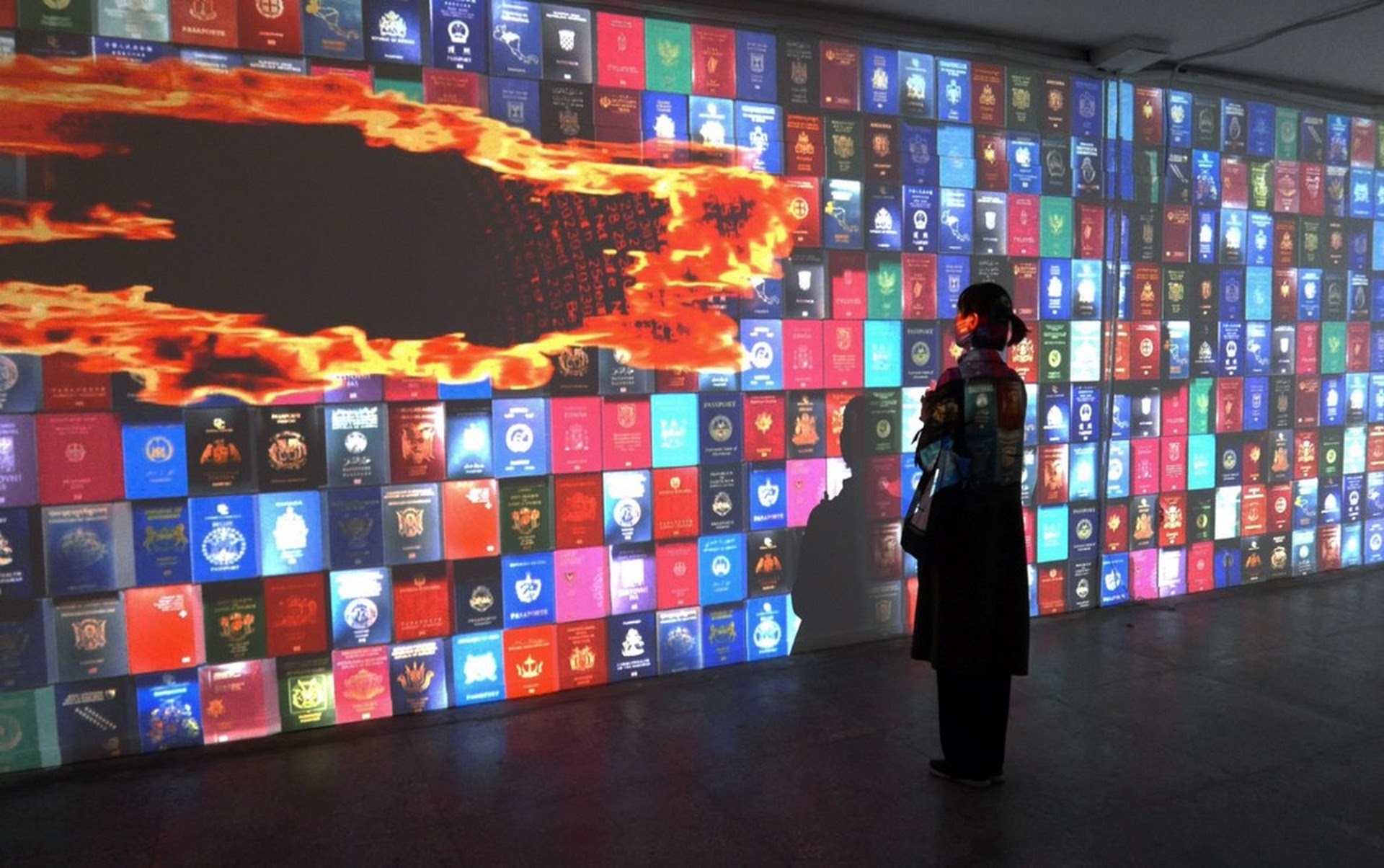
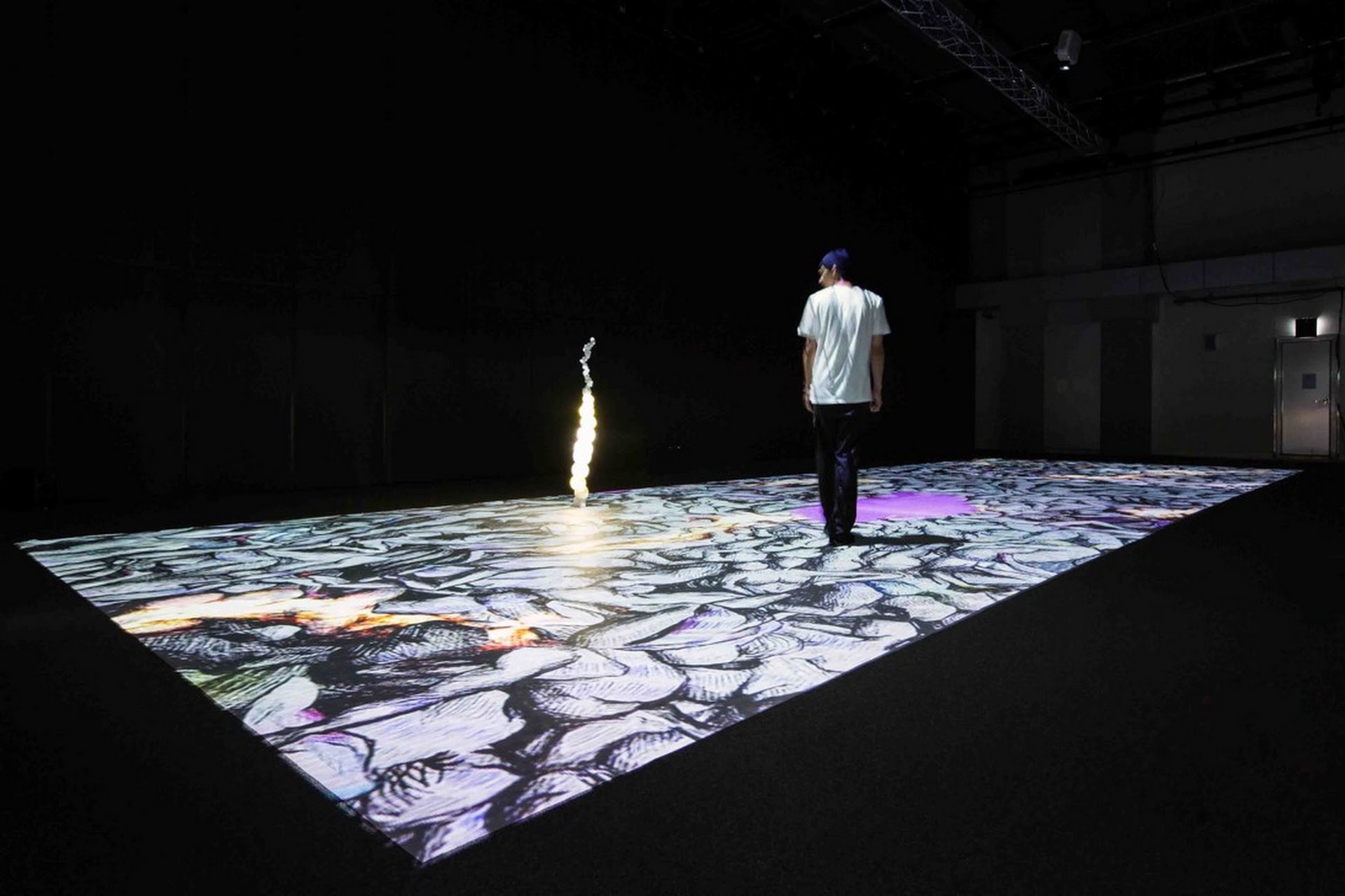
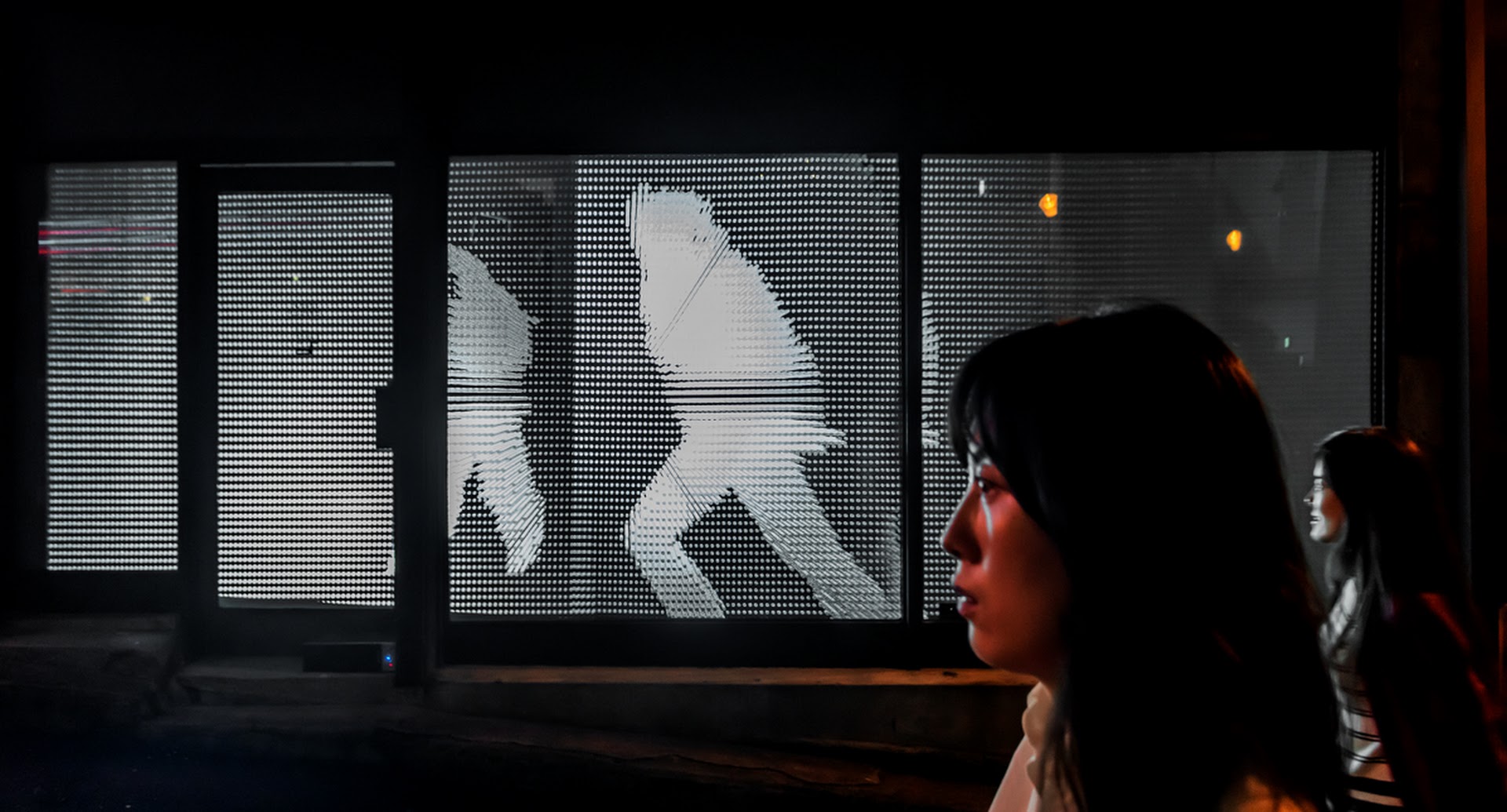
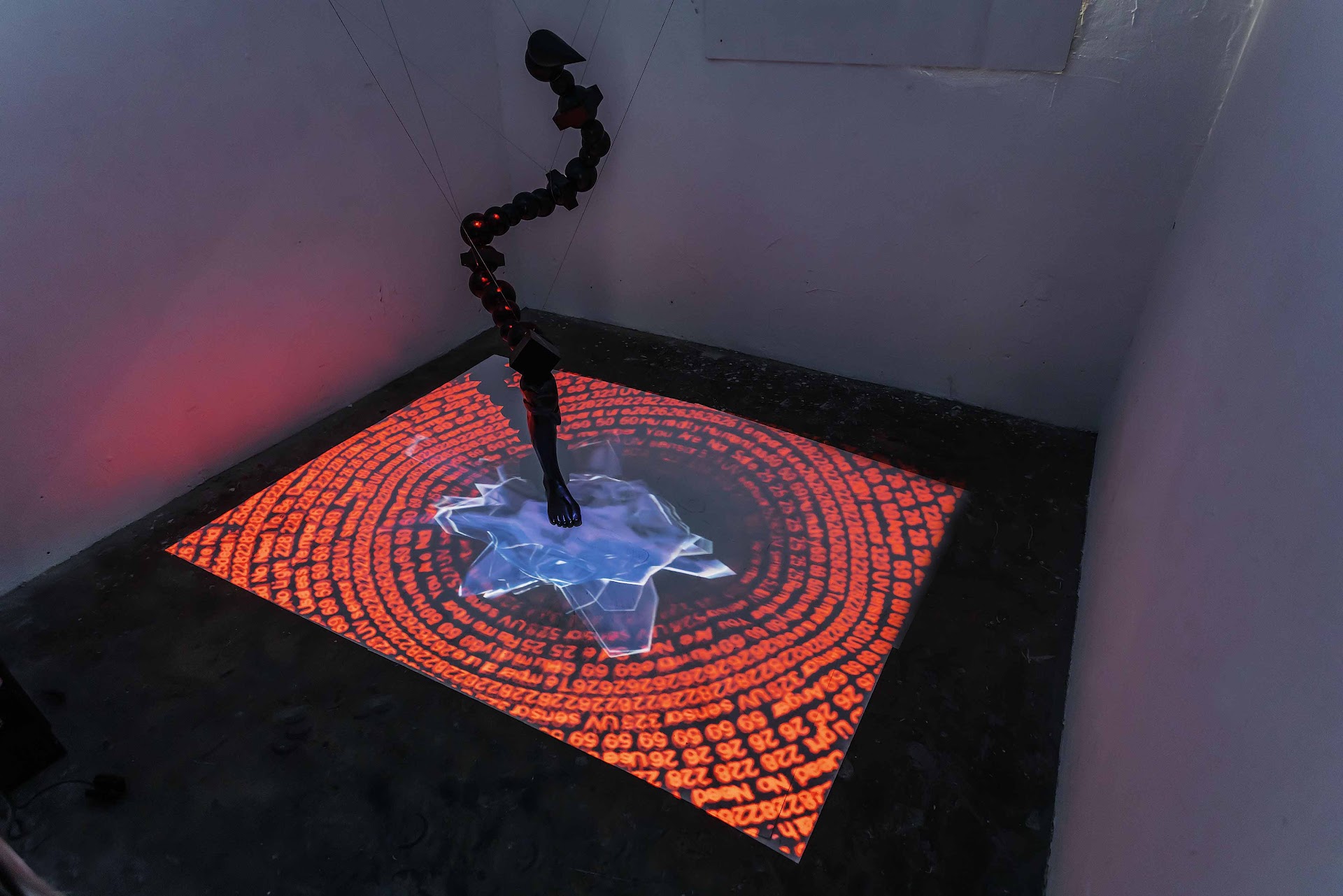
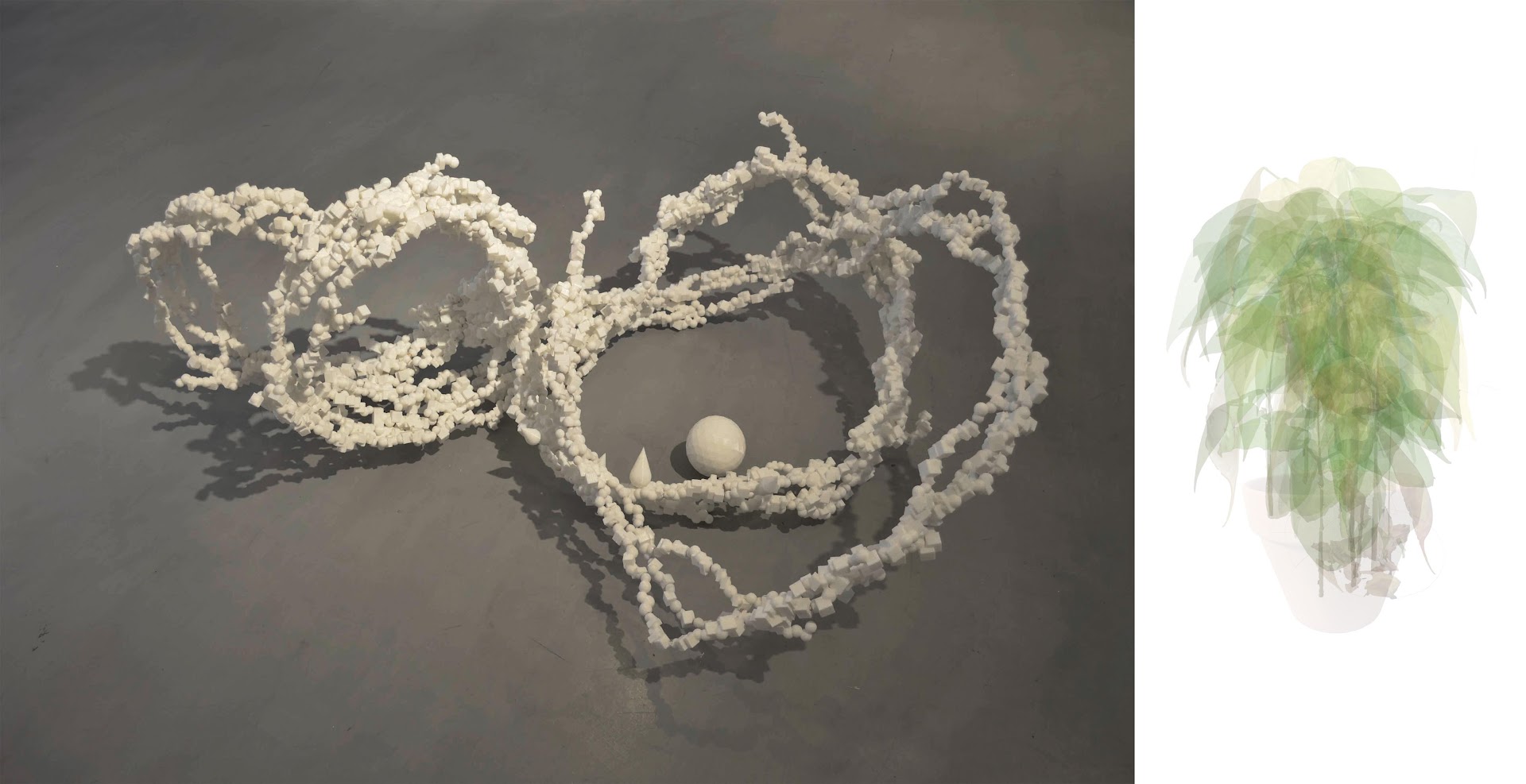
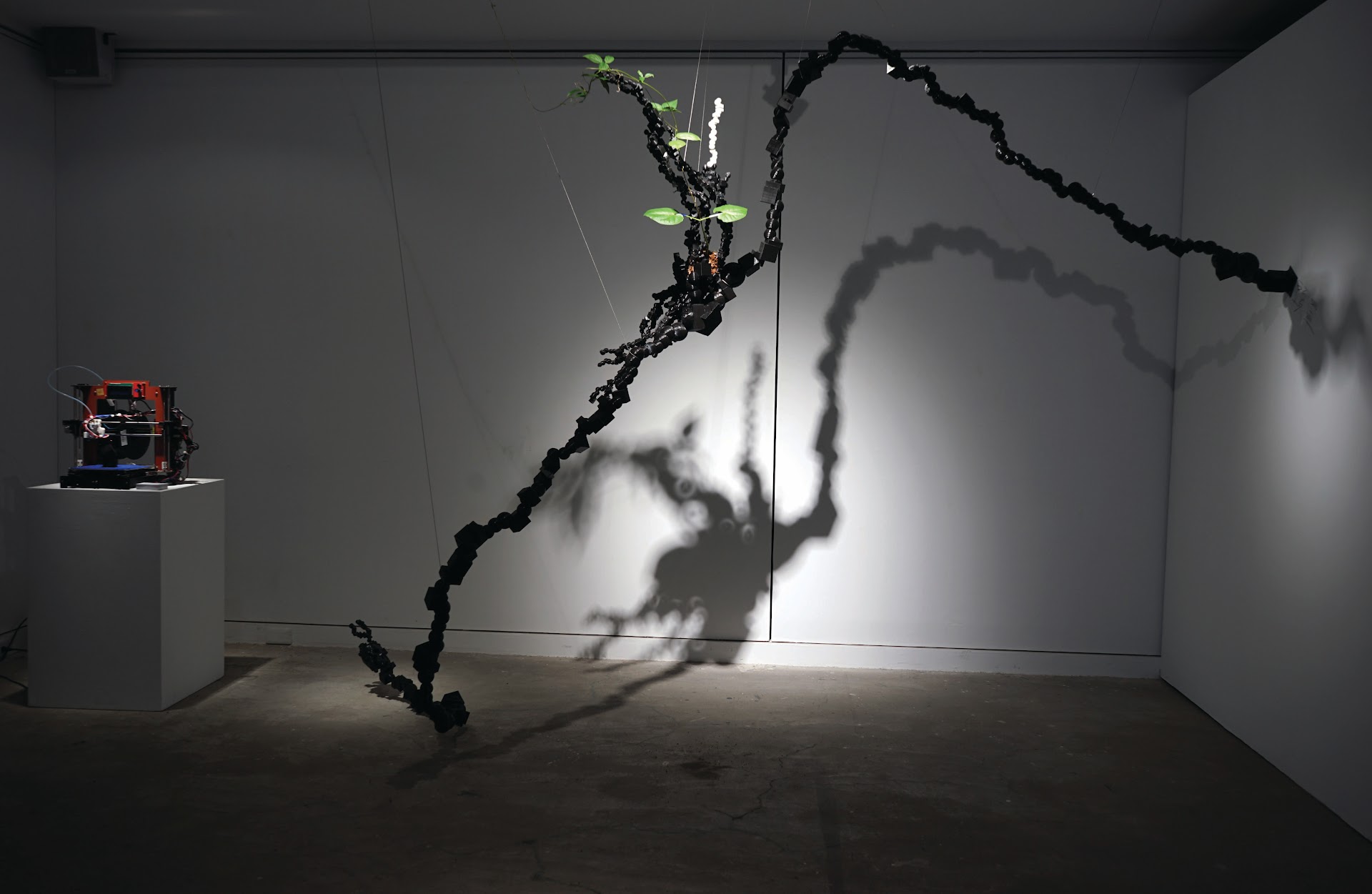
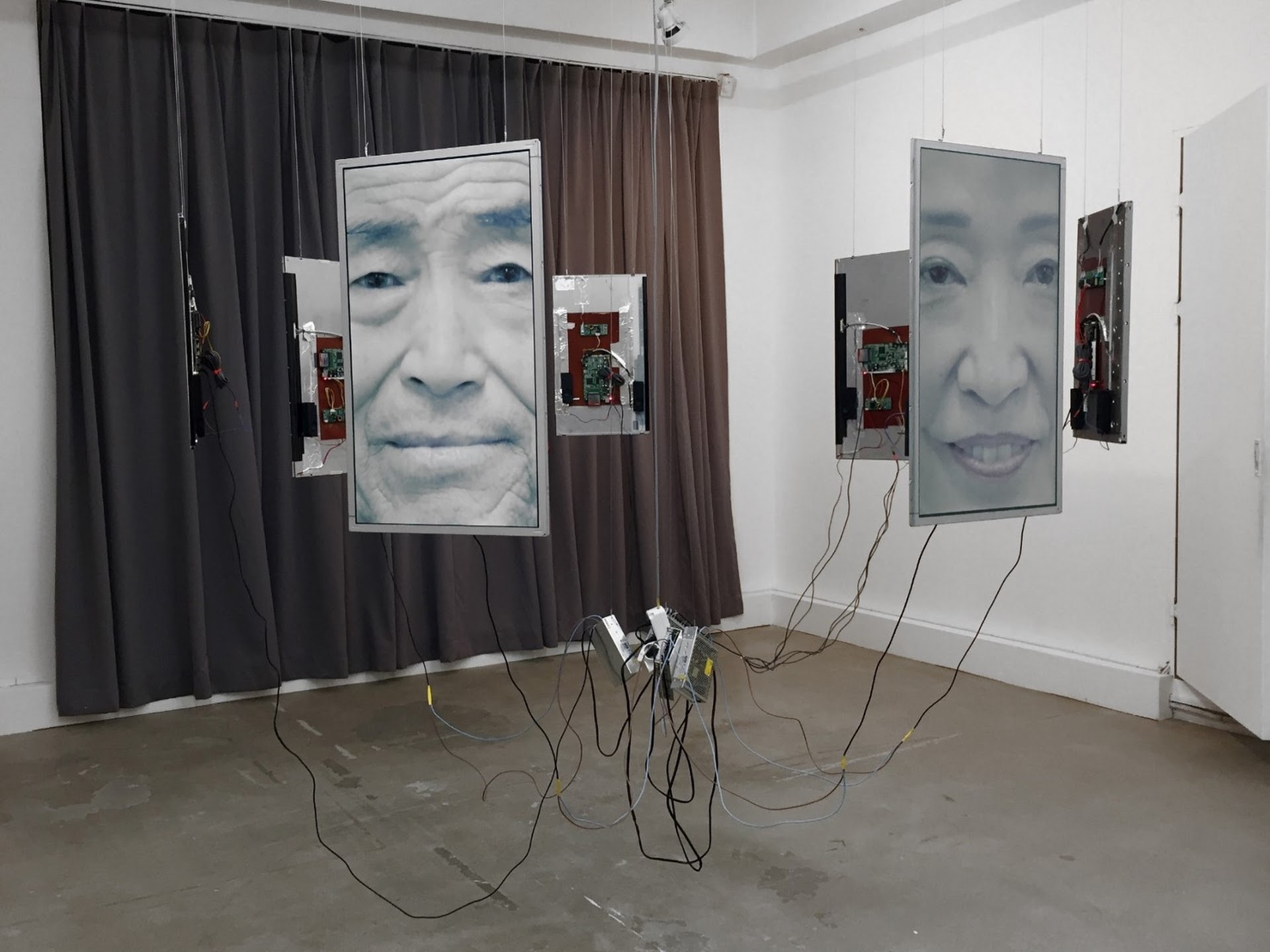
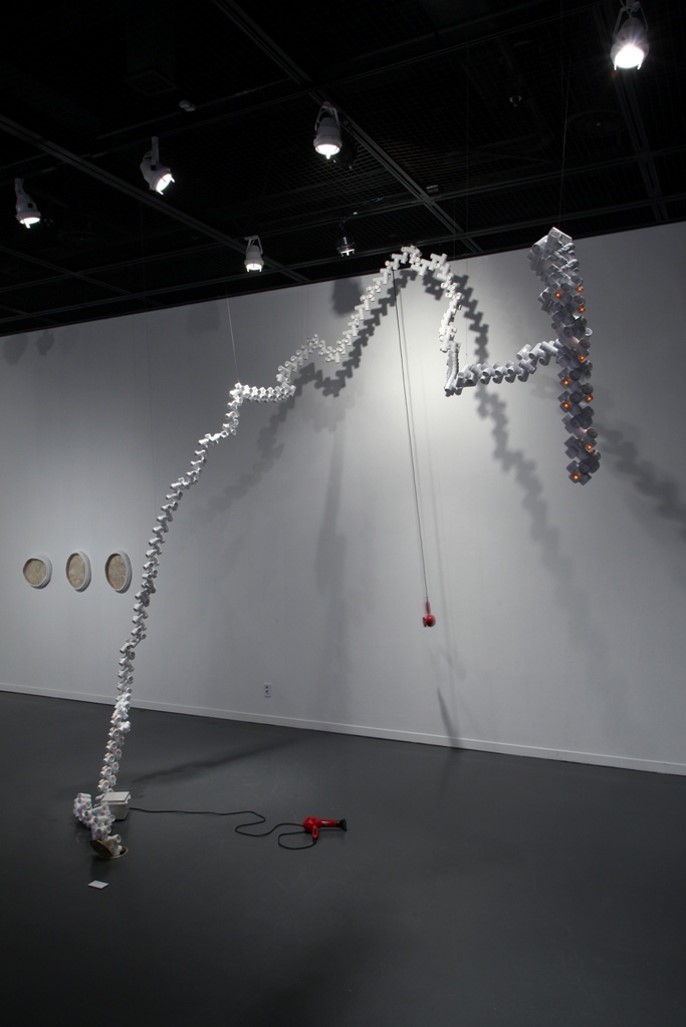
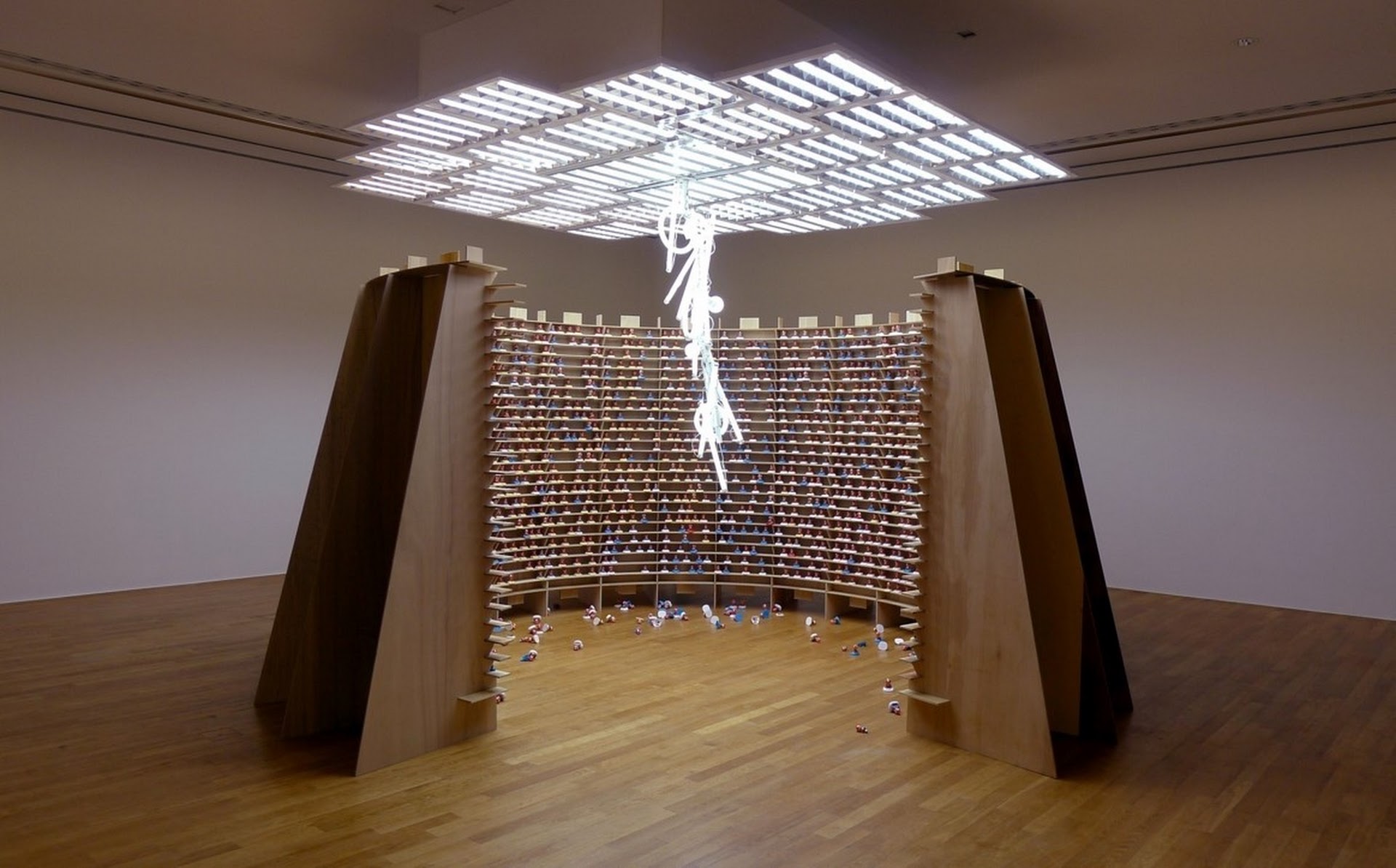
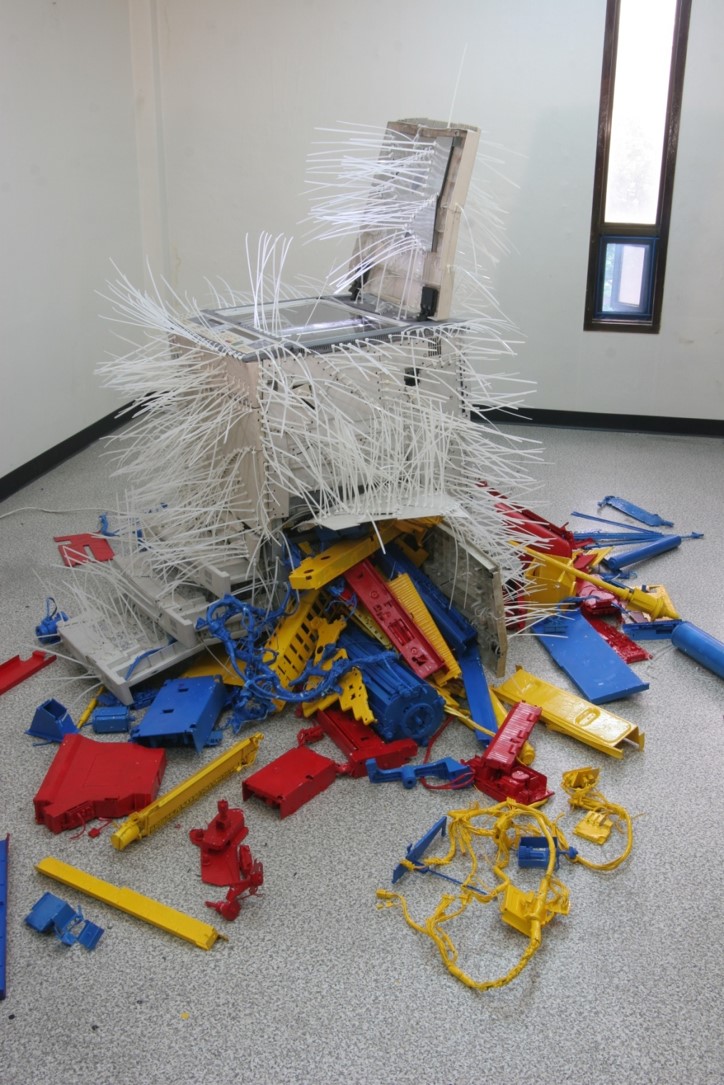
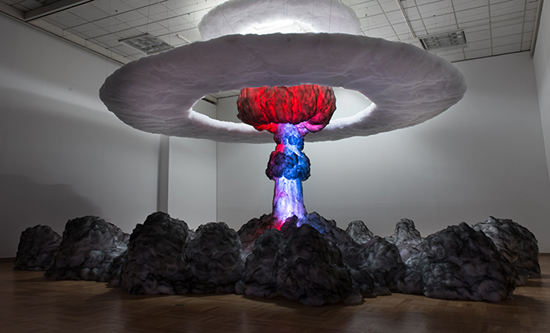
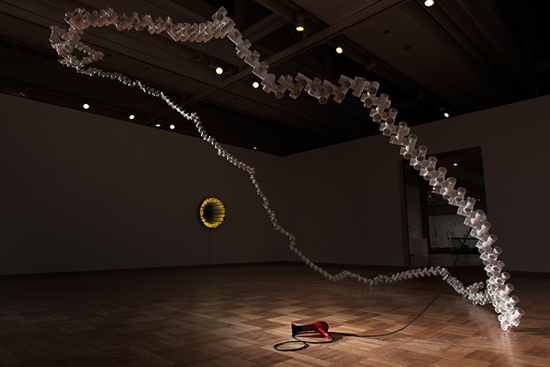
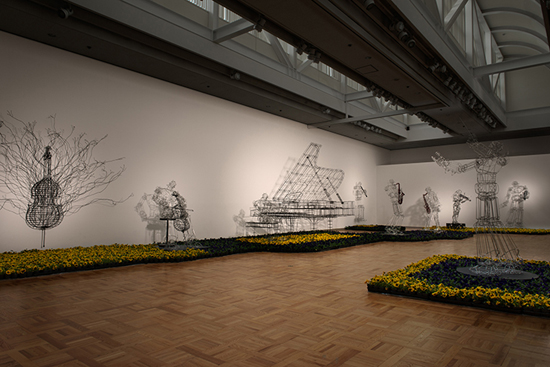
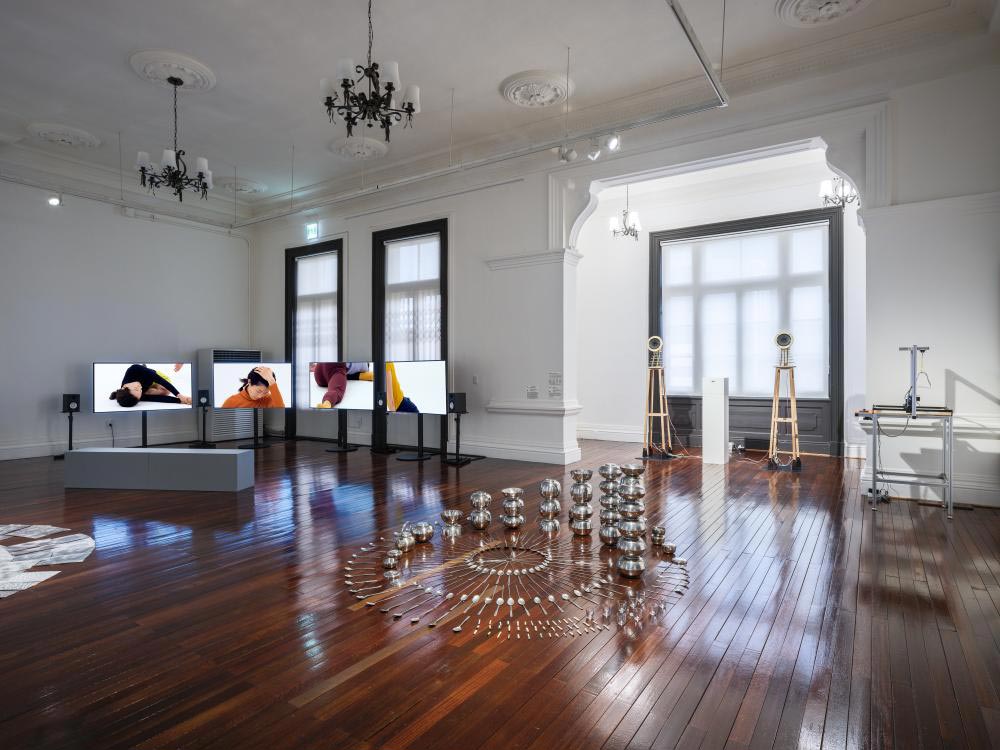
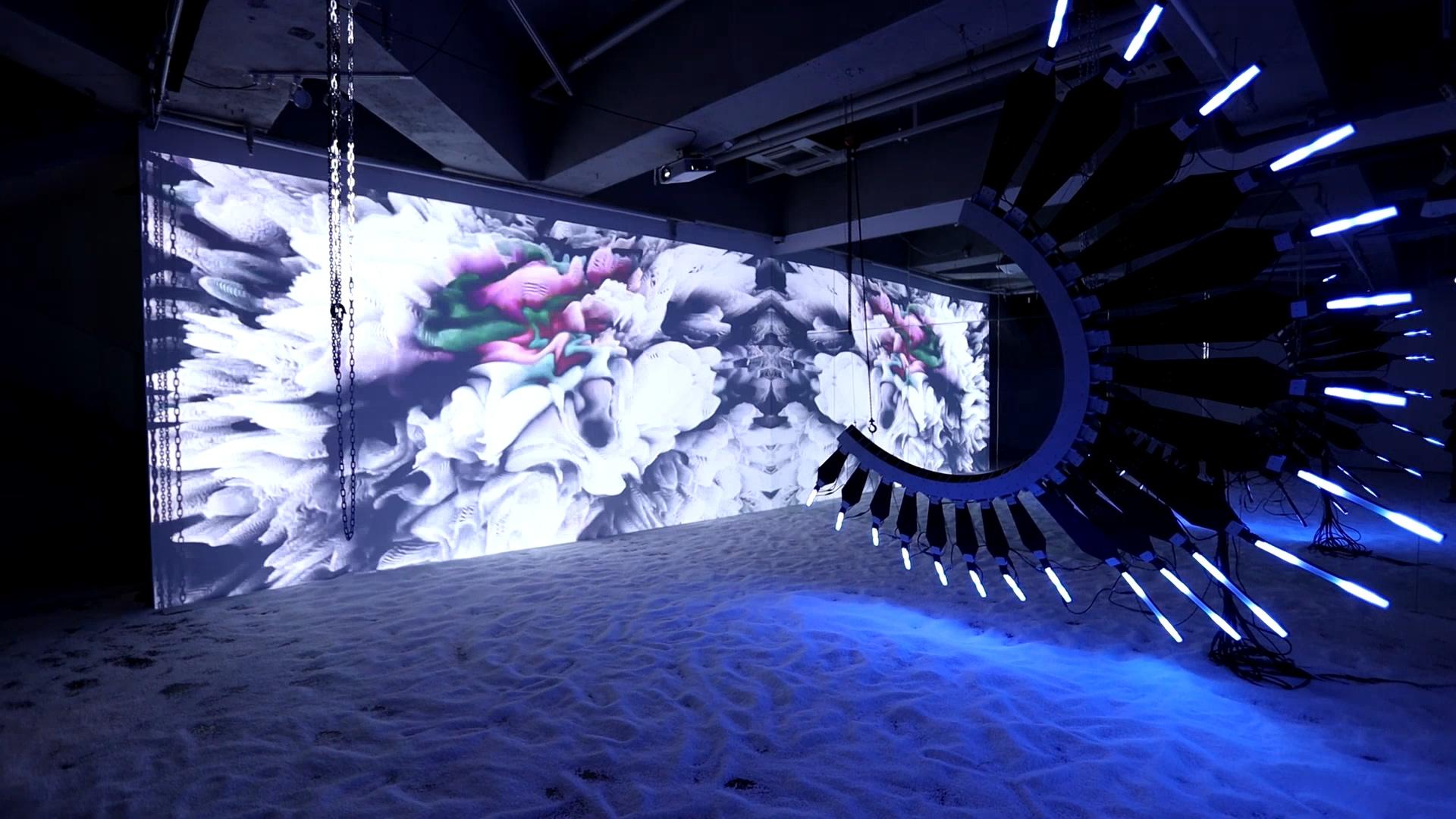
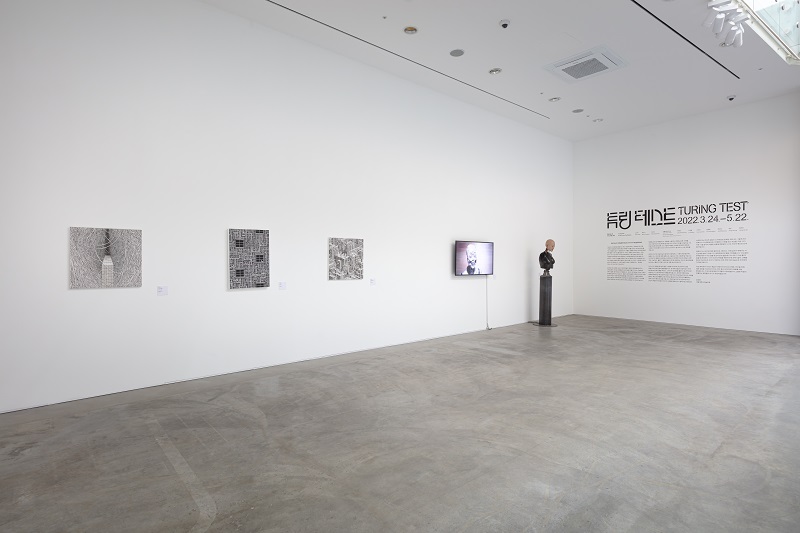
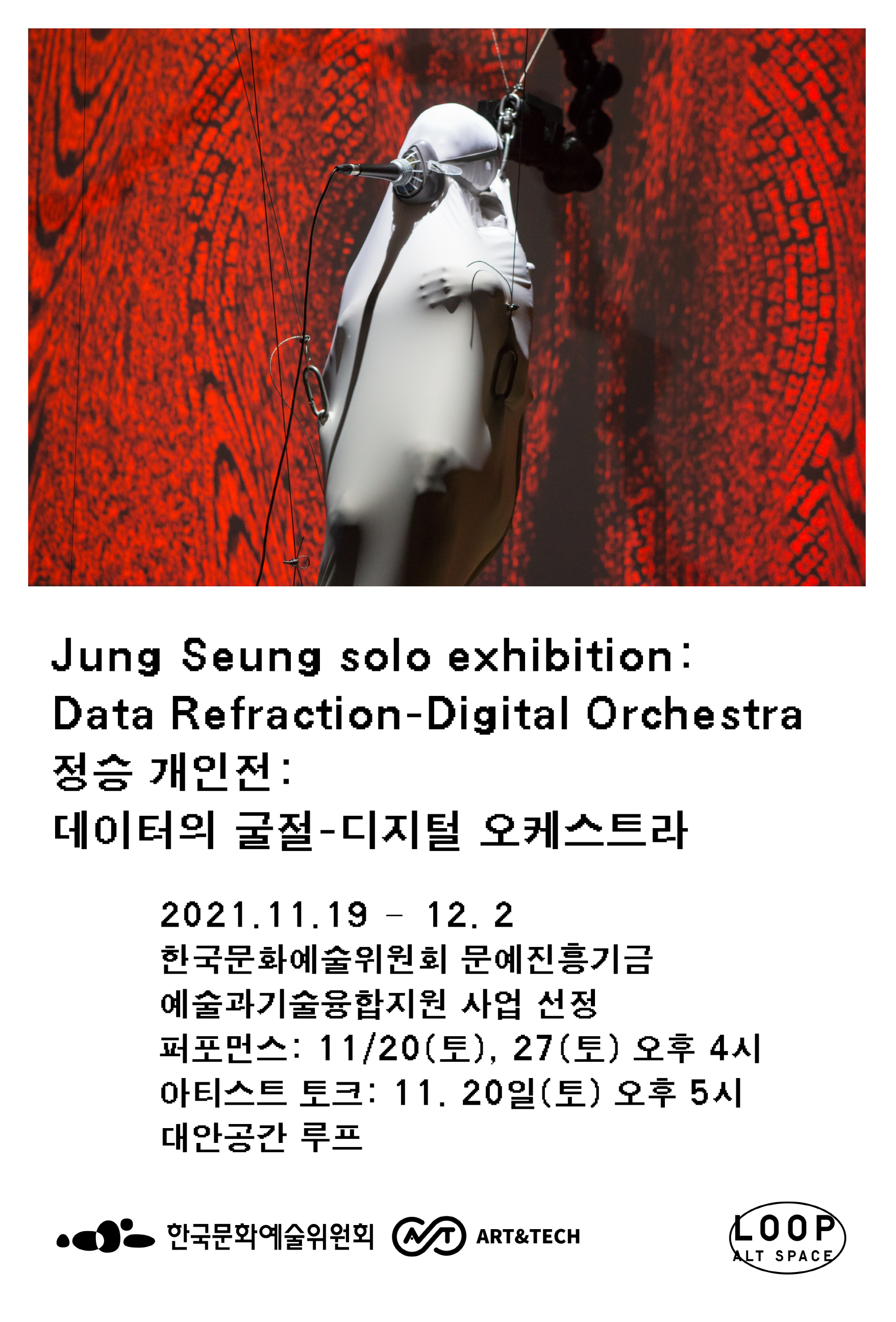
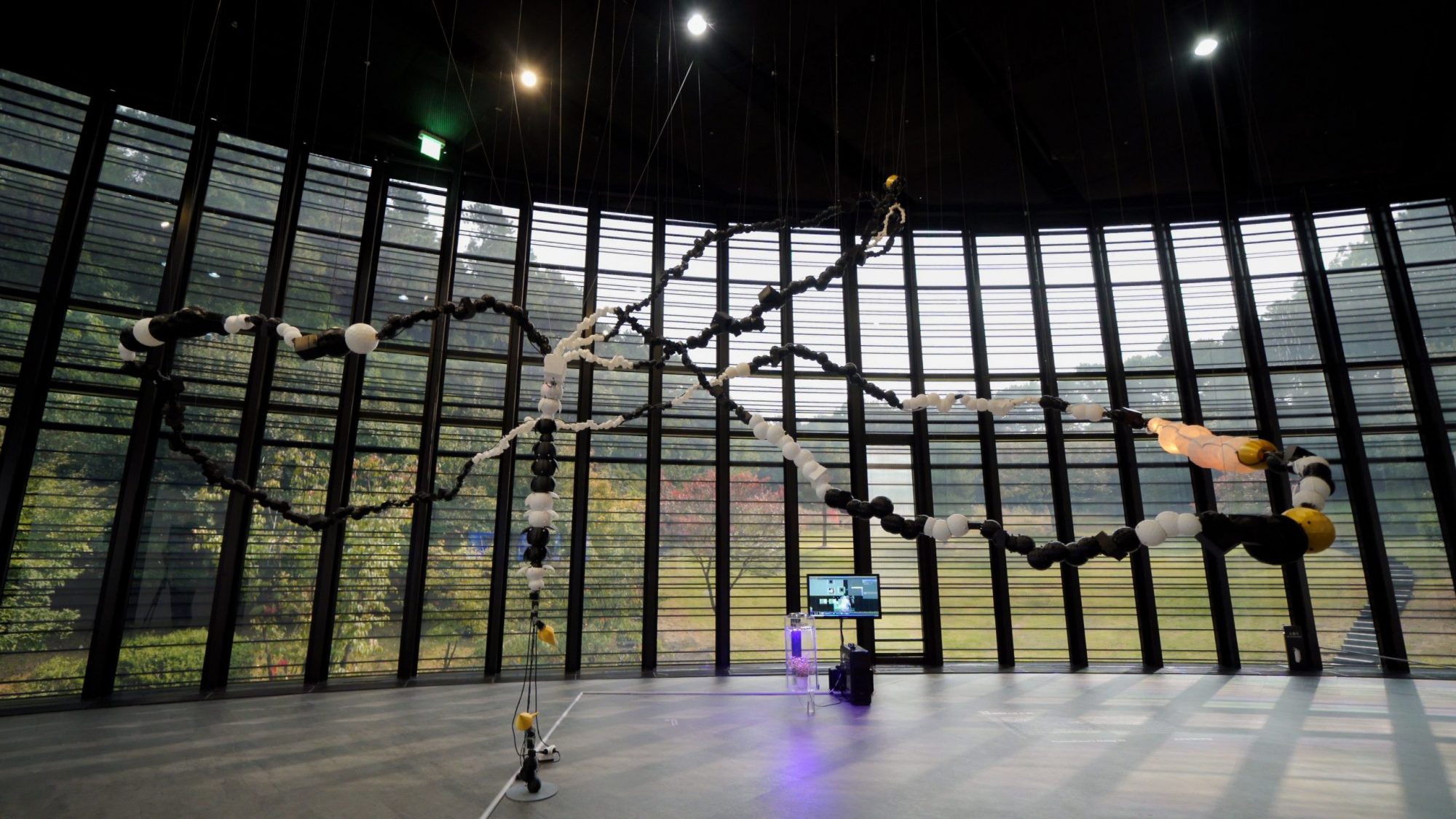
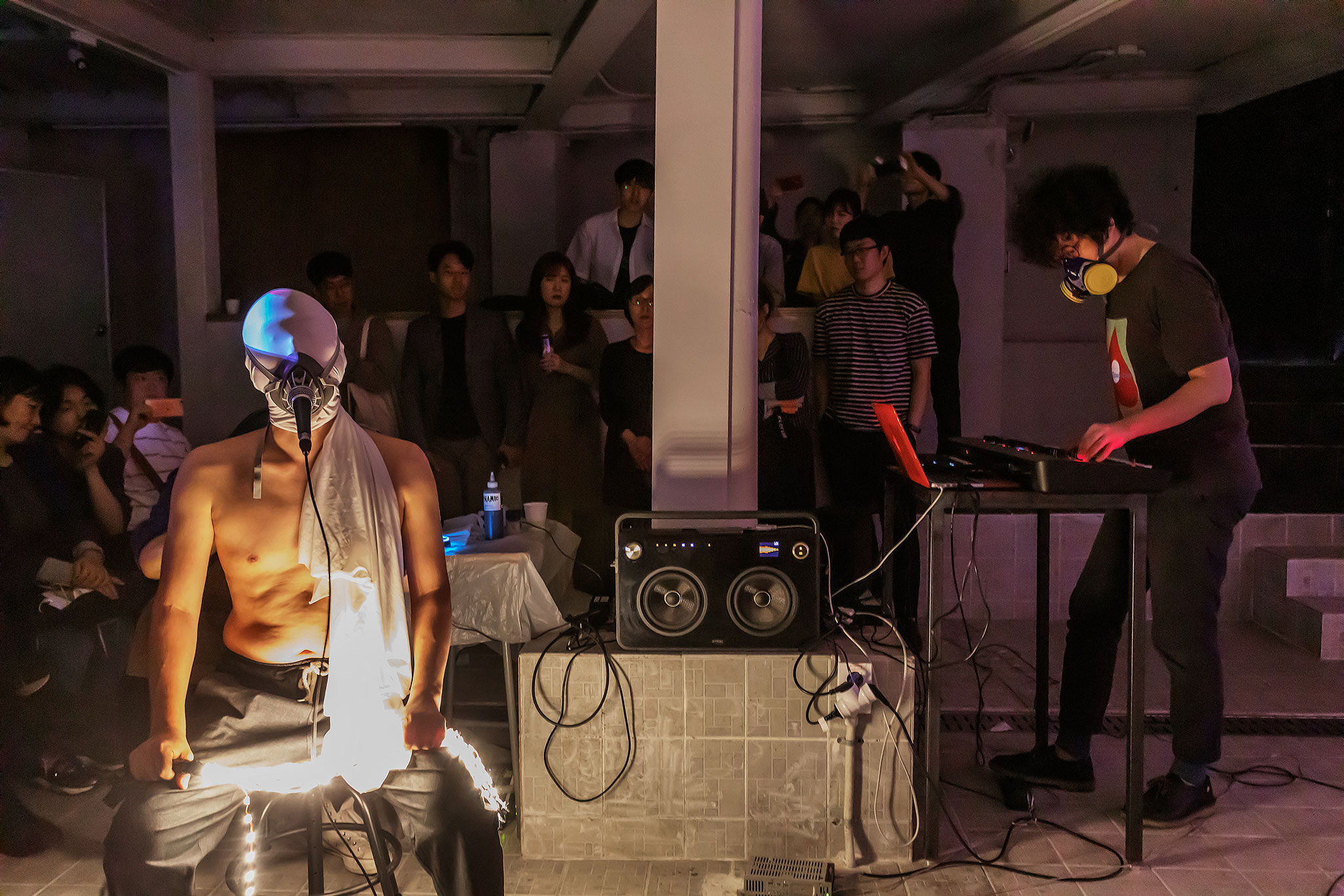
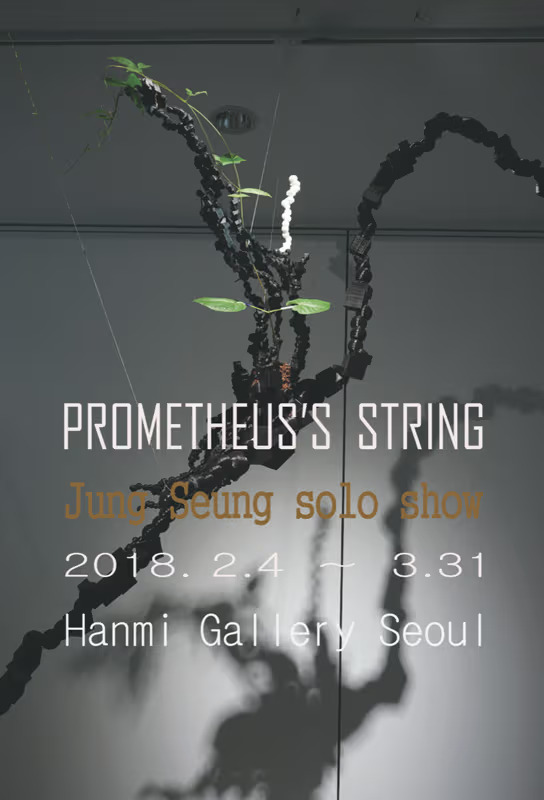
To this end, this exhibition features works by three artists (Kim Taek-gi, No Dong-sik, and Jung Seung), most of which take the form of installation art. The installation format, which possesses strong theatrical elements, allows for the synesthetic reception of physical and psychological values.
The works are composed of pieces designed to induce a mechanism of subjective and active appreciation, enabling not only the illusions arising from observing the objects used in the installation themselves, but also the recontextualization of the presented objects within the work to focus on narrative structures related to the viewer.
To achieve this, the focus was placed on introducing works where "poetic sensibility" is immediately perceived upon encountering them, rather than on individual themes. The unique individuality of each artist and the characteristics of their works were respected to the utmost. As artists living through a hybrid era, they distinctively propose diverse and differentiated viewpoints.
The submitted works include pieces that existed only as concepts or sketches for the artists, works that serve as a turning point for a new leap or the next stage of their current work, and works that allow them to reflect on their future direction through a re-examination of their early works. Additionally, new works produced over a period of more than eight months are introduced, enough to constitute solo exhibitions for three artists.