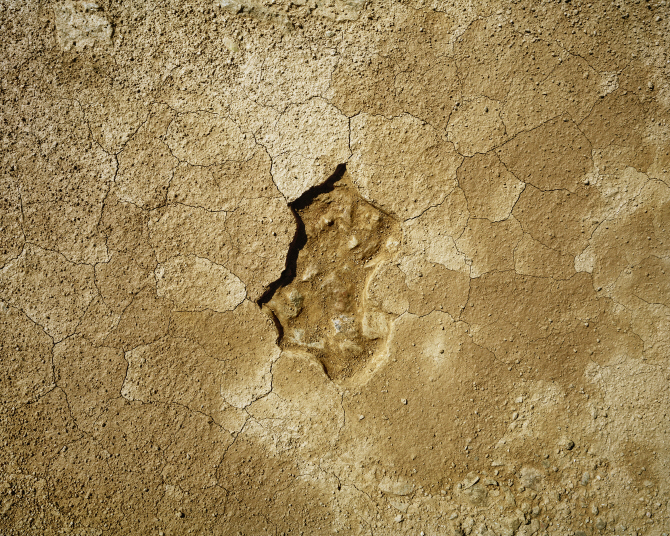

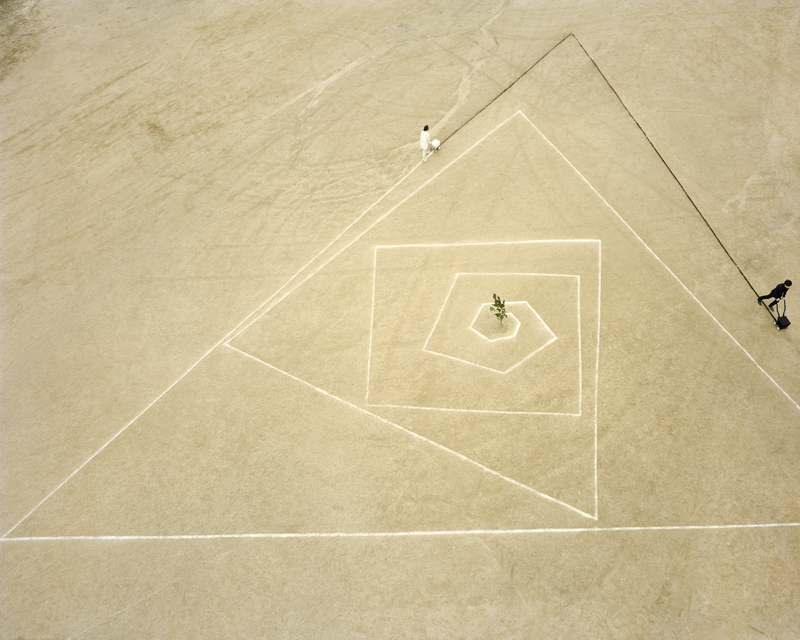
Captured nature_Tree #7 - K-ARTIST

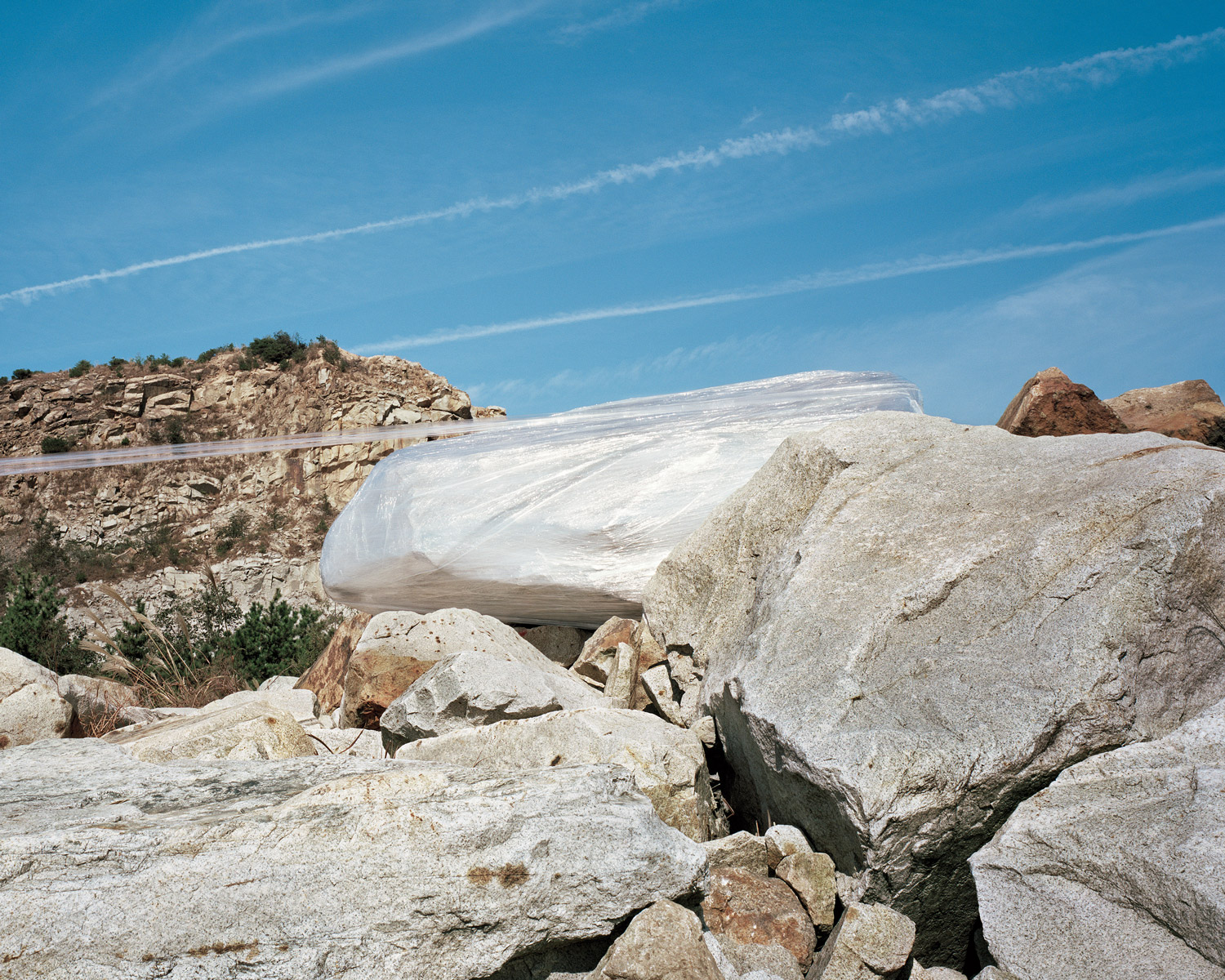
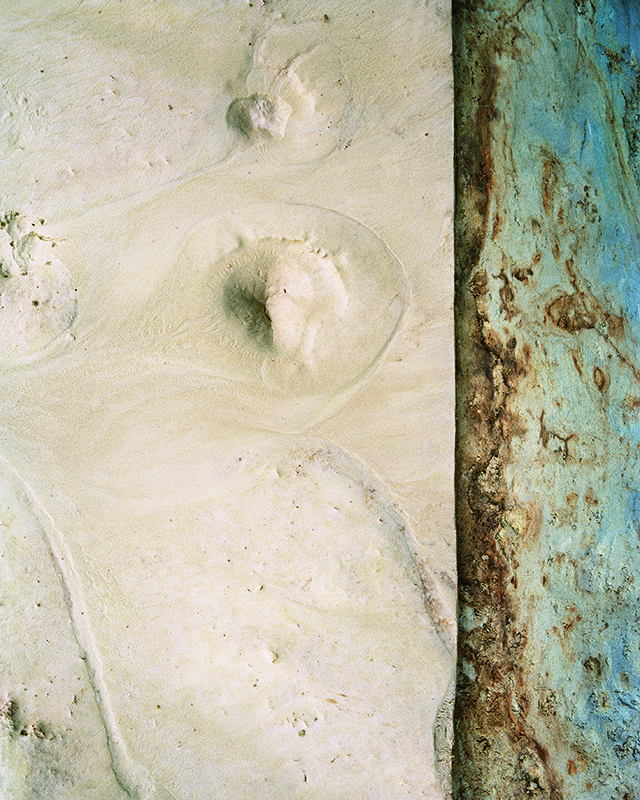
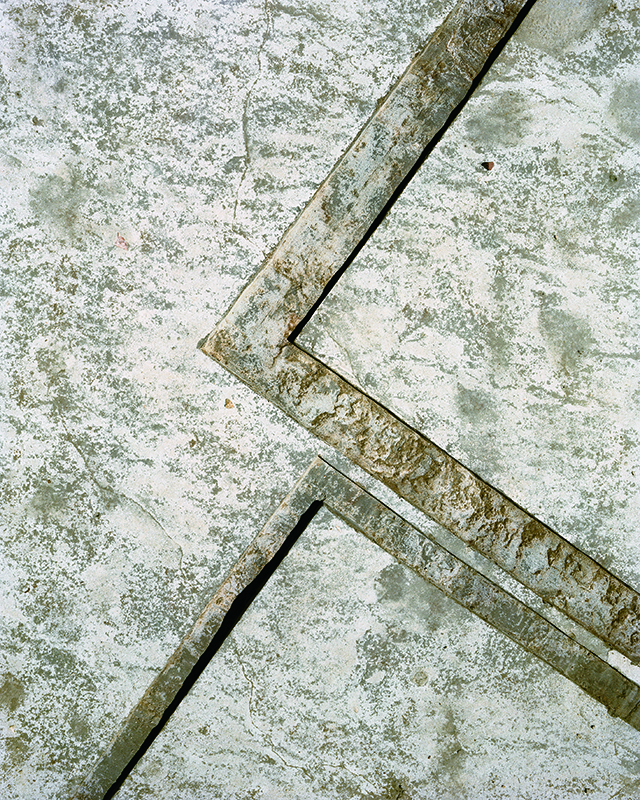
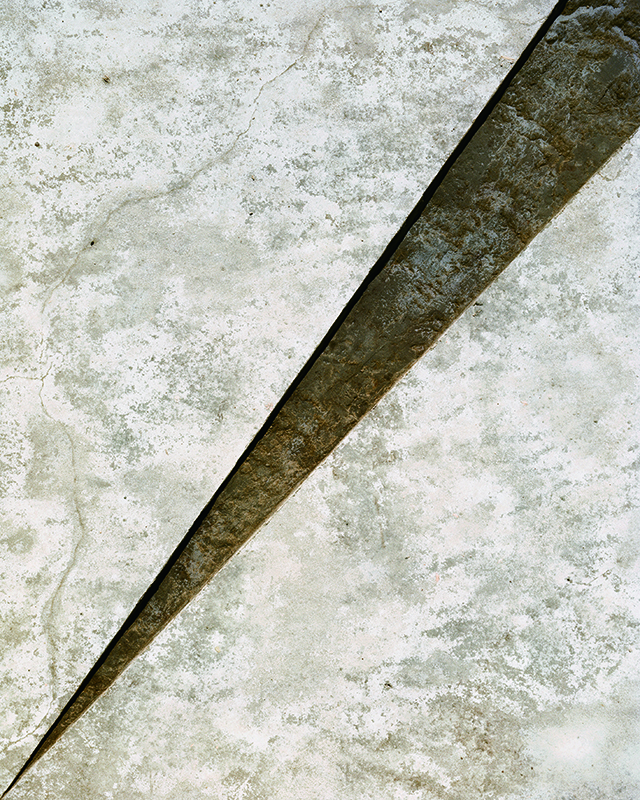
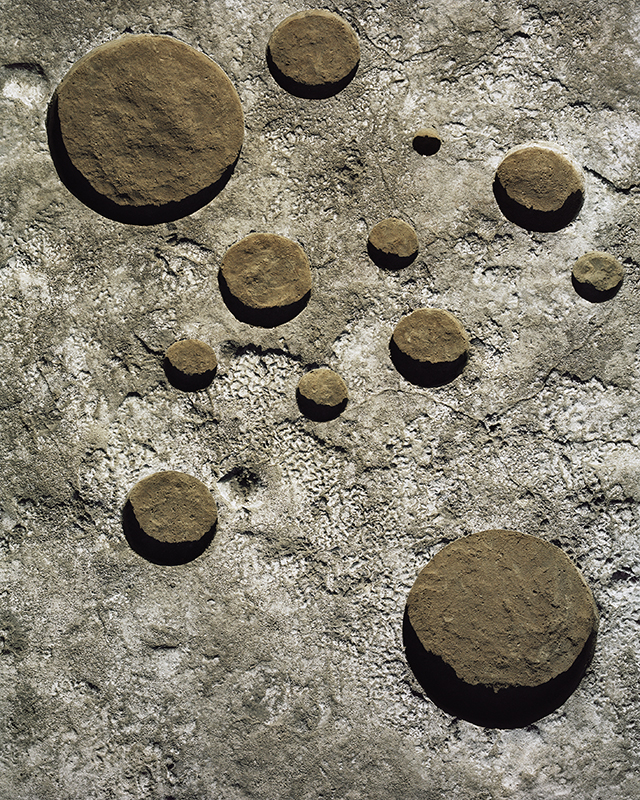
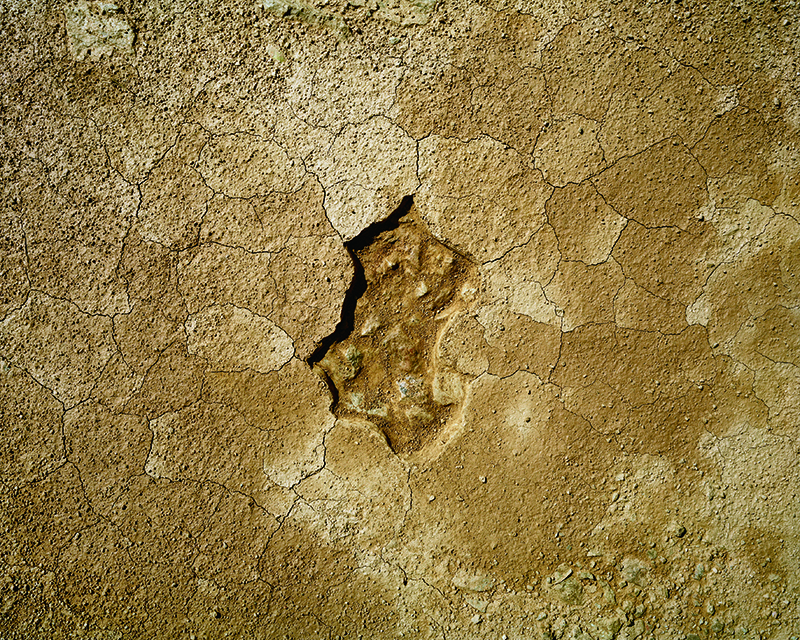
Captured nature_Tree #7

2012
Inkjet print
120 x 150 cm
About The Work

Hyongryol Bak’s practice begins with questions surrounding the relationship between humans and nature, particularly how human desire and the logic of development occupy and transform the natural environment.

For Bak, land is not simply landscape, but a site where power, desire, development, and violence intersect. He has continuously explored “in-between spaces,” such as reclaimed tidal lands awaiting redevelopment or neglected terrains left abandoned after development projects, visualizing conditions of land that are endlessly reorganized by human intervention. 

His work therefore extends beyond merely exposing environmental issues or reproducing scenes of destruction, arriving instead at a more fundamental question: can humans truly possess nature? Through repeated actions of digging, covering, exposing, and restoring the earth, Bak metaphorically reveals the structural relationships formed between humanity and nature. 

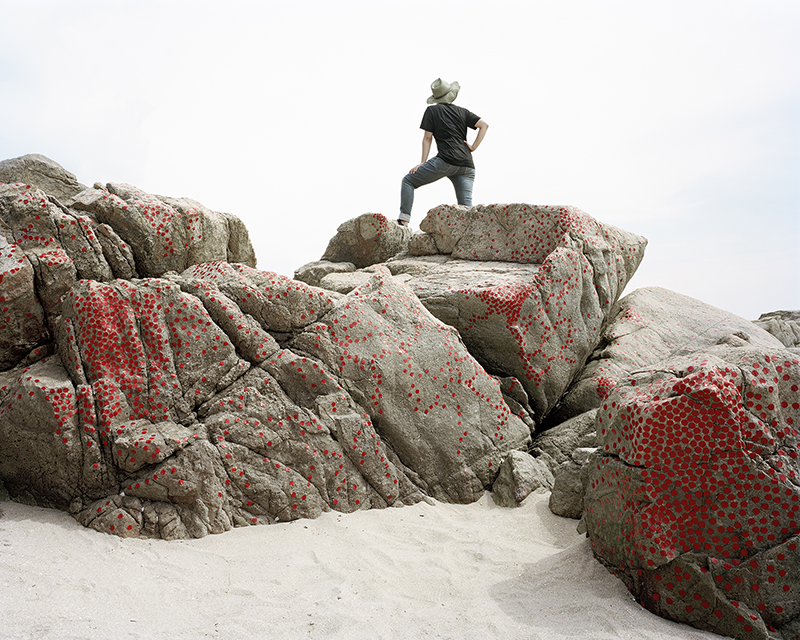
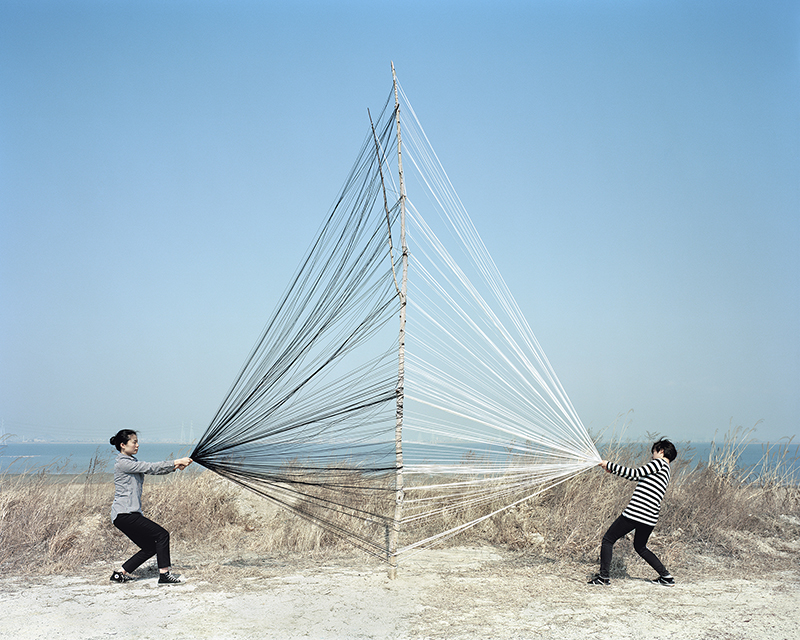
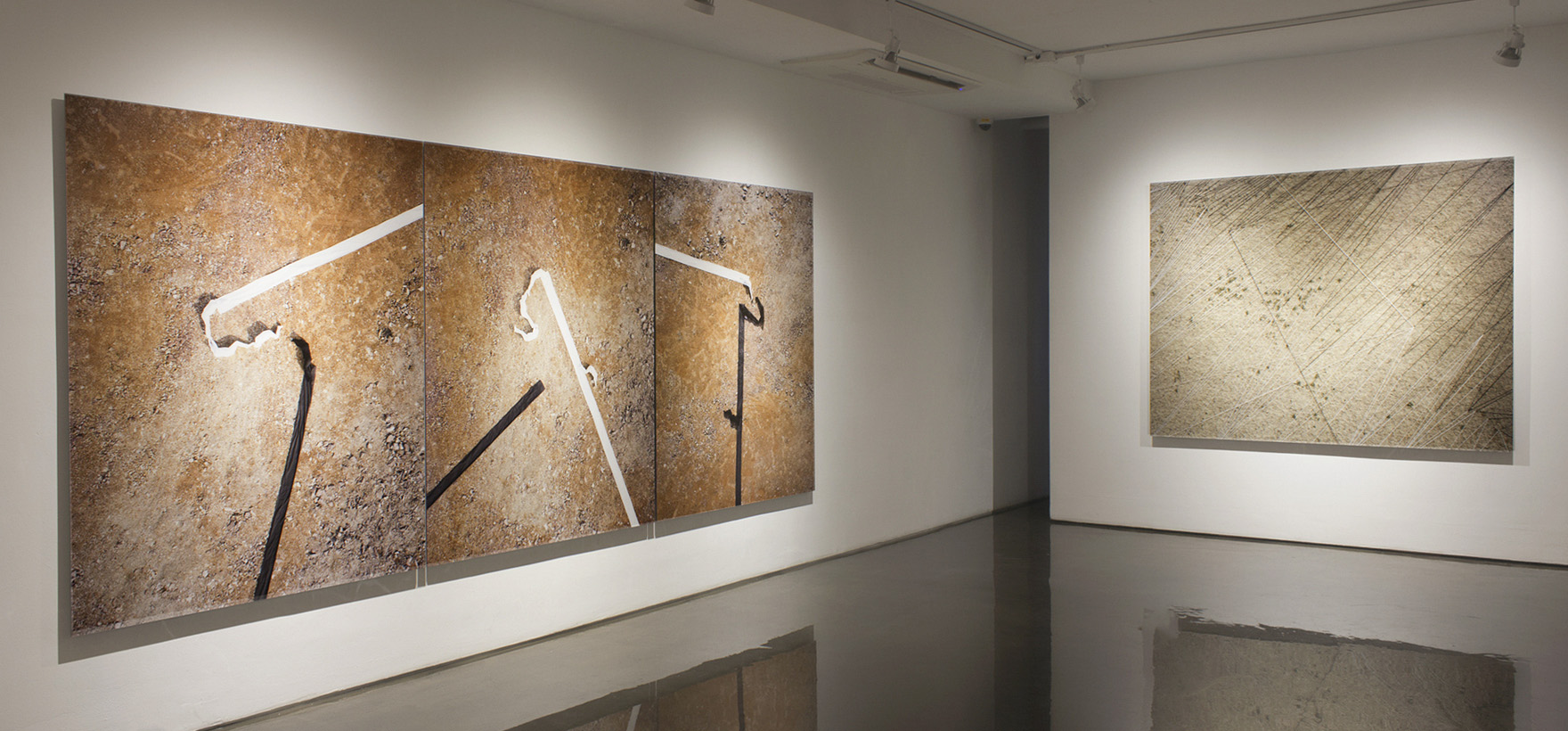
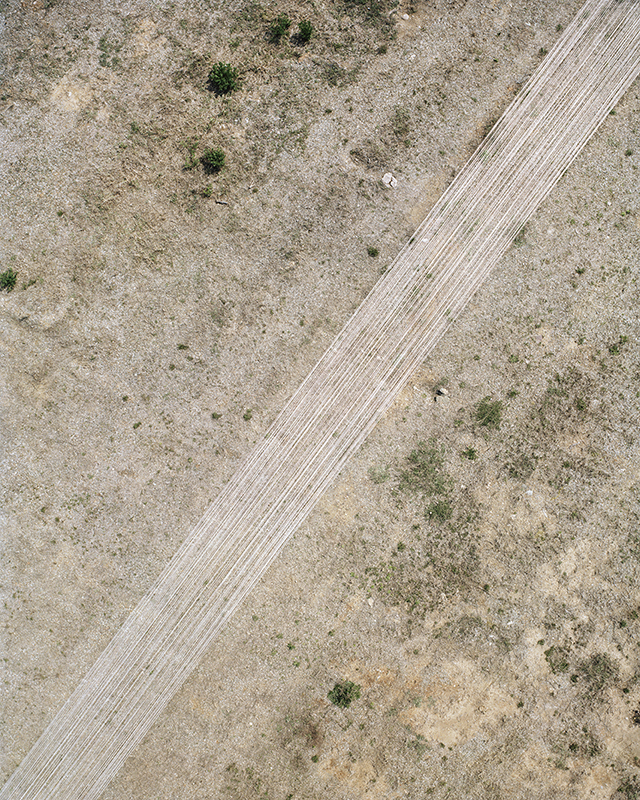
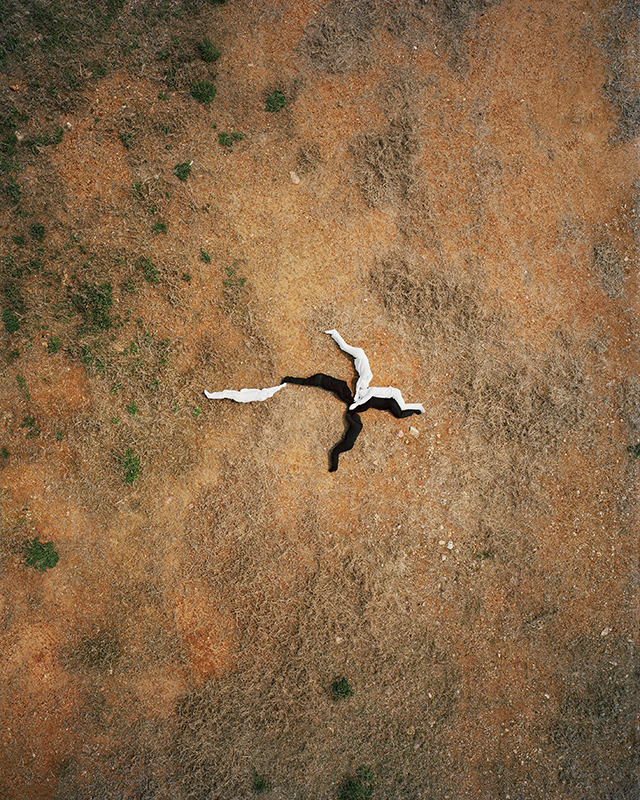
One of the defining characteristics of Bak’s practice is that he never presents nature as it is. Rather than relying on the objective indexicality of the camera, he reconstructs nature into a “manipulated landscape” through his own labor and intervention. By geometrically cutting into the surface of the earth or employing materials such as thread, fabric, stones, and soil to construct new forms, he subsequently translates these interventions into photographic images. 

In doing so, he resists the representational nature of photography itself and foregrounds instead the artist’s subjective vision and conceptual framework. Nature, in his work, does not function as a passive subject matter, but as an entity continuously re-signified through processes of human intervention and conflict.

Rather than directly depicting environmental destruction, Bak encourages viewers to contemplate such events through fractures, traces, and processes of restoration. Ultimately, his practice can be understood as an ongoing attempt to renew ethical and philosophical questions surrounding the relationship between humanity and nature through visual metaphor and performative action.

Solo Exhibitions (Brief)

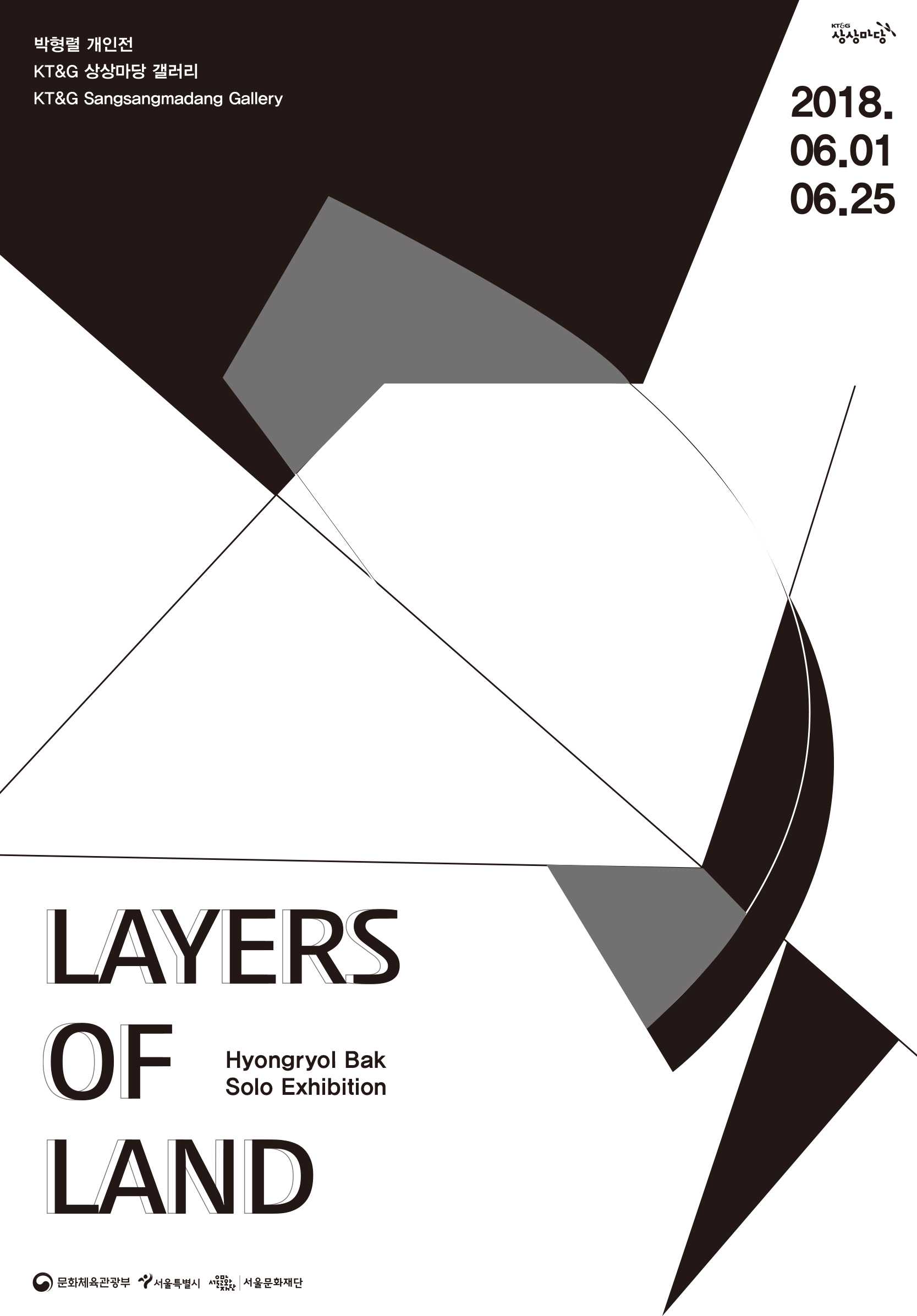
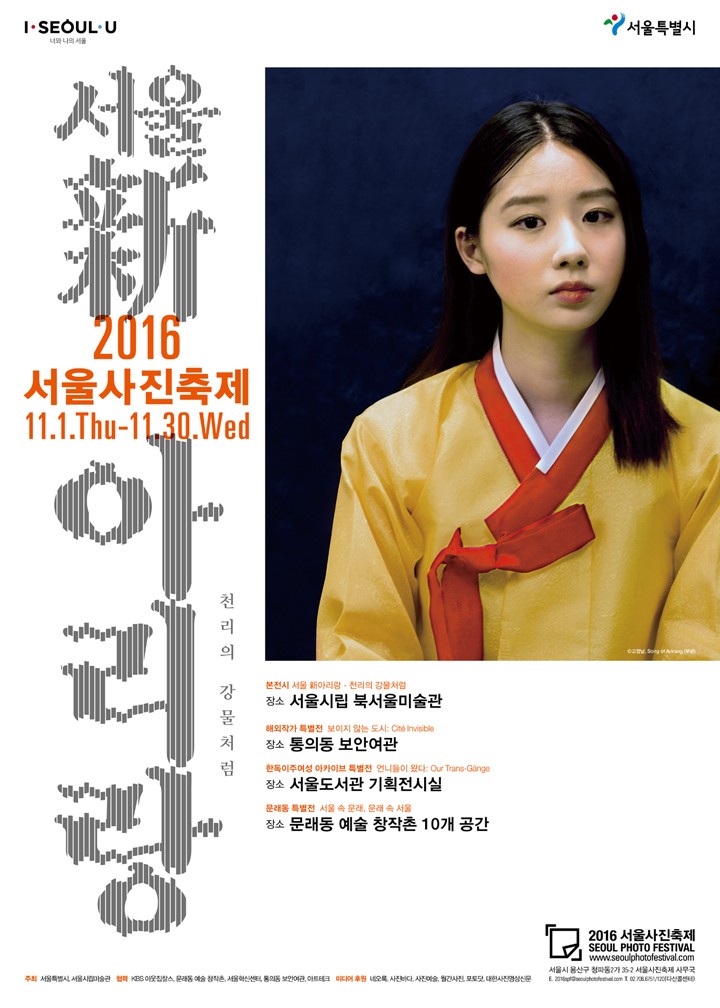
Since his first solo exhibition at Gallery Boda Contemporary, Seoul in 2009, Hyongryol Bak has presented solo exhibitions at major institutions and venues in Korea and abroad, including SongEun Art Cube, Seoul (2013), BMW Photo Space, Busan (2015), Fondation Manuel Rivera-Ortiz, Arles (2016), ILWOO Space, Seoul (2019), Sungkok Art Museum, Seoul (2022), and Museum Hanmi Samcheong Annex, Seoul (2024).

Group Exhibitions (Brief)

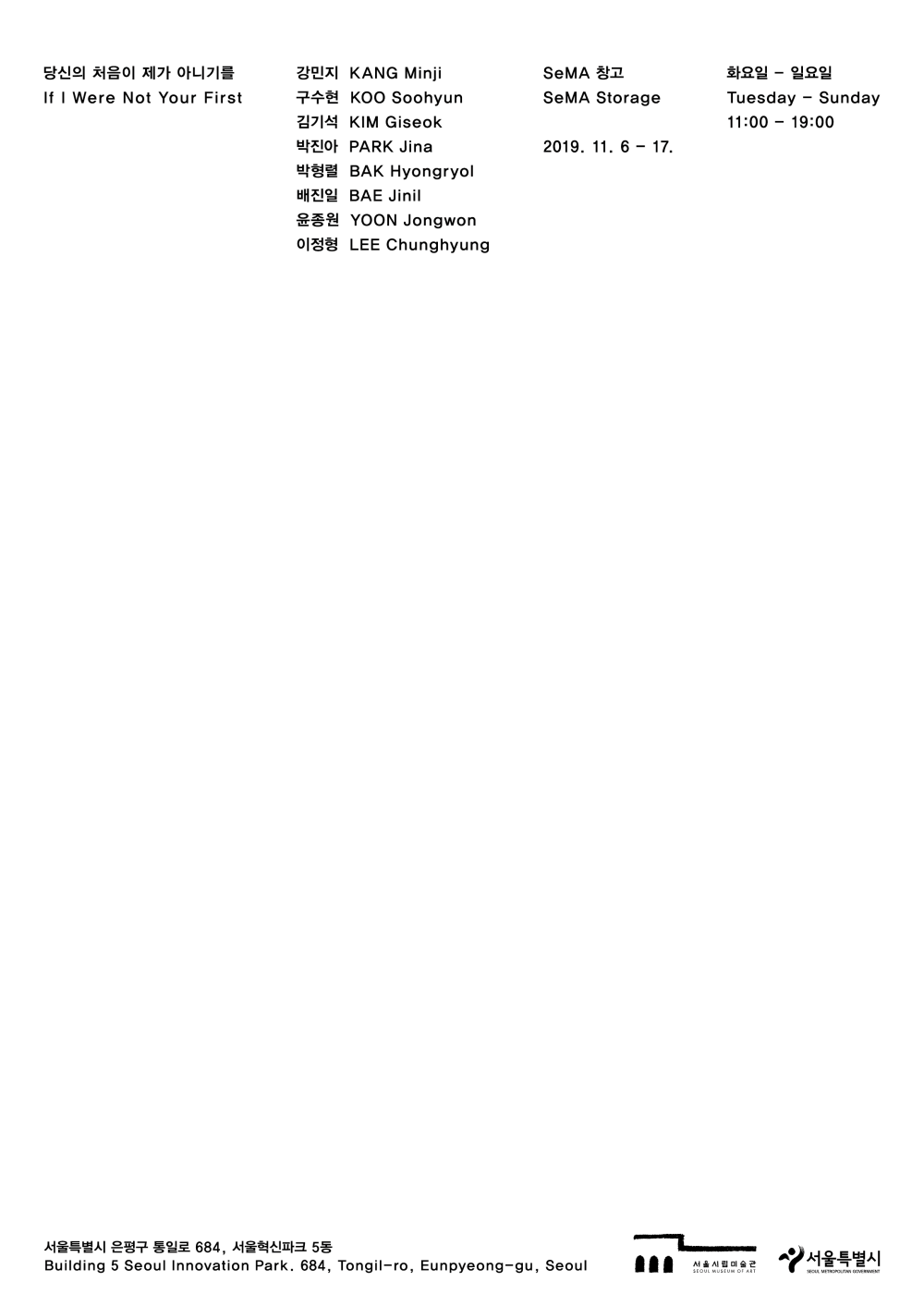
Hyongryol Bak has participated in numerous group exhibitions at major institutions and exhibition spaces, including Buk-Seoul Museum of Art, Seoul (2014, 2016), The Museum of Photography, Seoul (2016, 2018), SONGEUN, Seoul (2021), Gyeonggi Museum of Modern Art, Ansan (2013, 2025), and Gyeongnam Art Museum, Changwon (2025). He has also participated in major photography festivals in Korea and abroad, including Photoville, New York (2016, 2017), Photo18 Festival, Brussels (2016), Seoul Photo Festival, Seoul (2016), and Busan International Photo Festival, Busan (2022).

Awards (Selected)

Hyongryol Bak received the Artist for Tomorrow Award from Sungkok Art Museum (2022), the 10th ILWOO Photography Award in the Exhibition category (2019), the 13th Daum Prize (2015), the Public Art Selected Artists Grand Prize (2012), and the 13th SAJINBIPYONG Award (2012).

Residencies (Selected)

Hyongryol Bak participated in the Gyeonggi Creation Center Residency Program in 2013.

Collections (Selected)

Works by Hyongryol Bak are included in the collections of Museum Hanmi, the Government Art Bank and Art Bank of the National Museum of Contemporary Art, Seoul Museum of Art, Sungkok Art Museum, Gyeonggi Museum of Modern Art, The Museum of Photography, Seoul, and GoEun Museum of Photography.
Works of Art

Photographs that Metaphorically Reveal the Structural Relationship Between Humans and Nature

Originality & Identity

Hyongryol Bak does not use photography as a mere documentary medium. His practice begins with questions surrounding the relationship between humans and nature, particularly how human desire and the logic of development occupy and transform the natural environment. In his early series ‘Captured Nature,’ he revealed states of nature “captured” by humans, critically examining the ways in which nature is objectified and consumed through anthropocentric perspectives. Since then, the ongoing series ‘Figure Project’ has developed these concerns further by exposing, through direct intervention and transformation of natural environments, the complex tensions formed between humans and the land. 

For Bak, land is not simply landscape, but a site where power, desire, development, and violence intersect. He has continuously explored “in-between spaces,” such as reclaimed tidal lands awaiting redevelopment or neglected terrains left abandoned after development projects, visualizing conditions of land that are endlessly reorganized by human intervention. His work therefore extends beyond merely exposing environmental issues or reproducing scenes of destruction, arriving instead at a more fundamental question: can humans truly possess nature? Through repeated actions of digging, covering, exposing, and restoring the earth, Bak metaphorically reveals the structural relationships formed between humanity and nature. 

One of the defining characteristics of Bak’s practice is that he never presents nature as it is. Rather than relying on the objective indexicality of the camera, he reconstructs nature into a “manipulated landscape” through his own labor and intervention. By geometrically cutting into the surface of the earth or employing materials such as thread, fabric, stones, and soil to construct new forms, he subsequently translates these interventions into photographic images. In doing so, he resists the representational nature of photography itself and foregrounds instead the artist’s subjective vision and conceptual framework. Nature, in his work, does not function as a passive subject matter, but as an entity continuously re-signified through processes of human intervention and conflict.
 
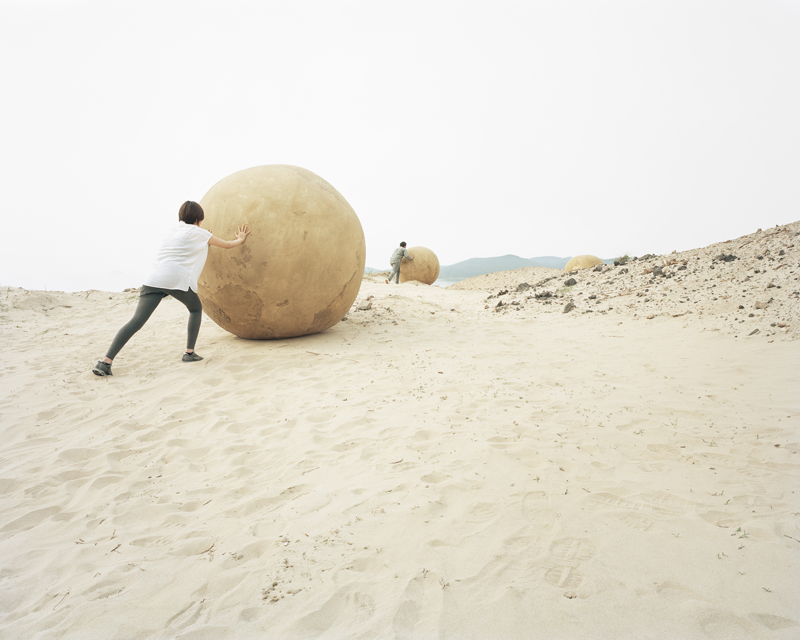
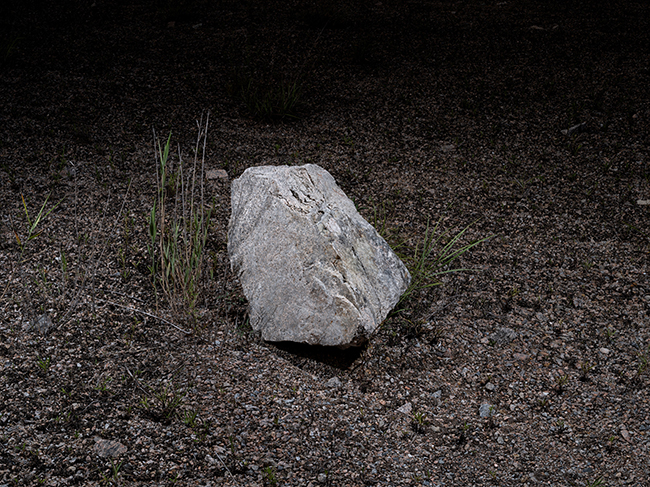
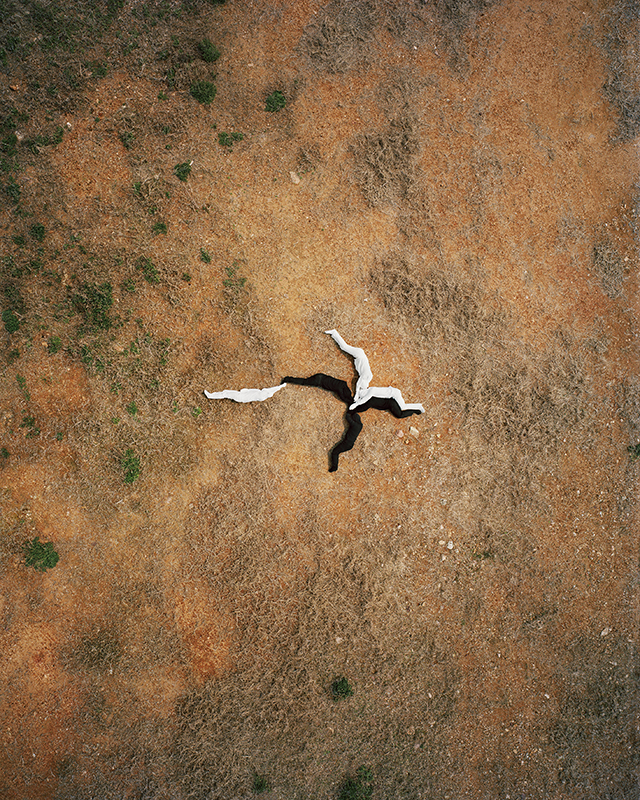
In more recent works such as ‘Being a Mountain’ and ‘NoWhere Meteorite,’ these concerns emerge in a more condensed and layered form. Individual elements—stones, soil, fractured strata—become interconnected, forming what may be described as a “narrative of the individual and the collective,” through which traces of events occurring between humans and nature are implied. Rather than directly depicting environmental destruction, Bak encourages viewers to contemplate such events through fractures, traces, and processes of restoration. Ultimately, his practice can be understood as an ongoing attempt to renew ethical and philosophical questions surrounding the relationship between humanity and nature through visual metaphor and performative action.

Style & Contents

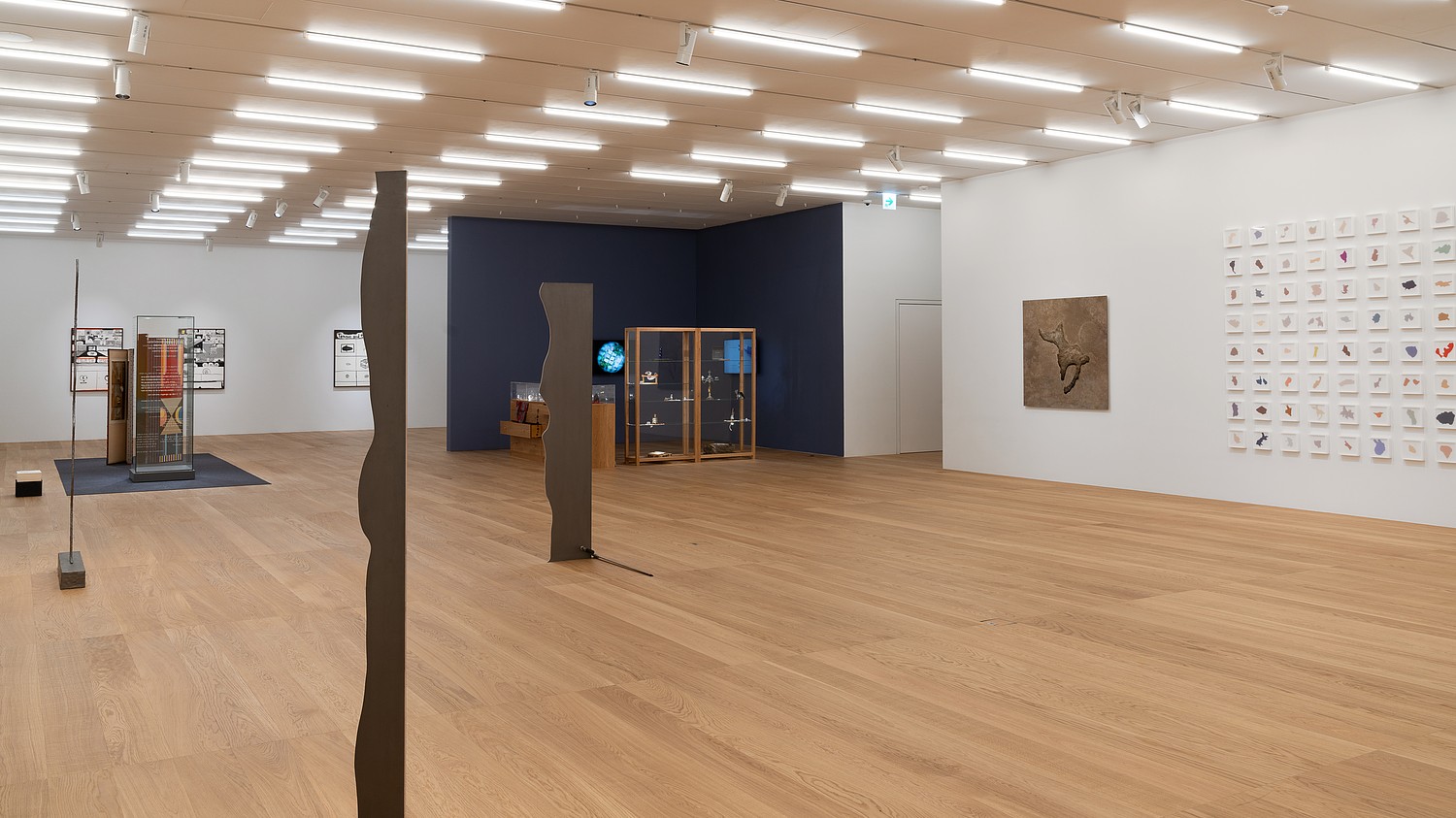
Although grounded in photography, Hyongryol Bak’s practice cannot be confined to the categories of landscape or documentary photography. His work is structured through a complex process in which interventions and performative actions upon nature are ultimately transformed into photographic images. Actions such as digging into or covering the land, traversing spaces with thread and fabric, and exposing the surfaces of stones and geological strata function simultaneously as performances and sculptural interventions, while photography operates as both the resulting trace and the final form. In this sense, his practice emerges at the intersection of photography, performance, installation, and sculptural thinking.

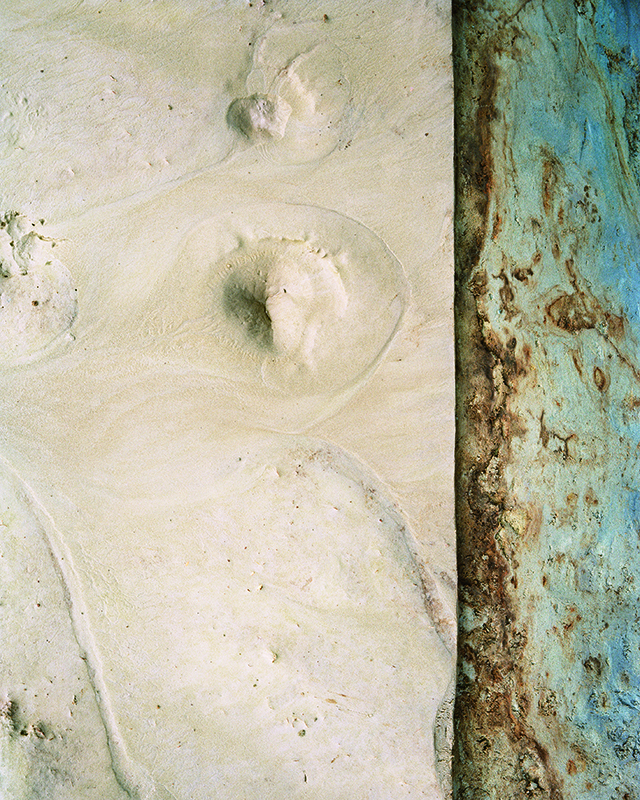
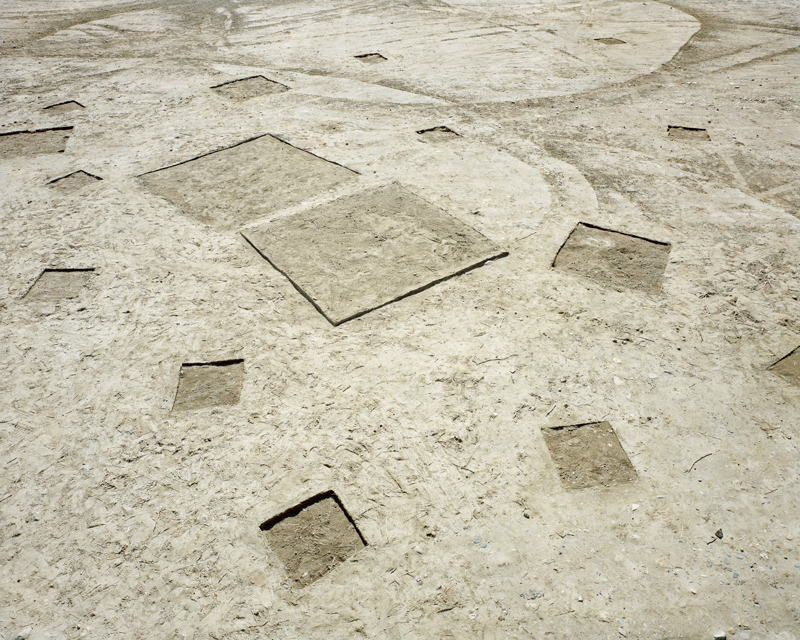
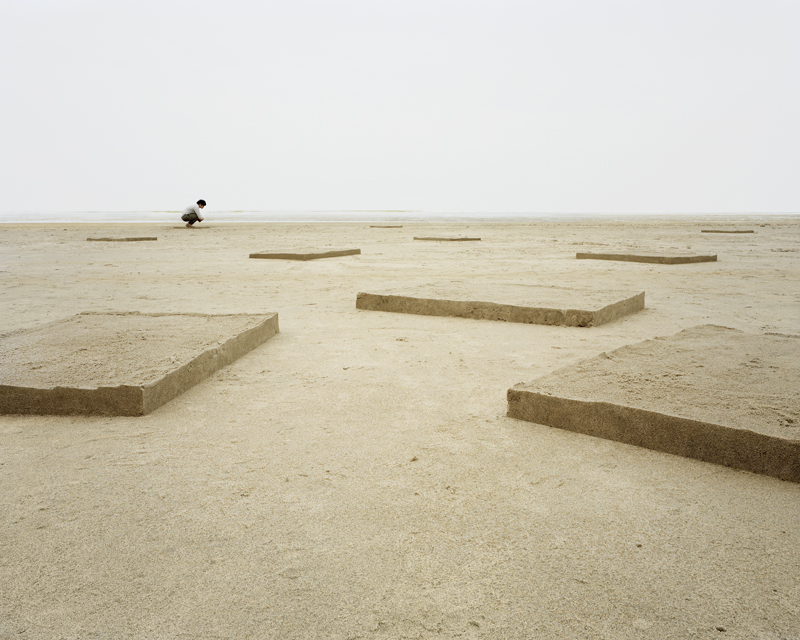
In particular, the ongoing series ‘Figure Project’ unfolds through minimal interventions that transform the surface of nature while maximizing the sculptural and material qualities of the land itself. Bak repeatedly cuts geometric forms into the ground, removes and replaces sections of soil, and exposes hidden layers and fractures beneath the earth’s surface. These interventions are not monumental gestures, but rather forms of slow and meticulous labor. His working process is often compared to archaeological excavation or acts of healing, as his interventions are less about destruction or conquest than about carefully revealing and restoring the skin of the land.

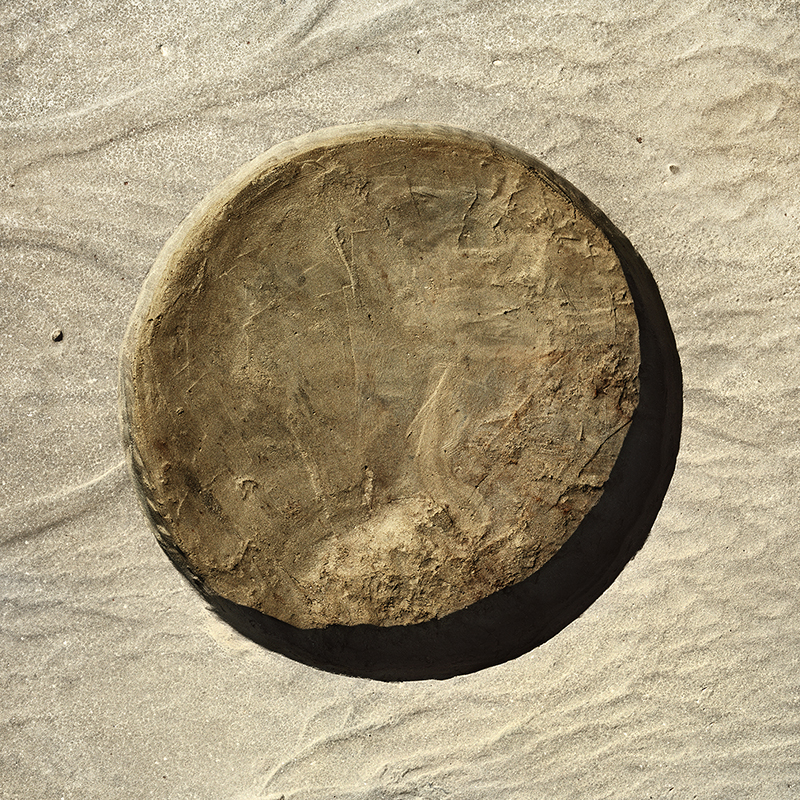
Bak’s photographs possess a strong sense of formal composition and painterly sensibility. Viewed up close, monochromatic surfaces reveal intricate layers of differing textures and densities, while the changing conditions of the land—shaped by season, weather, and soil composition—produce visual impressions reminiscent of abstract painting. In particular, reclaimed tidal lands and barren pre-development terrains often evoke the color field paintings of Mark Rothko and Barnett Newman, while cracks and traces on the earth appear as minimalist geometric abstractions. Rather than treating nature as an object of simple representation, Bak reorganizes it into new visual structures through the medium of photography.

At the same time, Bak extends his practice beyond the photographic image through active engagement with video, installation, and performance. Works such as 〈Paper-Tearing〉 (2016), which presents pre-photographic actions as independent video pieces, or installations that spatially reconstruct the forms and images seen within the photographs, demonstrate that his work cannot be confined to a single medium. In more recent projects, he expands contour-line structures into immersive installations and employs performers’ bodies within staged compositions, encouraging viewers not simply to observe images, but to physically experience the work through space and embodiment. Through these approaches, Bak continues to explore the material specificity of photography while organically integrating diverse contemporary art forms, constructing an expanded language of landscape.

Topography & Continuity

Although grounded in photography, Hyongryol Bak’s practice cannot be confined to the categories of landscape or documentary photography. His work is structured through a complex process in which interventions and performative actions upon nature are ultimately transformed into photographic images. Actions such as digging into or covering the land, traversing spaces with thread and fabric, and exposing the surfaces of stones and geological strata function simultaneously as performances and sculptural interventions, while photography operates as both the resulting trace and the final form. In this sense, his practice emerges at the intersection of photography, performance, installation, and sculptural thinking.

In particular, the ongoing series ‘Figure Project’ unfolds through minimal interventions that transform the surface of nature while maximizing the sculptural and material qualities of the land itself. Bak repeatedly cuts geometric forms into the ground, removes and replaces sections of soil, and exposes hidden layers and fractures beneath the earth’s surface. These interventions are not monumental gestures, but rather forms of slow and meticulous labor. His working process is often compared to archaeological excavation or acts of healing, as his interventions are less about destruction or conquest than about carefully revealing and restoring the skin of the land.

Bak’s photographs possess a strong sense of formal composition and painterly sensibility. Viewed up close, monochromatic surfaces reveal intricate layers of differing textures and densities, while the changing conditions of the land—shaped by season, weather, and soil composition—produce visual impressions reminiscent of abstract painting. In particular, reclaimed tidal lands and barren pre-development terrains often evoke the color field paintings of Mark Rothko and Barnett Newman, while cracks and traces on the earth appear as minimalist geometric abstractions. Rather than treating nature as an object of simple representation, Bak reorganizes it into new visual structures through the medium of photography.

At the same time, Bak extends his practice beyond the photographic image through active engagement with video, installation, and performance. Works such as 〈Paper-Tearing〉 (2016), which presents pre-photographic actions as independent video pieces, or installations that spatially reconstruct the forms and images seen within the photographs, demonstrate that his work cannot be confined to a single medium. In more recent projects, he expands contour-line structures into immersive installations and employs performers’ bodies within staged compositions, encouraging viewers not simply to observe images, but to physically experience the work through space and embodiment. Through these approaches, Bak continues to explore the material specificity of photography while organically integrating diverse contemporary art forms, constructing an expanded language of landscape.

Works of Art

Photographs that Metaphorically Reveal the Structural Relationship Between Humans and Nature

Exhibitions