Ko Woori (b.1989) - K-ARTIST
Ko Woori (b.1989)

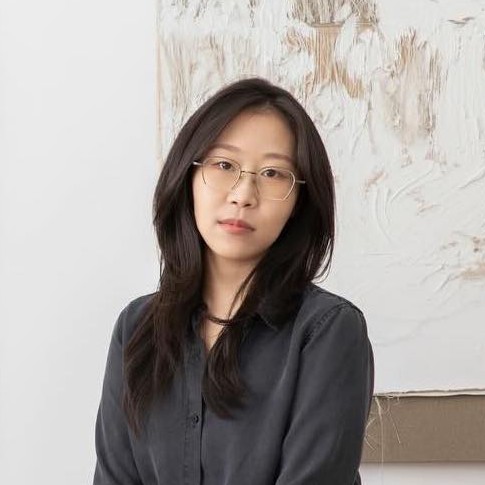
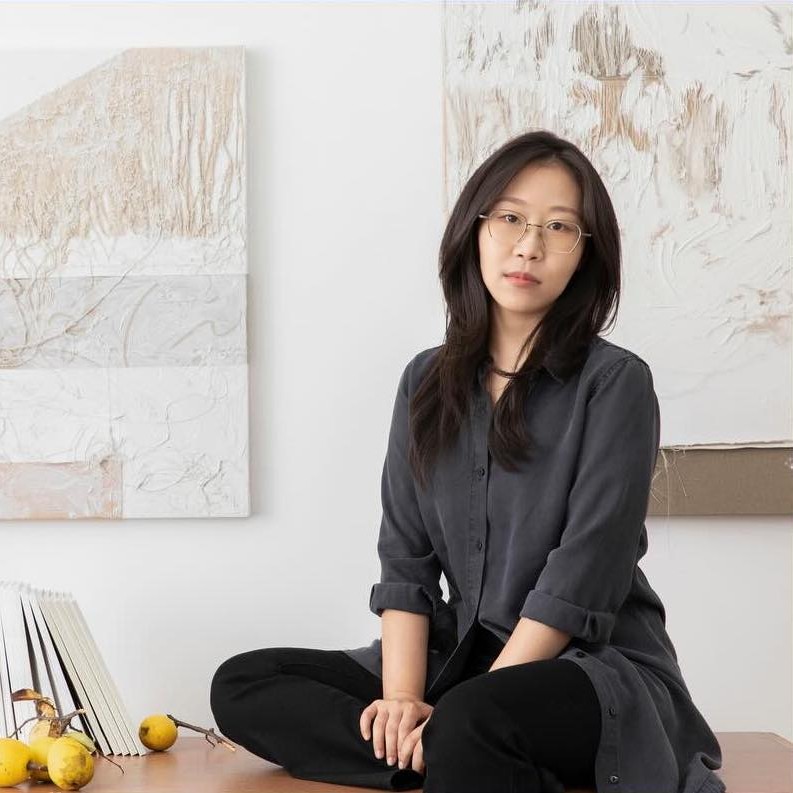
Ko Woori graduated from the Department of Western Painting at Konkuk University and later received an MFA in Painting from Kookmin University. She currently lives and works in Seoul.

On Fragile Yet Connected Relationships

Works of Art

On Fragile Yet Connected Relationships

Originality & Identity

Ko Woori develops her artistic practice through the process of recording the changes of unstable emotions that arise within human relationships and retracing where those emotions come from. For the artist, relationships with others are an inevitable condition of life, but they are also sites of emotional friction that lead to discomfort, anxiety, fear, and stress.

In her early works, Ko transferred this inner confusion into bodily actions on the surface, dealing with emotions before they are organized into words or narratives. In works such as Flexible Mark (weigh) 03(2017), Flexible Mark (Crack) 02(2018), and Exterior2 04(2018), the canvas appears not simply as a ground, but as a surface where emotions collide, become scratched, and peel away.

The works from this period can be understood as attempts to create “cracks” within the ambivalent emotions experienced in human relationships, and to search through those cracks for points of contact between herself and others.
 
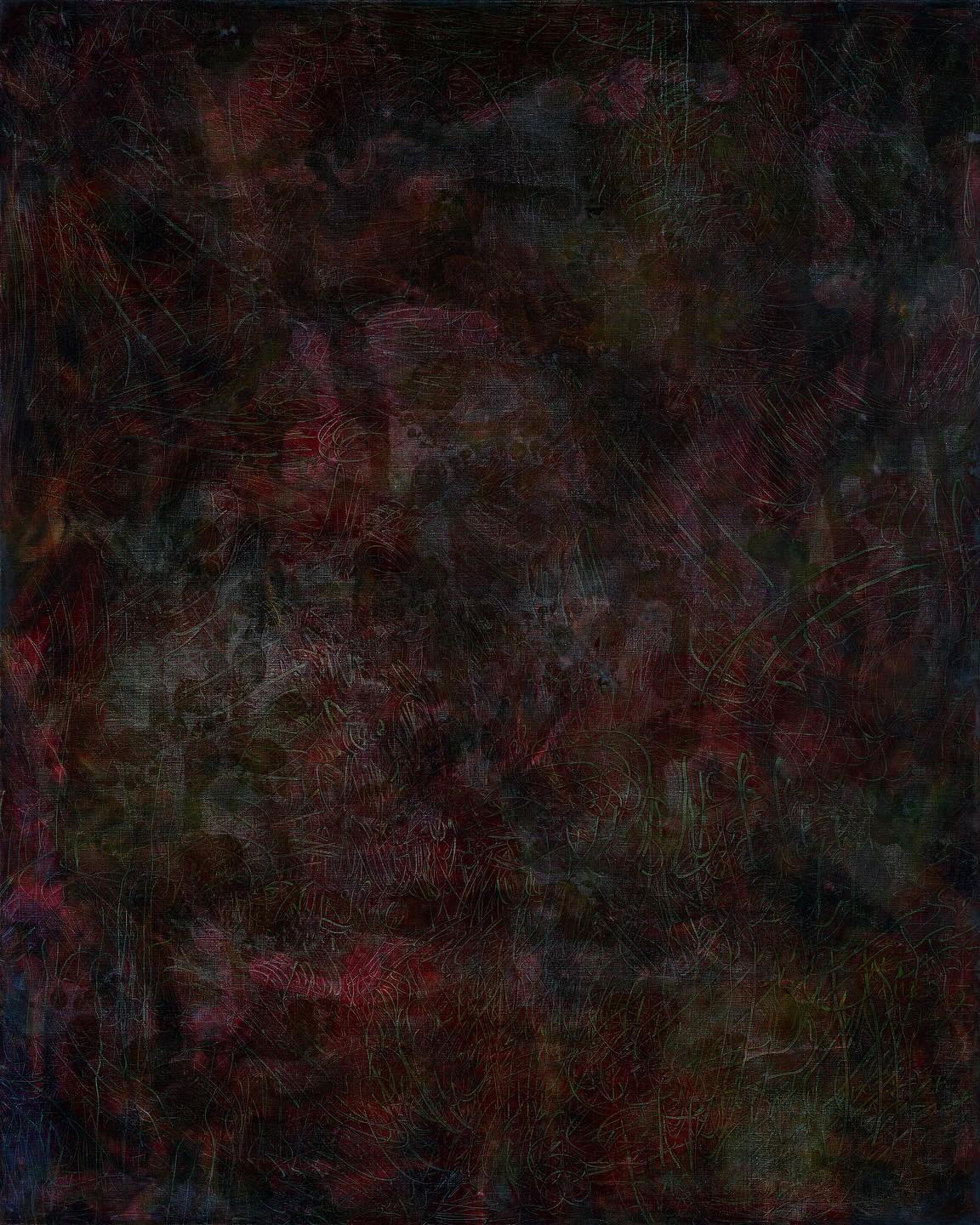
In the solo exhibition 《Unknowing · Border · Moment · Crack · Exterior》(Alternative Space NOON, 2018), this concern becomes concretized through the issues of “exterior” and “border.” The artist creates multiple layers on the surface through the processes of painting, crumpling, wetting, and scraping the canvas, projecting onto it the inner emotions she has not fully recognized and the ambiguous things surrounding them.

At this point, the work is not about representing a certain object, but is closer to a bodily struggle to find “sincerity” and “essence” in order to understand others and enter society. The use of the hand, fingertips, fingernails, and the edge of the hand changes according to the intensity of emotion, while the presence and absence of paint and the peeling of the surface visualize the process through which emotions arise and disappear.
 
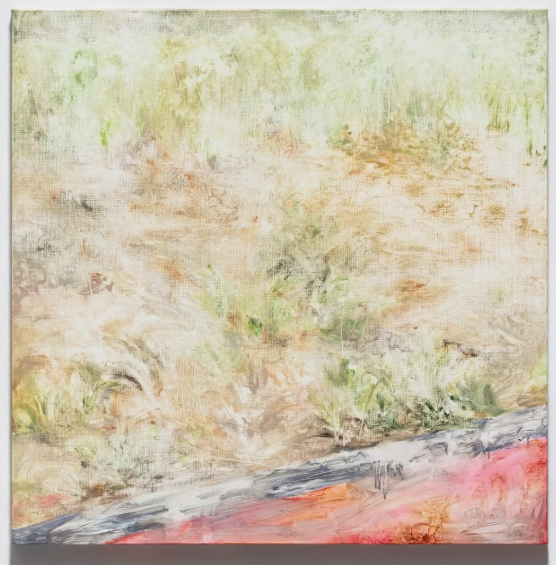
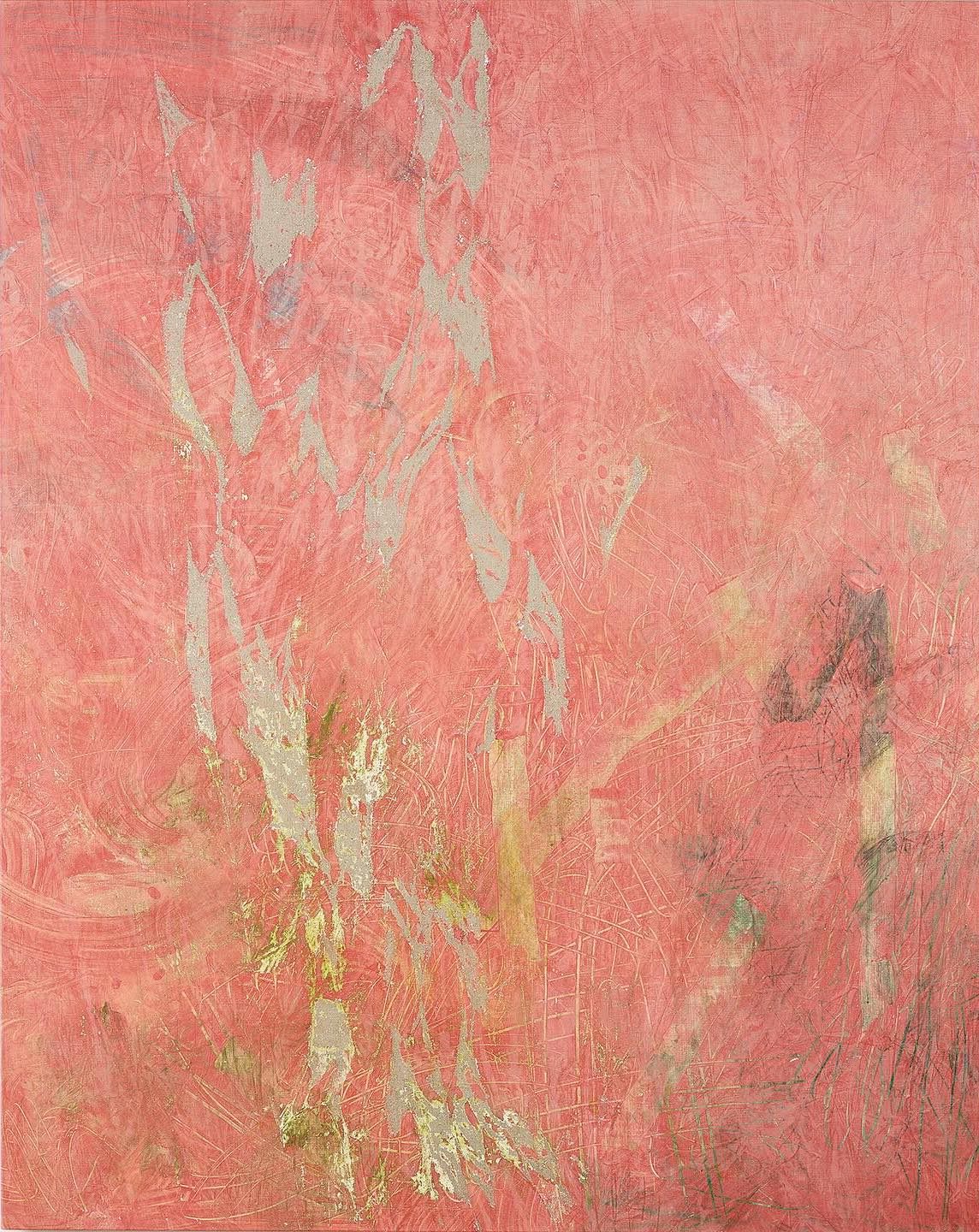
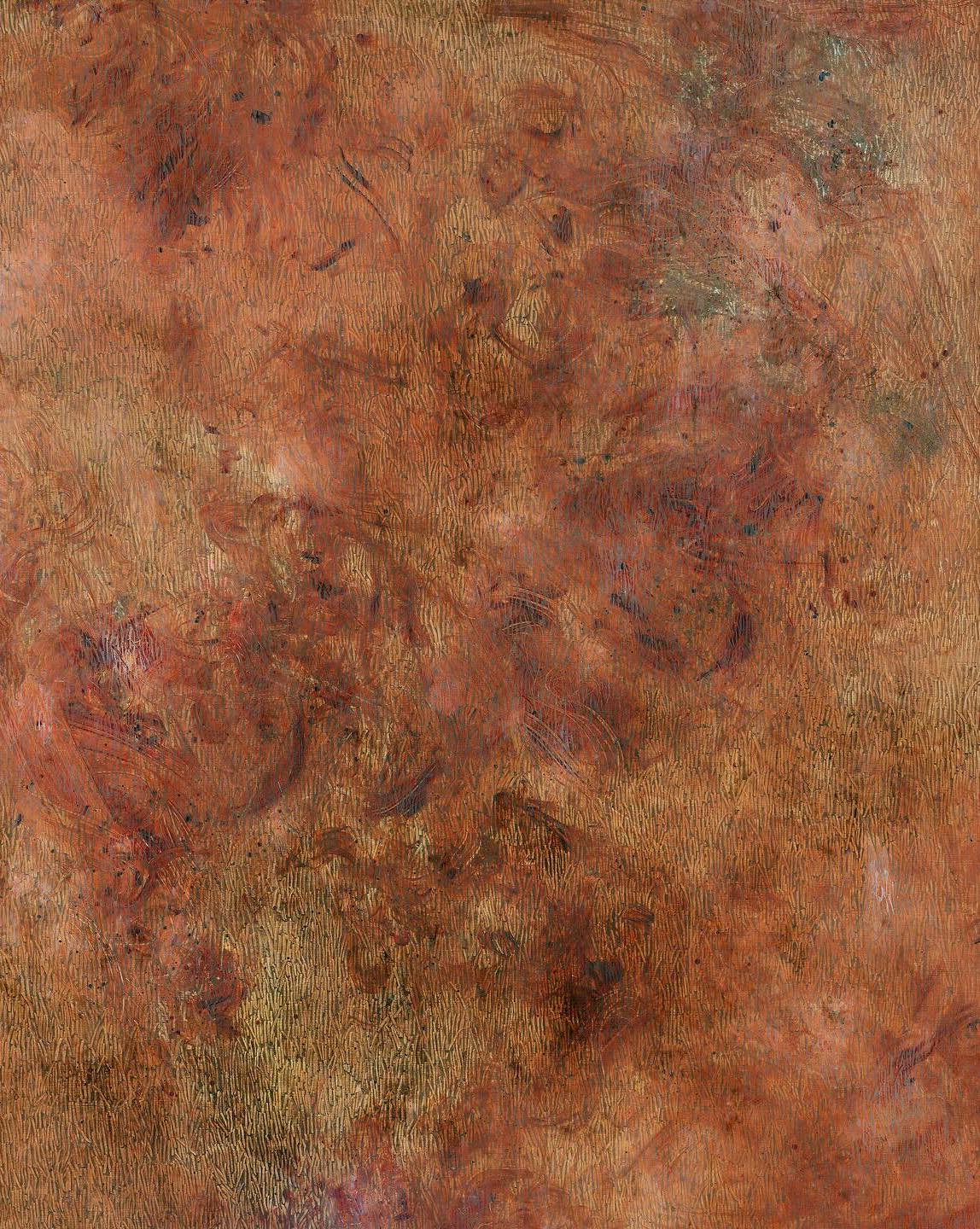
Since the 2020s, Ko Woori’s interest has shifted from “anxiety within relationships” to “relationships that remain connected nonetheless.” In the ‘Uncatchable, Sentimental’(2022) series, emotions that cannot be captured remain on the surface through the performance of the hand and the process of erasure.

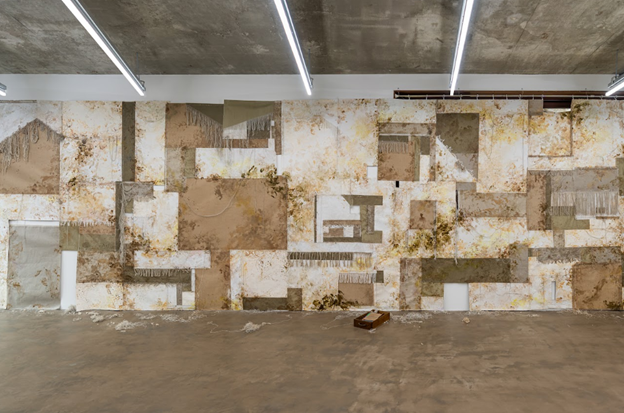
In the solo exhibition 《Toward the trivial and pitiful but beautiful》(Cheongju Art Studio, 2023), an attitude of facing and unraveling the anxiety of entangled relationships through canvas and sewing comes to the fore.

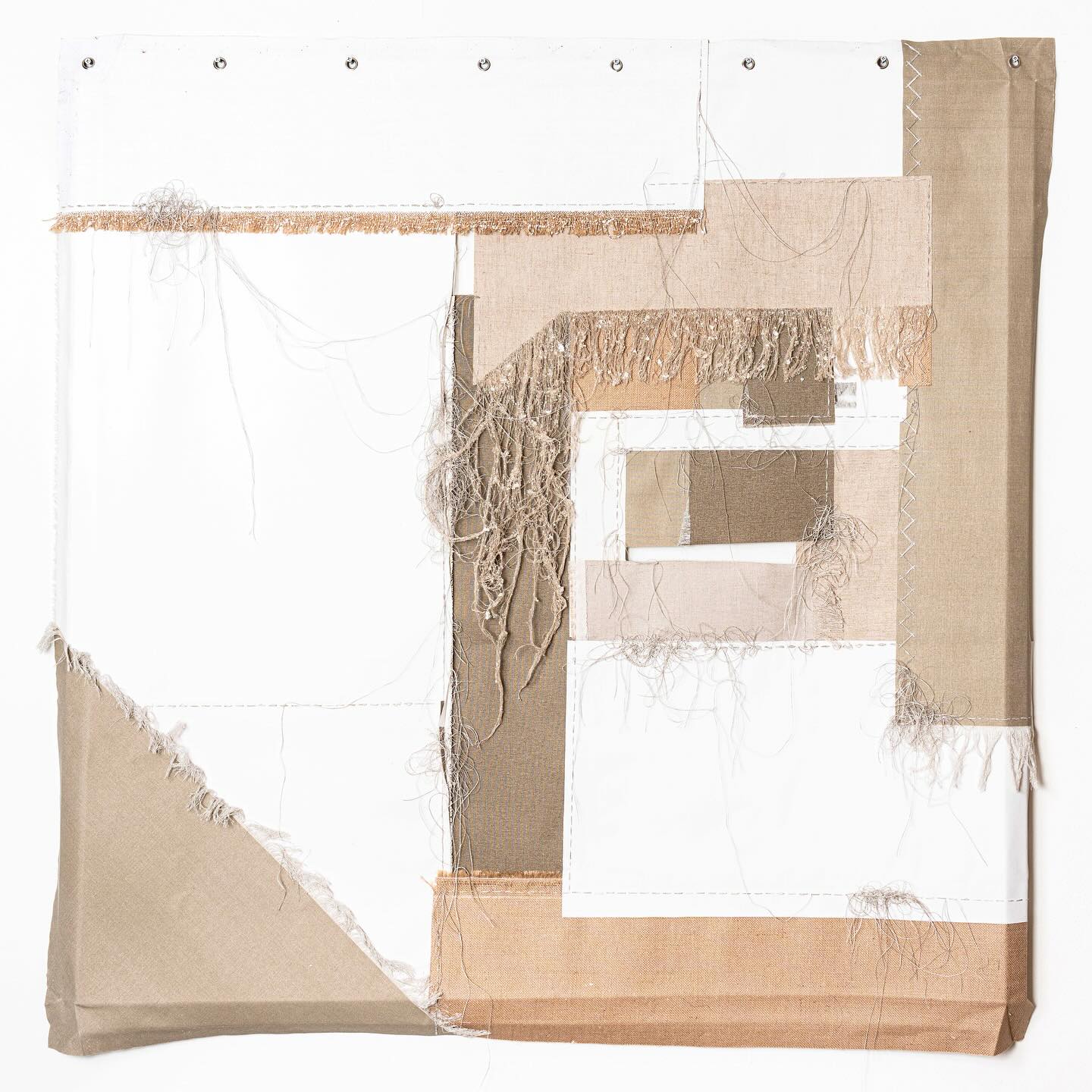
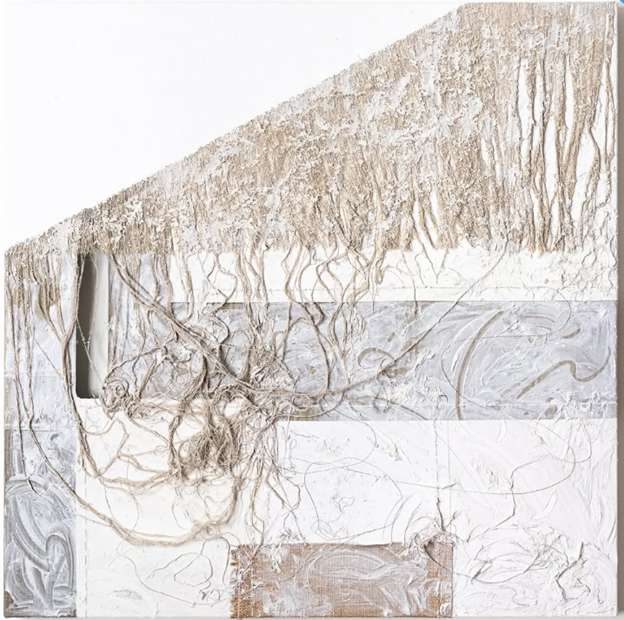
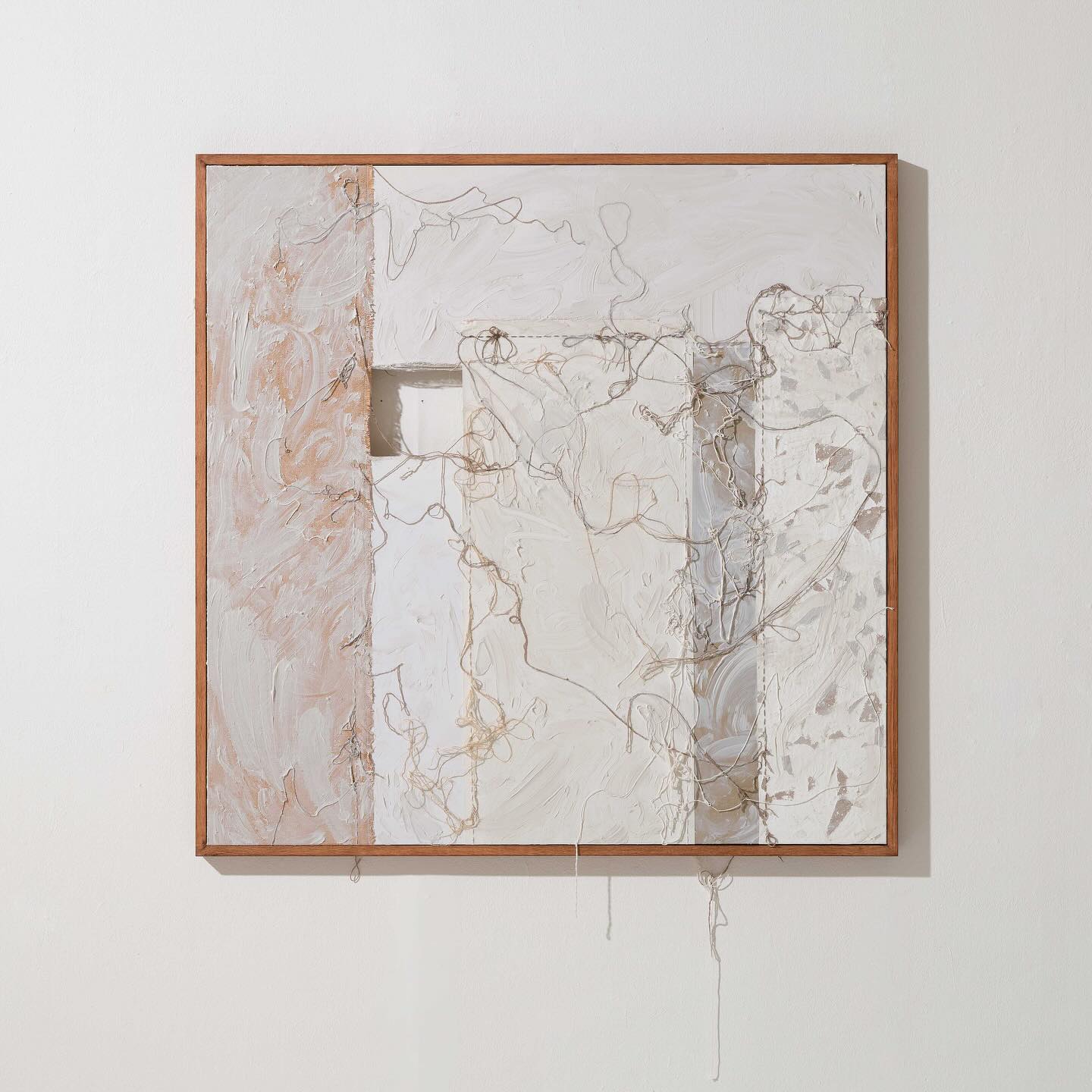
Works such as The trivial and pitiful but beautiful 6(2023), in which traces of the hand and layers of material are added onto stitched canvas, do not simply heal or suture the wounds of relationships, but simultaneously reveal the anxiety and attachment that arise because things remain connected.
 
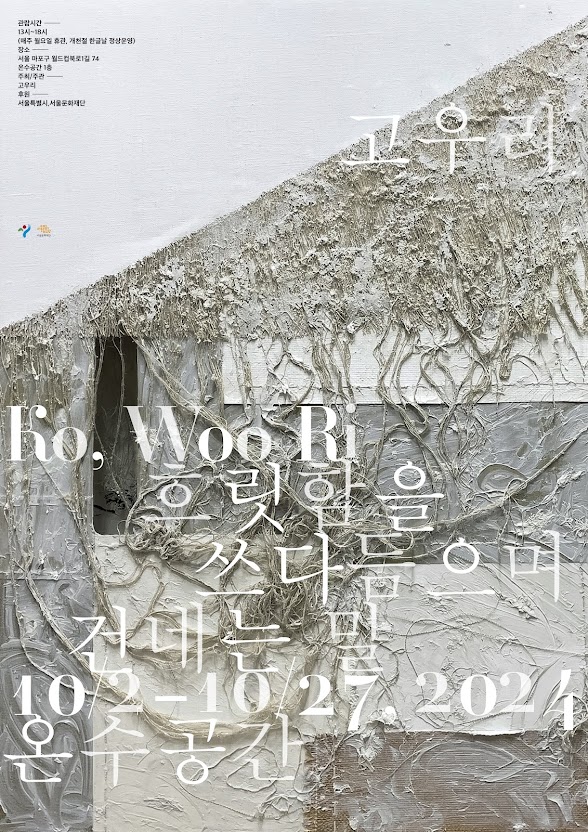
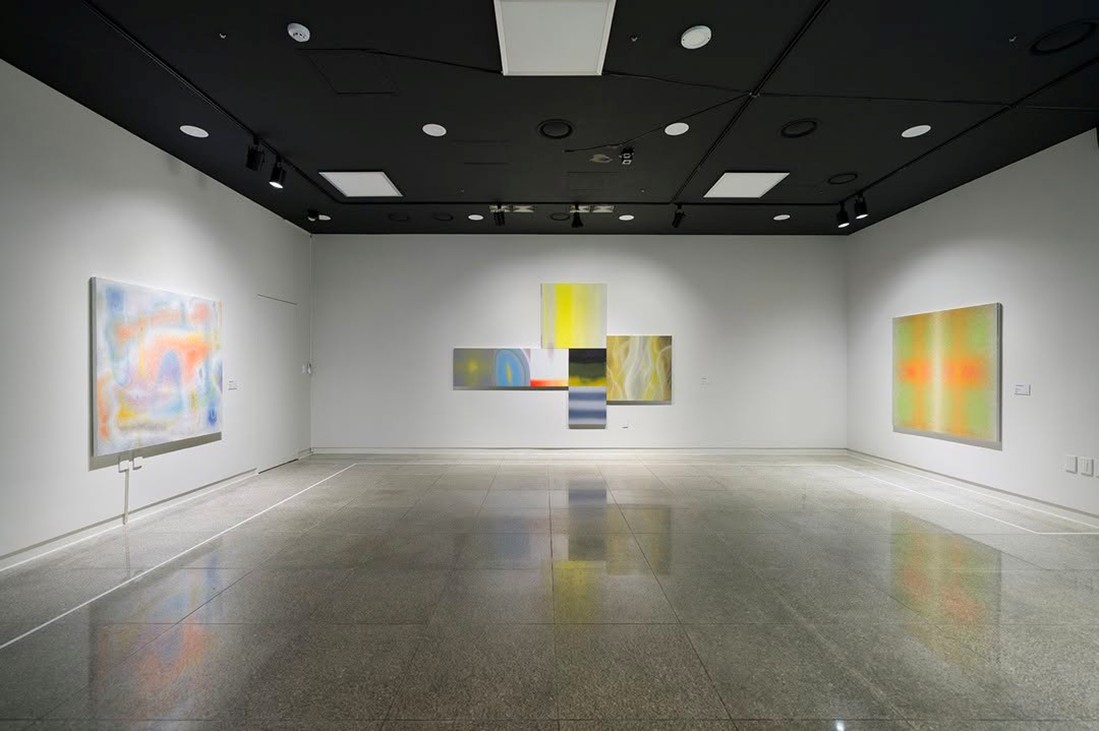
This trajectory expands further in her recent solo exhibitions. In 《Whispers upon Stroke of a Blur》(ONSU-GONGGAN, 2024), Ko Woori treats painting as something like a “friend” or “mother body,” continuously adjusting the distance between painting and painting, between I and you.

Untitled-Connected Words(2024), Blurred Language, Connected Gestures(2024), Connected Words-Review 1(2024), and Connected Words-Review 2(2024) show relationships of memory, recollection, resemblance, and difference through the body of the canvas that has been cut and reconnected.
 
In 《I Lost Friends Last Summer》(Sohyunmun, 2025), through the process of sewing together with women, Ko reexamines her own work, which has been read through femininity, while ultimately shifting the center of her concern toward “human beings,” “relationships,” and “emotions.”

For Ko Woori, relationships are not something that can be fully understood or resolved, but an incomplete state that must be continuously faced and reconnected.

Style & Contents

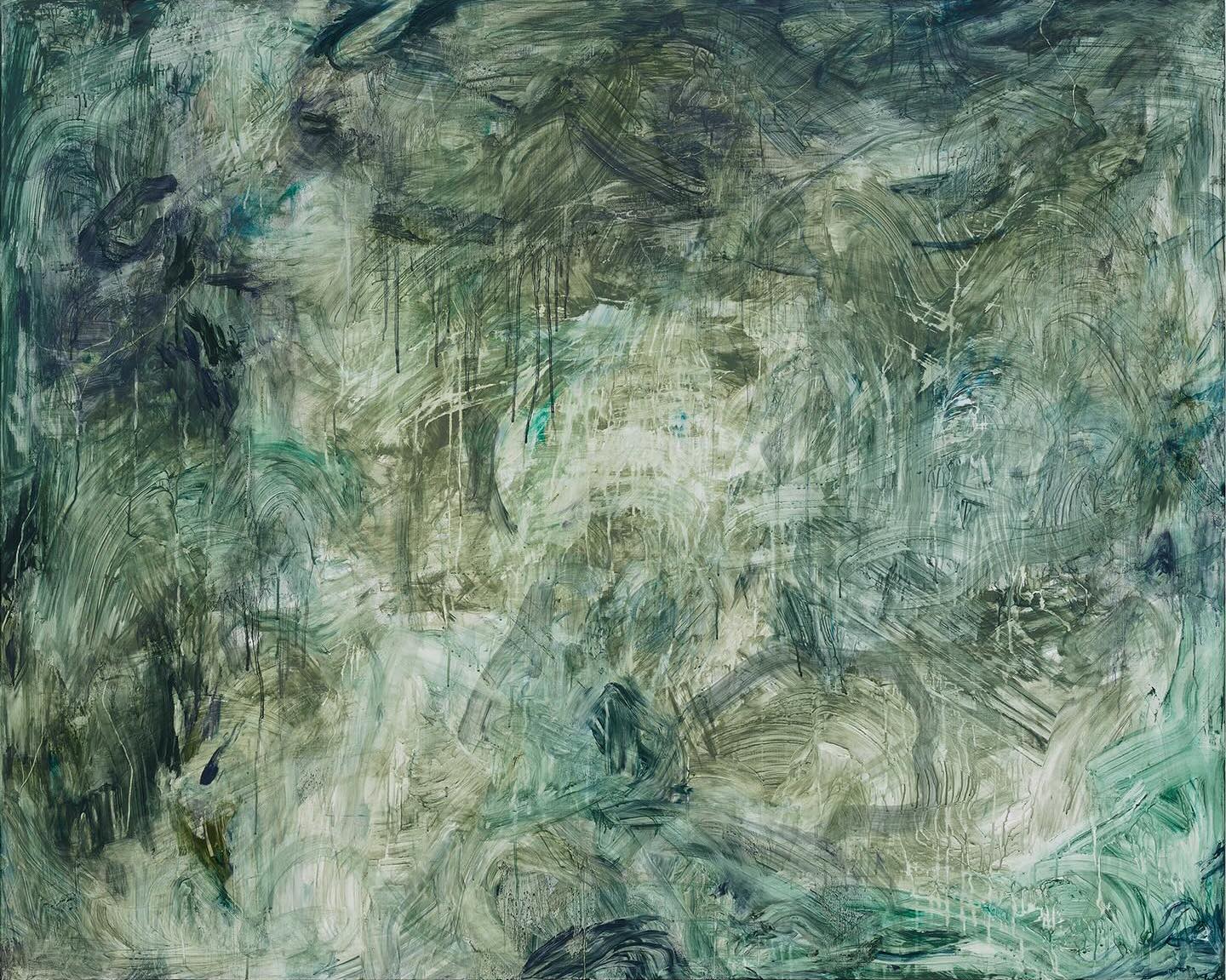
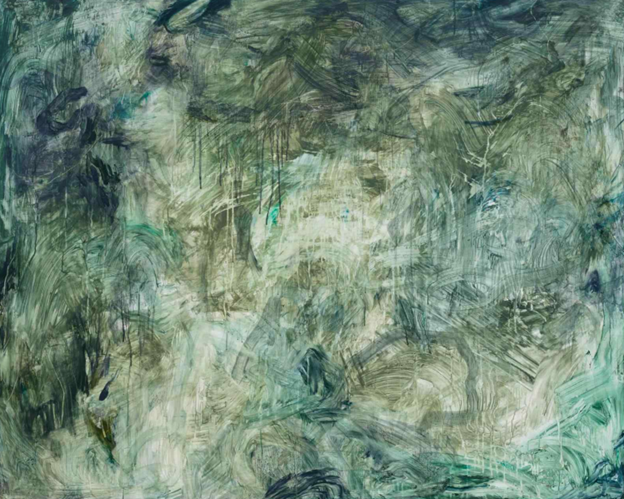
In Ko Woori’s work, form is not separate from the way emotions are conveyed. Rather than leaving brushstrokes on the canvas, the artist uses the whole hand, fingertips, fingernails, and the edge of the hand to push, scratch, and wipe the surface, leaving the intensity and direction of emotion on the picture plane.

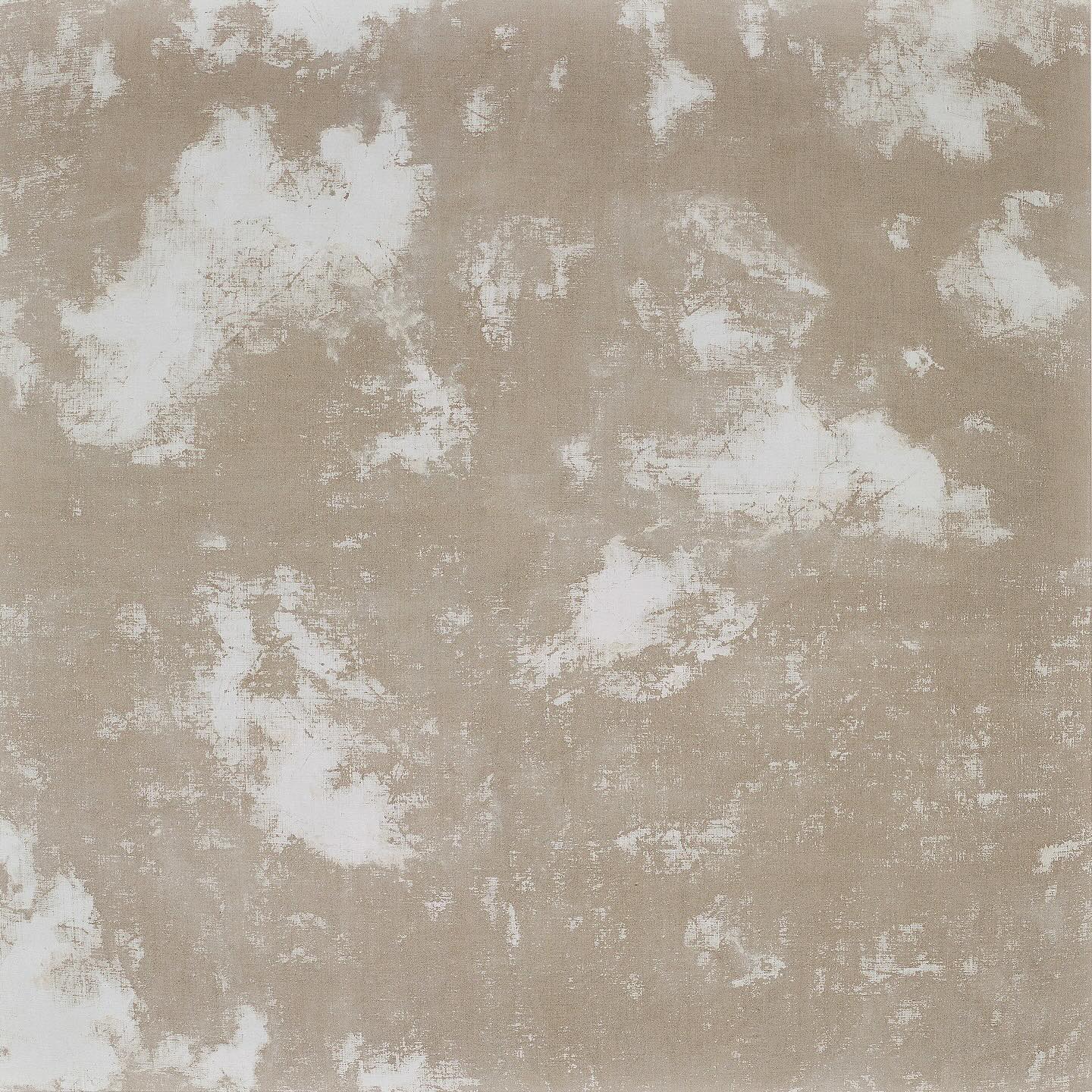
Standing on still-wet paint to create traces like melodies and waves through the pressure of the hand, or crumpling and compressing the canvas to reveal the surface where the primer has peeled away, became important methods in her early work.

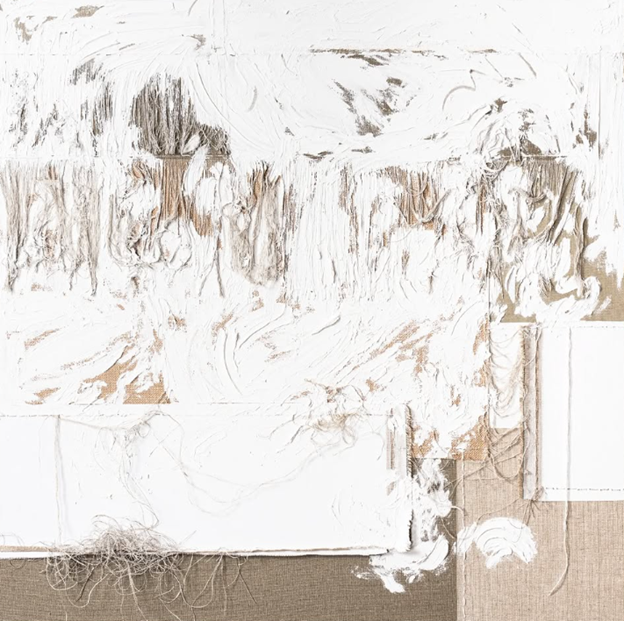
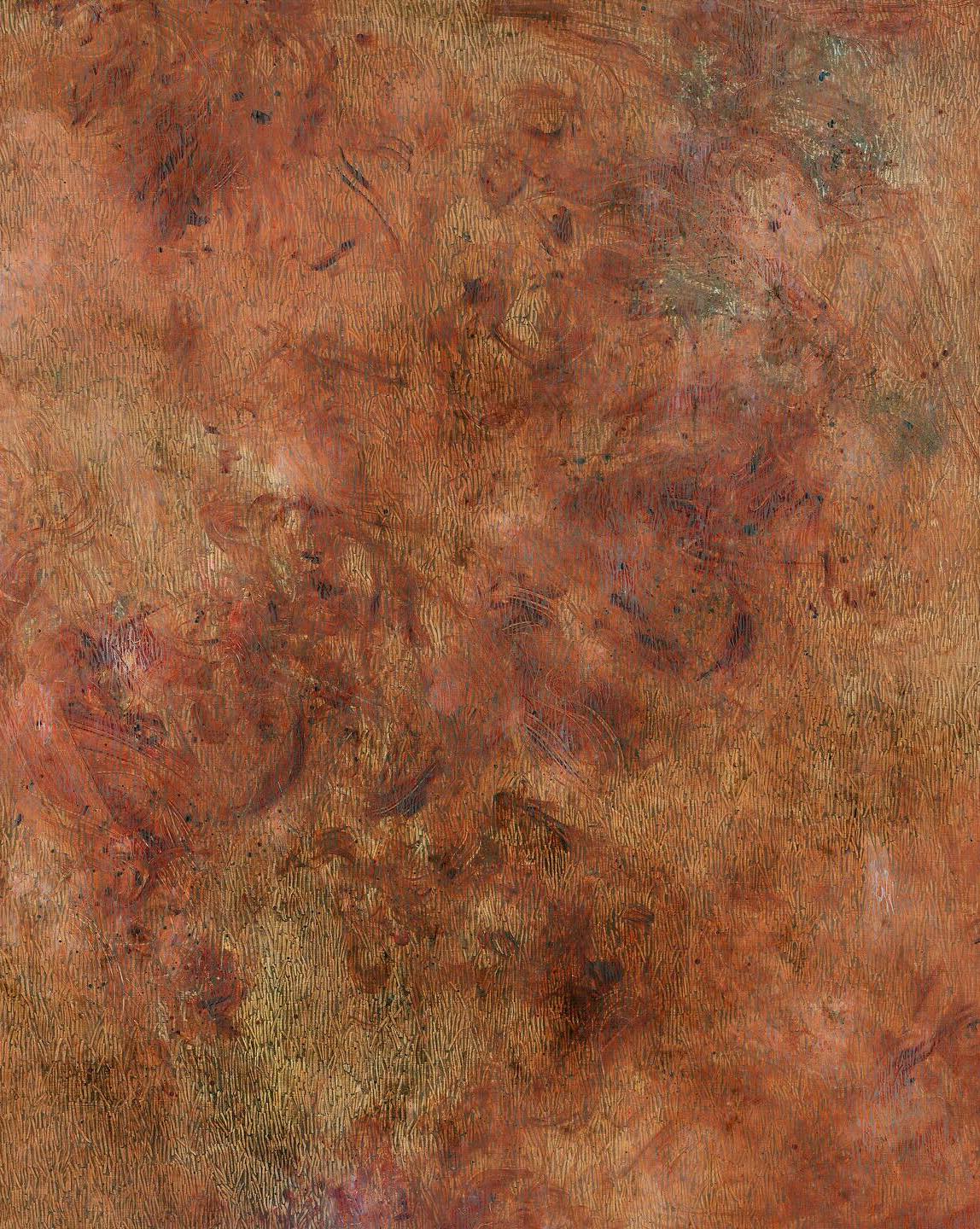
The scraped surface of a canvas, as seen in Exterior2 03(2017), blurs the boundaries between where paint exists and where it does not, between what is filled and what is stripped away, showing the confusion surrounding emotion and essence through the state of the material.
 
This performativity does not rely only on accidental gestures. As critic Kim Minkwan points out, Ko Woori’s hand is not simply a tool that replaces the brush, but functions as a medium and material through training and repetition. In the ‘Uncatchable, Sentimental’ series, drawing and erasing do not become acts of removing emotion, but rather a way of adding to the work.

What remains after the surface is erased is not only the part that has not been erased, but a new layer in which the marks of erasure and the marks that remain are mixed together. In this way, Ko Woori’s surface seems to move toward a single form, but in fact forms a total surface in which traces of the hand, the peeling of paint, the texture of fabric, and the thickness of the surface are combined.
 
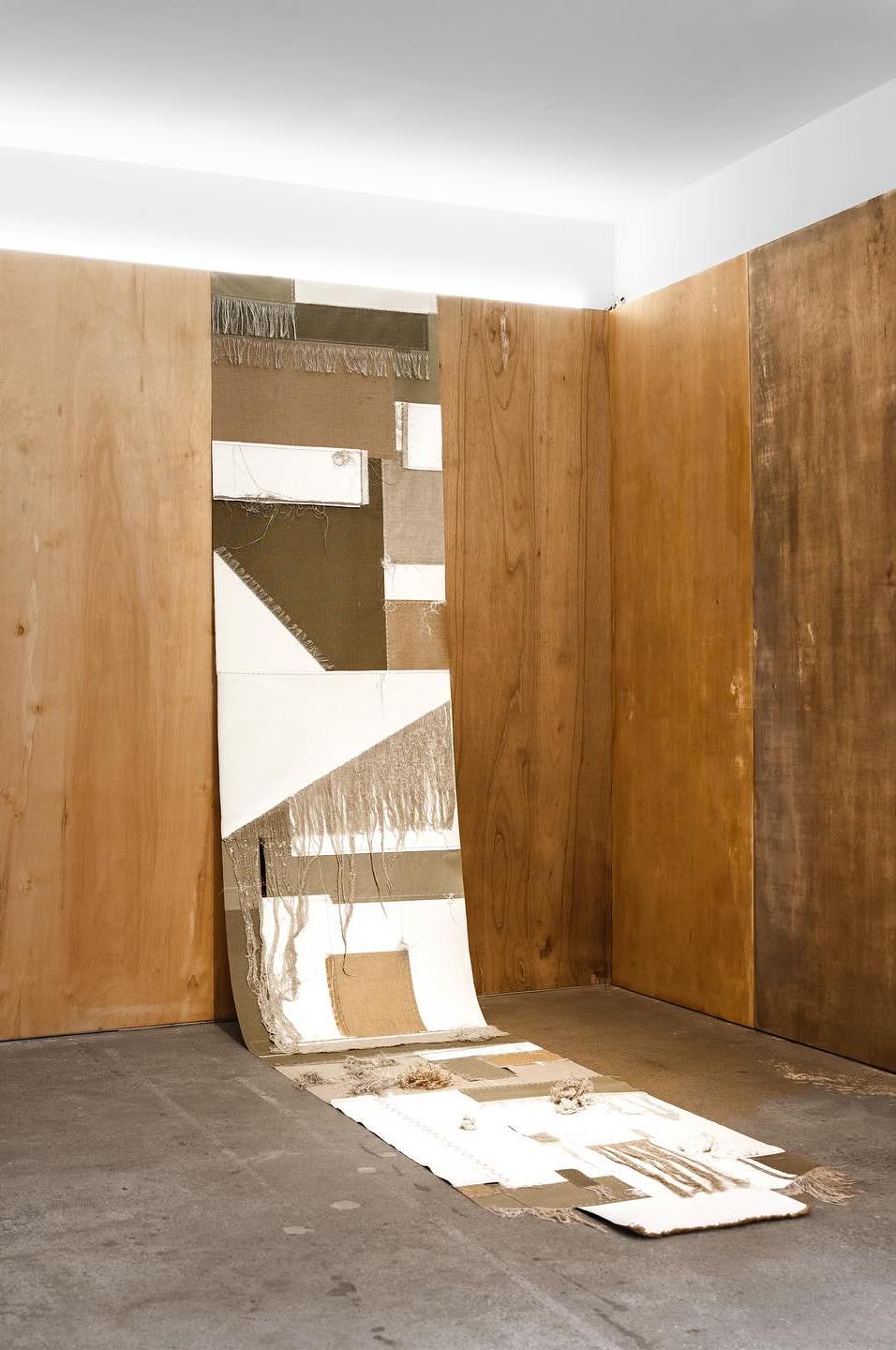
Since 2023, sewing and dismantled canvas have emerged as important forms in her work. The artist cuts the canvas into several pieces, folds it, and attaches it again, without hiding the unraveling threads and wounds created in the process.

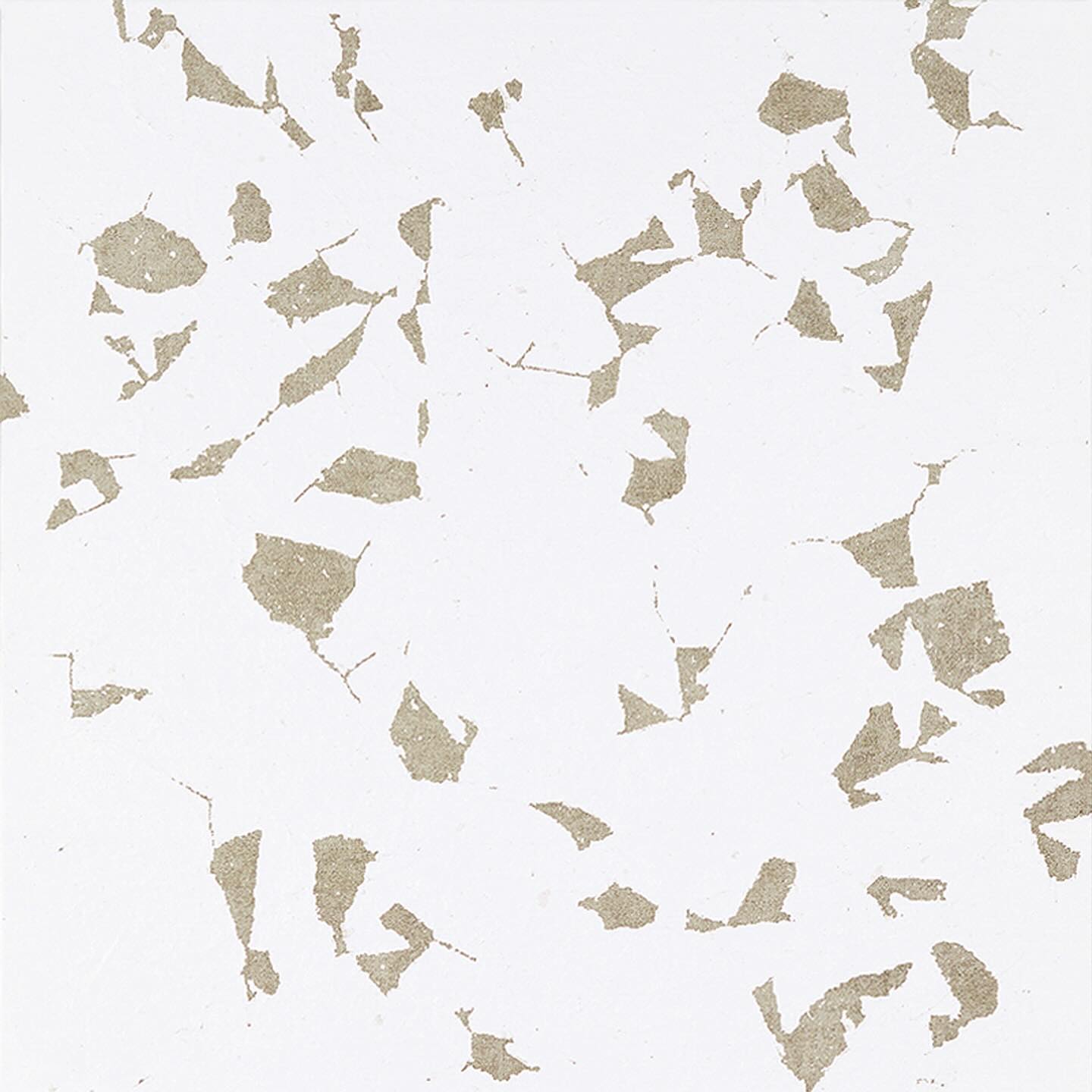
Whispers upon Stroke of a Blur(2024) is a work in which fragmented canvases are connected and then covered with achromatic materials such as Handycoat and molding paste, spread out by hand as if kneaded and applied.

In works such as Between Wandering Winds(2024) and Untitled-Faint Words(2024), the surface of painting no longer remains a frontal plane, but operates like wounded and sutured skin. Here, sewing is not simply a decorative handicraft element, but a performative act that reconnects cut surfaces and leaves traces of relationships.
 
In her recent work, painting expands beyond the artist’s individual body into a field performed together with others. In 《I Lost Friends Last Summer》, Ko Woori invited women who were either distant from or close to her in relationship to engage in individual and collaborative sewing-based works, and then created a process in which private stories were translated into letters.

In this project, the canvas becomes not a surface handled by the artist alone, but a place where many people’s hands, time, and stories intersect. Works such as This Way, That Way(2023-2024), made with putty and thread on stitched canvas, show states of contraction and expansion, connection and looseness, rather than a fixed form.

Ko Woori’s form begins from the direct performance of the hand, expands into the dismantling and suturing of the canvas, and further into collective performance with others, moving between painting and installation, material and relationship.

Topography & Continuity

The central concern that continues throughout Ko Woori’s work lies in how to translate emotions that arise within relationships into material and action. Rather than directly narrating emotions such as anxiety, wounds, and confusion, she leaves behind the places they have passed through by touching, damaging, and reconnecting the canvas.

In this sense, her painting is both an expression of emotion and a record of how emotion is handled. The scratches, peeling, stains, sutures, and folds on the surface are all connected to the changes of incomplete emotions that arise in relationships with others, and through these surfaces, viewers sense the structure of emotions that cannot be easily organized into words.
 
Ko Woori treats painting not simply as a field of images, but as a “field of contact.” Rather than focusing on the issues of simple brushwork, color fields, images, or narratives, she shows that painting can respond like a body through the pressure of the hand and the reaction of the canvas, the damage and suturing of fabric, and the peeling and reapplication of materials.

If her early works Flexible Mark (weigh) 03 and Flexible Mark (Crack) 02 recorded emotional collisions as bodily traces, the ‘Uncatchable, Sentimental’ series revealed the movement of emotions that cannot be captured through the accumulation and erasure of those traces, while Untitled-Connected Words and Blurred Language, Connected Gestures transformed the canvas itself into a body that is cut and connected. In her work, painting is a surface to be touched, endured, and reattached before it is an object to be seen.
 
The recent trajectory of Ko Woori’s work shifts her practice from a record of personal emotion toward an experiment with the structure of relationships. In 《Toward the trivial and pitiful but beautiful》, sewing operated as a metaphor for unstable yet unbroken connection. In 《Whispers upon Stroke of a Blur》, it became a device for dealing with memory and recollection between painting and painting, and in 《I Lost Friends Last Summer》, it expanded into actual collaboration and conversation with others.
 
In this process, the possibility of a feminist reading may remain, but as the artist herself has stated, her interest moves toward the structures of human beings, relationships, and emotions, rather than remaining within the representation of a specific identity. Therefore, Ko Woori’s work begins from personal and private emotions, but ultimately opens toward the incompleteness that human beings repeatedly face as relational beings.

Ko treats the surface of painting as the skin of emotion and a record of relationships, and her practice is expected to continue expanding how painting can preserve and reconnect emotions through materials, the body, and collaboration with others.

Works of Art

On Fragile Yet Connected Relationships

Articles

Exhibitions

Activities