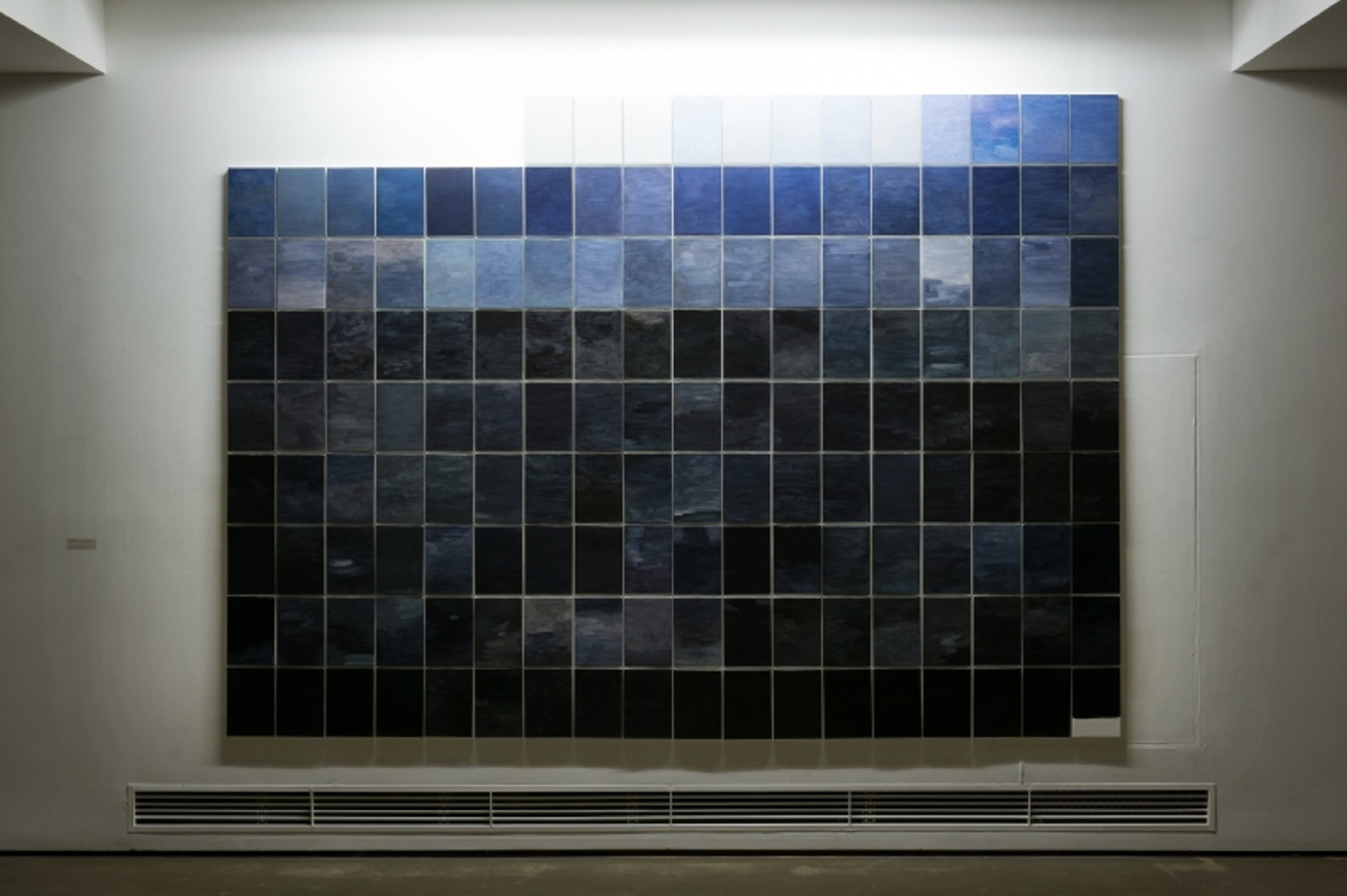
Dongju Kang – Drawing the Interface of Chiaroscuro through
Chiaroscuro
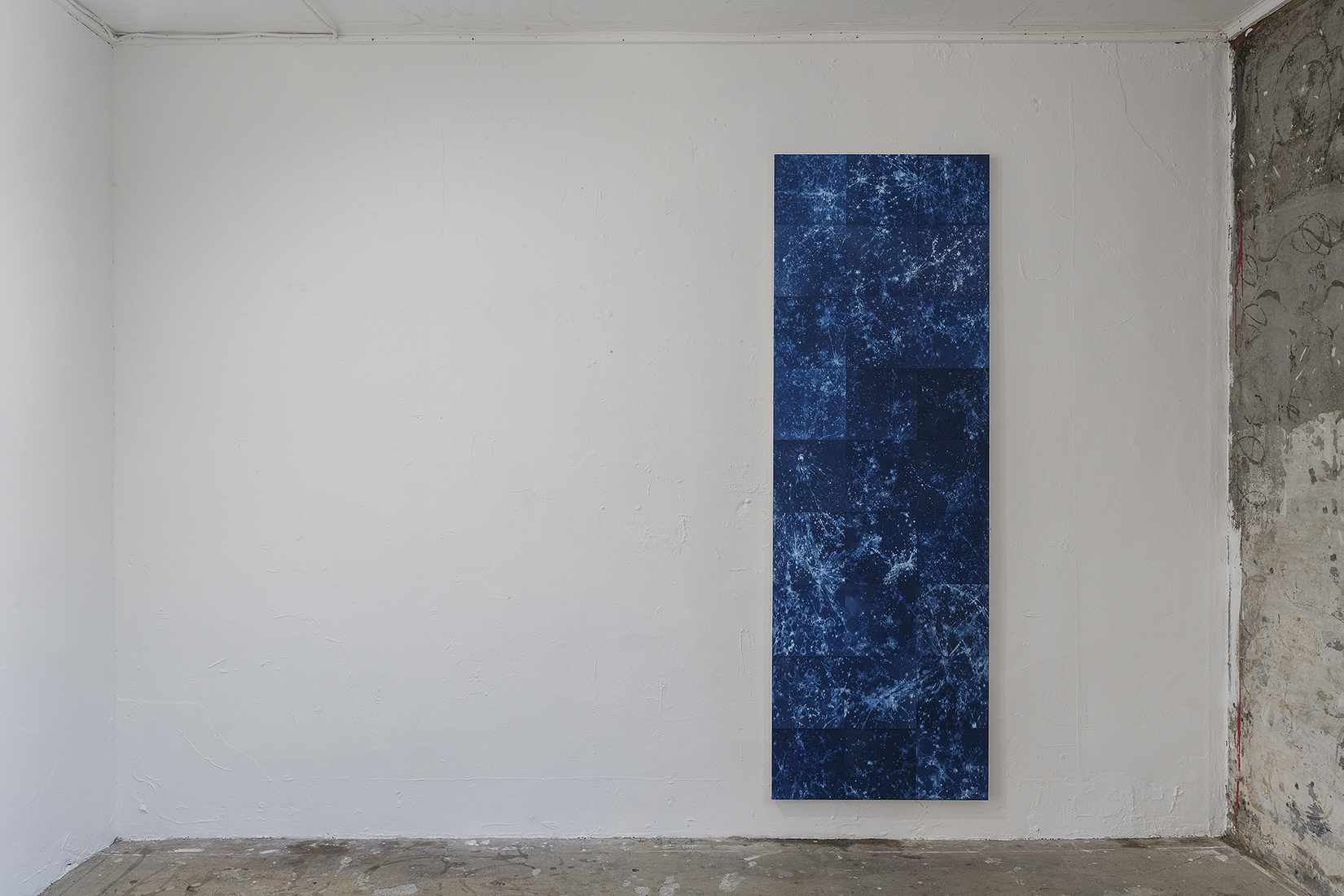
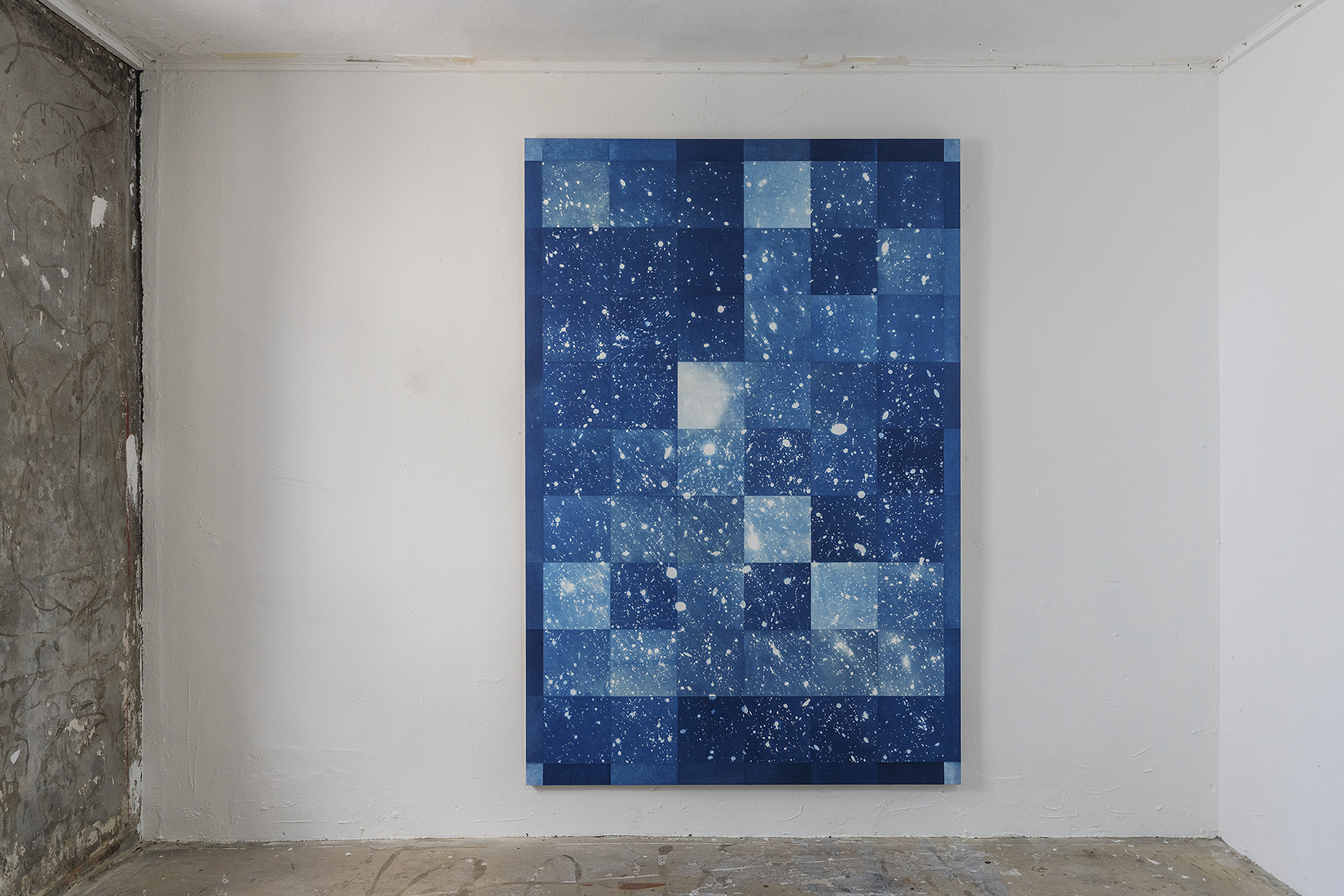
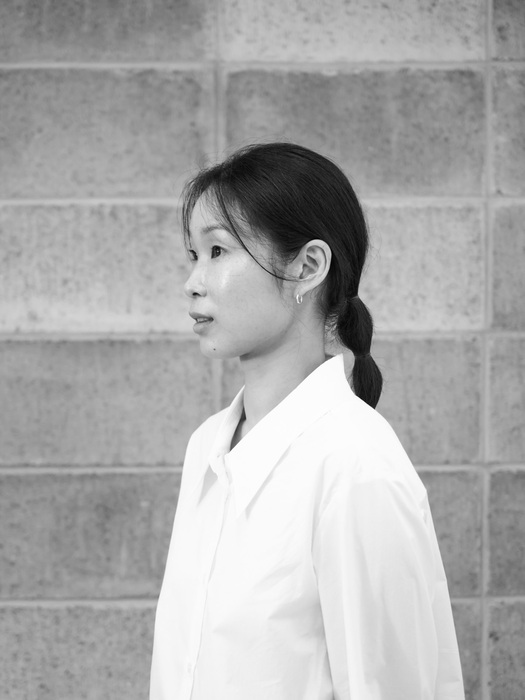
01. Emerging artist Dongju Kang (b.
1988), confronted with the shared contemporary question—“what to draw, when,
how, where, and by whose hands?”—endeavors to redefine and reinvent the act of
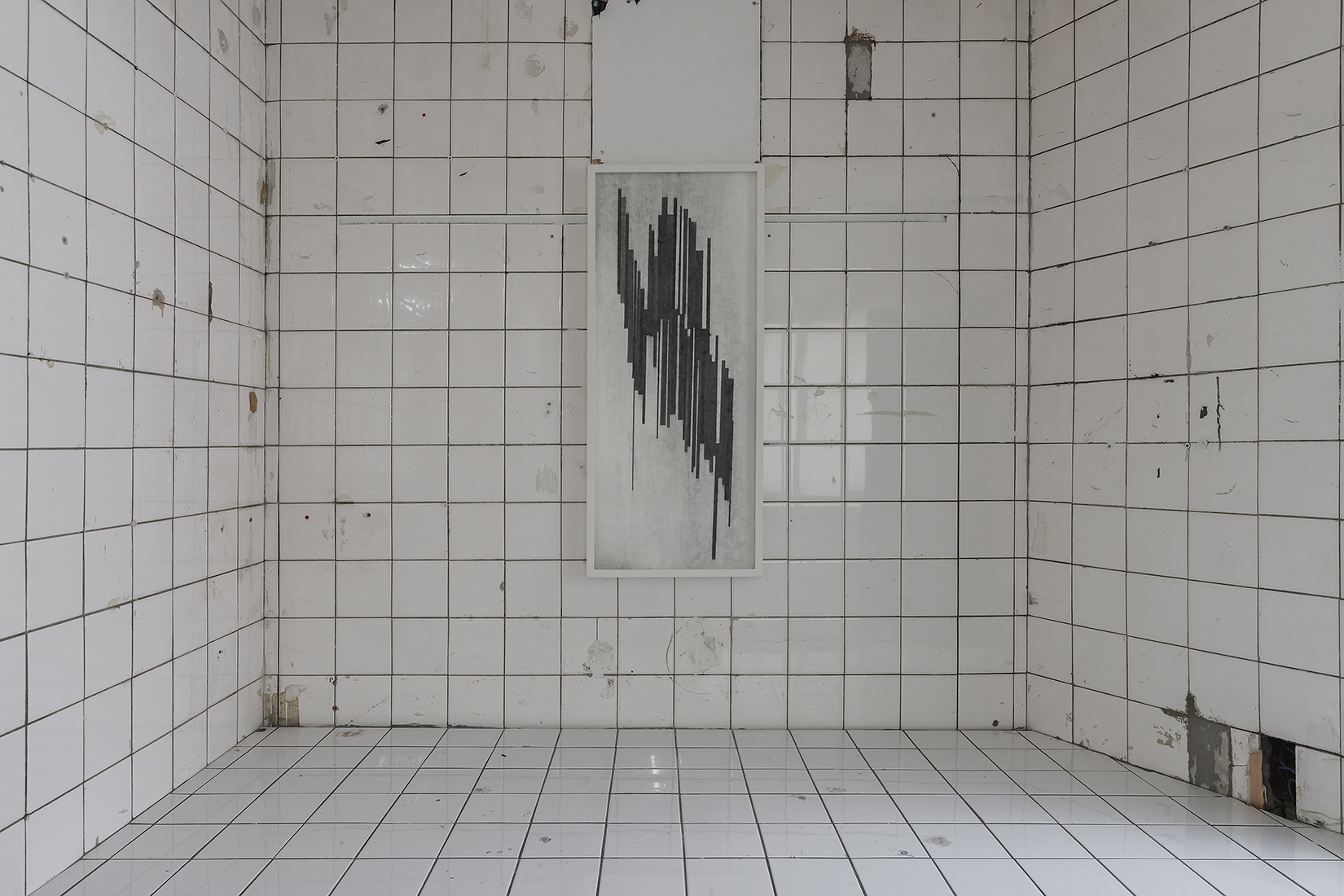
“drawing” through a problematic form that corresponds to a post-medium
situation.
02. When a young painter is said to
have found her subject matter, this implies not only that she has identified
the overarching theme that will guide her lifelong artistic practice, but also
that she has discovered the most suitable materials and forms through which to
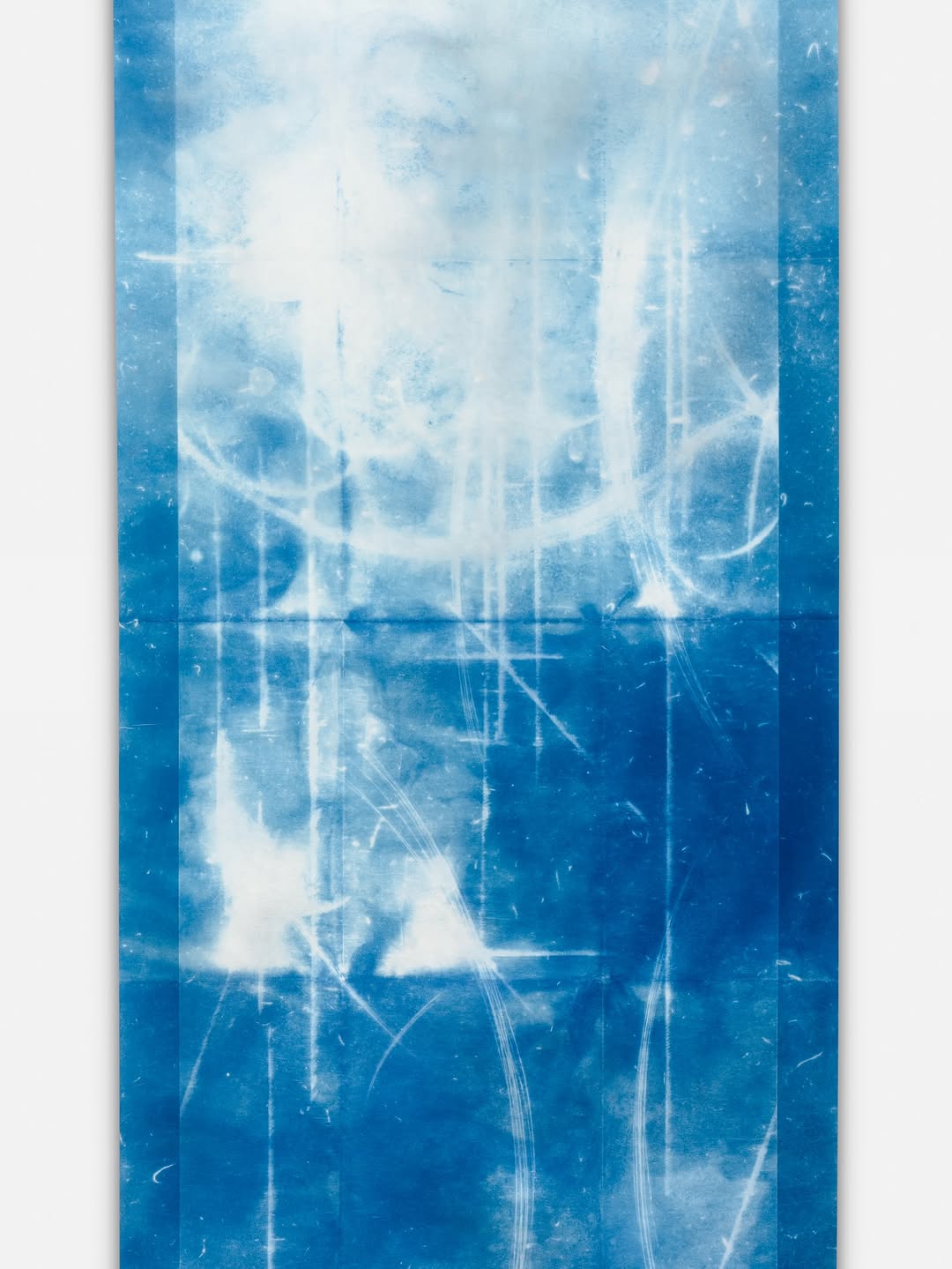
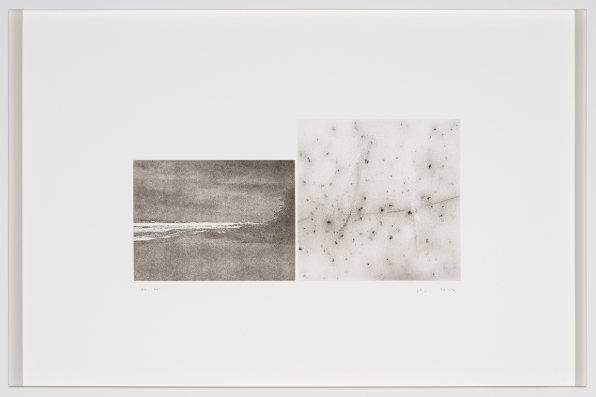
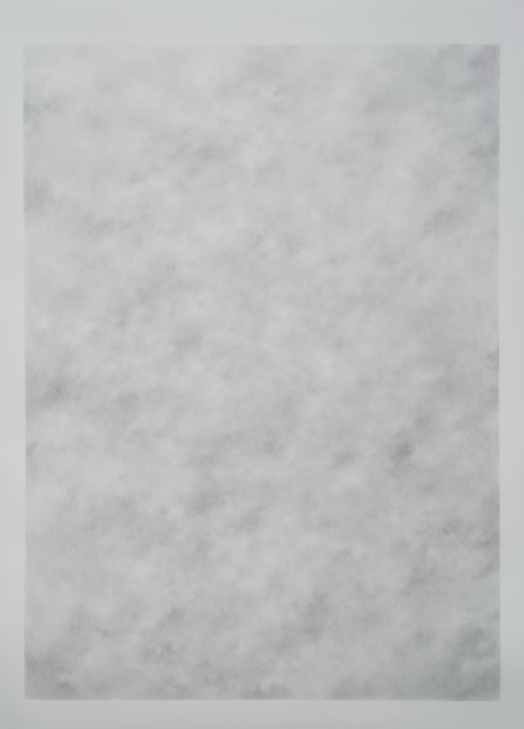
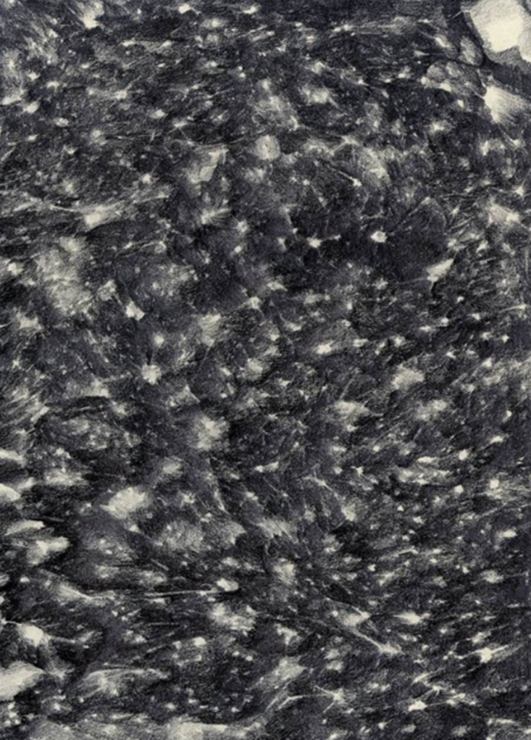
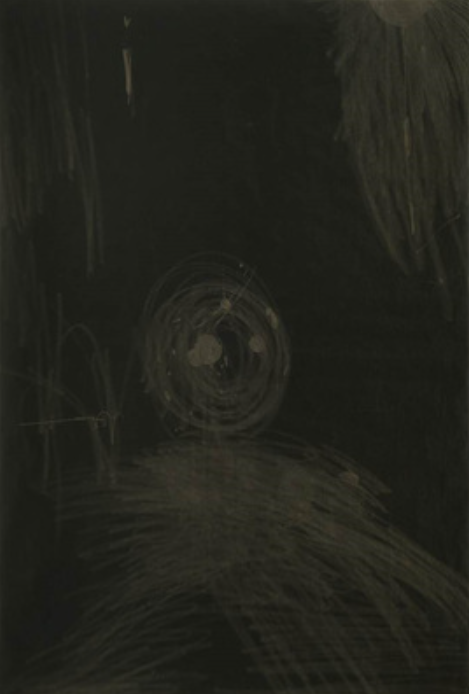
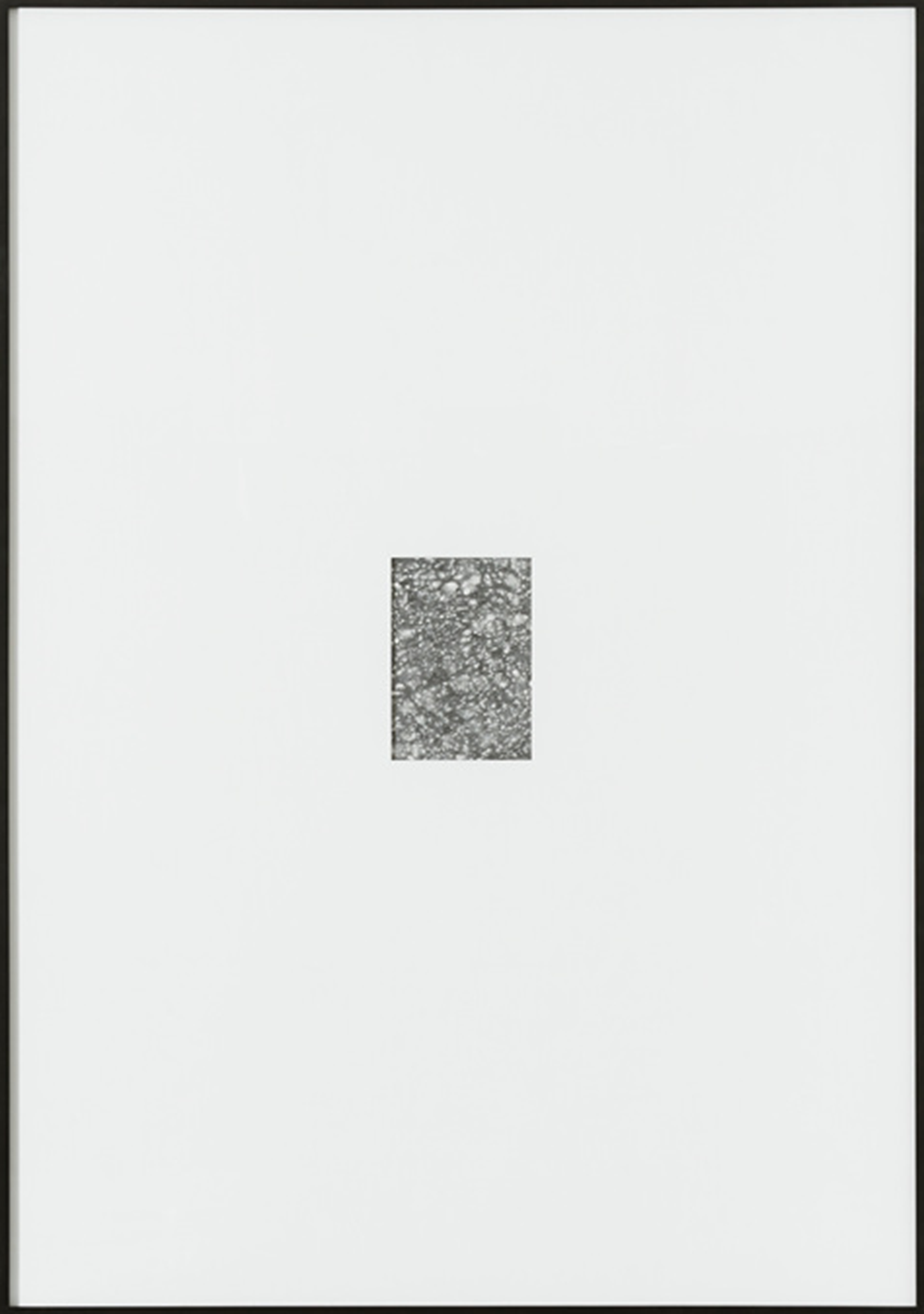
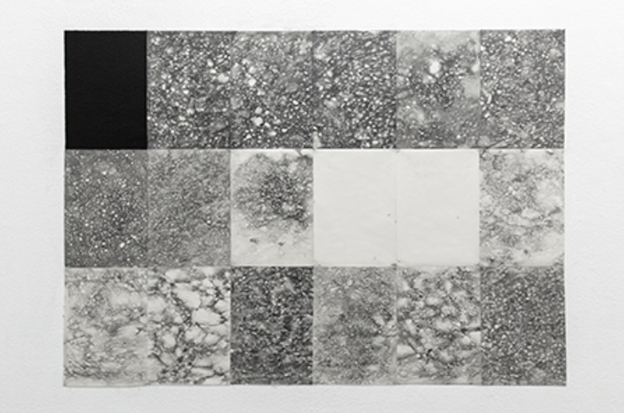
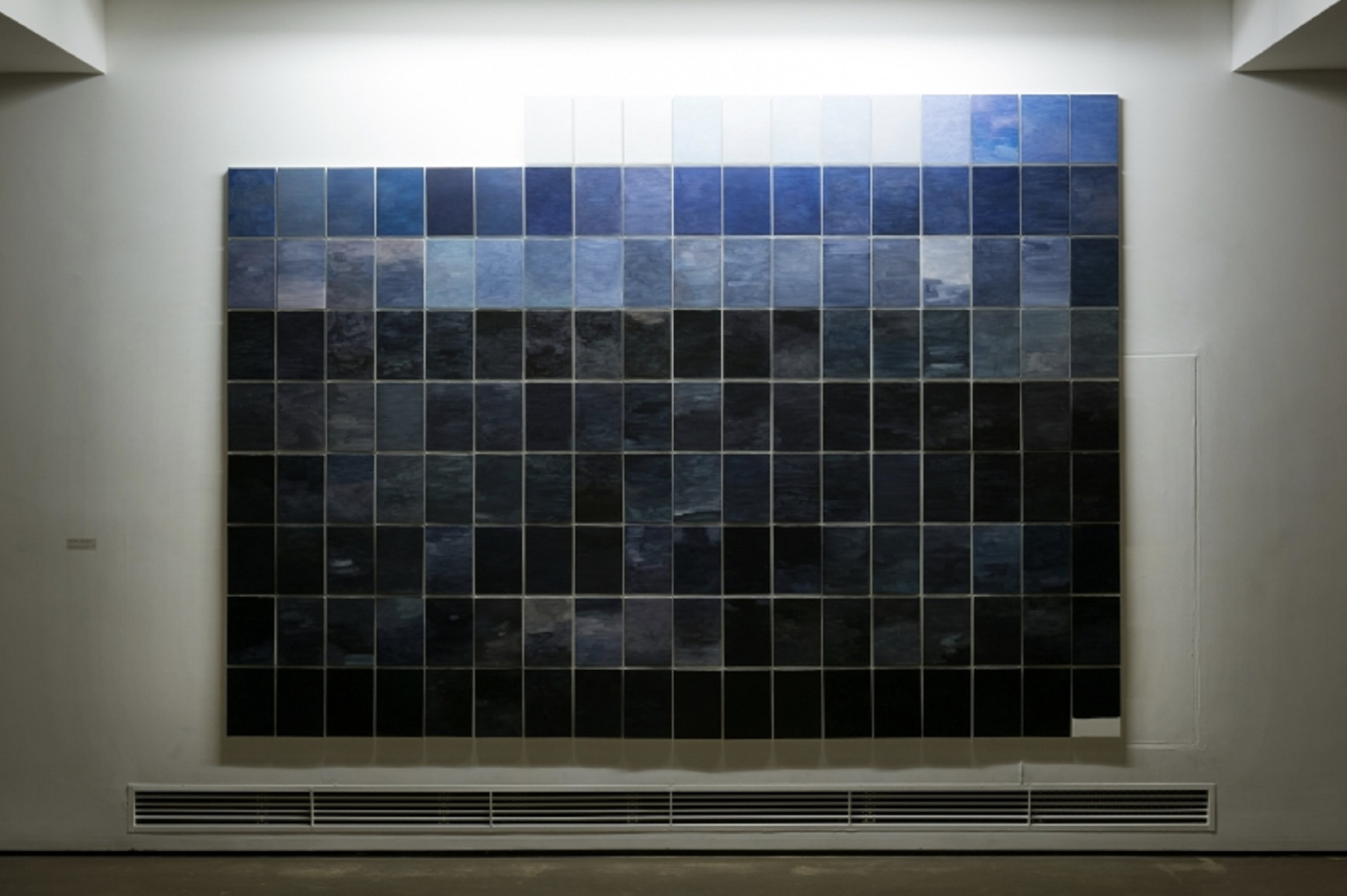
express it. In the case of Dongju Kang, the content that compels her toward a
final form is the city as a space of chiaroscuro, or more precisely, the
chiaroscuro interfaces of urban space. The optimal materials for realizing this
inquiry are pencils, carbon paper, and paper that follow specific protocols, as
well as oil paint and canvas.
(Note: According to Tanizaki Jun’ichirō
[1886–1965],
chiaroscuro refers to “a darkened appearance that seems like shadow, yet is not quite
shadow; like shade, yet not exactly shade.”)
03. In the 'Parade' series developed
between 2010 and 2011, the artist took urban dust barriers as her subject,
attempting to depict both that which conceals and that which is concealed at
the same time. She photographed dust screens in the city and translated these
images into oil paintings. (In a few exceptional cases, she painted from
photographs of dust screens taken by others.) Works titled after specific
locations—such as Angang Middle School, 236-06
Seokchon-dong, Songpa-gu, Seoul, Goam Building, and KCC,
Choseong-ri, Cheolsan-myeon, Yeoncheon-gun, Gyeonggi-do—became the
starting point of her painterly inquiry into the interface between visibility
and invisibility, as well as a foothold for her aesthetic development.
04. Feeling a certain
dissatisfaction with the ambiguity inherent in the 'Parade' series, the artist
developed in 2012 a self-evident, somewhat tedious, and even humorous series
titled “The Condition of Things That Cannot Be Seen Because There Is No Need to
See Them.”
During long daily bus rides, she drew only the partings of hair on the backs of
heads she inevitably saw—limited strictly to the head of the person seated
directly in front of her. Each drawing was accompanied by the bus number,
drawing number, date, and time of production (for example, the first drawing
was titled 720-1 01.15 08:15).
(Note: Although produced in transit, these bus drawings may be understood as
possessing spatiotemporal specificity, in that the artist accepted the spatial
constraints of movement as an integral part of the work.)
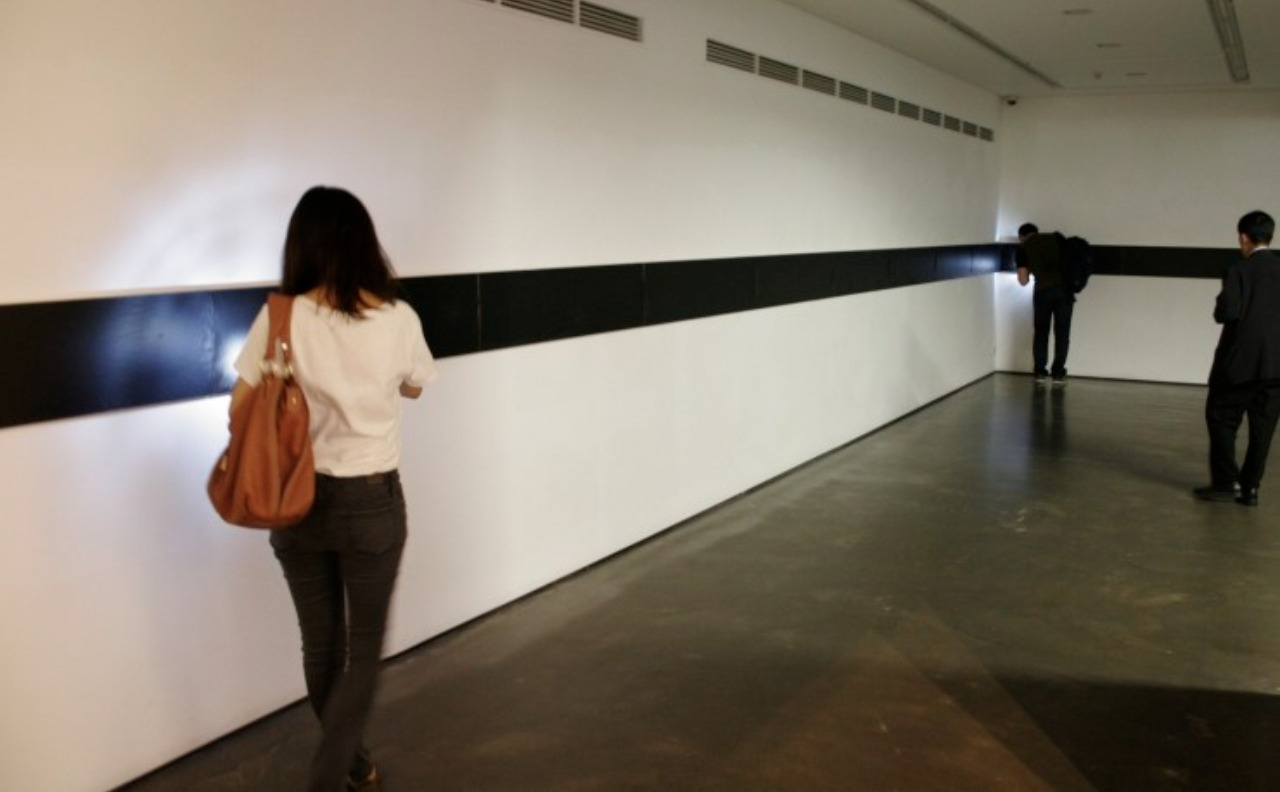
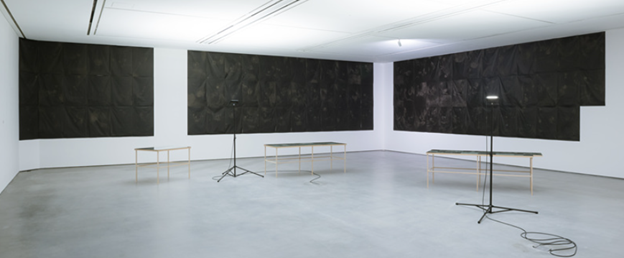
05. Dongju Kang’s distinctive
working method—recording the interface between visibility and invisibility
through a calibrated mode of chiaroscuro—began to fully emerge in her 2012 solo
exhibition 《Blackout》.