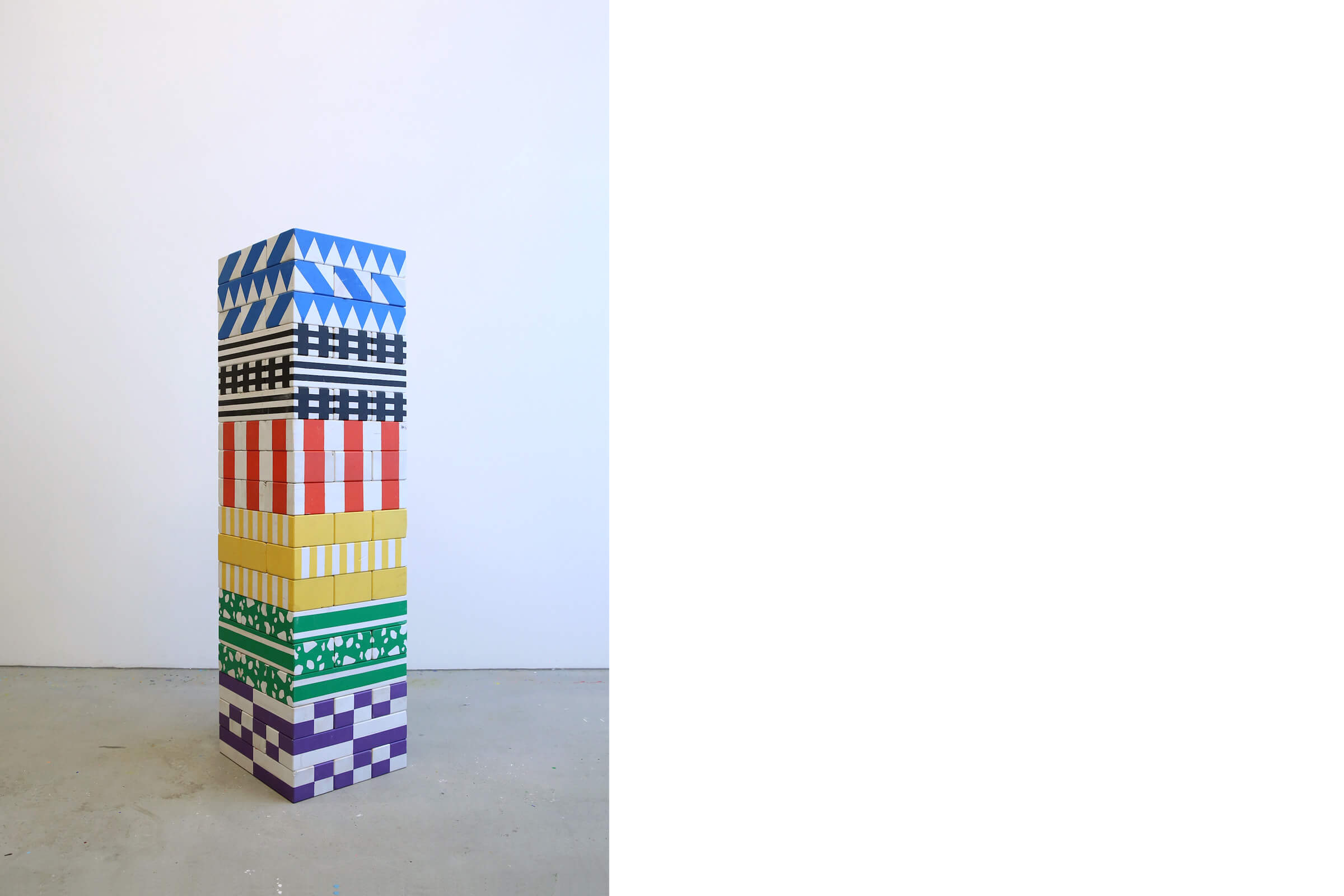
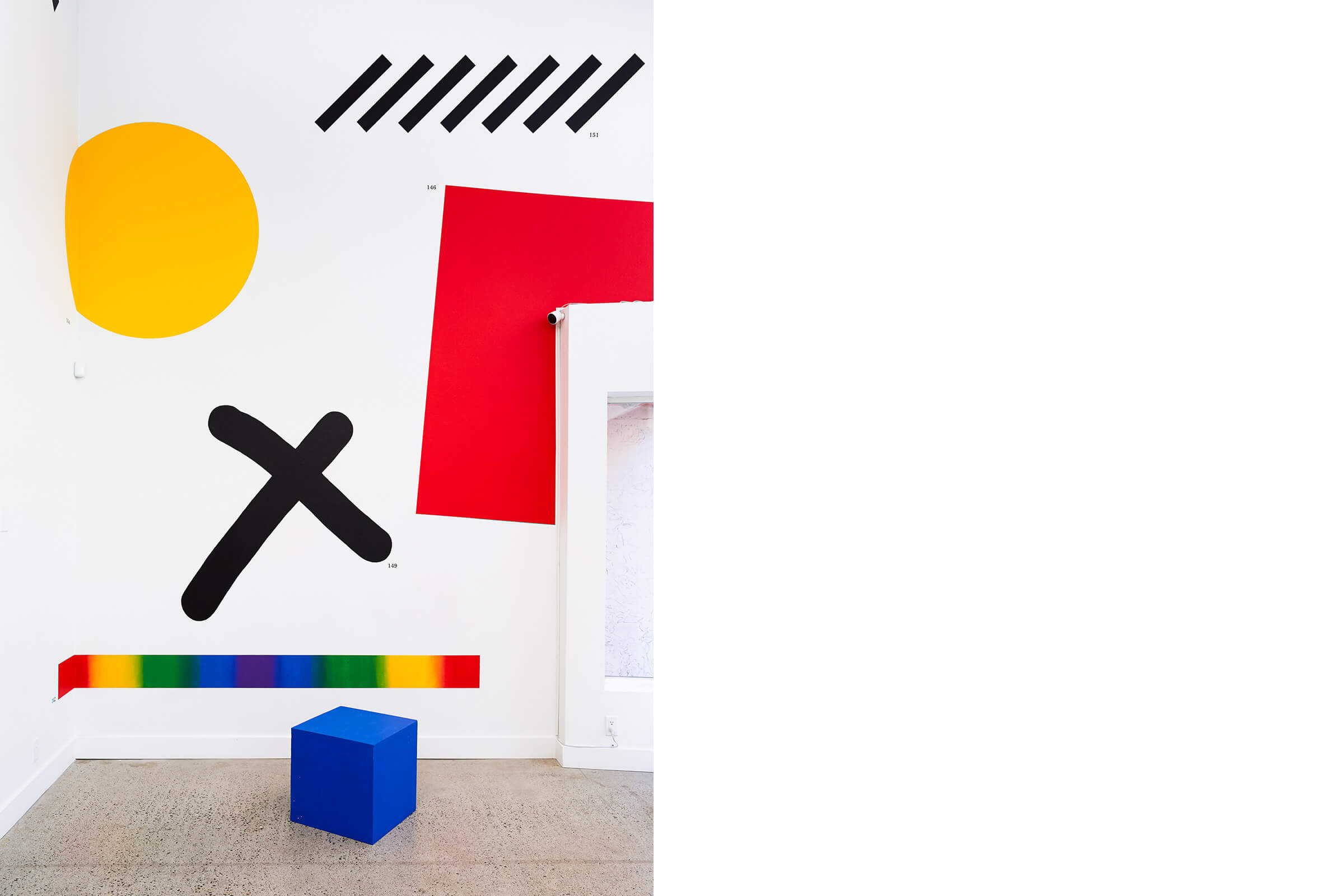
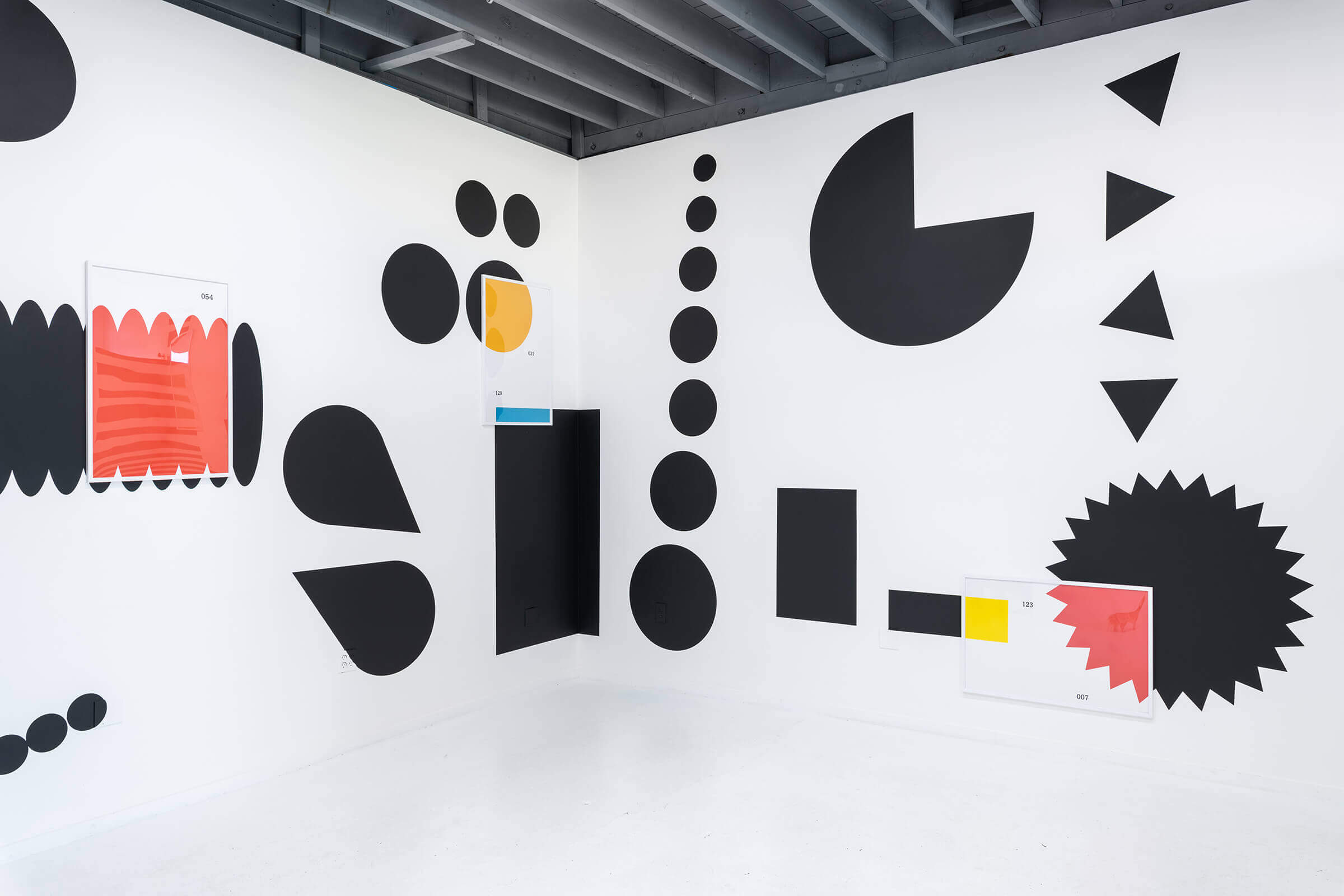
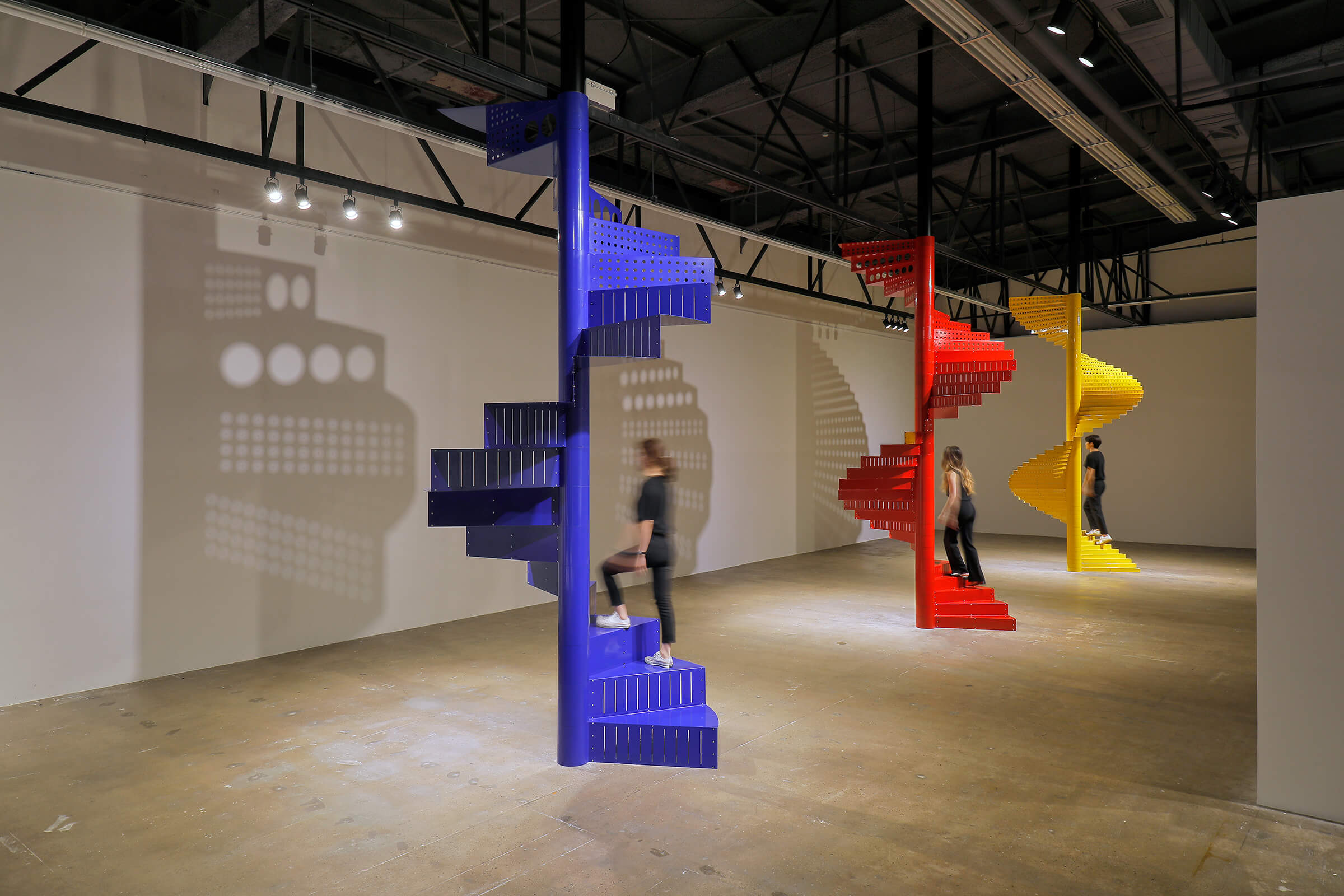
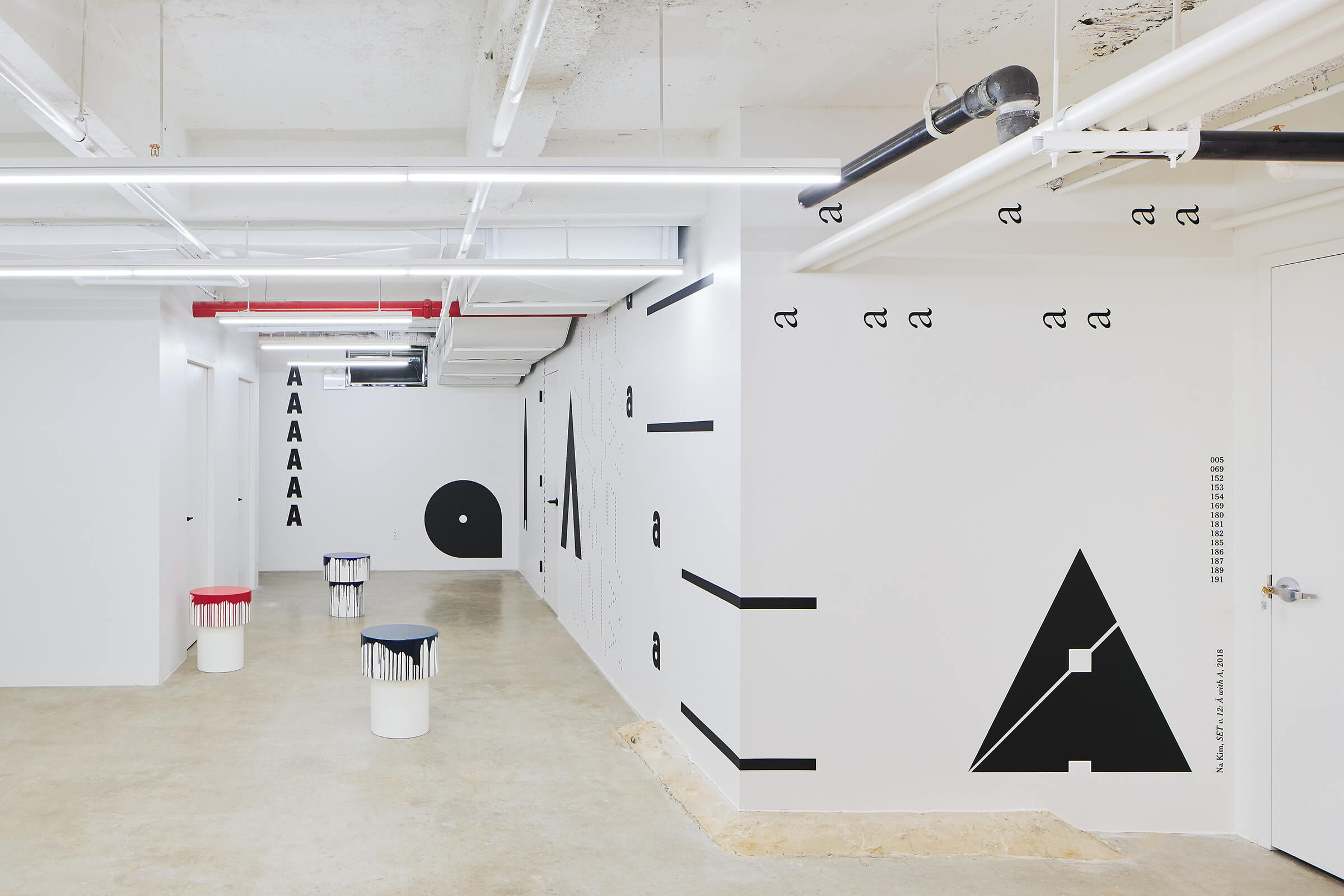
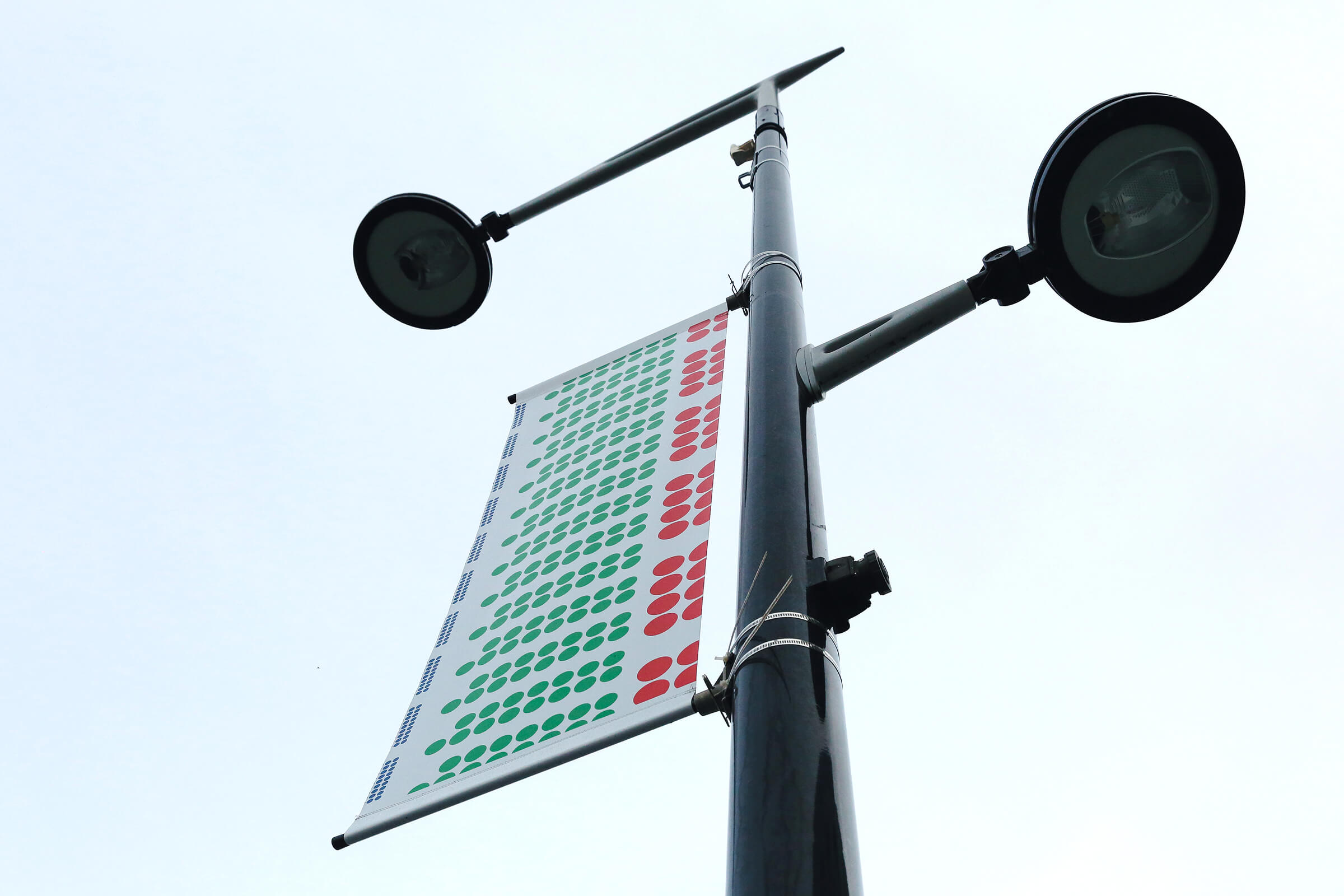
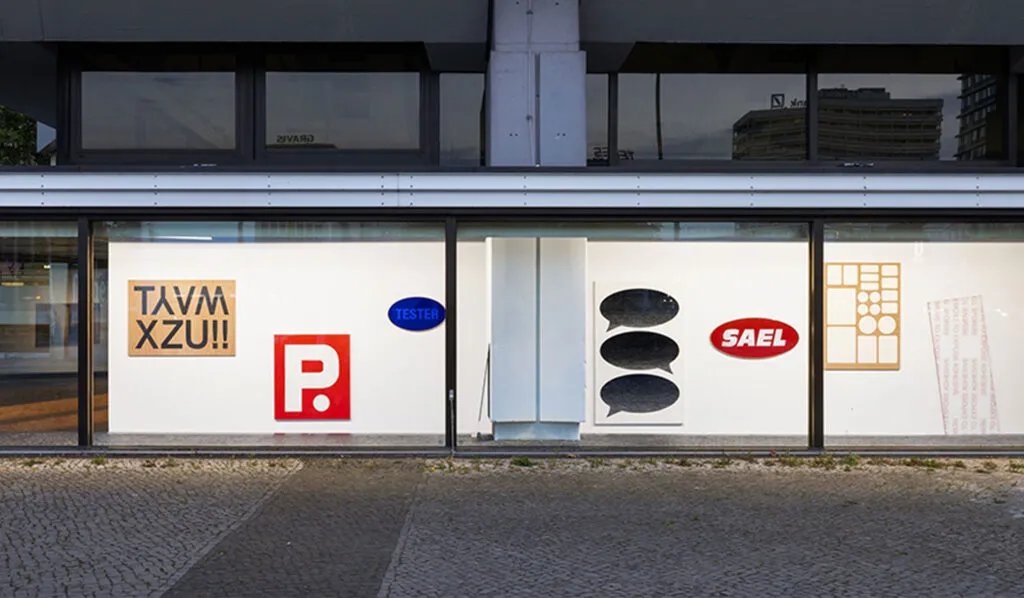
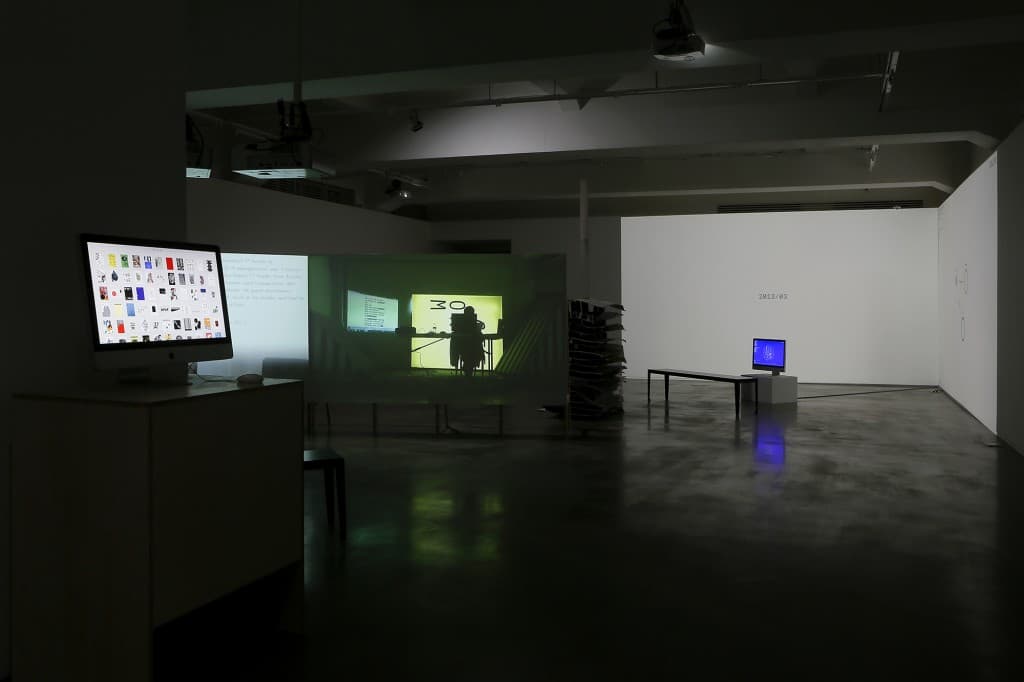
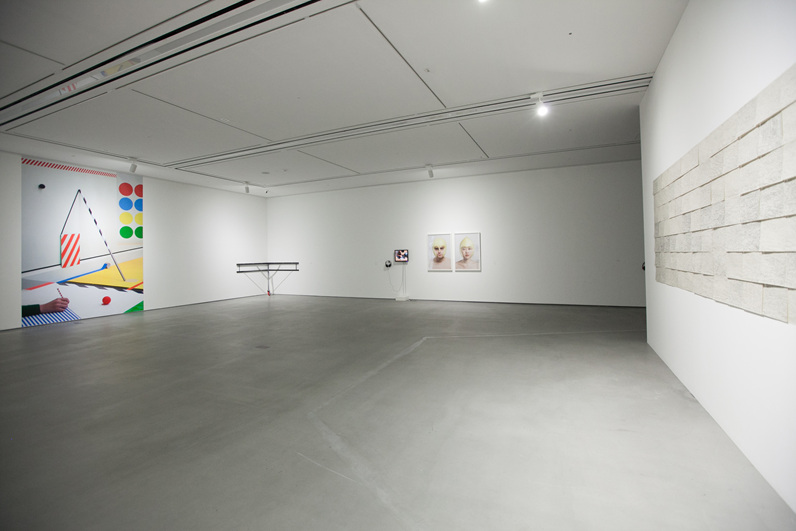
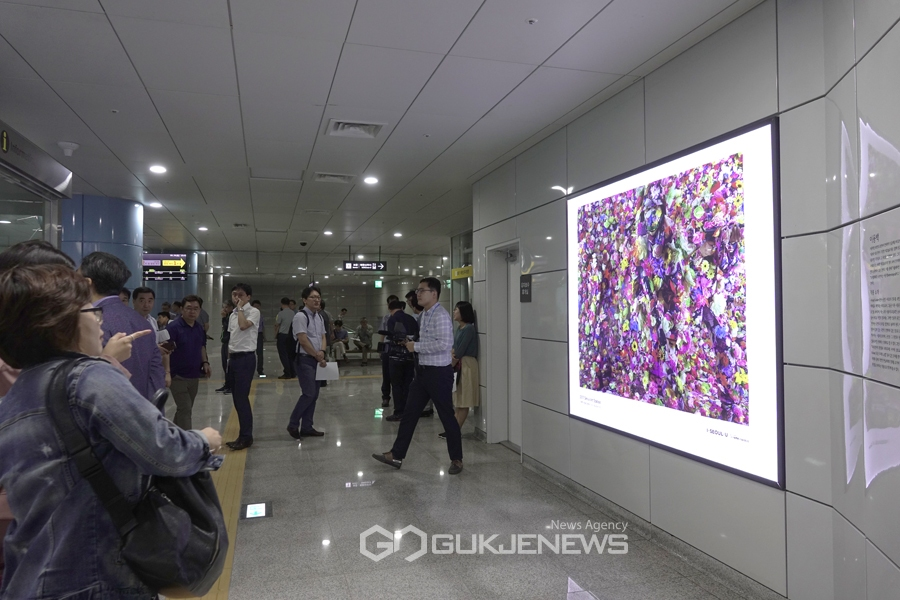
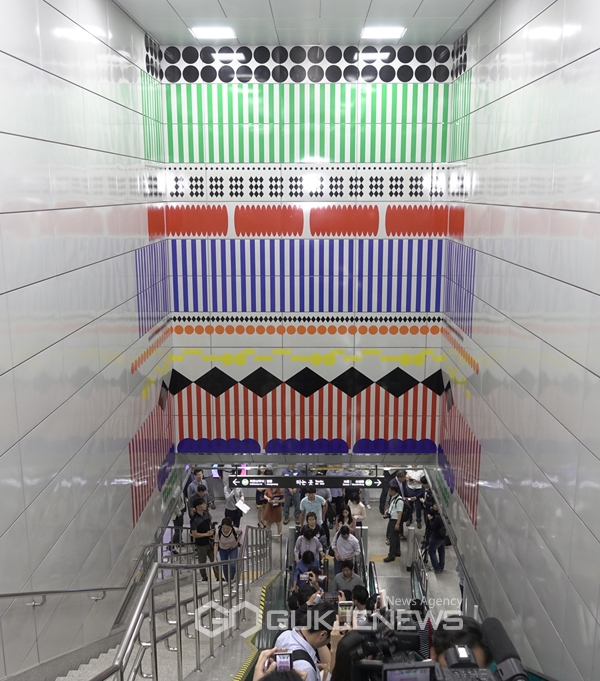
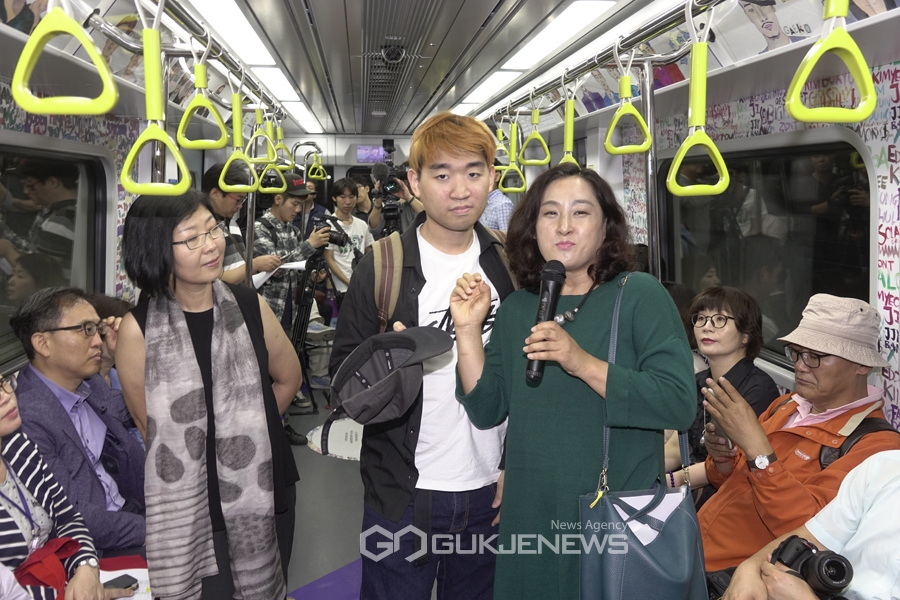
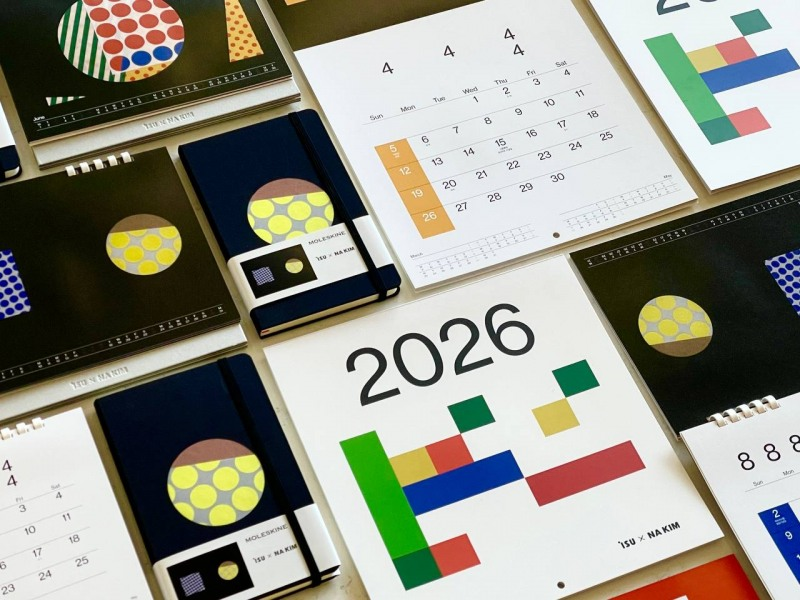
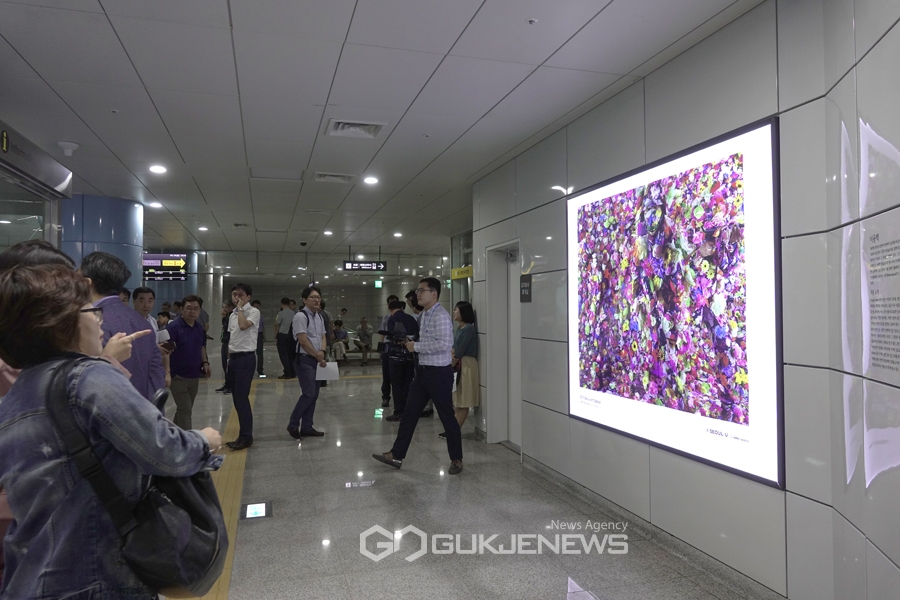
Works by emerging artists will be displayed on corridor walls and floors, staircases, and walls alongside escalators—spaces that commuters would ordinarily pass without a second glance. Meanwhile, trains will operate as part of the themed ‘Moving…’ series, with their interiors wrapped in designs reflecting specific themes. The first edition of the "Moving Art Museum" features two artists, Jeong Do-woon and Jeong Eun-hye, who create distinctive works while living with developmental disabilities.
The Ui-Sinseol Line connects Ui-dong in Gangbuk-gu to Sinseol-dong in Dongdaemun-gu, spanning 11.4 kilometers across 13 stations. Fares are the same as those on the existing subway system when using a transportation card: KRW 1,250 for adults, KRW 720 for teenagers, and KRW 450 for children. Three stations—Sungshin Women's University, Bomun, and Sinseol-dong—provide transfers to existing subway Lines 1, 2, 4, and 6, with the Seoul Metropolitan Area's integrated transfer discount system applying to the line.
With significant improvements to a public transportation network previously reliant almost entirely on buses, travel time between Ui and Sinseol is expected to decrease by approximately 30 minutes during rush hour, from around 50 minutes to just over 20 minutes. The Seoul Metropolitan Government anticipates that the line will help address transportation gaps in northern Seoul, an area historically underserved by urban rail, and contribute to balanced regional development.
The Seoul Metropolitan Government announced that the Ui-Sinseol Line would officially begin operations on Saturday, September 2, with the first train departing from Bukhansan Ui Station at 5:30 a.m. The official opening ceremony will take place at 10 a.m. the same day at the General Management Building in Ui-dong, Gangbuk-gu, attended by Seoul Mayor Park Won-soon, Gangbuk-gu Mayor Park Gyeom-su, Seongbuk-gu Mayor Kim Young-bae, and other officials.
The project was undertaken through a Build-Transfer-Operate (BTO) public-private partnership, in which Ui-Sinseol Light Rail Transit Co., Ltd., established by a consortium of ten companies led by POSCO Engineering & Construction and including Doosan Engineering & Construction, Korea Development Corporation, and Daewoo Engineering & Construction, transfers ownership of the completed infrastructure to the city in exchange for the right to operate it for 30 years without paying a concession fee. The total investment amounted to KRW 888.2 billion.
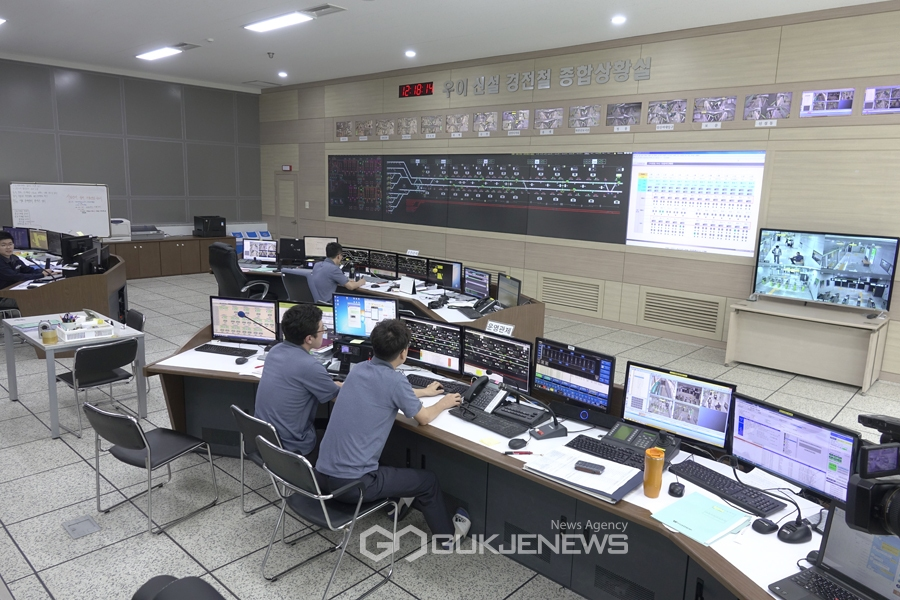
The project includes 13 stations and one General Management Building, with a total floor area of 8,156.55 square meters spanning two basement levels and three aboveground floors. The building houses an underground train depot and a centralized control center for the driverless railway system on the third floor. With the exception of the General Management Building and auxiliary facilities, all infrastructure was constructed underground, leaving the trains completely invisible from aboveground.
In particular, the train depot was built underground for the first time in South Korea to preserve the natural environment of Bukhansan Mountain, which is designated as a greenbelt area, and to minimize noise pollution.
Although light green was selected as the line's official color, difficulties have arisen in finding a distinct place for the shade on Seoul's comprehensive subway map.
The Seoul Metropolitan Government explained that light green was chosen to reflect the vibrant natural surroundings and youthful atmosphere of the university districts along the Ui-Sinseol Line, which connects destinations such as the Bukhansan Dulle-gil Trail and Duksung Women's University.
Safety has been given the highest priority. As all trains on the Ui-Sinseol Line operate without drivers, an additional 95 personnel will be deployed daily across all stations and trains for the first 29 days of operation, totaling 2,755 personnel assignments. This measure is intended to prepare for potential safety incidents and alleviate passengers' concerns. Because the trains have no separate driver's cabins, passengers can look directly into the tunnels through the front and rear windows.
A total of 403 CCTV cameras have been installed inside the trains and stations, with continuous 24-hour monitoring from the central control center. Platform screen doors have also been installed at all 13 stations.
The platform screen doors consist entirely of movable panels, without fixed sections. No advertising panels have been installed on the screen doors so that passengers can easily open emergency exits from inside the trains and evacuate in the event of an emergency.
The train interiors and seats are made of noncombustible materials, including aluminum. Emergency exits and evacuation ramps have also been installed at both ends of each train, allowing passengers to operate them easily under instructions from the central control center in an emergency.
Accessibility for passengers with reduced mobility has also been improved. The train interiors feature an open-gangway design without doors or raised thresholds between carriages, allowing wheelchair users and passengers with strollers to move freely throughout the train. In addition, 46 accessible ticket gates, 178 audio guidance devices, and 52 elevators, both inside and outside the stations, have been installed.
Seat widths have been increased by 2 centimeters from the original plan, from 43 to 45 centimeters, to accommodate changes in the average body size of Koreans. Each train has a total passenger capacity of 174, including 48 seated and 126 standing passengers.
The stations have also been designed to challenge conventional notions of subway spaces through innovative architectural approaches. At six entrances across five stations—Solbat Park, April 19th National Cemetery, Gaori, Hwagye, and Samyang Sageori—entrances that would ordinarily be located on sidewalks have instead been constructed to connect directly to buildings. Station interiors incorporate a mezzanine structure, with portions of the floors opened between levels to create a greater sense of openness and maximize spatial efficiency.
To enable direct connections between station entrances and buildings, the city purchased privately owned land and constructed new buildings linked to the entrances. These buildings serve as auxiliary facilities, accommodating ventilation rooms, electrical equipment rooms, substations, and signaling and communications equipment rooms. Commercial facilities will also occupy unused spaces to generate revenue.
The Cultural Railway Project can be summarized through three main initiatives: creating dedicated spaces for art and culture free from indiscriminate commercial advertising, establishing "Art Stations" where passengers can encounter high-quality artworks, and operating the themed ‘Moving…’ train series.
Unlike conventional subway stations, all 13 stations on the Ui-Sinseol Line will be developed as dedicated spaces for art and culture. In particular, rather than installing standardized rectangular advertising boards, the stations will feature gallery-style display rails, allowing the sizes and positions of artworks and promotional posters to be adjusted freely.