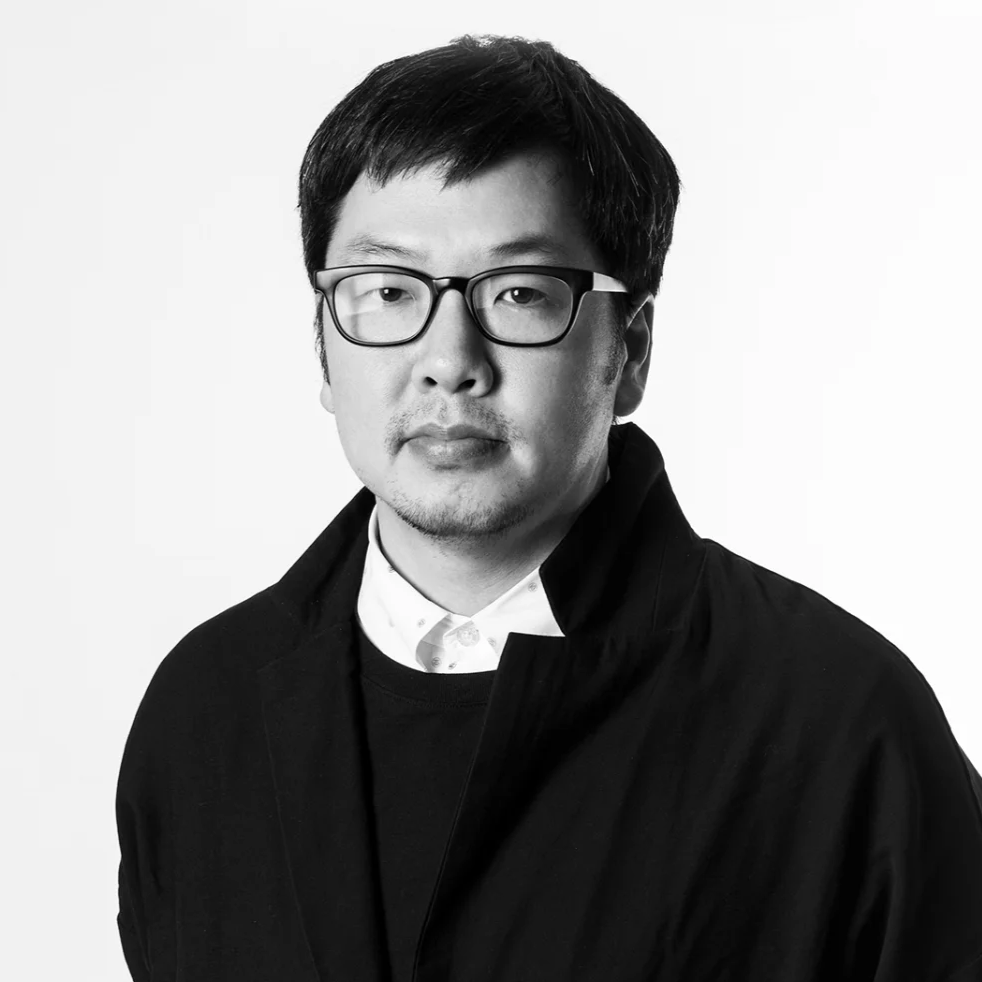
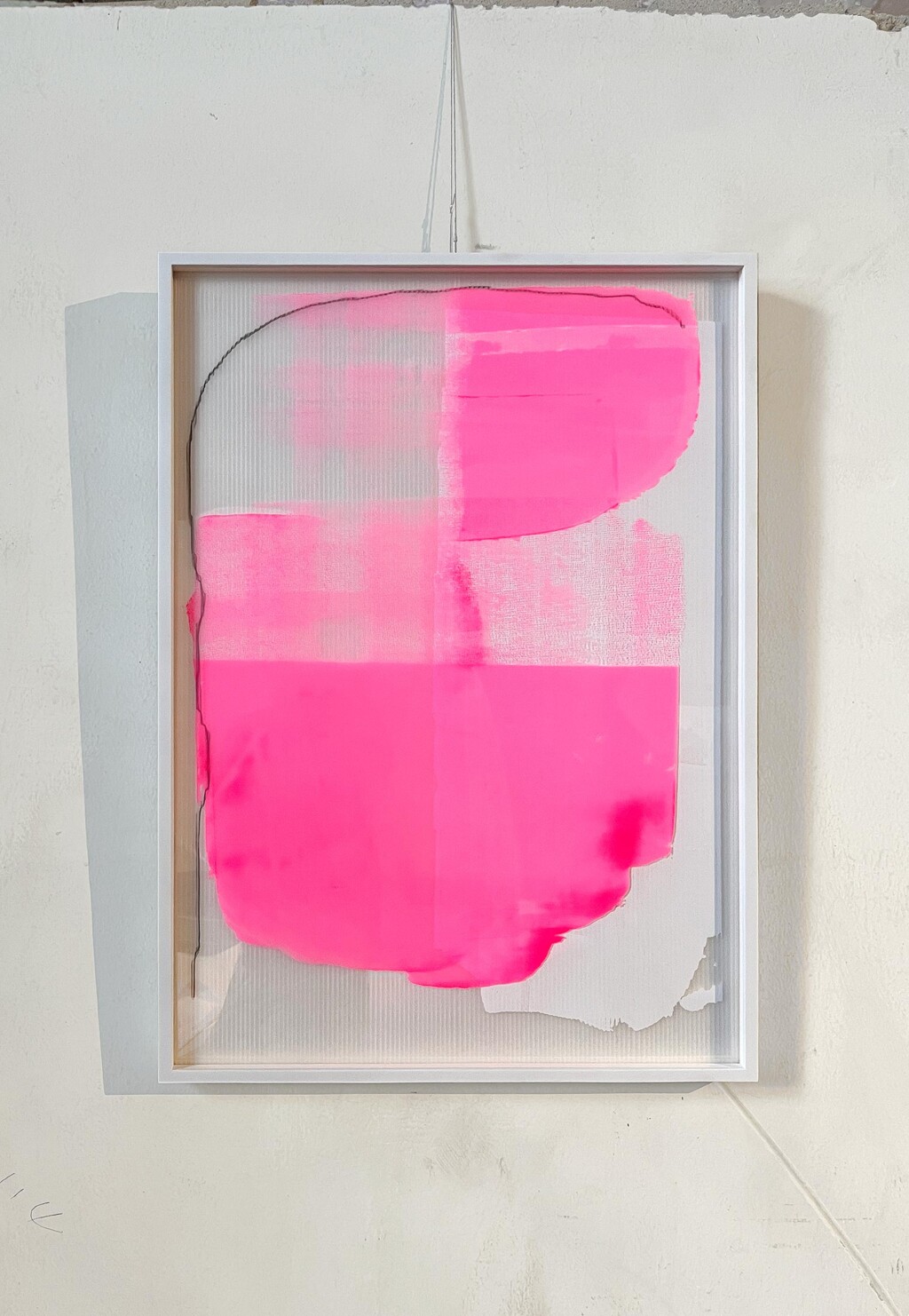
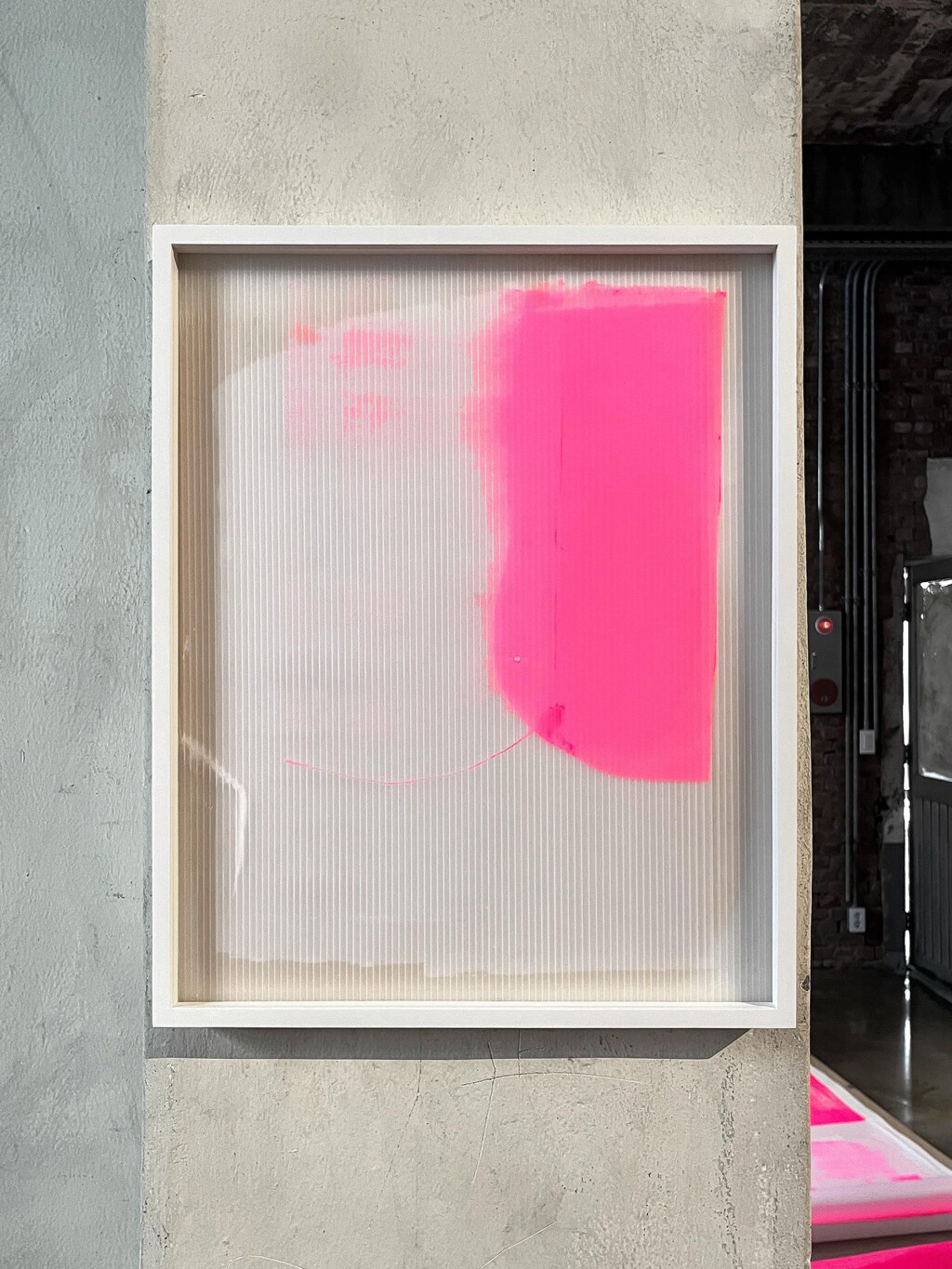
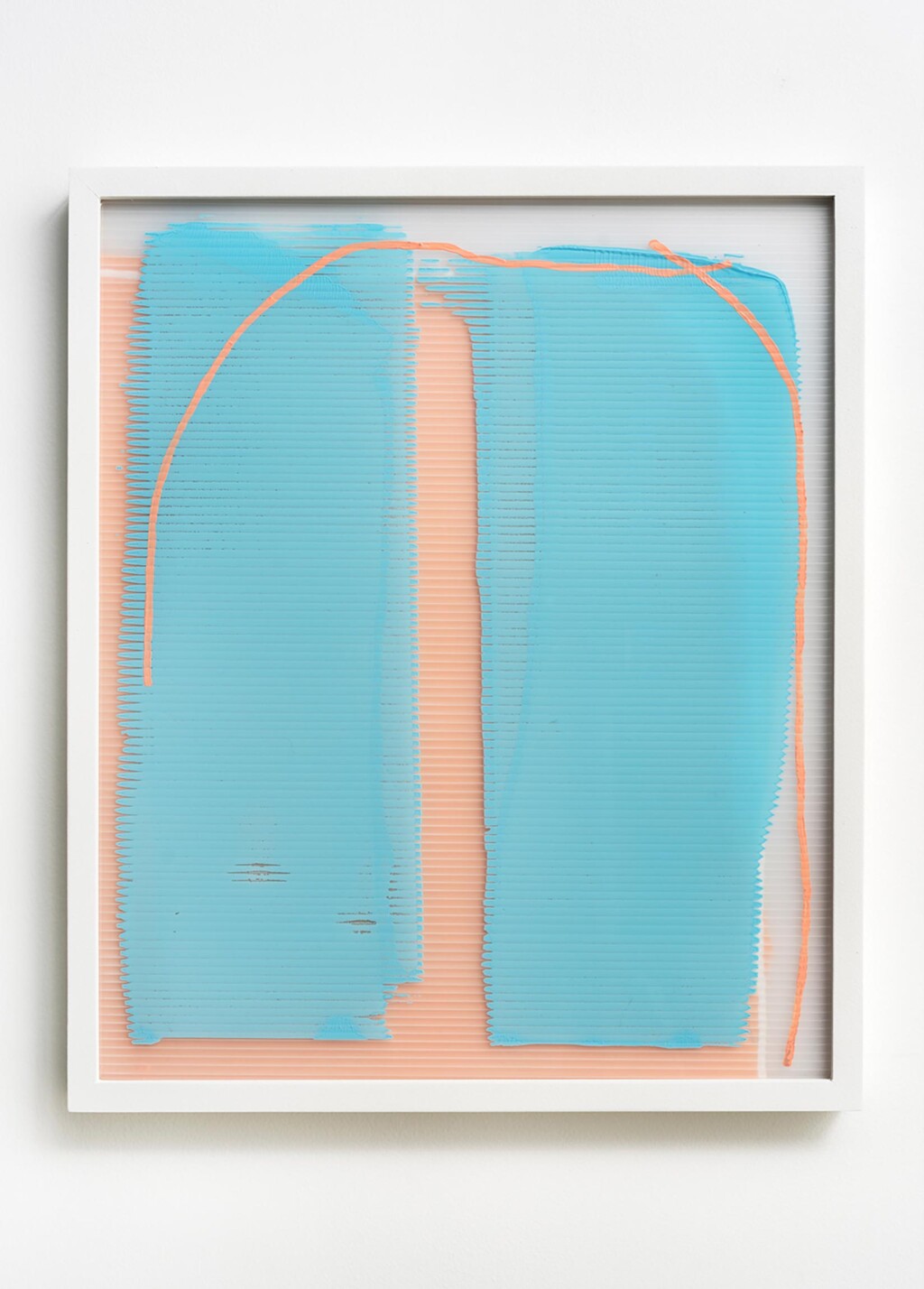
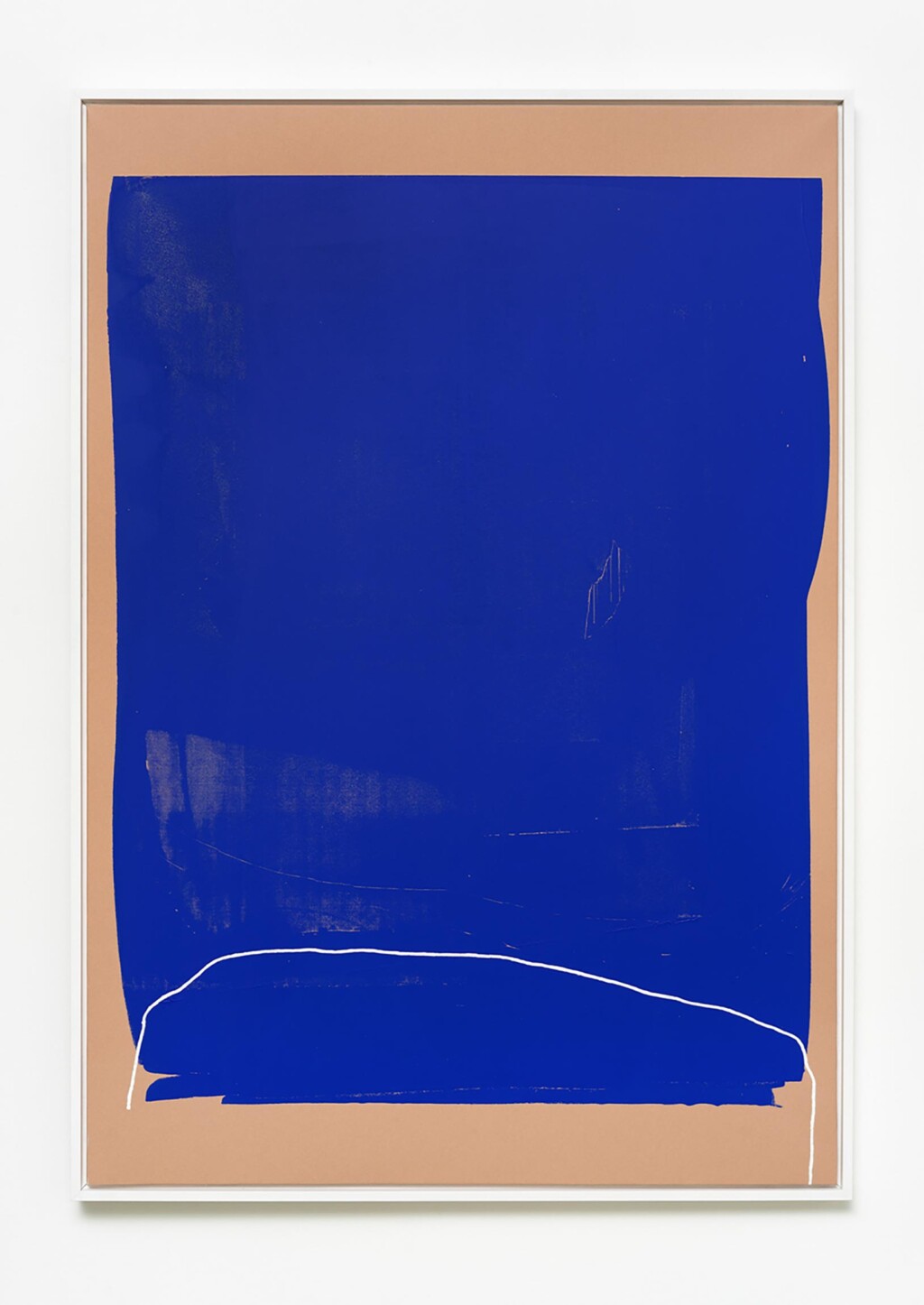
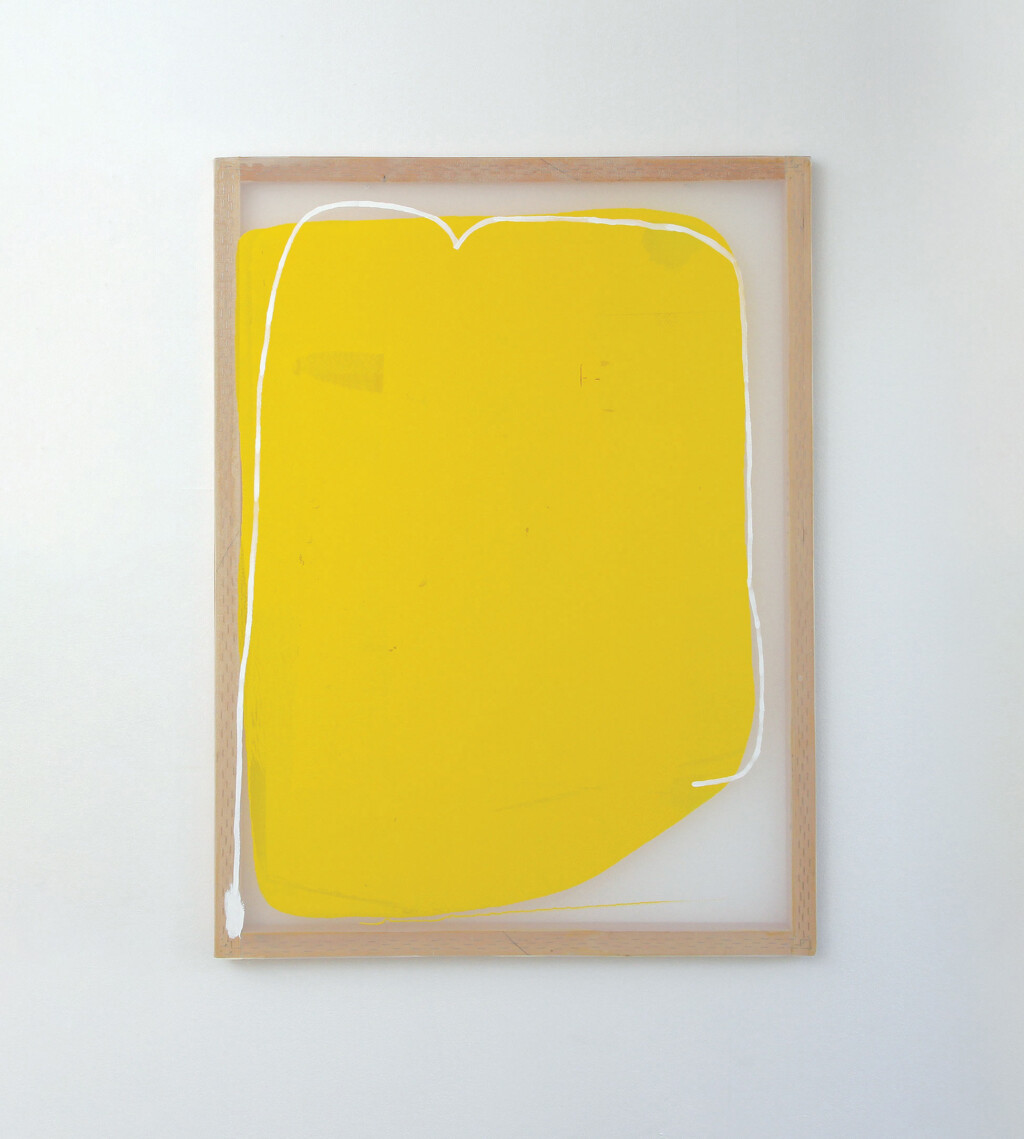
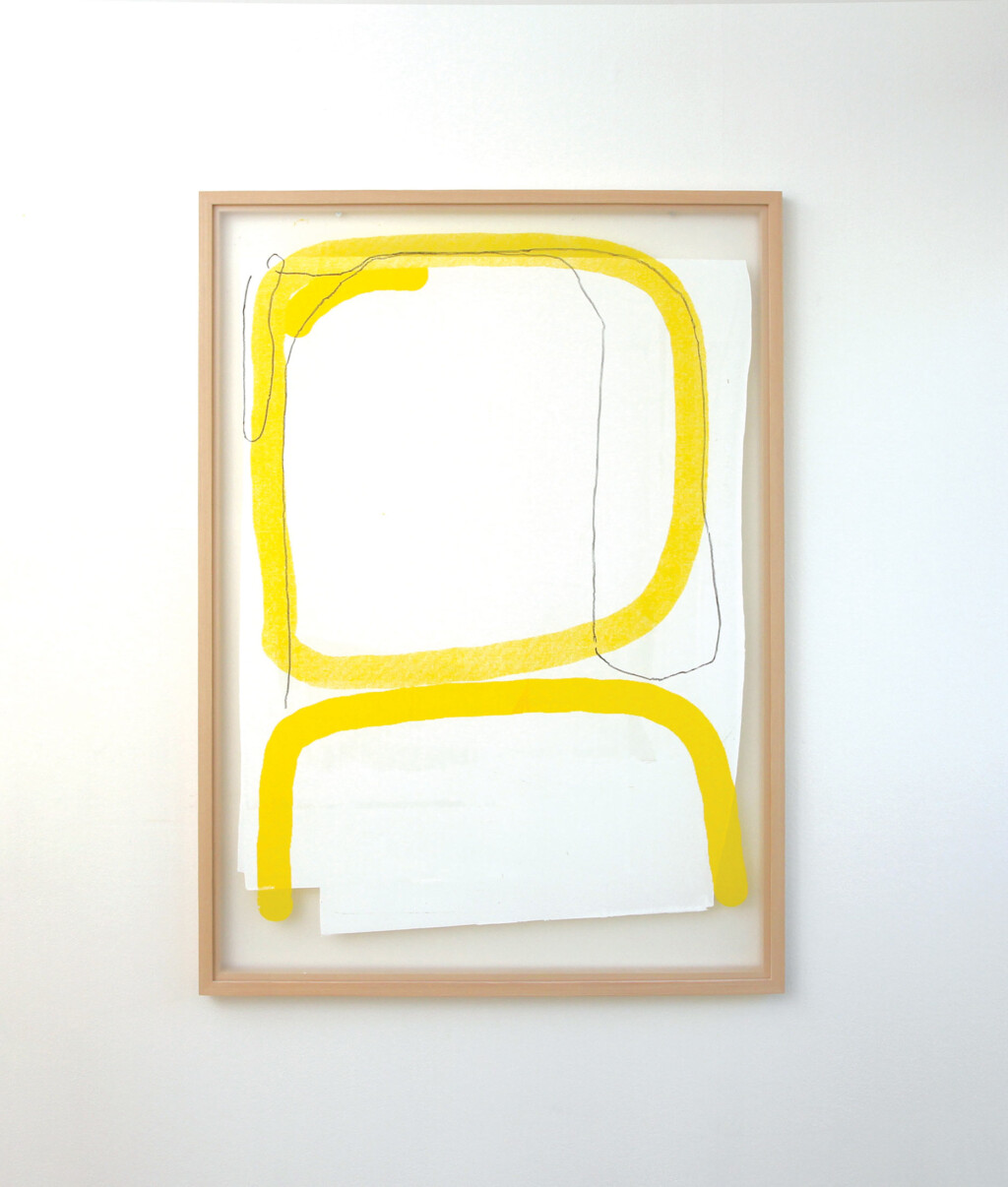
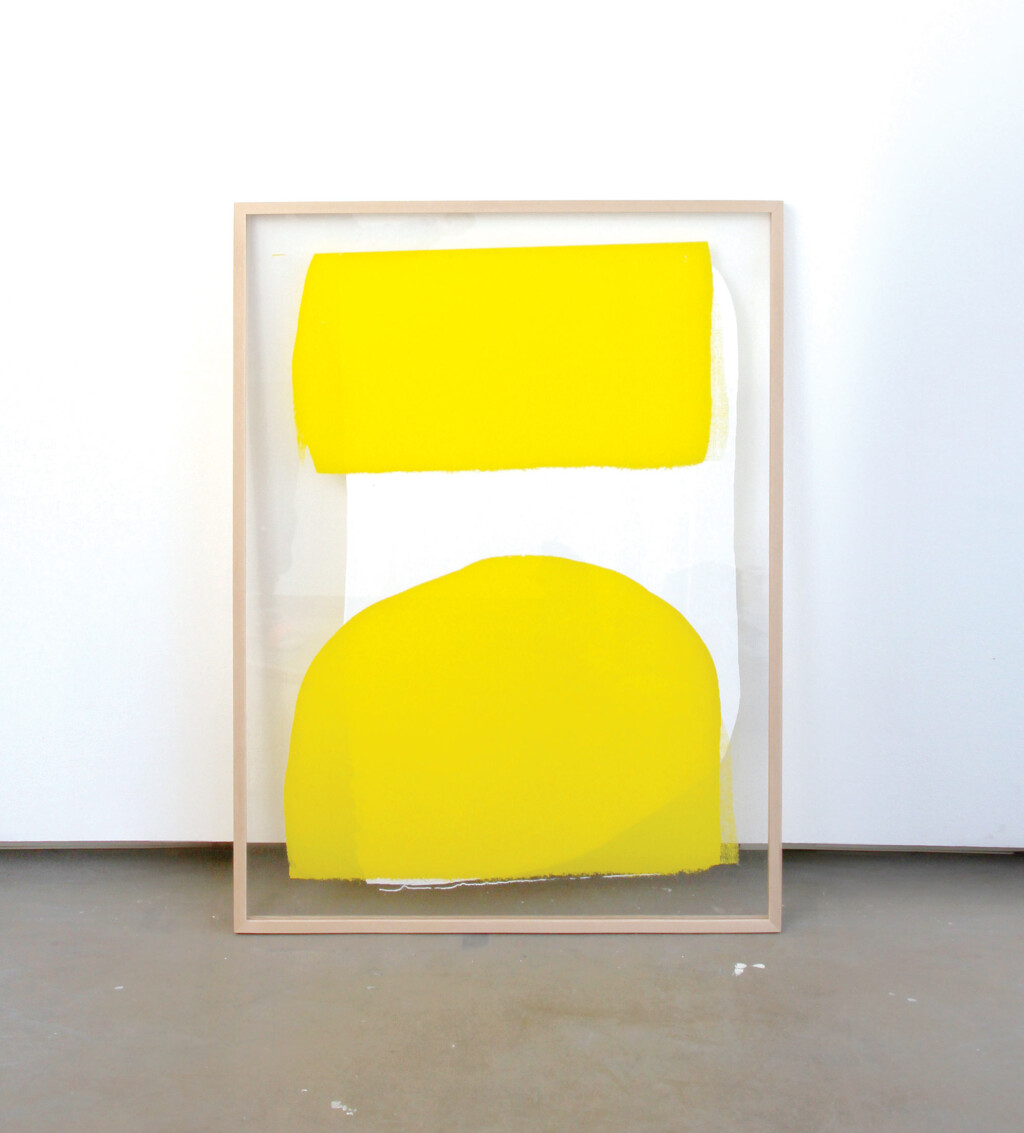
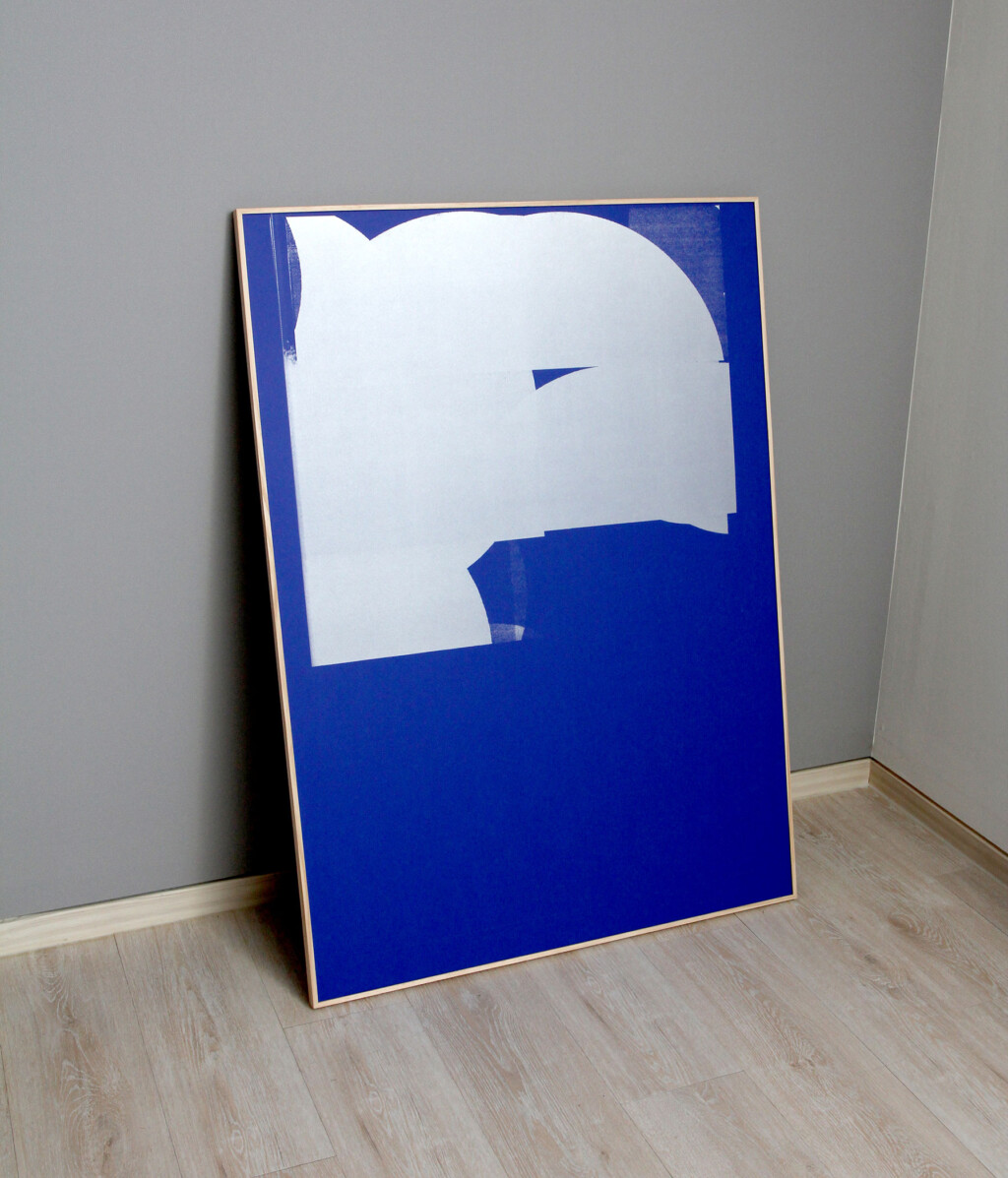
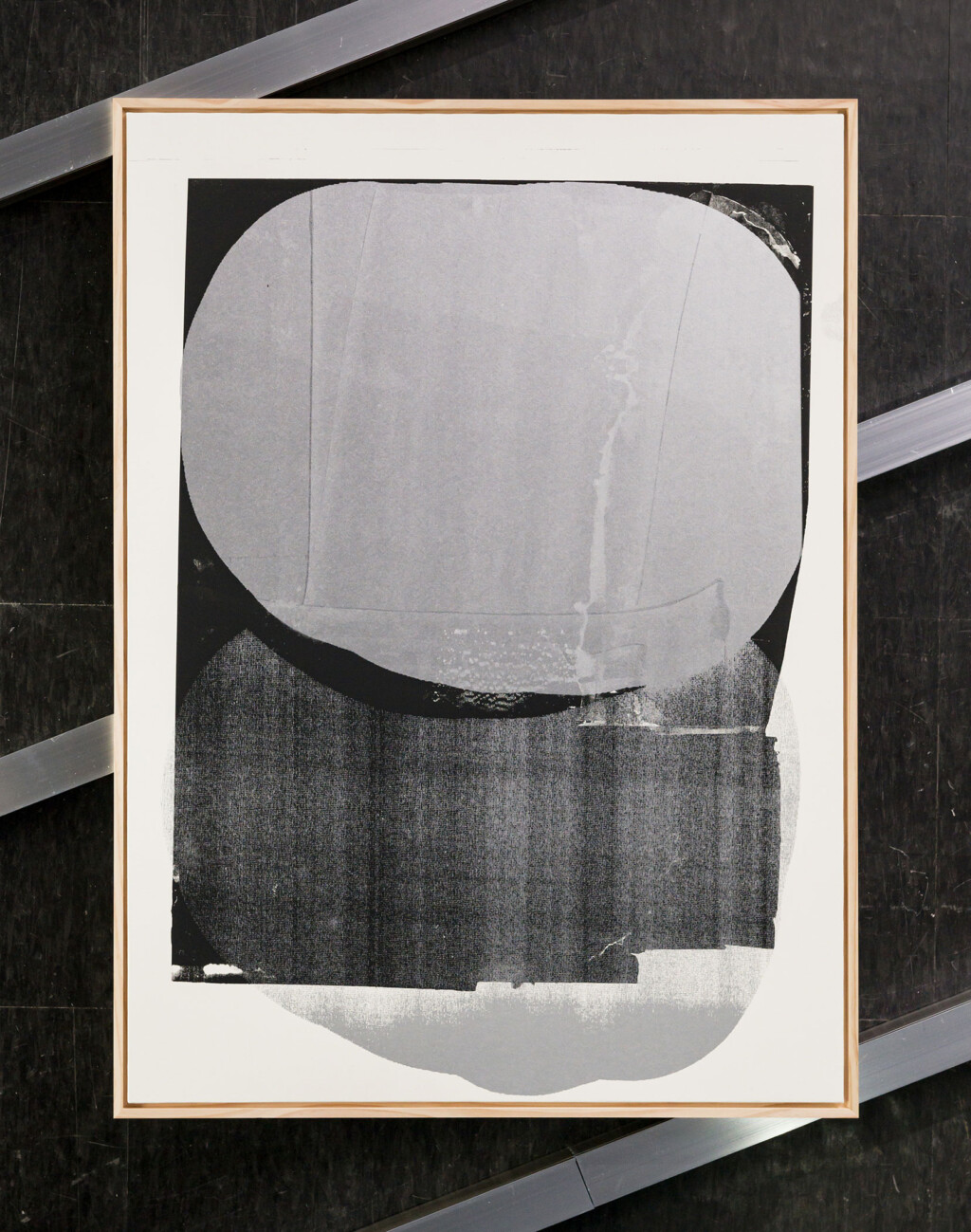
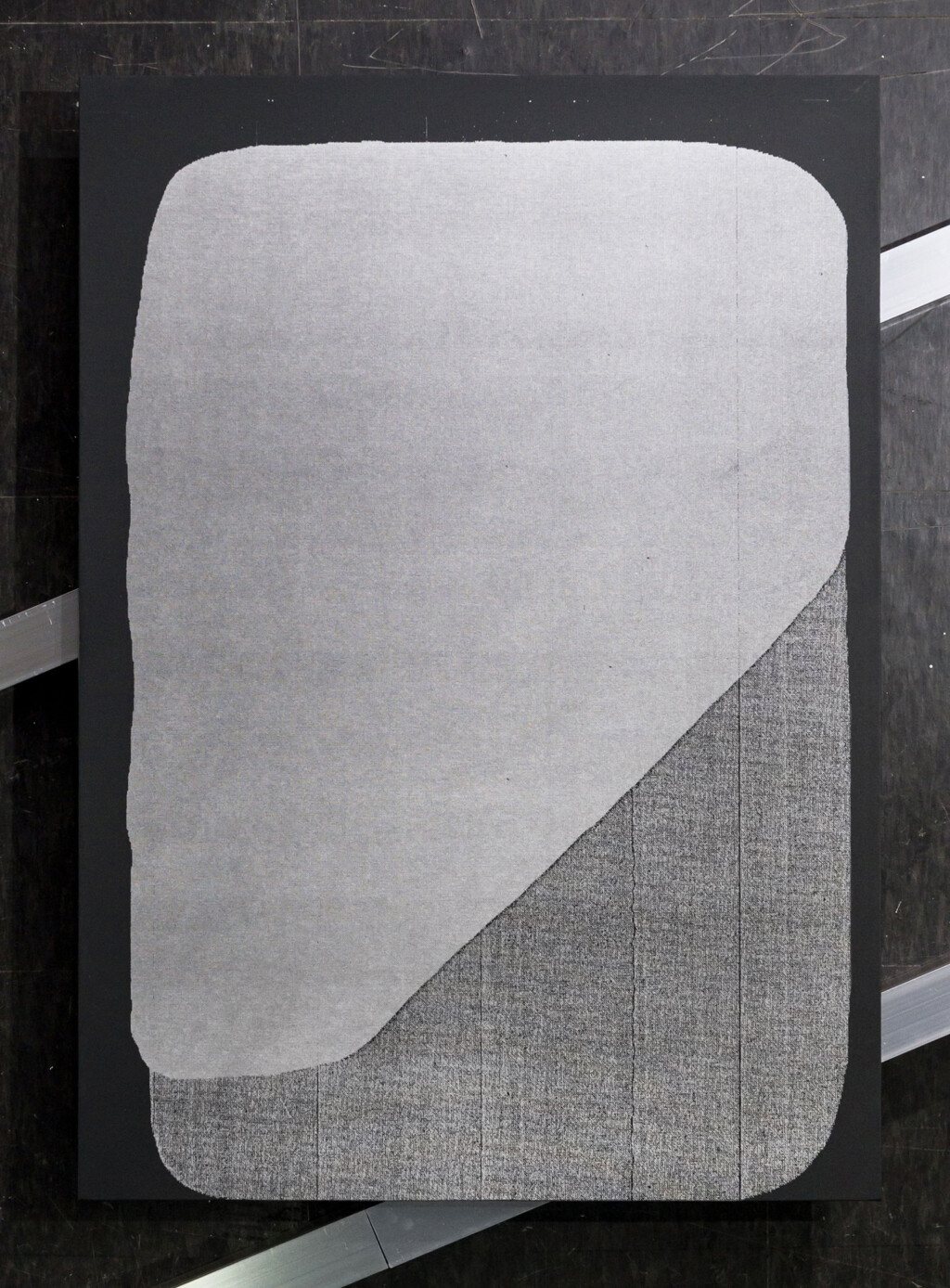
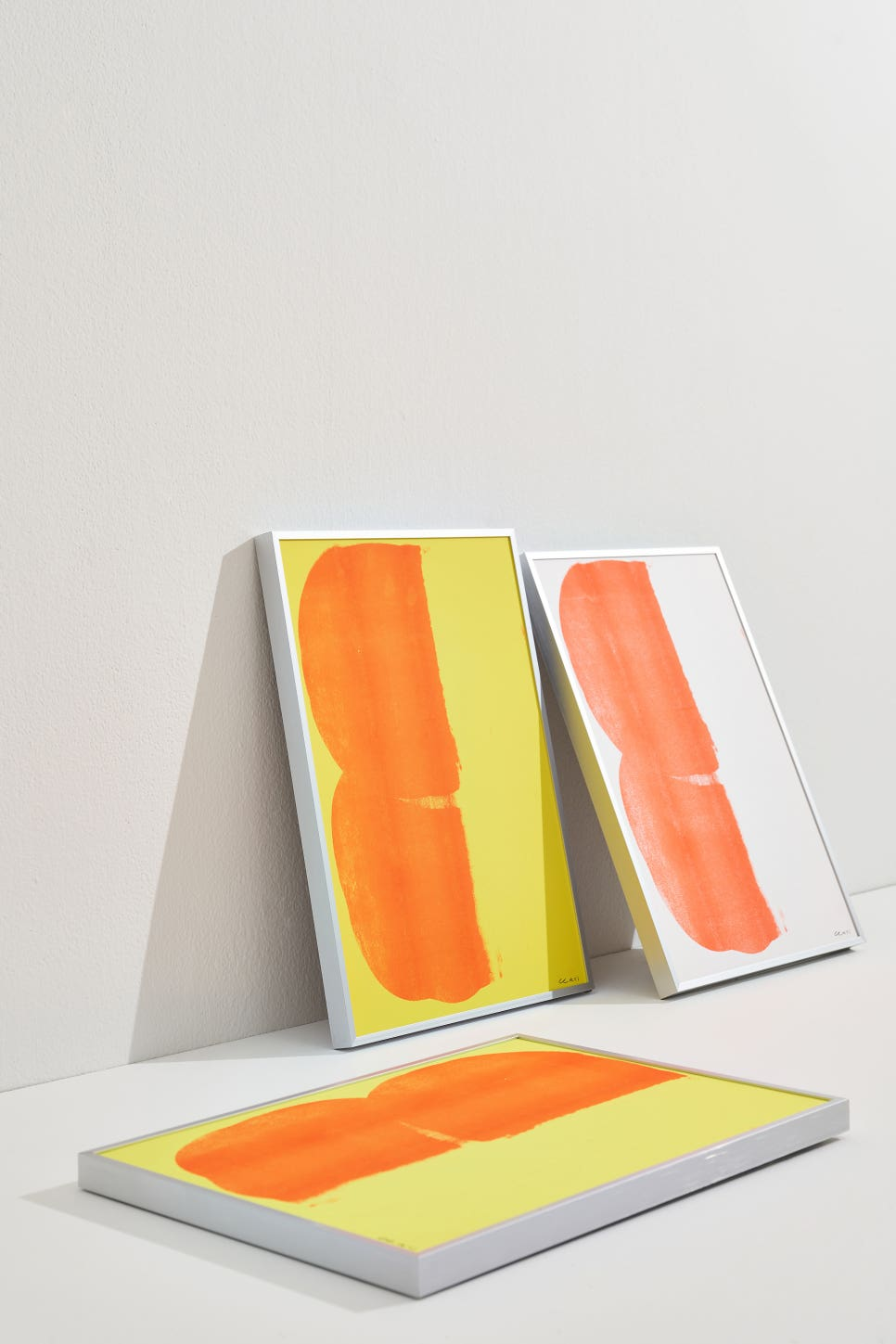
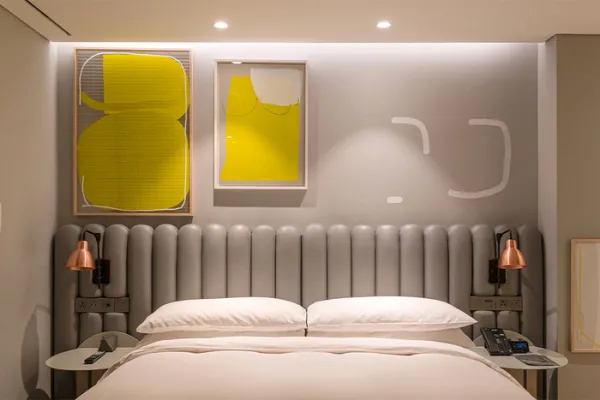
Chris Ro's practice encompasses a wide range of media, including painting, drawing, printmaking, animation, and installation, with a distinctive visual language characterized by freely composed planes and lines. His two-dimensional works, which he categorizes as 'Surfaces', frequently feature overlapping or intersecting rectangular fields of color, irregular curves, and organic forms.
Vivid colors, bold brushstrokes, and subtle traces across the picture plane introduce a sense of movement and rhythm into otherwise static images. These forms undergo gradual transformations and combinations across individual works, developing a related vocabulary of visual elements. While his earlier images were often produced without titles, he gradually began assigning them sentence-like titles, introducing narrative qualities that suggest psychological states and particular situations.
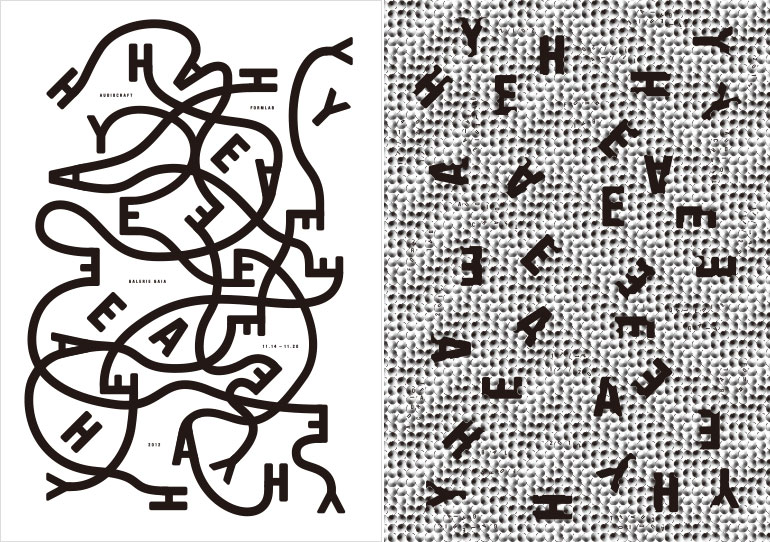
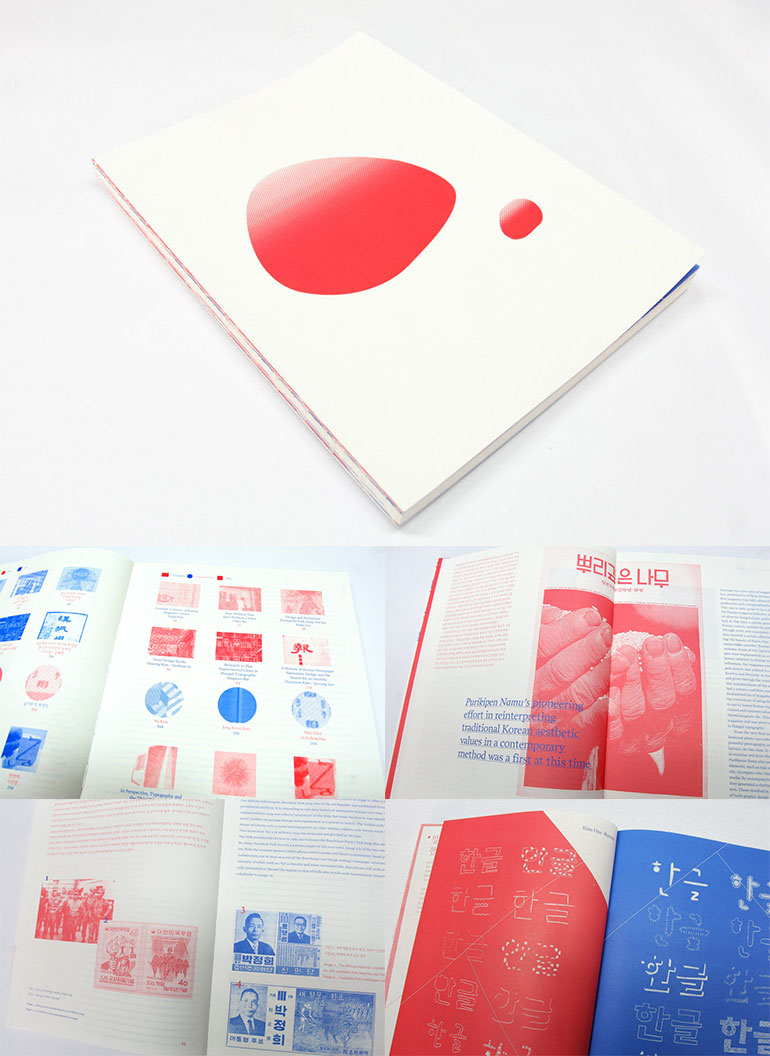
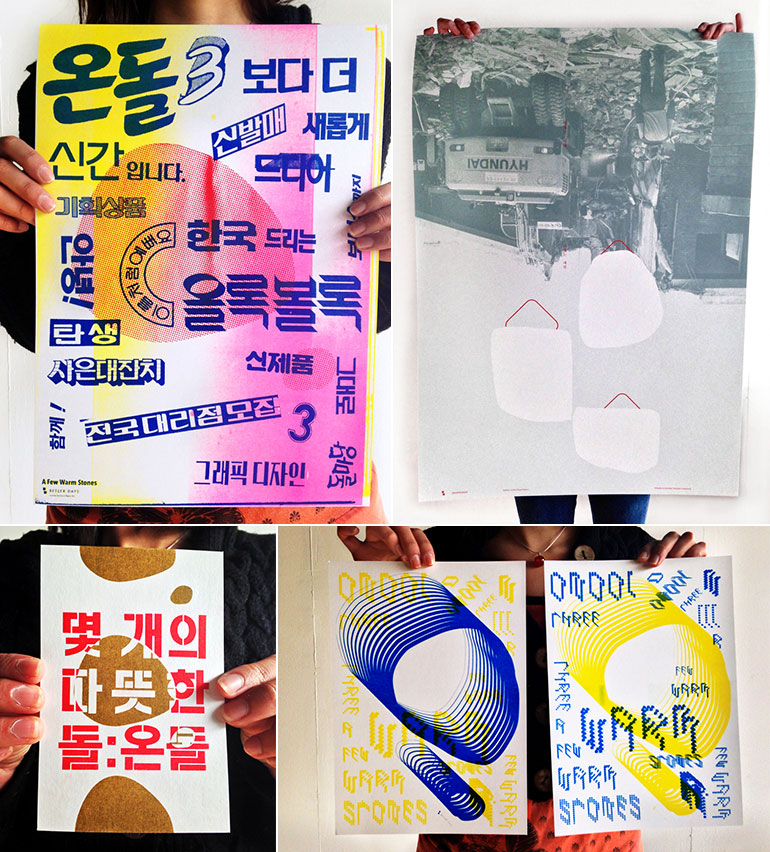
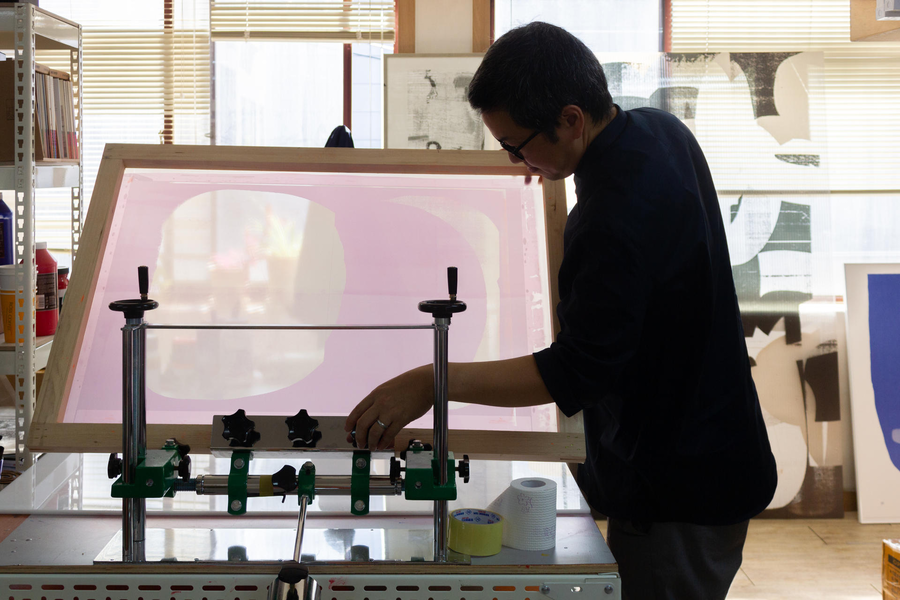
His creative process combines silkscreen printing, offset lithography, image transfer, digital drawing, and animation to experiment with the repetition and transformation of images. Ro animates hand-drawn forms, extracts individual frames from animations, and reproduces images using old photocopiers. Irregularities that emerge during these processes, such as ink bleeding, color misregistration, and uneven printing, become important formal elements in his work.
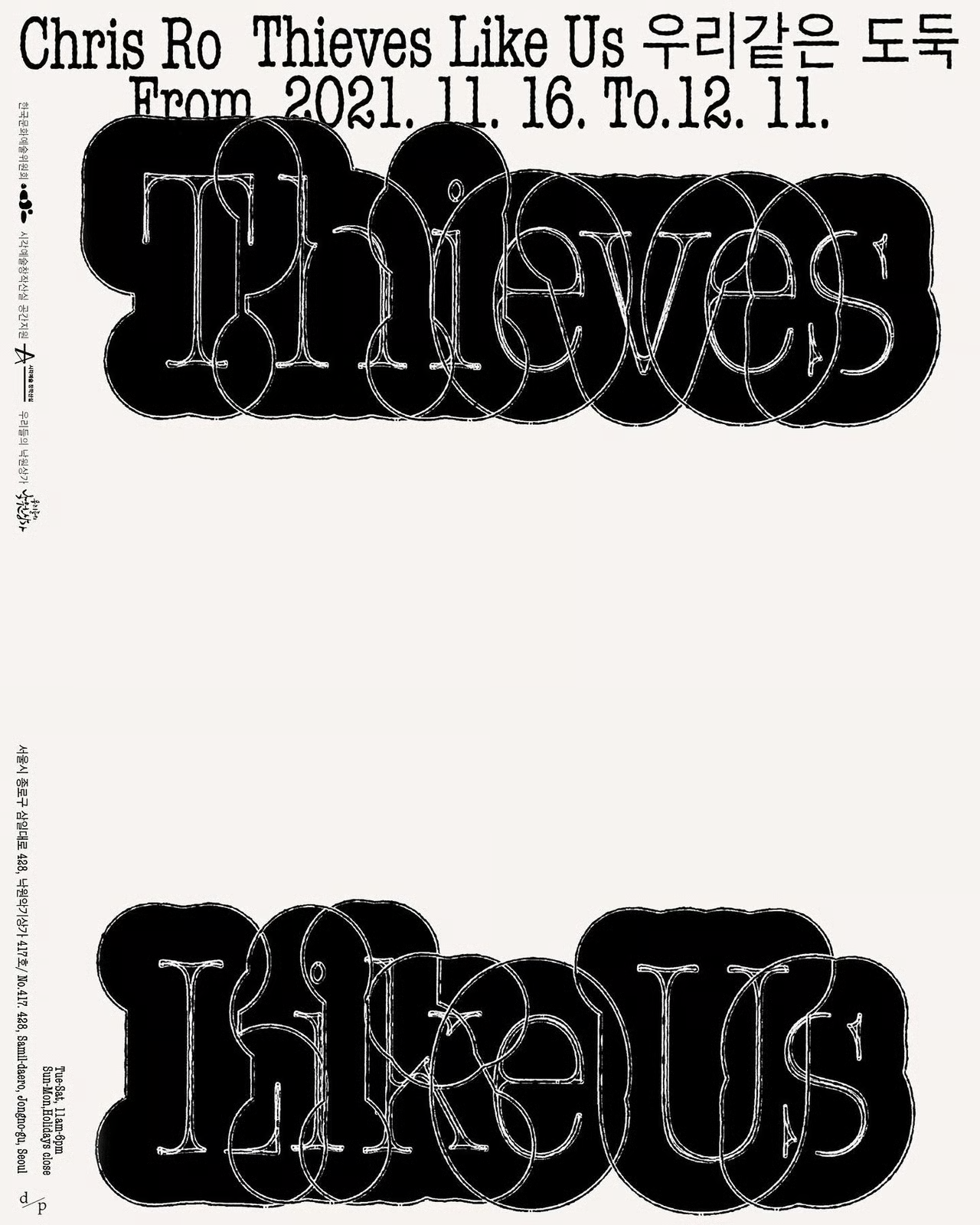
In the 'Process Diagram' included in the catalog for his solo exhibition 《Thieves Like Us》, he illustrated how markmaking, animation, and printing continually influence one another. By moving between analog and digital techniques, Ro introduces unpredictable variations even within repeated forms, allowing chance and intuition to play an increasingly significant role in the creative process.
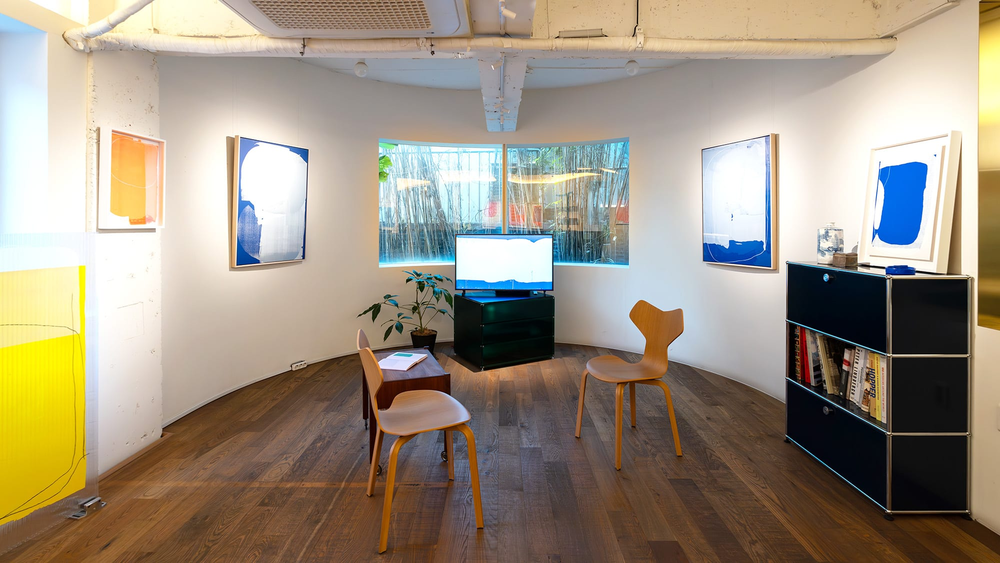
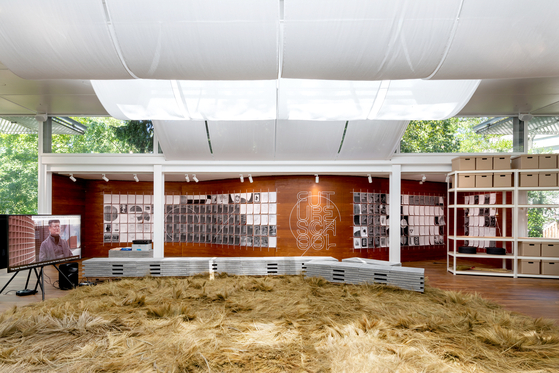
His two-dimensional works expand into three-dimensional compositions through installation and spatial design. Ro creates rhythms throughout exhibition spaces by adjusting the placement of walls, floors, lighting, and structures while considering visitors' movements. In his 2023 solo exhibition at shhh and NEW SPACE, he emphasized the tension between color and line by introducing yellow lighting and monitors into darkened spaces and installing two-dimensional works among wooden structures.
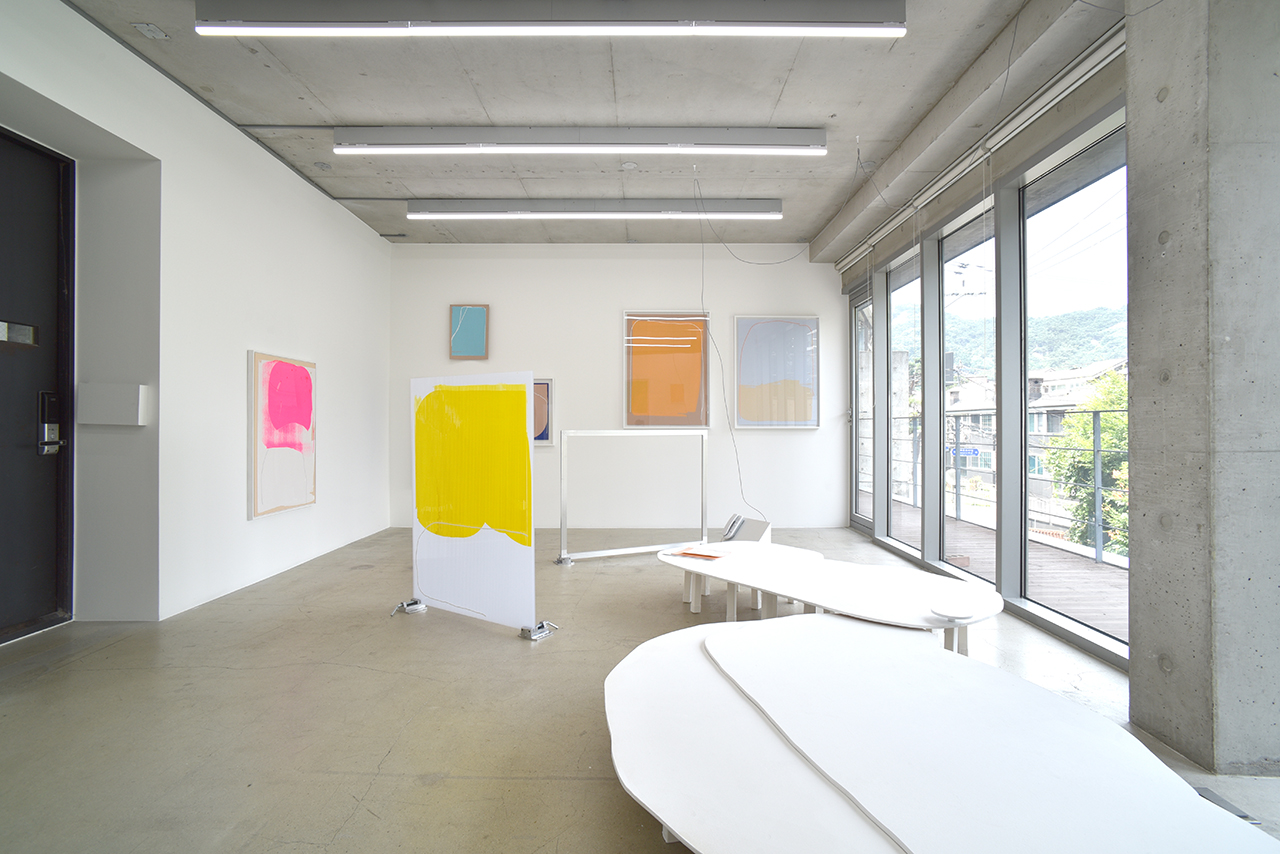
In the accompanying online exhibition, fluid images responded to scrolling and mouse movements, creating rhythms across the screen. Later, in 《Silent Laughter》 (2023), he brought together wall-mounted works, white platforms at the center of the gallery, and an intricate network of connected telephones, establishing relationships among images, objects, and the movements of visitors.
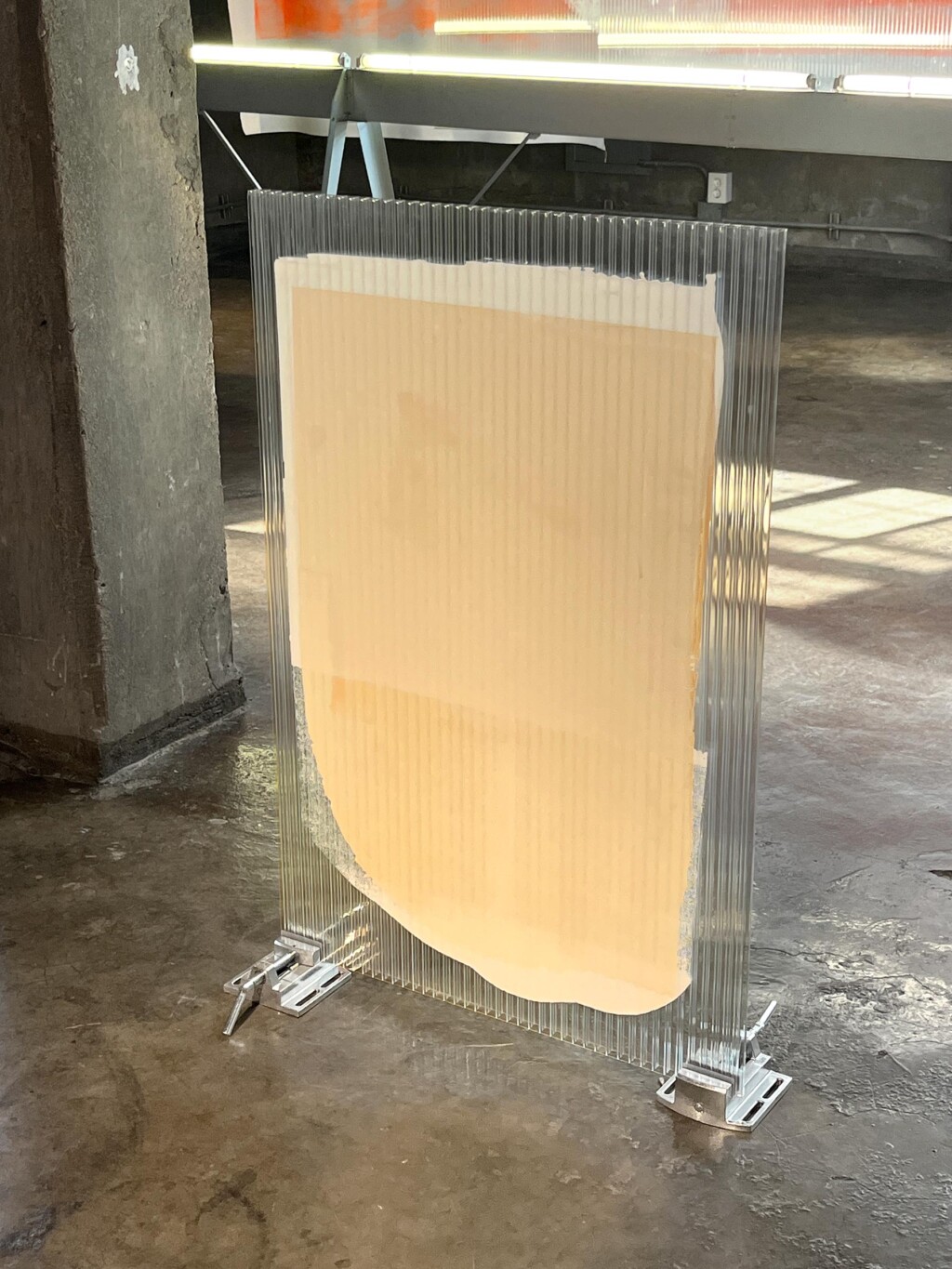
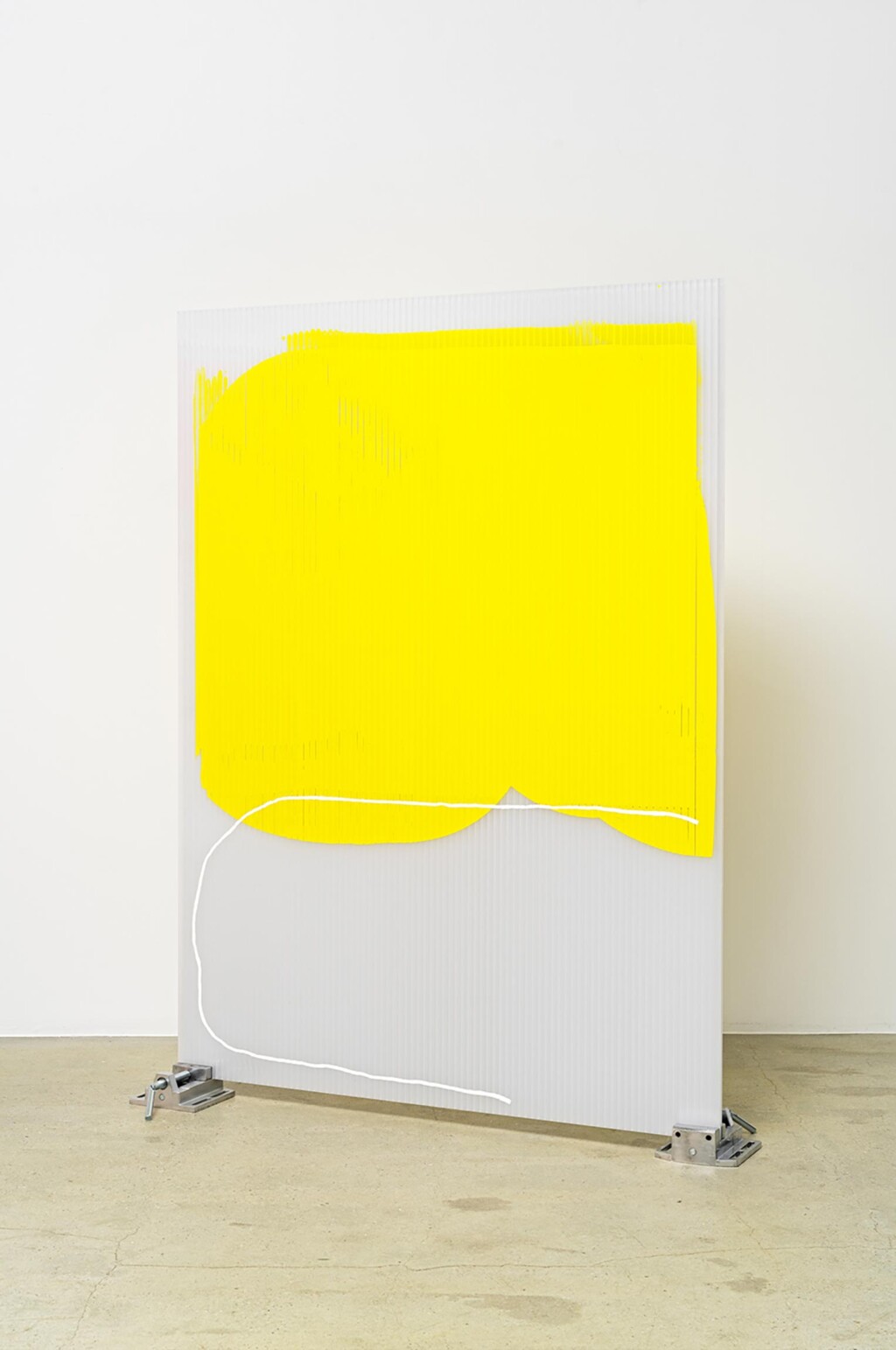
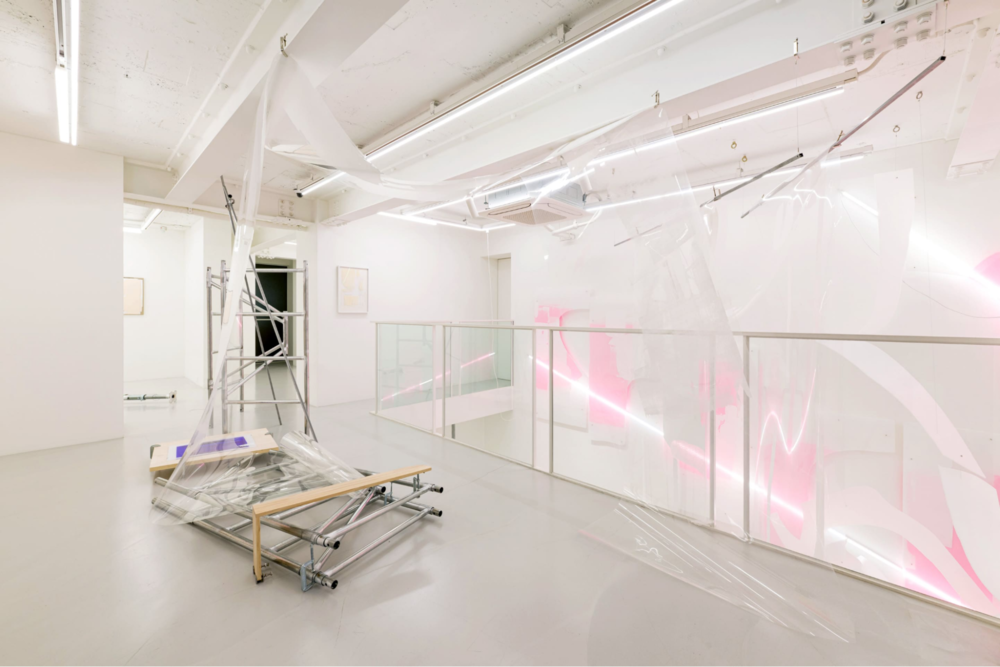
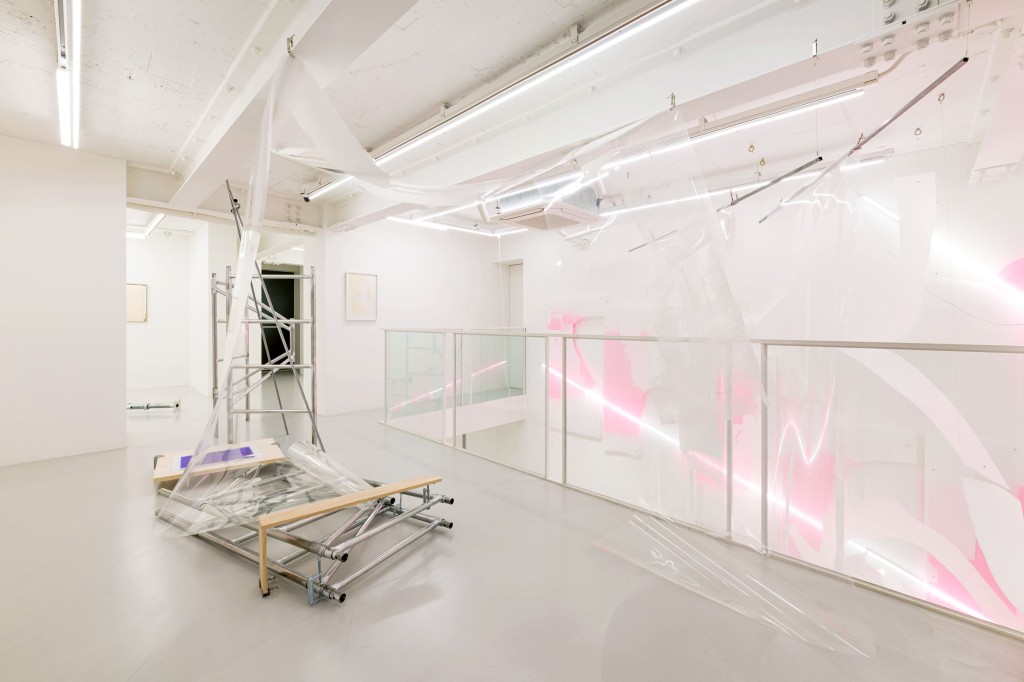
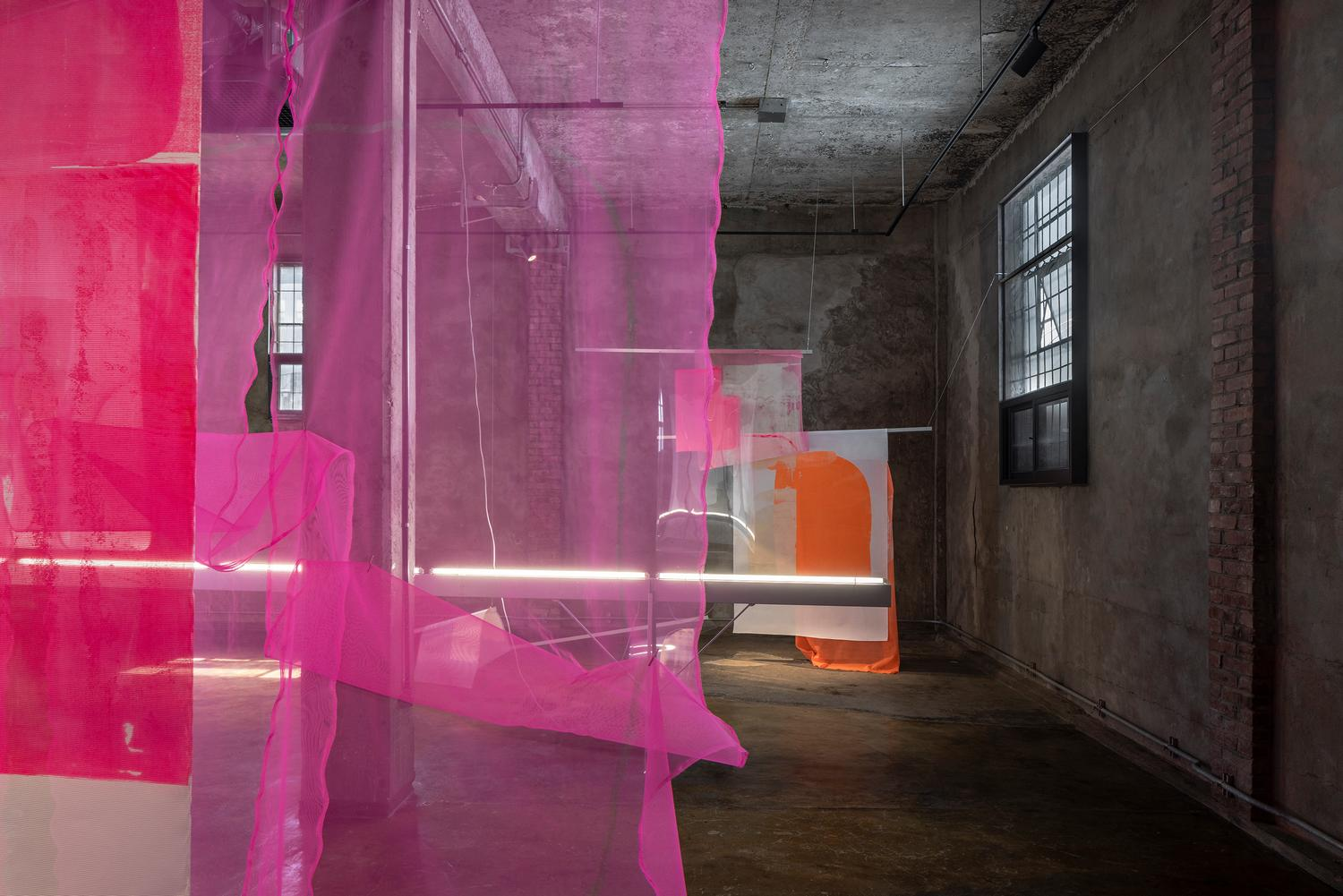
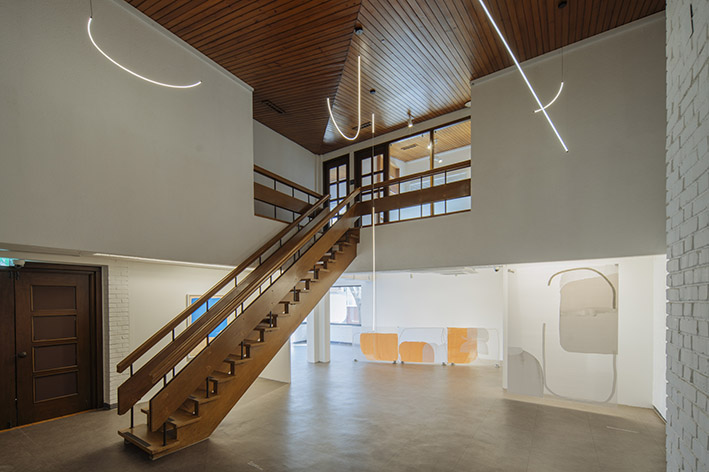
In his 2024 solo exhibition at The WilloW, Ro further explored the effects of overlapping and transparency through semi-transparent materials and the properties of silkscreen printing. In addition to canvas and paper, he worked with materials such as polycarbonate and polyethylene, incorporating the physical supports of his images into their formal compositions. Transparent and translucent surfaces reveal the surrounding space and other images behind them, creating perceptual variations according to the viewer's position.
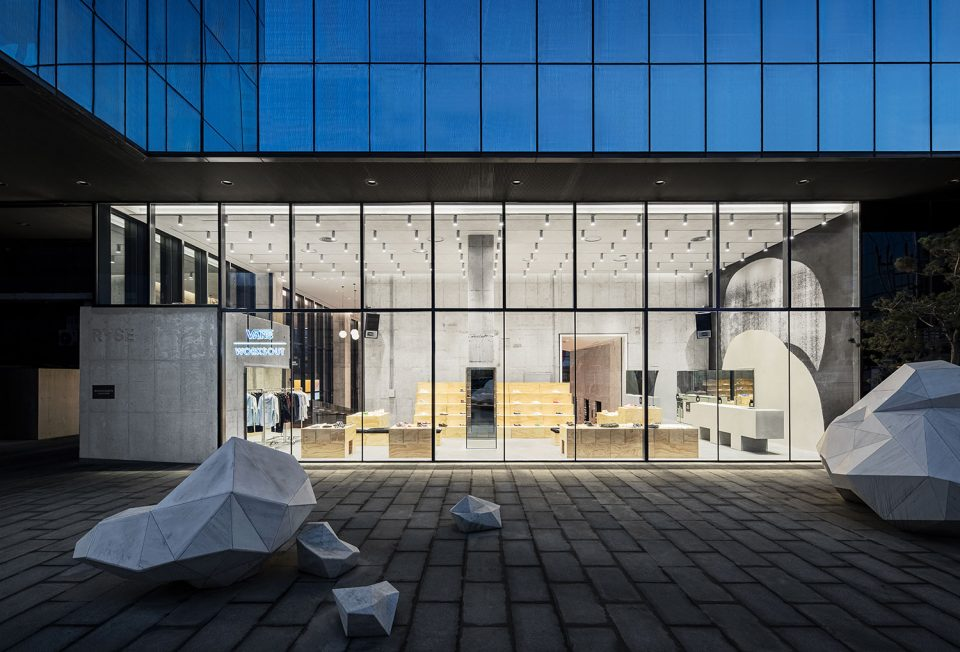
As images originating from two-dimensional surfaces acquire physical depth and spatial relationships, their formal possibilities expand to encompass the surrounding environment and the viewer's perception. These developments reflect Ro's flexible approach to combining painting and installation while maintaining the material and visual characteristics of printmaking and graphic design.