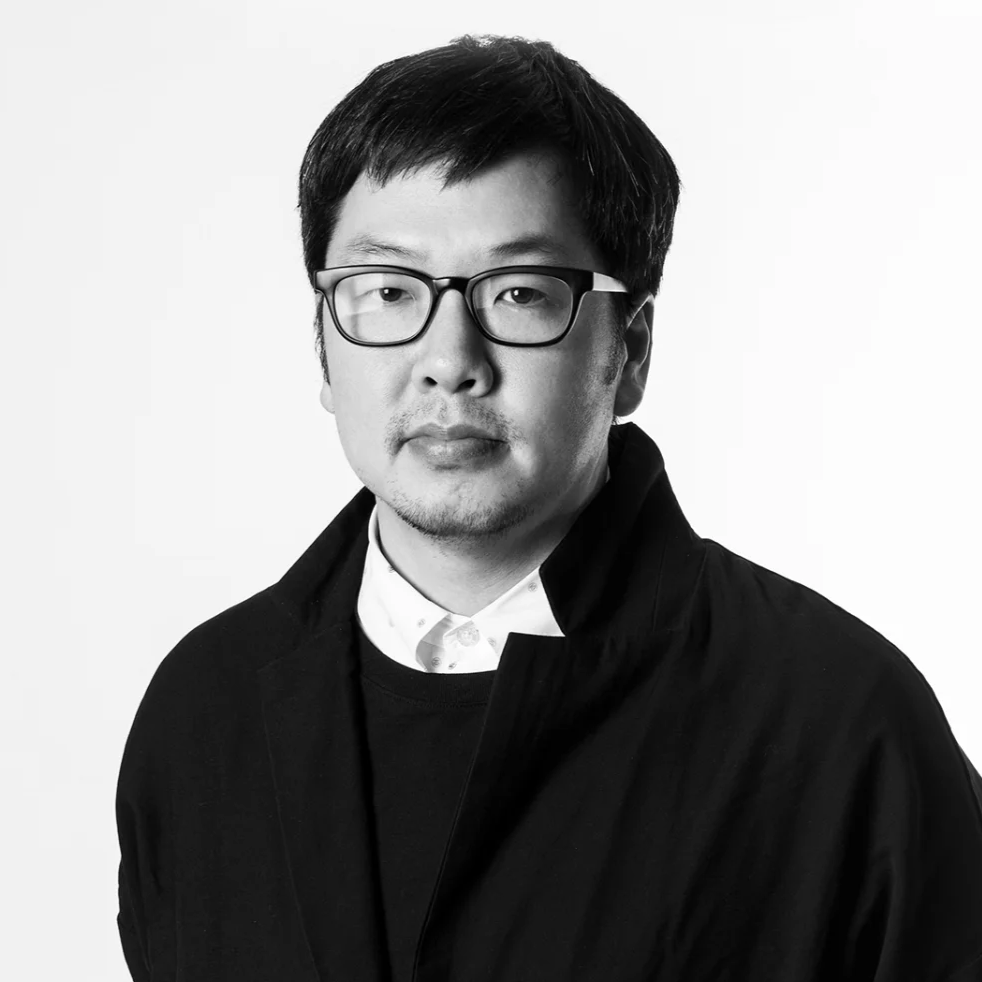
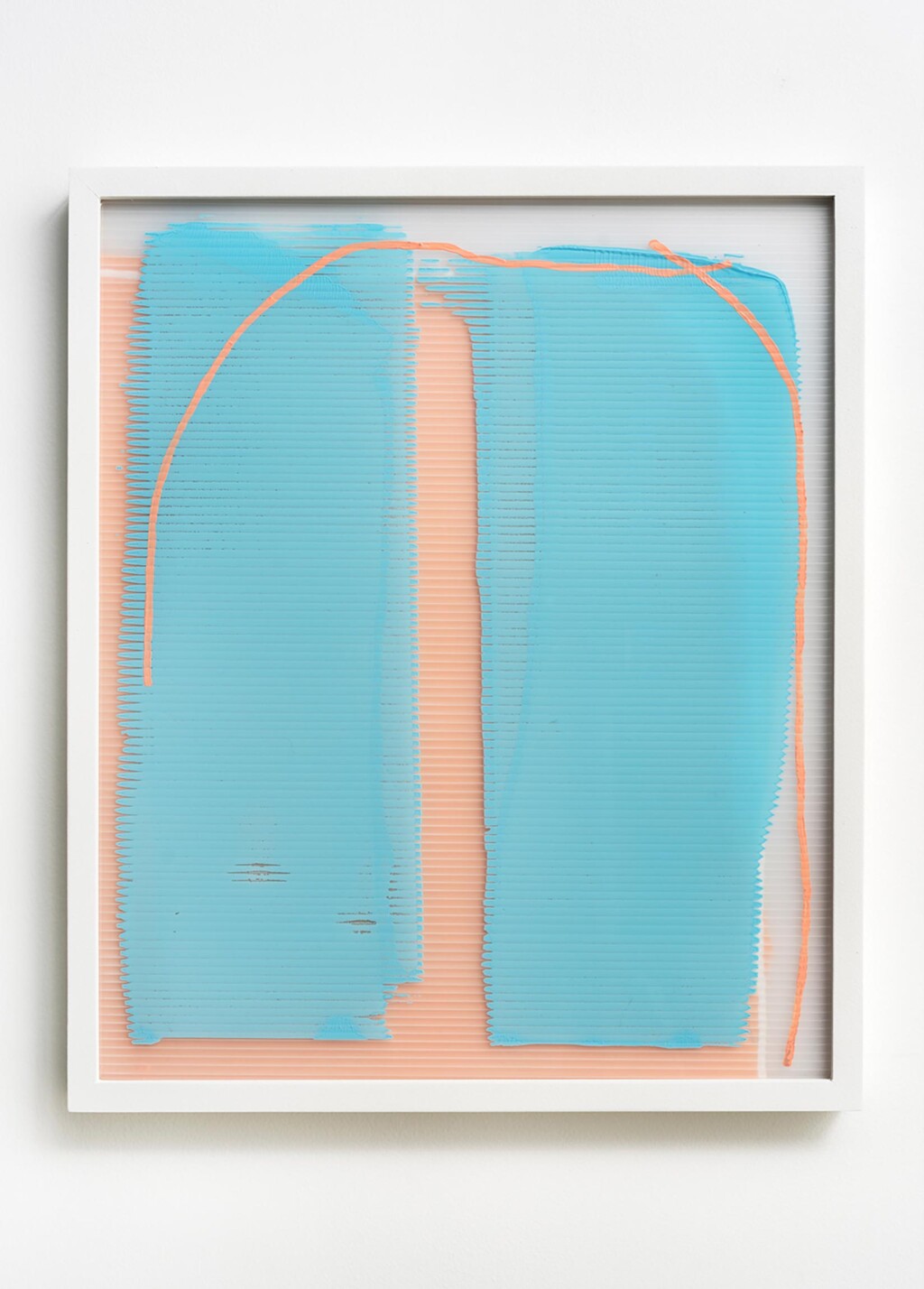
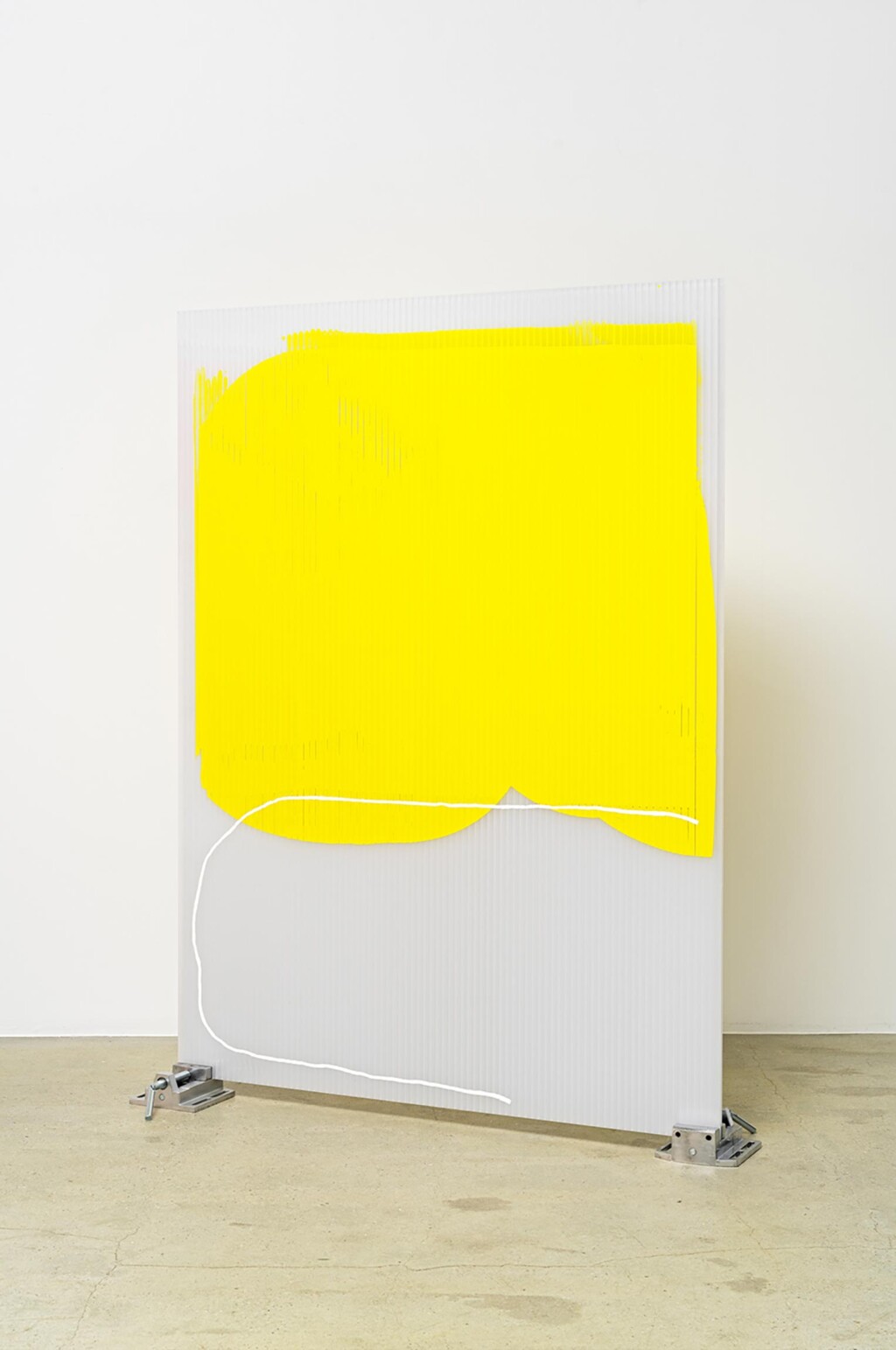
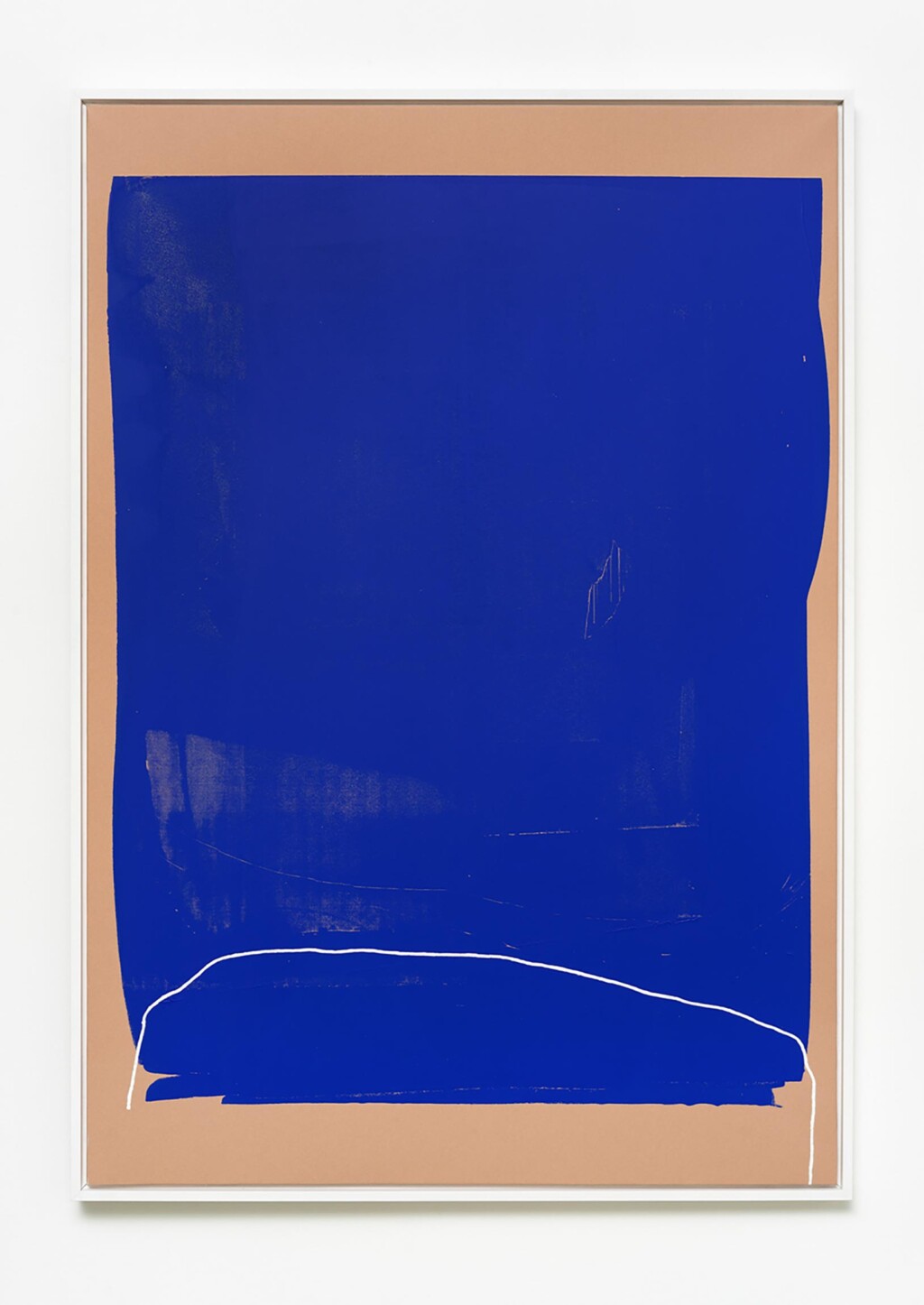
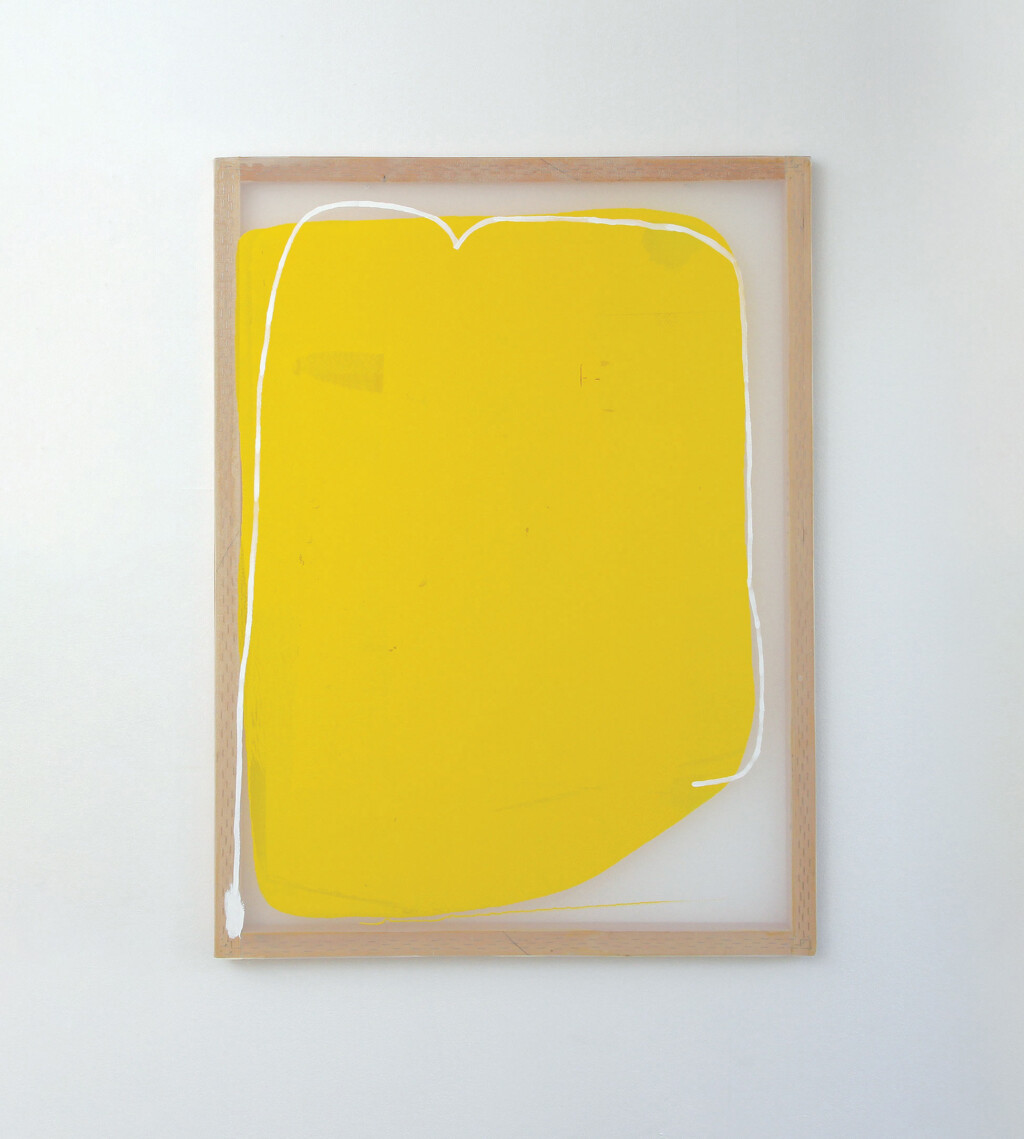
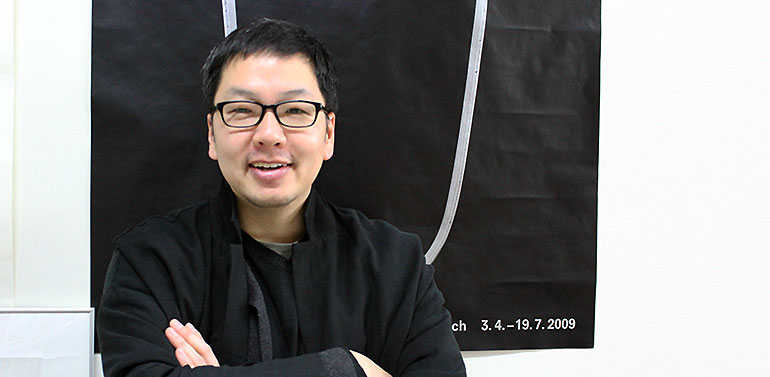
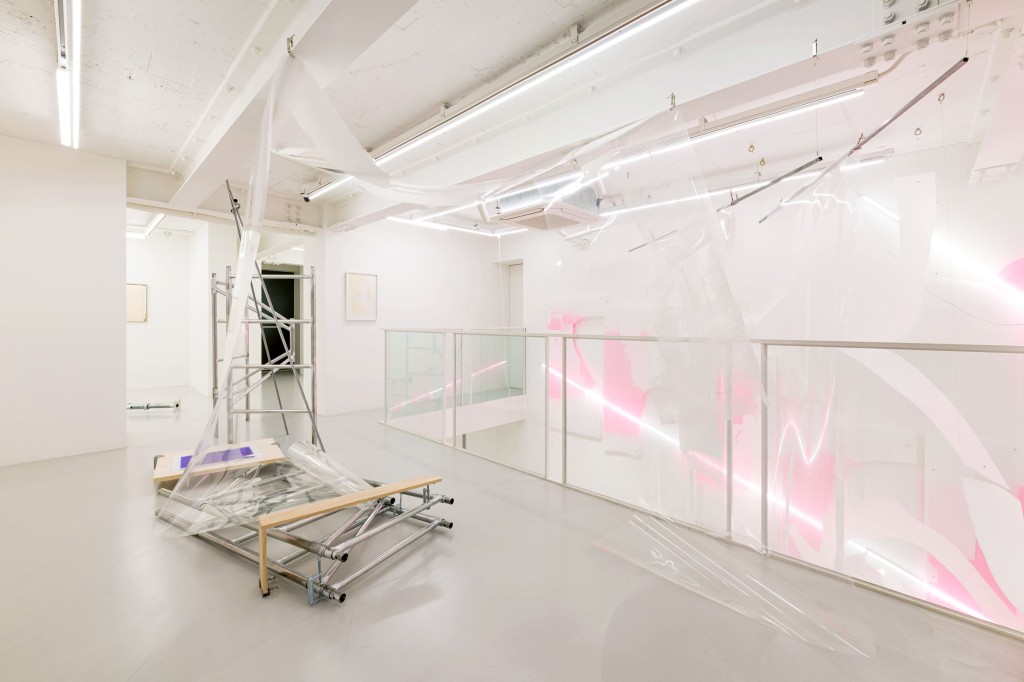
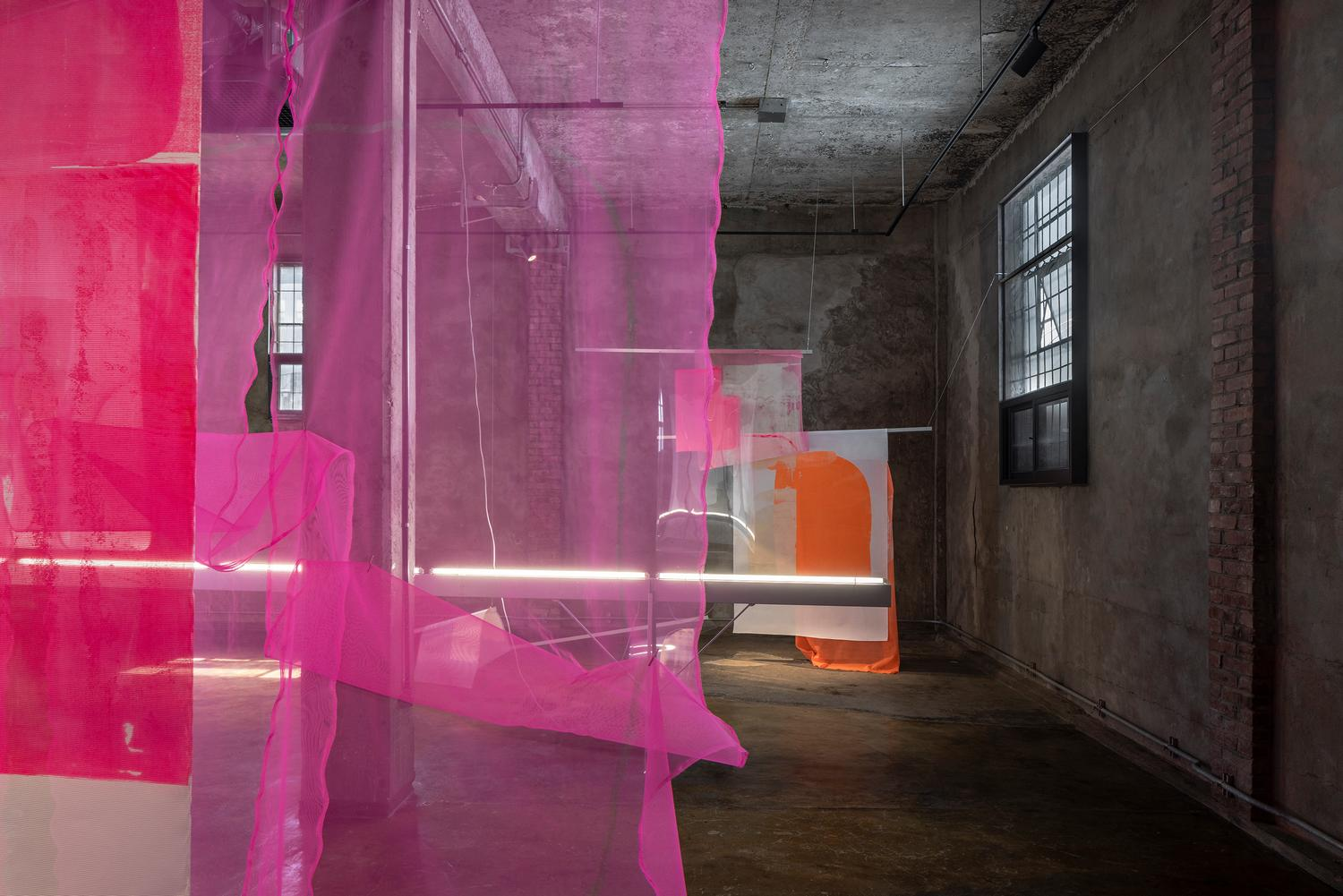
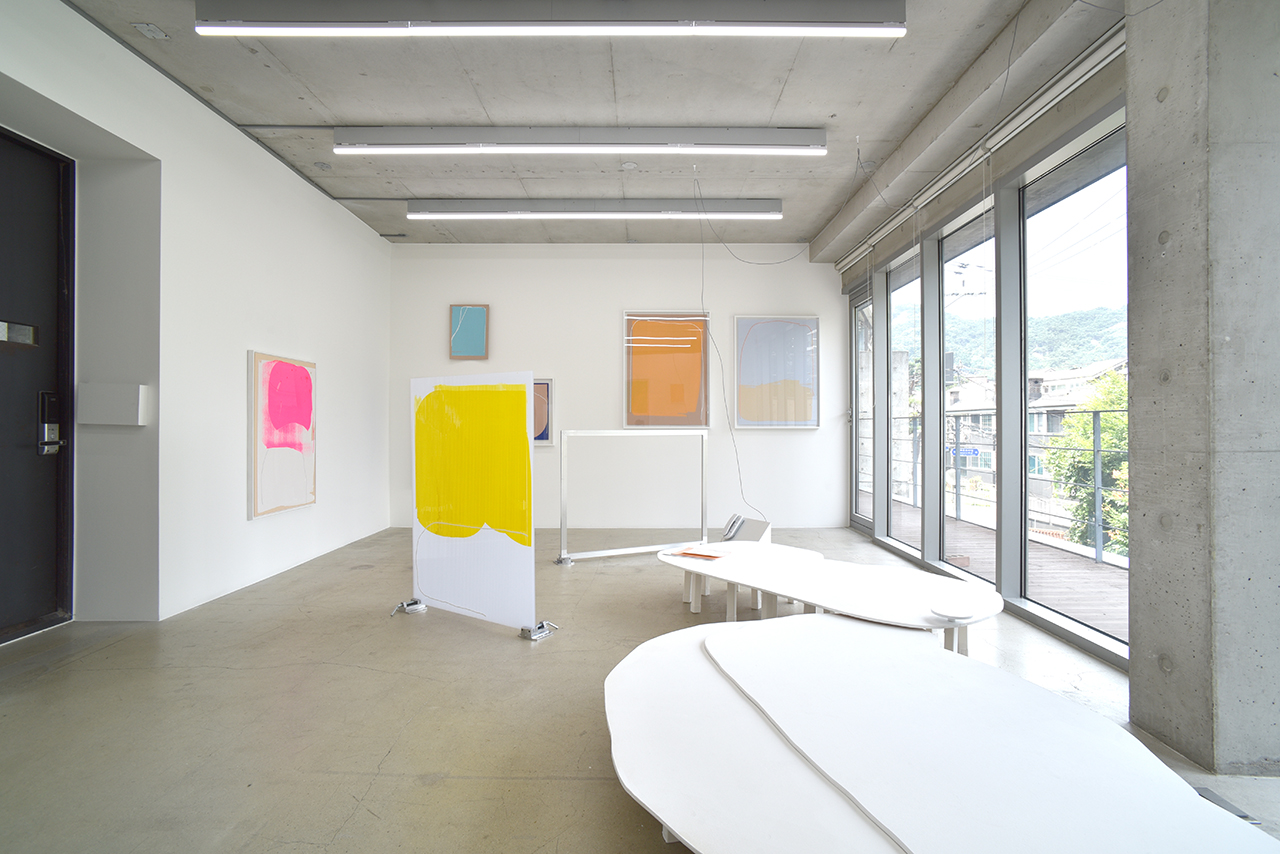
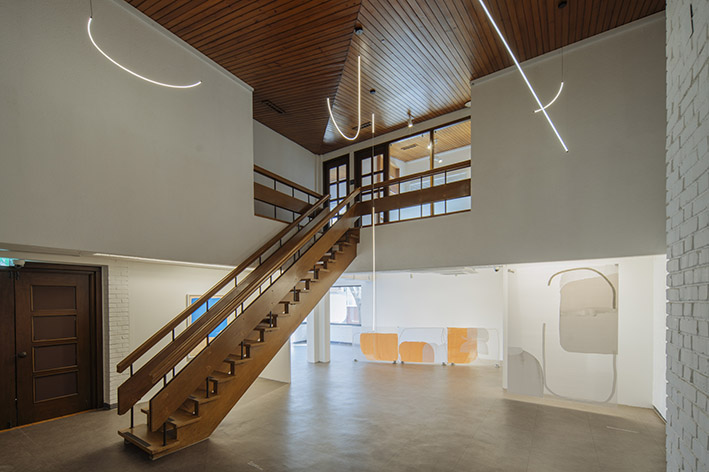
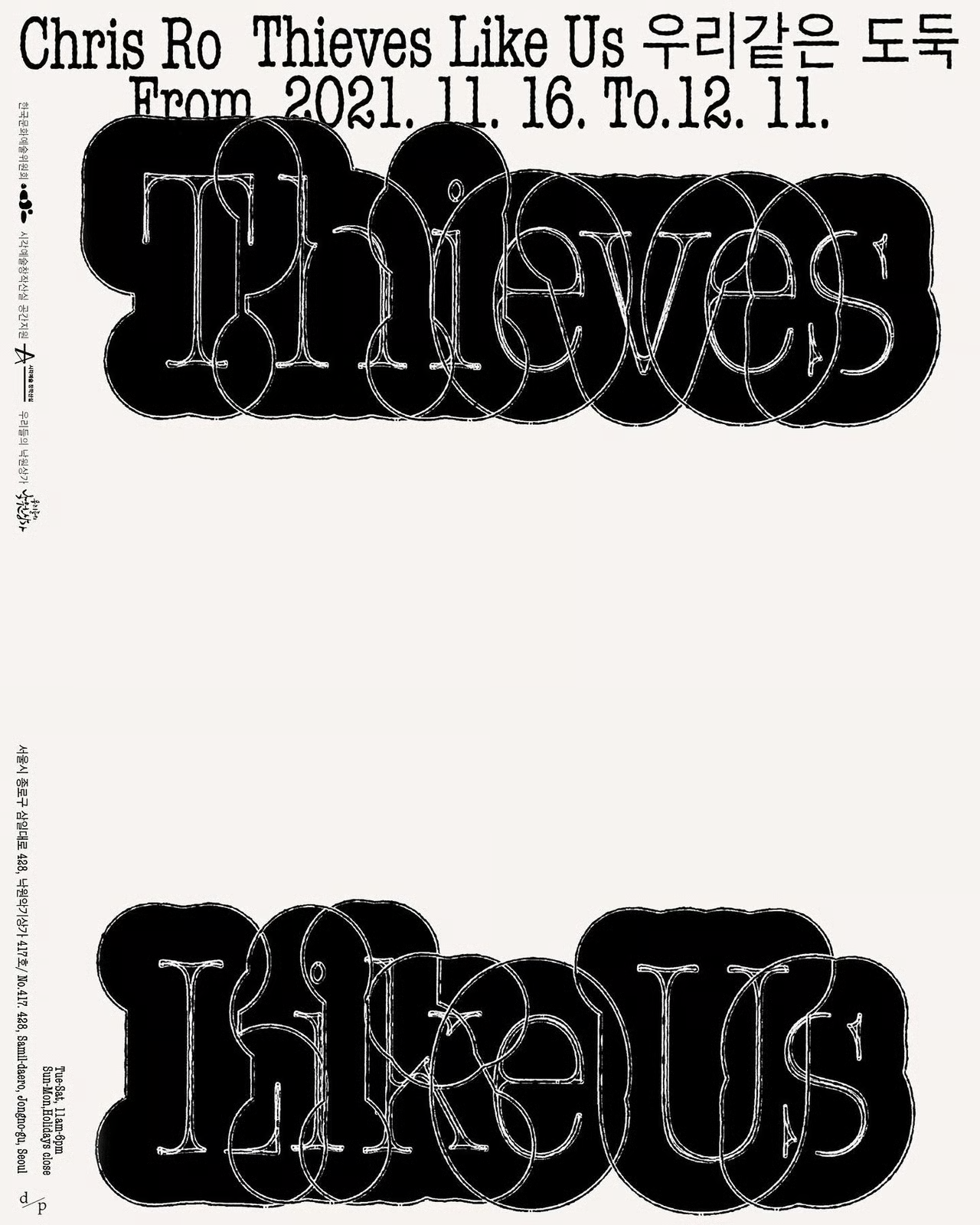
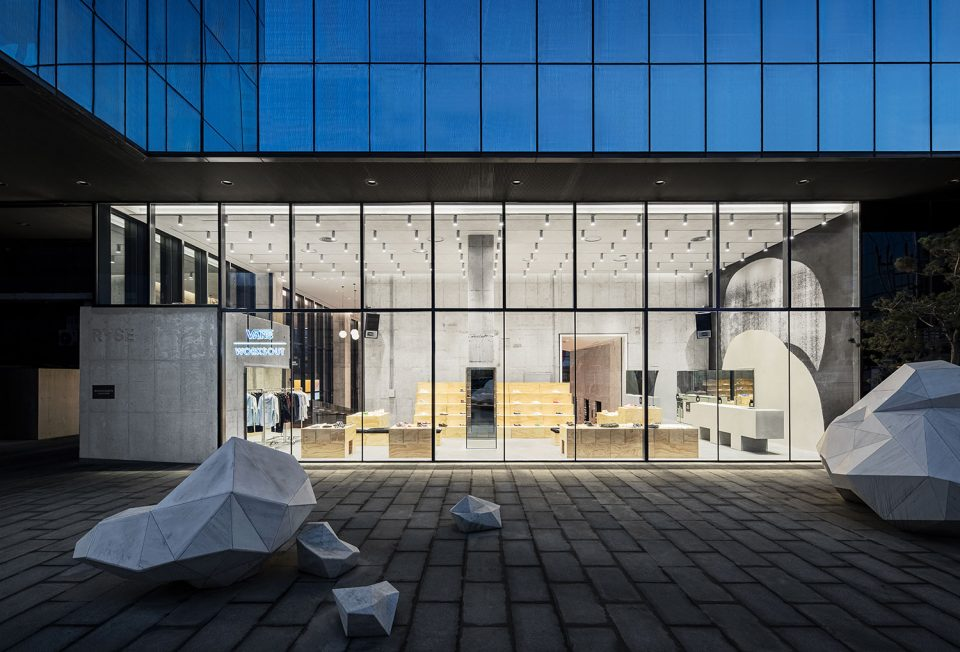
The Artist © Chris Ro

It's been exactly ten years since you began living in Korea. Do you notice any differences between Korean design ten years ago and Korean design today?

Absolutely. It has changed tremendously, and at a rather astonishing pace. When I arrive in a new country or city, I tend to form my first impression through the signs written in the local language. I inevitably compare them with English signage, but the signs I saw around the city when I first arrived in Korea ten years ago look completely different from those I see today.

The same goes for visual design in general. When I look at the design of magazines and books published in Korea these days, I think the quality has improved enormously. Ten years is by no means a long time, yet Korea has developed such an impressive design environment in that relatively short period.


You're currently teaching at Hongik University. Have you noticed any changes among students over the past ten years?

This is purely my personal opinion, but I feel that the students' fundamental skills have also improved significantly. When exchange students from countries such as France, Germany, and Israel visit, they're often amazed by the quality of work produced by Korean students.


I understand that you studied architecture as an undergraduate and graphic design in graduate school. What made you decide to switch from architecture to graphic design?

There's something important I came to realize relatively late in life: I love immersing myself completely in something. The moments when I'm deeply absorbed in making things, especially drawing or creating something three-dimensional, are the happiest moments for me. Originally, I wanted to attend art school, but my parents wanted me to study business, so I ended up enrolling in the business department of a regular university. Unsurprisingly, I found it incredibly boring, and my grades were terrible. I even slept through a lot of my classes (laughs).

Then one day, a friend suggested that I try taking an architecture class. After all, it was one of the few art-related courses available at a regular university. So I took an architecture class, and while making models, I experienced that feeling of complete immersion I had been searching for. I was genuinely happy.


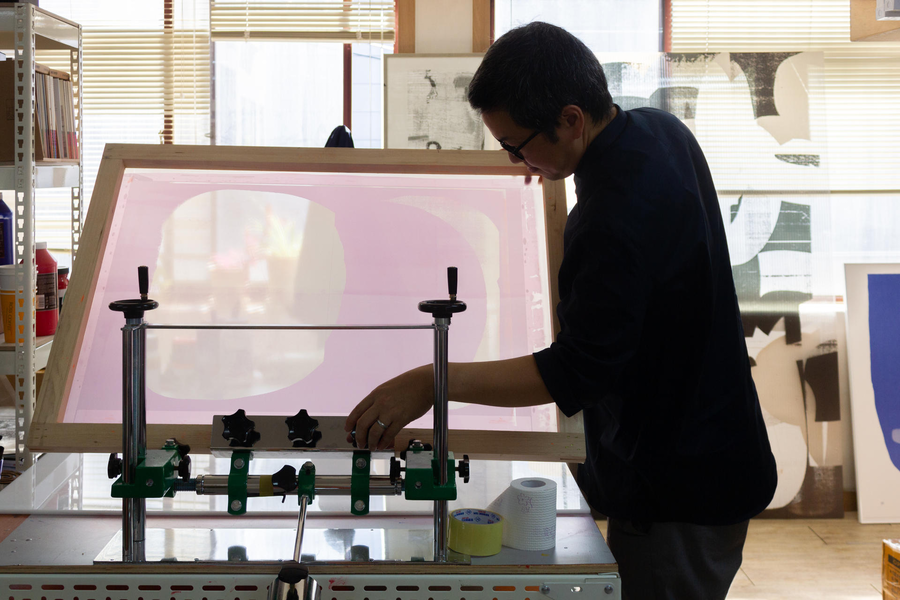
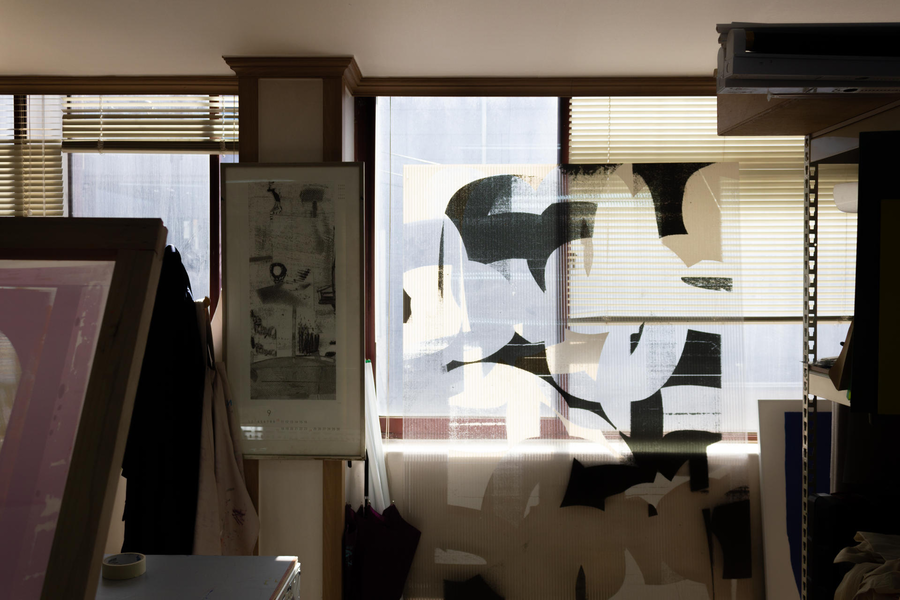
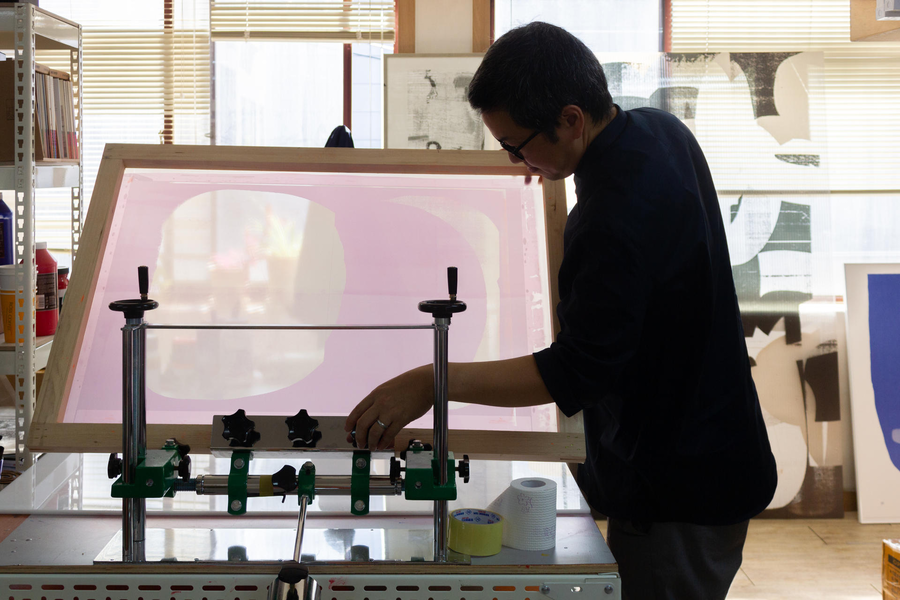
Silkscreen printing screens at Chris Ro’s studio in Seogyo-dong, Seoul © place1-3

But when I started working at an architecture firm, that sense of “immersion” disappeared again. I'm speaking cautiously here, based entirely on my personal experiences and standards, but back when I was working in architecture, you had to spend about five to seven years doing uninteresting work. For example, I spent an entire year doing nothing but drawing bathrooms.

As a result, I lost that feeling of immersion, and the work itself stopped being enjoyable. On top of that, the senior colleagues who had been at the company for five or ten years always looked miserable. They were constantly exhausted, and no one seemed happy to come to work. That's when I began to realize that this wasn't the right path for me.

While I was struggling with this decision on my own, another friend suggested that I try graphic design. Since I had always enjoyed drawing in school, he suggested that I experiment with it and see how it felt. That conversation led me to design an album cover, and I rediscovered the sense of immersion that I had forgotten for so long.
After that, I started going to bookstores in the evenings after work. The internet existed back then, of course, but it was still a time when people mostly relied on books. So I began teaching myself graphic design by browsing through books. Eventually, I got a job at a graphic design firm.


Was it a very different experience from working as an architect?

The graphic design firm I joined was wonderful. The atmosphere was much more cheerful, too. I still remember my first interview. The architecture firm I had worked for was extremely conservative. We always had to tuck our shirts into our pants and wear ties. So when I went for an interview at the graphic design firm, I had no idea what to wear.

I asked some friends I had met while working in architecture, and, unsurprisingly, they all told me to wear a tie. But when I arrived for the interview, the interviewer was sitting there eating bread, wearing slippers, ripped jeans, and a T-shirt. Meanwhile, I had shown up in a suit and tie. So at first, they looked at me a little... strangely (laughs). I really loved that relaxed, free-spirited atmosphere.


So you worked professionally as a graphic designer before going to graduate school to study graphic design? What made you decide to pursue further education after you had already started your career?

I had been working as a graphic designer for about four years, but I always felt that something was missing. For example, when my colleagues pointed out problems with my typography, I often couldn't see anything particularly wrong with it myself. I wanted to receive formal training and develop a more discerning eye for the finer details of design.


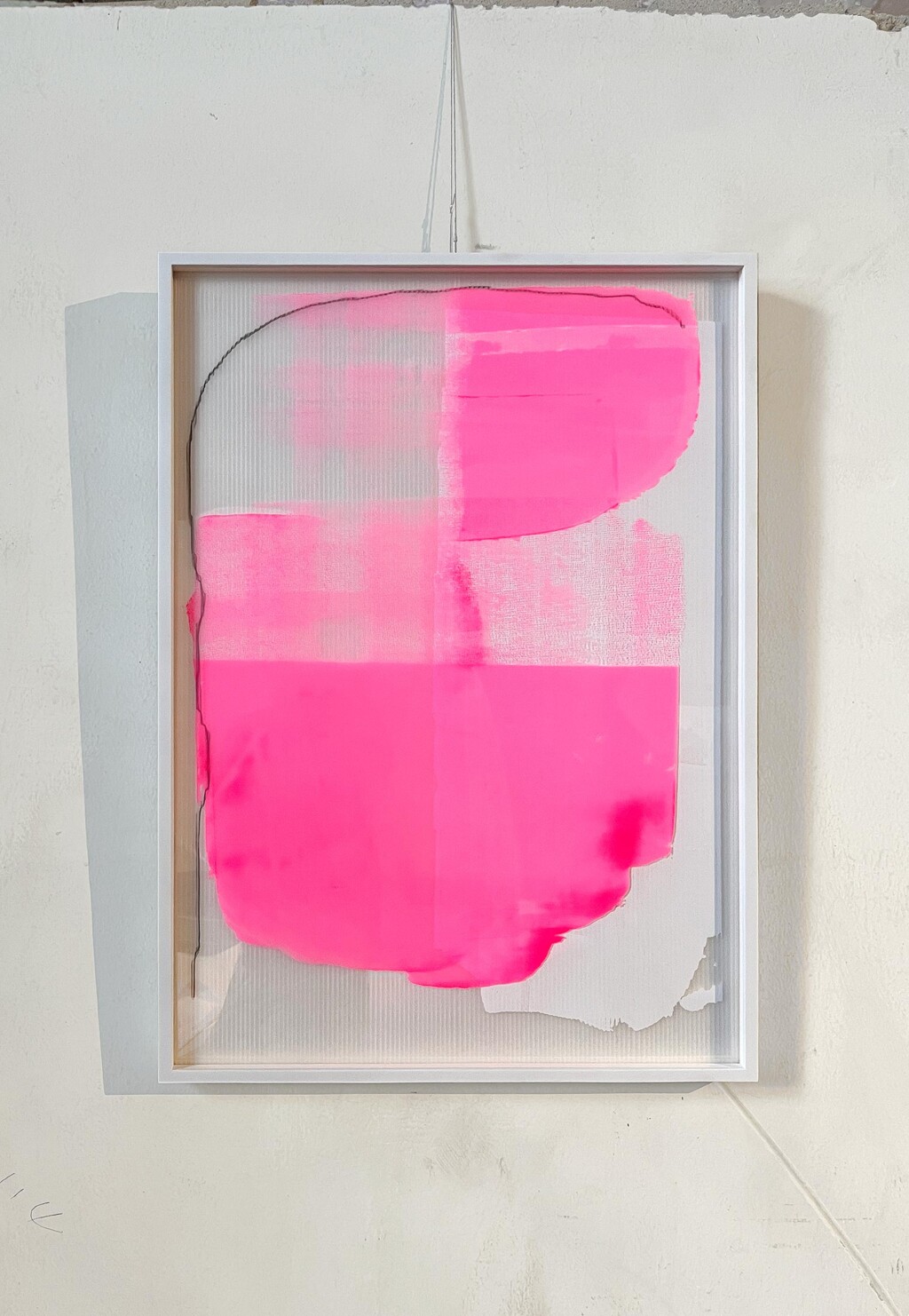
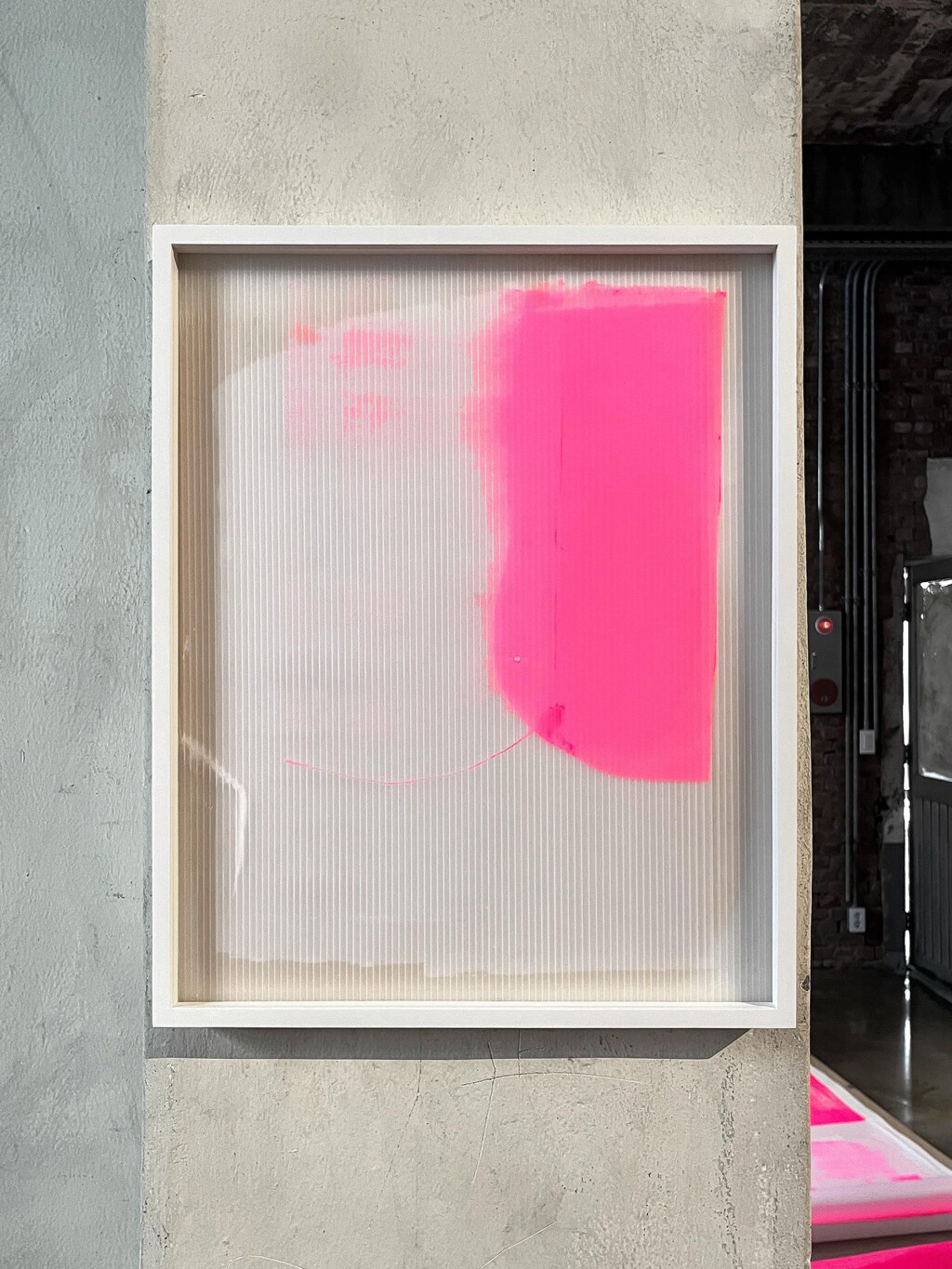
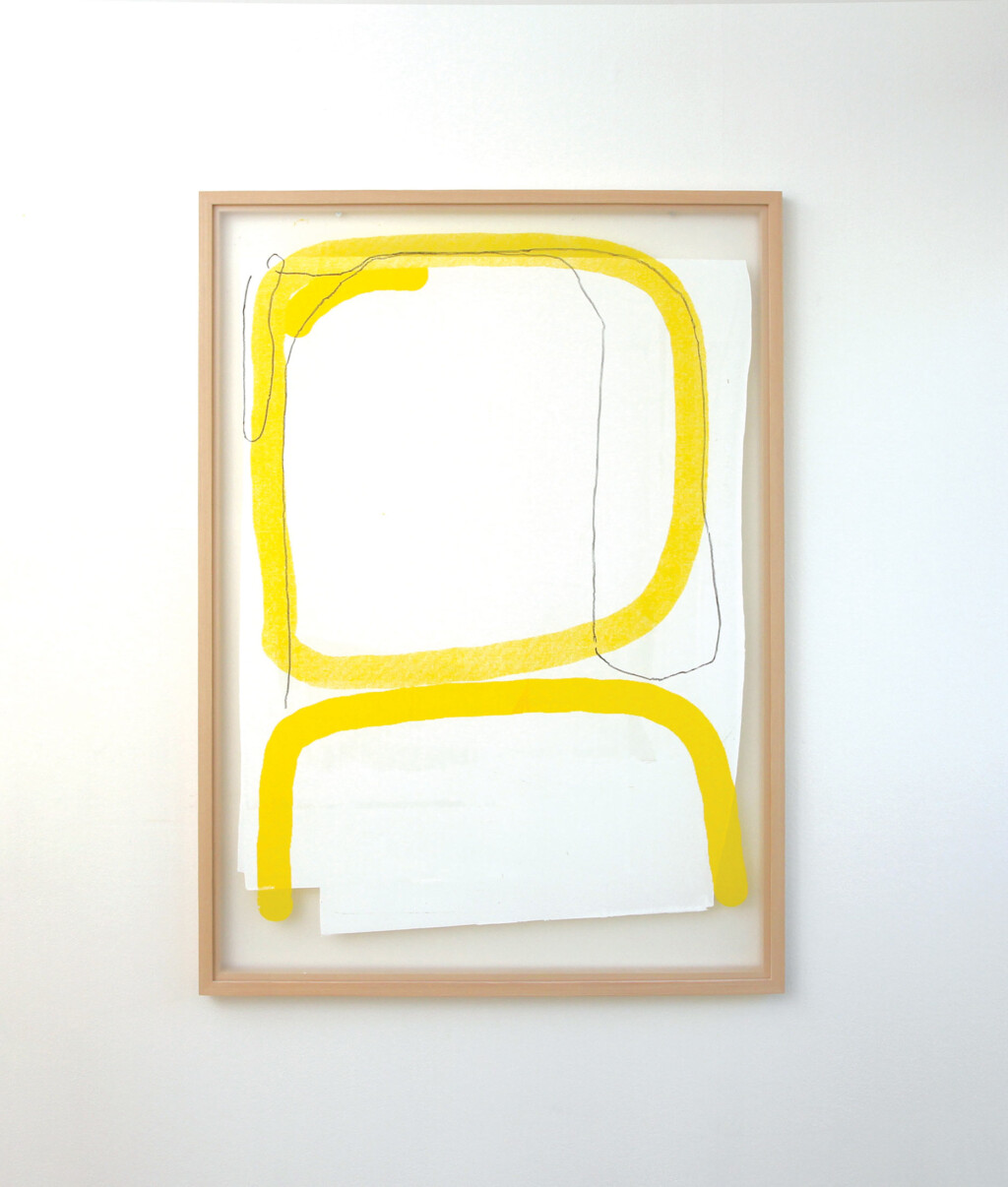
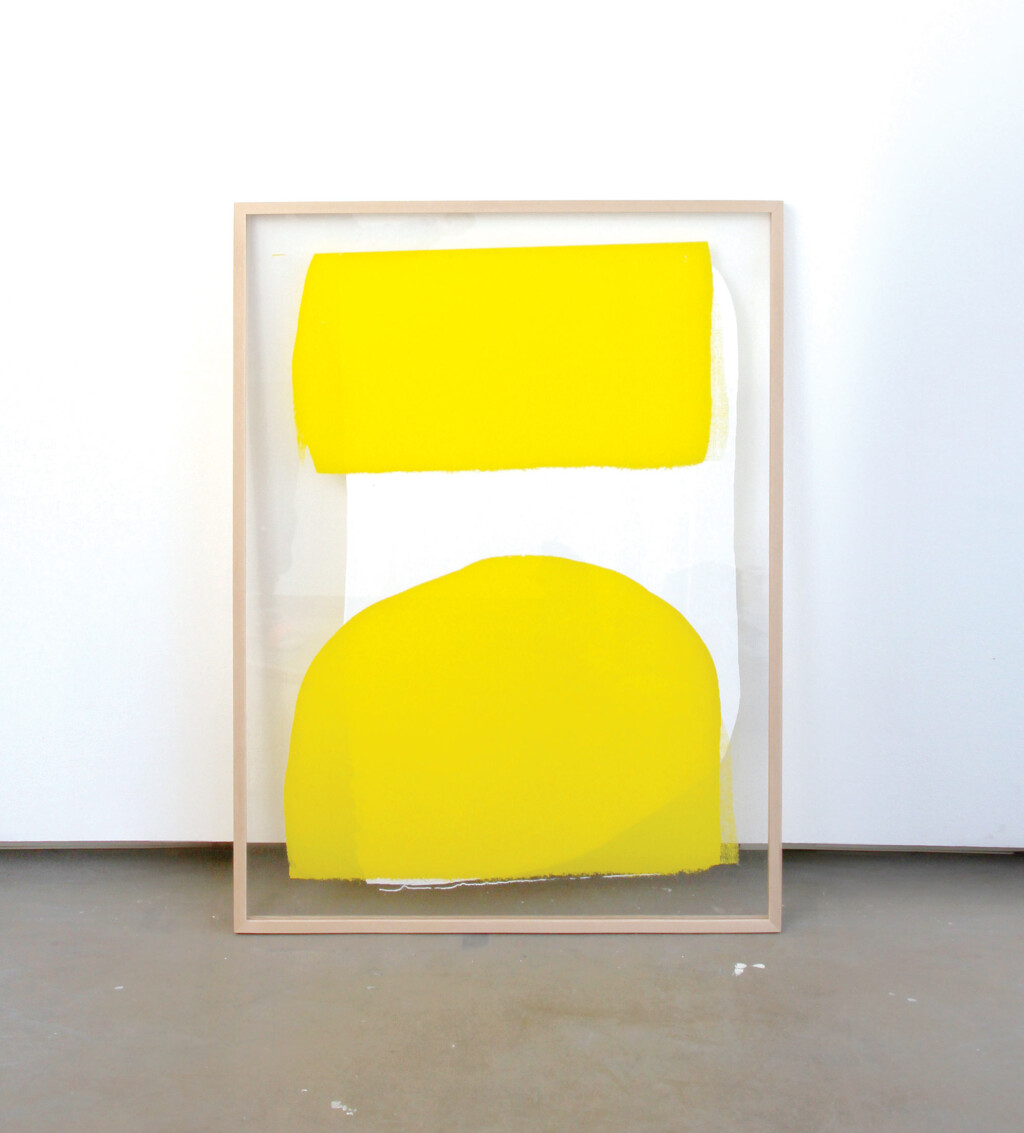
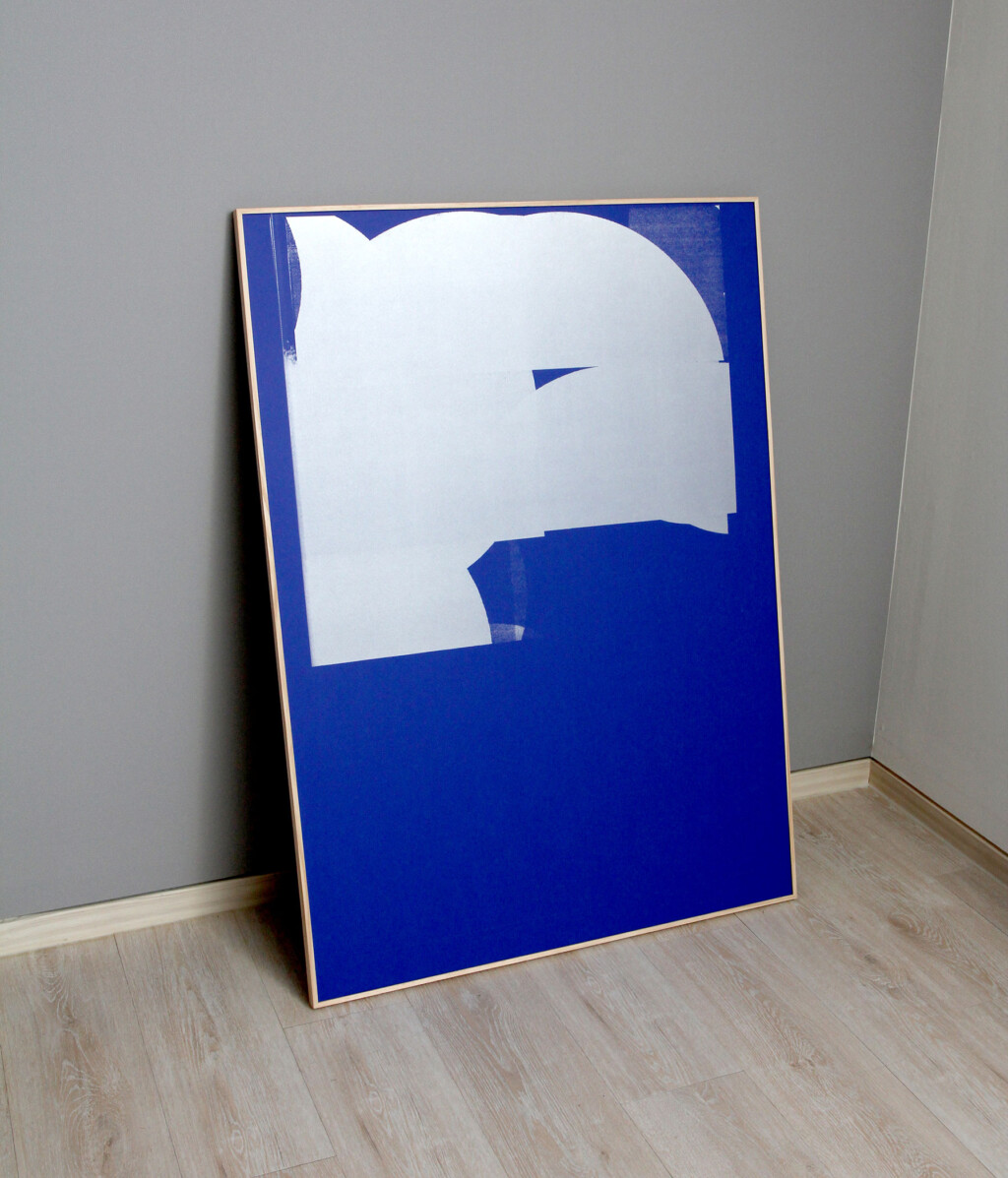
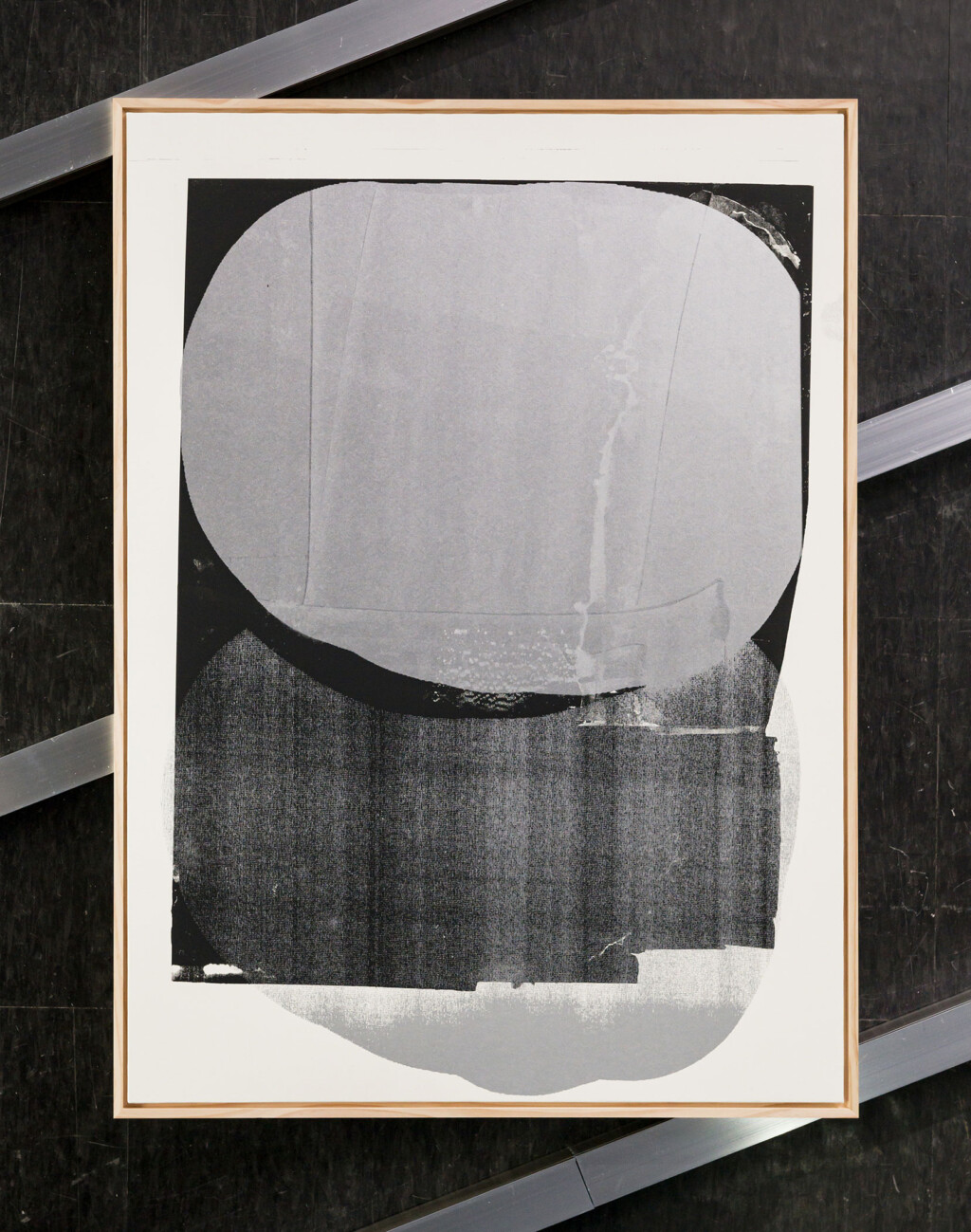
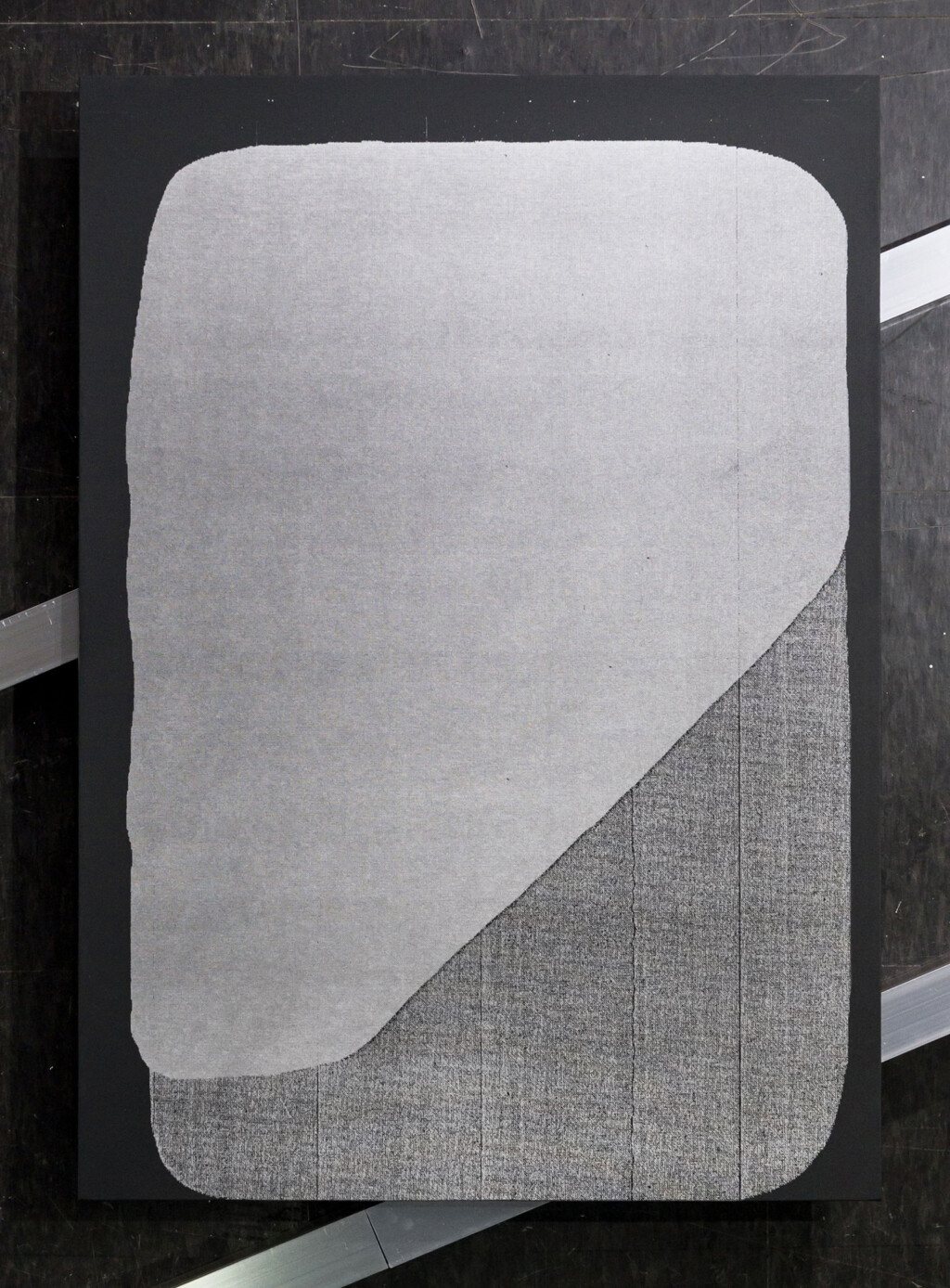
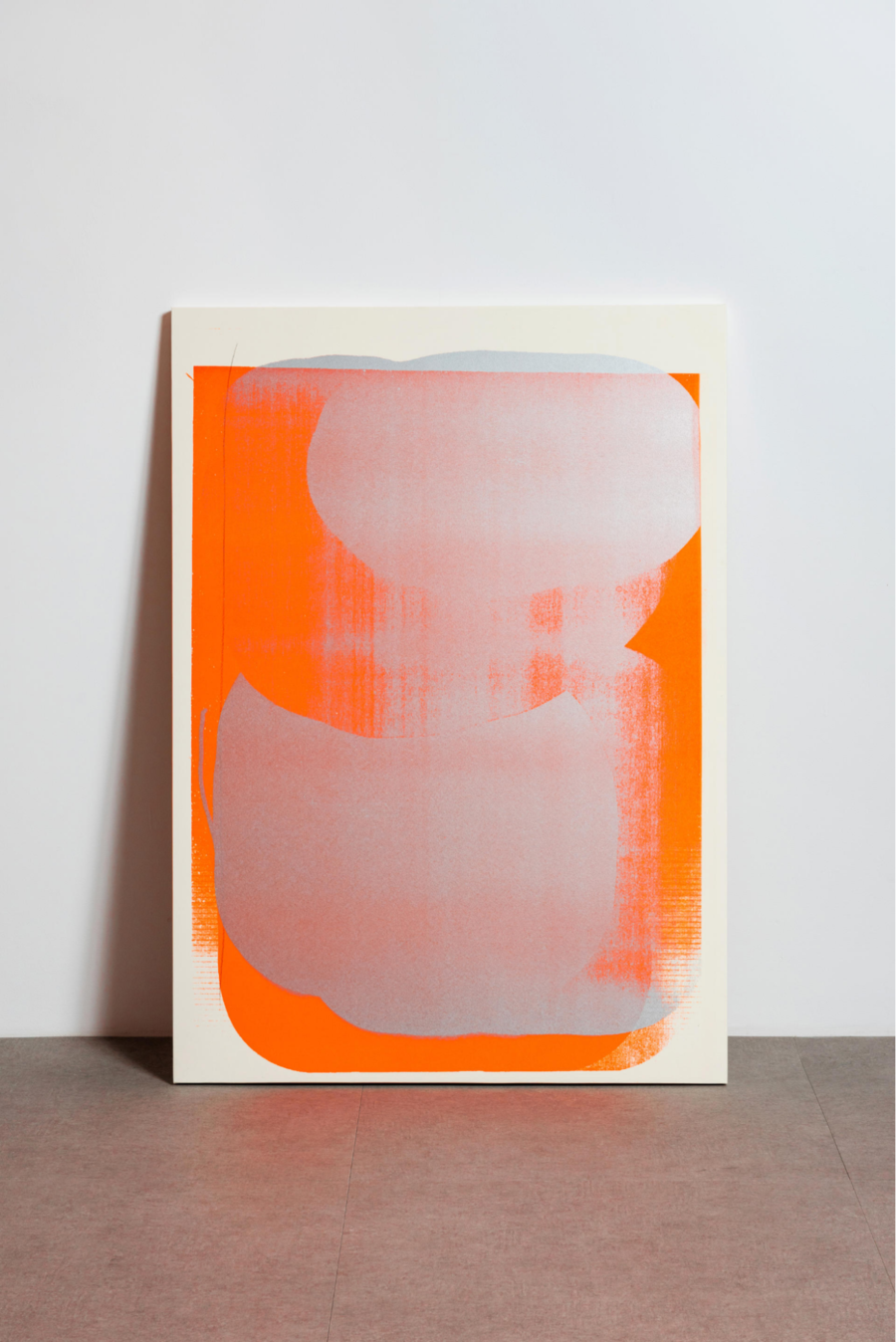
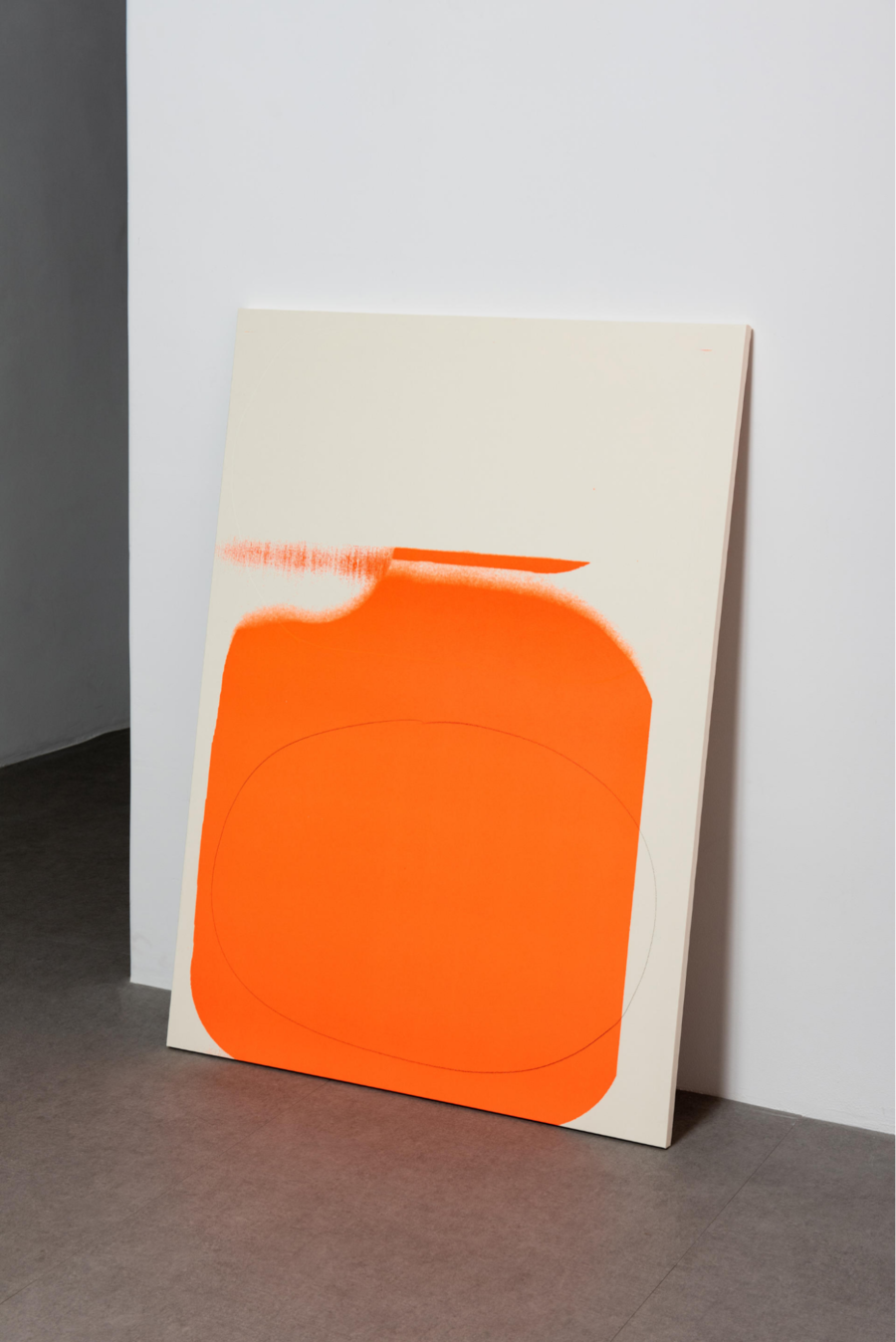
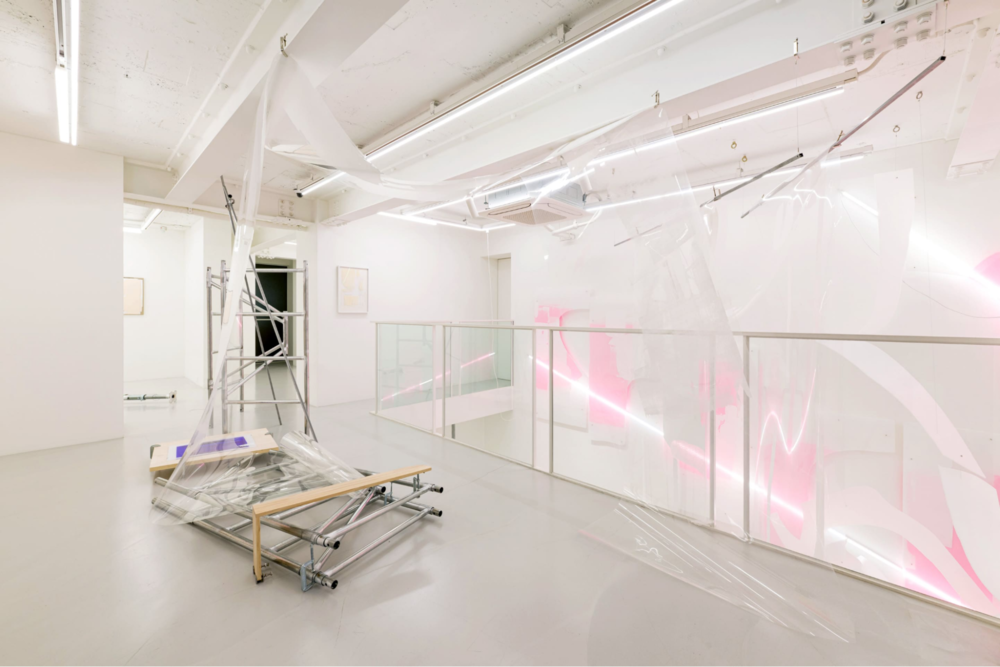
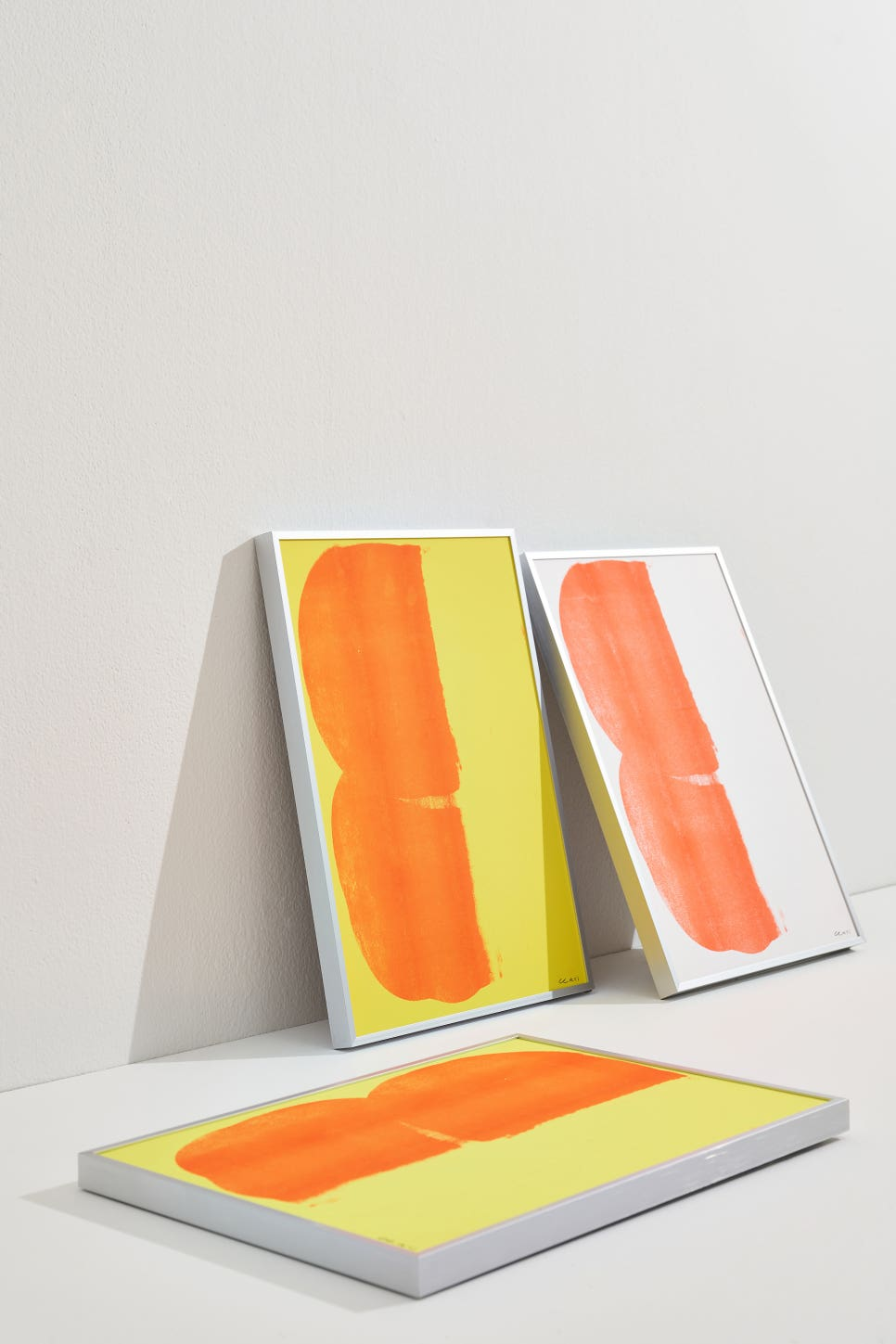
Recent works by Chris Ro © jskstudio

In graduate school, you studied Latin typography. I'm curious how you perceived the forms of Hangul when you later had to work with the Korean writing system.

I made so many mistakes. A lot of them were embarrassing. The first logo I designed after coming to Korea was a Korean-language logo. Since I didn't understand the formal characteristics of Hangul, I designed it based on my understanding of Latin letterforms. As you know, Hangul is a writing system in which letters are combined into syllabic blocks.

For example, the shape of “ㅇ” can become flatter or more elongated depending on its position within a syllable block. Because I lacked an understanding of this compositional structure, I ignored the flexibility of Hangul letterforms and designed the logo as though I were working with the Latin alphabet.

Unlike Hangul, Latin letters are arranged sequentially rather than combined into syllabic blocks, so the basic forms of individual letters remain unchanged regardless of their position. But I applied those same principles directly to Hangul. The resulting logo was really ugly. I've since learned to avoid that approach.

It must have been quite challenging to interpret the visual forms of a language you weren't familiar with and create designs that would resonate with its users. After all, before you actually moved from the United States to Korea, you probably hadn't had many opportunities to encounter Korean design or work with Hangul in your own designs.

Although I'm a second-generation Korean American born in Seattle, I grew up with a strong interest in and pride in Korea. However, when you study the history of typography abroad, Korea is mentioned only twice. Once in connection with movable metal type, and then, jumping forward through history, in relation to the work of designer Ahn Sang-soo.

Finding substantial information about Korean design was somewhat difficult for me because of the language barrier. I always found it disappointing that the history between those two periods seemed to be missing. That's why I was particularly eager to learn about Korean design when I came to Korea.


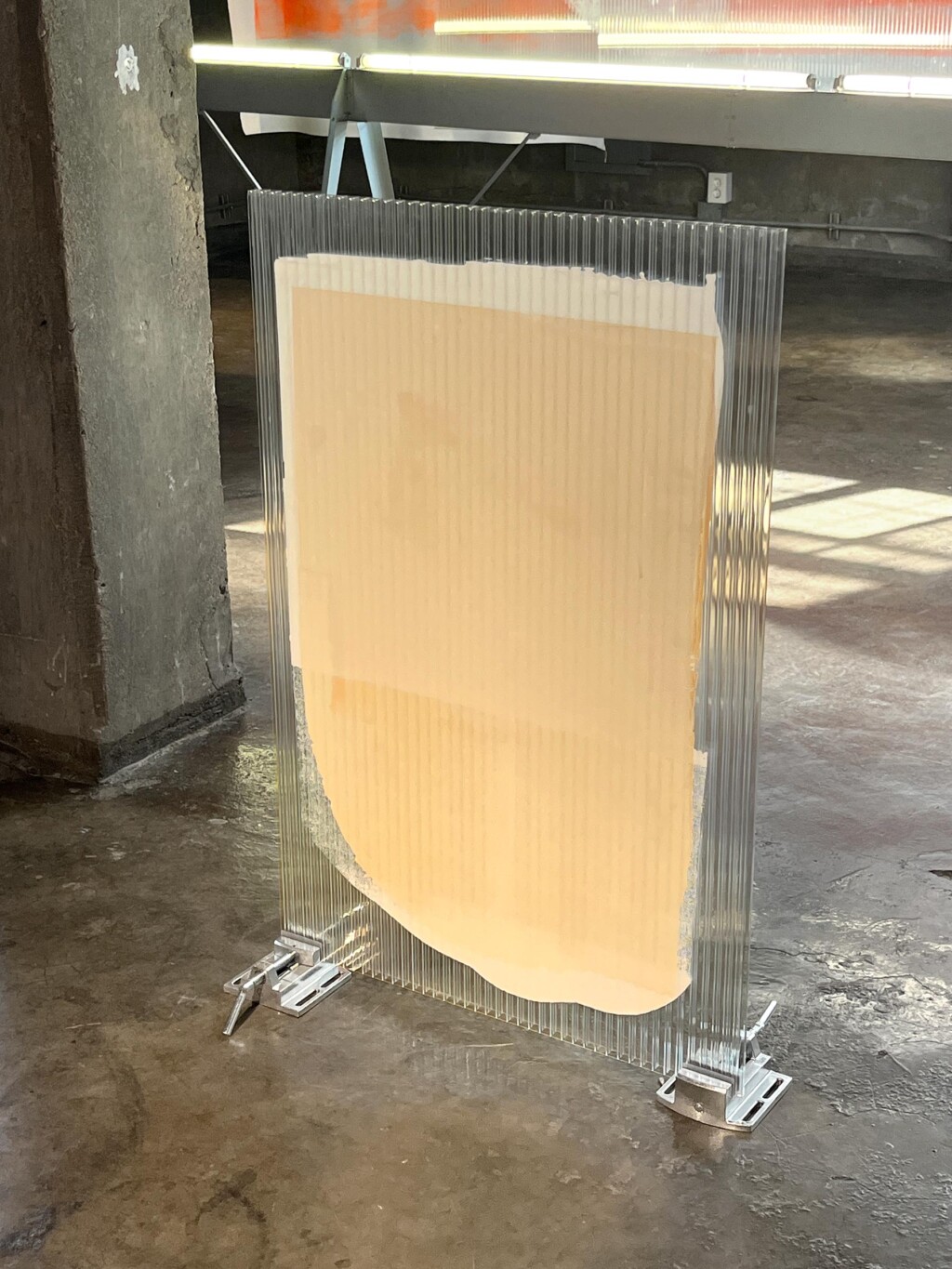
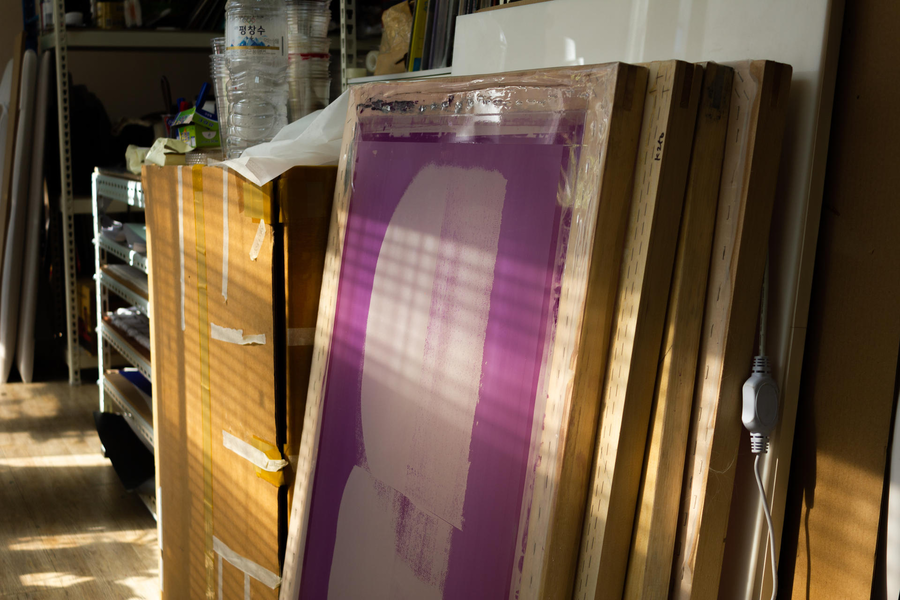
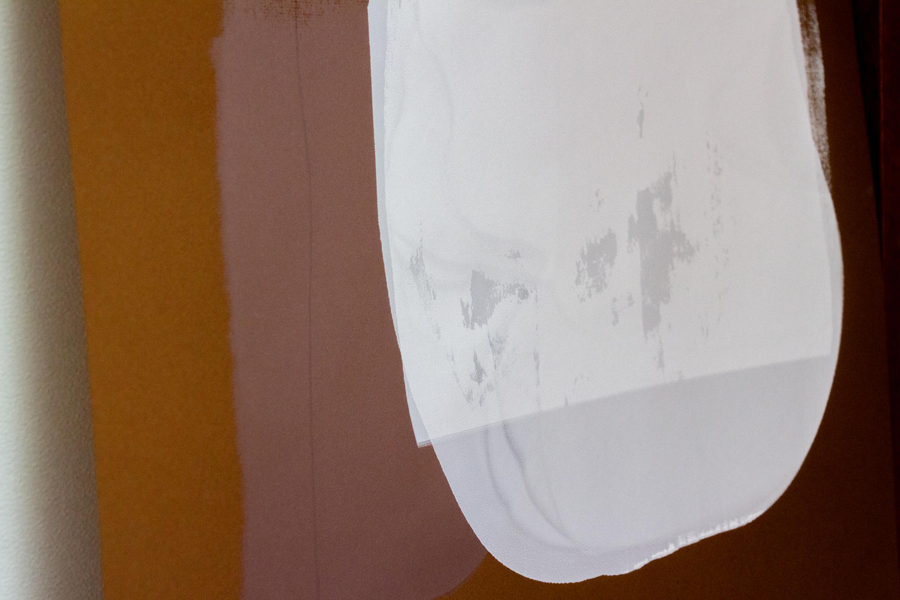
Ink traces left between paper and screen during Chris Ro’s silkscreen printing process © place1-3

Now, let's talk about the work you're currently doing. You mainly work with silkscreen printing, right?

I tend to go back and forth between different techniques. Some works are printed using silkscreen, while others are produced through offset printing.


I'm curious why you chose to work with silkscreen printing. Was it because of its distinctive colors or textures?

Partly because of the colors, but also because of the tactile quality of the process. I like the feeling of imperfection. I'm someone who values intuition over logic. There's a constant struggle between logic and intuition that's deeply ingrained in me. Perhaps that's why I've been feeling increasingly dissatisfied with computers as tools these days. The keywords associated with computers are speed and efficiency.

While they offer many possibilities, I also feel that they limit just as many possibilities. Moreover, with Adobe's growing monopoly over design software, even when you visit websites like Pinterest or Behance to look for references, designs from Spain, Korea, and Brazil all seem somewhat similar. That's why I've been investing more time in working by hand, allowing more of my individual intuition to come through.


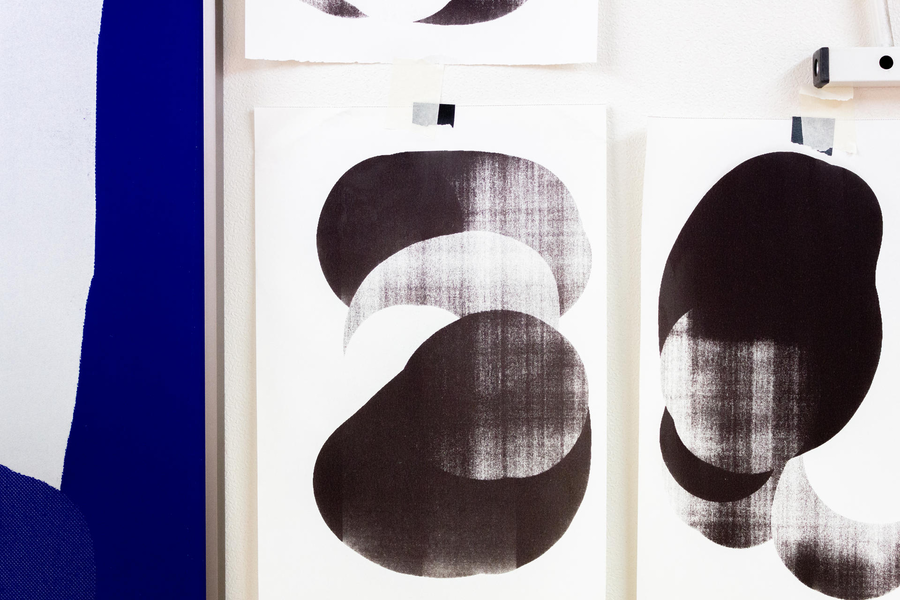
Textures and forms created through repeated photocopying with an old photocopier © place1-3

What is the most interesting moment or part of your process while working?

Ultimately, the most enjoyable moment for me is discovering the imperfect qualities that handwork can produce. These days, I’ve been exploring various ways to recreate the rough texture of the hand through computers and other devices. Sometimes I even use old photocopiers. When printing comes out unevenly because the toner is running low or the machine’s performance is a little off, those irregularities feel human to me.

I’m also very happy when I give movement to a hand-drawn form on the iPad and, at the moment I stop the frame, an interesting shape appears. And when I print that random form through the silkscreen process, complete control simply cannot exist all the way to the final stage. Those are the aspects that I find most appealing.


Various forms created by Chris Ro. Photo: jskstudio © place1-3

Do the forms you draw by hand carry any particular meaning?

I don't necessarily assign meaning to every form. There was one interesting reaction to my work. A friend who was watching one of my animations told me that they could hear sounds coming from the moving forms. There was actually no sound in the video, but they said it felt as though the shapes were making sounds as they collided with one another.

Come to think of it, people don't usually ask musicians what every individual sound means, but they tend to ask artists who create visual works about the meaning behind them (laughs). I simply enjoy creating forms, much like making music. It's almost like the sensation of creating sounds.


Are there any new techniques or approaches you've been experimenting with recently?

I've been experimenting with drawing in pencil on paper and then overprinting on top of those drawings.


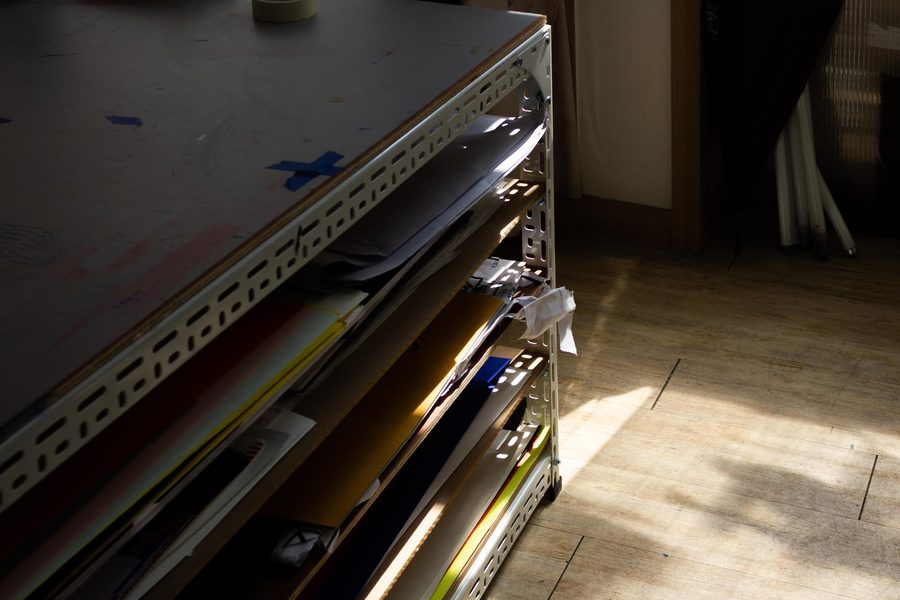
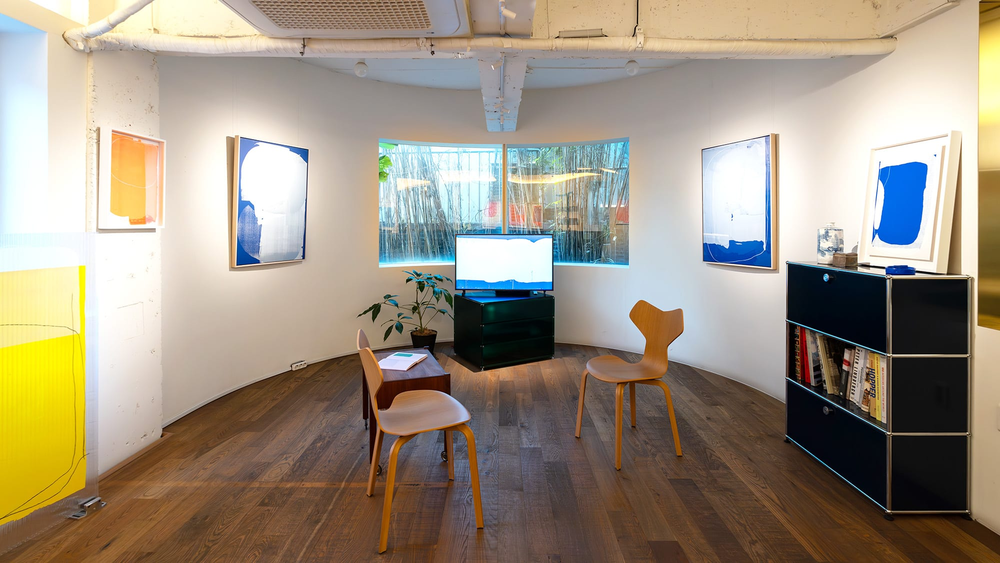
Chris Ro’s studio © place1-3

Apart from your artistic practice, what is the most important ritual or routine in your everyday life?

I recently attended a bass clarinet performance by a musician who had been playing the instrument for 30 years. Throughout the performance, I felt an overwhelming sense of emotion. It was as if the musician's soul was speaking directly to me through the language of musical notes. Just as I write poetry in English, or as that musician creates music through the language of sound, I believe visual forms can also become a language of their own.

I want to be someone who speaks to people through my own visual language. I hope that those who encounter my work can sense the language of the soul within it. To become an artist capable of creating such work, my most important routine is to continue practicing every single day, without interruption.


Chris Ro’s studio © place1-3
References