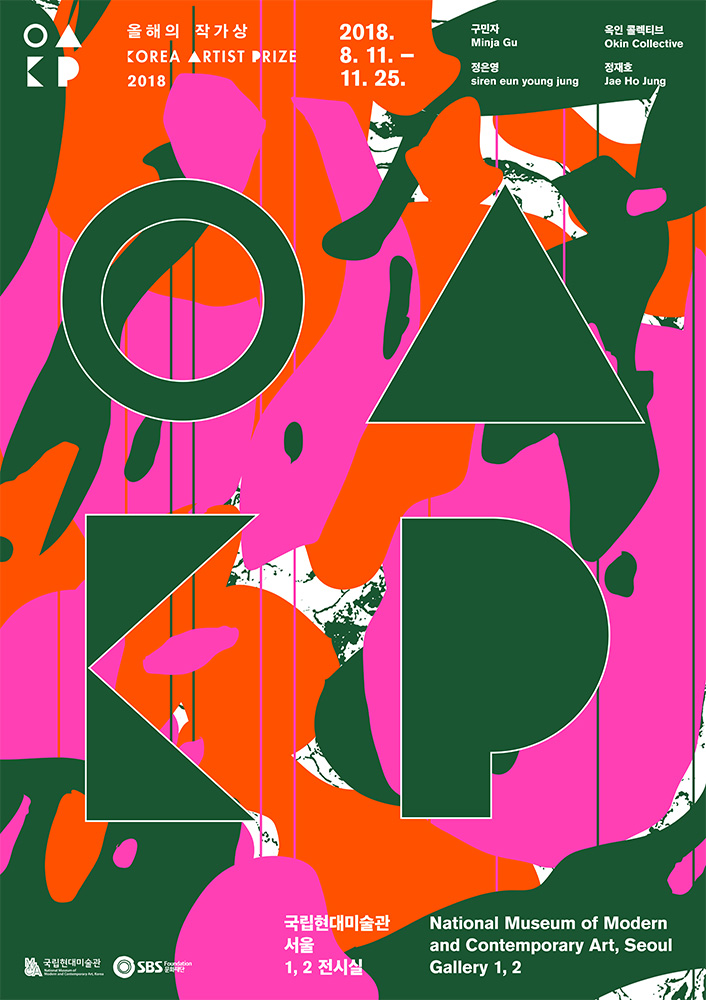
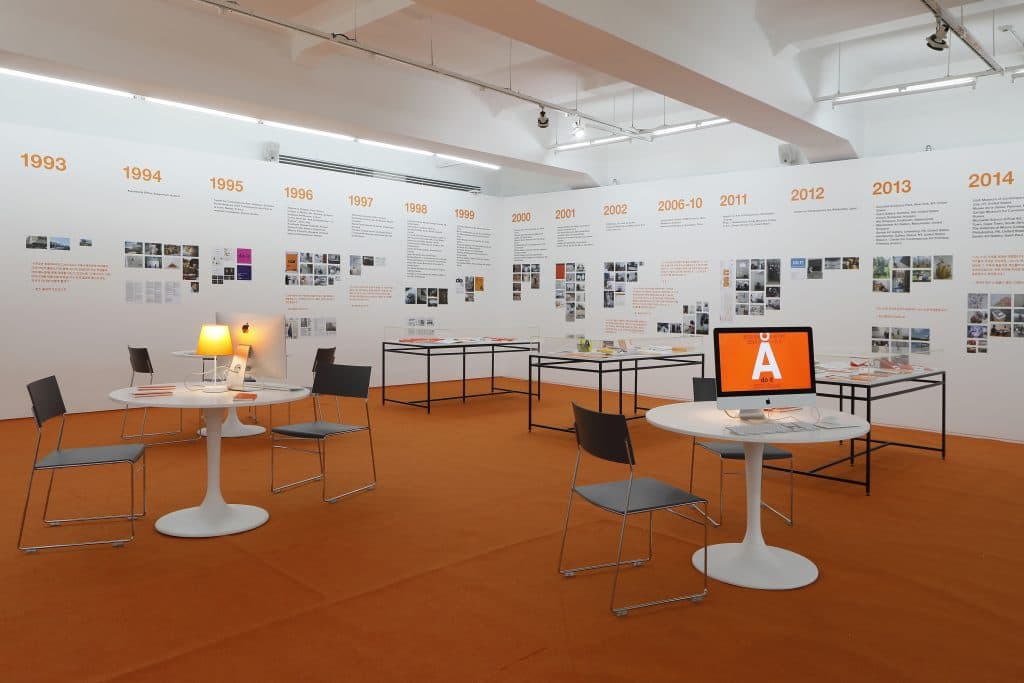
The National Museum of Modern and Contemporary Art, Korea (MMCA), directed by Bartomeu Marí, is presenting 《Korea Artist Prize 2018》, co-organized with the SBS Foundation, in Galleries 1 and 2 at MMCA Seoul through November 25.

The Korea Artist Prize, jointly organized by the MMCA and the SBS Foundation, was established to support and foster artists who offer new perspectives, visions, and alternatives for contemporary Korean art. Launched in 2012, the prize marks its seventh edition this year.

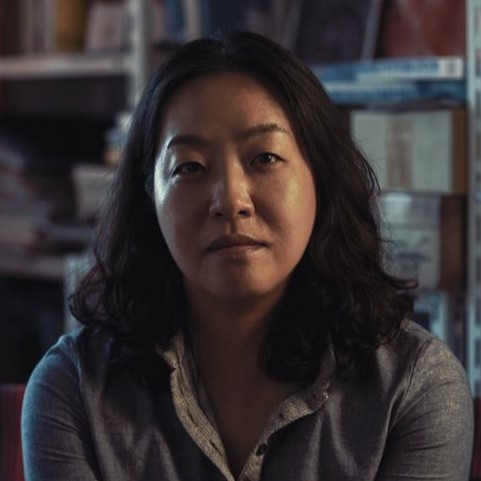
《Korea Artist Prize 2018》 features four artists and artist groups: Minja Gu, Okin Collective (Hwayong Kim, Joungmin Yi, and Shiu Jin), siren eun young jung, and Jae Ho Jung. The exhibition presents their distinct approaches to exploring social issues from aesthetic and political perspectives, while extending their practices toward empathy and solidarity with others. Particularly noteworthy are three questions that the artists pose to society.


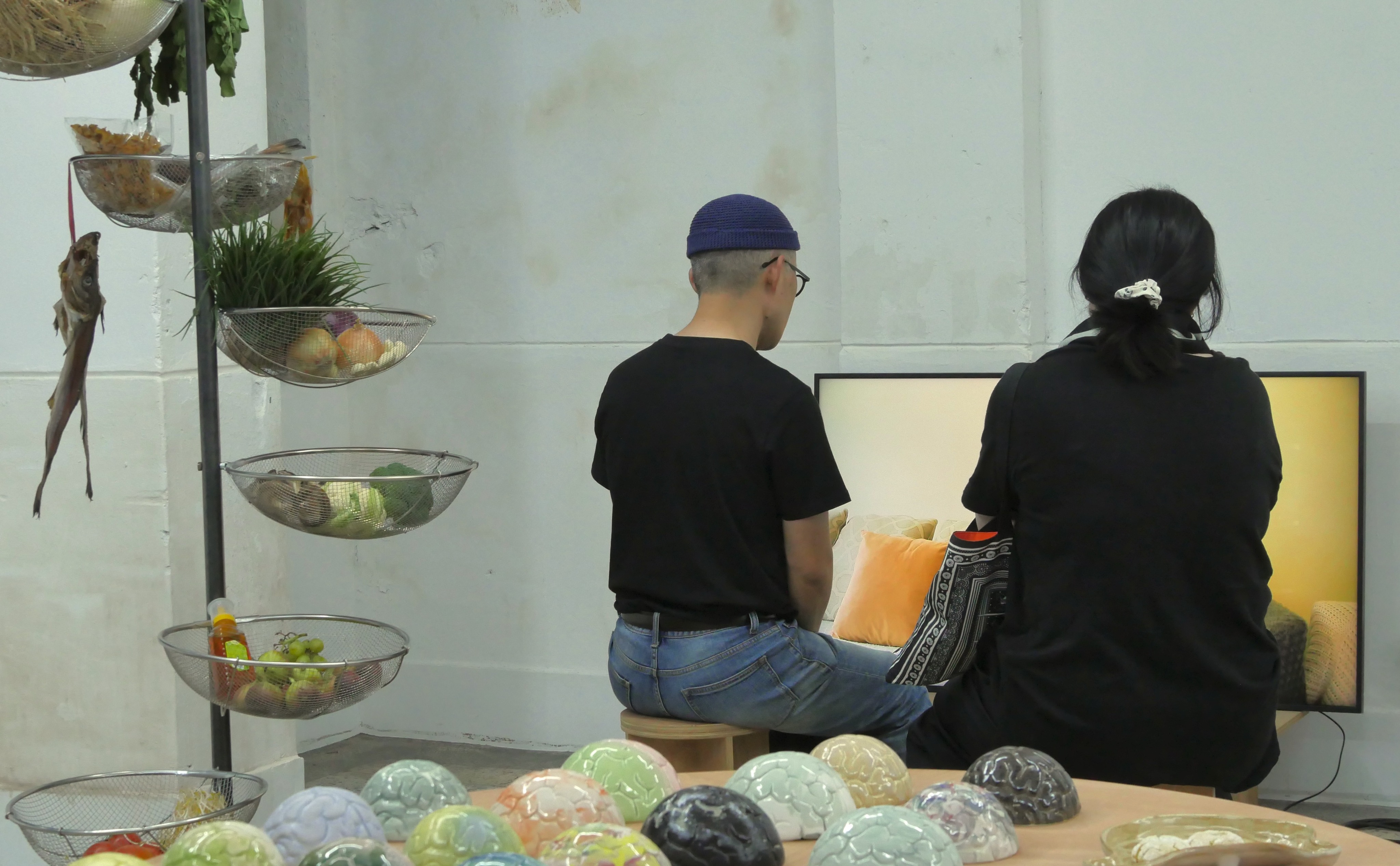
Installation view of 《2018 Korea Artist Prize》 © MMCA

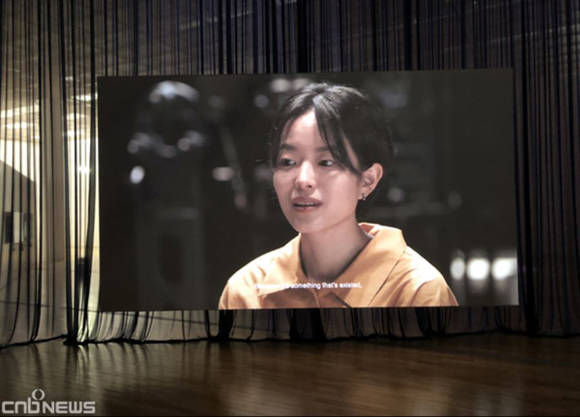
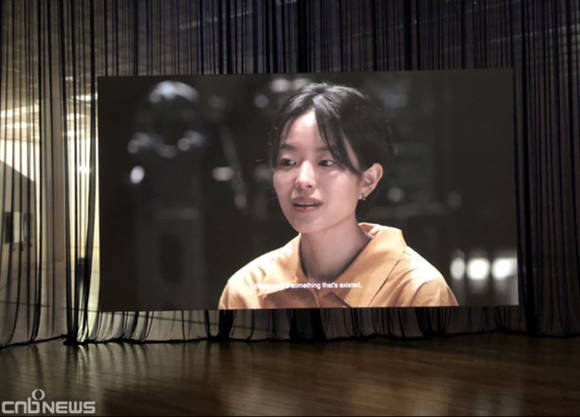
siren eun young jung has developed a diverse body of work centered on yeoseong gukgeuk, a form of traditional Korean musical theater performed exclusively by women that enjoyed widespread popularity in the 1950s but now faces the threat of disappearance.

This exhibition presents her new work Deferral Theatre, filmed at Myeongdong Theater and the Multi-Project Hall at the MMCA, alongside works such as Sorry, the Performance Will Be Delayed, No Longer Gagok-Beat/less, and I Am the King.

She also presents Deferral Archive, an archive conceived as an artistic practice that deliberately and actively suspends conventional approaches to writing the history of yeoseong gukgeuk, seeking instead to remain on the reverse side of the discourses and memories surrounding it. In addition, through Anomalous Fantasy, performed in Korea, Japan, and Taiwan, she invites audiences into a space where the disappearing tradition of yeoseong gukgeuk encounters contemporary art.

siren eun young jung explained, “Through yeoseong gukgeuk, I wanted to explore the question, ‘What becomes history?’ There are aspects of Korean modern history that undoubtedly existed but were never given a place and have since been forgotten. Yeoseong gukgeuk was one of them. By tracing the histories of these women, I wanted to discuss the points at which established values and notions surrounding the preservation of tradition begin to unravel.”

Video interviews with women who were involved in yeoseong gukgeuk are installed behind a curtain, creating the striking impression of encountering hidden stories that have remained untold.

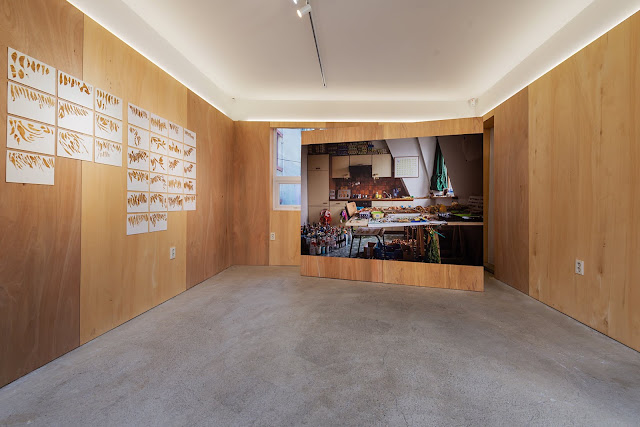
Installation view of 《2018 Korea Artist Prize》 © MMCA

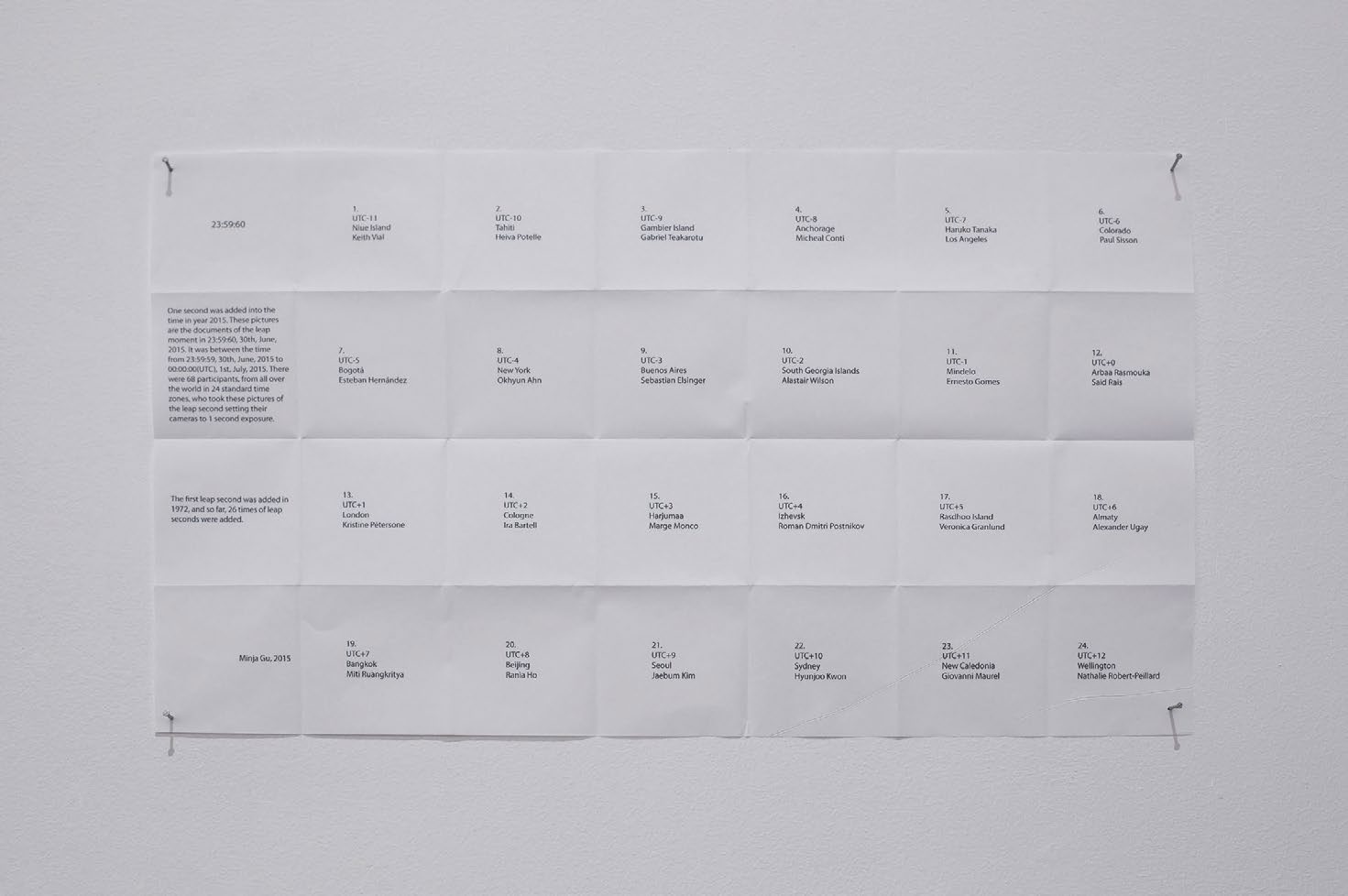
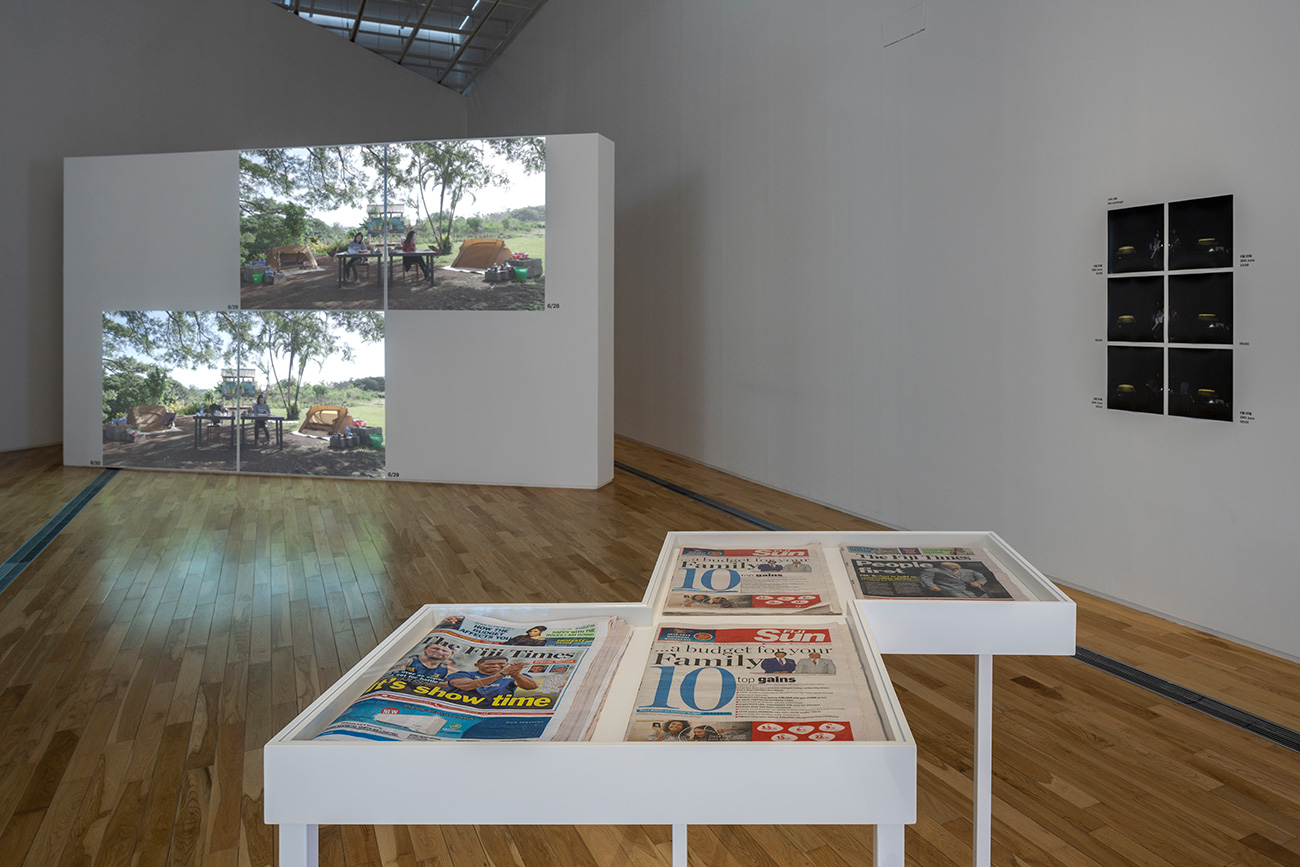
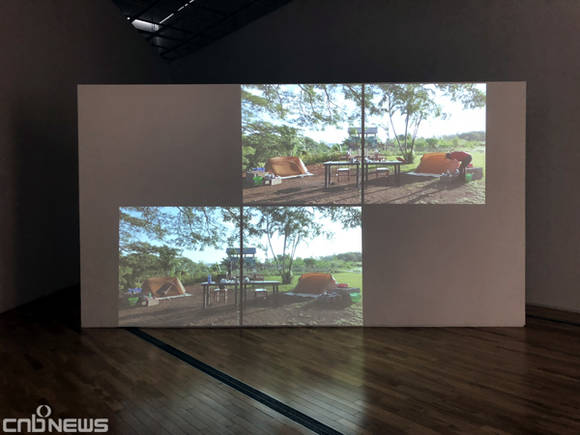
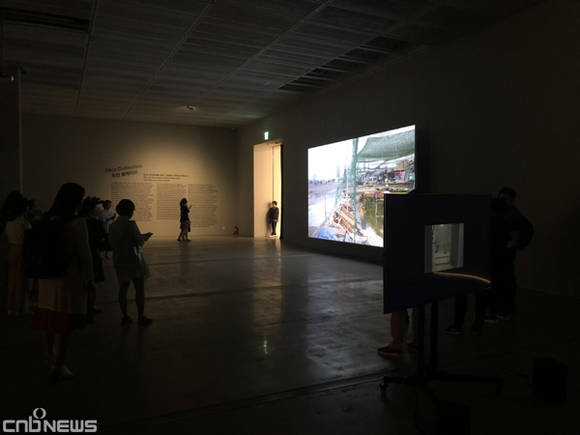
Minja Gu's Island of the Day Before, Island of the Day After was inspired by the International Date Line that runs north to south across Taveuni, an island in Fiji in the South Pacific, located on the opposite side of the globe from the Royal Observatory in Greenwich, London.

On Taveuni, the eastern side of the International Date Line is today, while the western side is yesterday. Therefore, if a person spends one day on the eastern side of the line and then spends the following day on the western side, that person would effectively live the same day twice.

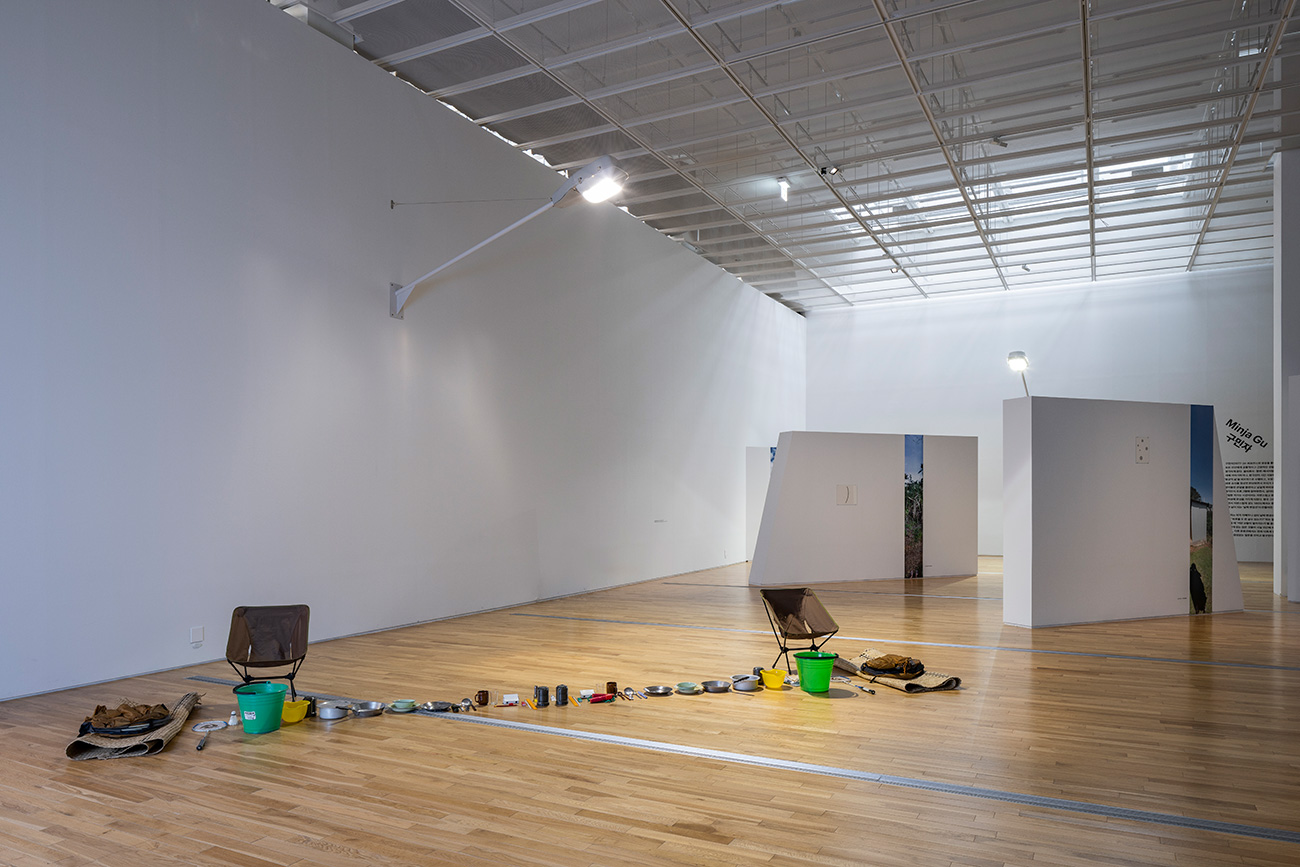
Moving between yesterday and today, and between today and tomorrow, the work questions the meaning of time and life. This video and installation work is based on a performance in which the artist and an acquaintance each spent 24 hours on opposite sides of the International Date Line, then switched places the following day and spent another 24 hours there.

Minja Gu explained, “This work began with the question, ‘Is it possible to live the same day twice?’ The International Date Line is an arbitrary boundary. Yet, once meaning is assigned to it, it becomes a symbolic entity that seems to allow us to move across time and space.” She added, “The exhibition presents footage filmed over two days at this location. I wanted viewers to experience the passage of time at the International Date Line.”

Four Questions Posed by the Artists
“What becomes history?” “Is it possible to live the same day twice?”
“What if a rocket had actually reached the Moon?” “How is a community sustained?”


Installation view of 《2018 Korea Artist Prize》 © MMCA

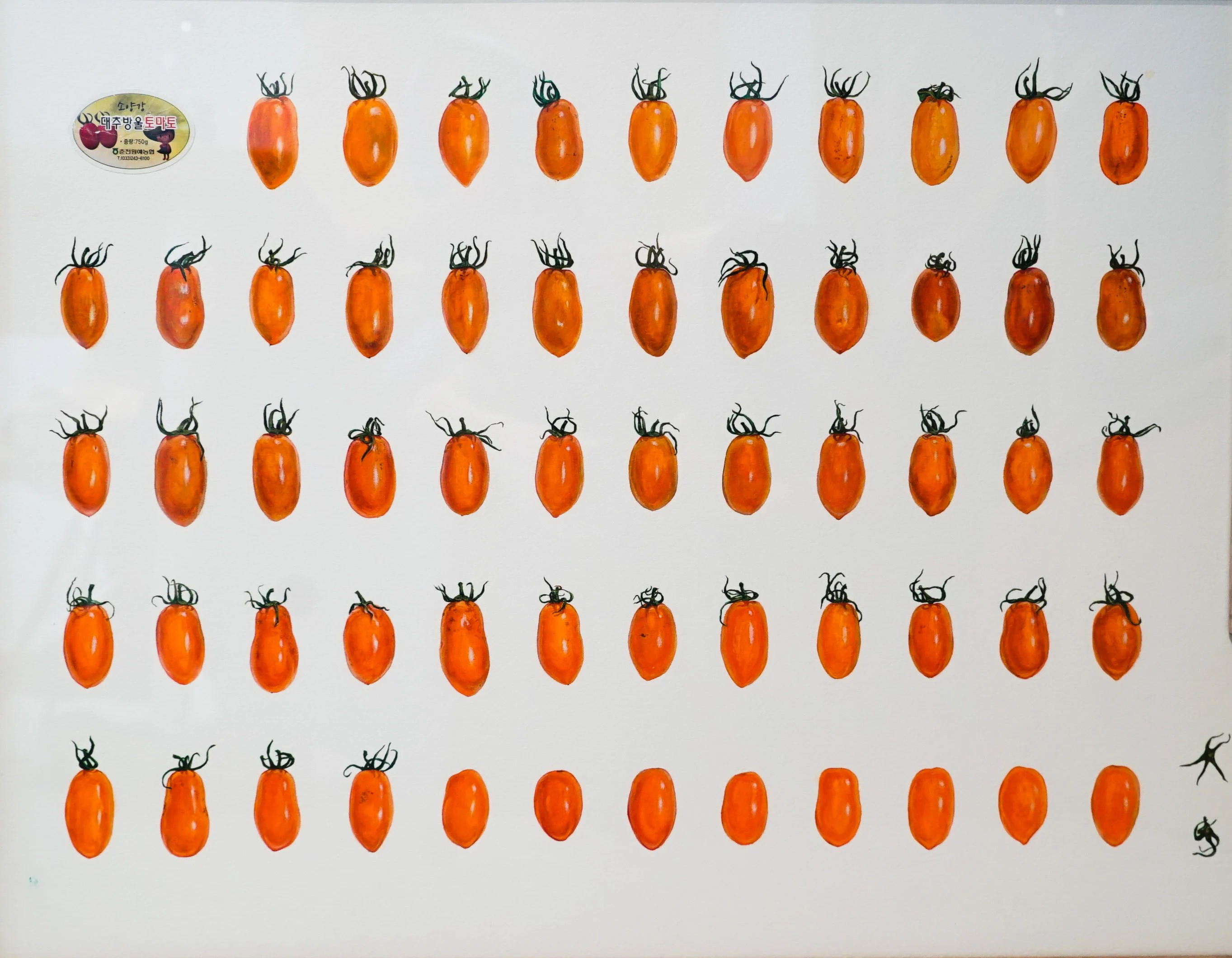
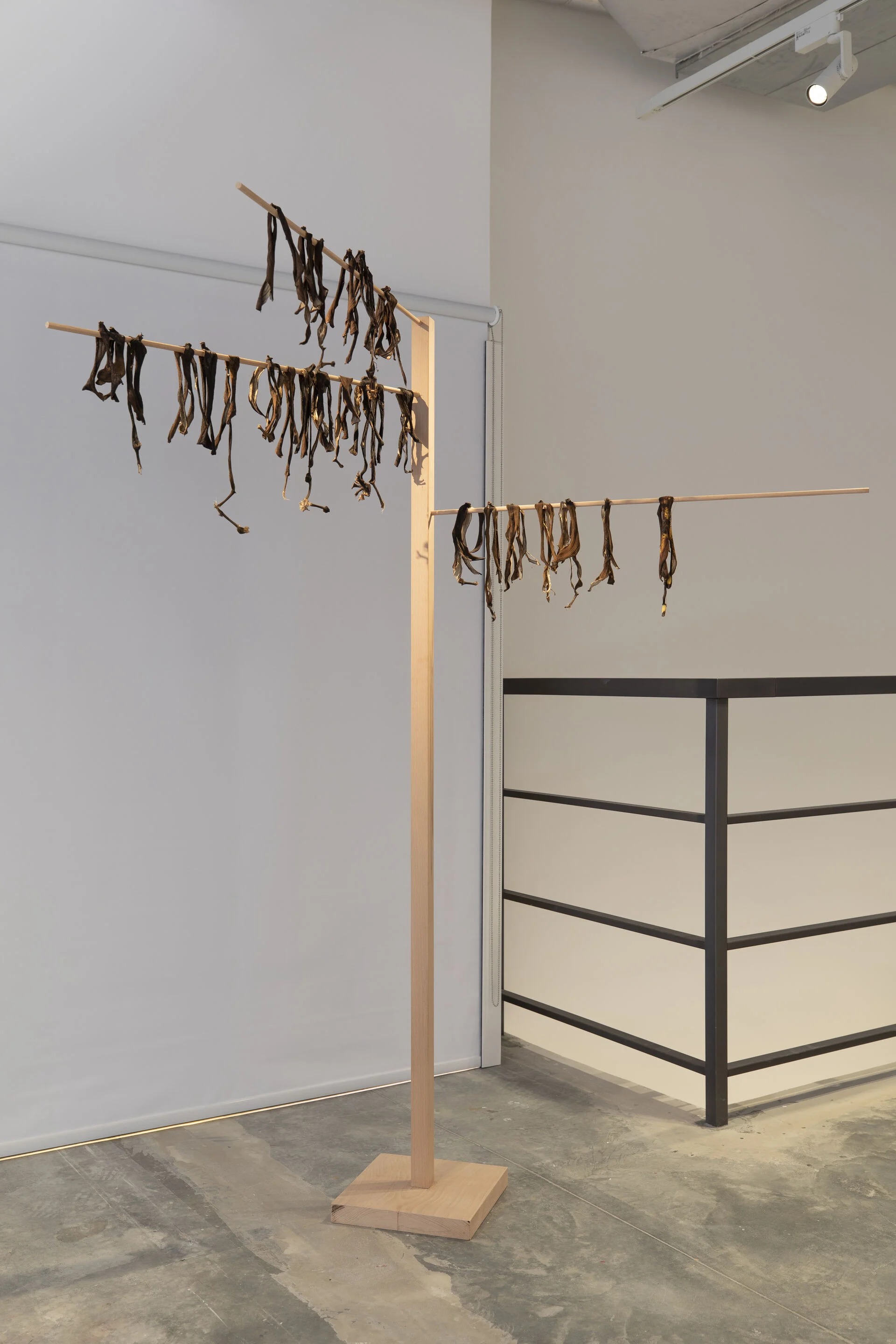
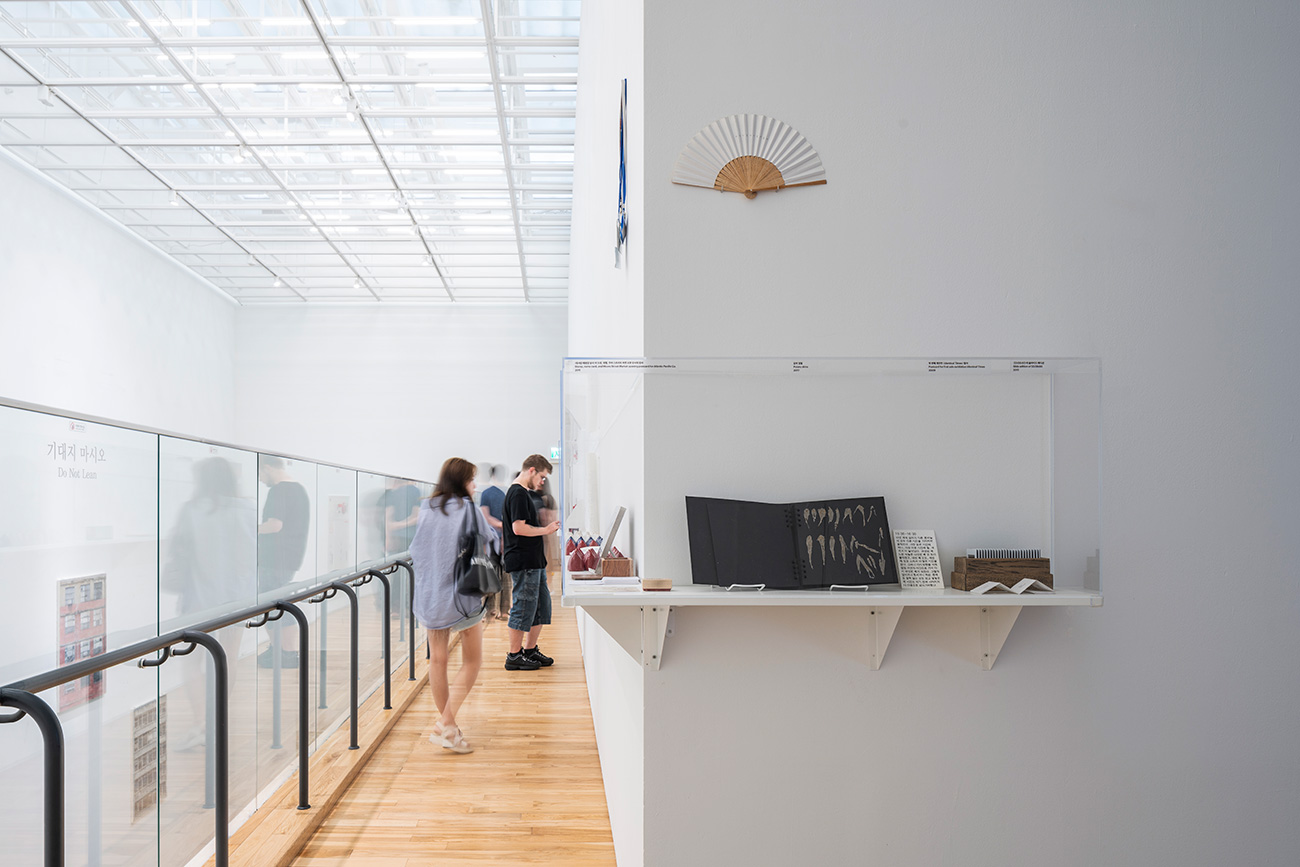
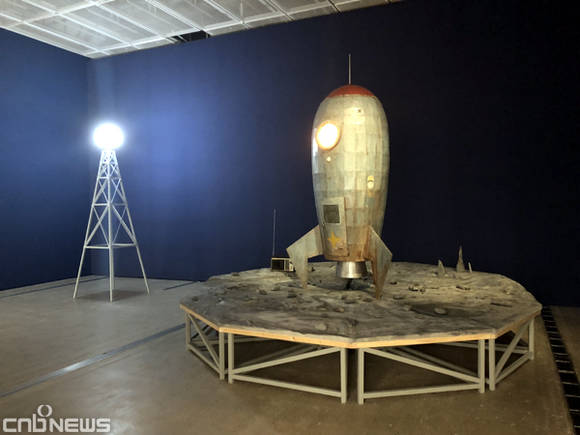
In this exhibition, Jae Ho Jung presents Rocket and Monster, an installation that traces the legacy of an era when building a nation through science and technology was a national slogan. Through paintings of aging buildings in urban centers and scenes of exploration into unknown worlds drawn from science fiction comics and films of the 1960s and 1970s, the work examines the traces that this period has left on contemporary society.

Alongside this installation, Jung presents a series of archival paintings in which he reinterprets images from government documentary photographs, films, comics, and other forms of popular culture from the period. These works reveal the particular ways of thinking and perspectives instilled in individuals within a nationalist culture that prioritized the collective over the individual.

Resembling scenes from science fiction comics, Jung's paintings also serve as a sober record of the shift in social values following the end of economic growth and the onset of economic crises—that is, a transition from an era in which people dreamed of the impossible to an era in which they dreamed of what was possible.

Jae Ho Jung explained, “I really enjoyed reading cartoonist Yoon Seung-woon's Yocheol Balmyeongwang (junk inventors) in the 1970s. Yocheol, an elementary school student and inventor in the comic, constantly attempts to create new inventions, even though they never work properly. One episode in which he builds a rocket left a particularly strong impression on me. I wondered, ‘What if the rocket Yocheol built had actually reached the Moon instead of exploding, as it did in the comic?’ I brought this imagined possibility to life through my paintings.”

The exploration and realization of possibilities that might have existed are what make Jae Ho Jung's work particularly compelling.


Installation view of 《2018 Korea Artist Prize》 © MMCA

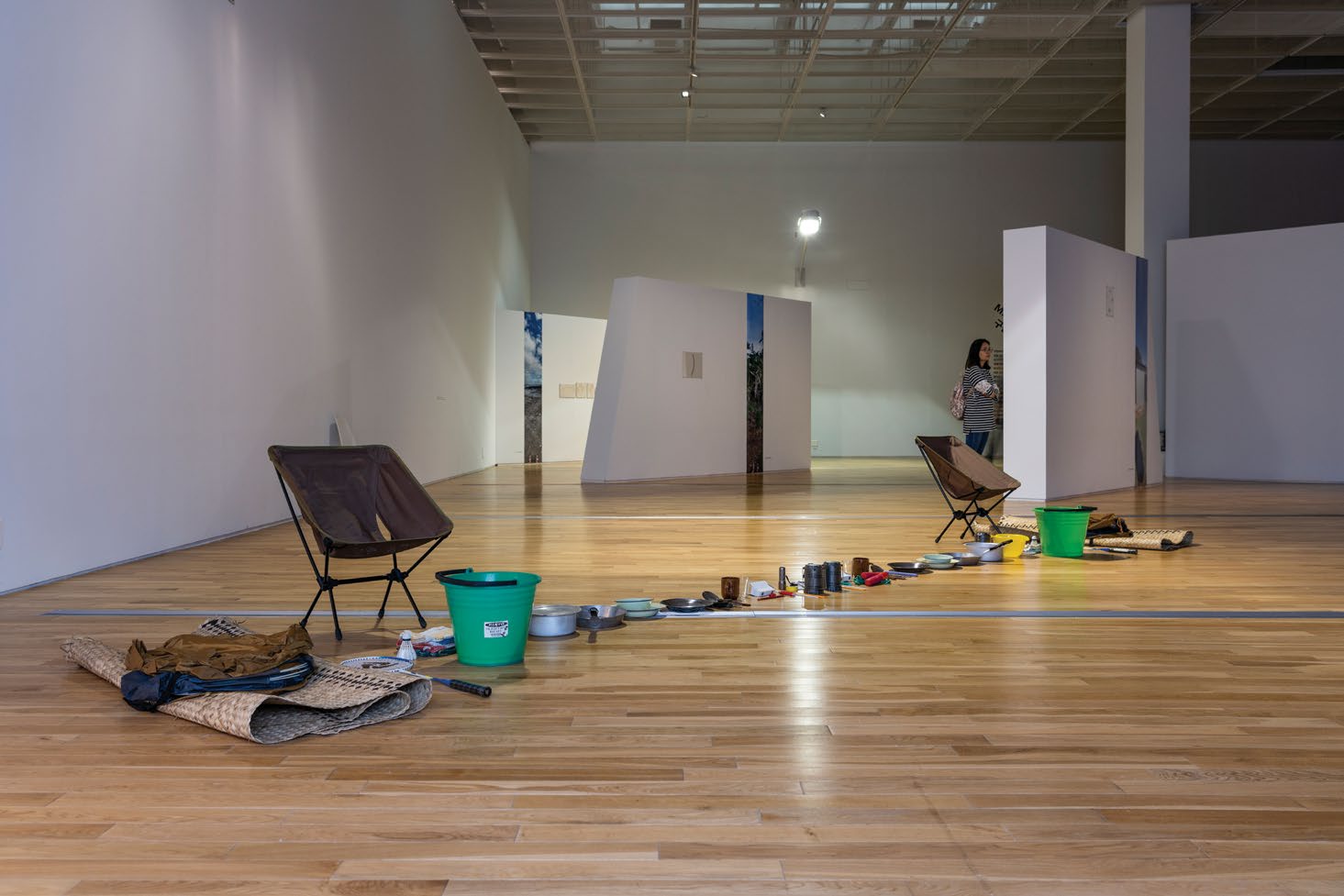
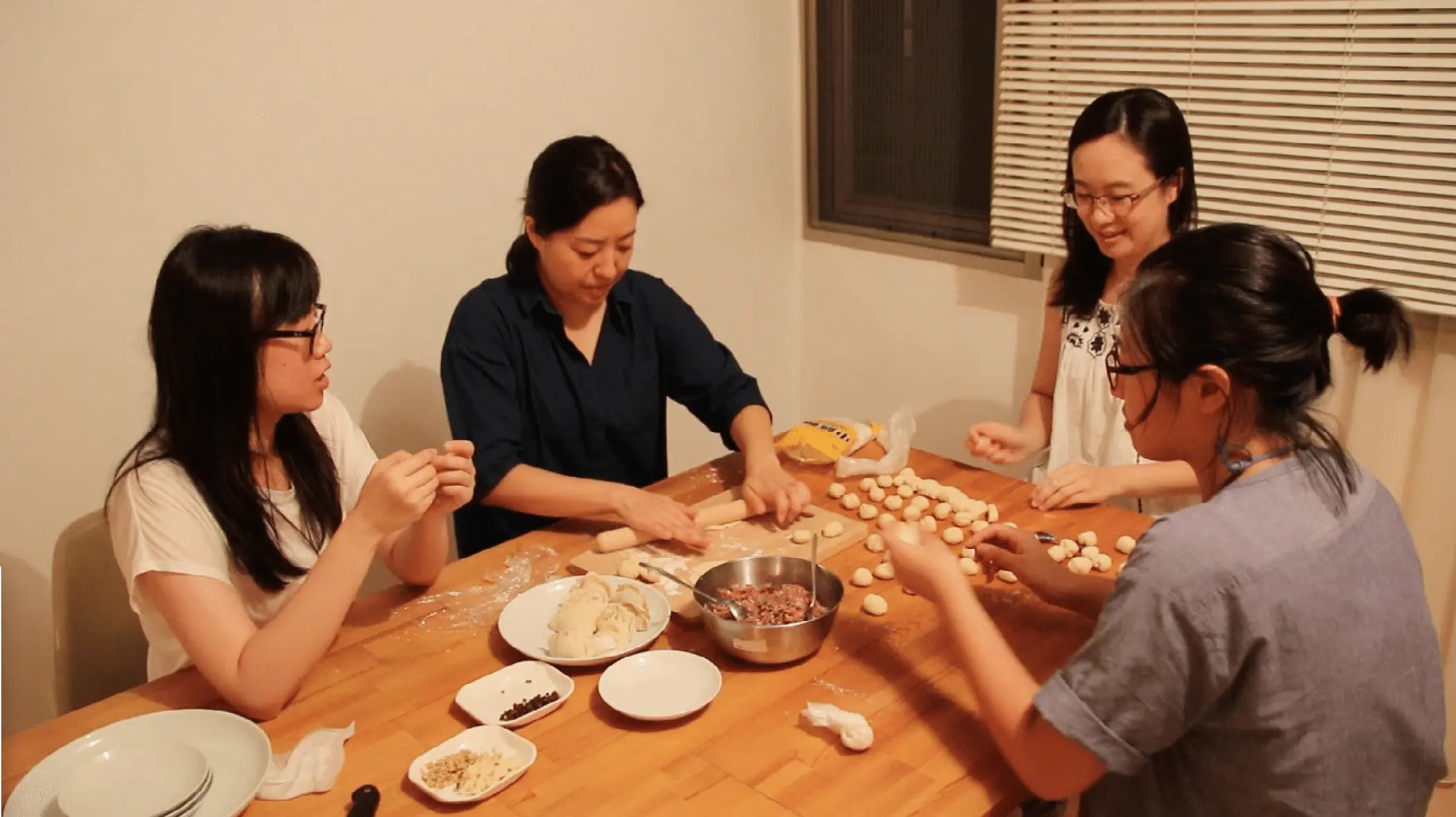
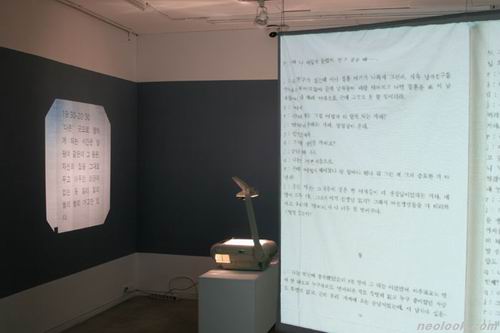
Since its formation in 2009 at the Okin Apartment complex in Jongno District, Seoul, which was facing demolition at the time, Okin Collective has explored the boundaries between everyday life and art through diverse artistic forms. This exhibition presents From the Outside, which, for the first time, documents the works and processes that led to the formation of Okin Collective.

Alongside this work, the collective presents new projects developed through encounters with communities in three cities—Seoul, Jeju, and Incheon—exploring why people form communities in urban environments, how individuals and communities interact, and how communities are sustained, drawing on the stories of their members.

In Search of How to Revolve, or Its Contrary follows the story of Hoijeon Art, an artists' community based in Incheon, while Casa d’Or(Golden House) traces the lives of senior citizens who frequent Kkasadol, a music café on Jeju Island. Okin Collective carefully captures the subtle emotional fluctuations experienced by people caught in complex circumstances that cannot be reduced to binary distinctions such as black and white, likes and dislikes, or agreement and opposition.

Okin Collective explained, “Our work began with an interest in the individuals who make up communities. For society to function, it requires systems that operate as a kind of mechanism. Although people recognize the importance of these systems, they often find themselves unable to become active agents within them. We wanted to understand why.” The collective added, “By exploring the stories of small communities we encountered in Seoul, Jeju, Incheon, and elsewhere, we sought to develop narratives that move from the particular to the broader social context.”

Cuauhtémoc Medina (curator of the 2008 Shanghai Biennale), who served on the jury, commented, “I was impressed by the artists' use of a wide range of media, from avant-garde practices to traditional forms. In particular, they demonstrate both the distinctiveness and universality of Korean contemporary art.” Wang Chunchen (Vice President of the CAFA Art Museum at the Central Academy of Fine Arts in Beijing) remarked, “These artists' works are compelling because they address tradition, politics, and modernization, offering insight into Korean society and its people.”

Meanwhile, the final winner of “Korea Artist Prize 2018” is scheduled to be announced on September 5, following the final evaluation of the participating artists' exhibited works. The winner will be named the “2018 Artist of the Year” and receive an additional cash prize of KRW 10 million.

A contemporary art documentary examining the artistic practices of the shortlisted artists and the final winner will also be produced and broadcast on SBS terrestrial and cable television channels. In addition, an exhibition talk titled “MMCA Exhibition Talk: Korea Artist Prize 2018”, featuring all four participating artists and artist groups, is scheduled for October 26.

References