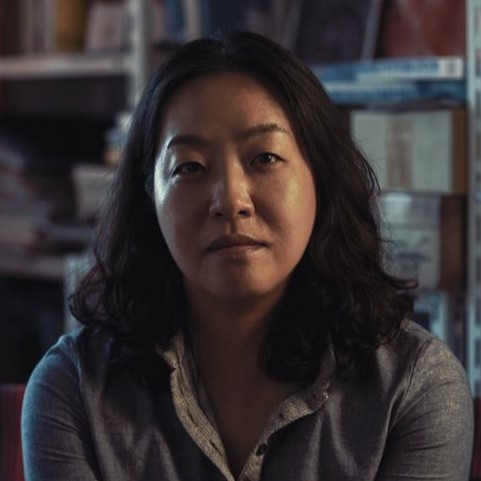
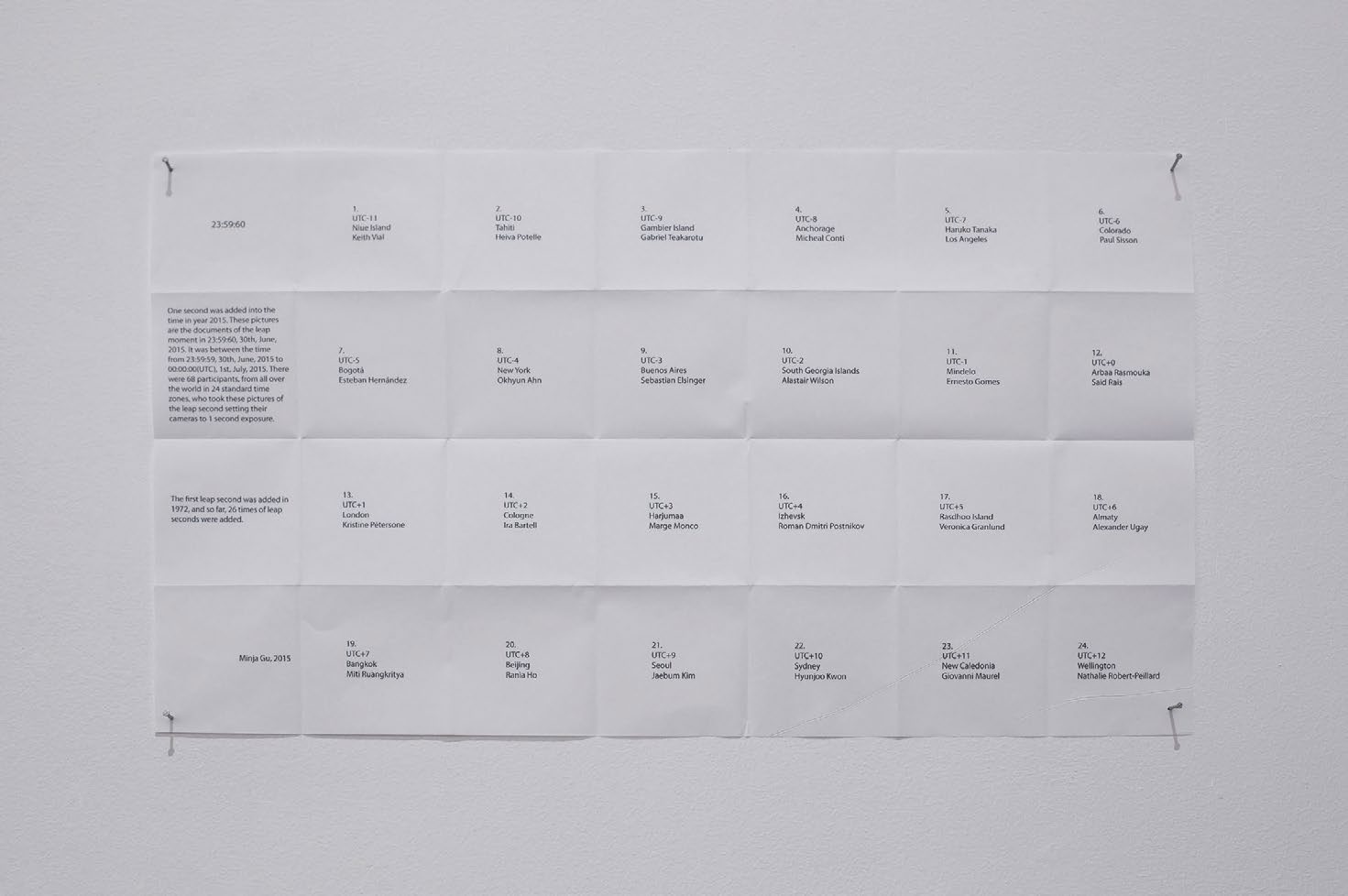
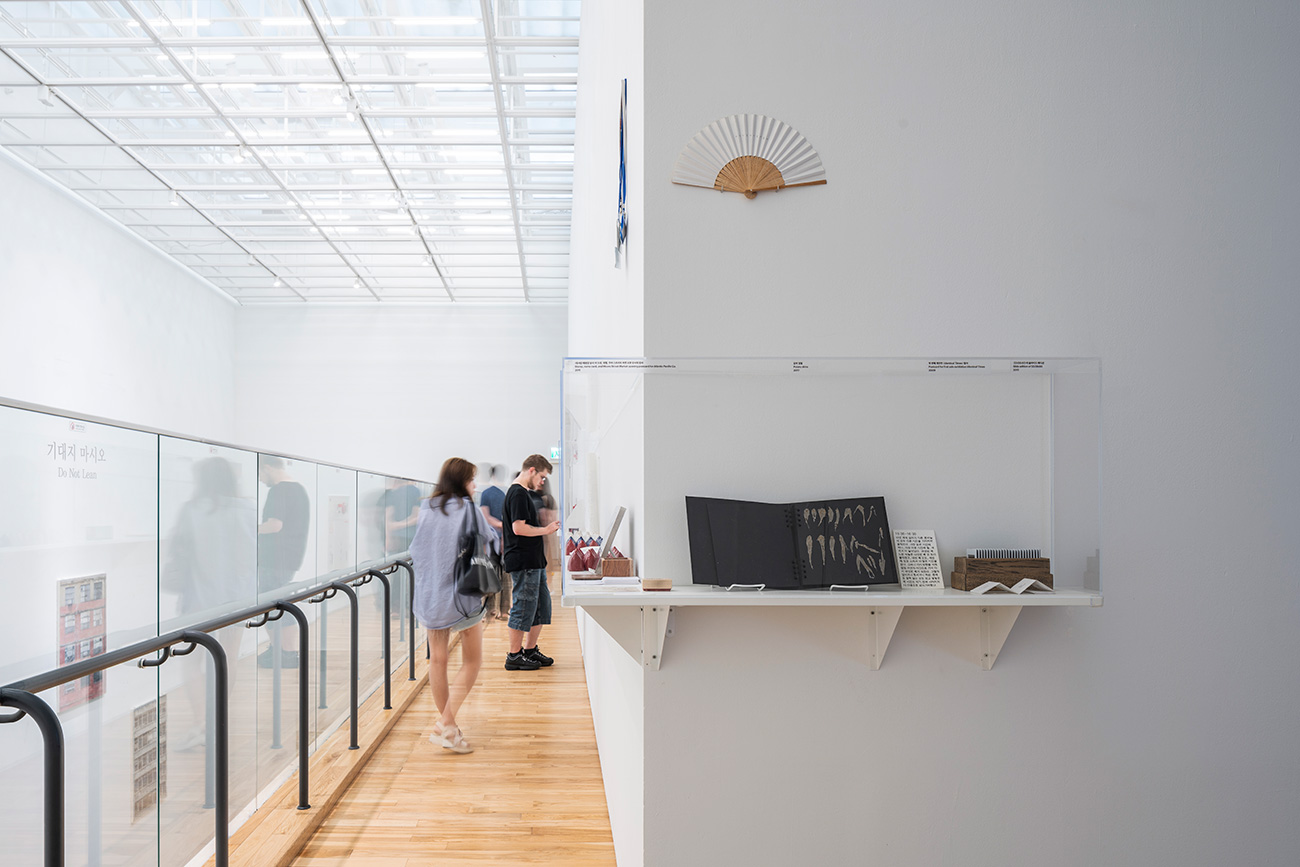
Minja Gu works across a range of media, including performance, video, photography, installation, and participatory projects, transforming everyday activities into artistic practices. Her works generally unfold by introducing specific rules or conditions into familiar situations, which are then carried out by the artist herself or by participants.
In this process, chance occurrences, trial and error, and unexpected reactions that emerge while following predetermined conditions play a more significant role than technical perfection or dramatic events. While closely observing the process of execution, Gu refrains from actively controlling its outcomes, incorporating the awkwardness and humor that arise between the natural flow of everyday life and artificially imposed rules.
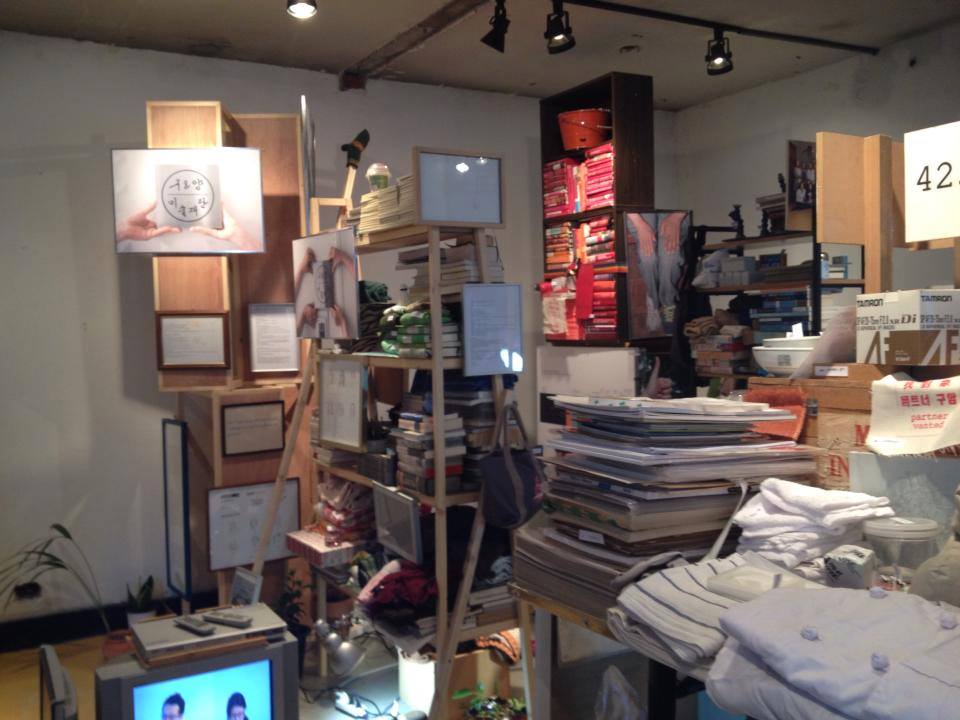
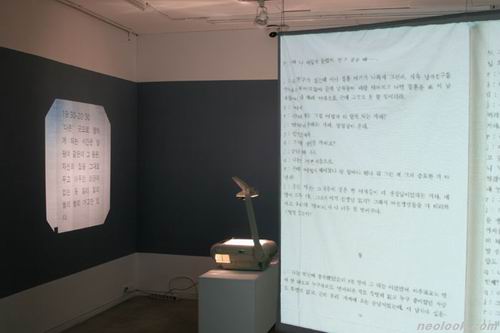
Participation and interaction are important formal characteristics of Gu's practice. Happily Ever After (2010), which took the form of a group matchmaking event, and The Square Table: Public Hearing of the Requirements for the Artist-position Government Official (2013), which adopted the format of a public hearing concerning the appointment of artists as government officials, bring familiar social events and institutional procedures into the realm of artistic practice.
In these projects, participants act within predetermined situations while revealing their own judgments and experiences, making the workings of social relationships and institutional structures tangible. Through individual choices and actions, Gu examines social systems and continues to experiment with the fluid boundaries between art and everyday life.
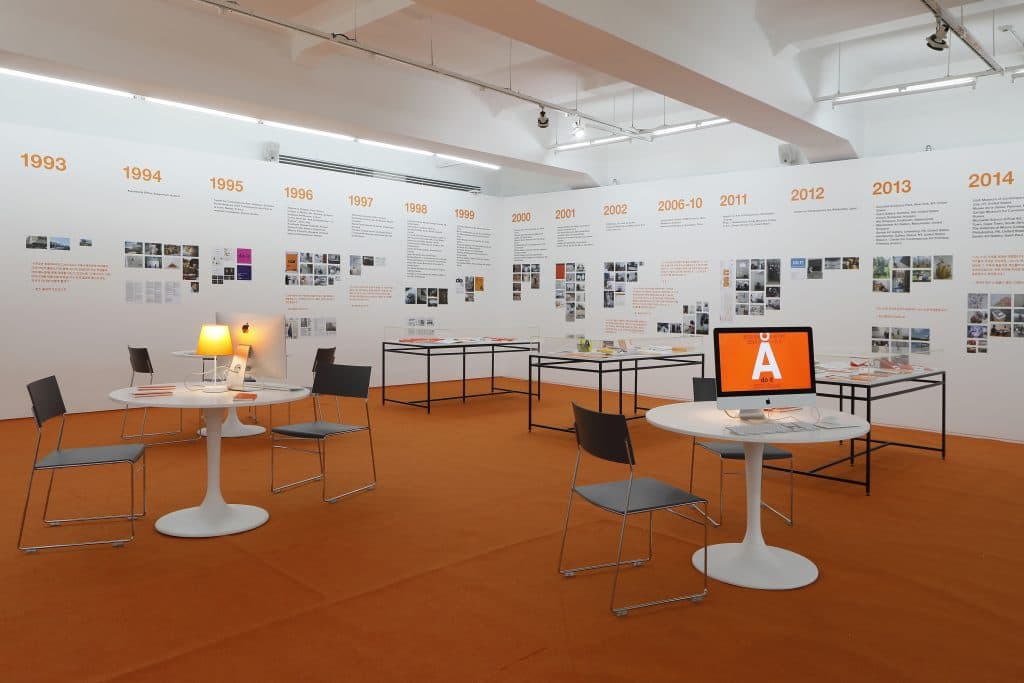
Video, photography, and documentary materials serve as key media in Gu's practice, revealing the processes of performance and the discrepancies that emerge from them. 24 Hours (2009) presents the experience of spending a day according to statistical averages of how Koreans use their time through video, charts, and text, exposing the gaps between statistical standards and their actual enactment.
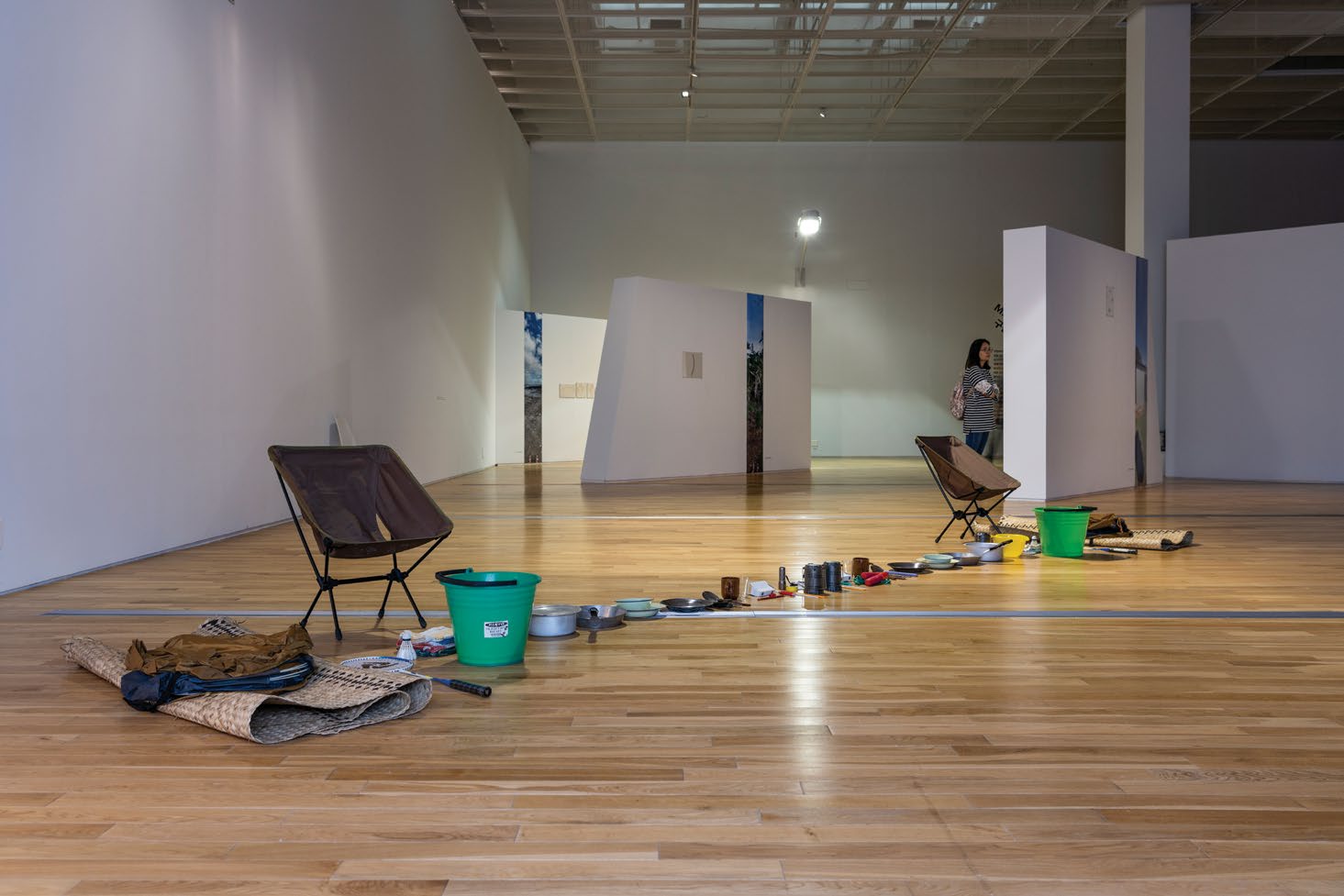
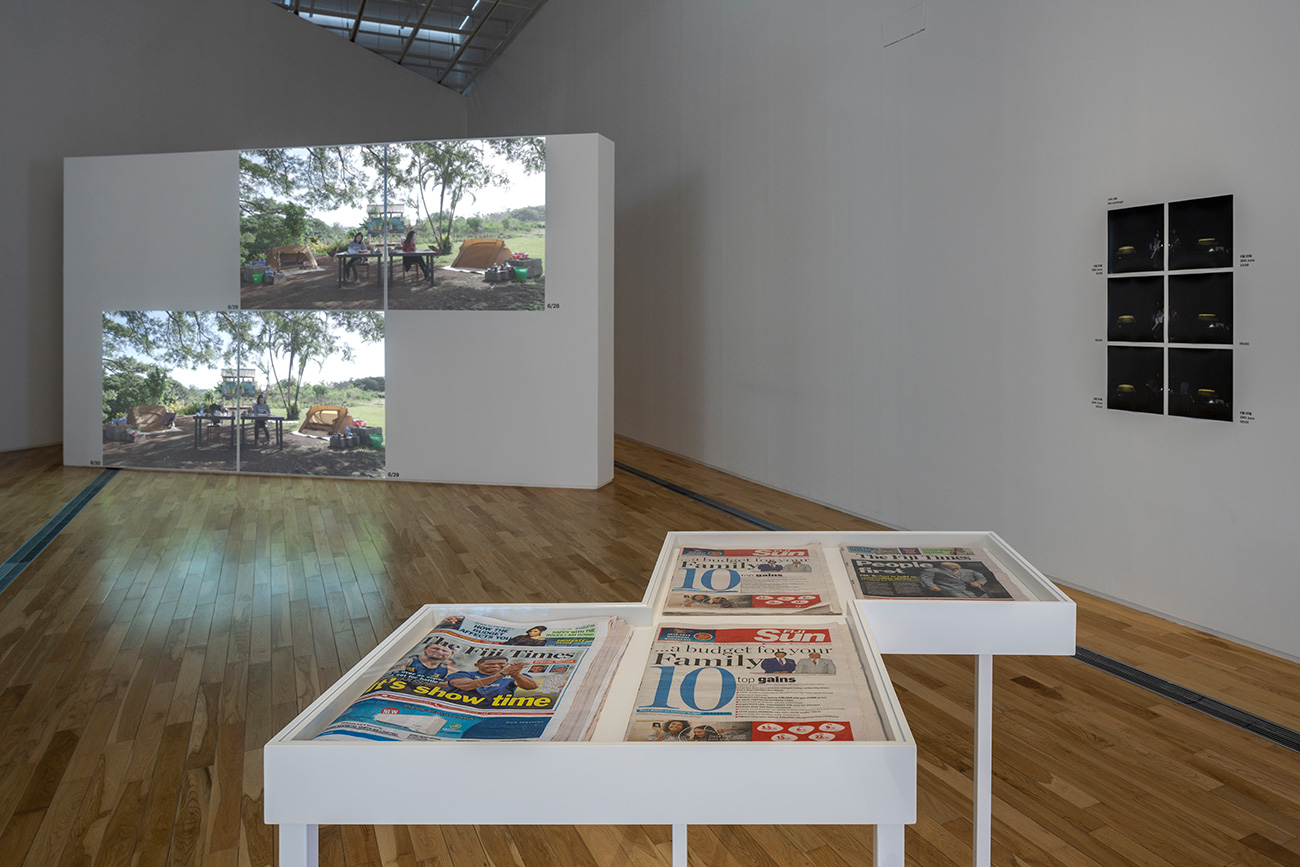
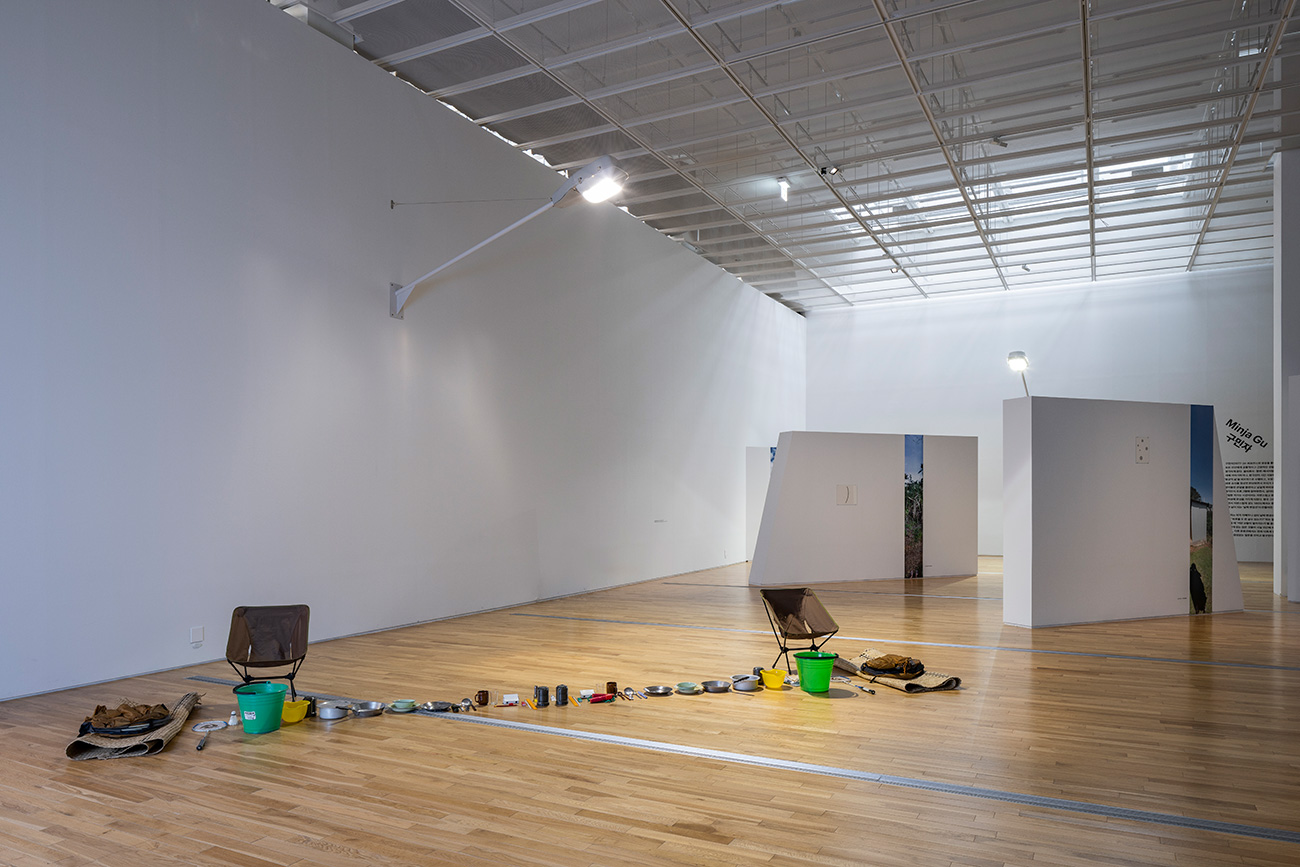
Island of the Day Before, Island of the Day After (2018) documents a performance conducted on opposite sides of the International Date Line through a four-channel video, accompanied by objects, schedules, and photographs used during the performance. In this way, Gu records and reconstructs the time, space, and objects involved in her actions, encouraging viewers to examine the conditions and outcomes of these performances from multiple perspectives.
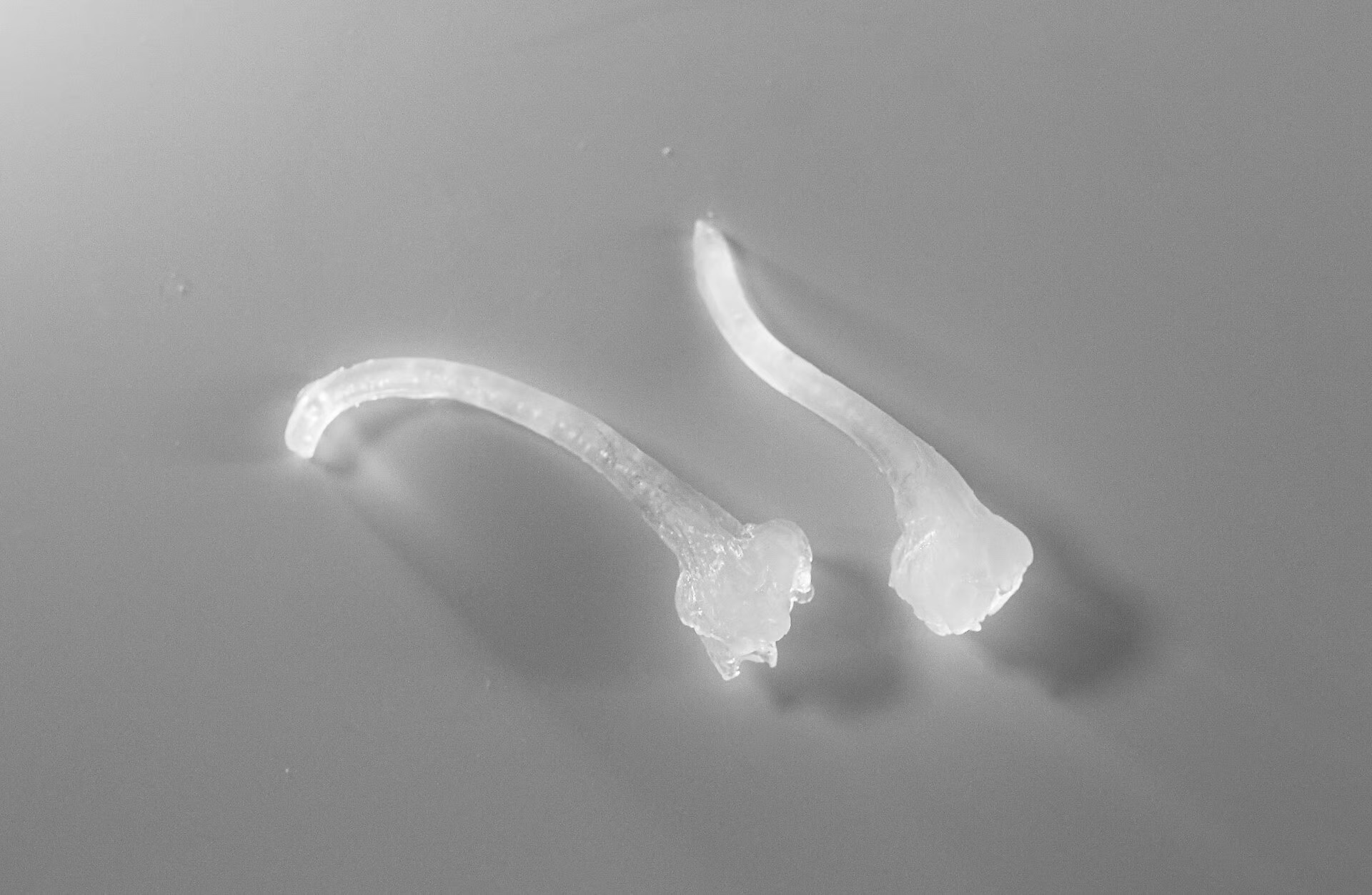
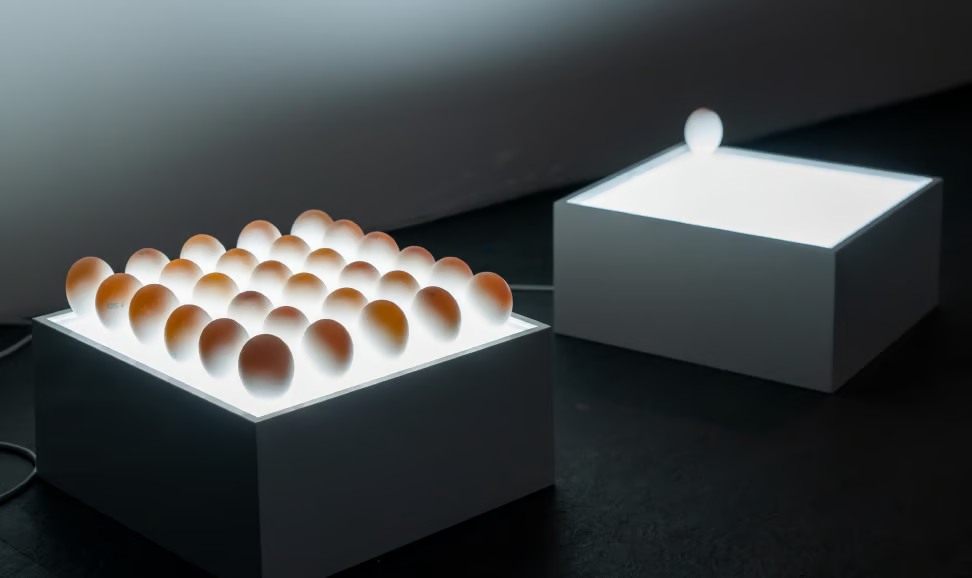
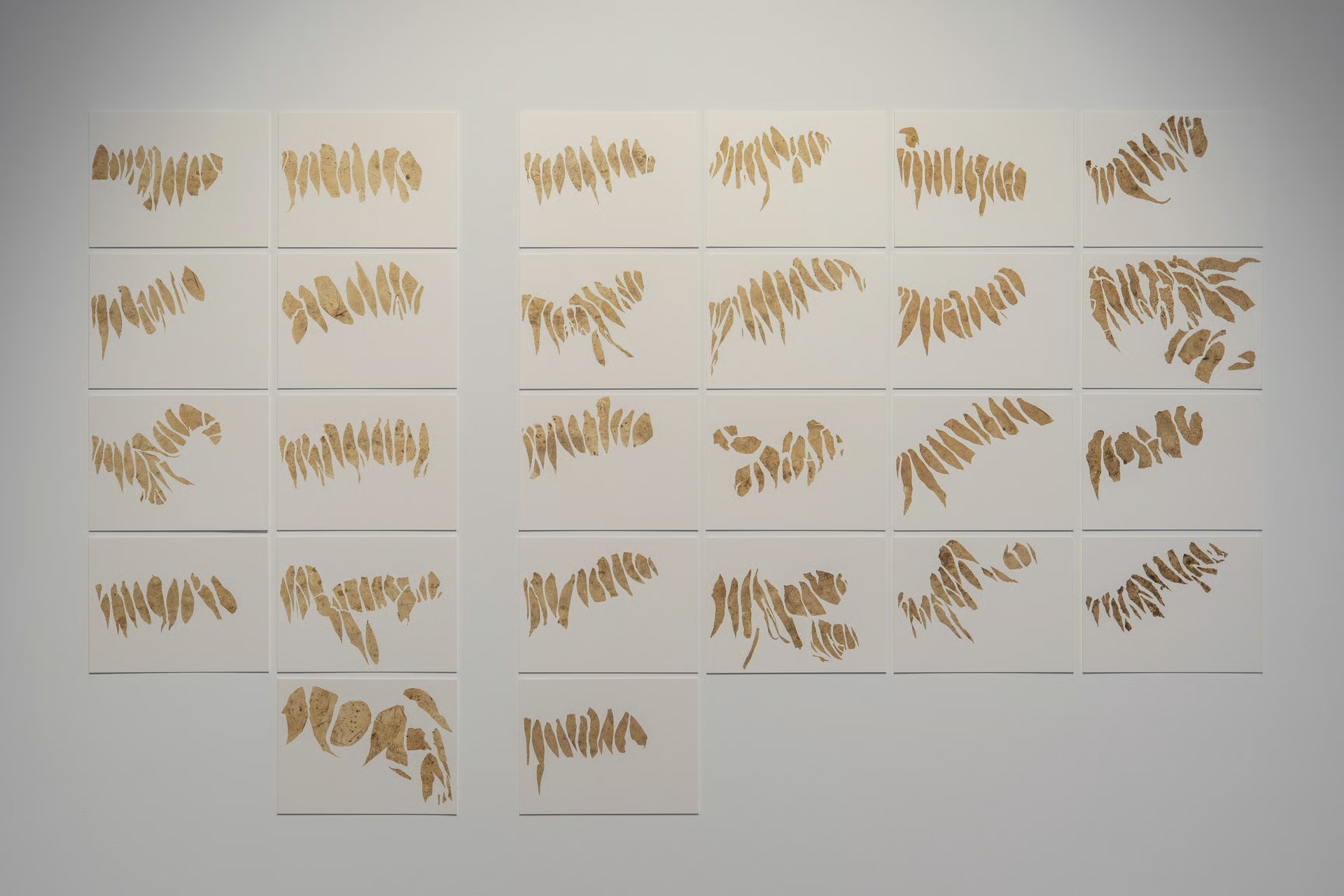
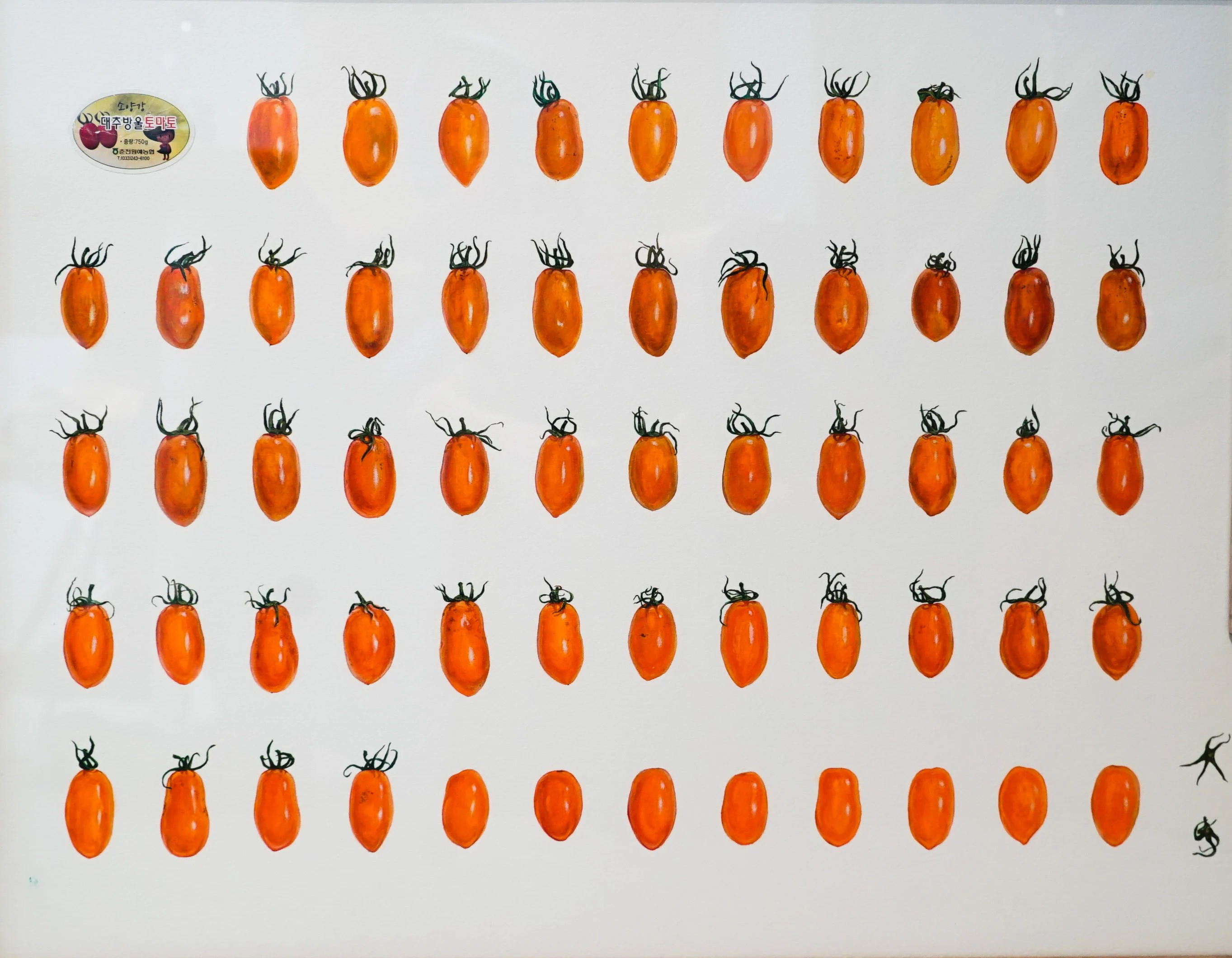
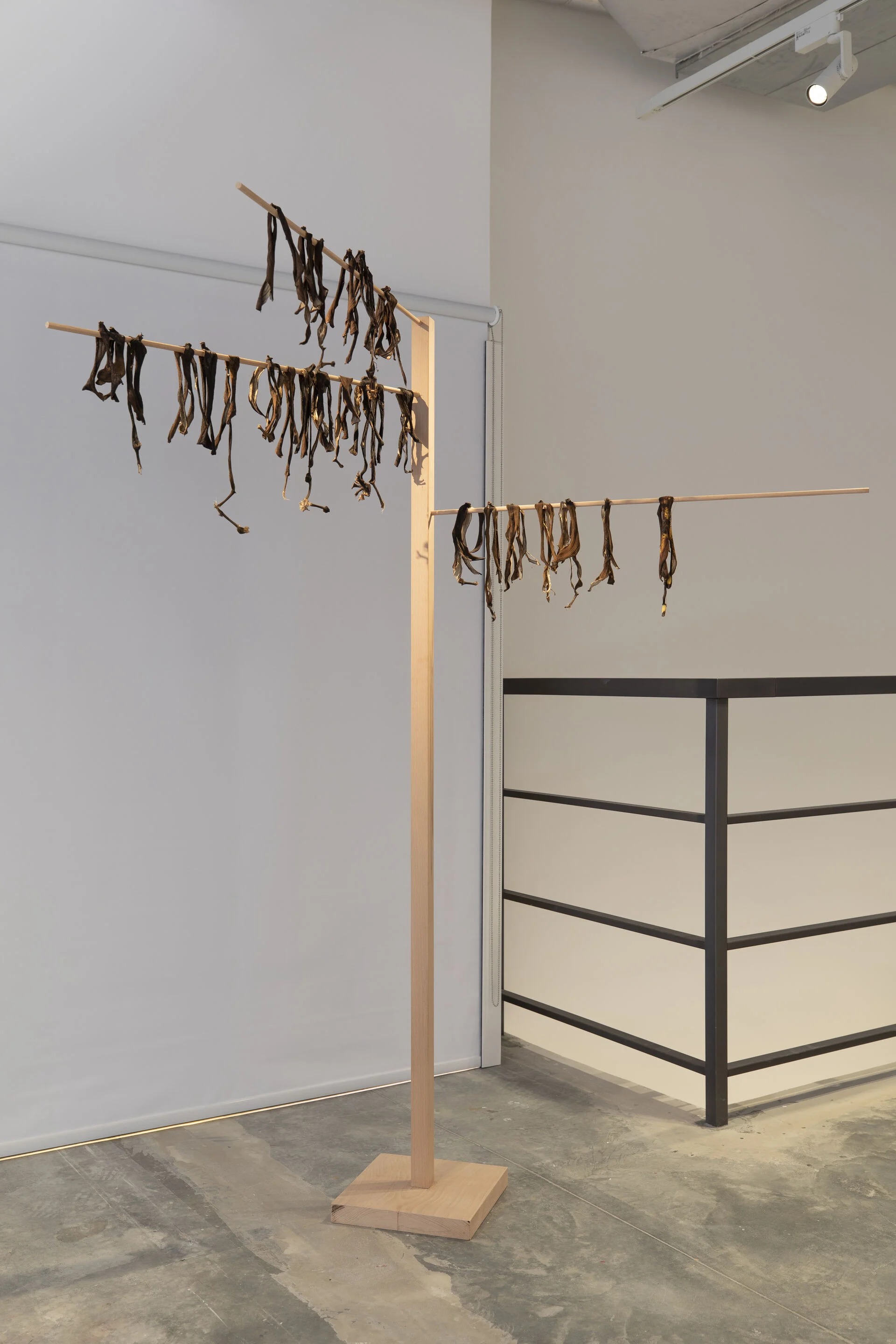
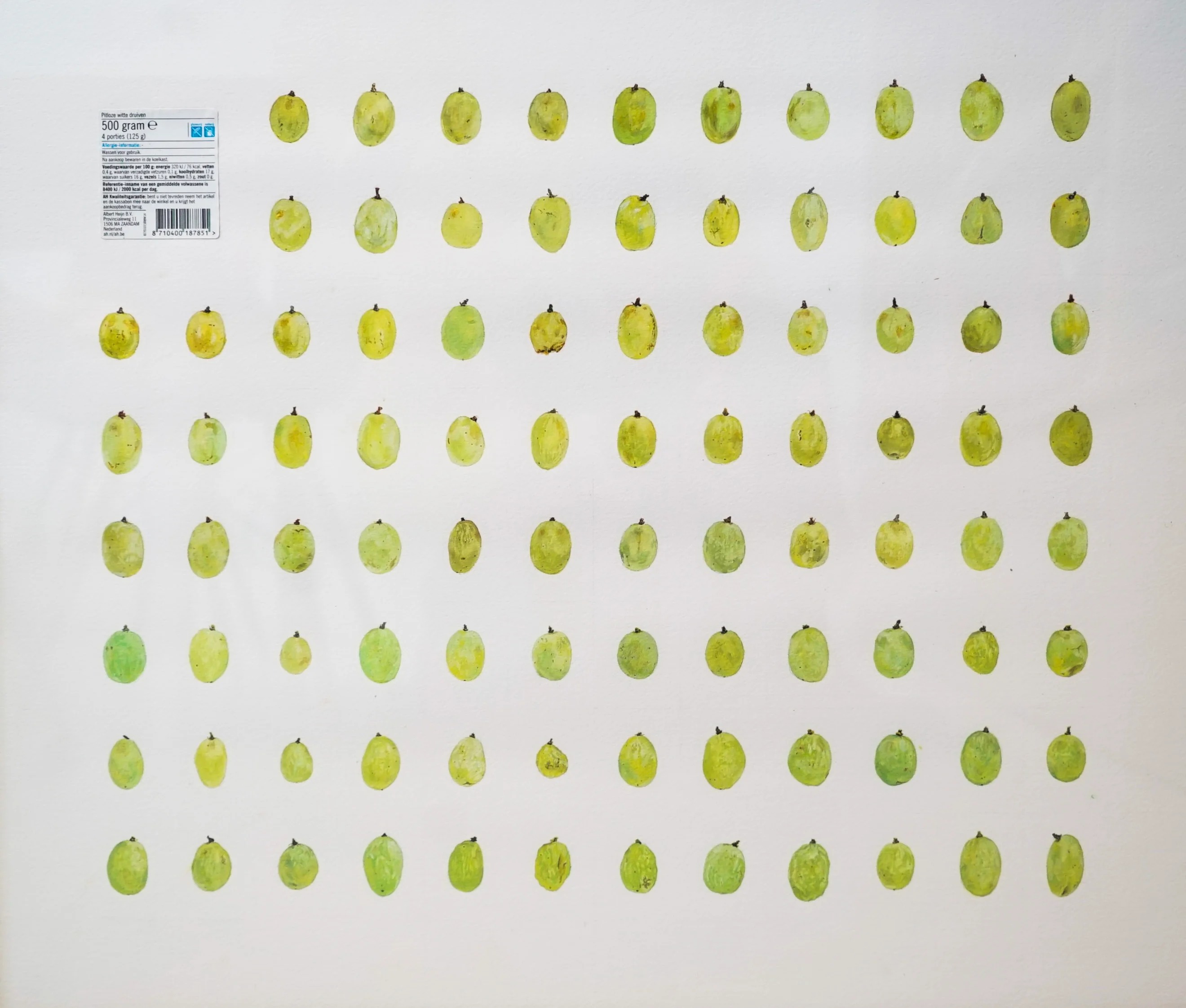
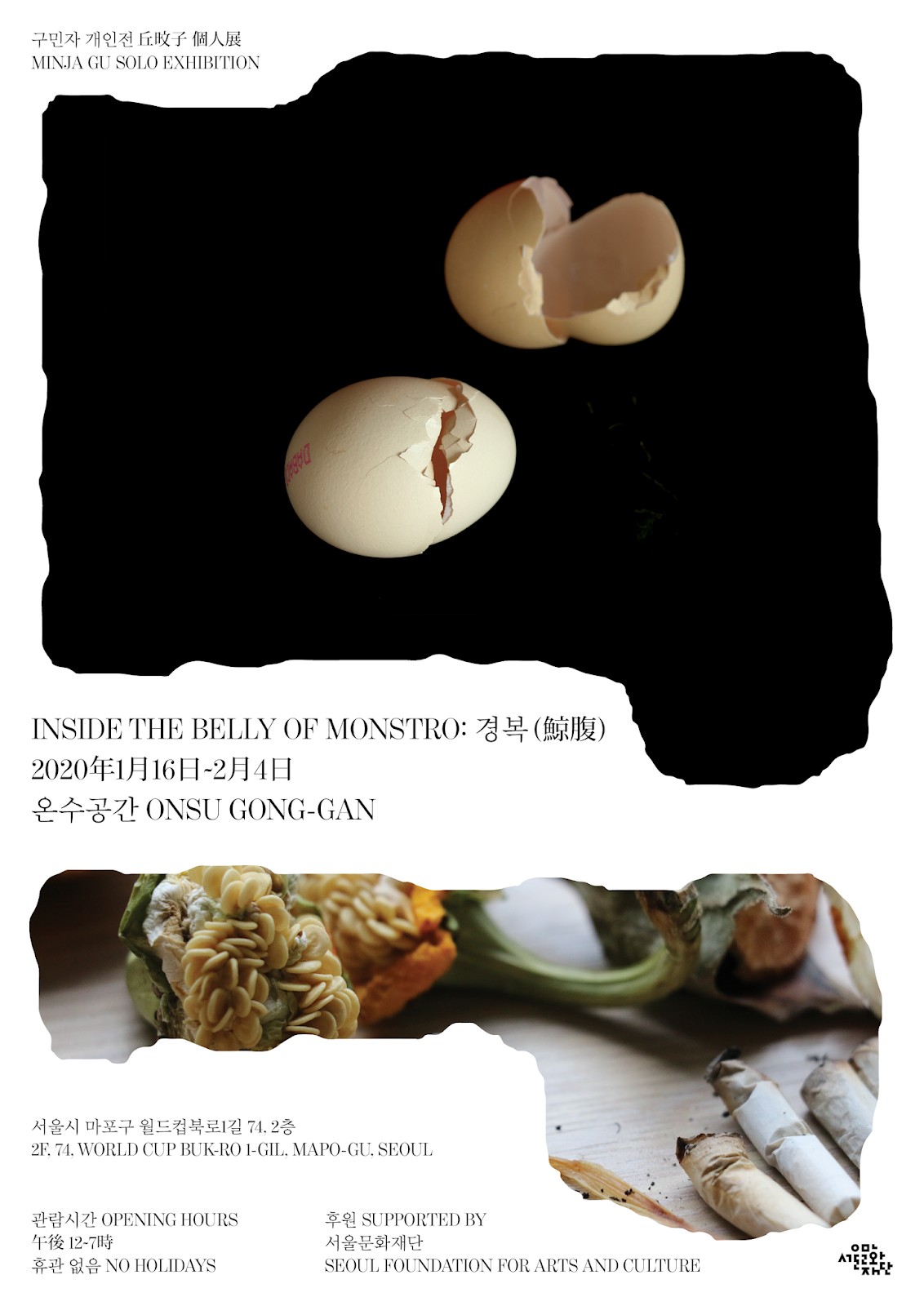
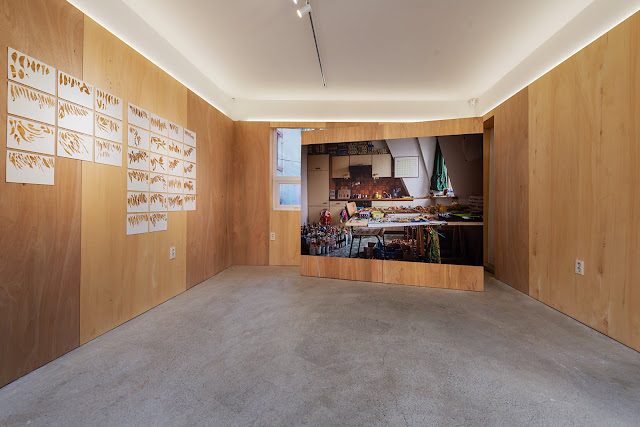
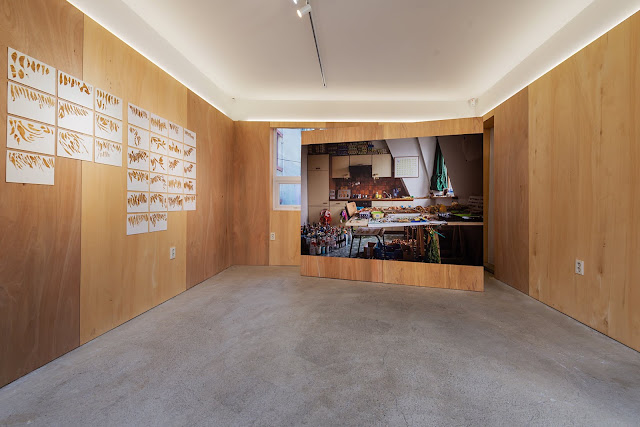
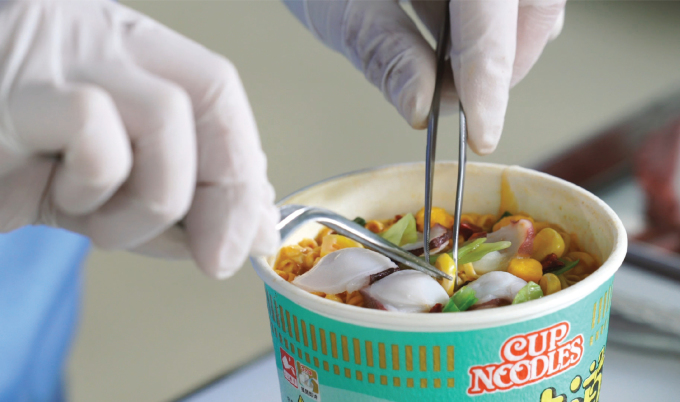
The collection and transformation of everyday objects are also prominent features of Gu's practice. In the series 'The Authentic Quality' (2014–), she documents the process of recreating prepared food images printed on commercial packaging as actual dishes through video and photography. In Inside the Belly of Monstro (2015–2018), she collects and categorizes objects left behind after consumption, such as food peels and containers, developing them into installations, drawings, and other forms.
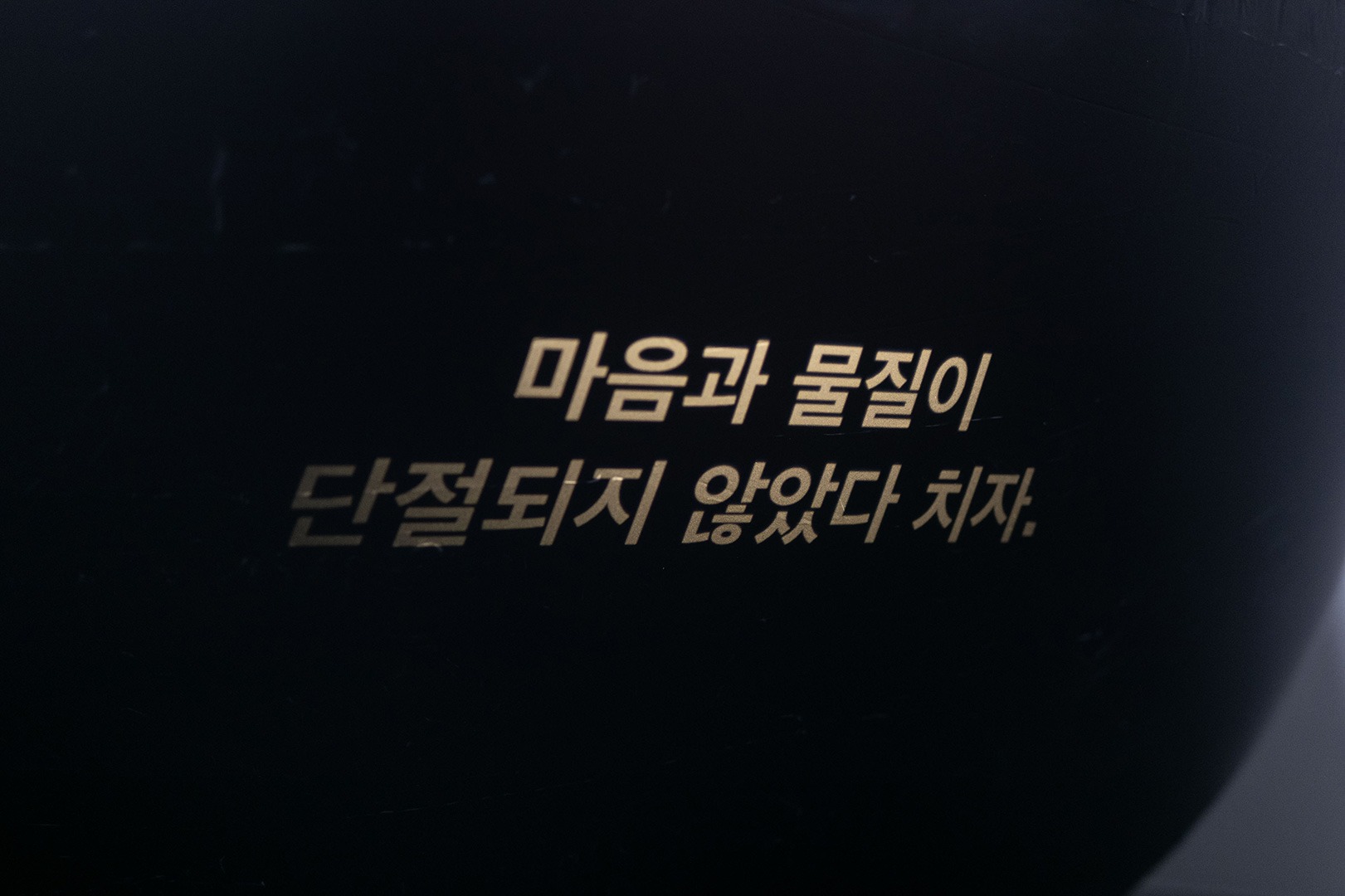
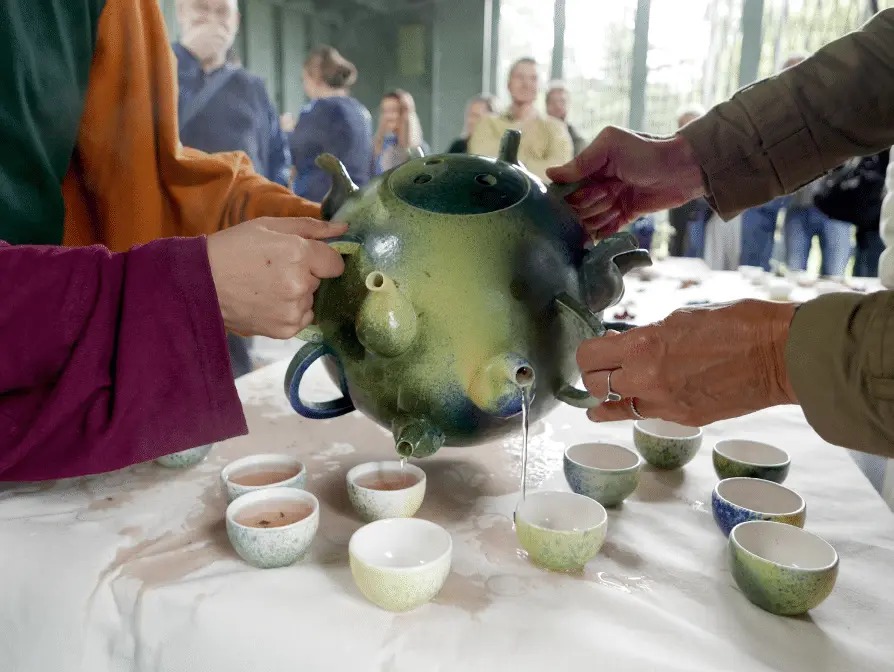
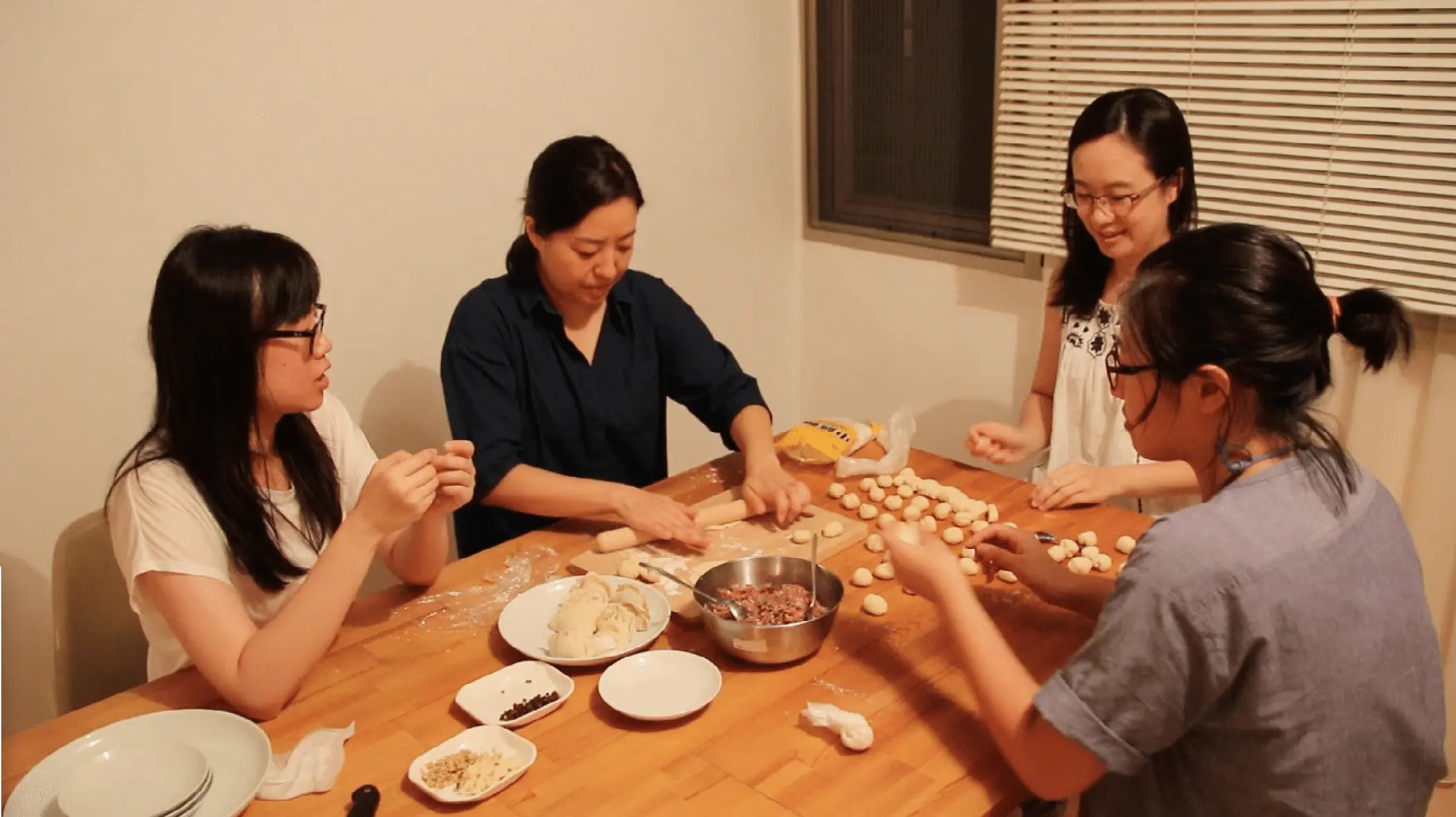
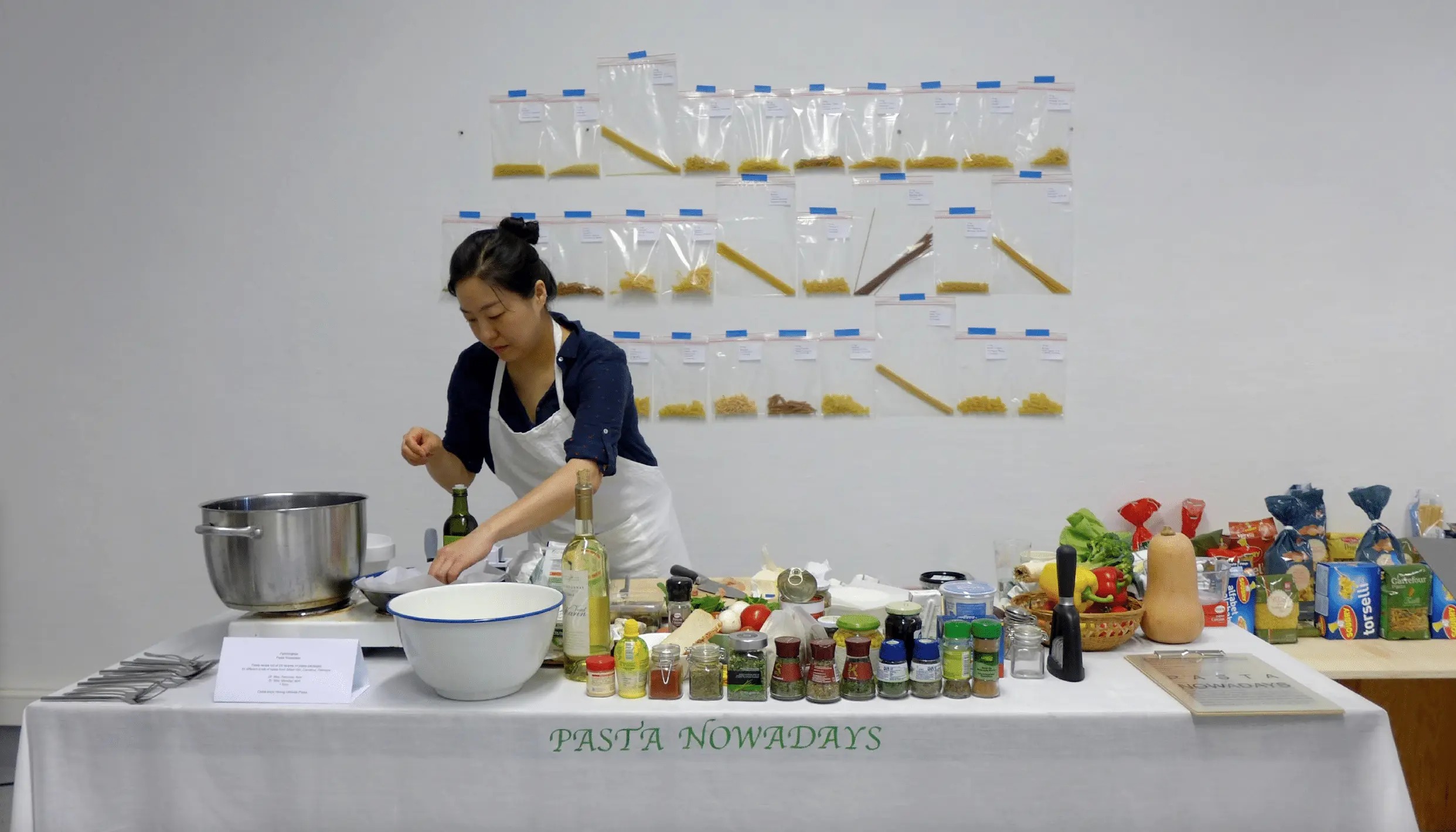
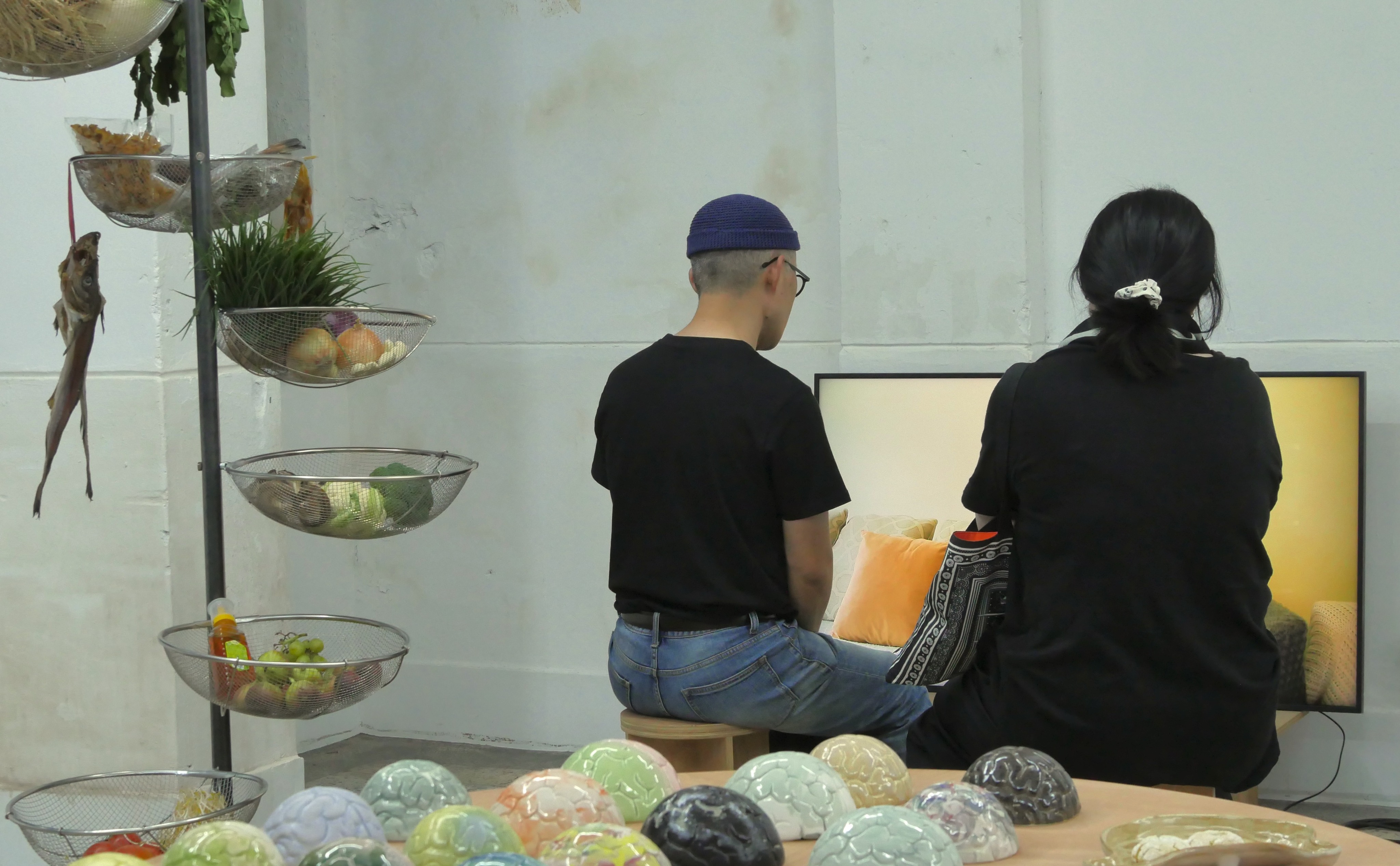
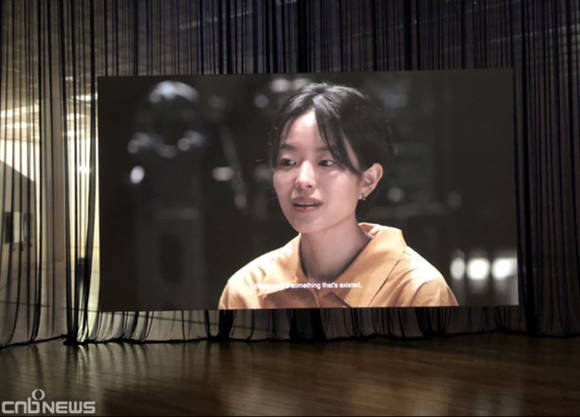
More recently, in 《Middle Ground: (Im)possible Kitchen》 (2026), she uses kitchen utensils such as sieves, mixing bowls, and tableware as components of installation structures, combining interview videos with communal dining programs to explore the rules and relationships surrounding food. Through these approaches, Gu assigns new functions and conditions to ordinary objects and activities, developing an artistic practice in which research, performance, documentation, and exhibition are closely interconnected.