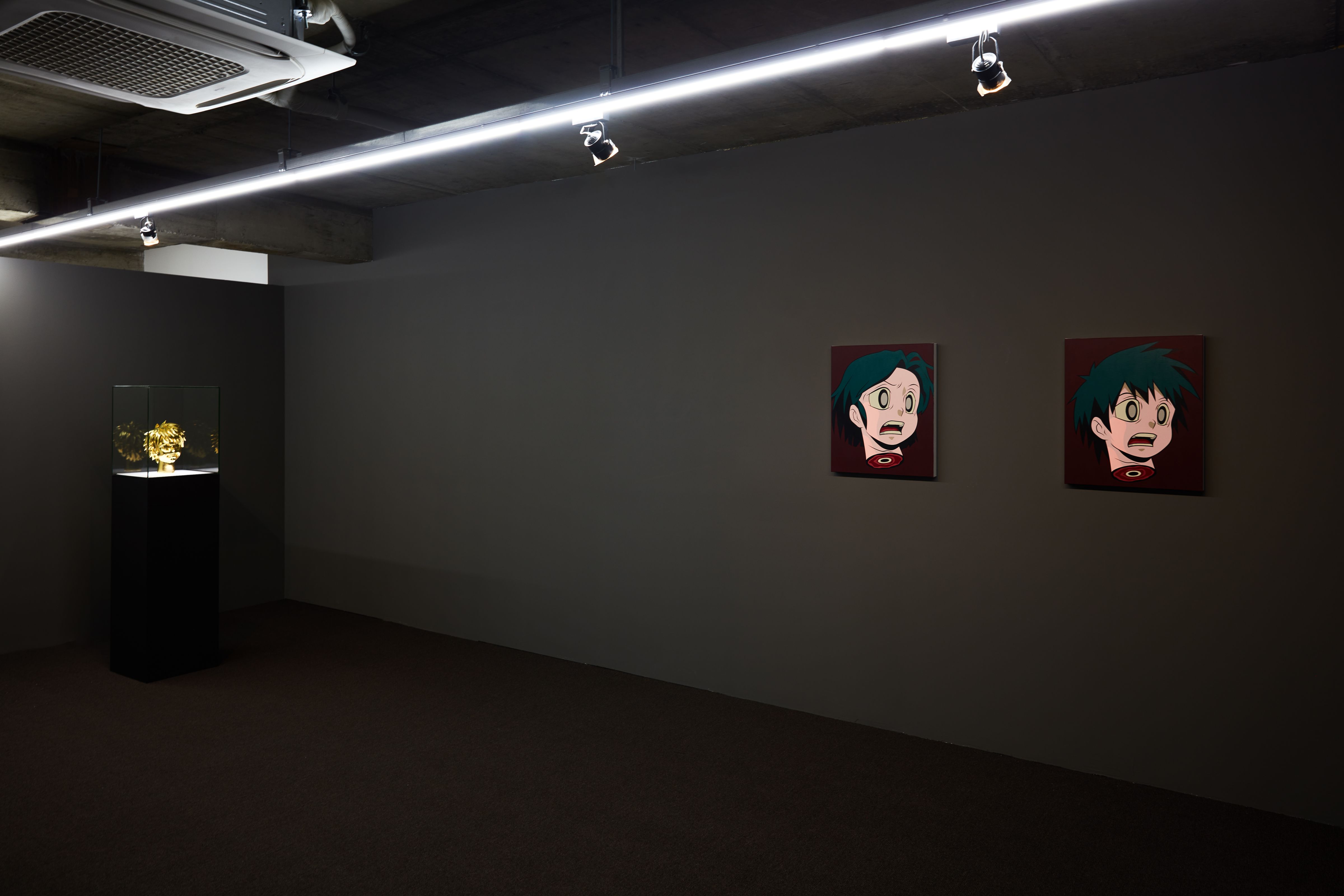
Green Flash - K-ARTIST

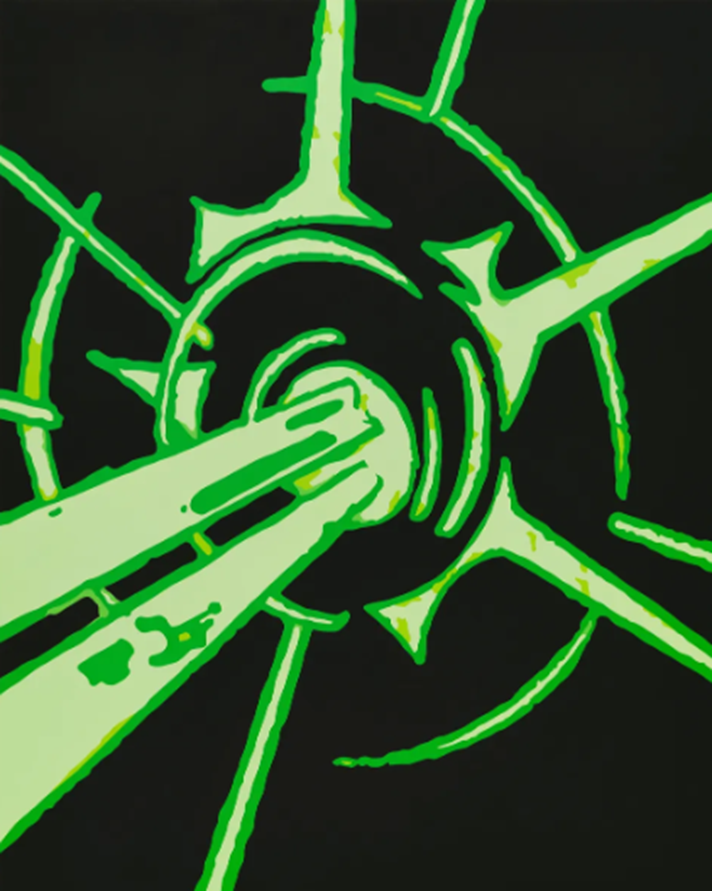
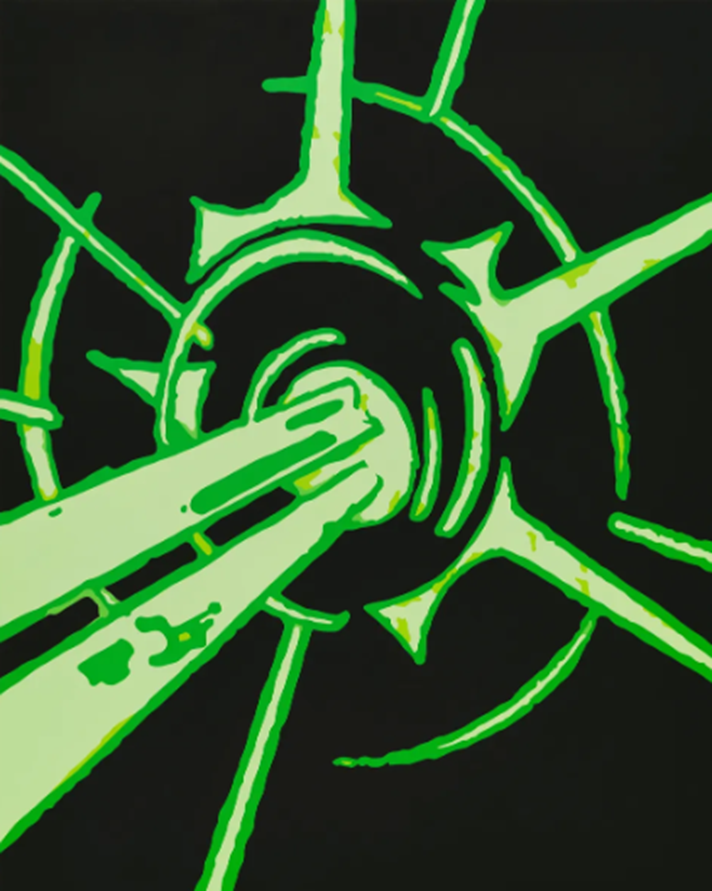
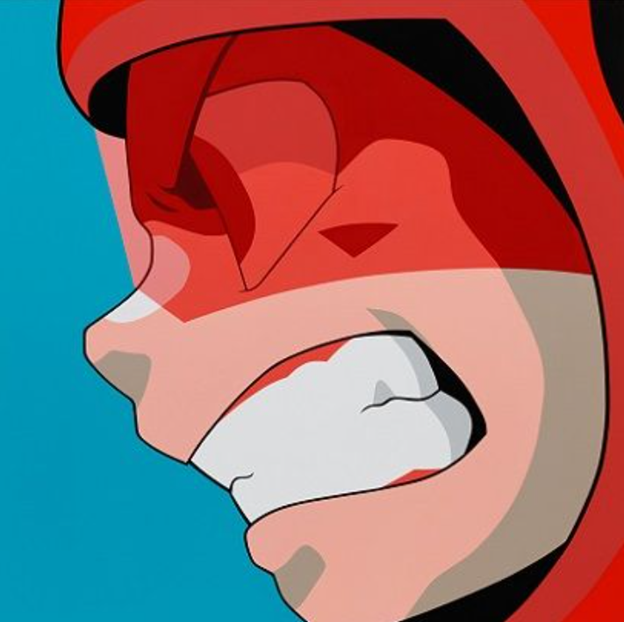
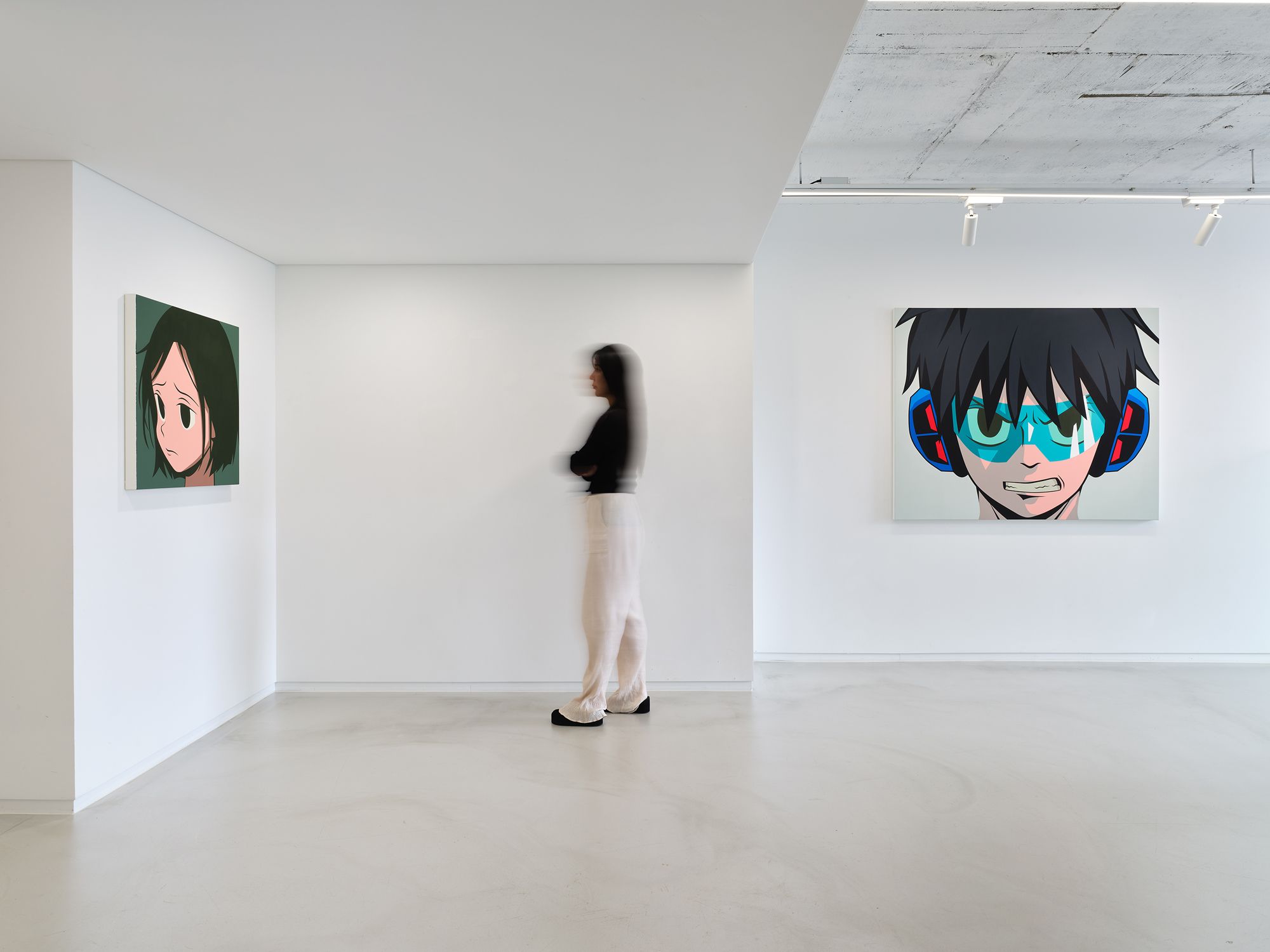
Green Flash

2023
Acrylic on canvas
150 x 120 cm
About The Work

Also known by the alias Aokizy, Ok Seungcheol explores concepts that arise between originality and authenticity, as well as between digital imagery and physical materiality. Drawing from endlessly reproduced and altered digital images sourced from visual media such as comics, films, and video games, he treats these as a kind of "original" from which new works are generated. His practice traverses traditional mediums such as painting and sculpture, as well as the boundaries between reality and virtuality, through acts of output and reproduction.
 
His process begins with vector coordinates inside a computer program, and through traditional mediums such as canvas and paint, he translates these controllable, digital coordinates into tangible reality. First, the artist captures screenshots of various digital images—such as those from animation—and then transfers them into Photoshop, where they are recombined and reconfigured.
 
Ok Seungcheol has consistently explored the status of digital images—endlessly replicated and varied—the environments surrounding them, and the resulting experiences of perception and cognition, all at the boundary between the real and the virtual, the material and the immaterial.
 
His practice reconfigures the relationship between infinitely reproducible digital images and the notions of uniqueness traditionally emphasized in painting and sculpture, prompting a reconsideration of the ontology of images and their meaning within the framework of contemporaneity.

Solo Exhibitions (Brief)

Ok has held solo exhibitions including 《Prototype》 (Lotte Museum of Art, Seoul, 2025), 《Ranpo》 (ARARIO GALLERY SHANGHAI, Shanghai, China, 2025), 《Planarian》 (Parco Museum Tokyo, Tokyo, 2024), 《Trophy》 (KICHE, Seoul, 2023), and 《2022 Art Sonje Project #2: Create Outlines》 (Art Sonje Center, Seoul, 2022).

Group Exhibitions (Brief)

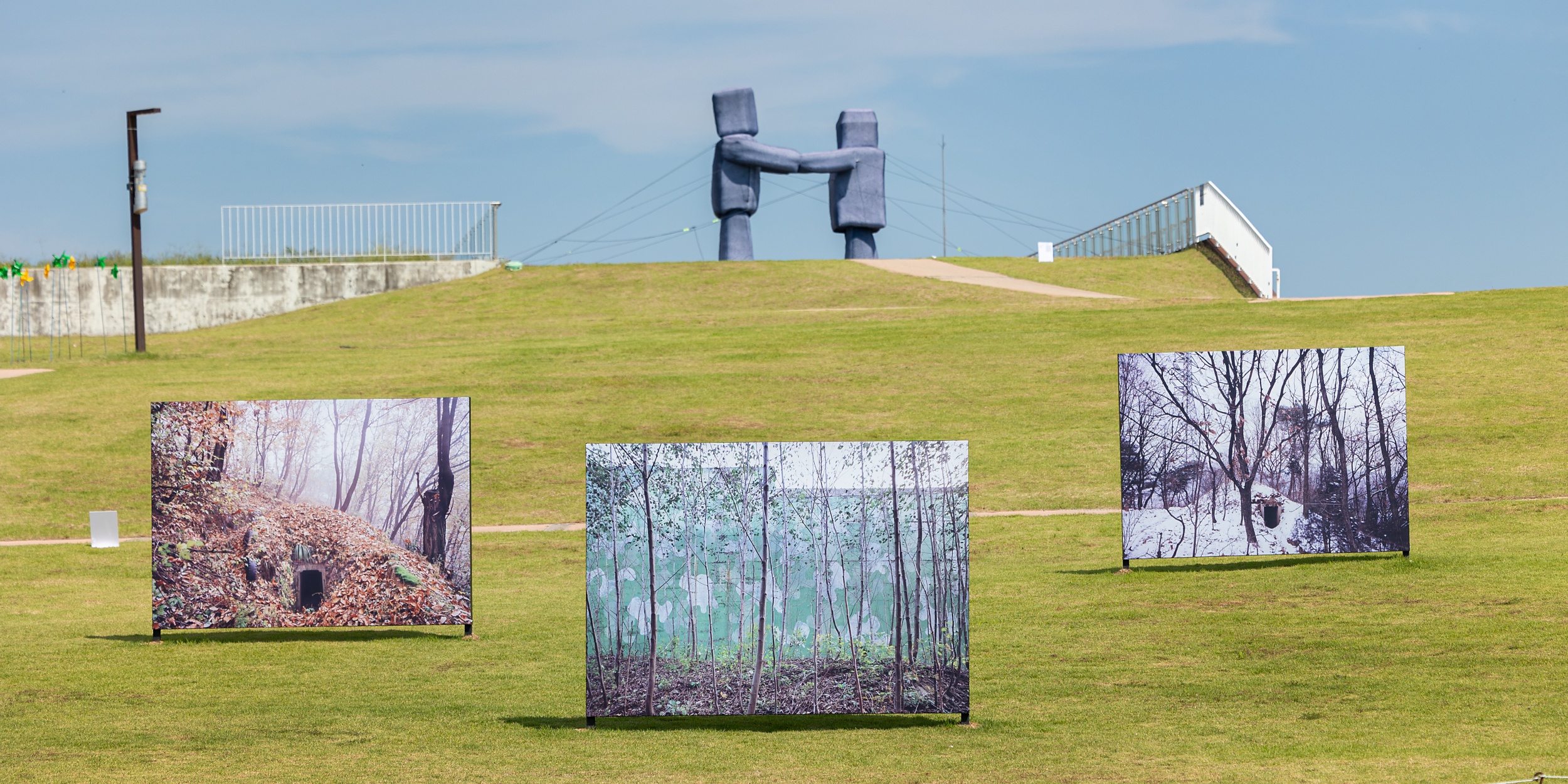
Ok has also participated in numerous group exhibitions, including 《BusanMoCA Platform_ I’m sorry Dave I’m afraid I can’t do that》 (Busan Museum of Contemporary Art, Busan, 2024), 《Non-Newtonian Fluid》 (Cylinder 2, Seoul, 2024), 《DMZ Exhibition: Checkpoint》 (DMZ Paju, Paju, 2023), 《Spirals, Loops, Mutants》 (K11, Shanghai, China, 2023), 《After Effect》 (Nook Gallery, Seoul, 2022), and 《Triangular Zone》 (Platform-L Contemporary, Seoul, 2019), among others.

Collections (Selected)

Ok’s works are held in the collection of institutions including the ARARIO Collection.

Works of Art

The Method of Crossing the Boundary between Reality and Virtuality

Originality & Identity

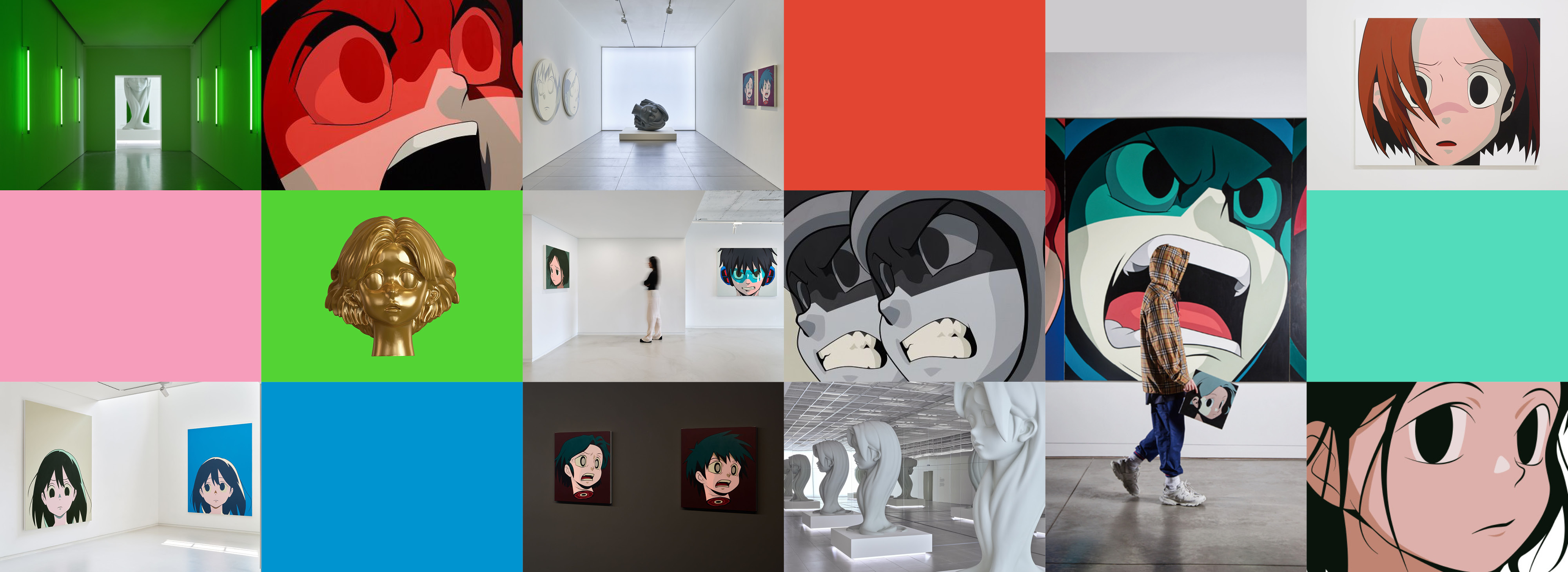
Ok Seungcheol is an artist who has explored how the concept of the “original” is formed and operates within an environment where digital images are endlessly reproduced and transformed. He begins with digital images found in visual media such as comics, animation, films, and internet imagery, reconfiguring them into vector images that function as a new kind of original. This line of inquiry was clearly articulated in his early solo exhibition 《Un Original》(KICHE, 2018). In this exhibition, he combined images of Japanese animation characters he encountered during childhood with plaster casts commonly used in entrance-exam art training, generating new digital originals and translating them into paintings and sculptures in order to examine the tension between the origin of images and their reproduction.
 
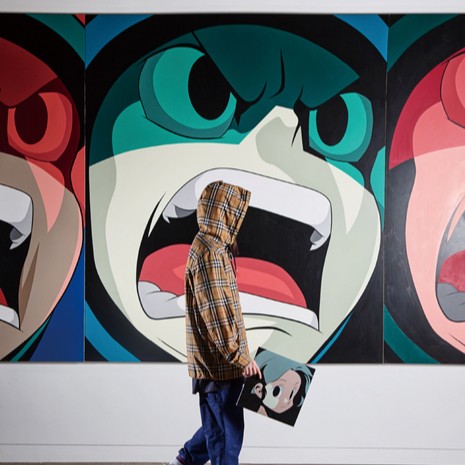
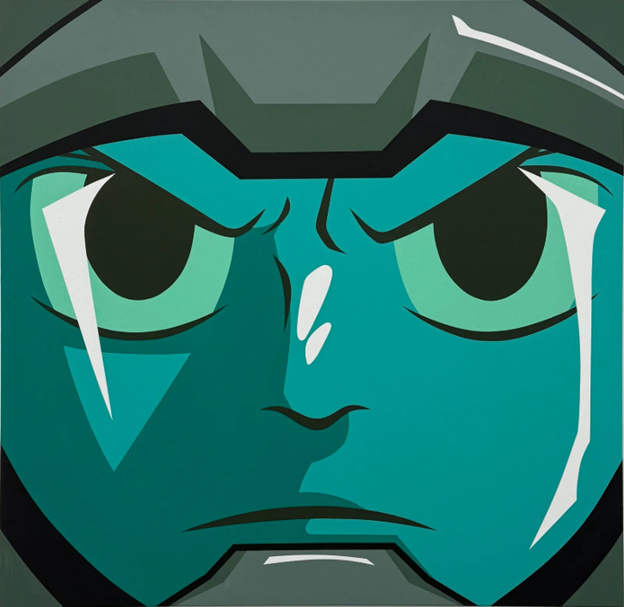
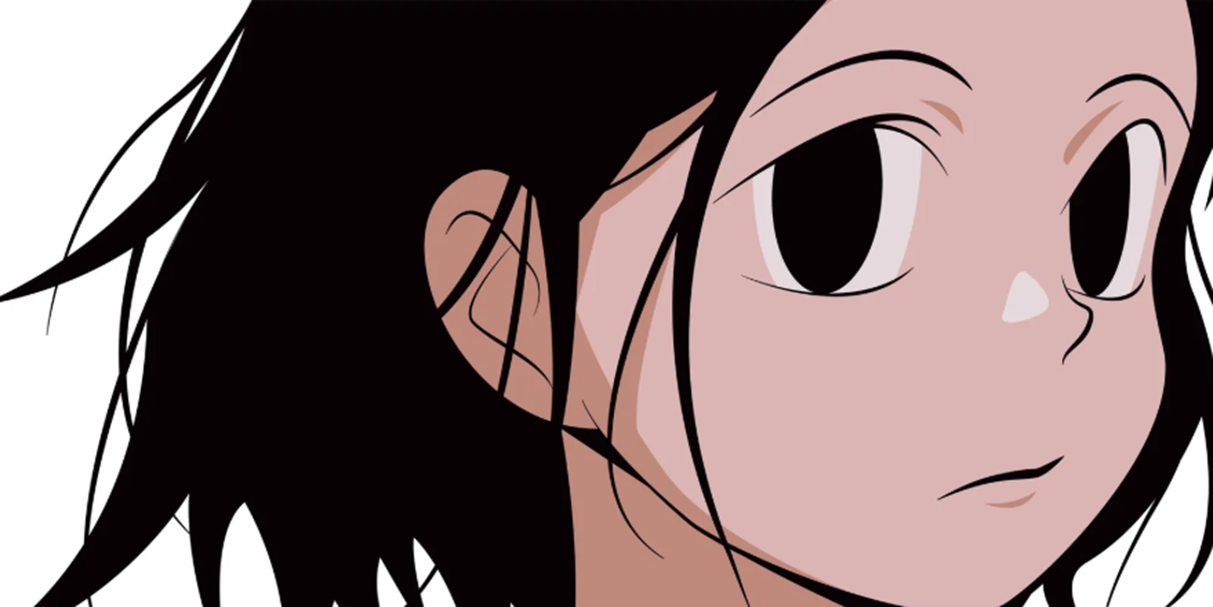
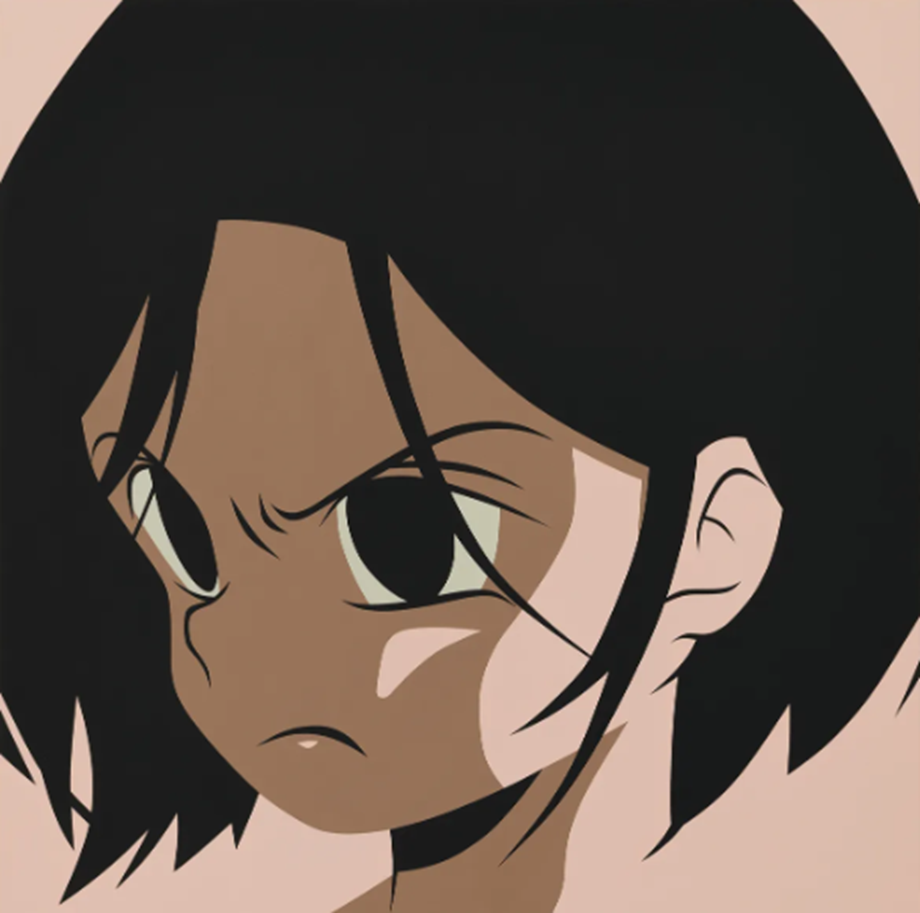
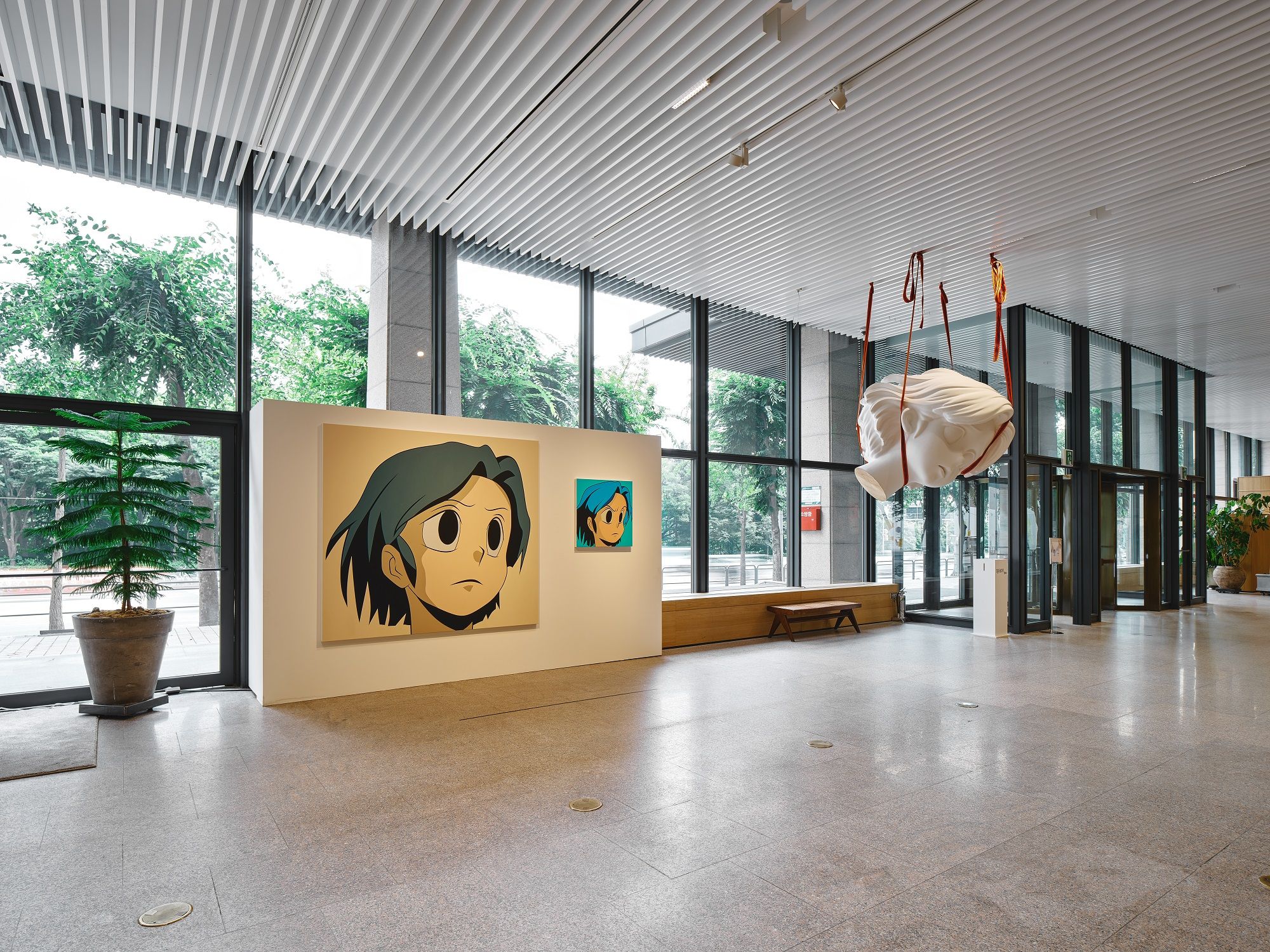
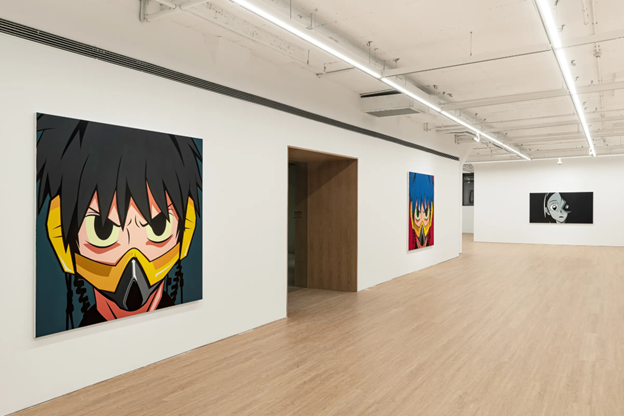
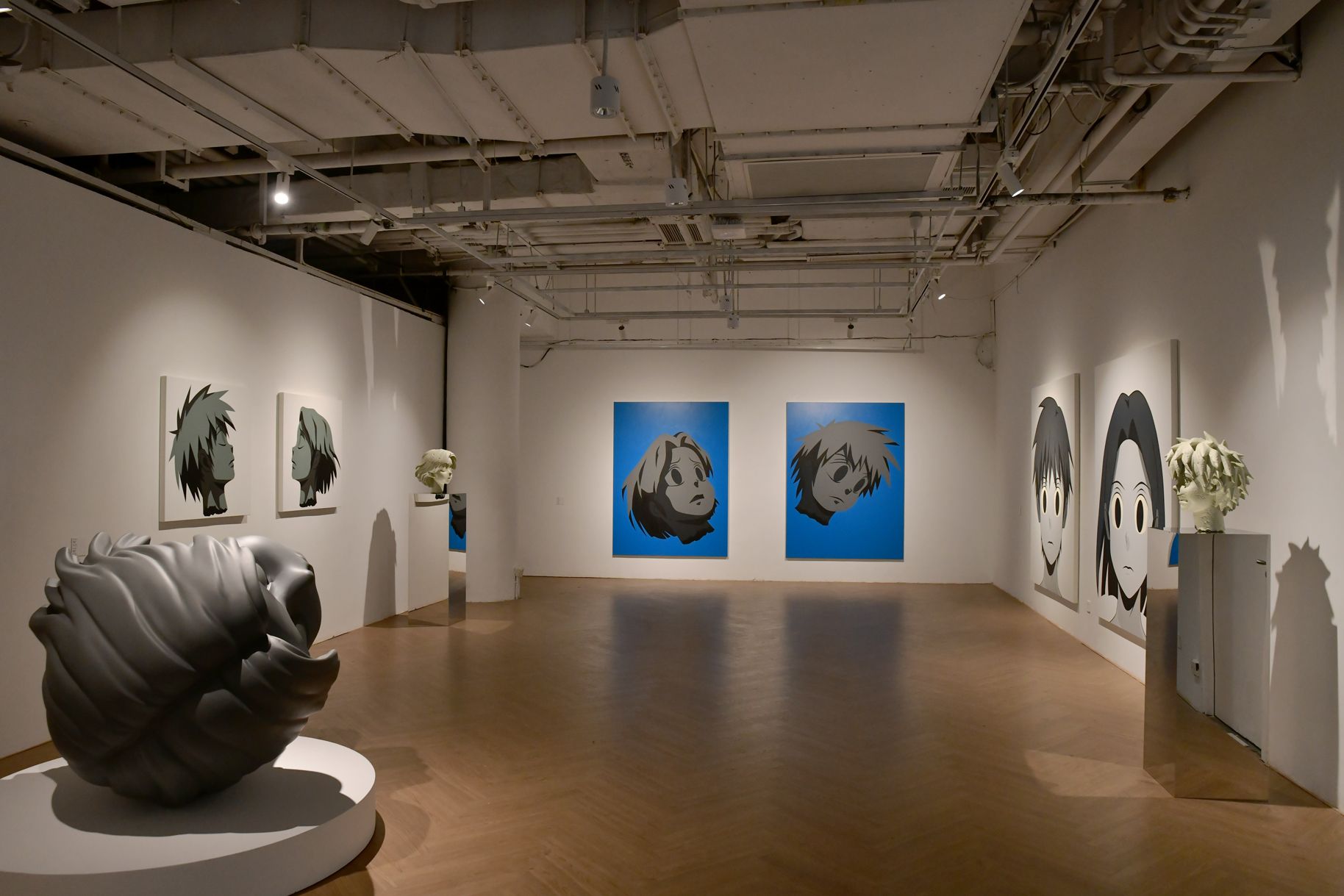
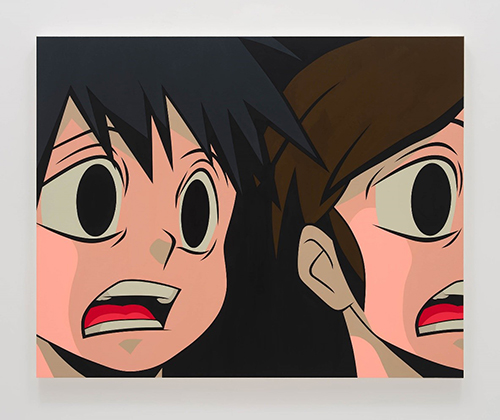
In early paintings such as Matador(2018), Dealock(2018), and Mimic(2018), the facial images reveal the formal structure of the image itself rather than emphasizing narrative or individual identity. The close-up faces with removed backgrounds and flattened color planes erase the individuality of the characters while simultaneously evoking a sense that is both familiar and strange for the viewer. Through this strategy, the image functions less as an individual portrait and more as a visual sign repeatedly invoked within visual culture.
 
This line of inquiry expands further in the solo exhibition 《JPEG SUPPLY》(KICHE, 2020). In this exhibition, the artist highlighted the contrast between the lightness of digital images that circulate rapidly across the internet and the physical weight of painting and sculpture. In works such as Screenshot(2020), digital original images are output in multiple forms—including painting, print, and merchandise—circulating across different media much like internet memes. Here, originality is no longer understood as a fixed standard but as a condition that is continuously renewed through processes of replication and transformation.
 
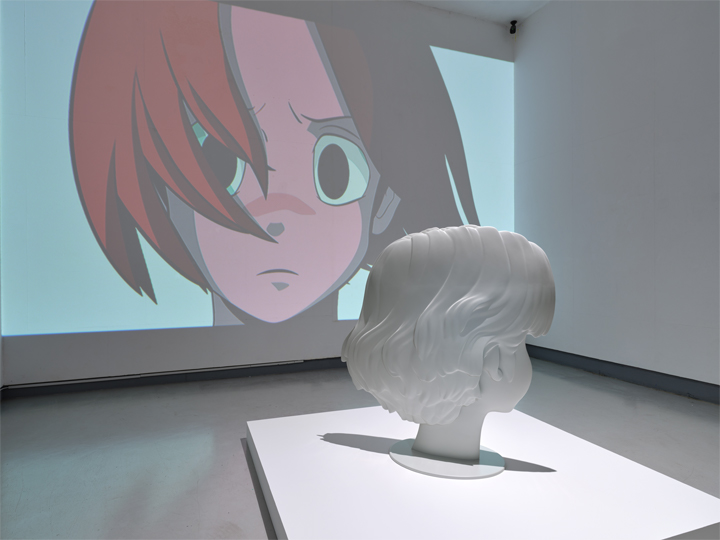
In recent works, this perspective develops into the notion of images as states of “becoming.” In the solo exhibition 《Prototype》(Lotte Museum of Art, Seoul, 2025), the artist explored how images generate serial derivatives through repeated cycles of replication, transformation, deletion, and circulation. Works such as Tylenol(2025), Taste of green tea(2025), and Under the same mood(2025) demonstrate how repeated images may dull perception or shift into new meanings. Through this process, the artist reveals that images no longer exist as fixed or completed forms but rather emerge within ongoing processes of transformation and recall.

Style & Contents

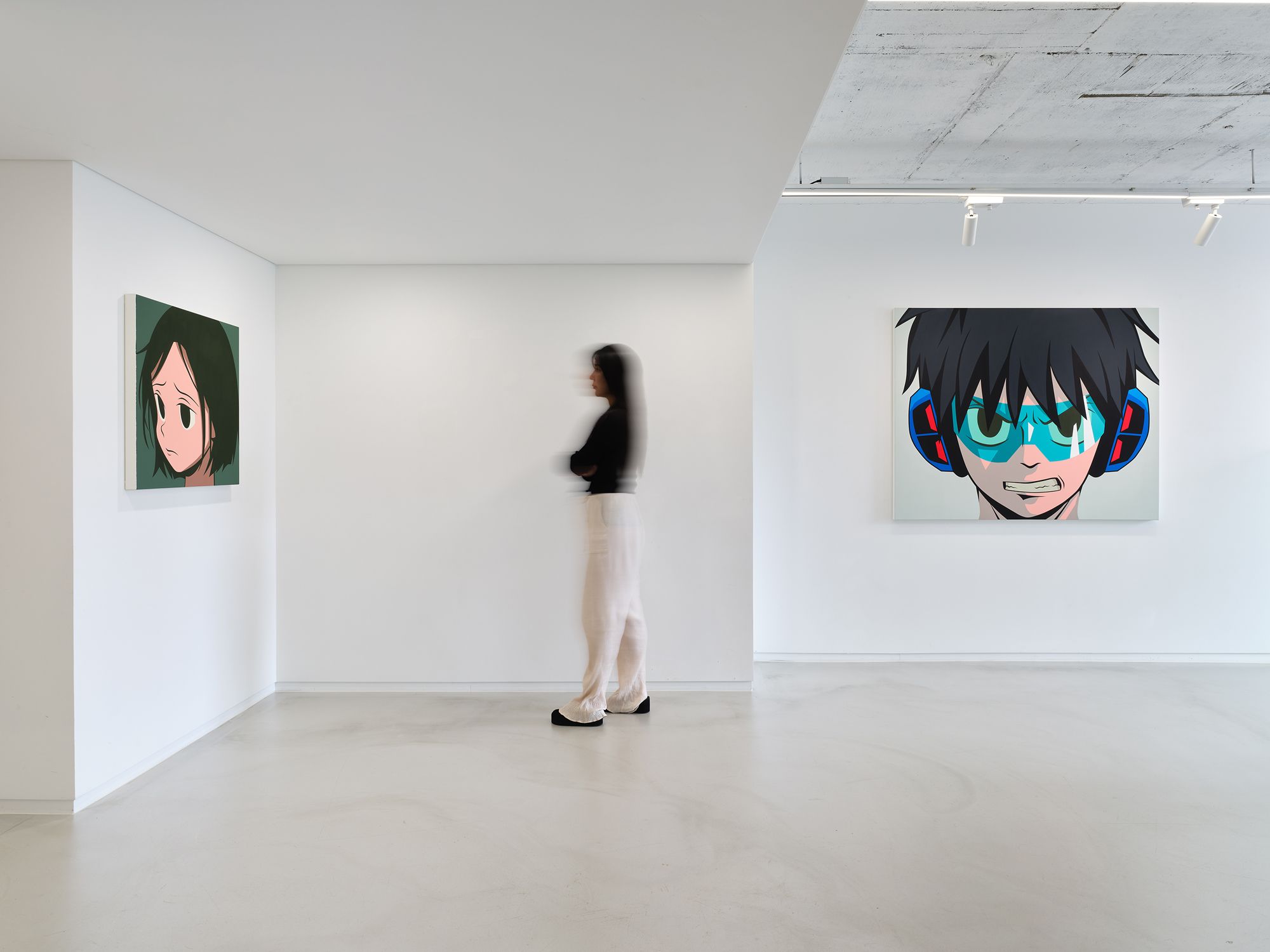
Ok Seungcheol’s work begins with the process of translating images generated in digital environments into physical media. He first collects images from animation, online sources, and other digital materials through screenshots, then recombines them using Photoshop and Illustrator to construct new vector images. These images are subsequently translated into canvas paintings or sculptural works. In this process, he repeatedly layers acrylic paint in order to recreate the smooth textures and vivid colors characteristic of digital imagery while minimizing visible brushstrokes. As a result, the surface appears flat and uniform, resembling a digitally rendered image.
 
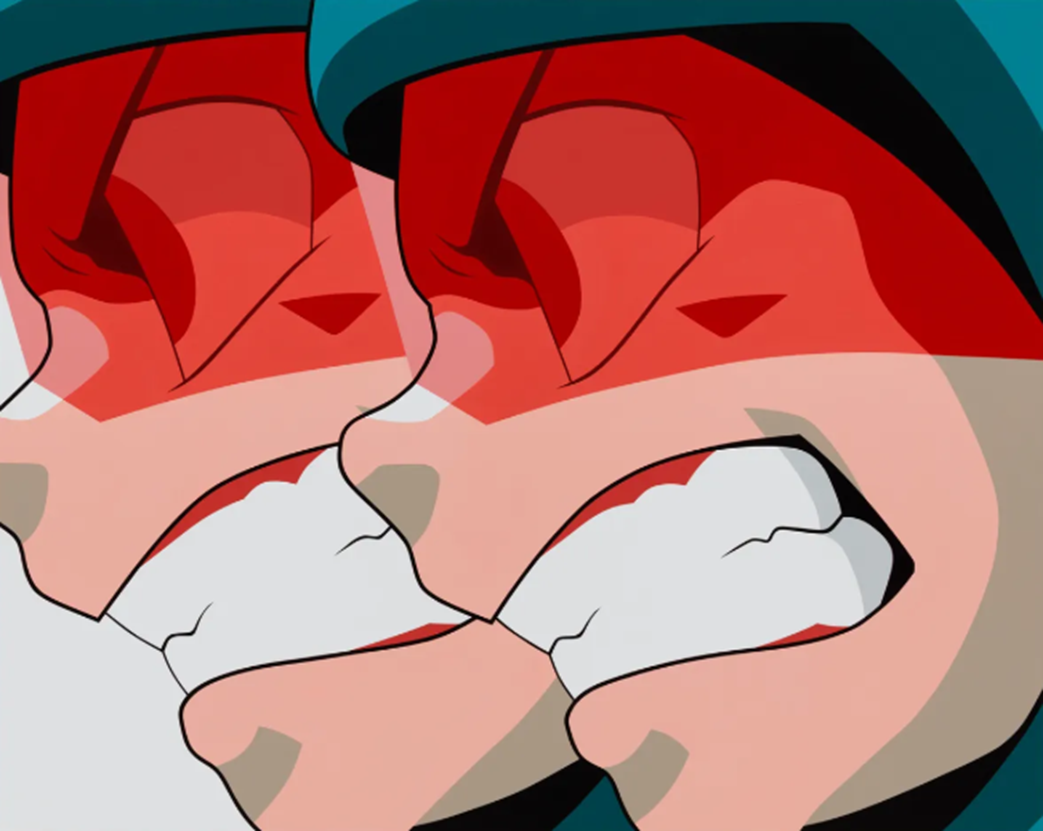
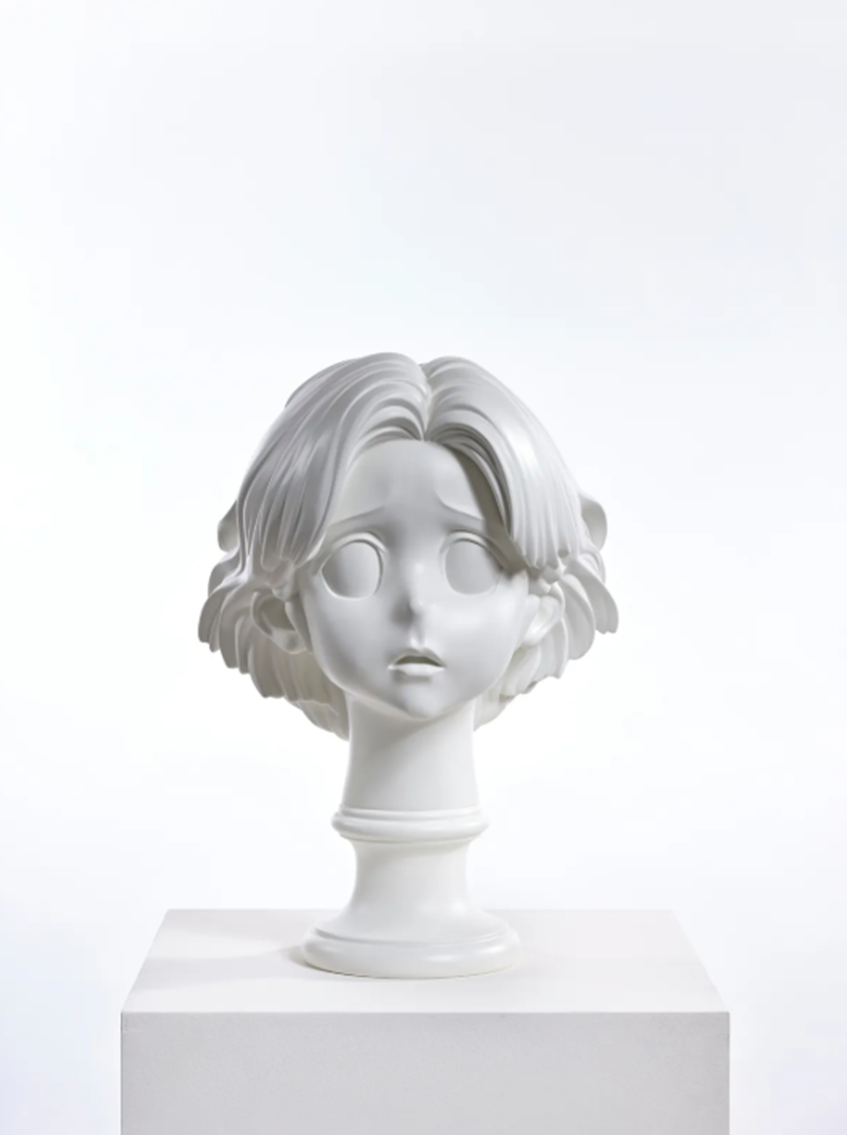
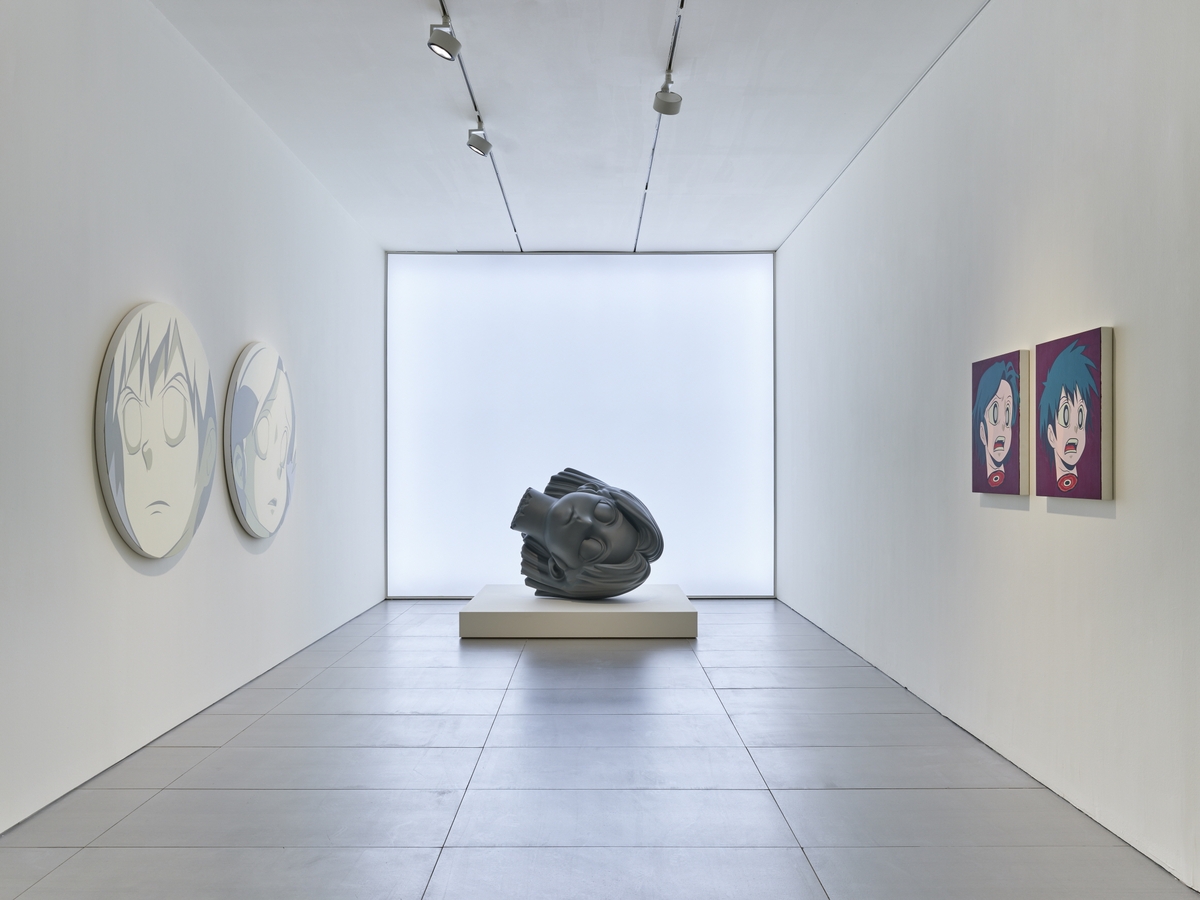
This formal strategy already appeared in early bodies of work such as the ‘Helmet’ series and the ‘Plaster Statue’ series. The ‘Helmet’ series begins with helmets worn by characters from animation such as Mega Man and Gatchaman, generating images that appear similar yet subtly different from one another. Meanwhile, the ‘Plaster Statue’ series combines plaster casts used in entrance-exam art training with facial imagery derived from Japanese comics, exploring the relationship between classical sculpture and popular visual culture. These works demonstrate how an image can originate from a specific form yet continue to undergo endless variation.
 
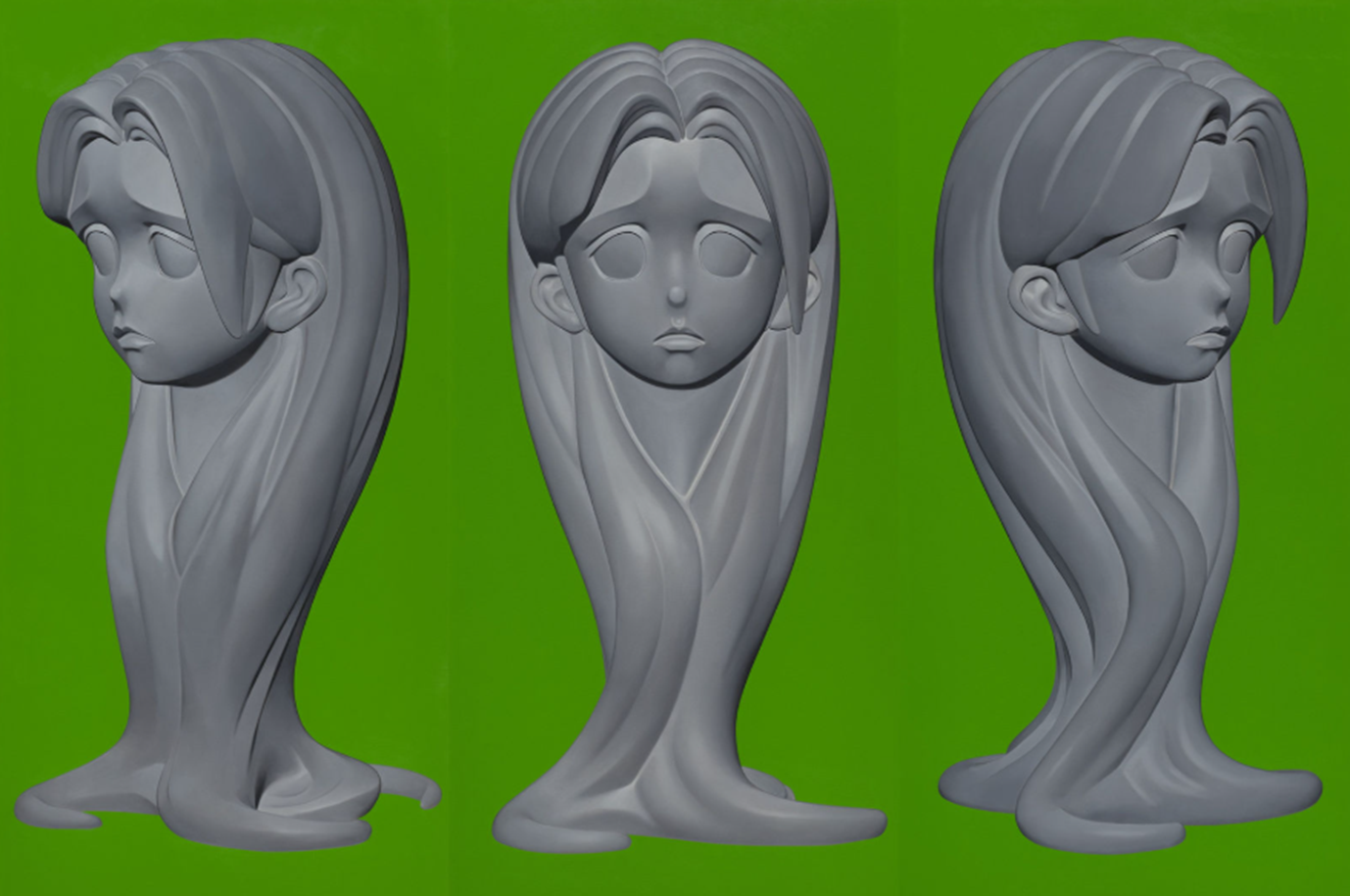
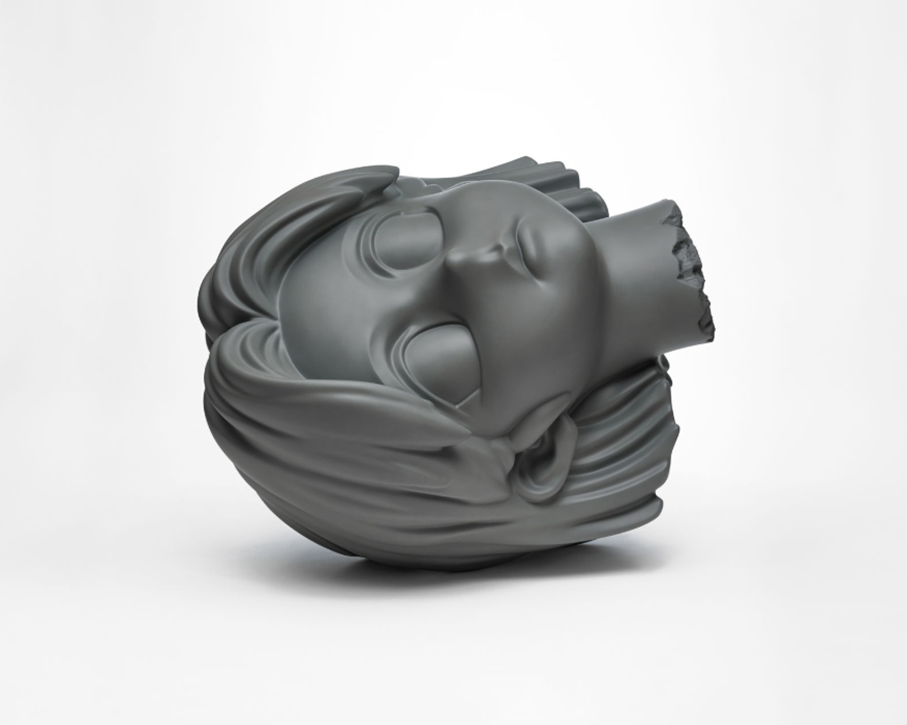
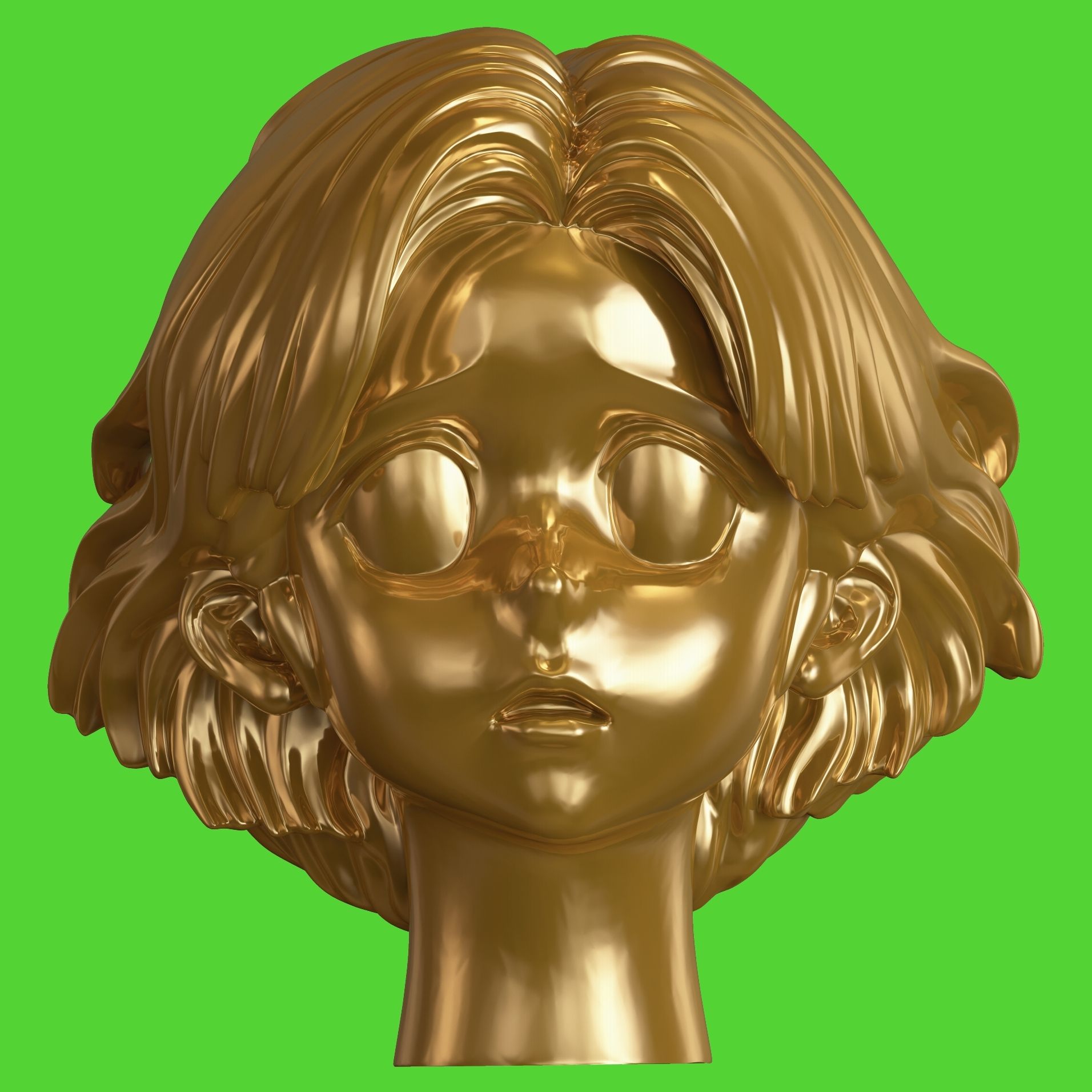
This structure of image variation becomes even more explicit in the solo exhibition 《Trophy》(KICHE, Seoul, 2023). The ‘Trophy’ series presented in the exhibition repeatedly transforms the image of a long-haired bust into both paintings and sculptures. Colors that evoke gold leaf, bronze, or stone reveal how the meaning of an image changes depending on the material surface it inhabits. Also presented in the exhibition, the ‘Rashomon’ series shows how a single facial image can generate multiple interpretations through variations in background color and facial expression, emphasizing that the meaning of an image is not fixed in a singular original but instead emerges through processes of interpretation.
 
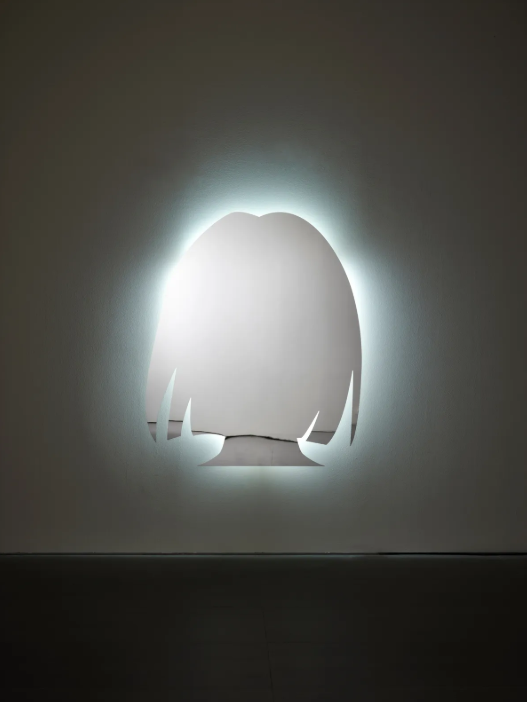
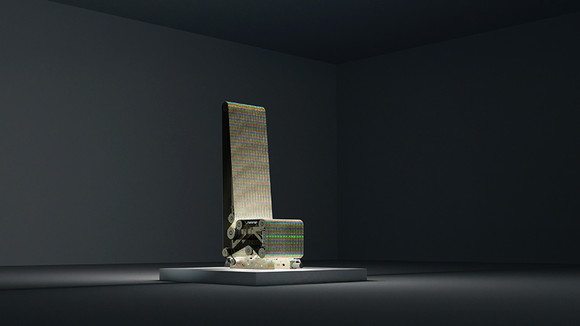
In recent works, these formal experiments expand into spatial structures. The exhibition 《Prototype》 was designed based on the software distribution model ESD (Electronic Software Distribution). The exhibition space is organized into three sections—“Prototype-1,” “Prototype-2,” and “Prototype-3”—through which visitors move along non-linear paths, experiencing a structure that repeatedly calls forth images. The ‘ID Picture’ series and the ‘Outline’ series visualize the boundary between reality and the virtual through mirrors and identification-photo formats, while the ‘Canon’ series recalls classical plaster casts to revisit questions surrounding the origin and reproduction of images.

Topography & Continuity

Ok Seungcheol’s work is situated within a broader contemporary artistic discourse that explores the relationship between digitally generated images and traditional artistic media. However, his practice goes beyond simply translating digital images into painting. Instead, he focuses on how images, through processes of replication and transformation, come to function as new originals. While his work shares affinities with artists who materialize digital imagery or translate virtual images into painterly forms, it occupies a distinctive position in that it simultaneously examines both the circulation structure of images and the logic of reproduction.
 
In particular, he treats not only the production of images but also the environments in which they circulate as integral components of his practice. While 《Un Original》 emphasized the transformation of digital originals into painting and sculpture, 《JPEG SUPPLY》 foregrounded the ways in which images spread like memes across media networks. Later, 《Trophy》 revealed how the meaning of images continuously shifts through interpretation, and 《Prototype》 extended the processes of image replication and circulation into the spatial experience of the exhibition itself. These developments demonstrate how the artist’s work has expanded beyond any single medium or form, instead exploring the broader ecology of images.
 
In contemporary visual culture, images no longer operate within hierarchical systems based on a singular original. Ok Seungcheol’s work can be understood as a form of experimentation that observes how images repeat, transform, and generate new meanings within such an environment. His paintings and sculptures translate digitally generated imagery into material form while simultaneously exposing the gaps and contradictions that arise in this process.
 
This working method suggests the potential for further expansion as the structures through which images are produced and circulated continue to evolve. The flow of images between online and offline environments, the sensory experiences shaped by digital visual culture, and the translation of such images into material artworks remain central points of departure for the artist’s practice. In this sense, Ok Seungcheol’s work can be seen as an ongoing investigation into how images exist, transform, and persist within contemporary visual culture.

Works of Art

The Method of Crossing the Boundary between Reality and Virtuality

Articles

Exhibitions

Activities