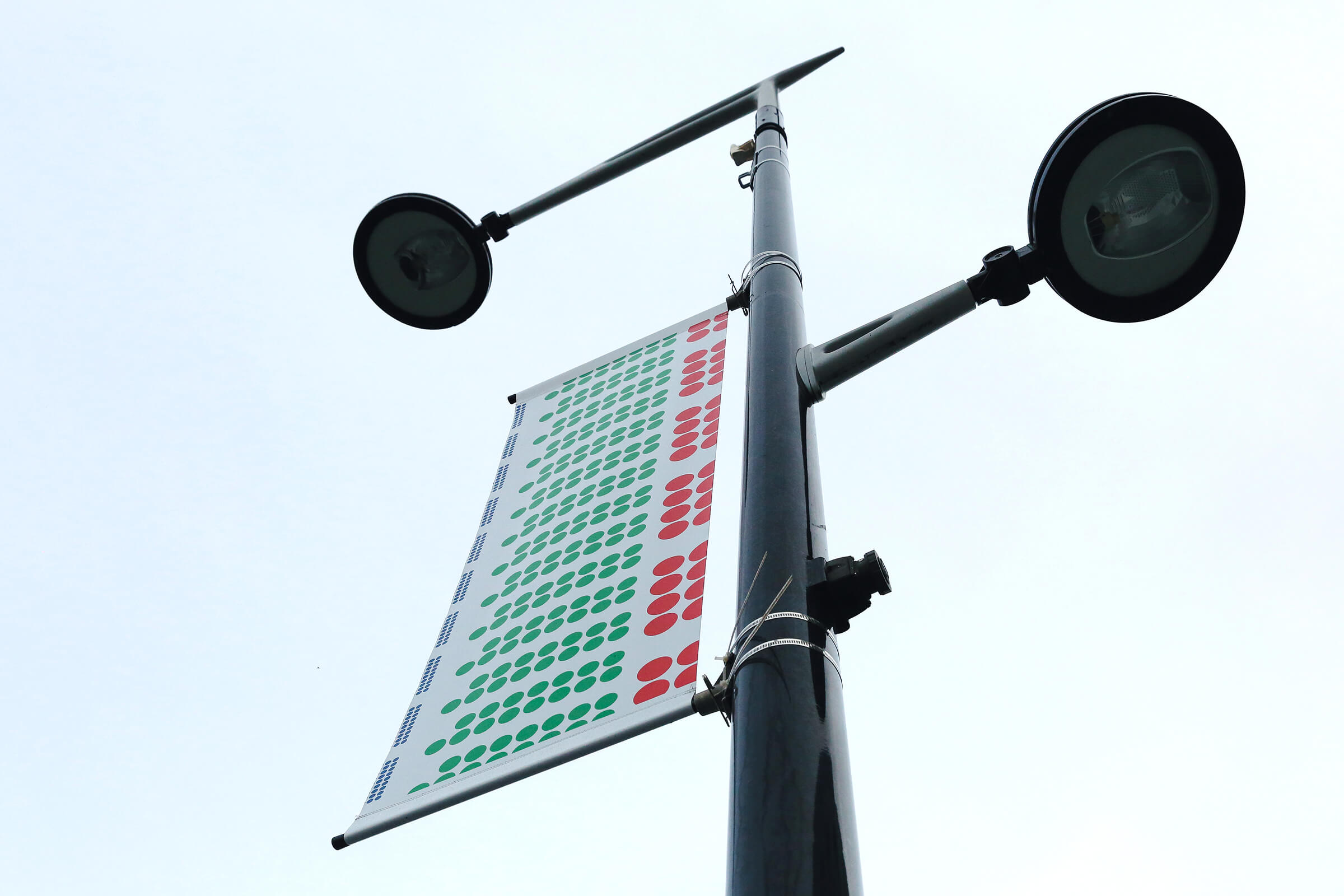
Hyukoh 24 - K-ARTIST

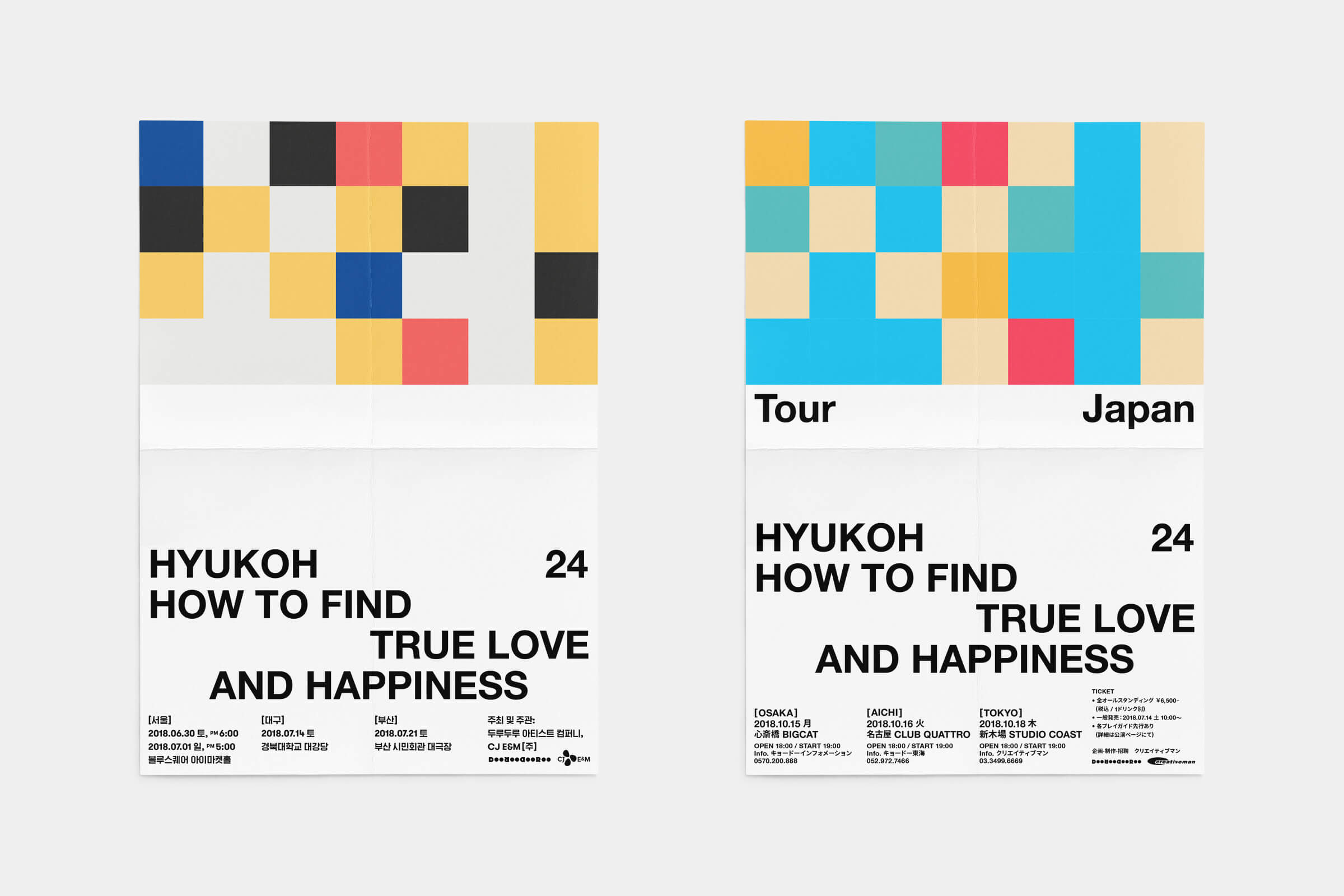
Hyukoh 24

2018  
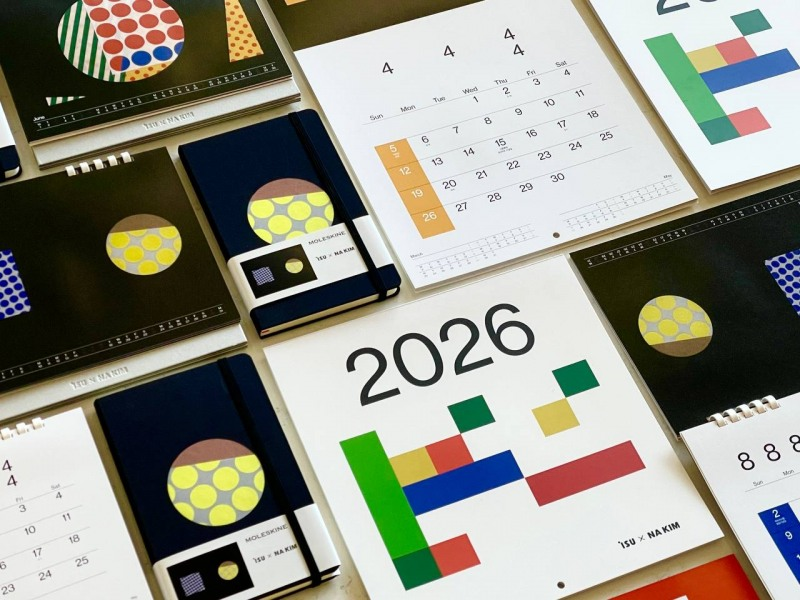
Offset print, digital image  
59.4 x 84.1 cm (poster), dimensions variable (applications)
About The Work

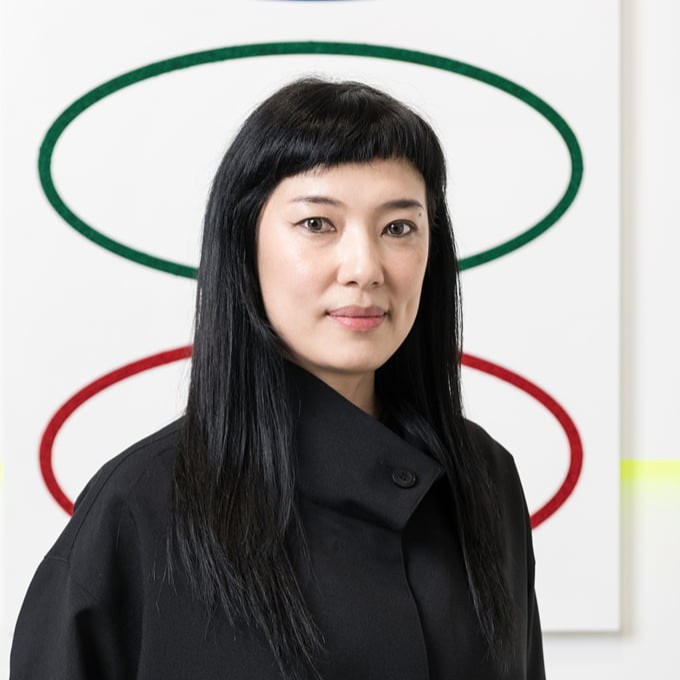
Na Kim explores the relationship between art and design through the language of graphic design, continually expanding the roles and possibilities of creative practice. In her work, design functions both as a means of visual production and as a way of observing given situations and interpreting problems. 

Applying her experience and methodologies as a designer to museums and exhibition spaces, Kim investigates how the functional conditions of design can generate new aesthetic possibilities. Throughout this process, the identities of artist and designer remain flexible, shifting in response to the purpose and context of each project.

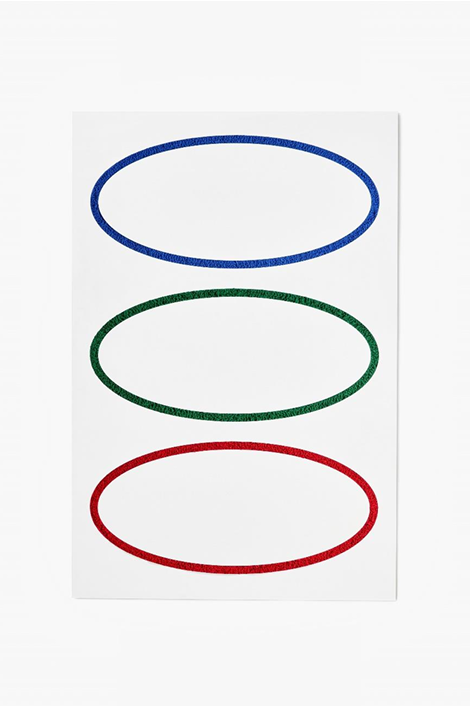
A central concern throughout her practice is the relationship between order, memory, and meaning embedded in everyday objects and images. By collecting and rearranging familiar visual elements such as packaging, stickers, printed matter, and signage, Kim explores the unexpected relationships that emerge when objects are removed from their original functions and environments. She is particularly interested in how colors, forms, letters, and symbols acquire meaning through social conventions, opening familiar visual languages to new interpretations. 

For Kim, collecting is a process of examining both the physical qualities of objects and the traces of time they carry. She accumulates images and materials encountered in different places, separates them from their original contexts, and reorganizes them according to new criteria to draw out their latent narratives. 

Solo Exhibitions (Brief)

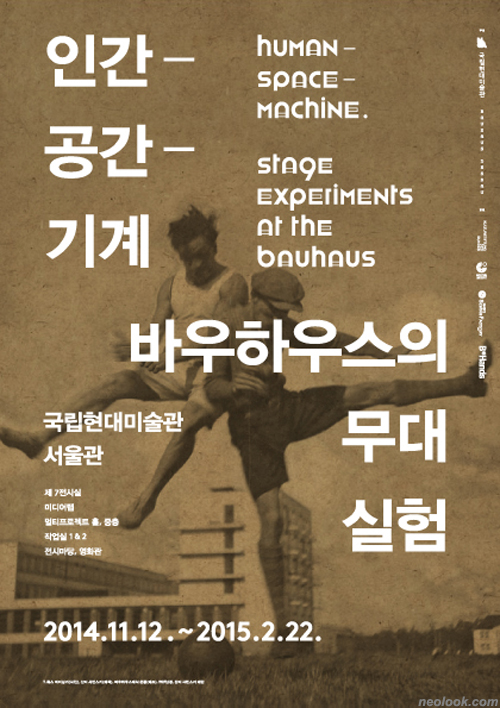
Na Kim has held solo exhibitions at KAIST Art Museum (2026), Kukje Gallery Busan (2024), Efremidis, Berlin (2023), Institute of Contemporary Art, University of Pennsylvania, Philadelphia (2021), SeMA Buk-Seoul Museum of Art (2020), DOOSAN Gallery New York (2015), and National Museum of Modern and Contemporary Art, Korea, Gwacheon (2014).

Group Exhibitions (Brief)

Na Kim has participated in group exhibitions at the Lisbon Architecture Triennale (2019), Gwangju Design Biennale (2019), Seoul Biennale of Architecture and Urbanism (2017), Musée des Arts Décoratifs, Paris (2015), National Museum of Modern and Contemporary Art, Korea, Seoul (2014), Victoria and Albert Museum, London (2013), The Museum of Modern Art, New York (2012), and Triennale di Milano Design Museum (2011).

Awards (Selected)

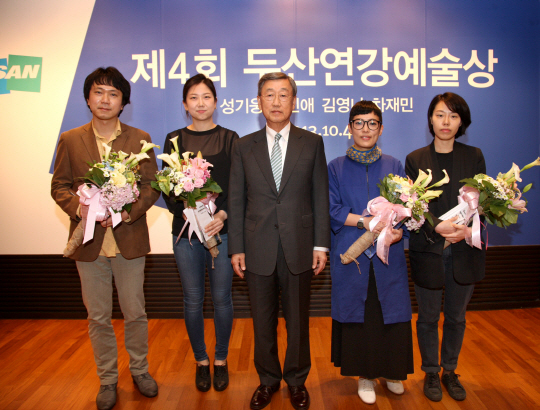
Na Kim received the Today’s Young Artist Award from the Ministry of Culture, Sports and Tourism in 2014 and the 4th DOOSAN Yonkang Arts Award in 2013.

Residencies (Selected)

Na Kim participated in the Artist Research Residency at Amant Siena in 2024 and DOOSAN Residency New York in 2015.

Collections (Selected)

Na Kim's works and publications are held in the collections of Die Neue Sammlung – The Design Museum, MMCA Art Bank, MoMA Library, Musée des Arts décoratifs, National Museum of Modern and Contemporary Art, Korea, and Tartu Art Museum.

Works of Art

Reinterpreting Familiar Visual Languages

Originality & Identity

Na Kim explores the relationship between art and design through the language of graphic design, continually expanding the roles and possibilities of creative practice. In her work, design functions both as a means of visual production and as a way of observing given situations and interpreting problems.

The practical approach and project-based education she encountered at Werkplaats Typografie in the Netherlands played an important role in shaping this attitude. Applying her experience and methodologies as a designer to museums and exhibition spaces, Kim investigates how the functional conditions of design can generate new aesthetic possibilities. Throughout this process, the identities of artist and designer remain flexible, shifting in response to the purpose and context of each project.

A central concern throughout her practice is the relationship between order, memory, and meaning embedded in everyday objects and images. By collecting and rearranging familiar visual elements such as packaging, stickers, printed matter, and signage, Kim explores the unexpected relationships that emerge when objects are removed from their original functions and environments.

She is particularly interested in how colors, forms, letters, and symbols acquire meaning through social conventions, opening familiar visual languages to new interpretations. Her design for AAA (2024), a collaborative album by HYUKOH and Sunset Rollercoaster, exemplifies this inquiry by recombining typefaces conventionally associated with Asian imagery and examining the cultural perceptions and stereotypes embedded in visual forms.

For Kim, collecting is a process of examining both the physical qualities of objects and the traces of time they carry. She accumulates images and materials encountered in different places, separates them from their original contexts, and reorganizes them according to new criteria to draw out their latent narratives.

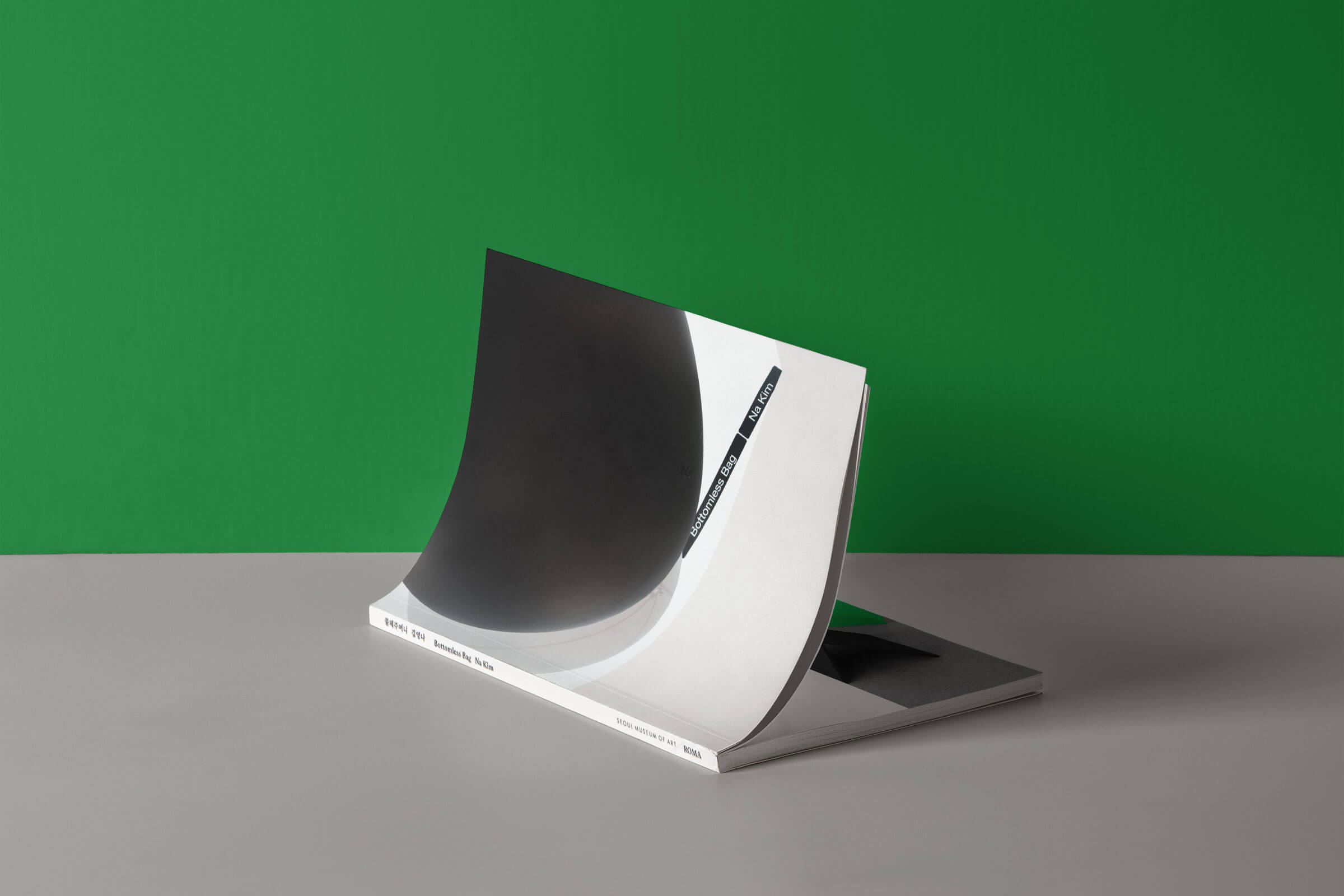
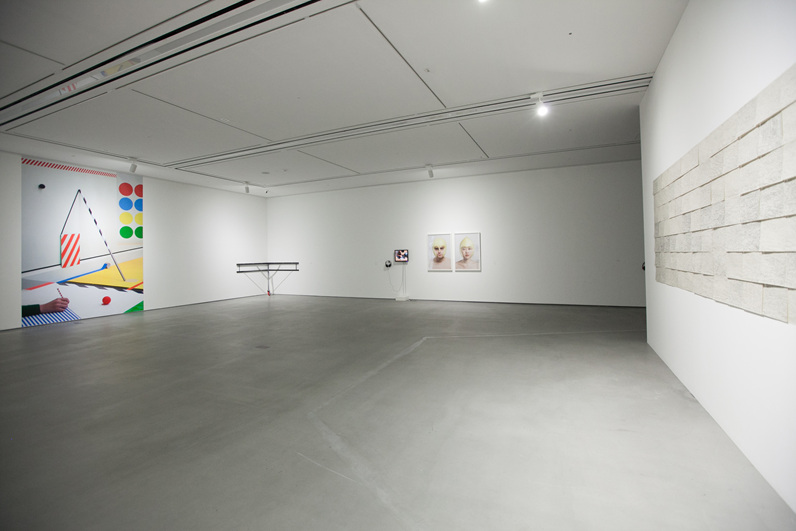
In her 2020 solo exhibition 《Bottomless Bag》 at SeMA Buk-Seoul Museum of Art, she invited visitors to experience the memories embedded in collected objects and images. The new orders she constructs thus emerge from personal memories while remaining open to the experiences and interpretations of viewers. The shifting meanings of objects over time, including the transformation of ordinary souvenirs into significant carriers of memory, constitute a recurring paradox within her practice.

More recently, Kim has reconsidered the significance of accumulated records while extending her interests toward improvisation, physicality, and the experience of time. Following the pandemic, she began questioning the permanence of collecting and archiving, embracing "intentional strangeness" as a way of moving beyond familiar modes of production.

At LOOM, her project space in Berlin, she experiments with encounters between artworks, personal memories, and sensory experiences by inviting visitors to spend a designated period alone in the space. These developments remain connected to her longstanding investigation of visual order while opening her practice to processes in which new meanings emerge through uncertainty, chance encounters, and individual experiences.

Style & Contents

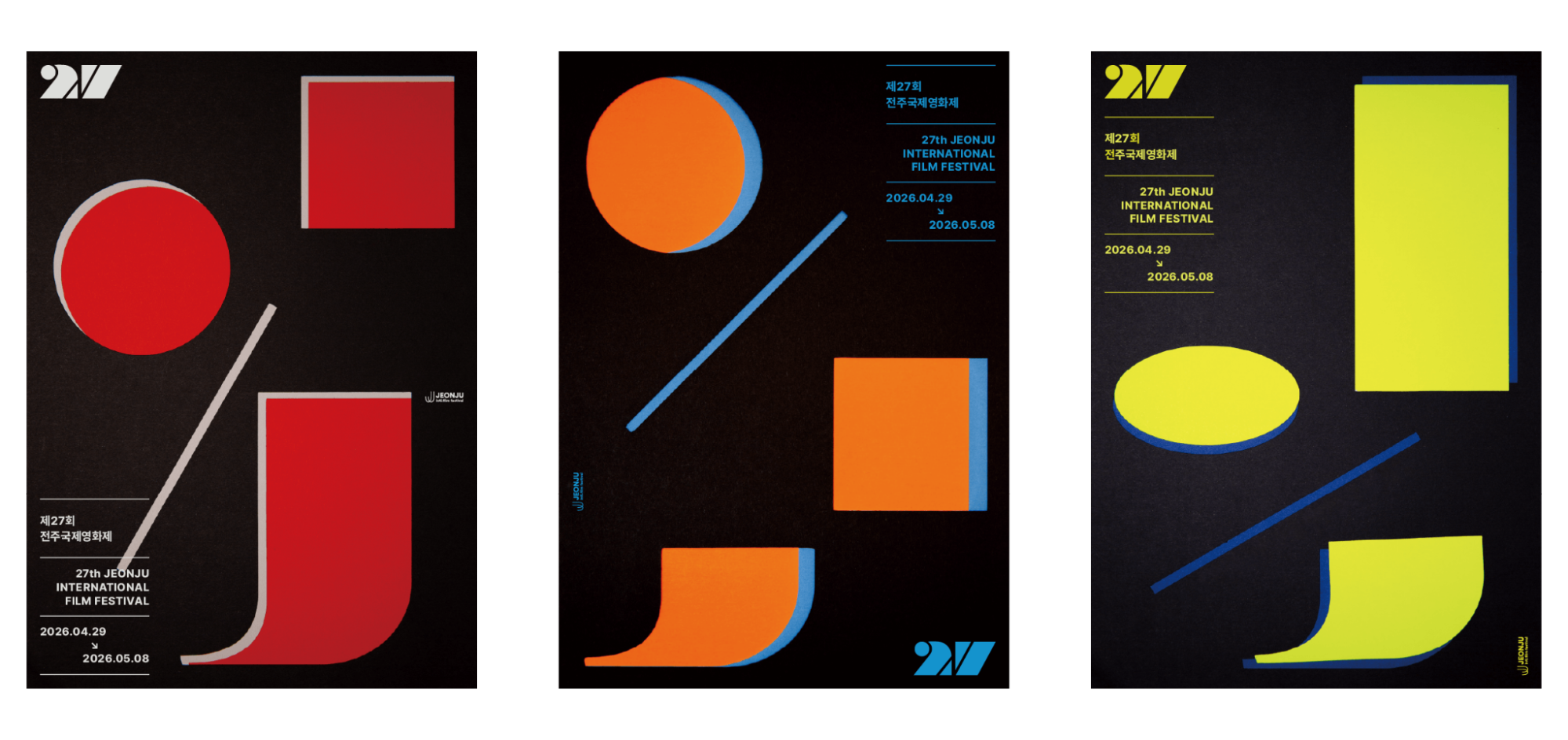
Na Kim's visual language is built around fundamental elements of graphic design, including color, geometric shapes, typography, patterns, and symbols. She extracts and categorizes visual forms encountered in everyday life, creating distinctive compositions through new combinations and arrangements.

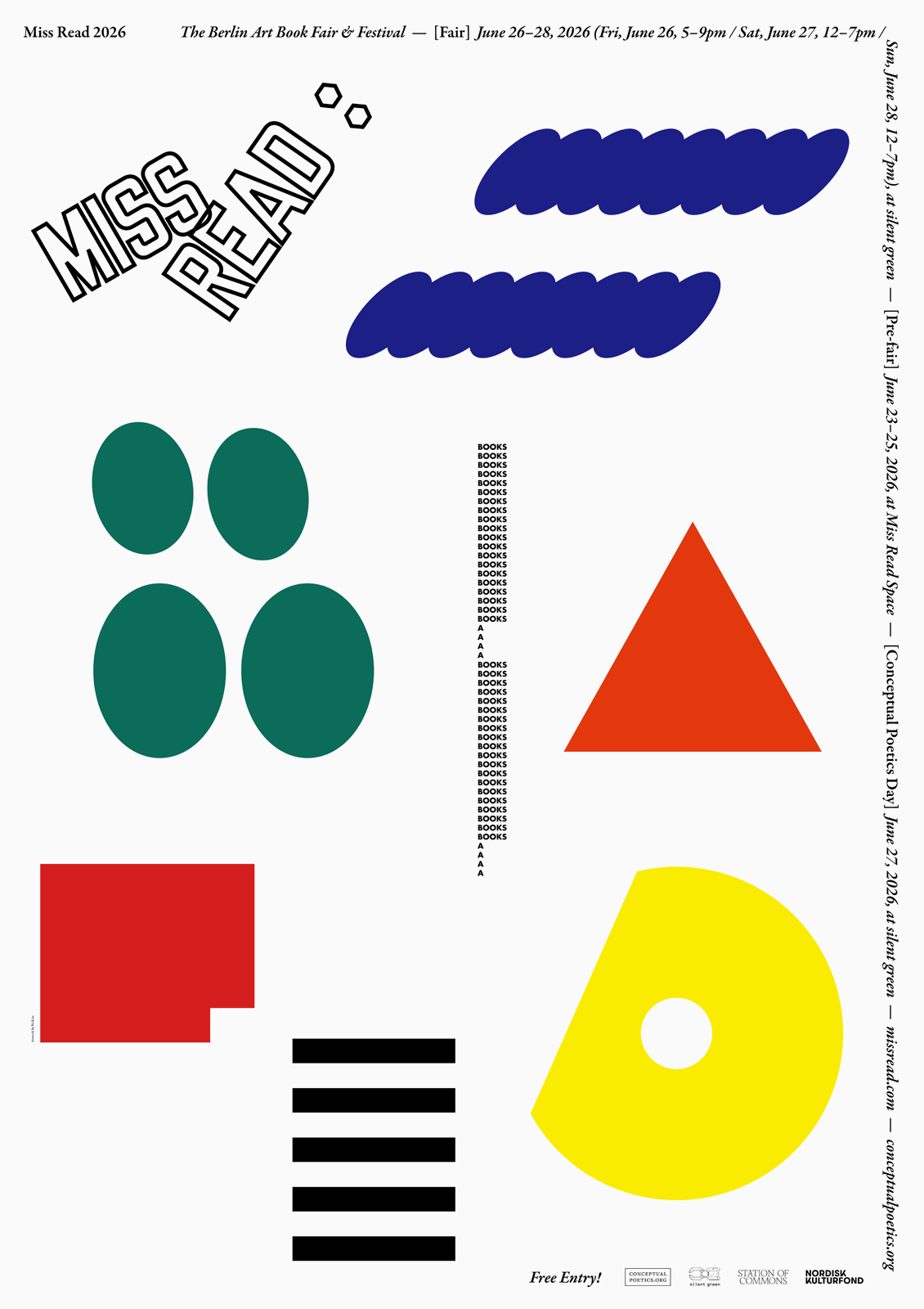
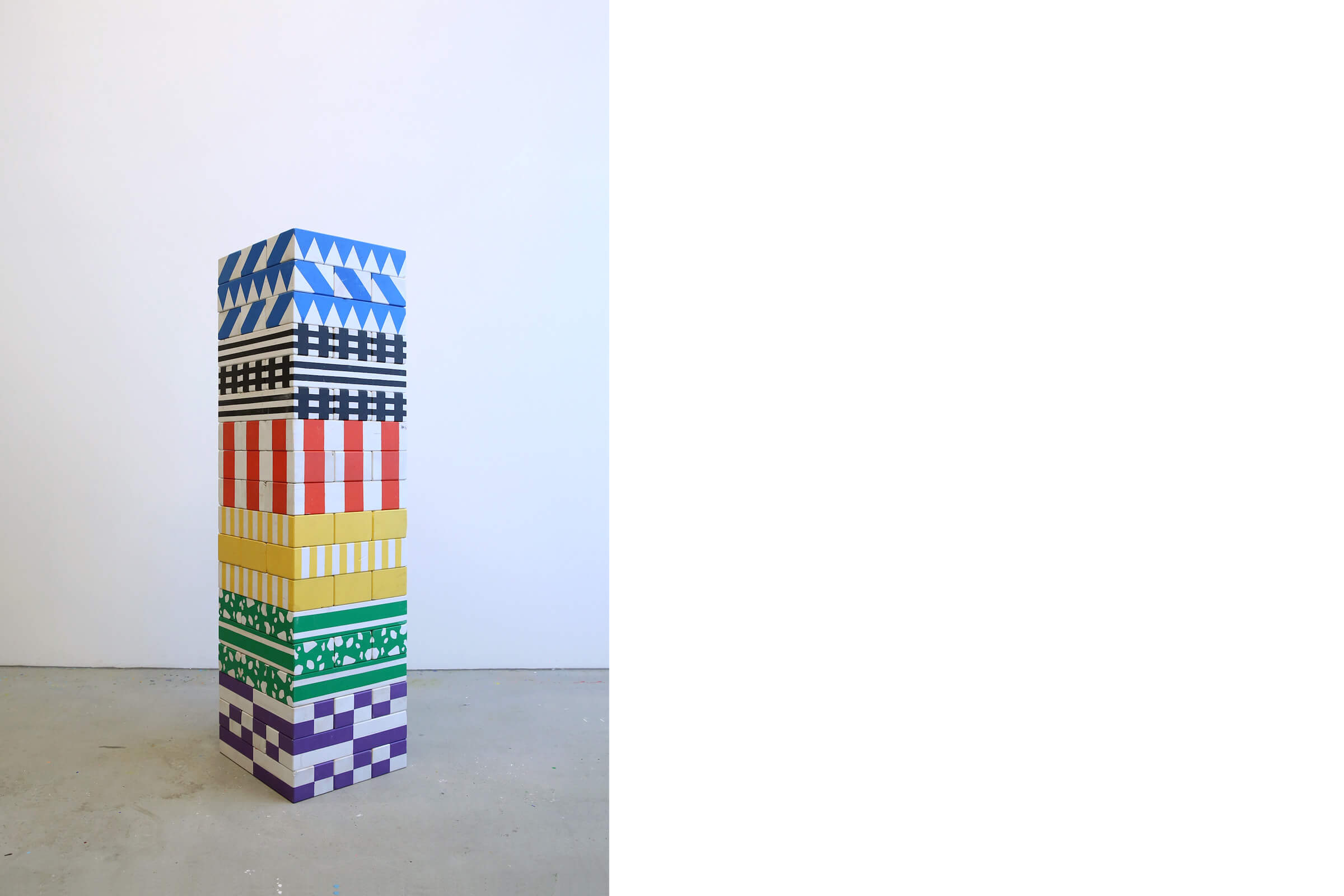
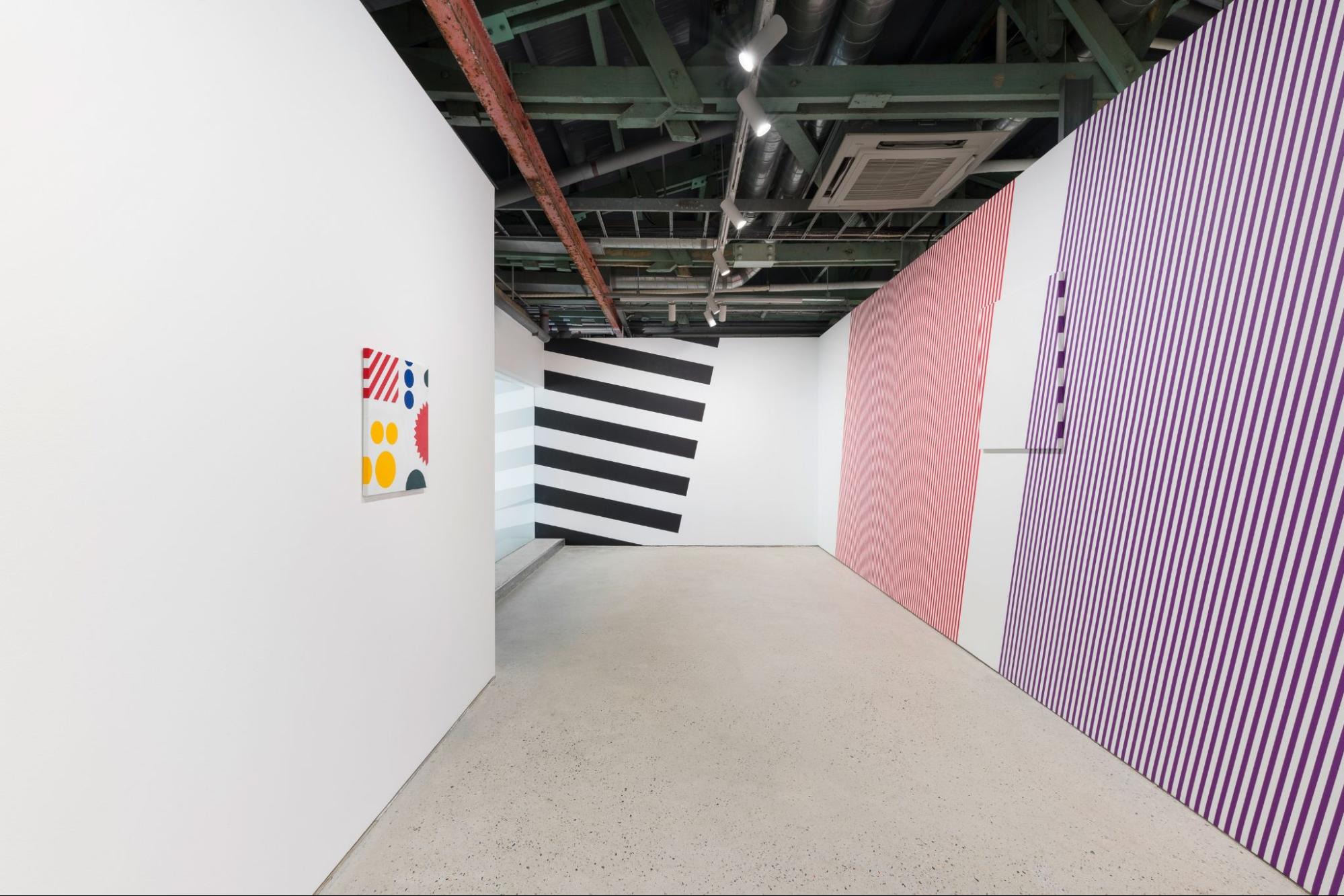
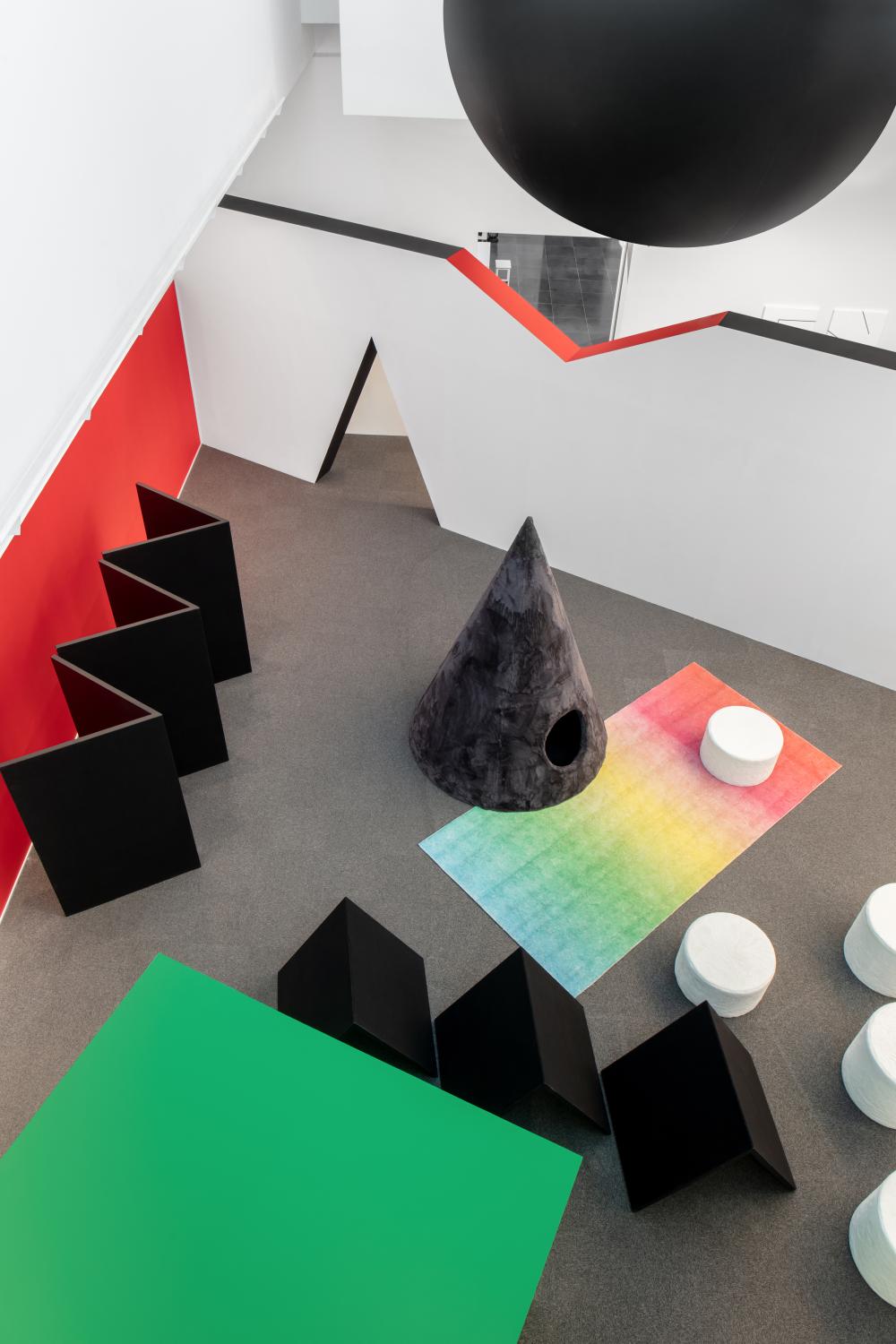
Her work is characterized by bold primary colors, clearly defined forms, and repetitive patterns, while principles of alignment, proportion, and repetition derived from printing and editorial design inform her formal approach. These compositions expand from the printed page into murals, paintings, sculptures, and spatial installations, producing different visual effects according to their media. Throughout this process, the designer's decisions regarding selection and arrangement remain central to the transformation of individual images.

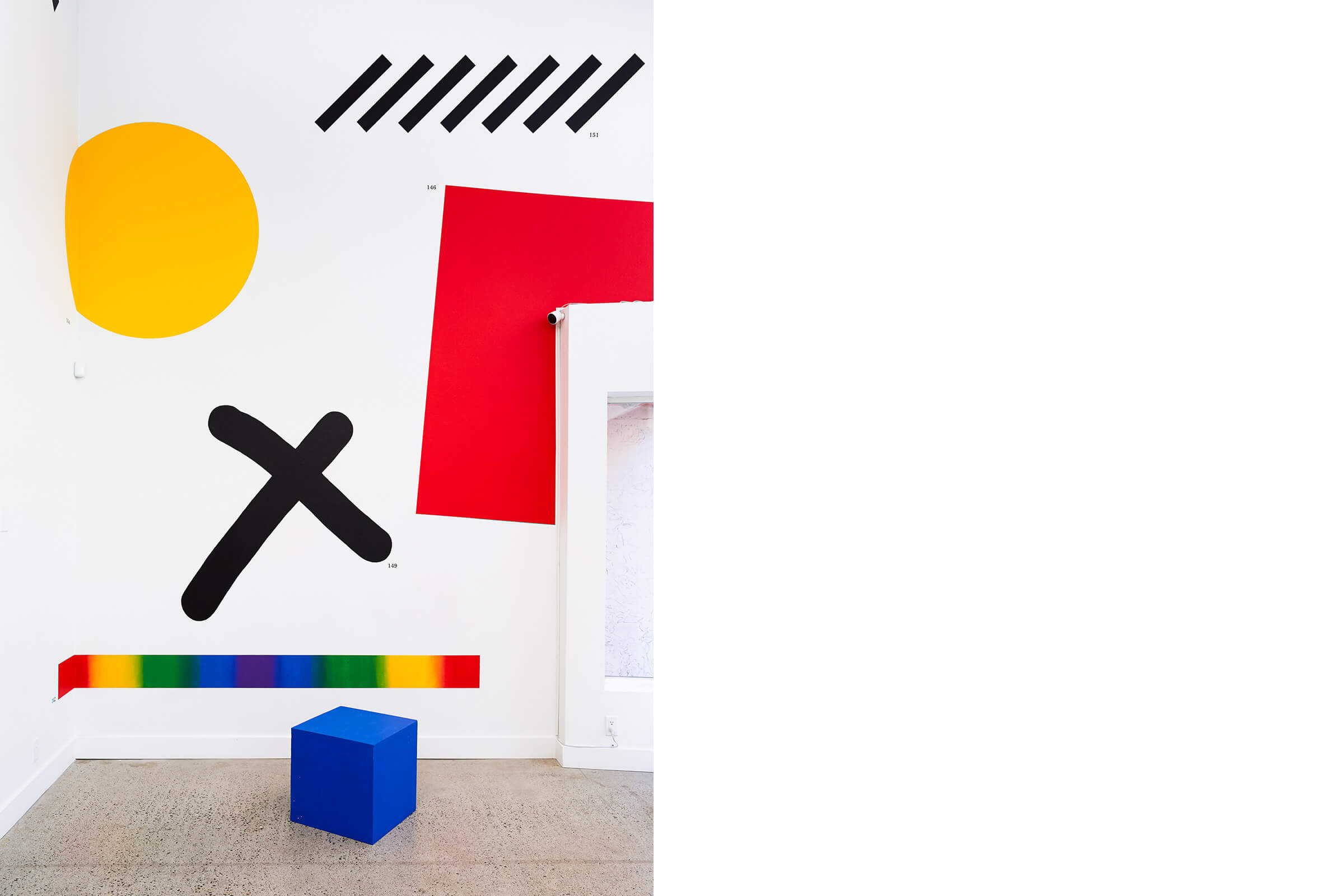
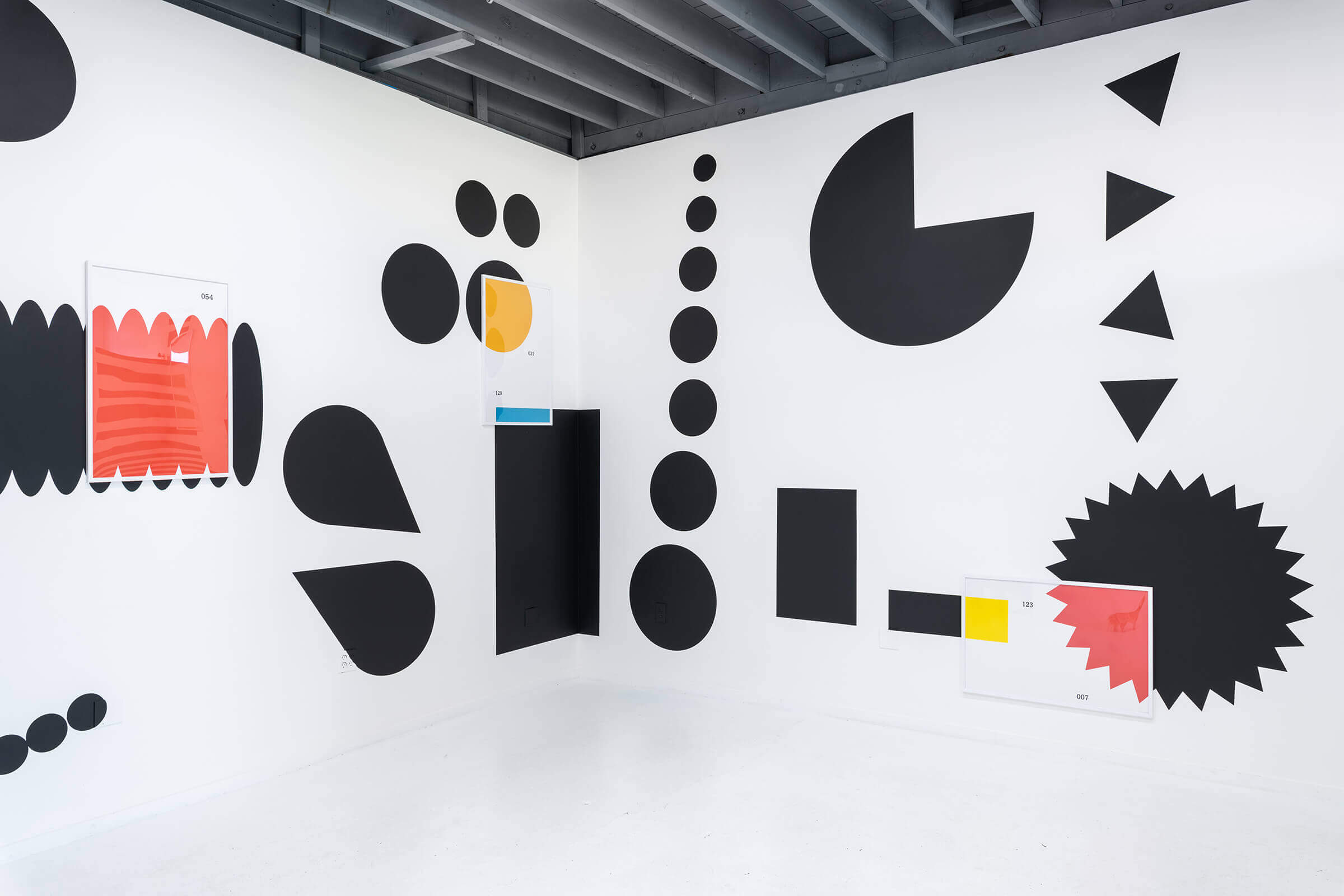
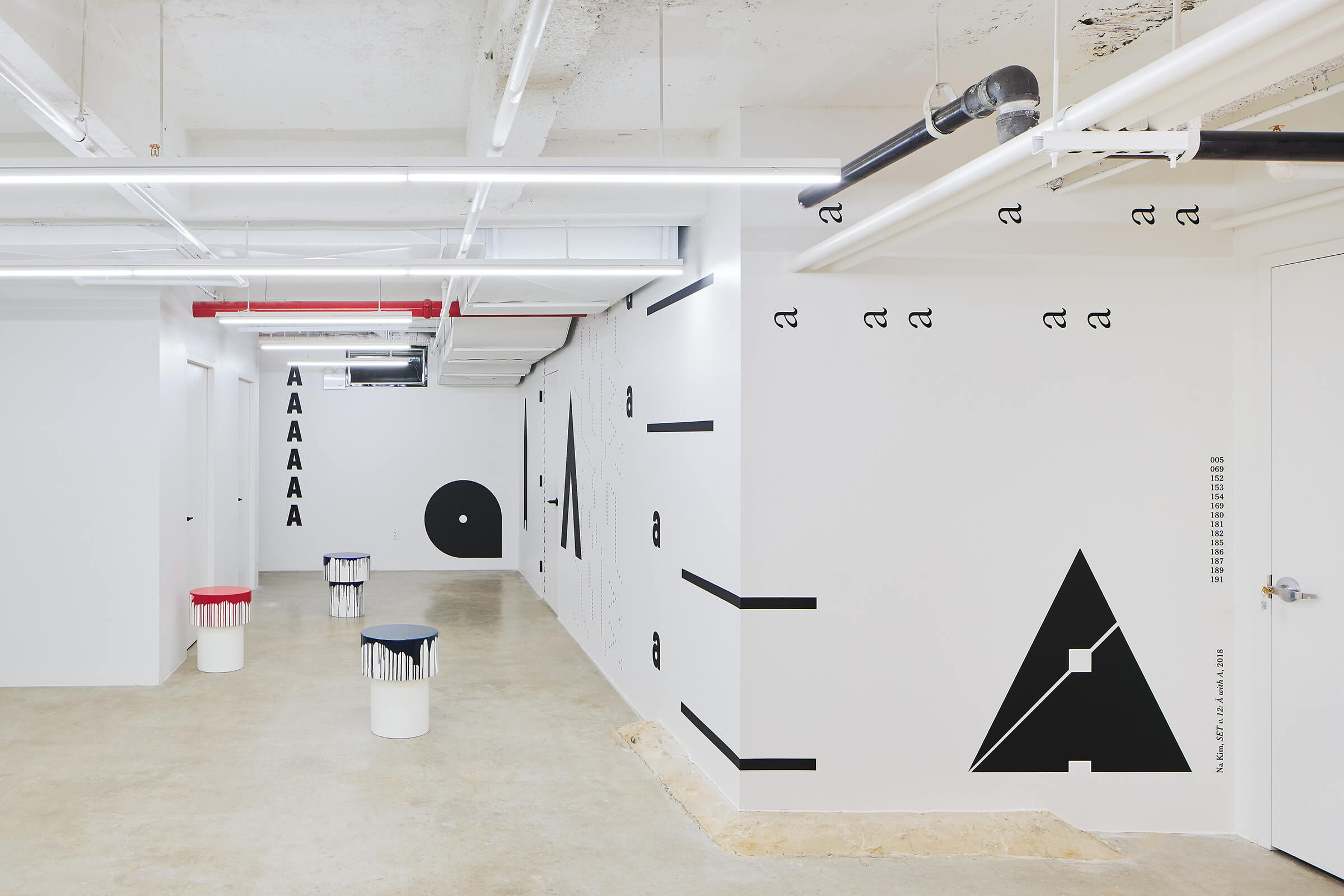
Her representative ‘SET’ series demonstrates how design methodologies can be translated into artistic forms. Kim created the sample book SET (2015) by extracting colors and geometric elements from design projects produced between 2006 and 2015, removing their original functions and content, and reorganizing them into categories.

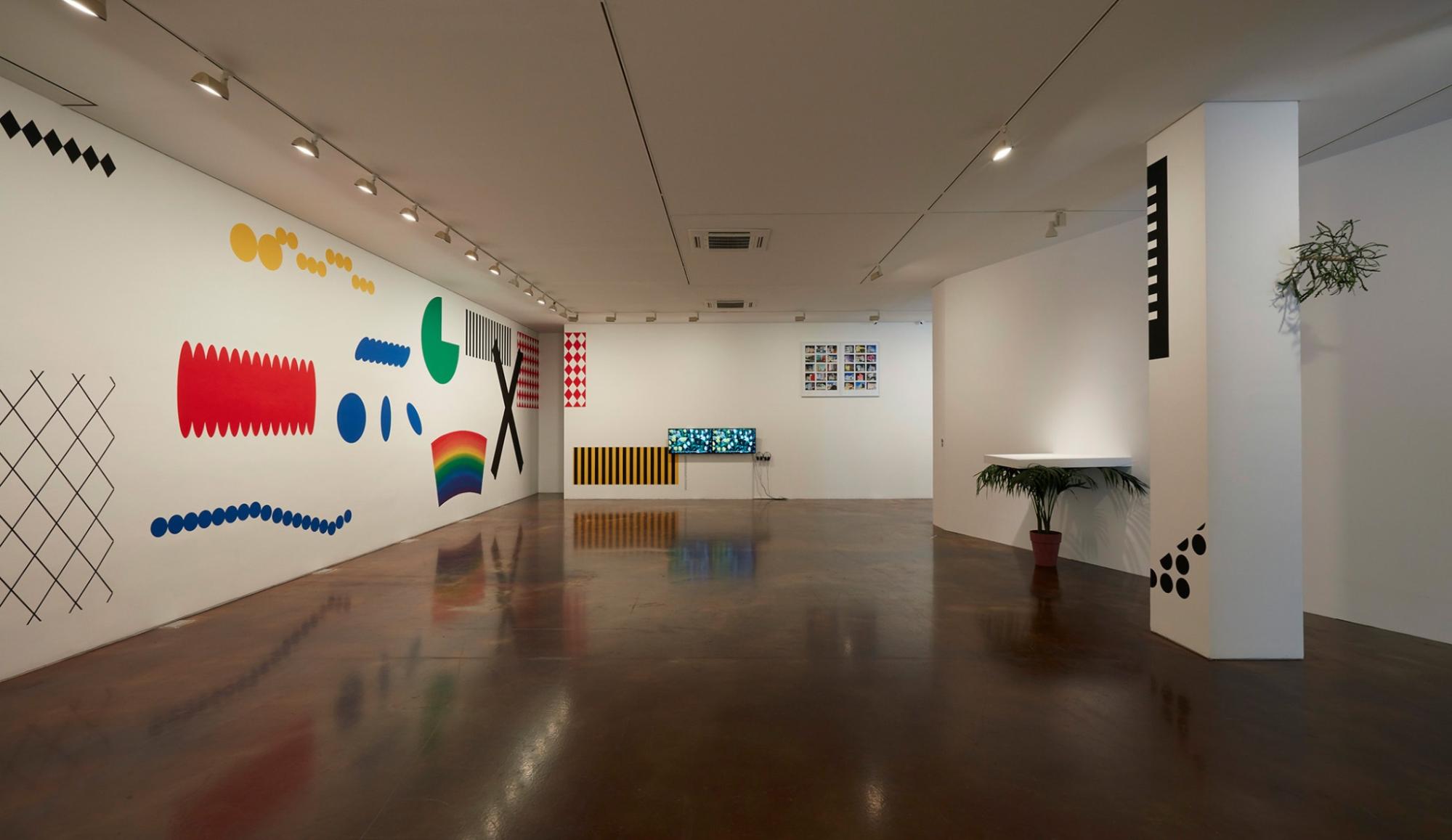
She subsequently developed the material into a series of murals, enlarging and rearranging the book's pages across exhibition walls according to different spatial conditions. In SET v.24 (2023), she emphasized repetition and visual rhythm across a wall spanning more than 16 meters, while SET v.25: View N (2024) introduced new compositions through altered proportions. The related ‘Piece’ series transfers selected sections of these murals onto canvas, examining the formal characteristics that emerge as images move between the printed page, architectural space, and the painted surface.

The ongoing ‘Found Composition’ series, initiated in 2009, reveals Kim's process of directly handling and combining collected materials. Working primarily on A4- and A5-sized paper, she constructs improvised compositions by attaching, detaching, and cutting everyday printed materials such as stickers, wrapping paper, envelopes, and magazines. These works function both as preparatory sketches for design projects and as independent artworks, engaging with the physical qualities of collected materials and the possibilities of unexpected arrangements.

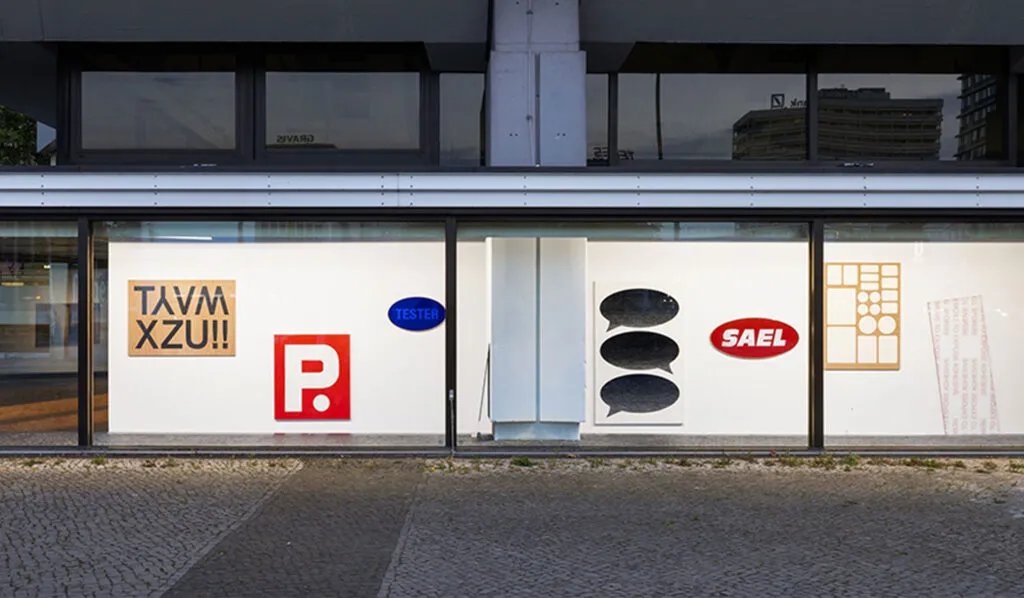
In 《TESTER》 (2023) and 《Easy Heavy》 (2024), these interests expanded into paintings and objects employing diverse materials. Works such as Final Notice (2023), which renders an urgent payment notice in soft wool, and OP.QUS·TRVWX·Y·Z (2024), which pictorially represents the spaces left after letters are removed from sticker sheets, reveal the sensory discrepancies that emerge between text, image, and material.

Architectural features and the movements of viewers also serve as essential formal elements in Kim's practice. She observes the columns, walls, heights, and circulation routes of exhibition spaces, incorporating their existing conditions into the organizational principles of her work. Presented in 《Easy Heavy》, H1276 (2024) extends across the gallery walls at a height of 127.6 centimeters, corresponding to an existing architectural structure, allowing a spatial measurement to determine the arrangement and installation of the work.

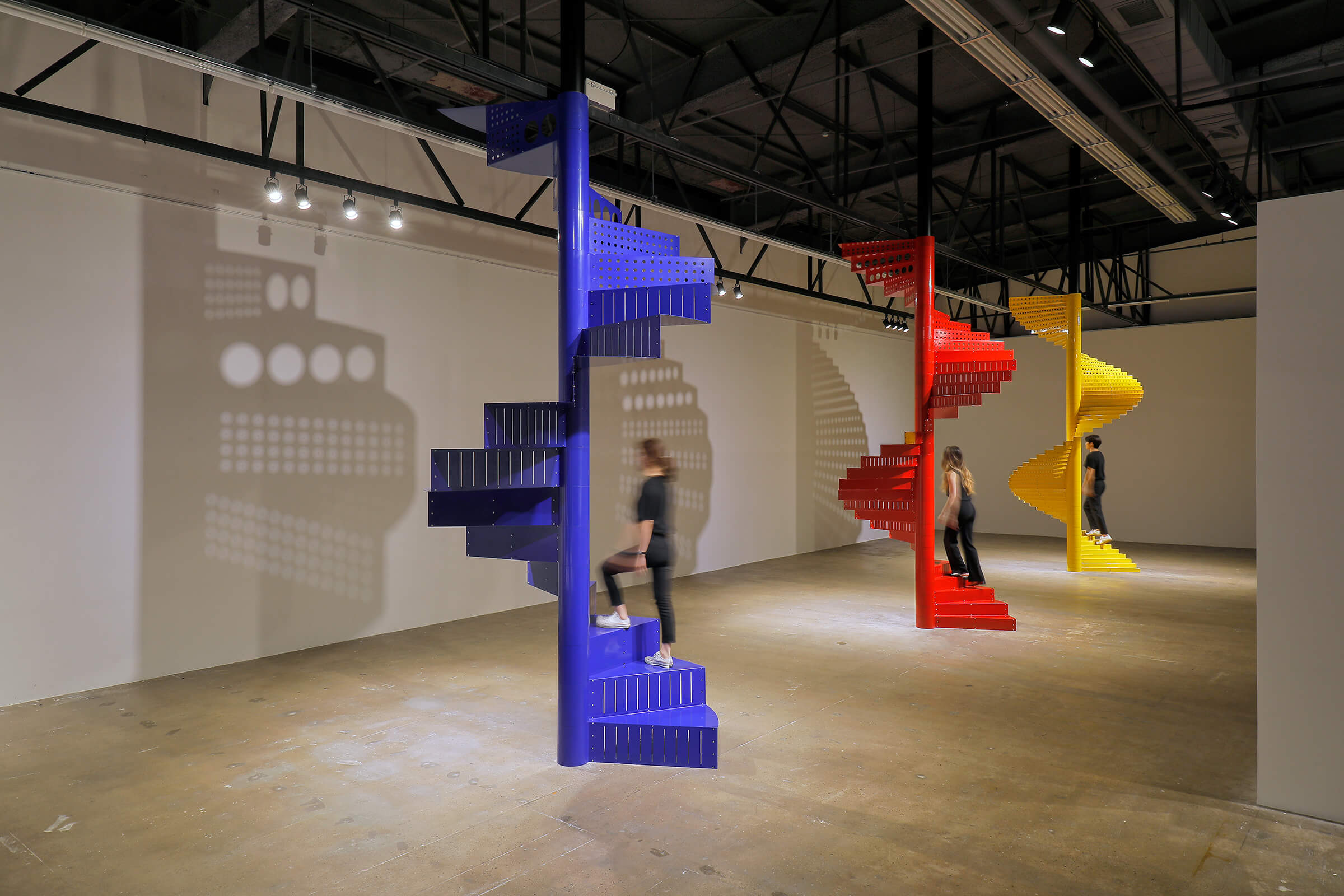
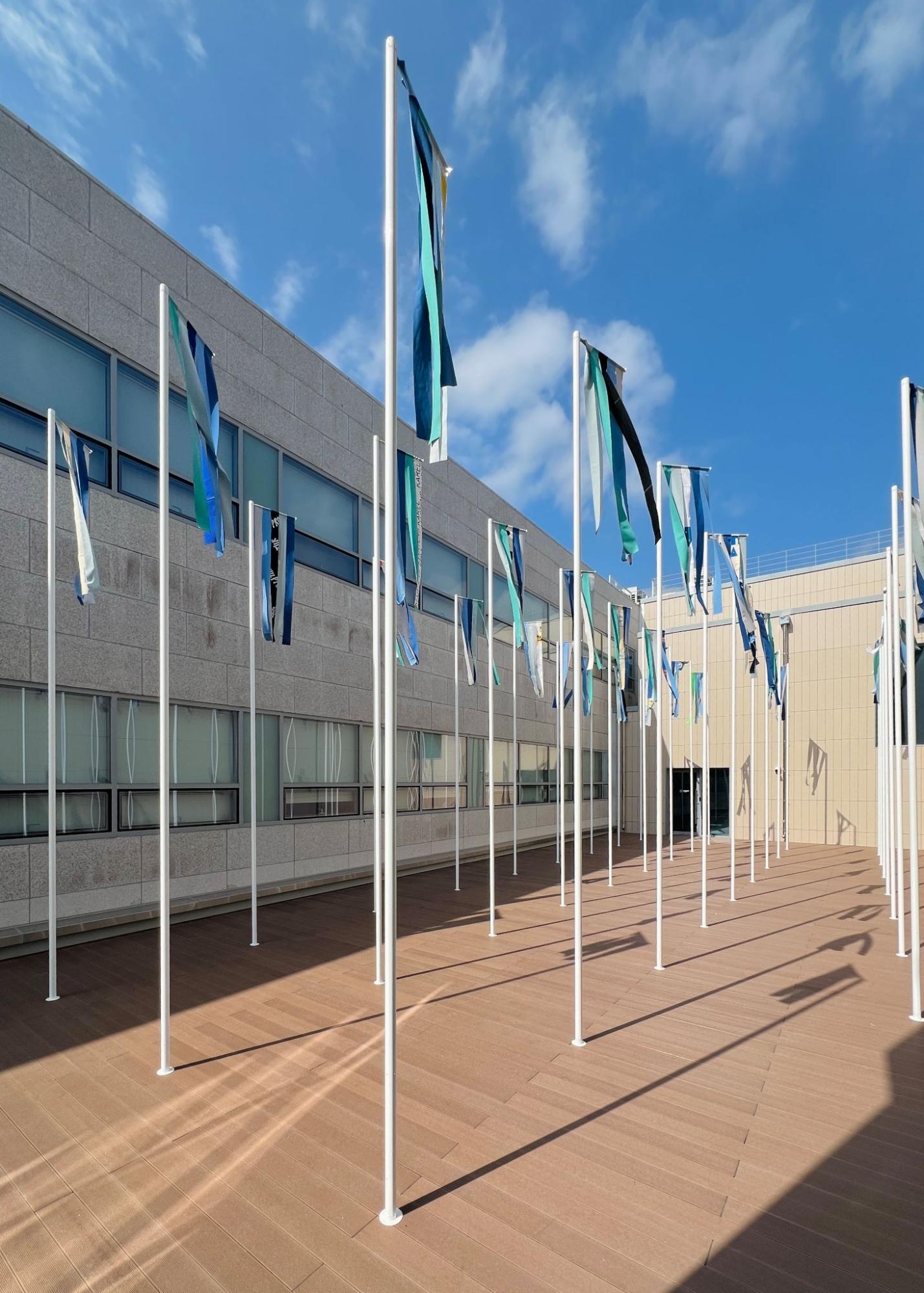
This approach developed in a more sensory direction in her 2026 solo exhibition 《Oblique Time》 at KAIST Art Museum. Three installations incorporating rooftop columns, stairs, and a mirror placed on the ground invite visitors to experience the wind, sky, and their own reflections through walking, climbing, and shifting perspectives. By allowing the form of the work to unfold through bodily experience and changes in the surrounding environment, Kim continues to explore new possibilities for artistic media.


Topography & Continuity

Na Kim's practice has expanded from graphic design into publishing, exhibition-making, spatial programming, installation, and performance. After entering Werkplaats Typografie in the Netherlands in 2006, she developed an independent creative approach within an educational environment that encouraged students to initiate and realize their own projects. Early examples include 《Starting From Zero》, which she organized at the Zero One Design Center in 2008, and her editorial and art direction work for the quarterly magazine GRAPHIC.

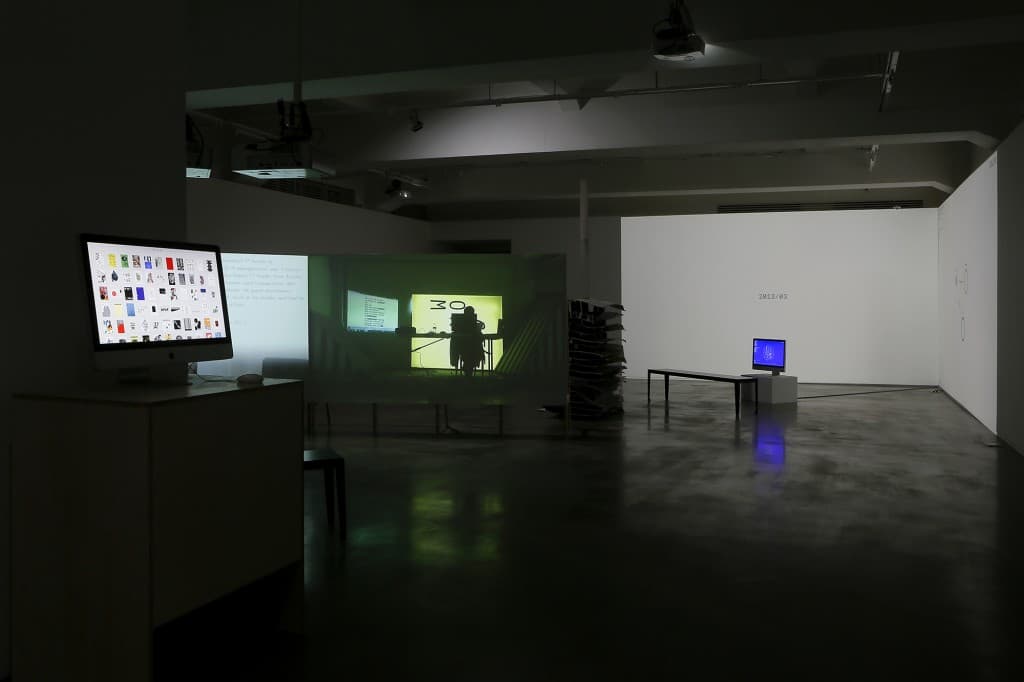
In her 2011 solo exhibition 《Found Abstracts》 at Gallery Factory, Kim reinterpreted her previous projects through new visual compositions, while Transitory Workplace, presented at Culture Station Seoul 284 in 2012, transformed her actual working process into an exhibition format. Her interest in the processes through which design is produced and circulated as potential subjects of artistic practice has remained evident since this period.

From the mid-2010s onward, the collection and reediting of her earlier design work developed into an ongoing series. Presented in her 2015 solo exhibition at DOOSAN Gallery New York, ‘SET’ established a method of using previous designs as material for new artworks, connecting accumulated records with contemporary production.

She subsequently expanded the series by adapting its compositions and proportions to different exhibition spaces. In 《Bottomless Bag》 (2020), Kim connected the collection of everyday objects and their associated memories with visitors' experiences, while 《TESTER》 (2023) brought together 193 archival pieces and new works to reconsider the relationship between her past and present practice.

By the time of 《Easy Heavy》 (2024), material properties, physical labor, and spatial conditions had become increasingly prominent alongside the rearrangement of existing images. The recurring process of revisiting and transforming earlier works into new forms has thus become a defining method of her artistic practice.

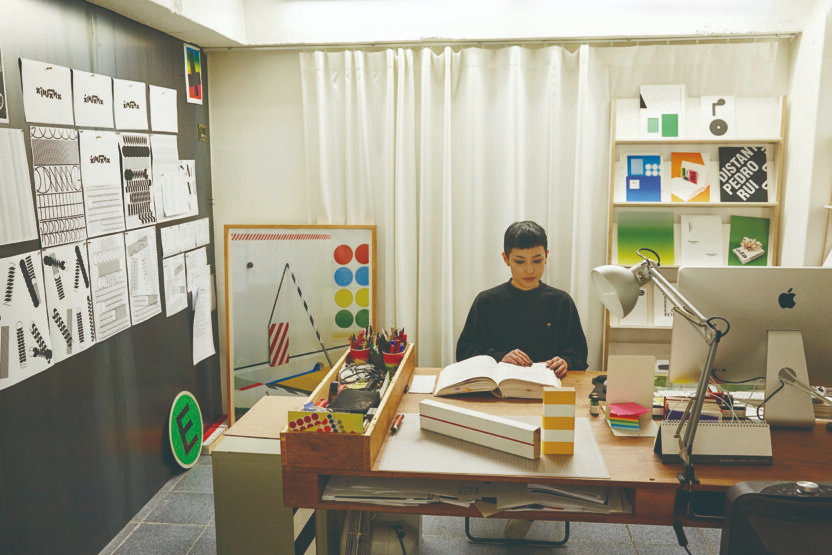
Following the expansion of her activities to Berlin, the duration and circumstances of experiencing a work have become increasingly significant alongside its physical outcome. LOOM, which Kim has operated since 2022, functions as both her studio and a space for exhibitions and collaborations, establishing a particular relationship between artworks and visitors through individually reserved periods of solitary engagement.

This approach extends her earlier ‘Transitory Workplace’ projects, developed since 2012, into a sustained investigation of opening private spaces to the public, the duration of visits, and the role of participants. Her 2024 project ‘Temporary Post Office Chiusure,’ undertaken in Italy, similarly transformed a disused post office into a temporary platform for collecting messages addressed to one's future self, to be delivered three years later.

Through this process, memories embedded in objects become connected to future moments, while encounters and experiences within unfamiliar environments play an essential role in shaping the work.

The continuity of Kim's practice lies in her ability to preserve an established visual language while continually reconsidering the conditions of its use. Her initial interests in editorial design and archiving have gradually expanded toward spatial structures, material properties, bodily presence, and the passage of time.

《Oblique Time》 (2026) exemplifies this development by engaging natural surroundings and visitors' movements to evoke sensory experiences that are difficult to capture visually. More recently, Kim has also become interested in the possibilities of reusing, transforming, and allowing existing materials to disappear, reconsidering the continuous accumulation of archives.

Throughout these shifts in media and fields of activity, her commitment to observing given situations and discovering unexpected relationships has remained consistent. This continuity emerges through an ongoing process of responding to changing environments and reassessing her own methodologies, allowing each project to open new directions for her practice.

Works of Art

Reinterpreting Familiar Visual Languages

Articles

Exhibitions

Activities