Cho Duck Hyun (b.1957) - K-ARTIST
Cho Duck Hyun (b.1957)

Cho Duck Hyun has held various solo shows at different institutions including the Institute of Contemporary Art (Philadelphia, USA) and National Museum of Modern and Contemporary Art (Seoul, Korea). Cho was invited to international art events such as Sao Paulo Biennale, Istanbul Biennale, and Gwangju Biennale, making an early debut at the global art stage. Cho received the 2nd Korea-France Culture Award in 2001 and received Lee In-Seong Academy Award in 2019.

Solo Exhibitions (Brief)

Cho Duck Hyun has held solo exhibitions at major museums and institutions in Korea and abroad, including the Institute of Contemporary Art, University of Pennsylvania (1995), the National Museum of Modern and Contemporary Art, Seoul (2015), Art Sonje Center (2002), Daegu Art Museum (2020), Ilmin Museum of Art (2015), Museum Hanmi (2021), and Kukje Gallery (1996, 2000, 2008). He has also realized site-specific projects at venues such as Jeu de Paume, Paris (2000–2001) and Old Mill Chunpo, Iksan (2022–2024).

Group Exhibitions (Brief)

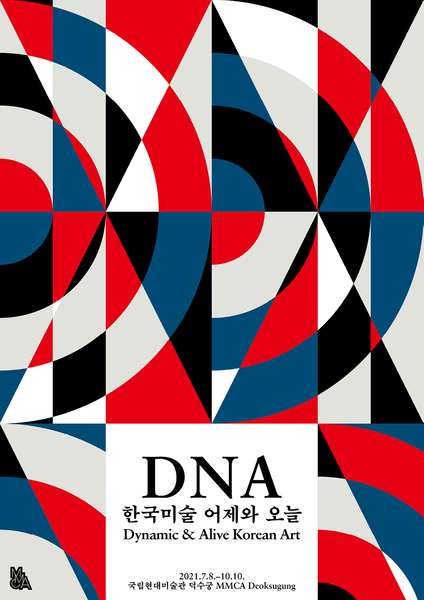
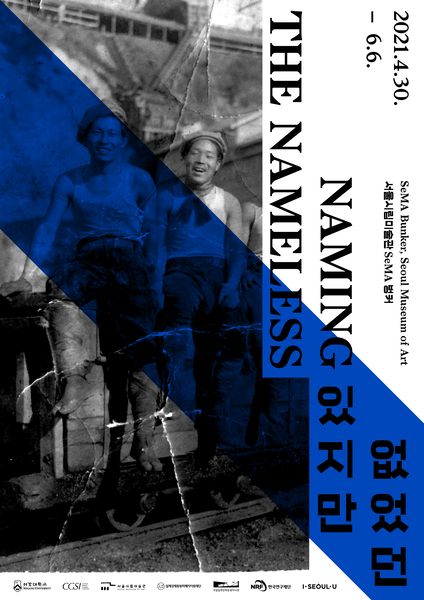
Cho Duck Hyun has participated in exhibitions at major museums in Korea and abroad, including the National Museum of Modern and Contemporary Art (2021), Seoul National University Museum of Art (2023), SeMA Bunker, Seoul Museum of Art (2021), Museum of Contemporary Art Busan (2020), Gyeongnam Art Museum (2021), Total Museum of Contemporary Art (2023), Park Soo Keun Museum (2015), Leeum Museum of Art (2011), Mori Art Museum, Tokyo (2005), Asian Art Museum, San Francisco (2003), and the New Museum, New York (1999). He has also been invited to international biennales including the São Paulo Biennial (1994), Istanbul Biennial (1995), Johannesburg Biennale (1997), Gwangju Biennale (2002), Seoul International Media Art Biennale (2010), and Gangwon International Biennale (2018).

Awards (Selected)

Cho Duck Hyun received the Grand Prize at the Dong-A Art Festival (1990), the Young Artist of the Year Award from the Ministry of Culture (1995), the Artist of the Month Award from MBC and the Samsung Cultural Foundation (1996), and the 2nd Korea–France Culture Award (2001).

Collections (Selected)

Works by Cho Duck Hyun are held in the collections of the National Museum of Modern and Contemporary Art, the Seoul Museum of Art, Hoam Museum of Art, Leeum, Samsung Museum of Art, Wooyang Museum of Contemporary Art, Gyeonggi Museum of Modern Art, The Dong-A Ilbo, Total Museum of Contemporary Art, Sungkok Art Museum, Arario Museum, Suwon Ipark Museum of Art, Fukuoka Art Museum (Japan), Hiroshima City Museum of Contemporary Art (Japan), Gorinchem City Hall (Netherlands), and the Hirshhorn Museum and Sculpture Garden (USA).
Works of Art

Originality & Identity

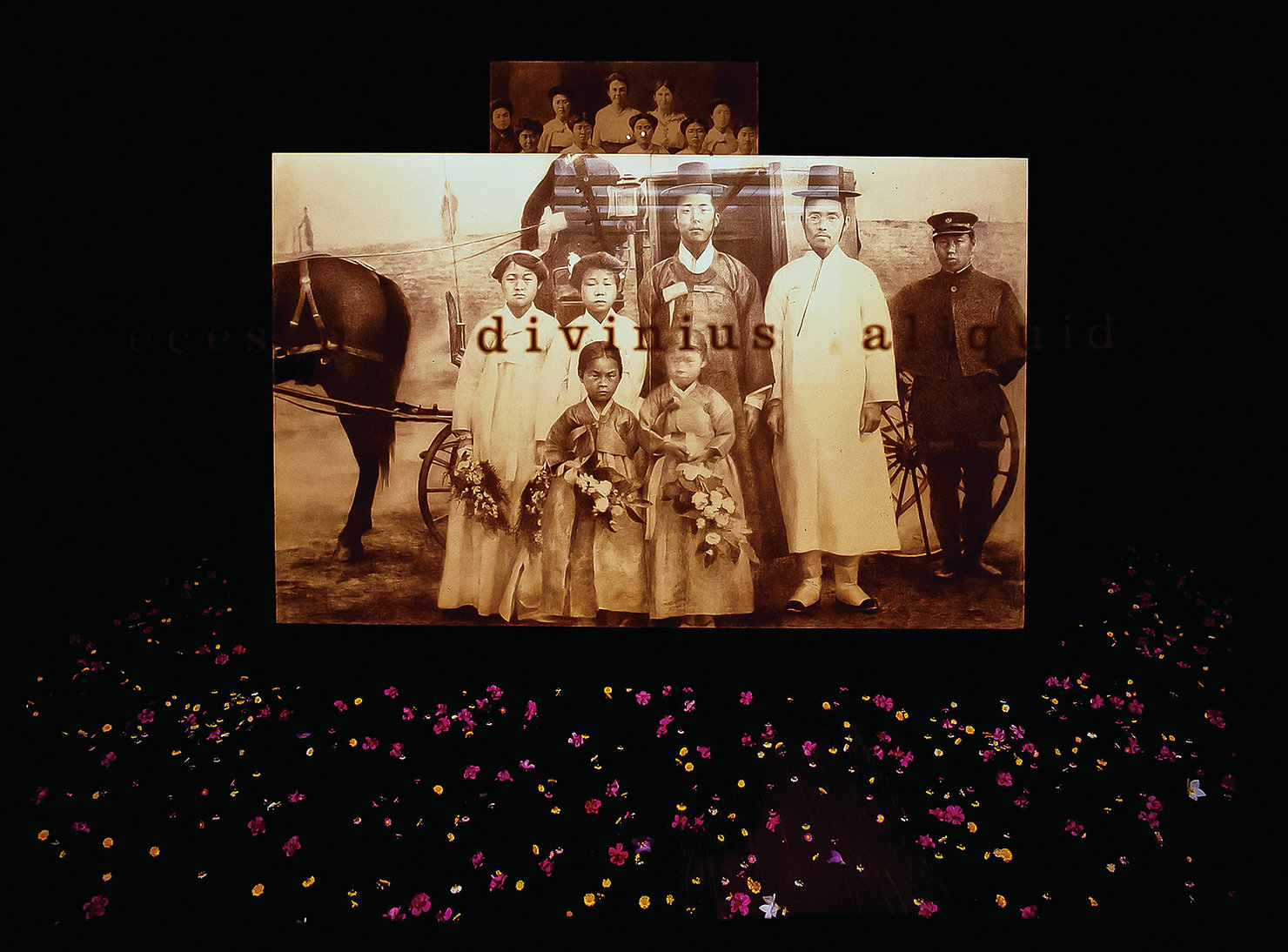
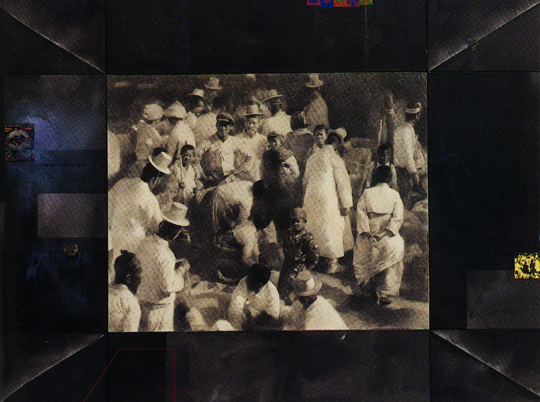
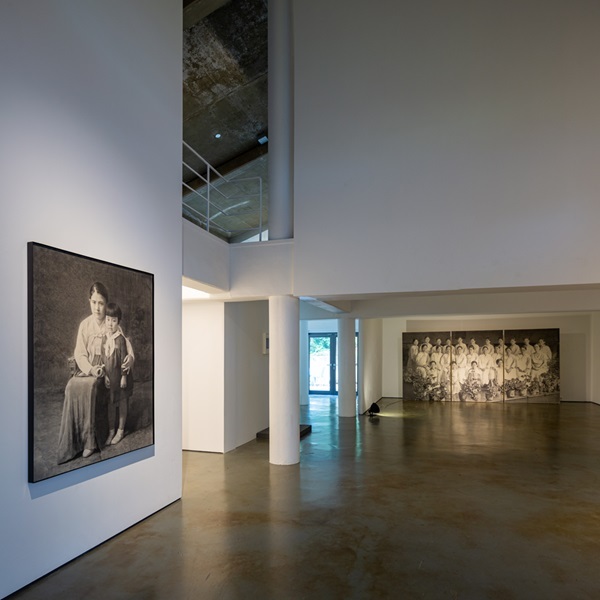
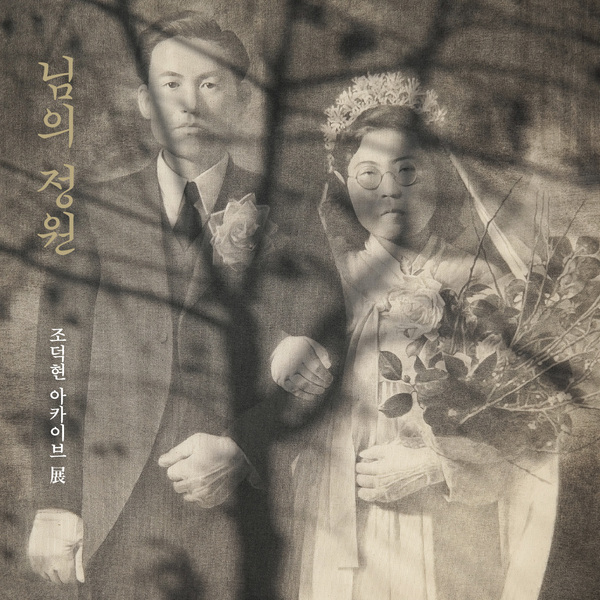
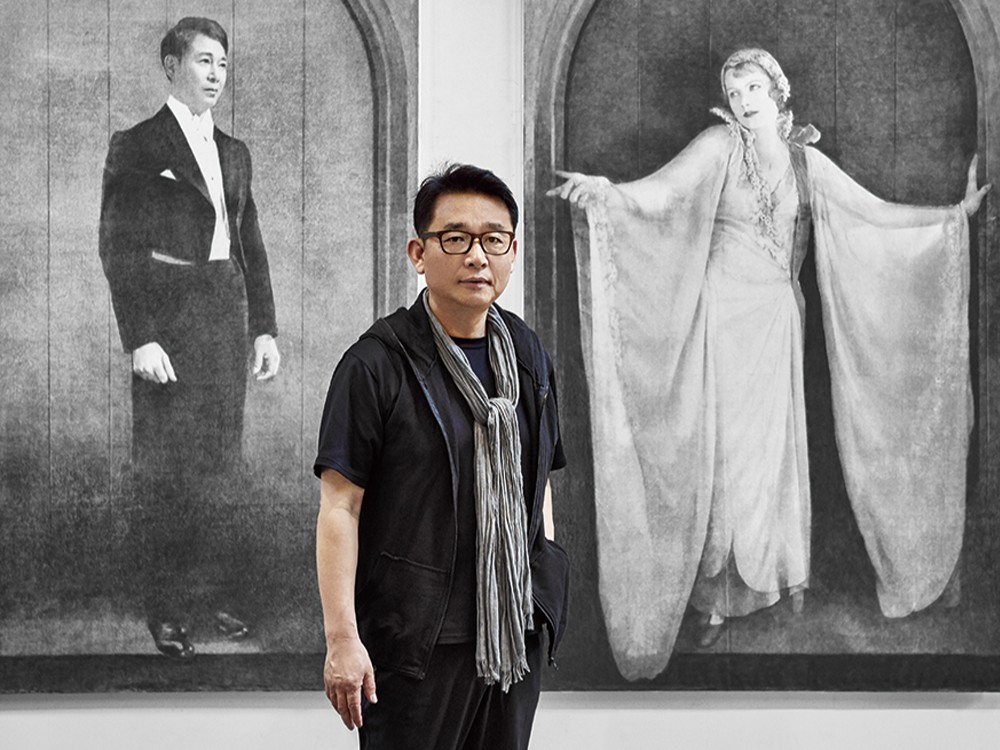
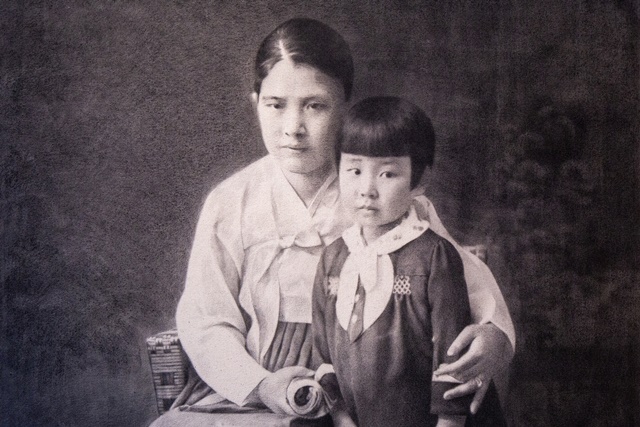
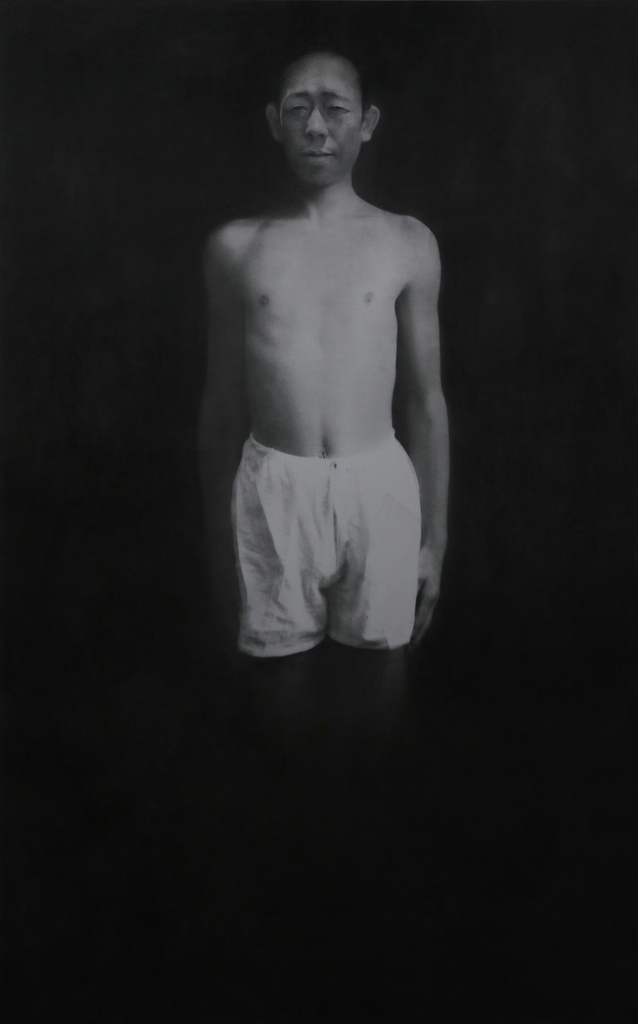
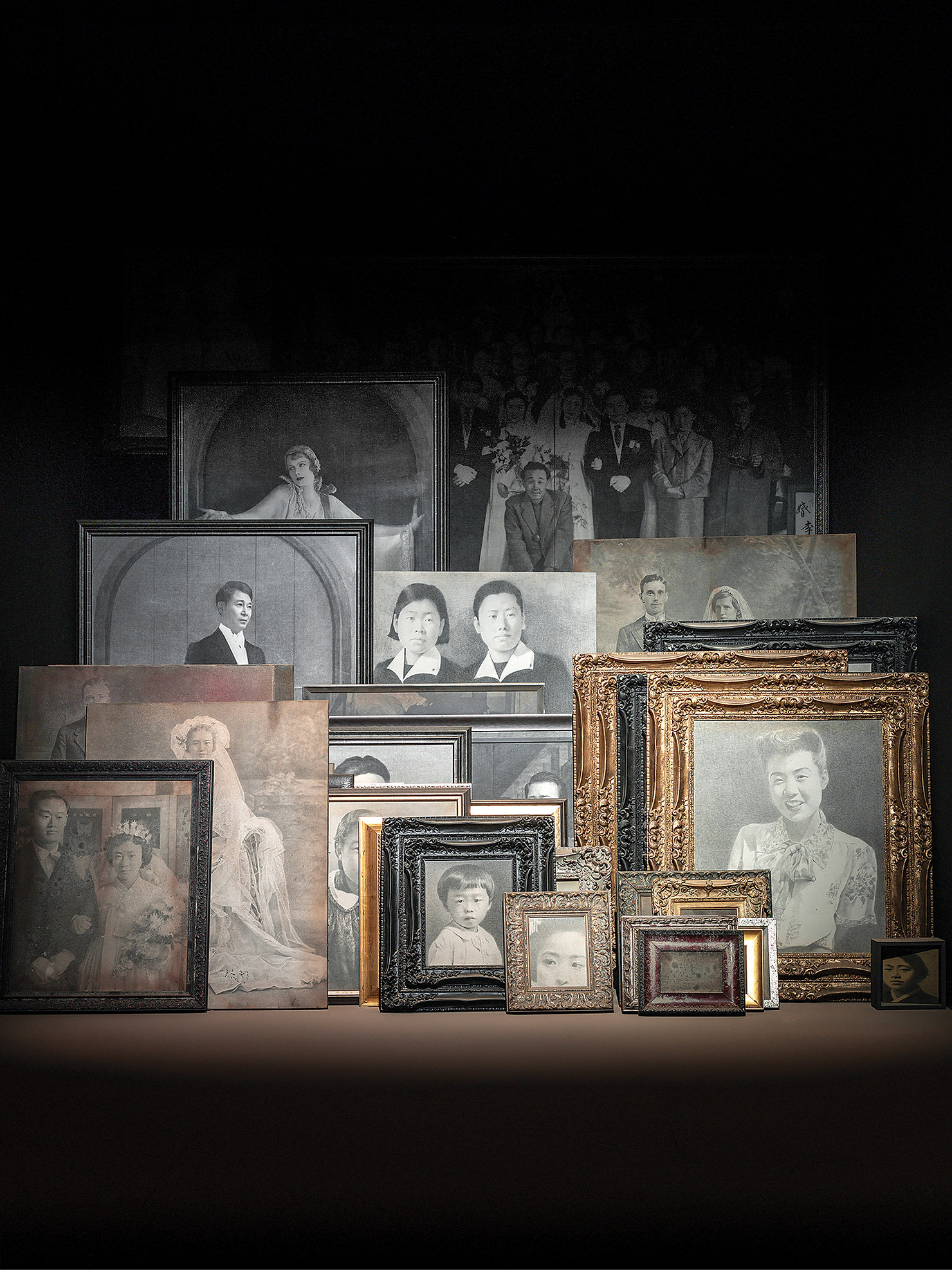
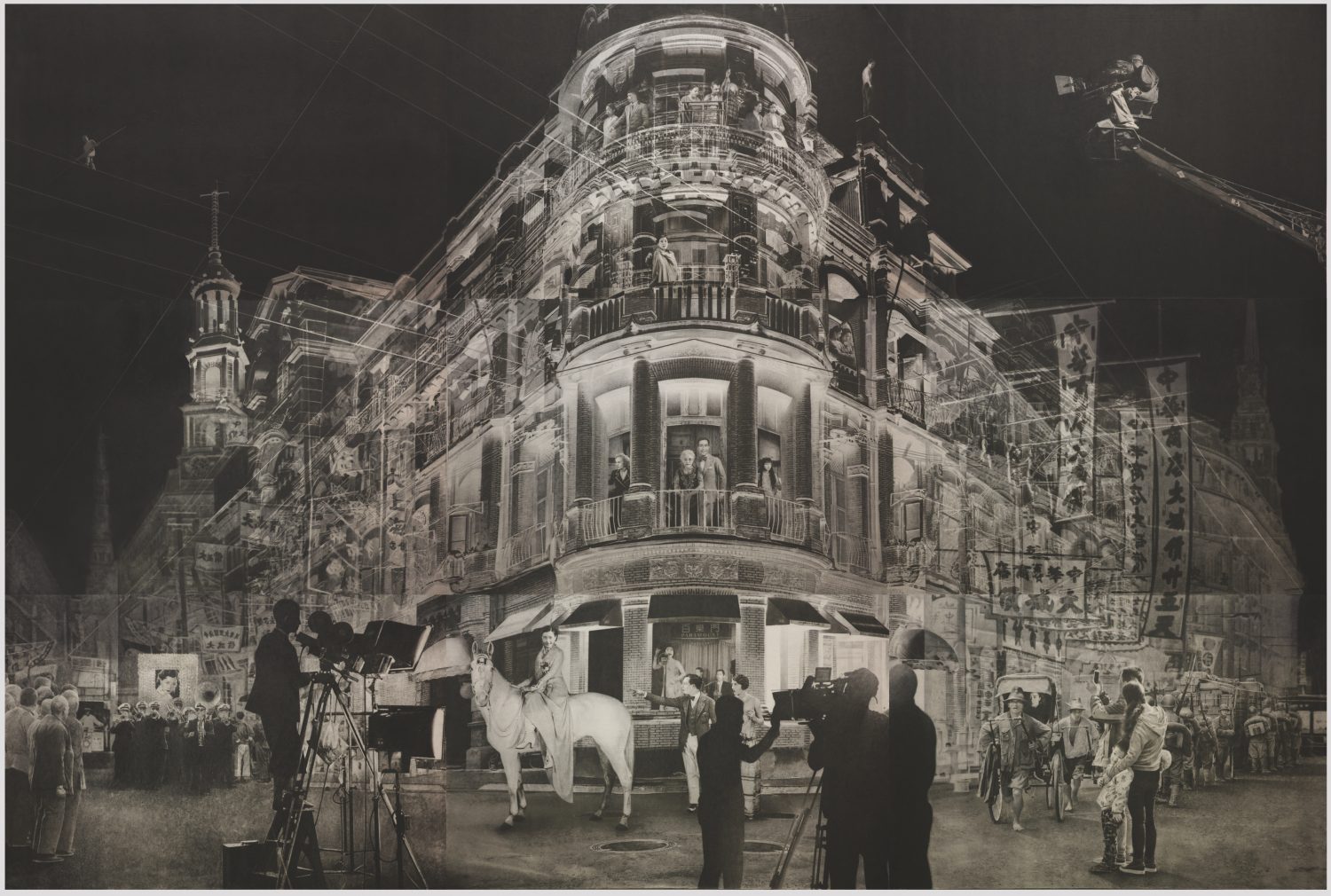
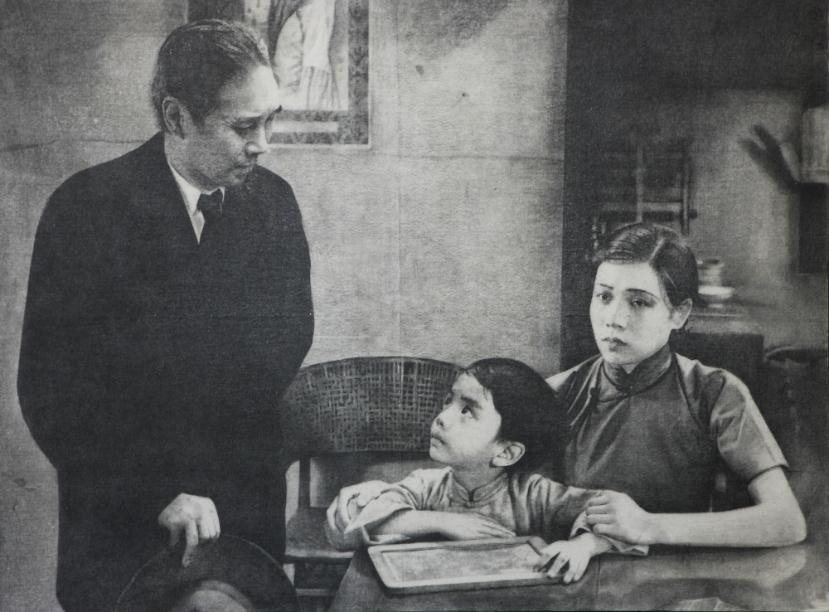
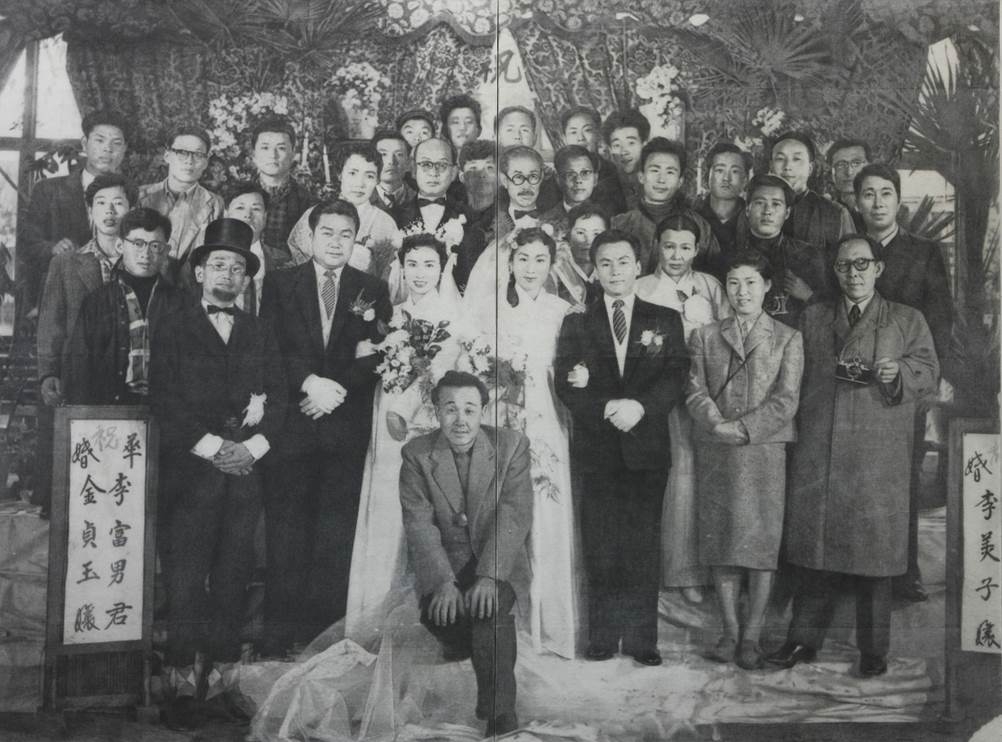
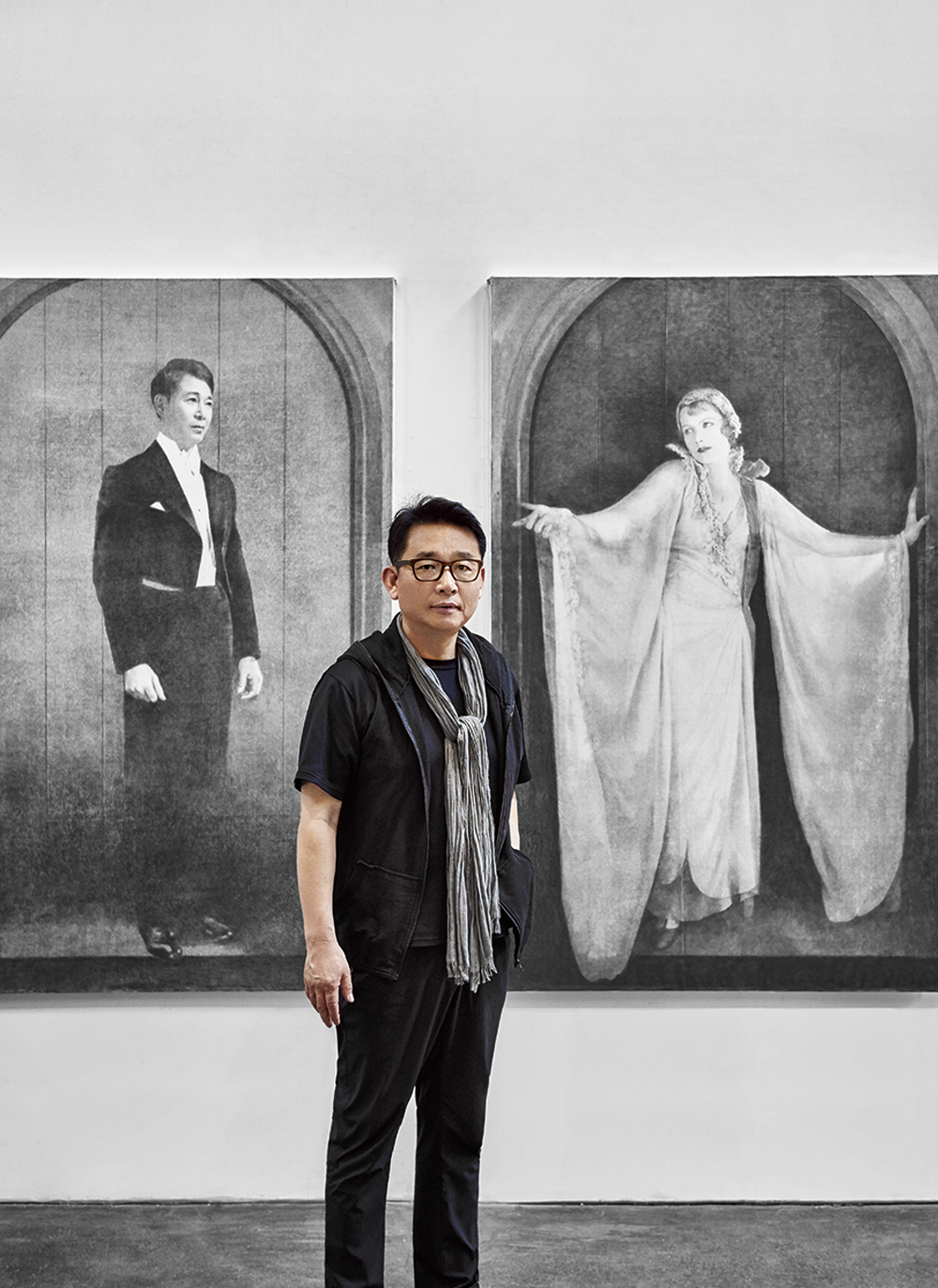
Cho Duck Hyun’s practice unfolds around an investigation of memory and history. The artist collects old black-and-white photographs and redraws them on canvas or jangji paper using pencil and charcoal, thereby recalling images of the past into the present visual field. Through this process, traces of vanished time are reconfigured within a contemporary context, functioning as a methodological framework for revisiting the past.
 
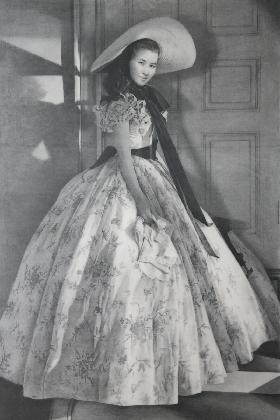
The figures that appear in his works are individuals connected to particular moments in modern and contemporary Korean history. From historical figures such as fashion designer Nora Noh and Lee Jeong-soon to members of the artist’s own family, Cho reveals layers of historical time through the lives of individuals. Rather than directly representing grand historical narratives, this approach foregrounds the structures of an era through personal memory and lived experience.
 
Photographic images serve as a crucial point of departure for this process. Photography records a moment that has already passed and simultaneously functions as a trace that testifies to absence. By reconstructing these images through the act of drawing, Cho transforms archival records of the past into visual events in the present. In this convergence of photographic index and the material gesture of drawing, memory appears not as a fixed fact but as an event continually reconstituted in the present.
 
Cho’s practice can therefore be understood as an exploration of the relationship between personal memory and historical time. In his works, the past does not appear as a closed or completed event but as a temporal field that continues to be reinterpreted from the perspective of the present, with memory functioning as a key medium through which historical experience is mediated.

Style & Contents

Cho Duck Hyun’s work begins with drawings that meticulously reproduce photographic images using pencil and charcoal. This method deliberately blurs the boundary between painting and photography, prompting viewers to reconsider the nature of the image itself. The surface of the work operates as a space where the documentary character of photography and the materiality of drawing coexist.
 
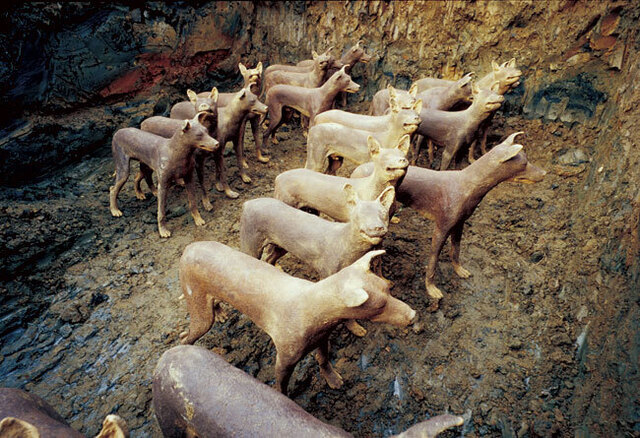
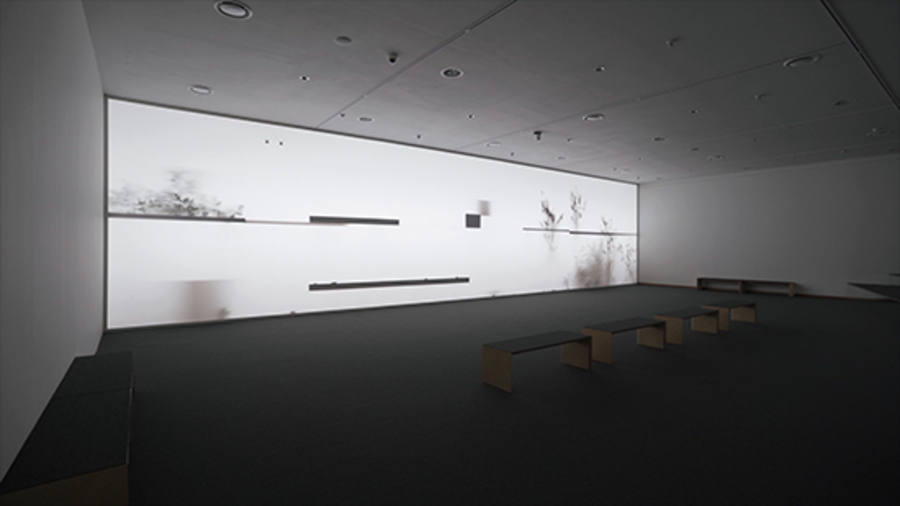
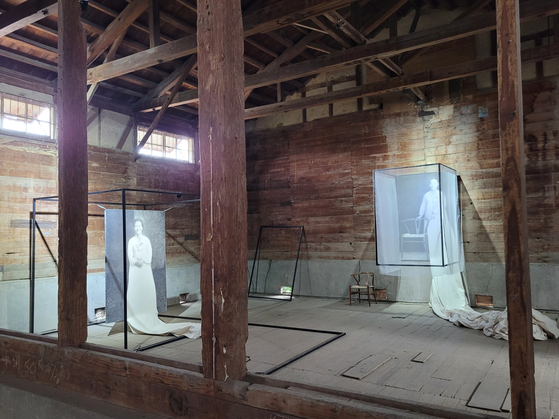
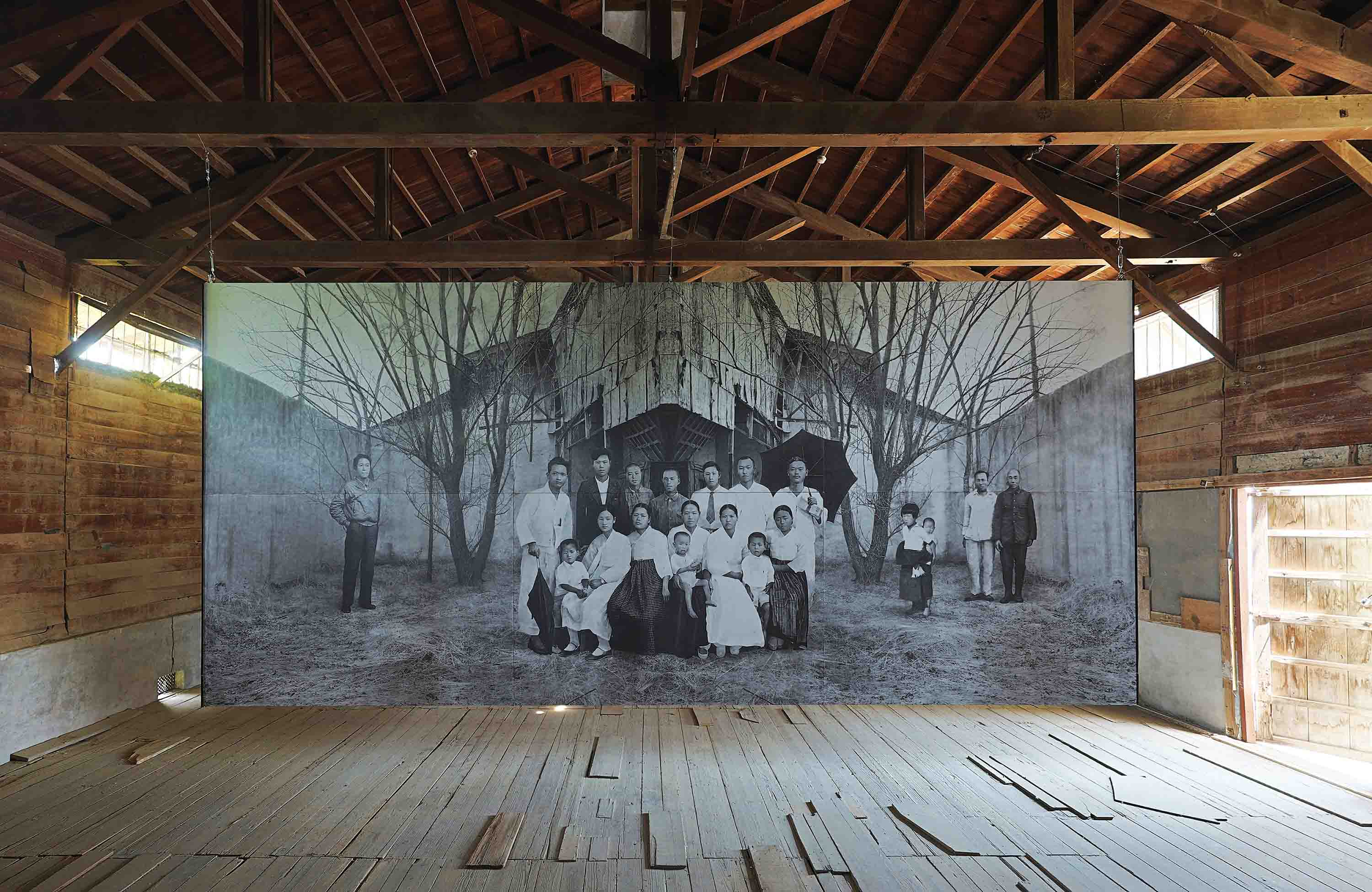
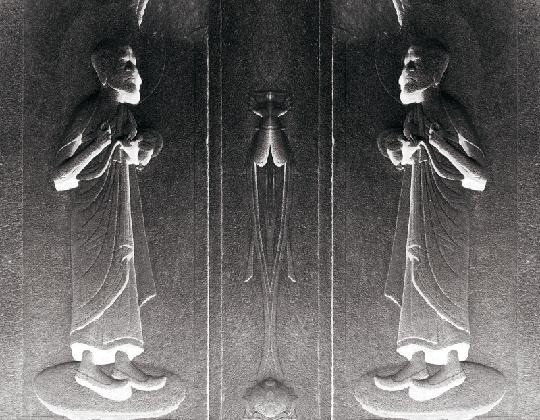
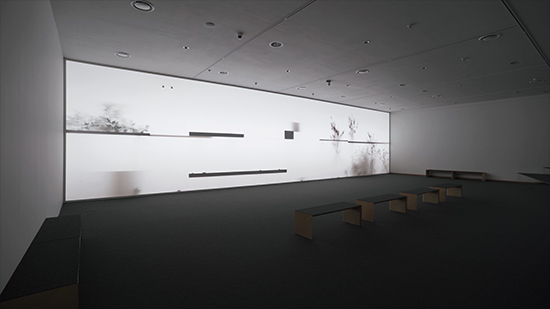
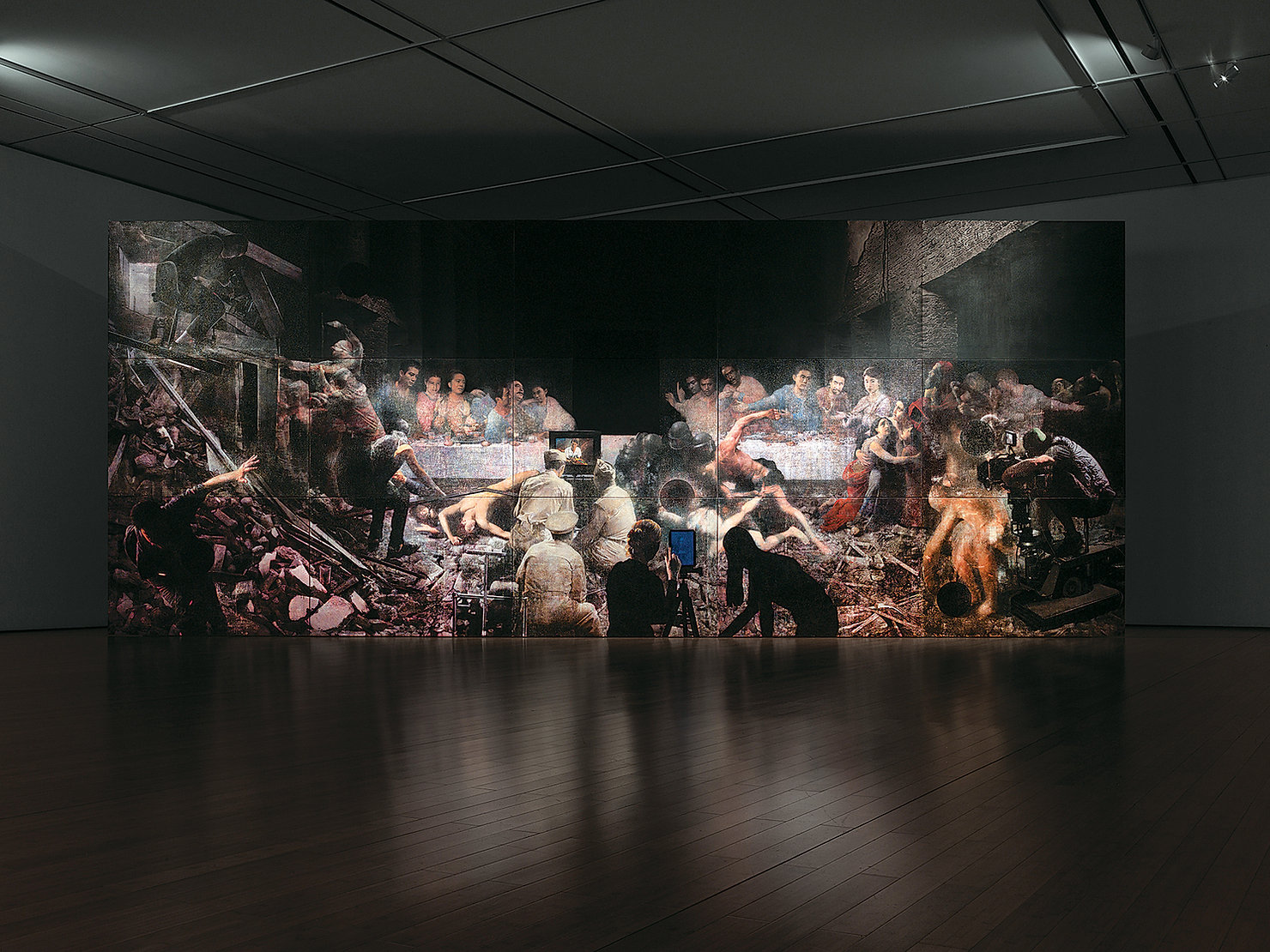
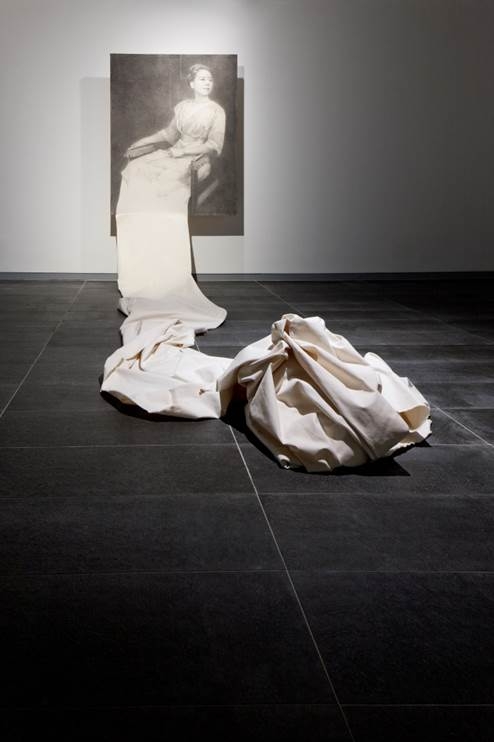
These drawings are frequently combined with installation elements. Cho constructs the exhibition space as a unified scene by integrating painting, objects, video, and sound. The exhibition environment is often carefully staged through lighting and spatial arrangement, allowing viewers to encounter images and narratives within a spatially immersive setting.
 
Through this process, the work extends beyond the flatness of the pictorial surface and develops into a spatial structure. Figures and objects depicted within the image are repositioned within the exhibition space, allowing viewers to encounter them within the same physical environment. Such arrangements transform the work into a narrative scene unfolding within space.
 
In Cho’s practice, form therefore functions not merely as a means of representation but as a structural element that generates meaning. The intersection of painting and installation, document and fiction, image and narrative constitutes a key formal strategy through which historical memory is visually reorganized in his work.

Topography & Continuity

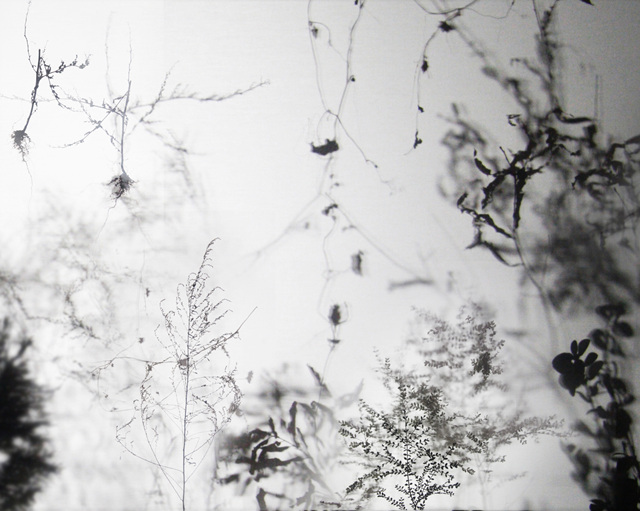
A recurring methodological feature in Cho Duck Hyun’s practice is the excavation of historical images and records and their reconstruction within new contexts. The artist collects old photographs and archival materials and uses them as the basis for constructing new images. This process resembles an archaeological approach that seeks to uncover traces of the past.
 
This method appears consistently throughout his oeuvre. From the early series ‘Memories of the Twentieth Century’ to his more recent large-scale group compositions, Cho has persistently explored ways of reconfiguring images of the past within contemporary contexts. Such continuity suggests that his work unfolds not as a sequence of stylistic phases but as a sustained, long-term inquiry.
 
Within his works, individual lives and historical events intersect to form a structure of collective memory. By foregrounding personal experience, the artist reveals the underlying structures of an era and presents historical time as a layered field composed of multiple lived experiences.
 
Ultimately, Cho Duck Hyun’s practice may be understood as a long-term project that explores the structure of memory. Through archival images and historical traces, he reconstructs vanished time as a present visual experience while continuing to investigate the relationship between individual lives and historical history.

Works of Art

Articles

Exhibitions

Activities