Ok
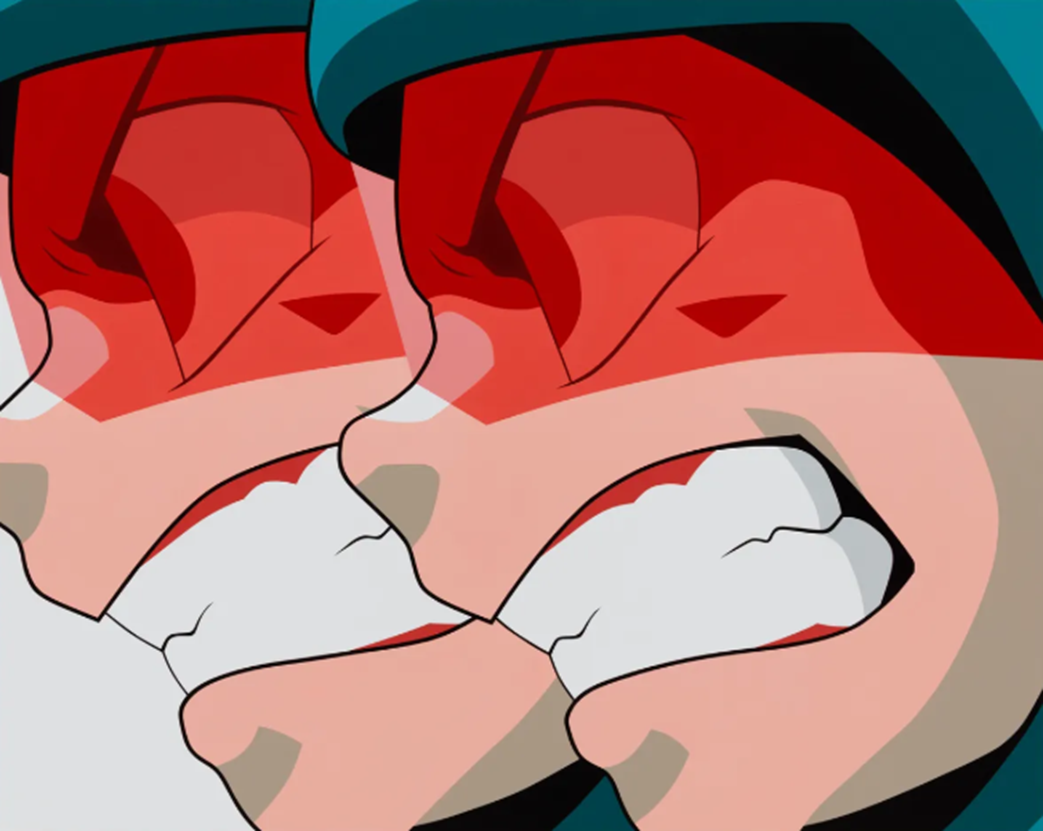
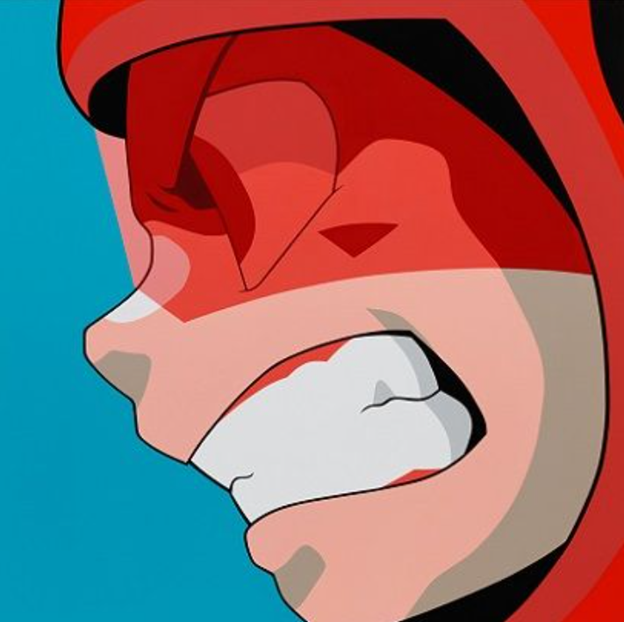
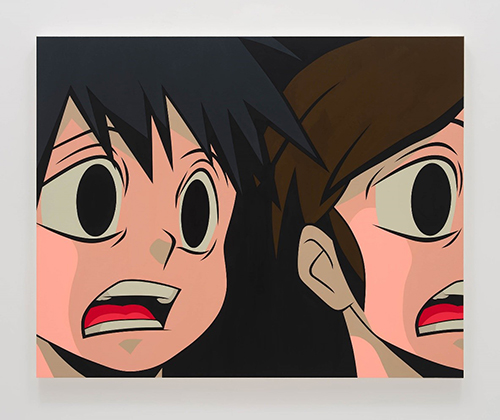
Seungcheol's painting work begins not on a canvas or sketchbook, but on a
computer monitor. First, he takes screenshots of close-up scenes of characters
in cartoons and animations, and then on the Adobe Illustrator software program,
creates a new face by combining selected features from the faces in the
captured images. The digital vector image thus created is projected onto a
canvas so he can trace; then finally with a paint brush, he reproduces the jpeg
image onto the canvas as precisely as possible.
When he paints, he applies
layers of acrylic paint several times to make vivid animationesque colors, and
in ways to minimize the traces of his brushstrokes, thus emulating the effect
of a printed poster. While many artists associated with “pop art” have borrowed
images from cartoons (e.g. Roy Lichtenstein) or have created new cartoonish
characters (e.g. Takashi Murakami), Ok has developed his own unique method and
style of using cartoon/animation for his creative work: he creates and depicts
unnamed characters which are pastiches of existing cartoon/animation characters
that he has deconstructed and examined closely.
Ok's unique
method of work—which straddles boundaries between painting and digital
manipulation, art and pop culture, and appropriation and variation—has been the
focus of the writings and interviews discussing his work. It is indeed an
important, and theoretically interesting part in his art. The titles of his
solo exhibitions so far, 《un original》 (2018) and 《JPEG SUPPLY》 (2020), also emphasized that particular aspect, with the curatorial
essays concentrating on issues of postmodernism and post-internet digital
culture. In this essay which will accompany the artist’s forthcoming third solo
exhibition, I want to draw attention to what have remained underexplored: the
form and content of Ok’s work. My analysis will approach them through three
concepts: close-up, icon, and 《相》, which is the title
of this exhibition.
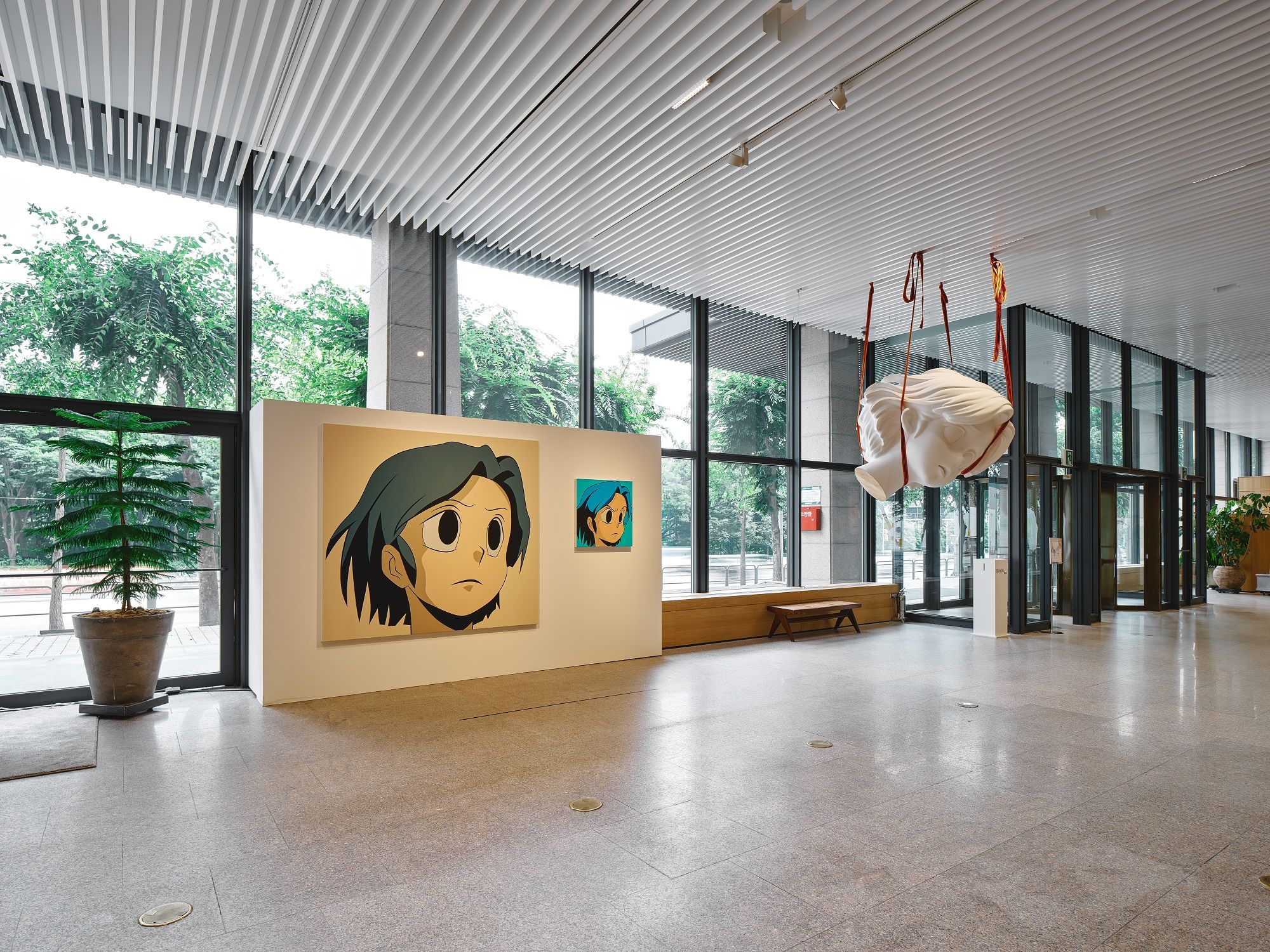
Meticulously
designed and systematically produced, Ok’s works have compositions that
immediately appeal to and leave a deep impression on the viewer. A key in such
powerful compositions, characterized by refined intensity, is the use of
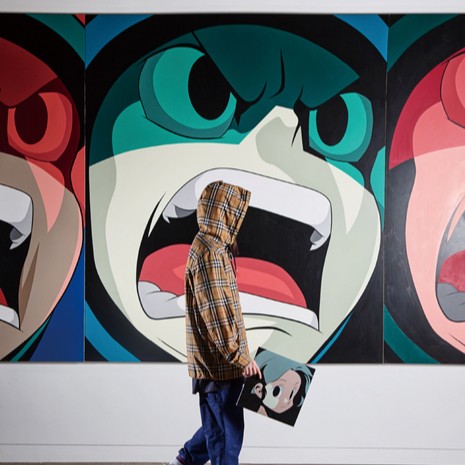
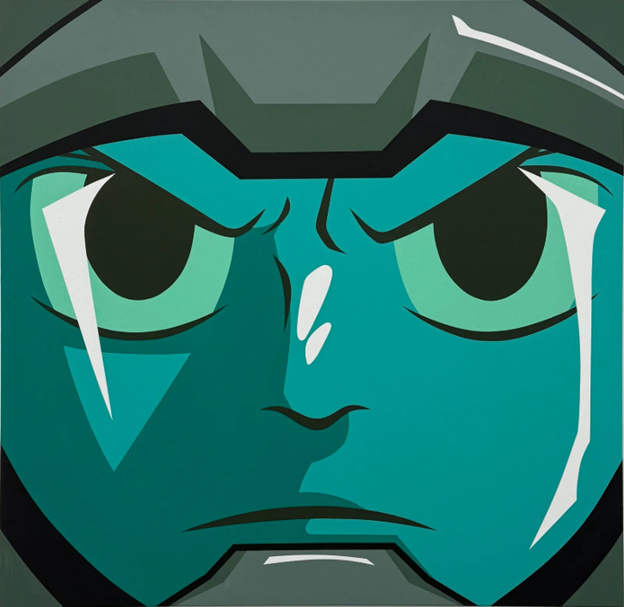
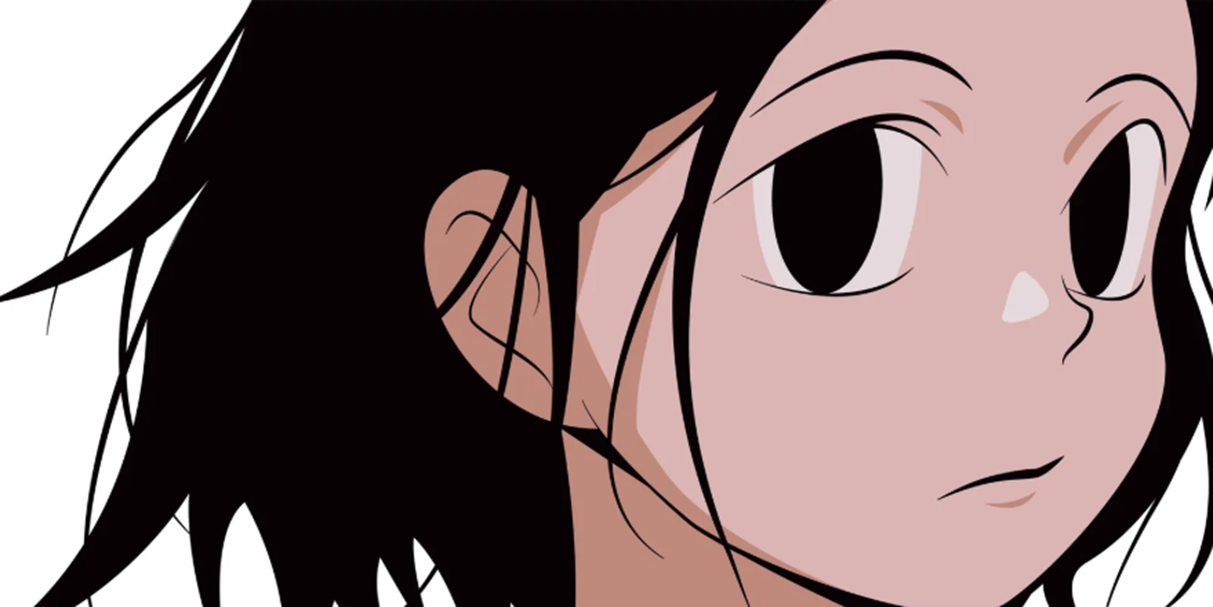
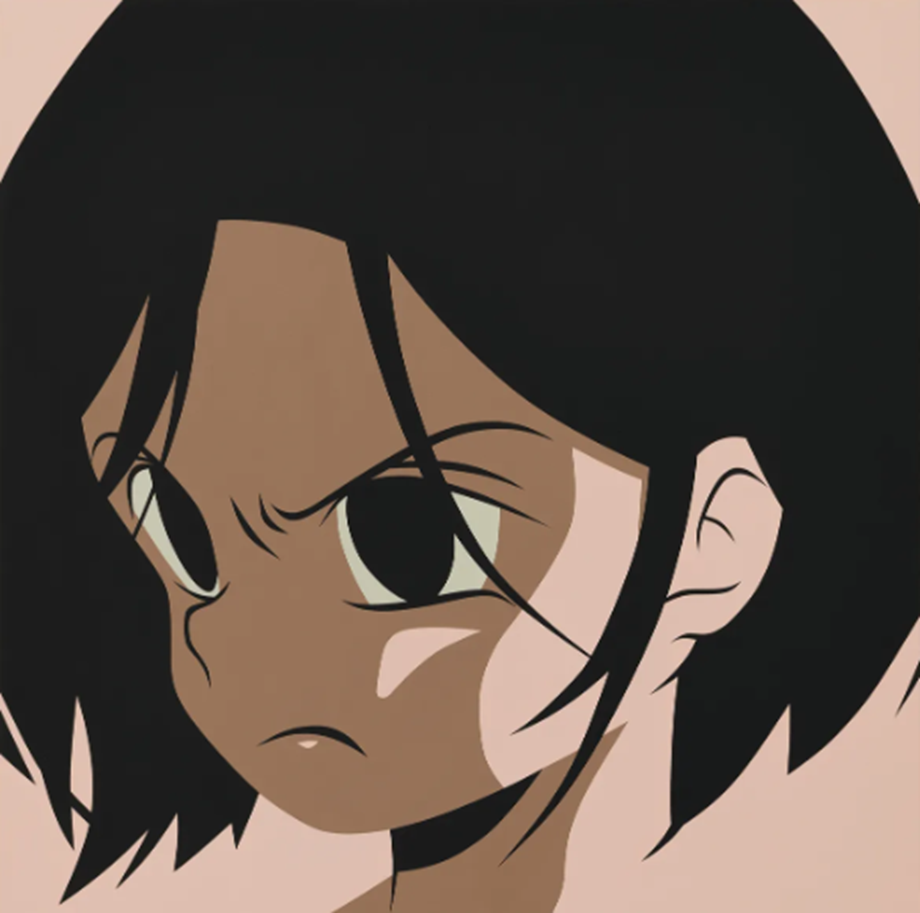
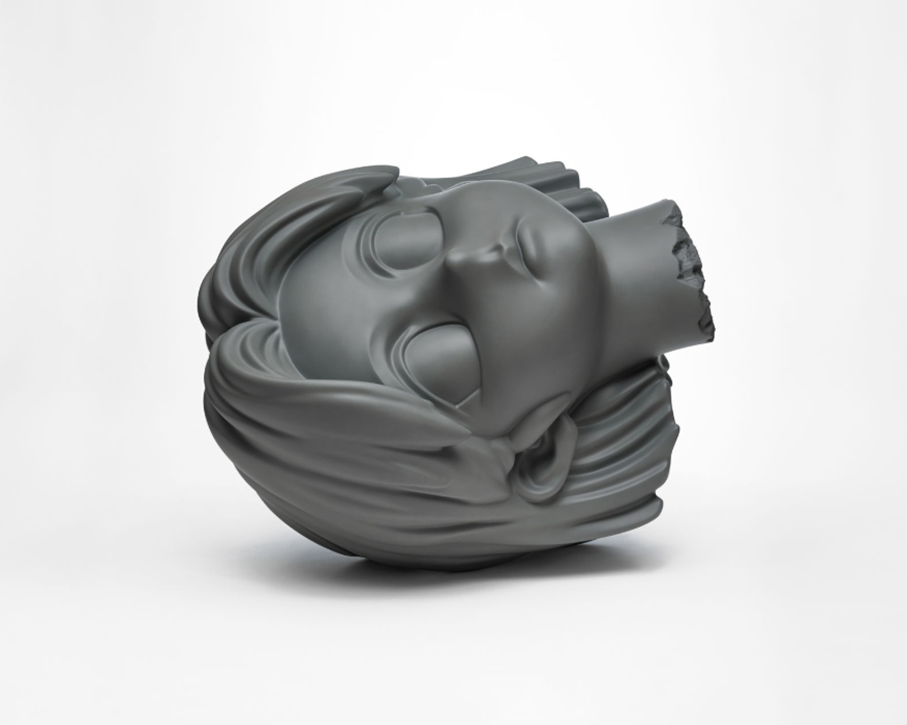
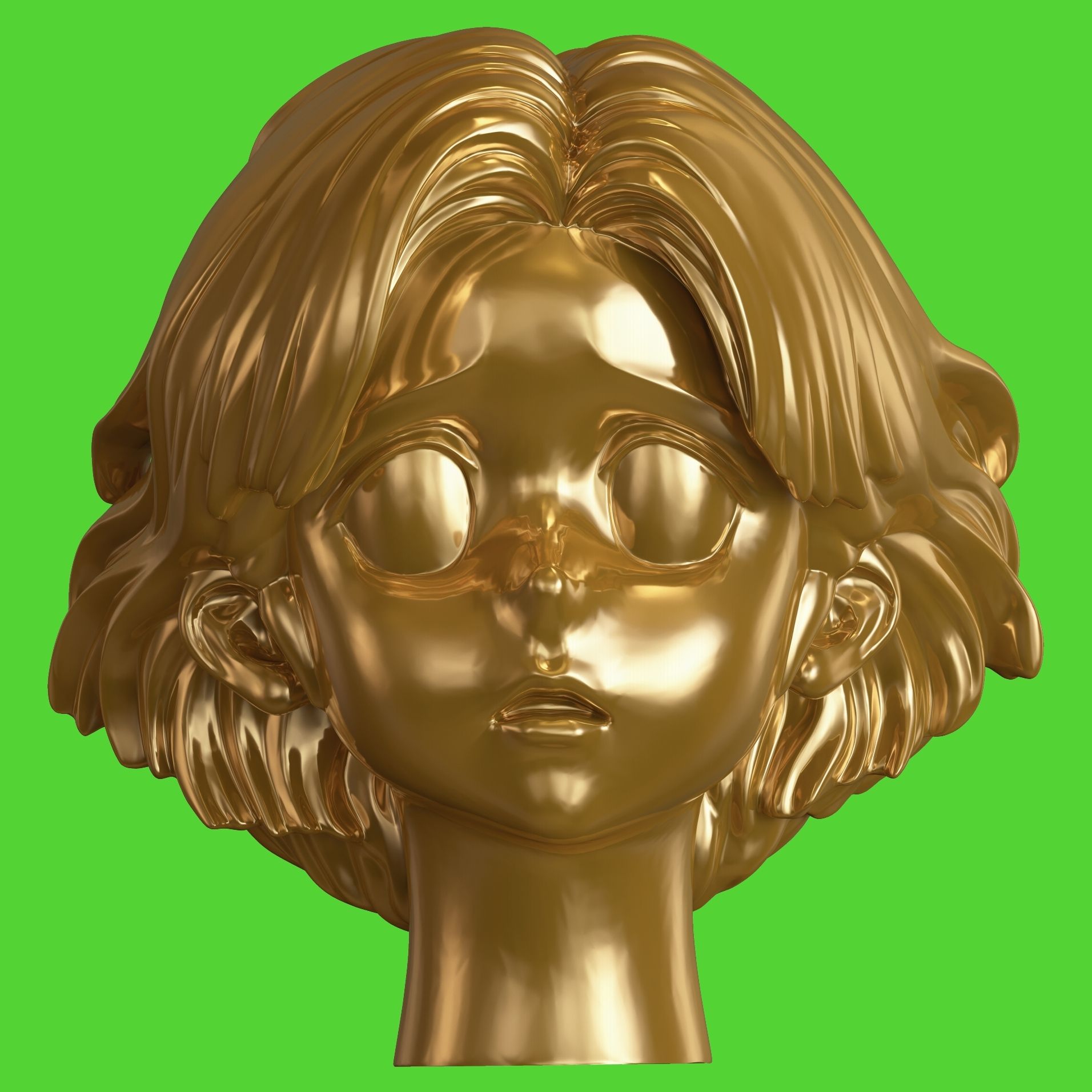
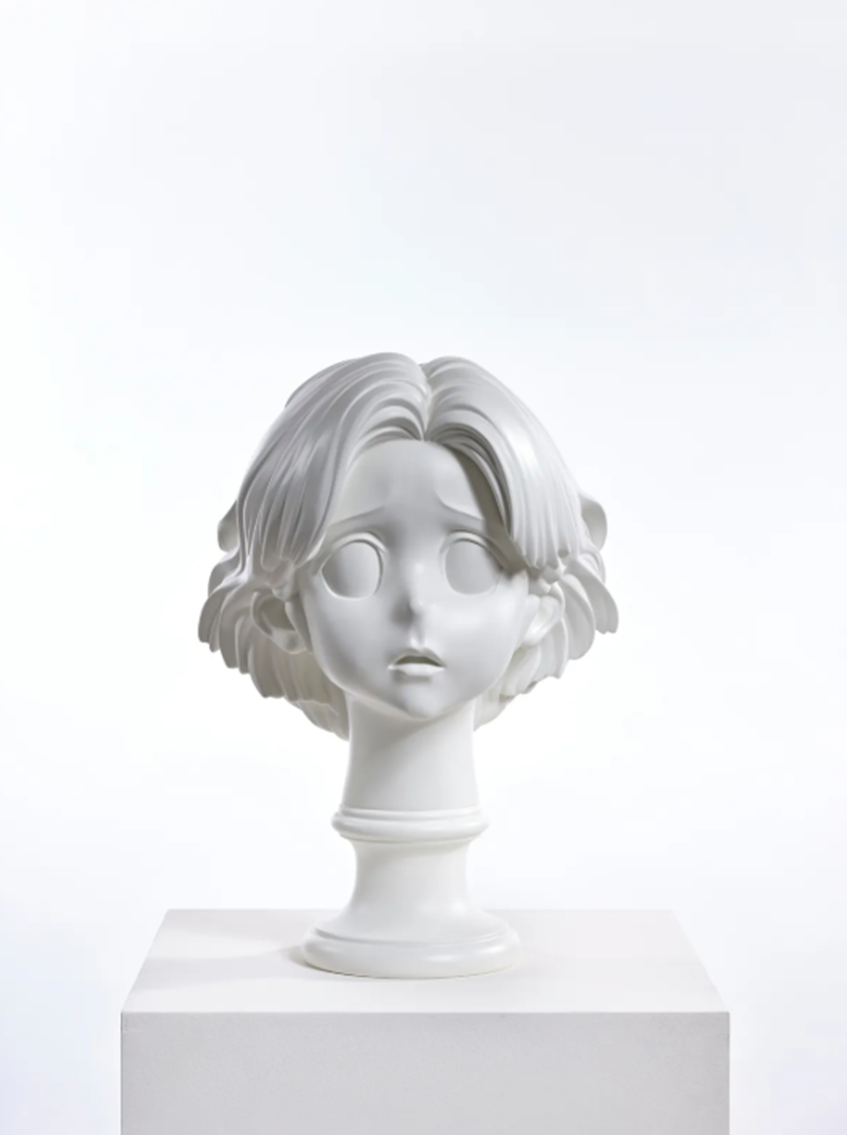
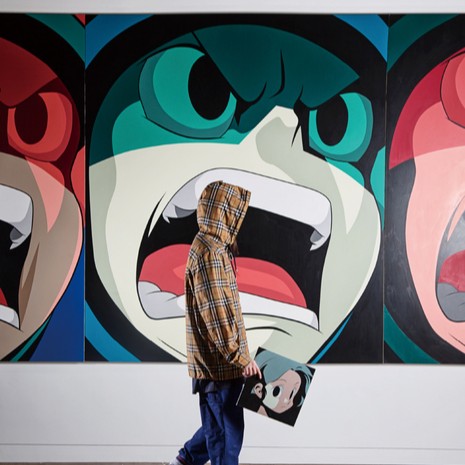
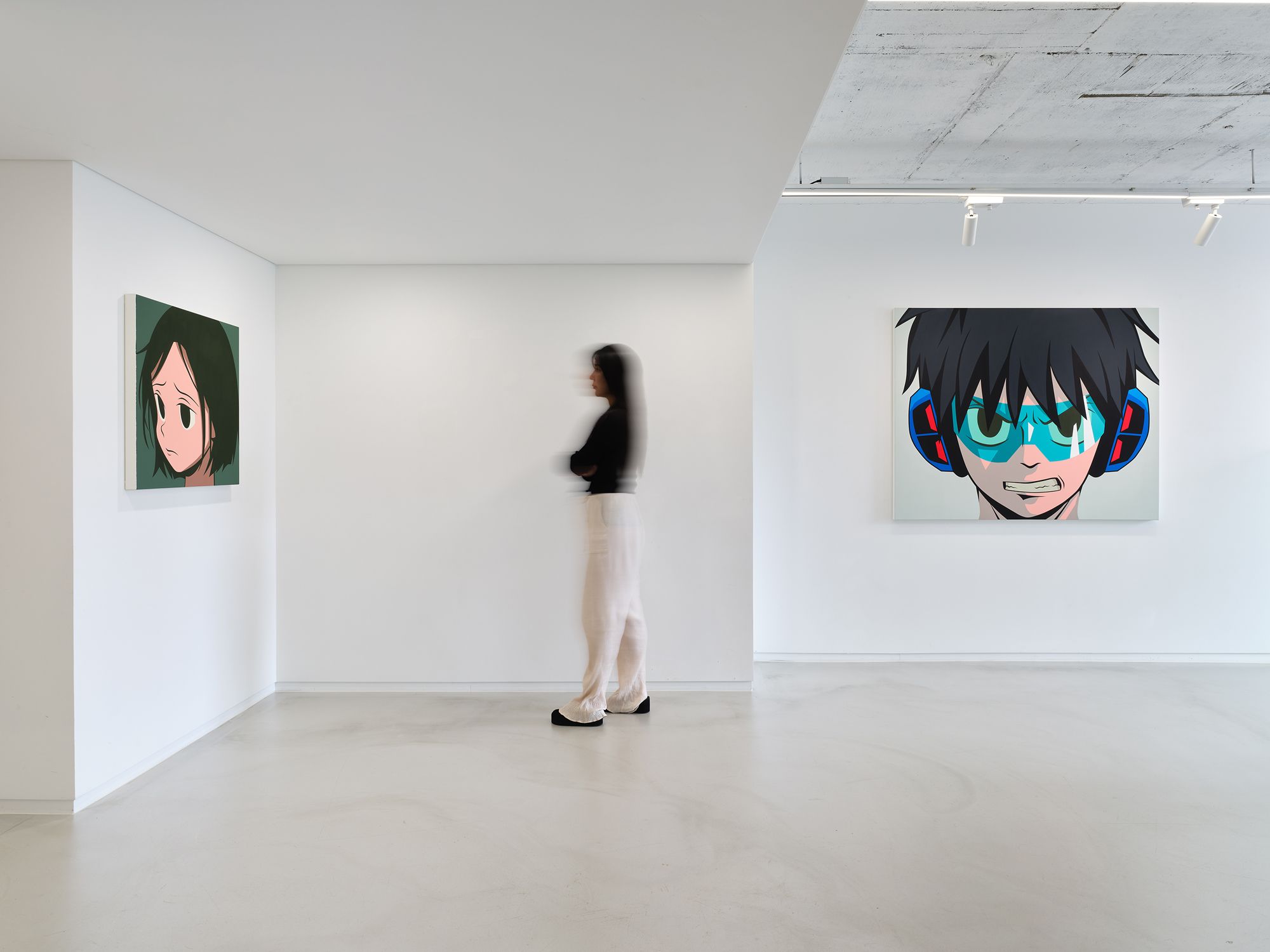
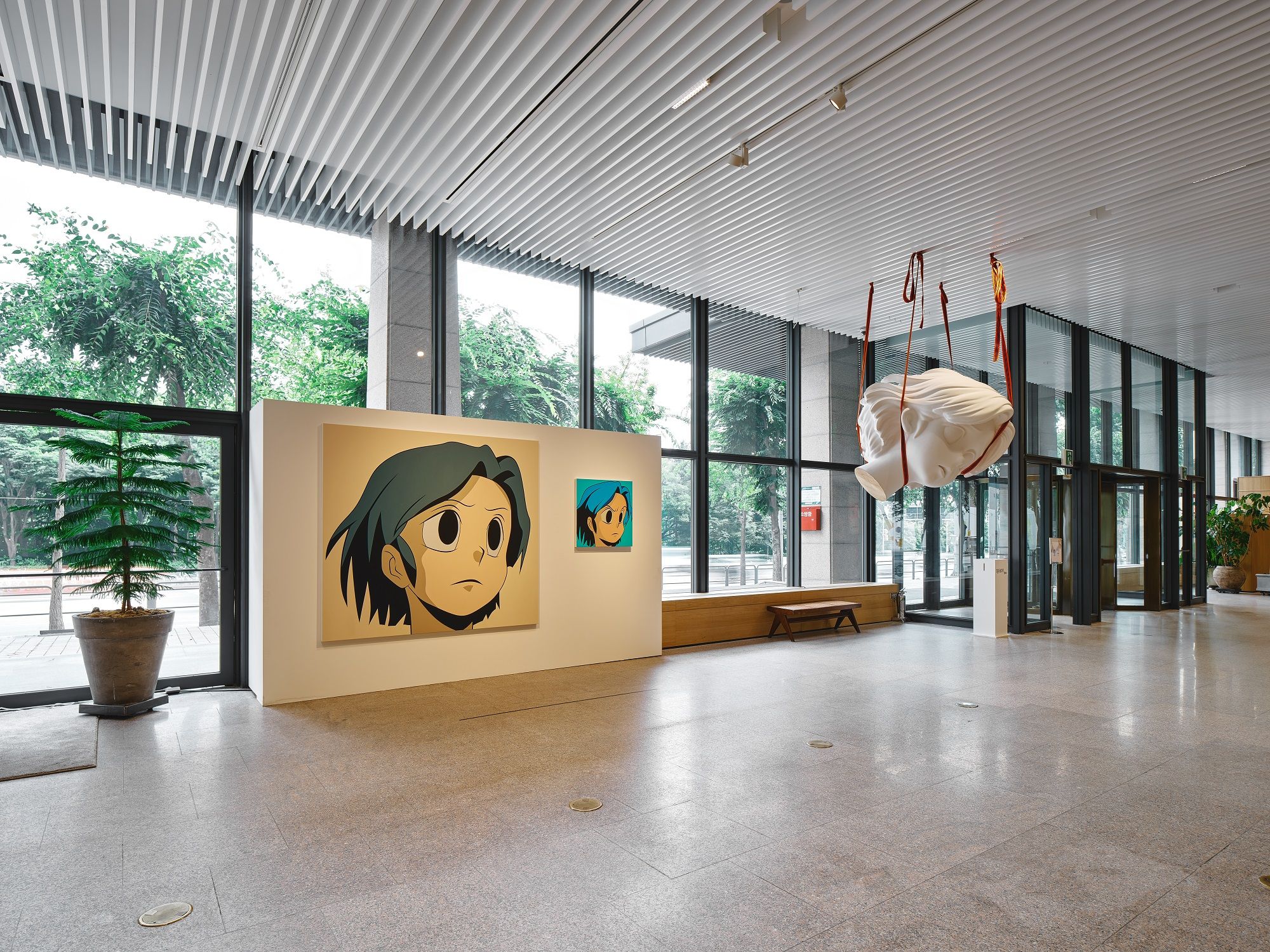
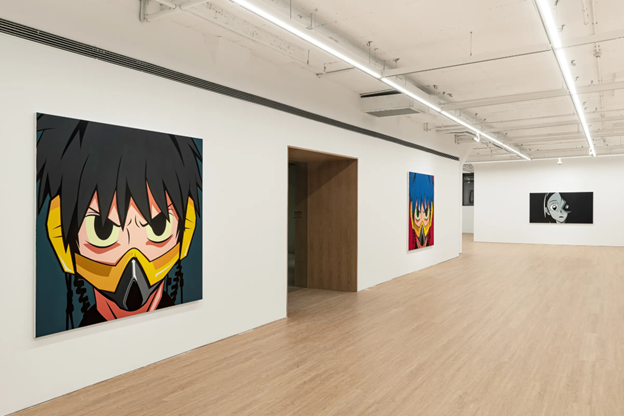
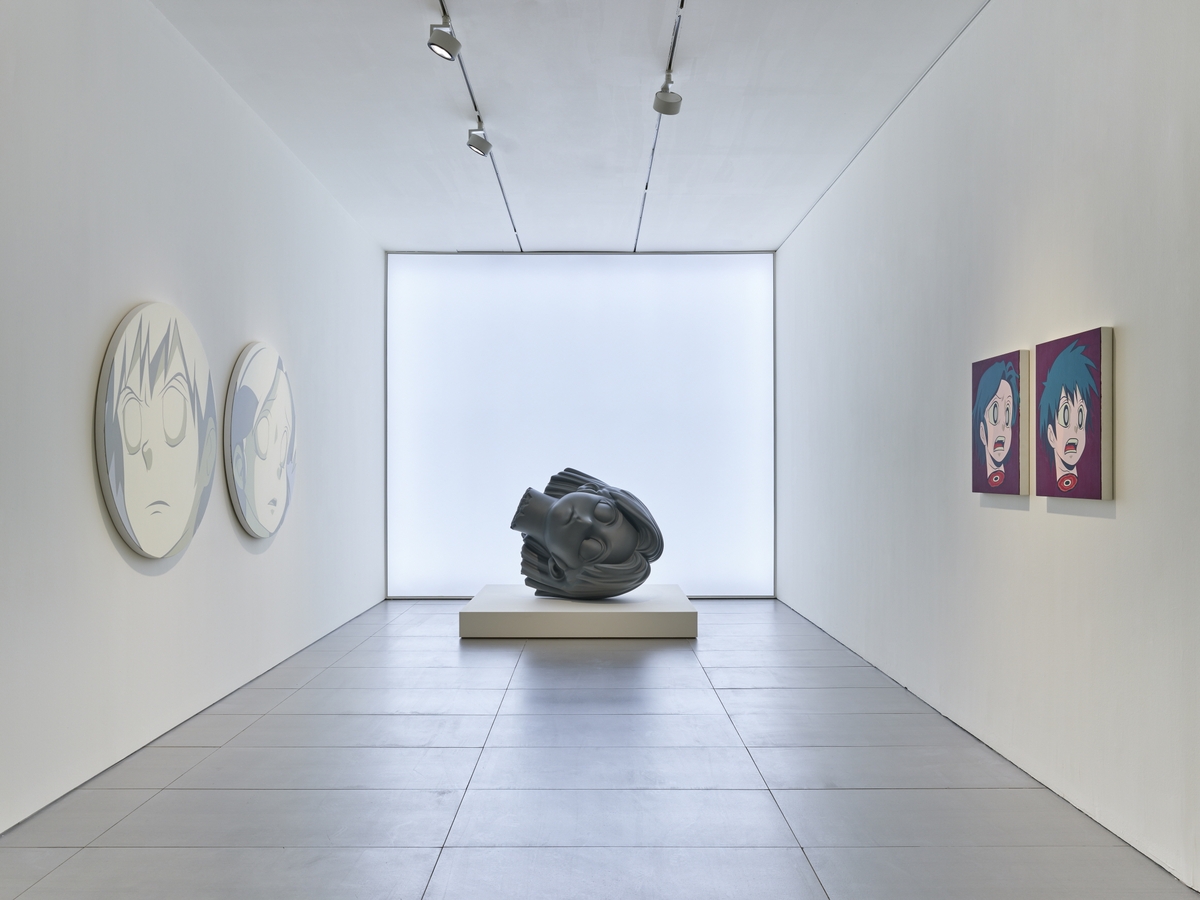
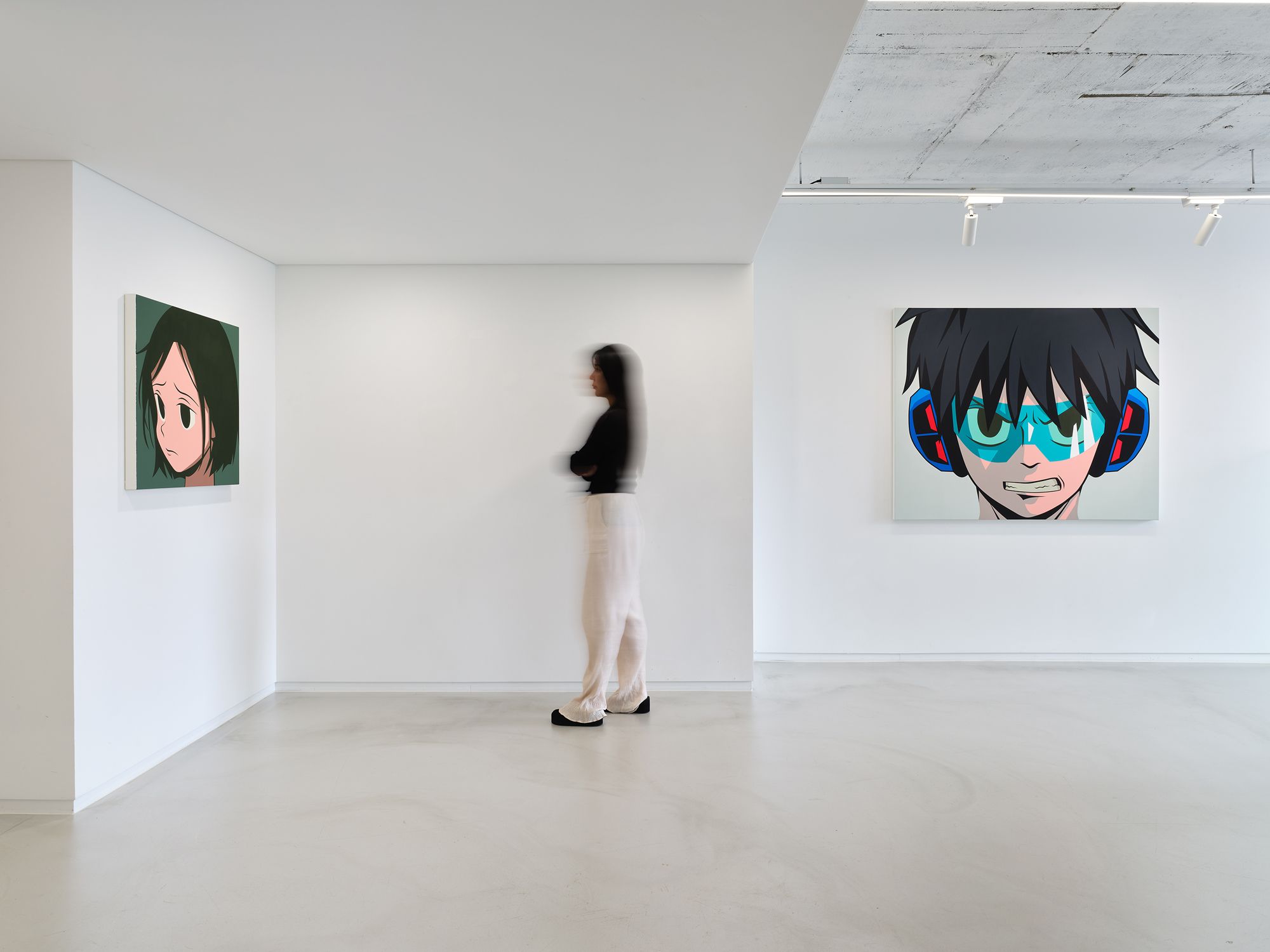
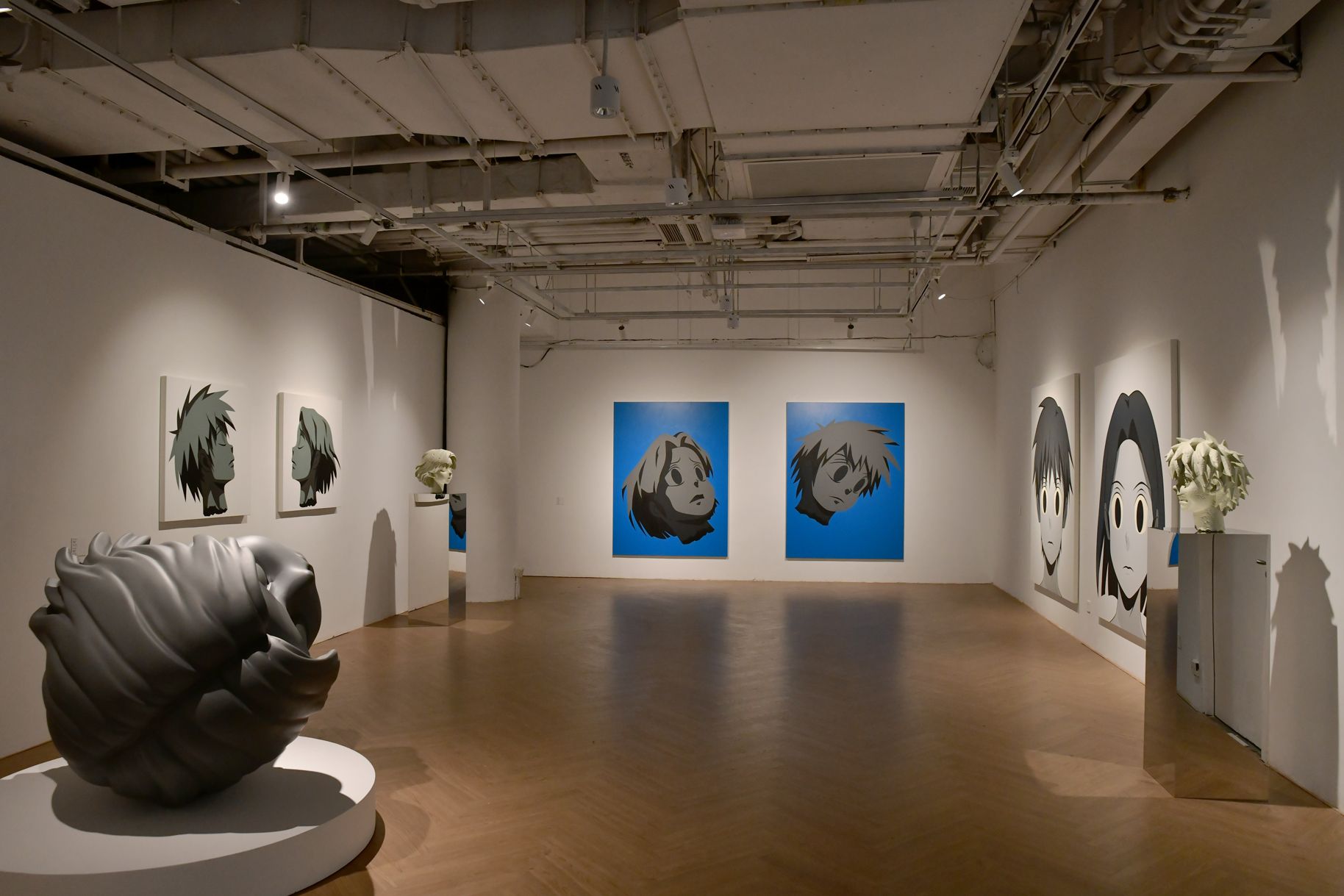
close-up. Ok focuses on faces only, often depicting a compelling face set up
against a minimal backdrop. In some cases, he fills his composition entirely
with a face or depicts a head cut off from the neck floating in motion.
Ok, who
was once a filmmaking student, explains that close-up for him is “a device to
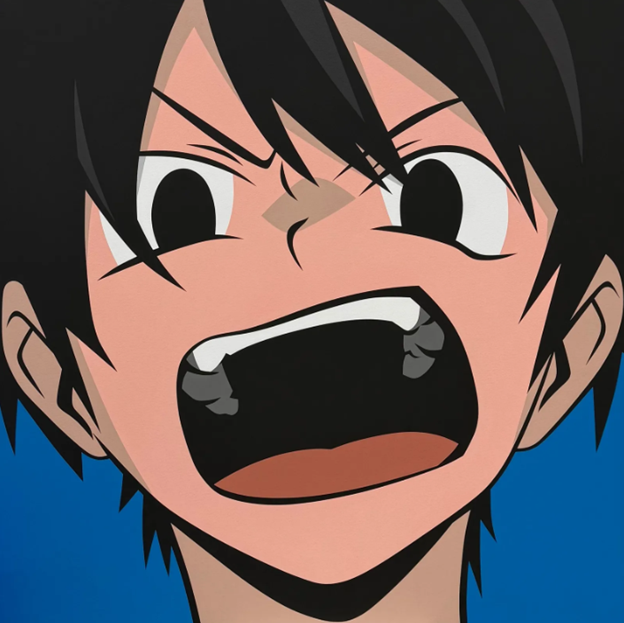
make things look unfamiliar and strange.” The faces in Ok’s works are either
expressionless or have dramatic expressions, just like typical cartoon or
animation characters. But unlike popular cartoonish characters, which are
designed to evoke friendliness and affection, Ok uses close-ups to emphasize
the formal qualities and artificiality of his characters. It is for the same
reason that he gives neither names nor narratives to his characters.
The title of
the upcoming exhibition, 《相》 (pronounced xiāng), was decided upon the artist’s
suggestion. There are several Chinese characters that are used to refer to
“image” or the related meanings; to name a few, 像 (image, appearance, resemblance), 狀 (state,
condition, -shaped), and 象 (elephant, shape, form).
Among them, 相 is the most eccentric, with nearly 20
meanings listed in the dictionary. While Ok usually avoids having interviews or
giving detailed explanations about his work, 相 can
speak a lot about his work, although it may seem like a rare choice. Most obviously,
相 is the character used in words related to face, as in
面相 (facial look) and 觀相
(physiognomy) for example.
The combination of 木 (tree)
and 目 (eye), the character 相’s
primary meaning, “each other,” is said to be related to the image of a tree and
an eye facing each other. However, its original meaning is said to be “to
observe” or “to appraise” and the like, probably derived from the act of
choosing the right timber from the woods. Furthermore, 相 also means “to pray” and “to exorcize,” which can be traced to the
folk or shamanistic rituals of praying in front of a tree. In brief, all of
these different meanings of 相 similarly point to some
kinds of special relationship formed between a human and a tree/thing. This
image of 相 also evokes an image of Ok concentrated on
drawing faces, and an image of us the viewers looking closely at the faces
depicted in close-up.
It is the
world of images, created between humans and things, that Ok is fascinated with
and is exploring through his work. In this mysterious and complex world of
images, he pays special attention to the uncanny power and charm that
artificially made faces give off. When a tree meets a human eye, the ordinary
tree may develop a special meaning to the beholder. Whether such specialness is
endowed by nature or the human, in any case it is the same phenomenon that led
to the creation of icons (images of holy figures used in religious devotion) in
the first place, and then to the rise of iconoclasm (the belief in the
destruction of sacred images) when icons seemed to have become idols.
Nowadays,
the word “icon” is more often used to refer to a famous person or thing widely
admired for having influence or significance in a particular sphere of culture
or society. Whether it is a holy figure, a man of power or a celebrity, the
most important part in an icon is the face. In any portraiture, the face is the
natural focal point and “the face” of the protagonist, both literally and
metaphorically. Faces are so symbolic that vandals in both eastern and western
cultures often cut only the head off of a statue instead of destroying the
entire figure. Faces represent some sort of humanness; that is why people add
facial features to images of animals or objects when we want to personify them,
and why we identify with robots having faces more easily than with those
without.
Ok’s
Instagram is full of photos of faces. They are mostly images of his works, but
also many head shots of Buddha statues stand out. In his studio, too, Buddha
statues are placed alongside his sculptural heads. Ok is not a Buddhist, but he
has a deep knowledge of Buddhist art and a special passion and taste for Buddha
statues, often travelling around temples and auction sites to study and collect
them. He says that he is attracted to Buddha statues because “they all look
similar at first glance, but actually each shows the particular style of the
era during which it was produced.” Notably, there is a commonality between
Buddha statues and cartoon/animation faces: neither of them is portraiture by
definition, but they both have a widely recognized form that has been
maintained while undergoing changes.
Ok is
interested in tracing the affinities and differences between the individual
works that comprise a particular style in visual arts. In his own work as well,
he draws visual references from diverse sources and integrates them into an
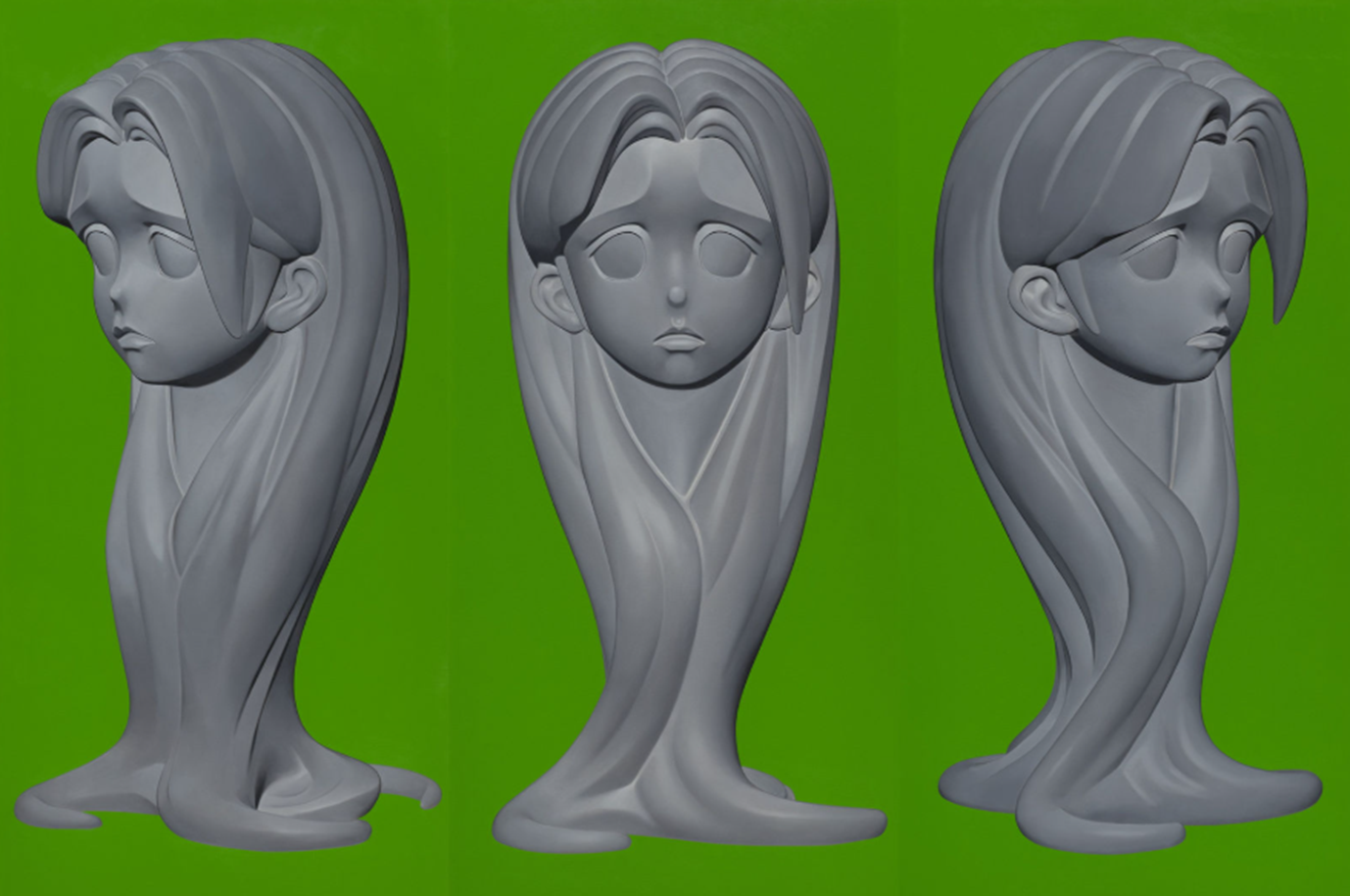
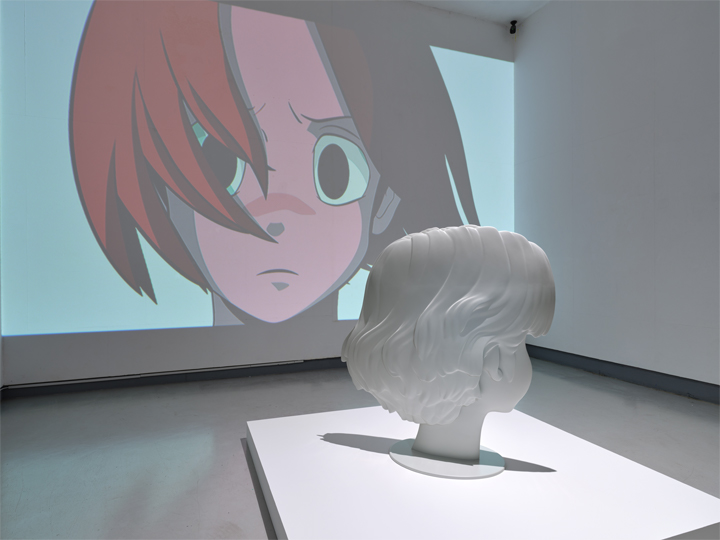
imagery or a composition. For example, in his painting titled Plaster Statue (2020), the
distinctive angle of the female head’s tilt was taken from that of the famous
statue of Giuliano de' Medici (in South Korea, known as “the Giuliano plaster
statue,” the head is a famous study model often used for practicing figure
drawing among students preparing for art college entrance exams).
The viewers
who cold approach this painting will only ‘feel’ that there’s something
familiar with the figure’s posture; when they hear “the Giuliano plaster
statue,” they cry out “Eureka!” So exquisitely Ok selects and applies reference
images. Ok is distinguished from many other visual artists of his generation
who appropriate images of subculture to facilitate their appeals to the viewers.
He is an aesthetic researcher whose artwork is based on his sensitive
perception of images—how they are created, flow, and operate. And he does it
with his own philosophy and strategy. With his career on the rise, Ok is a
young yet promising artist.
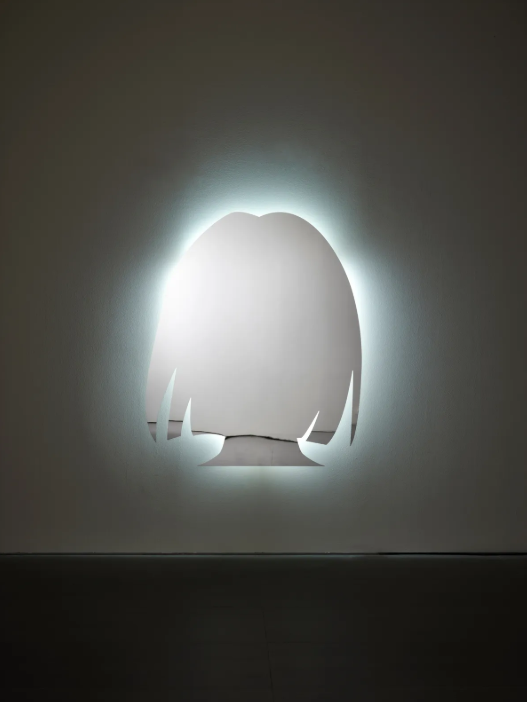
Over the past
few years, Ok has steadily created unnamed faces and heads in various sizes and
mediums, and they have been rapidly reaching the status of icon, admired and
sought after by many art lovers. The exhibition 《相》 will present 14 recent and new works, many of which will be
installed above the human eye level, mimicking the way propaganda portraits are
exhibited, so that the audience will have to look them up. Marking the largest
solo presentation of Ok’s work to date, “相” hopes to
convey the wide spectrum of his vision and experimentation.
© 2021 SooJin Lee