Contemporary images increasingly distance themselves from reality.
In the realm of online virtual reality that updates itself every second,
reproductions undergo recurrent duplication, causing them to become obsolete,
unfamiliar and swiftly fade into obscurity. Within this realm, they leave only
vague impressions upon the minds of the living. Occasionally, the images are
reborn within the present context, detached from their initial origins. Edited,
refined, and recomposed to align with the preference of the observer, the
duplicate transforms into an entity with its own distinct existence.
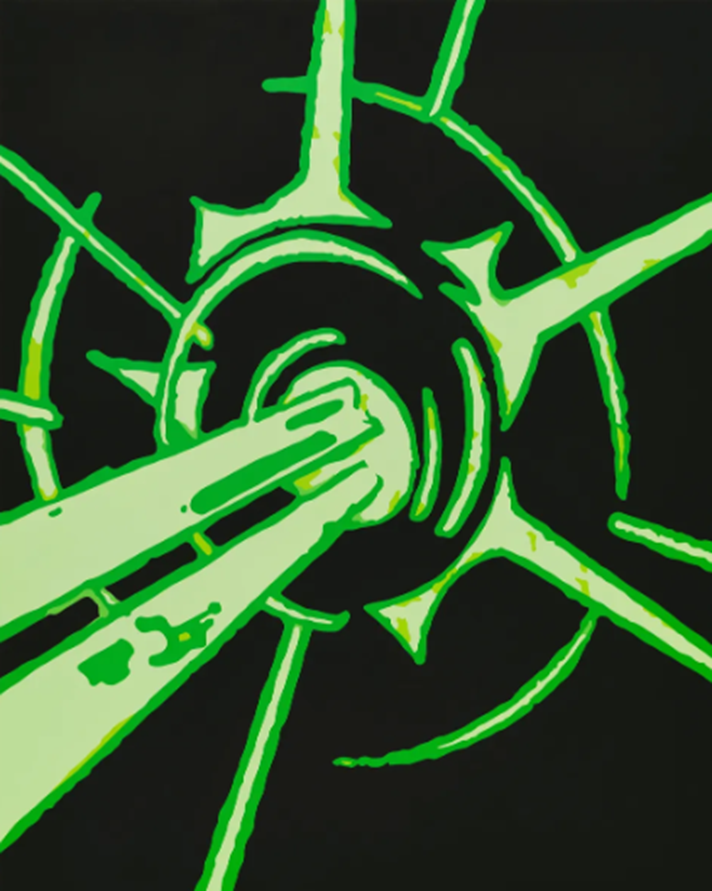
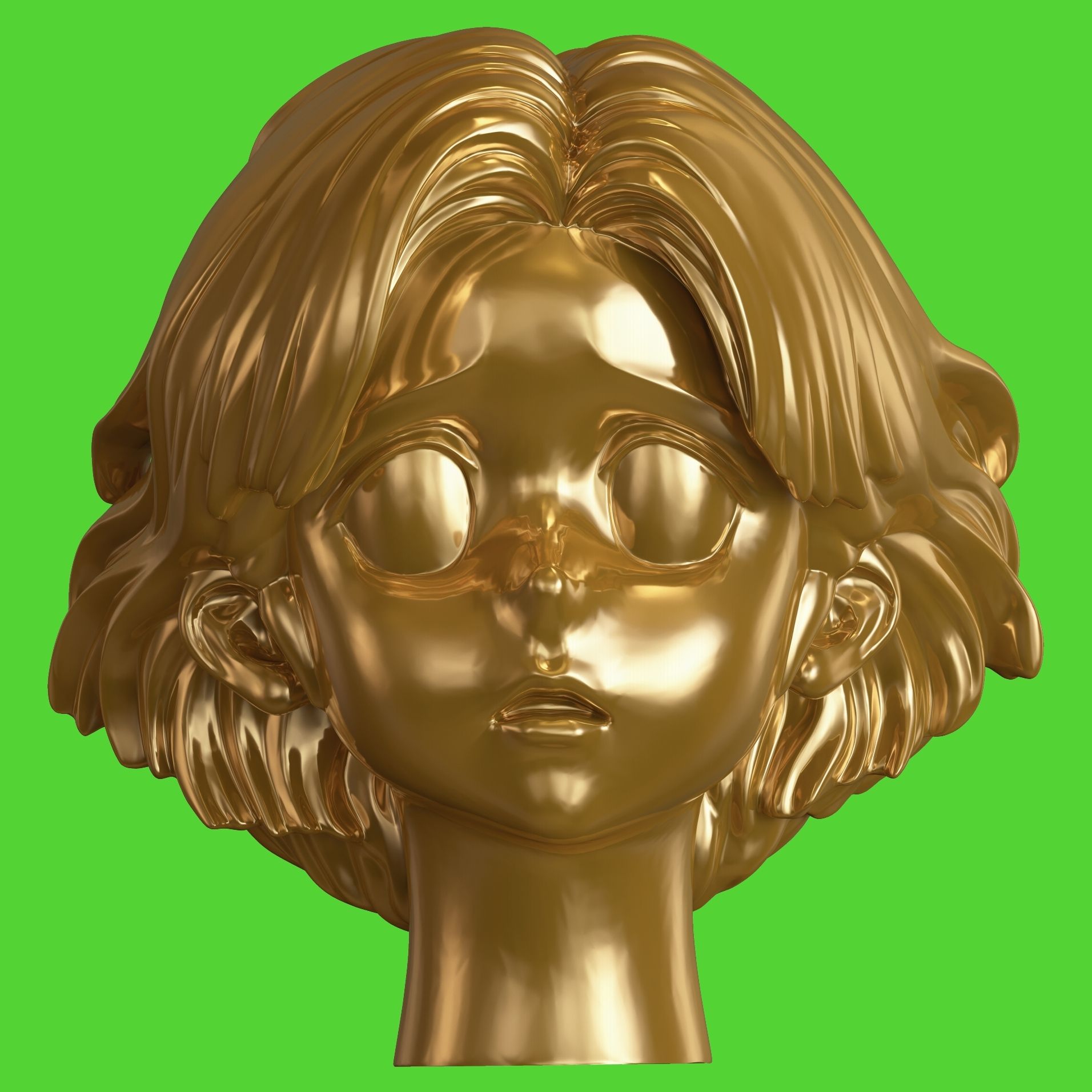
The title of this exhibition, 《Trophy》, borrows from a series of works
bearing the same name. I envision a screenshot capturing a moment of an image
floating online; scenes like polished mementos, prompting a reflection on the
contemporary customs of unhindered image manipulation and refinement, as well
as the uniqueness of all the images created by such gestures and the
innumerably different originals. Ok Seungcheol follows the question on the
images' identity in the contemporary media environment. In essence, it is a
question about the originality of reproduced images.
Images passing through
online virtual reality are reborn with the principles of replication and
transformation; they speak the language of distortion and editing and are
distributed through new channels. The artist collects various images both
online and offline. The collected materials are then distorted and processed,
reassembled into new scenes, and then transferred onto the canvas.1 In the
process of his artistic practice, each image builds an identity different from
that of the original. As we move away from the original form, the possibilities
of its significance expands with the artist's continuous subjective
interventions throughout his creative journey.
1.
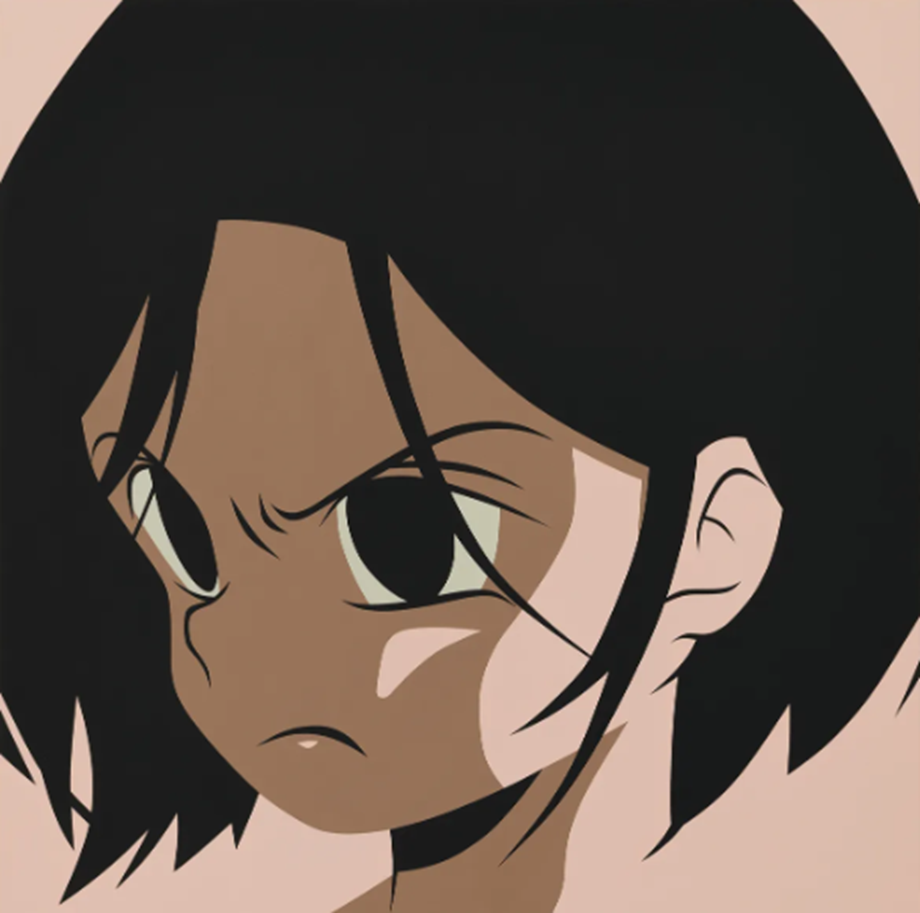
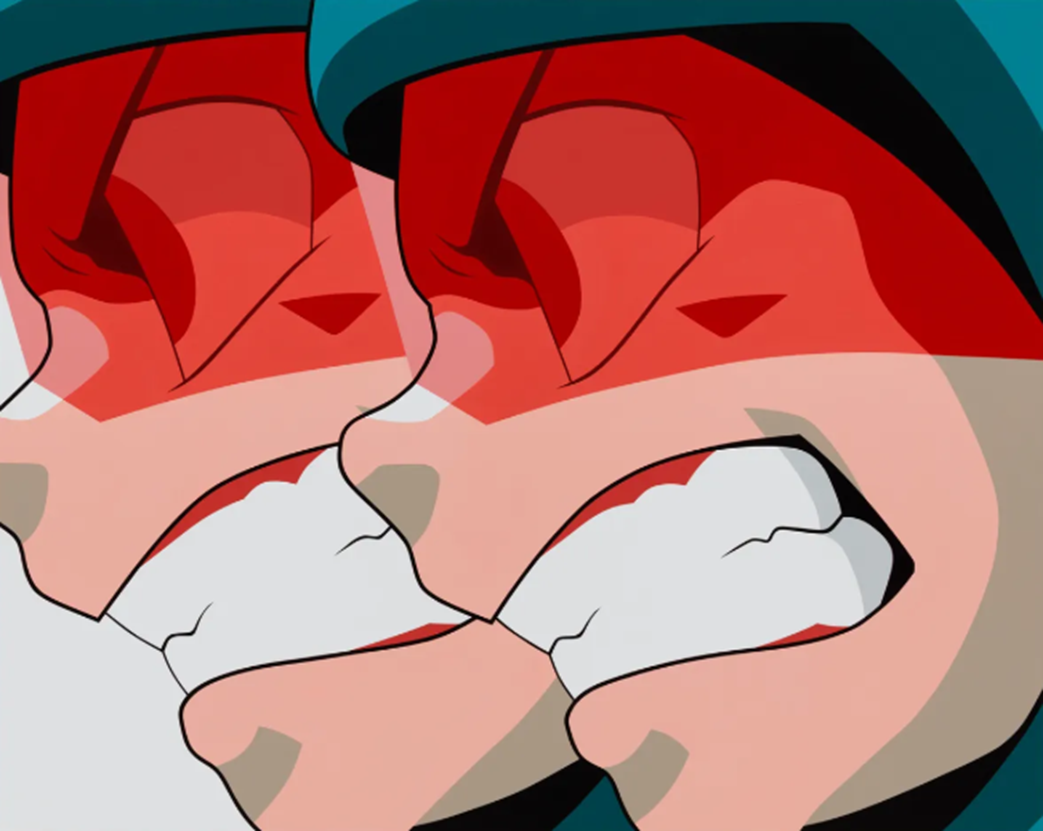
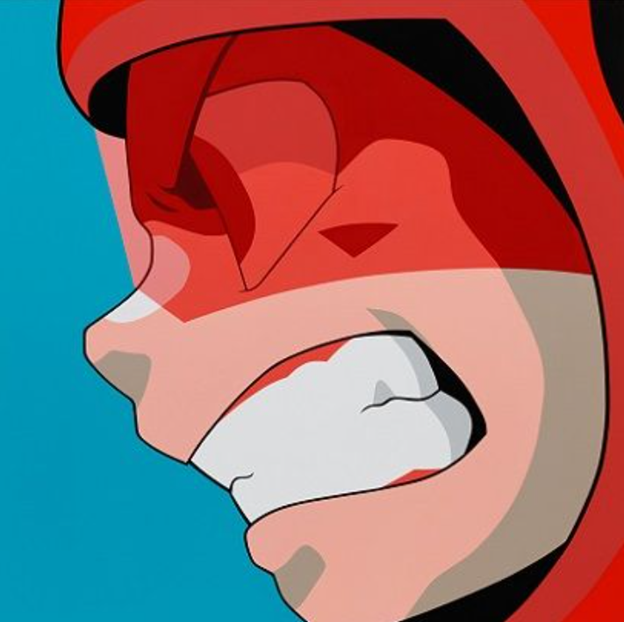
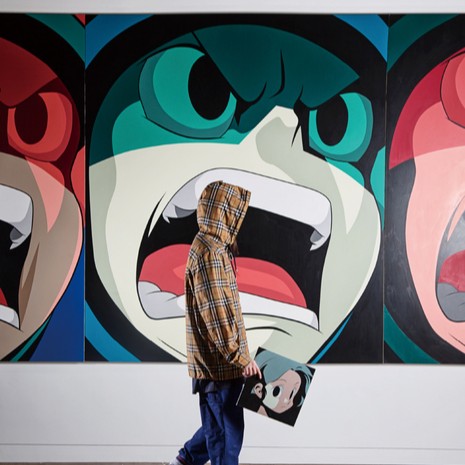
"Rashomon effect"2 refers to a phenomenon in which
individuals involved in the same event perceive and interpret facts
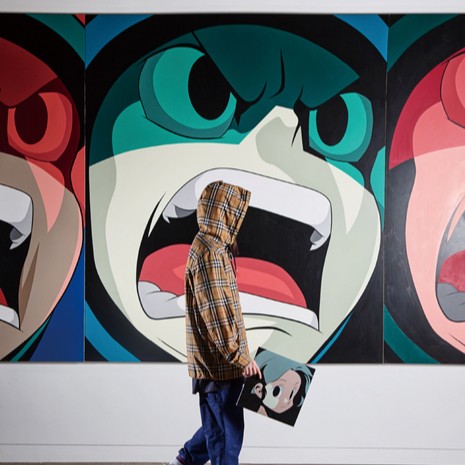
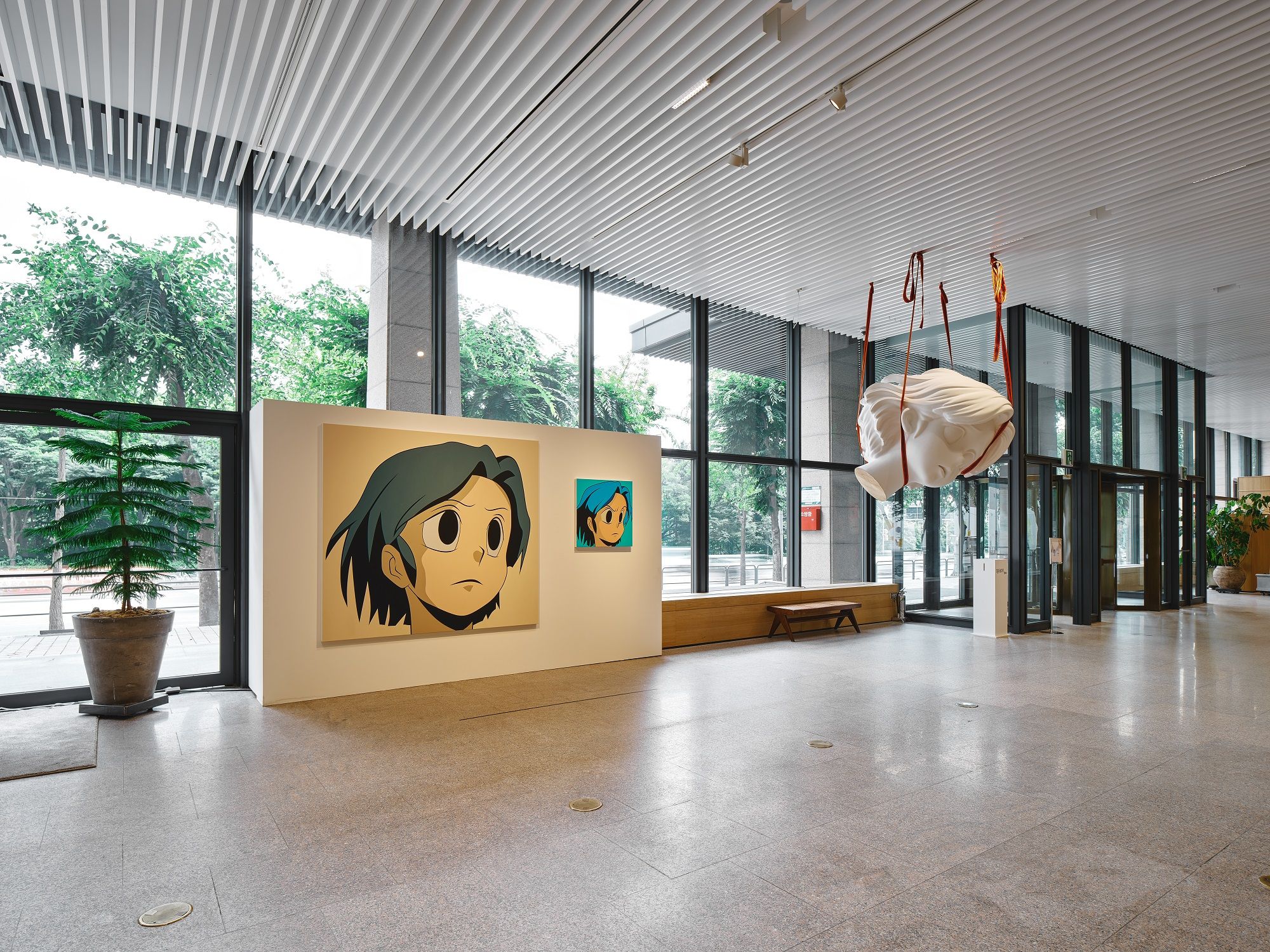
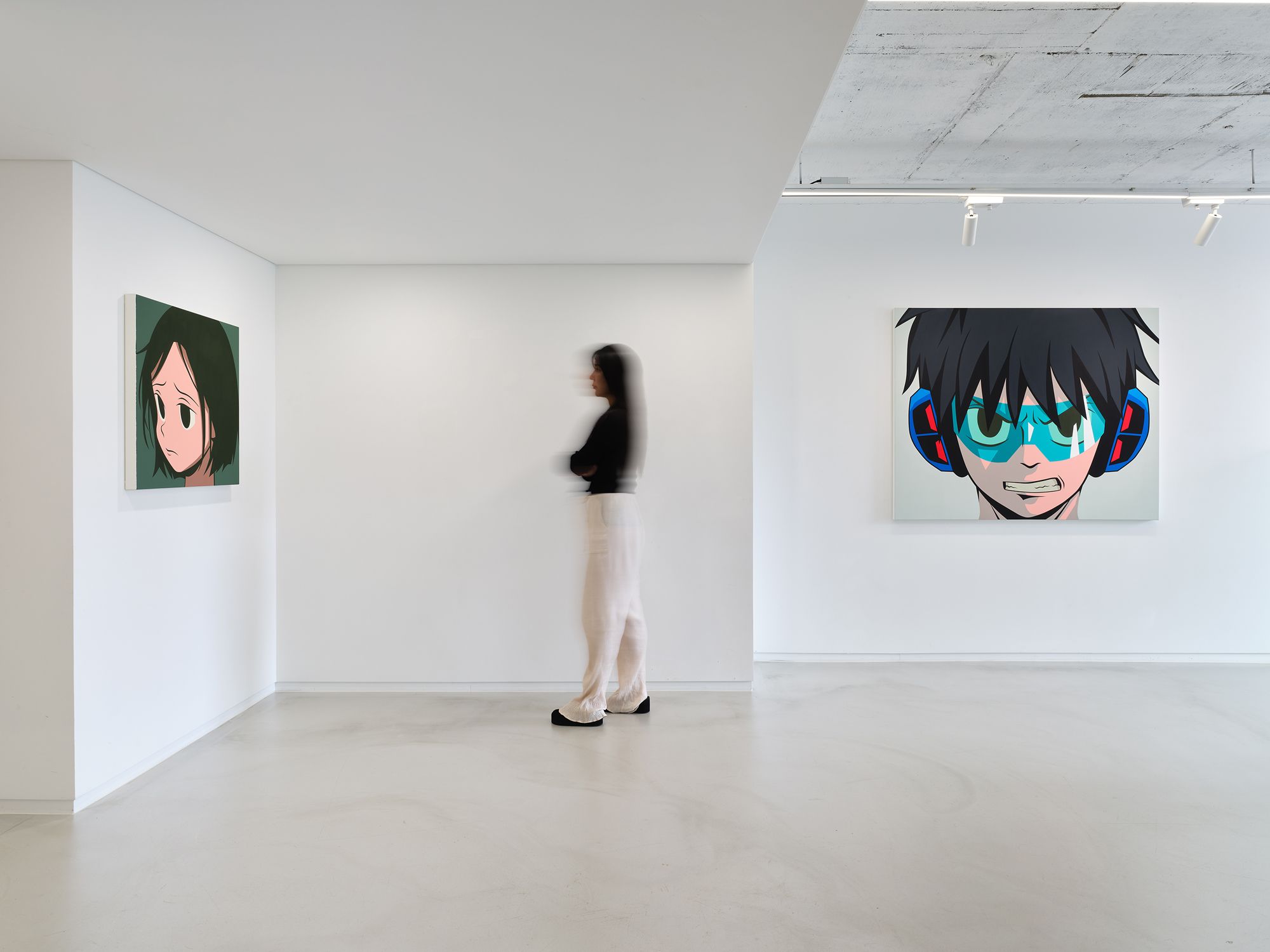
differently. In the series of the works entitled ‘Rashomon’ (2023), composed of
three canvases, the protagonists show different facial expressions each
occurrence. Depending on the nuances of varying shapes of the eyebrows, pupils,
and mouth within a constant facial frame, the emotions conveyed by the faces
change.
The colors cast against the high background respond to each expression.
The three representations that spring from a single image are the varying
interpretations of the same situation. At this point, the truth of the unknown
person's expression is no longer relevant. Depending on the speaker's point of
view, truth transforms anew each time. In this phenomenon, the image in itself
becomes updated.
What the faces on the canvas evoke is a certain archetype dwelling
in the subconscious of each viewer. The apparition of the fragmented original
is sometimes a person, often a comic book cover, or a split second from a
movie. Everyone's association has a reasonable basis, like the Rashomon effect.
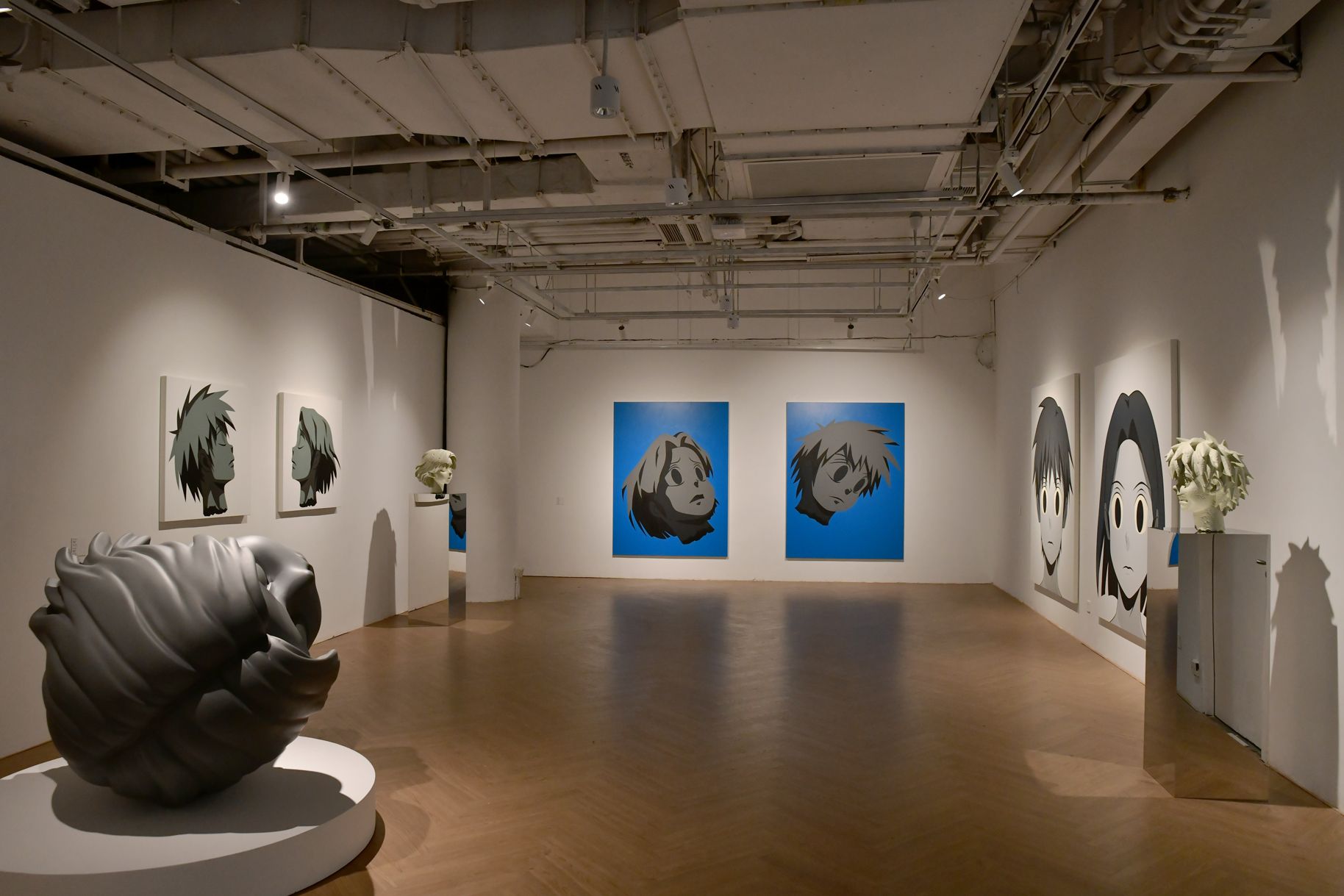
The picture screen, as smooth as a digital screen, is the result of a
meticulous process of repeatedly applying thin paint.3 The perfectly polished
plane unfolds a wide range of possibilities for interpretation.
The virtual
face that materializes on the painting becomes alternative entities with the
volume of reality, gazing upon our present. At the height of the audience's
gaze, the faces sometimes face each other and sometimes turn away. The light of
the present shines through the tall window on the wall. The canvases that hold
both fact and fiction cast their own shadows. Each image that occupies its own
space and time amidst the passing days becomes the only original piece.
2.
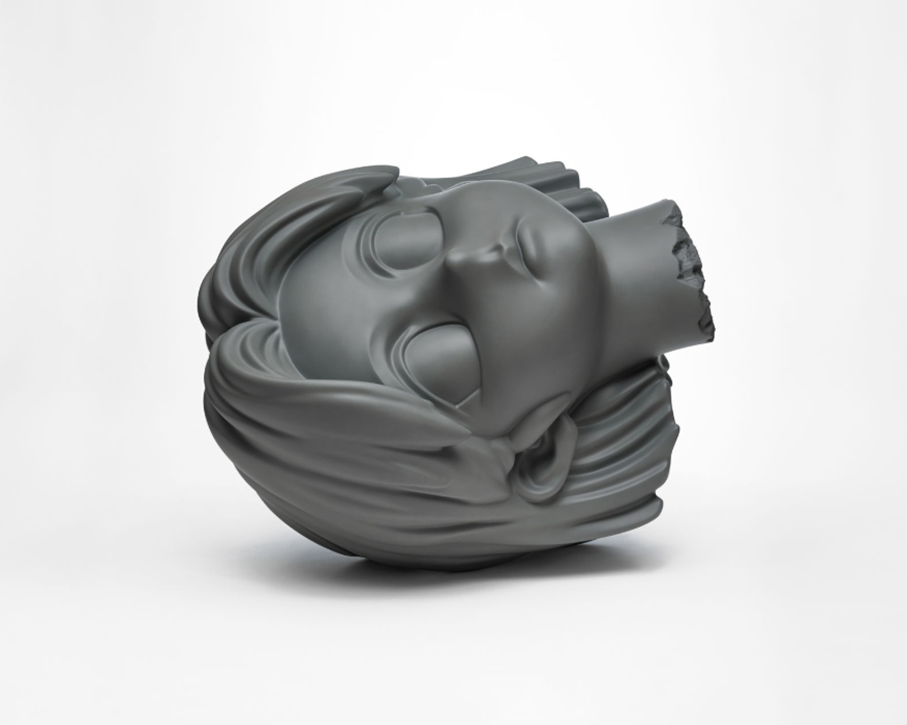
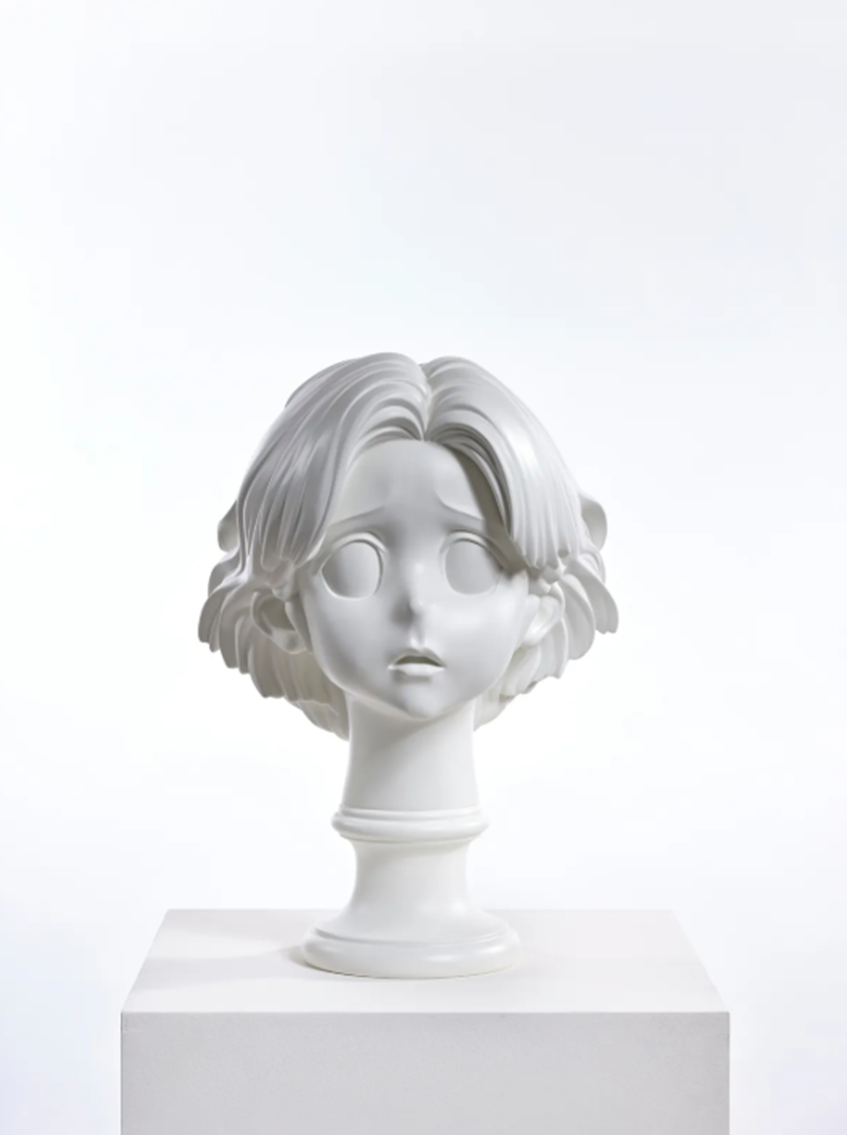
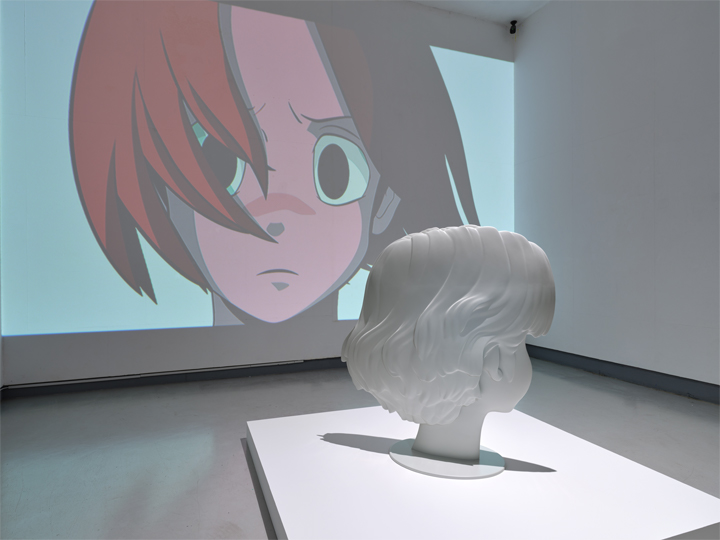
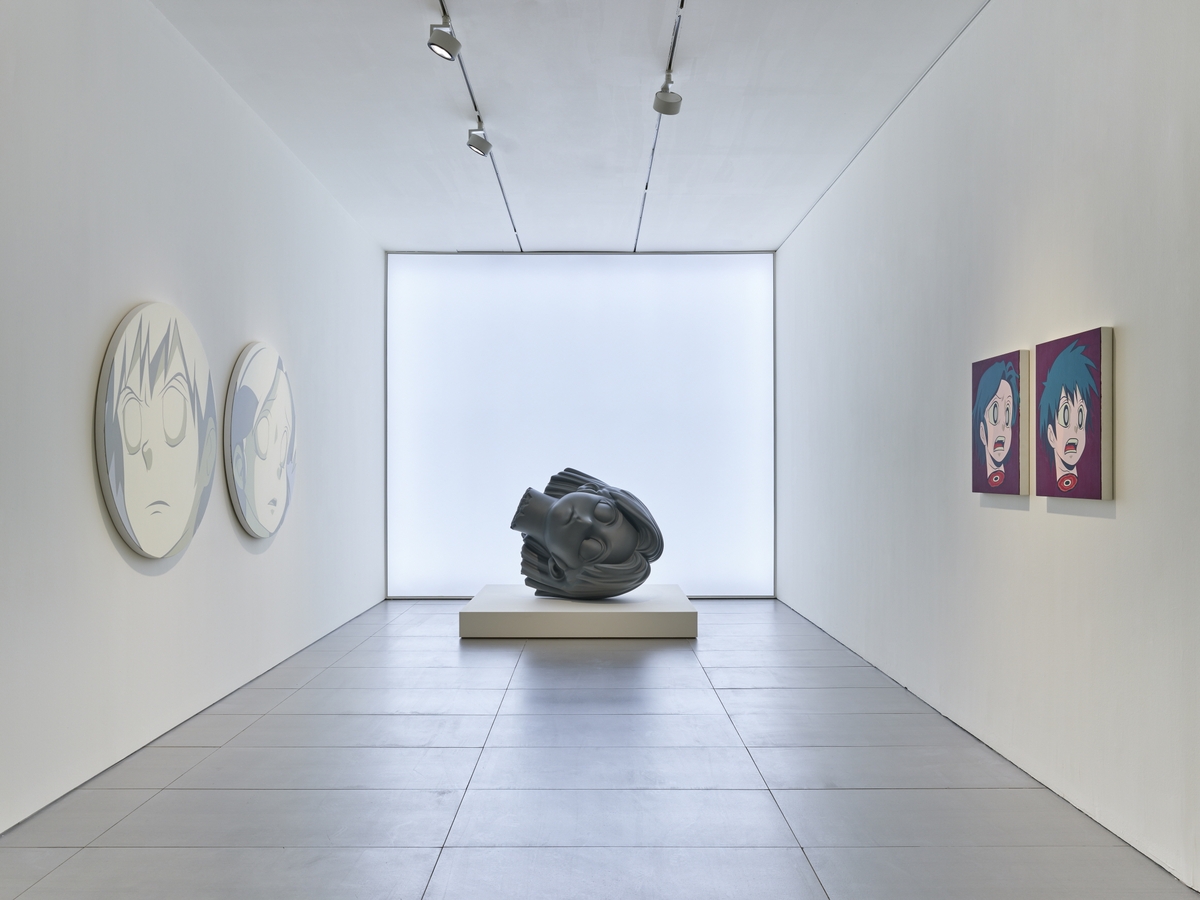
In a small room within the exhibition space, one encounters the
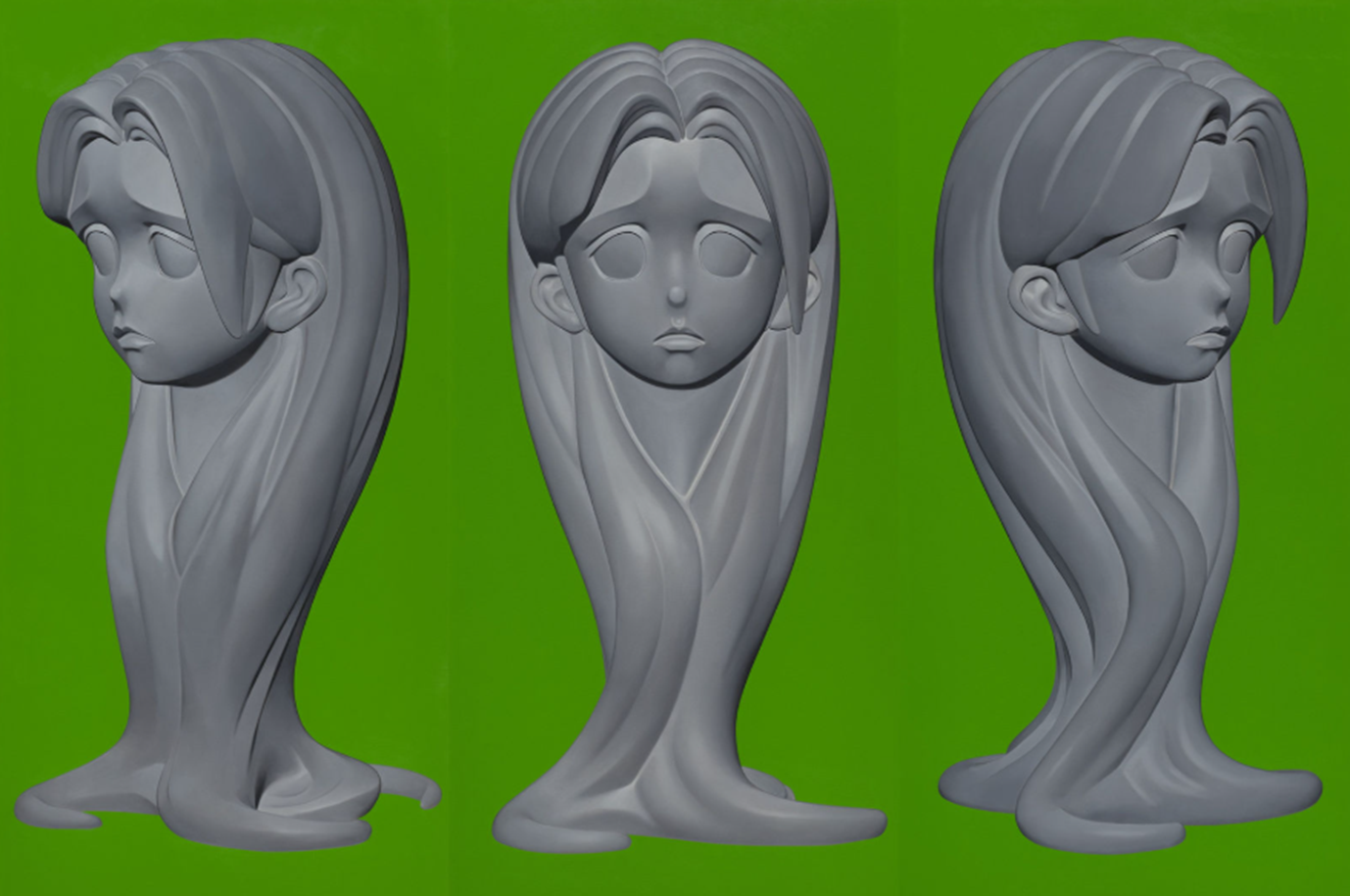
‘Trophy’(2023) series. Redolent of a heavy plaque, the image of a head with
long hair takes the varied forms of both painting and sculpture. Each of the
pieces of Trophy materializes in colors that are reminiscent
of glistening gold, bluish bronze, and rough stone on the picture screen. The
green of the chroma key screen fills the background of the images. By painting
not only the margins within the canvas but also the entire wall of the room,
emphasizing the symbolism of the color.
The found image can be put in a new
context according to interpretation. The sculpture piece placed on the pedestal
is finished with a smooth golden surface. The monument of the face that has
finally acquired a three-dimensional volume reveals a more demanding presence.
As if caressing the smooth golden skin, I imagine the texture of the image,
feeling a handful of its weight. The body of the sculpture that occupies a
corner of the living finally reveals its back.
Ok Seungcheol's Trophy is akin to a marker
placed at a specific point of images that constantly change their identities.
Like the trophies of an astonishing moment, the captured faces glow only to
eventually solidify with a chill. They are images with new identities, reborn as
new beings. Putting off the naive wish to be the original something, the
picture screen appeals to its own uniqueness created by different
interpretations of the same image. The different hues cast on each face give
each work of trophy its independent materiality, rendered to possess unique
attributes, even if resembling one another.
3.
The face itself is symbolic. Grave robbers who steal the
mysterious symbol of faith and those who take victory monuments as prizes for
stealing the power of an enemy curiously covet the faces of others. Ok
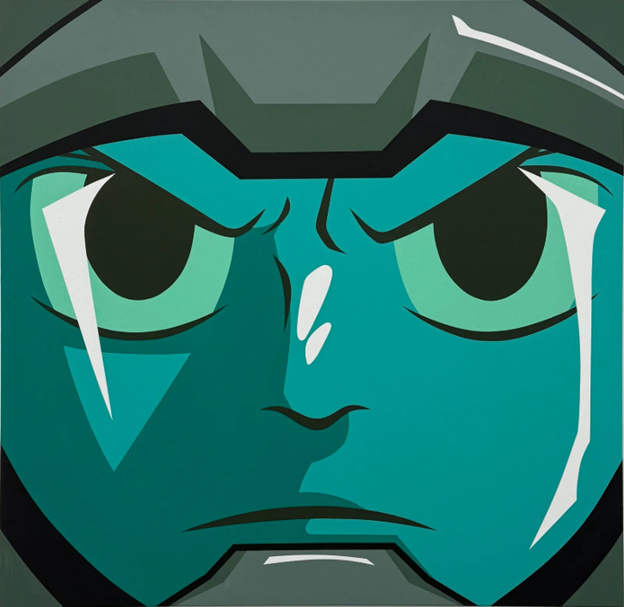
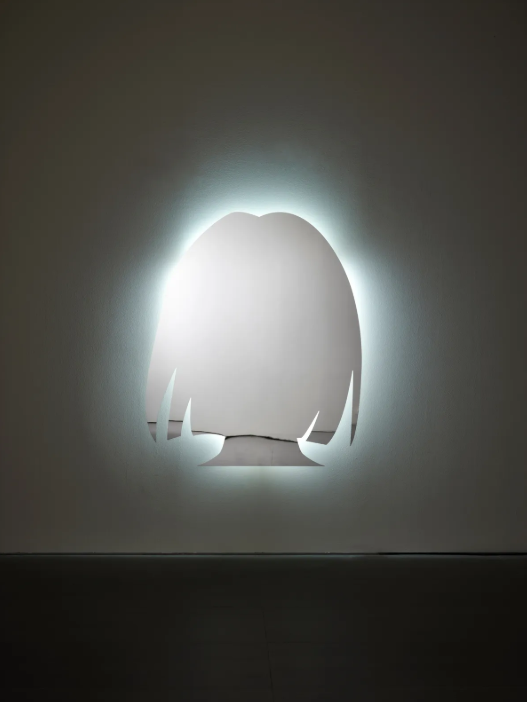
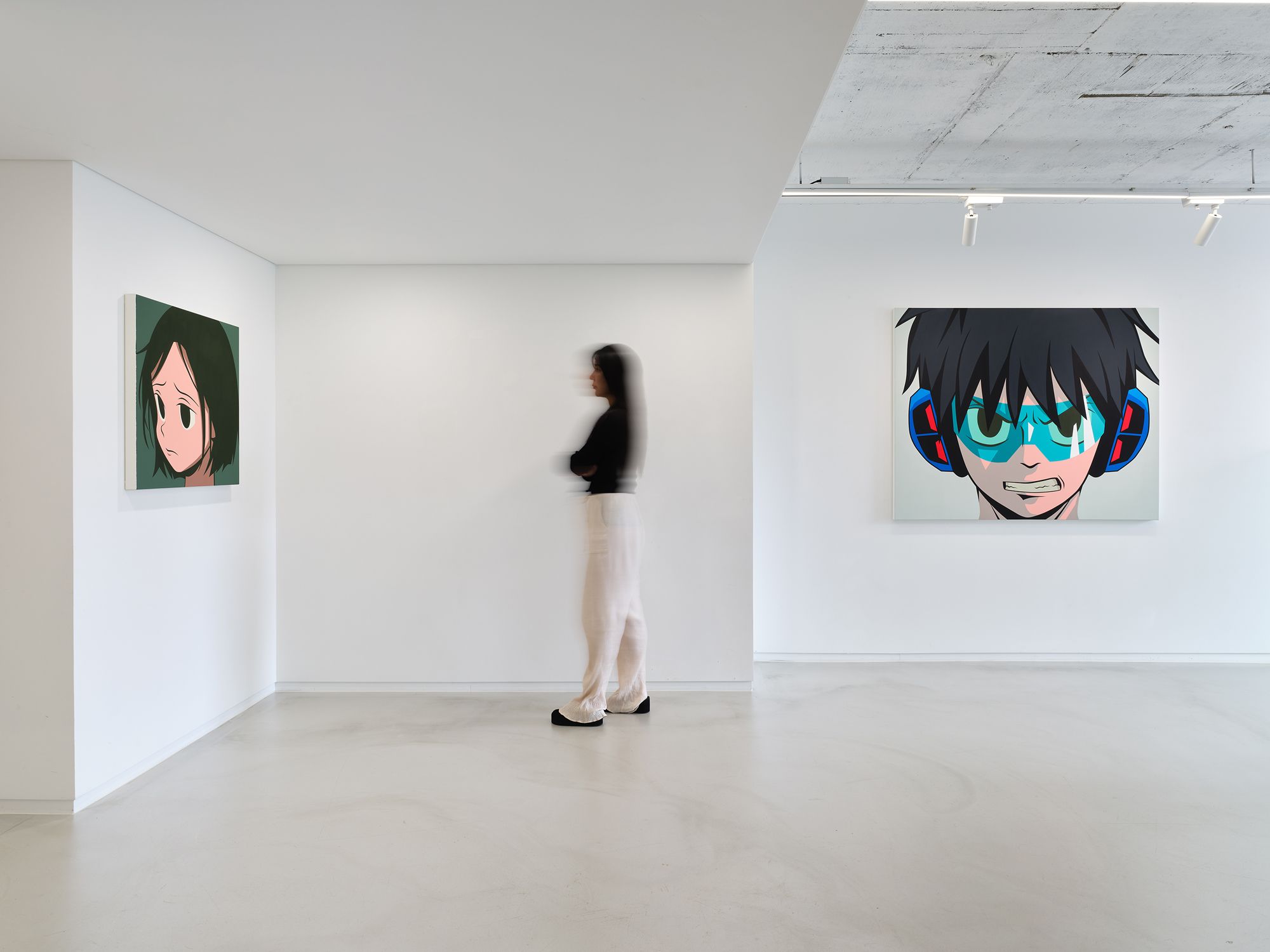
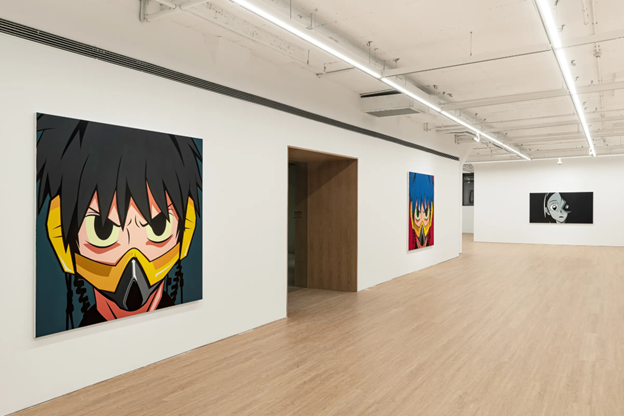
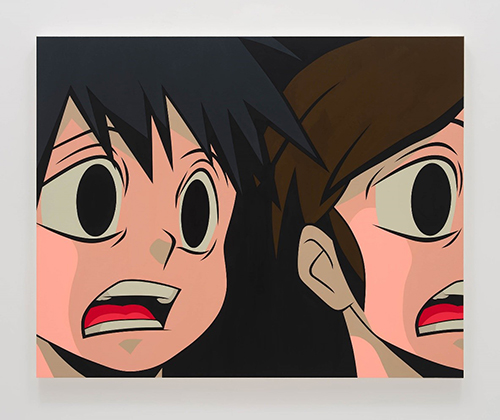
Seungcheol's picture screen continuously captures the close-ups of the faces.
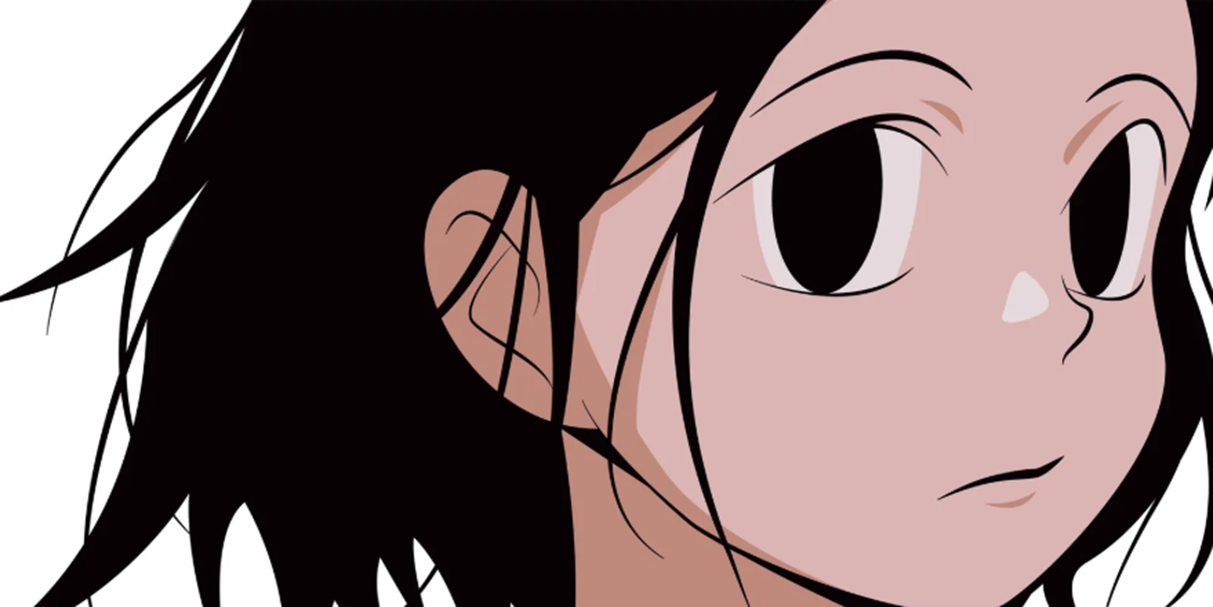
It's not a realistic depiction but rather an abstract cartoonish portrayal. Due
to the nature of the method, the structural features of the face are extremely
simplified. At the same time, the picture screen maximizes only the emotions
revealed by the facial expressions while concealing the specific identities of
the individual characters.
Therefore, the close-up makes the face the pure
material of affect.4 Even a slight change in the direction or expressions of
the face, the direction of emotions found in the relationship between the work
and a viewer shifts. Hence, Face(2023), turning away from
the audience, evokes paradoxical curiosity and tension. The imagined faces of
those concealing their expressions are even more affective than the conundrum
that Irochi(2023) presents.
With each step up and down the exhibition space's staircase gazes
push and pull against each other. Some faces study and turn away; some observe
carefully then quickly glance away. Each face questions the identity of the
ambiguous archetype in our memories: Was the apparition ever real? What is the
original source of fiction that is mixed with truth and has the potential to
infinitely evolve? In the midst of the endlessly renewing days of reality, the
boundary between the original and the replica becomes blurred every time.
Meanwhile, Ok Seungcheol plants a flag on some of the images that freely float
through today. It is to engrave the image of a specific moment in the form of a
unique physical property here. As a brilliant emblem of the present, as a marker
to avoid losing one's direction.
1 Marisa Olson refers to "a copy-and-paste aesthetic" as
a formative language of the Internet era. Ok Seungcheol's work is often
categorized as "Post-Internet Art" (2008), a term coined by Olsen in
her explanation of "art after the internet" (2006).
2 Originally the title of a short story written by novelist Ryūnosuke Akutagawa. The term "Rashomon Effect" derives
from the film Rashomon (1951) directed by film director Akira Kurosawa, who
adopted "Rashomon" and "In the Thicket" from the short
stories featured in Akutagawa's anthology The Tale of Rashomon and Other
Stories (1915-1921).
3. Ok Seungcheol initially majored in Korean painting at Chung-Ang
University before switching to Western painting. Although he primarily works
with Western painting materials, elements of Korean painting are still evident
in his unique and delicate brushstrokes.
4 Gilles Deuleuze, Cinema 1: The Movement Image, trans. Hugh
Tomlinson and Barbara Habberjam (Minneapolis: University of Minnesota), p. 103.