42.195 - K-ARTIST

42.195

2006
Photographs
108 x 171 cm
About The Work

 Minja Gu explores the impact of social rules and conventions, often taken for granted in everyday life, on individual lives. Familiar systems such as units of time, the value of labor, standards of food, and communal norms are shaped by long-standing social agreements and institutions, yet often reveal contradictions and inconsistencies when applied to lived experience.

Focusing on these gaps, the artist exposes the arbitrariness and irrationality embedded in such systems by having ordinary actions performed under unfamiliar conditions or by following established rules to the letter. Through this approach, she questions how ideas perceived as natural and universal are constructed and maintained.

Gu employs a range of media, including performance, video, photography, installation, and participatory projects, transforming everyday actions into artistic practices. Her works typically involve establishing specific rules or conditions within familiar situations and having the artist herself or participants carry them out. In this process, chance occurrences, trial and error, and unexpected responses that emerge from following the prescribed conditions take precedence over the perfection of an action or dramatic events.

Beginning with seemingly insignificant everyday experiences, Gu’s practice examines the institutions and conventions that organize society, continually bringing to light the inequalities and forms of exclusion embedded within them. She further questions how the norms and values we have long taken for granted shape individual lives, opening up possibilities for viewing familiar realities from new perspectives.

Solo Exhibitions (Brief)

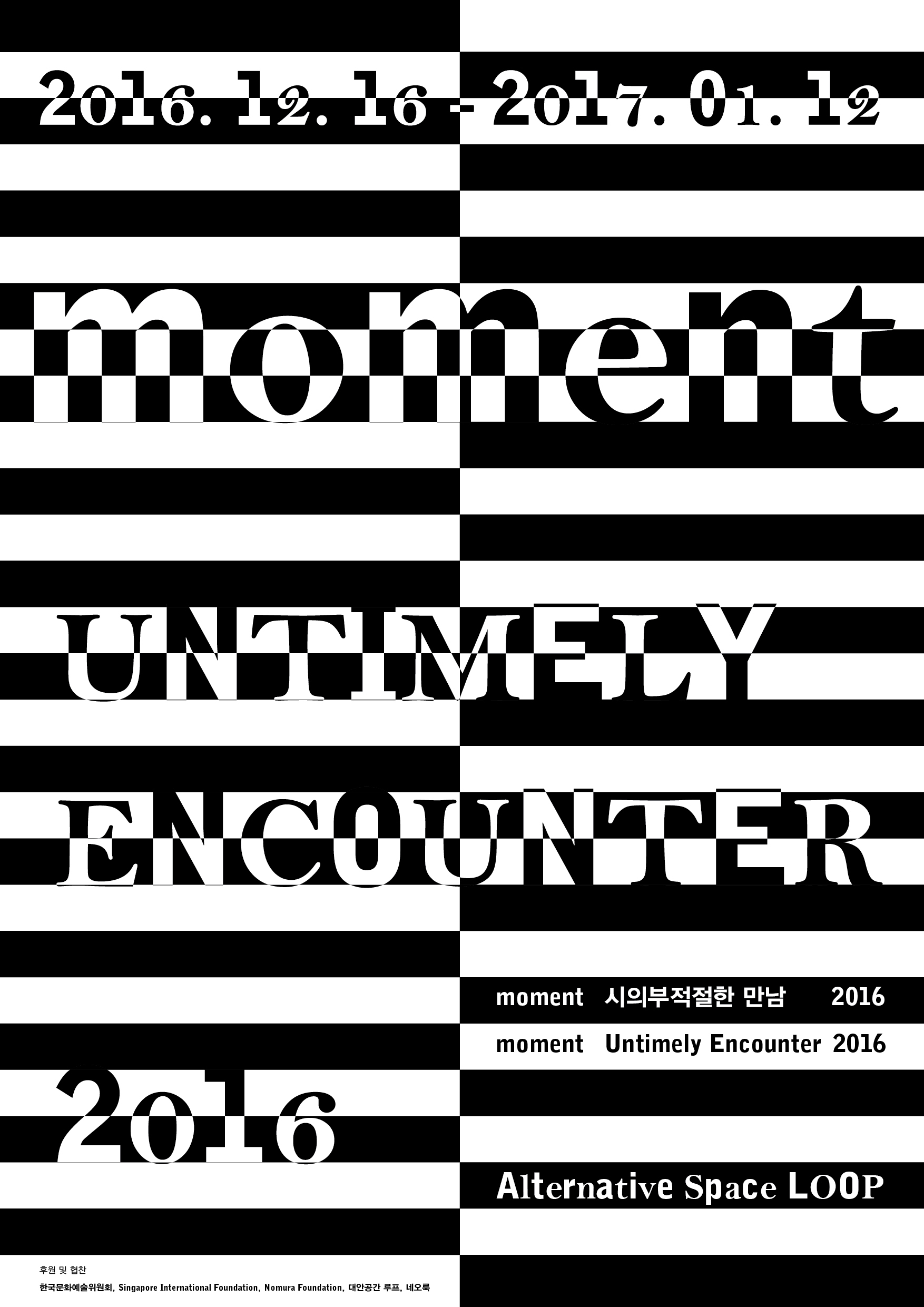
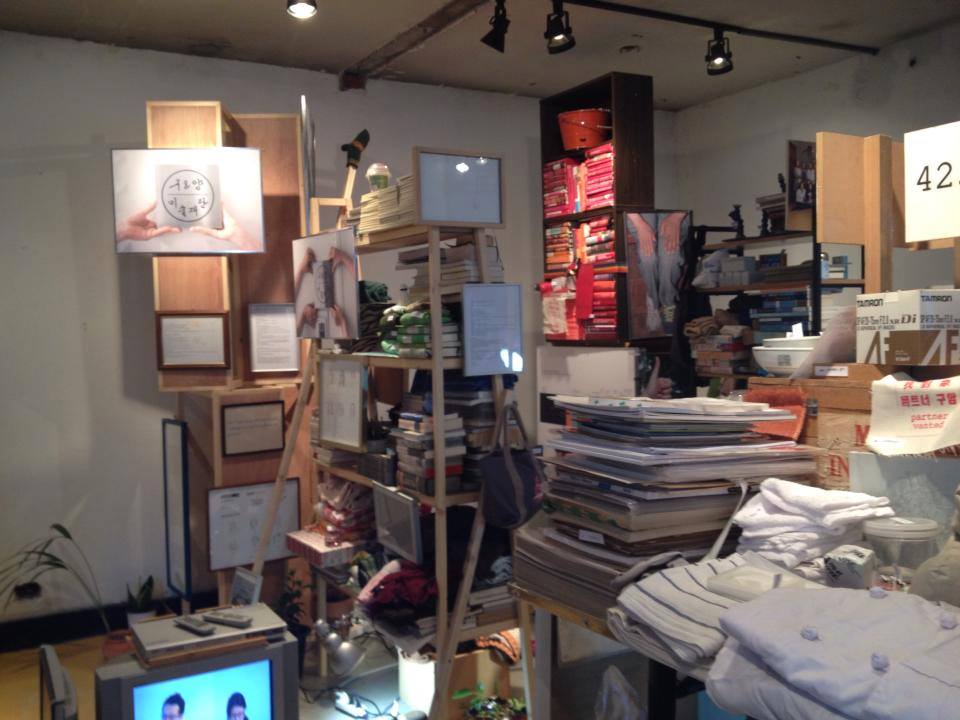
Minja Gu has held solo exhibitions at SPACE CROFT (2009); Moore Street Market (2011); Citadellaan 7 (2018); Onsu Gonggan (2020); and Alternative Space LOOP (2026).

Group Exhibitions (Brief)

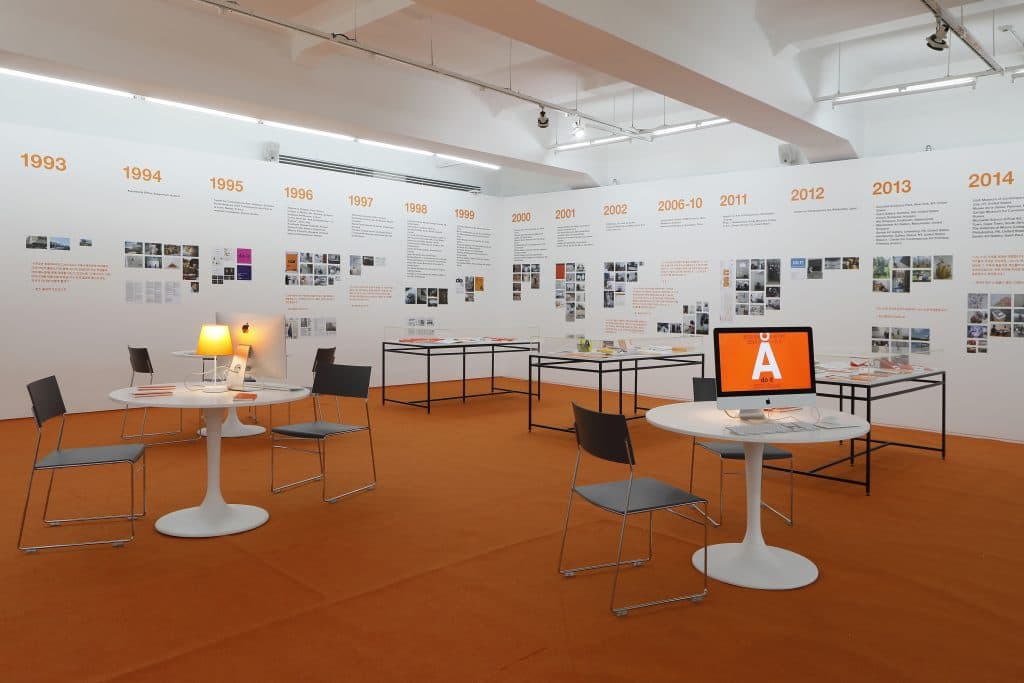
Minja Gu has participated in group exhibitions at Taipei Fine Arts Museum (2008), Art Sonje Center (2013), Witte de With Center for Contemporary Art (2014), ARKO Art Center (2016), Ilmin Museum of Art (2017), National Museum of Modern and Contemporary Art, Korea (2018), and Seoul Museum of Art (2018).

Awards (Selected)

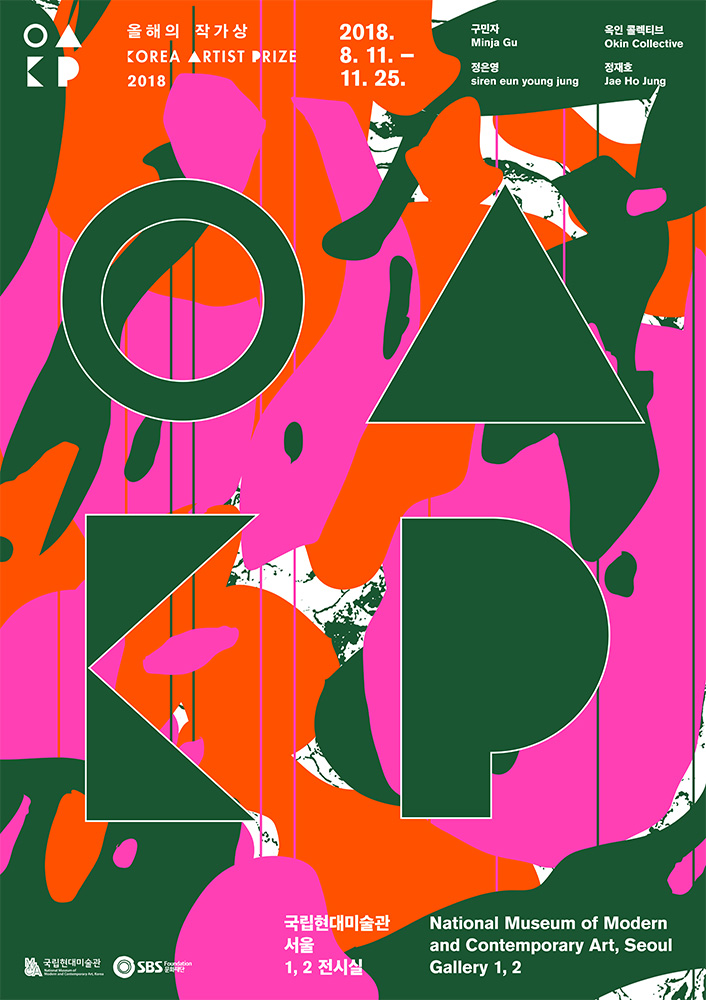
Minja Gu received the Excellence Prize at the SongEun Art Award in 2010 and was selected as one of four finalists for the Korea Artist Prize 2018, co-organized by the National Museum of Modern and Contemporary Art, Korea (MMCA) and the SBS Foundation.

Residencies (Selected)

Minja Gu has participated in residency programs at Ssamzie Space, Seoul (2007–2008); Hangar, Barcelona (2008); Gyeonggi Creation Center, Ansan (2010–2011); International Studio & Curatorial Program (ISCP), New York (2011); Higher Institute for Fine Arts (HISK), Ghent (2015–2016); Gasworks, London (2017); and Tokyo Arts and Space (TOKAS), Tokyo (2019).

Collections (Selected)

Minja Gu's works are held in the collections of the National Museum of Modern and Contemporary Art, Korea (MMCA), Seoul Museum of Art (SeMA), SONGEUN Art and Cultural Foundation, and Le Centre national des arts plastiques (Cnap), France.

Works of Art

The Impact of Social Rules and Conventions on Individual Lives

Originality & Identity

Minja Gu explores how socially accepted rules and conventions shape individual lives. Familiar systems governing the measurement of time, the value of labor, standards of food, and communal norms have developed through long-standing social agreements and institutions, yet often reveal contradictions and inconsistencies when applied to lived experience.

Focusing on these discrepancies, Gu exposes the arbitrariness and irrationality embedded in established systems by performing ordinary activities under unfamiliar conditions or adhering closely to existing rules. Her practice questions how ideas commonly regarded as natural and universal are constructed and sustained.

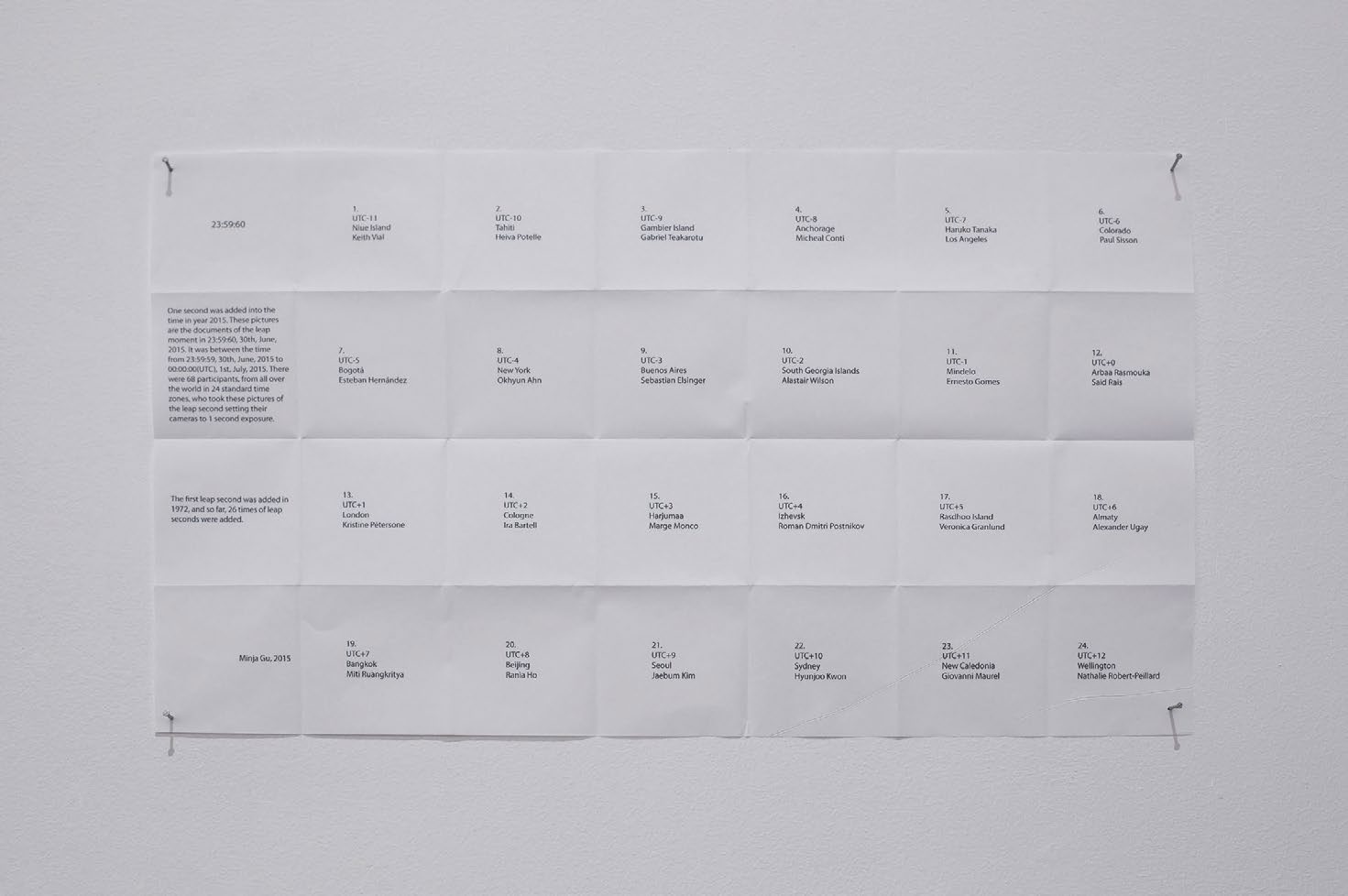
Time has been a central subject of Gu's practice since her early career. In 42.195 (2006), she completed a marathon course over two days, challenging conventional notions of competition and speed. In 24 Hours (2009), she structured an entire day according to statistical averages of how Koreans spend their time, revealing discrepancies between individual lifestyles and standardized measurements.

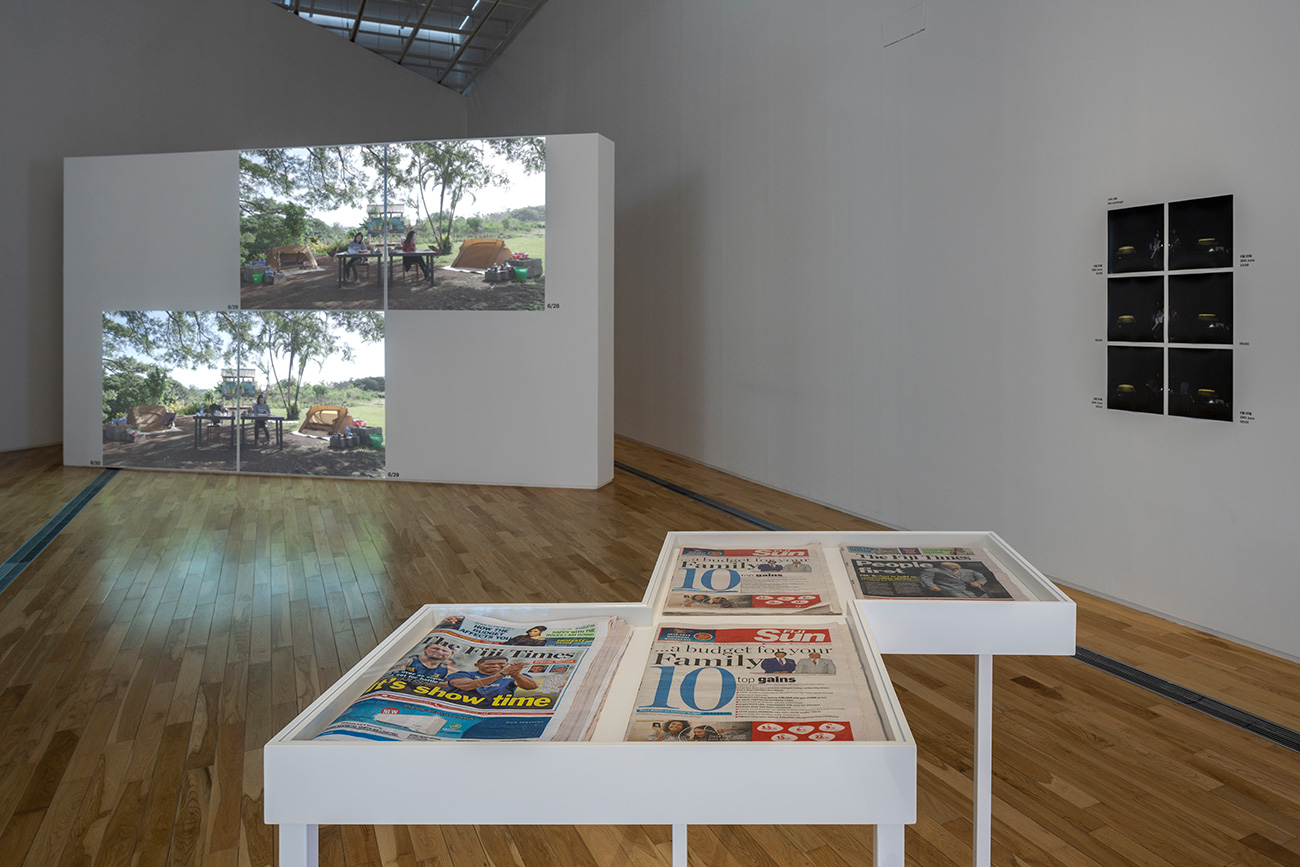
Island of the Day Before, Island of the Day After (2018) uses the International Date Line on Taveuni Island, Fiji, to construct a situation in which a person could experience the same calendar day twice or skip a day altogether. These works question the assumption that time passes uniformly, independently of human experience, and examine the differences between socially regulated time and time as experienced through the body.

Labor and consumption are equally persistent concerns throughout Gu's work. The World of Job (2008) examines the conditions of migration and livelihood through the experience of seeking employment and performing labor in an unfamiliar society, while WINTER-ING (2010–2011) reconsiders the value of labor and reciprocal relationships through the process of helping local residents in exchange for food ingredients.

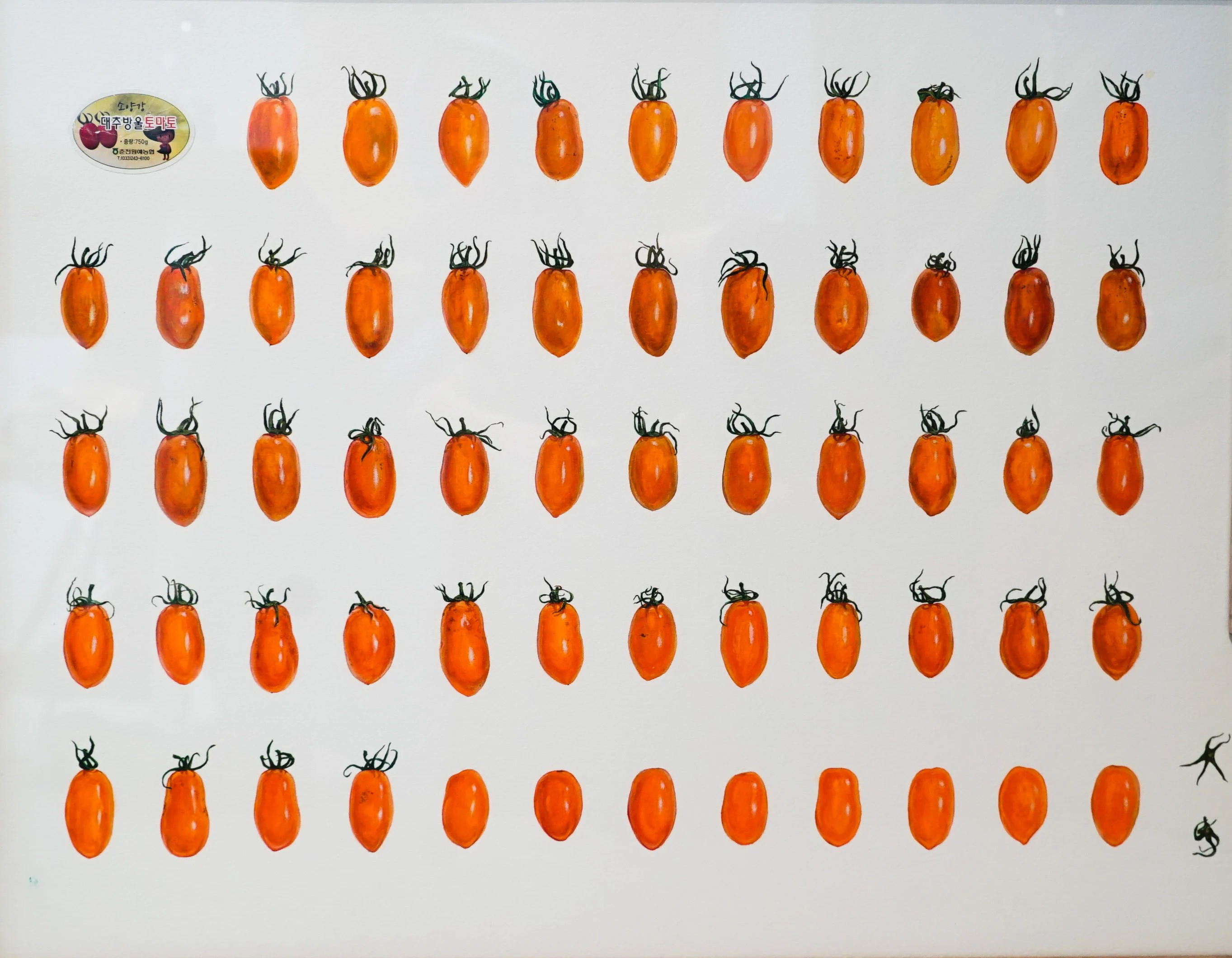
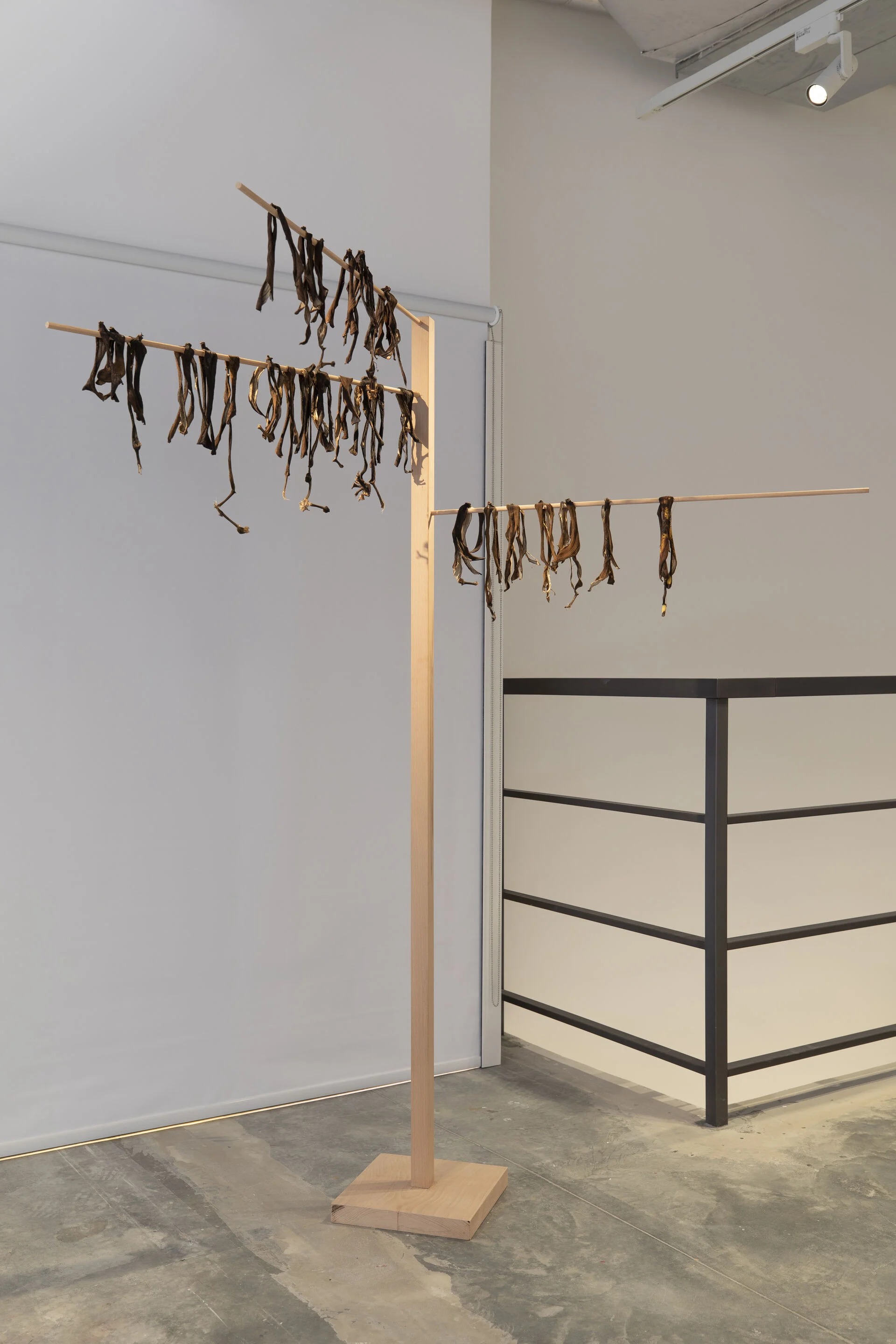
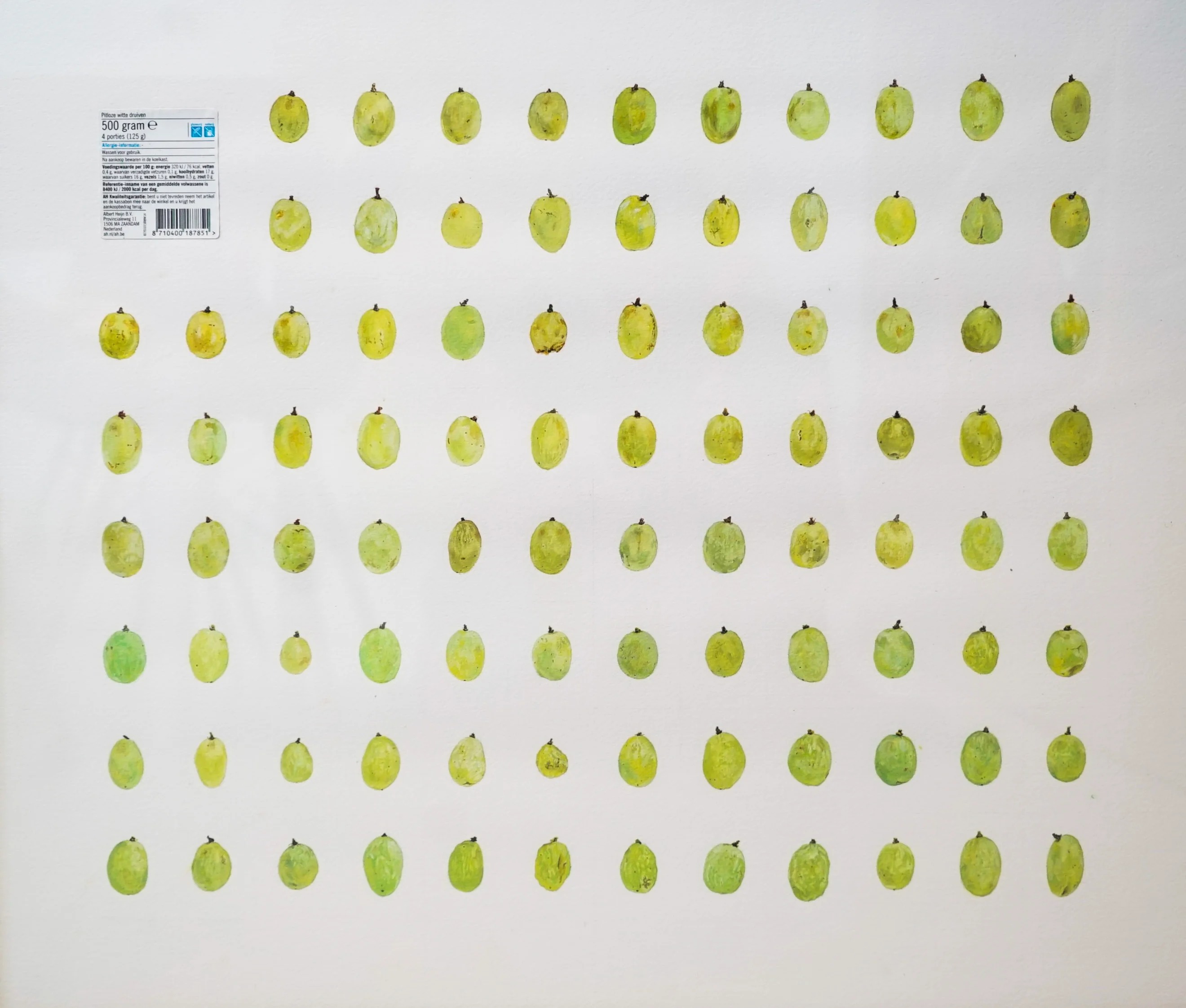
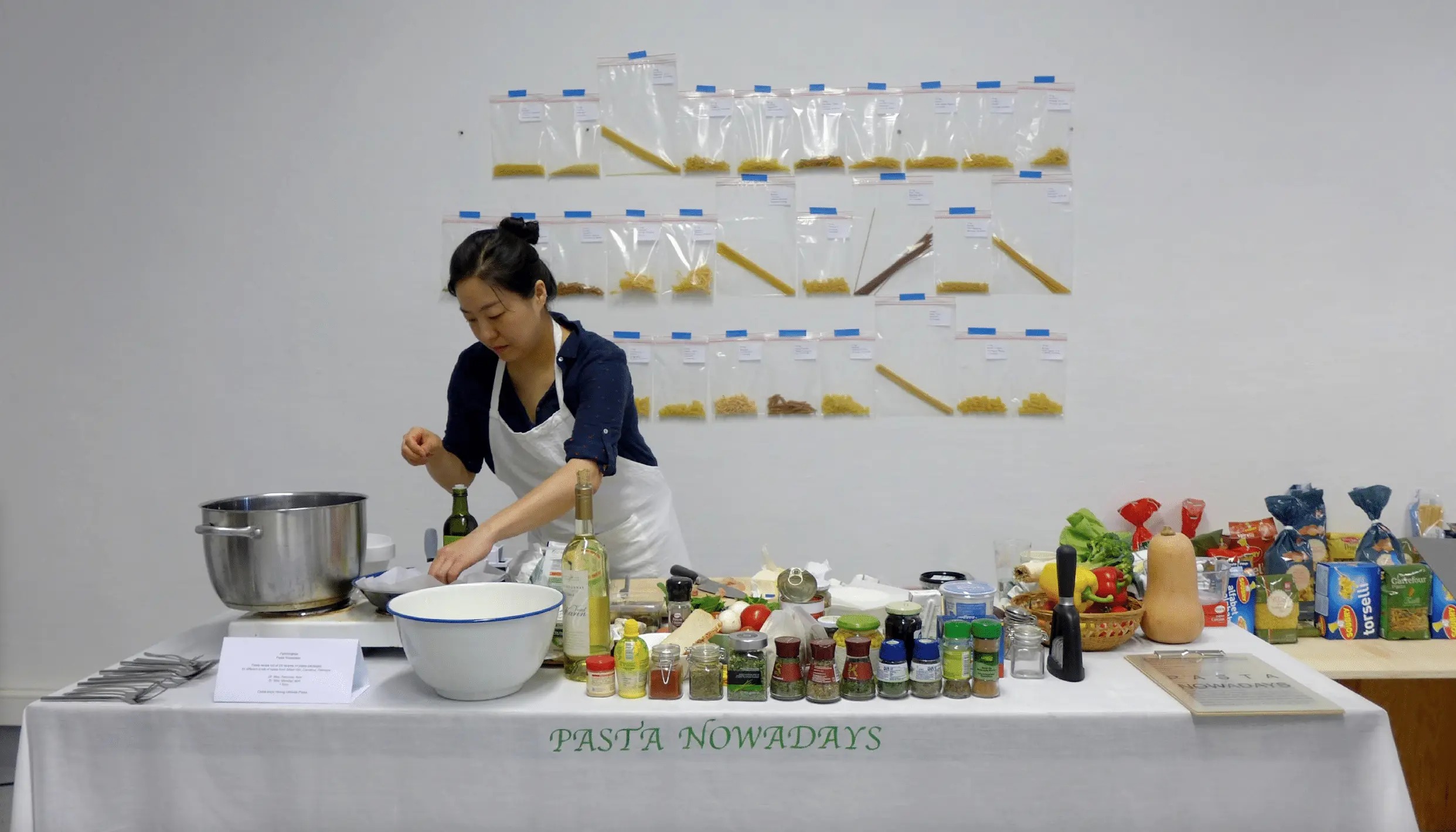
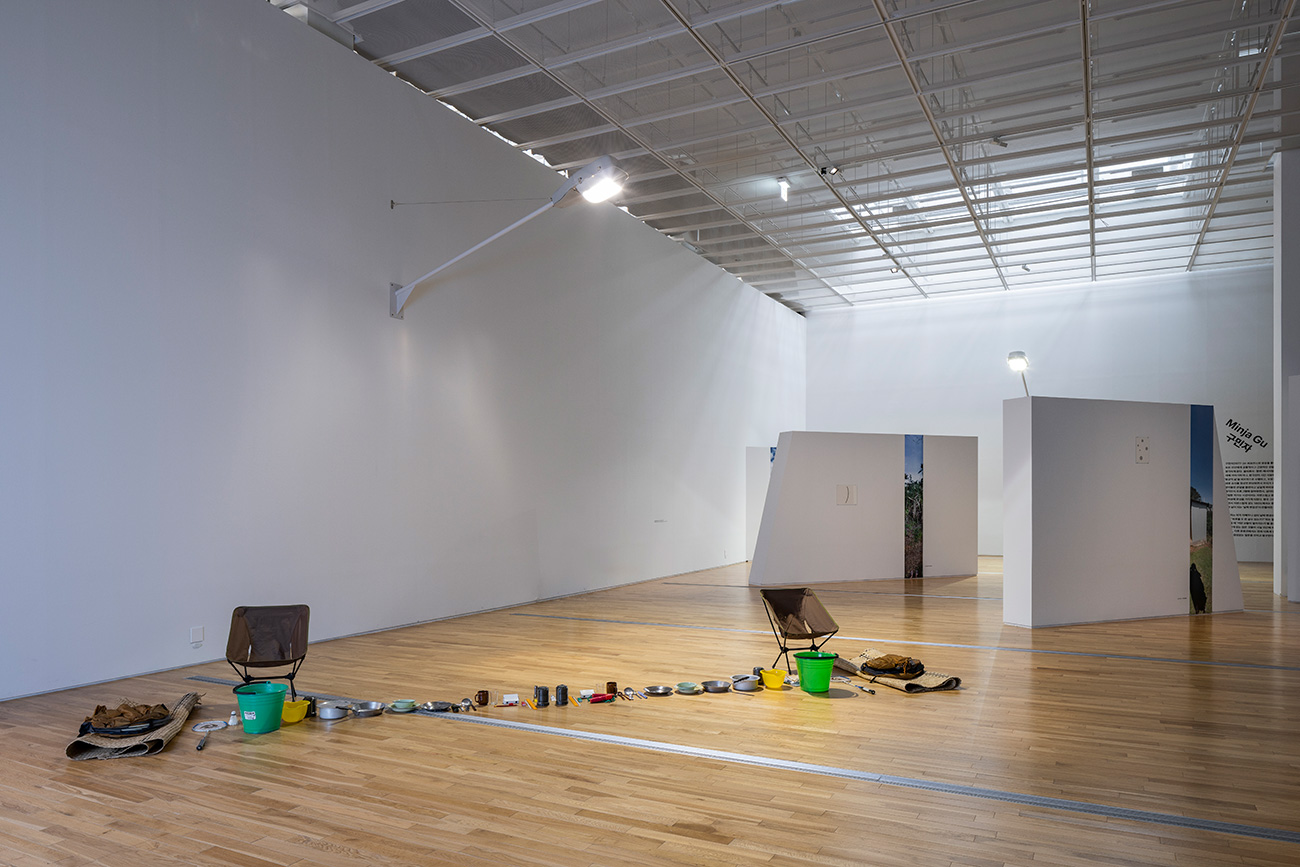
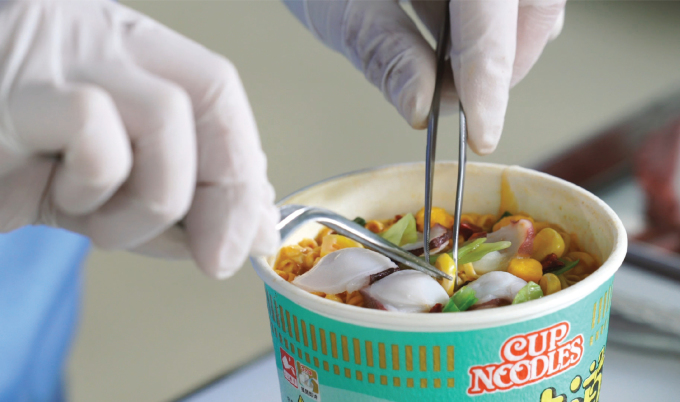
Her investigation of food continues in the series 'The Authentic Quality' (2014–), in which she recreates the prepared dishes depicted on commercial food packaging, exposing the expectations surrounding consumption and the significance of commodified images. In Inside the Belly of Monstro (2015–2018), she collects objects left behind after eating and drinking, prompting reconsideration of the boundaries between consumption and disposal, as well as conventional assumptions about productivity and usefulness.

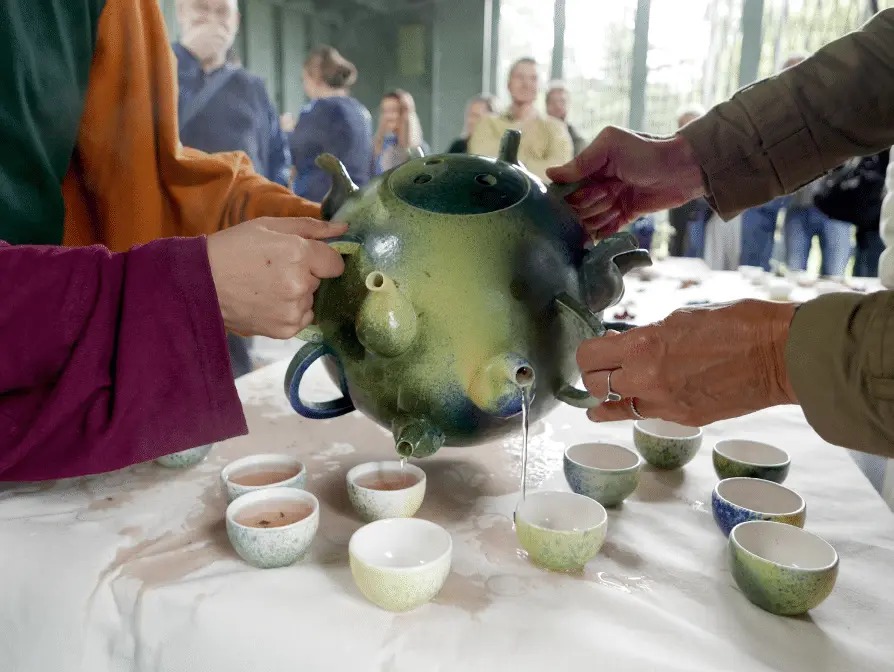
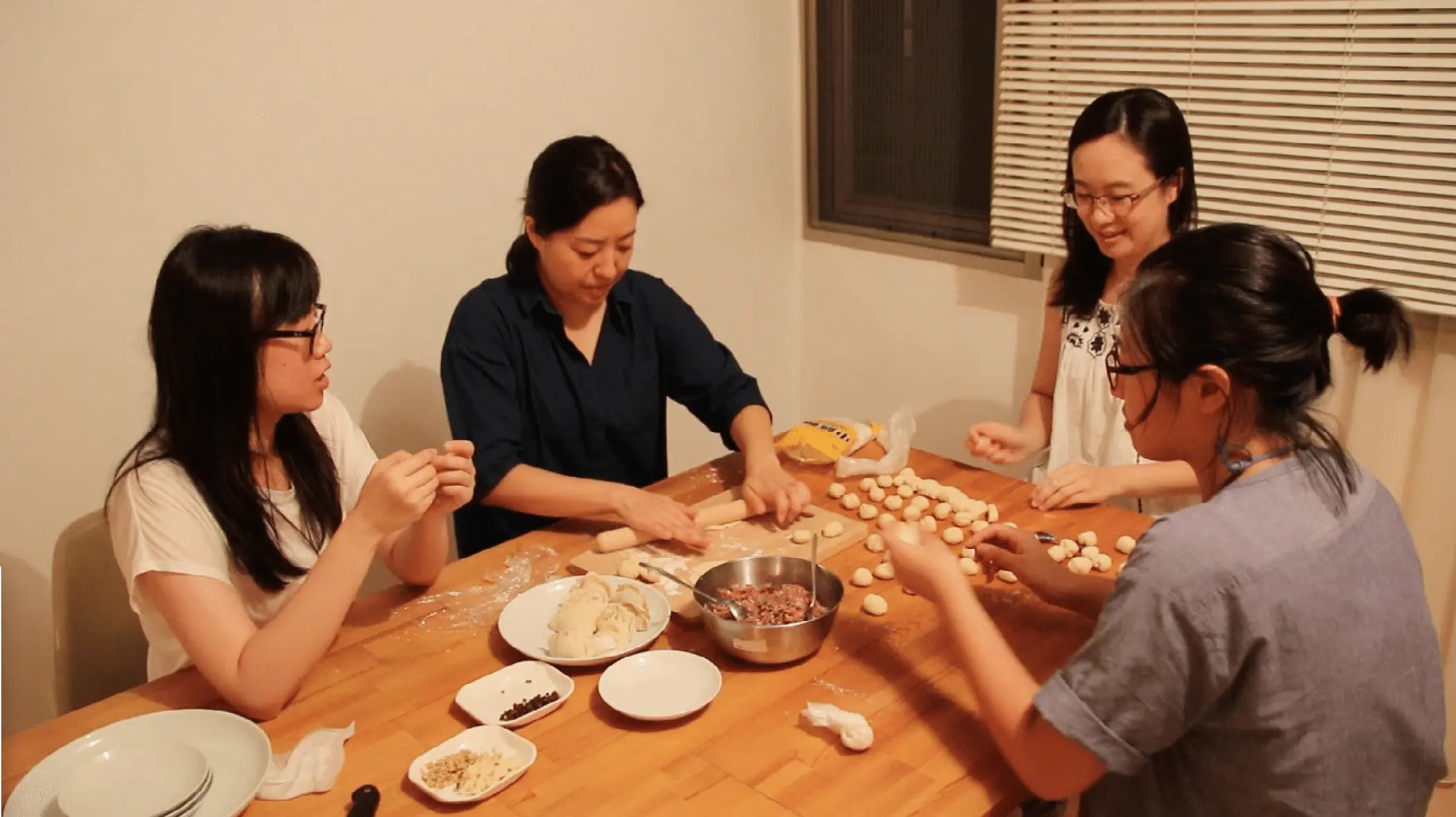
These concerns have more recently expanded to questions of community, care, and cultural difference. 《Middle Ground: (Im)possible Kitchen》 (2026) addresses the social norms and reproductive labor involved in eating together, along with inequalities in the authority to determine the rules of a shared table.

By imagining a meal that simultaneously accommodates dietary prohibitions from different religious and cultural traditions, Gu questions whose needs are reflected in communal rules and who is expected to compromise or make sacrifices. In this way, her practice moves from seemingly minor experiences of everyday life toward an examination of the institutions and conventions that organize society, continually investigating the inequalities and exclusions embedded within them.

Style & Contents

Minja Gu works across a range of media, including performance, video, photography, installation, and participatory projects, transforming everyday activities into artistic practices. Her works generally unfold by introducing specific rules or conditions into familiar situations, which are then carried out by the artist herself or by participants.

In this process, chance occurrences, trial and error, and unexpected reactions that emerge while following predetermined conditions play a more significant role than technical perfection or dramatic events. While closely observing the process of execution, Gu refrains from actively controlling its outcomes, incorporating the awkwardness and humor that arise between the natural flow of everyday life and artificially imposed rules.

Participation and interaction are important formal characteristics of Gu's practice. Happily Ever After (2010), which took the form of a group matchmaking event, and The Square Table: Public Hearing of the Requirements for the Artist-position Government Official (2013), which adopted the format of a public hearing concerning the appointment of artists as government officials, bring familiar social events and institutional procedures into the realm of artistic practice.

In these projects, participants act within predetermined situations while revealing their own judgments and experiences, making the workings of social relationships and institutional structures tangible. Through individual choices and actions, Gu examines social systems and continues to experiment with the fluid boundaries between art and everyday life.

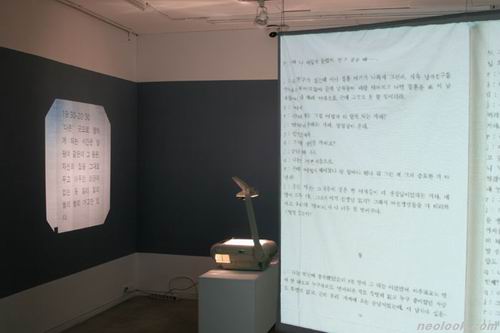
Video, photography, and documentary materials serve as key media in Gu's practice, revealing the processes of performance and the discrepancies that emerge from them. 24 Hours (2009) presents the experience of spending a day according to statistical averages of how Koreans use their time through video, charts, and text, exposing the gaps between statistical standards and their actual enactment.

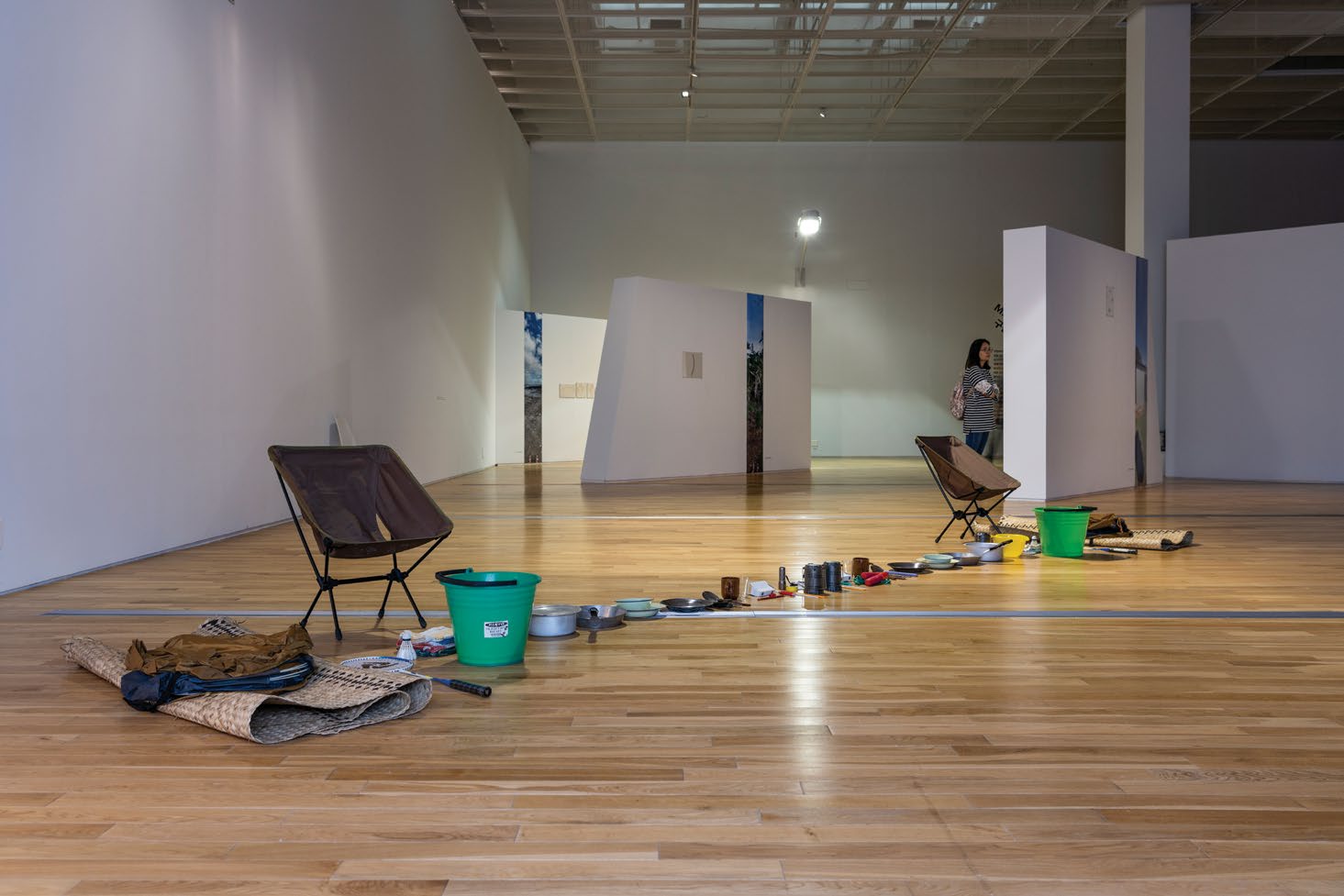
Island of the Day Before, Island of the Day After (2018) documents a performance conducted on opposite sides of the International Date Line through a four-channel video, accompanied by objects, schedules, and photographs used during the performance. In this way, Gu records and reconstructs the time, space, and objects involved in her actions, encouraging viewers to examine the conditions and outcomes of these performances from multiple perspectives.

The collection and transformation of everyday objects are also prominent features of Gu's practice. In the series 'The Authentic Quality' (2014–), she documents the process of recreating prepared food images printed on commercial packaging as actual dishes through video and photography. In Inside the Belly of Monstro (2015–2018), she collects and categorizes objects left behind after consumption, such as food peels and containers, developing them into installations, drawings, and other forms.

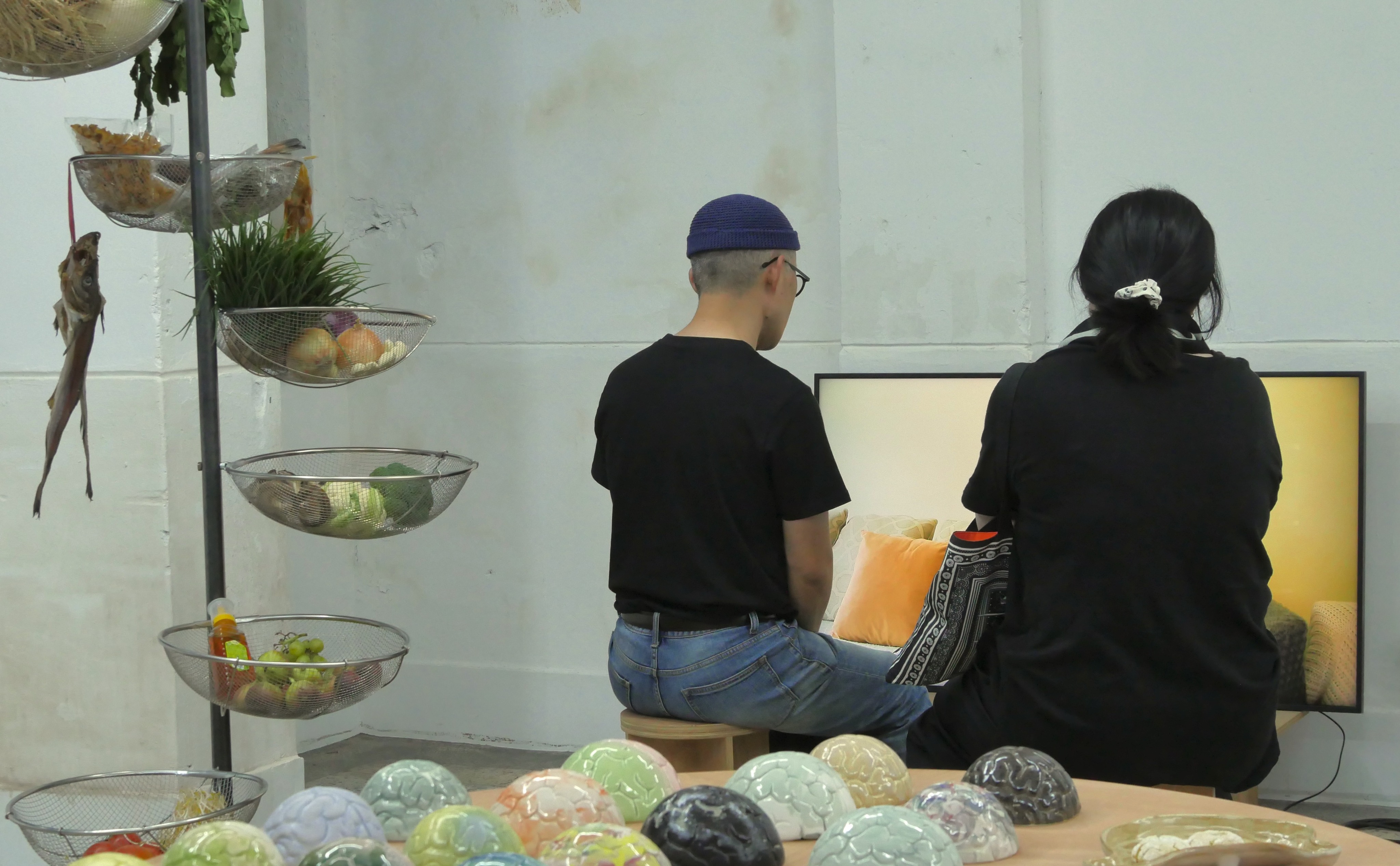
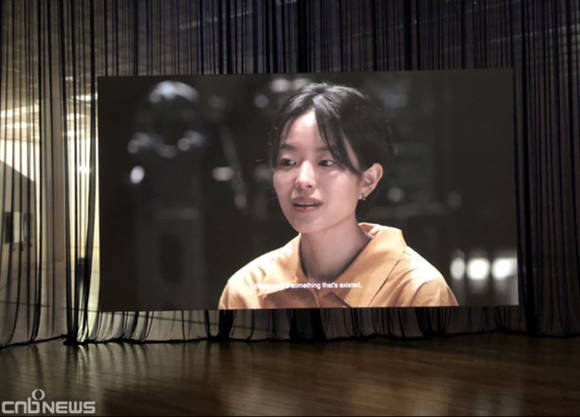
More recently, in 《Middle Ground: (Im)possible Kitchen》 (2026), she uses kitchen utensils such as sieves, mixing bowls, and tableware as components of installation structures, combining interview videos with communal dining programs to explore the rules and relationships surrounding food. Through these approaches, Gu assigns new functions and conditions to ordinary objects and activities, developing an artistic practice in which research, performance, documentation, and exhibition are closely interconnected.


Topography & Continuity

Minja Gu's practice can be situated within the development of conceptual art, performance, and socially engaged artistic practices in Korean contemporary art since the mid-2000s. Drawing on everyday experiences, she has consistently examined social institutions and conventions while questioning the relationship between artistic practice and lived reality.

Rather than presenting direct critiques of contradictions within social rules and institutions, she focuses on the discrepancies and paradoxes that emerge when these rules are put into practice. This approach, which connects personal experiences to broader social concerns, is a defining characteristic of Gu's work and reflects a critical attitude that encourages viewers to reconsider familiar realities through humor and observation.

From the mid-2000s to the early 2010s, Gu developed her practice around questions of labor, livelihood, and social relationships. Works such as 42.195 (2006), The World of Job (2008), and WINTER-ING (2010–2011) engaged her own body and labor in direct experimentation, while The Square Table: Public Hearing of the Requirements for the Artist-position Government Official (2013) and Gu & Yang Art Foundation (2013) addressed the economic survival of artists and the institutional structures of the art world.

These projects connected concerns arising from the artist's personal experiences with public discourse, examining the material conditions surrounding artistic production and circulation. Gu continued to develop these investigations while participating in exhibitions such as the 2008 Taipei Biennial and 《Young Korean Artists》 at the National Museum of Modern and Contemporary Art, Korea, in 2013.

From the mid-2010s onward, Gu expanded the scope of her investigations through international residencies and experiences of living in different cities. Encounters with diverse living environments and cultural conventions in Barcelona, New York, Ghent, and elsewhere deepened her interest in time, consumption, and place.

The series 'The Authentic Quality' (2014–) and Inside the Belly of Monstro (2015–2018) examine the value of commodities and objects through the repetitive activities of eating and consuming, while Island of the Day Before, Island of the Day After (2018) explores discrepancies between international systems of timekeeping and individual experience.

Her selection as a finalist for the Korea Artist Prize 2018 at the National Museum of Modern and Contemporary Art, Korea, marked a significant moment of recognition for her sustained investigation of social systems through everyday practices within Korean contemporary art.

Gu has continued to develop her practice by connecting questions raised in earlier works to changing social circumstances. Her 2020 solo exhibition 《INSIDE THE BELLY OF MONSTRO》 extended her investigation of everyday repetition and accumulation through objects left behind after consumption, while 《Middle Ground: (Im)possible Kitchen》 (2026) expanded her examination of food-related rules and communal relationships to issues of care labor, migration, and cultural difference.

The increasing attention to reproductive labor and communal norms in her recent work demonstrates how her longstanding concerns with labor and social institutions are being examined through more specific interpersonal and social relationships. In this way, Gu's practice continues to expand its subjects in response to changing social conditions while maintaining a consistent commitment to investigating the often-invisible systems that shape individual lives.

Works of Art

The Impact of Social Rules and Conventions on Individual Lives

Articles

Exhibitions

Activities